

Did you know you can transform your beloved slow cooker recipes into Instant Pot gold in just minutes? If you love the ease of set-it-and-forget-it slow cooking but crave faster meals without losing flavor or comfort, you’re in the right place. converting slow cooker recipes to Instant Pot not only slashes cooking time-often by two-thirds or more-but also opens the door to more versatile, pressure-cooked dishes that fit busy lives, whether you’re paleo, gluten-free, or just hungry for homemade goodness. I’ve been there: juggling work, family, and cravings for hearty meals without hours tied in the kitchen. With a few simple tweaks-like adjusting cooking times, adding just the right amount of liquid, and smart ingredient swaps-you can get dinner on the table faster without sacrificing the flavors you love. Stick with me, and I’ll share practical, easy-to-follow steps and tips to make your Instant Pot a trusted kitchen sidekick, so you can enjoy more time for life and less waiting for dinner. Ready to speed up your slow cooker favorites without stress? Let’s dive in!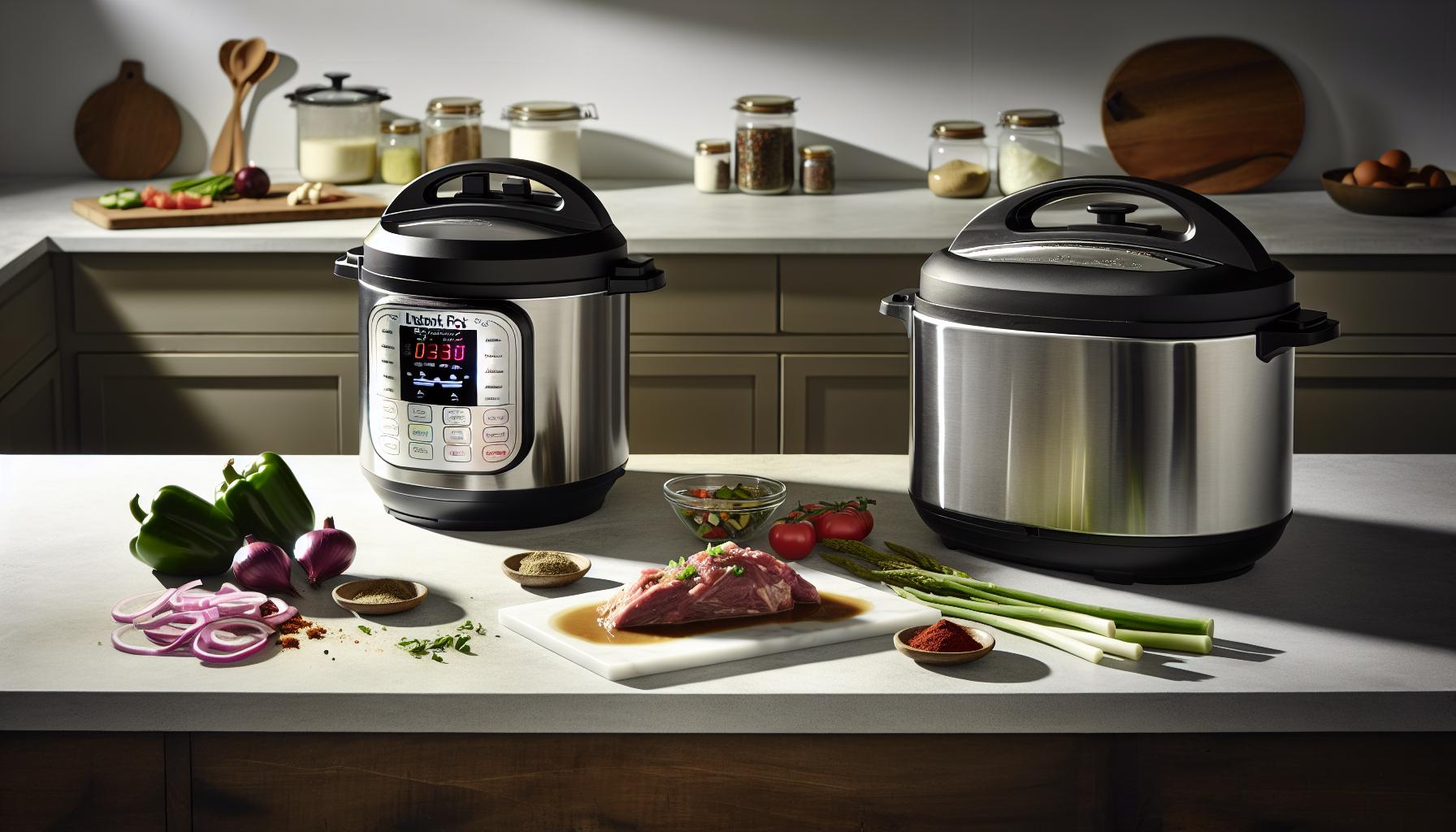
Table of Contents
- Understanding Key Differences Between Slow Cooker and Instant Pot Cooking
- Essential Instant pot Settings for Slow Cooker Recipes
- Step-by-Step Guide to Converting Cook Times Accurately
- Adjusting Liquids and Ingredients for Pressure Cooking Success
- Top Common Recipe Types and Their Instant Pot Tweaks
- How to Adapt Dietary Preferences: Paleo, Gluten-Free, and More
- Safety Tips and troubleshooting Instant Pot Conversions
- Flavor Boosting Tricks When Switching to Instant Pot
- Time-Saving Shortcuts for Busy Home Cooks
- Real-Life Kitchen Wins: Success Stories and Lessons Learned
- Q&A
- Q: How can I adjust cooking times when converting baked slow cooker recipes to Instant Pot?
- Q: What are the best Instant Pot functions to replicate slow cooker “low” and “high” settings?
- Q: How do ingredient textures change when converting slow cooker recipes to Instant Pot?
- Q: Can I convert slow cooker desserts to Instant Pot without losing moisture and flavor? How?
- Q: Why do some slow cooker recipes require more liquid than Instant Pot versions? How to adjust?
- Q: What safety tips should I keep in mind when pressurizing old slow cooker recipes in the Instant Pot?
- Q: How can I quickly test if my Instant Pot conversion of a slow cooker recipe works well?
- Q: When is it better NOT to convert a slow cooker recipe to Instant pot and stick with the original method?
- To Wrap It Up
Understanding Key Differences Between Slow Cooker and Instant Pot Cooking
Slow cookers and Instant Pots both earn their spot in modern kitchens, but they’re really quite different beasts beneath the lid.While slow cookers rely on gentle, consistent heat over several hours to tenderize and meld flavors, the Instant Pot uses high-pressure steam to dramatically speed up cooking without sacrificing taste. This difference shapes everything from prep time and liquid needs to how ingredients behave under heat. If you’ve ever waited patiently for a stew to simmer, then dived into an Instant pot meal that’s ready in a fraction of that time, you already know the magic speed difference they bring.
Pressure Cooking vs. Low and Slow
slow cookers nurture food at low temperatures-usually between 190°-210°F-infusing your dish with deep, slow-developed flavor and a meltingly tender texture, perfect for tougher cuts of meat or dishes best enjoyed over a lazy afternoon. On the flip side, the Instant Pot pressures water inside the sealed pot to reach around 250°F, cooking food about 70% faster. This rapid heat infusion changes how flavors develop and can sometimes mean slightly different textures from what you’re used to with slow cooking.
- Time: Slow cookers shine when you have hours to spare, often 6-8+ hours. Instant Pots deliver most dishes in under an hour-and sometimes just 20-40 minutes of actual cook time.
- Liquids: Slow cookers need less added liquid because steam escapes during long cooking. The Instant Pot traps all steam, so recipes require a careful balance-too much liquid risks watery results, too little risks burning or undercooked food.
- Layering Flavors: Slow cooking breaks down tough fibers gradually, mellowing strong aromatics and melding spice blends slowly. Instant Pot recipes often rely on sautéing or browning ingredients inside the pot before pressure cooking to build those flavors upfront.
Practical Tips From the Home Cook Trenches
From personal kitchen experiments, I’ve learned that converting a slow cooker recipe isn’t just about cutting time dramatically-it’s about respecting how flavors and textures respond to pressure versus slow heat. For instance, beans need soaking (or longer cook times on high pressure) to avoid mushy or undercooked results. Tough meats like brisket or pork shoulder can be lights-out tender after pressure cooking but require perfect timing to avoid dryness.Trust your Instant Pot’s sauté feature to develop savory browning and build rich bases. Unlike slow cookers that just “set and forget,” you’re more hands-on upfront with the IP-but the payoff is worth it: speedy meals that don’t compromise the soul of your favorite slow-cooked recipes. So whether you’re paleo, gluten-free, or just grateful for a shortcut on a busy night, knowing these key differences empowers you to make the Instant Pot your new best friend when converting slow cooker comfort classics.
Instant Pot Aura 10-in-1 Multicooker with Slow Cook, Sear/Sauté, and more highlights its versatility perfectly-embracing the multitasking cook’s needs by marrying slow and pressure cooking capabilities all in one pot [[1]].
Essential Instant pot Settings for Slow Cooker Recipes
There’s something pretty magical about turning that all-day slow cooker stew into a family favorite in under an hour – and nailing the Instant Pot settings is your golden ticket. When adapting slow cooker recipes to the Instant Pot, it’s all about choosing the right program and knowing when to lean on your Pot’s multitasking powers, like sauté or slow cook modes. Instant Pots come with a handful of settings,but for slow cooker conversions,the big three to keep in your pocket are Pressure Cook (Manual),Sauté,and Slow Cook.Pressure Cook is your bread and butter for replicating that slow cooker tender,but with speed. Usually, recipes set for 6-8 hours in a slow cooker transform into meat-and-veg delights in just 30-60 minutes here. Just remember: high pressure cooks hotter and faster, so shorter times are key. And before sealing the lid, always select “More” or “High Pressure” for robust flavor penetration. if the recipe calls for browning or building layers of flavor, don’t skip the Sauté feature – it’s a game changer to caramelize onions, toast spices, or sear meat right in the pot, which slow cookers just can’t do.
Some Instant Pot models also have a “Slow Cook” function, which is perfect if you want to replicate the classic low-and-slow vibe without switching devices. However,the temperature controls vary slightly from standard slow cookers,so you might have to fiddle with settings like “Less,” “Normal,” or “More” to get the tenderness you crave. (Pro tip: use “More” for recipes originally on high heat, and “Normal” for low.)
- Pressure Cook (Manual): For transforming customary hours-long recipes into under 1-hour wonders. Ideal for meats, stews, and legumes.
- Sauté: Essential to brown proteins and veggies upfront-think of it as a flavor booster and texture helper.
- Slow Cook: When you want to enjoy the classic crockpot effect, just faster or with a little temperature tweaking.
In my kitchen adventures, I always set the Instant Pot to high pressure when adapting slow cooker meals unless ingredients are very delicate (like fish or veggies, which may call for less time or even natural pressure release to avoid mush).Also,pay attention to the pressure release method: natural release continues gentle cooking,while quick release stops heat fast-tailor this to your recipe’s texture needs.
Instant Pot settings may feel like a lot to master at first, but with a little practice, you’ll feel like you’ve got a culinary superpower. Just remember, your multi-use cooker is all about flexibility, letting you craft paleo, gluten-free, or classic comfort meals with ease and less wait time-and that’s when kitchen magic really happens! Rest assured, your slow cooker favorites are just a button press away from a whole new quick-cooked life.
Step-by-Step Guide to Converting Cook Times Accurately
Cooking times are the heart of mastering the Instant Pot conversion game-get these right, and you’re basically a kitchen wizard. Unlike slow cookers that leisurely coax flavors over hours,Instant Pots lock in heat and pressure,making everything cook faster and often a bit more powerfully. So, you can’t just slap the same timings on and hope for the best; a little math and some understanding go a long way here. Trust me, I’ve tested it with everything from beef stew to bean chili (don’t ask how many times!), and dialing in the right cook time is what saves the day-or the dinner.
The golden rule is simple: cut your slow cooker time down to roughly one-third or less when using the Instant Pot on high pressure. For example, a recipe calling for 6 hours on low in the slow cooker frequently enough turns into about 25-30 minutes under high pressure. But it’s not all about slicing time. You also have to factor in that the Instant Pot takes a few minutes to come to pressure before the actual countdown starts and additional minutes for natural pressure release depending on your protein or veggies. This extra “pre- and post-cook” time means your actual total time in the kitchen may hover around 45 to 60 minutes-which is still a huge win compared to a slow cooker’s all-day commitment.
How to do It: A Quick Conversion Cheat Sheet
- High Slow Cooker (3-4 hours): Pressure cook for about 10-15 minutes on high pressure.
- Low Slow Cooker (6-8 hours): Pressure cook for 20-30 minutes on high pressure.
- Super low slow cooker (8+ hours): Pressure cook for 30-40 minutes on high pressure.
That’s your starting map in the time-conversion jungle. Remember, dense cuts of meat or dried beans generally need the longer end of the pressure cooking scale, while tender veggies and seafood might only need 5-10 minutes tops to avoid turning to mush.
extra Tips From My Instant Pot Kitchen Testing
- Use the natural pressure release method when cooking delicate meats or dishes with beans and grains. It prevents them from shock-cooking too fast and breaking down.
- For recipes originally made for high heat slow cooking, bump Instant Pot cook time by 10-15% compared to ones cooked on low to ensure tenderness.
- Layer flavors using Sauté mode before pressure cooking – it speeds up the whole process by caramelizing onions or browning meat so your end dish feels like it simmered all day.
- If a recipe calls for thickening at the end, > wait to add ingredients like dairy, thickeners, or herbs until after pressure cooking to keep textures spot-on.
| Slow Cooker Time | Instant Pot Pressure Cook Time (High) | Notes |
|---|---|---|
| 3-4 hours (High) | 10-15 minutes | Use quick release for hearty stews |
| 6-8 hours (Low) | 20-30 minutes | Natural release recommended for meats |
| 8+ hours (Low) | 30-40 minutes | Ideal for tough cuts like brisket |
| Vegetables & Fish | 5-10 minutes | Quick release to avoid overcooking |
Cooking is all about feel, not just rules-so don’t stress if your first try needs tweaking. I once undercooked a pork shoulder by trying my exact math and had to give it another round under pressure. Now, that’s all part of the fun. With a bit of trial, error, and tasting along the way, you’ll build confidence transforming your beloved slow cooker staples into Instant Pot magic in a flash. And hey,who doesn’t love feeding hungry loved ones with less waiting?
Adjusting Liquids and Ingredients for Pressure Cooking Success
One of the biggest shifts you’ll notice when converting slow cooker recipes for your Instant Pot is how liquids behave. Unlike slow cookers that let moisture gently evaporate over hours, the sealed habitat of an Instant Pot traps steam, intensifying flavors but also concentrating liquids. That means you usually have to dial back the broth, water, or other cooking liquids by about a third to avoid ending up with a watery stew or soup.If you’ve ever accidentally made a stew that looks more like a swimming pool, you’ll appreciate this trick!
another key tip: make sure you always have at least 1 to 1.5 cups of liquid in the pot before sealing it. Pressure cooking relies on steam to create that magical high heat, so skipping or skimping on liquid can lead to error messages or food that scorches on the bottom – nobody wants that post-dinner scramble! For thicker sauces, wait until after pressure cooking to add dairy, nut-based creams, or thickeners like arrowroot or xanthan gum, as these ingredients can break down or separate under pressure. Trust me, adding them in last will keep your paleo-kind creamy soups silky and stable.
Balancing Ingredients for Best Texture
it’s also worth tweaking the types or amounts of veggies and tougher proteins you use. Fast-cooking delicate veggies like zucchini or spinach can turn to mush in minutes under pressure,so consider adding these at the end during a quick sauté or stir step rather of pressure cooking them long. On the flip side,dense root veggies-think carrots,potatoes,and parsnips-love the pressure cooker but also soak up liquid as they cook,so you might need to bump up your broth slightly to keep your stew perfectly saucy.
- Beans and grains: Pre-soaking helps, but also reduce liquid slightly compared to slow cooker recipes as less evaporation occurs.
- Fat and oils: go easy with fats like olive oil or butter before pressure cooking since flavors intensify; you can always add extra richness after cooking.
- Spices and herbs: Fresh herbs are best saved for the end to keep their brightness; dried spices generally hold up fine during pressure cook.
In my kitchen adventures, I’ve learned that treating your Instant Pot recipes like a living experiment makes the process way less intimidating. such as, when making a gluten-free beef stew, cutting back on broth and saving cream or coconut milk until after pressure cooking turned a recipe that gave me a watery disappointment the first time into a luscious, comforting bowl of yum. Keep tasting, adjusting, and celebrating those wins-everyone deserves that “wow, I made this!” feeling, no matter the diet or time crunch.
Top Common Recipe Types and Their Instant Pot Tweaks
One of the coolest things about using an Instant Pot is how it transforms classic slow cooker dishes-fast! Whether you’re craving a hearty stew, tender pulled pork, or a pot of flavorful beans, each recipe type has its own instant Pot magic trick to nail the texture and flavor in way less time. but heads up: cooking times shrink dramatically, so dialing in the right tweak for each dish means less guesswork and more yum on your dinner plate.
Meaty dishes like pot roast or short ribs thrive in the Instant Pot’s pressure cooking world. Unlike slow cookers where you let meat slowly break down over 8 hours, pressure cooking quickly shreds connective tissue, locking in juicy tenderness-but only if you don’t rush! For these, I usually cut the liquid by about a third since the sealed pot traps steam, and cook on high pressure for roughly 35 to 45 minutes, followed by a natural release for that melt-in-your-mouth finish. Don’t forget to hit the sauté mode first to brown your meat and aromatics-that flavor boost is a game changer and can’t be faked! For paleo or gluten-free diets, this same method works beautifully, just swap soy sauce for coconut aminos or tamari as needed.
beans and legumes are another category that surprises many. Unlike slow cookers, where beans soak and simmer slowly all day, the Instant Pot speeds things up. I always recommend pre-soaking if you can, but dry beans can cook without soaking in about 30 minutes on high pressure. Just remember to reduce the liquid slightly compared to slow cooker recipes-typically by about 25%-to avoid soupy results. One tip from my kitchen: layer your beans with dried herbs and add fresh herbs after cooking to keep their brightness alive. This little trick keeps your chili or bean stew bursting with flavor without losing that fresh-herb punch.
Veggies & Grains: Timing and Texture Tricks
Vegetables and grains require a bit more finesse because they vary widely in cooking speed. Dense root veggies like carrots, potatoes, and beets love the pressure cooker-they get fork-tender in a snap without drying out. I usually toss these in with my meats and cook together for best flavor meld, but watch cooking times carefully if you’re adding quick-cook veggies like zucchini or greens-they turn to mush fast under pressure. I add those last, either stirring them in after pressure cooking or using the sauté function briefly to keep things fresh and crisp.For grains like quinoa or brown rice, soaking isn’t always essential, but liquid ratios are key: stick to about 1½ cups liquid per cup grain and use the pot’s manual setting to tweak from there.
Cooking for Special Diets: Making It Work
If you’re gluten-free or paleo, you’re in luck-the Instant Pot’s versatility easily adapts to dietary needs without sacrificing flavor or texture. For example, my favorite paleo chili swaps out beans for extra veggies or shredded meat and relies on homemade broth and fresh spices. Gluten-free eating is just as simple; tweaking thickening agents (think arrowroot instead of flour) and using coconut milk or cream after pressure cooking keeps sauces luscious without fuss. Best part? These tweaks don’t add cook time, just a bit of timing thought, so weeknight dinners still feel effortless.
- Slow juice meats: Brown first, pressure cook 35-45 mins, natural release, reduce liquid by 1/3.
- Beans: Soak if possible, pressure cook 25-30 mins, less liquid by ~25%.
- root veggies: Cook with meat, no changes needed except adjusting liquid.
- Delicate veggies: Add post-pressure or use sauté function.
- Grains: Follow liquid ratio carefully (1:1.5), cook on manual pressure.
In short, your Instant Pot is like a kid in a candy shop when it comes to recipes that usually take forever in a slow cooker-it speeds up cook times while intensifying flavors. Play around with these tweaks,and you’ll be dishing out comforting,diet-friendly meals that turn “too busy to cook” into “wow,I *made* this!” in minutes flat.
How to Adapt Dietary Preferences: Paleo, Gluten-Free, and More
Switching from slow cooker to Instant Pot doesn’t mean you have to give up your favorite paleo or gluten-free meals – actually, it frequently enough makes sticking to these diets easier and faster. The Instant Pot’s pressure cooking magic intensifies flavors while keeping textures on point, which is a win-win if you want wholesome, diet-friendly food without the all-day wait. Plus, with a few simple swaps and tweaks, converting slow cooker recipes for special diets can be downright fun and surprisingly straightforward, even if you’re juggling a busy weeknight.Take paleo cooking,such as.Since beans and grains aren’t part of the paleo toolkit, I love swapping those out for extra veggies, shredded meat, or hearty root vegetables in Instant Pot versions of chili or stew.For liquid seasoning, ditch soy sauce and reach for coconut aminos or tamari instead – they’re perfect allergy-friendly stand-ins that still pack umami power. The Instant Pot’s sauté function is a great chance to brown your meat and build deep flavor upfront, which cooks out even richer than a slow simmer. Here’s a quick breakdown:
- Use homemade or low-sodium broth to keep it clean and flavorful
- Skip grains and legumes if following paleo; boost veggies or meats instead
- Season with fresh herbs and paleo-friendly sauces like coconut aminos
- Cook times stay short: 30-45 minutes high pressure, plus natural release
Gluten-free cooking is just as breezy. Anytime your slow cooker recipe calls for thickening with flour, try arrowroot or tapioca starch instead – stir them in after pressure cooking when the pot is off so you avoid clumping and get silky sauces. Coconut milk or cream (added post-cooking) brings luscious richness without the gluten guilt in curries or creamy soups. I once tossed gluten-free pasta right in toward the end of the Instant Pot cycle for one-pot lasagna-style dinners,and it was a game changer for families craving comfort food without compromise.
Practical Meal Tweaks for Paleo & Gluten-Free Fans
| Meal Type | Paleo Adaptations | Gluten-Free Tips |
|---|---|---|
| Chilis & Stews | Replace beans with extra veggies/shredded meat | Sub arrowroot starch for flour thickener |
| soups & Creamy Dishes | Use coconut cream instead of dairy | Add coconut milk post-pressure for creaminess |
| Meat & Poultry | Brown using sauté, use coconut aminos | Ensure sauces and broths are gluten free |
don’t worry about being perfect – the Instant Pot invites you to get creative and reduce cooking anxiety, even if you’re switching diets or just snack-savvy. I love to experiment by seasoning as I go and tasting after pressure cooking, so adjustments feel natural and not overwhelming. Whether it’s a weeknight dinner blitz or meal prepping for the week, converting slow cooker favorites into Instant Pot masterpieces means you spend more time enjoying food and less time stressing over the “rules.”
So, grab your favorite slow cooker recipe, then toss in a few swaps like coconut aminos or arrowroot starch, trim the liquid by about a third (since the Instant Pot traps steam tightly), and boom – you’re on your way to a vibrant, diet-friendly dinner that feels anything but boring. And if you want a quick win, start with hearty paleo chili or a comforting gluten-free chicken stew – full flavor, zero fuss, maximum wow factor.
Safety Tips and troubleshooting Instant Pot Conversions
Cooking with an Instant Pot can feel like magic, but it does come with its own set of quirks-especially when you’re adapting recipes from the slow cooker. A common rookie move? Underestimating how the Instant Pot manages pressure and steam, which can lead to burned food or the dreaded “burn” warning flashing ominously on the screen. But don’t worry-these little hiccups are normal and absolutely fixable, like seasoning a stew until it sings. A few simple checks and mindset shifts will have you conquering those pressure cooking moments with confidence and ease.
First off, always double-check you’ve got enough liquid in the pot-think at least 1 cup-to create the steam needed for pressure. Without it, the Instant Pot won’t pressurize properly, and your meal could scorch. Unlike slow cookers, the Instant Pot is a sealed environment, so liquids don’t evaporate much, which means you usually *reduce* the liquid called for in slow cooker recipes by about a third-but never ditch it entirely.If you’re making a thick stew or chili,add liquid carefully,and remember you can always thicken sauces *after* pressure cooking with arrowroot starch or tapioca flour for gluten-free magic.
Another great tip: when swapping slow cooker recipes to the Instant Pot, resist the urge to lift the lid right away. Use the natural pressure release method whenever time allows. this lets your food finish cooking gently and hold onto moisture and flavor, especially vital for tender meats or paleo-friendly dishes like pulled pork. If you rush to quick-release, you risk tough textures or even spurting hot steam (ouch!).And if you ever get a “burn” alert even though there’s liquid, check the bottom for stuck-on bits before pressing “continue.” Sometimes browning directly in the pot helps avoid this, so don’t shy away from using the sauté function to build flavor upfront.
Quick Fixes when Things Go Sideways
- Burn warning flashing? Add more liquid, stir, and scrape the bottom carefully before resuming pressure cooking.
- Seal won’t build? Make sure the valve is set to “Sealing,” the lid is locked properly, and there’s enough liquid inside.
- Dish too watery? After pressure cooking, switch to “Sauté” mode and simmer to reduce excess broth or thicken with gluten-free starches.
- Meat still tough? Extend cooking time in 5-minute increments under high pressure, then allow natural release for best tenderness.
In my own kitchen adventures, I once mistook broth volume for instant gratification and got a burn error on my paleo chili. Lesson learned: a healthy glug of homemade bone broth-and using that sauté step first to brown the meat-makes all the difference between “charred chaos” and “dinner delight.” And when converting family-favorite gluten-free casseroles, adding coconut milk after pressure cooking not only ramped up the creaminess but saved me from stodgy soups turning into glue traps.
Remember, your Instant Pot sidekick is just that-a buddy in the kitchen. Keep notes on your tweaks and don’t be afraid to experiment with those paleo swaps or gluten-free thickening agents. Before long, you’ll turn those slow cooker recipes into fast, flavorful pressure cooker hits that fit right into your busy life without sacrificing any of the yum. So embrace the learning curve, celebrate the wins (even the burnt edges), and let that Instant Pot work its pressure-cooking magic safely and seamlessly.
Flavor Boosting Tricks When Switching to Instant Pot
There’s something almost electric about the way pressure cooking in an instant Pot intensifies flavors-often turning the ordinary into remarkable in a fraction of the time. But when you’re adapting slow cooker recipes, it’s easy to miss out on those deep, layered tastes that low-and-slow methods excel at. The good news? A few mindful tweaks can help you coax every ounce of flavor out of your meals,whether you’re whipping up a paleo beef stew or a cozy gluten-free chili.
One trick that I always recommend is taking advantage of the Instant Pot’s sauté function before sealing the lid. This little step is a game-changer because it lets you brown your meat, soften aromatics like onions and garlic, and bloom spices-all the flavor-building moves that slow cooking naturally develops over time. Instead of dumping everything in and pressing start, spend 5-10 minutes on sauté, stirring and stirring until the kitchen smells like dinner is already ready. It’s like giving your dish a flavor head start that pays off big time. And if you’re aiming for gluten-free or paleo, sticking to fresh herbs and warming, earthy spices like smoked paprika, cumin, and fresh ginger can layer in complexity without any additives.
Layering Flavor Without Extra Fuss
- Use concentrated broths: bone broth or reduced vegetable stock adds richness. As the Instant pot traps moisture, you can dial broth down slightly from slow cooker amounts without losing that savory base.
- Add acid at the end: A splash of fresh lemon juice, apple cider vinegar, or coconut aminos brightens flavors and balances richness-a tip that works wonders in paleo and whole30 meals.
- Finish with fresh herbs or garnishes: Think chopped cilantro, basil, scallions, or toasted nuts. These final touches add both freshness and texture contrast that might be muted during pressure cooking.
If you’re converting a classic slow cooker recipe like pulled pork or chili,remember that instant cooking doesn’t equal instant depth. Letting the Instant Pot naturally release steam for 10-15 minutes after cooking keeps meat juicy and tender, giving residual heat time to gently meld flavors instead of snapping into place too quickly. On the practical side, you can always stir in coconut milk or canned pumpkin after the pressure cycle for creaminess without compromising those paleo or gluten-free guidelines.
don’t shy away from shortcuts that actually amplify flavor. Pre-made spice blends,homemade chili paste,or even a quick splash of smoky chipotle adobo sauce can transform a weeknight meal into a memorable plate without a ton of prep. Because let’s be honest: busy home cooks deserve meals that feel special with minimal effort-and the Instant Pot is your secret weapon to make that happen, one flavor-packed bite at a time.
Time-Saving Shortcuts for Busy Home Cooks
There’s something downright magical about turning hours of slow cooker simmering into a delicious meal in under an hour-without sacrificing flavor or texture. when life gets busy, embracing clever shortcuts with your Instant Pot not only saves time but keeps dinner stress-free and surprisingly tasty. The key is knowing which steps to streamline and where a little extra attention makes all the difference. As a notable example, using pre-chopped frozen veggies or a high-quality store-bought bone broth instantly cuts down your prep time while staying true to paleo or gluten-free vibes.
One of my personal favorites is harnessing the power of the Instant Pot sauté mode first-it’s like setting the stage for a gourmet performance. Tossing in aromatics like garlic and onions, giving spices a quick toast, or browning meat before the pressure cooking step adds layers of flavor you might otherwise miss if you dump everything in raw.This step only takes about 5-10 minutes but makes your dish taste like you’ve spent hours on it. Plus, no extra pans to clean means less kitchen chaos-seriously, every busy cook’s dream!
Quick ingredient Swaps and Prep Hacks
- Frozen chopped garlic or ginger: A tablespoon or two can replace fresh prep and still provide that warm, comforting spice.
- Canned diced tomatoes instead of fresh: Perfect for chili or stew, and they keep on hand for spontaneous recipe conversions.
- Pre-mixed paleo-friendly spice blends: Like smoked paprika with cumin and coriander-ditch measuring spoons and sprinkle in one go.
You’ll find that pressure cooking naturally intensifies flavors-so you can ease up on added oils or salt compared to slow cooker recipes.This means you can frequently enough simplify ingredient lists, which is a huge time saver. In my gluten-free Butternut Squash Soup, using pre-cubed butternut from the frozen section cuts chopping time drastically while the instant Pot does the heavy lifting to develop that silky, rich texture.
Batch Cooking Meets Instant Pot Magic
Batch cooking is another lifesaver when juggling work,family,and everything in between. The Instant Pot cuts cooking times enough that making double or triple portions isn’t a huge time commitment. Portion out leftovers into single-serving containers and keep paleo or gluten-free lunches ready without any fuss. you’ll thank yourself on those hectic mornings!
By embracing these shortcuts alongside Instant Pot settings tuned to mimic slow cooker textures, you’re not only saving minutes-you’re transforming weeknight meals into flavorful, nourishing dishes with way less stress. And that, my friend, is how you turn busy days into delicious victories.
Real-Life Kitchen Wins: Success Stories and Lessons Learned
There’s something truly satisfying about flipping a slow-cooked dinner tradition into an Instant Pot triumph, shaving hours off the clock without losing those rich, comforting flavors. One home cook I know started with a favorite paleo beef stew recipe that usually simmered all day but ended up perfectly tender after just 35 minutes of pressure cooking. The key? Browning the meat and sautéing aromatics first, then cutting back the liquid slightly to avoid a watery stew. She was thrilled to have dinner ready faster than expected while sticking to her dietary goals.
Another memorable win comes from gluten-free family cooks juggling picky eaters and busy schedules. Swapping out slow cooker times for Instant Pot ones meant lunchtime soups, like a creamy butternut squash, could be tossed together in under an hour-even on a hectic morning. Using pre-cut frozen veggies and canned broth kept prep minimal. Her tip: don’t be afraid to play with the liquid ratios; Instant Pot needs less, but some dishes still benefit from a splash of extra broth at serving.Her “fail-safe” rule? If it’s soupy, just let the pot do a quick sauté with the lid off at the end to thicken things up.
Practical Tips From Real Kitchens
- Preheat with Sauté: Many users found flavor leaps by sautéing spices,onions,or meat before sealing the lid. This little extra step makes all the difference.
- Adjust Liquids Early: Instant Pot’s sealed environment means you usually need less liquid than a slow cooker. One tablespoon less broth per cup frequently enough works well.
- Test and Tweak: Not every slow cooker recipe translates exactly,so treat the first conversion as a practice run. Use results to fine-tune time and seasoning next go.
A delightful surprise was how well naturally thick sauces or chili held up with shorter Instant Pot cooking times-without that long slow cooker wait. For busy weeknight meals needing paleo or gluten-free adjustments, the pressure cooker cuts the stress without sacrificing that homemade feel. Plus, batch cooking multiples became so doable, even a hectic household could eat clean and homemade all week.
Embracing Instant Pot shortcuts with a sense of play and flexibility helped another friend ditch all-or-nothing mentalities.She swapped fresh garlic for frozen, canned tomatoes for fresh, and even found “dump-and-go” spice mixes that saved minutes but kept bold flavor. The wins weren’t just faster meals-they were less kitchen stress, more leftover lunches, and a stronger confidence that delicious can be simple, too.
The take-home? Converting slow cooker recipes to Instant Pot success is like discovering a secret kitchen superpower. It’s about loving your tried-and-true dishes but giving yourself permission to bend the rules and experiment. After all, the best meals happen when we cook with joy, not perfection.
Q&A
Q: How can I adjust cooking times when converting baked slow cooker recipes to Instant Pot?
A: Baked slow cooker recipes usually need shorter, high-pressure cooking in the Instant Pot. Reduce cook time by about 70-75% compared to slow cooker times, use the “Pressure Cook” setting, and rely on natural release for delicate textures. Check step-by-step Guide to converting Cook Times for detailed timing tips in our article.
Q: What are the best Instant Pot functions to replicate slow cooker “low” and “high” settings?
A: The “Slow Cook” function on Instant Pot mimics slow cooker settings, with adjustable temperature modes like “Less” (low), “Normal” (medium), and “More” (high). For quicker meals, use “Pressure Cook” for high heat, then natural release. Explore Essential Instant pot Settings for more on setting adjustments.
Q: How do ingredient textures change when converting slow cooker recipes to Instant Pot?
A: Instant Pot’s pressure cooking tenderizes ingredients faster but can overcook tender veggies or delicate proteins. Cut these smaller and reduce cook time accordingly. Refer to Adjusting Liquids and Ingredients in our guide for smart ingredient tweaks to keep texture just right.
Q: Can I convert slow cooker desserts to Instant Pot without losing moisture and flavor? How?
A: Yes! Use the “Pot-in-Pot” method to steam desserts in the Instant Pot, preserving moisture and texture. Lower pressure settings and shorter cook times prevent dryness. Check out our flavor tricks and pressure adjustments to keep desserts moist and delicious with ease.
Q: Why do some slow cooker recipes require more liquid than Instant Pot versions? How to adjust?
A: Slow cookers lose more moisture through steam, so they need extra liquid; Instant Pots trap steam tightly, requiring less liquid. Reduce liquids by about 1/3 when converting. Visit Adjusting Liquids and Ingredients section for exact measurements and tips to prevent over-thinning or burning.
Q: What safety tips should I keep in mind when pressurizing old slow cooker recipes in the Instant Pot?
A: Always ensure the sealing ring is intact,avoid overfilling (max 2/3 full),and use enough liquid to create necessary steam. Avoid thick sauces before cooking; add them post-pressure for safety. Our Safety Tips and Troubleshooting section covers vital safeguards for stress-free conversion.
Q: How can I quickly test if my Instant Pot conversion of a slow cooker recipe works well?
A: Do a scaled-down test batch using half ingredients and monitor texture closely after the first try. Adjust cook times or liquid for the next batch based on results. This quick trial ensures your new Instant Pot recipes turn out flawless every time.See Real-Life Kitchen wins for inspiring success tips!
Q: When is it better NOT to convert a slow cooker recipe to Instant pot and stick with the original method?
A: Avoid converting recipes with long, slow marinades or very delicate ingredients that benefit from gradual cooking. also, traditional slow cooker recipes prized for “set and forget” simplicity sometimes lose texture or flavor under high pressure. Review Understanding Key Differences for when to choose each method wisely.
Feel free to explore related sections of the article for deeper insights and ensure perfect transitions from slow cooker comfort to Instant Pot speed. Happy cooking!
To Wrap It Up
Ready to ditch the slow cooker wait and master instant pot magic? By adjusting cook times and liquid ratios, you’re just minutes away from transforming your favorite slow cooker recipes into speedy, flavor-packed meals that fit perfectly with gluten-free, paleo, or comfort food cravings. Whether you’re juggling busy weekdays or weekend feasts, this quick conversion unlocks new kitchen freedom without sacrificing taste or ease.
If you want to expand your pressure-cooking skills, check out our guide on Instant Pot Meal Prep Hacks or explore Paleo-Friendly One-pot Recipes that make cleanup a breeze. Don’t forget to grab our free printable conversion chart to keep by your Instant pot-it’s the perfect kitchen sidekick to simplify your cooking routine.Feeling stuck on ingredient swaps or timing tweaks? Drop a comment below or subscribe to our newsletter for personalized tips, seasonal recipes, and fun shortcuts tailored just for home cooks like you.
Keep cooking smart and savoring every bite-because delicious paleo and gluten-free meals don’t have to be elaborate or time-consuming.dive into more Instant Pot inspiration next and turn those slow cooker classics into fast, fabulous dinners tonight!


