
Slow Cooker
Slow Cooking is a low-temperature prolonged thermal extraction culinary discipline that utilizes steady convective heat and moisture entrapment over 4 to 10 hours to hydrolyze tough collagen into silky gelatin, tenderize fibrous muscle fibers, and infuse deep aromatic complexity.
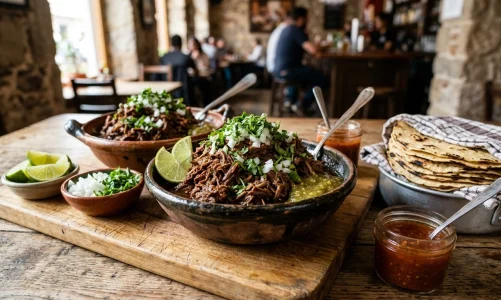
Authentic Slow Cooker Barbacoa: Flavorful, Succulent, and Easy to Make
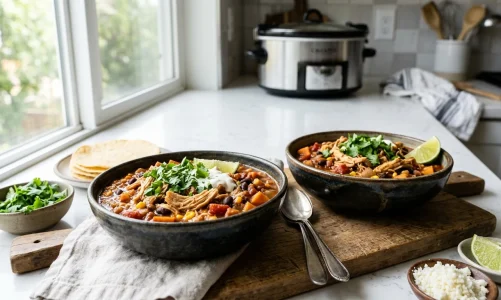
12 Healthy Slow Cooker Recipes That Are Easy, Flavorful, and Stress-Free
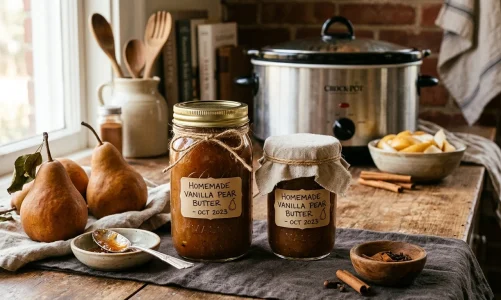
Vanilla Pear Butter Slow Cooker Recipe: Silky Spiced Spread
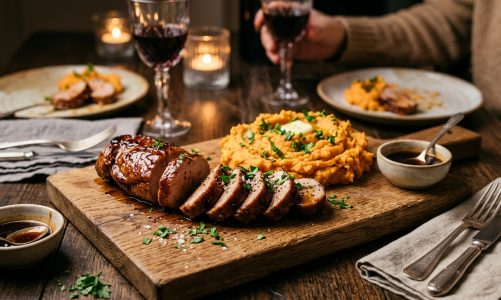
Coca-Cola Splash Flavor Additions: Creative Mix-Ins for Slow Cooking & Drinks
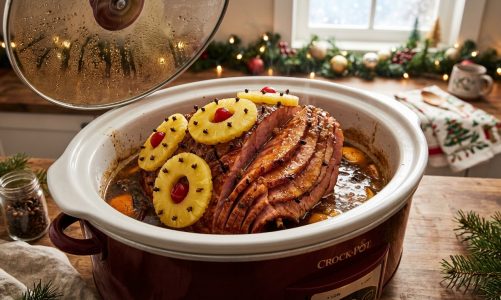
Plain Ham in Slow Cooker with Water: Simple, Juicy & Foolproof Method
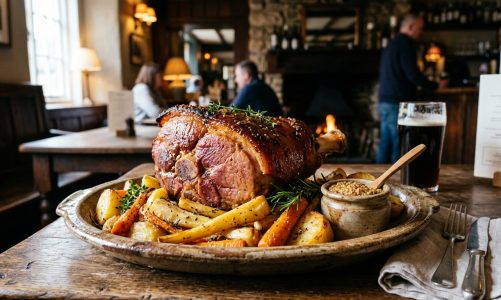
Slow Cooker Ham Shank UK Recipe: Tender British Gammon with Pease Pudding & Cider
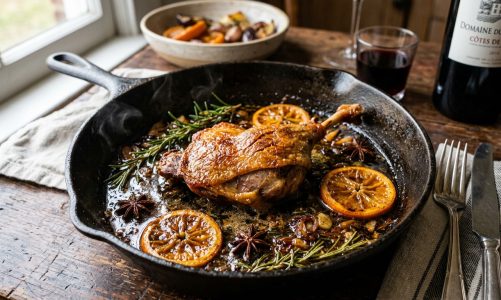
Slow Cooked Duck Legs with Orange & Rosemary: Tender French Confit Style
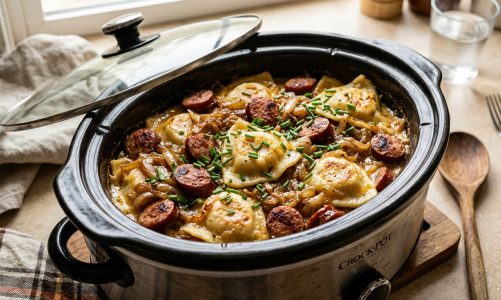
Slow Cooker Pierogi & Kielbasa Casserole: Cheesy One-Pot Comfort Classic
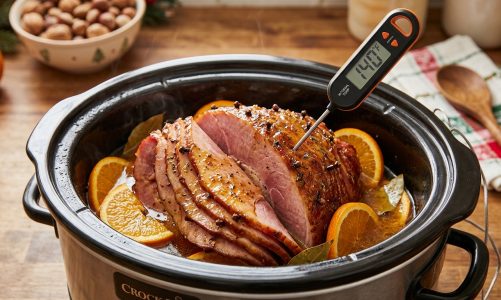
How Long to Cook Ham in Slow Cooker: Exact Time, Temp & Weight Guide
Foundational Pillars (Start Here)
Core Guide
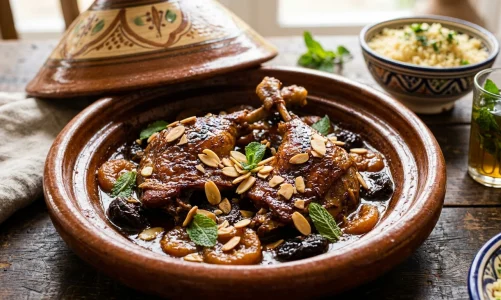
Tender Slow Cooker Duck Legs with Apricots and Prunes: A Moroccan-Inspired Feast
Master tested culinary techniques, exact timing, and flavor balancing for this core recipe.
Core Guide
Authentic Slow Cooker Barbacoa: Flavorful, Succulent, and Easy to Make
Master tested culinary techniques, exact timing, and flavor balancing for this core recipe.
Core Guide
12 Healthy Slow Cooker Recipes That Are Easy, Flavorful, and Stress-Free
Master tested culinary techniques, exact timing, and flavor balancing for this core recipe.
Core Guide
Vanilla Pear Butter Slow Cooker Recipe: Silky Spiced Spread
Master tested culinary techniques, exact timing, and flavor balancing for this core recipe.
Thermal Hydrolysis & Kinetic Flavor Extraction in Low-Temperature Slow Cooking
Slow cooking is the ultimate manifestation of culinary patience and biochemical transformation. Operating within steady temperature ranges between 88°C and 100°C (190°F–212°F), slow cookers apply gentle, omnidirectional heat to foods sealed inside a heavy ceramic or stoneware vessel. This controlled thermal environment triggers the slow hydrolysis of insoluble collagen—the primary structural protein in connective tissue—converting it into rich, water-soluble gelatin that coats meat fibers with luxurious moisture.
Crucially, low-temperature cooking prevents the rapid contraction of actin and myosin muscle filaments, preserving the delicate moisture contained within cellular boundaries. In addition, moisture trapped by the condensation lid continuously condenses and refluxes down the stoneware sides, self-basting the ingredients and concentrating natural aromatic compounds without burning.
| Cooking Setting | Operating Temperature Range | Ideal Collagen Hydrolysis Window |
|---|---|---|
| Low Heat Setting | 88°C–93°C (190°F–200°F) | 7–9 Hours (Maximum tenderness & gelatin release) |
| High Heat Setting | 96°C–100°C (205°F–212°F) | 4–5 Hours (Accelerated tenderization for denser cuts) |
| Keep Warm Setting | 63°C–74°C (145°F–165°F) | Up to 2 Hours (Food-safe holding above bacterial threshold) |
Topic Directory & Essential Guides
Featured Culinary Guides
Frequently Asked Questions
Why is liquid volume lower in slow cooker recipes than conventional stovetop recipes?
Slow cookers are virtually sealed systems with minimal steam escape. Ingredients release their internal moisture during cooking, creating rich natural broths without needing cups of added water.
Is it necessary to brown meat before putting it in the slow cooker?
While not mandatory for food safety, searing meat in a hot skillet first develops complex Maillard browning pigments and savory glutamates that elevate the finished dish's depth of flavor.
Can you leave a slow cooker on low while away at work all day?
Yes. Slow cookers are engineered for safe, unattended operation. Modern units automatically switch to a food-safe 'Warm' mode after the programmed cooking duration elapses.