
Gluten Free
Gluten-Free Cooking & Baking is a scientifically calibrated allergen-free culinary standard that replaces gliadin and glutenin viscoelastic protein networks with alternative hydrocolloids and composite starch matrices to achieve structural crumb integrity, optimal moisture retention, and zero cross-contamination risks.
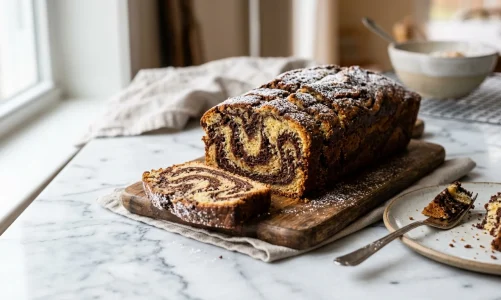
The Ultimate Magic Marble Cake (GF Recipe): Gluten-Free, Moist, and Swirled to Perfection
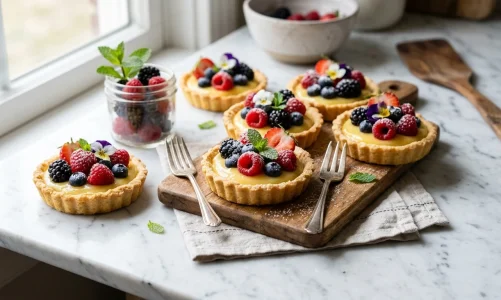
Elegant Tart Recipes: Gourmet Gluten-Free Baking Guide
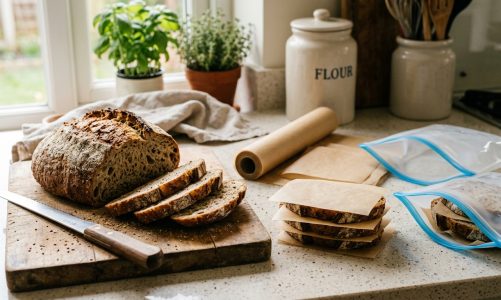
Can You Freeze Gluten-Free Bread? Complete Slicing, Thawing & Freshness Guide
How to Keep Homemade Bread Fresh: Storage Science, Freezing & Anti-Staling Guide
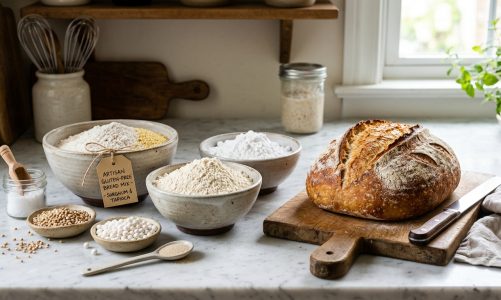
Gluten-Free Cooking Basics: Essential Guide to Flours, Binders & Pantry Staples
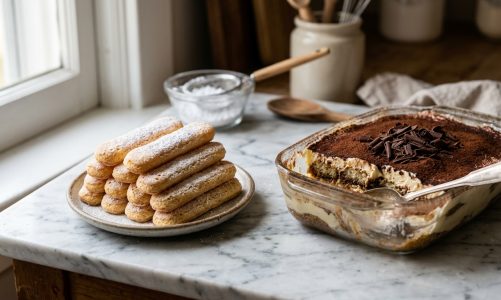
Gluten-Free Sponge Fingers (Savoiardi / Ladyfingers): Light & Crispy Tiramisu Recipe
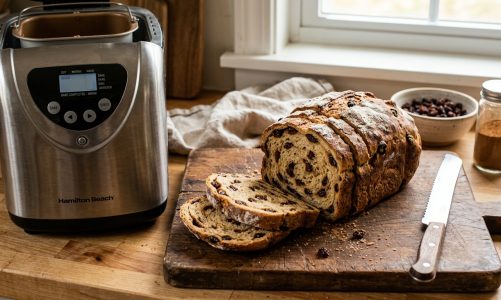
Sugarless Raisin Bread in Bread Machine: Soft, Naturally Sweetened Recipe
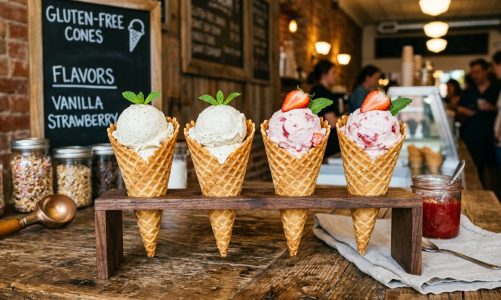
Gluten-Free Wafer Cones: Top Store Brands & Crispy Homemade Recipe Guide
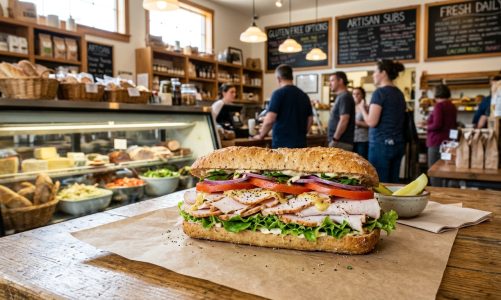
Does Capriotti’s Have Gluten-Free Bread? Menu Guide & Celiac Safety Facts
Foundational Pillars (Start Here)
Core Guide
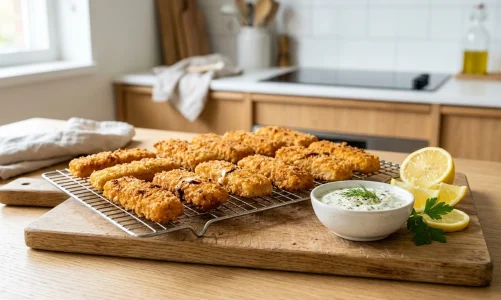
Crispy Gluten-Free Air Fryer Fish Sticks: The Ultimate Quick Dinner & Protein Reload
Master tested culinary techniques, exact timing, and flavor balancing for this core recipe.
Core Guide
The Ultimate Magic Marble Cake (GF Recipe): Gluten-Free, Moist, and Swirled to Perfection
Master tested culinary techniques, exact timing, and flavor balancing for this core recipe.
Core Guide
Elegant Tart Recipes: Gourmet Gluten-Free Baking Guide
Master tested culinary techniques, exact timing, and flavor balancing for this core recipe.
Core Guide
Can You Freeze Gluten-Free Bread? Complete Slicing, Thawing & Freshness Guide
Master tested culinary techniques, exact timing, and flavor balancing for this core recipe.
Biochemical Rheology & Starch Gelatinization in Gluten-Free Systems
Gluten-free culinary science centers on substituting the unique viscoelastic gluten matrix formed by glutenin and gliadin. In traditional baking, this network traps expanding carbon dioxide and steam. For successful gluten-free loaves, pastries, and coatings, alternative stabilization systems—incorporating precise ratios of almond flour, coconut flour, tapioca starch, and hydrocolloid gums (such as xanthan gum and psyllium husk)—are required to create cohesive dough rheology.
Moisture management is the critical differentiator: non-gluten starches possess higher water-absorption capacities and undergo rapid retrogradation, which causes premature staling. By utilizing emulsified healthy fats, room-temperature dairy or non-dairy binders, and carefully calibrated baking temperatures, gluten-free preparations maintain an open, tender crumb with prolonged shelf stability.
| Alternative Flour / Binder | Functional Starch / Protein Role | Optimal Application |
|---|---|---|
| Blanched Almond Flour | Lipid-rich structural bulk with low glycemic impact | Cakes, Cookies & Pie Crusts |
| Psyllium Husk Fiber | Viscous gel forming flexible dough elasticity | Yeast Breads & Flatbreads |
| Tapioca Starch | High-expansion gelatinization providing chew and crispness | Coatings, Batters & Air Fryer Crusts |
Topic Directory & Essential Guides
Featured Culinary Guides
Frequently Asked Questions
Why do gluten-free baked goods dry out faster than traditional goods?
Gluten-free starches release water rapidly post-bake through starch retrogradation. Storing gluten-free bread in airtight containers or freezing sliced portions immediately halts moisture migration.
How can I prevent gluten-free pastry crusts from crumbling?
Incorporate cold grass-fed butter or coconut oil combined with a hydration binder like xanthan gum or egg white protein to establish cohesive shear resistance before baking.
Can all slow cooker recipes be easily adapted to gluten-free diets?
Yes. Standard wheat flour roux thickeners should be substituted with arrowroot slurry, cornstarch, or blended starchy root vegetables added during the final 30 minutes of cooking.