
Did you know you can actually cook pasta in a slow cooker without ending up with a sticky, clumpy mess? It sounds too good to be true, but with the right timing, liquid ratio, and a few simple tricks, your slow cooker can become a total game-changer for easy, hands-off pasta meals. Whether you’re craving a creamy Cajun chicken pasta or a hearty taco pasta, getting that perfect al dente bite without the usual slow cooker goop is entirely possible-and it frees up your evening for way more fun than babysitting the stove.I’ve tested plenty of recipes and mastered the balance of ingredients, cooking times, and clever substitutions to keep pasta silky, separate, and bursting with flavor. So if you’ve ever hesitated to toss your noodles in the crockpot because of past sticky disasters, keep reading. I’m here to share practical tips,no-nonsense steps,and a sprinkle of kitchen wisdom to help you slow-cook pasta with confidence-and without the mess. Ready to make slow cooker pasta a reliable weekday hero? let’s dive in!
Table of Contents
- Is Slow Cooker Pasta Worth the Hype?
- Choosing the Right Pasta for Slow Cooking Success
- Step-by-Step Guide: cooking Perfect Pasta in a Slow Cooker
- How to Avoid sticky, Clumpy Pasta every Time
- Slow Cooker Sauces That pair Perfectly with Pasta
- Timing Tips: When to Add Pasta for Best Texture
- Gluten-Free and Paleo Pasta Options for slow Cooking
- Common Mistakes That Ruin Slow Cooker Pasta
- Creative One-Pot Slow Cooker Pasta Recipes to Try Now
- Troubleshooting Sticky or Mushy Pasta in Your Slow Cooker
- Secrets to Flavorful, Fuss-Free Slow Cooker Pasta Meals
- FAQ
- Q: How can I prevent pasta from sticking together when cooking it in a slow cooker?
- Q: What’s the best type of pasta to use in a slow cooker to avoid mushiness?
- Q: When is the best time to add pasta into the slow cooker without causing a sticky mess?
- Q: Can rinsing pasta after slow cooking help reduce stickiness?
- Q: How much liquid should I use when cooking pasta in a slow cooker to avoid clumping?
- Q: Why does pasta sometimes turn sticky or gummy in a slow cooker and how can I fix it?
- Q: are there slow cooker pasta recipes specifically designed to prevent sticky or clumpy results?
- Q: Can I cook gluten-free or paleo pasta in a slow cooker without it becoming sticky?
- Concluding Remarks
Is Slow Cooker Pasta Worth the Hype?
Cooking pasta in a slow cooker might sound like a game-changer for busy weeknights, but is it really worth the hype? The short answer: yes-if done thoughtfully, slow cooker pasta can deliver surprisingly delicious, hands-off meals with minimal cleanup. The trick is understanding that slow cookers aren’t just glorified pots; they require a gentle but intentional approach to make sure your pasta doesn’t turn into a sticky, clumpy mess. When you nail the timing and liquid ratios,slow cooker pasta becomes a blissful blend of convenience and comfort,perfect for those days when juggling life and dinner prep feels more like a circus act.
Many home cooks initially shy away from slow cooker pasta because of horror stories about gooey globs or mushy noodles. But with a bit of patience and some kitchen know-how, you can actually get tender, flavorful noodles that soak up sauces beautifully. I remember the first time I tried cooking taco pasta in my slow cooker-a recipe using ground beef,pasta shells,cheese,and spices (fun fact: no chopping required!). Following precise timing and choosing the right size pasta shells kept the texture spot-on. This one-pot meal turned out cozy and comforting without the cleanup headache, proving it’s a keeper for busy families who want crowd-pleasing dishes without the fuss [[3]](https://kristineskitchenblog.com/easy-slow-cooker-taco-pasta/).
Why Slow Cooker Pasta Can Be a Game-Changer
- Hands-off cooking: drop in your ingredients, set the timer, and you’re free to tackle other tasks or relax.
- Flavor infusion: Slow cooking allows sauces, seasoning, and pasta to meld, creating rich, deeply satisfying dishes.
- Meal prep magic: Slow cooker pasta is ideal for batch cooking or feeding a crowd, especially with customizable variations like gluten-free or paleo-friendly options.
That said,slow cooker pasta isn’t a perfect fit for every noodle type or meal scenario. Long, thin pastas like spaghetti or angel hair tend to disintegrate under slow cooker heat, while sturdier shapes like penne, shells, or rigatoni hold up better. some recipes work best if you add the pasta late in the cooking process (think last 30-60 minutes) to avoid overcooking. On the flip side, certain dishes like pasta e fagioli rely on prolonged simmering to blend flavors, showing there’s room for slow cooker pasta across various textures and traditions [[2]](https://cooking.nytimes.com/recipes/1023958-slow-cooker-pasta-e-fagioli).
If you’re someone who needs dinner to feel both easy and delicious, slow cooker pasta can be a solid addition to your repertoire. Plus, it leaves lots of room for creativity-whether that’s swapping in paleo-approved spiralized veggie “pastas” or gluten-free versions to cater to different dietary needs.So yes,with a little practice and smart strategy,slow cooker pasta absolutely lives up to its hype-a slow-cooked symphony of comfort food with zero sticky drama.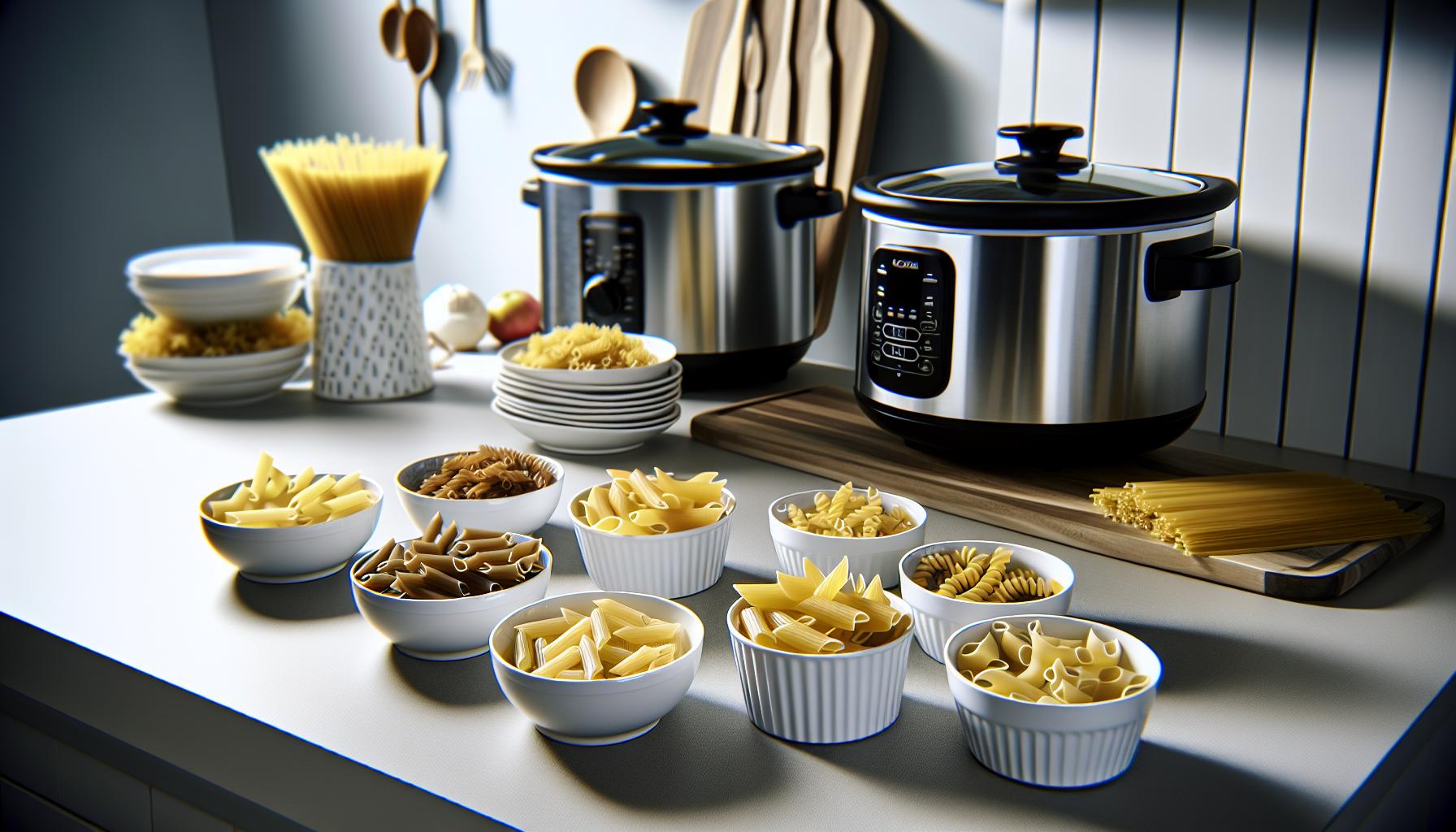
Choosing the Right Pasta for Slow Cooking Success
Cooking pasta in a slow cooker is like throwing a party with your ingredients – but not all pasta types RSVP nicely. Selecting the right pasta shapes and varieties can be the secret sauce that keeps your slow cooker meals from turning into a sticky,starchy mess. Think of it this way: some noodles are rugged and play well under slow, steady heat, while others are delicate divas that fall apart the moment the slow cooker gets cozy.
From my kitchen tests and experimenting with slow cooker taco pasta recipes, I’ve found that short, sturdy pastas like penne, shells, rigatoni, and rotini are your best friends here. Their shape and thickness mean they hold up well during slow cooking without getting mushy. Plus, they have nooks and crannies that soak up sauces and seasonings beautifully, turning every bite into a flavor bomb. Avoid long, thin pastas such as spaghetti or angel hair – these tend to overcook quickly and can dissolve into a gloopy disaster, which nobody wants on their weeknight dinner plate [1].
Balancing Pasta with Your Dietary Needs
If you’re rolling gluten-free or paleo, I totally get that pasta choices can feel limiting. Good news? There are plenty of fun, slow cooker-friendly alternatives that don’t skimp on satisfaction:
- Gluten-Free: Look for gluten-free pasta made from rice, corn, or quinoa. Just remember these frequently enough cook a bit faster, so add them toward the end of your slow cooker time to avoid smushed noodles.
- Paleo & Veggie-Based “Pastas”: Spiralized zucchini, sweet potatoes, or butternut squash noodles are game changers. Because they’re delicate, it’s best to steam or sauté them lightly first, then toss them in at the very end to warm through – this keeps them tender but not soggy.
Tips from the Trenches
One key trick I swear by: resist the urge to dump pasta in right from the start unless you’re aiming for a stew-like texture where noodles almost disappear into the sauce.Instead, cook your base (meat, sauce, veggies) first, then add pasta during the last 30-60 minutes of cooking. This lets noodles cook through to tender without turning into that dreaded sticky cluster.Also, size matters! Using pasta shells instead of tiny or broken-up pieces can mean fewer sticky spots and cozier pockets of cheesiness and sauce. I recall the first time I tried the no-fuss slow cooker taco pasta – choosing medium-size pasta shells was a total game-changer.The noodles stayed perfectly chewy but tender, soaking up all the taco flavors while keeping their shape intact – who knew slow cooker pasta could be so fuss-free and crowd-pleasing? [1].
So next time you shop for your slow cooker adventure, think sturdy, snappy, and targeted for your dietary groove. Choosing pasta wisely not only prevents a sticky situation but also sets the stage for hands-off cooking bliss.Your slow cooker deserves pasta that performs – and you deserve dinner that delights.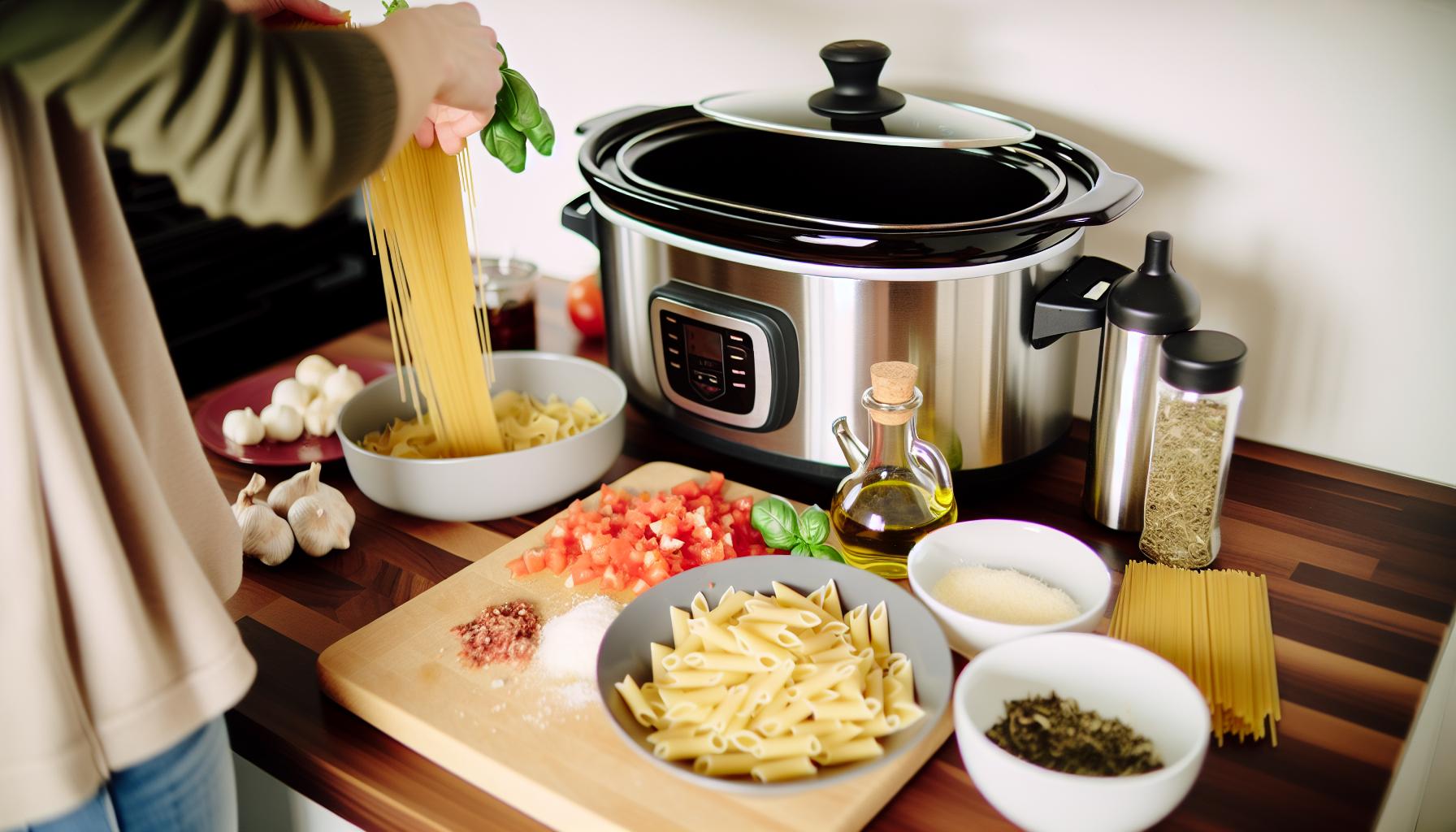
Step-by-Step Guide: cooking Perfect Pasta in a Slow Cooker
Cooking pasta in a slow cooker without it turning into a sticky, unappetizing mess might sound like a culinary unicorn, but with the right approach, it’s absolutely doable-and even enjoyable! The secret lies in timing and layering of ingredients. Unlike traditional stovetop cooking where pasta hits boiling water for mere minutes, slow cookers require a gentler hand-or rather, a slower kitchen clock-to keep those noodles tender but firm. think of it as coaxing your pasta to a slow dance rather than a frantic sprint.
Here’s a proven method that keeps the pasta perfectly al dente and the sauce beautifully infused. First, prepare your base ingredients-whatever mix of veggies, proteins, and liquids you love (think tomato sauce, broth, or creamy blends). Let these simmer away on low in the slow cooker to develop deep flavors. Once your sauce and extras have been mingling nicely for at least an hour or two, it’s time to invite the pasta to the party. Adding dry pasta too early often leads to mushville because noodles soak up liquid and break down over long hours. Instead, add sturdier, short pasta shapes like penne, shells, or rigatoni during the last 30 to 60 minutes of cooking-long enough for them to soften without dissolving. This approach saves your noodles from turning into one sticky blob and lets you enjoy each bite with satisfying texture.
Simple Steps for Slow Cooker Pasta Success
- Step 1: Layer your primary ingredients first-sautéed meat,chopped veggies,herbs,and enough liquid (broth,sauce,or a combo) to keep things moist. Cook on low for 1.5 to 2 hours to build rich flavor.
- Step 2: Choose your pasta carefully. Opt for short, sturdy varieties as they hold shape well in slow heat. Measure the pasta according to your serving size, typically 8 ounces for 4 servings.
- Step 3: Stir the pasta into the slow cooker and add a splash more liquid if it looks thick-about 1/2 to 1 cup-to prevent dryness and sticking.
- Step 4: Cover and cook on low for 30 to 60 minutes. Keep an eye after 30 minutes; depending on your slow cooker and pasta type, it might be ready sooner. Stir once or twice to keep noodles separate.
- Step 5: Finish with any cheese or fresh herbs, give it a gentle stir, and serve warm. If the pasta soaks up too much liquid, a small drizzle of olive oil or a splash of broth can revive things right at the table.
From my experiments, this little timing trick revolutionizes slow cooker pasta dishes-from a family-friendly taco pasta to cozy Cajun chicken pasta-turning what could be a sticky nightmare into a creamy, flavorful triumph[[[1]](https://kristineskitchenblog.com/easy-slow-cooker-taco-pasta/) [[2]](https://www.eatingonadime.com/crock-pot-creamy-cajun-chicken-pasta-recipe/). And if you’re tailoring these meals for gluten-free or paleo lifestyles, just tweak your pasta addition time accordingly as choice noodles tend to cook faster and are more delicate. Remember, slow cookers may differ in heat, so treat these as flexible guidelines-not ninja rules-and trust your taste buds and noodle texture checks.
Ultimately, cooking pasta in a slow cooker is about patience and timing.When you respect the noodle’s delicate nature in the slow cooker environment, you get magic: luscious, unapologetically delicious meals with minimal fuss and a pot full of happy eaters. So go ahead, get cozy with your slow cooker, and let it work its slow, wondrous charm.
How to Avoid sticky, Clumpy Pasta every Time
One of the most common slow cooker pasta pitfalls is ending up with a sticky, clumpy dish that nobody wants to tackle at the dinner table. Luckily, a few simple habits can save your meal from becoming a gluey mess. The key players here are timing, moisture management, and pasta choice. Think of slow cooking pasta as a delicate balancing act where you want the noodles tender yet separate, not mushy or stuck in a sad little huddle.Starting off with the right technique means celebrating pasta’s perfect texture every single time.
The first step is to hold off on adding the pasta until the sauce has had a chance to marry all its flavors-usually after about 1 to 2 hours on low.Adding pasta too early is the classic over-soaking trap, where noodles absorb too much liquid, swell, and then break apart, turning your dish into a sticky, homogenous blob. Rather, wait until the sauce is rich and simmering gently before stirring in your pasta. For best results, choose short, sturdy shapes like penne, rigatoni, or shells, which have more structural integrity than spaghetti or linguine and are less likely to disintegrate in the slow cooker’s warm hug.
- Keep an eye on liquids: Pasta needs enough moisture to cook properly but not so much that the final dish is soupy.If the sauce looks thick before adding pasta, stir in an extra ½ to 1 cup of broth or water to keep the noodles from sticking.
- Don’t forget to stir: Giving the pasta a gentle stir once or twice during that final cooking stage stops it from settling and clumping on the bottom or joining forces into one sticky lump.It’s also a perfect moment for a little taste test!
- Oil is your friend: Adding a tiny drizzle of olive oil or a small pat of butter once cooking finishes can add silkiness and help separate the noodles.
If you’re cooking gluten-free or paleo pasta alternatives, they often require less cook time due to their delicate nature. I learned the hard way that gluten-free noodles can go from perfectly tender to mushy in minutes, so keep a close eye and check frequently. Adjusting your timing slightly and stirring more often can save you from a sticky predicament. Remember,slow cookers vary wildly in heat intensity-even two identical models will perform differently-so the magic number might be 30 minutes in one pot and closer to 45 in another.
Speedy Tips Summary for Pasta That stays Separate
| Tip | Why it effectively works | Pro Tip |
|---|---|---|
| Wait to add pasta until sauce is hot and flavorful | Prevents over-soaking and breaking down of noodles | Set a timer if you get distracted-slow cooker meals are easy, but not set-it-and-forget-it |
| Choose short, sturdy pasta shapes | Hold texture better during slow cooking | penne and shells are slow cooker stars; avoid thin, delicate noodles |
| Use enough liquid, but not too much | Adequate moisture cooks pasta evenly without sticking | Add extra broth by the half-cup as needed |
| Stir pasta gently during cooking | Prevents clumping and sticking | Timing is key-careful, not vigorous stirring |
| Finish with olive oil or butter | Helps separate noodles and adds richness | A little goes a long way for silky texture |
In my kitchen, treating slow cooker pasta like a patient friend rather than a rushed guest has made all the difference. No sticky mess to scrub out, just a comforting, crowd-pleasing dish that feels almost like cheating-as it’s so darn easy! Whether you’re making a hearty Cajun chicken pasta or a vibrant taco pasta fiesta, this approach guarantees the noodles come out perfectly cooked and beautifully separated, every time[[[1]](https://www.wellplated.com/crock-pot-pasta/) [[2]](https://www.eatingonadime.com/crock-pot-creamy-cajun-chicken-pasta-recipe/) [[3]](https://kristineskitchenblog.com/easy-slow-cooker-taco-pasta/). Trust your slow cooker and the pasta will reward you with perfect al dente bites, free of clumps or sticky mishaps.
Slow Cooker Sauces That pair Perfectly with Pasta
There’s something magical about letting a rich sauce slowly develop its flavors in the cozy confines of a slow cooker. The trick to marrying perfectly cooked pasta with sauce that doesn’t turn into a sticky, gloopy mess lies largely in choosing sauces designed to work with the slow cooker’s gentle, moist heat-and knowing when to add them into the mix. Sauces rich in herbs, broth, and a touch of acidity tend to thrive here, infusing every noodle with deep flavor without going watery or heavy.
tomato-based sauces are a classic go-to as they maintain their structure well during slow cooking. Think rustic marinara with plenty of garlic, onions, and fresh herbs, or a smoky arrabbiata with a little punch of chili. Their natural acidity helps keep the pasta firm rather than mushy. When making these, it’s smart to start the sauce first and let it bubble away for an hour or so before adding pasta, then stir in broth or water as needed to keep the sauce silky but not soupy. Parmesan rinds tossed in early not only boost umami but add a subtle richness that’s slow cooker magic[[[1]](https://cooking.nytimes.com/recipes/1023958-slow-cooker-pasta-e-fagioli).
Creamy sauces bring a totally different vibe and a bit more finesse to slow cooker pasta nights. Heavy cream or coconut milk can temper the heat while creating a luscious coating that clings to sturdy pastas like penne or rigatoni. Just a heads-up: add dairy components closer to the end of cooking to avoid curdling or breaking. Cajun cream sauces,such as,are fantastic for slow cooker meals,marrying spices with a silky finish that transforms simple chicken pasta into a dinner party worthy dish [[3]](https://www.eatingonadime.com/crock-pot-creamy-cajun-chicken-pasta-recipe/).
Flavor-Packed, Slow Cooker Sauce Essentials
- Broth is your best friend: Whether chicken, beef, or vegetable, broth enhances moisture without watering down flavors. It also helps cook pasta evenly-a must in slow cooking.
- Herbs and aromatics: Rosemary, oregano, garlic, and bay leaves build depth when slow-simmered. Don’t shy away from fresh or dried; both bring charm-just add fresh herbs toward the end for a bright punch.
- Acidity balances richness: A splash of wine, lemon juice, or balsamic vinegar brightens sauces, ensuring your pasta doesn’t end in flavor fatigue.
- Cheese as a finishing touch: Parmesan, pecorino, or even vegan alternatives stirred in at the end add creaminess and help bind sauce to pasta beautifully.
If you’re navigating dietary choices,fear not-gluten-free and paleo-friendly sauces can be just as indulgent. Opt for tomato or coconut milk bases, and skip flour thickeners in favor of arrowroot or tapioca powder for that silky consistency. The slow cooker’s tender loving heat minimizes fuss, especially when paired with gluten-free pastas that cook quickly and benefit from a sauce that’s neither too thick nor too thin.
Finding that slow cooker sauce sweet spot is like baking a friendship in flavor-patient,easy,and endlessly rewarding. With these sauce-building tips, you’ll serve perfectly coated noodles packed with layers of flavor each time, without a sticky bite in sight.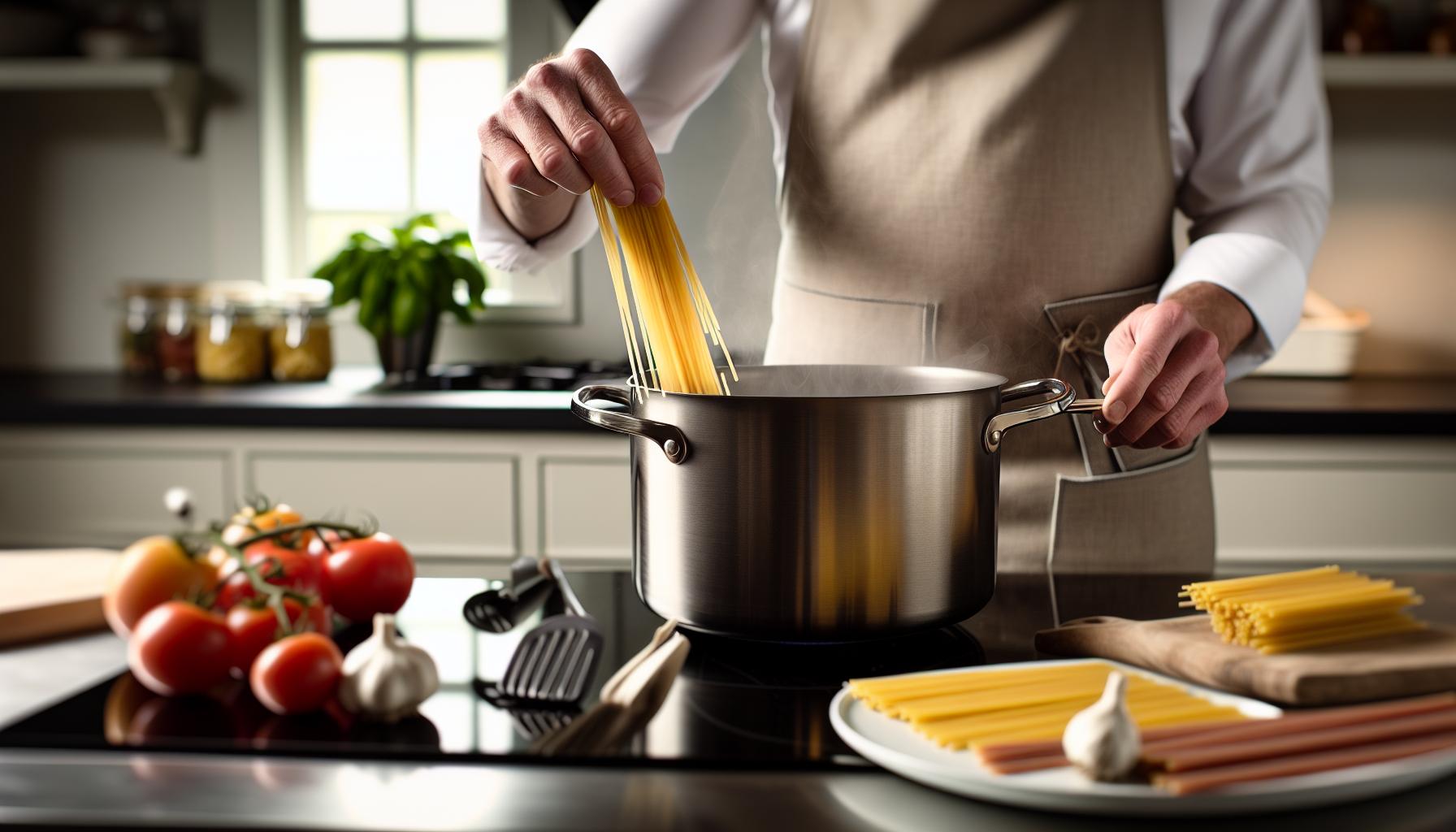
Timing Tips: When to Add Pasta for Best Texture
Few things test your patience more than soggy, sticky pasta lurking at the bottom of a slow cooker. But here’s the secret: timing is everything. Tossing the pasta in too early turns it into a mushy mess, while adding it too late can leave everyone chewing on al dente noodles that feel more like rocks. Finding that Goldilocks moment-the “just right” time-makes all the difference in achieving a perfectly tender, yet firm bite.
Generally, pasta needs much less time than the sauce and other ingredients to cook properly in a slow cooker. Most slow cooker pasta recipes recommend starting the sauce and aromatics first, allowing them to meld and simmer for 1 to 2 hours on low heat. This deepens flavor and softens any veggies or meat. Only when the sauce is bubbling away and the texture is just right, should the pasta join the party. Usually, this means adding your dry pasta anywhere from 20 to 40 minutes before serving, depending on the type of pasta and slow cooker settings.
Factors That Influence When to Add Pasta
- Pasta Shape and Size: Small shapes like penne, shells, or elbow macaroni tighten up faster and need less time, usually around 20 minutes. Thicker, hollow shapes like rigatoni or ziti may require closer to 30-40 minutes. Avoid thrifty spaghetti in slow cookers-it can clump and turn gummy quickly.
- Slow cooker Heat Setting: On low, pasta cooks more gently but takes longer; on high, it cooks quicker but risks losing texture if left too long. For a low setting, add pasta about 35-40 minutes before mealtime; for high, closer to 15-20 minutes.
- Gluten-Free and Paleo Pastas: these varieties often cook faster and can become mushy just as quickly as regular ones. Consider adding gluten-free pasta even later-10 to 15 minutes before serving-to keep that ideal bite.
Pro Tips from My Slow Cooker Adventures
- I once added dry pasta at the start of a creamy Cajun chicken pasta recipe (don’t ask why-Monday brain!). Result? Pasta cement that needed serious rescue. Lesson learned: always wait until the sauce has cooked and thickened before adding pasta.
- Keep a cup of hot broth or water nearby to stir in if the sauce thickens too much after adding pasta. This keeps everything smoothly coated and helps prevent sticky clumps.
- Stir gently but frequently after adding pasta to prevent noodles from sticking together or to the sides.
- Don’t cover the slow cooker lid tightly after adding pasta to avoid over-steaming, which can mush your noodles. A loose lid or slightly ajar is OK.
| pasta Type | Cooking Time in Slow Cooker | Best Slow cooker Setting |
|---|---|---|
| Small shapes (penne, shells, elbow) | 20-25 minutes | Low or High (monitor closely) |
| Thicker tubes (rigatoni, ziti) | 30-40 minutes | Low recommended |
| Gluten-free pasta | 10-15 minutes | Low with loose lid |
By mastering the timing of adding pasta, you’ll save yourself from the classic slow cooker pasta pitfalls-no more sticky blobs or sad mush. You get that happy balance where the sauce and pasta dance together like good friends at a dinner party, each bringing their best texture and flavor. So next time, take a deep breath, start slow with your sauce, and patiently add the pasta right at the end. Your taste buds will throw you a party!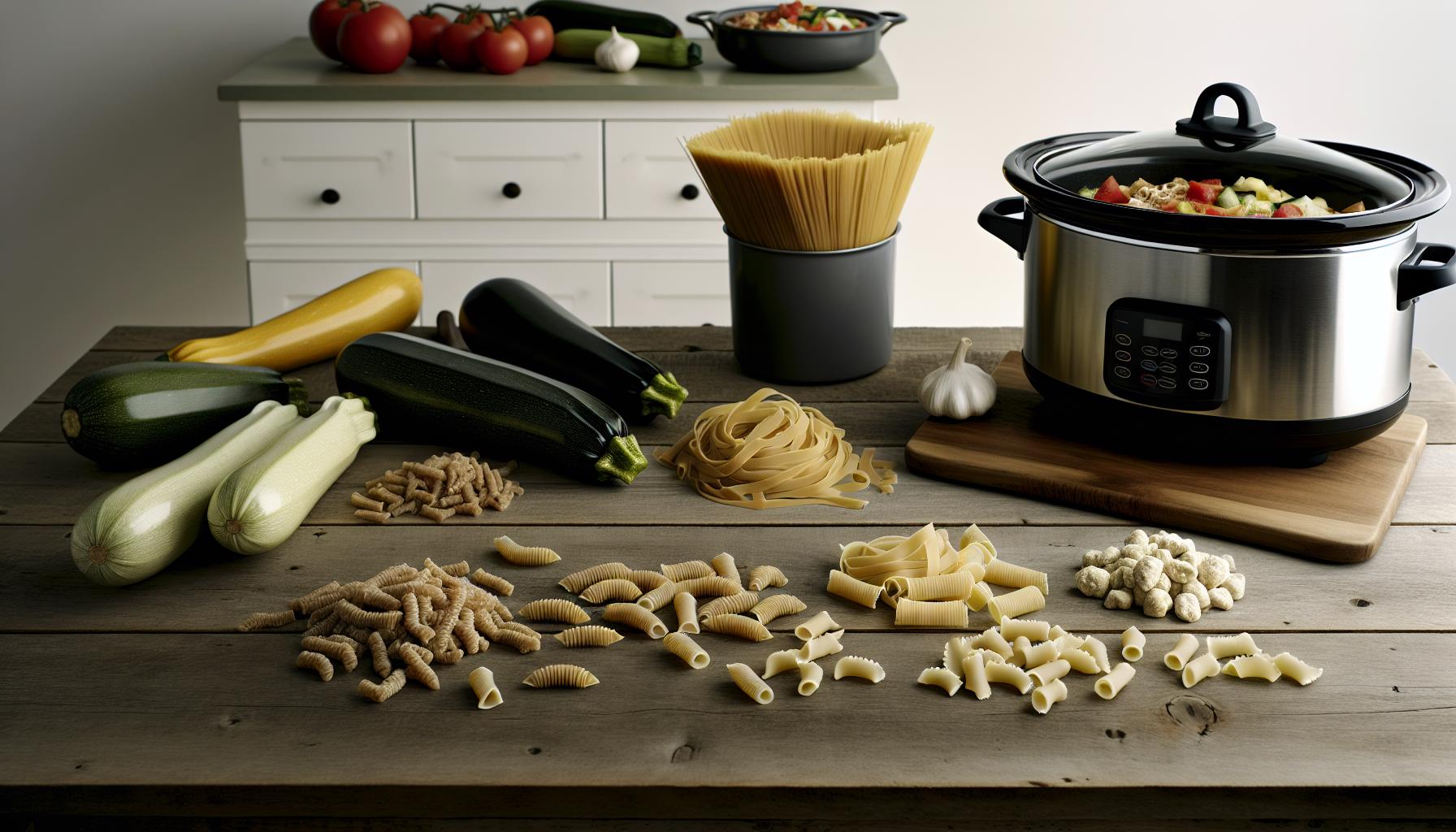
Gluten-Free and Paleo Pasta Options for slow Cooking
If you’re diving into slow cooker pasta but need to keep things gluten-free or paleo-friendly,you’re in luck! These pasta alternatives can absolutely work in your slow cooker,but they come with their own quirks that are worth knowing upfront. Unlike traditional wheat pasta, gluten-free and paleo options tend to cook faster and can turn mushy if left too long. So timing and texture management become your best pals here. Think of it as a delicate dance-adding these pastas just in time ensures every bite stays satisfying without the dreaded gluey aftermath.
Most gluten-free pastas are made from rice, corn, or legumes, while paleo versions often use almond flour, cassava, or even vegetable-based “noodles” like spiralized zucchini or sweet potato. Because these ingredients behave differently from wheat, they absorb liquid more quickly and break down faster. Such as, bean-based pastas pack great protein and hold up reasonably well but still need monitoring, while almond or cassava pasta might get mushy if left unattended. My go-to trick? Add your gluten-free or paleo pasta just 10 to 15 minutes before serving and keep the slow cooker lid slightly loose to avoid over-steaming.
Smart Slow Cooking Tips for Gluten-Free & Paleo Pastas
- Choose smaller shapes: Tiny pasta shapes hold up better and cook quickly-think mini shells or elbow macaroni versions made from paleo-friendly ingredients.
- Pre-soaking is your friend: For some gluten-free grains like lentil pasta, a quick soak reduces cooking time and helps prevent stickiness.
- Reserve some cooking liquid: If your sauce thickens too fast after adding the specialty pasta, stir in a splash of hot broth or water to keep everything silky smooth.
- Be gentle: Stir carefully but frequently once pasta’s in, just like you would with regular pasta to stop clumping.
- Try veggie noodles as a shortcut: For those embracing paleo fully, spiralized veggies can create hearty, fresh slow cooker meals in no time-but add them near the end as they soften quickly.
Examples from My Kitchen
I remember making a slow cooker taco pasta using a gluten-free corn pasta once-and I added the pasta too early, which resulted in a sticky mess that stuck to the bottom like glue. Lesson learned: for gluten-free pasta,that “just right” timing window is even narrower than for wheat pasta. now, I usually let the sauce simmer for 1-2 hours until rich and thick, then stir in the pasta 10-15 minutes before serving, with a loose lid to avoid sogginess.For a cozy paleo-friendly meal, I experimented with cassava-based pasta shells combined with a rich tomato sauce. Because cassava pasta is delicate, I added it just 10 minutes before dinner time while stirring occasionally. The texture was spot-on-comforting and tender without falling apart. And yes, it tasted just as indulgent as the real deal!
| Type | Ideal Slow Cooker cooking Time | Best Practices |
|---|---|---|
| gluten-Free Corn/Rice Pasta | 10-15 minutes (add last) | Loose lid, stir gently, add liquid if thick |
| Legume-Based Pasta (Lentil, Chickpea) | 10-15 minutes | Pre-soak if possible, stir to prevent clumping |
| Paleo Cassava/Almond Flour Pasta | 8-12 minutes | Add at the very end, gentle stirring |
| Veggie Noodles (Zucchini, Sweet potato) | 5-10 minutes | Add last, avoid overcooking |
Embracing gluten-free and paleo pasta in your slow cooker might feel a little intimidating at first, but with a bit of timing finesse and a light touch, it’s absolutely doable-and delicious. These alternatives open up a whole new world of comfort food possibilities that don’t sacrifice flavor or texture. Just think of your slow cooker as a trusty sous-chef that needs gentle guidance to keep those noodles perfectly al dente and every mouthful a delight. Trust me, your taste buds (and your gut) will thank you!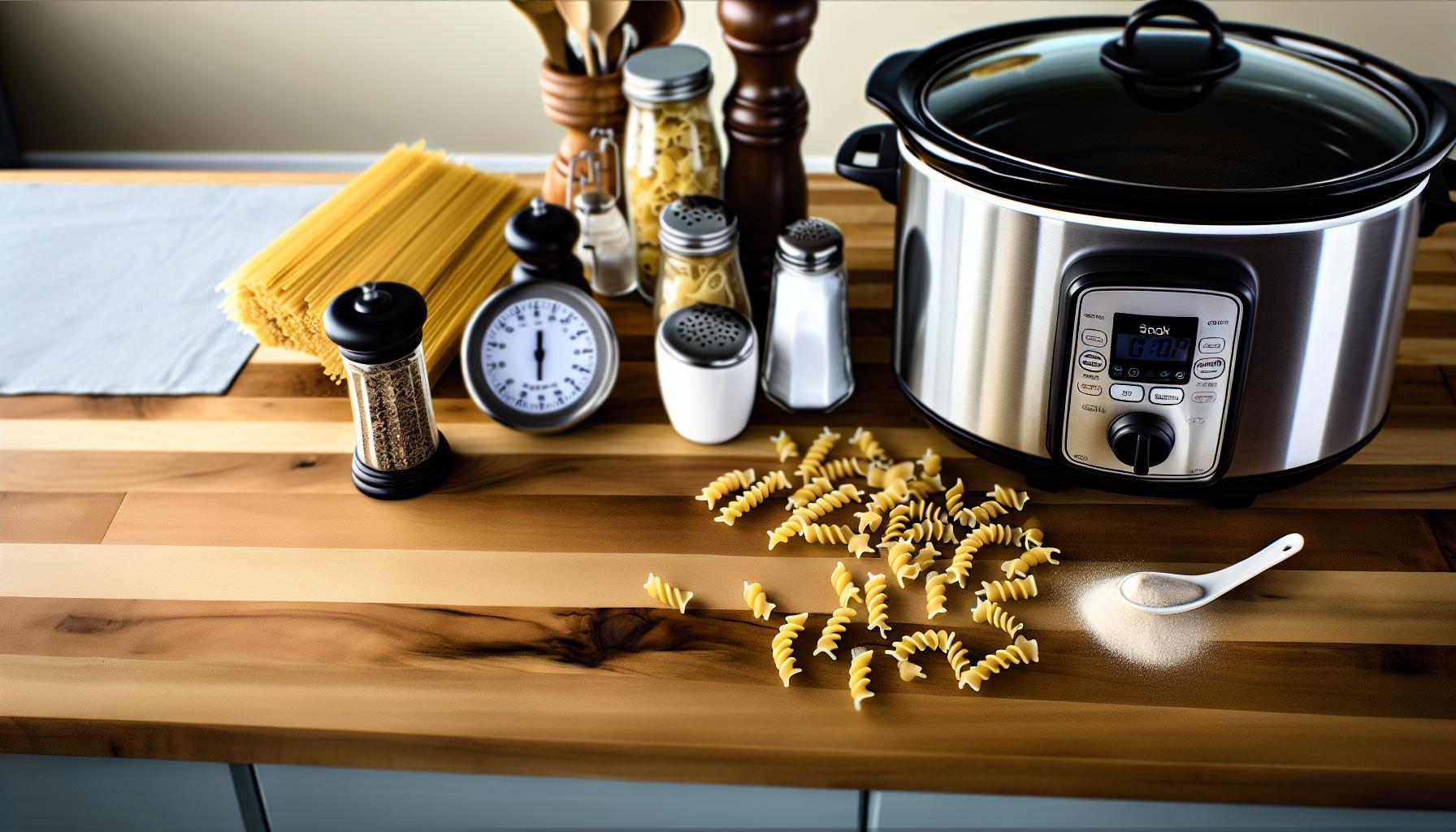
Common Mistakes That Ruin Slow Cooker Pasta
Few things sour a slow-cooked pasta dinner faster than ending up with a sticky, clumpy mess that’s more glue than comfort food.Cooking pasta in a slow cooker is a bit of an art-one that demands a bit of patience and a few insider tricks. If you’ve been frustrated by gummy noodles or sauce that sticks like an unwelcome guest, you’re not alone! Many home cooks, including myself, have stumbled through these pitfalls before finding a rhythm that keeps the pasta tender, saucy, and perfectly separated.
One of the most common slip-ups is tossing the pasta in too early. Slow cookers want to work slow-duh-but pasta, especially gluten-free or paleo varieties, have a much quicker and more delicate cooking timeframe. Add pasta at the start, and it’ll overcook, turning into a blob of mush that sticks to the bottom. Rather, aim to add pasta about 10-15 minutes before mealtime once the sauce has thickened nicely. this not only prevents mush but helps the pasta absorb just enough flavor without drowning in excess moisture.
Another frequent misstep is not stirring frequently enough enough once the pasta’s in. Slow cookers have a cozy environment that makes noodles relax and stick to each other or the sides of the pot if left undisturbed. I always recommend gently stirring every 5 minutes or so after adding pasta, especially when working with gluten-free grains or legume-based pastas. Think of it as coaxing your noodles into a non-stick party rather than a traffic jam.
other Tricky Traps to Watch For
- Using the wrong pasta shape: Big, heavy pasta shapes can struggle to cook evenly in a slow cooker. Opt for smaller, uniform shapes like mini shells, elbow macaroni, or even broken spaghetti strands to ensure more consistent cooking.
- overloading liquid: Too much sauce or broth can dilute flavors and create a soupy disaster. Measure liquids carefully and remember that pasta will soak up moisture as it cooks, so balance is key.
- Lid-on-too-tight: While it might seem counterintuitive, keeping the slow cooker lid sealed tight during the pasta cook time can create too much steam and lead to overly soft or soggy noodles. Propping the lid slightly or venting a bit helps maintain the ideal texture.
- Ignoring specialty pasta needs: Gluten-free and paleo pastas often absorb liquids differently and cook faster, so treat them with some extra TLC. For example, bean-based pastas benefit from a quick soak before cooking, and veggie noodles are best added last to avoid turning to mush.
In my early slow cooker pasta days, I learned that ignoring these nuances leads straight to disaster. Like the time I tried a slow cooker taco pasta with gluten-free corn pasta and ended up with a sticky, gluey bottom layer that was almost comedic in its stubbornness. A quick adjustment-letting my sauce simmer first, then stirring in pasta late-made all the difference. It transformed my “pasta fail” into a crowd-pleaser everyone asked for again.
So if you’ve been hesitating to try slow cooker pasta because of past sticky situations, remember-it’s all about timing, stirring, and understanding your pasta’s personality. With these little tweaks, your slow cooker can be your new best friend in the kitchen, turning out cozy, foolproof pasta dishes that feel like a warm hug after a long day.
| Common Mistake | Why It Happens | How to Fix It |
|---|---|---|
| Adding Pasta Too Early | Pasta overcooks and becomes mushy/sticky | Add pasta 10-15 minutes before serving |
| Not Stirring Enough | Pasta clumps or sticks to pot sides | Stir gently every 5-10 minutes after adding pasta |
| Using Large or Uneven Pasta Shapes | Uneven cooking causes clumps or hard spots | Choose small, even shapes like mini shells or elbows |
| Too Much Liquid | sauce becomes watery, pasta loses flavor | Balance liquids; remember pasta absorbs moisture |
| Lid Sealed Too Tight During Pasta Cooking | Excess steam softens pasta too much | Leave lid slightly ajar when pasta cooks |
Creative One-Pot Slow Cooker Pasta Recipes to Try Now
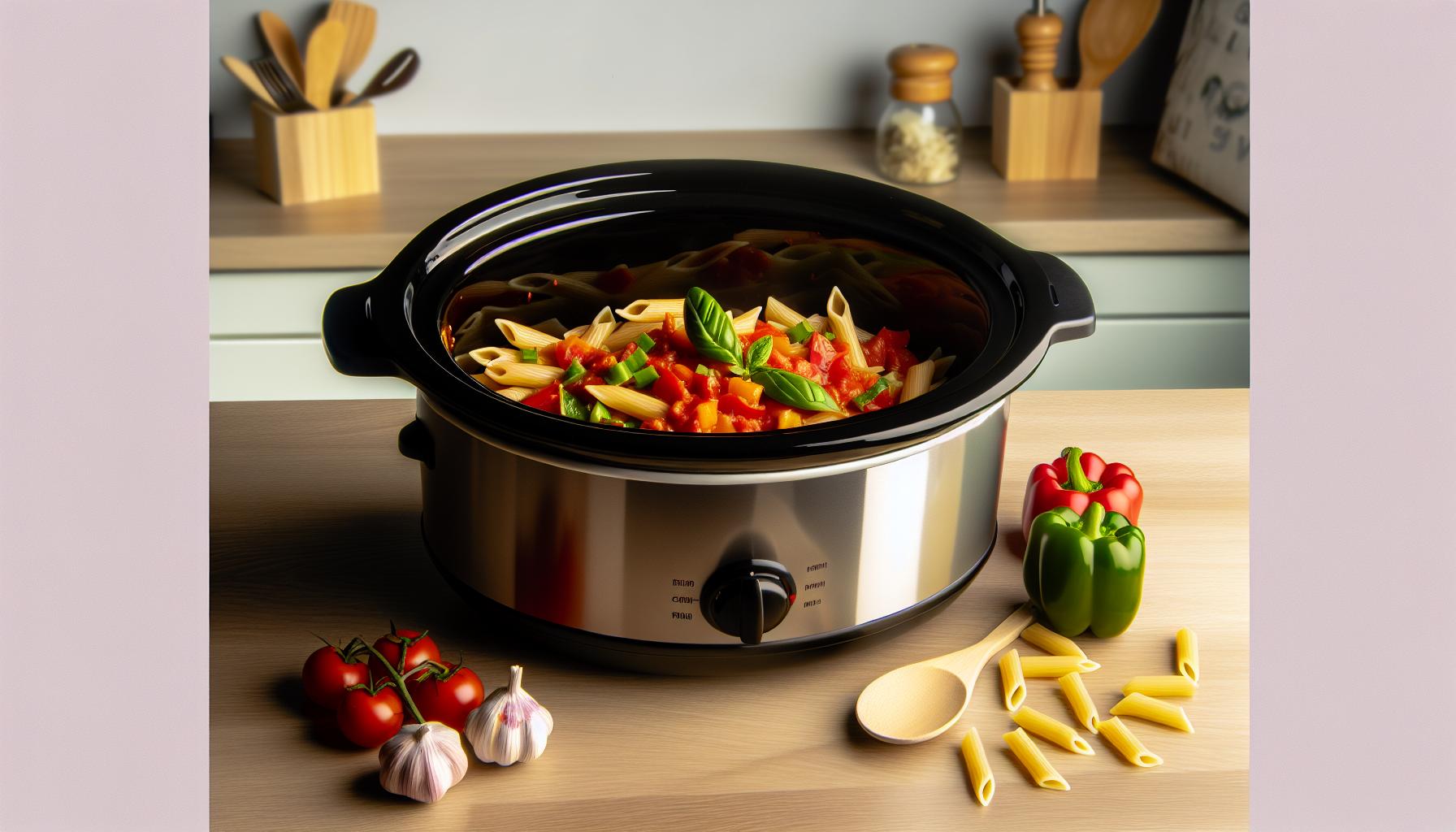
There’s a special kind of joy that comes with tossing everything into one pot, hitting “start,” and trusting your slow cooker to work its magic. When it comes to pasta, this hands-off convenience can save you precious minutes-especially on busy weeknights-but the trick lies in balancing flavors, textures, and timing so you don’t end up with a starchy sticky mess. Luckily, that balance is entirely achievable with a few creative recipes that bring both comfort and excitement to the table without fuss or failure.Think about a slow cooker taco pasta,where ground beef,crisp corn,black beans,and cheese mingle with elbow macaroni for a family-friendly meal that practically makes itself-prep time under 15 minutes,cook time about 3 hours on low,and boom,dinner is served! What makes this dish sparkle is adding the pasta late in the cooking process,just like we’ve talked about,which keeps noodles tender and the sauce perfectly saucy without turning gummy. Plus, it doubles as a clever way to sneak veggies into a crowd-pleaser, especially if you toss in some diced bell peppers or corn early on[3].
Mix & Match: Quick Swaps for Dietary Needs
For those embracing gluten-free or paleo lifestyles, there’s no need to miss out on slow cooker pasta goodness. Many bean-based pastas or paleo-friendly noodles cook faster and have a slightly different absorption rate, so treat them like delicate guests at the party. Try a slow cooker stroganoff with zucchini noodles or chickpea pasta for an earthy twist. To keep texture on point, add veggie noodles in the last 5-10 minutes, stirring gently to maintain their structure.For a cheat-friendly shortcut, pre-soaking bean pastas for 10-15 minutes can help them cook evenly without turning into mush.
Comfort Food Classics with a slow Cooker Spin
If you love cozy comfort food, a slow cooker mac and cheese can be a total game changer. Use smaller pasta shapes like mini shells or small elbow macaroni,plenty of sharp cheddar,and a splash of cream to create creamy,dreamy noodles that stay separate and luscious. Just remember to stir frequently when pasta is added and leave the lid slightly vented to avoid an over-steamed, mushy batch. And if you’re feeling adventurous, throw in some cooked bacon or sautéed mushrooms to elevate the flavor without much extra effort.
Simple Steps to a Winning Slow Cooker Pasta
- Start by building your sauce base: Slow cook your meat, veggies, or seasoned tomato sauce until rich and bubbly.
- Add pasta last: Incorporate your predetermined small pasta shapes 10-15 minutes before serving. Gluten-free and bean pastas might only need 5-8 minutes.
- Stir with love: Gently stir every 5 minutes after adding pasta to keep noodles separate and prevent sticking.
- Mind the lid: Prop it open a bit if you notice too much steam building,especially during pasta cooking.
- Garnish & serve: Top with fresh herbs, a sprinkle of cheese, or a drizzle of good olive oil.
You really can have it all: minimal hands-on time, maximum flavor, and pasta that stays tender without turning gummy or gluey. Cooking slow cooker pasta well is like coaxing a shy friend out of their shell-you give it attention at the right moments, and it rewards you with a delicious, comforting meal you’ll want on repeat. Whether you’re craving Mexican-inspired taco pasta, a rich stroganoff, or indulgent mac and cheese, these recipes prove that slow cooker pasta is absolutely worth the hype. So next time you’re juggling a busy day, let your slow cooker do the heavy lifting for a dinner that feels homemade with zero stress.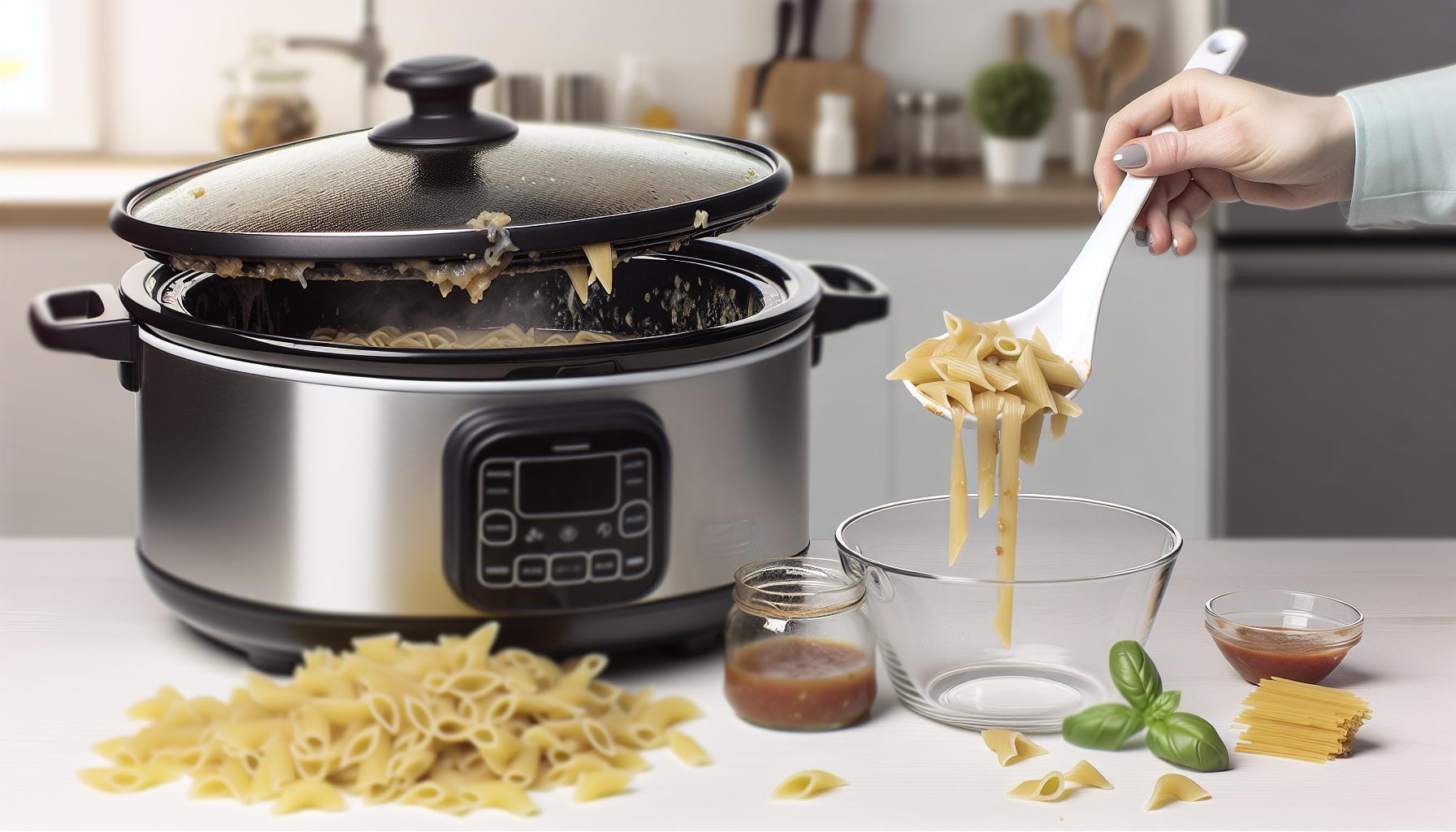
Troubleshooting Sticky or Mushy Pasta in Your Slow Cooker
Pasta in a slow cooker can be a charm, but getting it sticky or mushy is the culinary “oops” moment no one wants after hours of waiting.The main culprit? Overcooking the noodles or adding them too early when there’s still a lot of liquid bubbling away. Unlike stove-top pasta, which cooks fast and drains quickly, pasta in a slow cooker is bathed in sauce or broth for a longer time, so it needs a bit more TLC to keep it perfectly tender without turning into goo. think of it like inviting noodles to a long party – if they arrive too early, they get overwhelmed and lose their structure.
One of my tried-and-true fixes is timing the pasta addition carefully. Always add your pasta in the last 10-15 minutes of cooking (less if it’s gluten-free or bean pastas, which soften faster). Stir frequently to prevent sticking and clumping, since pasta tends to sunbathe at the bottom of the pot otherwise. If your lid traps too much steam, prop it a bit open to allow moisture to escape and avoid over-steaming the noodles – that’s a sneaky cause of mushiness.And here’s a little kitchen wisdom: choose small shapes like penne, mini shells, or elbow macaroni, which handle slow cooker conditions better, spreading cooking times evenly and staying more resilient.
Common Causes & Easy Fixes
- adding pasta too early: The noodles soak up too much liquid and break down.Always add late in the process.
- Not stirring enough: Pasta can stick together or to the pot. Frequent gentle stirring helps keep noodles separate.
- Too much liquid: Slow cookers don’t evaporate water like stovetops, so reduce broth or sauce slightly to compensate.
- Using the wrong pasta shape: Larger or thin long noodles tend to fall apart-small,sturdy shapes work best.
- Lid stays shut tight: Causes trapped steam and soggy pasta. Prop open when cooking noodles for better texture.
Even with these tweaks, life happens. If you end up with mushy pasta, no worries! Try turning it into a creamy casserole by mixing in cheese, cooked veggies, or meats-think tasty mac and cheese vibes that nobody will complain about. And if sticky pasta is the issue, a splash of olive oil and some stirring right after cooking can loosen things up nicely.
Special Considerations for Gluten-Free and Paleo Pastas
Gluten-free and paleo-friendly noodles are like delicate guests at the slow cooker party – they require extra gentle timing and often less cooking time. Ingredients like chickpea or bean-based pastas can become mushy surprisingly fast. Here are a couple of personal tricks:
- pre-soak pasta for 10-15 minutes before adding it to the slow cooker to reduce cooking time and improve texture.
- Add zucchini noodles or vegetable ribbons near the very end, allowing just enough heat to warm without falling apart.
This approach respects both the science and the spirit of the diet without sacrificing flavor or texture. The key is watching the clock and keeping an eye (and a gentle stir) on your slow cooker in that final stretch.
At the end of the day, slow cooker pasta is forgiving and friendly. It rewards your attentiveness with a cozy, hands-off meal that feels like a warm kitchen hug – mistakes and all.Just think of these troubleshooting tips as your trusty sidekick, turning potential sticky disasters into crowd-pleasing delights every time. Happy cooking!
Secrets to Flavorful, Fuss-Free Slow Cooker Pasta Meals
Pasta in a slow cooker doesn’t have to be a sticky, flavorless mess-in fact, with a few savvy tricks, it can be a game-changer for easy, comforting meals. One secret is embracing bold, slow-simmered sauces that soak into every noodle without overwhelming them. Rich tomato bases with garlic and herbs, creamy cheese blends, or even spiced taco-style sauces transform simple pasta into a dinner that smells as good as it tastes. As slow cookers don’t evaporate moisture like stovetops, it’s smart to slightly reduce your sauce liquids or use ingredients that naturally thicken over time, like crushed tomatoes or pureed veggies, so your pasta isn’t swimming in watery sauce.
Another kitchen nugget from my slow cooker adventures? Layer flavors early and follow with fresh herbs and cheese at the very end. Slow cookers develop deep, meaty or veggie-driven aromas during the long cook, but finishing with a sprinkle of basil, a handful of grated Parmesan, or a quick stir-in of creamy ricotta keeps your dish bright and fresh – no one wants a one-note dinner! For fuss-free cleanup and speedy prep, set it all in the pot-ground beef or turkey, bell peppers, and seasonings go in first, and then pasta shells or small shapes like penne or mini elbows join in just before the end. This timing helps noodles stay tender and keeps that dreaded mush at bay.
tips to Keep Pasta Perfect and Flavorful
- Use sturdy pasta shapes: Mini shells,penne,and elbow macaroni are slow cooker MVPs. They hold their shape better than thin, long noodles, which can fall apart.
- Don’t overdo the liquid: Cut back broth or sauce by about 25% versus stovetop recipes to avoid sogginess.
- Finish with fresh ingredients: Stir in fresh herbs, a squeeze of lemon, or a handful of shredded cheese right before serving for a vibrant pop.
- Embrace layering: build your sauce and seasoning layers early. When meat, spices, and veggies simmer together, the flavors meld beautifully, requiring little extra seasoning at the end.
- For gluten-free/paleo diets: Consider chickpea or bean-based pastas,but pre-soak them briefly and add near the end to prevent mushiness.
Sometimes life calls for shortcuts-like toss-in frozen veggies or pre-cooked proteins-and that’s totally ok. Slow cooking pasta is forgiving enough that these swaps won’t compromise taste, and they cut down on prep time. One of my favorite lazy-day tricks is stirring in shredded rotisserie chicken or canned beans alongside pasta for an instant, nutrient-packed dinner. No chopping, no mess, just cozy comfort food with minimal fuss.
If you’re aiming for crowd-pleasing and fuss-free, think of your slow cooker as a flavor incubator rather than a standard pot. Patience paired with strategic ingredient timing creates a delicious, hands-off meal that feels like it took ages to make-without actually having you hover over a boiling pot. Plus, your kitchen will smell like a cozy trattoria, and your taste buds will thank you. Cooking pasta this way is as much about texture as flavor, so keep those timing tips handy, and enjoy the relaxed vibe of slow cooker pasta nights!
FAQ
Q: How can I prevent pasta from sticking together when cooking it in a slow cooker?
A: To prevent sticky pasta in a slow cooker, stir the pasta halfway through cooking and use enough liquid to keep it submerged. adding a small amount of oil or butter also helps create a barrier,reducing clumping.For detailed tips, check the How to Avoid Sticky, Clumpy Pasta Every Time section to perfect your texture.
Q: What’s the best type of pasta to use in a slow cooker to avoid mushiness?
A: Short, sturdy pastas like penne or rigatoni hold up best in slow cookers and resist turning mushy. Avoid thin or delicate types like angel hair or vermicelli. See Choosing the Right Pasta for Slow Cooking success for more on pasta shapes and cooking times.
Q: When is the best time to add pasta into the slow cooker without causing a sticky mess?
A: Add pasta during the last 30 to 45 minutes of slow cooking to prevent overcooking and stickiness. This timing ensures perfectly tender noodles without turning mushy. You’ll find more timing tips in the Timing Tips: When to Add Pasta for Best Texture section.
Q: Can rinsing pasta after slow cooking help reduce stickiness?
A: Rinsing pasta after slow cooking can wash away starch that causes stickiness, but it also removes flavor and sauce coating. rather, stirring well and using ample sauce or liquid during cooking is a better strategy to maintain taste and texture.
Q: How much liquid should I use when cooking pasta in a slow cooker to avoid clumping?
A: Use enough liquid-typically three parts liquid to one part pasta by volume-to keep noodles moving freely without drying out. This ratio helps the pasta absorb flavors evenly and prevents it from sticking together. Learn more in the Step-by-Step Guide: Cooking Perfect Pasta in a Slow Cooker.
Q: Why does pasta sometimes turn sticky or gummy in a slow cooker and how can I fix it?
A: Pasta gets sticky from excess starch release and overcooking.Fix this by adding pasta late in cooking, stirring occasionally, and ensuring enough liquid or sauce surrounds the noodles. For troubleshooting, review Common mistakes That Ruin Slow Cooker pasta for practical solutions.
Q: are there slow cooker pasta recipes specifically designed to prevent sticky or clumpy results?
A: Yes! Recipes that layer ingredients thoughtfully, add pasta last, and balance sauces reduce stickiness.Try creative one-pot recipes found in Creative One-Pot Slow Cooker pasta Recipes to Try Now to enjoy fuss-free meals with perfect pasta every time.
Q: Can I cook gluten-free or paleo pasta in a slow cooker without it becoming sticky?
A: Absolutely! Use gluten-free or paleo-approved pasta made from alternative flours,and follow slow cooker timing tips to avoid stickiness. These types frequently enough require less cooking time, so add them closer to the end. see Gluten-Free and Paleo Pasta Options for Slow Cooking for recipe-friendly advice.
For more helpful tips and tested recipes, explore the full guide sections linked here. Slow cooker pasta can be simple, flavorful, and delightfully non-sticky with the right techniques!
Concluding Remarks
Slow cooker pasta doesn’t have to be a sticky nightmare! With the right timing and a few simple ingredient swaps-like choosing gluten-free pasta or adding enough liquid-you can enjoy a hands-off, comforting meal that fits your busy life.Whether you’re aiming for a paleo-friendly dish or just craving that cozy, hearty pasta vibe, this method is practical and beginner-friendly.Ready for your next slow cooker success? Check out our recipes on creamy slow cooker sauces and one-pot meal ideas that’ll keep your dinner routine fresh and fuss-free.
If you have questions or want tips on avoiding common slow cooker mishaps, drop a comment below-we love hearing from home cooks who want to make easy, delicious meals. Don’t forget to explore our meal prep guide for quick weeknight dinners or sign up for our newsletter to get recipes and kitchen hacks straight to your inbox. Cooking pasta in a slow cooker without that sticky mess is totally doable-you’ve just unlocked a new, effortless way to enjoy one-pot meals that keep everyone happy!
For more on perfecting slow cooker meals and related gluten-free or paleo comfort foods, head to our slow cooker basics and healthy pasta alternatives posts next. Keep experimenting, keep savoring, and remember: cooking should be fun, flexible, and fully delicious.


