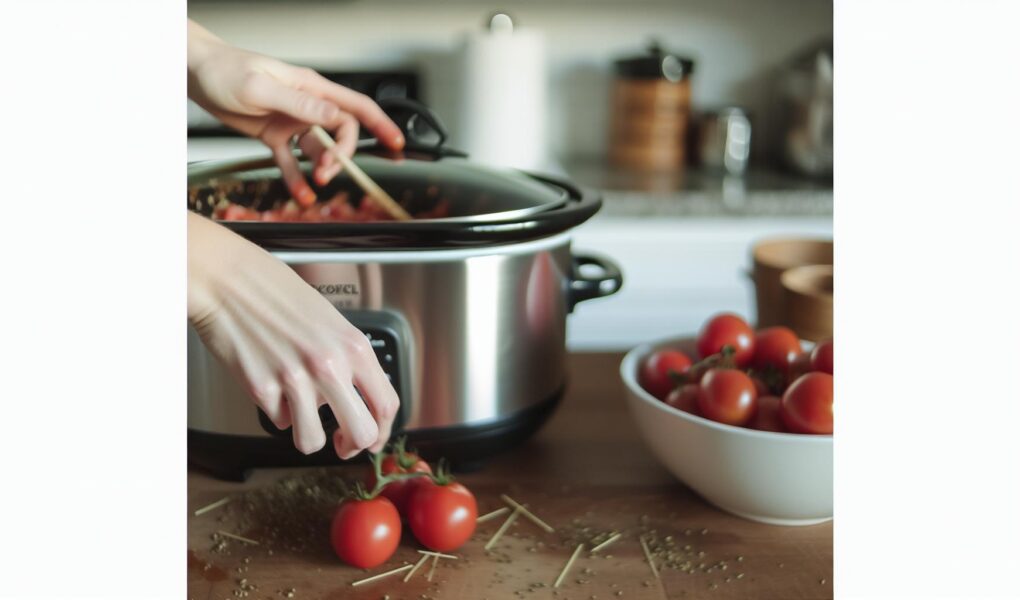
Did you know that the secret to a rich, thick spaghetti sauce often lies in slow, patient cooking? Making your sauce in a slow cooker transforms simple ingredients into a luscious, flavor-packed masterpiece with minimal hands-on time-perfect for busy home cooks craving comfort food without the fuss. If you’ve ever wrestled with watery, bland sauces that just don’t stick to your noodles, this guide will show you how to develop that deep, hearty texture and bold taste using easy techniques and smart ingredient choices. Whether you’re paleo,gluten-free,or just love a meaty,satisfying sauce,mastering this slow cooker method means dinner prep gets easier and your family gets happier. Stick around to discover practical tips, ingredient swaps, and insider tricks from a fellow food enthusiast who knows life gets busy-but appetizing, home-cooked meals don’t have to wait.
Table of Contents
- Choosing the Best Tomatoes for Slow Cooker Sauce
- Essential Ingredients That Boost Richness and Thickness
- Step-by-Step Slow cooker Techniques for Perfect Sauce
- How to Layer Flavors for Deep,Bold Taste
- Secrets to Reducing and Thickening Sauce Naturally
- Using Fresh Herbs and Spices to Elevate your Sauce
- Tips for Adjusting Consistency Without Losing Flavor
- Gluten-Free and Paleo-Friendly Thickening Tricks
- Common Mistakes That Make Sauce Watery (And How to Fix Them)
- Creative Add-Ins That Enhance Texture and Body
- How to Store and Reheat Thick, Rich Slow Cooker sauce
- Pairing Your Thick Sauce with Gluten-Free and Paleo Meals
- frequently asked questions
- Q: How can I prevent my slow cooker spaghetti sauce from becoming too watery?
- Q: When is the best time to add fresh herbs to a slow cooker spaghetti sauce for maximum flavor?
- Q: What natural thickening agents work best in a slow cooker spaghetti sauce without altering flavor?
- Q: Why does slow cooker spaghetti sauce sometimes taste flat,and how can I fix it late in cooking?
- Q: How do I thicken slow cooker spaghetti sauce quickly after cooking?
- Q: What slow cooker setting yields the richest and thickest spaghetti sauce-low or high?
- Q: Can adding cheese during slow cooking help thicken slow cooker spaghetti sauce?
- Q: How can I adjust slow cooker spaghetti sauce thickness to match paleo or gluten-free diet needs?
- Concluding Remarks
Choosing the Best Tomatoes for Slow Cooker Sauce
Ther’s something magical about the right tomato-its balance of sweetness, acidity, and fleshiness sets the foundation for a slow cooker sauce that’s both rich and thick. While it might be tempting to grab any tomato off the shelf, choosing varieties with naturally dense flesh and fewer seeds can make all the difference when aiming for that luscious, velvety texture after hours of slow simmering. Roma or plum tomatoes often come out on top here, thanks to their meaty interiors and lower water content, which reduces excess liquid in your sauce and naturally thickens it without adding extra steps.
Using fresh, ripe tomatoes during peak season can really elevate your sauce, but if that’s not an option, no worries. Canned whole peeled tomatoes, preferably organic or BPA-free, offer consistent quality and deep flavor, making them a pantry hero for busy weeks.I like to slightly crush or quarter fresh tomatoes before adding them to the slow cooker, giving the sauce some natural texture while speeding up the breakdown process during the long cooking time.Don’t shy away from mixing a few types-sometimes combining meaty Roma tomatoes with a handful of sweeter cherry or grape tomatoes adds a subtle depth and brightness that makes every bite sing.
Key Tomato Choices for Slow Cooker Sauces
- Roma/Plum Tomatoes: Dense flesh,minimal seeds,and lower water content make these ideal for thick sauces.
- Canned Whole Peeled Tomatoes: Perfect for fall and winter, provide consistent flavor and texture, and are already peeled for convenience.
- Fresh Heirloom or Vine-Ripened Tomatoes: Great in season for a sweet, nuanced flavor; best to start with firmer ones to avoid too much water in the slow cooker.
- Cherry or Grape Tomatoes (Optional): Add natural sweetness and a burst of flavor when combined with larger tomato varieties.
When prepping, consider the wateriness of your tomatoes and adjust your slow cooker settings accordingly. If your tomatoes are on the juicier side,you can easily compensate by cooking on high for the last hour or removing the lid to let some steam escape,thickening the sauce beautifully. And as your slow cooker steadily melds the flavors, starting with great tomatoes means you’re building on a solid flavor foundation that sets the stage for all those cozy, aromatic notes to develop over time.
One last tip from my kitchen: always taste as you go, and don’t worry about “perfect” tomatoes. Slow cooking is forgiving, and with the right base-whether fresh, canned, or a blend-you can coax every drop of richness and thickness out with ease, creating a sauce that tastes like it simmered all afternoon, even if you just set it and forgot it [[1]](https://mountainmamacooks.com/slow-cooker-fresh-tomato-sauce/) [[2]](https://diningwithdebbie.net/2017/08/09/preserving-summer-slow-cooker-tomato-sauce/).
Essential Ingredients That Boost Richness and Thickness
There’s a little culinary magic in certain ingredients that take your slow cooker spaghetti sauce from just good to irresistibly rich and thick. It’s not just about simmering tomatoes all day-layering in fats, natural thickeners, and umami boosters can seriously turn up the flavor and texture, giving you that luscious coating perfect for twirling. Whether you’re aiming for paleo-amiable,gluten-free,or just comfort food with depth,these add-ins will work wonders without fuss or fancy techniques.
One of my go-to richness boosters is a splash of butter or ghee added near the end of cooking. This not only melts into the sauce to give it a silky mouthfeel but also rounds out acidity in a way that canned or fresh tomatoes alone can’t. For a dairy-free or paleo twist, avocado oil or a little rendered bacon fat also dose a fantastic job, lending that cozy, deep flavor without weighing down the sauce. Another superstar for body and subtle sweetness is tomato paste.It’s like compressed tomato glory-packed with concentrated flavor and natural thickening power that helps transform a watery base into something spoon-sturdy without needing hours of reduction.
Ingredients That Elevate Texture and Flavor
- Tomato Paste: Concentrates tomato flavor and boosts thickness effortlessly.
- Butter or Ghee: Adds silkiness and richness while balancing acidity.
- Olive Oil or Animal Fats: Adds healthy fats and helps carry flavors.
- grated Parmesan or Pecorino: (If dairy suits you) Infuses umami and gives slight thickening.
- Pureed Vegetables: Roasted red peppers, carrots, or even mushrooms blended into the sauce deepen flavor and add natural body.
For those craving even thicker sauce but sticking to paleo or gluten-free rules,tossing in some ground nuts,almond flour,or coconut flour in tiny amounts is a neat trick. Thay soak up excess liquid and contribute a subtle nuttiness that actually enhances the savory profile. Another old-school tip I learned from my grandma: a touch of balsamic vinegar or a pinch of brown sugar brightens the sauce and rounds off acidity, making the richness feel balanced, not heavy.
don’t underestimate the power of slow simmer combined with smart layering. Adding your ingredients in stages-starting your base with onions and garlic sautéed in olive oil, stirring in tomato paste for caramelization before throwing in tomatoes-ensures flavor and thickness build naturally. And a little patience (your slow cooker’s best friend) lets everything meld and thicken, making extra-thick sauce attainable without standing over the stove all afternoon. Trust me, with these ingredients, your sauce will be the kind you want to savor with every bite-rich, thick, and full of warmth that feels just like home.
Step-by-Step Slow cooker Techniques for Perfect Sauce
There’s something wonderfully satisfying about letting a slow cooker do the heavy lifting-especially when it comes to spaghetti sauce that’s rich,thick,and full of soul. The key to winning this game is breaking down the process into simple stages that build flavor and body naturally, without stressing over constant stirring or last-minute fixes. The slow cooker is like your patient sous-chef, but you still want to set it up for success. Here’s how to turn that humble crockpot into a flavor powerhouse, step by step.
Start by gently sautéing your aromatics-onions and garlic-in a skillet with olive oil or a fat of your choice. This little pre-step boosts flavor enormously by softening sharp edges and unlocking those sweet, savory notes that slow cooking alone can’t achieve. Next, boost richness by stirring in tomato paste-a secret weapon that caramelizes slightly in the pan, packing your sauce with concentrated tomato goodness and body.Once you add this base to your slow cooker along with your tomatoes (whether canned, fresh, or a mix), spices, and herbs, set your temp low and let the magic happen over several hours. Low and slow is the mantra here; it gently reduces liquid while melding flavors into one harmonious, thick masterpiece.
About halfway through the cook time, don’t be shy to peek in and give your sauce a gentle stir. this distributes heat evenly and can help prevent any over-reduction around the edges. If the sauce still feels a touch watery, that’s the perfect time to add thickening helpers like a bit more tomato paste or even a small handful of ground nuts or almond flour-paleo and gluten-free options that soak up excess liquid without muting flavor.Near the end, finish it off with a splash of butter, ghee, or a drizzle of avocado oil to add silkiness and round out any lingering acidity. A pinch of brown sugar or a dash of balsamic vinegar is another savvy final touch to balance brightness and bring depth, making your sauce comfort-food ready.
Practical Tips for Smooth Slow Cooker Success
- Prep aromatics first: Sauté onions and garlic to enhance flavor and soften bite.
- Caramelize tomato paste: Stir in tomato paste and cook a minute or two before adding to slow cooker for thicker sauce.
- Low and slow: Cook on low for 6-8 hours or high for 3-4 hours-long, gentle simmering thickens sauce naturally.
- Stir occasionally: Check halfway and stir gently to avoid hot spots and help even thickening.
- adjust thickness midway: Add natural thickeners like tomato paste, almond flour, or ground nuts if sauce seems thin.
- Finish with fat and acid: Butter, ghee, or avocado oil plus a touch of balsamic or brown sugar balances and rounds flavors.
If you’re like me, you might sometimes skip fancy slow cooker liners or intricate setups, and that’s fine-just make sure to scrape the sides well before serving, as sometimes the concentrated goodness clings stubbornly. with just this little bit of care and layering along the way, you’ll have depth, richness, and luscious texture all without breaking a sweat or sacrificing your evening plan. Trust me, your slow cooker spaghetti sauce will be so irresistible, you’ll want to double the batch next time.
How to Layer Flavors for Deep,Bold Taste
There’s real magic in building a spaghetti sauce that doesn’t just taste good,but keeps you spooning it by the bowlful. The secret? Layering flavors thoughtfully from the start, so each ingredient has a chance to shine and mingle over hours of gentle cooking. When you slow cook, you’re not just simmering tomatoes-you’re coaxing out complexity, building depth, and creating a sauce that feels like an embrace.Think of it as a slow dance where every move adds richness and boldness.
The first layer usually starts with your aromatics. Sautéing onions and garlic untill they’re golden brings out their sweetness and mellows their sharpness, forming a solid, flavorful foundation that slow cooking alone can’t replicate. adding tomato paste next is like introducing a rich bass note-caramelized slightly in the pan,it deepens the tomato flavor and thickens the sauce naturally. Then, gradually adding spices and herbs in stages lets them unfold at their own pace. For example, whole dried herbs like bay leaves go in early to infuse over time, while fresh herbs such as basil or parsley are best added near the end to keep their brightness and prevent bitterness.
building Complexity Step-by-Step
- Start with a flavorful base: Sauté onions, garlic, and sometimes bell peppers or even finely grated carrot to introduce natural sweetness.
- Add tomato paste early: Let it caramelize briefly to punch up both body and umami.
- Introduce dried herbs and spices upfront: Oregano, thyme, crushed red pepper, and bay leaves develop deeper notes with slow heat.
- Layer in fresh or delicate ingredients late: basil, parsley, or a splash of fresh lemon juice brighten and lift the sauce just before serving.
- Finish with a touch of fat and sweetness: A knob of butter, ghee, or avocado oil plus a pinch of brown sugar or balsamic vinegar rounds and balances all the flavors beautifully.
One great trick I love is adding a splash of dry red wine or a small glug of balsamic vinegar about halfway through the cooking.This adds acidity and helps unlock hidden layers of flavor, keeping the sauce vibrant instead of flat. Also, don’t underestimate the power of gentle seasoning adjustments toward the end – taste frequently and add a pinch of salt or a grind of pepper as needed. It’s like tuning a musical instrument; small tweaks can make your sauce sing.
Slow cooker spaghetti sauce is forgiving and wonderfully flexible. Even if you throw in an extra garlic clove or a bit more dried oregano on a busy day, the long simmer smooths things out perfectly. And remember, layering isn’t about perfection-it’s about building character slowly and letting every ingredient have its moment. When done right, your sauce will come out thick, bold, and full of cozy, complex flavor that tastes like you spent hours in the kitchen-without actually needing to stand over the stove all day.
Secrets to Reducing and Thickening Sauce Naturally
There’s a certain slow cooker sorcery in turning a tomato sauce from a thin pool of red to a luxuriously thick, rich hug for your pasta. The trick? Patience and a few tried-and-true natural methods to coax moisture out and amplify body without resorting to unnecessary thickeners. Slow cooking itself is a gentle reduction process; over hours, the water content evaporates slowly, concentrating flavors and adding velvety depth. But this process becomes truly effective when you know how to guide it.
One of my favorite kitchen moves is starting with ingredients that contribute to thickness naturally. Tomato paste, such as, isn’t just a flavor booster-it’s a concentrated tomato powerhouse that acts like a natural thickener once it caramelizes slightly during the early sauté stage. Adding finely grated carrots or bell peppers can also subtly thicken the sauce by breaking down and releasing natural pectin-this little plant compound is a fantastic thickening agent, especially helpful if you want a nutrient boost and a touch of sweetness without extra sugar. Remember, less is more when layering these ingredients; the slow cooker will do the heavy lifting if you prep well.
Simple Steps to Encouraging Natural Reduction
- Skip the lid in the last hour or so: This lets steam escape and thickens the sauce without drying it out or burning.
- use crushed or pureed tomatoes: Their varied texture releases pectin and helps build body over time.
- Don’t be shy with tomato paste: Early caramelization not only thickens but deepens flavor complexity.
- Incorporate slow-cooked vegetables: Onions, carrots, and peppers melt into the sauce, adding both sweetness and body.
If your sauce still needs more oomph, reducing it further on the stovetop after slow cooking is a smart hack. Just pour it into a wide pan over medium heat, stirring occasionally, until it reaches your preferred consistency. This method avoids adding extra thickeners while intensifying flavors naturally.
For paleo and gluten-free pals worried about thickeners like flour or corn starch, nature’s own binders have your back. Chia seeds or ground flaxseeds stirred in gently before serving can add a bit of body with zero impact on flavor. Arrowroot powder, stirred in at the very end, creates a glossy finish that’s both lovely and clean-label-friendly.
At the end of the day, thickening slow cooker spaghetti sauce is all about bringing together ingredients that work with the slow cooking magic, not against it. Letting the sauce do its thing slowly will reward you with layers of taste and a texture that hugs your noodles without any fuss or artificial shortcuts.Cooking pasta sauce this way feels like a warm conversation with an old friend-you know the end result will be comforting, satisfying, and full of love.
Using Fresh Herbs and Spices to Elevate your Sauce
There’s a subtle magic in the way fresh herbs and spices can transform a slow cooker spaghetti sauce from good to unforgettable. As slow cooking melds flavors over time, the timing and selection of your herbs become the culinary equivalent of a secret handshake between your ingredients and your taste buds. Actually,the difference between a flat,one-note sauce and one that bursts with layers of fragrant complexity frequently enough hinges on this simple step.
For starters, robust dry herbs like oregano, thyme, and rosemary are ideal for adding at the beginning of the slow cook. They thrive in the low, steady heat, gradually releasing essential oils that deepen and intensify without becoming bitter.On the other hand, fresh herbs-think basil, parsley, or even a sprig of fresh thyme-offer a bright punch of flavor when added toward the end of cooking or just before serving. This approach preserves their fresh, vibrant notes and prevents them from wilting into obscurity.I like to toss a handful of torn basil leaves on top in the last 10 minutes-instantly elevates the sauce with that unmistakable garden aroma.
Spices are equally crucial for building depth, but here’s a little trick from my kitchen: toast your dried spices lightly before adding them to the slow cooker. This awakens their oils and amps up the flavor without adding any fuss. Cumin, smoked paprika, or a pinch of red pepper flakes can lend warmth and subtle heat, enhancing richness and complexity without stealing the spotlight. For those embracing paleo or gluten-free lifestyles, spices are a wonderful way to punch up taste naturally without worrying about additives or thickeners.
- Start with hardy dried herbs early: oregano, thyme, bay leaves – they mellow and deepen slowly.
- Add fresh herbs last minute: basil, parsley, cilantro to brighten and freshen the sauce.
- toast whole spices ahead of time: gently warming cumin seeds, fennel, or coriander seeds unlocks flavor.
- consider spice blends cautiously: a sprinkle of italian seasoning can be convenient, but test your ratios for balance.
By layering herbs and spices mindfully, you harness the slow cooker’s gentle heat to produce a sauce rich in soul and complexity-not just thickness. It’s like letting your sauce have its own little slow drama, where each note gets its moment in the spotlight. And trust me, when you carry that sauce spoon-to-mouth, the harmony of fresh and toasted, fragrant and bold, will reward you like a warm hug on a chilly day.
Tips for Adjusting Consistency Without Losing Flavor
Sometimes slow cooker sauce turns out a bit more like tomato soup than the thick, luscious coating you dreamed of slathering on your spaghetti. The good news? Tweaking the consistency without watering down flavor is totally doable-and often quite simple. The trick lies in balancing patience with smart additions that don’t mask the vibrant tomato base or those carefully-layered herbs and spices you worked so hard to build.
First off, resist the urge to rush the thickening process by loading in thickening agents too early. Slow cooking thrives on gradual flavor marriage and evaporation,so giving your sauce the last 30 to 60 minutes on high can definitely help concentrate flavors and help it thicken naturally. If you need that quick fix, choose your thickening helpers wisely: instead of dumping in plain flour or corn starch straight from the bag (which can cloud and dull your sauce), try making a smooth slurry or roux that gently melds into your sauce. This ensures even thickening without a heavy,pasty texture [[1]](https://www.americastestkitchen.com/articles/7175-how-to-thicken-thin-or-watery-slow-cooker-sauces).
Smart Thickening without Compromising Taste
- Make a slurry: Whisk a small amount of arrowroot, tapioca, or potato starch with cold water until silky, then stir it in. This keeps your sauce glossy and fresh-tasting, plus these options are perfect for gluten-free and paleo diets [[2]](https://www.facebook.com/groups/easyslowcookerrecipes/posts/1484129035649469/).
- Use instant mashed potatoes: Sounds odd at first, but a teaspoon or two stirred in can add body without breaking the flavor bank. It blends invisibly and is gluten-free, easy, and pantry-friendly.
- Add finely grated cooked vegetables: Pureed carrots, parsnips, or even sautéed onions can boost thickness and add sweet depth to your sauce.
- Reduce down post-cooking: After slow cooking, remove the lid and simmer your sauce on the stove for 10-15 minutes to concentrate flavors and thicken naturally.
When it comes to keeping bright, fresh flavors intact amidst thickening, timing is everything.Avoid mixing in thickening agents too early, especially starch-based ones, as they can break down and thin out again over long slow cooker sessions. Rather, stir your thickening mixture at the very end to retain that perfect, silky body. And don’t overlook texture boosters like tomato paste or a splash of good balsamic vinegar-both enhance mouthfeel and punch up flavor without extra carbs or gluten.
Fixing Watery Sauce Like a Pro
I’ve had those ”what now?” moments in my kitchen where the sauce just won’t thicken. When that happens, I stir in a simple slurry (equal parts flour or starch + cold water) right toward the end and cook it uncovered for a bit longer to let things gel up nicely [[3]](https://www.tiktok.com/@deanedwardschef/video/7140270498767768837?lang=en). The difference is striking: the sauce turns thicker but stays rich, never chalky or gluey. Plus, by choosing starches like tapioca or arrowroot, you keep it friendly for paleo and gluten-free eaters, proving that dietary restrictions definitely don’t mean sacrificing sauciness.
So if you want that perfect thick sauce with layered flavor after hours in the slow cooker, layer your thickening steps carefully, your herbs and spices thoughtfully, and your patience infinitely. After all, good things come to those who simmer.
| Thickening Agent | Best Use Timing | Dietary Suitability | Flavor Impact |
|---|---|---|---|
| Arrowroot or Tapioca Starch Slurry | Last 30 minutes, stir well | Gluten-Free, Paleo | Neutral, glossy finish |
| Flour Roux | Pre-cook roux, add near end | Not gluten-free unless using GF flour | Rich, slightly nutty |
| Instant Mashed Potato Flakes | End of cooking | Gluten-Free, Paleo-friendly | Smooth, mild earthy notes |
| Cooked Vegetable Purees | Anytime | all diets | Adds sweetness, body |

Gluten-Free and Paleo-Friendly Thickening Tricks
Thickening a slow cooker spaghetti sauce while keeping it gluten-free and paleo-friendly can feel like a puzzle – but once you’ve got the right moves, it becomes second nature. The trick is picking ingredients that build up body and richness without masks or compromises. Personally,I love how naturally these options amp up the sauce’s texture and flavor,making every bite feel indulgent yet health-conscious.
If you want a quick and silky fix, a starch slurry is your best friend. Whisk together arrowroot or tapioca starch with cold water and stir it into your sauce during the last 30 minutes of cooking. These starches create that glossy, smooth finish without clouding the beautiful tomato base and they’re fantastic for Paleo and gluten-free diets. Plus,they’re a lifesaver when your slow cooker sauce turns a bit thinner than expected – think of it as a magic thickening wand with zero gluten guilt. Just remember,you want to add these starch slurries near the end,because starches can break down and thin out if cooked too long in slow cooking conditions [[1]](https://mycreativehomecooking.quora.com/What-is-the-best-gluten-free-substitute-for-flour-to-thicken-sauces-and-gravies-4) [[2]](https://www.reddit.com/r/AskCulinary/comments/6jlhdn/is_there_a_way_to_thicken_a_sauce_in_the_slow/).
- Instant mashed potatoes: Sounds quirky, but a teaspoon or two stirs right into warm sauce for a gentle, earthy body boost. It’s practically invisible and keeps your sauce smooth while staying allergy-friendly.
- Pureed cooked vegetables: Carrots, parsnips, or even sautéed onions add natural sweetness and thickness. I often prep a batch of roasted carrots and blend them with a splash of sauce – adds complexity and lengthens the flavor on your palate.
- Tomato paste and balsamic vinegar: Not exactly thickening agents, but they really boost the sauce’s mouthfeel and richness without bulk or carbs, giving that luscious depth everyone craves.
How to Use These Tricks in Your Slow Cooker Sauce
To get the most out of these paleo and gluten-free-friendly thickening tools, follow these simple steps:
- Cook your sauce low and slow, resist adding thickeners too early.
- About 30 to 45 minutes before the end, stir in your arrowroot or tapioca slurry gently, ensuring it’s well dissolved.
- If using instant mashed potatoes, add a teaspoon at a time and stir thoroughly-it’s super quick and smooth.
- Consider mixing in pureed vegetables any time during cooking for natural body and sweetness.
- Once thickened, taste and adjust seasoning-sometimes these additions soften acidity, so a splash more balsamic or fresh herbs can brighten it back up.
| Thickening Agent | When to Add | Diet Compatibility | Flavor & Texture |
|---|---|---|---|
| Arrowroot/Tapioca Starch Slurry | Last 30 minutes | Gluten-Free, Paleo | Neutral, glossy smooth |
| Instant Mashed Potato Flakes | End of cooking | Gluten-Free, Paleo-friendly | Mild earthy, velvety |
| Pureed Cooked Vegetables | Anytime during cooking | All diets | Sweet, rich, natural |
What I love most is how doable all of this feels even on a busy day. no complicated flours or hours of stirring-you can keep your slow cooker sauce rich and dreamy with just a few simple tweaks that honor your paleo or gluten-free lifestyle. And hey, it’s nice to know your sauce has both charm and integrity, right? Keep experimenting with these tricks and soon you’ll be layering flavor and thickness effortlessly, all while staying true to your dietary needs.
Common Mistakes That Make Sauce Watery (And How to Fix Them)
Sometimes, after hours of slow cooking, you’re left with a sauce that’s more like tomato soup than the thick, luscious coating you dreamed of. it’s a surprisingly common hiccup that turns a cozy weeknight meal into a “what just happened?” moment. Luckily, watery sauce isn’t a lost cause - it often comes down to a few easy-to-fix oversights paired with simple strategies that anyone can master.
One big culprit is excess liquid from the start. Slow cookers don’t allow much evaporation (unlike stovetop simmering), so if you add too much broth, water, or even tomato juice, your sauce ends up diluted. Instead, aim to start with concentrated, low-moisture tomatoes – like crushed or whole peeled - and hold back on extra liquids. If your recipe calls for broth, reduce the amount by a third or swap in a splash of wine or balsamic vinegar for richness without sogginess. Another tip: avoid adding watery veggies like fresh mushrooms or zucchini raw – either roast or sauté them first to knock out excess moisture before tossing into the crock pot.
Overcooking ingredients during the slow cooking stage can also break down tomatoes and veggies more than intended, releasing extra water and thinning your sauce.this is why low and slow truly needs a gentle hand: use the low setting if you’re aiming for several hours of cooking and hold off on adding salty or thickening agents until later. Starches like arrowroot or tapioca slurry go in the final 30 minutes because added too early, they’ll degrade and lose thickening power. If you’re making a meat-heavy sauce, browning the meat beforehand not only locks in flavor but cuts down on liquid released during cooking, helping sauce body.
Quick Fixes When Your Sauce Is Too Thin
If you open your slow cooker after cooking and find your sauce on the watery side, don’t panic! Here are a few smart moves to rescue it:
- Simmer uncovered after slow cooking: Transfer the sauce to a large saucepan and gently boil it down uncovered on the stovetop to concentrate flavors and thicken naturally. It usually takes 10-20 minutes, but keep an eye so it doesn’t scorch.
- Mix in thickening agents at the end: as shared before, an arrowroot or tapioca slurry stirred in during the last half hour works wonders for a glossy, smooth finish that’s gluten-free and Paleo-friendly.
- Use tomato paste or pureed veggies: Adding a few tablespoons of tomato paste enriches body instantly. Or blend in cooked carrots or onions-your sauce gains sweetness, texture, and natural thickness.
- Instant mashed potato flakes: Just a teaspoon or two sprinkled in can save the day-earthy, quick, and allergy-friendly. It dissolves effortlessly for that velvety feel.
It’s all about building layers,one step at a time,instead of hoping the slow cooker alone will fix every texture issue. Remember, watery sauce doesn’t mean failure; it means experiment with your tools and ingredients until your pot delivers the hug-in-a-bowl consistency you crave. I’ve learned that patience and a little kitchen creativity turn watery disasters into saucy triumphs every time.
| Common Mistake | Why It Happens | how to Fix |
|---|---|---|
| Adding too much liquid upfront | Slow cookers trap steam,preventing evaporation | Reduce broth/water,use low-moisture tomatoes,roast veggies first |
| Cooking at too high temperature or too long | breaks down solids,releases water | Cook on low heat,add thickening agents late in process |
| Skipping meat browning | Meat releases water raw | Brown meat before adding to pot to lock moisture |
| Adding starch thickeners too early | Starch breaks down with long cook times | Add starch slurry or instant potato flakes near end only |
With these tips,you’re not just avoiding watery sauce; you’re mastering slow cooker magic – all while keeping it paleo-friendly,gluten-free,and delicious enough to feed the whole family (or just leftovers for lunch the next day). No fuss, no stress-just cozy comfort food done right.
Creative Add-Ins That Enhance Texture and Body
Sometimes the secret to transforming a slow cooker spaghetti sauce from just “good” to irresistibly luscious lies in those little unexpected additions that pack serious texture and body. Beyond the basics of tomatoes and herbs, a handful of well-chosen extras can boost richness without relying on heavy creams or refined thickeners. These creative add-ins work especially well for gluten-free and Paleo-friendly cooks aiming for that indulgent mouthfeel but wanting to keep things wholesome-and delicious.
A personal favorite trick is tossing in finely grated or puréed root vegetables like carrots, parsnips, or even sweet potatoes. They blend invisibly into the sauce but lend natural sweetness and a silky thickness that complements tomatoes beautifully. If you’re rocking the slow cooker for 6-8 hours on low,adding these at the start is perfect,allowing the veggies to break down gently and meld with your sauce. For those craving a hint of savory umami and a bit of chew, experimenting with slow-roasted garlic or caramelized onions stirred in toward the last hour is magic-they dissolve into the sauce, creating rich layers of flavor and subtle body without extra fat or gluten.
Boosting Body Without Bulk: Nuts, Seeds & Purees
in the spirit of keeping sauces paleo-approved yet deeply satisfying, consider nut or seed butters as silky enhancers.Just a tablespoon or two of almond or tahini stirred in near the end can add velvety texture while maintaining clean ingredient lists.If you want to take things a notch further, cooked and blended cauliflower or cauliflower “rice” is a sneaky way to thicken sauce without changing the flavor profile. They’re neutral, but thanks to their fiber and starch content, they lend opacity and weight to your sauce. Plus, they give a little nutritional boost. For a gluten-free crowd,this is a clever trick that feels indulgent but keeps the meal safe and healthy.
Textural Surprises That Don’t Compromise Texture
Sometimes, body means a little bite, not just smooth thickness. Roasted bell peppers or sun-dried tomatoes chopped finely can add chunks that catch the mouth pleasantly without watering down the sauce. Mushrooms, if you’re not avoiding them, deserve a shout-out here too-but roast or sauté them first to drive off excess moisture. This way, they contribute earthy depth and heft without turning the pot into a watery mess. For those who love meat, browning ground beef or Italian sausage beforehand locks in juices and flavors, adding natural collagen and richness that slowly seeps into the sauce during the slow cook, boosting body significantly.
Quick add-In Table for Texture & Body
| Add-In | Purpose | When to Add | gluten-Free/Paleo Friendly |
|---|---|---|---|
| Pureed carrots or sweet potatoes | natural sweetness & thickness | Start of cooking | Yes |
| Roasted garlic or caramelized onions | Flavor depth & mild texture | Last 30-60 mins | Yes |
| Almond butter or tahini | Silky mouthfeel | End of cooking | Yes |
| Roasted bell peppers/sun-dried tomatoes | Chunks & umami punch | Last hour | Yes |
| Pre-browned ground beef or sausage | Rich collagen & body | Before slow cooking | Yes* |
| Pureed cauliflower | Neutral thickener | Mid to late cooking | Yes |
whether you’re chasing that glossy, clingy sauce that hugs every strand of pasta, or a chunkier, heartier texture perfect for ladling over spaghetti squash or zoodles, these creative additions will make you rethink what slow cooker sauce can be. plus, they bring flexibility-mix and match according to what’s in your pantry or fit your diet-because great food should adapt to your life, not the other way around. Your slow cooker can be your best sous-chef for rich, thick spaghetti sauce that feels indulgent without guilt, and these add-ins unlock that magic every time.
How to Store and Reheat Thick, Rich Slow Cooker sauce
There’s something truly comforting about having a big batch of slow-cooked, thick spaghetti sauce ready to go whenever hunger strikes. Freezing or refrigerating your sauce not only saves time but deepens the flavors even more, making leftovers often taste better than the first go-round. Tho, storing thick sauces properly is key to preserving that luscious texture without ending up with a watery or grainy mess when reheating.
When it comes to cooling and storing, give your sauce room to breathe. After the slow cooker finishes its magic, allow the sauce to cool uncovered or lightly covered at room temperature until it’s just warm-not hot-to prevent condensation that can thin the sauce. then transfer it to airtight containers. For the fridge, smooth glass jars or BPA-free plastic tubs work well and keep everything gluten-free and paleo-friendly. The sauce will stay fresh for about 4-5 days. For longer-term storage,portion into freezer-safe containers or heavy-duty zip-top bags,leaving some headspace since sauces like this expand a bit when frozen.
Reheating Tips for Preserving Thickness and Flavor
Reheating thick, slow cooker spaghetti sauce might seem straightforward, but the devil’s in the details if you want to keep that perfect clingy texture:
- Low and slow wins again: Warm your sauce gently over low heat on the stovetop rather than blasting it in the microwave. This helps prevent scorching and allows the sauce to reabsorb any separated liquid, bringing back richness and body.
- Stir often: Give it a loving stir every few minutes to redistribute the thickened tomato solids and any natural fats or purees you added. This keeps flavors balanced and texture smooth.
- Adjust consistency if needed: If reheated sauce is thicker than you like, splash in a little warm broth or a few tablespoons of water-never cold liquid, as it can shock and separate the sauce. Conversely, if it’s too thin, simmer uncovered a bit to reduce excess liquid.
Quick Fixes for Reheated Sauce Troubles
Sometimes, reheated sauces lose a bit of their original vibrance. Here are some simple tricks that feel like kitchen magic:
- Add a splash of quality olive oil or a small pat of grass-fed butter just as it finishes reheating. The fat brings silkiness and boosts flavor depth.
- Whisk in a teaspoon or two of your favorite nut butter (almond or cashew works nicely with savory tomato) to revive a velvety texture without guilt.
- if the sauce separated or looks a touch grainy, a quick blender whirl for 10 seconds can smooth it right out-perfect for Paleo or gluten-free diets since you won’t need thickeners with weird additives.
For busy folks who love meal prep and want that thick, rich slow cooker sauce always on hand, mastering these storage and reheating habits means you’ll get luscious results with every meal. Think of it as extending the slow cooker’s magic beyond the first serving,turning leftovers into a weeknight hero that feels fancy without fuss. After all, great food should fit your life, not your life fitting around your cooking schedule.
Pairing Your Thick Sauce with Gluten-Free and Paleo Meals
there’s a special kind of joy in pairing a luscious, slow-cooked tomato sauce with meals that honor both flavor and dietary choices. Thick, rich spaghetti sauce crafted in the slow cooker naturally complements gluten-free and Paleo lifestyles as it skips the usual wheaty fillers while leaning into real, whole-food ingredients. Whether you’re serving up a cozy family dinner or meal-prepping for busy weeks, the key to happy plates is marrying that hearty sauce with the right base and sides.
When it comes to gluten-free options, zucchini noodles (a.k.a.”zoodles”) and spaghetti squash are crowd-pleasers that soak up sauce beautifully without losing their texture or integrity. They offer a fresh, veggie-packed choice that keeps meals light but satisfying. For Paleo meals, think beyond traditional pasta and try plantain or cassava noodles – both maintain that comforting noodle vibe with grain-free goodness. Or skip the ”noodles” entirely with a bowl of cauliflower rice or roasted root veggies; the sauce adds richness and depth that turns even simple sides into star performers.
Easy Meal Ideas to Pair with Thick Slow Cooker Sauce
- Stuffed Peppers: Hollow out sweet bell peppers and fill them with ground meat or a cauliflower rice mixture, then smother with your slow cooker sauce before baking. It’s an effortless Paleo-friendly casserole packed with bold flavors and textures.
- Eggplant “Parmesan” Casserole: Layer thick slices of roasted eggplant with your hearty sauce and sprinkle with nutritional yeast or dairy-free cheese for a cozy, gluten-free dinner alternative.
- Hearty Meatballs: Make your favorite Paleo-approved meatballs and simmer them gently in slow cooker sauce – serve over spiralized veggies or mashed sweet potatoes for a seriously comforting plate that’s low-carb and full of soul.
to keep things running smoothly in the kitchen,here’s a quick reference for compatible bases and side dishes that elevate your thick sauce without compromising diet goals:
| Diet Type | Best Base Options | Complementary Sides |
|---|---|---|
| Gluten-Free | Zucchini Noodles,Spaghetti squash,Brown Rice Pasta | Roasted Veggies,Simple Salad,Garlic-Infused Olive Oil Dip |
| Paleo | Cassava noodles,Plantain Noodles,Cauliflower Rice | Steamed Greens,Roasted Sweet Potatoes,Sautéed Mushrooms |
One of my favorite hacks? making a double batch of that thick,slow cooker sauce and freezing it in single-serve portions. It pairs perfectly with already prepped veggies or quick-to-make paleo noodles straight from the freezer. That way, no matter how hectic your week gets, you always have a delicious, wholesome meal waiting to come together in minutes. Remember, embracing these dietary choices doesn’t mean sacrificing comfort-it’s more about celebrating the kind of food that makes you feel nourished and happy, with zero guilt or fuss.
frequently asked questions
Q: How can I prevent my slow cooker spaghetti sauce from becoming too watery?
A: To prevent watery slow cooker spaghetti sauce,start by avoiding adding excess liquid like broth or water. Use whole peeled tomatoes with less liquid, and keep the lid slightly ajar during the last hour to let moisture evaporate. For more tips on reducing sauce naturally, see the Secrets to reducing and Thickening sauce Naturally section.
Q: When is the best time to add fresh herbs to a slow cooker spaghetti sauce for maximum flavor?
A: Add hardy herbs like rosemary and thyme at the beginning of cooking for deep infusion, but save delicate herbs like basil and parsley for the last 15 minutes. This preserves their vibrant flavor and brightens the rich sauce. Check Using fresh Herbs and Spices to Elevate Your Sauce for layering ideas.
Q: What natural thickening agents work best in a slow cooker spaghetti sauce without altering flavor?
A: Natural thickeners like tomato paste and finely grated carrots add body without overpowering the sauce. Mashed cooked potatoes or pureed beans work too, especially for gluten-free or paleo diets. for details on ingredient choices, see Gluten-Free and Paleo-Friendly Thickening Tricks.
Q: Why does slow cooker spaghetti sauce sometimes taste flat,and how can I fix it late in cooking?
A: flat taste frequently enough means missing acidity or seasoning balance. Fix by stirring in a splash of red wine vinegar or lemon juice and adjusting salt & pepper near the end of cooking. Layering flavors gradually, as detailed in How to Layer flavors for Deep, Bold Taste, prevents this issue.
Q: How do I thicken slow cooker spaghetti sauce quickly after cooking?
A: For rapid thickening, transfer the sauce to a stovetop pan and simmer uncovered to reduce excess liquid. Stir in tomato paste or let it cook on high heat for 10-15 minutes while stirring. This method complements the slow cooker techniques shared in Secrets to Reducing and Thickening Sauce Naturally.
Q: What slow cooker setting yields the richest and thickest spaghetti sauce-low or high?
A: Cooking on low heat for 6 to 8 hours helps flavors deepen and sauce thicken slowly without burning.High heat speeds cooking but can make the sauce watery and less developed in taste. For step-by-step techniques, see Step-by-Step Slow Cooker Techniques for Perfect Sauce.
Q: Can adding cheese during slow cooking help thicken slow cooker spaghetti sauce?
A: Adding hard cheeses like Parmesan at the end of cooking enriches flavor and adds slight creaminess but doesn’t significantly thicken sauce.To boost thickness, combine cheese with natural thickeners and reduction techniques explained in Creative Add-Ins That Enhance Texture and Body.
Q: How can I adjust slow cooker spaghetti sauce thickness to match paleo or gluten-free diet needs?
A: For paleo/gluten-free thickening,avoid flour-based thickeners. Use pureed veggies, tomato paste, or chia seeds for natural body. Tweaking consistency without flavor loss is described in the Gluten-Free and Paleo-Friendly Thickening Tricks section. try these to keep your sauce diet-compliant and delicious!
—
*Explore these FAQs alongside the full recipe guide for a rich, thick slow cooker spaghetti sauce your family will love. Don’t forget to experiment with your favorite add-ins and share your kitchen wins!*
Concluding Remarks
Now that you’ve mastered making rich and thick spaghetti sauce in your slow cooker, you’re one step closer to hassle-free, comforting meals that fit any diet-from gluten-free to paleo-friendly. Remember,slow cooking brings out deep flavors with minimal effort,letting you enjoy a hearty sauce in about 6-8 hours with just a few simple ingredients. If you liked this easy recipe,be sure to check out our slow cooker meatballs or gluten-free pasta alternatives for your next dinner idea – both perfect companions to your homemade sauce.
Wondering how to tweak your sauce for extra zing or need tips on ingredient swaps? Our kitchen-tested guides are here to help you customize every batch. Don’t forget to sign up for our newsletter to get fresh recipes and cooking hacks delivered straight to your inbox – because great meals shouldn’t be complicated. Got questions or tried the recipe already? Drop a comment below or share your sauce-stirring success on social media. Let’s keep making slow cooker magic that’s warm, easy, and delicious-just like cooking with your best kitchen buddy!