Ever wondered just how hot your slow cooker gets on the “High” setting? Knowing the actual temperature can make all the difference between a perfectly tender roast and a kitchen experiment gone wrong. Slow cookers are amazing for hands-off meals,especially if you’re juggling a busy life or cooking gluten-free and paleo-pleasant dishes without fuss. Understanding the temperature facts behind “High” helps you plan cook times better, avoid overcooking, and get those rich, comforting flavors every time. So whether you’re aiming for a melt-in-your-mouth stew or a quick weeknight dinner, let’s dive into what “High” really means for your slow cooker-because delicious meals don’t have to mean guessing games!
Table of Contents
- How Slow Cookers Work: Understanding Heat Settings
- Typical Temperature Range of a Slow Cooker on High
- How Long Does It Take to Reach High Heat?
- Common Foods perfect for High Setting Cooking
- Safety Tips: Is a Slow Cooker Hot Enough to Kill Bacteria?
- How room Temperature and Ingredients Affect Slow Cooker Heat
- Slow Cooker Temperature Vs. Oven and Stovetop Heat Explained
- Troubleshooting why Your Slow Cooker Might Not Get Hot Enough
- Expert Tricks to Maximize Slow Cooker Heat Efficiency
- Adjusting Recipes When Using High Setting on a Slow Cooker
- FAQ
- Q: Can a slow cooker on high setting reach the boiling point of water?
- Q: Why does my slow cooker on high sometimes take longer to cook?
- Q: Is it safe to leave a slow cooker on high all day? How hot does it get?
- Q: How does slow cooker high heat compare to stovetop simmering?
- Q: Can I adjust slow cooker recipes if my high setting runs hotter than average?
- Q: What household methods can test how hot my slow cooker on high gets?
- Q: Why does the slow cooker lid get much cooler than the pot on high?
- Q: How does altitude affect the slow cooker temperature on high?
- Key Takeaways
How Slow Cookers Work: Understanding Heat Settings
Ever wondered why your slow cooker seems to have a mind of its own, sometiems gently simmering and other times practically bubbling with excitement? The secret lies in its heat settings, which aren’t just “low” or “high” but thoughtfully designed temperature zones that coax flavors out gradually. Unlike your trusty oven or stovetop, slow cookers rely on a steady, gentle heat source that warms from the sides and bottom, slowly bringing the whole pot to a temperature where magic happens-melting collagen in meats, softening fibrous veggies, and marrying spices into a symphony of taste.
Most slow cookers have three main settings: low, high, and warm. The heat is managed by a built-in thermostat that cycles the element on and off to maintain a stable cooking surroundings. On high, the cooker aims to reach and hold a temperature that’s roughly equivalent to simmering on a stovetop, typically between 190°F to 300°F (88°C to 149°C). This range is perfect for speeding up your meals without sacrificing tenderness or moisture. As an example, a chili cooked on high for 3 to 4 hours reaches that sweet spot where beans are tender and flavors meld, whereas the same chili on low might need 6 to 8 hours.
Behind the Scenes: How heat Moves Inside your Slow Cooker
It’s not just about temperature but how the heat circulates. Slow cookers use a ceramic or porcelain insert, which ensures heat is distributed evenly and slowly. This thermal mass prevents hot spots that could burn food, giving you that foolproof “set it and forget it” luxury. The lid traps steam, creating a moist environment that further helps regulate temperature and keep ingredients tender.So when you choose a heat setting, you’re deciding how long it takes to get the entire pot up to that ideal cooking temperature and maintain it.
For anyone juggling paleo or gluten-free lifestyles, slow cookers can be lifesavers. They allow you to throw in fresh veggies, pasture-raised meat, and aromatic herbs without multiple pans or complicated timing. Plus, the heat settings encourage nutrient retention, and slow simmering enhances flavors naturally-no need for artificial boosters.
- Low setting: Great for hearty bone broths and tougher cuts that benefit from gentle, all-day cooking.
- high setting: Your go-to for quick weeknight dinners that still deliver tender results in less than half the time.
- Warm: Keeps food ready without overcooking-perfect if you’re not ready to eat right away.
Next time you dial your slow cooker up to high, remember you’re tapping into a slow-build heat that’s all about patience and precision. It’s like having a culinary sidekick who turns humble ingredients into a feast while you multitask with ease!
Typical Temperature Range of a Slow Cooker on High
You might be surprised to learn that when your slow cooker is set to high, it’s essentially mimicking a gentle boil, holding a cozy temperature zone that hovers roughly between 190°F and 300°F (88°C to 149°C). This sweet spot is where tough cuts of meat start to soften, veggies become tender, and the flavors meld beautifully-all without the rush or risk of burning. Unlike your oven’s swirling hot air,the slow cooker’s heat comes from a consistent base and side warming,wrapping your ingredients in a soothing,even warmth that quietly does the heavy lifting.
This temperature range isn’t just a target-it’s a balancing act regulated by the slow cooker’s thermostat cycling the heating element on and off to keep things steady. Depending on the model,your cooker slowly builds up to this heat over 30 minutes to an hour,then maintains it like clockwork.Picture your Sunday pot roast: it starts firm and raw, but a few hours in “high” mode transforms it into tender, fork-ready perfection. That range is particularly handy for weeknight warriors who want a shortcut that still delivers soulful, slow-cooked depth without all day waiting.
Bringing Science and Flavor Together
How does this temperature range work for real foods? Well, high heat on a slow cooker is excellent for dishes that thrive on simmering but demand a shorter prep-to-table time. Think hearty stews, chilis, or chicken thighs braised in herbs. The heat is hot enough to melt connective tissues in meats, which is why even more paleo-friendly or gluten-free recipes turn out moist and flavorful rather than dry or rubbery. Since it avoids the jagged spikes of oven roasting, you get that “melt-in-your-mouth” texture without worrying about burning your precious ingredients.
- 190°F to 210°F (88°C to 99°C) – The beginning of simmering heat, great for soups and delicate veggies that need consistent warmth.
- 210°F to 250°F (99°C to 121°C) – Ideal zone for stews and tougher meats to break down collagen nicely.
- 250°F to 300°F (121°C to 149°C) – Upper end warmth that speeds cooking while maintaining moisture and flavor.
From my kitchen adventures,embracing the high setting means balancing patience with practicality.For example, a gluten-free chili I whipped up recently went from fridge to flavorful dinner in just 3 hours on high-perfect timing for busy nights. So don’t shy away from that dial; it’s your ticket to dinner magic without the fuss,especially when weekday hunger strikes and slow cooking can still keep pace.
How Long Does It Take to Reach High Heat?
Reaching that perfect “high” temperature in your slow cooker isn’t an instant thrill – it’s more like savoring the first sip of a slowly brewed cup of coffee: it takes time, but the payoff is oh-so-worth it. Generally, most slow cookers take somewhere between 30 minutes to an hour to fully hit the high setting’s cozy sweet spot, roughly between 190°F and 300°F (88°C to 149°C). This gentle build-up ensures your ingredients aren’t shocked by sudden heat, giving those tough cuts of meat and root veggies time to slowly soften and release flavor without freaking out.
Here’s a little kitchen truth: the exact time depends on a few factors, including your slow cooker’s brand, size, and even the volume and temperature of your ingredients at the start. As a notable example, popping a cold stew straight from the fridge means your slow cooker has to work harder and longer to warm everything up. That’s why I always recommend letting meats or hearty ingredients sit out for 15-20 minutes before tossing them in, especially if you’re pressed for time but still crave that tender, melt-in-your-mouth texture.
Speeding Up the Heat Sooner
If patience isn’t your virtue, there are some clever hacks to get closer to that “high” heat tempo a bit faster without sacrificing quality. For example, use hot water or broth preheated on the stove to fill the slow cooker before adding your ingredients. This jump-starts the internal temperature and can shave off 10-15 minutes of warming up. I’ve found this trick works wonders when whipping up gluten-free chilis or hearty paleo stews after a long day.
- Room temperature ingredients: Cut down warm-up time by bringing meats and veggies closer to room temp before cooking.
- Pre-browning meats: Searing before the slow cooker adds flavor and helps kickstart the cooking process.
- Don’t peek! Every time you lift the lid, heat escapes and the slow cooker has to start all over warming back up.
In my kitchen experiments, the slow and steady pace not only ensures food safety but also builds complex flavors that you just can’t rush. So while it might be tempting to crank up the dial for a quick fix, embracing the natural timing lets the slow cooker shine as your relaxed, reliable kitchen buddy. After all, great comfort food never rushed anyone!
Common Foods perfect for High Setting Cooking
When you crank your slow cooker to the high setting, you’re unlocking the perfect environment for dishes that need a relatively quick but thorough cook time-think meals ready in just a few hours without the babysitting. The high heat, ranging roughly between 190°F and 300°F (88°C to 149°C), is excellent for tenderizing meats and breaking down fibrous veggies while still gently coaxing out rich, deep flavors. It’s like giving your stew or roast a warm, focused hug that encourages everything to mingle beautifully in less time than the low setting.
Some of my favorite picks for this setting are those paleo-friendly, gluten-free comfort classics that deliver on flavor without drama.Tough cuts of beef or pork,such as chuck roast,pork shoulder,or brisket,shine here because the steady heat melts connective tissue into luscious gelatin,yielding that melt-in-your-mouth texture everyone craves.Root vegetables-carrots, parsnips, and sweet potatoes-also adore the high heat since they soften up nicely without turning mushy if you time it right. It’s a forgiving balance that’s perfect when you want a hearty weekday dinner without endless stirring or oven babysitting.
Speedy meals That still Feel Slow-Cooked
- Hearty stews and chilis: Beans, ground meat, and warming spices benefit from the high heat, making it ideal for busy days. Try a gluten-free chili with browned ground beef, diced tomatoes, and fire-roasted peppers for a fast, cozy dinner.
- Paleo-friendly roasts: A simple pork shoulder rubbed with garlic and herbs cooks beautifully at high, delivering juicy results if you keep an eye on timing to avoid overcooking.
- Chicken dishes: Bone-in thighs or whole chickens absorb the heat evenly, making juicy, pull-apart meals in 3-4 hours. Add lemon slices and fresh herbs to amp up the flavor.
One handy tip I swear by: when using the high setting for starch-heavy meals like soups or casseroles, keep an eye on the liquid levels. Slow cookers don’t let moisture escape like the oven, so liquids can concentrate quickly, sometimes leaving your dish a little thicker than you expected. Just a splash of broth or water halfway through can keep everything perfectly saucy and delicious.
And because we’re all busy, this setting works great for prepping a “dump-and-go” dinner after work-chop everything, toss it in, set it, and come back to a scrumptious meal that feels like it took all day but was practically effortless. No judgment here if you need a cheat day; slow cooking is all about making life tastier and simpler,not adding stress.
Safety Tips: Is a Slow Cooker Hot Enough to Kill Bacteria?
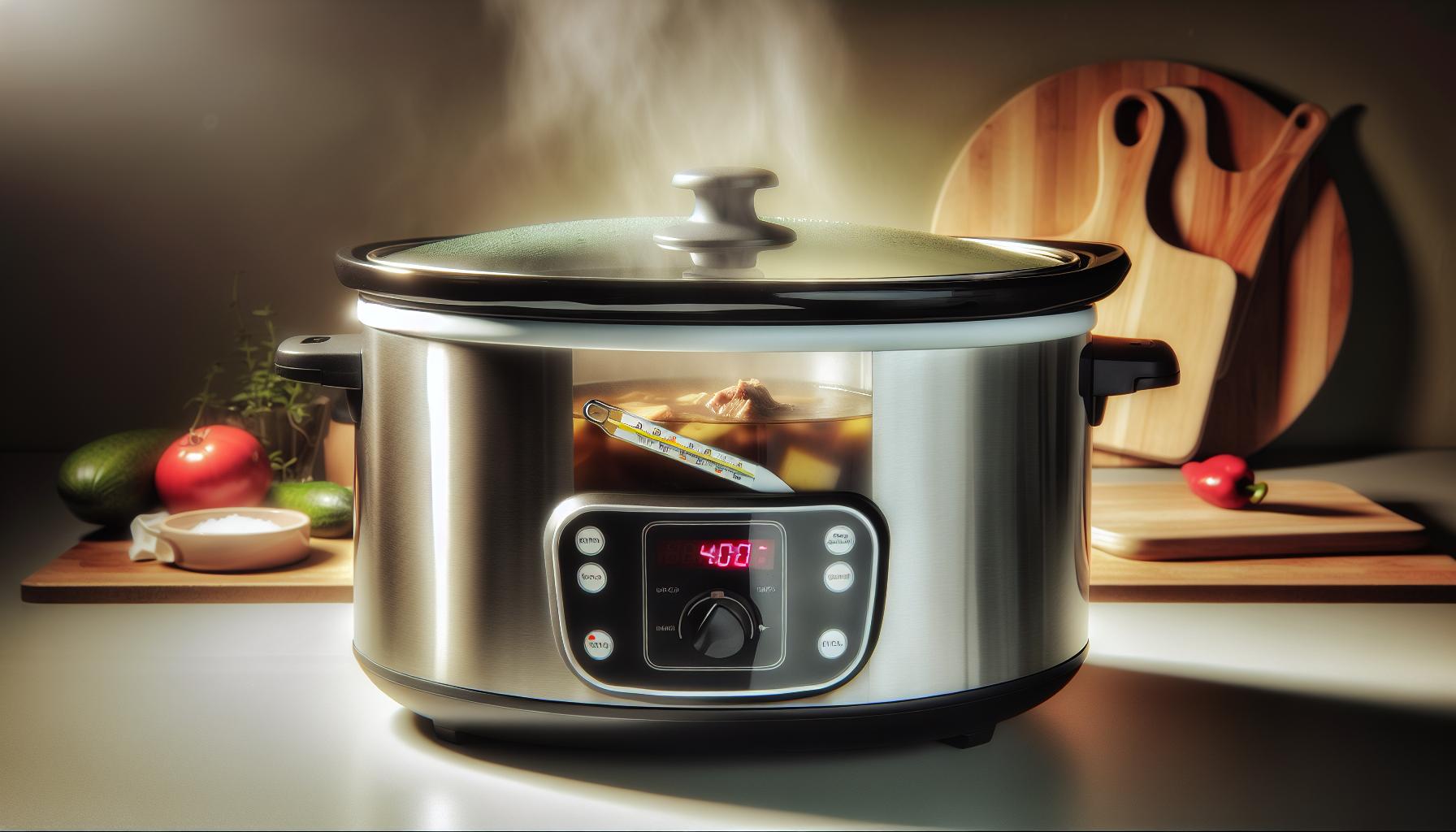
Here’s a cozy kitchen truth: slow cookers are more than just convenient-they’re pretty reliable sous chefs when it comes to food safety. The high setting typically heats your meal to a range between 190°F and 300°F (88°C to 149°C), which is well above the temperature needed to kill most harmful bacteria that love hanging out in raw or undercooked food. So, when you set that dial to high, you’re not just cooking-you’re sending those pesky germs packing.
but just like any trustworthy recipe, timing and technique matter. The magic number to keep in mind is 140°F (60°C), the temperature at which bacteria are slowed down substantially. Since slow cookers spend a good chunk of the cooking time heating steadily above this mark,your food’s in safe territory as long as you let it get there without rushing.A handy trick? Avoid “slow and low” starts with frozen meat. Tossing partially thawed or fridge-cold ingredients into the pot helps the cooker reach safe temperatures faster, preventing the “danger zone” where bacteria can multiply.
Easy-to-Follow Safety Checkpoints
- Layer smart: Place denser cuts like pork shoulder at the bottom centre, where the heat is strongest, ensuring thorough cooking.
- Keep the lid on:
- stick to recommended cook times:
- Use a food thermometer: When in doubt, test! Meat should hit at least 145°F (63°C) for whole cuts, 160°F (71°C) for ground meats, and 165°F (74°C) for poultry.
Personally, I always keep a trusted instant-read thermometer nearby-not just for safety, but to hit that perfect juicy, tender texture we all crave. Think of it as your kitchen sidekick, especially when experimenting with paleo or gluten-free recipes that demand precision but don’t forgive guesswork. And hey, if you’re running late and temp drops below safe cooking levels, just nudge the heat up or give the meal a quick stir to help everything heat evenly.
so while slow cookers aren’t just about convenience-they’re quietly brilliant at keeping your meals safe as well. Embrace the gentle heat, trust your timing, and let your slow cooker work its magic, turning humble ingredients into meals that nourish your body and soul without any worry about germs crashing the party.
How room Temperature and Ingredients Affect Slow Cooker Heat
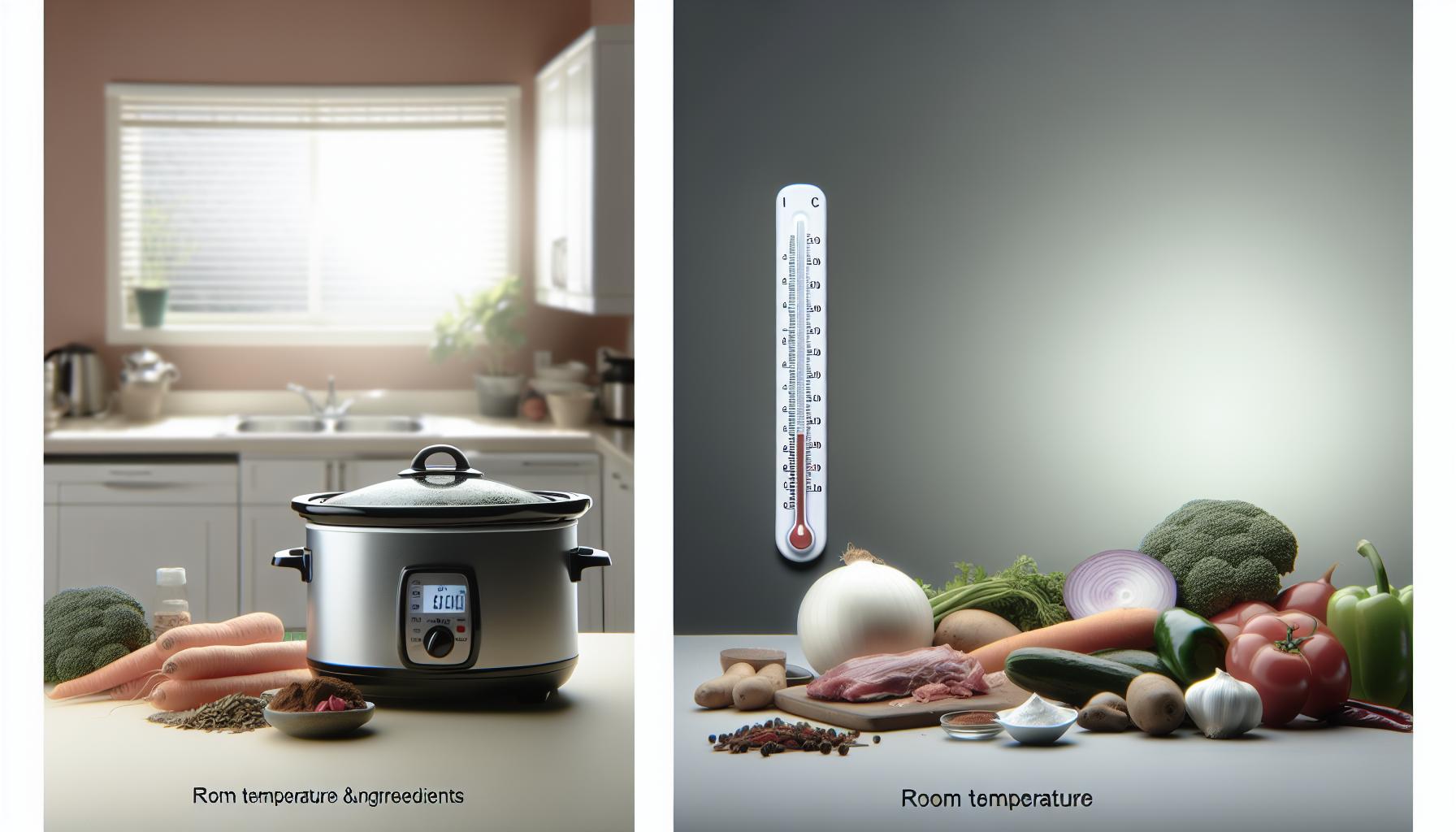
Ever dropped frozen meat straight into your slow cooker, expecting dinner magic, only to watch the temperature crawl like molasses on a cold morning? It turns out, the starting temperature of your ingredients and even your kitchen’s ambient warmth play surprisingly big roles in how quickly and effectively your slow cooker can bring your meal up to the sizzling high range, typically 190°F to 300°F (88°C to 149°C). Think of your slow cooker like a patient friend-it warms things up steadily, but it prefers a warm welcome rather than a frosty handshake.
Starting with room temperature or chilled (not frozen) ingredients can shave off precious time from the cooking process. When you throw in frozen components, the slow cooker first has to thaw and then heat them, which slows down reaching that safe 140°F (60°C) zone where bacteria start to take a hike. This “danger zone” phase can leave food lingering at unsafe temps longer-a no-go for both safety and flavor. I’ve learned the hard way that thawing meat overnight or at least a few hours in the fridge is worth the effort; your slow cooker will thank you with more consistent heat and tastier results.
Ingredient Impact on Heat Distribution
Ingredients themselves affect heat dynamics inside the pot. Dense vegetables and large cuts of meat absorb heat slower than watery or finely chopped ingredients, which heat up faster and can definitely help distribute heat more evenly throughout the dish. If you’re layering a paleo-friendly stew with root vegetables and a chunk of grass-fed beef, place the thicker pieces at the bottom where the heat concentrates most. This simple tip helps everything hit the high temp faster and stay there longer.
- High water content veggies (like zucchini or tomatoes) release steam and heat quickly, accelerating the warming process.
- Fatty cuts of meat tend to heat evenly but remember to trim excess fat to avoid greasy results.
- Dry or dense ingredients such as beans or root veggies require longer soaking or pre-cooking to match the cooker’s pace.
Room Temperature: The Unsung hero
Your kitchen’s temperature silently influences cooking times too. On chilly days, a slow cooker may take an extra 30 minutes or so to reach its high setting as the ceramic insert is starting colder. Pro tip: if you’re short on time, fill the insert with hot water for 10 minutes before adding ingredients-this jumpstarts the heating without stressing the cooker. It’s like preheating your oven, but gentler and way less electricity-hungry.
stirring can help “wake up” stubborn cold spots, especially when adding multiple ingredients with varying temperatures. While you don’t want to peek too much (hello, heat escaping!), a single mid-cook stir can evenly spread warmth and speed up the time to safe cooking temps.
So whether you’re prepping a hearty beef stew for the family or a paleo-friendly chili that makes your taste buds dance, remember: the warmer your ingredients start, the happier your slow cooker (and your belly) will be.A little prep goes a long way in turning slow cooking into a fast track for delicious, safe, and melt-in-your-mouth meals.
Slow Cooker Temperature Vs. Oven and Stovetop Heat Explained
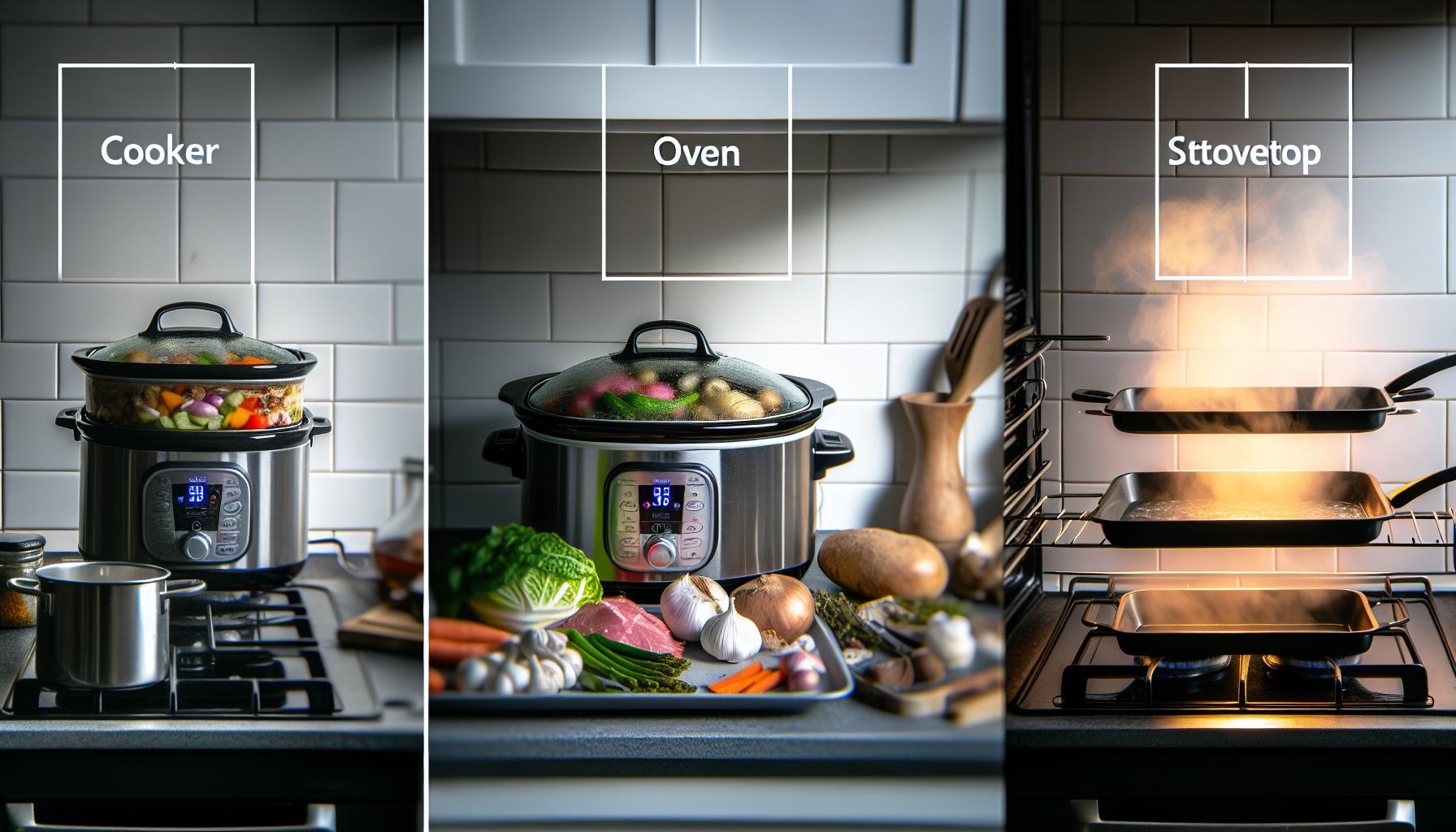
Here’s a fun fact: slow cookers don’t just take their sweet time-they also play the thermostat game quite differently compared to your trusty oven or stovetop. Unlike ovens or burners, which blast heat directly and often fluctuate quickly, slow cookers deliver a steady, gentle warmth that cozies up to your food for hours. This slow-and-low approach isn’t just about convenience; it’s about coaxing flavors out slowly without the risk of scorching or drying your dish. So if you love set-it-and-forget-it meals that pack deep flavor without fuss, the slow cooker deserves serious kitchen credit.
When you crank your oven to 350°F or set a stovetop burner to medium-high, you’re working with direct radiant or conductive heat that can climb swiftly to those temperatures, sometimes hitting 400°F or more depending on how long you cook. Slow cookers, on the other hand, hover in a much lower temperature range-roughly between 190°F and 300°F on the high setting-which may feel modest but is plenty hot to tenderize tougher cuts of meat and coax rich, melded flavors over time.Because of the ceramic pot and the enclosed lid design, heat circulates slowly and evenly, minimizing moisture loss and making your meals juicy and melt-in-your-mouth perfect.
Why Does This Matter in Practice?
Think of it this way: your stovetop can sear a steak in minutes, an oven can roast a chicken in under an hour, but a slow cooker turns humble ingredients into comfort-food gold over 6 to 8 hours or more. That slower pace gives collagen and connective tissues time to break down gently, tenderizing without drying out green veggies or delicate spices.This distinctive temperature curve also means you’ll rarely see browning in a slow cooker-that’s the stovetop or oven’s playground. But in return, you get rich, deep flavor that’s less about crust and more about melt-in-your-mouth texture.
- Oven/Stovetop: High-temp heat sources that can fluctuate and brown food, great for quick cooking and crisp textures.
- Slow Cooker: Steady,moist heat ideal for long,unattended cooking that breaks down tough fibers and preserves moisture.
For paleo or gluten-free homes, this means you can confidently prepare big batches of root-vegetable stews, bone-broth soups, or shredded meat dishes that deliver layered, comforting flavors without a fuss. Just remember,recipes designed for ovens often need tweaks-like adding less liquid or skipping pre-browning-since the slow cooker’s gentler heat behaves quite differently. And hey, that less-is-more approach also saves a ton of energy!
From my personal kitchen chronicles, one game-changing tip is to use the slow cooker as your flavor builder by cooking tough cuts overnight, then finishing on a quick sear or broil to add that crave-worthy crispness. This hybrid approach marries the best of both heat worlds-slow, even tenderness plus a final golden touch. So next time you’re wondering if the slow cooker can rival your oven’s heat, remember it’s not a race but a slow waltz, letting each ingredient do a little dance toward deliciousness on its own temp timeline.
Troubleshooting why Your Slow Cooker Might Not Get Hot Enough
Slow cookers are designed to gently coax flavors out of your ingredients, but sometimes your trusty crockpot might feel like it’s running a marathon in flip-flops-slow and struggling to reach those higher temps. If your slow cooker just isn’t heating up enough on the high setting, it can be frustrating and might throw off your meal timing or texture. But before you toss it and dash to the store for a shiny new model, let’s troubleshoot some common reasons and share easy fixes that won’t require a tech degree or breaking your piggy bank.
One of the classic culprits is the lid not fitting properly or being removed too frequently enough during cooking. Slow cookers rely on trapped steam and heat circulation inside the ceramic pot to gradually hit their ideal temperatures, usually about 300°F on high.Lift the lid less often than you might want-every peek lets heat escape and resets the temperature climb, making your cooker work overtime. If you notice your lid doesn’t sit snugly, consider that an energy leak. Personally, I learned this the hard way while making homemade bone broth-I kept checking it “just to see,” and it extended cooking by hours until I put the lid back on snug.
another hidden suspect can be using the cooker on an uneven surface or placing it inside cabinets without proper airflow. Slow cookers need some breathing room to dissipate heat from their electrical base. Cramped spots can make it work harder, and some models even have thermal safety switches that dial down the heat if ventilation’s poor. Try moving your crockpot to a flat, open counter spot and ensure the bottom and sides aren’t blocked by kitchen towels or other clutter.
Check Your Container and Ingredients
The size and shape of your slow cooker insert also matter big time. If you’re making a tiny stew in a huge slow cooker, the unit struggles to heat that small mass efficiently, and your food takes forever to get to temp. Conversely, overstuffing leads to uneven heating and longer cooking. Using frozen ingredients straight from the freezer might also drag down your slow cooker’s internal temps. Pro tip: thaw meats or chill prepped veggies a bit before adding them.This jump-starts the slow cooker’s warming process and puts your meal on the fast track toward safe, delicious.
- Loose lid or frequent opening: Heat escapes, slowing temperature rise.
- Poor ventilation or cramped placement: Restricts heat dispersal,forcing cooker to throttle back.
- Inappropriate pot size or shape: Impacts heat distribution and efficiency.
- Using frozen or very cold ingredients: Lowers overall temperature for longer periods.
- Electrical issues: Check power cord or try diffrent outlet if nothing else helps.
If you’ve checked all the above and it’s still not firing on all cylinders, it might be time to test the unit’s heating element. You can do this with a kitchen thermometer-we’re looking for steady consistency around 300°F on high after 2 to 3 hours. If your device won’t get close, the heating coil might potentially be wearing out. Before calling it quits, run a simple water test: fill the pot with water, cover, and monitor temp hourly. Water should ideally reach between 190°F (low) and 300°F (high). Falling way short? Either professional repair or a new slow cooker might be in your future,but hey,that’s chance to upgrade or try the latest energy-efficient models.
Cooking with a slow cooker should feel like a joyful kitchen companion, not a mystery box of “will-it-or-won’t-it.” By checking your lid snugness, placement, and ingredient prep, plus knowing what ideal temp ranges really are, you’ll be well on your way to perfectly tender, flavorful meals every time. Remember, achieving that slow cooker magic isn’t about speed-it’s about steady warmth, a bit of patience, and a sprinkle of kitchen know-how.
Expert Tricks to Maximize Slow Cooker Heat Efficiency
unlocking your slow cooker’s full heat potential feels almost like alchemy-turning humble ingredients into mouthwatering magic without standing over a steaming pot. But here’s a little secret: even the best slow cookers can play hard to get if they don’t have the right setup. It’s not just about cranking the dial to “high” and hoping for the best. Maximizing heat efficiency is a blend of savvy kitchen moves and smart ingredient prep that ensures every watt of heat counts.
Start with the classic “lid lock.” A perfectly snug lid isn’t just about keeping spills in check; it’s your slow cooker’s heat fortress. Every time you lift that lid, you invite a rush of escaping steam and chill your dish’s rising temperature-think of it like trying to fill a leaky bucket. So, resist the urge to peek! I learned this from burning the midnight oil on a gluten-free beef stew; a single lid lift added nearly 30 minutes to the cook time. Pro tip: if your lid feels loose or doesn’t seal well, a quick fix can be a kitchen towel wrapped around the edge to trap more heat.
Optimize Your Slow Cooker’s “Real Estate”
Where you park your slow cooker matters-a lot more than you’d think. Placing it on a flat, sturdy surface with plenty of airflow around it prevents the heating element from throttling down due to heat buildup inside cramped cabinets or counters cluttered with kitchen linens. think of your crockpot like a star athlete-it doesn’t perform well when jammed into a tight locker room. Also, keep it away from cold drafts or windows, which can sap heat and slow your cooker’s gradual climb to optimal temps.
Ingredient Strategy for Heat and flavor
It’s tempting to toss frozen chunks straight into the crockpot and call it a day, but this chills the ceramic insert and forces the slow cooker to work overtime just to reach proper cooking temps. This applies whether you’re whipping up a paleo-friendly chili or a cozy gluten-free stew. Thaw meats and partially defrost veggies before you start, giving the heat a better running start. Additionally, try layering dense items like root vegetables at the bottom-closest to the heating element-to help conduct warmth upward faster, while more delicate ingredients go on top. This simple rearrangement boosts heat circulation and can shave precious cooking time without sacrificing texture.
- Use a thermometer: Keep one handy to check that your slow cooker reaches about 300°F on high within a couple of hours.
- Don’t overfill or underfill: Aim for 1.5 to 2 inches of headspace to allow steam circulation-too much or too little can disrupt heat flow.
- Layer smartly: Place hearty root vegetables and tougher meats at the bottom for better heat conduction.
- Limit lid removal: Commit to only one or two checks during cooking to conserve heat.
- Test placement: Move your cooker if it feels warm on the sides but never gets hot inside.
efficient slow cooking is like a good friendship-a little attention, some thoughtful care, and letting things unfold at their own cozy pace. With these easy hacks, your slow cooker can better reach and maintain that sweet 300°F zone on high, promising tender, flavor-packed meals that make weeknight dinners feel like a celebration-paleo, gluten-free, or just downright comforting.
Adjusting Recipes When Using High Setting on a Slow Cooker
Cranking your slow cooker to the high setting doesn’t just mean your dish cooks faster-it also calls for a few smart tweaks to the recipe to keep everything tasting just right.Because the typical high setting in a slow cooker hovers around 300°F, which is gentler than oven roasting but quicker than a low simmer, you’ll want to balance time, texture, and moisture. Whether you’re crafting a paleo-friendly roast or a gluten-free vegetable stew,thinking ahead about ingredient prep and cooking times will keep your meal on point without sacrificing that melt-in-your-mouth magic.
One of the biggest adjustments is trimming down the overall cook time.Recipes designed for the low setting often run 8-10 hours, while the high setting can cut that to about 4-6 hours-sometimes even less. Be mindful, though: high heat can turn lean meats dry if left unattended too long. For example, when making a pork shoulder paleo-style, it’s better to check for tenderness toward the end of the cook time rather than sticking rigidly to a schedule. And veggies? Root vegetables like carrots and potatoes love the extra heat when placed at the bottom of your crockpot, but more delicate greens or herbs are best stirred in during the last 30 minutes to preserve their vibrancy and flavor.
Simple Recipe Tweaks that Make a Big Difference
- Adjust liquids: Because high heat evaporates moisture faster, reduce broth or water quantities slightly to avoid a soupy dish, especially with gluten-free grains like quinoa or amaranth that puff up quickly.
- Layer intentionally: Place dense items (think: sweet potatoes, carrots) at the base near the heating element, with meats and tender veggies on top for even heat distribution.
- Freeze smart: Thaw proteins fully before loading-dropping frozen meat into a 300°F environment can drastically slow cooking and toss off your timing.
- Add dairy late: Ingredients like cream, cheese, or coconut milk can separate if exposed to long, intense heat. Stir these in during the final half hour for luscious results.
From my own kitchen experience, switching recipes from low to high isn’t about rushing-it’s about tuning in to the texture shifts and being willing to make adjustments on the fly. One time, a high-setting paleo beef stew taught me patience; tempting as it was to poke at the lid, I found the best trick was actually to let it hum along and test doneness around the 5-hour mark. That’s when the flavors had fully seeped in, and the meat was tender enough to fall apart without drying out. Slow cookers have this soothing rhythm-you want to ride the wave, not fight it.
Easy Adaptations for Busy days & Dietary Preferences
- For paleo fans: Use nutrient-dense bone broth and hearty root veggies; opt for grass-fed meats that stay juicy at higher temp.
- For gluten-free cooks: Incorporate gluten-free grains carefully, cut down liquids a bit, and add fresh herbs at the end for a flavor punch.
- On a time crunch? Start your prep the night before by chopping and freezing veggies, then thaw for quick assembly in the morning.
Adjusting recipes for the high slow cooker setting isn’t rocket science-it’s more like mastering a kitchen dance. With a pinch of planning, a dash of flexibility, and a whole lot of deliciousness, your slow cooker will reward you with dishes that feel effortless and taste like a warm hug on a plate. Go ahead, embrace that high setting magic and watch your dinner game level up!
FAQ
Q: Can a slow cooker on high setting reach the boiling point of water?
A: A slow cooker on high typically heats between 190°F to 210°F, just below or around water’s boiling point of 212°F. This means it usually brings liquids to a gentle boil, perfect for slow, even cooking without vigorous bubbling. For precise cooking, check your model’s exact heat range as noted in the Typical Temperature Range section for more details.
Q: Why does my slow cooker on high sometimes take longer to cook?
A: Slow cooker high settings can vary in heat output due to ingredient temperature, lid fit, and cooker brand. If ingredients are cold or the lid isn’t sealing tightly, reaching high heat takes longer. Try preheating the cooker briefly or letting ingredients warm before cooking, as explained in How Room Temperature and Ingredients Affect Slow Cooker Heat.
Q: Is it safe to leave a slow cooker on high all day? How hot does it get?
A: Yes, most slow cookers on high maintain temperatures around 200°F, safely killing bacteria over several hours. However, using high all day can overcook some foods. Follow safety tips from our Is a Slow Cooker Hot Enough to Kill Bacteria? section, and adjust cooking times or switch to low for longer cooks.
Q: How does slow cooker high heat compare to stovetop simmering?
A: slow cooker high setting heats slightly lower than a stovetop simmer, usually sustaining 190°F-210°F vs. simmering that’s roughly 185°F-205°F but can fluctuate more. Slow cookers provide consistent, even heat, making them ideal for hands-off recipes. For comparison insight, see the section on Slow Cooker Temperature Vs. Oven and Stovetop Heat Explained.
Q: Can I adjust slow cooker recipes if my high setting runs hotter than average?
A: Absolutely! If your slow cooker runs hot (above 210°F), reduce cooking time by about 25% to prevent overcooking. Keep an eye on texture and moisture, and for detailed tips, refer to Adjusting Recipes When Using High Setting on a Slow Cooker. This helps make your meals perfect every time.
Q: What household methods can test how hot my slow cooker on high gets?
A: To test your slow cooker’s high temperature, use a digital kitchen thermometer placed in a cup of water inside the cooker. Heat on high, then check temperature after 2 hours. This simple method helps confirm your cooker’s true heat range and optimize recipes accordingly, linking well to Troubleshooting Why Your Slow Cooker Might Not Get Hot Enough.
Q: Why does the slow cooker lid get much cooler than the pot on high?
A: The lid often stays cooler because it’s designed to trap steam and moisture, which condenses on the lid’s surface.Even on high, the lid’s temperature lags behind the pot’s consistent 190°F-210°F. For details on how lid temperature affects cooking, check how Slow Cookers Work: Understanding Heat Settings.
Q: How does altitude affect the slow cooker temperature on high?
A: At higher altitudes, water boils at lower temperatures, so your slow cooker’s high setting may not reach the same heat as at sea level, potentially extending cooking times. You can compensate by adding extra cooking time or increasing the liquid slightly. For more, revisit the section on How Room Temperature and Ingredients Affect Slow Cooker Heat.
For more handy slow cooker tips and to master your meals with ease, explore our full guide sections linked above. Keep experimenting-your perfect slow cooker recipe is just around the corner!
Key Takeaways
now that you know how hot a slow cooker on high really gets, you’re better equipped to time your meals perfectly and keep flavors spot-on-whether you’re crafting a hearty paleo stew or a gluten-free chili. Remember, slow cookers usually hit around 300°F on high, making them ideal for those busy days when you want fuss-free, comforting meals without hovering over the stove. If you’re curious about adjusting cook times or safe food temperatures for other diets, check out our guides on slow cooker tips and meal prep hacks to keep your kitchen stress-free and delicious.
Ready to elevate your slow cooker game? Dive into our step-by-step recipes tailored for every prep time, difficulty, and dietary need-gluten-free, paleo, and beyond. Don’t forget to subscribe to our newsletter for fresh ideas that make specialized cooking feel easy and fun, just like chatting with a good friend who knows the joy of food without the perfectionism. Got questions or your own slow cooker stories? drop a comment below; sharing helps our cooking community grow and inspires new recipes everyone can enjoy!
Whether you’re looking for the best temperature settings or craving simple ingredient swaps, we’ve got your back with tested, comforting recipes designed to fit into your busy life. Explore more about slow cooker safety, temperature hacks, and meal ideas to keep those kitchen wins coming-and keep coming back for more tasty inspiration!