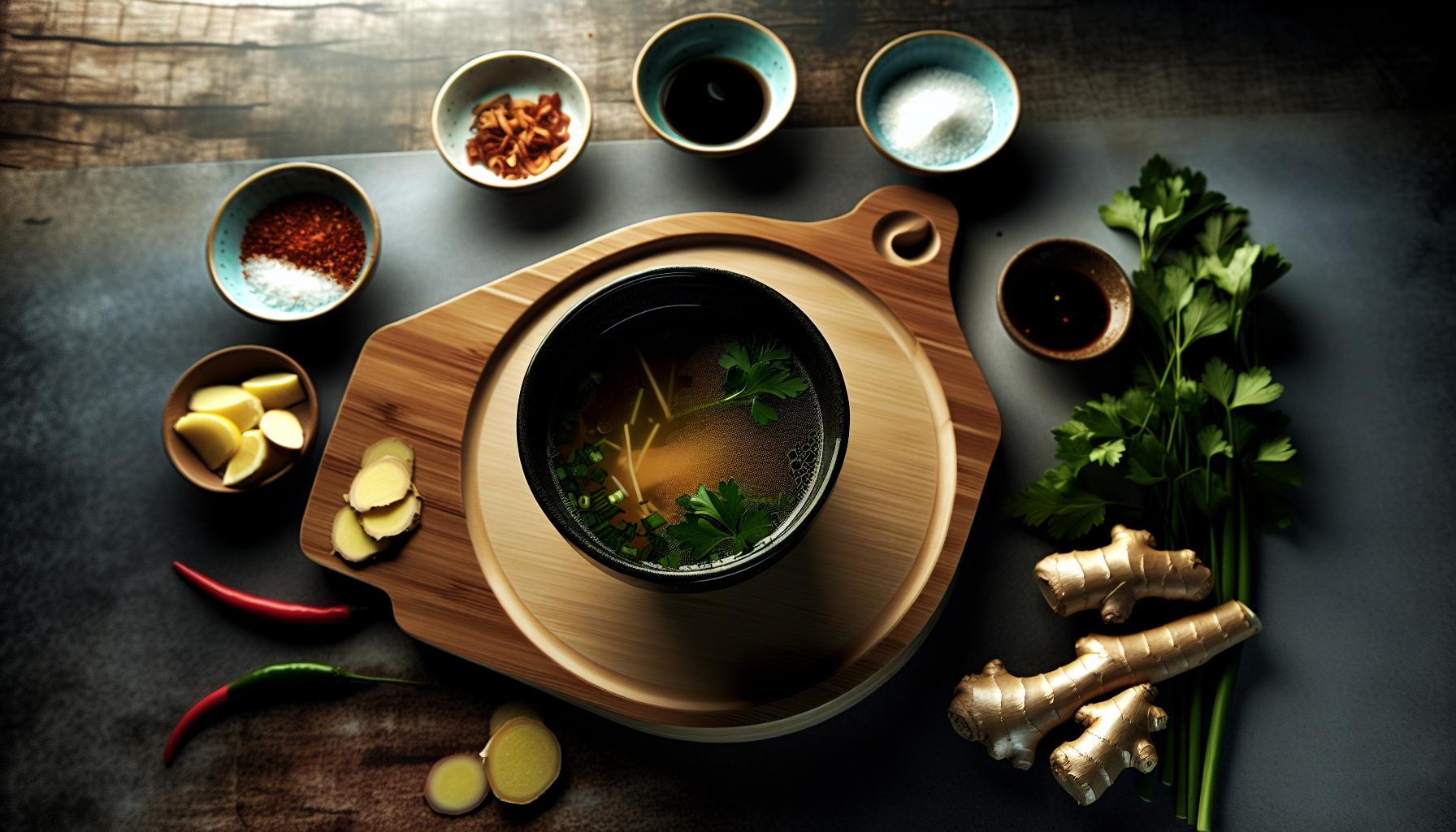
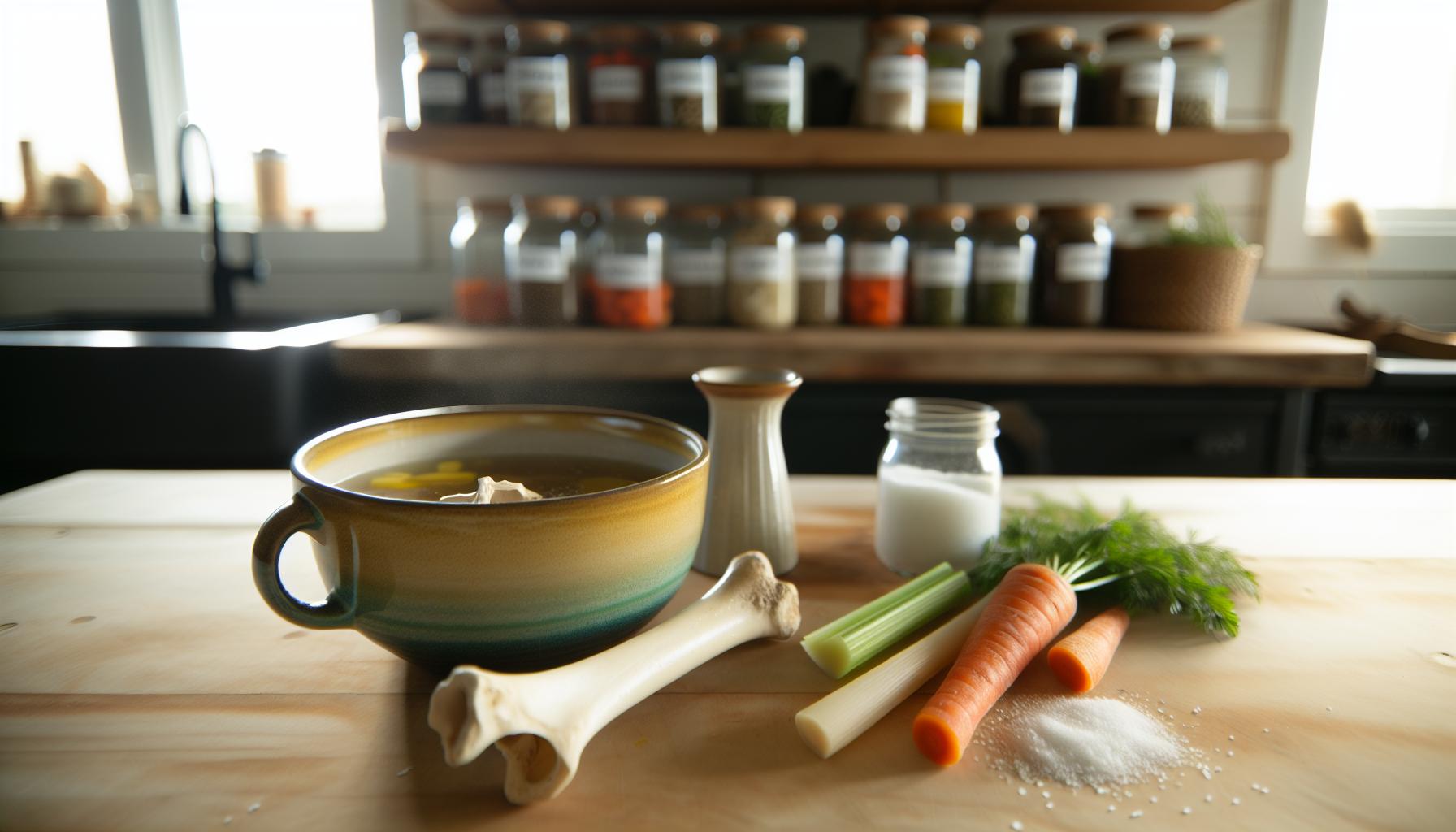
Did you know that slow-cooking bone broth for the right amount of time is key to unlocking its rich collagen-and all those gut- and skin-loving benefits? If you’ve ever wondered exactly how long to cook bone broth in yoru slow cooker to get that perfect, silky texture without turning it into an indescribable mess, you’re in the right place. This isn’t one of those “just toss it and forget it” jobs-timing really matters to pull out maximum collagen, flavor, and nutrients.
from my kitchen experiments (and a little trial and error), I’ve learned that slow simmering bones for anywhere between 24 to 48 hours tends to hit the collagen jackpot, turning your broth into a delicious, nourishing experience that feels like a warm hug on a chilly day. Whether you’re paleo, gluten-free, or just looking to boost your nutrition with a comforting staple, understanding the how and why of cooking time makes this ancient recipe approachable and fun. Stick around,and I’ll walk you through everything you need to know-including some handy tips for shortcuts and ingredient tweaks-so your slow cooker can do the heavy lifting while you enjoy the tasty rewards!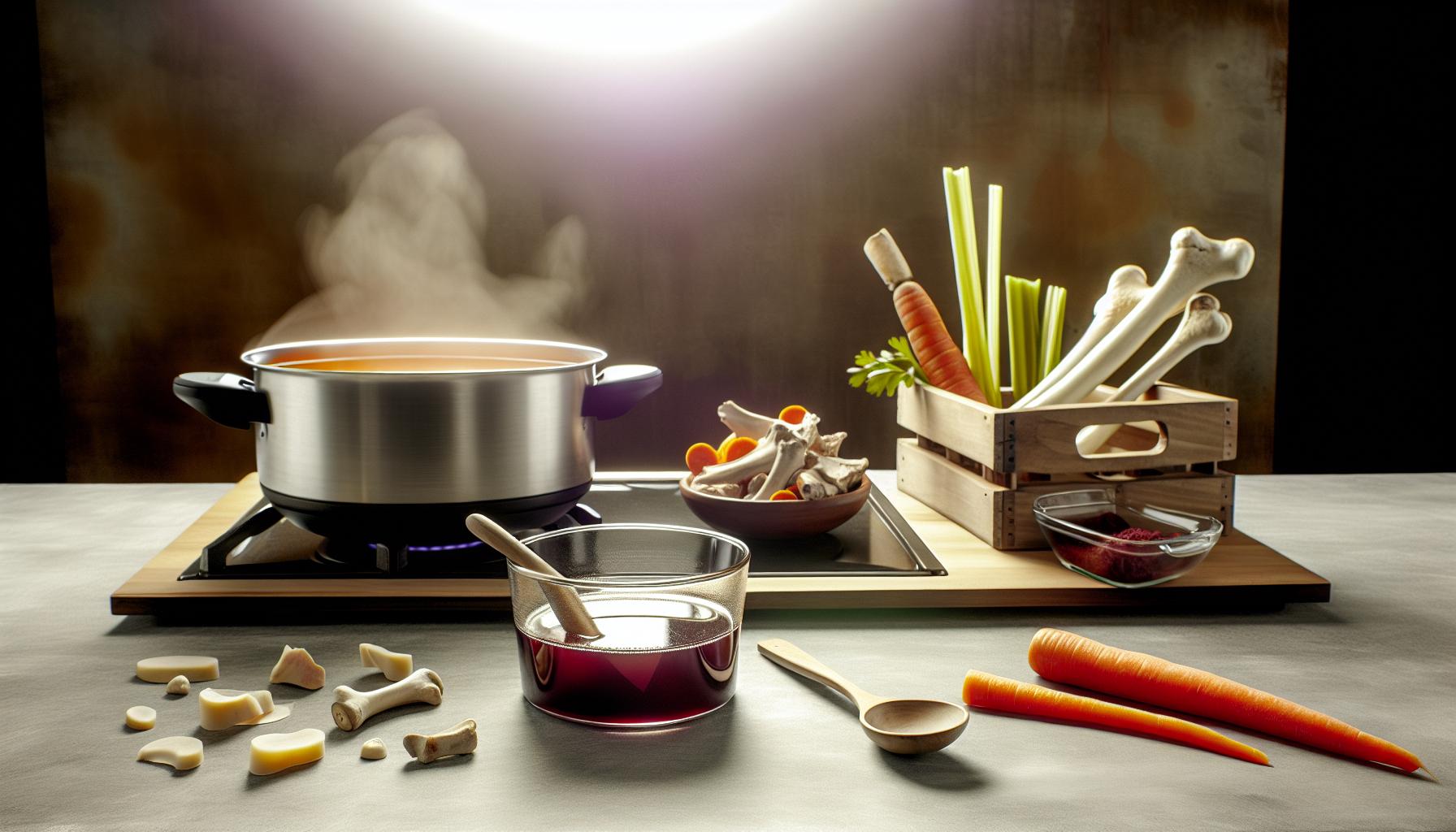
Table of Contents
- How Collagen Builds in Bone Broth Over Time
- Choosing the Best Bones for Maximum Collagen
- Step-by-Step Slow Cooker bone Broth Recipe
- Ideal Slow cooker Settings for Perfect Collagen Extraction
- How to Know When Your Bone Broth is Done
- Tips to Boost Collagen Without Extra Cooking Time
- Common Mistakes That Reduce Collagen in Broth
- Flavor Enhancers That Complement Collagen-Rich Broth
- Storage and Reheating for Collagen Preservation
- using Bone Broth for Paleo, Keto, and Gluten-Free Diets
- Faq
- Q: How does cooking bone broth longer than 24 hours affect collagen extraction in a slow cooker?
- Q: Can adding vinegar early in the slow cooker process speed up collagen release?
- Q: What are signs my bone broth has reached maximum collagen in the slow cooker?
- Q: Is it better to cook bone broth on low or high in a slow cooker for optimal collagen?
- Q: Can I increase collagen in bone broth by adding connective tissue or joints to the slow cooker?
- Q: How does bone size affect slow cooker collagen extraction time?
- Q: Can I slow cook bone broth overnight to maximize collagen safely?
- Q: Does stirring bone broth during slow cooking improve collagen extraction?
- Future Outlook
How Collagen Builds in Bone Broth Over Time
Nothing quite beats that magical moment when your slow cooker, bubbling away quietly in the kitchen, turns humble bones into a silky, collagen-rich broth that feels like a warm hug in a mug. Collagen doesn’t just appear like magic-it builds gradually as heat, time, and a bit of kitchen chemistry work their wonders. The slow simmer releases collagen from the bones and connective tissues, transforming it into gelatin that gives bone broth its prized body and nourishing punch.
Collagen extraction happens as the collagen fibers within the bones and cartilage slowly break down under low, gentle heat. The real magic starts after a few hours and ramps up the longer you keep that broth cozy on the stove or in your slow cooker. But here’s the catch-while longer cooking times generally pull more collagen out, there’s a sweet spot to hitting maximum collagen without sacrificing flavor or nutrient quality. In my experience, 12 to 24 hours is a perfect stretch for coaxing a thick, silky broth that sets like Jell-O when chilled. Beyond that,you might get diminishing returns or a slightly bitter taste creeping in.
Timing Is Everything: Getting Collagen to the Perfect Point
- First 6-8 hours: You’re mostly warming things up. Collagen starts to soften but isn’t fully released yet.
- 8-16 hours: Now, you’re in collagen sweet spot territory-gelatin begins to bloom, and the broth thickens and gains flavor.
- 16-24 hours: Maximum collagen extraction occurs; the broth will be rich, flavorful, and packed with amino acids.
- After 24 hours: The collagen is mostly extracted, and the broth might start tasting a bit too “cooked.” Time to call it a day!
For those juggling a busy life,here’s a little secret: starting your broth before bed and letting it slow-cook overnight is a game changer.Waking to that aroma? Instant kitchen win. Plus, it fits beautifully into Paleo, keto, and gluten-free lifestyles, delivering nourishing collagen without any fuss.
Something else I adore about slow-cooker bone broth is how it deepens in flavor simply by giving it time.Unlike a quick stock that’s gone in a couple of hours, slow cooking teases out minerals, nutrients, and most importantly, collagen, in a way that’s not just healthy-it’s soul-satisfying. So, grab your favorite bones, tuck them in with seasonings, and let that slow simmer do the rest. You’ll end up with broth so good, it practically begs to be sipped straight up or used in your favorite hearty stews and soups.
Choosing the Best Bones for Maximum Collagen
Finding the perfect bones is like setting the stage for a culinary performance were collagen takes center spotlight. Not all bones are created equal when it comes to coaxing that luscious, gelatin-rich broth from your slow cooker. If you want to max out collagen extraction without fuss, think marrow-filled, cartilage-heavy bones – these are the collagen goldmines your broth will thank you for.
What to Look For in Bones
- Beef Knuckles and Marrow Bones: These are collagen-packed, with plenty of cartilage and connective tissue.I love grabbing a mix of knuckle bones, marrow, and even some oxtail if I can find it. The marrow adds richness,while the knuckles bring serious gelatin.
- Chicken Feet and Wings: Don’t underestimate these tiny bones! Chicken feet are collagen champions loaded with tendons and skin-perfect for a light yet nourishing broth. Plus, wings have good cartilage content that gels up the broth beautifully.
- Pork Neck Bones: Slightly fatty with good cartilage,pork neck bones contribute to a flavorful,body-rich broth that gels nicely when chilled.
- Organic or Grass-Fed If Possible: Beyond collagen, bones from pasture-raised animals often have richer nutrients and cleaner flavor, which can elevate your broth’s depth.
When shopping, don’t shy away from buying bones that have some meat attached – it boosts flavor without diluting collagen content. I often hit up my local butcher early in the week,and they’re happy to set aside collagen-rich bones that might otherwise go to waste. If you’re ever in a pinch, frozen bones from your grocery’s meat counter do the trick too.
Balancing Collagen and Flavor
While collagen is the star, you want a broth that tastes amazing, not just “jelly in a cup.” so, pairing dense collagen bones with a few meaty or bony scraps (think necks, backs, or knuckles with some meat) ensures you get a rich, full-bodied broth.too many marrow-heavy bones alone may extract collagen but can sometimes make the broth overly rich or greasy, so a little balance goes a long way.
Here’s my quick cheat sheet for choosing bones for slow cooker collagen magic:
| Bone Type | Collagen Content | Flavor Contribution | Best For |
|---|---|---|---|
| Beef Knuckle Bones | Very High | Rich, Deep | Long Simmer, Thick Broth |
| Beef Marrow Bones | High | Rich, Slightly Fatty | Flavor and Texture Boost |
| chicken feet | Very High | Light, Clean | Quick Collagen Boost |
| Pork Neck Bones | Moderate | Savory, Slightly Fatty | flavorful Broth |
| oxtail | High | Meaty, Gelatinous | Stews & Rich Broth |
No fancy kitchen gadget needed here-just gather your favorite bones, toss in some water and a splash of vinegar to help extract collagen, and start that slow cooker magic.
believe me when I say-don’t worry if you can’t source every “optimal” bone. Collagen extraction is forgiving, and you’ll still end up with something nourishing and comforting. Bone broth is about patience and love, not perfection. so experiment, have fun, and enjoy the cozy, nourishing results!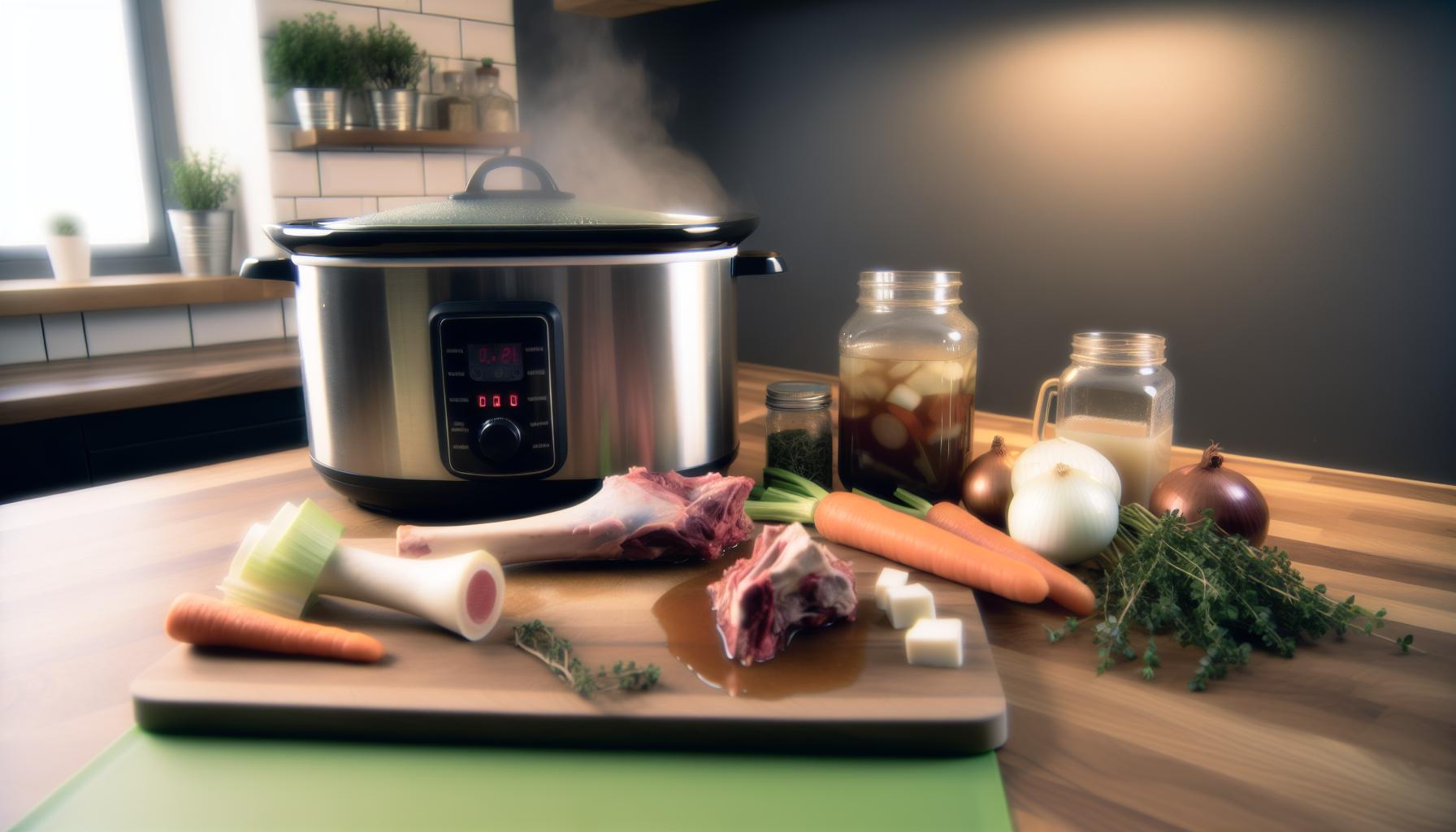
Step-by-Step Slow Cooker bone Broth Recipe
Bone broth is one of those magic elixirs that gets better the longer you let it work its collagen-extracting charm – and the slow cooker makes this process easy and mostly hands-off. If you’ve ever been curious about how to turn humble bones into a nourishing, gelatinous broth that supports your skin, joints, and overall health, you’re in the right place. The secret’s in the slow, gentle simmer that melts down collagen into that silky goodness we all love. Here’s a friendly,practical guide to making your own collagen-rich bone broth with minimal fuss and maximum deliciousness – paleo,keto,and gluten-free friendly,of course!
Gather Your Ingredients and Gear
- Bones: Start with a mix of collagen heroes – beef knuckles,marrow bones,chicken feet,or pork neck bones. If you can’t get exactly those, any good quality bones with some cartilage and connective tissues will do.
- Water: Enough to cover your bones by 1-2 inches in the slow cooker.
- Apple Cider Vinegar or Lemon Juice: 1-2 tablespoons to help draw out collagen and minerals from the bones.
- Optional vegetables and herbs: Onion,garlic,carrots,celery,bay leaves,peppercorns,thyme – these add depth and flavor but skip them if you want a neutral broth for recipes.
No fancy equipment needed besides your trusty slow cooker, which lets you set it and forget it for hours while the collagen does its thing.
Step-by-Step Magic
1. Roast Your Bones (optional, but Worth It!)
For a deeper, roasted flavor, pop your bones into a 400°F oven for 30-40 minutes until golden brown. Trust me, this minimizes that raw-bone taste and amps up richness.
2. Prepare Your Slow Cooker
Add your bones to the slow cooker pot.Toss in veggies and herbs if you like a flavor boost, then pour in water until it just covers the bones (overfilling can dilute your broth). Don’t forget the splash of vinegar – this little trick is a collagen-extractor’s secret weapon.
3. Cook Low and Slow
Set your slow cooker to LOW and let it cook for anywhere between 12 and 48 hours depending on your patience and schedule. For maximum collagen extraction, aim for at least 24 hours. The longer it simmers, the more collagen breaks down, turning your broth from watery to wonderfully gelatinous. If you’re short on time, 12 hours still packs a nice collagen punch but plan for longer next time to reap those benefits.
4.Skim and Check
Every now and then (especially after the first few hours), a little foam or scum may rise to the top – skim this off with a ladle or spoon for cleaner broth. If you can’t check too frequently enough, that’s OK - the slow cooker handles it gracefully.
5. Strain and Store
When your broth is done, strain out the bones and veggies through a fine mesh or cheesecloth-lined colander. Let your broth cool in the fridge overnight. You’ll likely see a jelly-like consistency when chilled – that’s the collagen magic in action! Keep it in sealed containers in the fridge for up to 5 days or freeze batches in portion-friendly sizes for later.
Quick Tips From My Kitchen
- If life’s hectic, don’t stress about exact timing. Even a 12-hour slow cooker session yields tasty broth with some collagen.
- Adding a bit of sea salt toward the end amps flavor without impacting collagen extraction.
- Try freezing broth in ice cube trays to pop into soups,sauces,or your morning coffee for a nourishing boost on the fly.
With just this simple method, you’re setting yourself up for a delicious and healing staple that fits your paleo, keto, or gluten-free lifestyle beautifully – no complex kitchen rituals required. It’s cozy, collagen-rich comfort that tastes like a hug from your slow cooker. Enjoy!
Ideal Slow cooker Settings for Perfect Collagen Extraction
One of the secrets to unlocking that luscious, collagen-packed bone broth is mastering the slow cooker settings. It’s honestly the easiest part once you get the hang of it-just set it low, walk away, and let the magic happen. Collagen needs gentle heat over a long period to break down from tough, connective tissues into the silky gelatin that makes your broth rich and nourishing.Think of it like a spa day for your bones: slow, steady warmth is what turns them into liquid gold.
In practical terms,the best setting is almost always LOW,not HIGH. Slow cookers can run anywhere around 170°F to 200°F on low, which is just perfect for coaxing collagen out without overcooking. If you crank it too high, you risk boiling off that precious collagen or ending up with a cloudy broth that’s less silky and more… well, meh. It’s the difference between a graceful simmer that teases flavor and nutrients out, and a frantic boil that just causes chaos in your pot. Ideally, aim for at least 24 hours on low for the richest results, but even 12 hours makes a nice broth if you’re in a rush. You can stretch it up to 48 hours if you want a broth that gels like a pro and packs an extra punch of goodness.
If your slow cooker has a timer function, don’t stress about waking up exactly when the broth hits perfection. The collagen extraction is pretty forgiving,and a few extra hours won’t spoil things-just make sure the broth temperature stays in that low-simmer zone. Meanwhile, you’re free to tackle a million other things or binge your favorite show. Also, if your slow cooker tends to run hot, insert an oven-safe thermometer to get a feel for its quirks (because every cooker has a personality).
Pro Tips for Smooth Collagen Extraction
- Start low and slow: Set your slow cooker to LOW for the entire cooking session. Resist the temptation to flip to HIGH for a speed boost-patience wins this race.
- Check water levels: Keep bones just submerged with 1-2 inches of water. Too much water dilutes collagen concentration, while too little risks burning your base.
- Use a lid properly: Keep the lid snug to prevent moisture loss, but if you notice too much steam condensation dripping back (making the broth watery), you can briefly tilt the lid later in cooking to let some steam escape.
- Timing vs. texture table:
| Cook Time | Broth Texture | Collagen Yield | Flavor Profile |
|---|---|---|---|
| 12 hours | Lightly gelatinous | Moderate | Bright, subtle |
| 24 hours | Distinct gelatinous | High | rich, deeply savory |
| 36-48 hours | Thick gelatinous (jelly-like) | Maximum | Robust, intense |
So, the takeaway? Low heat, long hours, and a steady hand-or rather, a steady slow cooker-set you up for bone broth success. My favorite part about this method is the freedom it gives you: you get to create a broth that’s both a pantry hero and a healing kitchen ritual, all while the slow cooker happily bubbles away in the background. Trust me, once you nail this, you’ll never look at broth the same way again.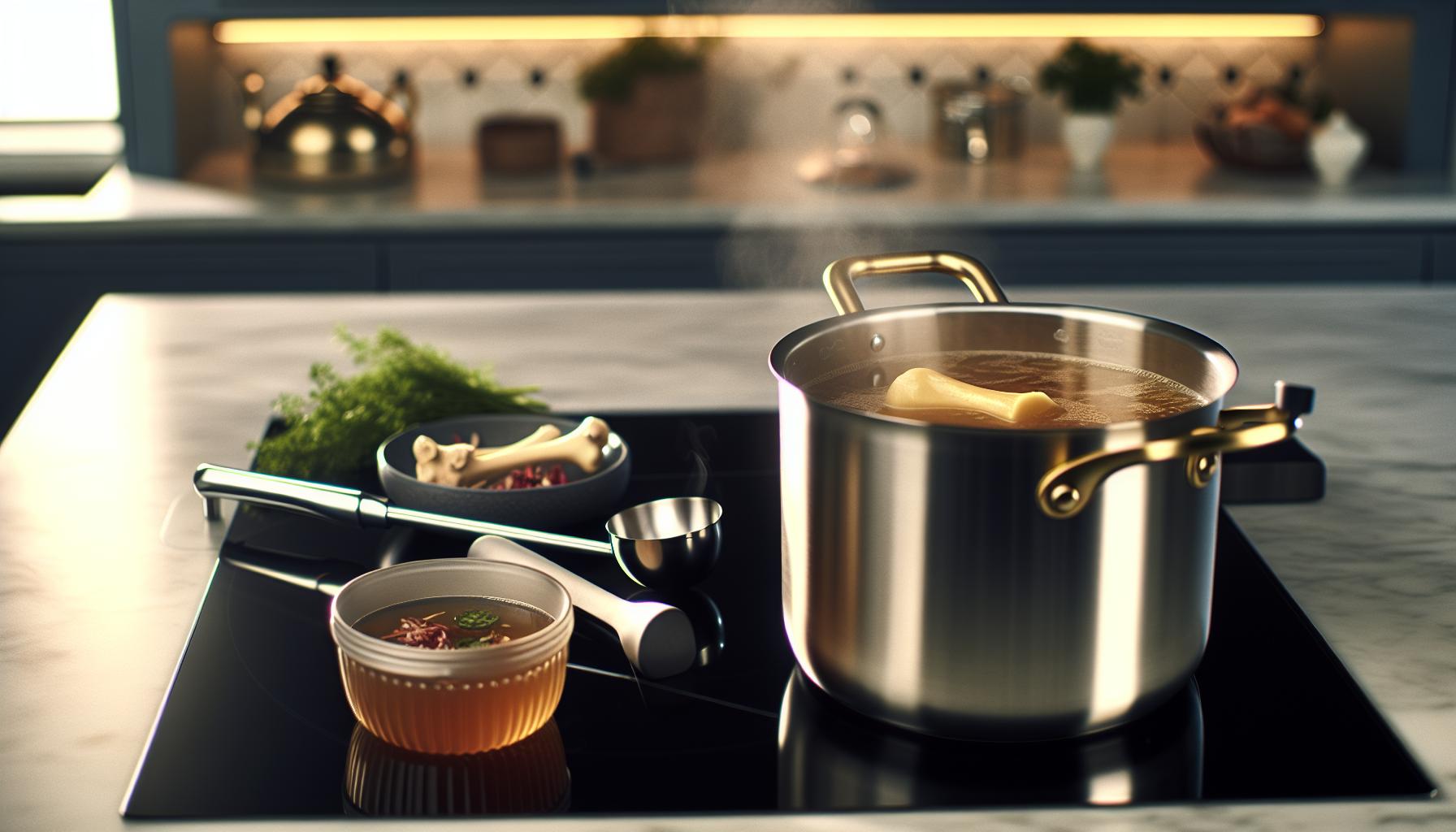
How to Know When Your Bone Broth is Done
you might think all it takes is timing your slow cooker with a stopwatch and voilà-perfect, collagen-rich bone broth! But in reality, knowing when your broth is done is as much about intuition and observation as it is about a timer. After all, every batch, every slow cooker, and every set of bones plays by slightly different rules. The beauty is that you can actually see and feel the results, making this cooking ritual as much an experience as it is a recipe.
First off, look for that magical gelatinous texture that bone broth is famous for. When your broth cools, it should jiggle slightly-kind of like a savory jelly wobbling on a plate-and that’s a sign loads of collagen has been lovingly coaxed out of the bones. If your broth still feels watery after chilling in the fridge,it might need a bit more cook time. On the flip side, if it’s thick and rich right out of the pot, you’re already on track to that collagen jackpot.Remember, the longer you cook (up to about 48 hours), the more collagen you unlock, but without patience, you risk missing out on that silky mouthfeel.
Beyond texture, trust your nose and taste buds. Early on (around 12 hours), the broth will be lighter and subtler, great for soups that call for a delicate touch. Around the 24-hour mark,the broth becomes deeply savory,with richer flavor layers developing as collagen breaks down further. If you find yourself craving an intense, full-bodied broth for sipping or as a cooking base, pushing it toward 36 to 48 hours makes a noticeable difference. Just watch that water level (keep bones submerged but not drowning)-too little means scorching, too much dilutes the flavors and collagen concentration.
Practical Signs Your Broth Is Ready
- Visual cue: Clear broth with a golden sheen, not cloudy or murky.
- Jiggle Test: After refrigeration, the broth sets into a gel-like consistency.
- Aroma: Smells rich, meaty, and savory-not sharp, sour, or ”off.”
- Taste: Deep, layered flavor with just the right balance of richness.
If checking these signs sounds a bit daunting, here’s a quick tip I swear by: scoop out a small amount into a glass jar and pop it in the fridge for an hour or two. Seeing it turn gelatinous is like your broth giving you a culinary high-five.
Don’t stress if you need to pull the plug a little early for time or schedule reasons.Bone broth is forgiving, and while longer cooking usually means more collagen and flavor, even 12 hours produces nourishing broth worth celebrating.Think of it as customized to your lifestyle-because food that fits your life tastes better, no matter what diet you follow (hello paleo, keto, and gluten-free friends!). And hey, no judgment here if you sneak in some store-bought broth as a backup or starter. the joy is in the journey, spoon by spoon.
Tips to Boost Collagen Without Extra Cooking Time
Sometimes, life moves fast, and long, slow-simmered bone broth isn’t in the cards. Luckily, there are smart ways to maximize the collagen in your broth without stretching out cooking times. It’s like giving your broth a collagen power-up without turning your kitchen into an all-day simmer fest. Let’s dive into some practical tricks that boost that gelatin goodness and deepen nourishing flavor-perfect for busy home cooks juggling paleo, keto, or gluten-free lifestyles.
First, consider your bone prep strategy. Roasting bones before simmering helps break down collagen-rich connective tissues more efficiently and layers in delicious umami notes. I like to pop my bones in a 425°F (220°C) oven for about 30-40 minutes until browned and fragrant-this small step accelerates collagen release once the broth hits the slow cooker. Another favorite hack? Use bones with lots of joints, knuckles, and even feet; these parts are collagen powerhouses, loaded with cartilage and tendons that naturally gel up without needing forever on the stove.
Supercharging Collagen extraction
- Add acid early: Splash a couple of tablespoons of apple cider vinegar or lemon juice into your pot before you start. The acid helps dissolve collagen from bones faster, so even a shorter cook yields more gelatin.
- Use smaller bone pieces: Breaking large bones into chunks exposes more surface area, helping collagen leach quicker into the liquid. think of it as giving your broth more “collagen real estate” to work with.
- Include collagen supplements: For a shortcut without cheating on your homemade vibe, adding a scoop of high-quality hydrolyzed collagen powder boosts protein levels and skin-loving peptides without much fuss - imagine pouring that collagen jackpot right into your cup Flavor & Nutrition Boosts That Don’t Add time
While collagen buildup is king, complementing your broth with natural, nutrient-dense extras can enhance its appeal and health punch without extra simmering hours:
- fresh herbs and aromatics: tossing in rosemary, thyme, garlic, or ginger near the end balances flavors and adds antioxidants.
- Vitamin C infusion: Since vitamin C supports your body’s collagen production, pairing broth consumption with vitamin C-rich foods like bell peppers or citrus can amplify benefits
Common Mistakes That Reduce Collagen in Broth
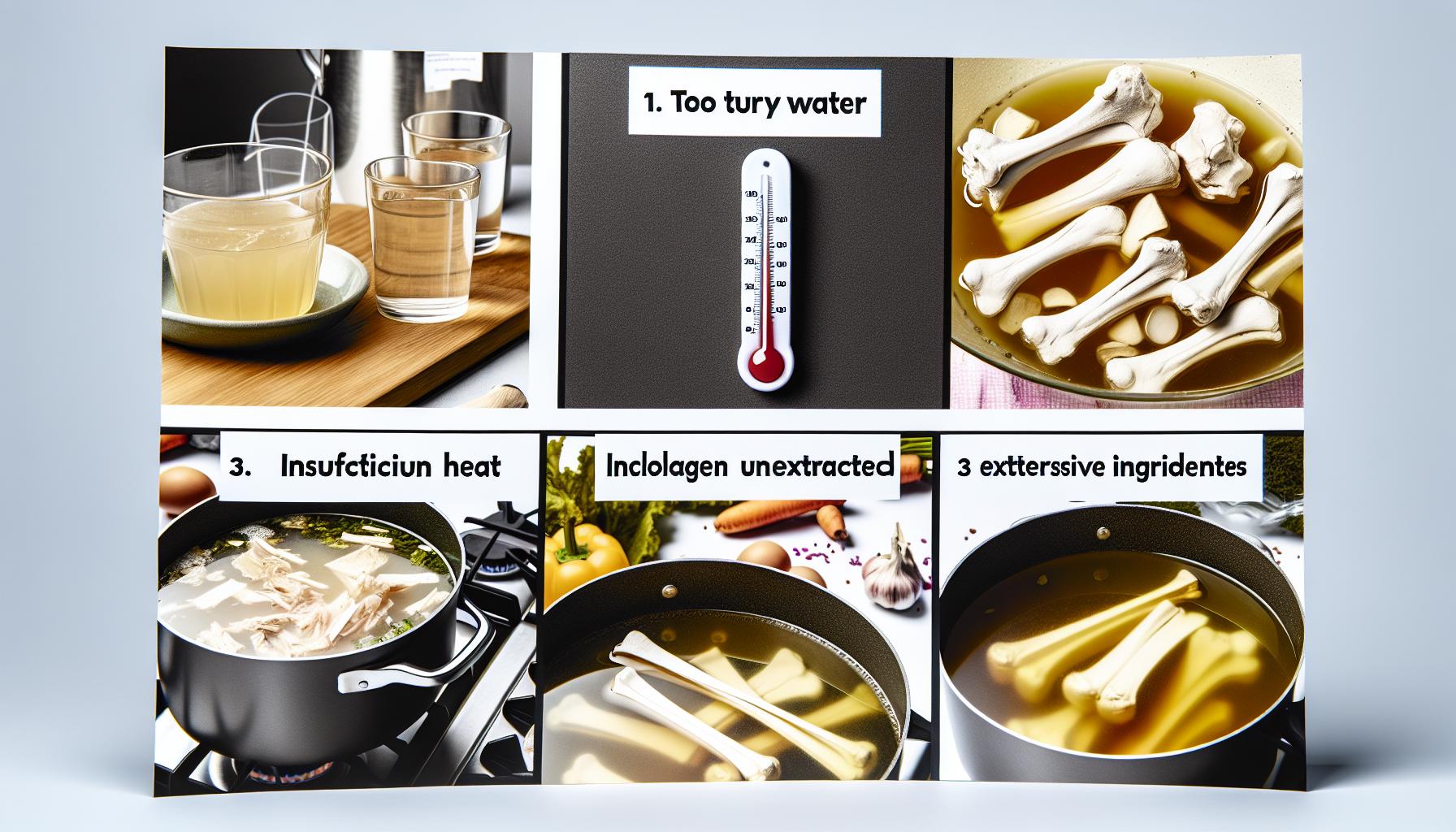
Collagen is the star player in bone broth, but it’s surprisingly easy to stumble on a few common missteps that can leave your broth a little lackluster in that gelatinous, nutrient-rich department. Whether you’re a slow cooker veteran or just starting out, understanding how to avoid these pitfalls can save you time and guarantee a bowl of broth that wows both the palate and your body.
One frequent misstep is rushing the process or setting the temperature too high. Collagen needs gentle heat over many hours to break down properly. Cranking the slow cooker to “high” and expecting collagen magic in just a few hours usually leads to broth with less body and fewer health perks. Instead, opt for a low-and-slow approach (think 12-24 hours on low) to coax out the most gelatin. Avoid tossing raw bones straight into boiling water, too-starting cold and gradually heating encourages collagen to slowly dissolve rather than seize up in a fast boil.
Another kitchen trap is neglecting bone selection and planning. Using only meaty bones or skipping the roasting step can limit collagen extraction. Bones with lots of connective tissue like knuckles, joints, feet, or neck bones carry more collagen and gelatin. Plus, roasting those bones (say, at 425°F for 30-40 minutes) creates caramelized flavor and makes collagen more accessible once the simmering begins. I’ve learned the hard way that skipping this step can make the difference between a rich, luxurious broth and one that feels watery and flat.
Last but not least,being too heavy-handed with salt or acidic additions during cooking can backfire. While a splash of apple cider vinegar early on helps dissolve collagen faster, pouring in too much acid or salt too soon can start breaking down delicate proteins in unfavorable ways, impacting gelatin quality. Salt is best adjusted at the end rather than the start, allowing you to control taste without jeopardizing collagen structure. If flavoring gets overwhelming, it’s easy to dilute but harder to fix a broth that just won’t gel.
Quick Tips to Avoid These collagen Pitfalls
- Patience wins: Use low heat and give your broth the time it deserves-overnight or even a full day for maximum collagen.
- Roast first: Brown bones in the oven to deepen flavor and open up collagen for extraction.
- Choose collagen-rich bones: Look for joint-heavy or connective tissue-rich bones, not just muscle meat.
- Use acid wisely: Add a small amount of apple cider vinegar or lemon juice early, but don’t overdo it.
- Salt late: Season to taste after cooking to avoid toughening proteins pre-brew.
Avoiding these classic blunders can turn your bone broth from just “good enough” to a gloriously rich, collagen-packed elixir. Remember, even if life gets busy, a little prep and patience are your best friends to keep that broth nourishing and delicious. Trust me, your joints-and your taste buds-will thank you.

Flavor Enhancers That Complement Collagen-Rich Broth
Sometimes, the richest, most collagen-packed bone broth can come off a little… well, plain. After all that slow simmering, you want the flavor to sing as loudly as the health benefits. Luckily, enhancing your broth’s flavor without compromising that precious gelatin is easier than you think. The secret often lies in subtle, smart additions that lift the broth’s natural umami and complement collagen’s silky mouthfeel-without overshadowing it.
A classic go-to is aromatic veggies like onions, garlic, and celery, which add layers of savory goodness. I like roasting these alongside the bones to deepen those flavors before tossing everything into the slow cooker-the caramelization works wonders. Fresh herbs such as thyme, rosemary, and parsley can be tucked in during the last hour of cooking or added fresh just before serving to brighten and add complexity. For a punch of subtle acidity (which also helps unlock flavors),a splash of fresh lemon juice or apple cider vinegar right at the end balances richness without breaking down the collagen already extracted.
- Spice it gently: A few cloves,peppercorns,or a bay leaf can add warmth without muddling the broth’s clarity.
- Umami boosters: A small piece of kombu seaweed or dried shiitake mushrooms goes a long way to deepen savory notes naturally, especially for paleo or keto fans who love an extra flavor kick.
- Salting smart: always salt at the end-too soon and it can toughen proteins-and for those watching sodium, experiment with finishing salts like smoked or himalayan pink for a subtle flair.
Personally, I often play around with small twists-sometimes a cinnamon stick or star anise for a hint of warmth, particularly during winter. If you want to keep it gluten-free and paleo-friendly, stick with whole, unprocessed ingredients and avoid anything with added preservatives or sugars. Trust me, flavor-packed bone broth doesn’t mean complicated. Just a few mindful choices can turn your collagen-rich broth into a comforting, savory hug in a bowl every time.
Storage and Reheating for Collagen Preservation
It turns out that preserving the silky collagen magic in your bone broth doesn’t end when the slow cooker switches off-it’s just as much about how you store and reheat it. gelatin-rich broth is a bit like that delicate dance partner: treat it right, and it stays smooth and luscious; rush it, and it can get tough or lose that pleasing mouthfeel you worked so hard to create. The good news? With some simple, everyday kitchen TLC, you can keep your broth collagen-rich and flavorful for days or even weeks.
Cooling and Storing Like a Pro
After your slow cooker marathon, give your broth time to cool a bit at room temperature-no more than 2 hours to keep things safe-then get it into the fridge or freezer pronto. I use wide-mouth glass jars or BPA-free plastic containers (with tight lids) as they’re easy to scoop from and don’t absorb flavors. Pour off the fat or leave it on top as a natural seal; both work, but fat can act as a protective barrier to lock in flavor and collagen.Just remember to shake or stir it before reheating to reincorporate that goodness.
- Refrigerating: Bone broth stays fresh for about 4-5 days. Store in smaller portions so you only open what you need, keeping the rest sealed tight.
- freezing: For longer storage, freeze broth in ice cube trays or silicone molds-ideal for adding neat collagen hits to sauces or soups. Once frozen, pop cubes into freezer bags and label with date.
Reheat Gently, Preserve Collagen
Collagen loves a gentle hand-blast it in a microwave or crank the stovetop heat, and you risk breaking down those precious proteins. Rather, I warm bone broth slowly over low heat, stirring occasionally. This keeps the gelatin intact, yielding that signature silky texture rather than a thin, flat broth.
Here’s a quick guide I follow every time:
Method Temperature Why It Works Low Stovetop Simmer or below (170-180°F / 77-82°C) Preserves gelatinous texture; avoids toughening proteins Microwave Medium power,short bursts Prevents overheating and helps even warming If you notice the broth’s become a little cloudy or separated after storage,don’t worry-that’s normal and doesn’t mean your collagen is ruined. Just give it a gentle stir while reheating to bring it all back together.
bonus Tips from My Kitchen
- Freeze in broth-friendly containers: Avoid glass if freezing-unless you leave headspace. I’ve seen friends crack jars and hearts alike!
- Label, date, and conquer: Knowing how old your broth is not only keeps you safe but encourages rotation-first in, first out.
- Batch freeze with add-ins like herbs or garlic removed: Add fresh herbs during reheating for max flavor and freshness, preserving collagen simultaneously occurring.
- Keep it simple: Resist the urge to re-boil-collagen extraction happens during that long slow simmer, not in the reheat.
Treating your bone broth like the collagen treasure it is will reward you with rich, glossy goodness every time.Whether you’re sipping it straight or enriching a stew, these storage and reheating tricks mean you never have to sacrifice flavor or nutrition-even on your busiest days.
using Bone Broth for Paleo, Keto, and Gluten-Free Diets
bone broth is a superstar in diets like paleo, keto, and gluten-free-not just because it’s cozy and delicious, but because it’s packed with collagen, protein, and minerals that support gut health, skin, and joints. For anyone navigating these ways of eating, bone broth offers an easy, nutrient-dense boost without any fuss or complicated ingredient lists. Plus, making it in your slow cooker means it’s practically set-it-and-forget-it, perfect for busy days when you want healthy comfort without standing at the stove.
What I love about bone broth in these diets is how naturally it fits. For paleo adventurers, it’s about embracing whole, ancestral foods without grains or processed junk-slow-cooked bones tick that box beautifully. Keto followers appreciate bone broth’s ample protein and fat (especially if you leave some fat on top), which can help with satiation and balancing those macros. And for gluten-free eaters? It’s pure, unprocessed nourishment that adds flavor and nutrition without any sneaky gluten. Just double-check your bones and add-ins to keep it 100% compliant.
Quick Tips for Paleo, Keto, and Gluten-Free Bone Broth Prep
- Choose organic or pasture-raised bones when you can; they tend to have better nutrient profiles and cleaner labels, especially notable for paleo and keto enthusiasts.
- Include joints and knuckles alongside meaty bones-they’re collagen powerhouses that meld into broth over time, maximizing that slow cooker magic.
- Keep herbs and veggies simple-carrots, celery, onions fit all three diets without fuss. Avoid grains or gluten-containing thickeners if you tweak recipes.
- Cook low and slow for 24-48 hours-this timeframe extracts the richest collagen and minerals without breaking down nutrients.
If you’re like me, you want your bone broth to be both nourishing and hands-off, especially when juggling keto macros or paleo meal prep. Try freezing your broth in portions that fit smoothie recipes or morning coffee stir-ins-yep, collagen-rich broths sneak into breakfast fabulously! And for gluten-free slow cooker magic, bone broth adds body and flavor to sauces, soups, and stews without the worry of hidden gluten thickeners or additives.
Here’s a quick glance to keep your bone broth kitchen-friendly and diet-approved:
Diet Key Bone Broth benefits Best Add-Ins Quick Pro Tips Paleo Supports gut health,anti-inflammatory Herbs like thyme,rosemary; root veggies Use pasture-raised bones,avoid legumes Keto Sustains fat/protein macros,joint support Leave some fat on broth,add bone marrow Freeze in cubes for easy macro tracking Gluten-Free Safe,gluten-free nourishment Simple veggies,garlic,fresh herbs added later Double-check labels on any extras or store-bought bones Remember,while bone broth is a brilliant foundation,the joy comes in tailoring it to your lifestyle and taste buds.It’s less about perfect rules and more about savoring every warm, collagen-rich sip that fuels your day-and that’s a win all around.
Faq
Q: How does cooking bone broth longer than 24 hours affect collagen extraction in a slow cooker?
A: Cooking bone broth longer than 24 hours in a slow cooker can slightly increase collagen extraction but may also break down collagen into gelatin, affecting texture. For maximum collagen without overcooking, aim for 18-24 hours, balancing extraction and broth clarity. For more on timing, see Ideal Slow cooker Settings in the main article.Q: Can adding vinegar early in the slow cooker process speed up collagen release?
A: Yes, adding 1-2 tablespoons of apple cider or white vinegar at the start helps break down bones and releases collagen faster.this acidic environment boosts gelatin extraction within the usual 18-24 hour cook time without extra hours.Check Choosing the best Bones for tips on acid use.Q: What are signs my bone broth has reached maximum collagen in the slow cooker?
A: When your broth turns rich, slightly gelatinous when cooled, and has a deep, savory flavor, collagen extraction is likely maximized. This usually occurs at around 20-24 hours slow cooking. Refer to the How to Know When Your Bone Broth is done section for detailed cues.
Q: Is it better to cook bone broth on low or high in a slow cooker for optimal collagen?
A: Cooking bone broth on low heat optimizes collagen extraction by slowly breaking down bones and connective tissue without boiling off nutrients. High heat can degrade delicate collagen, so always use low settings for 18-24 hours for best results. See Ideal Slow Cooker Settings for more details.Q: Can I increase collagen in bone broth by adding connective tissue or joints to the slow cooker?
A: Absolutely! Including joints, knuckles, and skin adds extra collagen-rich connective tissues. These parts take longer to break down, so ensure your broth cooks for at least 20 hours on low in the slow cooker for full collagen benefit. See Choosing the Best bones for Maximum Collagen.
Q: How does bone size affect slow cooker collagen extraction time?
A: larger bones with more marrow and connective tissue require longer cooking times (20-24 hours) in the slow cooker to fully extract collagen, while smaller bones release collagen faster. Adjust cook time accordingly and check broth texture as described in step-by-Step Slow Cooker Bone Broth Recipe.
Q: Can I slow cook bone broth overnight to maximize collagen safely?
A: Yes, slow cooking bone broth overnight (12-18 hours) on low is safe and maximizes collagen extraction while fitting busy schedules. Just ensure your slow cooker maintains a consistent low temperature and cover it well for best results. For tips, review Tips to Boost Collagen Without Extra Cooking Time.Q: Does stirring bone broth during slow cooking improve collagen extraction?
A: Stirring is not necessary and can cool down the broth, possibly slowing collagen extraction. It’s best to let the slow cooker do its work uninterrupted for 18-24 hours. Check Common mistakes That Reduce Collagen in Broth for why low disturbance is key.
For more practical slow cooker tips and collagen insights, be sure to explore our full slow cooker bone broth recipe and cooking time recommendations!
Future Outlook
Now that you know the ideal slow cooker time to unlock maximum collagen from your bone broth-usually a gentle 12 to 24 hours-it’s easier than ever to enjoy a nutrient-packed, paleo-friendly staple that supports your gut and joints. Remember, the beauty of slow cooker bone broth is in its simplicity: just bones, water, and a few kitchen staples simmering low and slow while you go about your day. if you’re curious about flavor tweaks or want quick meal ideas that pair perfectly with your broth, check out our guides on paleo meal prep and easy gluten-free soups for some tasty inspiration.
Ready to transform your cooking routine? Don’t forget to subscribe to our newsletter for more delicious, practical recipes that balance wholesome nutrition with everyday convenience. Got questions or your own bone broth tips? Drop a comment below-we love hearing from fellow home cooks embracing slow, satisfying cooking. Next up, why not dive into how to make collagen-rich chicken broth or explore seasoning hacks to personalize your batch? keep that slow cooker warm and your kitchen joyful-because nourishing your body doesn’t have to be complicated or time-consuming!