
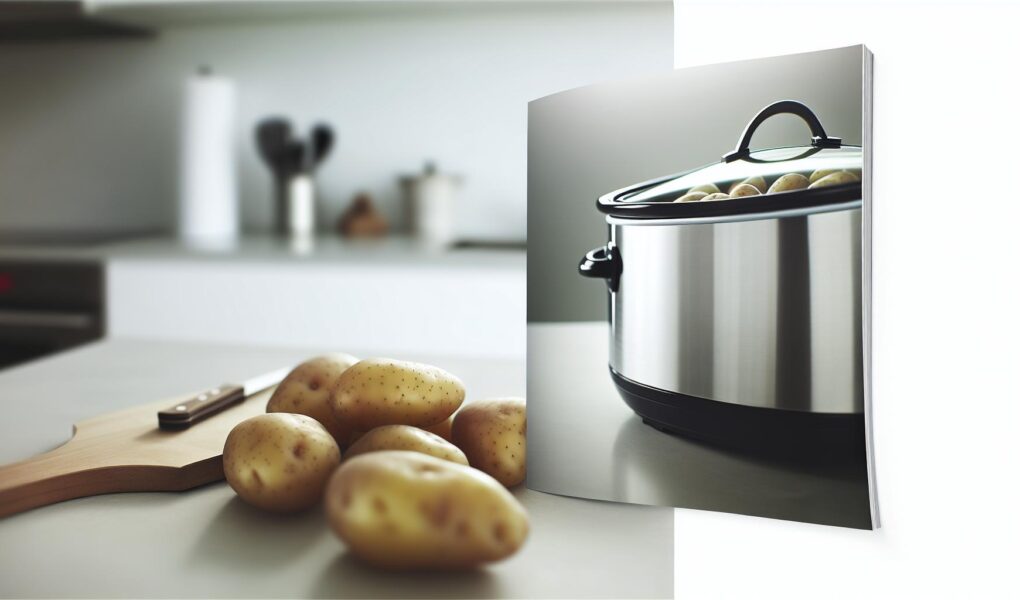
Did you know that slow cooker potatoes can go from firm to fork-tender with just a few hours on low heat-making them an effortless yet tasty side for any meal? Whether you’re gluten-free, paleo, or just craving comfort food without fuss, mastering the perfect cook time takes the guesswork out of your busy day. Cooking potatoes low and slow means hands-off convenience, but timing is everything-too short, and they’re too firm; too long, and they can turn mushy. Let’s break down exactly how long to cook potatoes in your slow cooker on low so you get that perfect,tender texture every time. I’ve tested simple methods and handy tips to help you confidently set it and forget it, while making sure your potatoes come out tasting amazing-no stress, no mystery, just pure homemade goodness. Ready to transform your slow cooker game with this versatile staple? Stick around, and I’ll walk you through it step-by-step.
Table of Contents
- How to Prep Potatoes for Slow Cooking Success
- Ideal Slow Cooker Settings for Perfectly Tender Potatoes
- Exact Low Heat Cooking Times by Potato Type and Size
- Troubleshooting watery or Undercooked slow Cooker Potatoes
- Flavor Boosters to elevate Slow Cooked Potatoes
- Best Potato Varieties for Slow Cookers and Why
- How to Test Potatoes for Perfect Fork Tenderness
- Slow Cooker Potato Recipes for Every Meal and Diet
- Smart Ingredient Swaps for Gluten-Free and Paleo Diets
- Storing and Reheating Slow Cooker Potatoes Without Losing Texture
- Q&A
- Q: How can I speed up cooking potatoes in a slow cooker on low without compromising tenderness?
- Q: Why do my slow-cooked potatoes sometimes turn mushy before becoming fork tender?
- Q: Does the type of slow cooker affect how long potatoes take to cook on low?
- Q: How do altitude and kitchen temperature impact slow cooker potato cook times on low?
- Q: Is it better to add salt before or after slow cooking potatoes on low for fork tenderness?
- Q: What is the best way to reheat leftover slow cooker potatoes without losing their tenderness?
- Q: Can layering potatoes with other vegetables impact the time needed for them to be fork tender in a slow cooker?
- Q: How do I prevent slow cooker potatoes from sticking to the pot when cooking on low?
- In Summary
How to Prep Potatoes for Slow Cooking Success
Getting potatoes ready for their slow cooker debut is a bit like setting the stage for a great show-the prep sets the tone for how well they’ll perform, especially when aiming for that perfect fork-tender texture. Unlike fast stovetop or oven methods, slow cooking is all about patience and cube size. too large, and you risk undercooked, stubborn potatoes; too small, and they turn into mush that even the biggest mashed potato fans wouldn’t want to dive into. The sweet spot? Medium-sized chunks,peeled or unpeeled depending on your texture preference,generally about 1 to 1.5 inches across. This size cooks evenly and leaves you with potatoes that hold their shape without being tough.
Before tossing them in, rinse your potatoes really well, especially if you’re going for skin-on-the slow cooker’s cozy, moist environment loves to bring out the earthiness in skins.If you want to skip peeling, Russets are best peeled for slow cooking, as their skin can get a bit papery, while waxy varieties like Yukon Golds shine with the skin left intact. For those embracing paleo or gluten-free lifestyles, remember that potatoes are naturally gluten-free and paleo-friendly, so prepping mindfully just means choosing clean, fresh spuds without additives or coatings.
simple Steps to Prep Potatoes for Slow Cooking
- wash thoroughly: Use a scrub brush to remove dirt, especially for skin-on recipes.
- Peel or don’t peel: Choose based on texture preference; peeled potatoes absorb flavors differently.
- Cut evenly: Chop into 1 to 1.5-inch cubes. Uniformity prevents some chunks overcooking while others linger raw.
- Optional pre-soak: if you like, soak cut potatoes in cold water for 15 minutes to remove excess starch-this helps slow cookers achieve better texture, especially with waxy types.
- Season lightly upfront: Toss your potatoes with a pinch of salt and pepper or your favorite herbs before layering into the slow cooker.
In my own kitchen adventures, I’ve learned the hard way that tossing whole potatoes into a slow cooker expecting them to shine like baked potatoes just doesn’t cut it-unless you’re planning for a very long cook! Doing the prep work isn’t just a time-saver; it’s actually the secret sauce behind those tender, flavorful bites that say “slow cooked with love.” Whether you’re juggling a busy schedule or embracing clean eating, prepping potatoes this way hits all the marks for easy, delicious slow cooker magic.

Ideal Slow Cooker Settings for Perfectly Tender Potatoes
Potatoes are one of those ingredients that practically get better with a slow cooker’s gentle, steady warmth.The secret to turning those humble spuds into perfect fork-tender gems lies in knowing your slow cooker’s settings and how to use them like a pro. While every cooker varies slightly, the usual low heat setting is your best friend for a melt-in-your-mouth texture without turning your potatoes into mushy mush.
Slow cooking on low typically clocks in around 6 to 8 hours,depending on the size and type of your potato chunks,as well as your specific slow cooker model. This setting creates a consistent heat environment that gently breaks down starches without overcooking – patience is key here! If you’re short on time,the high setting can cut that down to 3-4 hours but with a slightly higher risk of uneven cooking or mushiness,especially if the pieces aren’t uniform in size.
- Low setting (ideal): 6 to 8 hours for 1 to 1.5-inch cubes
- High setting (quick option): 3 to 4 hours, best for smaller pieces
In my own kitchen, I’ve found that layering potatoes at the bottom of the slow cooker works wonders because it keeps them closer to the heating element, helping them cook evenly. And if you’ve got a lot of veggies or protein in there too,don’t fret-the moisture those ingredients release actually helps steam the potatoes softly,so it’s a win-win situation. just keep an eye on the liquid levels; too much moisture can turn potatoes soggy while too little may dry them out.
Tips for Setting Your Slow Cooker Perfectly
- Keep the lid on: Resist the urge to peek too often, as each lift of the lid dumps heat and lengthens cook time.
- Size matters: Stick to uniform chunks to help all pieces reach tenderness at the same time.
- Adjust for altitude: If you’re cooking high up, add 30 minutes to your slow cook time to compensate for lower boiling points.
- Test early, then adjust: Start checking for fork tenderness 30 minutes before the expected finish to avoid overcooking.
Think of your slow cooker as a gentle guide, coaxing those potatoes to perfect softness with the love and fewer worries of babysitting needed in a fast stove-top scramble.Whether you’re prepping for a cozy weeknight dinner or feeding a crowd, setting your slow cooker on low and giving it time is the unsung hero behind flawlessly tender, flavorful potatoes-no fluff, just comfort.
Exact Low Heat Cooking Times by Potato Type and Size
Potatoes are wonderfully forgiving when slow cooked, but their cook times can vary quite a bit depending on the type and size of the potato you’re using. It’s not just about chucking them in and hoping for the best-knowing how each kind behaves at low heat can save you from ending up with either undercooked lumps or mushy blobs. As an example, waxy potatoes like red or fingerlings tend to hold their shape and take slightly longer to become fork-tender, while starchy varieties such as Russets soften much faster and can be a bit more delicate during the cook.
Chunk size is a game-changer too. Larger potato pieces-think baseball-sized or whole small potatoes-will naturally take longer to cook through than smaller 1-inch cubes. From my own kitchen experiments, cutting potatoes into uniform pieces around 1 to 1.5 inches strikes a sweet balance: they soften just right after about 6 to 8 hours on low, perfect for most slow cooker meals. Smaller cubes will speed things up and are great if you need dinner sooner, but watch those minutes-tiny bits can oversoften, turning creamy but losing their satisfying texture.
Typical Low Heat Cook Times by Potato Type and Size
| Potato Type | Piece Size | Approximate Cook Time (Low Setting) | Notes |
|---|---|---|---|
| Russet (starchy) | 1-1.5 inch cubes | 6 - 7 hours | Softens quickly, ideal for mashed or creamy textures |
| Russet | Whole small potatoes (2-3 inch) | 7 – 8 hours | Good for rustic sides, peel tends to loosen |
| Red (waxy) | 1-1.5 inch cubes | 7 – 8 hours | Holds shape well, great for salads or stews |
| Red | Whole small potatoes | 8 – 9 hours | Best for gentle steaming, retains skin firmness |
| Yukon Gold (all-purpose) | 1-1.5 inch cubes | 6.5 – 7.5 hours | Balances creamy and firm, versatile in most recipes |
| Yukon Gold | Whole or halved medium potatoes | 7.5 – 8.5 hours | Excellent for doubling as soft mash or chunky side |
Making the Most of Your Slow Cooker’s Low Heat
From personal experience, layering potatoes directly at the bottom where the heating element radiates warmth encourages even cooking. tossing in some moisture-rich veggies like onions or carrots ups the steam factor, gently coaxing tender spuds without them drying out. But here’s a kitchen hack: if you want slightly firmer potatoes, reduce added liquid by about a quarter cup. The slow cooker’s moisture tends to accumulate, so it’s a balancing act between too soggy versus rock-hard.
don’t forget altitude adjustments if you live up high! The lower boiling point means potatoes might take a little longer,so adding 30 minutes or so keeps you on track.And always remember to check fork tenderness about half an hour before the expected end time to avoid that dreaded overcooked mush. With these times and tips, your slow cooker will reward you with perfectly tender, flavorful potatoes every single time-effortlessly.
Troubleshooting watery or Undercooked slow Cooker Potatoes
Potatoes can be the slow cooker’s best friend-or its slippery nemesis when watery or undercooked. It’s a balancing act that every home cook hits at some point, especially when rushing to meet dinner deadlines or experimenting with new potato varieties. But fear not: a few tweaks and tricks can rescue your meal and help you win back that perfect fork-tender texture without turning your slow cooker into a swamp or leaving you crunching undercooked spuds.
If your potatoes are coming out soggy or swimming in liquid, the culprit usually boils down to excess moisture. Slow cookers trap steam,so watery stew-like dishes can be expected,but too much added liquid can turn potatoes into mush faster than you can say “comfort food.” Try reducing broth, stock, or water by about 1/4 cup the next time you cook. Also, avoid layering all watery vegetables (like tomatoes or zucchini) directly on top of the potatoes, as their juices tend to drip down and soak the tubers excessively. I’ve learned this the hard way! Tossing in root vegetables like carrots or parsnips near the spuds rather helps absorb some moisture and balance the pot.
When tackling undercooked potatoes, size and timing are your best friends. Uniform pieces measuring about 1 to 1.5 inches usually cook evenly in 6-8 hours on low-but if you find potatoes still firm after the expected cook time,it’s frequently enough as:
- Chunks were a little on the large side-whole small potatoes or thicker halves require extra patience.
- Altitude or colder kitchen temps slowed things down.
- Slow cooker heating elements can vary, so your model might run cooler in spots.
If you catch your potatoes underdone near mealtime, don’t panic. Just pop the lid off and give them a quick test every 15 minutes, stirring gently to redistribute heat. Or, if you’re pressed for time, transfer the potatoes to a microwave-safe dish for a fast finish zap to achieve tender perfection (life saver, right?).
Key Tips to Fix Watery or Undercooked Potatoes Fast
| Issue | Quick Fixes |
|---|---|
| watery Potatoes |
|
| Undercooked Potatoes |
|
Remember, slow cooking embraces patience and a little flexibility. Every slow cooker has quirks, and every potato crop can vary by moisture content and firmness. My advice? Treat your slow cooker like a trusty sous-chef, not a miracle worker. Adjust liquids, piece sizes, and cooking times with playful tweaks-you’ll laugh later about the mushy mess or crunchy bits, but until then, keep enjoying the process. After all, perfect slow cooker potatoes are totally achievable, even if the journey includes a little trial, error, and maybe a microwave assist.
Flavor Boosters to elevate Slow Cooked Potatoes
Potatoes are like a blank canvas begging for a splash of flavor magic. While slow cooking naturally draws out their creamy texture, adding thoughtful flavor boosters turns humble spuds into something downright irresistible. Whether you’re aiming for a cozy weeknight side or a show-stopping root veggie centerpiece, a few simple enhancements can elevate your slow cooker potatoes from “good” to “please pass the seconds.”
Start with aromatics that coax out deep, comforting layers: think crushed garlic cloves, thinly sliced onions, or even a pinch of dried herbs like rosemary, thyme, or sage. These staples slowly infuse the potatoes with warmth and earthiness. If you want a little zing, toss in some cracked black pepper or a sprinkle of smoked paprika – it’s surprising how a touch of smoke can add complexity without overwhelming that buttery softness.
Going Beyond Basics: Flavor Hacks That work Wonders
- Citrus zest or juice - A sprinkle of lemon or orange zest brightens the richness and keeps flavors lively, especially great for gluten-free or paleo diets mindful of heaviness.
- Bone broth rather of water – Rich in umami and nutrients, it adds savory depth that plain liquid just can’t match. Plus, paleo fans will appreciate the gut-friendly boost.
- Fresh herbs added at the last 15 minutes – Basil, parsley, or chives can be stirred in right before serving for a fresh contrast that sings on tender potatoes.
- Spicy kick – A dash of red pepper flakes or a few chopped jalapeños provide a delightful heat that complements slow-cooked mellow potatoes beautifully.
I’ve had moments where I threw in rosemary sprigs and garlic cloves without measuring-and those rustic flavors wrapped every bite like a warm hug. Don’t be shy with experimentation! Because slow cookers are such gentle heat machines, they coax out subtle nuances in spices and liquids that a quick boil or roast won’t deliver.
Flavor Pairings by Meal Type
| meal Theme | Flavor Boosts |
|---|---|
| Hearty Dinner Side | Aromatics + smoked paprika + bone broth + thyme |
| light Lunch or paleo Bowl | Lemon zest + fresh herbs + cracked pepper + olive oil drizzle |
| Comfort Food Classic | Garlic + caramelized onion + butter (or ghee) + parsley garnish |
| Spicy Kick | Jalapeños + cumin + chili powder + cilantro |
No matter your dietary style or kitchen vibe, layering these flavor boosters into your slow cooked potatoes takes your meal well beyond basic starches. And the best part? It’s effortless. Toss everything in at the start or introduce fresh elements near the end to keep textures radiant and pop flavors.Your slow cooker becomes more like a flavor laboratory, constantly patient but never boring. So go ahead-dabble, mix, and savor every forkful of those perfectly tender, boldly flavored potatoes. Your taste buds will thank you!
Best Potato Varieties for Slow Cookers and Why
Potatoes aren’t just spuds thrown into the slow cooker; their variety can truly make or break your dish. Selecting the right type means you’ll get that perfect fork-tender texture without turning everything into a mushy mess or leaving your potatoes stubbornly raw after hours of simmering. Slow cooking gently breaks down starches, so understanding the potato’s starch and moisture content helps you anticipate how it will react to the low and slow heat.
For dishes where you want potatoes to hold their shape-like a chunky vegetable stew or a robust side where you want distinct bites-waxy potatoes like red potatoes or fingerlings are your best friends. Their lower starch and higher moisture content mean they’re firm enough to withstand the long cook, absorbing flavors without falling apart. Plus, their creamy skins add a rustic charm and loads of earthy flavor. On the other hand, if you lean toward mashed potatoes or stews that benefit from a creamier, softer consistency, starchy potatoes such as Russets are your go-to. They break down beautifully in the slow cooker, creating that silky, fluffy texture everyone loves in comfort food. Yukon golds sit nicely in the middle, balancing creamy and firm, making them the most versatile choice when you want a bit of everything.
The Slow Cooker Sweet Spot: Which Variety Works Best?
- Red Potatoes: Ideal for slow cooking if you want those tender, intact cubes that soak up herbs and broth without becoming gluey.
- Yukon Gold: Perfect all-rounder; creamy inside with moderate starch that holds shape yet softens beautifully.
- Russet Potatoes: Best for dishes where breaking down is welcome-think creamy casseroles or soups where potatoes partially dissolve, thickening the dish.
- Fingerling Potatoes: Small, waxy, and dense; add them whole or halved for elegance and texture that stands up to long cooking hours.
I remember a lazy Sunday dinner where I tossed quartered red potatoes into my slow cooker with herbs and bone broth. After 6 hours on low, they emerged tender but intact, soaking up all that cozy umami goodness. Contrast that with a Russet-potato chili I made that fell apart into luscious, thick bites-both delicious but distinctly different textures from the same cooking method. It’s this kind of potato savvy that saves you from a watery, unevenly cooked mess.
Tailoring Potato Types to Your Meal
| Dish Type | Recommended potato Type | Why It Works |
|---|---|---|
| Hearty Stews & Braises | Red or Fingerling | Hold shape well,soak up flavors,avoid turning mushy |
| Mashed or Creamy Sides | Russet or Yukon gold | Break down under low heat,yield fluffy,creamy texture |
| Slow Cooker Breakfast Bowls | Yukon Gold | Balanced starch and moisture for soft but not mushy bites |
| roast-Style Potatoes | Red or Fingerling (cut into chunks) | Sturdy texture that crisps nicely if finished in the oven |
Choosing the right potato also means thinking about your timing. Waxy potatoes can take a little longer to soften fully but won’t collapse if you leave your slow cooker humming while you tackle other errands. Starchy types, while faster to become tender, can overcook and fall apart easy, so keep an eye (or fork) on them after the 5-6 hour mark. A simple poke test goes a long way.
So, next time you toss potatoes in your slow cooker, remember: they’re not all created equal.Pick your spud wisely, and you’ll avoid surprises, nail texture, and lift your slow cooker game from “meh” to “go-to.” And hey, the best part? Your taste buds don’t have to wait for all the science-they get to enjoy the slow-cooked magic right away.
How to Test Potatoes for Perfect Fork Tenderness
Potatoes can be surprisingly tricky to get just right in a slow cooker-cook ’em too little, and they’re stubbornly hard; too long, and they turn into mushy blobs. The real magic lies in knowing when they’ve reached that perfect fork-tender stage, where they give just enough resistance without breaking apart. Testing for this doneness isn’t just about stabbing potatoes randomly; it’s a simple, foolproof technique that even the busiest cook can master.
The easiest way to check is with a fork or paring knife: just gently pierce the potato at its thickest part. If your utensil slides in with a slight but noticeable resistance, you’re golden. It shouldn’t feel crunchy or firm like an uncooked spud, nor should it collapse immediately with no texture left. A soft poke that holds the shape but yields easily means the starches have broken down just right.If you’re slow-cooking a stew or a breakfast hash with mixed potato sizes,test a few pieces-remember,bigger chunks take longer,so don’t judge the whole pot by one bite-sized cube!
In my experience,patience pays off. For example,I onc tossed diced Yukon Golds and whole fingerlings into my slow cooker with some savory broth and herbs. After about five hours on low, the Yukon golds were almost melting, and the fingerlings still firm. Checking periodically every 30 minutes after the four-hour mark helped me decide the exact moment to turn off the slow cooker so I wouldn’t end up with a batch of potato puree unless that was my goal. If your potatoes still resist the fork after the minimum cook time, keep the lid on; slow cookers thrive on trapped steam, which gently softens your spuds without drying them out.
quick Tips to Nail Fork Tenderness Every Time
- Use a sharp fork or knife: A dull utensil won’t give you the precise feel you need.
- Test at the thickest spot: That’s where the potato cooks slowest and sets your true doneness standard.
- Don’t test too often: Opening the lid too much can cool the slow cooker and extend cooking time.
- Keep size in mind: Uniform cuts cook evenly, but whole or large potatoes require longer slow times.
- Carryover cooking rules: Potatoes keep softening a bit after you switch off the heat, so if they’re just shy of tender, pull the plug and let the residual warmth do its magic.
Potatoes aren’t shy about telling you when they’re done-it’s just about tuning into the right signals. Once you get comfortable with this little poke-test ritual, you’ll never second-guess whether your slow cooker potatoes are ready. It’s the kind of kitchen confidence that turns “accidental mush” into “culinary masterpiece” every single time.
Slow Cooker Potato Recipes for Every Meal and Diet
Potatoes are the ultimate slow cooker chameleons-they soak up flavors, adapt to every meal, and play well with a variety of diets. Whether you’re throwing together a cozy breakfast hash, a hearty stew, or a vibrant side for your paleo-friendly dinner, slow-cooked potatoes bring that perfect balance of comfort and nutrition without demanding too much hands-on time. The key? Getting the doneness right so they hold their shape but melt in your mouth. Trust me, once you master the timing, you’ll wonder how your meals ever survived without them.
Think breakfast-imagine tossing diced red potatoes with sautéed bell peppers, onions, and crumbled turkey sausage right into the slow cooker. Set it on low for about 4-5 hours, stirring once halfway through if you can, and you get a savory, gluten-free hash that’s ready when you wake up. For a quick swap, use sweet potatoes or even purple potatoes to mix up the colors and nutrient profile-both slow cook beautifully and add a subtle sweetness. Need a heartier meal? Slow cooker beef stew with chunks of Yukon Gold potatoes works like a charm. The Yukon Golds hold their shape better, so they don’t dissolve into the broth but still become irresistibly tender after 6-7 hours on low. adding herbs like rosemary or thyme infuses the whole pot with aroma while keeping things fresh and inviting.
Recipes Tailored to Your Lifestyle
- Gluten-Free Comfort: Classic mashed potatoes cooked in the slow cooker with coconut milk and garlic for creaminess without dairy.
- Paleo Power Bowl: Chunky roasted sweet potatoes paired with chicken, kale, and avocado-slow cooked together for easy prep and clean eating.
- vegan-Friendly Twist: Baby potatoes with tomatoes, olives, and capers slow cooked in a Mediterranean-inspired sauce that’s bursting with flavor.
If you’re anything like me, sometiems life calls for shortcuts without sacrificing taste. pre-cut potatoes help reduce cooking time, just keep pieces uniform to ensure even doneness. And don’t overlook seasoning-slow cookers tend to mellow out spices, so go bold with garlic, smoked paprika, or fresh herbs at the start. One of my favorite tricks is adding a splash of lemon juice or a sprinkle of fresh parsley right before serving to brighten up the earthiness of slow-cooked potatoes. These little tweaks make your slow cooker creations shine without extra effort, proving that wholesome and delicious can go hand-in-hand with busy schedules.
| Meal Type | Potato Variety | Prep Time | Cook Time (Low) | Dietary Notes |
|---|---|---|---|---|
| Breakfast Hash | Red Potatoes | 10 min | 4-5 hours | Gluten-free, Dairy-free option |
| Hearty Stew | Yukon gold | 15 min | 6-7 hours | Paleo-friendly |
| Vegan Mediterranean | Baby Potatoes | 10 min | 5-6 hours | Vegan, Gluten-free |
So, whether you’re feeding a family breakfast crowd or prepping a nourishing paleo dinner, slow cooker potatoes offer versatility and flavor, wrapped up in foolproof, low-maintenance magic. The trick is knowing when to pull the plug and when to let those spuds soak a little longer-as perfectly tender potatoes can truly elevate your meal from “meh” to “wow” every time.
Smart Ingredient Swaps for Gluten-Free and Paleo Diets
If you’re cooking slow cooker potatoes with gluten-free or paleo diets in mind, swapping a few key ingredients can turn a great recipe into a perfect fit without losing any of that cozy, home-cooked magic. Let’s be honest: potatoes are naturally gluten-free and paleo-friendly, but it’s the other ingredients accompanying them that can turn the tide. Luckily, some simple swaps keep your slow cooker meals not just compliant but bursting with flavor and texture.
For dairy lovers switching to paleo or gluten-free, coconut milk or almond milk are your creamy best friends. They create lush, silky mashed potatoes without the dairy drama. When recipes call for butter, ghee shines as a paleo-approved fat that adds rich buttery notes but skips the dairy proteins. And don’t forget olive oil or avocado oil for sautéing your aromatics-these healthy fats help the potatoes soak up all those amazing flavors while playing nicely with dietary restrictions.
Handling Herbs, Spices, and Sauces the Smart Way
Some seasoning blends and sauces sneak gluten or non-paleo ingredients in without warning (I’m looking at you, soy sauce!). A handy swap is to replace regular soy sauce with coconut aminos, which is slightly sweeter but soy-free and paleo-friendly. If your slow cooker potato recipe calls for broth or stock, double-check the label or make your own at home to avoid hidden gluten. Or else, a homemade veggie or bone broth works wonders for slow cooking that tender, fork-ready texture.
if you’re playing with flavors like smoky paprika or cumin, feel free to go bold-spices are inherently gluten-free and great for paleo diets. Just remember slow cookers mellow spices, so add delicate herbs like parsley, oregano, or cilantro near the end of cooking to keep their brightness alive.
Meal Type Focus for Easy Swaps
- Breakfast hash: Use ghee or coconut oil rather of butter. Swap regular sausage for a paleo-friendly chicken or turkey sausage without preservatives or fillers.
- Hearty stews: Choose homemade bone broth over packaged broth. Potatoes pair beautifully with root veggies and grass-fed meats, which slow cook perfectly on low heat for 6-7 hours.
- Vegan/Gluten-Free Mediterranean: olive oil replaces butter, and adding capers or olives boosts flavor naturally. Coconut milk or cashew cream gives a luscious finish without dairy.
| Common Ingredient | Gluten-Free Swap | Paleo Swap |
|---|---|---|
| butter | Unsalted Butter (Check labels for additives) | Ghee or Coconut oil |
| Soy Sauce | Tamari (gluten-free) | Coconut aminos |
| Dairy Milk/Cream | Almond or Oat Milk | Coconut or Cashew Milk |
| Broth (Commercial) | Certified Gluten-Free Broth | Homemade Bone or Veggie Broth |
One last nugget from my own kitchen: don’t stress if you’re short on time or specialty ingredients. Chopping potatoes into uniform pieces and layering flavors intelligently gives you the best “fork-tender” results every time, no matter the diet. Slow cooking is forgiving; just set it low for about 4-7 hours depending on your potato type and size, and add fresh herbs last minute to bring those lively notes back into the dish. Cooking gluten-free or paleo doesn’t mean sacrificing soul food vibes-it just means adapting with delicious, accessible swaps that turn an everyday slow cooker potato recipe into a crowd-pleaser for all!
Storing and Reheating Slow Cooker Potatoes Without Losing Texture
There’s nothing quite as comforting as a batch of perfectly slow-cooked potatoes… until they’re reheated and turn into a soggy, mushy mess. Keeping that ideal fork-tender texture after storing and reheating can feel like a culinary magic trick-but it’s easier than you think! The key is mindful cooling, airtight storage, and gentle reheating methods that honor the humble potato’s delicate nature.
First things first: cool your slow cooker potatoes at room temperature for no more than two hours before refrigerating. This prevents excess moisture buildup and keeps the potato pieces from turning gummy. After cooling, transfer them to a sealed container or use a vacuum-sealed bag if you’re feeling fancy-it really helps to keep those flavors locked in and moisture levels balanced. If you’re cooking paleo or gluten-free, this part is a breeze.Simply avoid adding thickening ingredients that can intensify sogginess when stored, like too much arrowroot or xanthan gum, and rely on natural starches to do the work.
Reheating Tips for Tender, Fluffy Potatoes Every Time
When you’re ready to revive your slow cooker potatoes, skip blasting them in the microwave without a plan-it’s a surefire way to dry them out on the edges while leaving the center cold. Rather, try these gentle reheating techniques:
- Oven method: Preheat to 350°F (175°C). Spread potatoes in a baking dish with a light drizzle of olive oil or a dab of ghee for moisture, then cover loosely with foil. Heat for about 15-20 minutes until warmed through, stirring halfway to prevent sticking. This brings back that lovely texture without turning them into a mash.
- Skillet sauté: Use a non-stick or cast iron skillet on medium-low heat with a splash of oil or ghee.toss the potatoes gently for 5-7 minutes until heated,adding a pinch of fresh herbs to brighten flavors like rosemary or thyme (both paleo and gluten-free friendly!).
- Slow cooker reheating: Yes, you can rewarm leftovers in your slow cooker! Add a splash of broth or water to keep moisture balanced and heat on low for 30-60 minutes, stirring occasionally.
If you’re using mashed potatoes, adding a touch of dairy-free milk (coconut or almond milk work beautifully for paleo and gluten-free) during reheating can restore creaminess and prevent drying out.
Common Storage Mistakes to Avoid
| Common Mistake | Why It’s an Issue | easy Fix |
|---|---|---|
| Storing potatoes while still hot | Creates condensation and soggy texture | Cool for 1-2 hours before refrigerating |
| Using loose lids or containers | Leads to moisture loss and flavor dulling | Opt for airtight containers or vacuum sealing |
| Reheating too quickly or at very high heat | Causes uneven heating and dryness | Use gentle oven or stovetop methods |
In my own kitchen, I learned this the hard way: a big batch of paleo-friendly slow cooker potatoes once turned to mush in the fridge after I bottled enthusiasm with impatience and shoved them in before cooling.Now, I’m a stickler for letting them settle on the counter, then a careful reheat that feels more like a gentle nudge than a broil.
Remember, potatoes are resilient little gems. Treat them with a bit of patience post-cook, and they’ll reward you with tender bites that taste as fresh as when you first pulled them from the slow cooker-perfect for a cozy weekday meal or batch cooking for a paleo or gluten-free lifestyle without sacrificing flavor or texture.
Q&A
Q: How can I speed up cooking potatoes in a slow cooker on low without compromising tenderness?
A: To speed up slow cooker potatoes on low, cut them into smaller, uniform pieces. This increases surface area and reduces cook time while keeping them fork tender. Adding a small amount of hot broth or preheating the slow cooker also helps.For detailed timing and prep, see our How to Prep Potatoes for Slow cooking Success section.
Q: Why do my slow-cooked potatoes sometimes turn mushy before becoming fork tender?
A: Potatoes can become mushy if cooked too long or if they absorb too much moisture.To avoid this, use firm potato varieties and check for fork tenderness early, around 4-5 hours on low. Adjust liquid levels as described in Troubleshooting Watery or Undercooked Slow Cooker potatoes for the best texture.
Q: Does the type of slow cooker affect how long potatoes take to cook on low?
A: Yes,slow cooker brands and sizes differ in heat settings,which can slightly change cooking times. Such as, older or smaller slow cookers may cook faster. Always test potatoes by piercing with a fork starting at the earliest recommended time in Exact Low Heat Cooking Times by Potato Type and Size.
Q: How do altitude and kitchen temperature impact slow cooker potato cook times on low?
A: Higher altitudes can increase cooking time due to lower boiling points, while cooler room temperatures may slow heating. Add an extra 30 minutes to 1 hour cooking time on low for altitudes over 5,000 feet. Monitor fork tenderness closely for the best results.
Q: Is it better to add salt before or after slow cooking potatoes on low for fork tenderness?
A: it’s best to add salt about halfway through cooking or after potatoes are fork tender.Adding salt too early can toughen potato skins. For flavor-enhancing tips and timing, check the Flavor Boosters to Elevate Slow Cooked Potatoes section.
Q: What is the best way to reheat leftover slow cooker potatoes without losing their tenderness?
A: Reheat slow cooker potatoes gently in a covered skillet with a splash of broth or in a microwave with a damp paper towel to maintain moisture. Avoid high heat that dries them out. See Storing and Reheating Slow Cooker Potatoes Without Losing Texture for full guidance.
Q: Can layering potatoes with other vegetables impact the time needed for them to be fork tender in a slow cooker?
A: Yes, layering potatoes under denser vegetables can increase cooking time as heat takes longer to penetrate. Place potatoes near the bottom or sides for more direct heat and test for tenderness early to adjust timing. Explore Slow Cooker Potato Recipes for Every Meal and Diet for ideas.
Q: How do I prevent slow cooker potatoes from sticking to the pot when cooking on low?
A: To prevent sticking, lightly grease the slow cooker insert or add a bit of oil or butter before adding potatoes. Stirring once or twice during cooking helps too, but be gentle. For more tips, see Ideal Slow cooker Settings for Perfectly Tender Potatoes.
For more slow cooker insights and detailed timing by potato type, check out our full guide sections linked above.Happy cooking-you’re one fork tender bite away from slow cooker bliss!
In Summary
Slow cooking potatoes on low until fork tender truly unlocks effortless comfort food-perfect for busy days when you want minimal fuss and maximum flavor. Remember, timing can vary depending on potato type and size, so start checking around 6 hours for that perfect tender bite. For a twist, try adding fresh herbs or a splash of broth to elevate your dish while keeping it paleo- and gluten-free friendly.If you’re ready to take your slow cooker skills further,check out our easy guide on ”Best Slow Cooker Vegetable Sides” or our “Simple Paleo Dinner Recipes” for more weeknight inspiration. Don’t forget to subscribe to our newsletter for weekly tips and recipes delivered right to your inbox-your slow cooker’s new best friend! Questions or tips from your kitchen? Drop a comment below; we love hearing your slow cooker stories.
Cooking perfect slow cooker potatoes is that simple, satisfying, and always adaptable. Keep experimenting, stay curious, and let deliciousness happen-because everyone deserves meals that are both nourishing and joyful.


