
If you’ve ever wondered how to get perfectly tender, juicy slices from a rump roast without spending hours babysitting the stove, slow cooking is your secret weapon. This hearty cut shines when cooked low and slow, breaking down tough fibers to create melt-in-your-mouth goodness-ideal for gluten-free, paleo, or just good-old comfort food lovers. Whether you’re prepping a cozy weeknight dinner or a weekend family feast,knowing the right cooking time in your slow cooker makes all the difference between dry,chewy meat and slices that practically fall apart. Stick around as I share simple, practical tips and easy-to-follow timing guidelines to help you nail that tender rump roast every time-with minimal fuss, and maximum flavor. Ready to let your slow cooker do the heavy lifting while you enjoy the tasty payoff? Let’s dive in!
Table of Contents
- Understanding Rump Roast Cuts and Slow Cooker Basics
- Choosing the Perfect Rump Roast for Tender Results
- Prepping Your Rump Roast: Tips for Maximum Flavor
- Ideal Slow Cooker Settings and Cooking Times Explained
- Step-by-Step Slow Cooker Rump Roast Recipe
- How to Tell When Your Roast Is Tender and Ready
- Common Mistakes That Toughen Rump Roast (And How to Avoid Them)
- Flavor Boosters: Marinades,Rubs,and Liquid Additions
- Serving Suggestions: slicing and Pairing Your Rump roast
- Storing and Reheating Leftover Slow Cooker Rump Roast
- Q&A
- Q: How can I adjust slow cooker time for different rump roast sizes to get tender slices?
- Q: What slow cooker liquid amount helps rump roast stay juicy but not soggy?
- Q: Why does rump roast sometimes become stringy in the slow cooker, and how can I fix it?
- Q: Can resting rump roast after slow cooking improve tenderness for slicing? How long should it rest?
- Q: How does cutting rump roast against the grain affect tenderness in slow cooker slices?
- Q: What herbs or spices work best for enhancing rump roast tenderness and flavor in a slow cooker?
- Q: Is it better to brown rump roast before slow cooking for more tender slices? Why or why not?
- Q: How do bone-in versus boneless rump roast cuts affect cooking time and tenderness in a slow cooker?
- To Wrap It Up
Understanding Rump Roast Cuts and Slow Cooker Basics
there’s something undeniably satisfying about a rump roast slowly transforming in your slow cooker while the aroma fills the kitchen-promising tender, juicy slices come dinner time. But before diving in, it’s helpful to understand a bit about the cut itself. Rump roast comes from the rear part of the cow,specifically the hindquarter,and while it’s lean and flavorful,it’s also a bit tough due to the muscle density.That’s why slow, low-heat cooking is your best friend here.The magic of the slow cooker extracts tenderness from this cut over several hours, breaking down connective tissues without drying out the meat.
This cut’s naturally lean profile makes it a fantastic option for paleo and gluten-free diets since it needs no breading or fillers to taste amazing-just some salt, pepper, and quality broth can bring out its best. If you’ve ever rushed a rump roast, you might’ve met toughness, but slow cookers give you the gift of patience, turning this humble roast into melt-in-your-mouth perfection with minimal hands-on time. personally, I love tossing the rump roast in a slow cooker with carrots and onions, then popping it on low before I head out for the day-when I return, dinner is ready, and so is the cozy vibe.
Slow Cooker Basics for Rump Roast Success
Getting the settings right is key. Most slow cookers have low, high, and sometimes a “keep warm” setting. For rump roast, the low setting is usually the winner because it allows even heat distribution and gradual gelatin breakdown. Depending on the size, plan on anywhere from 6 to 8 hours on low. This slow cook method helps collagen dissolve into luscious gelatin, ensuring your roast slices well instead of shredding or turning rubbery.
- Make sure your roast fits comfortably: Crowding the crock can interfere with heat circulation.
- Add liquid-but not too much: Just enough broth, wine, or even a splash of cream soup can keep things moist and add flavor without boiling the meat.
- Resist the urge to lift the lid: Each peek releases heat and extends cooking time.
Think of your slow cooker as a gentle giant, doing the heavy lifting while you get on with your life. Trust the process, and your rump roast will thank you with tender, flavorful slices that make every bite a win.
For example, in my experience, a 3-pound rump roast cooked on low for about 7 hours, with some garlic and herbs thrown in, consistently comes out beautifully. If you’re ever unsure, grab a fork and test toward the tail end of cooking-it should slide in with little resistance but not fall apart wholly unless you want pulled roast vibes.
If you want fast inspiration, several tried-and-true recipes add a creamy mushroom or beef broth blend right into the crockpot, marrying rich flavors with that perfect slow cook tenderness [[2]](https://www.allrecipes.com/recipe/26583/awesome-roast-beef/). Whether you’re a weekend chef or a dinner party hero, understanding the basics of rump roast cuts and slow cooker behavior sets you up for delicious, effortless meals every time.
Choosing the Perfect Rump Roast for Tender Results
choosing a rump roast that promises tender,juicy slices after hours in the slow cooker is part art,part science. This cut,nestled in the cow’s hindquarter,is naturally lean with firm muscle fibers – perfect for slow,gentle cooking but a bit unforgiving if you choose the wrong piece. when shopping, look for a roast with a good balance of marbling and size. A 3 to 4-pound rump roast usually hits the sweet spot for even cooking without drying out. Marbling-the tiny streaks of fat within the meat-is your best friend here, adding flavor and helping the roast stay moist through those long slow cooker hours.
If you peek at the label or ask your butcher, specify you want a “rump roast” (sometimes labeled as bottom round roast). It’s denser and leaner than chuck cuts but less fatty, which means it benefits hugely from low and slow heat to melt collagen without turning into leather.For paleo or gluten-free lifestyles, it’s a win because you don’t need breading or fillers to build flavor-good quality meat with a bit of salt, pepper, and broth does the trick brilliantly. My kitchen hack? Sometimes I pick up a roast that’s a little thicker rather than wider, so it fits nicely in my slow cooker without crowding, which ensures even heat circulation and an even tender texture all around.
- Pick roasts with slight marbling: Fat within the muscle breaks down and bastes the meat internally.
- Consider size and shape: Aim for a roast that fits comfortably in your slow cooker-usually 3 to 4 pounds is ideal.
- Check for firmness: A fresh roast should have a firm texture and deep red color for the best results.
From my experience (and a few kitchen “oops” moments), patience paired with the right roast is unbeatable. A lean roast with minimal intramuscular fat can definitely become tender, but it needs that full slow cooker love-8 to 10 hours on low-to break down tough connective tissue without drying out. For busy weeknights or when entertaining friends who appreciate classic comfort food, starting with the perfect rump roast sets you up for success-and a little ”wow” around the dinner table. Thinking about shortcuts? No problem! Using a good-quality broth or a splash of cream soup can boost moisture and richness,so your roast tastes like it’s been simmering all day even on a slightly shorter cook time [[1]](https://www.allrecipes.com/recipe/26583/awesome-roast-beef/).selecting the right rump roast is your first step toward set-it-and-forget-it deliciousness: lean but not too lean,hearty but not overwhelming,and perfectly sized to fit your slow cooker just right. Treat this cut with a little TLC, and it’ll reward you with tender, juicy slices that feel like a warm hug on a plate.
Prepping Your Rump Roast: Tips for Maximum Flavor
There’s something truly magical about how a simple piece of meat transforms after a bit of prep love before slow cooking. Taking a few extra steps to prep your rump roast can elevate your meal from “nice dinner” to “family craving leftovers.” The key is creating a balance between seasoning,moisture,and a touch of browning to lock in those rich beefy flavors,all while keeping things paleo and gluten-free friendly for easy adaptations.
Before you even think about turning on the slow cooker, dry your roast well with paper towels-moisture on the surface wants to steam the meat rather than sear it, and that’s a fast track to missing out on that deep, caramelized flavor. Next up, seasoning is your best buddy here.A simple rub of salt and freshly cracked black pepper is the classic foundation, but slipping in some garlic powder, smoked paprika, or crushed rosemary can add more personality without overcomplicating your routine. if you like, toss in a little olive oil to help the seasoning stick and encourage browning. For busy cooks, don’t stress steaming ahead-quickly searing the roast in a hot pan before slow cooking does wonders. it’s that golden crust that gives your roast the “wow” factor-think of it as the flavorful armor your meat deserves.
Smart Tips for Prep That Packs a Punch
- Season early and let it rest: If you have time, season your roast a few hours to even overnight before cooking. The salt helps tenderize by breaking down proteins gently.
- Don’t skip the sear: Brown your roast in a hot skillet for 3-4 minutes per side.Not only flavor boosters, but the Maillard reaction sears in juices so your slow cooker steak isn’t sad and dry.
- Veggie bed: Place your roast on a layer of carrots, onions, or celery in the crock.This raises the meat slightly for even cooking and infuses every bite with extra sweetness and earthiness.
- Liquid love: Add just enough broth, wine, or diluted balsamic vinegar to cover the bottom but avoid drowning your roast. This creates steam and tenderizes while building a luscious gravy later.
I once skipped the sear step in a rush and ended up with a roast that tasted a bit one-dimensional-lesson learned! A quick browning round actually doesn’t add extra work if you multitask by prepping veggies or cleaning up while the meat sizzles. And for those paleo or gluten-free homes, you’re all set-no flour-coated shortcuts needed here. Just pure seasoning, a hot pan, and slow cooker magic waiting to happen.
Getting your roast ready like this means when your slow cooker finally does its thing, it’s not just turning tough meat tender-it’s turning simple ingredients into a cozy, deeply flavored meal that feels like a warm hug. Prep with love, and your rump roast will thank you with slices that even your pickiest eaters won’t stop talking about.
Ideal Slow Cooker Settings and Cooking Times Explained

Few things compare to that slow cooker aroma that hints at tender, fork-ready rump roast bliss.But here’s the scoop: getting the timing and temperature just right is the golden ticket to transforming this lean cut into tender-slice heaven without a dry or chewy replay. Since rump roast can lean a bit tougher, patience and the proper low-and-slow approach are your best friends.
Cooking on the Low setting is your safest bet-it gently breaks down connective tissue and collagen over roughly 8 to 10 hours,especially for a 3 to 4-pound roast. This slow simmer creates that melt-in-your-mouth texture we all crave. If life demands a quicker meal, crank it to High for 4 to 6 hours, but know this may sacrifice some tenderness and could require checking the roast earlier to avoid overcooking. Either way, aim to keep your slow cooker at a steady temperature around 190°F to 210°F for perfect results.
Slow Cooker Times at a Glance
| Slow Cooker Setting | Approximate Cook Time for 3-4 lb Rump Roast | Texture Outcome |
|---|---|---|
| Low | 8 – 10 hours | Tender, juicy, perfect for slicing or shredding |
| High | 4 – 6 hours | Still tender, but may dry if overcooked |
Many home cooks swear by starting on High for 30 minutes to jump-start browning (if skipping the pan-sear step) then switching to Low, helping build flavor while preserving moisture. The real magic lies in giving rump roast enough time to rest in its own steam bath-this softens muscle fibers and thickens your gravy naturally.
Tips for Even cooking and Perfect Timing
- Keep the lid sealed: Don’t peek! Every lift loses heat and slows cooking.
- Use a veggie bed: Carrots, onions, and celery not only lift the roast off the hot bottom but add moisture and flavor.
- Size matters: adjust your time if your roast is smaller or larger; smaller roasts may be done closer to 6 hours on Low, bigger ones might push past 10 hours.
Personally, I once tried shortcutting this by cooking on High all day, hoping to save time. The roast emerged fork-tender but borderline dry. Lesson learned: slow and steady wins the race-and your taste buds reward patience! Plus, the low setting means you can safely forget the roast while you tackle other life things without stress.
So, whether you’re in it for a weekend feast or a cozy weekday dinner (hello, paleo and gluten-free goodness!), setting your slow cooker to Low and reserving at least 8 hours is the sweet spot. This approach keeps your rump roast juicy, flavorful, and begging to be sliced thick or shredded for endless meal ideas.
More slow cooker rump roast timing tips here explore how 8+ hours on Low turns this humble cut into tender marvels[3].And if you love the idea of ultra-simple prep with rich flavor, toss in a splash of balsamic or broth for a gravy upgrade that your slow cooker will naturally thicken as the roast rests[1]. Happy slow-simmering!
Step-by-Step Slow Cooker Rump Roast Recipe
There’s something truly magical about the slow cooker turning a humble rump roast into a tender, flavorful centerpiece with barely any hands-on time. the secret? A smart balance of patience, seasoning, and just the right liquid to steam-cook this lean but rewarding cut until it melts in your mouth. Whether you’re aiming for paleo-friendly simplicity or a cozy gluten-free meal, this recipe keeps things easy and flexible-as life’s busy and dinner should be a joy, not a chore.
Start by gathering your ingredients: a 3 to 4-pound rump roast (trimmed of excess fat if you prefer),a splash of broth or balsamic vinegar for some tang,and your favourite herbs and aromatics-think garlic,rosemary,and thyme-to boost flavor without any fuss. If you’re short on time, a quick sear in a hot pan before slow cooking unlocks extra color and caramelization, but skip this step if your slow cooker has a sauté function or you’re in a hurry. Vegetables like carrots, onions, and celery tucked underneath create a natural rack, lifting the roast off the bottom and soaking up juices for a tasty side that’s as effortless as it is delicious.
Easy Step-by-Step Guide
- Step 1: season well. Pat your roast dry, then generously rub with salt, pepper, and dried or fresh herbs. Don’t be shy-flavor is your best friend!
- Step 2: Sear the roast (optional). Heat a splash of oil in a skillet and brown the roast on all sides-this seals in juices and adds a gorgeous crust. Skip if pressed for time.
- Step 3: Prepare your slow cooker. Layer chopped carrots, onions, and celery at the bottom as a flavorful, moisture-adding bed. Place the roast on top.
- Step 4: Add liquids and aromatics. Pour in about 1/2 to 1 cup of beef broth, water, or a mix with balsamic vinegar. Scatter smashed garlic cloves and fresh herbs around.
- Step 5: Cook low and slow. Cover and set the slow cooker to LOW for 8 to 10 hours. Resist the urge to peek! each lift steals heat and slows cooking.
- Step 6: Rest before slicing. Once done, let your roast rest for 10-15 minutes to redistribute juices and allow the natural gravy to thicken.
If you’re in a rush, the HIGH setting works too-set your cooker for 4 to 6 hours and keep a close eye to prevent drying out. Personally, I’ve learned that no matter how tempting the shortcut, the Low setting’s slow dance with heat is where tenderness blossoms best. This method also frees you up to tackle whatever else the day throws at you, while dinner quietly does its magic.
Ingredient Swaps & Boosts
- use coconut aminos instead of balsamic for a low-sugar paleo twist.
- Throw in diced mushrooms or canned tomatoes for added umami and moisture.
- For extra richness, a spoonful of mustard or a dash of Worcestershire (gluten-free options available) can elevate the flavor without complex prep.
The beauty here is in simplicity: minimal prep, big rewards, and a meal that feels indulgent but diet-friendly. And hey, if you ever want to shortcut prep with canned condensed soups (cream of mushroom works well!) for that nostalgic gravy vibe, go for it-sometimes comfort calls louder than culinary rules[[2]](https://www.allrecipes.com/recipe/26583/awesome-roast-beef/). Just remember, low and slow is your best friend for a rump roast that’s begging to be sliced thick or shredded for leftovers.
the slow cooker quietly does the heavy lifting, transforming the humble rump into a tender, juicy star without stress or mess. Trust the time, respect the cut, and savor the results-your taste buds will thank you.
How to Tell When Your Roast Is Tender and Ready
Few moments in home cooking beat the thrill of poking into your slow-cooked rump roast and discovering it’s just the right side of melt-in-your-mouth tender. But how do you know when your roast has hit that magical tenderness without turning it into a mushy mess? It’s a balance of time, temperature, and knowing what signs to look for, all while resisting the temptation to peek too frequently enough.
When cooking a rump roast low and slow (typically 8 to 10 hours on LOW), tenderness is all about breaking down the connective tissue and muscle fibers so the meat easily pulls apart. One of the simplest test tricks is the fork test. After the minimum cook time, gently pierce the roast with a fork about 1-2 inches deep-if the tines slide in with little resistance and the meat starts to separate or shred with a slight twist, congratulations! Your roast is ready to slice or shred. if it pushes back hard or feels rubbery,it likely needs more time. Patience here is your best friend, as even an extra hour can transform a dry, tense roast into a juicy, tender superstar.
Signs Your Roast Is Perfectly Tender
- Easy fork separation: the roast should pull apart effortlessly, but still hold some structure, not fall apart completely.
- Juices run clear: When you cut a small slit, clear juices (not thick or bloody ones) indicate it’s cooked through and tender.
- Soft but not mushy texture: The meat should feel soft when poked but not disintegrate-a slight springiness is good.
- Internal temperature around 190-200°F: While customary medium rare temps are lower, slow cooker pot roast benefits from higher temps to fully dissolve the collagen.
Sometimes the slow cooker’s low heat can cause uneven cooking, so it’s smart to check tenderness in multiple spots, especially the thickest parts. Remember, all roasts aren’t equal-size, shape, and even the cut’s fat marbling can adjust cooking times by an hour or so. if you skipped searing the roast, it can take a little longer to soften, since that crust both protects juices and promotes flavor development.
From my kitchen adventures, the hands-off slow cooker approach is surprisingly forgiving. Just follow the slow cooker’s clock and trust the process. When you finally lift the lid and test your roast with a fork, it’ll feel like a warm hug after a busy day-rich, comforting, and perfectly tender, ready to serve up thick slices alongside your favorite veggies or shredded for a quick paleo-friendly stew.
If you’re still unsure whether your rump roast is ready, here’s a quick reference table to guide the fork test and temperature:
| Test | What to expect | Action |
|---|---|---|
| Fork penetrates easily and meat pulls apart | Ready to serve | Rest 10-15 min, then slice |
| Fork meets some resistance but meat feels tender | Almost there | Cook 30-60 min more, test again |
| Fork meets firm resistance, meat is tough | Needs more cooking | Extend cook time by 1-2 hours (on LOW) |
| Internal temp below 180°F | Undercooked for tenderness | Continue cooking low and slow |
Don’t stress the occasional little imperfection-slow cooking rump roast can feel like a science experiment sometimes, but it’s also an excellent chance to practice patience and savor the payoff of juicy, flavorful meat that’s as comforting as your favorite cozy sweater.
Common Mistakes That Toughen Rump Roast (And How to Avoid Them)
There’s nothing quite as disappointing as biting into what you hoped would be a tender, juicy rump roast only to find it stubbornly tough. The slow cooker is a fantastic tool for this cut-when used right-but it’s easy to trip up on a few common mistakes that can turn your roast into a chewy challenge. The good news? These pitfalls are totally avoidable with a little know-how and some gentle kitchen TLC.
One of the biggest culprits is rushing the cooking process. Slow cookers excel at ”low and slow,” usually translating to 8-10 hours on LOW for rump roast, giving collagen and connective tissues time to break down into that silky tenderness we love. Trying to chop cooking times or crank up the heat to speed things up may seem tempting, but this frequently enough leaves you with dry, rubbery meat. Picture it like a tough leather belt - it needs time soaking in a warm bath (your slow cooker) to loosen up! Patience really is the unsung hero here.
Another classic blunder is skipping that initial sear. While not absolutely required,searing your rump roast before it hits the pot does more than add color and flavor-it actually helps seal in moisture. When I’ve skipped this step in a pinch, I noticed the roast could take longer to soften and sometimes lacked that deep, caramelized flavor punch. If you’re short on time or patience,at least throw in flavor with a good rub or marinade to compensate.
Lastly, uneven cooking often shows up when lid-lifting becomes a habit. Every peek causes heat and moisture to escape, which can mess with your roast’s steady cooking environment. Rather, trust your clock and resist temptation-only lift the lid when you’re nearing your targeted cook time or ready to do a fork test. Slow cookers need that sealed environment to work their magic, especially with a dense cut like rump roast.
Tips to Dodge Toughness and Hit Tenderness Every Time
- Stick to 8-10 hours on LOW: Avoid the urge to speed up your roast by increasing heat. Slow and steady wins the tenderness race.
- Don’t skip searing if possible: A 5-minute sear on all sides locks in juices and amps up flavor, helping your roast soften evenly.
- Keep the lid closed: peeking releases steam and can add hours to cooking time or even dry out your meat.
- Use enough liquid: Even if it’s a paleo-friendly broth or a splash of wine, moisture is key to breaking down fibers.
- check roast size: Larger roasts need extra time. If your roast is over 4 pounds, plan for 10+ hours to avoid toughness.
In my own kitchen adventures, these simple adjustments transformed what once was a “chew alert” into a tender, flavor-packed meal that made everyone line up for seconds. Remember, cooking rump roast in a slow cooker isn’t about rushing to dinner-it’s about creating a relaxed, delicious reward after a day well lived. With the right timing, searing, and just a touch of patience, you’ll avoid toughness and enjoy roast perfection every time.
Flavor Boosters: Marinades,Rubs,and Liquid Additions
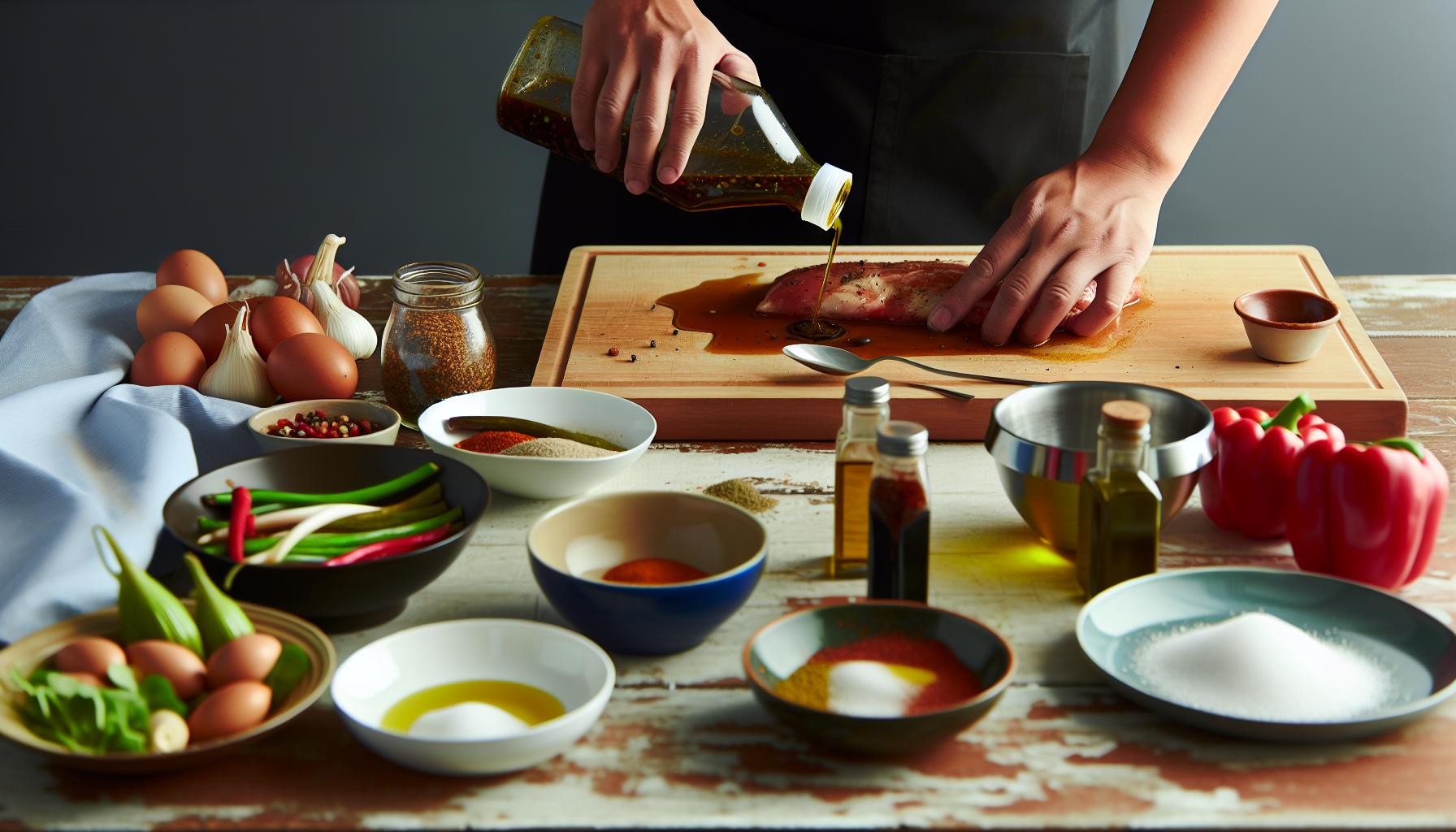
There’s something truly magical about the slow cooker quietly working away all day, infusing rump roast with deep, layered flavors that make every bite sing. The secret? It’s not just the long, slow cook time that turns that humble cut tender-it’s also the flavor boosters you introduce before and during cooking that elevate your roast from “meh” to memorable. Think of marinades, rubs, and the right liquids as your culinary sidekicks, each playing a vital role in adding complexity and moisture to keep your roast juicy and downright irresistible.
When it comes to marinades,acid is your best friend-but use it wisely. A splash of balsamic vinegar, lemon juice, or even a little red wine (all paleo-friendly!) can definitely help tenderize the meat by breaking down tough fibers. don’t drown your roast overnight-30 minutes to 2 hours is ample time before searing. If time is tight, a quick rub with a paste of crushed garlic, fresh herbs like rosemary or thyme, and a drizzle of olive oil adds a punch of rustic flavor without waiting. Personally, I’ve found that even a simple combo of smoked paprika, ground cumin, and black pepper works wonders when rubbed on thick and left to chill in the fridge for an hour before slow cooking.
Liquids in the slow cooker aren’t just about moisture-they’re flavor vessels. Broth (bone or vegetable), unsweetened tomato juice, or kombucha make excellent bases that infuse natural umami and tang. I love adding a splash of coconut aminos or a drizzle of coconut vinegar to brighten the broth while keeping it paleo and gluten-free. Keep in mind, you don’t need to cover the meat completely-just enough to create a steamy environment for slow breakdown. Too much liquid dilutes flavors,so a careful balance keeps your rump roast punchy and savory.
Simple Flavor Enhancements to Try
- Herb & garlic Rub: Minced garlic, rosemary, thyme, salt, and pepper with olive oil
- Spiced Paprika Rub: Smoked paprika, cumin, chili powder, sea salt, a pinch of cayenne
- Quick Balsamic Marinade: Balsamic vinegar, Dijon mustard, olive oil, garlic, herbs (marinate 1-2 hours)
- Broth Base: Use well-seasoned beef or bone broth; add a splash of dry red wine or coconut aminos
- Liquid Boosters: Tomato juice, coconut vinegar, or even brewed black coffee for depth
No matter which combo fits your schedule or pantry, remember that these flavor boosters are here to make your life easier-and your roast tastier.A little prep goes a long way, adding depth and tender moisture as the slow cooker does the heavy lifting. From my own kitchen mishaps,skipping a good rub or a flavorful liquid often led to bland or dry edges,but a well-seasoned rump roast rewarded my patience with juicy,fork-tender slices that disappeared fast at the dinner table. so go ahead, splash, rub, marinate, and pour-these simple extras bring your rump roast slow-cooker journey to delicious heights.
Serving Suggestions: slicing and Pairing Your Rump roast
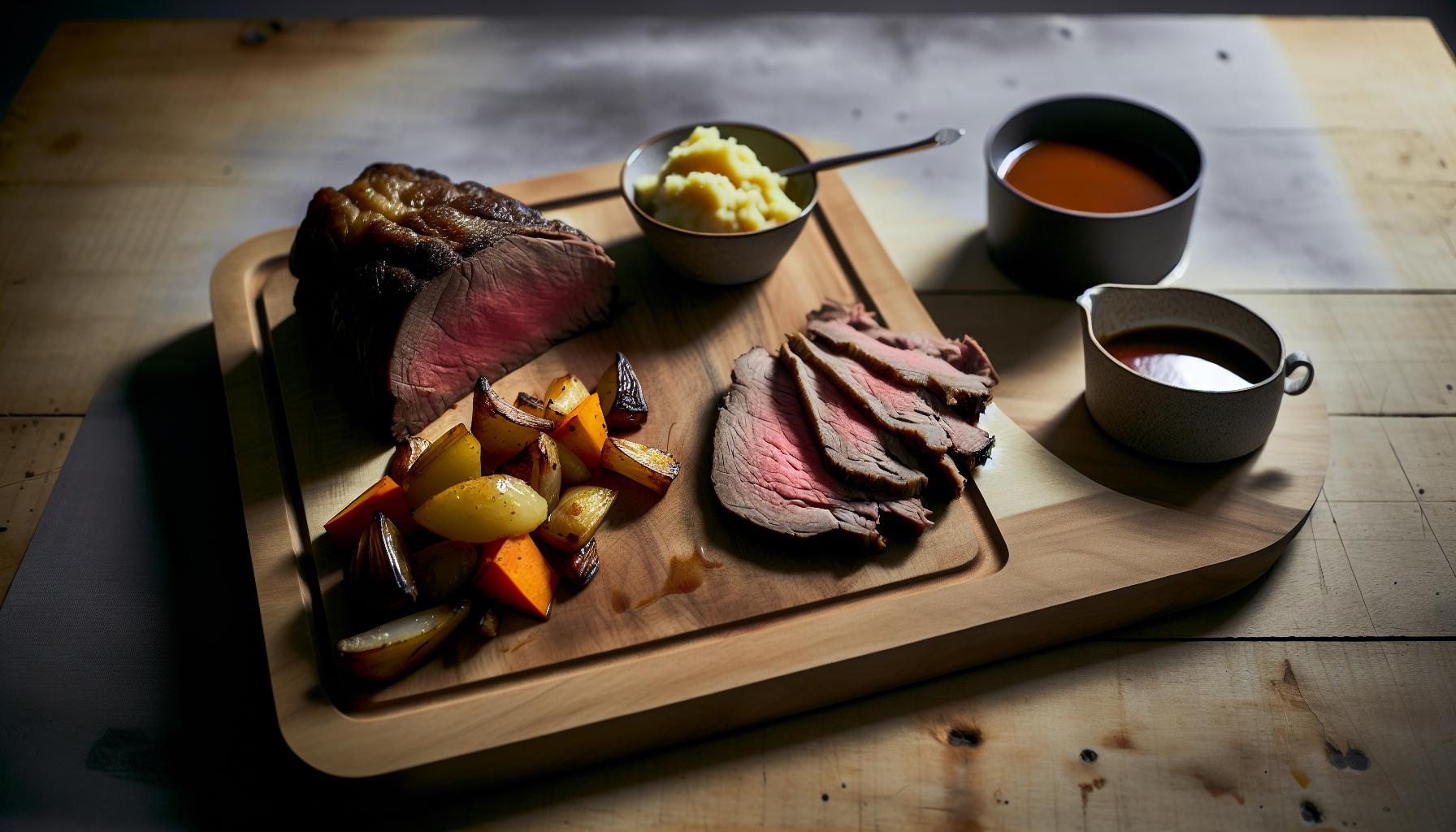
There’s something truly satisfying about a slow-cooked rump roast that’s so tender it practically melts on your fork.But the real magic happens after cooking-the way you slice and serve it can elevate your meal from good to unforgettable. Slicing against the grain is the key here.It might sound fancy, but it’s actually pretty straightforward: look closely at the meat fibers running through your roast and slice perpendicular to them. This simple trick shortens those muscle fibers, making every bite tender and easy to chew-a total game-changer, especially with a cut like rump roast that tends to be a bit lean and fibrous.
Pairing your perfectly sliced rump roast opens a world of possibilities, whether you’re aiming for paleo, gluten-free comfort food or just a satisfying, hearty plate. For vegetable lovers, roasted root veggies like carrots, parsnips, and sweet potatoes create a naturally sweet contrast that plays beautifully with the savory beef. If you want to keep it light and fresh,a crisp arugula salad dressed with lemon vinaigrette adds a bright,peppery bite,balancing the richness. For those who love a bit of indulgence, a creamy cauliflower mash or paleo garlic mashed potatoes bring that silky texture that pairs perfectly with the meat’s umami depth.
Flavorful Sides and Sauces to Elevate Your Plate
- Simple Pan Gravy: Use the slow cooker drippings and a splash of bone broth, thickened naturally with arrowroot powder for a gluten-free finish.
- Chimichurri Sauce: Bright and herbaceous, this fresh sauce cuts through rich beef and adds a vibrant southwest twist.
- Sautéed Mushrooms and Garlic: Earthy flavors marry well with rump roast, especially when caramelized just right.
- Roasted Brussels Sprouts: Toss with olive oil and sea salt, then roast until crispy on the edges for a satisfying crunch.
- Zucchini Noodles or Cauliflower Rice: Great low-carb paleo-friendly bases that soak up all the savory juices.
One of my favorite no-fuss ways to serve rump roast is piling those tender slices high on rustic wooden boards for a casual dinner party vibe. Add some pickled veggies or a sharp mustard on the side for punch. It’s like a mini charcuterie experience but with hot, hearty beef goodness front and center. Remember, presentation counts-thin, even slices make it easier for guests to dive in, and the leftover juices spooned over the top keep every bite juicy!
keep in mind that slow cooker rump roast is wildly forgiving for meal prep. Sliced cold or at room temperature, it’s a fantastic protein boost for salads, paleo wraps, or even a warm beef and veggie bowl. So,whether you’re serving a family feast or packing weekday lunches,slicing thoughtfully and pairing with complementary flavors helps you get the very most from your slow-cooked rump roast adventure. Dig in!
Storing and Reheating Leftover Slow Cooker Rump Roast
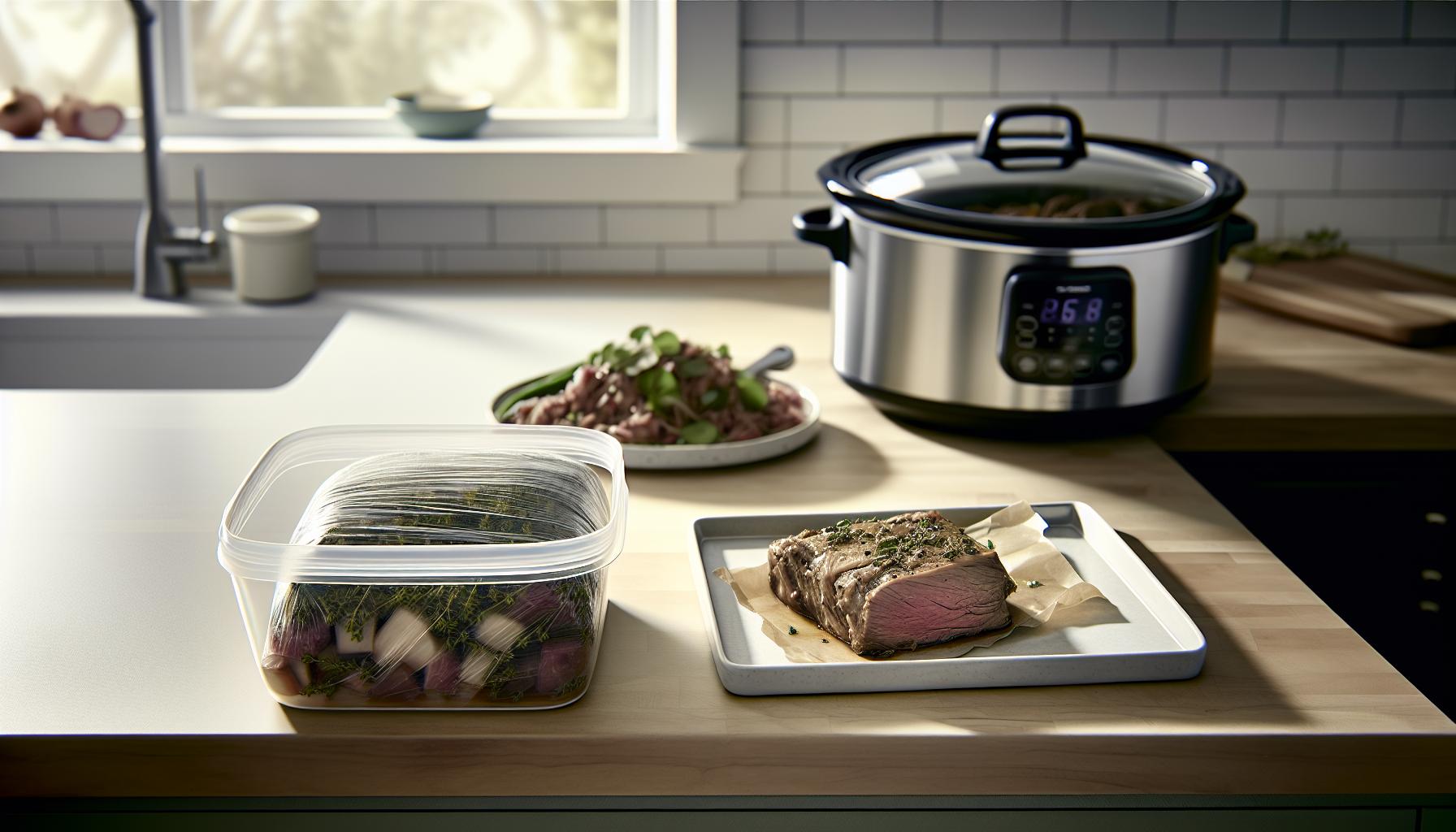
There’s something truly satisfying about knowing your slow cooker rump roast is just as tasty the next day-if not better! Leftovers hold a special kind of kitchen magic when stored and reheated right, keeping all that tender, juicy goodness intact. Since rump roast is lean and slow-cooked until fork-tender, handling those leftovers with care ensures every bite stays as cozy as the first meal.Plus, it’s an easy way to stretch your delicious paleo and gluten-free feast into multiple meals without any fuss.
When storing,slice your rump roast thinly against the grain,just like you would for serving. This not only keeps the meat tender but also makes reheating faster and more even. Wrap the slices tightly in foil or place them in an airtight container to avoid drying out. If you prefer, store them with a little of the cooking juices or a splash of bone broth for extra moisture. Leftovers can happily chill in the fridge for up to 4 days, or freeze beautifully for up to 3 months-just remember to thaw in the fridge overnight before reheating.
Best Practices for Reheating Leftover Rump Roast
- Slow and steady wins: Reheat gently in the oven at 275-300°F (135-150°C), covered with foil to lock in moisture, for about 15-20 minutes depending on the portion size.
- Skillet magic: Warm slices in a lightly oiled skillet over medium-low heat.Add a splash of broth and cover with a lid to steam and soften-this method also crisps up edges if you’re in the mood for a little texture contrast.
- Microwave hacks: Place meat in a microwave-safe dish, cover with a damp paper towel, and heat in short bursts (30 seconds), flipping halfway to prevent hot spots and drying.
If you’re reheating a whole batch of stew-style rump roast with veggies and gravy, stirring occasionally and adding a bit of extra liquid can keep everything silky and saucy. A personal kitchen win of mine is using leftovers cold sliced in paleo wraps or mixed into a warm salad bowl with fresh greens and roasted veggies-quick, nutrient-dense, and zero-waste friendly.
Remember, reheating isn’t just about temperature; it’s about preserving that delicious fork-tender texture you worked so hard to achieve during your slow cooker adventure. With these simple tips, you’re set to enjoy every last flavorful bite-whether it’s a cozy solo lunch or a family dinner encore. Happy cooking and even happier eating!
Q&A
Q: How can I adjust slow cooker time for different rump roast sizes to get tender slices?
A: For rump roasts between 3-5 pounds, cook on low for 8-10 hours or high for 4-6 hours for tender slices. Smaller roasts (under 3 lbs) need less time-around 6-8 hours low. Adjusting time ensures even cooking without drying; see slow cooker settings in the Ideal slow Cooker Settings and Cooking Times Explained section for tailored guidance.
Q: What slow cooker liquid amount helps rump roast stay juicy but not soggy?
A: Use about 1 to 1.5 cups of liquid like broth or wine-enough to keep the roast moist without drowning it. This balance promotes tender slices without sogginess. For flavor tips,refer to the Flavor Boosters: Marinades,Rubs,and Liquid Additions section and try light,paleo-friendly broths for extra richness.
Q: Why does rump roast sometimes become stringy in the slow cooker, and how can I fix it?
A: Stringy texture often means overcooking or cooking at too high heat. Use the low setting and check tenderness at 8 hours to avoid drying out fibers.Trimming excess fat beforehand and using a rub with natural enzymes (like pineapple) helps break down muscle gently for slice-ready softness.
Q: Can resting rump roast after slow cooking improve tenderness for slicing? How long should it rest?
A: Yes, resting rump roast for 15-20 minutes after cooking allows juices to redistribute, leading to juicier, tender slices. Wrap loosely in foil and rest on a warm surface before carving. This simple step is key-covered in How to Tell When Your Roast Is Tender and Ready-and often overlooked in slow cooker recipes.
Q: How does cutting rump roast against the grain affect tenderness in slow cooker slices?
A: Slicing against the grain shortens muscle fibers, making each bite softer and easier to chew. Always identify the grain direction after resting, then cut perpendicular to it. This simple slicing technique maximizes slow cooker tenderness, enhancing the juicy texture described in our Serving Suggestions section.
Q: What herbs or spices work best for enhancing rump roast tenderness and flavor in a slow cooker?
A: Rosemary, thyme, garlic, and bay leaves complement rump roast well, promoting flavor without overpowering natural meat taste. Adding these herbs with a marinade or rub helps tenderize and infuse your roast. Check out the Flavor Boosters: Marinades, Rubs, and Liquid Additions for friendly, practical seasoning combos.
Q: Is it better to brown rump roast before slow cooking for more tender slices? Why or why not?
A: Browning rump roast before slow cooking is recommended as it enhances flavor and helps seal in juices,improving tenderness. It creates a savory crust to balance the slow, moist cooking process-details are in Prepping Your Rump Roast: Tips for maximum Flavor. This quick step makes a big difference in your final dish.
Q: How do bone-in versus boneless rump roast cuts affect cooking time and tenderness in a slow cooker?
A: Bone-in rump roasts usually take 1-2 hours longer in the slow cooker but offer richer flavor and help retain moisture for tender slices. Boneless cuts cook slightly faster and are easier to slice uniformly. Choose based on convenience vs.richness, as explained in Choosing the Perfect Rump Roast for Tender Results.
For more slow cooker tips and detailed recipes, feel free to explore the linked article sections and experiment with your favorite herb blends. Cooking rump roast slow and steady turns dinner into delicious, tender slices every time!
To Wrap It Up
Ready to enjoy tender, flavorful rump roast slices with minimal fuss? Slow cooking your roast low and slow is the secret to melt-in-your-mouth results every time-perfect for busy weeknights or cozy weekend meals. Remember, cooking times can vary based on the size of your roast and slow cooker model, so don’t hesitate to check tenderness early and adjust as needed. For a gluten-free or paleo-friendly twist, try swapping traditional broth with bone broth or adding fresh herbs to boost flavor without extra effort.
Hungry for more? Dive into our easy Slow Cooker Beef Recipes or explore Meal Prep Tips for Busy Cooks to keep your dinner game strong. Curious about side dishes that pair perfectly with slow-cooked roasts? check out our Comforting Gluten-Free Sides for simple,delicious ideas. Don’t forget to subscribe for weekly recipes and insider kitchen hacks-because everyone deserves meals that feel both indulgent and effortless. Got questions or your own rump roast triumphs? Drop a comment below and share your story; we love hearing from home cooks like you!


