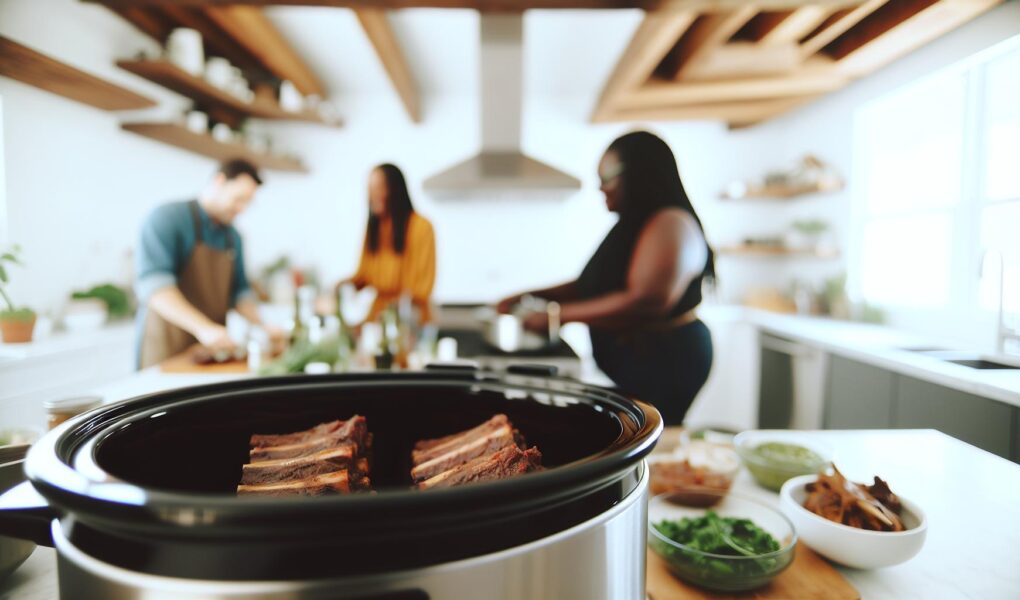
Did you know that slow cooking beef ribs not only makes them incredibly tender but also unlocks deep, rich flavors with minimal effort? If you’ve ever been intimidated by cooking ribs at home-worrying about prep time, tricky techniques, or flavor fails-this method is your new best friend.Using a slow cooker, you can turn a simple set of beef ribs into a melt-in-your-mouth, gluten-free, and paleo-friendly feast with just a few easy steps and some pantry staples. Whether you’re juggling a busy weeknight or craving a comforting weekend dinner,this foolproof approach lets you set it and forget it,freeing you to focus on what matters most-enjoying your meal without stress. Stick around, and I’ll share practical tips, smart ingredient swaps, and my favorite tricks to make slow cooker beef ribs not just good, but spectacularly juicy and flavorful every time. Trust me, once you try this, your slow cooker will become your secret weapon for effortless, appetizing dinners that please everyone at the table.
Table of Contents
- Choosing the Best Beef Ribs for slow Cooking
- Prepping Beef Ribs Like a Pro: Tips and Tricks
- Crafting the Ultimate Slow Cooker Marinade and Rub
- Step-by-Step Slow Cooker Beef Ribs Cooking Guide
- How to Maximize Flavor with low and Slow Technique
- Perfect Side Dishes to Pair with Slow-Cooked Beef Ribs
- Troubleshooting Common Slow Cooker Rib Issues
- Storing and Reheating Leftover Slow Cooker Beef ribs
- Gluten-Free and Paleo-Friendly Slow Cooker Rib Variations
- Flavor Boosters: Adding Smoke and Spice Without a Grill
- FAQ
- Q: How long should beef ribs rest after slow cooking for maximum flavor?
- Q: What’s the best slow cooker temperature setting for tender beef ribs?
- Q: Can I add vegetables to beef ribs in the slow cooker without losing flavor?
- Q: How can I enhance smoky flavor in slow cooker beef ribs without a grill?
- Q: Why are my slow cooker beef ribs sometimes tough instead of tender?
- Q: How do I make slow cooker beef ribs Paleo and gluten-free without sacrificing flavor?
- Q: Can I freeze slow cooker beef ribs, and how should I reheat them?
- Q: How to adapt slow cooker beef ribs recipe for weeknight meals without losing flavor?
- To Conclude
Choosing the Best Beef Ribs for slow Cooking
When it comes to slow-cooking beef ribs, the cut you choose can make or break your final dish. Not all ribs are created equal, and picking the right type sets you on the path to juicy, tender bites that fall off the bone without much effort.If you’re shopping at your local butcher or grocery store, look for ribs with a good balance of meat and fat-fat keeps the ribs moist during the long cooking process, while too much bone or gristle can leave you feeling cheated.
Beef back ribs and beef short ribs are the two common choices you’ll encounter. Back ribs are taken from the upper part of the rib cage and tend to be leaner with less meat between the bones. They’re fantastic for grilling but can dry out a bit in a slow cooker if not handled right. Short ribs, on the other hand, come from the lower section near the belly and pack on more meat, fat, and connective tissue-making them a slow cooker’s best friend. The magic lies in the connective tissue breaking down over hours of gentle heat,transforming tough bites into silky,tender yum.
What to Look for When Buying Beef Ribs
- Marbling: Fine streaks of fat throughout the meat, known as marbling, improve flavor and tenderness. Don’t shy away from ribs with visible fat-it’s your slow cooker’s secret weapon.
- Bone-in is best: The bones add flavor and help retain moisture, so always opt for bone-in ribs rather than boneless chunks.
- Thickness: Go for ribs that are evenly thick so they cook uniformly. Avoid those with large gaps or uneven cuts-which can lead to uneven cooking in the slow cooker.
From my own kitchen escapades, short ribs are my go-to for a “set it and forget it” meal. They soak up any marinade or rub, and after 6-8 hours on low, they shred apart like a dream. Bonus-you can buy a bigger slab, freeze leftovers, and use them later for paleo-friendly beef stews or gluten-free tacos. However, if you find back ribs on sale and want a fast fix for the slow cooker, adding a splash of somthing acidic like beer or vinegar helps keep those leaner ribs tender, as I learned from experimenting with onion and beer-based slow cooker recipes. It’s all about balancing flavors and textures for maximum flavor without fuss.
Prepping Beef Ribs Like a Pro: Tips and Tricks
There’s something almost magical about turning a tough slab of beef ribs into tender,flavorful perfection with just a bit of prep and patience. That conversion starts long before the slow cooker heats up. Getting your ribs ready is where you set the stage for juicy, fall-apart bites that make your taste buds sing. Whether you’re new to slow-cooker rib adventures or a seasoned pro aiming to up your game, these simple tips and tricks will have you prepping like a kitchen ninja-no pressure, just delicious results.
First off, don’t skip the rinse and dry ritual. Pat your ribs dry with paper towels after giving them a quick rinse under cold water.It might seem trivial, but a dry surface helps your rub or marinade stick better rather than sliding off like it’s on a slip-and-slide. If you want to take it up a notch, trim off excess fat or silver skin-especially on short ribs-to avoid any chewy patches, but don’t be a fat-phobe. Remember, marbling is flavor’s best friend, and that fat breaks down slowly to baste your meat from within. For a paleo or gluten-free approach, this step is a game changer: a clean, well-prepped slab will absorb all those natural herbs and spices you love without any additives sneaking in.
Master Your Marinade Game Before the Cook
A quick soak or overnight rest in the fridge with a marinade isn’t just for show. It unlocks flavor and adds moisture, notably critical for leaner back ribs. Acidic ingredients like apple cider vinegar, citrus juice, or a splash of paleo-friendly beer work wonders here-they tenderize while adding zing, especially if you’re working with a leaner cut. Trust me, experimenting with simple, clean ingredients has made my ribs pop with more flavor even before the slow cooker kicks in. If you’re short on time, a dry rub applied about 30 minutes before cooking can still work it’s magic, seasoning the meat and helping to build that crave-worthy bark later.
Layering Flavors and Setting Up Your Slow Cooker
Before you drop ribs into the slow cooker, consider creating a little “flavor bed” at the bottom-onions, garlic cloves, or even sliced carrots work wonders.This not only adds a subtle veggie sweetness but also lifts the meat off the slow cooker base, preventing any scorching and ensuring gentle, even cooking. For ultra-tender ribs,stacking them bone-side down maximizes heat penetration and flavor infusion. And here’s a clever trick: add a splash of beef broth, water, or paleo-friendly liquid to keep the habitat perfectly moist. No need to drown the ribs-just enough to create steam. My go-to is about a half cup-enough to keep things cozy while the slow cooker does its slow magic.
- Prep time: 15-20 minutes
- Marinate: 30 minutes to overnight
- Difficulty: Beginner-friendly, with room to personalize
No fancy tools needed, just a bit of mindful prep.As your ribs soak in those aromatic spices and slow-cook to perfection, you’ll find that simple tricks-like drying, trimming, marinating, and flavor layering-make all the difference between “meh” and melt-in-your-mouth rib glory. And hey, isn’t that what we all want? Great food, happy bellies, and zero stress in the kitchen.
Crafting the Ultimate Slow Cooker Marinade and Rub
Beef ribs have an incredible ability to soak up flavors, but nailing the perfect marinade or rub before slow cooking can elevate them from tasty to downright unforgettable. The magic really happens when you combine well-chosen ingredients that tenderize, build depth, and form a luscious crust after hours in the slow cooker. Whether you’re into paleo-friendly clean eating or just love a full-flavored, smoky bite, crafting your marinade or rub doesn’t have to be elaborate or time-consuming. Plus, these little flavor bombs pack a punch even if you only have a half hour before cooking-the slow cooker will do the heavy lifting from there.
To kick things off, think of your marinade as the flavor handshake: it should be bold enough to penetrate the meat, but balanced so it doesn’t overwhelm the natural richness of the ribs. Acids like apple cider vinegar, lemon juice, or even a splash of paleo-friendly beer or coconut aminos are gold-they break down tougher fibers gently and brighten the meat’s profile. Add aromatics such as garlic, fresh herbs (rosemary, thyme), and warming spices (smoked paprika, ground cumin) for layered complexity. A touch of sweetness-like honey, maple syrup, or even mashed pineapple-rounds out the zing and helps develop that coveted caramelized crust as the ribs cook low and slow. here’s a quick starter marinade idea:
- 1/4 cup apple cider vinegar
- 2 tablespoons olive oil or avocado oil
- 1-2 teaspoons smoked paprika
- 2 cloves garlic, minced
- 1 tablespoon honey or maple syrup (optional)
- Salt and freshly ground black pepper to taste
Slather this on freshly dried ribs, cover, and let them chill in the fridge anywhere from 30 minutes to overnight. The longer, the better, but sometimes life happens, and that’s okay!
rub vs. Marinade: Why Not Both?
If you’re short on time, a dry rub sprinkled about 30 minutes before cooking can still work wonders-think a flavorful crust without the mess of liquids. Dry rubs are perfect for boosting smoky, spicy notes and creating texture. Use spices like chili powder, garlic powder, onion powder, brown sugar (or coconut sugar for paleo), and a pinch of cayenne for heat. Here’s a fail-safe rub combo for gluten-free and paleo cooks alike:
- 2 tablespoons smoked paprika
- 1 tablespoon garlic powder
- 1 tablespoon onion powder
- 1 tablespoon coconut sugar
- 1 teaspoon salt
- Pinch of cayenne pepper (optional)
Press the rub into the meat, let it sit while you prep the slow cooker, and enjoy the flavors developing as the ribs slowly cook to tender delight.
You can absolutely combine a marinade and a dry rub by marinating first and finishing with a light coat of rub before slow cooking. This layering is what I call flavor triple-threat: the marinade tenderizes and infuses moisture, while the rub adds complexity and a slightly crispy edge after a quick broil or sear post-cooking if you want to dress things up.
Remember, there’s no kitchen police here-feel free to swap out ingredients based on what you have handy or your diet needs. For example,coconut aminos make a great soy sauce substitute for a paleo umami boost,and swapping honey for maple syrup shifts the sweetness flavor profile while keeping things paleo-friendly. The key is to have fun experimenting and find your signature flavor combo that your family will rave about long after the ribs are gone.
Step-by-Step Slow Cooker Beef Ribs Cooking Guide
There’s something downright magical about how slow-cooked beef ribs turn out-tender enough to nearly fall off the bone, yet robust with flavor that seeps deep into every fiber.The beauty is: you don’t need to be a grill master or have hours free to nail this at home.With a slow cooker doing the heavy lifting, it’s all about layering flavors and timing it just right to get those juicy, melt-in-your-mouth results that’ll have everyone asking for seconds.
Getting started, you’ll want to prep your ribs with care-whether marinated for that tenderizing tang or rubbed down with spices for a flavorful bark. Once your ribs are ready to hit the slow cooker, here’s the game plan that keeps things simple but effective, perfect for busy weeknights or leisurely weekend meals.
Essential Steps for Slow Cooker Beef Ribs
- Layer thoughtfully: Place your ribs into the slow cooker in a single layer or slightly overlapping. If your cooker is smaller, you might need to cut ribs into smaller sections to fit comfortably.
- Build your flavor base: Add your marinade or rub-coated ribs along with any aromatic veggies-think sliced onions or garlic cloves-and a splash of liquid like beef broth, paleo-friendly beer, or even a little apple cider vinegar to keep things moist. This mix not only infuses flavor but also keeps ribs juicy during long cooking.
- Set it low and slow: Cook on LOW for 6 to 8 hours or HIGH for 3 to 4 hours.Low and slow ensures harsh fibers break down gently, making each bite tender without drying out. Resist the urge to peek too often-every time you lift the lid, you lose precious heat and moisture.
- Finish with a flourish: For that irresistible crust, consider transferring the cooked ribs to a baking sheet, slather with your favorite paleo or gluten-free BBQ sauce, and broil for 3 to 5 minutes. this simple step adds caramelized texture right at the end and elevates your slow cooker creation.
Pro Tips from the Home Kitchen
I’ve learned that trimming excess fat before cooking and patting ribs dry makes a big difference in how well your rub or marinade sticks-and drying that surface also helps with caramelization during a finishing broil. Also, resisting shortcuts like cranking the heat too high saves you from tough ribs. Slow and steady really wins this race.
Sometimes I throw in extras like fresh rosemary sprigs or a couple bay leaves with my marinade-these subtle additions layer in complexity without adding prep time. And don’t worry if you only have 30 minutes to marinate before cooking: the slow cooker’s long cook compensates for short soak times, making it a forgiving, crowd-pleasing approach.
Above all, remember this is your kitchen playground. If you’re paleo, swapping honey for maple syrup or omitting sugars entirely still works beautifully. Gluten-free? No worries – just double-check your spices and broth labels, and you’re good. The slow cooker loves a well-seasoned rib, no matter the tweak!
| Step | Tip | Why It Matters |
|---|---|---|
| prepping Ribs | Trim and dry ribs before applying rub or marinade | Helps seasoning stick and enhances crust formation at finish |
| Layering Ingredients | Add aromatic veggies and liquid base | Improves moisture and deepens flavor complexity |
| Cooking Time | Cook low for 6-8 hrs or high for 3-4 hrs | Tenderizes meat gently without drying |
| Finishing Touch | Broil with sauce for caramelized crust | Adds texture and rich flavor contrast |
By embracing the slow cooker as your trusty sidekick and layering flavors with these simple steps, you’ll whip up slow-cooked beef ribs that feel fancy but require zero fuss. Whether you’re dining paleo, gluten-free, or just hungry for fall-apart deliciousness, this approach brings out the best in your ribs every time. Pull up a chair, crack open a cold one, and savor the magic you created with patience, care, and a little kitchen love.
How to Maximize Flavor with low and Slow Technique
There’s a secret sauce to truly unforgettable beef ribs in the slow cooker-and it’s patience paired with a gentle temperature. Cooking ribs “low and slow” isn’t just about avoiding dryness; it’s the magic trick that breaks down tough connective tissues while allowing spices and marinades to penetrate deep into the meat. This means every bite melts effortlessly, packed with flavor that makes you glad you skipped the instant-everything shortcuts.
Think of the slow cooker as a flavor incubator. Keeping the heat low, ideally between 190°F to 210°F (the slow cooker’s LOW setting), creates a moist, steady environment where collagen in the ribs transforms into luscious gelatin.This is what gives slow-cooked ribs that silky texture,without drying them out. But here’s the kicker-resist the urge to peek or lift the lid too often! Each lid lift sneaks heat and moisture away, extending cook time and possibly making ribs less juicy.rather, trust the slow cooker’s steady heat to do the work while you get on with life.
Layering Flavors with Liquid and Aromatics
To really elevate your ribs, don’t just rely on the rub or marinade on the surface. Adding a splash of liquid-like beef broth, paleo-friendly beer, or even apple cider vinegar-before cooking helps create a gentle steam inside the cooker.This moist heat not only softens the meat but carries the aroma of added herbs and veggies throughout the dish. On that note, tossing in whole garlic cloves, sliced onions, fresh rosemary sprigs, or bay leaves acts like slow-release flavor bombs soaking into every nook of the ribs. These little extras are often overlooked but make a big difference in layered, savory complexity, especially for those of us chasing that paleo or gluten-free life without sacrificing taste.
finish Like a Pro
Once the slow cooker has worked its magic, don’t stop there.For a final boost, pull your ribs out and slather on a paleo- or gluten-free BBQ sauce (homemade or store-bought) before a quick broil in the oven. The high, direct heat caramelizes the sauce and creates that crave-worthy crust-the delicious contrast to the tender meat beneath. It’s like turning your slow cooker riff into a mini, hassle-free barbecue party in your kitchen. Plus, that quick broil step gives you a chance to check for any remaining fat to trim or unwanted sogginess, ensuring the rib experience ends on a high note.
- Tip 1: For paleo-friendly sweetness, swap honey with maple syrup or date syrup in your rubs and sauces.
- Tip 2: use a meat thermometer; ribs are typically done when they hit about 195°F internally and start to pull away from the bone.
- Tip 3: If you’re short on time, crank the heat to HIGH but reduce cooking to about 3-4 hours-just expect slightly less tenderness.
At the end of the day, maximizing flavor with low and slow is about honoring the process without perfectionism. The slow cooker is forgiving and wonderfully hands-off, letting you create consistently delicious beef ribs-even if you’re juggling life, dinner plans, and maybe a kid or two. So prep your ribs, trust your cooker, and get ready to savor those rich, deep flavors that only time (and low heat) can deliver.
Perfect Side Dishes to Pair with Slow-Cooked Beef Ribs
When you’ve just pulled off those tender, juicy slow-cooker beef ribs, the fun part is pairing them with sides that not only complement but elevate the entire meal. Think of your side dishes as the supporting cast-flavors and textures that contrast and balance the rich, melt-in-your-mouth rib meat without stealing the spotlight. The key? A harmony of freshness, crunch, and comfort that keeps every bite exciting and satisfying.
For a classic combo with a paleo and gluten-free spin, roasted vegetables are your best friend. Roasting brings out sweetness and deep flavor while keeping prep super simple-just toss root veggies like sweet potatoes, carrots, and parsnips with olive oil, salt, and fresh herbs. They take about 30-40 minutes at 400°F and require almost zero babysitting. Plus, the natural caramelization pairs beautifully with the smoky richness of the ribs. If time’s tight,a quick sauté of garlic green beans or spinach with a squeeze of lemon can brighten and freshen up the plate in minutes.
Light and Fresh Balancers
To cut through the hearty richness, a crisp coleslaw or salad can be a game-changer.A quick slaw with shredded cabbage, apple slices, and a tangy apple cider vinegar dressing keeps things radiant and lively. You can jazz it up with crunchy nuts or seeds for texture and even throw in some fresh herbs like cilantro or mint for a pop of unexpected freshness. If you prefer leafy greens, a spinach and arugula salad with sliced avocado, cherry tomatoes, and a mustard vinaigrette adds creaminess and acidity-two ingredients that always play well with beef.
Hearty Comforts That Still Feel Paleo-Friendly
Mashed cauliflower is a creamy, comforting alternative to conventional mashed potatoes that fits comfortably into paleo and gluten-free diets. Steam or boil the cauliflower florets until tender (about 15 minutes), then blend with ghee or olive oil, garlic, and a bit of nutritional yeast for a savory depth. It’s a luscious, satisfying base that soaks up any leftover juices or BBQ sauce beautifully. For a touch more rustic flair,consider baked sweet potato fries-crispy on the outside,tender inside,and naturally sweet,they’re a crowd-pleaser that’s easy to bake alongside your ribs.
- Tip: For a quick low-carb salad, cucumber ribbons with a sprinkle of chili flakes and a drizzle of sesame oil can refresh the palate after rich ribs.
- Tip: Roasting Brussels sprouts with diced bacon or pancetta adds smoky crunch that echoes the richness of the ribs without being overpowering.
Perfect sides turn your slow-cooked ribs from a meal into a memory-offering variety for the palate while supporting your dietary preferences without fuss. The best part? Most of these sides can be prepped alongside your slow cooker or even beforehand, so when your ribs are ready, the rest of your delicious dinner practically assembles itself.Food joy doesn’t have to be complicated, especially when the magic is already happening in that slow cooker!
Troubleshooting Common Slow Cooker Rib Issues
Sometimes, even with the best intentions and the perfect cut of ribs, your slow cooker ribs might not come out exactly as dreamy as you hoped. The good news? There are straightforward tweaks and trusty kitchen hacks to fix common slow cooker rib hiccups, turning your next batch into a mouthwatering winner. Whether it’s ribs turning out too tough, dry, or flavorless, understanding what went wrong (and how to make it right) is key-and I’ve been there, so I’ve got your back.
One of the biggest culprits behind tough or chewy ribs is undercooking. Low and slow is the mantra, but sometimes the slow cooker just needs more time.If your ribs aren’t falling off the bone, give them another hour or two on low-yes, even after your scheduled cook time. Depending on the size of your ribs and your slow cooker’s heat levels, you may need a little extra patience. On the flip side, ribs can become mushy if overcooked too long, especially if your slow cooker runs hotter than expected. To prevent this, stick to a reliable recipe time range, set your slow cooker to low (not high!), and consider checking at the minimum suggested time before committing to longer cooking.
Dry ribs? That usually means not enough liquid or moisture in the pot.Slow cookers trap moisture well, but ribs need a bit of love through a good marinade, broth, or sauce base to keep them juicy.Consider adding ingredients like beef broth, beer, or a splash of apple cider vinegar when you toss everything in-these liquids not only keep the meat moist but also amp up flavor. I like using a rich onion soup mix or a simple homemade rub paired with a bold beer for depth-trust me, it’s a game changer [[1]].
Common Rib Issues and Quick Fixes
| Problem | Cause | Quick Solution |
|---|---|---|
| Tough, Chewy Ribs | Undercooked; Slow cooker temp too low | Cook longer on low for an additional 1-2 hours; check doneness periodically |
| Dry Ribs | Insufficient liquid/moisture | Add broth, beer, or extra marinade; cover ribs well in cooking liquid |
| Bland Flavor | Light seasoning; no resting | Use a bold rub or marinade; let ribs rest in sauce after cooking for flavor soak |
| Soggy Texture | Too much liquid or no finishing step | Remove ribs and finish under broiler or grill for 5-10 minutes to caramelize |
If flavor feels a little shy, don’t fret. Slow cooking enhances tenderness but can sometimes dull bold seasonings. That’s why layering flavors with a punchy rub or sauce is your secret weapon. Mix spices like smoked paprika, garlic powder, and a touch of cayenne for heat. Also, don’t skip a post-cook step-after slow cooking, brushing ribs with extra BBQ sauce and broiling or grilling for just a few minutes caramelizes the sugars and ups the flavor profile, adding that crave-worthy bark without a full grill session [[3]].
lastly, if your ribs turn out a bit soggy or watery, it’s often the liquid pooling from the slow cooker. This is an easy fix: remove the ribs, drain excess liquid, and pop them under a hot broiler or on a grill for 5-10 minutes to crisp up the edges and bring back texture contrast. This trick keeps your ribs tender inside but with that irresistible caramelized crust we all adore. Remember, slow cooker ribs are all about ease and comfort-but a little finishing flourish transforms them from good to unforgettable.
keep in mind, no slow cooker rib adventure is perfect on the first try, so feel free to experiment a little and make each batch your own. With these tips, you’ll turn common slip-ups into opportunities for new flavor discoveries-and before you know it, you’ll be the go-to slow cooker rib guru in your circle!
Storing and Reheating Leftover Slow Cooker Beef ribs
You know that feeling when you’ve cooked up a big batch of tender, savory slow cooker beef ribs and suddenly realize you’ve got leftovers to enjoy all week? First off: congratulations! Leftover slow cooker ribs can be just as breathtaking as fresh ones-if you handle storing and reheating the right way. When it comes to keeping that melt-in-your-mouth texture and rich flavor intact, a little bit of thoughtful care changes the game.
Storage tips for Rib Perfection
Beef ribs store beautifully in the fridge if wrapped or sealed properly. I like to portion them into meal-sized servings, then tightly wrap each piece in plastic wrap or use airtight containers to lock in moisture and prevent fridge odors from sneaking in. If you want to keep ribs longer than 3-4 days, popping them in the freezer is your best bet. Wrap ribs twice-a layer of foil over the plastic wrap or freezer bag-helps avoid freezer burn, which is the enemy of juicy meat.
- in the refrigerator: Keep ribs in an airtight container for up to 4 days.
- In the freezer: Freeze ribs for up to 3 months to maintain flavor and texture.
one little pro tip from my kitchen escapades? Save a bit of the leftover cooking juices or sauce separately. You’ll thank yourself when reheating, as drizzling those flavorful juices over the ribs before warming keeps everything moist and tasty-a simple shortcut to rib revival.
Reheating Made Easy
Reheating ribs doesn’t have to be a dreaded affair where you risk drying out your prized leftovers. Slow cooker ribs shine best when reheated gently and with care.Whether you’re using an oven,stovetop,or microwave,aim to warm slowly and keep the ribs covered. Here are my go-to methods:
- Oven method: Wrap ribs in foil with a splash of beef broth or leftover BBQ sauce. Bake at 275°F (135°C) for about 20 minutes or until warmed through. This slow, low heat coaxes tenderness back without drying.
- Stovetop method: Place ribs in a skillet with some sauce or broth, cover, and heat on low until warm.This one’s great for a fast, moist reheat.
- Microwave method: For those quick hunger moments-place ribs on a microwave-safe plate, cover with a damp paper towel, and zap in short bursts (about 1-2 minutes), checking in between to avoid overcooking.
If you want to bring back that freshly caramelized crust,finish reheated ribs for a few minutes under the broiler or on a hot grill pan. That quick crisp up adds texture contrast and amps flavor-plus,it’s a little kitchen magic that feels impressively gourmet.
Gluten-Free & Paleo Friendly Notes
As slow cooker ribs are naturally hearty and flavorful, storing and reheating won’t mess with their paleo or gluten-free status-just watch the sauces. If your BBQ sauce contains gluten or sugar-laden ingredients,consider homemade or store-bought paleo-friendly versions to stay on track when you reheat and enjoy. And remember, herbs and spices stabilize beautifully in leftovers, so your ribs maintain that robust, clean flavor you worked hard to create in the first place.
Keeping slow cooker beef ribs tasting fresh and fabulous beyond the first meal is all about moisture retention, temperature control, and a bit of finishing flair. So stash those leftovers confidently-you’ve got delicious dinners down the road, worry-free!
Gluten-Free and Paleo-Friendly Slow Cooker Rib Variations
When you’re craving tender ribs but want to keep things paleo or gluten-free,slow cooking is your best friend – it’s the perfect method to develop deep,luscious flavors without relying on processed ingredients or tricky additives. Beef ribs are naturally hearty and rich, so with just a few clever swaps and tweaks, you can whip up a dish that fits right into your dietary goals without feeling like you’re missing out on classic comfort food vibes. Plus,slow cookers mean minimal hands-on time,which is a win whether you’re meal prepping or just rolling home hungry.
A quick heads-up: if you’re using store-bought BBQ sauces or spice mixes, always check the labels. Many contain hidden gluten, refined sugars, or soy, which don’t play nicely with paleo or gluten-free guidelines.My go-to solution? Make your own rub and sauce from simple, wholesome ingredients like smoked paprika, garlic powder, onion powder, chili flakes, and a drizzle of maple syrup or honey for a touch of natural sweetness. For liquids,beef broth or coconut aminos pack umami without breaking your paleo commitment. Speaking from experience, blending fresh herbs like thyme or rosemary into the slow cooker adds a bright, earthy aroma that perfectly complements the richness of the meat.
Simple Paleo and Gluten-Free Rib Rub
- 2 tbsp smoked paprika
- 1 tbsp garlic powder
- 1 tbsp onion powder
- 1 tsp ground cumin
- 1 tsp chili powder
- ½ tsp sea salt
- ¼ tsp black pepper
Rub this magic dust over your ribs before slow cooking for instant flavor depth, no gluten or weird fillers included. Feeling like adding a glaze? Mix your favorite Paleo-friendly BBQ sauce with a touch of apple cider vinegar for tang, then brush it on near the end of cooking to keep those ribs sticky and finger-licking good.
Low-Stress Ingredient Swaps
Life’s busy, and not everyone has time to DIY every component. When short on time, look for paleo-certified or gluten-free labels in your local store’s BBQ or spice section. some brands cater specifically to these diets,so you avoid guesswork. Also, coconut aminos make an excellent soy sauce replacement in marinades if you want that savory kick without gluten. And don’t underestimate the power of roasting garlic or caramelizing onions before adding them to your slow cooker-it’s flavor gold!
Ultimately, the joy of paleo and gluten-free slow cooker ribs is all about embracing the natural flavors of quality meat, hearty spices, and simple, real ingredients. Remember, slow cooking is forgiving-play around with herbs, spices, and liquids that suit your taste and dietary preferences. Trust me, whether you’re meal prepping for the week or impressing friends at dinner, these ribs will have everyone asking for the recipe.And that? Totally worth the extra swipe of homemade sauce.
For a few creative recipe inspirations, check how paleo-friendly slow cooker ribs come together in recipes like these: easy red wine braised short ribs or paleo BBQ ribs that keep things clean and flavor-packed [[1]](https://www.everylastbite.com/slow-cooker-bbq-ribs/) [[2]](https://glutenfreehomestead.com/2015/03/slow-cooker-braised-short-ribs/).
Flavor Boosters: Adding Smoke and Spice Without a Grill
Sometimes, the vibe of smoky, spicy beef ribs just feels like it *needs* a grill – but slow cookers have a clever way of delivering those deep, mouthwatering flavors without firing up charcoal or wood chips. it’s all about layering your seasonings and introducing ingredients that mimic that subtle smokiness and complexity, turning your slow cooker into a flavor powerhouse. And guess what? You don’t need fancy equipment to pull it off – just a few smart tweaks and pantry staples.One of the easiest ways to infuse that smoky kick is through smoked paprika. Unlike regular paprika, smoked paprika carries that unmistakable campfire aroma, giving your beef ribs a gentle smoky heartbeat without any actual smoke. Pair it with chili powder and a sprinkle of cumin for warm, earthy undertones. This trio works wonders in homemade rubs, especially when you add a dash of chipotle powder or cayenne for heat. These spices meld together during the slow cooking hours and wake up your taste buds with layers of flavor that feel like they’ve been kissed by fire.
Liquid Smoke Magic – Use Sparingly!
If you want to really dial in the smoke factor, a tiny splash of liquid smoke can take your ribs from good to “wow” in flavor, especially when you can’t grill. It’s super concentrated, so a little goes a long way; start with just ½ teaspoon mixed into your marinade or broth. Be careful not to overdo it – nobody wants ribs that taste like a bonfire! Liquid smoke pairs beautifully with natural sweeteners like honey or maple syrup in your glaze to balance out the intensity.
Spice It Up With pantry Staples
Beyond the smoky components, fresh aromatics also bring major flavor boosts. Roasting garlic beforehand adds a mellow sweetness that permeates the meat. Similarly, caramelized onions tucked into the slow cooker create a rich, slightly sweet base that supports the spices beautifully. Add fresh or dried herbs like thyme, rosemary, or bay leaves for an herbaceous lift – they contrast the meatiness, making every bite exciting. For a touch of zing, apple cider vinegar or a splash of citrus juice brightens the whole dish just before serving, cutting through the richness perfectly.
- Smoked Paprika: Your no-grill smoke flavor starter
- Chipotle Powder or Cayenne: Add a warm, smoky heat
- Liquid Smoke: Use ½ tsp sparingly for authentic smoke hints
- Roasted Garlic & Caramelized Onions: Unlock sweetness and depth
- Herbs (Thyme, Rosemary, Bay Leaves): Bring fresh, earthy notes
From my own kitchen adventures, blending these smoke-friendly spices and aromas transforms slow-cooked beef ribs into a dish so flavorful, no one will miss that backyard grill. Plus, it takes the pressure off-you set it and forget it, then come home to a feast that sings of smoky indulgence but keeps your cooking simple. These flavor boosters let you embrace all the joy of barbecue ribs, just without any fancy grilling gear or last-minute smoke flare-ups. Your slow cooker is basically a flavor machine, ready to prove that slow and steady definitely wins the taste race.
FAQ
Q: How long should beef ribs rest after slow cooking for maximum flavor?
A: Rest beef ribs for 10-15 minutes after slow cooking to let juices redistribute, boosting flavor and tenderness. Tent them loosely with foil while resting.This step ensures every bite stays juicy and rich. For tips on prep and seasoning, see our Prepping Beef Ribs Like a Pro section to elevate your final result.
Q: What’s the best slow cooker temperature setting for tender beef ribs?
A: use the low setting on your slow cooker for 6-8 hours to achieve melt-in-your-mouth beef ribs with deep flavor. Slow and steady heat breaks down collagen without drying meat. Pair with a marinade from our Ultimate Slow Cooker Marinade and Rub for next-level taste.
Q: Can I add vegetables to beef ribs in the slow cooker without losing flavor?
A: Yes, add hearty vegetables like carrots, onions, and potatoes early for a full-flavored meal. they absorb rib juices nicely, enhancing the dish. Layer veggies beneath ribs as suggested in the Step-by-step Slow Cooker Cooking Guide for even cooking and flavor harmony.
Q: How can I enhance smoky flavor in slow cooker beef ribs without a grill?
A: Boost smoky flavor by adding smoked paprika or liquid smoke to your rub or marinade. You can also include a small piece of smoked wood chip wrapped in foil inside the slow cooker. Check our Flavor Boosters section for creative spice blends and tips to mimic outdoor grilling indoors.
Q: Why are my slow cooker beef ribs sometimes tough instead of tender?
A: Tough ribs often result from too high heat or too short cooking time. Always cook on low and allow at least 6 hours for collagen to break down.Also, trimming excess fat and using a good marinade help. Review Troubleshooting Common Slow Cooker Rib Issues for detailed solutions.
Q: How do I make slow cooker beef ribs Paleo and gluten-free without sacrificing flavor?
A: Focus on natural spices, herbs, and gluten-free ingredients like coconut aminos rather of soy sauce. Avoid processed sugars by using natural sweeteners like honey or maple syrup. Our Gluten-Free and Paleo-Friendly Variations section has easy swaps that keep ribs flavorful and compliant.
Q: Can I freeze slow cooker beef ribs, and how should I reheat them?
A: Yes, freeze cooled ribs in airtight containers for up to 3 months. Reheat gently in a low oven (275°F) covered with foil to retain moisture. Avoid microwaving to keep texture intact. See Storing and Reheating Leftover Slow Cooker Beef Ribs for full guidance on keeping your ribs delicious after freezing.
Q: How to adapt slow cooker beef ribs recipe for weeknight meals without losing flavor?
A: Use pre-made rubs or marinades and choose smaller rib portions to reduce cooking time slightly. Start ribs early in the day for convenience or prep the night before. Refer to Step-by-step Slow Cooker Guide and Flavor Boosters for quick, effective shortcuts that keep flavor bold and satisfying.
Ready to dive deeper? Explore our full slow cooker beef ribs recipe and flavor tips for a fuss-free, mouthwatering meal experience any day of the week!
To Conclude
Thanks for sticking around! Now you’re all set to enjoy tender, flavorful slow cooker beef ribs with minimal fuss-perfect for cozy dinners or weekend gatherings. Remember, this recipe is naturally gluten-free and can easily fit into paleo or low-carb meal plans, making it a versatile addition to your kitchen arsenal. If you’re curious about quick sides, check out our garlic Mashed Cauliflower or Crispy Roasted Brussels Sprouts recipes to round out the meal.
Ready to level up your slow cooking game? Dive into our Ultimate Slow Cooker Guide for pro tips and tasty recipes. Don’t forget to subscribe to our newsletter for weekly kitchen hacks, seasonal recipes, and exclusive foodie secrets that make cooking feel fun, flexible, and fuss-free. Got questions or your own twists on beef ribs? Drop a comment below-let’s swap stories and keep the flavor flowing!