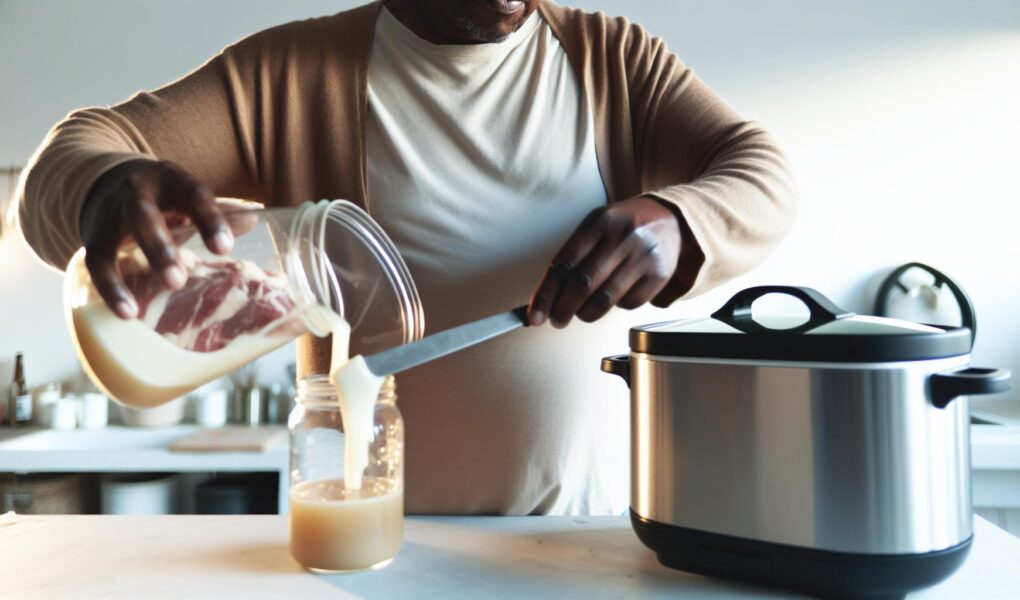
Did you know that beef tallow-once a kitchen staple-is making a tasty comeback, especially for those on paleo or gluten-free diets? if you’ve ever wondered how to render your own clean, homemade beef tallow without the stove-top mess, the slow cooker method is your new best friend. It’s hands-off, takes just a few simple ingredients, and transforms beef fat into a rich, flavorful cooking fat that’s perfect for roasting, frying, or baking.
Whether you’re looking to reduce processed oils, add depth to your dishes, or simply savor the joy of conventional cooking, making beef tallow at home is surprisingly easy and rewarding. plus, the slow cooker keeps things tidy and low-effort-ideal for busy folks who still want nourishing, wholesome kitchen projects. Stick with me, and I’ll guide you through clear, practical steps with helpful tips and little kitchen secrets so you’ll be enjoying nutrient-packed, melt-in-your-mouth tallow in no time. Ready to make your kitchen smell amazing and boost your meals? Let’s dive into this slow cooker tallow adventure!
Table of Contents
- What Is Beef Tallow and Why Use It
- Choosing the Best Beef Fat for Tallow
- Step-by-Step Slow Cooker Beef Tallow Recipe
- Easy Tips for Cleaning and Straining Tallow
- How to Store and Preserve your Beef Tallow
- Creative Ways to Use Homemade Beef tallow
- healthy Benefits of Cooking with beef tallow
- Troubleshooting Common Tallow-Making Issues
- Frequently asked questions
- Q: How long does it take to make beef tallow in a slow cooker?
- Q: Can I add seasoning or herbs while slow cooking beef tallow?
- Q: What is the best slow cooker temperature setting for rendering beef tallow?
- Q: How should I clean my slow cooker after making beef tallow?
- Q: Is beef tallow made in a slow cooker better than stovetop-rendered tallow?
- Q: Can I reuse the beef cracklings leftover from slow cooker tallow rendering?
- Q: How do I know when the beef fat is fully rendered in a slow cooker?
- Q: What are safe storage tips for slow cooker beef tallow to keep it fresh?
- Closing Remarks
What Is Beef Tallow and Why Use It
Beef tallow is like that trusty kitchen sidekick you didn’t know you needed-rich, versatile, and surprisingly easy to make at home with just a bit of patience and a slow cooker. It’s essentially rendered beef fat, traditionally gathered from the suet around the kidneys and loins. When gently melted and purified, it turns into a clean, shelf-stable fat that cooks beautifully, especially for those high-heat dishes like roasting or frying, thanks to its high smoke point. Plus, its deep, slightly beefy flavor adds a savory umami punch to everything from crispy potatoes to flaky pie crusts. If you’re into paleo or gluten-free cooking, it’s a dream come true-natural, grain-free, and packed with fat that keeps you satiated without any wierd additives[[1]](https://www.webstaurantstore.com/blog/5270/what-is-beef-tallow.html).Many folks hesitate because “fat” sounds complex or heavy, but homemade beef tallow is surprisingly straightforward and clean when you make it yourself, especially using the slow cooker method. you gently coax out the fat by slow-rendering beef trimmings over several hours, which means no aggressive stirring or splattering-just set it and forget it while it melts down beautifully. The slow cooker approach also minimizes the risk of burning, which is a common issue when using stovetop methods. What you get in the end is a smooth,creamy fat that not onyl stores well but lends itself to multiple kitchen adventures beyond frying-think nourishing skin balms,rustic candles,or even soap making[[2]](https://www.webmd.com/beauty/beef-tallow).
If you’re juggling morning routines, work deadlines, or family dinners, beef tallow is a low-fuss upgrade to your pantry as it’s cost-effective and shelf-stable, lasting weeks (sometimes months) in the fridge or freezer.It’s also a little nostalgic-imagine channeling the old-school cooking wisdom your grandparents swore by but with a modern,clean twist. Trust me, once you try making your own beef tallow in a slow cooker, you’re going to wonder why you ever bought those other oils. It’s pretty much a delicious way to stretch that beef budget while keeping your palate and health goals happy[[3]](https://mcpress.mayoclinic.org/nutrition-fitness/what-is-beef-tallow-is-it-good-for-me/).
Why Choose Beef Tallow?
- High Smoke Point: Perfect for roasting and frying without burning or smoking up your kitchen.
- Flavor Booster: Adds natural umami and richness to your dishes-plus, no funky aftertaste.
- Cost-Effective: A great way to use beef cuts or trimmings that might otherwise go to waste.
- Multi-Purpose: Beyond cooking, it’s fabulous for homemade skincare and DIY projects.
By embracing beef tallow, you’re not just cooking-you’re honoring a long tradition of smart, lasting food use.plus, it’s darn tasty!
Choosing the Best Beef Fat for Tallow
Choosing the right beef fat is your secret weapon to turning ordinary scraps into golden, silky tallow that elevates your kitchen game without fuss.Not all beef fat is created equal, and the difference between a perfect batch and a greasy, smelly mess often comes down to what cut you start with. Ideally, you want fat that’s high-quality, fresh, and fairly neutral in flavor-not leftover from a roast that’s already been cooked or heavily seasoned. The classic go-to is suet,the firm,white fat found around the kidneys and loins. This type of fat renders beautifully, melting down into a light, clean-tasting fat with minimal impurities.
If tracking down pure suet feels like a scavenger hunt, don’t worry. you can often find beef fat trimmings at your local butcher or even order suet online. Just ask for “beef fat for rendering” or “hard fat.” Avoid any fat with too much muscle or connective tissue attached, as these parts can make your tallow cloudy or gritty. A quick tip: if the fat smells off or feels slimy, it’s best to pass. Freshness seriously matters here, because your slow cooker can only do so much to mask funky flavors.
- Suet (Best choice): High-quality, firm fat near kidneys and loins, perfect for silky, clean-tasting tallow.
- Trimmed Beef Fat: From steaks or roasts, just trim off as much meat as possible to avoid over-flavoring your tallow.
- Ground Beef Fat: Sometimes sellers offer pure beef fat from grinding-this works but requires more straining.
For those on a paleo or gluten-free journey, picking the right fat isn’t just about flavor-it’s also about purity and how it complements your lifestyle. Rendering your own beef tallow means zero additives and no hidden fillers-just pure, natural fat that fits your diet and feels guilt-free. Plus, homemade tallow offers a clean canvas for all your kitchen experiments, from frying up crispy veggies to baking tender pie crusts. If you’re feeling adventurous and want to mix things up, that same beef fat can be blended with a bit of pork fat (lard) to tweak texture and melt point, tho pure beef tallow shines for its robust flavor and stability.
so, whether you’re grabbing a handful of suet from the butcher or using trimmed fat from your last roast, choosing fresh, quality beef fat is the first and best step to making tallow that tastes as good as grandma’s used to-only easier and more flexible for today’s busy cook. Get ready to slow cook your way to buttery goodness that’s as versatile as it is indeed delicious!
Step-by-Step Slow Cooker Beef Tallow Recipe
Rendering beef tallow in your slow cooker is one of those magic kitchen moments-transforming humble beef fat into a rich, buttery treasure with barely any hands-on effort. It’s truly a “set-it-and-forget-it” process that lets your slow cooker do the heavy lifting while you relax or get on with your day. Plus, the slow, gentle heat helps coax out a clean, pure fat that’s perfect for cooking, baking, and even skincare. If you’ve ever wondered how to make restaurant-quality tallow without a messy stovetop or deep fryer, this method is exactly what you need.
Gathering Ingredients and Tools
Before diving in, make sure you have about 2-3 pounds of fresh beef fat – ideally suet or trimmed fat from your local butcher. Avoid any fatty bits with too much meat or gristle to keep your tallow smooth and light. You’ll also need a large slow cooker (at least 4-6 quarts), a fine mesh strainer or cheesecloth for filtering, and a clean glass jar or container for storage. That’s really it-simple and straightforward!
Step-by-Step Slow Cooker Method
- cut the fat into small chunks: Chop your beef fat into roughly 1-inch pieces. This speeds up rendering and helps release the fat evenly.
- Load the slow cooker: Place the chopped fat into the slow cooker insert. No need to add any water; the fat will release its own liquid as it heats.
- Set to low and slow: Turn your slow cooker to the low setting. Cover it with the lid and let the fat gently melt down over 6 to 8 hours.Don’t rush this-slow is the key to silky smooth tallow without burnt bits.
- Stir occasionally: Every couple of hours, give the fat a quick stir. This helps prevent sticking and promotes even cooking, but if you’re busy, it’s okay to skip a few times.
- Check for clarity and cracklings: When the fat turns clear and golden with delicious little crispy bits (called cracklings) beginning to brown, your tallow is ready. The cracklings can be saved as a tasty snack or cooking addition.
From Sludge to Smooth Butter
Once the slow cooker is done, ladle the hot fat through a fine mesh sieve lined with cheesecloth to catch any solids. This filtering step is crucial for that perfectly clean tallow texture – free of impurities and grit. Let it cool at room temperature, then pop it in the fridge to solidify.You’ll be amazed at how your kitchen has been transformed into a mini rendering factory producing rich, golden tallow that’s as versatile as it is indeed satisfying.
For a slightly quicker turnaround or if you want to render smaller batches, you can experiment with medium heat and shorter times, but just remember, patience rewards you with the best flavor and texture. This method is naturally gluten-free and paleo-approved, plus it gives you complete control over what goes into your fat-no additives, no fillers, just pure, kitchen-crafted goodness. give it a try,and welcome this ancient staple back into your modern kitchen routine!
Easy Tips for Cleaning and Straining Tallow
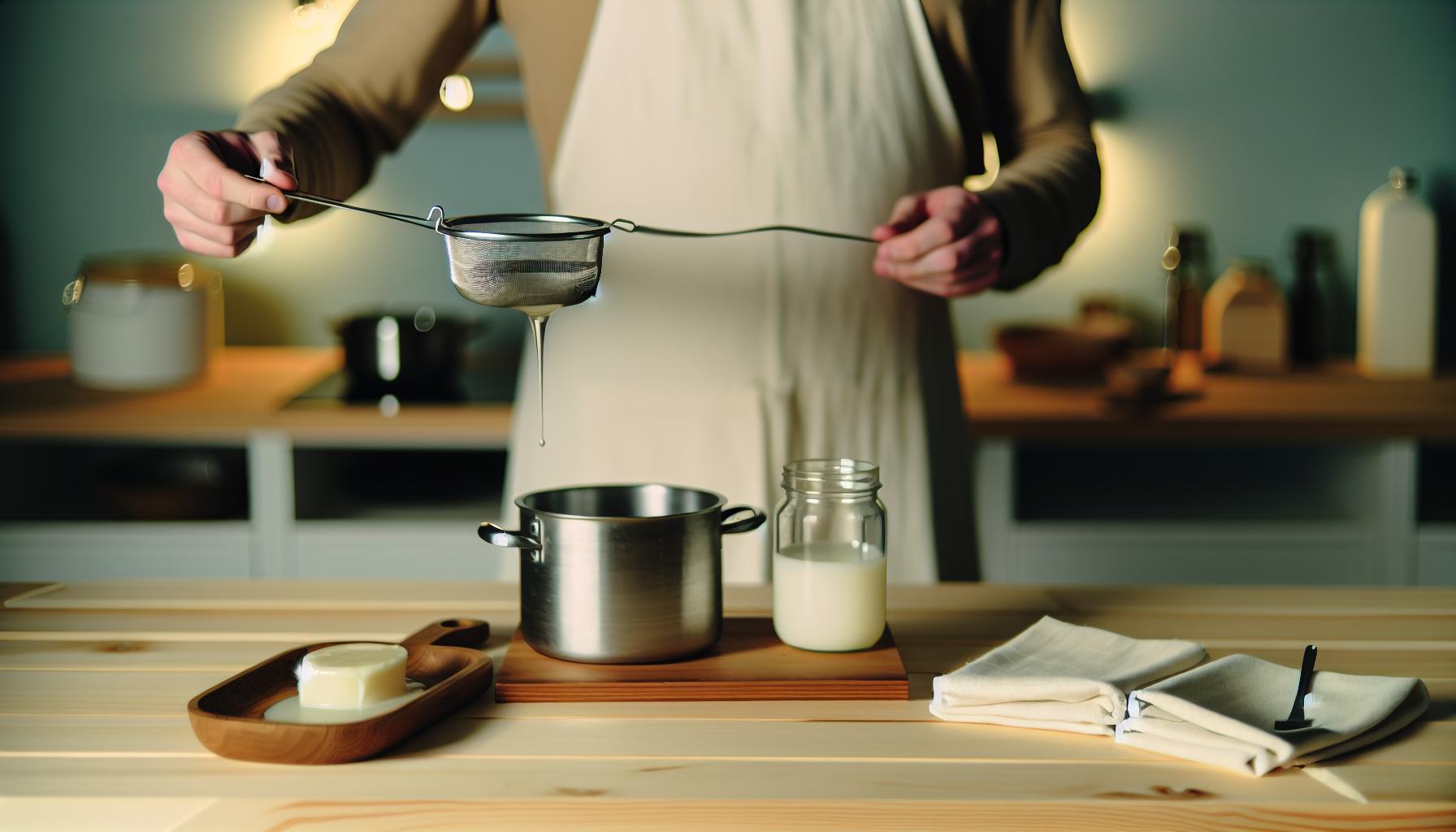
Rendering beef tallow is like turning kitchen treasure into gold, but the magic really happens during the cleaning and straining step. This is where you say goodbye to any unwanted bits and hello to smooth,buttery tallow ready for your next culinary adventure. Filtering isn’t just about looks-it’s about texture and taste, ensuring your tallow is free from grit, tiny meat bits, or crispy cracklings that didn’t quite want to part ways.
one of my favorite tricks is to double-filter the tallow while it’s still warm. Start by ladling the hot liquid fat through a fine mesh strainer lined generously with cheesecloth. The cheesecloth catches all those tiny solids without slowing down the process. If you skip this step or rush it,you might notice your tallow has a grainy texture or a faint meaty taste-a dead giveaway you need to strain again. Watching that golden stream pour through the cloth feels like kitchen alchemy, and trust me, it’s worth the little extra care.
If you want to make your life even easier, line a funnel with the cheesecloth and place it right over your storage jar. Slowly pour the tallow through; the cloth acts as a natural filter catching all the impurities without any spills or mess. Then,once the major solids are caught,you can even strain it one more time through a clean,dry towel or an ultra-fine mesh for the absolute silkiest results. This method transforms kitchen chaos into calm, with almost no fuss or cleanup. Plus, those crispy leftover cracklings? They make fantastic snacks or salad toppers-don’t toss them!
- Tip 1: Warm tallow strains better-strain while it’s hot, but handle carefully to avoid burns.
- Tip 2: Use multiple layers of cheesecloth if your fat chunk pieces were larger or grittier.
- Tip 3: Don’t rush straining-give gravity and time a chance to work their magic for a clearer final product.
- Tip 4: Save your strained cracklings for a crunchy, flavorful garnish or snack.
In my experience, a clean straining process truly elevates homemade beef tallow from “good enough” to “can’t-live-without” cooking fat-smooth, light, and ready to bring that umami-rich depth to everything from roasting veggies to frying paleo-pleasant treats. And let’s be honest, who doesn’t want their kitchen doubling as a mini artisan fat factory?
How to Store and Preserve your Beef Tallow
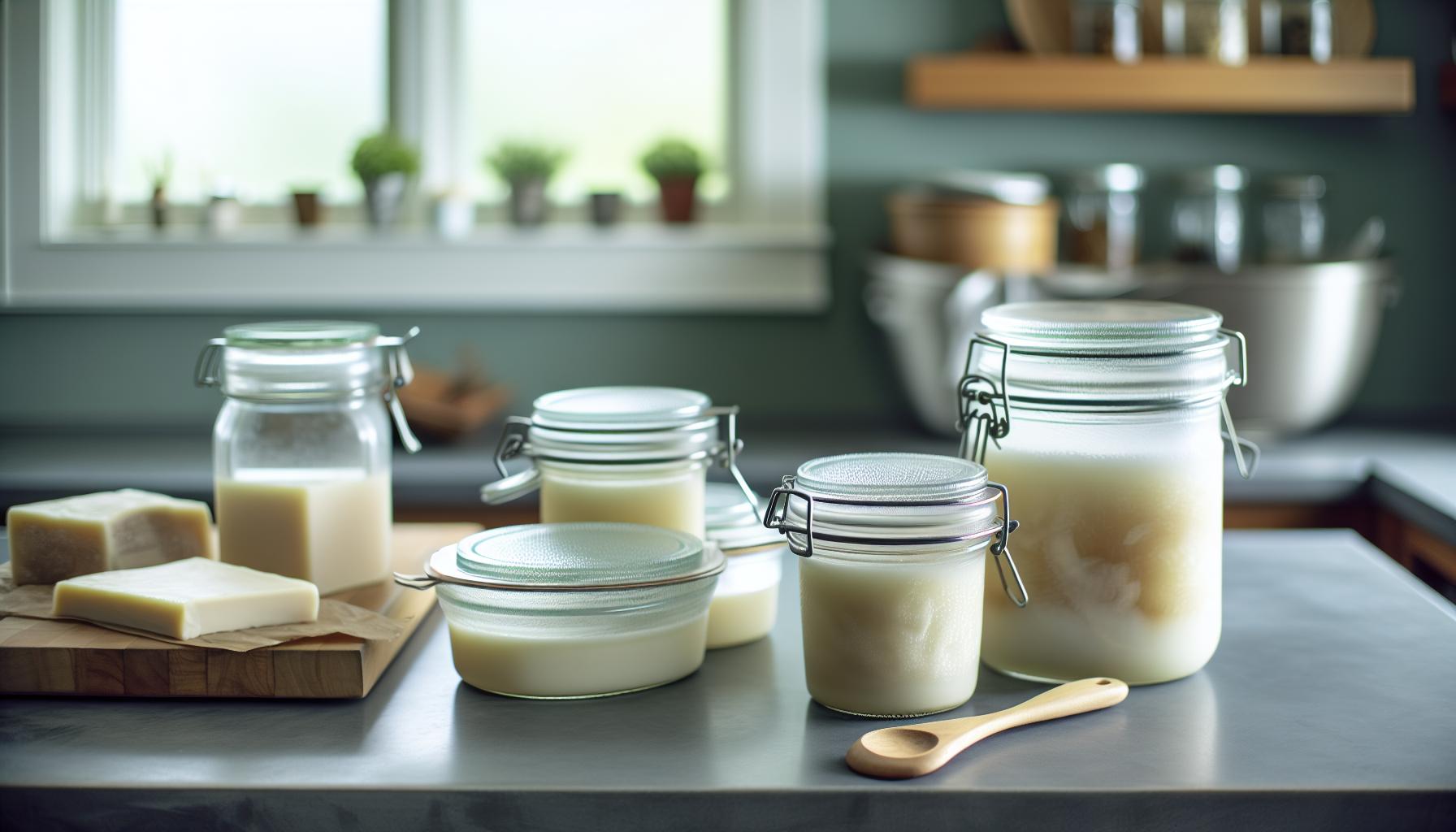
There’s somthing deeply satisfying about turning raw beef fat into your own jar of golden tallow-a kitchen treasure that keeps on giving. But once you’ve got that silky, buttery goodness, the way you store and preserve it is indeed key to maintaining its fresh flavor and smooth texture. Done right, your tallow can last for months without refrigeration, making it a great pantry staple for paleo, keto, and gluten-free cooking adventures.
First off, airtight containers are your best friends here. Glass jars with tight-sealing lids work beautifully because they won’t absorb flavors and they keep out any pesky moisture or air that can cause your tallow to go rancid. I like to pour my warm, strained tallow directly into clean, dry mason jars while it’s still hot-this helps minimize the introduction of bacteria. as it cools, it’ll solidify into that lovely creamy block we all know and love. Once fully cooled to room temperature, pop the lids on and store them in a cool, dark spot like your pantry or cupboard. Tallow is shelf-stable for 3 to 6 months this way, depending on your room temperature and how airtight your container is.
If you want your tallow to last even longer, refrigeration or freezing is the way to go. In the fridge, it’ll keep beautifully for up to a year without losing flavor or texture. For freezers,small portions stored in silicone molds or ice cube trays,then transferred to freezer bags,make it super easy to grab exactly what you need for cooking-no thawing giant chunks required. Just don’t forget to label your containers with dates so you don’t accidentally keep that jar around “forever” like I once did! A little humor: trust me, cliffhanger tallow isn’t the kitchen mood enhancer I thought it would be.
- Always cool tallow completely before sealing jars; trapping heat can create condensation and invite spoilage.
- Avoid plastic containers whenever possible, as they can leach odors and affect your tallow’s pure flavor.
- If tallow develops a rancid smell or off-color (pinkish or gray), it’s time to toss it-freshness over fond memories!
- For long-term freezer storage, wrap jars or portions tightly to prevent freezer burn and preserve quality.
By giving your homemade beef tallow the storage love it deserves, you’re not just saving money-you’re building your kitchen’s flavor arsenal. From crispy roasted potatoes to paleo-friendly fried snacks,that jar of velvety tallow will be your secret weapon,ready whenever inspiration strikes. And hey,it’s nice to know that something so simple,made with your own hands,can last long enough to turn everyday meals into party-worthy plates.
Creative Ways to Use Homemade Beef tallow
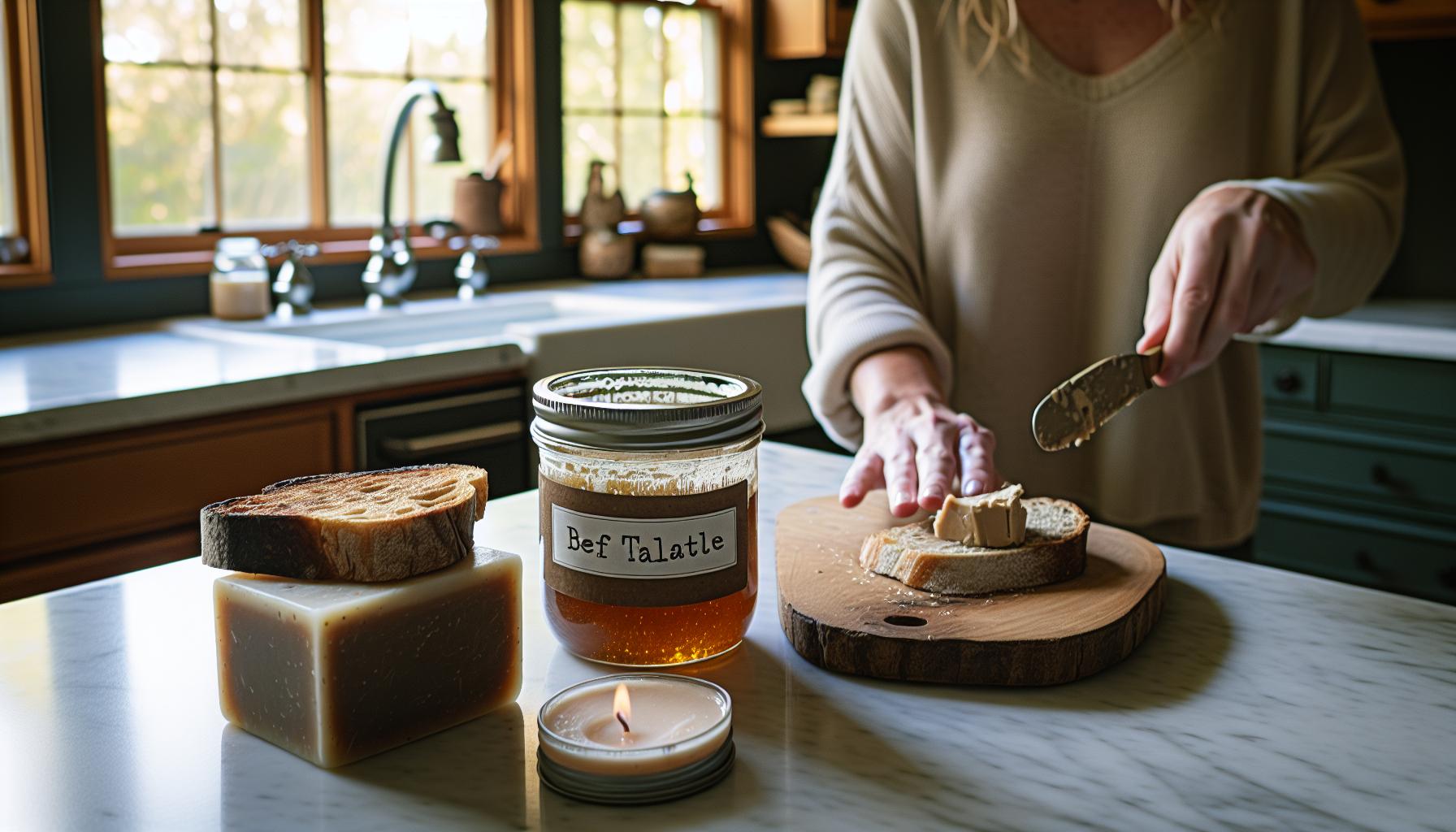
There’s something magical about homemade beef tallow that goes beyond just being a cooking fat-it’s pure kitchen gold that brings deep, savory richness to meals while fitting perfectly into paleo, keto, and gluten-free lifestyles. Once you’ve made your batch using the slow cooker method,don’t stash it away in a jar only to forget about it. Rather, think of it as your secret accomplice for ramping up flavors and textures in everyday dishes with minimal fuss.One of my favorite go-to uses is frying. Whether it’s golden, crispy potatoes, perfectly seared steaks, or even quick paleo-friendly chicken nuggets, beef tallow shines with its high smoke point (around 400°F) and neutral-but-rich flavor. It crisps surfaces like a pro and stays stable under high heat, making it a healthier and tastier swap for standard vegetable oils. Pro tip: Keep a small container handy near the stove to toss in veggies or pan-fry eggs for that deliciously buttery finish, but with a beefy twist.Bonus points if you stir-fry winter greens like kale or chard in tallow-that earthy flavor combo is pure comfort food with a nutritional edge.
Expand Your Flavor Toolkit: Baking & Roasting
Baking savory treats? Beef tallow is surprisingly versatile to use instead of butter or shortening. It adds a subtle, meaty richness to gluten-free pie crusts, biscuits, or even grain-free cornbread. Try swapping out your usual fat with an equal amount of tallow for flakier, more indulgent results. Plus, roasted root vegetables like carrots, parsnips, and sweet potatoes smothered with melted tallow, fresh herbs, and a pinch of sea salt turn into caramelized gems you’ll want to make all year round. A drizzle or brush just before roasting seals in moisture and gives that enchanting golden crust.
Beyond Cooking: More Unexpected Uses
If you love dabbling in zero-waste or DIY kitchen projects, beef tallow is your all-rounder superstar. Beyond cooking, it doubles as a natural skin moisturizer or a base for making your own soap and candles at home-talk about a multi-tasking fat! In the kitchen though, it also makes a fabulous gluten-free pie crust or savory crust for meat pies. Just keep in mind that when you use tallow in baked goods,it imparts a slight beefy undertone,so it’s perfect for earthy savory dishes rather than sweet desserts.
- Gluten-Free & Paleo Roasted Potatoes: Toss bite-sized potatoes in melted tallow, rosemary, and garlic; roast at 425°F for 30-35 mins, flipping halfway.
- Quick Stir fry: Use 1-2 tbsp beef tallow in a wok or skillet over high heat to cook greens, mushrooms, or sliced beef; finish with a splash of coconut aminos for umami.
- Homemade Cast-Iron frying Fat: Keep a small jar of tallow nearby to add flavor and prevent sticking when cooking meats or eggs.
The beauty of homemade beef tallow is it invites creativity without complicated prep-once you have it made and stored, it’s like a flavorful shortcut waiting to transform humble ingredients into something special.So, next time you pull that jar from your pantry, play around with it; the possibilities are more interesting than you think, and the flavor payoff will have you coming back for more. Trust me, your taste buds-and kitchen sanity-will thank you!
healthy Benefits of Cooking with beef tallow
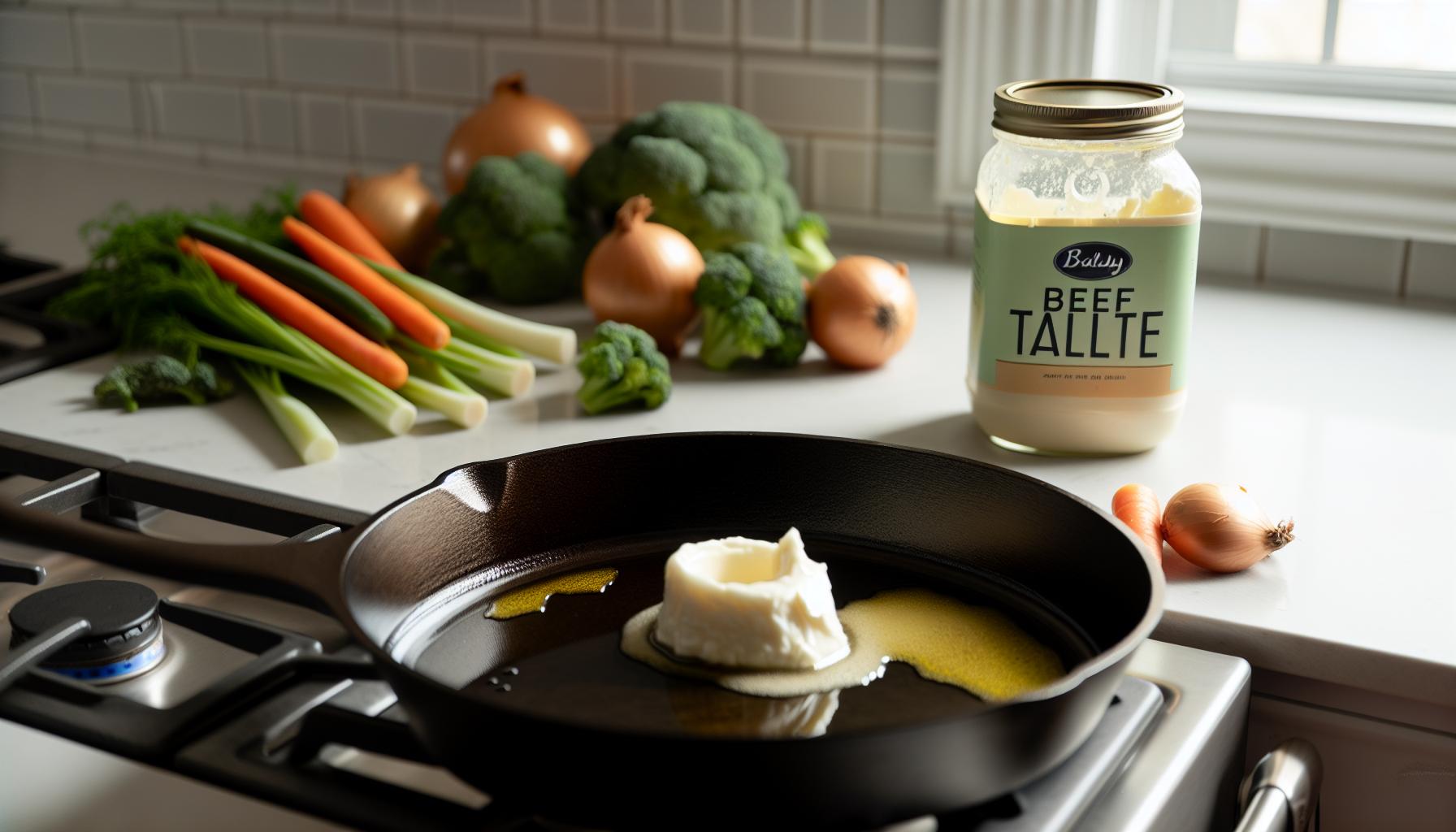
There’s something satisfying about cooking with a fat that not only enhances flavor but also stands up to high heat without breaking down-hello, beef tallow! Beyond its indulgently rich taste and kitchen versatility, beef tallow boasts several health perks that make it a worthy addition to your cooking arsenal, especially for those embracing paleo, keto, or gluten-free lifestyles. Unlike many processed oils, tallow is a mostly stable fat with a long shelf life and a natural balance of saturated and monounsaturated fats that your body loves.
One of the standout benefits is its high smoke point (around 400°F),which means it’s less likely to oxidize or form harmful free radicals compared to many vegetable oils when you’re frying or roasting. That stability not only protects the integrity of your meals but also lends itself beautifully to deep browning and crisping. From caramelized roasted veggies to golden fried potatoes,using tallow helps you achieve that mouthwatering texture without risking unhealthy breakdown products. Plus, unlike overly processed oils, homemade tallow contains conjugated linoleic acid (CLA)-a naturally occurring fat that some studies suggest may support weight management and anti-inflammatory effects when part of a balanced diet.
Why Tallow Fits Comfort Food & Clean Eating
For many, cooking is the ultimate comfort-and tallow bridges the gap between indulgence and clean eating. Because it comes from rendered beef fat,nothing artificial sneaks into your meals. It’s also free from trans fats and highly processed chemicals found in commercial shortening or some vegetable oils. When you slow cook beef fat gently at home, you’re essentially crafting a kitchen treasure that elevates humble dishes with real, ancestral fat that your body recognizes. Baking with it-think gluten-free crusts or paleo biscuits-adds a subtle depth without overpowering other ingredients, making homebaking feel like a cozy, nourishing adventure.
Simple Ways to Enjoy Beef Tallow’s Goodness Every Day
- Swap and Save time: Use your homemade tallow as a direct swap for butter or oils in sautéing, frying, and roasting.It’s perfect for weeknight meals when you want a quick flavor boost with minimal fuss.
- Healthier Frying: As of its heat stability, beef tallow makes fried foods less greasy and more digestible, and your kitchen smells amazing as a bonus.
- rich in Vitamins: Tallow contains fat-soluble vitamins like A, D, E, and K, essential for everything from skin health to immune function-great news if you’re mindful of nutrient density.
Cooking with beef tallow doesn’t mean complicated rules or daunting prep-it’s simply a joyful way to introduce nutrient-rich, resilient fat into your everyday dishes. Whether you’re crisping up root vegetables, pan-searing steaks, or baking savory biscuits, tallow brings a savory warmth and wholesome good fats to every bite. Trust me, once you get the slow cooker method down, this golden cooking fat will become one of your favorite pantry staples to keep the kitchen tasty and your body happy.
Troubleshooting Common Tallow-Making Issues
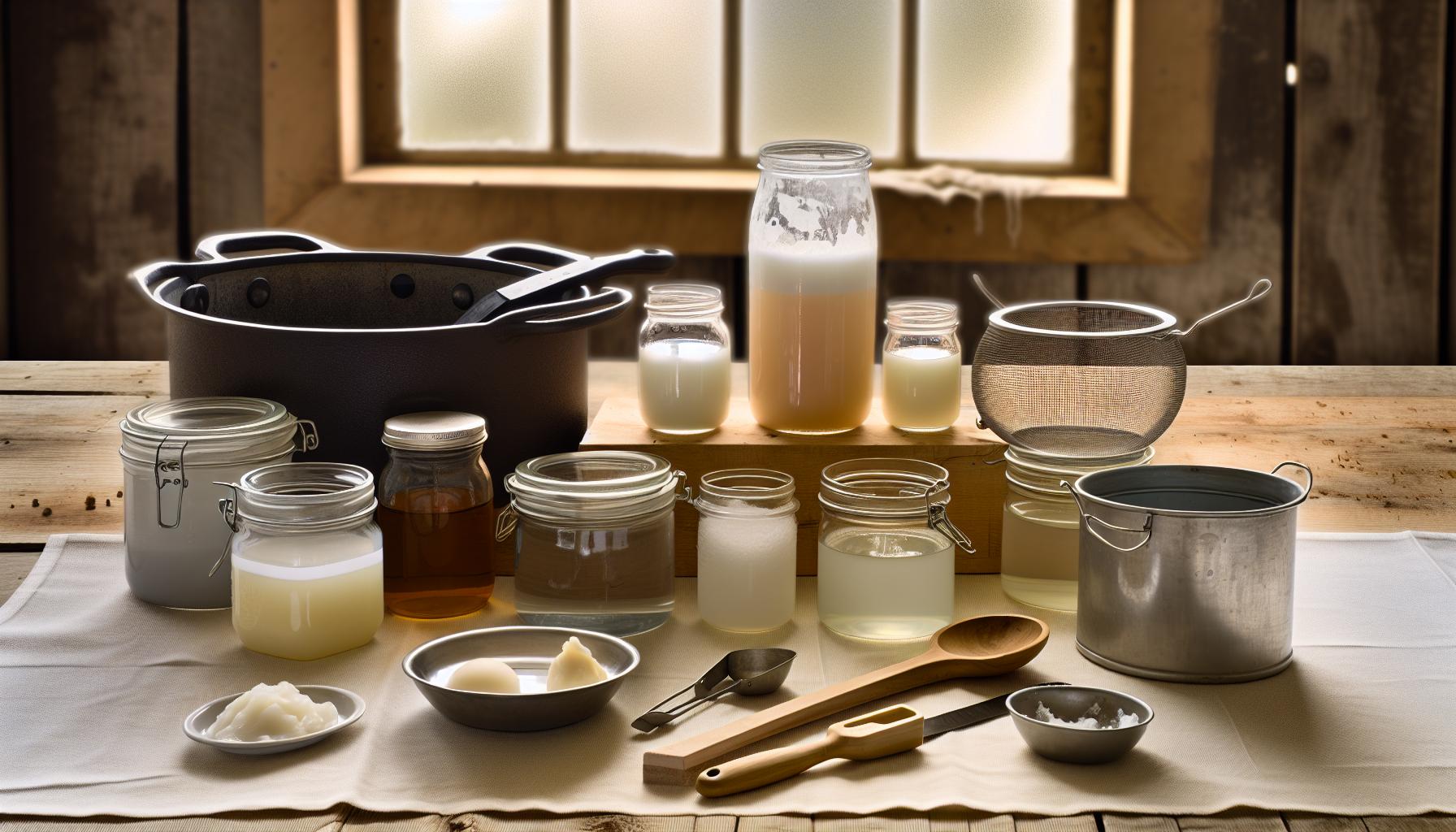
There’s a certain magic in turning a humble pile of beef fat into golden, flavorful tallow, but sometimes things don’t go as smoothly as planned.Maybe your fat isn’t fully rendering,or you’re left with a cloudy batch that just won’t clarify. The good news? These common hiccups are easy to fix once you know what to look for – and trust me, every “oops” in the kitchen is just part of the delicious adventure.
First up, if your fat chunks seem stubborn and refuse to melt down after several hours in the slow cooker, it’s usually a heat or timing issue. Low and slow is the mantra here, but slow doesn’t mean “never.” Try bumping your slow cooker’s setting to “low” (not warm) and give it a bit more time. I once thought my cooker was broken because the fat sat solid for hours, but an extra couple of hours sparked that melt like butter on a hot pan. Also, cutting the fat into uniformly small pieces before cooking helps speed up the process-less guessing, more melting. For those in a rush, a quick stovetop pre-render on medium-low heat can jump-start things, then switch back to slow cooker for gentle finishing.
Sometimes, your tallow solidifies but looks cloudy or grainy instead of beautifully smooth and white. This is often caused by lingering meat bits or not straining well enough. Patience here pays off. After slowly rendering, pour the liquid fat through multiple layers of cheesecloth or a fine mesh strainer while warm to catch any impurities. If you notice tiny brown crumbs stuck to the bottom of the cooker, those are the tasty “cracklings” which you can save for a snack or compost-they don’t belong in your fat! Also, rapid cooling in the fridge can cause graininess; letting tallow cool at room temp before refrigerating encourages a smoother texture.
Lastly, a funky smell or off-taste isn’t common but can happen if your fat was from beef that wasn’t fresh or if the rendered fat overheated and started to burn. Keep your cooking temperature steady and avoid leaving the slow cooker on “warm” for extended times once fat is fully rendered, as this can degrade quality. If you notice any off smells,it’s safest to discard and start fresh-tallow should always smell clean and mildly beefy,like a well-loved kitchen staple. For peace of mind, buying fresh suet or trimmed beef fat from trusted local sources helps ensure your tallow-making starts on the right foot.
- Tip: Save leftover cracklings by baking them until crisp for a delicious, paleo-friendly snack.
- Tip: if you want smoother tallow faster, gently stir during rendering-but don’t rush the process.
- Tip: Store tallow in sterilized glass jars for longer shelf life and freshness.
With just a few tweaks and these friendly hacks, you’ll soon be turning out silky, rich beef tallow that elevates every dish. Remember, making tallow is a journey, not a race-embrace the process and watch your kitchen treasures multiply!
Frequently asked questions
Q: How long does it take to make beef tallow in a slow cooker?
A: Making beef tallow in a slow cooker typically takes 8 to 12 hours on low heat. This slow render time helps melt the fat evenly and prevents burning, resulting in a clean, flavorful tallow. For best results, check periodically and strain once the fat is fully liquefied. See the step-by-step process in the slow cooker recipe section for timing tips.
Q: Can I add seasoning or herbs while slow cooking beef tallow?
A: Yes, adding mild herbs like rosemary or thyme during slow cooking can infuse subtle flavors into beef tallow. Though,keep additions minimal and avoid strong spices,as tallow is best when clean and neutral for versatile cooking uses. for flavor experiments, add fresh herbs in the last hour and strain before storing.
Q: What is the best slow cooker temperature setting for rendering beef tallow?
A: The low temperature setting on your slow cooker, usually around 170-200°F (77-93°C), is ideal for rendering beef tallow. This gentle heat melts the fat gradually, preventing scorch and ensuring a clear, clean tallow.Using low heat also reduces cleanup and the need for constant monitoring.
Q: How should I clean my slow cooker after making beef tallow?
A: To clean your slow cooker easily, soak the insert with hot soapy water promptly after use to loosen any fat residue. Then, wipe with a sponge or cloth. For stubborn grease, use a mix of baking soda and water for gentle scrubbing. This method saves time and keeps your slow cooker in great shape.
Q: Is beef tallow made in a slow cooker better than stovetop-rendered tallow?
A: Slow cooker-rendered beef tallow is often cleaner and less smoky than stovetop versions, thanks to controlled, low heat. This method minimizes burning and requires less active attention, making it ideal for a hassle-free, home kitchen-friendly process. Try both to see your preferred texture and flavor level.
Q: Can I reuse the beef cracklings leftover from slow cooker tallow rendering?
A: Absolutely! The crispy beef cracklings leftover after slow cooker tallow rendering are tasty and perfect as a snack or salad topping. Just drain excess fat and season them lightly. This zero-waste use complements your homemade tallow and adds a delicious crunchy bonus.
Q: How do I know when the beef fat is fully rendered in a slow cooker?
A: The beef fat is fully rendered when you see clear, golden liquid fat with browned solids (cracklings) settled at the bottom. The fat should separate easily, and cracklings become crispy. If fat still looks opaque or clouded, continue slow cooking and stirring occasionally until clear.
Q: What are safe storage tips for slow cooker beef tallow to keep it fresh?
A: Store beef tallow in an airtight container, preferably glass, and keep it in the fridge for up to 6 months or freeze for longer shelf life.Always use clean utensils to avoid contamination. Refer to the article’s storage section for detailed preservation tips and how to maintain its fresh flavor.
For more quick tips and detailed recipes, explore our full guide sections on how to store and preserve your beef tallow and easy tips for cleaning and straining tallow to perfect your cooking experience!
Closing Remarks
Now that you’ve mastered the easy, clean slow cooker method for making rich, flavorful beef tallow, you’re all set to elevate your paleo, keto, or gluten-free cooking with this versatile fat. Remember, slow cooking locks in flavor and keeps prep hands-off-perfect for busy days! If you’re wondering about ingredient swaps or want to experiment with different cuts, don’t hesitate to try what works best for your kitchen rhythm.
Ready to take your cooking further? Check out our guides on [Homemade Bone Broth Recipes] and [Using Beef Tallow in Baking] for more nourishing, delicious ideas. Don’t forget to sign up for our newsletter to get fresh, tested recipes delivered straight to your inbox-because everyone deserves easy, wholesome meals without the fuss. Drop your questions or tips in the comments below; we love hearing your slow cooker stories!
Keep exploring, because refining your beef tallow technique is just the start of delicious, healthy homemade cooking. With simple tools and a bit of patience, you can transform everyday meals into comforting, nutrient-rich dishes your whole family will enjoy.