

Did you know that understanding the exact temperature your slow cooker reaches on low can make a huge difference in your cooking results? Whether you’re simmering a hearty paleo stew or prepping a gluten-free chili, knowing that “low” typically means around 190°F to 200°F (88°C to 93°C) helps you plan cook times and ensure food safety without guesswork. As a home cook juggling busy days and craving tasty, effortless meals, this little insight saves you from undercooked surprises or overcooked mush. Ready to demystify your slow cooker’s low setting and make it your kitchen’s best friend? Let’s break down what those temp numbers really mean, how they affect your meals, and how you can tweak your recipes for delicious, stress-free dinners every time.
Table of Contents
- What Exact Temperature Does Slow Cooker Low Setting Reach?
- How Slow Cooker Low Heat Transforms Ingredients Perfectly
- Why precise Temperature Matters for Slow Cooker Recipes
- Comparing Low vs. High: Temperature and Cooking Times Explained
- How to Test Your Slow Cooker’s Actual Cooking Temperature
- Common Slow Cooker Myths About Low Heat Debunked
- Best Slow Cooker Recipes That Shine on Low setting
- Adjusting Recipes Based on Your Slow Cooker’s Low Temp
- Tips for Safe Slow Cooking at Low Temperatures
- How altitude and Crock Type Affect Slow Cooker Temps
- Q&A
- Q: How long does it take for a slow cooker on low to reach its target temperature?
- Q: Why does the exact low temperature of a slow cooker vary between brands?
- Q: Can cooking at too low a temperature on slow cooker low setting cause food safety issues?
- Q: How does altitude affect the low temperature and cooking time in a slow cooker?
- Q: Can I use a thermometer to check if my slow cooker is properly cooking on low?
- Q: Does the type of slow cooker crock affect the low cooking temperature?
- Q: How do slow cookers maintain moisture at low temperatures?
- Q: Can I convert slow cooker low temperature cooking times for high setting equivalents?
- To Conclude
What Exact Temperature Does Slow Cooker Low Setting Reach?
Cooking ”low and slow” is what makes slow cookers such magical kitchen buddies, especially when you’re after tender, flavorful meals without standing over a hot stove. But what exactly is that “low” temperature doing in your slow cooker? Most slow cookers’ low setting heats your meal to somewhere between 190°F and 200°F (88°C to 93°C). This gentle simmer zone is perfect for breaking down tough fibers in meats and melding flavors beautifully over time.
This temperature range is hot enough to safely cook most foods-it’s above the danger zone where bacteria multiply rapidly (below 140°F)-yet low enough to let ingredients relax and mingle without boiling aggressively. From personal experience, dishes like pork shoulder or hearty stews develop that melt-in-your-mouth texture after 6-8 hours on low precisely because the temperature stays steady right in this sweet spot. A slow cooker set to low will rarely get higher than 200°F, so don’t expect the furious bubbling you get on a stovetop. Instead, expect a simmer that patiently transforms ingredients throughout the day.
- Why this matters: Steady heat around 190-200°F encourages collagen in meat to convert into gelatin, yielding juicy, tender results.
- Consistency is key: Some older or different brands might vary slightly, so it’s good to check your slow cooker’s actual temperature with a kitchen thermometer to know how it behaves.
- Perfect for busy days: This temperature allows you to safely start a meal in the morning and return home to dinner that’s ready to enjoy.
So if a recipe calls for “low” heat for 8 hours, think of it as a gentle simmer party-where tough cuts become silky, flavors dance gently, and your kitchen stays cool enough to keep cooking stress-free.whether you’re gluten-free,paleo,or just crave comfort food that’s as wholesome as it is indeed delicious,knowing this temperature range helps you tweak recipes confidently,experiment safely,and embrace the joyous art of slow cooking without sweating the details.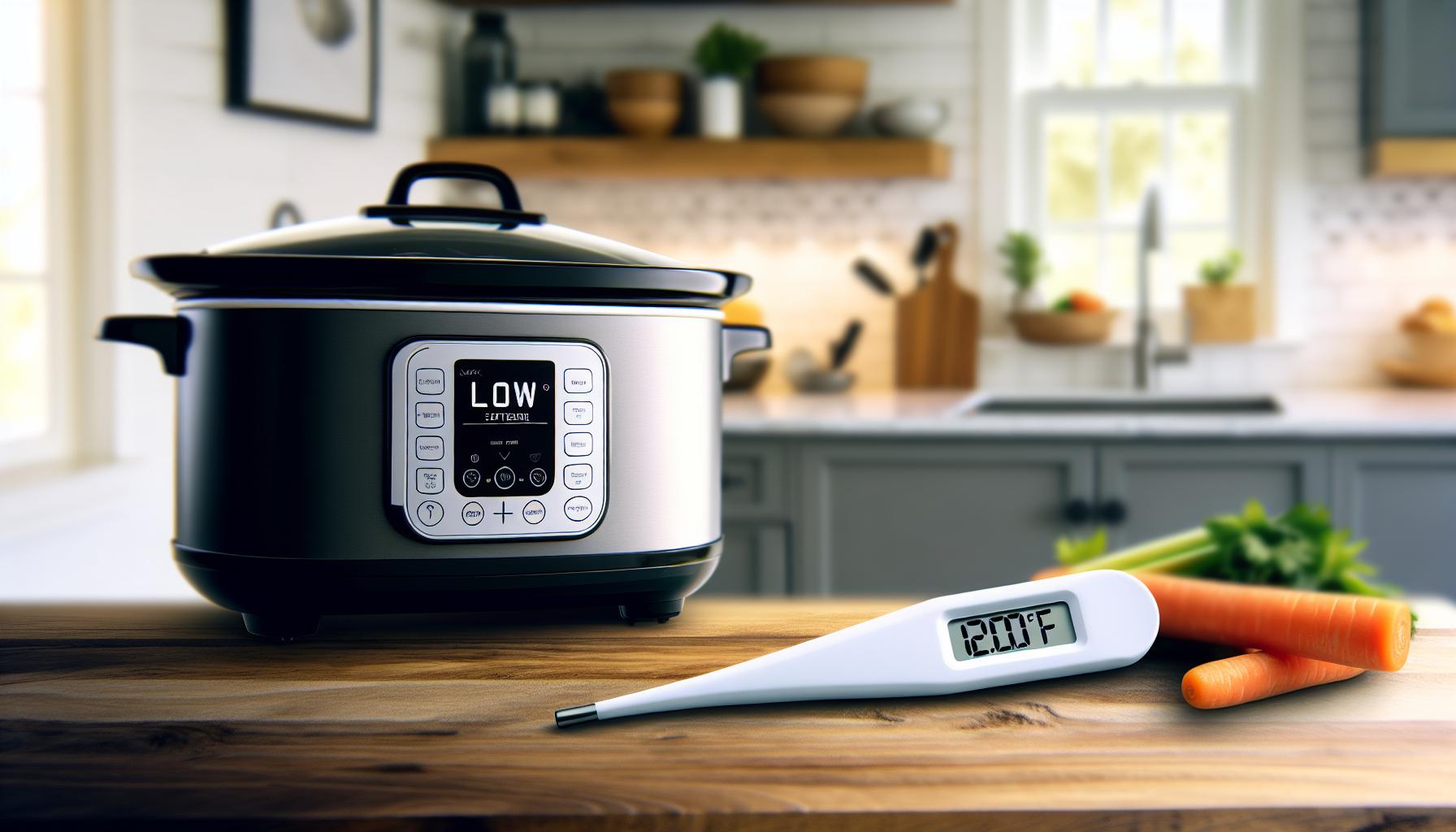
How Slow Cooker Low Heat Transforms Ingredients Perfectly
One of the slow cooker’s best-kept secrets is how its steady low heat works quietly to transform humble ingredients into culinary showstoppers. When set to low-steadily hovering between about 190°F and 200°F-the slow cooker gently coaxes collagen in tougher cuts of meat to dissolve into luscious gelatin. This is the magic behind that fork-tender pull-apart pork shoulder or melt-in-your-mouth brisket that makes dinner feel like a cozy celebration without any fuss.Unlike a stovetop’s furious boil, this gentle simmer encourages ingredients to mingle gradually, unlocking layers of flavor without risking drying out or scorching. Vegetables soften at a perfect pace, absorbing rich meaty juices and seasoning nuances instead of turning mushy.For instance, root veggies like carrots and potatoes develop a silky texture that balances perfectly with the meat’s richness, making each bite a delightful harmony rather than a rushed afterthought.
- Perfect for busy schedules: Just toss ingredients in before you head out, and the slow cooker takes care of the rest, turning simple pantry staples into gourmet meals.
- Flexible for dietary preferences: Whether you’re paleo, gluten-free, or just love hearty comfort food, slow cooking low lets you swap ingredients easily and still get that melt-in-your-mouth texture.
- Layering flavors: The slow, even heat encourages spices, herbs, and aromatics to release their essences subtly, without overpowering or burning.
From my kitchen adventures, I’ve noticed how a good slow cook on low is like having a culinary best friend who never rushes you. That steady temperature encourages patience, which turns out to be the secret ingredient to transforming everyday ingredients into exceptional meals. The slow cooker’s low setting becomes less about just cooking and more about gently nurturing your food to its full, tender potential-comfort food that feels homemade, wholesome, and worth every minute spent waiting.
Why precise Temperature Matters for Slow Cooker Recipes
It might seem like slow cookers are just about setting it and forgetting it, but knowing the exact temperature your slow cooker hits on low can make a world of difference in your kitchen adventures.When you understand that the low setting generally hovers around 190°F to 200°F, you realize this isn’t just a warm hug for your food-it’s a science-backed sweet spot that slowly but surely breaks down the toughest fibers in meat while gently coaxing vegetables to tender, flavorful perfection. Getting this temperature right means you avoid the dreaded overcooked mush or underdone center, turning your slow cooker into a reliable culinary partner every time.Precision matters because slow cookers don’t all behave the same. Some may run cooler or hotter depending on brand or even age. From my experience, when you cook recipes that rely on that gentle bubble just below boiling, like a pork shoulder or a leg of lamb, a few degrees can shift the timeline and texture drastically. Such as, a brisket cooked at a consistent 200°F over eight hours will yield that signature pull-apart tenderness, while a dip below 185°F could leave it tough and chewy. That’s why checking your device’s actual cooking temperature isn’t just geeky curiosity; it’s key to meal success without frustration.
- Safe gradual cooking: Maintaining the right temperature prevents bacterial growth while letting flavors deepen.
- Texture mastery: Proper heat melts collagen and fat, creating that luscious mouthfeel we all crave.
- Flavor development: Slow, steady heat allows herbs and spices to unfurl fully without burning or bitter notes.
What’s truly empowering is learning that nail-biting precision isn’t required to achieve deliciousness-just a good understanding of how your slow cooker behaves. Sometiems I swap in paleo-friendly veggies or use gluten-free spice blends,and knowing that my cooker holds steady lets me tweak recipes confidently. With a little awareness and a meat thermometer in hand, anyone can transform a simple pot of ingredients into a comforting feast that’s worth every minute of the wait. That’s the magic of temperature mindfulness-kitchen science meets soul food, and everyone wins.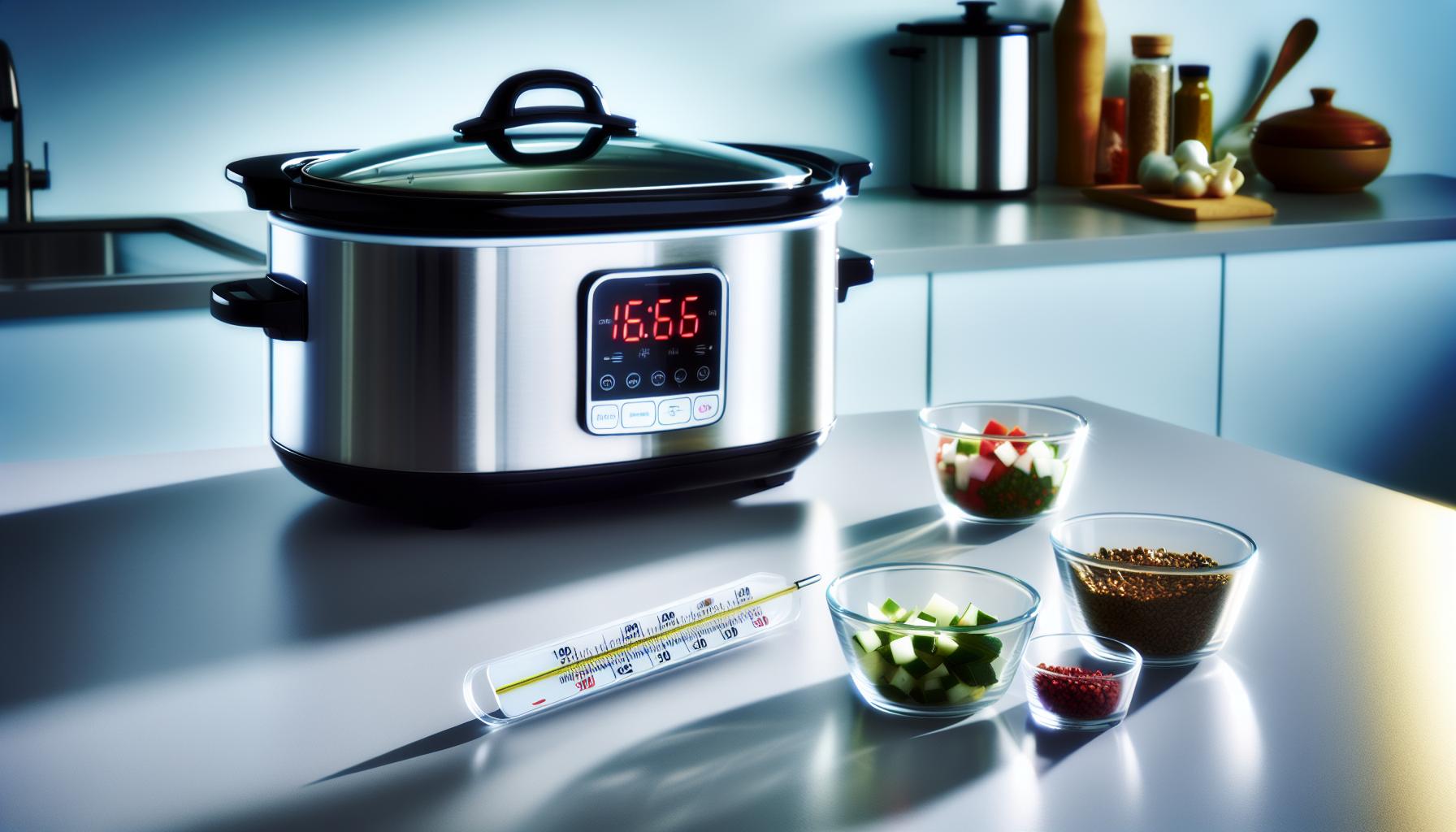
Comparing Low vs. High: Temperature and Cooking Times Explained
The difference between cooking on low versus high in a slow cooker isn’t just a matter of time-it’s about how heat interacts with your ingredients on a molecular level. On the low setting, your slow cooker typically maintains a steady temperature around 190°F to 200°F, which gently breaks down connective tissues in meats and slowly cooks veggies to tender perfection over 8 to 10 hours. The high setting cranks this up to roughly 250°F, speeding things along so you can get dinner on the table in 4 to 6 hours without sacrificing flavor or texture. Understanding thes distinctions can help you plan meals that fit your schedule and desired outcome, especially when juggling special diets like paleo or gluten-free that depend on preserving ingredient integrity.
Even though the high setting cooks faster, it’s not just a wild heat blast. Think of it as a more assertive simmer, coaxing collagen to melt at a quicker pace but still allowing those savory flavors to develop. I often choose high when I’m short on time but want that luscious mouthfeel in dishes like pulled pork or stew. However, some ingredients thrive better on low’s slow caress. Root vegetables love that patient, gentle heat because it lets their natural sugars caramelize subtly without turning to mush. This makes the low setting perfect for crowd-pleasers like a gluten-free beef bourguignon or paleo-friendly chicken stew, where texture and depth of flavor really shine.
Timing + Temperature: A handy guide
| Setting | Approx. Temperature (°F) | Typical Cook Time | Best For |
|---|---|---|---|
| Low | 190-200 | 8-10 hours | Tough meats, root veggies, slow flavor infusions |
| High | 250 | 4-6 hours | Lean meats, shorter prep meals, last-minute cooking |
- Swap smart: If you need to shorten a recipe, switch from low to high but cut cook time roughly in half.
- Texture tip: Long low cooking softens collagen without mushiness; high heat risks overcooking delicate veggies.
- Flavor note: Low temp allows herbs and spices to bloom slowly, avoiding bitter burnt edges common at higher temps.
From personal kitchen experiments, I’ve learned that the key isn’t just “low versus high” but matching cook time to your food’s personality. For example, a paleo-style beef roast with your favorite gluten-free herbs benefits from a long, slow low setting to melt fat and break down fibers gently. Meanwhile, a veggie-packed chicken chili is happy to speed along in high if you’re hustling for dinner but still want rich flavor. Don’t hesitate to experiment with your cooker’s particular quirks, and keep a meat thermometer handy to check that perfect internal temperature-because with slow cooking, patience isn’t just a virtue, it’s a recipe for deliciousness!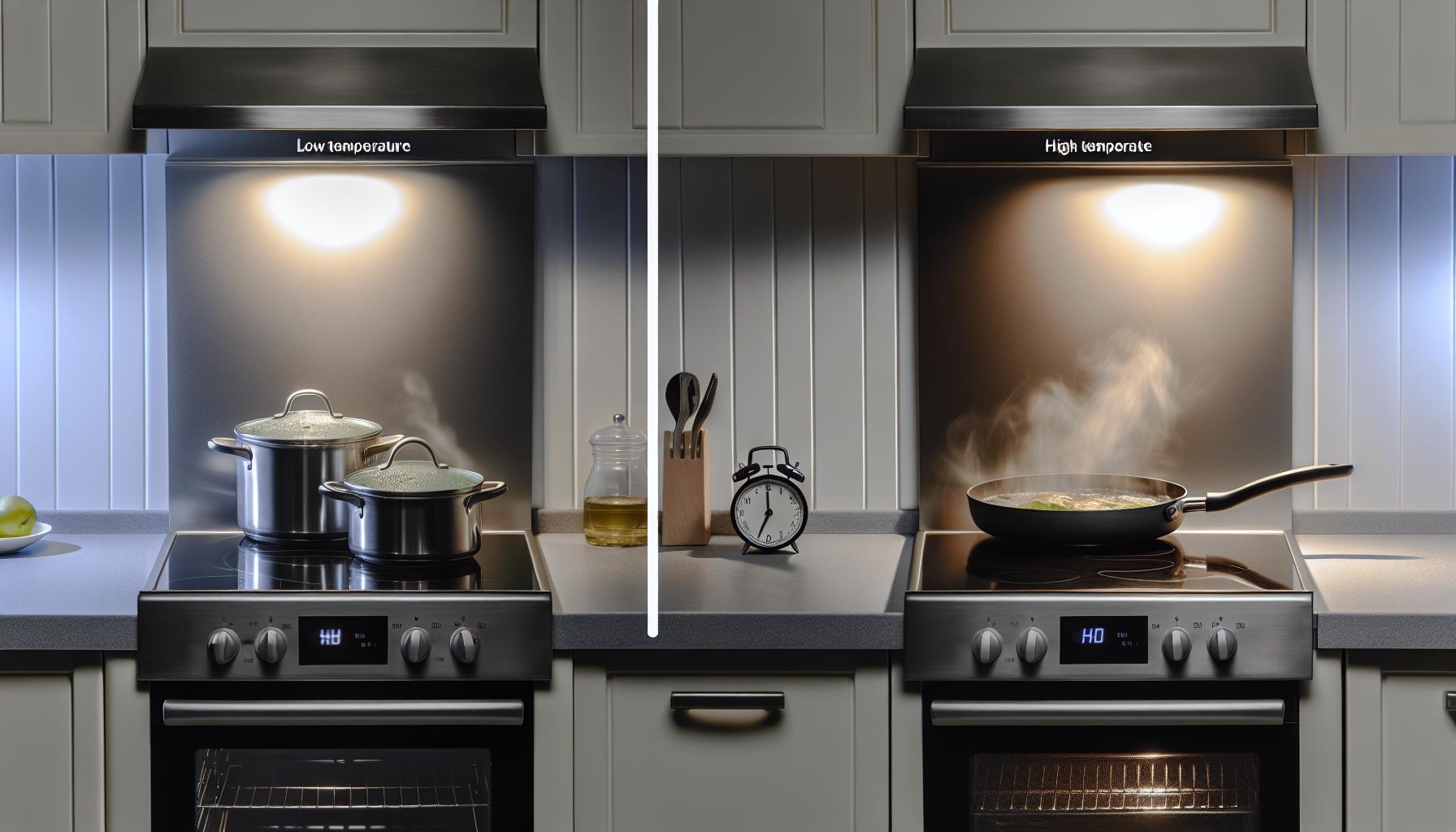
How to Test Your Slow Cooker’s Actual Cooking Temperature
If you’ve ever wondered whether your slow cooker’s ”low” setting really hits the magic 190°F to 200°F range, you’re not alone-it’s a great question, and testing it yourself is easier than you might think. Knowing your slow cooker’s *actual* temperature can make all the difference for perfect paleo stews and gluten-free roasts.Plus, it helps dodge those mystery texture or doneness issues that sneak up when you rely solely on ”low” without a thermometer check. Think of it as giving your trusty appliance a little checkup, so your meals come out reliably delicious every time.
Testing this isn’t rocket science, but it does need a bit of patience and a few kitchen gadgets-nothing fancy, just smart use of what many home cooks already have.Start with a microwave-safe bowl or a small oven-safe dish (ceramic or glass works well), fill it about halfway with water, and place it inside the slow cooker crock. Insert a reliable probe or instant-read kitchen thermometer into the water-not touching the sides or bottom-to get an accurate temperature of the cooking habitat, rather than the slow cooker’s heating element. Close the lid and set your slow cooker to low.
Easy Steps to Check Your Slow Cooker’s Low Heat
- Prep: Fill a heatproof bowl with about 2 inches of water. This simulates the cooking liquid in many recipes and gives a realistic environment.
- Place and insert thermometer: Set the bowl inside the slow cooker pot, then carefully insert your thermometer probe so it’s submerged but not touching the crock’s sides or bottom.
- Wait it out: Close the lid and let the cooker run on low for at least 2 to 3 hours. Temperatures will gradually stabilize during this time.
- Read and record: Check the temperature without lifting the lid too often (each peek drops heat). You should see a range roughly between 190°F and 200°F if your cooker is in line with typical low settings.
If your reading consistently falls below this window,you might want to lengthen cooking times or layer ingredients accordingly,especially for tougher cuts of meat or root vegetables. If it’s high, consider shortening cook times or using the high setting instead to avoid overcooking delicate items.
Why This Test Matters more Than You Think
Knowing your slow cooker’s exact low-setting temperature can help you tailor recipes to your lifestyle. For someone juggling paleo or gluten-free cooking, where ingredient integrity is king, these few degrees affect collagen breakdown and veggie texture in surprising ways. I’ve found that when my old slow cooker ran slightly cooler, my beef stew needed a couple extra hours for that melt-in-your-mouth tenderness. Once I knew its quirks, I could adjust on the fly and still nail meals during busy weeks.Also, testing can bust myths like ”slow cookers don’t get hot enough to kill bacteria” or “all slow cookers cook the same,” which just aren’t true if you measure the heat rather than trust guesswork. This test gives you a little kitchen superpower: confidence and consistency.
Remember, slow cooking is supposed to be forgiving and joyous, not a strict science experiment-but a quick temperature check can make your low-and-slow meals even better without complicating your prep.So grab that thermometer, have fun with it, and treat every Sunday stew and paleo pot roast like a little kitchen victory.
| Item | Purpose | Tips |
|---|---|---|
| Heatproof bowl with water | Simulates liquid environment for accurate temp reading | Use ceramic/glass to mimic crock heat retention |
| Probe or instant-read thermometer | Measures internal cooking temperature | Keep probe submerged but away from pot edges |
| Slow cooker set to Low | To test actual low heat temperature | Don’t open lid frequently – traps heat |

Common Slow Cooker Myths About Low Heat Debunked
It’s funny how some kitchen myths just refuse to simmer down-especially when it comes to slow cookers and their “low” heat setting. One of the biggest misconceptions is that slow cookers don’t actually get hot enough on low to safely cook food, or that all models heat identically. if you’ve ever heard a friend say, “My slow cooker barely gets above warm,” or “Low is just not hot enough,” it’s time to serve up some kitchen truths. In reality, a properly working slow cooker set on low typically reaches a steady temperature between 190°F and 200°F-comfortably hot enough for tenderizing tougher cuts of meat and safely breaking down collagen for rich texture, even in paleo or gluten-free recipes.
Another myth swirling around is the idea that “low” always means ”slow and super low,” where cooking times can be doubled and food safety is compromised. But setting aside the exaggeration, slow cooker low heat is calibrated to cook gently but effectively, maintaining that narrow temp range for hours without burning or drying out dishes. It’s like that warm, steady hug your stew or pot roast needs all day long to hit perfection. If you’re noticing uneven doneness or overly long cooking times,the issue is probably your particular unit’s quirks or how the ingredients are layered-not an inherent problem with the “low” setting itself.
Myths Versus Reality: What Really Happens Inside Your Slow Cooker
- Myth: ”All slow cookers heat the same way.”
Reality: Different models and sizes vary by temperature stability and heat distribution. Testing your own cooker’s actual low heat with a thermometer can save you guesswork and recipe mishaps. - Myth: “Low heat can’t kill bacteria.”
Reality: When your slow cooker hits around 190°F to 200°F and holds that temp, it’s well within the safe zone to cook foods thoroughly and deter foodborne illness. - Myth: “Slow cookers are slow because the low setting is weak.”
Reality: the low setting is designed to gently coax flavors out over time, not rush them. It’s about quality slow heat, not just turning the dial down to a simmer.
In my own kitchen, I once dismissed the low setting as unreliable until I did a simple temp check with a thermometer and water. It was like uncovering the secret sauce behind those no-fail paleo bone broths and gluten-free chilis that came out silky smooth and bursting with flavor. After that, I learned to tweak recipes just slightly-like adding root veggies a bit later or leaving meat chunks thicker-to capitalize on that steady low heat without any frustrating surprises.
So, if you’re ever tempted to doubt your slow cooker’s low setting or think you need to crank it to ”high” just to be safe, try baking in a bit of patience-and maybe a probe thermometer-to see what your machine is really up to. It’s the difference between guessing game cooking and confident, weeknight-winner results. Remember, slow cooking on low isn’t just a setting; it’s a dependable, warm culinary hug that makes paleo and gluten-free comfort food shine without fuss.

Best Slow Cooker Recipes That Shine on Low setting
When your slow cooker gently hums at that steady 190°F to 200°F on low, it creates the perfect environment for dishes that need love and time more than heat.This temperature range lets ingredients slowly marry, breaking down connective tissues in meats and coaxing out deep flavors in vegetables. If you’re craving paleo or gluten-free comfort that practically melts in your mouth,embracing low heat cooking unlocks a treasure trove of easy,crowd-pleasing meals with minimal fuss.
Think beyond the classic pot roast-slow cooker low temp shines in recipes where patience is your secret ingredient. For example, a luscious beef bone broth simmers all day with just a handful of bones and herbs, creating a nutrient-packed base that’s gentle on digestion and rich in flavor. Or try a paleo chili loaded with lean meats, fire-roasted tomatoes, and warming spices that blend over hours into a harmonious, silky stew. These dishes might start simple, but the slow, safe temperature lets every bite tell a story of slow-cooked care.
Easy, Flavor-Packed Recipes to Try
- Hearty Lamb Shank Stew (Paleo-friendly)
prep: 15 min | Cook: 8 hrs on low | Difficulty: Easy
Season lamb with herbs and garlic, layer root veggies on the bottom, then let the slow cooker’s consistent 190°F work its magic. The result? Meat literally falling off the bone with vibrant earthy undertones. - Gluten-Free Chicken and Vegetable Curry
Prep: 10 min | Cook: 6 hrs on low | Difficulty: Beginner
Use coconut milk and fresh spices. The low temp prevents coconut milk from splitting and the fish sauce deepens flavor over time-no need to check obsessively. - Paleo Pulled Pork
Prep: 10 min | Cook: 7 hrs on low | Difficulty: Basic
Rub pork with paleo-friendly spices, add a splash of apple cider vinegar, and slow cook. The 190°F heat breaks down collagen gently, so shredding is effortless and juicy.
What I love most about these recipes is how little babysitting they require. You toss everything in, set it to low, and get on with your day-or catch some well-earned zzz’s-knowing that consistent low heat is tenderizing and flavor-building without drying out your dinner.
Tips for Tweaking Recipes for Your Slow cooker’s Low Setting
- layer smartly: Denser veggies like carrots and potatoes go bottom because their heat exposure needs to be steady and consistent in that 190-200°F zone to soften right.
- Adjust timing rather than temp: Resist the temptation to dial it up to “high” for a short cut. Rather, add hearty or thick ingredients early and delicate ones later to avoid mushiness.
- Tweak portion size: Larger cuts benefit more from low, slow cooking-they retain moisture better and become fork-tender masterpieces.
- Use a probe thermometer: If you want peace of mind, check internal food temps to confirm it’s comfortably within that safe and effective range.
In all, embracing your slow cooker’s magic at low temp is like teaming up with a trusty kitchen sidekick who never rushes but always delivers. These recipes and tips are crafted for real life-where paleo and gluten-free doesn’t mean flavor-free, and slow means steady wins the race every single time.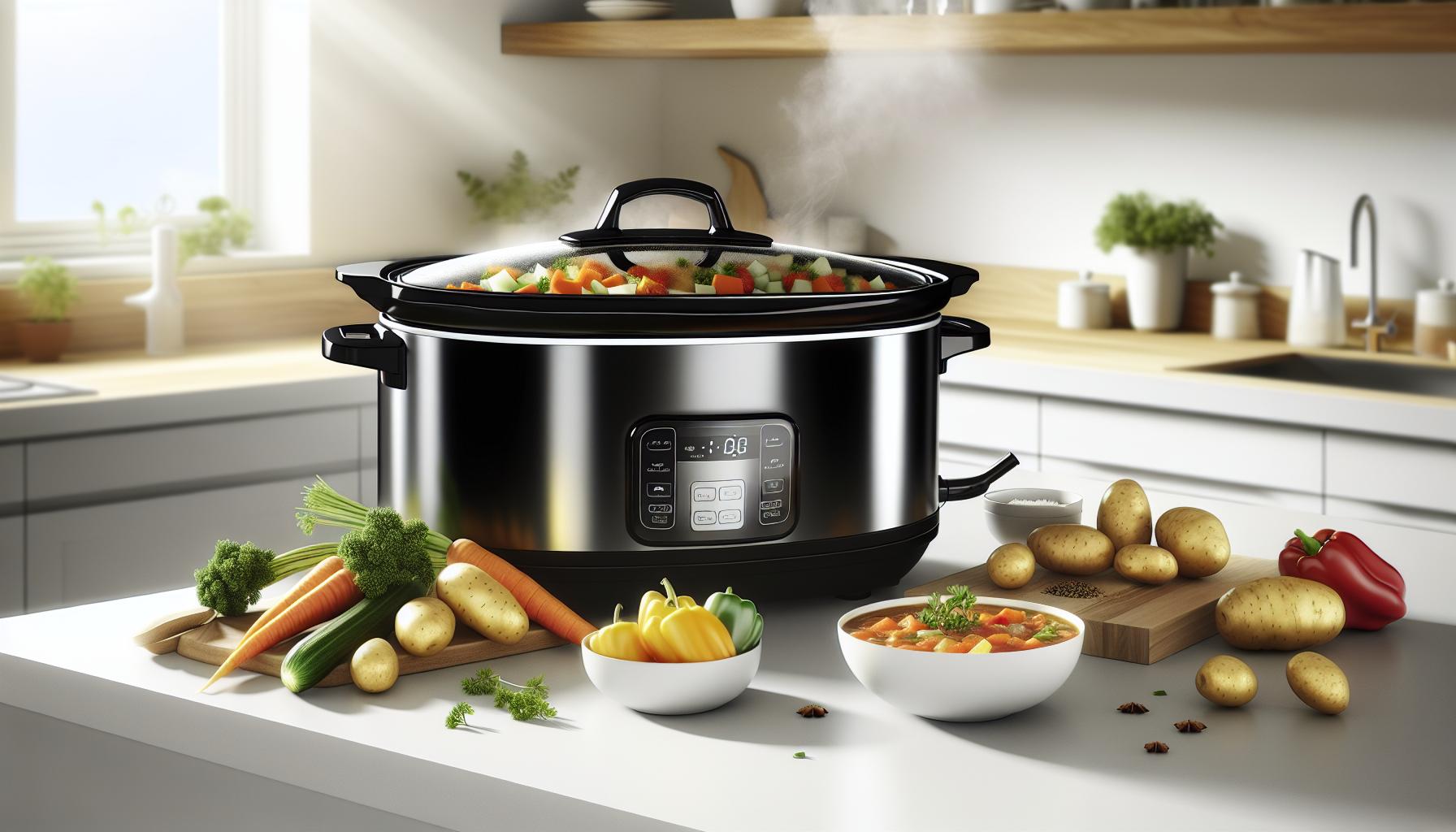
Adjusting Recipes Based on Your Slow Cooker’s Low Temp
Cooking with a slow cooker on the low setting – hovering around that cozy 190°F to 200°F zone – is like giving your ingredients a gentle, loving spa treatment. But because every slow cooker is a little personality all its own, you’ll want to tweak your recipes to fit its exact rhythm. For example, if your slow cooker runs just a smidge cooler than average, your cooking times might stretch longer than the recipe suggests. Instead of panicking, think of it as extra quality time for those flavors to blossom. On the flip side, if it’s a tad hotter, your meal may finish sooner, so keep an eye on it to avoid overcooking.
One of my favorite kitchen hacks is layering ingredients strategically to make sure everything reaches the ideal temperature evenly. Denser veggies, like sweet potatoes or carrots, are the real slow movers – they need to be nestled at the bottom where the heat is most consistent. Simultaneously occurring, more delicate items like zucchini or green beans deserve a top spot to keep their texture from turning to mush. This simple shuffle lets each vegetable shine without one getting squashed by the heat.
If you’re adapting recipes designed for other slow cookers or stovetop methods, focus on adjusting cook times rather than temperature.Resist the urge to crank your slow cooker from low to high halfway through; it might speed things along but risks drying your dish out. Instead, add heartier ingredients earlier and toss in quicker-cooking ingredients toward the end of the process. As an example, in a paleo-friendly pulled pork, start with the shoulder at low heat for 7 hours, then add thawed frozen corn or fresh herbs during the final 30 minutes. This approach keeps flavors vibrant and textures perfect.
Handy Tips to Simplify Your slow Cooker Timing
- Use a probe thermometer: This is your best kitchen sidekick. Check internal temps-especially for meats-to confirm you’re hitting that 190-200°F sweet spot.
- know your cooker’s quirks: Do a test run with water in your crock to see how long it actually takes to reach temp. A bit of kitchen science goes a long way!
- Scaling recipes: Going from 2 servings to 6? don’t just multiply cook time linearly. Larger volume means slower heat penetration,so expect to add about 20% more cooking time.
- Ingredient swaps: No carrots on hand? Substitute with parsnips or turnips which soften similarly within that low-temp heat dance.
By tuning your recipes to the particular warmth of your slow cooker’s low setting,you’re not just avoiding culinary mishaps-you’re crafting dishes that celebrate thoughtful cooking,flavor depth,and effortless ease.So invite patience to your kitchen party, and savor meals where the ingredients have truly mingled like old friends. Paleofriendly, glutenfree, and downright delicious? Yes, please!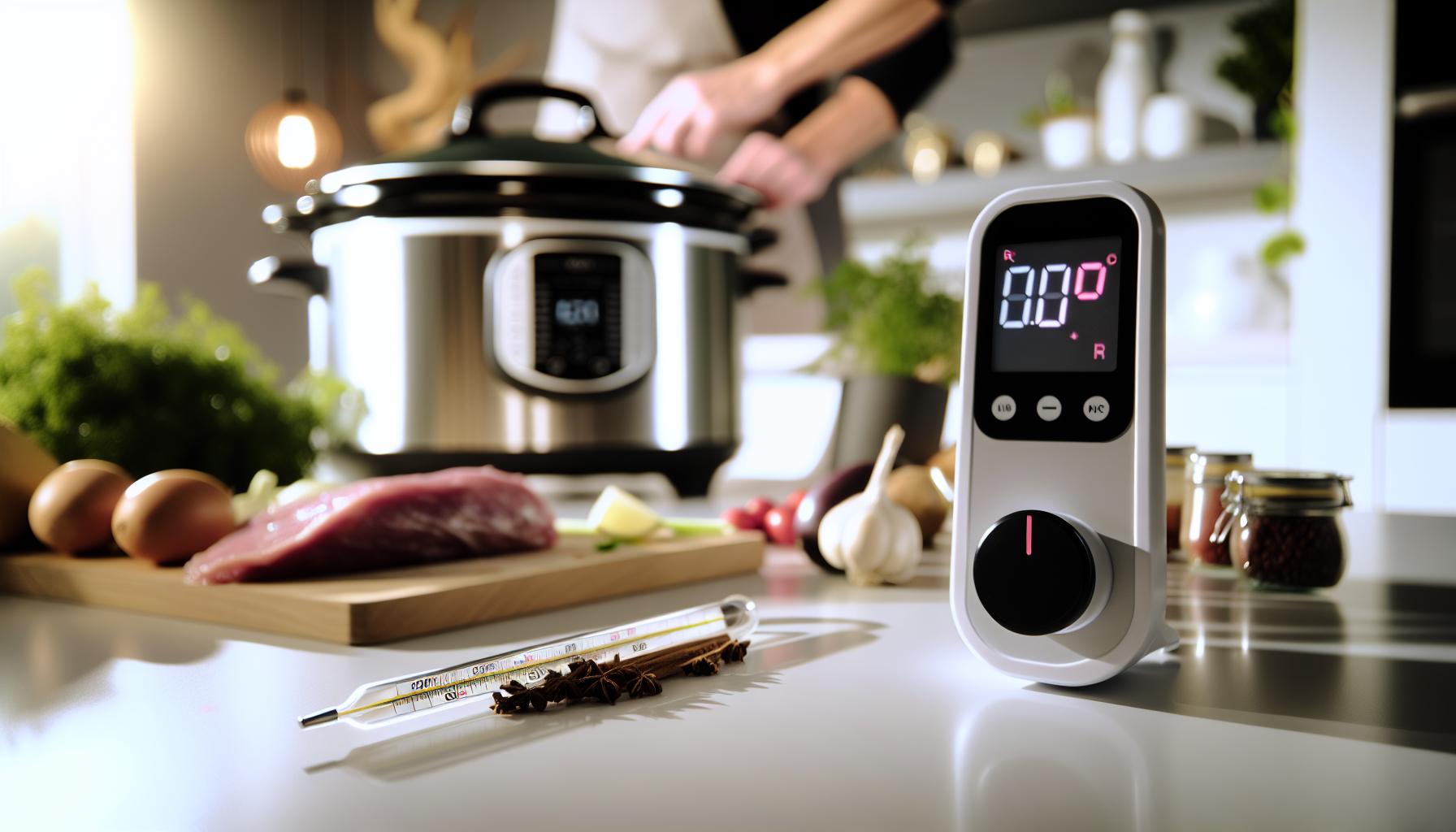
Tips for Safe Slow Cooking at Low Temperatures
Cooking low and slow is a delicious dance with temperature-hit the right notes, and you’re rewarded with tender meat and vibrant veggies. But there’s a safety rhythm to keep in mind, especially since slow cookers on low hover around 190°F to 200°F, the sweet zone that gently coaxes flavors without rushing your ingredients.This temperature range is actually great for thorough slow cooking, but it’s crucial to ensure your food reaches safe internal temps, particularly for protein-packed recipes where foodborne bacteria love to crash the party if not properly cooked.One classic pitfall is underestimating how long your cooker takes to warm up. When you start a meal on low, expect a gentle climb to that target heat, which can take an hour or two before the food actually simmers safely. That’s why layering ingredients matters-not just for flavor but for safety. Denser foods at the bottom get the early heat, helping everything come up to temperature evenly. always resist the urge to lift the lid too often; every peek lets heat escape and drags out cooking time, keeping food in the danger zone longer than it should.
Safety First with Temperature Checks
To avoid guesswork, a decent probe thermometer is your best friend. Check the internal temperature about 15 minutes before the recipe’s suggested finish time. For meats, aiming for 145°F as a minimum internal temp (with a proper rest time) is a smart rule of thumb, but many slow cooker recipes call for higher temps around 190-200°F for fall-apart tenderness. This double-check eliminates any chance of swallowing something that’s barely cooked all the way through.
Long Cooking Times and Food Safety
Slow cooking is forgiving, but here’s a kitchen truth: if you leave your slow cooker on low for too long-say, 12-16+ hours-texture and moisture can take a nosedive, and food safety becomes a factor if the cooker isn’t pushing that 190-200°F consistently. To stay safe and delicious:
- Prep early but don’t prep forever. Start your slow cooker close to your mealtime, not overnight start and then next-day finish.
- Use the warmer only for short holding periods. Slow cookers have a “warm” setting, but it’s best for keeping food hot briefly, not cooking it.
- Cool leftovers promptly. When the feast is over, refrigerate within two hours to prevent any chance of bacteria growing once the heat’s off.
And if you ever feel your slow cooker just isn’t quite hitting that heat sweet spot, it might be time for a test run: fill it with water and use a thermometer to confirm it reaches the typical 190-200°F low-temp range in a few hours. This little experiment can save you from undercooked meals-or food safety scares-before your next big batch of paleo-friendly pulled pork or gluten-free stew.
Remember, slow cooking is as much a trust exercise as it is indeed a flavor thing. With a little thermometer vigil,smart ingredient layering,and timing respect,your slow cooker becomes the ultimate ally for wholesome,safe,and mouthwatering meals. So relax, enjoy the slow rhythm-your kitchen and family will thank you!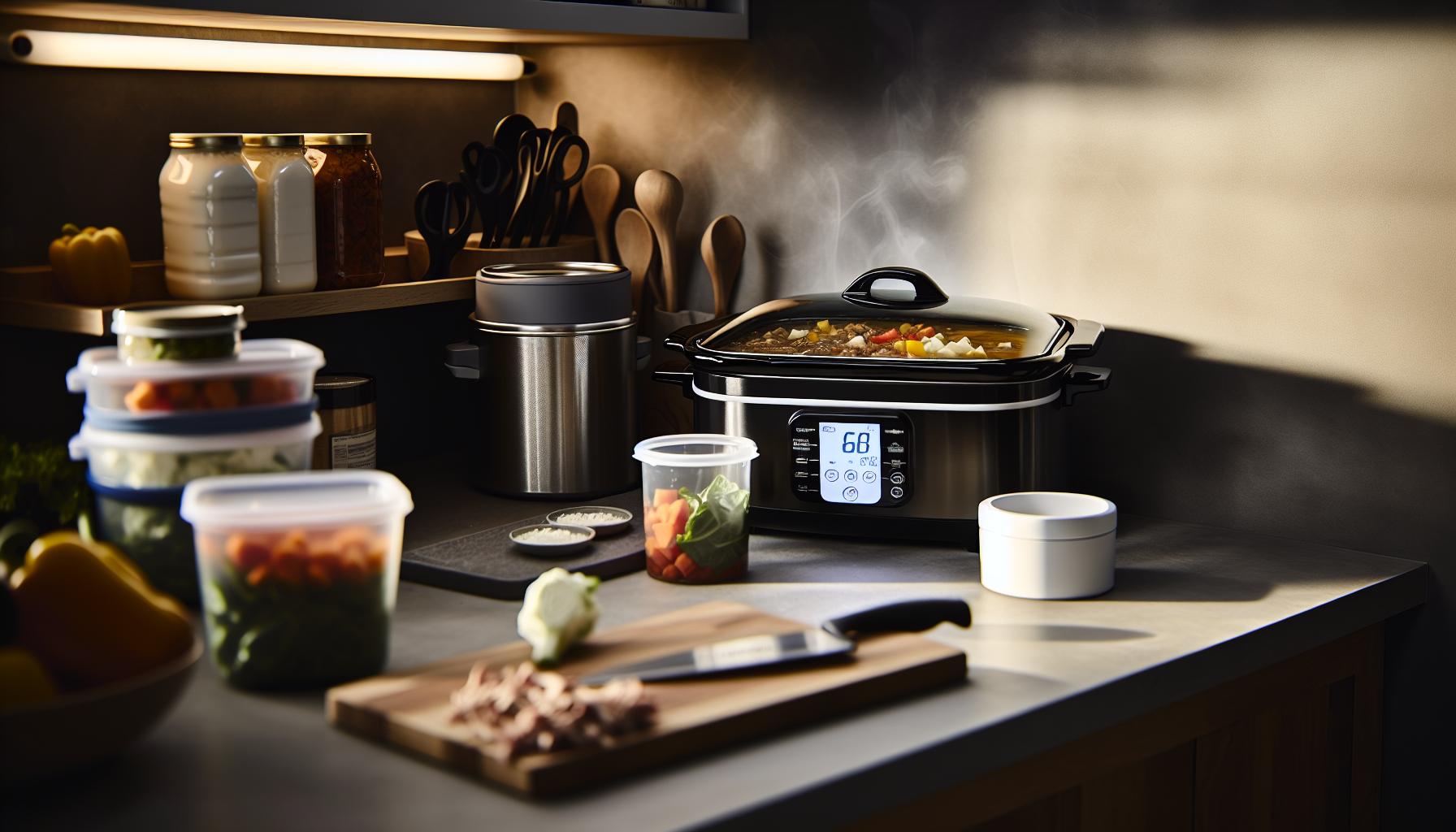
How altitude and Crock Type Affect Slow Cooker Temps
If you’ve ever packed your slow cooker for a mountain cabin getaway or swapped out your trusty ceramic crock for a shiny metal insert, you might have noticed subtle shifts in how your meals turn out. That’s no coincidence! Altitude and the type of crock you use can quietly shift your slow cooker’s internal temperature, which in turn alters cooking times and final results.Here’s the lowdown on why these factors matter and what you can do to keep your dishes delicious and safe.
At higher altitudes, the air pressure drops, which lowers the boiling point of water. So instead of simmering at a cozy 212°F (100°C) like you’re used to at sea level,water might boil at closer to 200°F or even less depending on how high you climb.This drop means your slow cooker’s “low” setting,typically hovering around 190-200°F at sea level,may not quite hit the same heat in a mountain kitchen. The practical upshot? Your food takes longer to reach safe internal temperatures, which can be a red flag for food safety, especially with meats and dense stews. If you’re cooking paleo-friendly or gluten-free meals where slow,even heat is crucial,consider adding extra time or bumping your setting to high,then monitoring with a probe thermometer to ensure everything comes up to snuff.
The crock type also plays a starring role. Most slow cookers come with ceramic (or stoneware) crocks that retain and distribute heat evenly,which helps the food cook gently and consistently. Swap that for a metal or aluminum insert, and you’ll often get faster, somewhat less even heating because metals conduct heat more quickly but don’t hold it as long as ceramic does. Personally, I’ve found that my old ceramic crock transformed pot roast into fall-apart perfection during a leisurely 8-hour low cook, but when I used a lighter metal insert on a rushed weekend, I had to watch closely to avoid drying out the edges. It’s a simple tweak, but it makes a flavor and moisture difference that gluten-free soups and paleo roasts thank you for.
Practical Tips to Balance Altitude and Crock Effects
- use a trusted digital thermometer. Check internal temps rather than relying on cook time alone, especially above 3,000 feet (about 900 meters).
- Adjust cooking time upward. Expect to add roughly 15-25% more cook time for every 3,000 feet you climb in altitude if you’re sticking to the low heat setting.
- Consider crock material when doubling or halving recipes. Thicker ceramic crocks sometimes need longer than metal ones-so test early, and err on the side of caution when doubling meals for busy weeknights.
- Lid management matters even more at altitude. Because heat escapes easily, resist the urge to peek-every lid lift can set you back 10-15 minutes, extending that low-temp dance with bacteria like an unwelcome guest.
Cooking slow and low is a fantastic way to honor both ingredients and busy schedules, but understanding the subtle impact of your environment and tools ensures your final meal hits the mark every time. Whether you’re nestled in a high-altitude cabin or oscillating between your classic ceramic pot and a modern metal crock, these temperature nuances can make all the difference between a perfectly tender paleo stew and a “needs a little more love” kitchen adventure. keep experimenting, keep tasting, and your slow cooker will always be the hero of your gluten-free dinner table!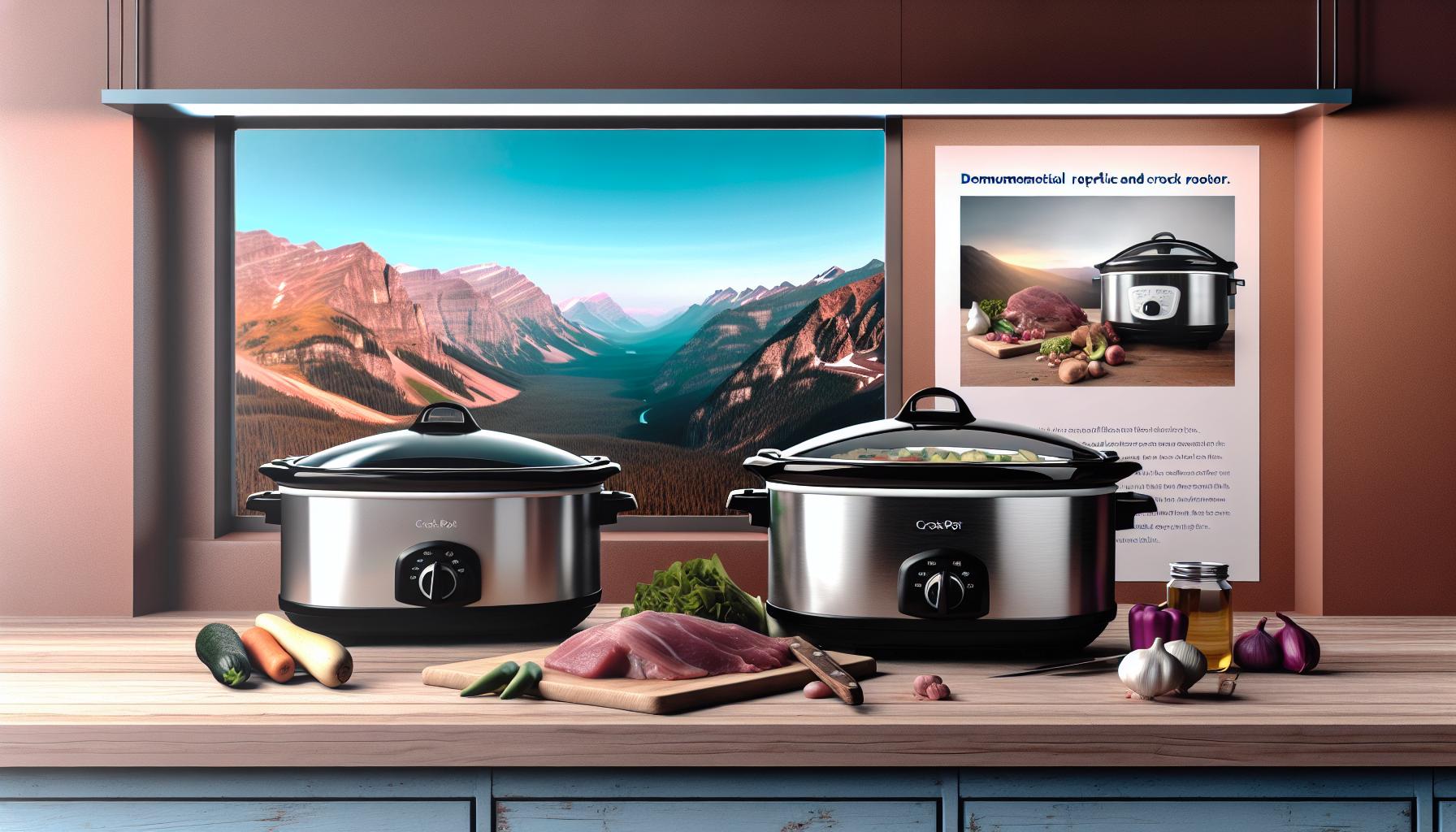
Q&A
Q: How long does it take for a slow cooker on low to reach its target temperature?
A: A slow cooker on low typically takes about 1.5 to 2 hours to reach its target temperature of around 190°F (88°C).This gradual warming ensures ingredients cook evenly and safely, which you can learn more about in the section on how slow cooker low heat transforms ingredients perfectly. Patience here delivers tender, flavorful results!
Q: Why does the exact low temperature of a slow cooker vary between brands?
A: Slow cooker low temperatures often range between 180°F and 200°F (82°C to 93°C) depending on the brand and model. Variations come from heating elements and crock design, so testing your cooker’s actual cooking temperature helps fine-tune recipes-see the section on how to test your slow cooker’s actual cooking temperature for simple steps.
Q: Can cooking at too low a temperature on slow cooker low setting cause food safety issues?
A: Yes,cooking below 140°F (60°C) can risk unsafe food. However, most slow cookers set to low maintain temps between 180°F-200°F, which safely cooks food over time. For safety tips and ensuring your slow cooker reaches proper temperatures, check out tips for safe slow cooking at low temperatures.
Q: How does altitude affect the low temperature and cooking time in a slow cooker?
A: At higher altitudes, the boiling point of water lowers, which can reduce your slow cooker’s low-temp effectiveness. this means you may need to increase cook time slightly to ensure food cooks thoroughly. Visit the article’s section on how altitude and crock type affect slow cooker temps for tailored advice.
Q: Can I use a thermometer to check if my slow cooker is properly cooking on low?
A: absolutely! A trustworthy digital or probe thermometer inserted in the food or liquid lets you verify if the cooker hits the steady 180°F-200°F range on low. This helps troubleshoot and adjust cooking times, as detailed in our guide on how to test your slow cooker’s actual cooking temperature.
Q: Does the type of slow cooker crock affect the low cooking temperature?
A: Yes, crock material like ceramic or stoneware can influence heat retention and distribution.Some crocks retain heat more evenly, affecting the actual low temp range of 180°F-200°F. learn more about these effects and recipe adjustments in how altitude and crock type affect slow cooker temps.
Q: How do slow cookers maintain moisture at low temperatures?
A: Slow cookers seal in steam at around 190°F on low, gently breaking down ingredients without drying them out. The slow, consistent heat promotes moisture retention, perfect for tender meals. Explore the magic of slow cooker low heat and ingredient transformation within the article’s related section.
Q: Can I convert slow cooker low temperature cooking times for high setting equivalents?
A: Yes! Typically, cooking on low at around 190°F takes twice as long as cooking on high at about 300°F. To adapt recipes, halve the time when switching from low to high, keeping an eye on texture and doneness. See comparing low vs. high: temperature and cooking times explained for detailed guidance.
Feel free to dive deeper into these topics by exploring our related sections. Perfect your slow cooking journey, and enjoy the comforting flavors of perfectly cooked meals every time!
To Conclude
Understanding the exact temperature range your slow cooker hits on low unlocks a new level of confidence in your kitchen adventures-whether you’re slow-simmering paleo stews or crafting gluten-free comfort meals. Remember, maintaining that gentle 190°F to 200°F heat means you get tender, safe, and delicious dishes every time, even with busy schedules or ingredient swaps. If you’re curious about optimizing cook times or exploring slow cooker recipes tailored for meal types and dietary needs, check out our guides on paleo slow cooker meals and gluten-free crockpot favorites for simple, tested ideas.
Ready to master slow cooking with ease? Don’t hesitate to dive into our detailed tips on slow cooker temperature tips and meal prep hacks-your next culinary win is just a click away. And hey, if you found this helpful, sign up for our newsletter for weekly recipes, kitchen hacks, and the latest in slow cooking science. Got questions or your own slow cooker stories? Drop a comment below or share this post with fellow home cooks who deserve tasty, no-fuss meals. Let’s keep making slow cooking feel fun, flexible, and totally doable-because everyone deserves a great meal, no matter how hectic life gets.


