
Did you know that the “Low” setting on your slow cooker usually hovers around 190°F to 200°F (about 88°C to 93°C)? Understanding this temperature isn’t just kitchen trivia-it’s the key to perfectly tender meats, flavors that meld beautifully, adn safe cooking all done on your schedule. Whether you’re juggling busy mornings or craving a comforting paleo stew after work, knowing what “Low” actually means helps you plan your cooking time and ingredients better, ensuring every bite is flavorful and safe. If you’ve ever wondered why some recipes say “cook on low for 8 hours” versus “high for 4,” or why your slow cooker sometimes takes longer than expected, you’re not alone. Let’s take a friendly,down-to-earth look at slow cooker temps and why they matter,so your next meal is the kind that has everyone asking for seconds-gluten-free,paleo-friendly,or just downright satisfying. Stick around, and I’ll share simple tips and real kitchen hacks to make slow cooking easy, tasty, and totally stress-free.
Table of Contents
- Understanding Slow Cooker Temperature Settings and Basics
- What Exactly Is Considered “Low” on a Slow cooker?
- How Low Temps Affect Cooking Times and food Safety
- Why Maintaining the Right Low Temperature Matters for Flavor
- Common Mistakes When Using Low Heat on Slow Cookers
- Tips to Adjust and Control your Slow Cooker’s Low Setting
- Best Slow Cooker Recipes Perfect for Low-Temperature Cooking
- Troubleshooting: When Low Heat Doesn’t Seem to Work
- How Low Temps Impact different Ingredients and Textures
- Slow Cooker Low vs. Warm: What You Need to Know
- Energy Efficiency and safety Benefits of Cooking Low and Slow
- Q&A
- The Way forward
Understanding Slow Cooker Temperature Settings and Basics
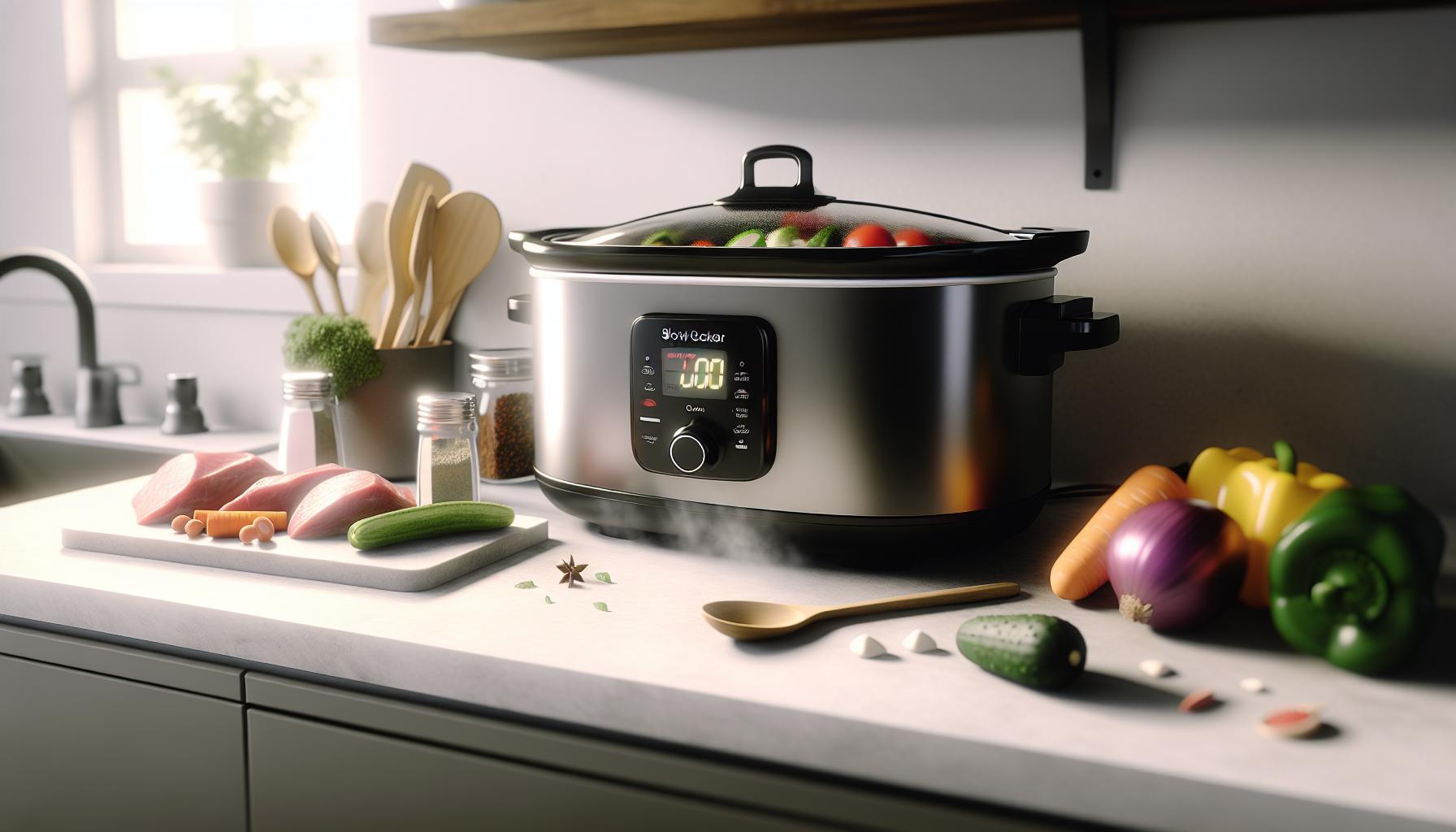
Imagine a kitchen gadget that practically does the heavy lifting for you,gently coaxing flavors to develop while you go about your day-or even catch up on some sleep. That’s the magic of the slow cooker, especially when you understand how its temperature settings work.The “low” setting isn’t just a polite suggestion to simmer gently; it’s a carefully calibrated temperature zone designed to tame tough cuts of meat, meld spices into silky sauces, and bring out layers of flavor without the risk of burning your dinner to a crisp.
Most slow cookers dial in their “low” temperature at around 190°F (88°C), a cozy, steady heat that’s hot enough to break down connective tissues in meats and soften fibrous vegetables without rushing the process. It’s this slow build-up of heat that allows dishes to develop depth and complexity, providing a flavor punch that’s often missing when you crank up the heat too fast. That long, slow cook also plays a starring role in food safety – it’s all about reaching and maintaining a temperature that gets your food through the “danger zone” (between 40°F-140°F) quickly enough to prevent harmful bacteria from crashing the party.
Why is this temperature sweet spot so important?
- Flavor progress: Low temps give collagen-rich cuts like chuck roast the time they need to turn tender and juicy, making every bite melt-in-your-mouth good.
- Food safety: Holding your food at around 190°F ensures bacteria don’t get pleasant,sparing you from foodborne anxieties.
- Texture balance: At this temp, you’ll avoid mushy veggies or dried-out meats, striking that perfect harmony between softness and substance.
And while “low” might seem like the slow cooker’s gentle setting, it’s definitely a workhorse in disguise. You can even think of it as the culinary equivalent of a slow dance-patient, intentional, and with amazing results.
What Exactly Is Considered “Low” on a Slow cooker?
Ever wonder what “low” really means on your slow cooker dial? It’s not just a vague setting but a carefully set temperature zone that hits around 190°F (88°C). This cozy warmth is your slow cooker’s sweet spot, creating the perfect environment to tenderize even the toughest chuck roast while gently coaxing out the natural flavors of herbs, spices, and vegetables. Think of it like a slow, flavorful hug for your ingredients-steady, reliable, and totally hands-off.
This temperature comfortably sits above the bacterial “danger zone” (40°F-140°F), which is crucial for safety, yet it’s low enough to prevent food from drying out or turning mushy too fast. Many home cooks don’t realize that the low setting isn’t just “less hot” but a scientifically designed balance: hot enough to break down collagen and starches slowly, but not so hot that your stew boils away flavor. Over the years, I’ve found that keeping the temperature around 190°F works wonders whether I’m prepping a paleo-friendly bone broth or a cozy gluten-free chili.
How Slow Cooker “Low” Feels in Real Life
- Long and steady wins the race: Dishes on low frequently enough take 6 to 10 hours, depending on what you’re cooking, which gives tough cuts time to turn buttery without the stress of babysitting your pot.
- Flexible and forgiving: Low lets you walk away from the kitchen confidently-you can even slow-cook overnight without fear of overcooking or burning.
- Texture magic: Vegetables stay intact but soften perfectly; meats become silky without shredding to mush, thanks to the slow breakdown at this temperature.
So, when you slide that switch to “low,” you’re doing more than dialing down the heat-you’re setting your kitchen up for success, flavor-wise and food-safety-wise. Next time you plug in your slow cooker, remember: low is the unsung hero of cozy, satisfying meals that taste like you spent all day in the kitchen-even when you didn’t.
How Low Temps Affect Cooking Times and food Safety
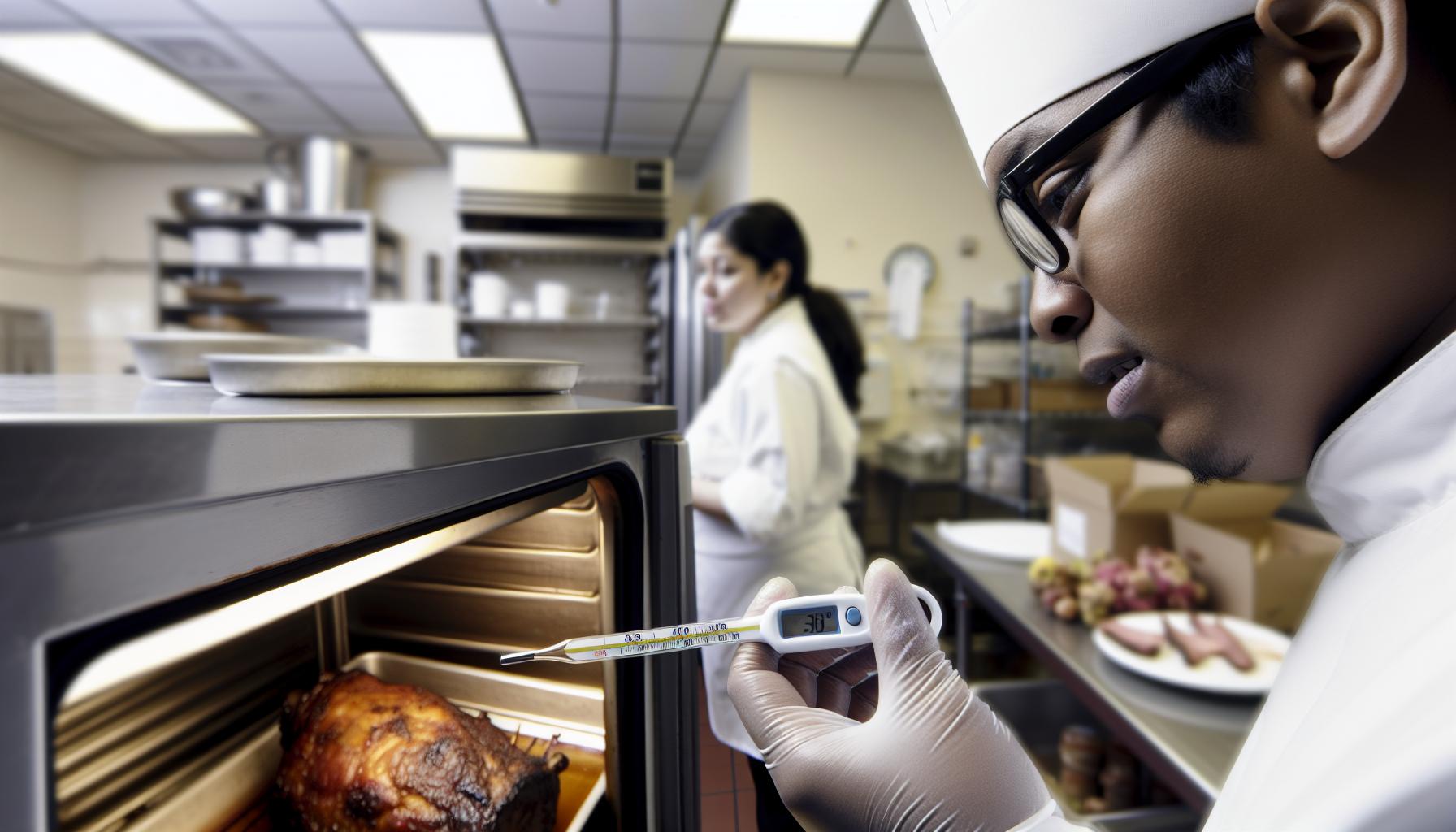
Slow cooking on a “low” setting is like a gentle, time-loving friend in your kitchen. While it may feel like things are moving at a snail’s pace, that steady heat does more than just warm your food-it transforms it safely and deliciously. The key here? Patience pays off. Cooking on low typically means your food will take anywhere from 6 to 10 hours to reach perfection, allowing tough cuts to become tender and flavors to harmonize beautifully without the risk of drying out or burning.
Here’s where food safety cozies up with culinary magic: the low setting hovers around 190°F (88°C), comfortably above the dreaded bacterial danger zone of 40°F to 140°F. This temperature range is crucial because it slows bacterial growth while steadily cooking your meal through. For those busy days when you toss ingredients into your slow cooker before heading off, knowing that low temps keep food out of harm’s way adds peace of mind-no need to hover or stress.
balancing Time, Safety, and Flavor
- Longer cook times mean safer meals: Food needs to spend enough time above 140°F to kill harmful bacteria-not just hit that temp momentarily. Slow cooking low and slow ensures this happens across the whole pot, even if you’re cooking dense meats or thick stews.
- Even temp distribution protects texture: the gradual increase and maintenance of low heat let collagen slowly melt into silky goodness. This slow protein breakdown is what turns a rustic chuck roast into melt-in-your-mouth bliss without mushy vegetables or rubbery bites.
- Low temps preserve nutrients and flavor: Flash boiling or high heat can scorch herbs and veggies, stealing away aromas and vitamins. The slow cooker’s low heat gently unlocks their essence, making your paleo bone broth or gluten-free chili not just safe, but stunningly tasty.
In my kitchen, I like to think of slow cooker low settings as the unsung heroes that quietly do the heavy lifting. A friend once asked if it was safe to start a stew on low before bed and “wake up to dinner.” Absolutely-just make sure your slow cooker reaches and maintains that ideal low temp, and you’ll have a safe, hearty meal ready to enjoy. And remember, investing a little time upfront with good-quality ingredients and seasoning will repay you tenfold in rich, nourishing comfort.
Why Maintaining the Right Low Temperature Matters for Flavor
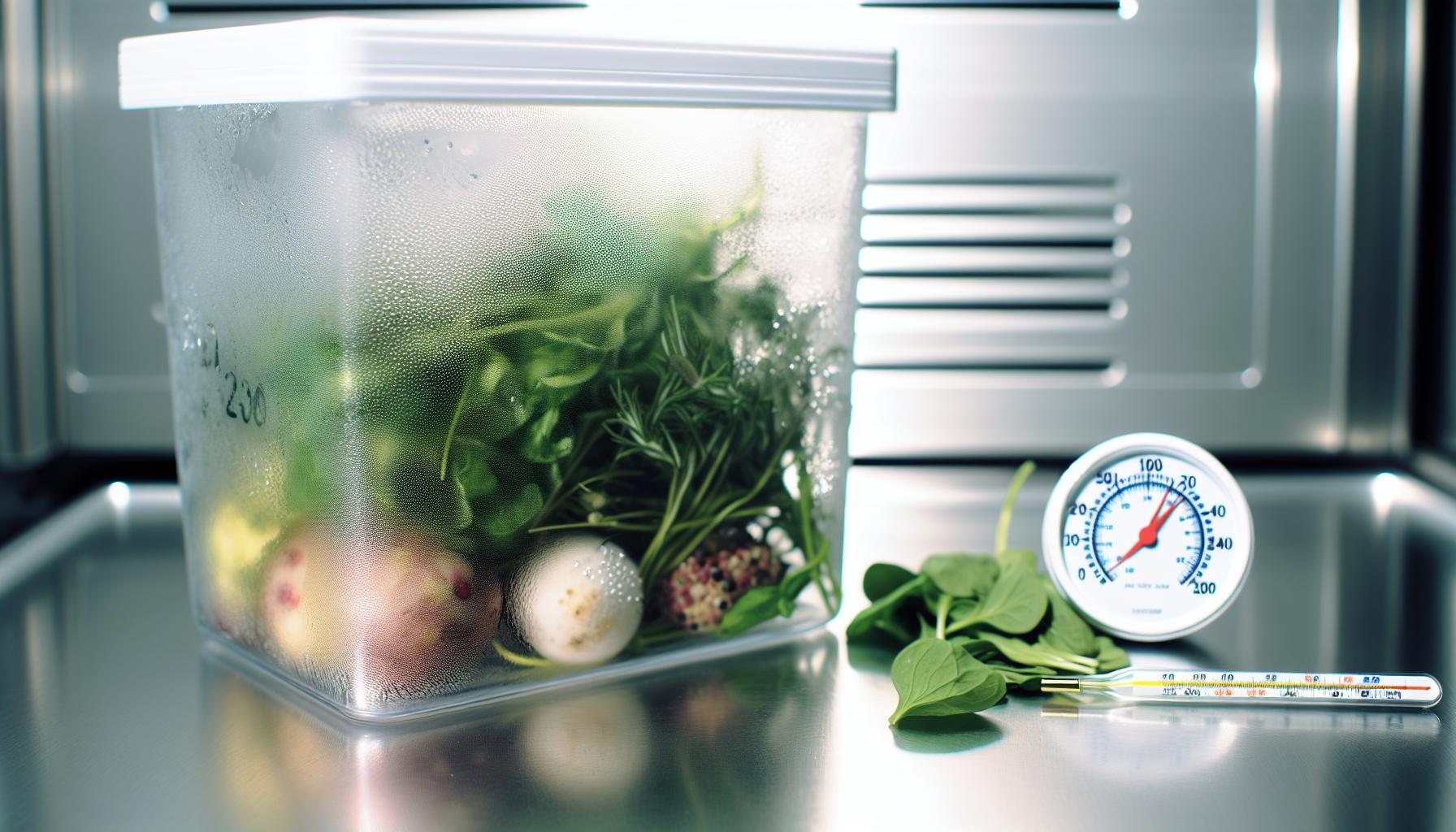
There’s something almost magical about how steady, gentle heat can coax out layers of flavor in a slow cooker. When your slow cooker hits and maintains that sweet spot around 190°F (88°C), it’s not just about cooking food safely-it’s about unlocking a depth of taste you simply won’t get rushing things on high heat. Imagine this like a slow, melodic dance between ingredients, breaking down tough fibers and marrying spices in a way that makes your kitchen smell like a cozy, gourmet haven.
Keeping the temperature steady and within that ideal low range lets collagen in meat slowly dissolve into luscious gelatin, which is basically the secret sauce for succulent, fork-tender dishes. Too hot, and you risk toughening proteins or drying out the lovely fats; too cool, and you might end up with undercooked bites or restless bacteria (yikes!). When it’s just right, every bite feels like it’s had time to dream and mingle. This is why meals like paleo-friendly beef stew or gluten-free chili turn out remarkably rich and layered with flavor after 8 hours or so on low.
How Gentle Heat Protects Vibrant Flavors and Nutrients
- Herbs and spices don’t lose their sparkle: Slow, low heat lets delicate herbs seep in gradually instead of burning off or fading away.
- Vegetables keep their character: Firm veggies soften without becoming mushy, preserving texture and sweetness-think tender carrots that still hold their shape rather than dissolving into the broth.
- Nutrients stay intact: Unlike boiling or high-heat frying, slow cooking at the right low temp helps retain vital vitamins and minerals, perfect for nourishing home-cooked meals.
I remember one evening tossing a bunch of favorite gluten-free ingredients into my slow cooker before bedtime, expecting a quick fix but ending up with a revelation instead. The flavors were so deep and harmonious that even my usually picky nephew asked for seconds – the low and slow method made every ingredient shine without fuss or stress. So, if you want dishes that greet you with cozy richness and satisfy those paleo or gluten-free cravings, never underestimate the value of maintaining the right low temperature. That patience pays back with every spoonful.
Common Mistakes When Using Low Heat on Slow Cookers
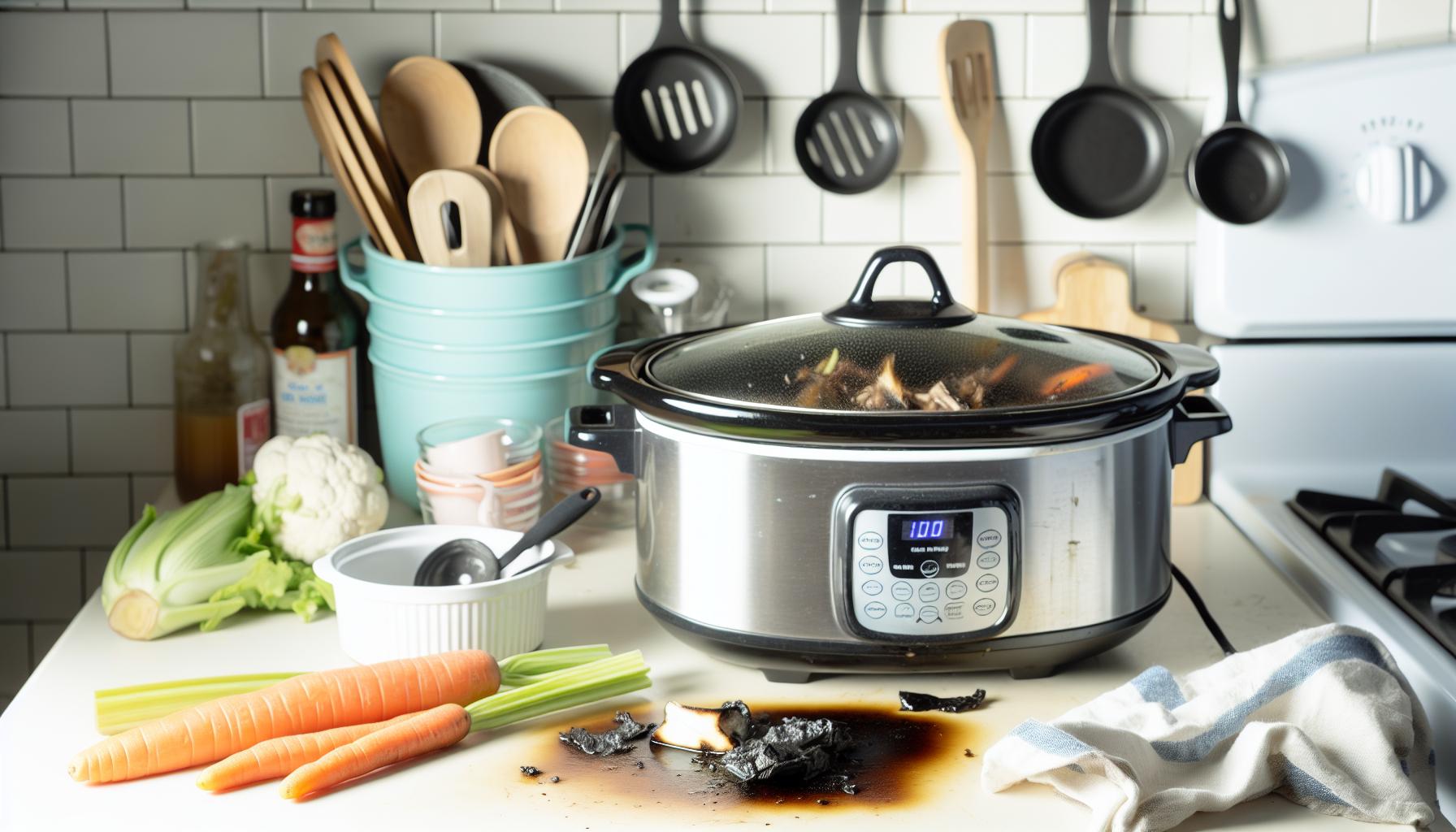
It’s surprisingly easy to think that “low” means “slow but steady” and then get tripped up by a handful of rookie errors that can turn your beautifully planned slow cooker meal into a lesson in patience or an underwhelming dinner. One of the classic blunders is underestimating how long low heat really takes to do its magic. Unlike cranking up the heat on a stovetop, slow cookers rely on sustained gentle warmth-hovering around 190°F (88°C)-to safely transform raw ingredients into tender perfection.If you cut corners by shortening cook times or eyeballing doneness, you risk ending up with chewy meat or veggies that are either undercooked or mushy blobs instead of the vibrant textures you hoped for.
Another common slip: lifting the lid too often because you’re eager to peek at progress. It’s like throwing a mini tantrum in the slow cooker’s world-every time you open that lid, precious heat escapes and the cooking clock resets itself a bit. This fluctuation means your “low” temperature isn’t staying consistent, potentially stretching cook times and leaving flavors stranded at “not quite there yet.” I’ve learned that trust is key here-resist the urge to open that lid unless absolutely necessary,and you’ll be rewarded with beautifully melded tastes and the comforting aroma of success.
More Than Just Heat: Ingredients and Placement matter
It’s tempting to pile everything in,especially when juggling paleo-friendly meats,root veggies,and fragrant herbs,but where you place each ingredient inside the pot can wildly affect cooking outcomes. Dense items like carrots or sweet potatoes need direct and steady contact with heat for longer periods, so sunbathing them near the bottom is smart. On the flip side, delicate leafy greens or quick-cooking ingredients tossed in too early can mush up and lose their charm. A handy kitchen hack? Add delicate veggies or herbs during the last hour or so to keep their flavor bright and texture just right.
- Skipping the pre-sear: While optional, browning meat before adding it to the cooker locks in flavor and improves texture-a step worth squeezing in.
- Ignoring liquid ratios: Low temperature means less evaporation, but too much liquid leads to bland stews, and too little risks drying or scorching.
- rushing the process: The slow cooker’s low end isn’t a quick fix; patience transforms simple ingredients into gems.
One last nugget from my kitchen escapades: always calibrate your slow cooker if it’s older or unfamiliar-oven thermometers double as slow cooker thermometers in a pinch. Sometimes “low” isn’t quite what you expect,and adjusting times or layering ingredients differently can save you from frustrating results. Like any kitchen adventure, slow cooking low teaches you to be patient, observant, and a little playful. The payoff? Meals that feel like a warm hug-and yes, paleo and gluten-free-friendly without compromise.
Tips to Adjust and Control your Slow Cooker’s Low Setting
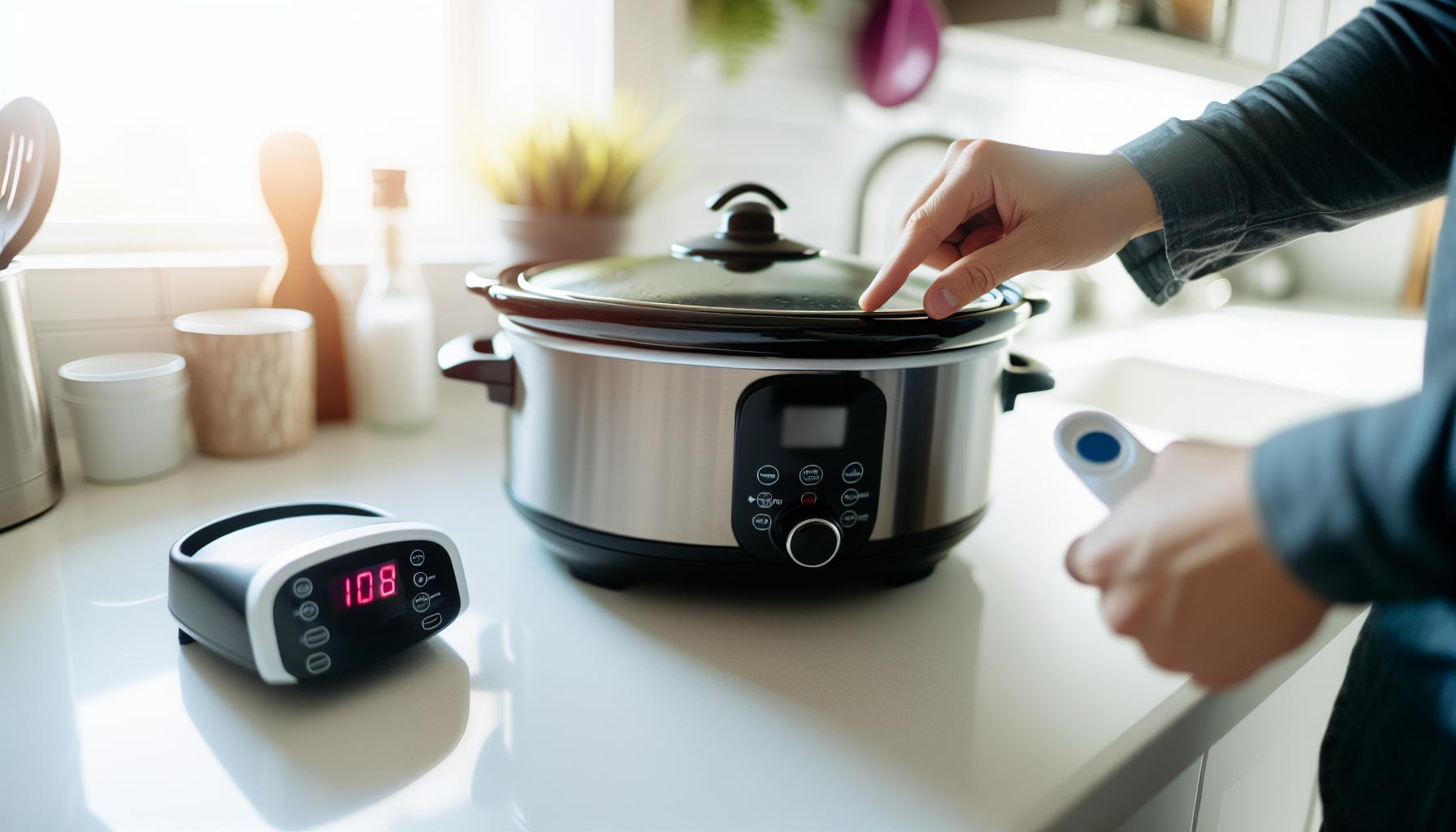
Finding the sweet spot for your slow cooker’s “low” setting can feel a bit like tuning a musical instrument-too high, and you might end up with mushy veggies or dried-out meat; too low, and the whole process drags, leaving you skeptical if it’s even doing its job. But here’s a friendly secret: controlling your slow cooker’s low temperature isn’t just about flipping a switch. It’s about understanding your cooker’s quirks, adjusting your timing, and embracing a few kitchen hacks that let you customize the gentle simmer to fit your meal and schedule.
First things first, most slow cookers hover around 190°F (88°C) on low, but don’t rely solely on the dial. Different brands and models vary, and older machines can drift off from factory specs. I always recommend checking your cooker’s actual internal temperature with an oven-safe thermometer for a quick reality check. If you find the low setting sitting closer to 175°F, such as, you might want to bump up your cooking time by 30-60 minutes to make sure things get fully tender and safe for eating.
Simple Adjustments for Better Control
- Layer smart: Place dense, slow-cooking ingredients like root veggies or tougher cuts of meat at the bottom of the pot. This spots heat flow and keeps your slow cooker working at its best without having to crank the dial.
- Lid discipline: Resist the urge to peek! Every time you lift the lid, precious heat escapes, dropping the internal temp by as much as 15-20 degrees. Trust me,patience here rewards you with perfectly balanced doneness and flavor melding.
- Use a programmable timer or slow cooker blanket: If your cooker doesn’t have a built-in timer, these gadgets can help maintain even cooking temperature or keep heat steady over long hours, giving you better control over the low simmer without babysitting the pot.
- Adjust liquids thoughtfully: less evaporation means your recipe might not need as much water or broth compared to stovetop cooking-but if you notice your stew seems watery after a long cook, a quick post-cook reduction using your stove’s sauté function can concentrate flavors beautifully.
In my paleo-friendly kitchen adventures, I’ve also learned that adding delicate items-like fresh herbs or quick-cooking greens-in the last 30-60 minutes saves their color and texture without messing with that slow cooker’s consistent heat.And hey, don’t be shy about experimenting: if you find your slow cooker runs a bit cool, consider prepping tougher cuts with a quick sear before they hit the pot. it locks in flavor and ensures tender, juicy results, even on a slightly ”lower” low.
ultimately, slow cooking on low is as much art as science, with a dash of trial and error thrown in. Once you get to know your cooker’s rhythm, adapting recipes and timing becomes second nature-and your low-and-slow meals will be so tasty and satisfying, “shortcuts” won’t even cross your mind (unless you want them to).
Best Slow Cooker Recipes Perfect for Low-Temperature Cooking
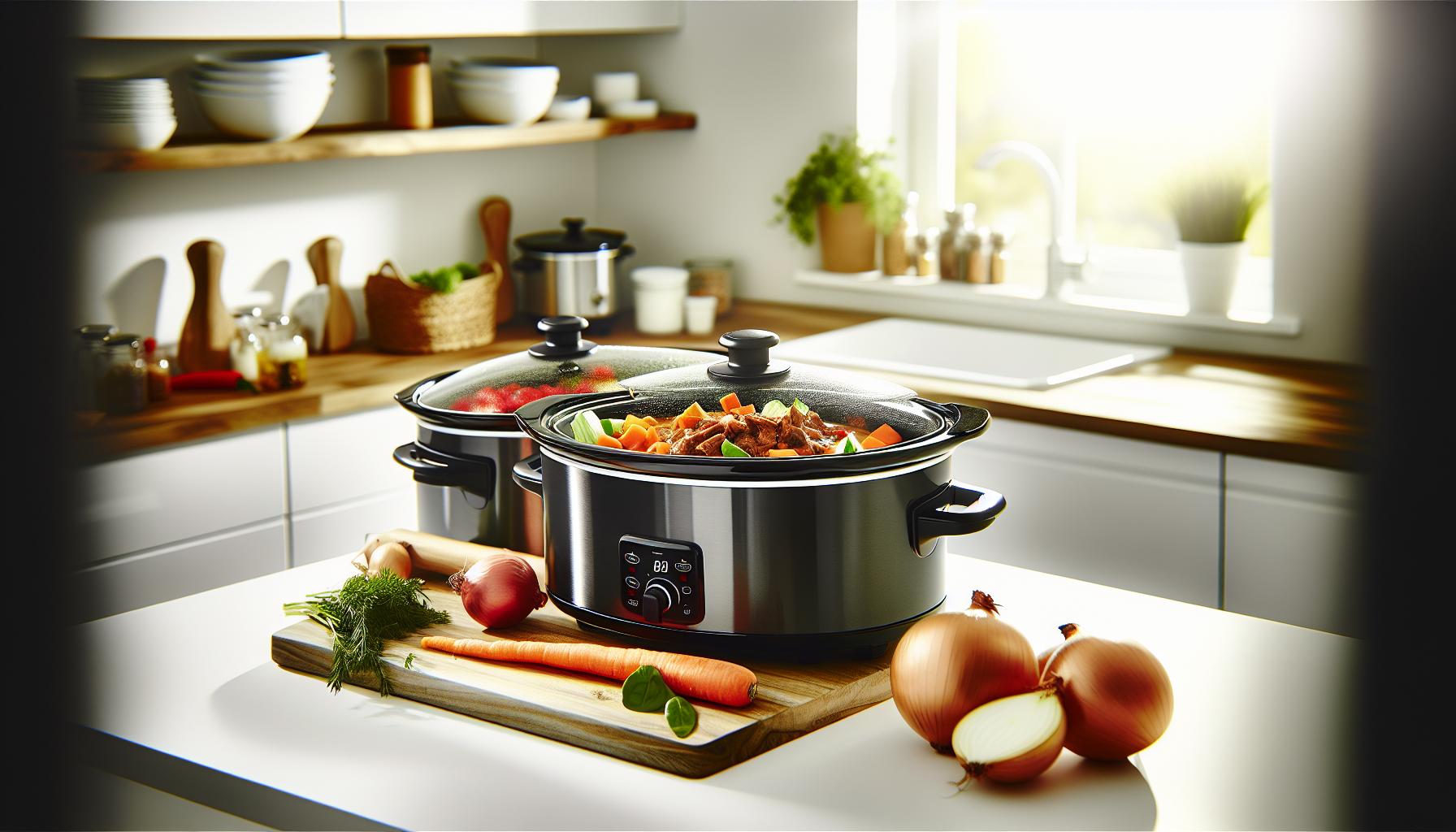
There’s something magical about walking into your home after a busy day to the aroma of a meal that’s been slow-cooking on low all afternoon.When you embrace that gentle 190°F (give or take) heat, you invite flavors to deepen and textures to soften in ways that no rushed recipe can deliver. Plus, low-temp cooking is a dream for anyone following paleo or gluten-free diets-it tenderizes tougher cuts and draws out complex spice layers without overpowering delicate ingredients.
To get you started, here are some go-to recipes that really shine when given time and that perfect low simmer.They’re straightforward,cozy,and make excellent use of your slow cooker’s low setting without requiring constant babysitting.
Comfort Classics with a Paleo & Gluten-Free Twist
- Hearty Beef Stew (Prep: 15 mins, Cook: 8 hrs, Easy)
Brown chuck roast chunks before adding them to the slow cooker along with carrots, celery, onions, garlic, and a rich bone broth base. The low setting transforms even budget cuts into melt-in-your-mouth bites. Skip conventional flour thickeners-use arrowroot or tapioca starch to keep it paleo-friendly. - Pulled Pork BBQ (Prep: 10 mins,Cook: 8-10 hrs,Easy)
layer a pork shoulder with smoked paprika,garlic powder,salt,and pepper,then add a splash of apple cider vinegar. Cook on low and shred with forks when it’s fall-apart tender. Serve with gluten-free buns or over cauliflower rice for a satisfying paleo plate. - Moroccan Chickpea Stew (Prep: 20 mins, Cook: 6-7 hrs, Easy)
A vegan-friendly option packed with warming spices like cumin and cinnamon, slow-cooked chickpeas, tomatoes, and root vegetables. It’s a flavor party minus the rush, perfect for low heat without fear of mushy veggies if timed right.
A Few Tips for Recipe Success on Low
- Don’t overcrowd: Give ingredients room to circulate heat evenly. Overstuffing can stall that delicious low-temp simmer.
- Try a quick sear: For extra depth, brown your meats before slow cooking. This caramelization adds layers of umami that play so nicely with low heat.
- Finish with fresh herbs or quick-cooking greens: Add these in the last 30-60 minutes to preserve brightness and texture.
- Customize liquids: Reduce broth or water slightly compared to stovetop recipes to avoid a watery outcome-slow cooking retains moisture better!
Personally, my favorite late-week dish is that beef stew paired with a homemade paleo biscuit recipe. It’s a patient person’s reward-the long, slow cooking on low makes every bite worth the wait. Whether you’re batch-cooking for the week or planning a lazy weekend meal, these recipes embrace low and slow cooking’s heart: flavor, tenderness, and that cozy comfort home cooking promises.
Troubleshooting: When Low Heat Doesn’t Seem to Work
Sometimes, even after setting your slow cooker to low, it feels like the magic isn’t happening - the food’s not tenderizing, the aroma isn’t building, and that slow, steady simmer seems to be missing in action. Before you blame your slow cooker or resign yourself to the microwave for dinner, there are a few kitchen-tested tweaks that can bring your low-temp meals back on track without losing that precious, long-simmered flavor.
A common culprit is the lid-not just its presence, but how tightly it seals.slow cookers work by trapping heat and moisture, creating a mini steam oven that gently cooks your meal. If the lid isn’t snug or you lift it frequently to check (oh, the temptation!), the internal temperature can drop below that sweet 190°F target, stalling the cooking process. Treat that lid like a VIP guest: keep it locked in place during cooking except for brief,necessary moments. If your lid is loose-fitting, consider adding a layer of foil or even weighing it down gently to improve the seal.
The next suspect? Overcrowding the pot. It’s tempting to cram in every last veggie or meat chunk to save time and batch-cook,but this can backfire.Too many ingredients restrict the heat flow, leading to uneven cooking and sometimes a fridge-cold center-a texture nightmare, especially for tougher cuts of meat on paleo or gluten-free plates. Give your ingredients breathing room. For larger meals, try dividing your batch into two smaller slow cookers or cook in portions with enough space for heat to surround each piece evenly.
Sometimes, low heat seems off because the cooker itself is the issue. Older models or knock-offs might not hold temperature as steadily as their premium cousins. A simple kitchen thermometer placed inside the pot can reveal if your slow cooker’s “low” setting is actually flirting with lukewarm instead of a safe, slow simmer. If the temp consistently reads below 180°F, it might be time to replace or troubleshoot the heating element.
- Seal Tight: Keep the lid firmly on to maintain heat and moisture.
- Space Ingredients: Don’t overcrowd; allow heat to circulate evenly.
- Check Temps: Use a thermometer to confirm your slow cooker hits the right “low” warmth.
- Sear Before You Slow: Brown meats first to kickstart flavor and heat penetration.
- be Patient: Low means long; trust the timer and resist the urge to “quick fix” by raising temps mid-cook.
For a real-world example, I once tried a paleo-friendly beef stew that was stubbornly tough despite 8 hours on low. After testing,I realized my slow cooker sat closer to 160°F,below safe and tenderizing territory. Switching to a newer model and paying attention to lid seal brought it back to that cozy 190°F,resulting in melt-in-your-mouth bites worthy of a Sunday feast.
Remember,low heat’s superpower lies in patience and consistent warmth.Once you nail these basics, that “set it and forget it” dream turns into delicious reality-minus stress and with maximum flavor payoff. Your paleo and gluten-free meals will thank you for the slow love.
How Low Temps Impact different Ingredients and Textures
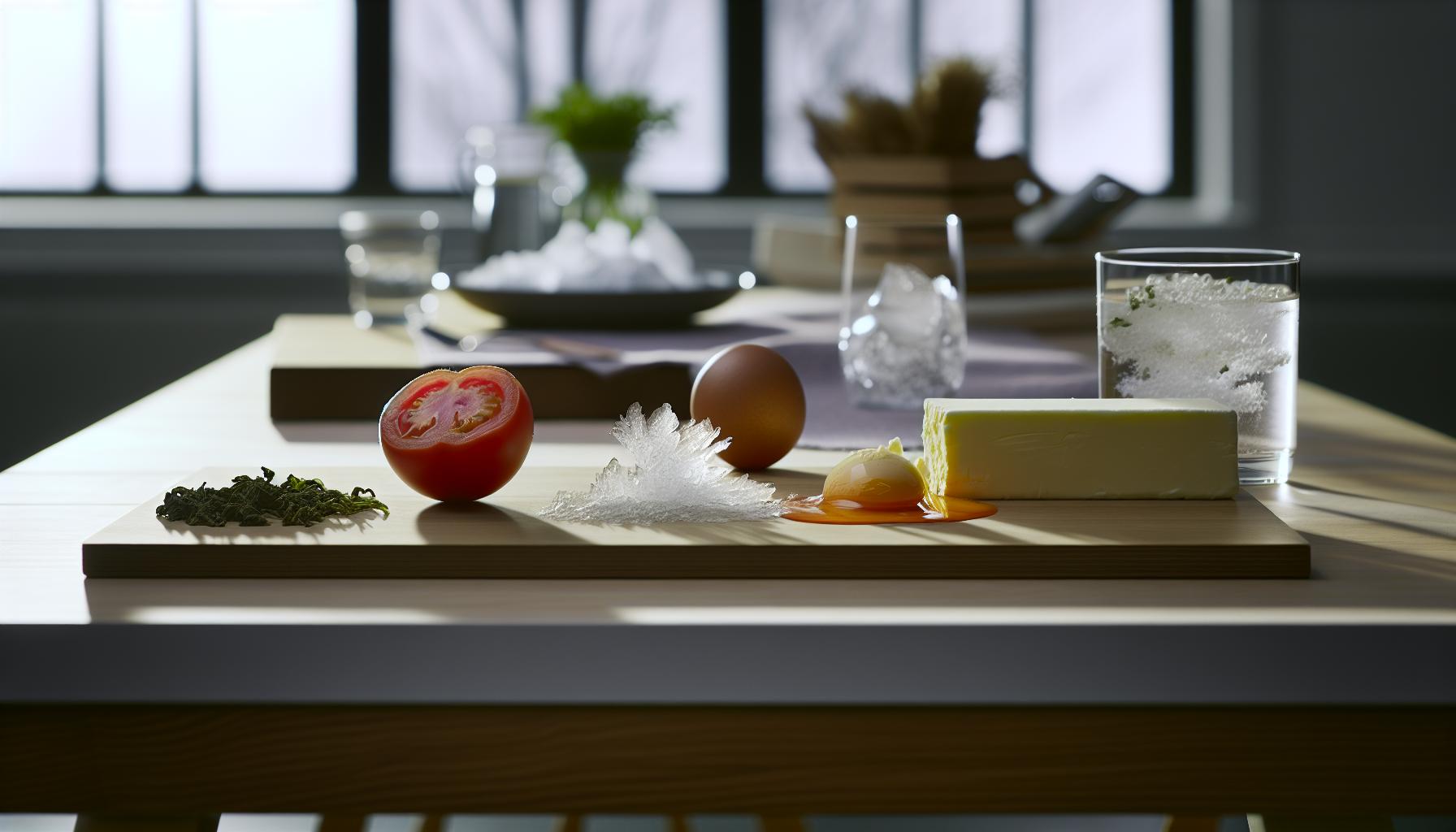
Cooking low and slow isn’t just about patience-it’s about how that gentle, consistent heat transforms each ingredient into a symphony of flavor and texture. Low temperatures, typically hovering around 190°F, offer a unique environment where collagen in meats melts tenderly, vegetables soften without turning mushy, and delicate flavors have space to mingle beautifully. But not all ingredients react the same when exposed to low heat,and understanding these quirks can turn your slow cooker from “meh” to majestic.
meats: The Collagen Magic and Texture dance
Tougher cuts like chuck roast, pork shoulder, or brisket are the slow cooker’s best friends. At the right low temp, their collagen gradually breaks down over several hours, transforming dense muscle fibers into tender, juicy bites that fall apart effortlessly. However, if the heat dips too low (think below 180°F), this breakdown process slows or even pauses, leaving you with leathery meat that’s more chew than treat-been there, done that with a stubborn beef stew! Conversely, leaner cuts, such as chicken breasts or fish, don’t require the long collagen breakdown and can become dry or stringy if cooked too long on low without moisture to protect them.
Veggies: Firm but Not Forgotten
Vegetables are a bit more forgiving but sensitive to cooking temps and duration. Root veggies like carrots, potatoes, and parsnips benefit from the slow heat, becoming silky and flavorful while holding their shape. But leafy greens or delicate vegetables like zucchini can quickly lose their texture, turning to mush if added too early. To keep a bright texture and fresh flavor, add these late in the cooking process or layer them on top where heat reaches a bit slower.
- Pro tip: Cut veggies in uniform sizes to ensure even cooking-large chunks might remain firm,while tiny pieces risk disappearing entirely!
- Use the “stir once only” rule-opening the lid too often lengthens the cooking time and cools the pot’s environment,impacting texture.
| ingredient Type | Ideal Low Temp Reaction | Texture Risk if Temp Too Low |
|---|---|---|
| Tough Meats | Collagen melts, tender & juicy | chewy, tough, undercooked |
| Lean Meats & Fish | Moist, delicate flakes | Dry, stringy, overcooked |
| Root Vegetables | Soft yet retains shape | Hard, undercooked centers |
| Leafy/Delicate Veggies | Vibrant, tender-crisp | Mushy, lost flavor |
Balancing Act: Texture, Flavor, and Timing
Low-temperature cooking is a balancing act. Slow cookers aren’t ovens; they use steady, moist heat to coax out flavors and tenderize in ways high temperatures can’t match. For paleo and gluten-free cooks,this translates beautifully to dishes like bone broth stews or root vegetable medleys where the natural flavors shine without needing gluten-laced thickeners or fast fixes.
From personal experience, whenever I’ve rushed or set a low temp that’s just a bit too cool, meats refuse to surrender their toughness, and my veggies end up oddly firm or soggy. To fix this, I switched to using a reliable kitchen thermometer-an underrated tool-which confirmed when my slow cooker was running cooler than expected. adjusting the heat setting or extending cooking time made a world of difference.
- Layer ingredients thoughtfully: Denser items like potatoes go on the bottom, while delicate ones sit on top to avoid overcooking.
- Give it time: Low temps mean longer cook times-not a flaw, but the secret behind good texture and flavor.
- Use your senses: Check color, aroma, and tenderness toward the end instead of peeking early, which cools the pot down.
Slow cooking on low is like a gentle conversation between ingredients and heat. With practice, you’ll soon sense how each element responds-giving you delicious, satisfying results every time. Whether you’re crafting a hearty paleo beef stew or a vibrant vegetable chili, mastering low temps ensures your textures are spot on and flavors deeply developed, making your kitchen a sanctuary of slow-cooked joy.
Slow Cooker Low vs. Warm: What You Need to Know
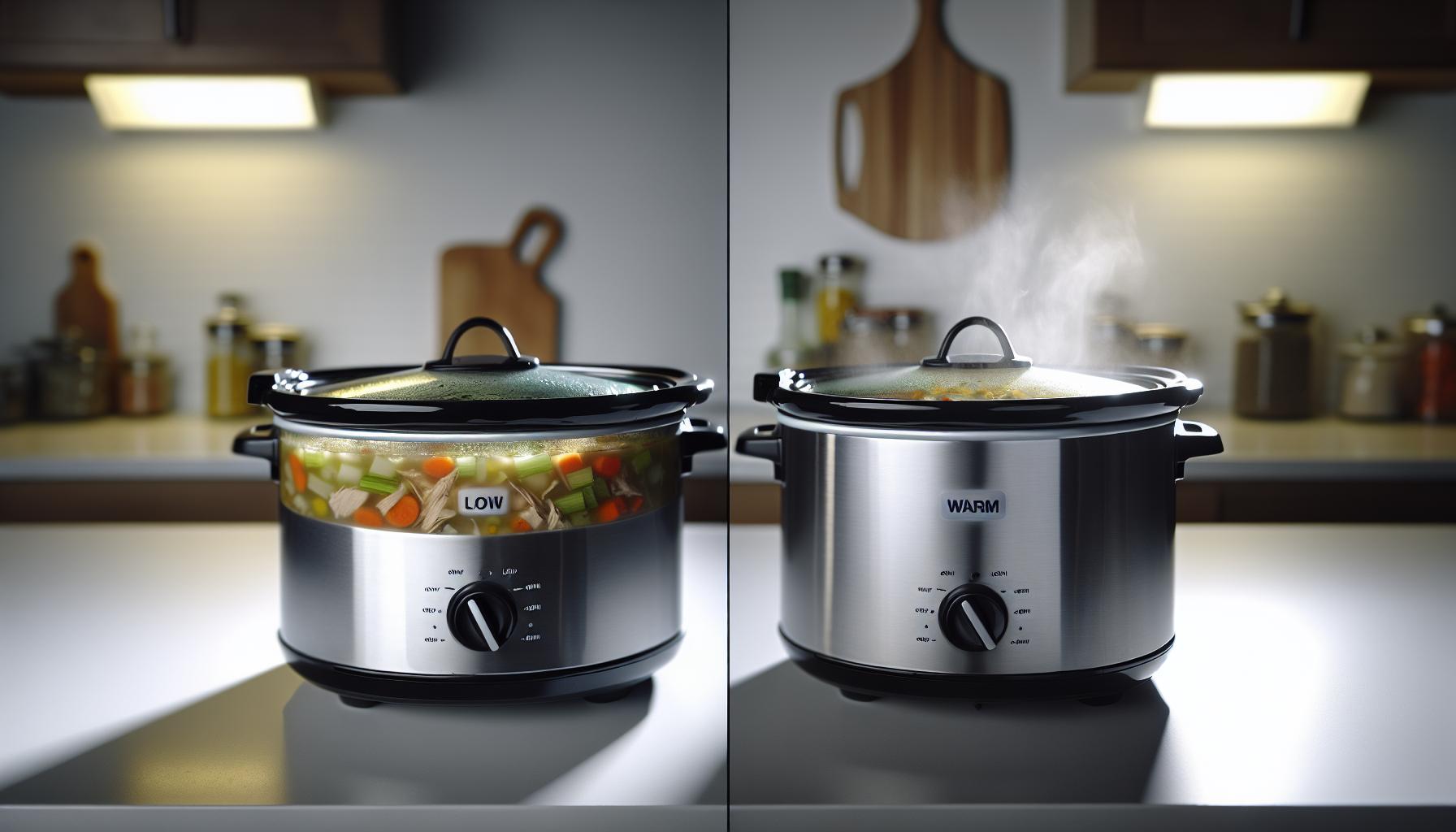
Cooking with a slow cooker usually means trusting those little settings labeled Low, High, and Warm. But it can get confusing-how is Warm really different from Low, and when should you reach for each? Think of Warm as your slow cooker’s gentle “holding pattern,” designed to keep food at a safe temperature after it’s cooked, while Low is where the actual magic of breaking down tough proteins and melding flavors happens over several hours.
warm settings typically hover around 165°F (74°C),which is hot enough to prevent bacterial growth but too low to continue cooking food effectively. It’s perfect for when guests are arriving late or you want to keep your paleo chili ready without overcooking it-like a cozy kitchen hug that says, ”Dinner’s ready whenever you are.” however, if you mistakenly use Warm to cook raw ingredients, you can end up with undercooked food that stays in a food safety limbo and may never reach that tender, flavorful payoff you crave.
Low settings, on the other hand, usually maintain an internal temperature around 190°F (88°C), the sweet spot where collagen in meats melts beautifully, and veggies soften just right without turning to mush. This slow simmering heat transforms humble ingredients into rich, melt-in-your-mouth meals, especially with tougher cuts like pork shoulder or brisket. From personal experience, I’ve learned that trusting the Low setting for 6-8 hours beats rushing on High or settling for Warm too soon, which can leave meat chewy or veggies oddly firm.
- Use Warm for: Serving or holding already cooked foods safe and hot without drying them out.
- Use Low for: Slow,hands-off cooking that tenderizes tough cuts and builds deep flavors over time.
- Don’t confuse Warm with Low: Warm can’t finish cooking your stew or soup-it’s more like a gentle pause button.
How to Tell If Your Slow Cooker Is Actually Warming
If your food just isn’t softening after hours, check the temperature with a kitchen thermometer if you can. Warm settings rarely push past 170°F, which isn’t enough for the collagen breakdown that shouts “dinner success.” another sign you’re on Warm instead of Low? You might notice your cooker doesn’t bubble or simmer but just stays lukewarm-perfect for holding mashed sweet potatoes warm, but not for making them tender.
When in doubt, think of Warm as your slow cooker’s way of saying, “I’ve done my job, now I’m just keeping the peace.” For paleo and gluten-free cooks who treasure meal prep simplicity, mastering this difference means less guesswork and more confidence that your slow cooker is working hard for you-not just hanging out. And remember, no judgment on shortcuts here-sometimes ”warm” is the perfect setting for busy nights and last-minute dinners!
| Setting | Typical Temp Range | Main Use | Effect on Food |
|---|---|---|---|
| Low | ~190°F (88°C) | Slow cooking raw ingredients | Braises, tenderizes, develops flavor |
| Warm | ~165°F (74°C) | Holding cooked food safe & warm | Keeps food hot but does not cook further |
Energy Efficiency and safety Benefits of Cooking Low and Slow
Here’s a friendly, practical, and engaging write-up for the requested section, formatted with HTML as you asked:
—
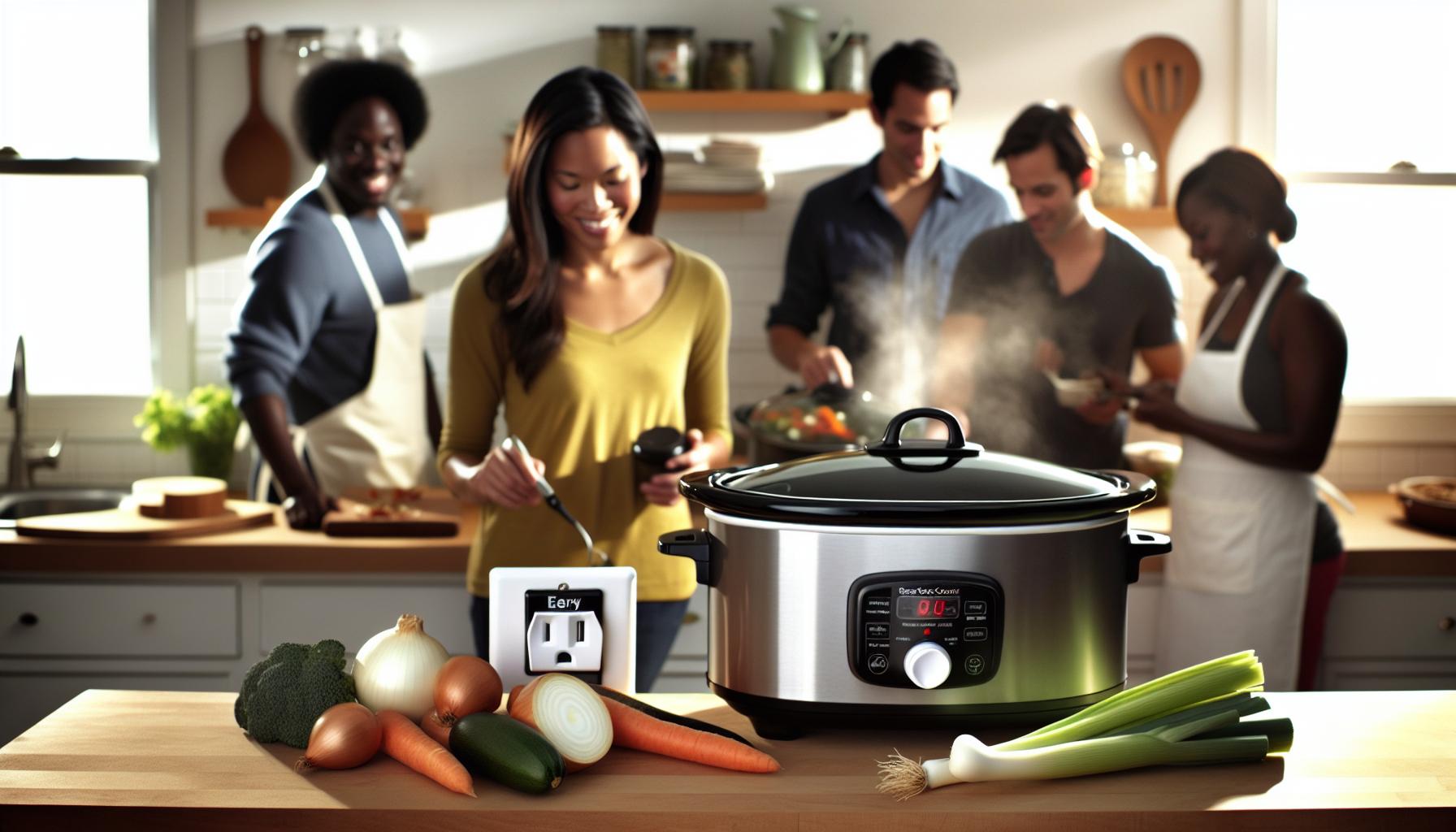
Cooking at a slow, steady temperature isn’t just about tenderness and flavor-it’s a surprisingly savvy way to save energy and keep your kitchen safe too.Slow cookers use low wattage over extended hours,which means they consume far less electricity than your oven or stovetop blasting on high. This makes them an eco-friendly ally for anyone wanting to keep meals delicious without hiking up your utility bill. Plus, since the heat is so gentle and contained, your slow cooker doesn’t heat up your kitchen like other appliances, keeping your cooking space comfy year-round.
I’ve found that the low-and-slow method also means less stress about babysitting your food. When your slow cooker ticks along at around 190°F (88°C)-a temperature sweet enough to unlock deep flavors while safely cooking your ingredients-it prevents the food safety nightmares involved with uneven or undercooked meals. Unlike setting your crockpot on “Warm” (which holds but doesn’t cook), low heat steadily eliminates harmful bacteria by maintaining a consistent environment that’s both safe and effective.
- Energy-wise: Slow cookers typically use 70-250 watts during cooking, roughly the same as a bright light bulb, which is a bargain for feeding a family.
- Safety-wise: Food stays above the danger zone temperature of 140°F (60°C),reducing risk of bacterial growth throughout the slow cook.
Why This Matters for Busy Paleo and Gluten-Free kitchens
If you’re juggling strict dietary needs like paleo or gluten-free meals-think slow-simmered bone broth or a rich, hearty stew-you’ll appreciate the “set it and forget it” vibe. The low temperature cooks tough cuts and root vegetables gently, preserving nutrients and textures that often get lost on high heat. When life’s hectic, this means reliable one-pot wonders with less fuss and more flavor, without running up the electric bill or worrying if food cooled too much before dinner.You might even notice your slow cooker is a silent star in energy savings over the week compared to cranking your oven multiple times. Less energy plus safe, savory results? That’s a win-win that keeps the joy in making-and eating-home-cooked meals.So next time you prep your paleo chili or a gluten-free curry, lean into that lazy, low heat magic letting your cooker do the heavy lifting with economy and peace of mind.
—
If you want, I can also help create tables or recipe ideas connected to this energy-safety theme!
Q&A
Q: How does the low temperature setting on a slow cooker prevent overcooking certain foods?
A: The low temperature on a slow cooker gently heats food between 170°F and 200°F, preventing rapid protein tightening and moisture loss. This slow, steady heat helps avoid overcooking delicate ingredients like vegetables and fish, preserving texture and flavor. For best results, check the article’s section on ingredient impact for tailored tips.Q: Why is it critically important to avoid lifting the lid when cooking on low heat?
A: Avoid lifting the lid on low heat as it releases steam and drops the internal temperature, extending cooking time and risking uneven cooking. Maintaining a steady low temp ensures food reaches safe levels efficiently. Refer to the troubleshooting section for more on heat retention strategies.Q: Can low temperature slow cooking help preserve nutrients better than high heat?
A: Yes, cooking on low heat in a slow cooker minimizes nutrient loss caused by high temperatures. Slow, gentle cooking retains vitamins and minerals, especially in vegetables. For nutrient-rich recipes that shine with low temps,explore the article’s recipe section.Q: How does slow cooker low temperature affect the safety of cooking poultry and meat?
A: Slow cooker low heat gradually brings poultry and meat to safe internal temperatures without hot spots. this reduces bacteria risk while tenderizing meat thoroughly. Use a food thermometer to ensure meats reach at least 165°F for poultry or 145°F for beef. See food safety in temperature section for details.Q: When should I choose low temperature over high temperature on a slow cooker?
A: Choose low temperature for recipes requiring 6-10 hours of cooking,like tougher cuts and stews,to enhance tenderness and flavor without drying out food. High is better for 3-5 hour meals.For guidance on timing and heat control, check the article’s cooking times and temperature tips.Q: How consistent is the low temperature setting across different slow cooker brands?
A: Low temperature can range from 170°F to 200°F and may vary by brand and model. Many slow cookers don’t display exact temps, so use a slow cooker thermometer to verify and adjust cooking times accordingly. Look into the tips for controlling low heat section for calibration ideas.Q: What common mistakes make low temperature cooking less effective in slow cookers?
A: Common mistakes include removing the lid too frequently enough, overfilling the pot, or using frozen ingredients which lower internal temperatures. These reduce the efficiency of the low setting and impact food safety. See the common mistakes and troubleshooting sections for practical fixes.Q: Does cooking “low and slow” save energy compared to higher settings on a slow cooker?
A: Yes, low temperature uses less electricity over longer cook times by avoiding high power surges. Slow and steady also reduces the risk of burning and food waste. For more on energy efficiency benefits, check the energy efficiency and safety section in the article.
A: Avoid lifting the lid on low heat as it releases steam and drops the internal temperature, extending cooking time and risking uneven cooking. Maintaining a steady low temp ensures food reaches safe levels efficiently. Refer to the troubleshooting section for more on heat retention strategies.
Q: Can low temperature slow cooking help preserve nutrients better than high heat?
A: Yes, cooking on low heat in a slow cooker minimizes nutrient loss caused by high temperatures. Slow, gentle cooking retains vitamins and minerals, especially in vegetables. For nutrient-rich recipes that shine with low temps,explore the article’s recipe section.Q: How does slow cooker low temperature affect the safety of cooking poultry and meat?
A: Slow cooker low heat gradually brings poultry and meat to safe internal temperatures without hot spots. this reduces bacteria risk while tenderizing meat thoroughly. Use a food thermometer to ensure meats reach at least 165°F for poultry or 145°F for beef. See food safety in temperature section for details.Q: When should I choose low temperature over high temperature on a slow cooker?
A: Choose low temperature for recipes requiring 6-10 hours of cooking,like tougher cuts and stews,to enhance tenderness and flavor without drying out food. High is better for 3-5 hour meals.For guidance on timing and heat control, check the article’s cooking times and temperature tips.Q: How consistent is the low temperature setting across different slow cooker brands?
A: Low temperature can range from 170°F to 200°F and may vary by brand and model. Many slow cookers don’t display exact temps, so use a slow cooker thermometer to verify and adjust cooking times accordingly. Look into the tips for controlling low heat section for calibration ideas.Q: What common mistakes make low temperature cooking less effective in slow cookers?
A: Common mistakes include removing the lid too frequently enough, overfilling the pot, or using frozen ingredients which lower internal temperatures. These reduce the efficiency of the low setting and impact food safety. See the common mistakes and troubleshooting sections for practical fixes.Q: Does cooking “low and slow” save energy compared to higher settings on a slow cooker?
A: Yes, low temperature uses less electricity over longer cook times by avoiding high power surges. Slow and steady also reduces the risk of burning and food waste. For more on energy efficiency benefits, check the energy efficiency and safety section in the article.
A: Slow cooker low heat gradually brings poultry and meat to safe internal temperatures without hot spots. this reduces bacteria risk while tenderizing meat thoroughly. Use a food thermometer to ensure meats reach at least 165°F for poultry or 145°F for beef. See food safety in temperature section for details.
Q: When should I choose low temperature over high temperature on a slow cooker?
A: Choose low temperature for recipes requiring 6-10 hours of cooking,like tougher cuts and stews,to enhance tenderness and flavor without drying out food. High is better for 3-5 hour meals.For guidance on timing and heat control, check the article’s cooking times and temperature tips.Q: How consistent is the low temperature setting across different slow cooker brands?
A: Low temperature can range from 170°F to 200°F and may vary by brand and model. Many slow cookers don’t display exact temps, so use a slow cooker thermometer to verify and adjust cooking times accordingly. Look into the tips for controlling low heat section for calibration ideas.Q: What common mistakes make low temperature cooking less effective in slow cookers?
A: Common mistakes include removing the lid too frequently enough, overfilling the pot, or using frozen ingredients which lower internal temperatures. These reduce the efficiency of the low setting and impact food safety. See the common mistakes and troubleshooting sections for practical fixes.Q: Does cooking “low and slow” save energy compared to higher settings on a slow cooker?
A: Yes, low temperature uses less electricity over longer cook times by avoiding high power surges. Slow and steady also reduces the risk of burning and food waste. For more on energy efficiency benefits, check the energy efficiency and safety section in the article.
A: Low temperature can range from 170°F to 200°F and may vary by brand and model. Many slow cookers don’t display exact temps, so use a slow cooker thermometer to verify and adjust cooking times accordingly. Look into the tips for controlling low heat section for calibration ideas.
Q: What common mistakes make low temperature cooking less effective in slow cookers?
A: Common mistakes include removing the lid too frequently enough, overfilling the pot, or using frozen ingredients which lower internal temperatures. These reduce the efficiency of the low setting and impact food safety. See the common mistakes and troubleshooting sections for practical fixes.Q: Does cooking “low and slow” save energy compared to higher settings on a slow cooker?
A: Yes, low temperature uses less electricity over longer cook times by avoiding high power surges. Slow and steady also reduces the risk of burning and food waste. For more on energy efficiency benefits, check the energy efficiency and safety section in the article.
A: Yes, low temperature uses less electricity over longer cook times by avoiding high power surges. Slow and steady also reduces the risk of burning and food waste. For more on energy efficiency benefits, check the energy efficiency and safety section in the article.
For more practical slow cooker tips and recipe inspiration, explore related sections on temperature control and ingredient-specific advice. Happy slow cooking!
The Way forward
Now that you know why the low temperature setting on your slow cooker matters, you’re one step closer to perfect meals that balance convenience with delicious flavor. Whether you’re simmering a paleo-friendly stew or a gluten-free chili, mastering that gentle heat ensures your food cooks safely and tastes amazing every time. Don’t hesitate to experiment with ingredient swaps or cooking times to fit your busy lifestyle-slow cooking should be fun, flexible, and totally stress-free.
Ready to dive deeper? Check out our guide on the best slow cooker recipes for meal prepping or explore tips for adapting slow cooker meals to fit any dietary need. And while you’re here, why not sign up for our newsletter? You’ll get fresh recipes and kitchen hacks right to your inbox, helping you make the most of every cooking adventure. Have questions or want to share your slow cooker wins? Drop a comment below-we love hearing from fellow home cooks who make healthy, hearty meals with a sprinkle of joy. Keep slow cooking deliciously simple, and happy eating!


