Did you know that your slow cooker’s “high” setting actually hovers around a precise temperature range, usually between 200°F and 215°F? Understanding this can make a huge difference, especially when you’re aiming for perfectly tender brisket or a foolproof paleo stew that’s both safe and delicious. Whether you’re juggling gluten-free meals or just love the set-it-and-forget-it magic, knowing what “high” really means helps you plan cook times, avoid overcooking, and keep flavors spot-on. It’s like having a little kitchen science on your side-without turning your slow cooker into a chemistry lab. Stick around, and I’ll share how thes temps affect everything from texture to food safety, plus tips to make your next slow-cooked dish the highlight of your weeknight dinner routine. Because at the end of the day, slow cooking should be simple, tasty, and totally doable-even on a busy schedule!
Table of Contents
- Understanding Slow Cooker Temperature Settings in Fahrenheit
- What Exactly Is “High” on a Slow Cooker?
- How Slow Cooker High Heat Compares to Other Settings
- Common Foods Cooked on High and Perfect Timing tips
- How High Heat Affects Food Texture and Safety
- Troubleshooting When Your Slow Cooker Isn’t Heating High Enough
- Expert Tips to Maximize Flavor on High Heat
- Energy Use and Cooking Time: When to Choose High Setting
- Slow Cooker High Heat vs Oven and Stove Temperatures
- Healthy Slow Cooking: Adjusting Recipes for High Heat
- Frequently asked questions
- Q: How long does it take for a slow cooker to reach the high temperature setting?
- Q: Why is the high temperature on a slow cooker lower than oven temperatures?
- Q: Can slow cooker high temperature vary between different brands or models?
- Q: Does the slow cooker reach a consistent temperature on high or does it fluctuate?
- Q: How can I tell if my slow cooker is truly on the high temperature setting?
- Q: Is it safe to cook meat on the high setting due to temperature concerns?
- Q: How does the high temperature on a slow cooker affect cooking times for different meals?
- Q: Can I adjust recipes designed for ovens when using the slow cooker’s high temperature?
- Future Outlook
Understanding Slow Cooker Temperature Settings in Fahrenheit
Imagine your slow cooker as a gentle kitchen companion that carries out your cooking while you handle the rest of your day. But what really happens when you crank it up to “High”? On most models, the “High” setting hovers around a toasty 300°F (about 149°C). This temperature is where the magic transitions from simmer to a confident bubble, getting your stew, chili, or brisket moving faster toward tender and tasty without rushing it like a stovetop boil would.[2]
Knowing these numbers helps you choose the right heat for your recipe and schedule. For example,if you’re short on time but still want that slow-cooked depth,hitting “High” can cut cooking time roughly in half compared to “Low,” which generally sits around 190-200°F (88-93°C). By contrast, the “Warm” setting doesn’t cook per se; it hovers around 165°F (74°C)-just enough to keep things ready to eat without drying them out or overcooking.[3]
Why These Temperatures Matter
Slow cookers operate on the principle of steady, even heating. Under “High,” the 300°F range allows tougher cuts of meat to break down collagen and fat more quickly,resulting in that melt-in-your-mouth quality we adore. But it’s not just about speed: consistent temperature means less guesswork and more delicious, safe food every time. Plus, those temps align nicely with safety guidelines to keep your food out of the “danger zone” where bacteria thrive.
- Slow Cooker Settings and Approximate Temperatures
- Warm: 145-165°F (63-74°C) – Holding temperature, not for cooking
- Low: 190-200°F (88-93°C) – Slow simmer, great for all-day meals
- High: ~300°F (149°C) – Faster cooking, perfect for 3-6 hour meals
This clarity helped me tweak my paleo-kind beef stew recipe: starting on High for the first hour seals in juices and flavors quickly, then turning to Low finishes the job for perfect tenderness and an unctuous broth. For those balancing gluten-free diets or limited prep time, understanding these Fahrenheit ranges means your slow cooker becomes a reliable sous-chef, freeing up time without sacrificing flavor or texture.
What Exactly Is “High” on a Slow Cooker?
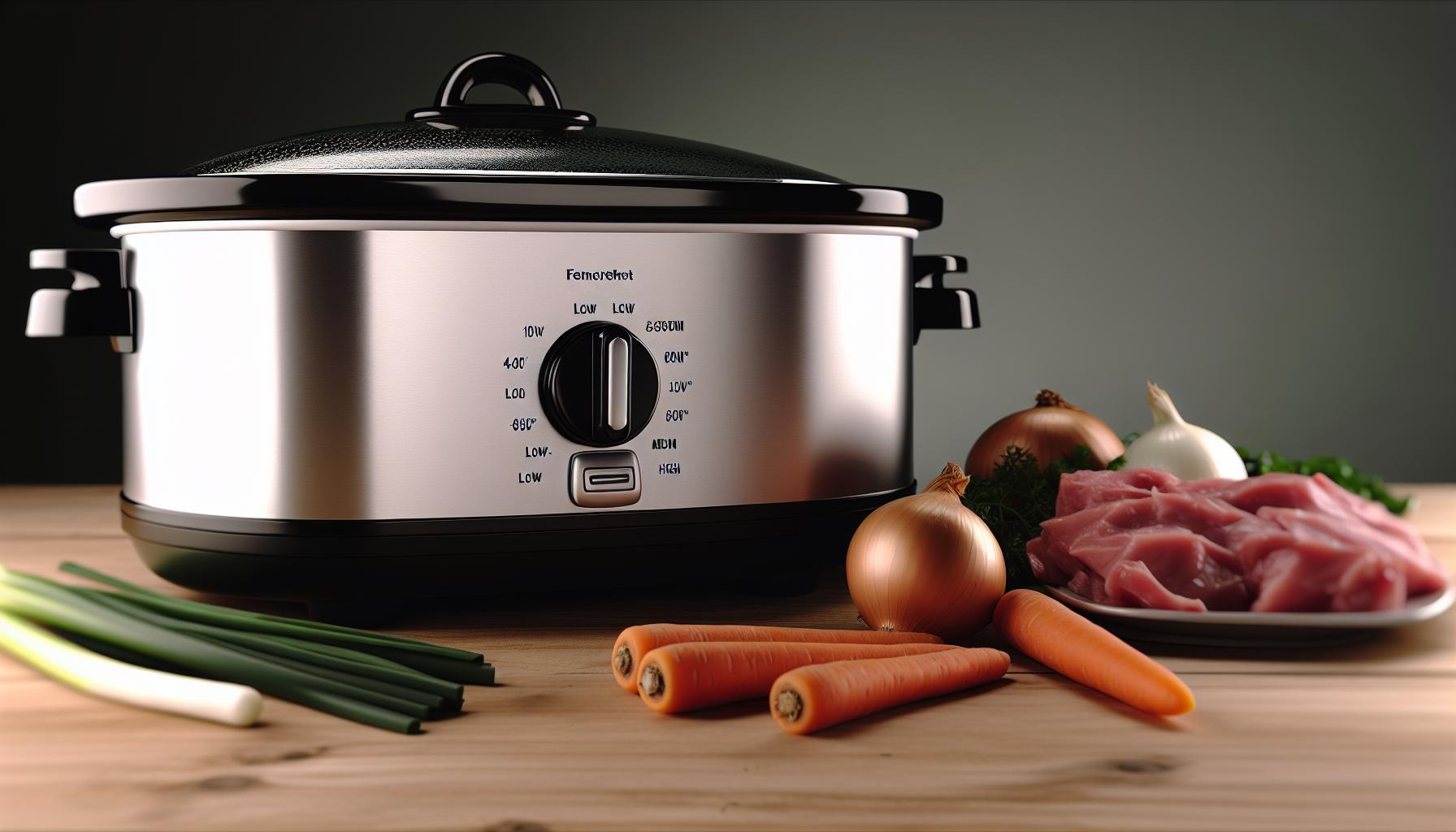
When you switch your slow cooker to “High,” you’re dialing up the heat to around 300°F (149°C), turning the dial from a gentle simmer into a confident, rolling bubble that gets ingredients moving faster toward that melt-in-your-mouth finish we all crave. Think of it as the accelerator pedal for slow cooking: it speeds up collagen breakdown in tougher cuts of meat and helps flavors meld in hours instead of all day-perfect for busy days when time is tight but you still want homemade goodness without shortcuts.[2]
This “High” setting is far from a frantic boil, though-it’s steady, consistent heat that keeps your meal safely above the bacterial danger zone, which hovers around 140°F. So whether you’re simmering a hearty paleo-friendly beef stew or a gluten-free chili, setting your cooker to High means your food will reach safe temperatures within a few hours while still building deep, slow-cooked flavor. Plus, unlike stove-top boiling that can toughen proteins or dry out veggies, that slow cooker heat wraps everything in a warm blanket of gentle bubbling.
Practical Tips to Use High Heat Wisely
- Cut your cooking time roughly in half. If a recipe says 8 hours on Low, expect about 4 hours on High.
- Start tougher meats on High for an hour to seal in juices, then switch to Low to finish tenderizing slowly, perfect for flavor and texture balance.
- Be mindful of liquid levels. Since High speeds up evaporation, make sure your pot’s well-filled or covered tightly.
My go-to trick when pressed for time? toss in a paleo-friendly stew with grass-fed beef, root veggies, and a splash of broth, set it on High in the morning, and come home to a rich, tender meal ready to eat. The steady 300°F heat transforms simple ingredients into a symphony of softness and savory richness without the stress-because slow cooking should always feel like magic, not a race.[1]
How Slow Cooker High Heat Compares to Other Settings
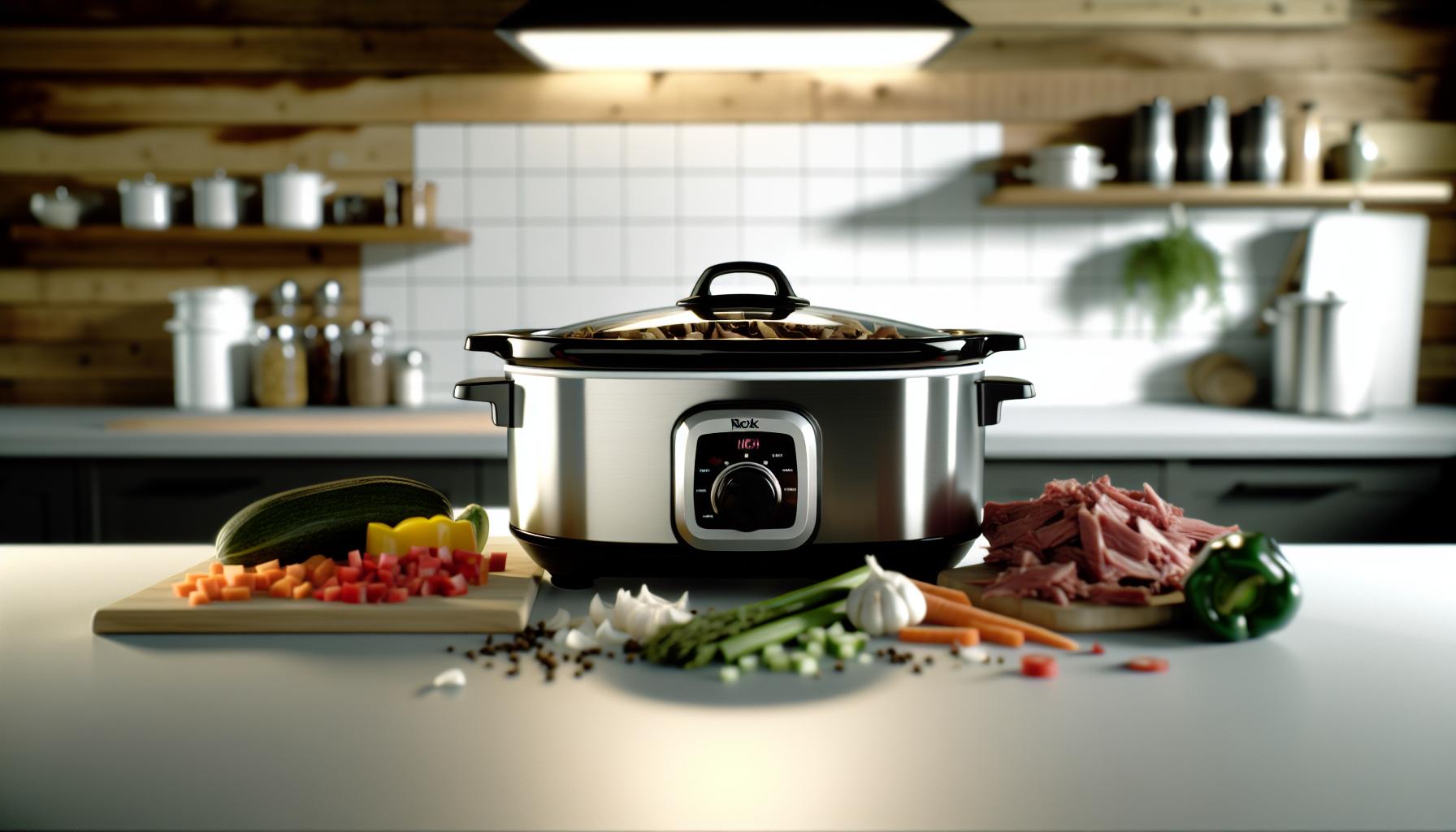
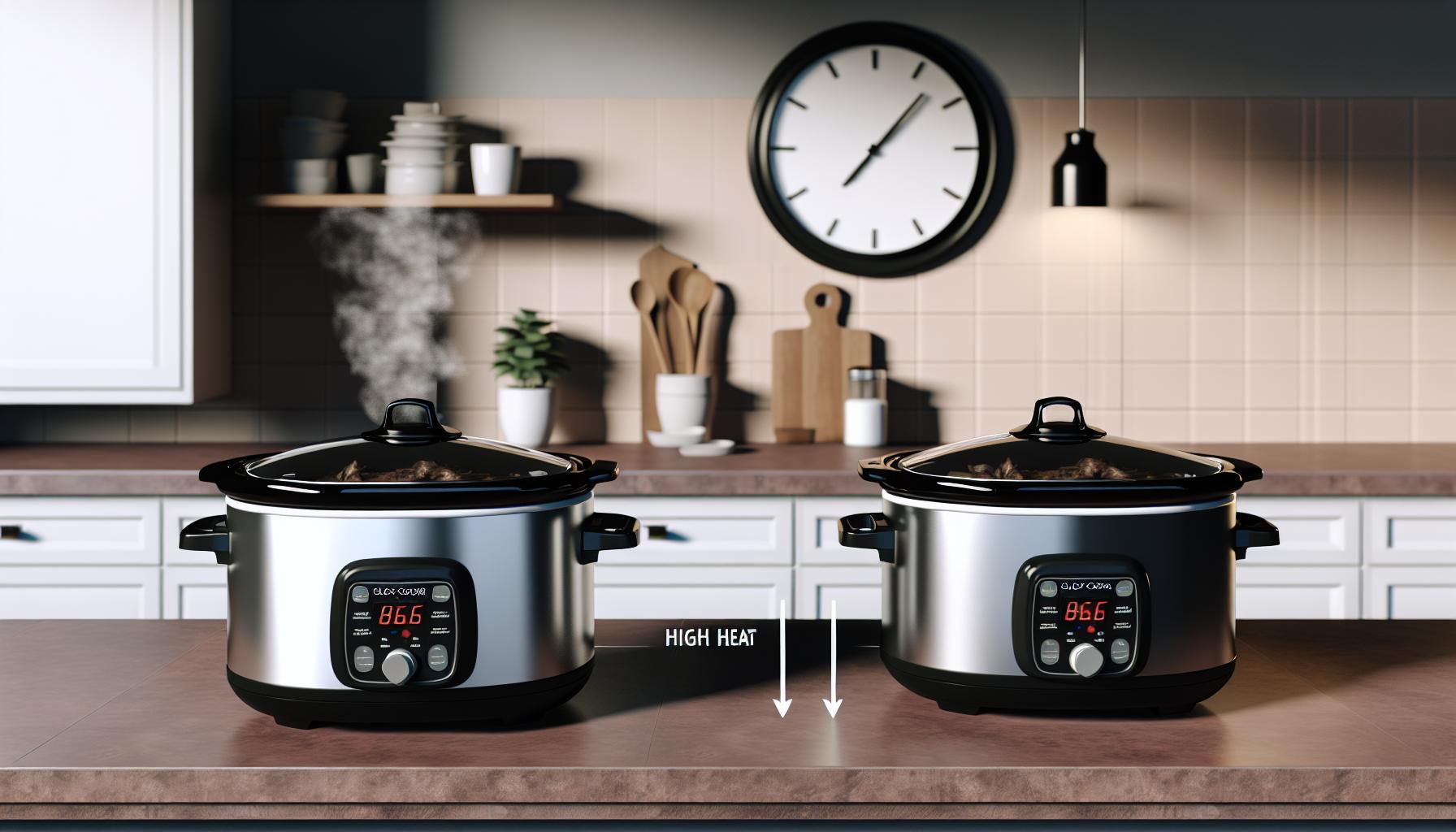
Imagine your slow cooker as a kitchen superhero with distinct powers: the “Low” setting,steady and patient,slowly coaxing flavors over hours,and the “High” setting,your go-to speedster when time isn’t on your side. While “Low” hugs somewhere around 190-200°F, gently simmering your stew or chili, “High” cranks the heat up to approximately 300°F, cutting cooking times in half without rushing your meal to sacrifice flavor or texture. This temperature difference is more than just numbers-it shapes the way ingredients meld and tenderize, offering you two equally delicious but differently paced culinary adventures.[1][2]
Using “High” is like switching from a leisurely Sunday stroll (Low) to a brisk power walk (High).It’s perfect for busy weekdays or when you forgot to set the cooker before leaving. Tougher cuts of meat, like paleo-friendly brisket or a gluten-free pork shoulder, respond beautifully to this heat as collagen melts quicker, softening the meat in just 3-4 hours rather than 6-8. But be careful: high heat can cause delicate veggies to lose their structure or make certain dishes dry if the liquid evaporates too fast. That’s why keeping the lid tightly sealed and monitoring liquids becomes a gentle dance of balance.[3]
Why knowing the Difference Matters
- Timing & Texture: On Low, your beans and root veggies slow-cook to creamy, melt-in-your-mouth perfection. On High, their cooking accelerates, so you might want to add them later in the process to avoid mushiness.
- Flavor development: low heat encourages deep flavor layering over time; High heat gets you there faster but with slightly less nuance (which can be fixed by adding fresh herbs at the end).
- Safety: Both settings easily keep food above the 140°F danger zone, but “High” ensures a more rapid safe temperature rise-especially notable when cooking poultry or other meats that require cautious handling.
In practical terms, think of “High” as a turbocharged setting that respects your busy lifestyle while still promising that beloved slow-cooked goodness. Whether you’re crafting a paleo-friendly beef stew on a hectic weekday or whipping up a gluten-free chicken tikka for the family,knowing how your slow cooker’s temperature zones compare unlocks both culinary control and convenience.
Common Foods Cooked on High and Perfect Timing tips
When you set your slow cooker to high-hovering around that turbocharged 300°F mark-you’re giving your meal a kitchen fast pass. This setting is a lifesaver when you’re short on time but still want that tender, slow-cooked magic. From thick stews to paleo-friendly briskets, many hearty dishes shine here. High heat speeds up collagen breakdown in tougher cuts like pork shoulder or beef chuck, making meat fall-off-the-bone tender in just 3 to 4 hours instead of all-day marathons. It’s perfect for days when you get home hungry and need dinner pronto without resorting to takeout.
But as this heat level cooks faster, timing is everything. Delicate veggies like zucchini, spinach, or summer squash, which you might love in a gluten-free ratatouille, can turn to mush if tossed in at the start. A nifty trick? Add these softer ingredients in the last 30 minutes to preserve their texture and color. Root veggies like carrots and potatoes, however, can handle the heat from the get-go, soaking up flavors and melding beautifully with meats. Think of high setting meals as a relay race: start with the sturdy players, then pass the baton to the gentle finishers.
practical Tips for Timing Success
- Meat First: Place tougher proteins and root veggies in the slow cooker when you start. This anchors flavor and texture development.
- Midway Moves: Schedule cauliflower, green beans, or bell peppers to join about halfway through for just enough cook time without sogginess.
- Final flourish: Toss in fresh herbs, speedy-cooking greens, or nuts near the end. These add pops of freshness,perfect when the base flavors have set.
From my own kitchen stories, whipping up a paleo-friendly beef stew on high is a breeze: 4 hours in, the meat is luscious, and the kitchen smells like comfort. Just remember to keep that lid tight! High heat can evaporate liquids faster, so check midway if your recipe is saucy, adding broth or coconut milk as needed.It’s all about balance-quick, delicious, and still cozy on the palate. Whether gluten-free or paleo, your slow cooker can be your best weekday sous-chef, helping you enjoy home-cooked meals even on your busiest days.
How High Heat Affects Food Texture and Safety
Cooking on the high setting, typically hovering between 280°F and 300°F, creates a unique balance between speed and flavor that many home cooks treasure. At this temperature,the slow cooker gets hot enough to break down tough connective tissue and collagen relatively quickly,leaving you with tender,melt-in-your-mouth meat in a fraction of the time compared to low settings. Though, this quicker heat also means food texture can change faster and safety considerations become more critical, especially with delicate ingredients or certain proteins.
One of the first things you’ll notice when using high heat is how it transforms the structure of your ingredients. Tough cuts like beef chuck or pork shoulder thrive here-they soften beautifully, and their flavors deepen as the collagen turns into gelatin. But if you toss in delicate vegetables like zucchini or spinach right at the start,you’ll likely end up with a mushy,colorless pile rather of the vibrant,slightly crisp bite you were aiming for. The trick, as many gluten-free and paleo cooks know, is to stagger your ingredient timing: start with root veggies and meats, and save softer greens or quick-cooking items for the last 30 minutes. This way, you keep the textures lively without compromising on the all-important tenderness high heat offers.
Safety-wise, reaching temperatures near 300°F ensures that your food quickly moves through the “danger zone” (40°F to 140°F), the prime breeding ground for harmful bacteria. This is a win for both food safety and peace of mind when you’re short on time. Still, keep the lid firmly sealed during cooking-lifting it constantly lets heat escape and slows the cooking process, possibly prolonging the time your meal spends in the risk zone. Also, because high heat accelerates evaporation, check your liquid levels halfway through to prevent drying out and scorching, especially with lean proteins or paleo-friendly broth-based dishes.
Tips to Keep texture and Safety in Check
- layer Wisely: Place sturdy proteins and root veggies at the bottom so they cook evenly and absorb flavors.
- Hold Back Fragile Veggies: Add softer vegetables or fresh herbs late to keep their texture intact.
- Monitor Fluids: High heat can evaporate cooking liquid more quickly – top off with broth, coconut milk, or water as needed.
- Keep the Lid Tight: Resist the temptation to lift the lid to maintain temperature and ensure food safety.
From my own kitchen escapades whipping up gluten-free chili or paleo-friendly braised short ribs, I’ve seen how dialing in the timing on the high setting turns out meals that are speedy yet deeply comforting. The meat falls apart perfectly, veggies retain a fresh pop, and the risk of undercooked food stays very low. plus,there’s a bit of magic watching your household’s favorite smells fill the air faster than ever. Whether you’re aiming for health-conscious, slow-simmered goodness or just need dinner in a hurry, understanding how high heat lovingly reshapes textures and safeguards your meals makes your slow cooker feel like a trusty culinary sidekick.
Troubleshooting When Your Slow Cooker Isn’t Heating High Enough
It’s frustrating when you set your slow cooker to high, imagining that perfect, tender meal within a few hours, only to find it’s not quite heating up as was to be expected. Slow cookers on “high” should generally hit temperatures around 280°F to 300°F, swiftly breaking down tough cuts like pork shoulder or beef chuck. When your cooker falls short of that heat, food takes longer to cook, textures can be off, and-let’s be honest-it’s just disappointing after planning ahead. But before you toss out your trusty slow cooker or blame your recipe, there are simple fixes and checks you can do to troubleshoot this common issue.
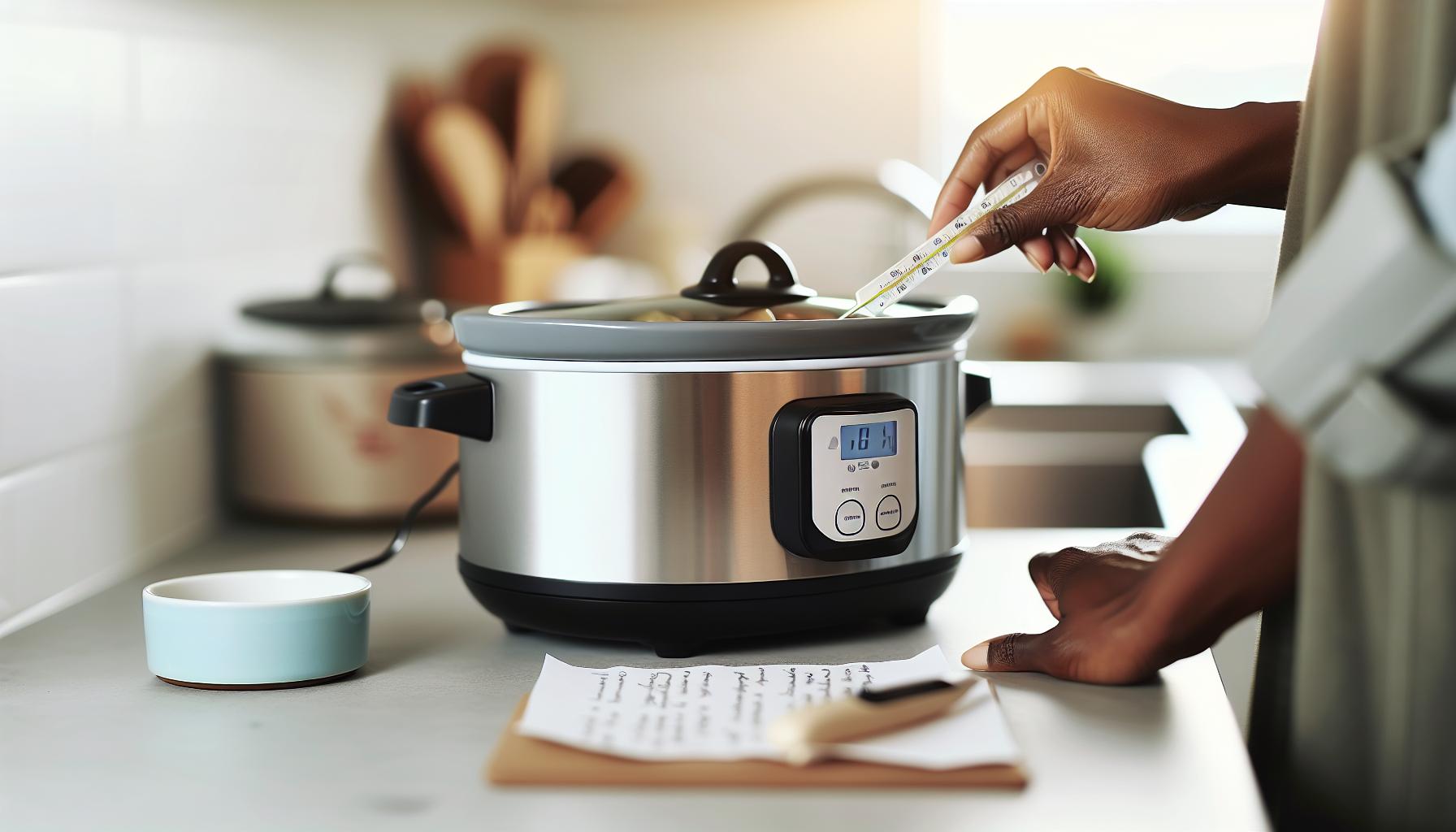
The first thing to remember: slow cookers, unlike ovens, can have temperature variations based on their age, model, and even placement on your countertop. A unit that’s older or has been heavily used may struggle to reach or maintain those high temps. Try running your cooker empty on high for about an hour and use an instant-read thermometer to check the actual temperature inside-the internal heat should steady near 300°F[[[1]](https://www.facebook.com/groups/ninjafoodipossiblecookercommunity/posts/763039032340000/). If it’s not even close,the heating element or thermostat might need repair or replacement. If the cooker doesn’t heat up empty properly, cooking food inside will only be slower, and sometimes unsafe as food linger longer in the “danger zone” (40°F to 140°F) where bacteria love to party.
Simple Steps to Give Your Slow Cooker a boost
- Check Your Lid and Seals: A loose or warped lid can let heat escape, making it unachievable to reach high temps. Try wrapping a kitchen towel around the lid to help seal steam in tightly (just keep an eye on fluid levels!).
- Don’t Crowd the Pot: Overloading with cold ingredients drastically slows heating. Cut veggies and meats into uniform, smaller pieces to speed up cooking and heat penetration.
- Evaluate Your Power Source: Plug your cooker directly into a wall outlet (avoid power strips), as inconsistent power flow can reduce heating efficiency.
- Placement Matters: Avoid putting the slow cooker on cold or wet surfaces, which can rob some heat. A dry wooden cutting board or a thick towel underneath can insulate it better.
Cooking low and slow is comforting, but if you’re repeatedly battling underwhelming heat on high, a little troubleshooting can save dinner disasters. From personal experience, swapping out an old seal and trimming veggies small turned my slow cooker from a lukewarm dud into a genuine kitchen MVP. Plus, sharing paleo-friendly pot roasts or gluten-free stews with friends tastes better when everything cooks properly, right? If after these steps your slow cooker still stubbornly refuses to hit high temp territory, it may be time to consider a new model with consistent performance. After all, we’re here to enjoy food that melts in your mouth-not wait forever for it!
| Check | Why It Matters | Quick Fix |
|---|---|---|
| Lid Fit | Heat and moisture escape if lid isn’t snug | Wrap kitchen towel or replace lid gasket |
| Food Size | larger chunks take longer to heat through | Chop ingredients uniformly and smaller |
| Power Source | Inconsistent power lowers heating | plug directly into wall outlet |
| Crock Position | Cold surface draws heat away | Use insulated trivet or towel underneath |
| Heater Function | Wear and tear reduce max temp | If empty test fails, consider repair/replacement |
Expert Tips to Maximize Flavor on High Heat
When your slow cooker is cranking near that sweet spot of 280°F to 300°F on high, the magic really begins-it’s all about coaxing out deep, rich flavors without sacrificing moisture or texture. High heat speeds up the breakdown of connective tissues in meats, giving you those melt-in-your-mouth results faster than “low and slow” can, but it demands just a bit of kitchen finesse to keep everything tasting vibrant and balanced, especially for paleo or gluten-free recipes where ingredient integrity shines bright.
One golden rule? Layer flavors thoughtfully before the slow cooker even gets going. Searing your protein or aromatics like onions, garlic, and spices right in the pan adds a caramelized depth that slow cooker heat alone can’t build. I like to brown grass-fed beef chuck or wild-caught chicken thighs for about 5-7 minutes per side, then toss them into the cooker with sautéed veggies and bone broth. This extra step brings out umami and color, transforming a humble stew into something you’ll want to meal prep on repeat. Plus, it helps lock in juices so your dish stays moist, not dry, under all that high heat.
Simple Tricks to Boost Flavor Without Overcooking
- Add delicate ingredients late: High heat can turn tender veggies or fresh herbs into mush or bitterness quickly. Toss things like zucchini, spinach, or fresh herbs during the last 30 minutes of cooking for a fresh pop-this is especially handy in paleo-friendly dishes where color and crunch matter.
- Mind your liquid levels: Since high heat can evaporate moisture faster, keep an eye on the amount of broth, wine, or coconut milk. if you notice the liquid dropping too low during cooking, add a splash of water or stock. I usually reserve some extra broth to stir in last-minute if things get thirsty!
- Use acid to brighten flavors: Slow cooking can sometimes mute brightness. A squeeze of lemon juice or splash of apple cider vinegar stirred in just before serving reawakens flavors beautifully and balances richness without added calories or fuss
For a quick paleo dinner idea that nails this, try my spicy chipotle beef chili: after searing the beef and slow cooking on high for 3 hours, I add diced fresh tomatoes, a handful of fresh cilantro, and a squeeze of lime in the last 20 minutes. The result? Big, bold flavor without any bitterness or dullness-plus it’s naturally gluten-free and so comforting after a busy day. High heat can feel intimidating if you think slow cookers mean slow only,but with a few clever tweaks,you’ll have vibrant,crave-worthy meals on the table in no time. It’s like having a sous chef who’s always on point,even on your craziest nights!
Energy Use and Cooking Time: When to Choose High Setting
When time is tight but you don’t want to sacrifice flavor or tenderness, switching your slow cooker to the high setting is the ultimate lifesaver. High heat typically ranges from about 280°F to 300°F, heating your meal faster and cutting cooking time roughly in half compared to the low setting, which hovers closer to 190°F to 210°F.This can be a game-changer on busy weeknights or when you’ve forgotten to start dinner hours in advance but still want that “low and slow” tender magic without the wait [1].
Choosing high heat makes sense when you’re cooking smaller cuts of meat or dishes with less dense ingredients that don’t require as long to become flavorful and tender-think chicken breasts, shrimp, or stews meant to finish in 3-4 hours. The faster cooking time also means your slow cooker uses energy for a shorter stretch, which can be surprisingly efficient, especially on days you’re short on electricity or aiming to be energy-conscious. It’s a nice balance between convenience and cost, since the high setting is actually drawing more power per minute but runs for much less time overall.
When Faster Doesn’t Mean poorer Quality
Most home cooks worry that tossing a meal on high might dry it out or overcook their efforts, but with just a few simple tweaks, high heat can actually lock in moisture and flavor beautifully. Here are some of my go-to tips for making the most of energy use and cooking time on high:
- Seal in juices upfront: Searing meats or sauteing aromatics before slow-cooking helps create a flavorful crust that keeps everything moist even under higher temps.
- Keep an eye on liquids: High heat pulls moisture faster, so ensure your pot isn’t running dry by adding extra broth or a splash of water during cooking if needed.
- Add fragile ingredients late: Toss in items like fresh herbs, delicate veggies, or quick-cooking proteins toward the end so they maintain texture and brightness.
For example, I remember a weeknight when I threw together a chicken curry last minute-seared the thighs, toss into the slow cooker on high with coconut milk and spices, then added chopped spinach and cilantro at the very end.It was on the table in just over three hours and still burst with vibrant flavor and tender but not mushy vegetables. Perfect for paleo and gluten-free dinners when time’s short but standards stay high.
Energy-Saving Hacks that Really Work
A quick tip from my kitchen: using the slow cooker on high occasionally can actually prevent you from firing up your oven or stove, which often consume more electricity or gas over the same amount of cooking time. Plus, slow cookers distribute heat evenly and use insulated lids that keep the temperature steady, making them very energy efficient compared to other appliances.
| Cooking Appliance | Average Cooking Time | Estimated Energy Use |
|---|---|---|
| slow Cooker (High) | 3-4 hours | Low to moderate |
| Slow Cooker (Low) | 6-8 hours | Moderate |
| Oven (350°F) | 1-2 hours | High |
| Stovetop | 30 mins to 2 hours | High |
In short, if your schedule is packed but dinner can’t be compromised, high heat is your friend. Just remember: lean cuts, faster-cooking recipes, and a watchful eye on liquids keep your meal delicious and your slow cooker humming at peak energy efficiency. And hey, nothing beats coming home to a hot, ready meal that didn’t take all day or run up your electricity bill!
Slow Cooker High Heat vs Oven and Stove Temperatures
It’s a kitchen truth: slow cookers running on high heat don’t just cook faster-they do so at surprisingly moderate temperatures compared to your oven or stovetop. While the “high” setting on a slow cooker normally ranges between about 280°F and 300°F, ovens often bake at 350°F or higher, and stoves can hit well above that with direct flame or electric heat. This means your slow cooker gently cranks up the heat,letting flavors meld and meats tenderize without the risk of hot spots or burning that can come with more aggressive cooking methods.This moderate heat is a key reason slow cookers excel at “set it and forget it” meals. They steadily maintain temperatures just high enough to cook through but low enough to allow collagen in tougher cuts of meat to break down slowly, yielding that melt-in-your-mouth texture. A roast in the oven at 350°F might be done in a couple of hours but with a higher chance of drying out or overcooking. Meanwhile, your slow cooker, at 280-300°F high heat, finishes the job more gently over 3-4 hours, giving you the benefit of both tenderness and convenience with a hands-off approach.
Comparing Time and Energy: Slow Cooker Vs Oven and Stove
If you’ve ever debated whether to roast a chicken in the oven or toss it in the slow cooker on high, here’s a quick peek at how those two stack up:
| Appliance | average Cooking Time | Usual Temperature | Energy Use |
|---|---|---|---|
| Slow Cooker (High) | 3-4 hours | 280-300°F | Low to moderate |
| Oven | 1-2 hours | 350°F or higher | High |
| Stovetop (simmering) | 30 mins to 2 hours | 212°F (boiling point) | High |
Because slow cookers keep heat insulated and steady, they really shine when it comes to energy efficiency. Your oven or stovetop might finish the job faster in raw minutes,but they use gas or electric power at a higher rate,which can add up quickly if you’re cooking frequently. For busy households aiming for paleo or gluten-free meals without fuss,relying on high heat in a slow cooker often means less babysitting and lower energy bills,all while ensuring those tender results you crave.
When Slow Cooker Heat Meets Oven or Stove Techniques
One pet peeve of home cooks is that slow cookers “don’t brown” your food the way an oven or skillet does. It’s true-they tend to poach rather than sear,which can dull some flavors. That’s why a small extra step before slow cooking makes a world of difference: searing meats or sautéing aromatics on the stove first develops a savory crust and rich foundation. Then, when you switch to your slow cooker’s high setting, the heat continues to build layers of tender complexity rather than just steam.
Plus, unlike an oven or stove where you might need to stir or check for hot spots, a slow cooker’s enclosed environment holds moisture beautifully. It’s especially handy for paleo or gluten-free stews, where retaining juicy texture and bright, natural flavors is a win-win. So think of your slow cooker on high like a “gentle giant” that’s speeding up the low-and-slow magic without the extra heat blast-and with much less cleanup!
No fancy tricks here-just a trusty friend for busy nights or whenever you want delicious, hands-off dinners with the cozy comfort of a well-timed oven roast and the simmering soul of a stovetop stew, but wrapped up in energy-smart, convenient slow cooker warmth. If you love food that feels homemade without the all-day commitment, embracing the slow cooker’s high heat as part of your culinary toolkit can be a game changer.
Sources back this up with measured temps showing slow cooker highs topping out aroun 280-300°F, perfectly designed to cook thoroughly yet gently [1] [2] [3].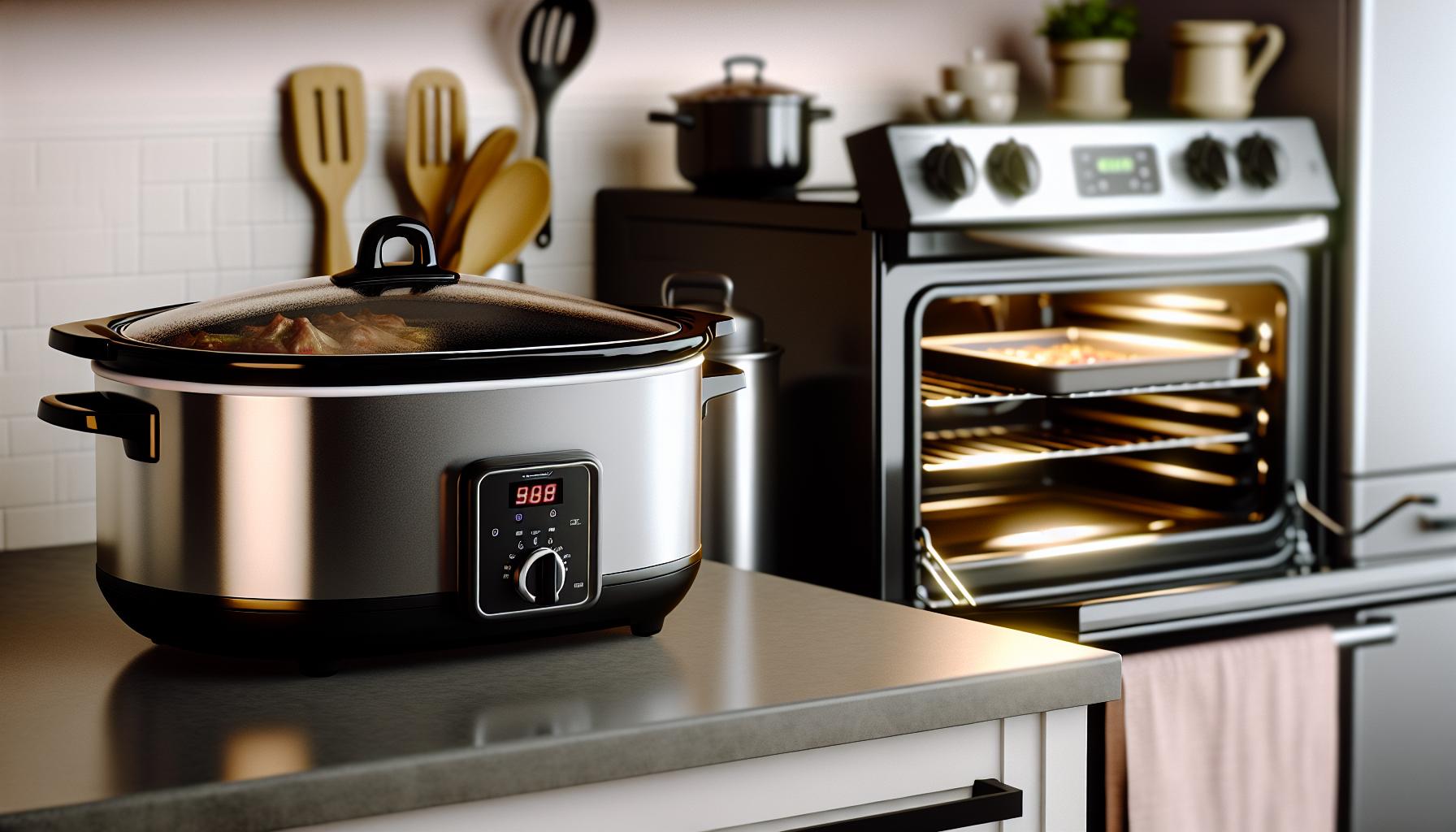
Healthy Slow Cooking: Adjusting Recipes for High Heat
Cooking healthy meals on high heat in your slow cooker can be a delicious, time-saving game-changer-especially for anyone embracing paleo, gluten-free, or whole-food lifestyles. As slow cookers gently maintain temperatures around 280°F to 300°F on high, you’re getting that perfect balance: fast enough to safely cook meals within a few hours, yet low and steady enough to preserve nutrients, flavors, and textures that make healthy eating genuinely enjoyable.
In practice, dialing your slow cooker to high means it’s excellent for hearty soups, lean proteins, and vegetable-forward dishes that thrive without overcooking. Think skinless chicken breasts, root veggies like sweet potatoes, or fiber-rich beans that soften beautifully but don’t turn mushy when tended for about 3-4 hours.For paleo fans,this setting lets you layer in fresh herbs,healthy fats (hello,avocado oil!),and vibrant greens at the end without compromising texture or taste. Gluten-free cooks will appreciate how it locks in moisture, keeping dishes juicy without adding gluten-laden fillers or sauces.
Simple swaps and tips for success
- Cut produce evenly: Tossing in uniformly chopped veggies ensures they cook through evenly at high heat, avoiding those dreaded half-crunchy, half-soggy bites.
- Brown meat first: Searing lean meats before slow cooking creates a deeper flavor profile without added calories or gluten. This extra step also seals in juices.
- Watch cooking times: High heat shortens cook time,but keep an eye on delicate ingredients like zucchini or broccoli-they’re best added in the last 30 minutes to stay bright and crisp.
- Lid on, lid off: Resist peeking too often; each lift drops temperature. For high settings, checking once around the two-thirds mark usually does the trick.
- Swap starches smartly: For paleo or gluten-free versions of comfort classics, replace potatoes with rutabagas or cauliflower florets-they hold up nicely and soak up flavors with no fuss.
From personal kitchen adventures, I find that embracing the high setting as your “healthy shortcut” makes weekday cooking easier without sacrificing the soul of your meals. One go-to: slow cooker Moroccan chicken stew with chickpeas and a rainbow of veggies cooked on high-quick to prep, cozy to eat, and perfectly balanced on health and flavor.
Nutrition Meets Convenience
Cooking on high in the slow cooker also tends to better preserve heat-sensitive vitamins compared to longer low-heat cooking. Vitamins like C and some B-complex nutrients don’t fare well in prolonged heat,so the shorter cook time can translate to more nutritious meals that still feel like you put in effort. Plus, you get to celebrate food that’s as tasty as it is nourishing-a big win when life gets busy, and you deserve plenty of those.
So, yes-using your slow cooker’s high setting for those wholesome dishes isn’t just about saving time, it’s about making healthy, satisfying food approachable, adaptable, and surprisingly fun. No need for intricate recipes or strict rules,just trust your instincts,experiment with fresh ingredients,and enjoy every slow-cooked bite.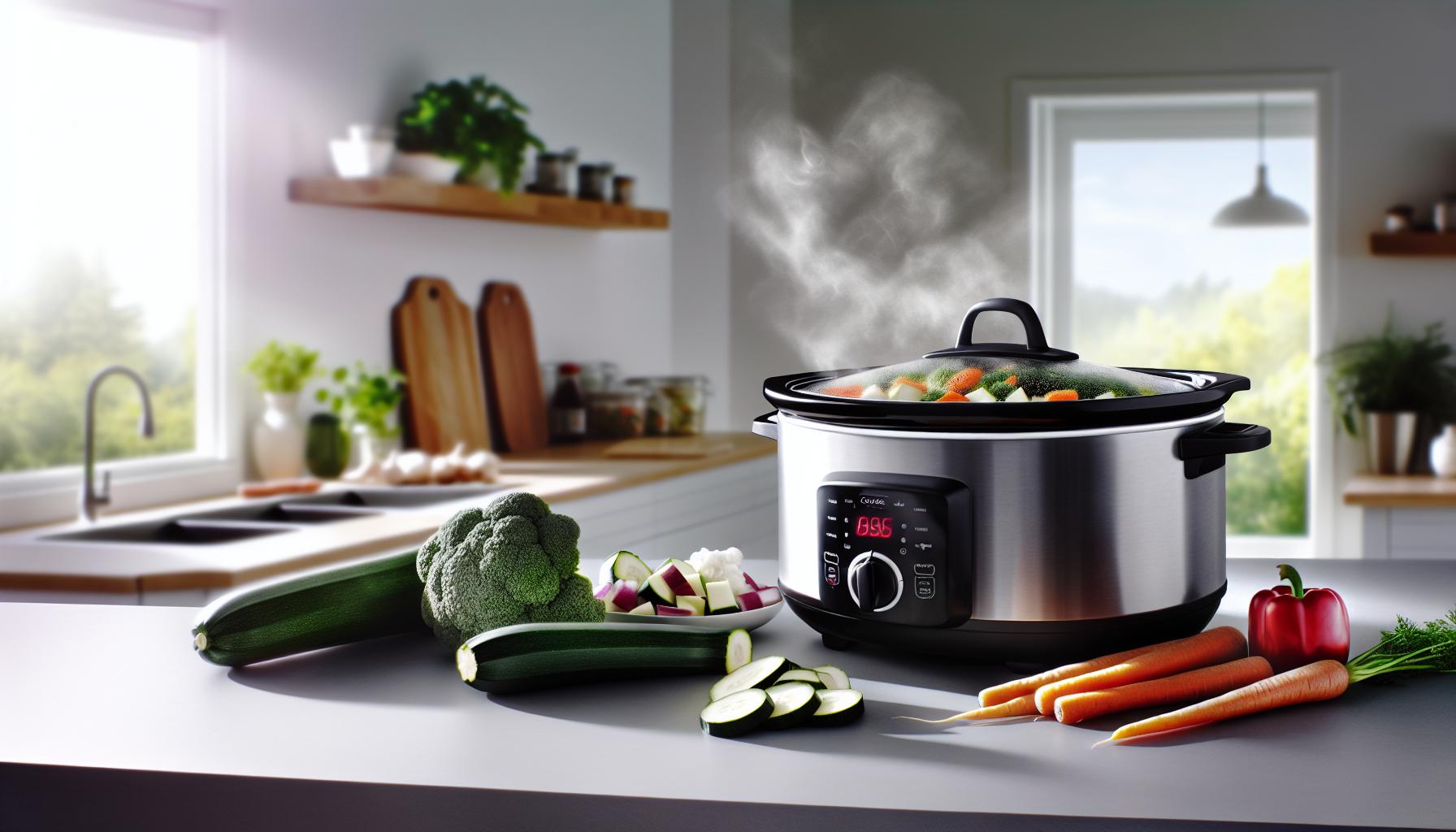
Frequently asked questions
Q: How long does it take for a slow cooker to reach the high temperature setting?
A: A slow cooker usually reaches its high temperature of about 300°F within 30 to 60 minutes after turning on.This quick heat-up allows faster cooking compared to low settings. For best results, avoid opening the lid frequently to maintain steady heat.Learn more about timing in our Common Foods Cooked on High section.
Q: Why is the high temperature on a slow cooker lower than oven temperatures?
A: The high setting on a slow cooker typically maxes out around 300°F, which is lower than most oven baking temperatures, usually 350-450°F. Slow cookers use gentle, consistent heat to prevent burning and promote tender results over long cooking times-great for hands-off meals. See Slow Cooker High Heat vs Oven for more details.
Q: Can slow cooker high temperature vary between different brands or models?
A: Yes, slow cooker high temperatures can range from 280°F to 310°F depending on the manufacturer and model. It’s best to check your specific slow cooker’s manual, as some like Crock-Pot® hold very consistent temperatures, while others may run a bit hotter or cooler [1].
Q: Does the slow cooker reach a consistent temperature on high or does it fluctuate?
A: On the high setting, a slow cooker typically cycles between heating and maintaining around 300°F, causing minor fluctuations to prevent overheating. This regulated heat keeps food safe and evenly cooked without burning, which is ideal for slow-cooked recipes.
Q: How can I tell if my slow cooker is truly on the high temperature setting?
A: You can test by using an instant-read thermometer inside your slow cooker after about an hour on high-the temperature should read close to 300°F. If it’s much lower, check your appliance’s power source or internal thermostat for issues.See troubleshooting tips in When Your Slow Cooker Isn’t Heating high Enough.
Q: Is it safe to cook meat on the high setting due to temperature concerns?
A: Absolutely, cooking meat on the slow cooker’s high setting (around 300°F) is safe and effective. This heat level quickly passes through the danger zone (40°F-140°F) to kill bacteria, ensuring food safety while tenderizing tougher cuts. For detailed safety tips, review How High Heat Affects Food Texture and Safety.
Q: How does the high temperature on a slow cooker affect cooking times for different meals?
A: Cooking on high temperature speeds up the process, typically cutting cooking times in half compared to low heat. As an example, stews might take 3-4 hours on high versus 6-8 on low. Adjust recipes accordingly and check texture to avoid overcooking. Check Energy Use and Cooking Time for smart timing tips.
Q: Can I adjust recipes designed for ovens when using the slow cooker’s high temperature?
A: You can adapt oven recipes to slow cooker high settings by lowering the temperature and extending cook time,or vice versa. Since slow cooker high maxes around 300°F, expect longer cooking than a 350°F oven, but enjoy juicier, hands-free meals. For conversions, see Slow Cooker High Heat vs Oven and Stove Temperatures.
Feel free to explore these FAQs along with our main article sections to master your slow cooking game. Happy slow cooking with flexible techniques designed for all tastes and busy lifestyles!
Future Outlook
Now that you know what temperature is high on a slow cooker in Fahrenheit, you’re ready to unlock the full potential of your favorite set-and-forget meals. Remember, mastering that perfect high setting (typically around 300°F) lets you create tender, flavorful dishes in less time without sacrificing taste or texture-ideal for busy weeknights or paleo- and gluten-free cooking that doesn’t compromise comfort.If you’re curious about how to adapt recipes for slow cooker temperatures or want easy substitutions that fit your lifestyle,be sure to check out our guides on slow cooker basics and simple paleo-friendly recipes for even more kitchen confidence.
Ready to put this knowledge to work? Dive into our easy slow cooker meal plans or explore creative seasoning tips that make every dinner a winner. Don’t forget to subscribe to our newsletter for weekly hacks and tested recipes that make slow cooking fun and foolproof. Have questions or your own slow cooker stories? Share them in the comments below-we love swapping tips with home cooks just like you! Keep exploring,keep cooking,and turn your slow cooker into the star of your busy kitchen.