
Did you know that adding frozen broccoli at just the right time in yoru slow cooker can make all the difference between mushy veggies and tender-crisp bites? If you’re juggling busy days and love the convenience of slow cooking-but hate limp, overcooked broccoli-this little tip could be your new best friend. Whether you’re aiming for paleo-pleasant dinners or gluten-free family meals, getting the timing right means you get vibrant color, great texture, and all those nutrients intact without extra effort. I’ve learned through plenty of kitchen experiments that tossing frozen broccoli in too early turns it into a soggy mess, but adding it too late might leave it cold and underdone.Stick around, and I’ll share exactly when and how to add frozen broccoli to your slow cooker for the best texture every time-because life’s too short for sad, soggy veggies!
Table of Contents
- Best Time to Add Frozen Broccoli in Slow cooker
- How Cooking Time Affects Broccoli Texture
- Step-by-Step Guide to Adding Frozen Broccoli
- Tips for Avoiding Soggy or mushy Broccoli
- slow Cooker Settings That Preserve Freshness
- Flavor Boosters to Pair with Broccoli in the Slow Cooker
- How Broccoli Size and Cut Impact Cooking Time
- Easy Recipe Ideas Using Frozen Broccoli in Slow Cookers
- Troubleshooting Common Broccoli Cooking mistakes
- Healthy Benefits of Slow-Cooked Broccoli Explained
- Frequently asked questions
- Q: Can I add frozen broccoli at the beginning of slow cooking without it turning mushy?
- Q: How dose the layering order affect frozen broccoli texture in a slow cooker?
- Q: Why should frozen broccoli be thawed before adding to a slow cooker? Is it necessary?
- Q: What slow cooker temperature is best when adding frozen broccoli for ideal texture?
- Q: How can I prevent a bitter taste when slow cooking frozen broccoli?
- Q: Does the size of frozen broccoli florets affect when to add them to a slow cooker?
- Q: Can frozen broccoli be reheated successfully in a slow cooker without losing texture?
- Q: What are recommended ingredient pairings to add with frozen broccoli in a slow cooker?
- In Retrospect
Best Time to Add Frozen Broccoli in Slow cooker
Frozen broccoli is a fantastic time-saver in the kitchen, but getting the timing right when adding it to your slow cooker can make all the difference between a vibrant, crisp veggie and a mushy blob.Unlike fresh broccoli, which can handle longer cooking times, frozen broccoli requires a bit more finesse. Add it too early, and you risk overcooking those precious florets; too late, and it won’t blend its flavors with the rest of your dish properly.
For the best texture, the golden rule is to add frozen broccoli toward the last 30 to 45 minutes of your slow cooker’s total cooking time. This timing lets the broccoli gently thaw and cook through without surrendering to that dreaded soggy fate. I usually save adding frozen broccoli until I’m about to start the final stir or when I have a quick 45 minutes left on a low or medium heat setting. This keeps the florets tender with just the right amount of bite,preserving both texture and nutrients,which is especially critically important if you’re all about that paleo or gluten-free glow.
Why Timing Matters More Than You Think
Frozen broccoli loses some of its natural firmness during the freezing process-think of it as broccoli that already had a pep talk to “chill out.” So, when you toss it into the slow cooker too early, the prolonged heat can break down the cell walls way too much. the result? Mushy,flavorless broccoli that not even your favorite seasoning can save.Conversely, adding it too late, especially in the last 10-15 minutes, may leave it cold in the center and not integrated well into the dish. The sweet spot is that 30-45 minute window, where flavor absorption meets perfect texture.
- Add frozen broccoli during the last half hour on low heat.
- For shorter recipes (2-3 hours), add broccoli in the last 10-15 minutes if cooking on high.
- Keep the lid on while it cooks to steam the broccoli evenly.
From experience, if I’m making a rich slow cooker stew or curry, this timing allows the broccoli to soak up some of the sauce while maintaining that fresh green pop that makes eating broccoli feel like a celebration, not a chore.
Pro tips for your broccoli timing strategy
If you’re juggling multiple tasks, consider prepping frozen broccoli in advance-thawing it quickly in cold water or the microwave will shave down cooking time and reduce mush-risk. Also, avoid stirring too often after adding broccoli; minimal stirring means the florets stay intact and don’t get smashed or overworked in the mix.
Remember, slow cooker magic isn’t just about letting things cook forever. It’s about knowing when to let ingredients shine on their own terms-and frozen broccoli’s moment in the spotlight is near the end. So next time you’re rushing to dinner but want your greens just right, add your frozen broccoli late, and enjoy that perfect blend of convenience, taste, and texture.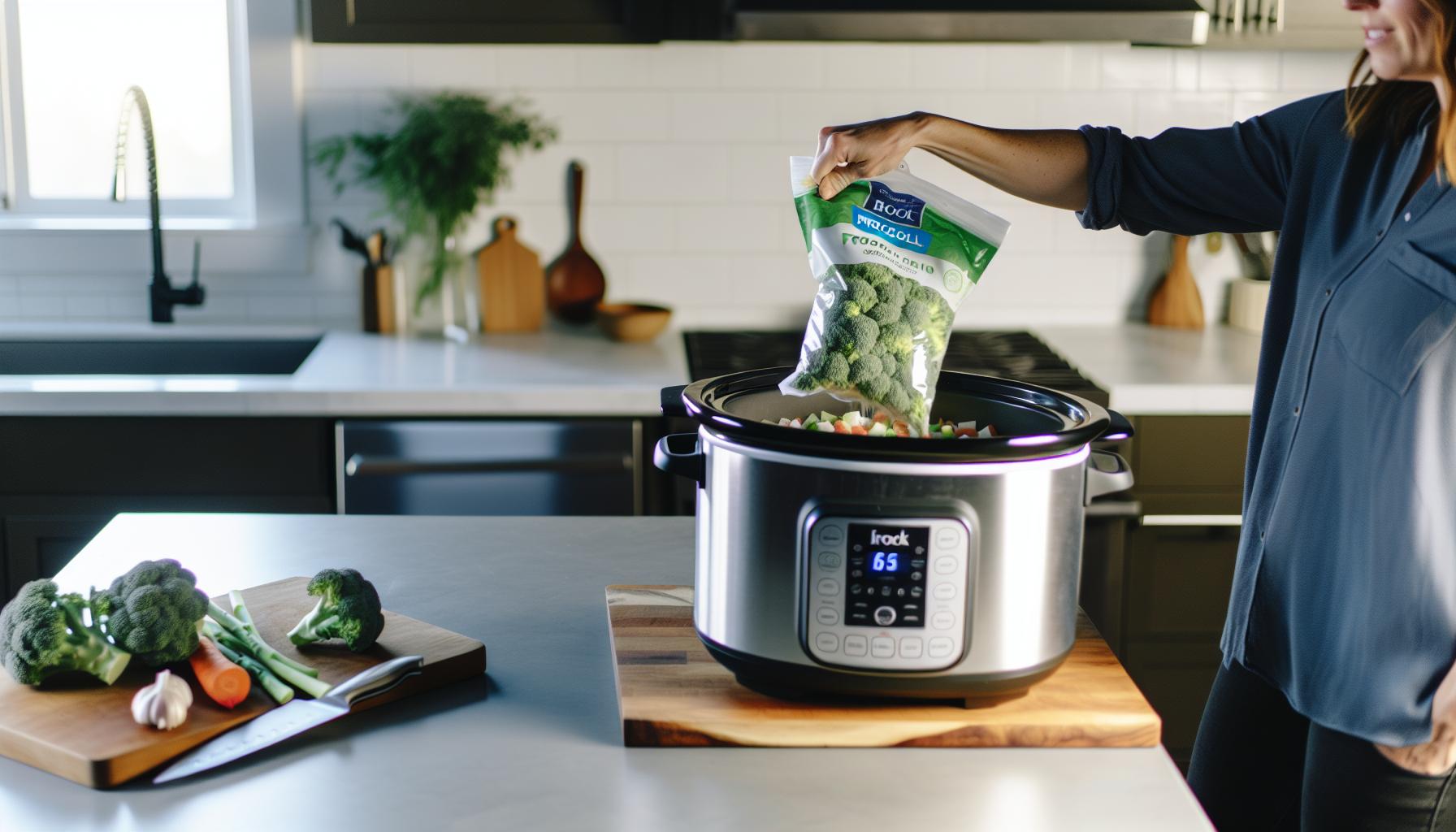
How Cooking Time Affects Broccoli Texture
Frozen broccoli might seem like a straightforward play in the slow cooker game, but the secret weapon to keeping it vibrant and tasty lies in understanding how cooking time really messes (or blesses) with its texture. Unlike fresh broccoli,frozen ones have already been through the freezer’s tough love,which makes their cell walls more fragile. The longer thay hang out in the slow cooker’s warm embrace, the more those walls break down, turning what should be a crisp-tender vegetable into a sad, mushy mess that nobody wants on their plate.Think of it this way: slow cooking is a marathon, not a sprint.Frozen broccoli added too early becomes the “too tired runner,” losing all pep and crunch. If you add it too late, though, it’s like throwing a sprinter into the race at the last second-your florets might stay cold or undercooked in the middle, looking out of place texture-wise and missing that flavor marriage you want with your stew or curry. Timing is everything to capture broccoli’s best texture: tender but still with a bit of bite,a perfect foil for rich sauces and hearty slow cooker meals.
In practical terms,the way heat hits frozen broccoli over time transforms its texture dramatically. The cell walls are already compromised from freezing, meaning prolonged cooking accelerates water release. This water turns the broccoli soggy and leaches nutrients along with flavor. Conversely, adding frozen broccoli during the last 30 to 45 minutes on a low or medium heat setting allows gradual thawing and cooking. The florets soften just enough to be pleasant but hold their structure without slipping into limpness.this window gently coaxes out flavor while preserving that familiar snap,which is a huge win if you’re following paleo or gluten-free paths and want your veggies to stand out instead of dissolve into the mix.
Practical Texture Tips
- Prep frozen broccoli by thawing briefly: Even a quick rinse under cold water or a short microwave blast cuts down cooking time and helps control mushiness.
- Layer strategically: Add broccoli last so it steams rather than boils in its own released water, protecting the texture.
- Keep stirring minimal: Over-stirring breaks down those delicate florets and invites mushiness.
Slowing the cooking pace and syncing timing with broccoli’s fragile frozen nature makes all the difference between a dish that feels lovingly slow-cooked and one that feels like a hasty mush-fest. It’s kitchen wizardry that proves healthy eating can be convenient, taste amazing, and still respect the humble broccoli’s glory.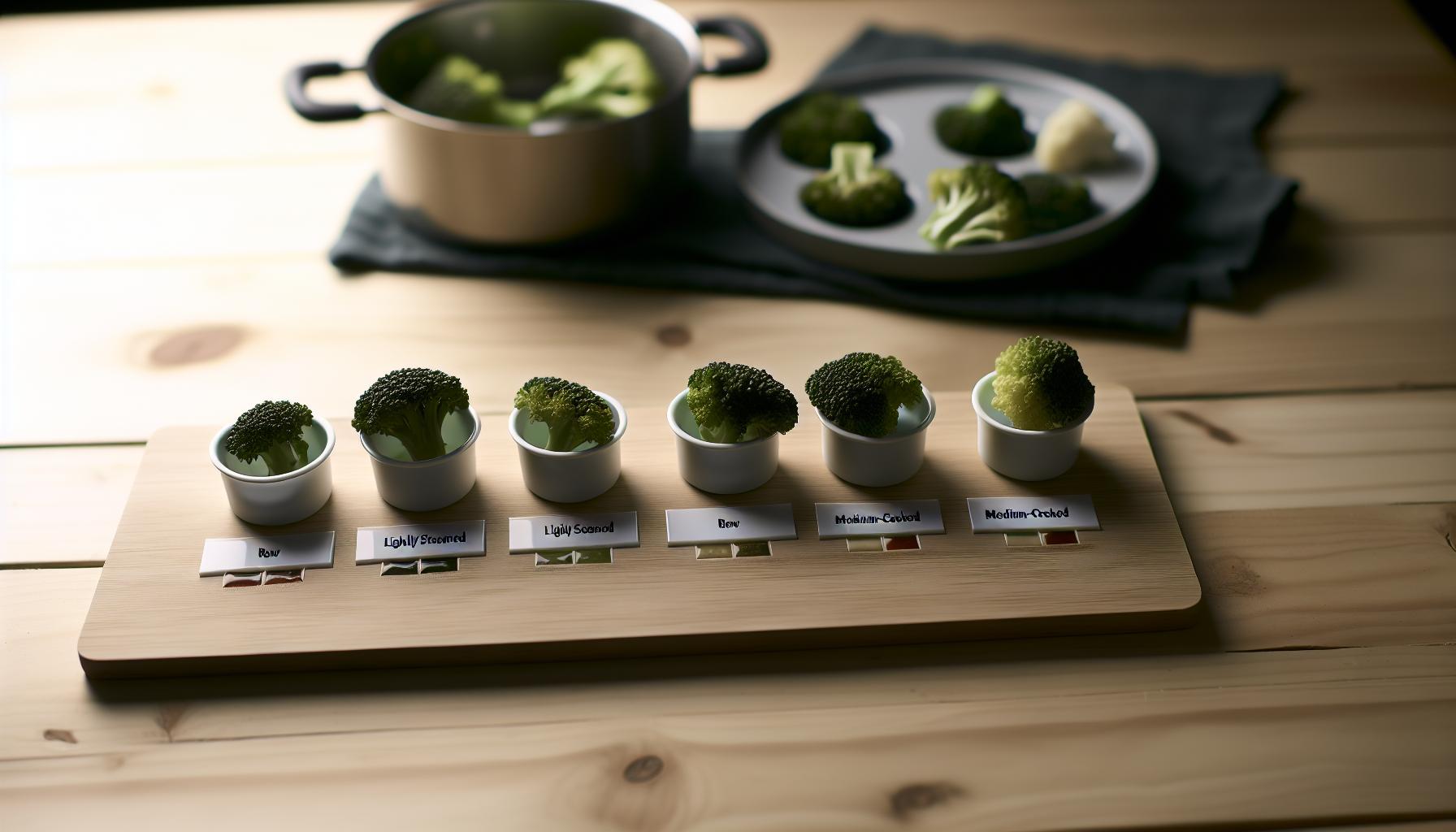
Step-by-Step Guide to Adding Frozen Broccoli
Getting frozen broccoli to hit that perfect texture in the slow cooker can feel a bit like a dance – timing, temperature, and prep all need to be in sync. When you add broccoli is just as important as how you prepare it. Rather than dumping it in at the start with everything else, waiting until the final stretch keeps those florets vibrant and gives you that satisfying bite without turning into a watery mush party.Let’s walk through how to give frozen broccoli its slow cooker moment to shine.Frist off, if you can spare a minute before tossing frozen broccoli into the pot, try giving it a quick rinse under cold water or zap it in the microwave for 30-60 seconds. This little thaw hack isn’t just about faster cooking; it also helps control moisture, which can otherwise steam the broccoli into a limp version of itself. After this brief prep, keep in mind that broccoli should ideally be added during the last 30 to 45 minutes when you’re cooking on low or medium heat-the sweet spot for thorough cooking without overdoing it. Think of it as the broccoli’s turn in the spotlight right before the meal’s final curtain call.
Step-by-Step Slow Cooker Broccoli Addition
- Step 1: Prep your base ingredients. Set your slow cooker going with proteins, grains, and other veggies-everything but the broccoli, which deserves special treatment.
- Step 2: Thaw the broccoli slightly. Rinse frozen florets under cold water or microwave briefly to knock off surface frost and excess ice crystals.
- Step 3: Wait for the right cooking stage. When there’s about 30 to 45 minutes left in your cook (depending on heat setting), sprinkle the broccoli evenly on top. Don’t stir just yet-let those steam pockets form.
- Step 4: stir gently near the end. With about 10 minutes remaining, give everything a gentle fold if your recipe calls for mixing. Avoid aggressive stirring to keep florets intact.
- Step 5: Taste and adjust. Check texture and seasoning before serving. If the broccoli feels a touch firm for your liking, pop the lid back on for a few more minutes-slow cooking is forgiving!
This approach works wonders whether you’re making a paleo-friendly curry, a hearty stew, or a simple veggie medley. In fact, from my experience juggling busy weeknight dinners, this simple timing tweak is a game-changer. It respects broccoli’s delicate structure and helps preserve its nutrition and flavor while blending effortlessly with other slow-cooked ingredients. Plus, you get to skip the soggy broccoli disappointment- which is honestly worth celebrating in itself.
If you want to get creative, consider layering broccoli on a shallow bed of protein or sturdy veggies right before adding it. This lets it steam gently rather than sit in excess water, preserving that fresh “snap.” And if you’re trying to impress picky eaters or just craving a flavor boost, play around with sprinkle-on seasonings or a drizzle of lemon juice right after cooking.Frozen broccoli, handled like this, doesn’t just play a supporting role – it can steal the show gracefully.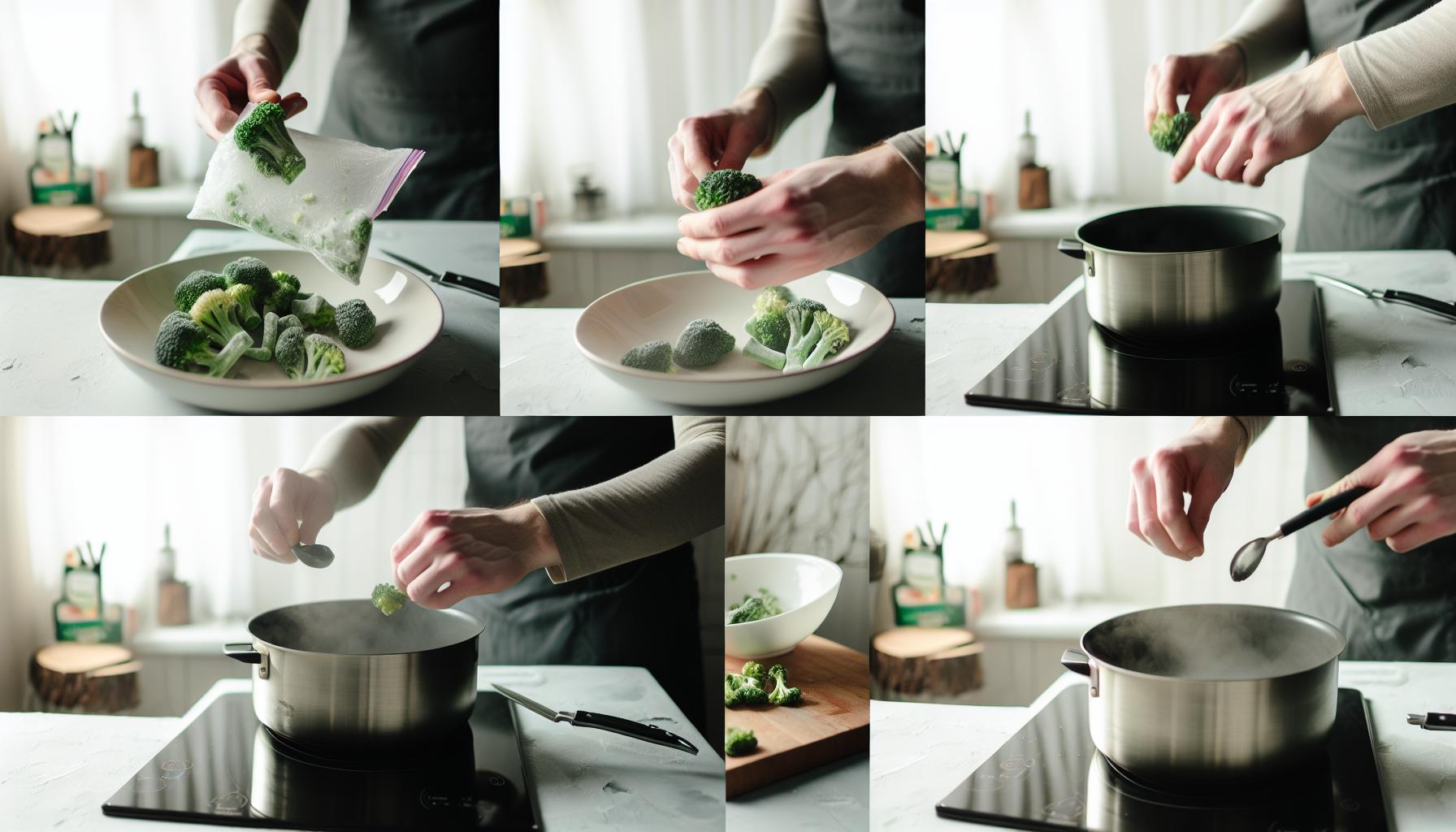
Tips for Avoiding Soggy or mushy Broccoli
Frozen broccoli in the slow cooker needs just the right TLC to avoid ending up soggy or mushy-a fate that can haunt even the best meals. The main culprit? Excess moisture and timing that’s out of sync. Broccoli is like that delicate guest at a party who thrives when given space and attention but wilts under too much pressure and heat. The key is to treat it gently and strategically, ensuring it retains that appealing snap and vibrant color rather than turning into a sad green puddle.
One foolproof way to keep broccoli crisp is to limit how long it cooks in the pot. Adding it too early means it has hours to release water, steam itself silly, and lose texture. Rather, introduce the florets during the last 30-45 minutes of cooking, preferably on low or medium heat.This gives enough time for the broccoli to warm through and soften just enough without drenching itself in your stew or curry broth. I’ve found that sprinkling broccoli atop other sturdy ingredients like root veggies or proteins creates a natural ‘steaming basket’ affect, letting it cook in the rising heat without sitting directly in liquid. It’s a trick that’ll have your family asking why their veggies taste restaurant-level fresh.
Another handy tip is to pat down the florets before adding them. Even a quick shake in a colander or gentle blot with a paper towel removes extra ice crystals and surface frost. This small step is underrated since ice turning to water inside the slow cooker adds unwanted moisture and accelerates the soggy doom. I like to rinse briefly under cold water to separate frozen clumps, then give them a quick zap in the microwave (30-60 seconds) to soften without steaming.You’ll avoid that dreaded excess water pooling at the bottom of your slow cooker, also making your final dish less diluted in flavor.
- Keep stirring minimal: Resist the urge to stir promptly after adding broccoli. Let it steam undisturbed for 20-30 minutes.This prevents breakage and helps maintain its structural integrity.
- Use a lid wisely: Keeping the lid on traps steam, but removing it in the last few minutes can help excess moisture evaporate, tightening up texture.
- Season near the end: Salt draws moisture out, so add salt and seasonings just before serving to keep florets from wilting prematurely.
These little adjustments have saved my slow cooker meals more times than I can count. And trust me, in the world of paleo and gluten-free cooking, where broccoli often headlines the veggie roster, mastering texture can elevate simple dishes from “meh” to “wow.” So go ahead, embrace these tricks-and turn your next slow-cooked broccoli into the crispy, flavorful sidekick it deserves to be.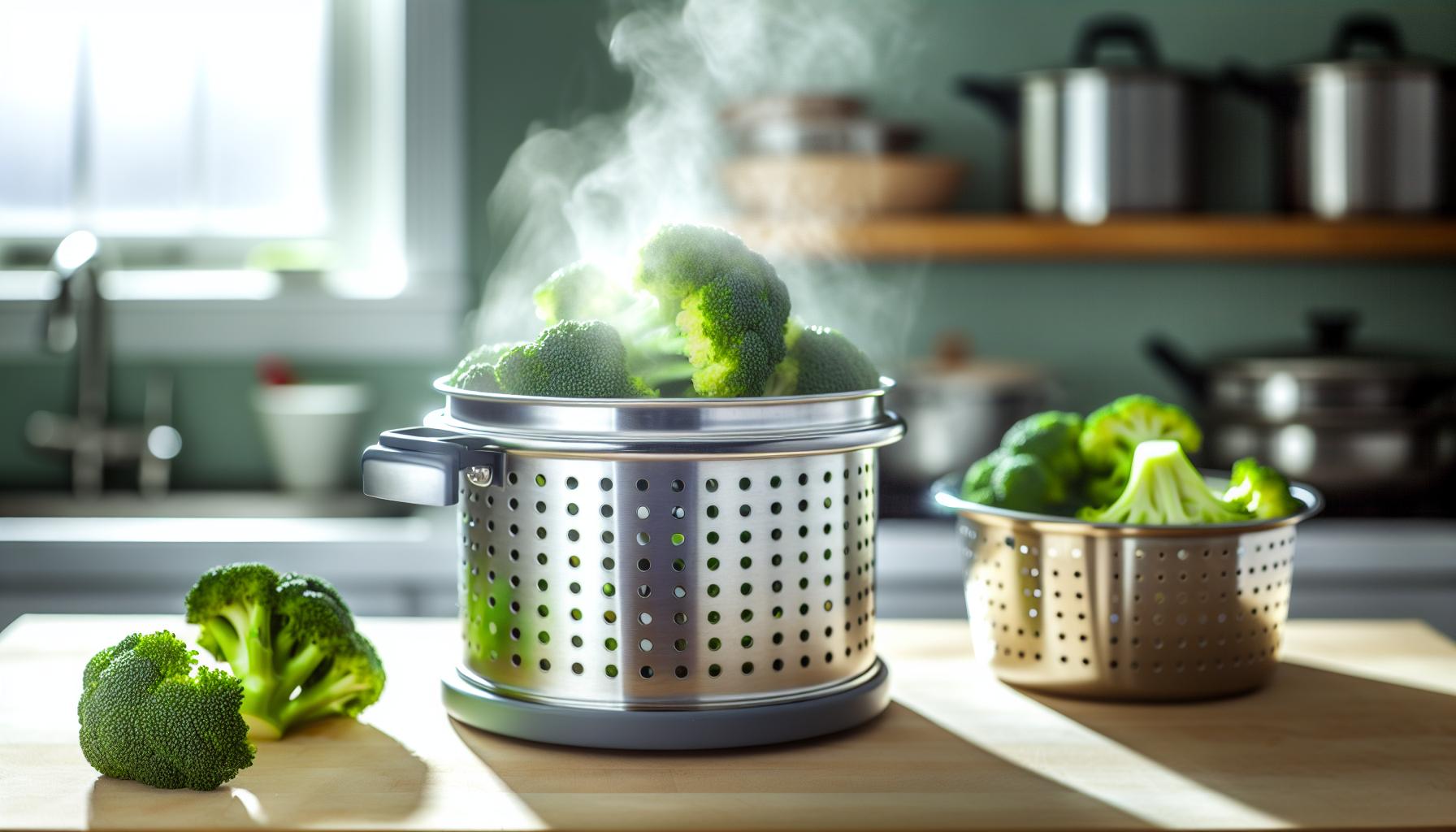
slow Cooker Settings That Preserve Freshness
There’s a sweet spot when it comes to slow cooker settings that can genuinely make or break the texture of frozen broccoli.Slow cookers aren’t known for their high-heat precision, so dialing in the right temperature and timing is key to preserving that vibrant green and satisfying snap, especially when dealing with a delicate veggie like broccoli. Think of it as giving your broccoli a spa day rather than a marathon – gentle warmth is what keeps it fresh and tasty without turning it into a soggy mess.
Most slow cooker recipes lean on the “low and slow” mantra for tenderness and flavor depth, but this approach isn’t ideal for frozen broccoli if you want to avoid mushiness. Instead, add your broccoli toward the end of cooking and set the cooker to low or medium heat for the last 30-45 minutes. This window lets the broccoli thaw,warm through,and soften just enough without stewing it in excess moisture. Medium heat can speed things up when you’re short on time, but low heat is your go-to for that more controlled, gentle finish. Also, avoid the “high” setting for broccoli – it heats too quickly and can cause the florets to break down before your eyes.
- Layering matters: Place frozen broccoli on top of thicker veggies or proteins rather than submerging it directly in liquid. This creates a natural steaming effect using the cooker’s rising heat, which is gentler and keeps the broccoli structurally sound.
- Lid tactics: Keep the lid on to trap steam until the last 10 minutes. Removing the lid briefly near the end helps excess moisture escape and tightens up the broccoli’s texture, avoiding that dreaded watery aftermath.
- Minimal stirring: Give broccoli space to do its thing undisturbed. Stirring too soon or too frequently enough can tear the tender florets and release more water.
From my personal kitchen adventures, one trick that always works wonders is using a programmable slow cooker where you can set it to switch from low to warm after your broccoli’s done. This prevents overcooking if life gets hectic and you can’t serve right away. Plus, when dinner finally hits the table, the broccoli is still fresh, vivid, and appetizing – no limp veggies allowed here!
So, embrace the slow cooker settings that treat frozen broccoli like royalty.It’s about timing, temperature, and technique – a little TLC that transforms a humble frozen veggie into a gluten-free, paleo-friendly superstar on your plate.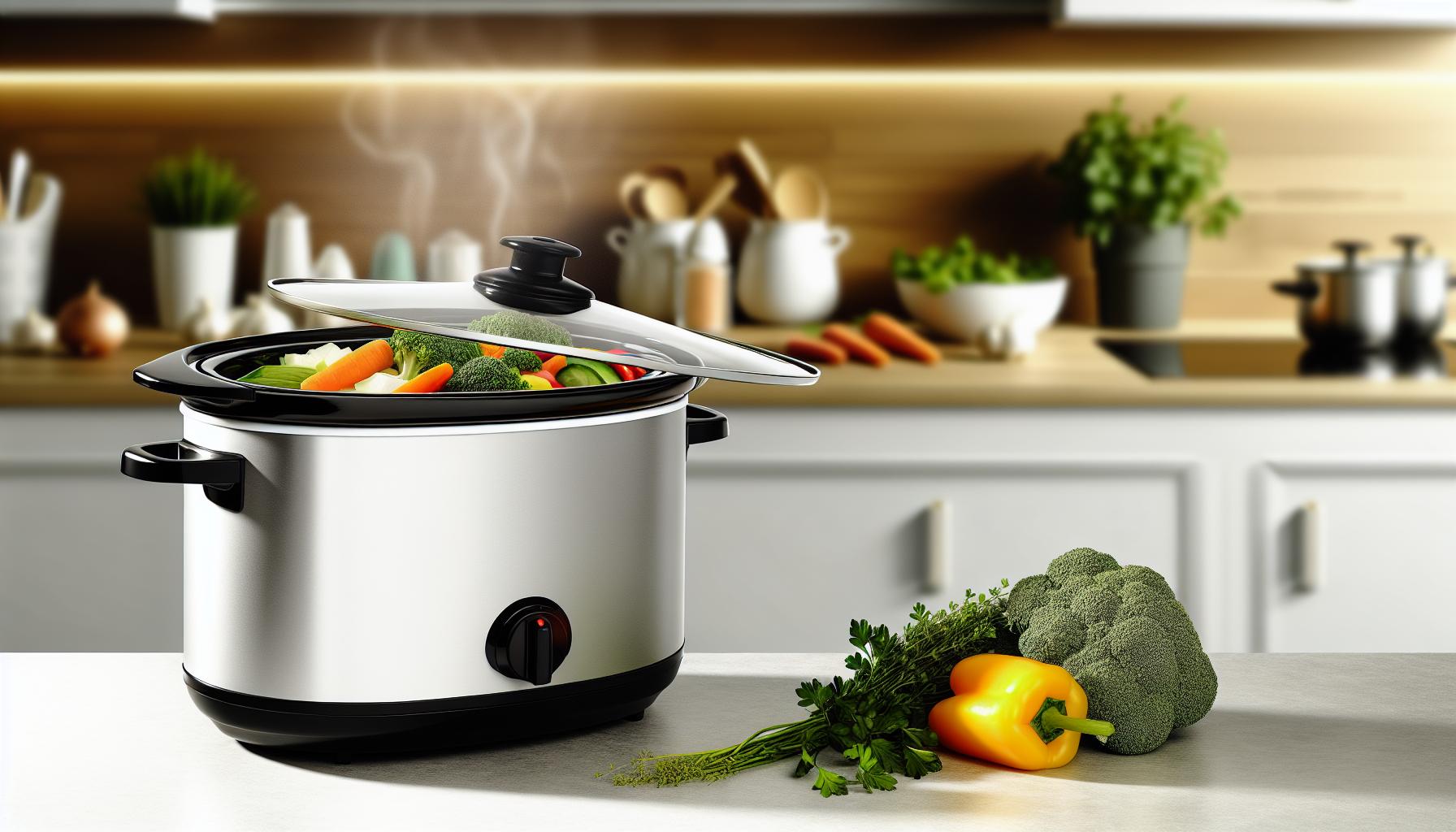
Flavor Boosters to Pair with Broccoli in the Slow Cooker
Broccoli in the slow cooker can sometimes play the role of an understated sidekick, but with the right flavor boosters, it easily steps into the starring role. think of frozen broccoli as a versatile canvas that welcomes bold, savory, or even zesty accents without losing its signature freshness. As you’re adding the broccoli late in the cooking process to keep that perfect snap, it’s a perfect opportunity to toss in ingredients that infuse flavor without overwhelming the delicate texture or turning the broccoli soggy.
If you want to channel warm, comforting vibes, start with classic slow cooker staples like garlic and onions, but add them early with your base ingredients. When it’s broccoli time, consider sprinkling freshly grated Parmesan or nutritional yeast just before serving-each one adds umami richness that feels indulgent yet keeps the dish paleo- and gluten-free-friendly. For a little kick and color contrast, a dash of crushed red pepper flakes or a squeeze of fresh lemon juice right before plating can bring bright, lively notes that lift the entire meal.
- Herbs and aromatics: Rosemary, thyme, or fresh basil tucked into the slow cooker from the start create subtle background layers.Toss chopped fresh parsley or dill over the broccoli once it’s added for a burst of freshness.
- Healthy fats: A drizzle of good olive oil or a small knob of grass-fed butter melted over broccoli just before serving helps carry flavors and adds silky texture.
- Crunch and contrast: Toasted nuts like almonds or pine nuts sprinkled on top add texture and a delightful nutty flavor that complements the gentle slow cooker warmth.
What really works in my kitchen is pairing broccoli with slow-cooked proteins seasoned with smoky paprika or cumin-these spices mingle with the broccoli’s subtle earthiness without competing. Also, don’t underestimate the magic of a splash of coconut aminos or tamari sauce toward the end of cooking to offer that savory depth often missing in simple veggie dishes. Just be mindful of salt levels to avoid the broccoli sweating out moisture too fast.
Flavor layering doesn’t have to be complex.Actually, simplicity is frequently enough the secret to keeping frozen broccoli vibrant and tasty in the slow cooker. Play around with combinations that make you smile and fit your dietary vibe.After all, making broccoli the hero gives you an easy win with nutrition and a plate full of satisfaction.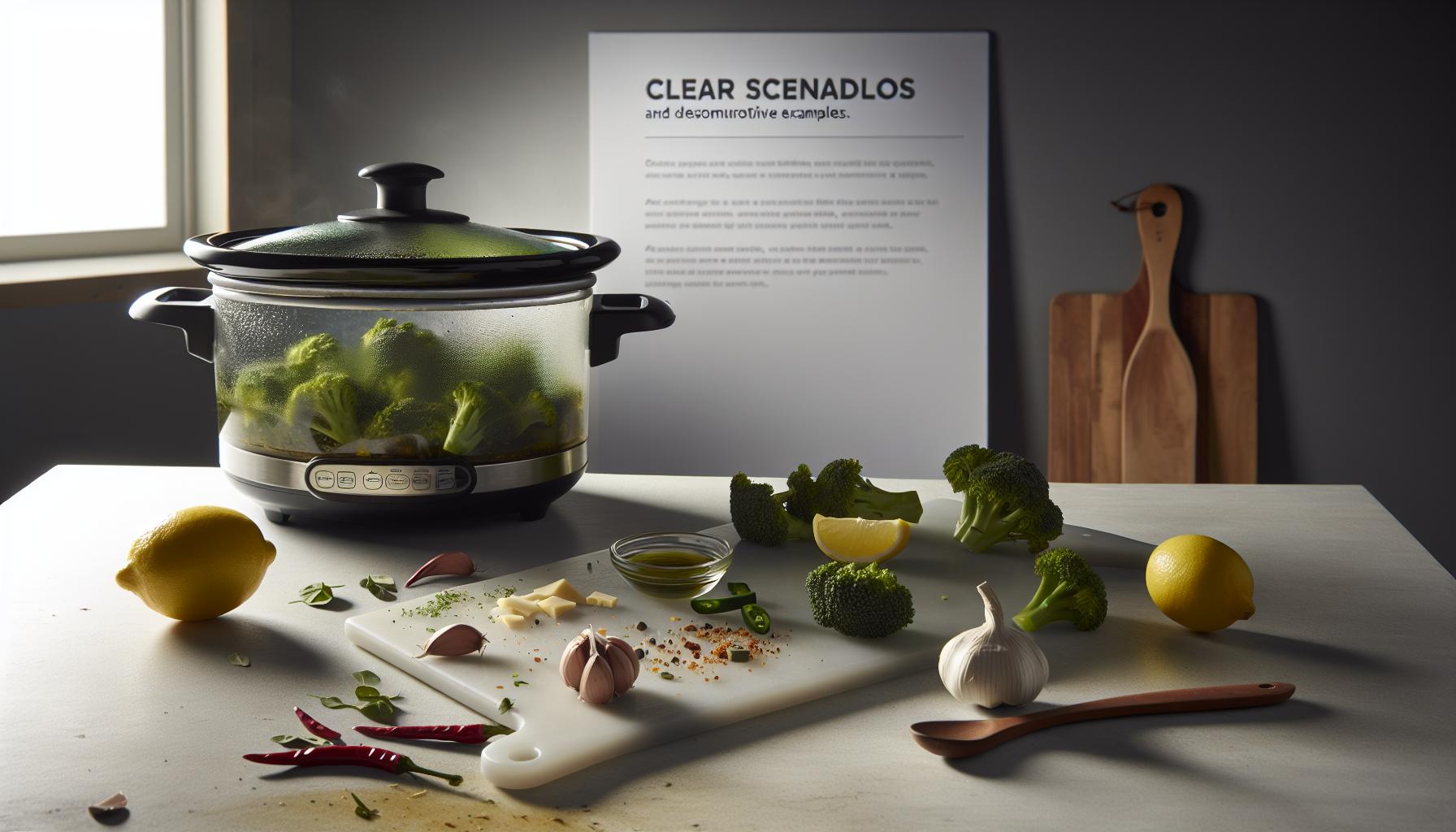
How Broccoli Size and Cut Impact Cooking Time
Broccoli’s size and how it’s cut can make a surprising difference when adding frozen florets to your slow cooker. Think of each piece as its own little time capsule: smaller pieces will cook through faster, while bigger florets need more tender loving heat to get soft without turning mushy. This means the way you chop your broccoli doesn’t just affect appearance-it’s a key factor in nailing the timing and texture of your dish.
Such as, if you’re working with large frozen broccoli crowns or chunky florets, they’ll take longer to heat through and soften, so you’ll want to add them a bit earlier-maybe with 30 to 45 minutes left on your slow cooker timer. Smaller, bite-sized florets or finely chopped broccoli will cook quickly and can be tossed in just 10-15 minutes before serving to keep that gratifying snap and vibrant green color. Personally, when I forget and dump in big broccoli chunks too late, I get the dreaded cold-center bit, like a mini broccoli iceberg in my warm stew-not the vibe. conversely, adding tiny pieces early invites a soggy, sad veggie party nobody wants.
Practical tips for Cutting and Timing
- Uniform size is king. Try to keep your broccoli florets relatively even. Uneven chunks mean some parts turn to mush while others stay crunchy or undercooked.
- Trim the stems well. The tougher stems take longer to cook than the tender tops. If you love the stems,slice them thinly for even cooking or add early to soften them gently.
- Thaw? Maybe. Frozen broccoli usually can go straight from the freezer to the slow cooker, but if you prefer, briefly thawing and draining it helps prevent excess water, which changes texture and timing.
| Broccoli Cut Size | Recommended Slow Cooker Add Time | Expected Texture Outcome |
|---|---|---|
| Large florets (2″+) | 30-45 minutes before done | Tender with slight bite if timed well, avoid cold centers |
| Medium florets (1″ – 2″) | 20-30 minutes before done | Soft but still holds shape; great balance |
| Small florets / chopped | 10-15 minutes before done | bright, crisp-tender, and vibrant |
| Thinly sliced stems | 30-40 minutes before done | Softened and palatable, no woody texture |
Broccoli’s texture journey in the slow cooker is a bit like Goldilocks-too early and it’s mushy, too late and it’s underdone. Paying attention to how big your pieces are keeps you in the “just right” zone.Plus, keeping those cuts consistent helps flavors marry beautifully since each floret or stem gets its moment in the slow cooker spotlight without hogging all the cooking time or water.
So the next time you’re prepping frozen broccoli, channel your inner sculptor: cut with care, add at just the right moment, and watch your dish earn rave reviews for texture and taste. Your slow cooker broccoli will thank you, and honestly, so will your taste buds.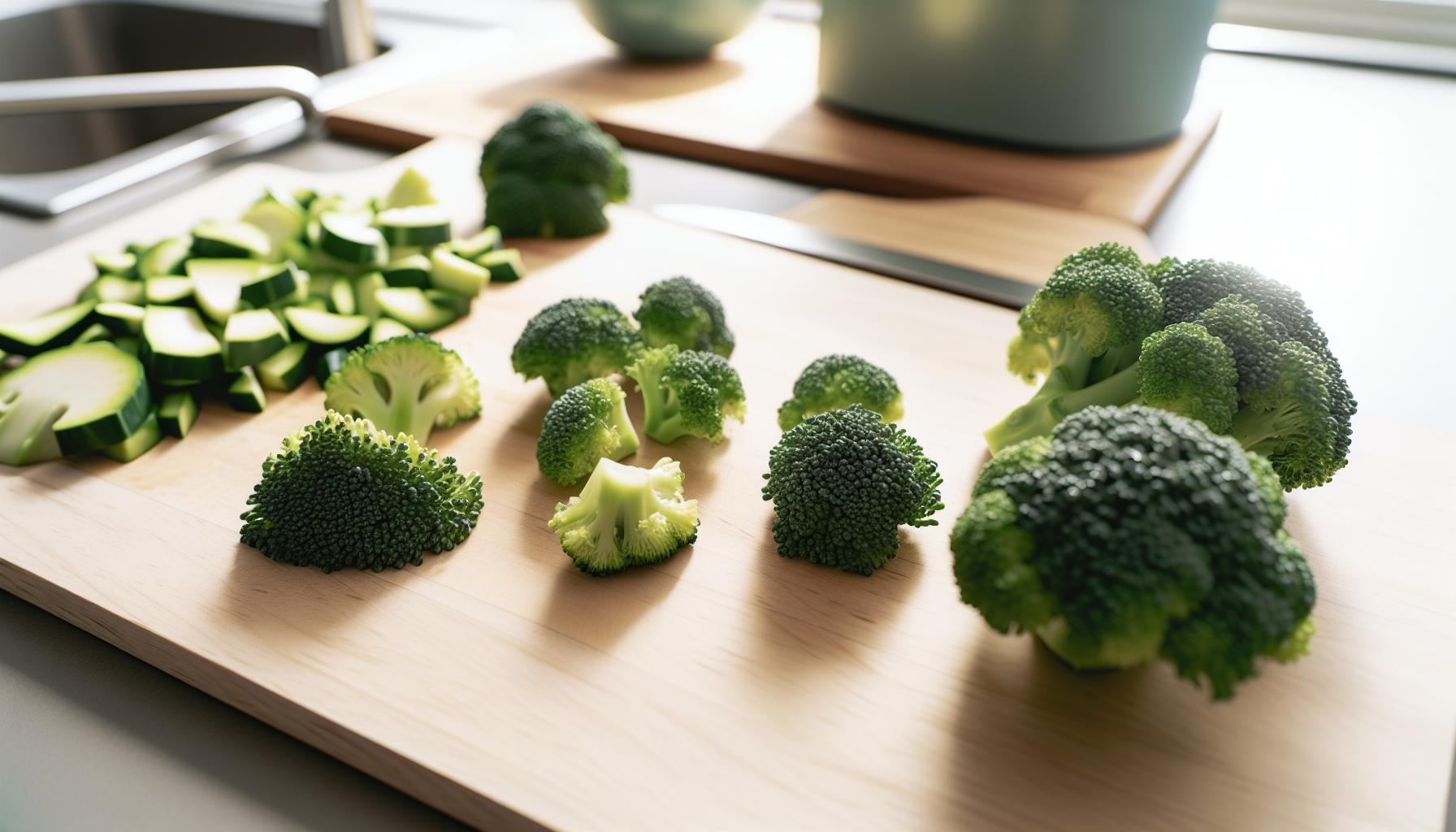
Easy Recipe Ideas Using Frozen Broccoli in Slow Cookers
When it comes to tossing frozen broccoli into your slow cooker, knowing when and how to add it can transform your meal from “meh” to memorable. But beyond timing, pairing broccoli with the right ingredients and using foolproof recipes makes the whole slow cooker experience a joy-even on your busiest days. Whether you’re craving a cozy dinner or prepping lunches ahead, frozen broccoli is an unbeatable, versatile partner. Here are some of my favorite go-to recipes and ideas that celebrate broccoli’s texture and flavor,keeping things simple but delicious every time.
If you’re looking for a hearty, paleo-friendly dish with minimal prep, try a creamy chicken and broccoli stew. Load your slow cooker with boneless chicken thighs, garlic, coconut milk, and a splash of chicken broth. Add your chopped frozen broccoli about 15 minutes before the end of cooking-this way, it stays bright green and still has a bit of snap. The creamy base complements the veggie’s slight crunch, avoiding that dreaded mushy mess. bonus points: swap coconut milk with almond milk for a lighter twist or stir in nutritional yeast for a cheesy vibe, no dairy needed.
For a comforting vegetarian option, a slow cooker broccoli and cheddar soup is classic but made easy. Toss in diced potatoes, onions, and vegetable broth, letting those simmer for 4-5 hours on low.Add frozen broccoli 20 minutes before serving; this allows the broccoli to soften perfectly without losing its vibrant hue. Stir in shredded cheese or a dairy-free option just before ladling out your bowl.Sprinkle with fresh herbs or crispy bacon bits if you want to up the flavor (totally optional but worth it). This recipe freezes well, making leftovers a time-saving delight.
Simple Sides and Mixed Dishes
- Broccoli and Quinoa Pilaf: Add frozen broccoli to your slow cooker’s quinoa and vegetable mix 10 minutes before done. The gradual steaming locks in nutrients and flavor, resulting in fluffy, vibrant grains with tender yet crisp broccoli hits.
- Beef and Broccoli stir-In: After slow cooking your beef with a savory sauce base, stir in frozen broccoli florets 15 minutes before serving for freshness and color. It’s a shortcut to Asian-inspired dinner magic, no wok needed.
- Egg Casserole Upgrade: Mix frozen broccoli into your overnight egg bake base and gently warm in the slow cooker overnight on low.This makes mornings a breeze with a veggie-packed breakfast ready to slice and serve.
Each of these recipes honors the timing tips we’ve covered-frozen broccoli isn’t an overcooked afterthought but a star player added at just the right moment. When you follow these easy ideas and mind the timing, you’ll enjoy broccoli’s bright green pop and perfect texture, even after hours on low heat. Trust me, once you master these tricks, your slow cooker meals will be the stuff of weekday legend!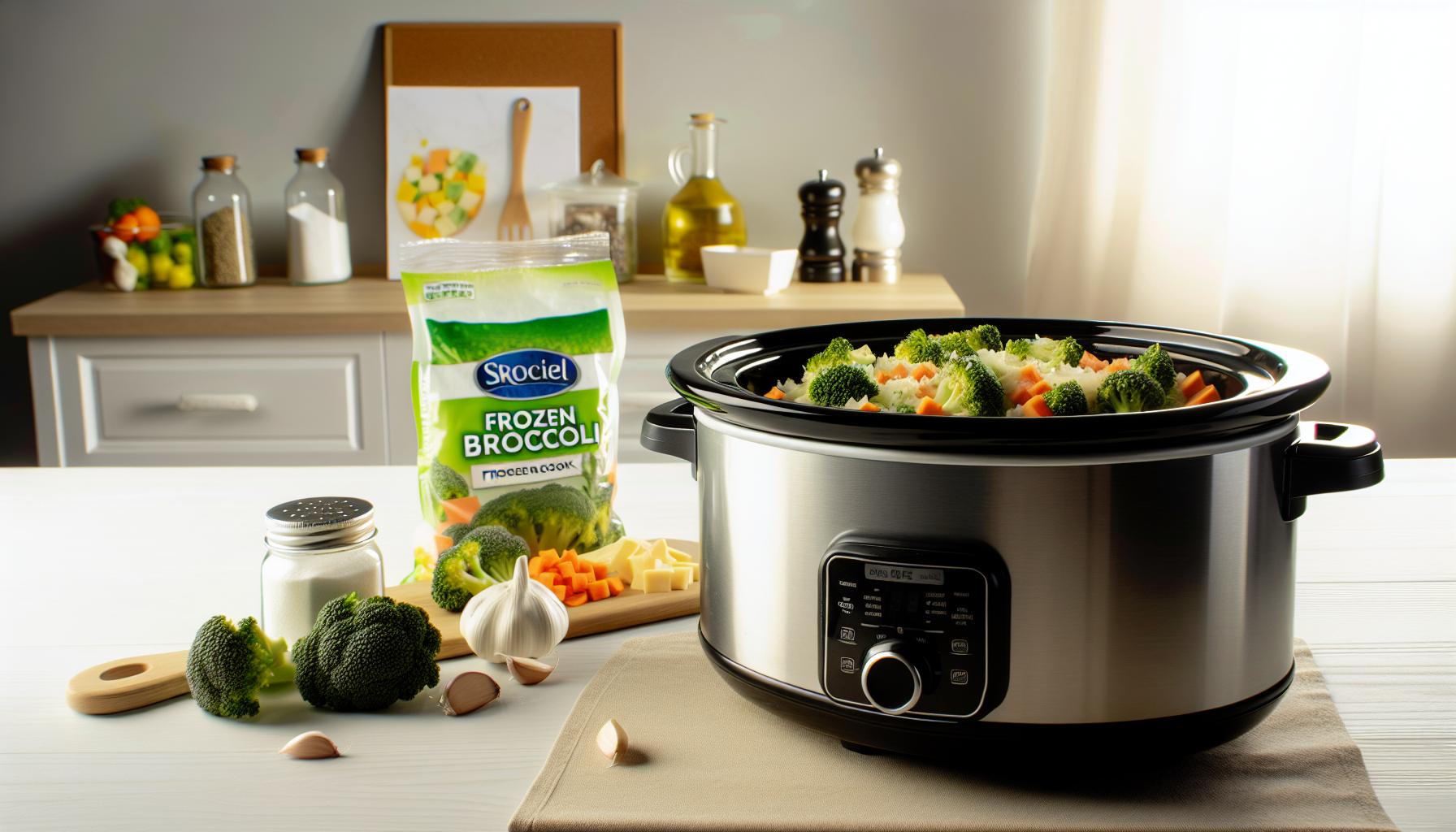
Troubleshooting Common Broccoli Cooking mistakes
Frozen broccoli is one of those trusty kitchen staples that can either save dinner or turn it into a soggy green surprise if not handled right. The biggest pitfall most home cooks stumble upon is timing-adding frozen broccoli too early turns it into a mushy puddle,while tossing it in too late might mean it never properly warms through. Believe me,I’ve been there! Getting the timing just right is key to keeping broccoli vibrant,tender-crisp,and full of flavor in your slow cooker meals.
One common mistake I’ve noticed is treating frozen broccoli like fresh – that is, adding it at the very start and expecting it to hold up after hours on low heat. Spoiler alert: it won’t. Frozen broccoli is already partially cooked during flash freezing, so it needs less time to finish. The trick is to add it during the last 10 to 20 minutes of cooking depending on your recipe and slow cooker settings. This short simmer inside builds that lovely bright green color without sacrificing snap. if you accidentally added it too early, there’s no need to toss the whole dish-try stirring in some texture contrast like toasted nuts, crispy bacon bits, or even a fresh sprinkle of herbs to revive the overall mouthfeel.
Sometimes, broccoli ends up limp because it stewed in a watery sauce or too much liquid pooled in the slow cooker.Frozen broccoli tends to release a fair amount of moisture as it warms, which can water down your dish or promote mushiness. A simple fix? Reduce the liquid in your base recipe by at least a quarter when cooking with frozen broccoli. You can also drain excess cooking liquid a few minutes before adding the broccoli, then pop it in to finish cooking snugly. Think of it as giving your green star its own VIP spa time, just long enough to soften, not soak.
- Added broccoli too early? Counter mushiness with contrasting crunchy toppings like toasted almonds or pumpkin seeds.
- Broccoli ended up dull or tough? Try increasing the last-minute cooking window by 5-10 minutes or stir in a splash of broth for gentle steaming.
- Dish too watery? Cut initial liquid amounts or drain broth before adding broccoli.
- Frozen broccoli clumped together? Break it apart gently before stirring into the slow cooker to promote even cooking.
In my paleo-friendly chicken and broccoli stew, I once grabbed frozen broccoli right after layering in raw chicken and broth, expecting it to slow-cook gently for an hour. Instead, it turned *way* too soft and lost its charm. Since then, I switched to adding the broccoli 15 minutes before the finish line-instant upgrade! This method has saved many a weeknight meal, proving that a little patience with timing goes a long way. So if your slow cooker broccoli hasn’t been impressing lately, remember: it’s less about rushing it, and more about knowing exactly when to bring it in for the encore.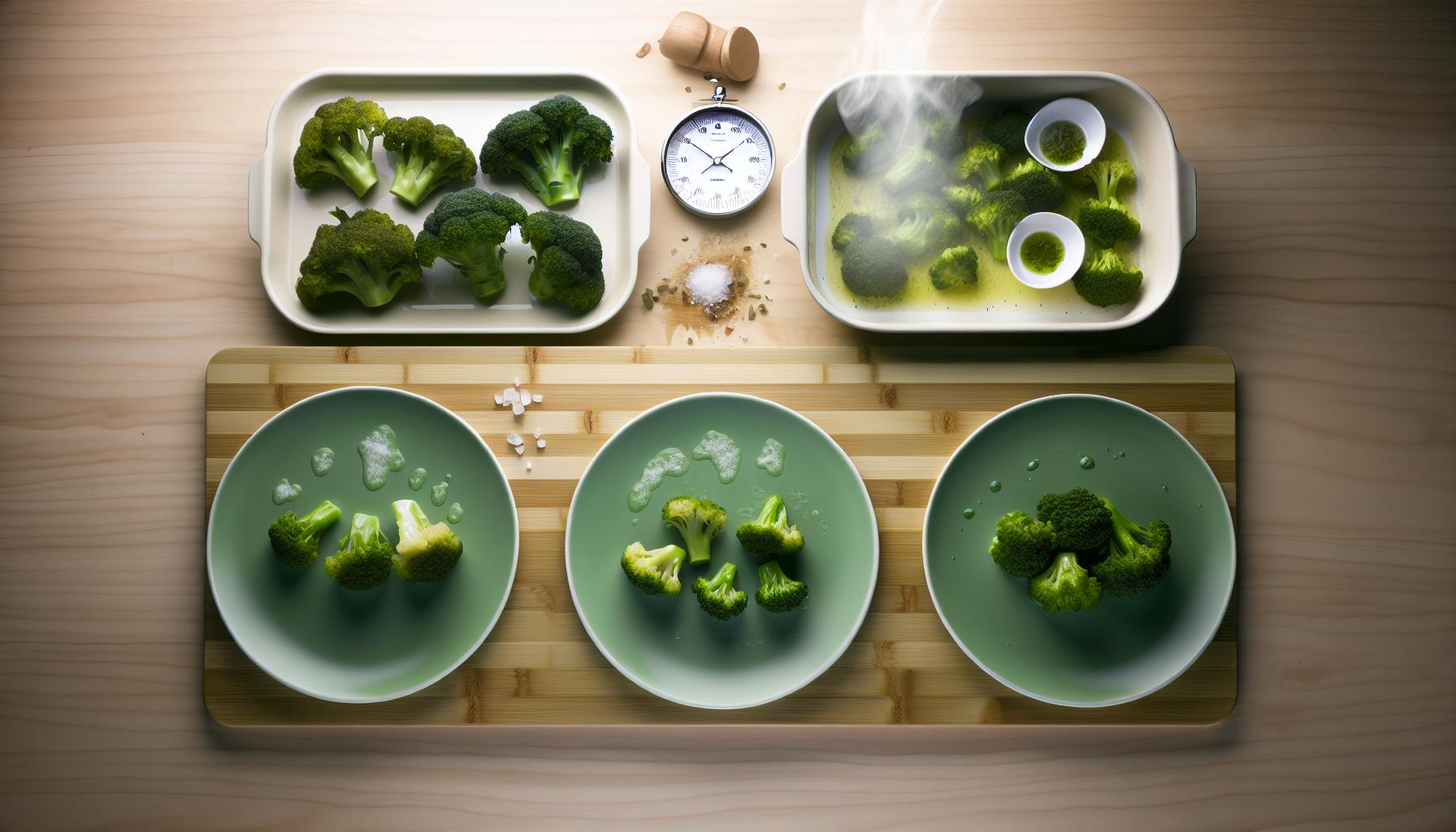
Healthy Benefits of Slow-Cooked Broccoli Explained
Broccoli is one of those versatile veggies that not only adds a pop of color to your slow cooker meal but also packs a nutritional punch that’s hard to beat. You might be thinking, “Wait, doesn’t slow cooking sap nutrients from veggies?” Well, the good news is, when you add frozen broccoli at just the right moment-typically toward the end of the cooking cycle-you preserve much of its vitamin content, antioxidants, and fiber, making your dish both delicious and nourishing without turning it into a mushy mess.
Adding frozen broccoli late in the process helps retain its vibrant green color and crisp-tender texture, which are visual clues that key nutrients like vitamin C and sulforaphane (a powerful antioxidant) remain intact. in contrast, cooking broccoli for hours on low heat from the start tends to break down those beneficial compounds and can lead to that dreaded lifeless, mushy feel. I’ve found that a quick 10-20 minute warming phase inside the slow cooker is all it takes to wake up those frozen florets-enough time to preserve their health benefits while blending beautifully into the flavors of your stew or casserole.
Why Timing Matters for Nutrient Retention
The partial cooking broccoli undergoes during flash-freezing means it’s already had its “first round” in the kitchen, so slow cooking it for hours is overkill and nutritionally wasteful. By adding broccoli near the finish line, you avoid overcooking and lock in its healthful compounds. plus, the natural fiber remains firmer, supporting digestion and keeping you feeling satisfied. From a practical kitchen standpoint, this gentle heat boost is like giving broccoli a quick spa treatment – tender enough to be palatable but still lively on the plate.
Making Slow-Cooked Broccoli Work for Your Health Goals
Whether you’re paleo,gluten-free,or just looking for easy ways to sneak more greens into your dinners,frozen broccoli in the slow cooker is a no-fuss win. You can even enhance its goodness with simple flavor boosters like garlic,lemon zest,or nutty toasted seeds tossed in right before serving. Remember, the secret to unlocking these benefits is all in the timing-add your broccoli too soon, and you risk nutrient loss and mushiness; too late, and it won’t blend well with the dish.
Here’s a quick breakdown of the big wins when you time it right:
- Preserved Vitamin C and antioxidants – slower heat exposure means your broccoli keeps its immune-boosting powers.
- Retained fiber texture – Giving your gut some love while keeping your dish mouth-wateringly crisp.
- Enhanced flavor absorption – Your broccoli stays bright but still soaks up those slow cooker aromas for a well-rounded taste.
So next time you’re prepping a slow cooker meal, think of adding your frozen broccoli like a final VIP guest arriving fashionably late-ready to shine without overstaying its welcome in the heat. Trust me,your taste buds and your body will thank you!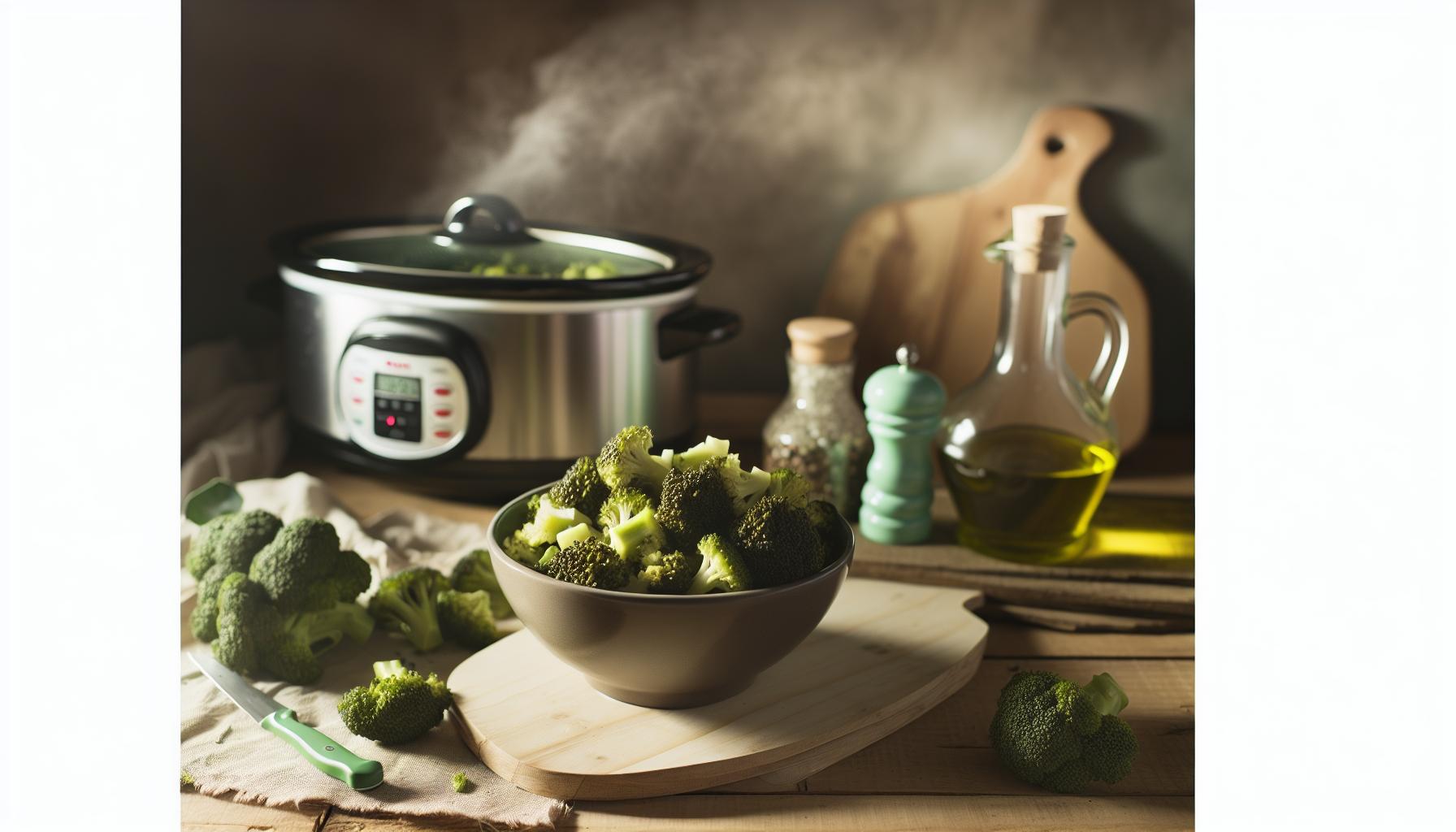
Frequently asked questions
Q: Can I add frozen broccoli at the beginning of slow cooking without it turning mushy?
A: Adding frozen broccoli at the start usually leads to soft, mushy texture because slow cookers use low, consistent heat for hours. For best texture, add frozen broccoli in the last 30-45 minutes of cooking. This keeps it tender-crisp and flavorful. see the Best Time to Add Frozen Broccoli section for detailed timing tips.
Q: How dose the layering order affect frozen broccoli texture in a slow cooker?
A: Layering frozen broccoli on top rather than beneath other ingredients helps it steam gently, preserving texture. Placing broccoli at the bottom exposes it to longer direct heat, causing softness. for crispier results, add frozen broccoli near the end and on top. This technique complements the Slow Cooker Settings That Preserve Freshness advice well.
Q: Why should frozen broccoli be thawed before adding to a slow cooker? Is it necessary?
A: Thawing frozen broccoli before slow cooking is optional but can prevent excess water release, which may dilute flavors and cause sogginess. Adding frozen broccoli directly is convenient but requires reduced cook time to avoid mushiness. Check Troubleshooting Common Broccoli Cooking Mistakes for tips on moisture control.
Q: What slow cooker temperature is best when adding frozen broccoli for ideal texture?
A: Using the low setting and adding frozen broccoli towards the end (last 30 minutes) yields the best texture-tender but not mushy. High heat can overcook broccoli quickly. Refer to Slow Cooker Settings That Preserve Freshness for temperature recommendations tailored to cooking stages.
Q: How can I prevent a bitter taste when slow cooking frozen broccoli?
A: To avoid bitterness,avoid overcooking broccoli by adding it late in the slow cooking process and seasoning with salt or acidic ingredients like lemon juice. Overcooked broccoli releases compounds that taste bitter.see Flavor Boosters to Pair with Broccoli for natural flavor enhancers to balance bitterness.
Q: Does the size of frozen broccoli florets affect when to add them to a slow cooker?
A: Yes, larger florets need slightly more time but still should be added in the last 30-45 minutes. Smaller pieces cook faster and risk becoming mushy if added too early. Adjust timing based on How broccoli Size and Cut Impact Cooking Time to maintain the perfect bite.
Q: Can frozen broccoli be reheated successfully in a slow cooker without losing texture?
A: Yes, but use low heat and short reheating time (15-20 minutes) to avoid mushiness. Adding a splash of broth or lemon juice during reheating can help revive flavor and texture. See Troubleshooting Common Broccoli Cooking mistakes for reheating tips that keep broccoli enjoyable.
Q: What are recommended ingredient pairings to add with frozen broccoli in a slow cooker?
A: Pair frozen broccoli with garlic, onions, citrus, or parmesan cheese added in the last cooking stage for maximum flavor enhancement without compromising texture. These flavor boosters brighten the dish and balance broccoli’s earthiness. Check Flavor Boosters to Pair with broccoli for creative combinations to try tonight!
Want more slow cooker broccoli tips? Explore our full guide for healthy, easy, and delicious meal ideas that make broccoli your kitchen MVP!
In Retrospect
Now that you know the perfect timing to add frozen broccoli to your slow cooker for that just-right texture, you’re all set to elevate your meals with ease-whether you’re aiming for a quick weeknight dinner or a cozy, paleo-friendly feast. Remember,a simple shift in when you toss it in can transform your dish from mushy to perfectly tender every time. feeling adventurous? Check out our Slow Cooker Vegetable Recipes or explore tips on Meal Prep with Frozen Veggies to keep your kitchen stress-free and delicious.
Don’t let those busy days score a win over your dinner plans. Grab your slow cooker, try out this timing trick, and enjoy broccoli that’s as vibrant and satisfying as fresh. If you loved this guide, sign up for our newsletter to get more handy cooking hacks and gluten-free recipe inspiration straight to your inbox. Got questions or a favorite broccoli recipe combo? Share it below-your tips might be the next game changer for someone else’s slow cooker journey!
Keep exploring, keep cooking, and remember-making nutritious meals that feel effortless is just a slow cooker click away. ready to conquer your next recipe? Dive into our Comfort Food Made Healthy collection next and keep that flavor flowing!


