
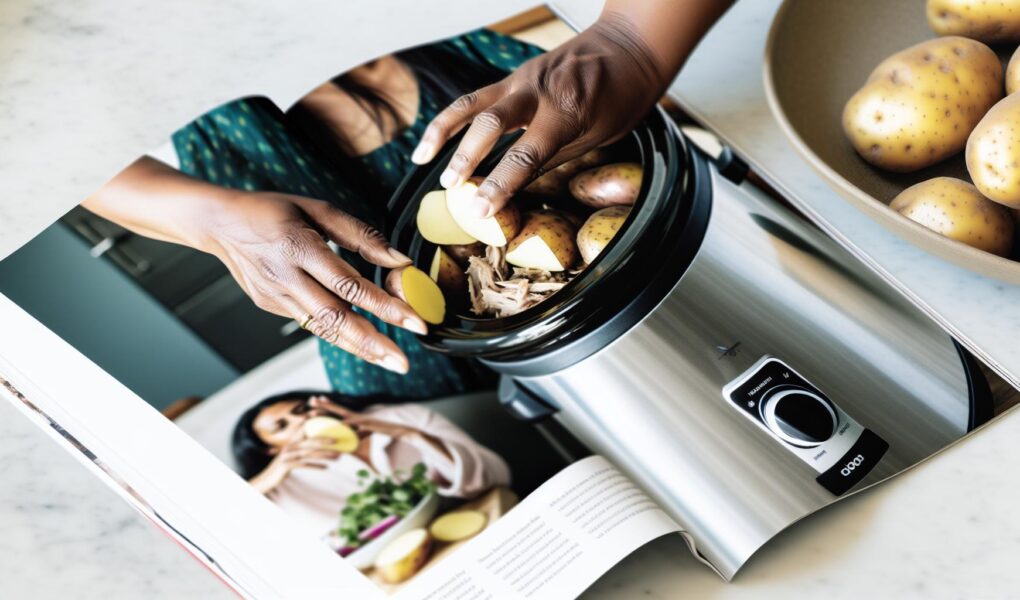
Here’s a little kitchen secret that can make or break your slow cooker roast: when you add the potatoes. Toss them in too early, and you risk mushy spuds that vanish into the sauce; wait too long, and they’ll be undercooked or tough. Getting the timing right means perfectly tender potatoes that soak up those rich, savory juices-and who doesn’t want that? Whether you’re aiming for a gluten-free, paleo-friendly feast or just craving a comforting, fuss-free meal after a busy day, knowing exactly when to drop those potatoes in your slow cooker is a game changer. It’s simple,practical,and will take your cozy roast dinner to the next level without adding extra stress. Stick around, and I’ll share my tested tips to make sure your potatoes come out just right every time-soft but not soggy, flavorful but still holding their shape. As in slow cooking, timing really is everything, and your taste buds will thank you for it!
Table of Contents
- Understanding Slow Cooker Timing for potatoes
- Choosing the Best Potato Types for Slow Roasts
- How Potato Size Affects Cooking and Texture
- Step-by-Step Guide to Adding Potatoes perfectly
- Adjusting Cooking Time When Adding Potatoes
- Common Mistakes That Ruin Potato Texture in Roasts
- Flavor Boosters to Pair with Slow cooker Potatoes
- Creative Potato Substitutes for Slow Cooker Roasts
- Tips for Gluten-Free and Paleo-Friendly Potato Roasts
- Troubleshooting Soggy or Undercooked Potatoes in Slow Cooker
- Enhancing Slow Cooker Roasts with layering Techniques
- Frequently asked questions
- Q: How does adding potatoes at different times affect the texture in a slow cooker roast?
- Q: Can I add frozen potatoes to a slow cooker roast without affecting texture?
- Q: Why do my slow cooker potatoes sometimes turn mushy, and how can timing fix this?
- Q: What’s the best way to layer potatoes in the slow cooker for even cooking?
- Q: How do different potato varieties impact the perfect texture when added to slow cooker roasts?
- Q: Can adding potatoes too late in a slow cooker roast cause undercooking,and how to prevent it?
- Q: When slow cooking a roast with potatoes,how can I adjust cooking time to get perfect potato texture without overcooking meat?
- Q: What seasoning tips enhance potato texture and flavor when added to slow cooker roasts?
- Closing Remarks
Understanding Slow Cooker Timing for potatoes
Potatoes are famously patient cooks-but in a slow cooker, timing can be everything. Leave them in too long, and you risk mushy, flavorless blobs; add them too late, and you’ll end up with crunchy chunks that no one asked for. The sweet spot usually depends on your slow cooker’s temperature setting and the size and type of potatoes you’re using. Generally, potatoes take about 2 to 3 hours on high or 4 to 6 hours on low to reach that perfect fork-tender stage. This means if you’re roasting meat or veggies for a full 6-plus-hour slow cook, adding potatoes too early can turn them into unrecognizable, soggy mush.[2]
Timing isn’t just about the number on the clock-it’s about harmonizing textures.Imagine a dancer keeping perfect rhythm: your potatoes should enter the stage at just the right moment to finish in step with your roast. For a 6-hour roast on low, adding potatoes during the last 3 hours hits that balance, giving them time to soften and soak up flavors without falling apart. If you’re short on time or cooking on high, plug them in closer to the midway point-about 1 to 2 hours before serve. This way, they absorb all the lovely meaty juices and herbs without becoming a sad, starchy puddle.
Here’s a little hack from my kitchen adventures: when cooking a mixed roast, I like to toss smaller potatoes or cut chunks into the slow cooker right from the start if I want them to almost melt into the sauce, perfect for mash or thick stews.For firmer potato sides, I delay adding them until the last third of the cooking time. And don’t worry if you forget-slow cooker magic is forgiving! You can always give a quick test poke with a fork 20-30 minutes before serving. If they need more time, just pop the lid back on and relax for a bit longer.
Quick Tips for Timing Success
- High heat (2-3 hours): Add potatoes early in the cook if small or cut; late if whole or large.
- Low heat (4-6 hours): Add potatoes with the last 3 hours for soft but intact texture.
- Size matters: smaller pieces cook faster, so plan accordingly.
- test and adjust: Fork tenderness is the true judge-don’t rely on the clock alone.
Remember, slow cooking is a dialog, not a lecture! Adjust timing based on your potato choice and size, and soon you’ll be serving spuds that feel like a slow-cooked hug – tender, flavorful, and just right.For some inspiration on timing and prepping potatoes in your slow cooker, check out these tested recipes that nail that perfect texture every time[3].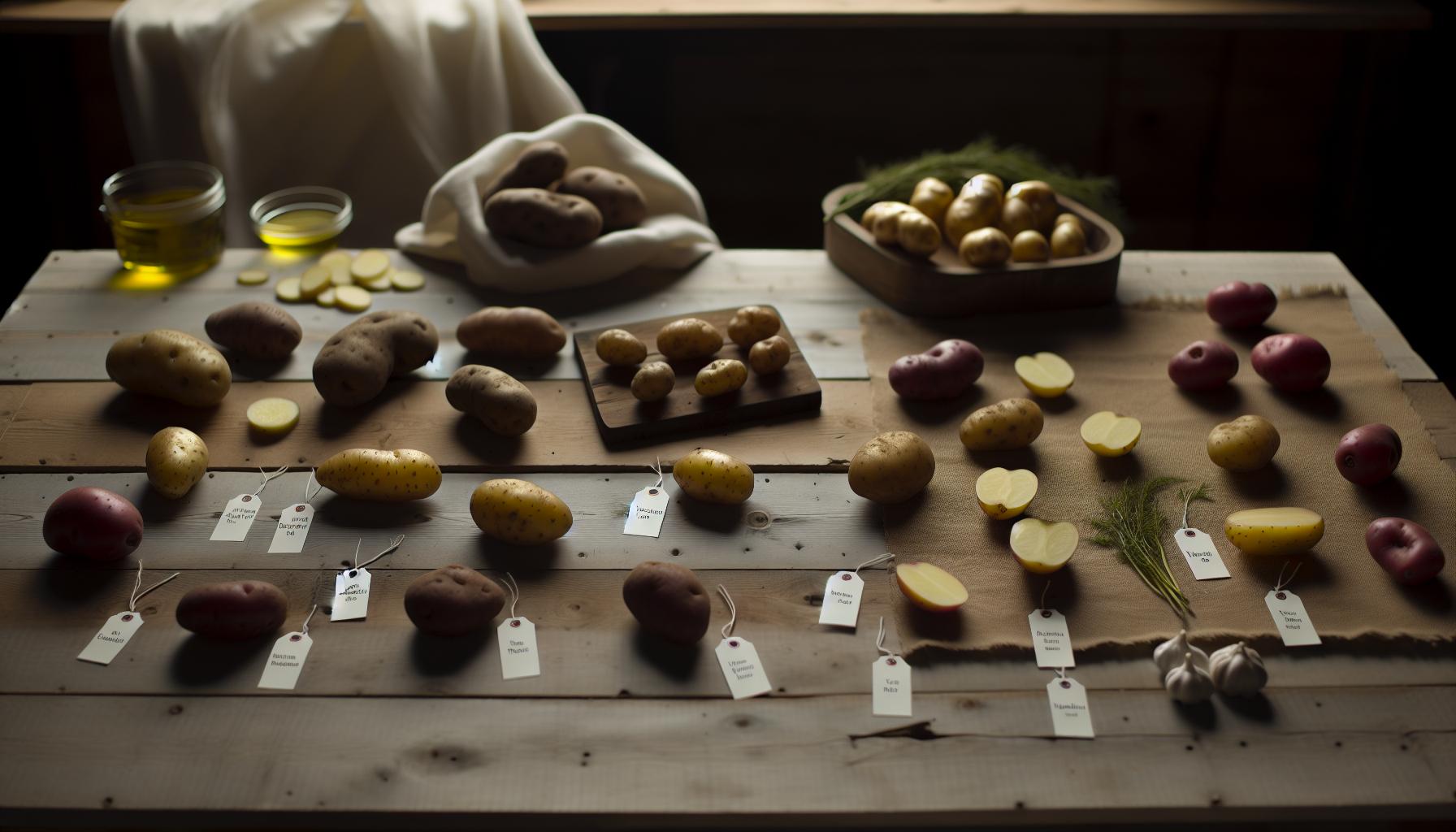
Choosing the Best Potato Types for Slow Roasts
Choosing the right type of potato can make all the difference between a slow-cooked side dish that melts in your mouth and one that’s a bit of a soggy disappointment. Not all potatoes were created equal, especially when it comes to slow roasting.The beauty of slow cooking is how it gently breaks down starches and softens the flesh, but some potato varieties handle this magic better than others. Generally, starchy potatoes tend to break down more, becoming fluffy and perfect for mashing or thickening sauces, whereas waxy potatoes hold their shape and are perfect if you want distinct, tender chunks that soak up every appetizing drop of your roast’s juices.
If you picture your ideal slow cooker roast, ask yourself: do you want the potatoes to disappear into the saucy goodness, or do you want them as firm, flavorful companions? For a silky, melt-in-your-mouth texture, Russets or other starchy varieties like Yukon Gold are excellent. Yukon Gold, in particular, is a favorite of mine because it has enough starch to get creamy but enough moisture to stay intact-not too mushy, not too firm. For those who like their potatoes to keep a bit of bite and hold the shape of rustic chunks (think roasted potato salad vibes), go for waxy potatoes such as Red Bliss or new Potatoes. They’re perfect for slow cooks that run longer because they resist falling apart.
- Starchy potatoes (Russets, Yukon Gold): best for creamy textures and mash-like softness.
- Waxy potatoes (Red Bliss,Fingerlings,New potatoes): Keep shape well-ideal for chunkier slow-roasted dishes.
On that note, sometimes life calls for a little compromise-ever tried using a mix? Tossing a few Yukon Golds with Red Bliss can give you pockets of melt-in-your-mouth alongside some sturdier bites, which honestly makes for a fun texture party on your plate. Plus, this approach works wonders when you’re layering flavors, letting some potatoes soak deeply into the broth while others provide that much-needed oily, crispy contrast if you finish them off under the broiler just before serving.
Practical tip: peel and cube your starchy potatoes if your recipe leans toward long cooking times for melt-in-your-mouth appeal. For waxy varieties, consider tossing them whole or halved to keep their charming little shapes intact. Either way, prepping potatoes ahead (like rinsing off excess starch or parboiling for a few minutes) can shave down your slow cooker time, freeing you up to focus on other parts of the meal. Having a bag of mixed potatoes in the fridge has saved me countless “too mushy” disasters and made home-cooked slow roasts feel a lot more reliable and foolproof-one less kitchen headache, one more cozy dinner ready to go.So,when choosing potatoes for slow roasting,remember it’s all about the texture you want to showcase and the flavor “job” you want your spuds to do. Whether you’re aiming for soft comfort or tender bites that hold their own, picking the right type is step one in making every slow cooker roast a star meal-without the guesswork. For recipes that nail it consistently, check out some slow cooker potato gems to see how different types shine under the low and slow spotlight[2], [3].
How Potato Size Affects Cooking and Texture
Potato size is a secret weapon in achieving the perfect texture in slow cooker roasts-too big, and you risk long, uneven cooking times; too small, and hello, mush city. As slow cookers work gently and steadily, the surface area of your potato pieces dramatically influences how quickly they cook.Smaller cubes or halves will soften much faster, breaking down into delicious, creamy bites. Meanwhile, whole small potatoes or larger chunks hold their shape longer, delivering that coveted tender-but-firm bite that makes every forkful feel intentional.
If you’re aiming for potatoes that melt into the sauce-think creamy, mash-like luxury-cutting starchy potatoes like Russets or Yukon Golds into 1-inch cubes is ideal.This modest size strikes a balance, ensuring they’re cooked through after a few hours without collapsing too fast. On the flip side, if you love rustic, waxy potatoes that stay distinct and provide texture contrast, consider using whole baby potatoes or halved medium-sized ones. Their thicker exterior and dense flesh naturally slow the soak-in of juices, making for a satisfying chew even after the low-and-slow marathon.
- Small pieces (1-inch cubes): Faster cook, creamier texture, ideal for starchy potatoes.
- Medium pieces (halves or quarters): Balanced cooking time, good for versatile textures.
- Whole baby potatoes: Slowest cook,best for waxy varieties to maintain shape and firmness.
Let me share a kitchen confession: One time, I threw in whole medium-sized Russets as I was rushing dinner prep.They ended up undercooked,tough to fork through,and frankly,a bit of a buzzkill. After that, I switched to a simple rule-cube starchy potatoes, halve waxy ones, and always check in on texture about halfway through cooking. It saves embarrassment and keeps your roast dinner confidently on point, especially when your timeline is tight.
Timing is everything too; the bigger the potato, the later you’ll want to add it to the slow cooker. Because small potatoes start working their magic sooner, toss these in at the beginning if you want them to soak up the full flavor bath. Larger chunks or whole potatoes? They’re better saved for mid-cook to avoid a mealy or mushy mess.A quick parboil can also give larger pieces a boost, speeding up the finish when the clock’s ticking.If you’re curious about perfect slow cooker timing, plenty of recipes show how different sizes translate to personal flavor wins and texture goals[[[[[2]](https://itsavegworldafterall.com/slow-cooker-roasted-potatoes/),[[[[[3]](https://realfoodwholelife.com/recipes/slow-cooker-potatoes/).
Quick Size Guide for Slow Cooker Potatoes
| Potato Size | Typical Cook Time | Texture Outcome | Best For |
|---|---|---|---|
| Whole new potatoes (small) | 4-6 hours on low | Firm, holds shape | Waxy varieties, roasting with meat |
| Halved medium potatoes | 3-4 hours on low | Tender but intact | Mix of waxy and starchy potatoes |
| 1-inch cubes | 2-3 hours on low | Soft, creamy | Starchy potatoes for mashing or melting |
Remember, the slow cooker’s gentle heat means “low and slow” is the golden rule-but adjusting size and timing means you’re the slow cook master, steering texture and flavor like the pro you are. it’s all about knowing your spuds’ personalities and what role you want them to play on your plate. Whether it’s that velvety Yukon Gold cube that dissolves luxuriously into gravy or the tender Red Bliss half that gives you a satisfying bite, size is your texture’s best friend.
Step-by-Step Guide to Adding Potatoes perfectly
Few things beat the joy of perfectly tender potatoes soaking up all those rich roast flavors,but timing their addition in the slow cooker can feel like a kitchen puzzle. Toss them in too early, and you risk mushy spuds that vanish into your sauce. Add them too late, and you’ll wrestle with undercooked, crunchy bites that steal the spotlight for all the wrong reasons. the good news? With a little planning and some simple cues, you can nail the timing so every potato piece shines with just the right texture.
Potatoes aren’t just side players; they’re characters with distinct cooking quirks depending on their size and variety. For example, if you’re working with starchy Yukon Golds or Russets cut into 1-inch cubes, these delicate darlings cook relatively fast-usually in about 2 to 3 hours on low. So, don’t be shy about adding them at the very start of your slow cooker journey to let them soak up the full flavor symphony. Meanwhile, waxy baby potatoes or halved medium-sized Reds deserve a slower, gentler timeline. They can simmer nicely alongside your roast from the get-go but ofen thrive when added about halfway through cooking, ensuring they become tender without slipping into mush city.
if you’re ever racing against dinner time with large chunks or whole potatoes, a quick parboil is a total game changer. I’ve saved many a rushed night by boiling potatoes just long enough to soften their edges, then layering them in for the last 1 to 2 hours in the slow cooker. This trick seals the deal on tender hearts wrapped in intact skins, all while keeping your roast timetable intact.
How to Add Potatoes for Best Results
- Step 1: Prep your potatoes according to the texture you want-small cubes for creamy softness, halves or whole baby potatoes for firm bites.
- Step 2: Season potatoes simply with salt, pepper, and a splash of olive oil, or toss directly in your preferred roast marinade to give every bite flavor.
- step 3: Add small cubes at the start of cooking so they absorb the aromas and break down to velvety perfection.
- Step 4: For larger pieces, wait until about halfway through the roast’s total cook time before tucking them in-this keeps them tender but structurally sound.
- Step 5: Consider parboiling larger potatoes for 5-10 minutes to speed cooking and prevent an “undercooked” disaster if you need to add them late.
- Step 6: Check texture about 30 minutes before the end-potatoes can surprise you, and a quick poke with a fork lets you adjust heat or time if needed.
Like you, I love a shortcut that doesn’t sacrifice deliciousness. So if time’s tight, don’t hesitate to swap whole waxy baby potatoes for quick-softening cubes, or throw in parboiled pieces early.Just remember: slow cookers are forgiving friends, but timing is the secret handshake between you and perfect roast potatoes.
Potato Addition and Cook Time Reference
| Potato Type & Size | When to Add | Expected cook Time in Slow Cooker (low) | Texture Outcome |
|---|---|---|---|
| 1-inch cube starchy potatoes (Yukon Gold,Russet) | At start of cooking | 2-3 hours | Soft,melt-in-mouth |
| halved medium waxy potatoes (red Bliss,Fingerling) | Midpoint (halfway through cooking) | 3-4 hours total | Tender but holding shape |
| whole baby waxy potatoes | Add 1-2 hours before end or parboil first | 4-6 hours (if parboiled,less) | Firm,rustic texture |
With this approach,your slow cooker becomes the kitchen co-pilot that knows just when to bring those spuds to the party.No more guesswork,no more mushy or crunchy surprises-just tender,flavor-packed potatoes that boost your roast’s star power every time. Cooking slow doesn’t mean elaborate; it means smart and delicious!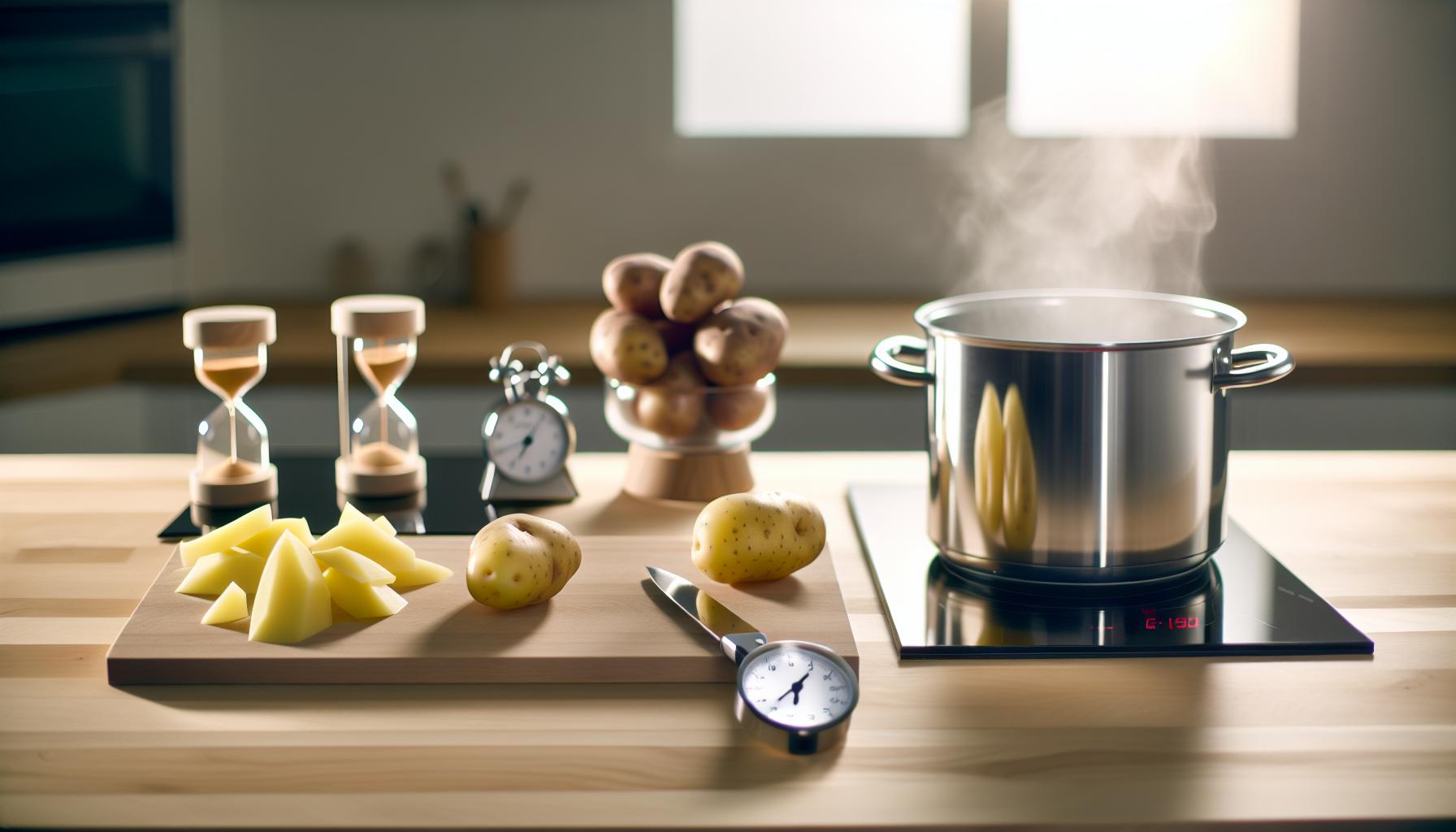
Adjusting Cooking Time When Adding Potatoes
Timing is everything when it comes to adding potatoes to your slow cooker roast. The recipe clock isn’t one-size-fits-all because potato types and sizes vary widely, and each plays their own distinct role in your dish’s texture and flavor. Getting the timing right ensures that your potatoes don’t turn into mush or stay rock hard-both less-than-ideal outcomes we’ve all stumbled over in the kitchen. The trick lies in adapting your cook time based on the potato’s shape, density, and how long you want those tender bites to soak up the savory goodness around them.Such as, small cubes from starchy varieties like Yukon Gold or Russet sink into a creamy, melt-in-your-mouth texture after about 2 to 3 hours on low heat. These beauties love an early start, letting them absorb all those juicy notes from your roast and seasonings-a true flavor symphony. On the flip side, whole baby waxy potatoes or halved medium Reds need gentler coaxing, often benefitting from being added midway or later in the cooking process to prevent them from falling apart. if you’re pressed for time or juggling a tight schedule, a quick parboil (just 5-10 minutes) softens the edges, giving these bigger spuds a head start so they finish tender without dragging your roast’s cooking time out unnecessarily.
Smart Adjustments for Perfect Potato Timing
- Start with size: Smaller cuts soak up flavors quickly and become tender sooner, so toss them in right away.
- Hold off on larger chunks: For hefty halves or whole waxy potatoes, stagger their entry to keep texture intact-usually halfway through or an hour or two before the roast finishes.
- Parboil shortcuts: busy evenings love this trick. Give larger potatoes a quick boil to jumpstart softness, then add them late without fear of crunch or uneven cooking.
- Adjust cooking heat if needed: Slow cookers vary! If you peek in 30 minutes before dinner and find firmness lingering, bump up to high or let it cook a bit longer.
In one of my go-to family roasts, I once added whole fingerlings from the start, only to end up with sadness disguised as mushy potatoes floating in gravy. Next time, I halved them and slipped them in halfway through-the difference was like night and day. The potatoes held their shape, had a lovely bite, and soaked up the best parts of the sauce without disappearing. It’s those little timing tweaks that transform a “meh” roast into a comforting feast that’s as much about texture as flavor.
| Potato Type/Size | When to Add | Slow Cooker Time (Low) | Texture Outcome |
|---|---|---|---|
| 1-inch Starchy cubes (Yukon Gold, Russet) | At start | 2-3 hours | Soft, creamy, flavorful |
| halved medium waxy (Red Bliss, Fingerling) | Halfway through | 3-4 hours total | Tender but firm |
| Whole baby waxy potatoes | Last 1-2 hours or parboiled early | 4-6 hours (less if parboiled) | Rustic, firm, delightful bite |
Adjusting your cooking schedule around these guidelines transforms your slow cooker into a savvy kitchen partner that respects your time and your taste buds. Remember, no stress-slow cooking is forgiving, but a little foresight prevents those soggy or undercooked disappointments. Whether you’re gluten-free, paleo, or just chasing that perfect roast day after day, these timing tweaks keep your potatoes celebrating alongside your roast, never stealing or missing the show.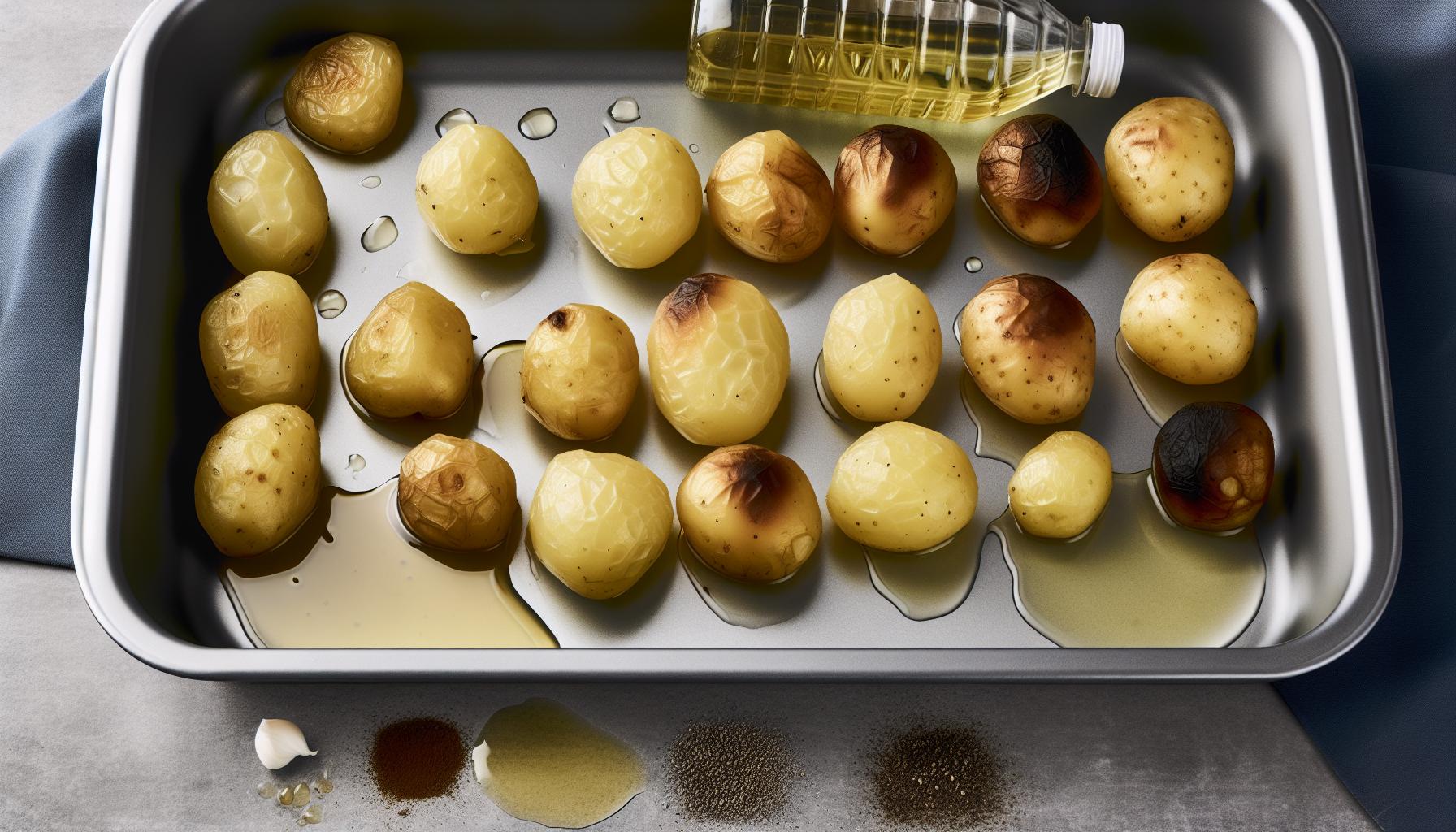
Common Mistakes That Ruin Potato Texture in Roasts
Potatoes have a funny way of either stealing the show or sabotaging it entirely when they’re part of a slow cooker roast. One of the most frequent kitchen heartbreaks is ending up with potatoes that are either a mushy, flavorless puddle or stubbornly hard like little rocks. Both are kitchen quirks you want to avoid as great potatoes add that perfect cozy comfort to your roast, especially if you’re watching gluten-free or paleo lifestyle goals-because texture matters just as much as taste.
A classic blunder is tossing all your potatoes in at the very start without considering their type or size. Waxy potatoes like baby reds or fingerlings, when cooked too long on low heat, start to dissolve and collapse, turning your savory roast into a sloppy affair. On the flip side, big chunks or whole potatoes, especially starchy ones, added too late won’t have time to soften properly and will leave you with a disappointing crunchy bite. I learned this the hard way once, after trying to speed things up by adding whole fingerlings from the get-go-they vanished into an unidentifiable soft mess in the gravy. Now, I slice or halve them and add halfway through, preserving that delightful “bite” while soaking up those rich roast flavors.
- Overcrowding the slow cooker: Potatoes need enough space for heat and steam to circulate. Packing the pot too tightly leads to uneven cooking, with some potatoes mushy and others undercooked.
- Ignoring parboiling: For larger or waxy potatoes, skipping a quick parboil can extend cooking time uncomfortably or ruin texture.A simple 5-10 minute boil jumpstarts the softening without sacrificing your roast’s timing.
- Cooking on too high or too low heat: Slow cookers vary, and relying on a single setting without monitoring can backfire. If potatoes aren’t tender by the end, bump up the heat or add more time rather than sticking rigidly to the clock.
- Not adjusting for moisture: Too much liquid can waterlog potatoes and turn them soggy, while too little can dry them out. Balancing your roast’s juices with the potatoes’ needs is a subtle but significant art.
Little Tweaks Make a Big Difference
In my kitchen experiments, breaking down potatoes into smaller, uniform pieces whenever possible sets everyone up for success. Not just for cooking consistency, but it means those tender pieces are ready to soak in your flavors faster, making every bite a joy.And if you’re short on time or looking for a shortcut on a busy evening, parboiling becomes your best friend, ensuring you get that melt-in-your-mouth texture without a fussy timing dance.
Remember, slow cooking embraces adaptability but it thrives when you work with its rhythm, not against it. The key to glorious potatoes in your roast lies in respecting their quirks and adjusting your timing and planning accordingly-whether that’s a quick boil, staging additions, or tweaking heat settings. Think of it as a gentle conversation with your slow cooker rather than a strict recipe march.
This way,your potatoes arrive perfectly tender yet intact,soaking up sauces without disappearing,adding to the feast rather than being an afterthought. So, go ahead and embrace those little timing tricks-you’ll find your slow cooker roast goes from “meh” to memorable every time!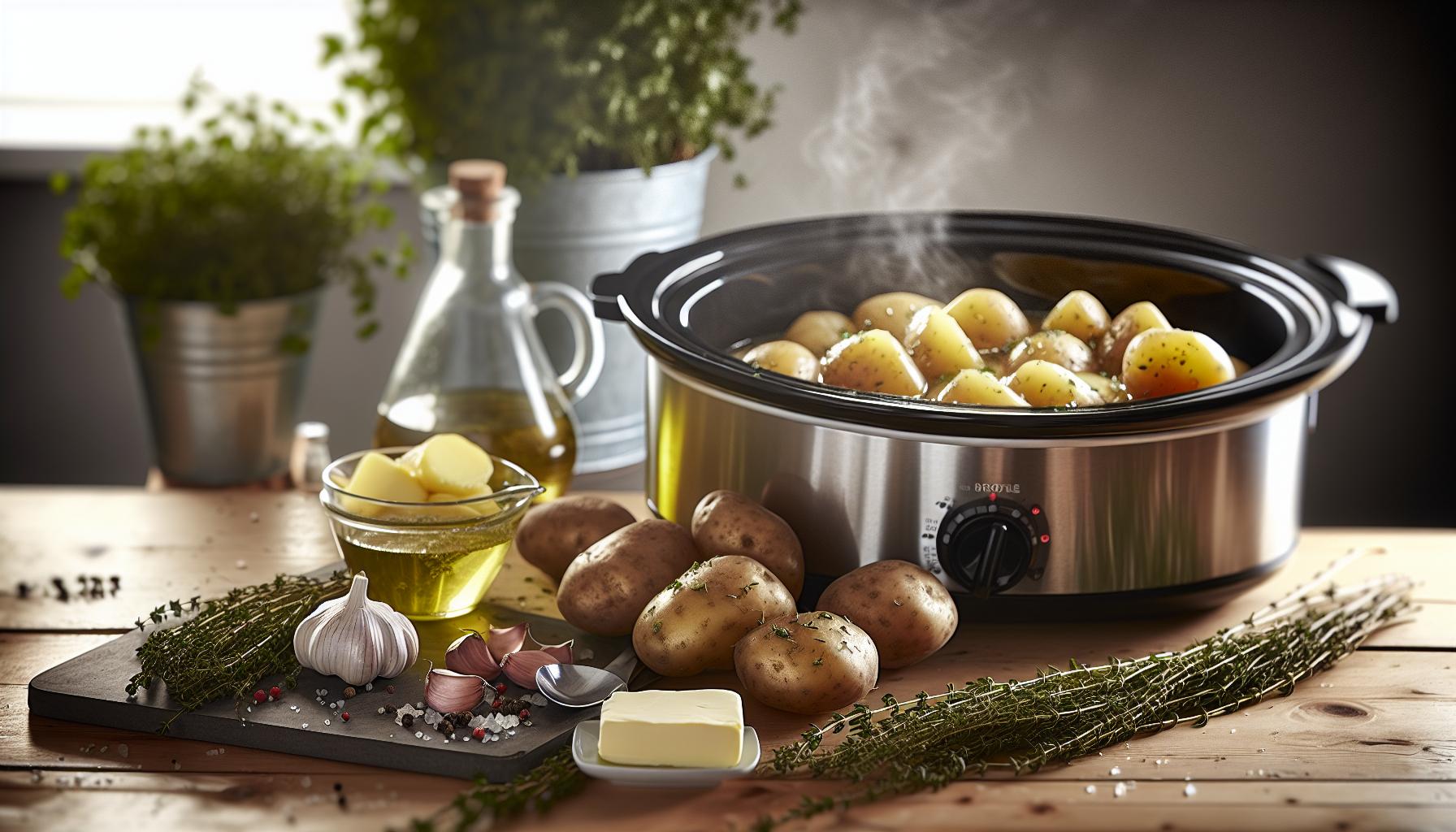
Flavor Boosters to Pair with Slow cooker Potatoes
Potatoes are like little sponges waiting to soak up every bit of flavor you throw their way, which makes choosing the right boosters a total game-changer for your slow cooker roast. The beauty of slow cooking is that it gently infuses those subtle-or bold-flavors deep into the potatoes, transforming them from plain to downright crave-worthy. Whether you’re following a paleo, gluten-free, or just a “feed-the-family-fast” lifestyle, simple additions can really elevate the final dish without extra fuss.
When I’m in the kitchen, I lean on fresh herbs like rosemary, thyme, and sage as they hold up beautifully during long cooking and bring that classic roast aroma everyone loves. Tossing in a couple of garlic cloves-whole or smashed-can add a mellow warmth without overpowering the potatoes’ natural sweetness. For an added punch, don’t shy away from a sprinkle of smoked paprika or a pinch of ground cumin; those spices lend a smoky depth that plays well with the earthiness of potatoes. And if you want to stay paleo-friendly, using quality olive oil or avocado oil over butter lets you tailor the fat content without losing that rich feel.
- Herb combos: Rosemary and thyme for classic comfort, or oregano with parsley for a brighter, Mediterranean vibe.
- Garlic and onion: Whole cloves or sliced shallots impart subtle layers that mellow into sweet notes as they cook.
- Warm spices: Cumin, smoked paprika, or even a touch of turmeric pair surprisingly well and boost antioxidants.
- Acidity boosters: A splash of lemon juice or a dash of apple cider vinegar added near the end wakes up the flavors.
For a personal twist, I sometimes add chopped bacon or pancetta if I’m not staying strict paleo, because those crispy bits lend a smoky, salty crunch that contrasts beautifully with the potatoes’ softness. And here’s a little secret: tossing potatoes in your slow cooker with a spoonful of Dijon mustard mixed into the cooking juices adds a tangy complexity that’s subtle but unforgettable.The slow heat mellows the mustard into a velvety coating that embraces every potato chunk.
Remember,balancing moisture is key,so if you’re using fresh herbs or wet ingredients,keep the liquid levels in check to avoid soggy potatoes. You can always add fresh herbs toward the end of cooking for a fresher,brighter taste without turning your roast into a herb swamp. Slow cooker potatoes deserve their moment to shine, and with these flavor boosts, they’ll be the star that steals the show at your next roast dinner.
| Flavor Booster | Best For | Paleo-Friendly? | When to Add |
|---|---|---|---|
| Rosemary & Thyme | Classic roast flavor | Yes | Early in cooking |
| Garlic Cloves | Mellow, sweet undertones | Yes | early in cooking |
| Smoked Paprika | Smoky depth | Yes | Early in cooking |
| Dijon Mustard | Tangy richness | No (contains mustard seeds) | Mid-cook or stirred into liquids |
| Lemon juice | Bright acidity | yes | End of cooking |
| Bacon Bits | Smoky crunch | No | Last 30 mins |
Creative Potato Substitutes for Slow Cooker Roasts
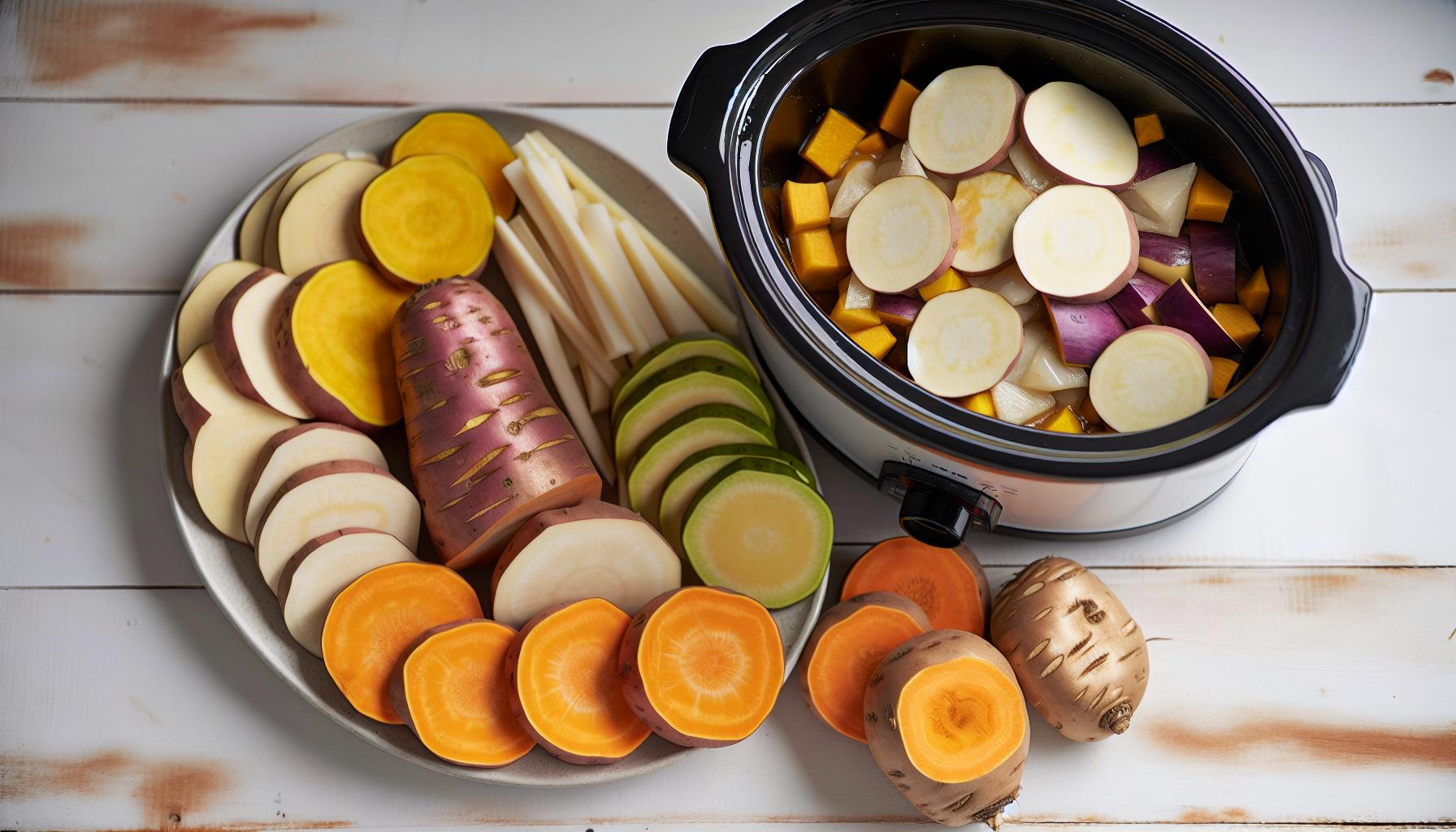
If you’re looking to switch things up or need to dodge potatoes for dietary reasons, the slow cooker’s magic can easily extend to some wonderfully creative substitutes.These alternatives bring their own unique textures and flavors to the table, soaking up your favorite herbs and spices just as beautifully and fitting right in on your paleo or gluten-free journey. Plus, they can save you from the “potato overload” routine without sacrificing that cozy, comforting roast vibe we all crave.
Root vegetables like sweet potatoes, parsnips, and turnips are fantastic go-tos. sweet potatoes, in particular, are a crowd-pleaser-naturally sweet and creamy when slow-roasted, they absorb spices and oils wonderfully.Parsnips add a subtle earthiness with a hint of sweetness, making them a perfect partner for robust herbs like rosemary or thyme.Turnips bring a slightly sharper, peppery note that contrasts nicely with mellow meats or hearty greens.Just remember: these tend to cook a bit faster or slower than potatoes depending on size, so slice them into similar chunks or add them to the slow cooker accordingly to avoid mush or crunch surprises.
If you want to get a bit more adventurous, rutabagas (Swede) and celeriac are worth a try. Both have earthy, slightly nutty flavors and hold their shape well during long cooks. They also carry seasoning with a sultry depth when paired with spices like smoked paprika or fresh garlic. My personal favorite hack is combining a few different root veggies for a colorful medley that brings texture and taste variety-think sweet potato for softness, parsnip for sweetness, and rutabaga for a sturdy bite.
Quick Tips for Swapping Potatoes in Slow Cooker roasts
- Prep size thoughtfully: Cut all veggies into uniform chunks to ensure even cooking.
- Adjust timing: Add tender veggies like sweet potatoes about 2 hours before the end, while sturdier roots can join earlier.
- Balance moisture: Some substitutes release more water (celeriac, turnips), so reduce added liquids to avoid sogginess.
- Flavor boost: Keep your favorite herbs and spices-these substitutes love the same rosemary, thyme, garlic, and paprika you use with potatoes.
| Substitute | Flavor Profile | Texture | Cook Time Adjustment | Paleo & gluten-Free Friendly? |
|---|---|---|---|---|
| Sweet Potato | Sweet, creamy | Soft, tender | Add last 2 hours | Yes |
| Parsnip | Earthy, sweet | Firm but tender | Add early or with roast | Yes |
| Turnip | Sharp, peppery | Sturdy, slightly crisp | Add early | Yes |
| Rutabaga (Swede) | Earthy, nutty | Firm | Add early | yes |
| Celeriac | Nutty, subtle celery | Firm, creamy when cooked | Add early | Yes |
Experimenting with these options can feel like a mini-adventure right in your slow cooker. I frequently enough find myself mixing rutabagas and parsnips with a dollop of olive oil, fresh sage, and a splash of apple cider vinegar late in the game-it brightens and deepens the flavors in a way that keeps things interesting.And if you’re paleo or gluten-free, rest assured these swaps maintain the wholesome, clean-eating ethos without sacrificing the comforting heartiness roast meals demand.
Sometimes the best kitchen moments happen when you’re daring to stray from the usual. these substitutes open up new worlds of flavor and texture and ensure your slow cooker roasts stay exciting and customizable, all while honoring your dietary needs and busy life. So grab a knife, pick a root, and let your slow cooker do its hypnotic thing-your taste buds will thank you!
Tips for Gluten-Free and Paleo-Friendly Potato Roasts
Potatoes are the cozy heart of many slow cooker roasts, but if you’re living the gluten-free or paleo lifestyle, timing and selection become your secret weapons for that perfect tender bite without turning your roast into a mushy mess. Getting the texture just right is easier than you think - and you don’t have to forgo comfort or flavor! The key is knowing when to add your potatoes and which varieties or substitutes play best with your dietary needs.
Most traditional potatoes, like russets or Yukon golds, fit well into slow cooker roasts but can get overly soft if left in too long. For gluten-free and especially paleo-friendly meals, you want to avoid added thickeners and fillers, so relying on the natural starch and texture of your potatoes or root veggies is essential. I’ve found adding large chunks of potatoes about halfway through the cooking process (roughly 3-4 hours into a 6-8 hour low slow cook) gives them just the right tender-slightly-firm texture. this timing keeps them from turning to mush but lets them soak up all those savory roast flavors.
Choosing and Preparing Potatoes for Paleo & Gluten-Free Success
- Go for waxy or all-purpose potatoes: Yukon gold or red potatoes hold their shape better than starchy russets, which can break down too much. If you love russets, cut them into larger chunks and add later in the cooking cycle.
- Size matters: Chop potatoes into similar-sized pieces – about 1.5 to 2 inches square – to ensure even cooking. Smaller pieces cook too fast and get mushy, while huge chunks might stay firm or raw inside.
- Substitute smartly: Sweet potatoes and parsnips are paleo and gluten-free stars,adding natural sweetness and a different texture dimension. Add sweet potatoes closer to the end (last 2 hours) as they cook faster.
Flavor and Texture Boosters Without Gluten or Grains
Keeping your roast gluten-free and paleo doesn’t mean sacrificing depth. Using fresh herbs like thyme, rosemary, and sage paired with garlic and olive oil brightens the dish and enhances the natural potato goodness. Sometimes I toss a pinch of smoked paprika or a splash of apple cider vinegar in last minute – it wakes up every veggie and meat fiber, creating a satisfying roast that feels cozy and special.
A quick pro tip: since slow cookers trap moisture,using olive oil or coconut oil lightly on your potatoes before adding them helps keep the edges from becoming soggy while encouraging gorgeous caramelization and flavor absorption. Also, layering your potatoes on top of the meat (rather than buried below) exposes them to flavorful steam and prevents overcooking.
Take it from me – mastering when and how to add potatoes to your gluten-free, paleo roasts turns your slow cooker into your best friend for hassle-free, drool-worthy comfort meals that feed your body and soul.
| Potato Type | Cook Time Addition | Texture Outcome | Gluten-Free | Paleo-Friendly |
|---|---|---|---|---|
| Yukon Gold | Add midway (3-4 hrs in 6-8 hr roast) | Firm yet tender | Yes | Yes |
| Red Potato | Add midway (3-4 hrs in 6-8 hr roast) | Holds shape well | Yes | Yes |
| Russet | Add later (last 2-3 hrs) | Soft, creamy | Yes | Yes |
| Sweet potato | Add late (last 2 hrs) | Soft, naturally sweet | Yes | Yes |
| Parsnip (substitute) | Add early (start of cook) | Firm with sweet notes | Yes | Yes |
Troubleshooting Soggy or Undercooked Potatoes in Slow Cooker
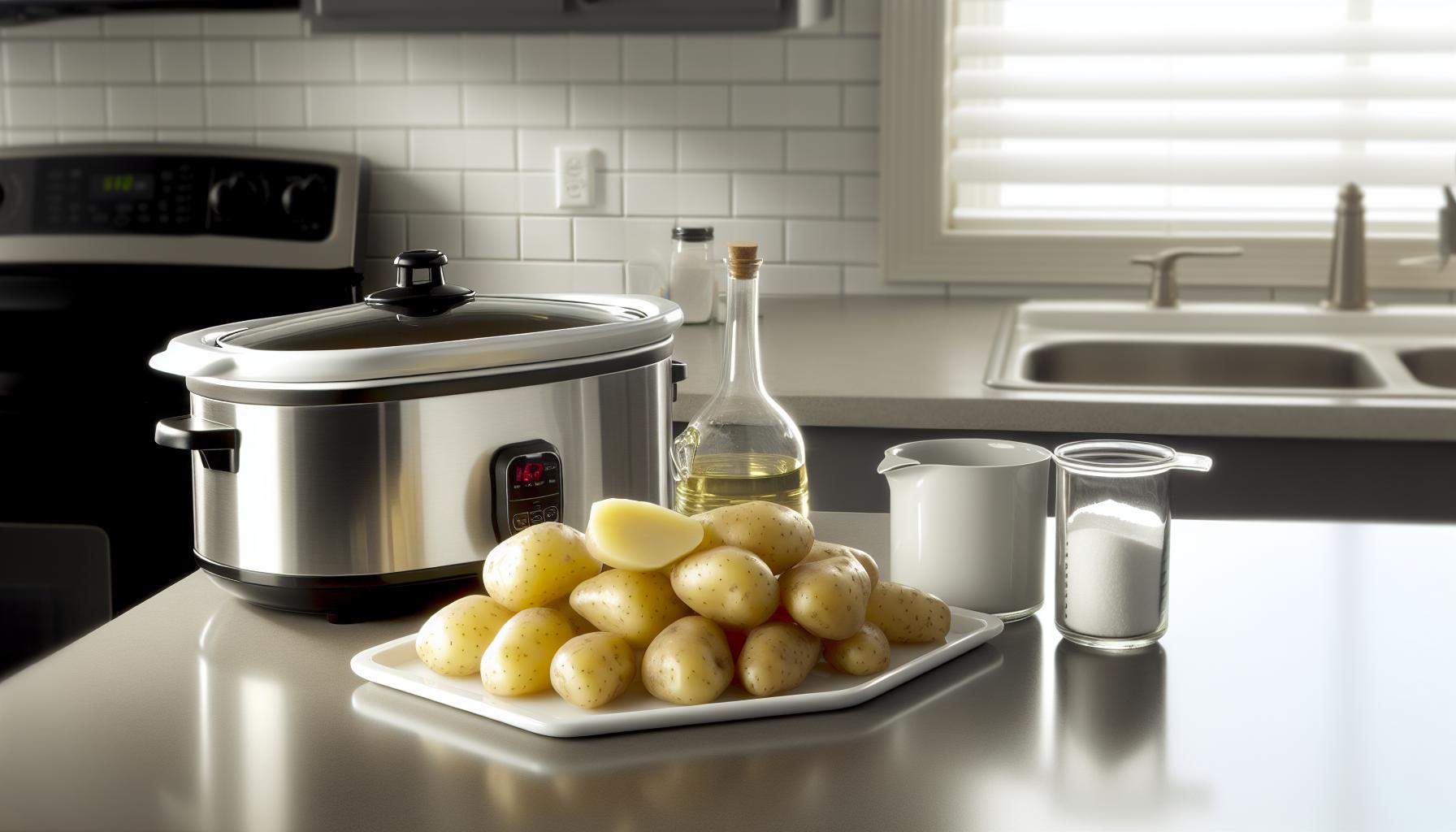
It’s almost a rite of passage in slow cooker cooking-wrestling with potatoes that emerge either gloriously tender or, frustratingly, a soggy or undercooked mess. When you want that perfect bite-a balance of softness with just enough structure-timing and technique become your best friends, especially in gluten-free or paleo kitchens where each texture nuance counts. I’ve been there, too: eager to dig in only to find potatoes that either dissolve into the broth or hold a stubborn crunch. Let’s break down the common culprits and share some kitchen-tested fixes so your next slow cooker roast comes out just right.
Why Are My Potatoes Soggy?
One big misstep is adding potatoes too early. Potatoes, especially starchy types like russets, release starch as they cook, which can thicken the moisture around them and lead to a mushy texture. Add them right at the start in an 8-hour roast, and they’ll practically melt into the gravy. To avoid this, save potatoes for the latter half or even final 2-3 hours for starchy types, or 3-4 hours in for waxier ones like Yukon Gold or reds.Another sneaky reason is moisture overload – slow cookers trap liquid, which is great for tender meat but can drown potatoes if not balanced.Here’s a neat trick: tossing your potato chunks lightly in olive or coconut oil before adding them helps form a protective layer, reducing sogginess while boosting flavor.Also, resist the urge to pile potatoes at the bottom of the pot; layering them on top lets steam circulate and avoids sitting in all the liquid.
How to Rescue Undercooked Potatoes (Without Starting Over!)
Nothing is more disappointing than a bite into a roast only to encounter crunchy potato centers. This usually means potatoes were added too late or cut too large. If you spot undercooked taters near the end, don’t sweat it – simply remove the lid and cook on high for an extra 20-30 minutes. Cutting potatoes into uniform pieces-aim for about 1.5 to 2 inches-ensures even cooking throughout. Smaller chunks disappear too fast and risk sogginess; big chunks might stay raw inside. When time’s tight, parboiling potatoes briefly before adding them to the slow cooker can also shortcut the cooking process while preserving texture. For paleo or gluten-free roasts, this step is a lifesaver when working around tight schedules without sacrificing comfort.
- Oil lightly coat potatoes before adding: Keeps edges firm and adds flavor.
- Add waxy potatoes midway: About 3-4 hours into a 6-8 hour roast.
- Hold starchy potatoes until later: last 2-3 hours to avoid mush.
- Cut potatoes evenly: Around 1.5-2 inch chunks are ideal.
- Layer on top: Allows moisture to circulate, preventing sogginess.
When Substitutes and Adjustments Save the Day
sometimes, that soggy or undercooked issue isn’t your fault but the potato type or substitute you used.Sweet potatoes and parsnips bring paleo-friendly flavor and sweetness but behave differently under heat. Sweet potatoes, as a notable example, cook faster and can become mushy if added too early; add them during the last 1-2 hours rather. parsnips are sturdier and can go in earlier without falling apart-perfect for longer roasts. If your slow cooker tends to trap too much moisture, experiment with partially removing the lid in the last hour or giving potatoes a quick sauté before adding; this adds caramelization and reduces excess liquid. Life’s busy and slow cookers are forgiving machines-sometimes a simple tweak turns a “meh” potato moment into a star of the plate.
Slow cooker fans swear by layering potatoes just right, timing additions thoughtfully, and trusting their kitchen intuition when things don’t go perfectly.Remember, every slow cooker heats a little differently, so take notes and adjust a tad next time. Your perfectly textured gluten-free, paleo roast potatoes are just a tweak away!
| Common Issue | Cause | Quick Fix | Tip for Paleo/Gluten-Free |
|---|---|---|---|
| Soggy Potatoes | Added too early or excess moisture | Add later; coat in oil; layer on top | Use waxy potatoes; avoid fillers |
| Undercooked Potatoes | Added too late or cut too large | Cook longer on high; parboil before slow cook | Cut uniform pieces; add timing as per type |
| Mushy Sweet potatoes | Added too early; overcooked | Add in last 1-2 hours | Prefer larger chunks; add late |
Enhancing Slow Cooker Roasts with layering Techniques
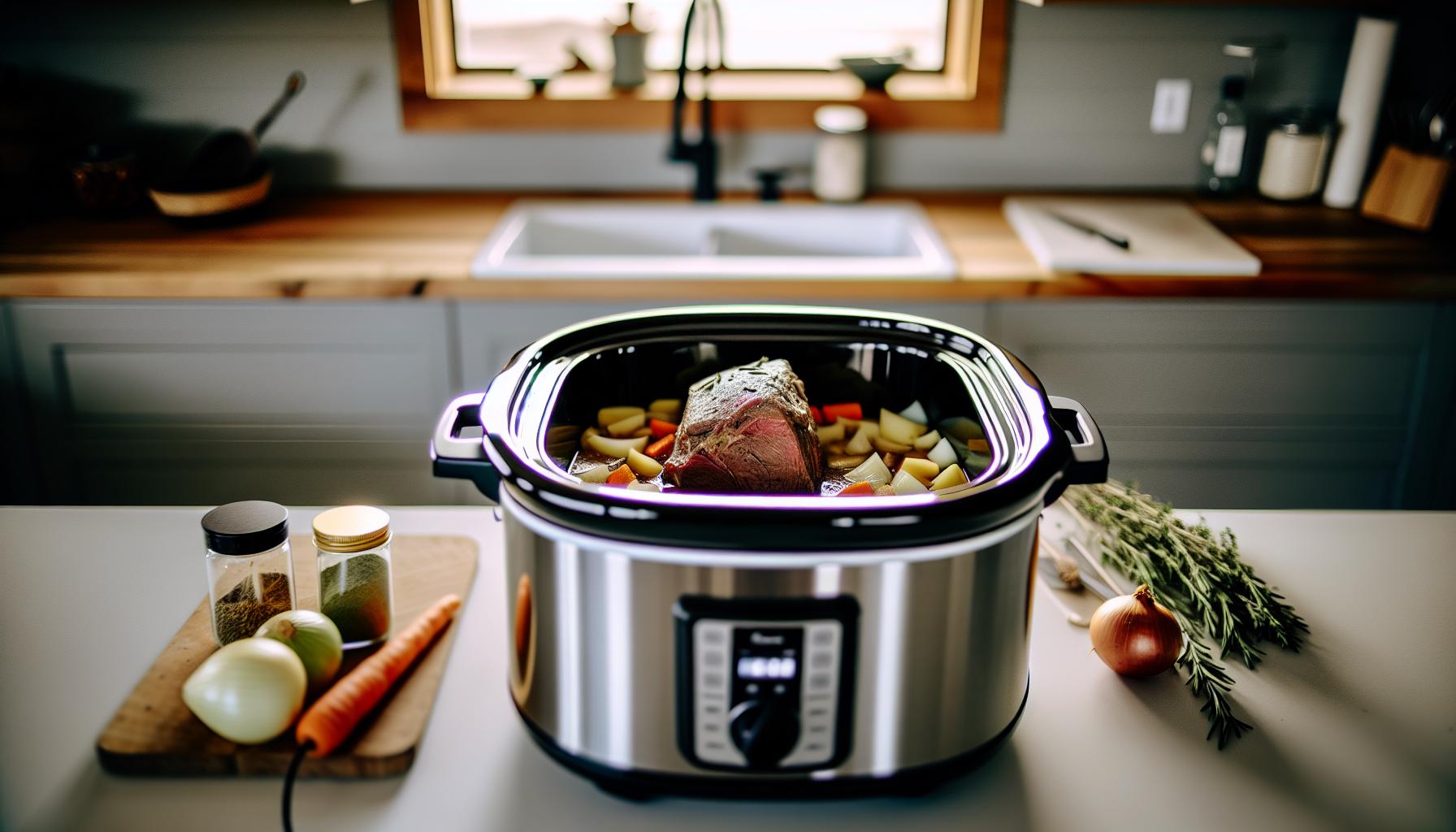
There’s an art to layering ingredients in your slow cooker that often gets overlooked but can make all the difference between a so-so roast and a showstopper, especially when potatoes are involved. Unlike oven roasting where heat surrounds food evenly, slow cookers heat mainly from the sides and bottom, so where you place your potatoes can decide if they emerge perfectly tender or soggy and sad. Placing potatoes *on top* of meat and other veggies isn’t just about aesthetics-it allows steam to circulate freely and keeps potatoes out of pooling liquid. This little trick preserves their texture, helping them retain that delicate balance of softness with a slight bite, which is pure magic for anyone craving paleo and gluten-free comfort without the mush.Think of your slow cooker as a flavor-packed ecosystem where layering controls moisture flow and heat exposure. Such as, I often start with a base layer of aromatics like onions and garlic at the bottom, followed by hearty root veggies-don’t pile potatoes here unless you want them swimming! Meat goes next, lazily nestled with herbs and spices, then the potatoes, usually tossed in a light coat of olive or coconut oil to form a protective skin. This oil layer is my secret weapon as it combats the slow cooker’s moist environment,creating a light barrier that keeps those starchy edges firm and flavorful. Occasionally,I’ll sprinkle some fresh herbs or a pinch of paprika right on top of the taters during the last hour for a rustic,oven-roast finish effect.
- Place potatoes on the top layer: Avoids sitting in excess liquid.
- Lightly oil the potatoes before layering: Helps maintain structure and infuses flavor.
- Add delicate items last: Parboiled potatoes or sweet potatoes belong closer to the top, added midway or late.
- Use larger chunks: This keeps potatoes from overcooking or becoming mushy in the bottom hotspot.
If you’re juggling paleo or gluten-free priorities, layering turns into more than a texture saver-it’s a moisture management guru. For instance, sweet potatoes added too early at the bottom can dissolve into a pumpkin-y mess, but layered on top, added about an hour before serving, they cook gently, keeping their vibrant color and just the right firmness. This also makes adapting recipes super easy-swap in parsnips or turnips in the bottom layer for a sturdier veggie base and keep potatoes as your “star topper.” Remember, each slow cooker is a little quirky in how it heats, so treat layering like tuning an instrument-a few experiments will have you hitting all the right notes in no time.
Layering is a subtle, practical approach to elevating your slow cooker game. Think of it like building a cozy bed for your potatoes,protecting and pampering them until they reach that perfect melt-in-your-mouth moment. Once you get the hang of this, your kitchen will be filled with the most inviting roast aromas, and your potatoes? Always the highlight-never the underdog.
Frequently asked questions
Q: How does adding potatoes at different times affect the texture in a slow cooker roast?
A: Adding potatoes earlier makes them soft and creamy, while adding them later preserves a firmer, chunkier texture. For perfectly tender but intact potatoes, add them about halfway through the cooking time.This balances softness and prevents overcooking-see our Adjusting Cooking Time When Adding Potatoes section for smart timing tips.
Q: Can I add frozen potatoes to a slow cooker roast without affecting texture?
A: It’s best to avoid frozen potatoes in slow cooker roasts as they release extra water and cook unevenly,often leading to soggy texture. Instead, use fresh or thawed potatoes and add them according to your roast’s timing for ideal results. Check Common Mistakes That Ruin Potato Texture in Roasts for more kitchen-tested advice.
Q: Why do my slow cooker potatoes sometimes turn mushy, and how can timing fix this?
A: Mushy potatoes usually mean they were added too early or cooked on high heat too long. To fix this, add potatoes later in the cooking process or use firmer potato varieties to maintain texture. Refer to troubleshooting Soggy or Undercooked Potatoes for quick fixes and texture-saving tricks.
Q: What’s the best way to layer potatoes in the slow cooker for even cooking?
A: place potatoes near the bottom or around the roast where the heat is strongest but avoid overcrowding. This layering method promotes even cooking and consistent texture, as explained in Enhancing Slow Cooker roasts with Layering Techniques. mixing potato size can also help!
Q: How do different potato varieties impact the perfect texture when added to slow cooker roasts?
A: Waxy potatoes like Yukon Gold hold their shape well and deliver creamy texture, while starchy potatoes like Russets break down faster, adding thickness to sauces.Choose based on desired texture and add timing accordingly-details in our Choosing the Best Potato Types for Slow Roasts section help customize your cooking.
Q: Can adding potatoes too late in a slow cooker roast cause undercooking,and how to prevent it?
A: Yes,adding potatoes very late can leave them undercooked. To avoid this, add potatoes at least 1-2 hours before the cooking time ends, depending on size. Cutting potatoes into smaller chunks speeds cooking and ensures a perfect finish-see How Potato Size Affects Cooking and Texture for smart prep ideas.
Q: When slow cooking a roast with potatoes,how can I adjust cooking time to get perfect potato texture without overcooking meat?
A: To balance meat and potato textures,start the roast first and add potatoes mid-way or after 2-3 hours on low. This way, meat fully tenderizes without potatoes turning mushy.For more timing strategies, check Adjusting Cooking Time When Adding Potatoes for a foolproof plan.
Q: What seasoning tips enhance potato texture and flavor when added to slow cooker roasts?
A: Season potatoes with salt, pepper, and herbs like rosemary or thyme when adding them to slow cooker roasts. This boosts flavor and helps draw out moisture, improving texture. For more flavor combos and pairing tips, explore Flavor Boosters to Pair with Slow Cooker Potatoes.
Feel free to explore these tips alongside your cooking journey for delicious, perfectly textured slow cooker roasts. For detailed timing and potato prep methods, don’t miss the full article sections linked above-happy roasting!
Closing Remarks
Nailing the perfect texture for potatoes in your slow cooker roast is easier than you think-with just the right timing, you’ll enjoy tender, flavorful spuds every time. Remember, adding potatoes at the ideal moment ensures they soak up all the roast’s savory goodness without turning mushy, making your meal a true comfort food winner. Ready to elevate your slow cooker skills? Try experimenting with different potato varieties or pair your roast with our easy crock pot side dishes to keep weeknight dinners exciting and fuss-free.
For more kitchen inspiration, check out our guides on easy slow cooker potato recipes and how to make fluffy crock pot mashed potatoes. Don’t forget to subscribe to our newsletter for more tested, practical tips that fit your busy lifestyle and support gluten-free or paleo preferences without sacrificing flavor. Got questions or your own slow cooker secrets? Drop a comment below or share this with friends who love delicious, no-fuss meals.Keep cooking confidently-as every great meal starts with getting the details just right!


