
Did you ever find yourself staring at a frozen turkey and wondering if you can just toss it straight into your slow cooker? It’s a tempting shortcut, especially when life’s busy and you want a hands-off meal. But before you dive in, there’s an important safety heads-up too consider-cooking a frozen turkey in a slow cooker might not be as simple or safe as it seems. If you’ve ever struggled with juicy, perfectly cooked poultry or worried about food safety, you’re not alone. Slow cookers are amazing for tender meals, but when it comes to frozen turkey, the rules change. Stick around-I’ll share what you need to know before you press “start,” including how to keep your meal both appetizing and safe, plus tips on prepping ahead without freezing your dinner plans solid. Because good food should be easy, tasty, and, most importantly, safe.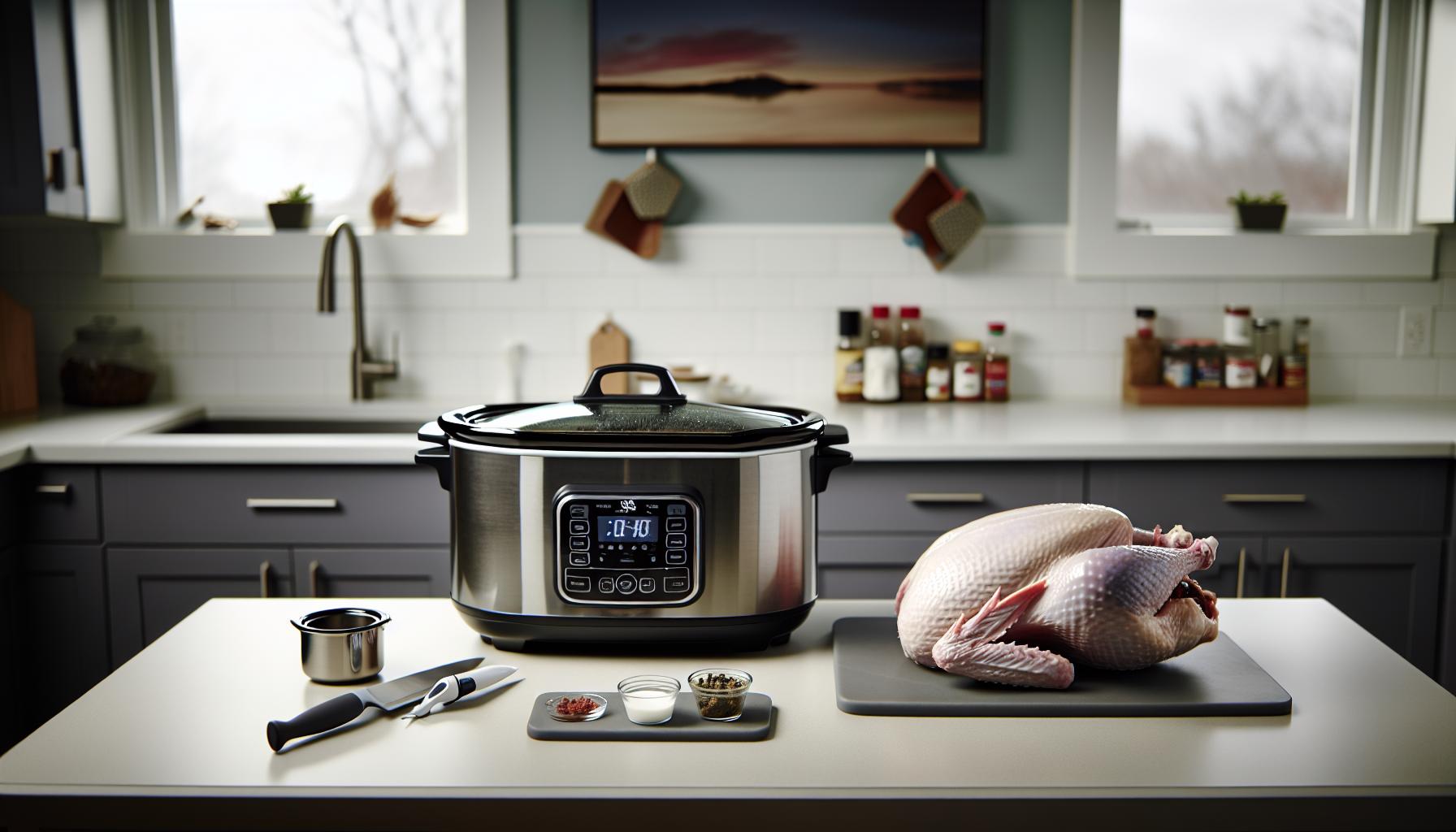
Table of Contents
- Is It Safe to Cook Frozen Turkey in a Slow Cooker?
- How Slow Cookers Actually Cook Frozen Meat
- Step-by-Step Guide: Preparing Frozen Turkey for Slow Cooking
- Common Safety Risks and How to Avoid Them
- Best Slow Cooker Settings for Cooking Turkey from Frozen
- How Long Does a Frozen Turkey Take to Cook in a Slow cooker?
- Signs Your Slow Cooker Turkey Is Fully Cooked and Safe
- Flavor Tips: Boosting Taste When Cooking frozen Turkey
- Alternative Methods: Thawing Before Slow Cooking Explained
- Troubleshooting Common Issues When Cooking Frozen Turkey
- Storage and Leftover Tips for Slow Cooker Turkey
- Gluten-Free and Paleo-Friendly Turkey Slow Cooker Ideas
- Faq
- Wrapping Up
Is It Safe to Cook Frozen Turkey in a Slow Cooker?
cooking a frozen turkey in a slow cooker might sound like a dream come true on busy weeknights-pop it in, forget it, and come back to a warm meal. But before you toss a frozen bird into your crockpot, it’s essential to understand the potential safety concerns involved. Slow cookers heat food at a relatively low temperature, which means frozen meat can spend too long lingering in the danger zone-that magic 40°F to 140°F range where bacteria multiply rapidly. This increases the risk of foodborne illness if the turkey doesn’t reach a safe temperature quickly enough.
That said, many home cooks successfully slow-cook turkey from frozen by following a few smart strategies. The key is ensuring the meat passes through that risky temperature zone as quickly as possible. Such as, choosing a smaller turkey breast instead of a whole bird can help because it heats through more evenly and faster. Also, using the high setting initially and only switching to low later can make a difference in reaching safe internal temperatures promptly.
From my own kitchen experiments, I’ve found that patience and good planning pay off. one time, I tossed a frozen turkey breast into the slow cooker on high, along with some fresh herbs and broth, and about 4 hours later, it was tender, juicy, and perfectly cooked-plus totally safe to enjoy. But I’ll admit, skipping the thawing step feels a bit like dancing with food safety, so being meticulous about temperature checks really saves the day. Always use a reliable meat thermometer, and keep an eye on that internal temp hitting 165°F.
What to Keep in Mind Before Cooking Frozen turkey in your Slow Cooker
- Size matters: Smaller cuts cook safer and faster.
- Start high: Use the high setting at least for the first hour or so.
- Thermometer is your best freind: Verify the 165°F internal temp before serving.
- Plan ahead: Cooking times for frozen turkey will be longer than thawed.
- Quality control: Avoid frozen turkey with icy freezer burn spots or any unusual odors, which could impact both taste and safety.
Ultimately, while it can be safe to cook frozen turkey in a slow cooker with the right precautions, thawing remains the easiest path to evenly cooked, delicious results. But hey, life isn’t always perfect, and understanding the risks helps you make the best choice for your meal and your schedule.
How Slow Cookers Actually Cook Frozen Meat
Slow cookers, or crockpots, are beloved kitchen companions for busy cooks craving hands-off, comforting meals. But when it comes to tossing in frozen meat-like turkey-their magic isn’t quite so straightforward.Unlike an oven or stovetop that blasts heat quickly, slow cookers work gradually, gently coaxing flavors and tenderness over several hours. This low-and-slow method is perfect for thawed cuts, but frozen meat adds a twist to the cooking chemistry.
Here’s the scoop: when frozen turkey goes into a slow cooker, the appliance first has to thaw the bird inside its sealed pot. this means the meat spends an extended period in that infamous “danger zone” between 40°F and 140°F where bacteria love to party. Slow cookers heat from the sides and bottom,warming the liquid and the pot itself slowly-never a roaring hot oven door blast. so the turkey’s temperature ramps up steadily,which can leave the center colder for quite a while.
That’s why many food safety experts caution about cooking frozen poultry in slow cookers. The key to safe slow cooking is bringing the meat through that temperature danger zone as quickly as possible. Practically speaking, this frequently enough means using the high setting initially to speed up thawing and heating, then lowering the temperature once the bird starts to cook evenly. You can think of it like a relay race where the frozen turkey needs to sprint past unsafe temps before settling into a safe,slow cooker groove.
What Happens Inside Your Slow Cooker?
- Slow and steady thaw: The frozen turkey thaws as the pot gradually warms up, but the interior might stay cold much longer than the exterior.
- Moist heat surroundings: Liquids and steam circulating inside help soften the meat and distribute heat, though it still takes time for the heat to reach the core.
- Temperature lag: Unlike fast cooking methods, slow cookers take hours to bring frozen food to 165°F safely, so timing and temperature control are critical.
- Surface cooking first: The outside cooks before the center catches up, making even heat distribution a balancing act.
From my kitchen experiments, I’ve found that a smaller turkey breast is a much friendlier slow cooker candidate when frozen. It thaws and cooks more evenly compared to a whole frozen bird, which can feel like a chilly wall blocking heat. Plus, starting on high for the first hour pumps up the heat, kickstarting thawing before settling into a lazy simmer. Adding broth or aromatic herbs can also help maintain moisture and infuse flavor while you’re waiting for that center to safely cook through.
So, while slow cookers excel as cozy, set-it-and-forget-it appliances, remember that frozen turkey demands a bit more TLC. Think of it as an adventure in temperature management-one that’s totally doable with patience, a trusty meat thermometer, and a pinch of slow cooker savvy.Your turkey will thank you with juicy, tender bites that feel like a kitchen win, without the food safety worry.
Step-by-Step Guide: Preparing Frozen Turkey for Slow Cooking
Jumping straight into slow cooking a frozen turkey might seem like a time saver,but it calls for a bit of strategy to keep things safe and tasty. The key is to help your slow cooker skip over the “danger zone” (those pesky 40°F to 140°F temps where bacteria thrive) as quickly as possible while nurturing juicy, flavorful meat. You don’t have to thaw the whole bird, but giving it a little prep love goes a long way.
Here’s a foolproof, friendly approach I use-whether cooking gluten-free, paleo, or just all-around delicious turkey-that helps the frozen bird transform into a slow-cooked winner without turning into a food safety gamble.
Step 1: Pick the Right Cut and Size
Smaller cuts like turkey breasts or thighs are your best pals when starting from frozen. Large whole turkeys have a chilly core that takes ages to get up to safe temperatures, so save those for fully thawed cooking adventures. For those of us balancing busy schedules with kitchen wins,a 2-3 pound turkey breast is a sweet spot-easier to handle,fits snugly in most slow cookers,and cooks evenly without leaving icy surprises.
Step 2: Prep Your Slow Cooker Base
Brace your slow cooker with a savory foundation that keeps moisture and flavors humming. Pour in about a cup of broth or water to create steam-a cozy bath for the turkey. If you like, toss in aromatics like garlic cloves, rosemary, or sage to infuse that paleo- and gluten-friendly flavor boost right from the start. Remember, this liquid isn’t just for taste; it helps conduct heat more evenly and keeps your turkey juicy.
Step 3: Season the Frozen Turkey
Don’t shy away from seasoning frozen turkey right away. It might feel tricky because frozen meat won’t soak up spices like thawed, but a good rub or salt-and-pepper application on the surface still works wonders. Try a simple mix of olive oil,garlic powder,smoked paprika,and thyme for that comforting,earthy vibe. If you’re keeping things paleo, a drizzle of avocado oil and fresh herbs fits perfectly.
Step 4: Placement and Cover
Place your frozen turkey cut directly into the slow cooker,ideally nestled into the flavorful liquid you’ve poured in. I like to lay the breasts skin side up if your cut has skin-that way, the skin can render slowly and add extra flavor without getting soggy. Cover tightly with the lid to lock in steam and heat. Resist the urge to lift the lid during cooking, as tempting as it is; every peek slows the cooking process and ups the risk of bacteria-friendly temperature dips.
Step 5: Start on High then Shift to Low
Because slow cookers heat gradually, I kick off the process on high for the first 60-90 minutes. This jump-starts thawing and speeds up temperature rise through the danger zone. After that, switch to low to let your turkey gently finish cooking-tender, juicy, and safe. Keep a meat thermometer handy to double-check internal temps hit 165°F (74°C) in the thickest part before serving. Safety first, flavor always!
- Pro Tip: if you’re extra cautious, you can loosely cover the turkey with a piece of foil underneath the lid to prevent condensation from dripping too heavily on the skin, preserving texture.
- ingredient Substitution: No broth on hand? A splash of paleo-friendly coconut aminos mixed with water can add a subtle umami boost.
With these steps, cooking frozen turkey in your slow cooker becomes less of a gamble and more of a slow-cooked success story. From my experiments and kitchen chats, this straightforward prep routine helps busy home cooks (who want gluten-free and paleo-friendly options) nail that perfect turkey time and again-without stressing about thawing overnight or juggling multiple cooking methods. Embrace the slow cooker magic, and let your frozen turkey thaw, cook, and delight you all in one pot.
Common Safety Risks and How to Avoid Them
Cooking frozen turkey in a slow cooker might sound like a genius shortcut, but it comes with some sneaky safety risks that are easy to overlook. The biggest culprit? That infamous “danger zone” between 40°F and 140°F (4°C to 60°C),where bacteria love to party and multiply fast. If your turkey lingers too long here, you’re inviting foodborne bugs to crash your dinner. Slow cookers heat gradually, so the key risk is that the bird’s core stays in this unsafe temperature range for a while-especially when starting fully frozen.
One trap I’ve seen even experienced cooks fall into is tossing in a giant frozen turkey and just setting it low, hoping for the best. Spoiler: it takes too long for the center to thaw and reach that safe 165°F (74°C). This slow-start trauma can turn an easy meal into a risky gamble. Rather,heating on high initially is your BFF to speed things through unsafe temps. And don’t be shy about using a reliable instant-read meat thermometer-you want to nail that target temperature in the thickest part to keep everyone happy and healthy at the table.
Common Pitfalls and How to Dodge Them
- Skipping the Initial High Heat: Starting on low from frozen means the turkey warms up at a snail’s pace, increasing risk. Kickstart on high for the first hour or so,then lower the temp.
- Using Large Whole Birds from Frozen: Big turkeys are a no-go because their hearts stay frozen too long. Stick to smaller cuts like breasts or thighs to ensure even, safe cooking.
- Opening the Lid too Often: Every peek releases precious heat and lets the turkey cool down into the danger zone, extending unsafe time. Patience is tough but crucial here.
- Forgetting to Use a Meat Thermometer: Visual cues can lie-always verify 165°F in the thickest part for food safety. Your slow cooker can’t tell you when it’s done; the thermometer can.
In my kitchen, I like to think of slow cooking frozen turkey like a science experiment with delicious results. It’s not just throwing meat in and crossing fingers-it’s about precision while embracing ease. Following these simple safety rules isn’t limiting; it’s empowering to confidently serve dishes that are not just flavorful but also safe. Bonus: using smaller pieces and aromatics not only speeds safe cooking but pumps up paleo- and gluten-free-friendly flavors that make the wait worthwhile.
Best Slow Cooker Settings for Cooking Turkey from Frozen
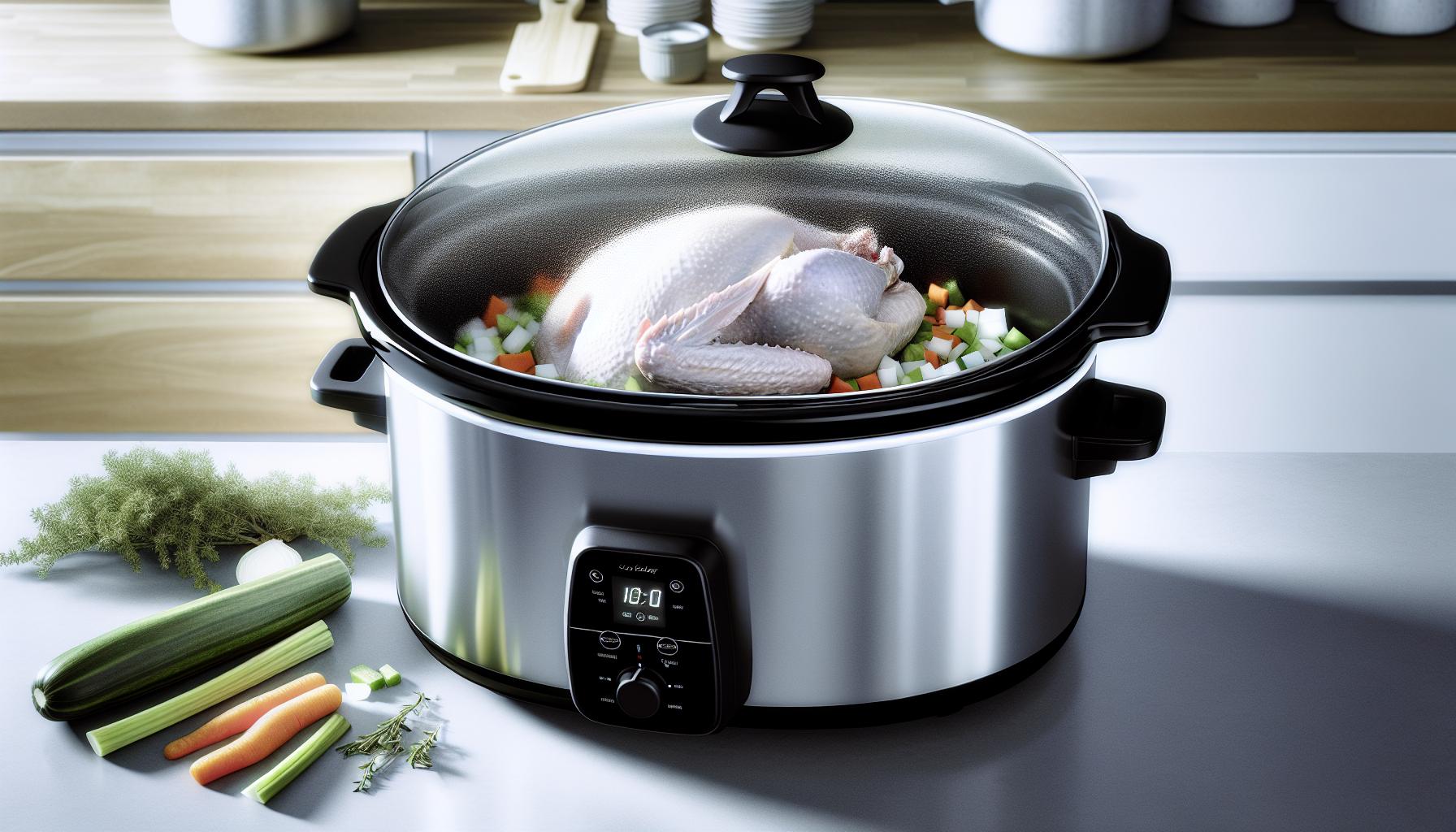
When it comes to setting your slow cooker for frozen turkey, getting the temperature right isn’t just a matter of ”high” or “low”-it’s about timing and balance. The golden rule is to start on high heat for at least the first hour. This jumpstarts the cooking process, helping your bird-or turkey pieces-quickly pass through the dangerous temperature “danger zone” where bacteria adore to hang out. After that initial blast of heat, you can safely lower the setting to low for the remaining cook time. This combo ensures the turkey cooks evenly without drying out while staying safe.
Full disclosure: I’ve learned this the hard way. Once,I tossed a frozen turkey breast straight into the pot on low and wished I’d been more patient. It lingered too long in that unsafe zone, and even my trusty thermometer showed I needed more time. Starting on high is like giving your slow cooker a little nudge to do its job right. Plus, if you’re working with smaller turkey cuts-breasts or thighs-this method is even more reliable because the pieces thaw and cook more uniformly.
Adjusting Settings Based on Size and Slow Cooker Model
No two slow cookers are exactly alike, so dialing in the perfect setting depends partly on your machine and the size of your turkey pieces. Here’s a simple guideline that’s worked wonders in my kitchen:
| Turkey Cut | Starting Setting | After Initial Hour | estimated Total Cooking Time (Frozen) |
|---|---|---|---|
| turkey Breasts (2-3 lbs) | High for 1 hour | Low for 4-5 hours | 5-6 hours total |
| Turkey Thighs or Legs (2-3 lbs) | High for 1 hour | Low for 5-6 hours | 6-7 hours total |
| Smaller Turkey Chunks (1-2 lbs) | High for 30-45 mins | Low for 3-4 hours | 4-5 hours total |
- Tip: If your slow cooker has a “high” setting that runs at 300°F and a ”low” at about 200°F, those temps help you know why this method works. Starting on high propels the internal meat temperature out of the danger zone fast, while low keeps things gentle so the meat stays juicy.
- A little lid wisdom: Resist the urge to peek! Each lid lift drops the temperature, adding to unsafe cooking time. Instead, plan your timing around thermometer checks only once the estimated cook time is up.
For paleolithic or gluten-free cooks, this method offers a stress-free, nutrient-preserving way to enjoy turkey straight from freezer to feast.After all,slow cooker magic is about convenience and flavor,not extra fiddling-especially on busy days. So set that timer, grab a meat thermometer, and trust the process. Your turkey will thank you with juicy, perfectly safe results!
How Long Does a Frozen Turkey Take to Cook in a Slow cooker?
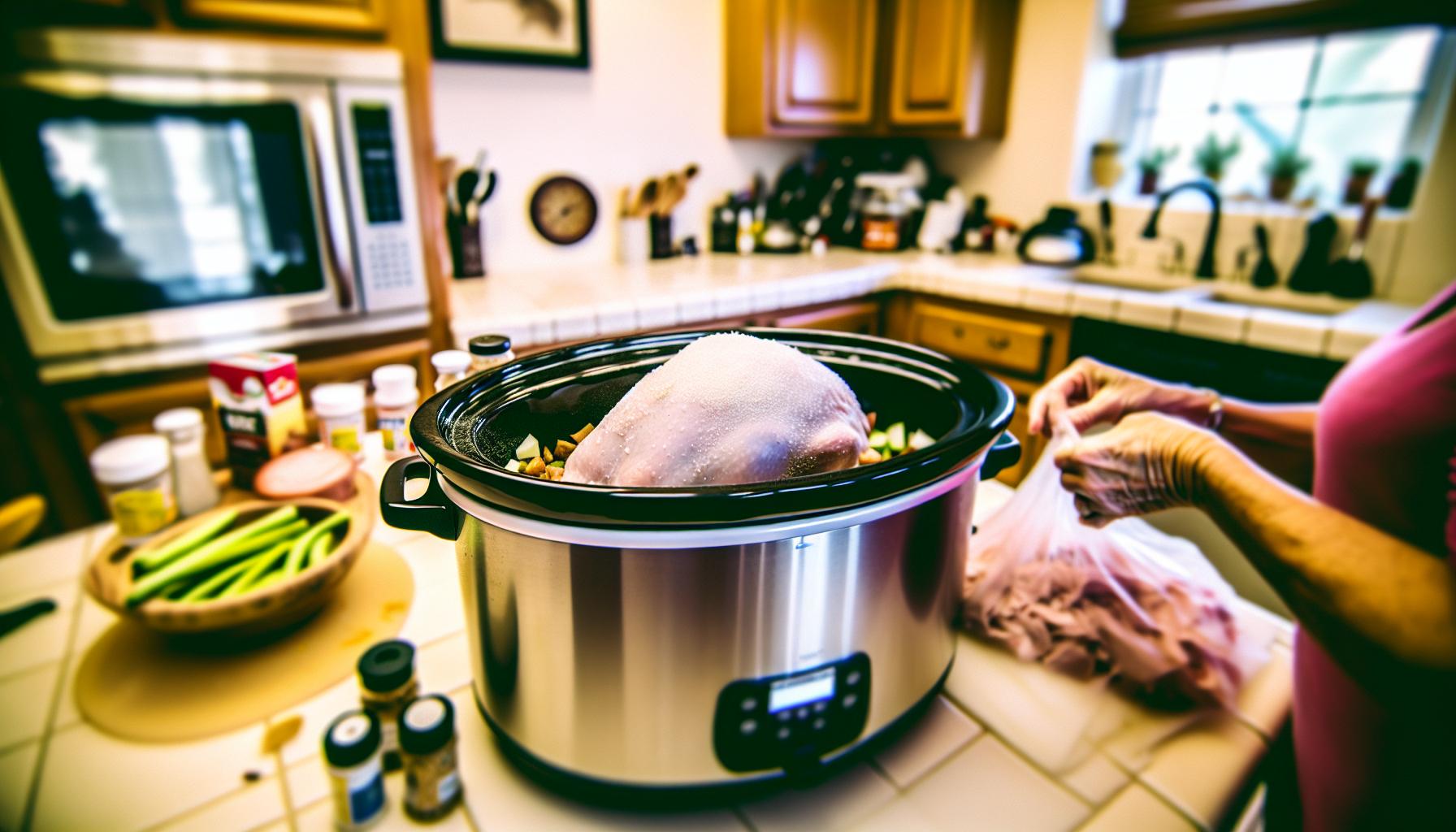
Cooking a frozen turkey in a slow cooker is definately doable, but it requires a bit of patience and timing finesse. As slow cookers operate at low temperatures, frozen meat takes longer to reach a safe internal temperature compared to thawed meat. Expect the process to take roughly 1.5 to 2 times longer than cooking thawed turkey, depending on the cut size and your crockpot’s wattage. For example, a frozen 3-pound turkey breast might take anywhere from 5 to 6 hours, while larger pieces like thighs could push closer to 7 or more.
From my own kitchen experiments, I’ve learned that the *starting* heat setting has a huge impact on overall cooking time-jumping straight to a low setting with frozen turkey can extend your wait and increase food safety risks. That’s why it’s smart to kick things off on high for at least the first hour to move quickly through the “danger zone” where bacteria thrive.Then, dial back to low to gently finish cooking, ensuring juicy, tender meat without guesswork.
Timing Guidelines for Different Turkey Cuts
| Turkey Cut | Frozen Cook Time Estimate | Starting Heat Setting | After First Hour |
|---|---|---|---|
| Turkey Breast (2-3 lbs) | 5-6 hours total | High (1 hour) | Low (4-5 hours) |
| Turkey Thighs / Legs (2-3 lbs) | 6-7 hours total | High (1 hour) | Low (5-6 hours) |
| Smaller Turkey Chunks (1-2 lbs) | 4-5 hours total | High (30-45 mins) | Low (3-4 hours) |
Pro tip: Keep your trusty meat thermometer close by and check that internal temperature hits 165°F (74°C). This is the magic number to ensure your turkey is not only delicious but safe to eat. Resist the urge to keep lifting the lid; slow cookers lose heat fast and can add hours to your cook time!
One time, I tossed a frozen turkey breast into the slow cooker, got busy, and forgot the timing. Let’s just say it turned into a long afternoon! But with a little planning-starting on high, then lowering heat, and giving yourself some extra time-you’ll be rewarded with a juicy bird that’s perfectly cooked from frozen. Slow cooking frozen turkey isn’t just a time-saver; it’s a tasty shortcut that works beautifully when done right.
Signs Your Slow Cooker Turkey Is Fully Cooked and Safe
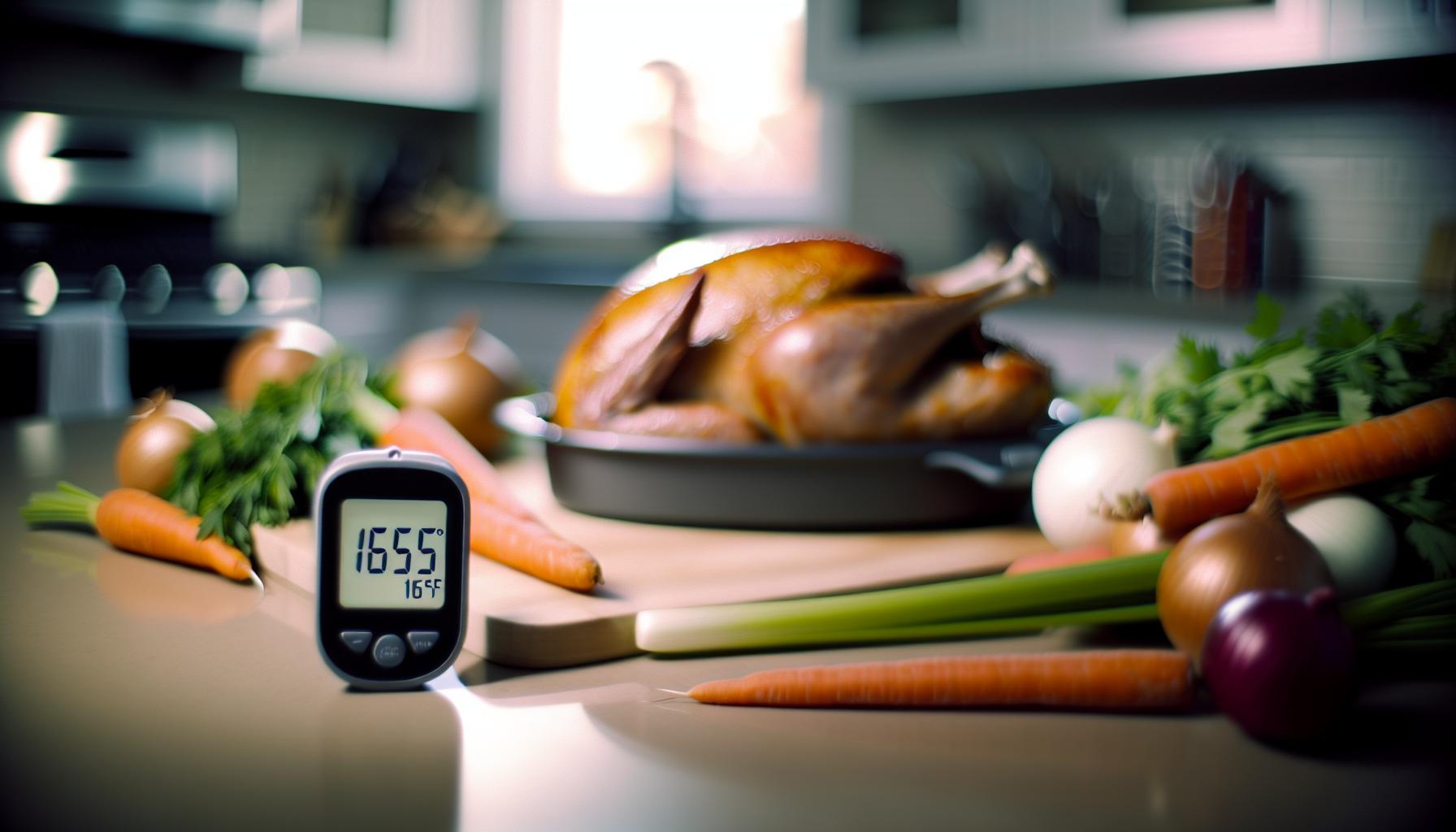
Cooking turkey in a slow cooker straight from frozen can feel a bit like a culinary science experiment, but knowing the right signs that your bird is safely cooked takes the guesswork out of the process-and lets you kick back and enjoy mealtime with confidence.While the slow cooker does the heavy lifting,your best ally is a reliable meat thermometer in hand,checking that internal temp hits the magic number of 165°F (74°C). This isn’t just kitchen chatter-reaching this temperature ensures harmful bacteria have been neutralized and that the turkey is safe (and juicy!) to eat.
Beyond temperature, pay attention to the turkey’s appearance and texture as mini clues to doneness. The meat should be opaque and firm, not pink or translucent, especially near the bone if you’re cooking legs or thighs. Juices running clear when you pierce the thickest part of your turkey are another great indicator that your slow cooker masterpiece is done. If any pink juices linger, pop it back on for a little longer-you don’t want any surprises after serving.
The Ultimate Slow Cooker Turkey Check-In
- Use your meat thermometer: Insert it into the thickest part without touching bone for the most accurate read.
- Check the color: White to light brown turkey meat is good; avoid pink or gray spots.
- Clear juices: Pierce the meat and watch for clear liquid, not reddish or pink.
- Feel the texture: Fully cooked turkey pulls apart easily but isn’t mushy or dry.
When I first tried cooking frozen turkey thighs in my slow cooker, I was guilty of pulling the lid off multiple times.Lesson learned: every peek drops the temperature and adds time (and sometimes stress!). Instead, I started trusting my thermometer and aiming for that 165°F mark, which gave me peace of mind and tender, flavorful meat every time. Slow cooking from frozen isn’t just about patience-it’s about smart cues that your turkey is perfectly safe and ready to enjoy.
Remember, undercooked turkey isn’t just disappointing-it’s a genuine health risk. So lean on your thermometer, trust the look and feel of your bird, and savor that delicious slow-cooked flavor without worry. Your kitchen-and your family-will thank you!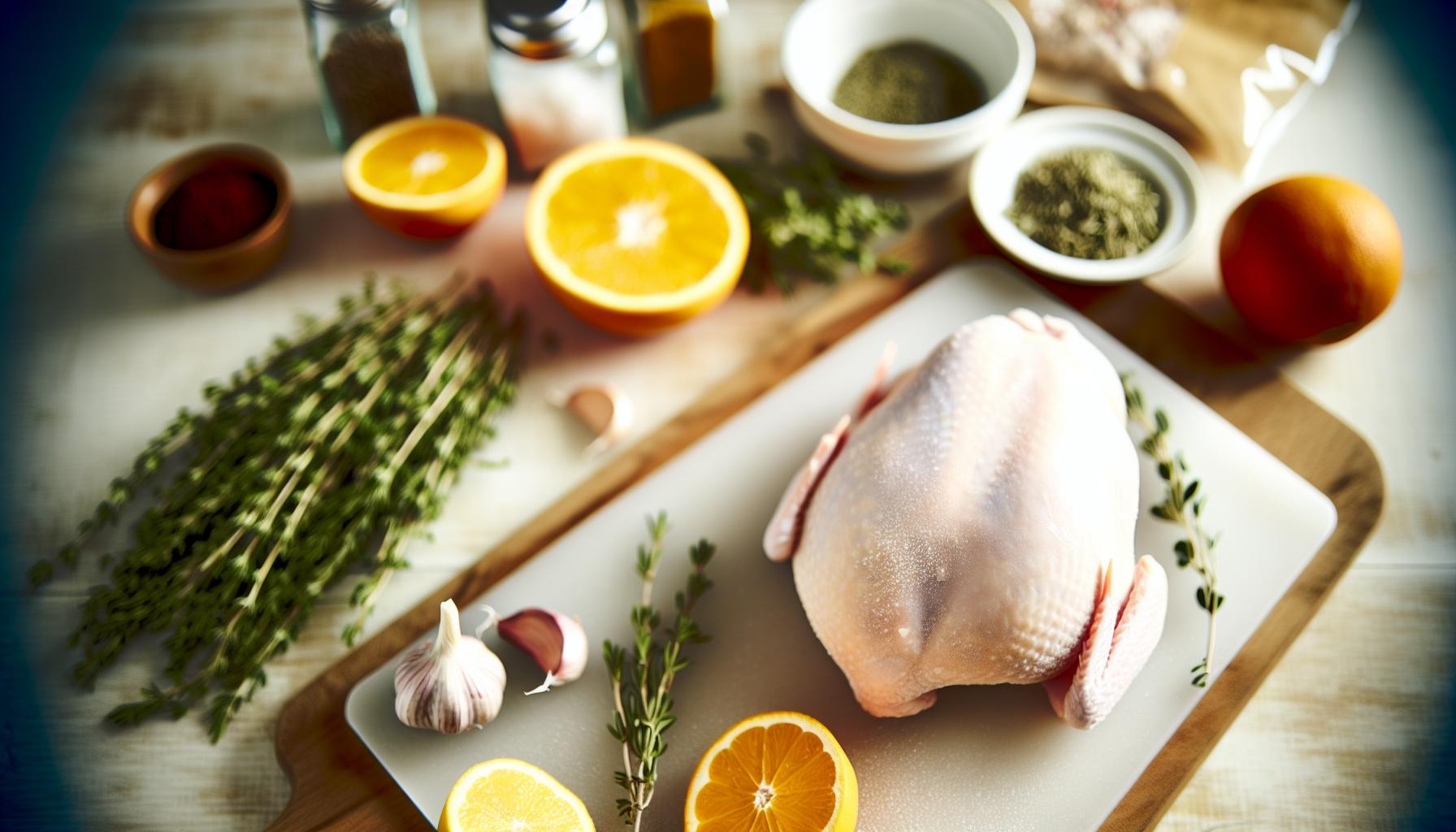
Flavor Tips: Boosting Taste When Cooking frozen Turkey
Cooking frozen turkey in a slow cooker doesn’t mean skimping on flavor-quite the opposite! While the slow and steady cooking method lovingly tenderizes your bird, frozen meat can sometimes act like a blank canvas that needs a little extra love to infuse those savory, herbaceous notes we crave. The trick? Layer your seasonings thoughtfully and work with moisture-rich ingredients that keep the turkey juicy and flavorful all day long. Think of it as a cozy flavor hug for your bird, slowly building complexity as it cuddles in its slow cooker nest.
One of my go-to flavor boosters is using aromatic vegetables like onions, garlic, and celery as a natural bed for the turkey to rest on.Not only do they release delicious steam that keeps the meat moist, but they also seep their essence into the turkey slowly, creating subtle flavor depth without overpowering. For paleo and gluten-free friendliness, I opt for fresh herbs-rosemary, thyme, and sage are classic turkey companions. simply sprinkle them around and stuff a few sprigs under the skin if you’re feeling fancy. A squeeze of lemon or a splash of apple cider vinegar can brighten things up, cutting through the richness and adding a very welcome zing that keeps every bite interesting.
Flavor-Boosting Tips for Slow Cooker Frozen Turkey
- Layer your spices: Combine salt, black pepper, smoked paprika, and garlic powder before rubbing it all over the turkey for a balanced pop of flavor.
- Add moisture: Pour in broth, white wine, or even a little coconut aminos to keep everything juicy and tender.
- Use fresh herbs: Rosemary and thyme pairs beautifully with turkey and are easy to find year-round.
- Include veggies: Onion,celery,and carrots act like natural flavor enhancers and create a simple side you can scoop up afterward.
- Finish with acid: A dash of lemon juice or vinegar at the end of cooking brightens flavors and tenderizes meat further.
if you want to get creative, try tossing in canned diced tomatoes or a little coconut milk for a different flavor profile that still fits paleo and gluten-free lifestyles. I once experimented with chipotle powder and orange zest, which gave my turkey a smoky-sweet flair perfect for taco-style leftovers.The slow cooker is forgiving and flexible, so don’t be shy about customizing seasoning to your family’s preferences while sticking to safe cooking temps.
Remember, seasoning a frozen turkey might take a bit more patience since it thaws and cooks gradually, giving spices time to mellow and mix in-no need to rush. This slow invitation to flavor means your final dish can be juicy, tender, and packed with personality, effortlessly turning a simple frozen bird into a memorable meal everyone’ll rave about.
Alternative Methods: Thawing Before Slow Cooking Explained
you might be tempted to toss that frozen turkey straight into the slow cooker for convenience-and sometimes that’s fine-but taking the time to thaw it first can make a surprising difference in both cook time and food safety. Thawing isn’t just a formality; it gently ushers your bird evenly into the cooking process, reducing the risk of uneven cooking where parts may linger in the “danger zone” temperature range (40°F-140°F) where bacteria can multiply. Plus, thawed turkey lets you season and marinate more effectively, absorbing flavors more deeply for a tastier, juicier result that slow cooker enthusiasts dream about.
If time allows,the safest and most foolproof way to thaw your turkey is in the refrigerator. It requires patience, sure-expect about 24 hours of thawing per 4-5 pounds-but like a good slow roast, this method rewards you with predictability and peace of mind. Once thawed, your turkey slips into the slow cooker smoothly, reducing total cook time and letting you follow your favorite recipes without scaling back on spices or liquids. If you’re aiming for paleo or gluten-free-friendly options, this also means you can easily use delicate fresh herbs and acid-based marinades without worrying about off-flavors.
Of course, life doesn’t always work on slow cooker time. If you’re short on days but still want to avoid the risks of cooking frozen, cold water thawing is a kitchen lifesaver. Just submerge the turkey (sealed in a leak-proof bag) in cold water,changing the water every 30 minutes to keep it safe and cold. For a 10-pound turkey, this usually takes around 5 hours, so it’s a manageable morning project. Once thawed this way, cook it promptly and treat it as freshly thawed to maintain food safety.
Rapid Chart: Thawing Time Estimates
| Method | Time Per 1 lb | Example: 12 lb Turkey | Notes |
|---|---|---|---|
| Refrigerator Thawing | 24 hours | 12 days | Safest, hands-off, best flavor |
| Cold Water Thawing | 30 minutes | 6 hours | Faster but requires water changes |
| Microwave Thawing | Varies | 10-15 minutes | Quickest, but uneven thawing common; cook immediately |
If you do decide to thaw before slow cooking, you’ll enjoy a smoother cooking experience. The turkey cooks more evenly, the final texture is less rubbery, and you’ll have a little wiggle room to get creative with your flavor layers-perfect when working with fresh herbs and dairy-free “cream” options that can curdle if heated too harshly from frozen. And if you’re feeding a crowd with dietary restrictions, this approach lets you tailor your seasoning and sides for everyone’s needs with confidence.
Ultimately, while slow cookers are forgiving, thawing your turkey first is the simple hack for safer, tastier results that save you stress (and a potential flavor flop). It’s a small prep step that truly elevates your delicious turkey dinner-from frozen “just as” to a wow-worthy, paleo and gluten-free feast everyone will want seconds of.
Troubleshooting Common Issues When Cooking Frozen Turkey
Cooking a frozen turkey in a slow cooker can feel like a convenient shortcut-especially after a busy day-but it often comes with a few common hiccups that can turn your dinner dreams into a kitchen puzzle. From uneven cooking to texture troubles, these issues aren’t just kitchen mysteries; they’re fixable with a little know-how and a sprinkle of patience. Think of this as troubleshooting with your favorite cooking buddy who’s got your back when the bird acts up!
One of the most frequent challenges is the dreaded ”danger zone” problem, where parts of the turkey stay too long between 40°F and 140°F – the hotspot for bacterial growth. If your slow cooker starts off frozen turkey on low or if the bird is too large,the inside meat can lag behind on temperature,leading to unsafe results or undercooked poultry. To avoid this,always use the high setting at least for the initial hour or so to jumpstart heating,then switch to low for gentle finishing. Pro tip: For large turkeys (over 6 pounds), consider cutting them into smaller pieces or use slow cooker inserts that promote even heat circulation.
Another perennial snag is texture-frozen turkey cooked too slowly can turn rubbery or dry on the edges while remaining icy or tough inside. This usually happens because the outer layers overcook while the core remains cool. To dodge this, try adding moisture-rich ingredients like broth, crushed tomatoes, or citrus slices right away. They create a flavorful steam bath that helps the meat cook evenly and keeps those paleo or gluten-free flavors bright and juicy. And don’t forget to give the turkey a gentle poke or check temperature in multiple spots with a meat thermometer (aiming for a safe 165°F internal temp)-it’s the best way to ensure every bite is tender and safe.
Quick Fixes and Handy Tips
- Skip the Frozen Block: Whenever possible, thaw partially-even an overnight chill in the fridge helps a ton.
- Use a Thermometer: Check early and often, especially in the thickest parts of the breast and thigh.
- Don’t Overload: Crowding your slow cooker traps cold pockets. Leave space for heat to circulate.
- Layer Flavors Smartly: Adding fresh herbs and paleo-friendly acid (like lemon juice) at the end preserves vibrant flavor.
- Rest It Out: Let your turkey rest 15 minutes post-cook to let juices redistribute-a trick even pros swear by.
These simple tweaks have saved many a slow cooker turkey dinner (and many leftovers!) in my kitchen, turning perhaps frustrating experiences into satisfying meals that tick all the boxes-even for busy folks embracing paleo and gluten-free lifestyles. The key is to treat your slow cooker like a reliable sous-chef rather than a magic box-respect the bird’s size and starting temperature, give it some breathing room, and keep that thermometer handy. Trust me, it’s worth it for juicy, safe turkey-even from frozen.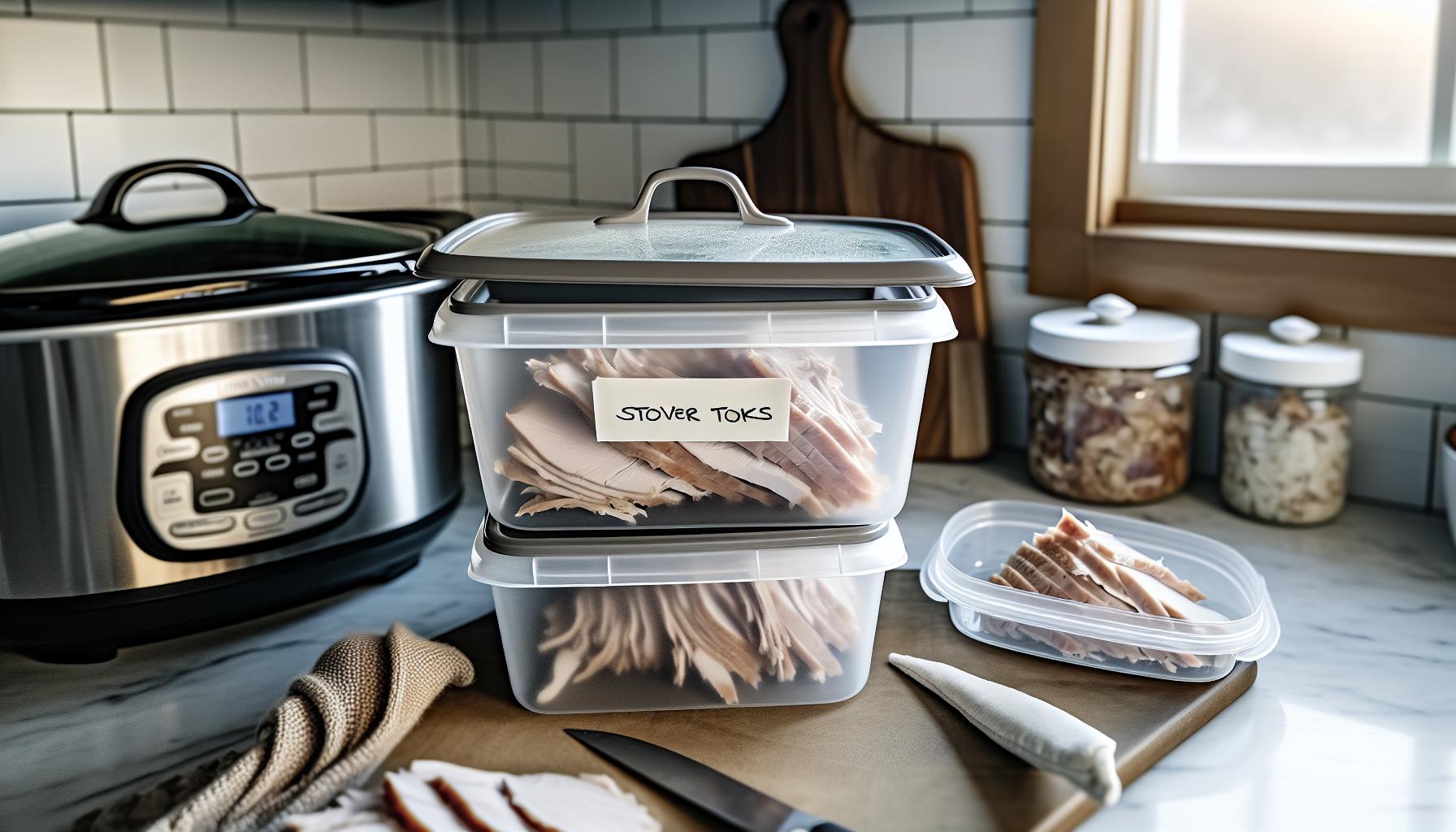
Storage and Leftover Tips for Slow Cooker Turkey
There’s something genuinely satisfying about having a home-cooked turkey meal ready in your slow cooker, especially when life calls for shortcuts like cooking from frozen. But once dinner’s done, the question is-what now? Managing your leftovers wisely is key to keeping that juicy, paleo-friendly, gluten-free turkey tasting just as good the second time around, without any safety concerns sneaking in.
First things first: cool your turkey promptly. Leaving it out on the counter too long after cooking is a no-go, even with slow cooker meals.Transfer leftovers into shallow airtight containers within two hours-this helps speed up cooling and keeps bacteria at bay. If your slow cooker is on the smaller side or tightly packed, you might want to portion out the turkey into manageable serving sizes right away. This not only cools faster but makes reheating a breeze. And yes, I know, nobody wants dried out leftover turkey, so storing it with a splash of leftover broth or gravy can keep those paleo-approved meals moist and flavorful.
Reheating leftovers? Keep your food safety radar on alert here. Heat your turkey until it’s piping hot-165°F is the gold standard for reheated poultry. Microwaving is convenient, but stir if you can to avoid cold spots. For paleo or gluten-free eaters, reheating in a covered skillet with a bit of fresh lemon juice or herbs can revive flavors and add moisture without breaking any dietary rules. Plus, the smell of warming herbs is a sure way to brighten even midweek meals! Avoid reheating multiple times; freeze any portions you won’t eat within 3-4 days to keep on the safe side.
Smart Storage Hacks for Slow Cooker Turkey Leftovers
- Use shallow containers: Faster cooling and easier portion control.
- Add a moisture boost: Store with some broth or drippings to keep the meat tender and juicy.
- Label Your Leftovers: Date your containers to keep track of freshness-leftovers are best eaten within 3-4 days.
- Freeze for later: If you’re not planning to eat your turkey soon, freeze leftovers in airtight bags or containers to lock in flavor and safety.
One practical trick I’ve used: When prepping for a day off or busy week, I portion my turkey immediately after cooking, then freeze individual servings with a dash of lemon or rosemary-infused broth. When the craving hits, a quick thaw and skillet reheat transform those leftovers into a new, delicious meal-sometimes better than day one!
Handling slow cooker turkey leftovers with care not only prevents waste but ensures your meals stay vibrant, tasty, and safe-perfect for busy home cooks who want delicious, paleo and gluten-free options without fuss. So go ahead, savor that second serving knowing you nailed both flavor and food safety!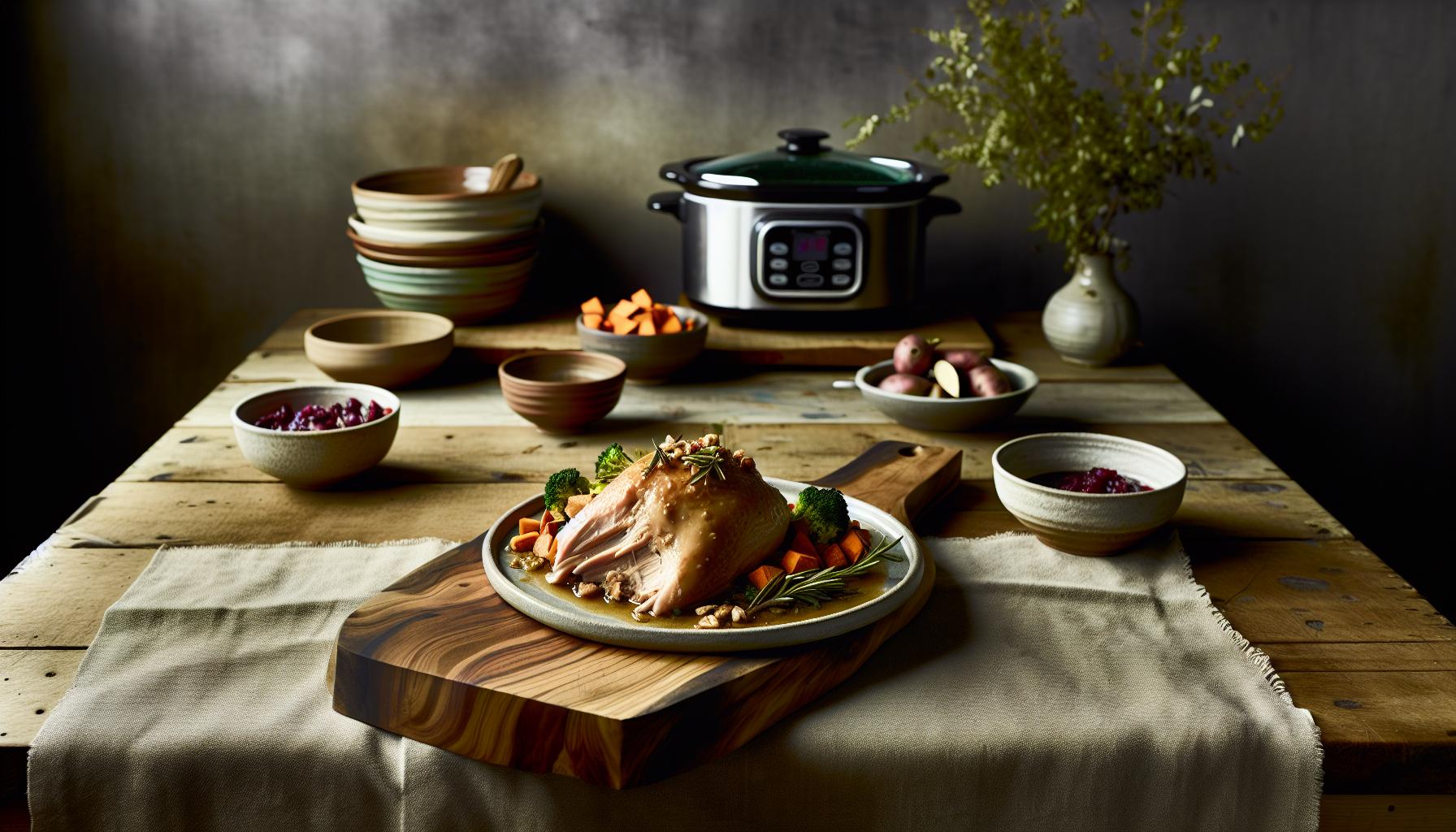
Gluten-Free and Paleo-Friendly Turkey Slow Cooker Ideas
Turkey in the slow cooker isn’t just about convenience-it can be a gateway to hearty,comforting meals that fit perfectly with gluten-free and paleo lifestyles. whether you’re juggling busy weekdays or craving something cozy on a chilly evening, slow-cooked turkey offers succulent meat combined with flavors that respect your dietary needs without feeling like a sacrifice. And the bonus? Many of these dishes can be prepared straight from frozen turkey, making your weeknight dinners a breeze.I’ve found that embracing bold herbs and simple wholesome ingredients transforms slow cooker turkey into dishes that feel both nourishing and indulgent. Think lemon-thyme turkey stew with tender carrots and parsnips, or a warm turmeric-spiced shredded turkey perfect for lettuce wraps. Using broth made from bone-in turkey parts or a splash of coconut aminos adds richness while keeping things paleo and gluten-free. don’t shy away from layering in garlic,rosemary,or a pinch of smoked paprika to make every bite sing.
Easy Paleo & Gluten-Free Slow Cooker Turkey Ideas
- Lemon-Herb Turkey and Root Vegetable Medley: Toss frozen turkey thighs with chunks of sweet potato, carrots, and parsnips. Add garlic, rosemary, and fresh lemon slices before slow cooking on low for 6-7 hours. Finish with a handful of fresh parsley for brightness.
- Spiced Turkey Chili: Combine frozen turkey breast pieces with diced tomatoes, bell peppers, onions, and a custom chili spice blend (cumin, smoked paprika, oregano). Cook on low for 7-8 hours. Serve topped with sliced avocado and fresh cilantro.
- Asian-Inspired Turkey Lettuce wraps: Slow cook shredded frozen turkey alongside ginger, garlic, coconut aminos, and chopped water chestnuts. Ready in 5-6 hours on low, this dish offers a refreshing twist served in crunchy lettuce cups.
Pro Tips for Flavor Boosting Without Gluten or Grains
For those steering clear of gluten and grains, flavor often feels like a challenge-but slow cooking your frozen turkey opens up so many options. Use natural thickening agents such as blended cauliflower or arrowroot powder shards stirred in during the last hour of cooking. Swap soy sauce for coconut aminos to avoid gluten, and reach for fresh herbs and warm spices to add depth and aroma. Another trick I love: placing a halved onion or garlic bulb under the turkey in the slow cooker, allowing the aromatics to infuse meat juices as it cooks.
Each of these meals stores beautifully as leftovers (you know, for those days when life outpaces meal prep). Warm them gently with a touch of bone broth or a spritz of lemon to keep that fresh-from-the-pot magic alive-proving paleo and gluten-free slow cooker cooking tastes just as good on day two. who says dietary needs can’t meet convenience and flavor all in one pot?
Faq
Q: Why is cooking a frozen turkey in a slow cooker potentially unsafe?
A: Cooking frozen turkey in a slow cooker can be risky because the turkey may stay in the danger zone (40°F-140°F) too long, allowing harmful bacteria to grow. To stay safe, make sure your slow cooker heats quickly and your turkey reaches an internal temperature of 165°F as outlined in the Common Safety risks and How to Avoid Them section.
Q: Can I add vegetables to the slow cooker when cooking frozen turkey?
A: Yes, but add dense vegetables like carrots and potatoes before cooking to ensure they fully cook. Softer veggies can be added later.This balances cook time since frozen turkey takes longer, and you want all ingredients tender and safe.Check our Flavor Tips for tasty combos to try!
Q: How can I tell if my slow cooker is the right size for cooking frozen turkey?
A: Choose a slow cooker large enough to hold your turkey without overcrowding. A tight fit restricts heat circulation, leading to uneven cooking and safety risks. Use a 5 to 7-quart slow cooker for turkeys up to 6 pounds. See Best Slow Cooker Settings for size recommendations.
Q: Should I use the low or high slow cooker setting for frozen turkey?
A: Use the high setting for frozen turkey to ensure it moves through the danger zone quickly and cooks safely. Low heat can keep the turkey at unsafe temperatures too long. Refer to Best Slow Cooker Settings for cooking timing and temperature tips.
Q: Is it better to cook a frozen turkey whole or in pieces in a slow cooker?
A: Cooking turkey pieces from frozen in a slow cooker is generally safer and faster than cooking a whole frozen bird. smaller pieces reach safe internal temperatures quicker, reducing food safety risks. For full guidance, see our section on Step-by-Step Guide and Troubleshooting Common Issues.
Q: How does slow cooking frozen turkey affect the texture compared to thawed turkey?
A: Slow cooking frozen turkey can result in slightly less tender meat and uneven texture compared to thawed.To improve results,try marinating or adding broth as described in Flavor Tips. Thawing first usually produces more consistent texture and flavor.
Q: Can I safely cook a frozen turkey breast separately in a slow cooker?
A: Yes! Cooking frozen turkey breast alone in a slow cooker is safer since smaller pieces cook evenly and faster. Always check the internal temperature reaches 165°F. See How Long does a Frozen Turkey Take to Cook and Signs Your Slow Cooker Turkey Is Fully Cooked.
Q: What are the best practices for cleaning a slow cooker after cooking frozen turkey?
A: clean immediately after use with warm, soapy water to remove oils and bacteria. If stuck-on residue appears, soak the insert before scrubbing gently. Avoid strong abrasives to preserve the slow cooker’s surface. Our Storage and Leftover Tips also include safety reminders for food handling after cooking.
A: Yes, but add dense vegetables like carrots and potatoes before cooking to ensure they fully cook. Softer veggies can be added later.This balances cook time since frozen turkey takes longer, and you want all ingredients tender and safe.Check our Flavor Tips for tasty combos to try!
Q: How can I tell if my slow cooker is the right size for cooking frozen turkey?
A: Choose a slow cooker large enough to hold your turkey without overcrowding. A tight fit restricts heat circulation, leading to uneven cooking and safety risks. Use a 5 to 7-quart slow cooker for turkeys up to 6 pounds. See Best Slow Cooker Settings for size recommendations.
Q: Should I use the low or high slow cooker setting for frozen turkey?
A: Use the high setting for frozen turkey to ensure it moves through the danger zone quickly and cooks safely. Low heat can keep the turkey at unsafe temperatures too long. Refer to Best Slow Cooker Settings for cooking timing and temperature tips.
Q: Is it better to cook a frozen turkey whole or in pieces in a slow cooker?
A: Cooking turkey pieces from frozen in a slow cooker is generally safer and faster than cooking a whole frozen bird. smaller pieces reach safe internal temperatures quicker, reducing food safety risks. For full guidance, see our section on Step-by-Step Guide and Troubleshooting Common Issues.
Q: How does slow cooking frozen turkey affect the texture compared to thawed turkey?
A: Slow cooking frozen turkey can result in slightly less tender meat and uneven texture compared to thawed.To improve results,try marinating or adding broth as described in Flavor Tips. Thawing first usually produces more consistent texture and flavor.
Q: Can I safely cook a frozen turkey breast separately in a slow cooker?
A: Yes! Cooking frozen turkey breast alone in a slow cooker is safer since smaller pieces cook evenly and faster. Always check the internal temperature reaches 165°F. See How Long does a Frozen Turkey Take to Cook and Signs Your Slow Cooker Turkey Is Fully Cooked.
Q: What are the best practices for cleaning a slow cooker after cooking frozen turkey?
A: clean immediately after use with warm, soapy water to remove oils and bacteria. If stuck-on residue appears, soak the insert before scrubbing gently. Avoid strong abrasives to preserve the slow cooker’s surface. Our Storage and Leftover Tips also include safety reminders for food handling after cooking.
A: Cooking turkey pieces from frozen in a slow cooker is generally safer and faster than cooking a whole frozen bird. smaller pieces reach safe internal temperatures quicker, reducing food safety risks. For full guidance, see our section on Step-by-Step Guide and Troubleshooting Common Issues.
Q: How does slow cooking frozen turkey affect the texture compared to thawed turkey?
A: Slow cooking frozen turkey can result in slightly less tender meat and uneven texture compared to thawed.To improve results,try marinating or adding broth as described in Flavor Tips. Thawing first usually produces more consistent texture and flavor.
Q: Can I safely cook a frozen turkey breast separately in a slow cooker?
A: Yes! Cooking frozen turkey breast alone in a slow cooker is safer since smaller pieces cook evenly and faster. Always check the internal temperature reaches 165°F. See How Long does a Frozen Turkey Take to Cook and Signs Your Slow Cooker Turkey Is Fully Cooked.
Q: What are the best practices for cleaning a slow cooker after cooking frozen turkey?
A: clean immediately after use with warm, soapy water to remove oils and bacteria. If stuck-on residue appears, soak the insert before scrubbing gently. Avoid strong abrasives to preserve the slow cooker’s surface. Our Storage and Leftover Tips also include safety reminders for food handling after cooking.
for detailed instructions, timing guidelines, and safety checks, explore the full article sections above to master your slow cooker turkey journey with confidence and flavor.
Wrapping Up
Cooking a frozen turkey in a slow cooker isn’t just doable-it can be your next easy, gluten-free holiday win when done safely. Remember, slow cooking from frozen takes longer and requires careful attention to temperature to avoid any food safety issues. For best results, plan ahead with a 6-8 hour cook time on low, and consider using fresh herbs and paleo-friendly broth to keep flavors bright and comforting without fuss.
If you’re curious about perfecting turkey sides or need quick paleo-friendly recipes to complement your feast, explore our Easy Gluten-Free Stuffing Guide and Simple Slow Cooker Veggie Ideas. Ready to become a slow-cooking pro? Sign up for our newsletter to get weekly tips, personal kitchen hacks, and stress-free recipes that celebrate real, delicious food without judgment. Got questions or your own slow cooker stories? Drop a comment below-sharing is caring, and we love hearing from our community!
Keep these tips in mind to safely enjoy your slow cooker turkey adventure, and don’t forget to check back for more tasty tips on cooking times, ingredient swaps, and seasonal favorites. With the right approach,cooking a frozen turkey in your slow cooker can be both safe and scrumptious-no stress,just tasty,home-cooked goodness.


