Did you know your slow cooker is a kitchen superhero, letting you prep meals in minutes and come home to a warm, ready-to-eat dish? But here’s the million-dollar question: can you safely leave it unattended all day without risking food safety? Slow cookers are designed to cook food slowly yet thoroughly, keeping temperatures high enough to avoid that pesky “danger zone” where bacteria love to grow. But not all slow cookers heat the same, and knowing how to use yours right makes all the difference! Whether you’re juggling work, family, or just life’s unpredictable rhythms, mastering slow cooker safety means you get delicious, stress-free meals without the worry. Stick around as we dive into practical tips-like when to add ingredients, temperature targets, and what to watch out for-so you can confidently enjoy effortless cooking without second guessing. After all, everyone deserves a kitchen hack that’s both tasty and safe!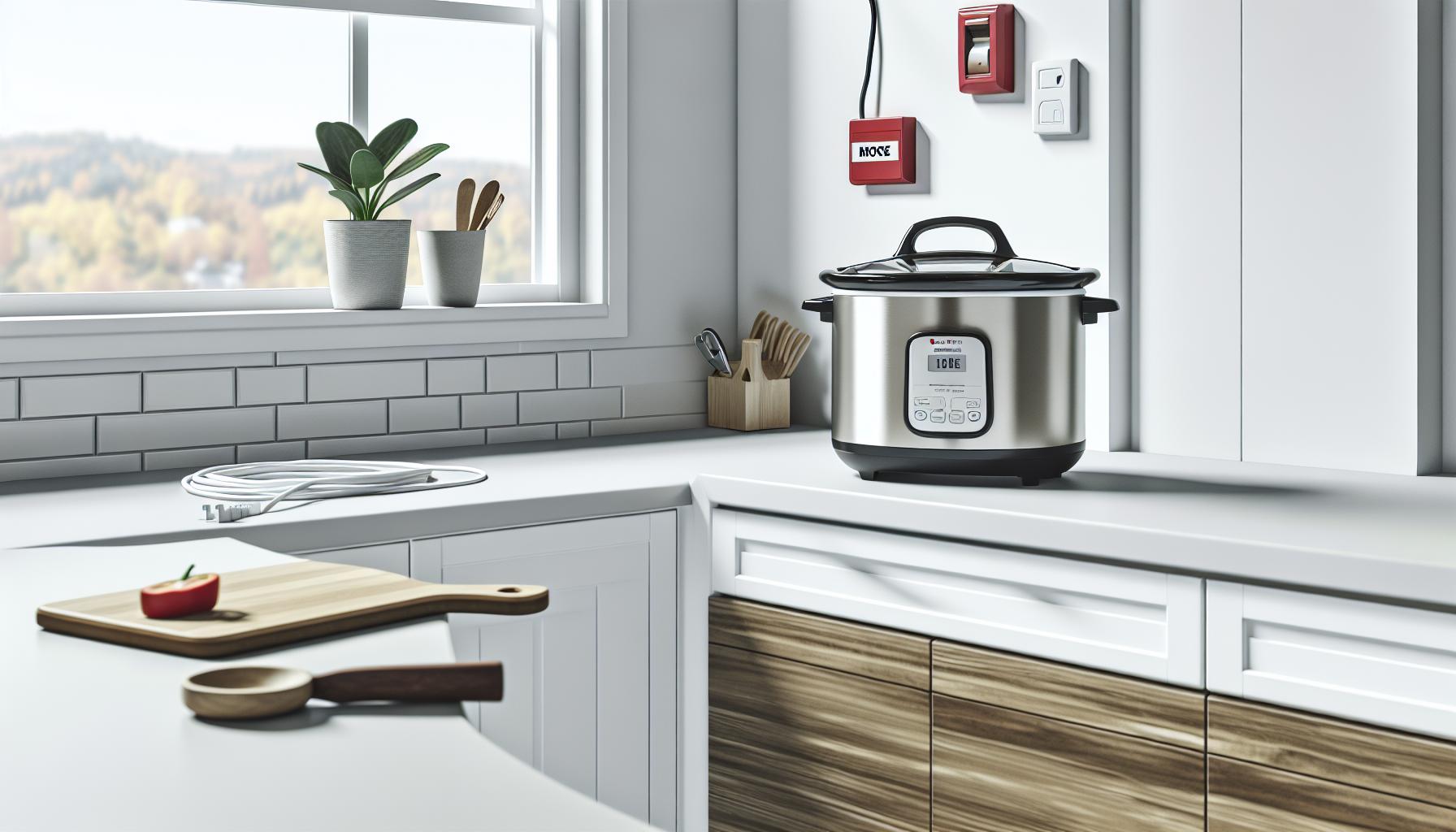
Table of Contents
- Is It Safe to Leave a Slow Cooker Unattended?
- Common Risks When Leaving Slow Cookers Alone
- Essential Safety Features to Look for in Slow Cookers
- How to Prepare your Slow Cooker for Unattended Use
- Best Practices for Monitoring Your Slow cooker Remotely
- Top Slow Cooker Models with Advanced Safety Technology
- Preventing kitchen Fires: Tips Beyond the Slow Cooker
- Real Stories: What Happened When Slow Cookers Were Left Alone
- How Slow Cooker Recipes Adapt for Safe Slow Cooking
- What to Do If You Suspect Slow Cooker Malfunction
- Safe Slow Cooker settings for Overnight Cooking
- Cleaning and Maintenance Tips to Keep Slow Cookers Safe
- FAQ
- Closing Remarks
Is It Safe to Leave a Slow Cooker Unattended?
Believe it or not,slow cookers were practically made for unattended cooking – they’re the kitchen’s version of a trusty sidekick that keeps working while you’re out conquering the day. However, just because you *can* walk away from your slow cooker, doesn’t mean you should turn your back completely without a few safety checks. The magic of slow cooking is in its slow and steady heat that gently transforms ingredients into mouthwatering meals, but it needs the right conditions to keep you and your home safe.
The key to leaving your slow cooker alone safely lies in proper preparation and understanding how your appliance works. Such as, always start with fully thawed meat-the slow cooker isn’t a defrosting machine, and putting frozen food directly in can keep it in the ”danger zone” temperature where bacteria love to party. It’s also smart to give your cooker a speedy warm-up on high for the frist hour before turning it down to low for the rest of the cook time.This jump-start helps drive the internal temp up quickly, minimizing any potential bacterial growth during those first crucial moments.
Simple Steps to Make Your Slow Cooker Safe for Solo Duty
- Fill it right: Slow cookers do their best cooking when they’re between half and two-thirds full. Too little food and the heat distribution gets wonky.
- Keep the lid on: Every peek lets heat escape, turning a nice slow simmer into a guessing game of cooking times and food safety.
- Thermometer love: Invest in a good food thermometer and check your dish near the end. Pork shoulder doesn’t mess around-it needs to hit at least 145°F safely cooked, but most slow-cooked roasts do best around 190°F and above for that tender, falling-apart magic.
- Location,location,location: Place your slow cooker on a flat,heat-resistant surface away from anything that could catch fire or traps heat.
In my own kitchen, I’ve left slow cookers running unattended countless times-usually for 8-10 hour meals while I’m at work or running errands. One time, I tried a paleo-amiable bone broth that simmered overnight. The best part? Coming home to a warm kitchen and a meal that literally fell off the bone without a hitch.The secret? Getting the prep right, making sure my slow cooker was clean and in great condition, and trusting the process. Just remember, unattended doesn’t mean unchecked-pop in for a quick temp check when possible, or use slow cookers with built-in safety features if you’re nervous.
At the end of the day, your slow cooker is a hardworking, forgiving friend who’s happiest when treated right-following these simple tips will help ensure your culinary adventures stay delicious and safe, no matter how busy life gets.
Sources: For more details on safe slow cooker use and temperature guidelines, check out FoodSafety.gov and EatRight.org’s slow cooker safety tips.
Common Risks When Leaving Slow Cookers Alone
Slow cookers are often hailed as the ultimate “set it and forget it” kitchen heroes, but leaving one unattended isn’t entirely without its quirks and risks. Sure, they’re designed to simmer and stew safely over hours, but understanding the potential pitfalls helps keep your meals-and your home-safe and sound. One sneaky risk is food sitting too long in the “danger zone” between 40°F and 140°F, where bacteria throw a growth party that no home cook wants crashing dinner. As an example, tossing frozen meat straight into the slow cooker means it takes longer to heat through, leaving food vulnerable to unsafe bacterial growth early on[[1]](https://www.canr.msu.edu/resources/cooking_safely_with_a_slow_cooker_e3255).
Another common hiccup? lid peeking. Every time you open that lid for a hopeful aroma check, heat escapes, and the slow cooker has to ramp up its temperature again, delaying the cooking process. This ups the chance that food temperature dips into unsafe zones, making your recipe a little less reliable and a lot less safe. Plus,if the cooker is less than half full,you risk uneven heating. Food cooks best when it’s at least half to two-thirds full; otherwise, it can heat unevenly or cook too slowly-definitely a gamble you don’t want to take after prepping a hearty bone broth or a pork shoulder roast[[1]](https://www.canr.msu.edu/resources/cooking_safely_with_a_slow_cooker_e3255).
While slow cookers are built with safety in mind, electrical or mechanical faults, though rare, can happen. Think of it like your trusty sidekick having an occasional off-day-plug it into an outlet with a good surge protector to avoid problems caused by power interruptions or spikes. Also, placing your cooker on an unstable or flammable surface is a classic risk that’s easy to overlook when you’re rushing out the door. It’s like parking your shiny new car in mud-eventually, it’s going to slip or get stuck. A flat, heat-resistant countertop is your cooker’s preferred parking spot, away from curtains, paper towels, or other kitchen clutter.
Watch Outs & Quick fixes for Peace of Mind
- Frozen food gamble: Always fully thaw meat before cooking to prevent temperature traps.
- Keep the lid sealed: Resist the urge to peek; it’s tempting, but heat loss slows cooking and safety.
- Don’t skimp on volume: Slow cookers shine when filled halfway to two-thirds-not less.
- Good placement: Stable, heat-safe surfaces are a must, with plenty of clearance around the cooker.
- Electrical safety: Use surge protectors and regularly check cords for wear or damage.
cooking with paleo and gluten-free ingredients? The good news-the same rules apply! Even nutrient-dense veggies and lean meats benefit from maintaining safe temps and enough liquid to distribute heat evenly. When I first went paleo, I learned the hard way that ignoring these simple precautions turned a promising stew into a food-safety headache. Fast forward: slow cooking became one of my favorite ways to keep meals flavorful, nutritious, and, most importantly, safe-even on the busiest days.
When you prep your slow cooker thoughtfully and keep risks in check, it’s truly a kitchen companion that works overtime so you don’t have to. Just think of your slow cooker as a low-key,patient friend who loves to take its time-but only when you help set the stage right!
Sources confirm that a slow cooker should maintain temperatures above 185°F to avoid bacterial growth,and many healthy meal adaptations start with this safe baseline[[1]](https://www.canr.msu.edu/resources/cooking_safely_with_a_slow_cooker_e3255)[[2]](https://www.foodsafety.gov/blog/warm-safely-slow-cooked-meal). So while walking away is totally doable, knowing these risks lets you walk away confidently.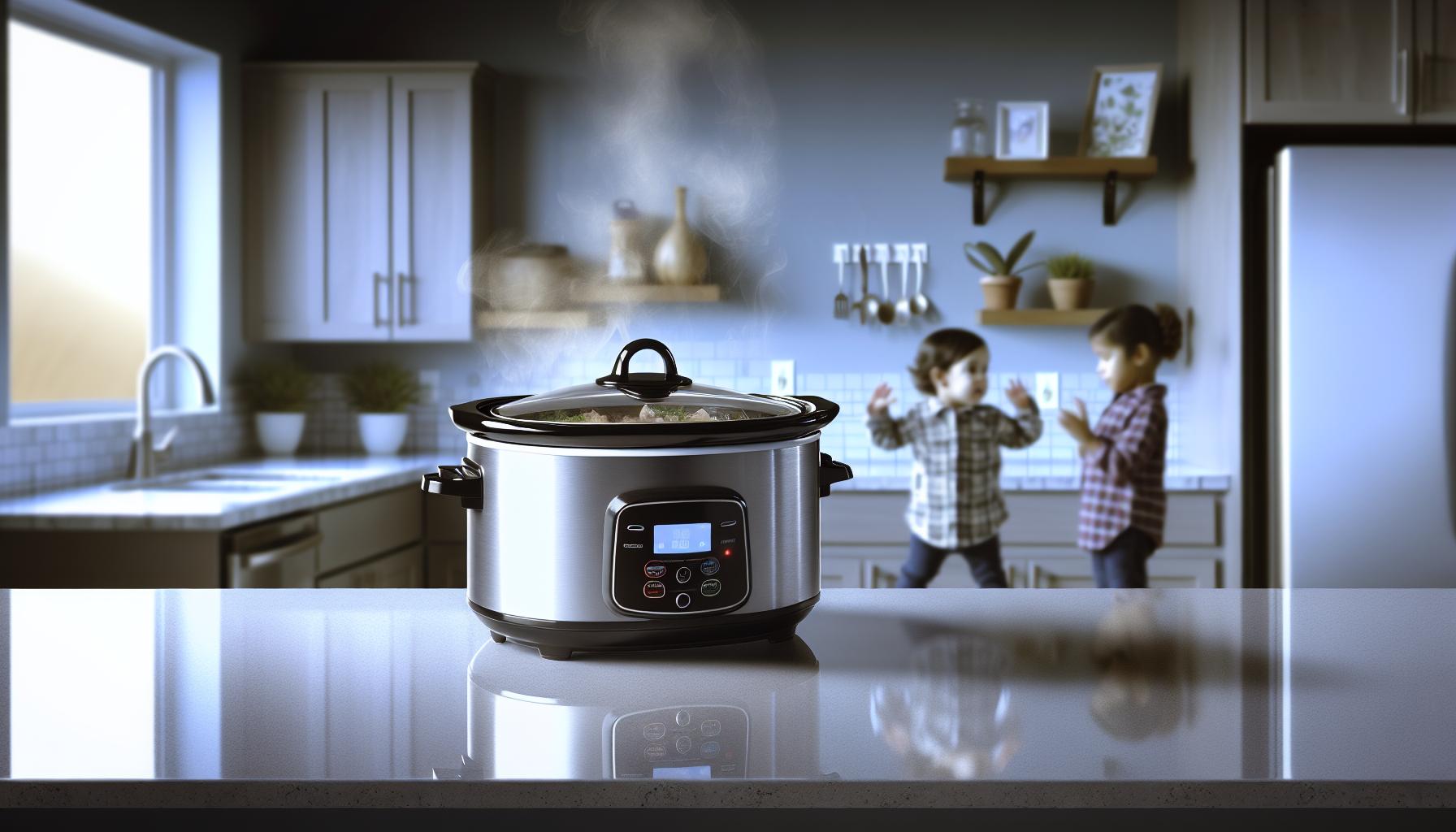
Essential Safety Features to Look for in Slow Cookers
Some slow cookers come packed with clever safety features that make leaving them unattended not only possible but truly stress-free. These smart designs help keep your meals safe, your kitchen calm, and your mind at ease – especially for busy folks layering paleo roasts or gluten-free stews early in the day. If you’re on the hunt for a slow cooker that’s as reliable as your favorite apron,here are some game-changers worth knowing about.
First up, automatic shut-off or keep-warm functions are like an electric hug for your food. Once your recipe hits the perfect internal temperature, many models either switch off or dial down to a gentle keep-warm setting. This avoids overcooking and prevents your dish from lingering too long in that pesky danger zone (40°F to 140°F), where bacteria love to throw their unwelcome party[[1]](https://www.canr.msu.edu/resources/cooking_safely_with_a_slow_cooker_e3255). I once left a pork shoulder simmering all afternoon,and thanks to this feature,I found it still juicy and perfectly safe when I got home.
Another must-have is robust temperature control and accurate heating. The cooker needs to reliably reach at least 185°F to kill off harmful bacteria and keep your food safe. Some high-end slow cookers come with built-in digital thermometers or even Bluetooth connectivity, allowing you to monitor internal temps remotely. Trust me, as someone juggling work calls and paleo meal prep, knowing I don’t have to hover over the stove makes life so much easier. Plus, you avoid “lid peeking” - which, while tempting, steals precious heat and doubles cooking time[[1]](https://www.canr.msu.edu/resources/cooking_safely_with_a_slow_cooker_e3255).
More Handy Features That Boost Peace of Mind
- Surge Protection: Some slow cookers have built-in surge protectors to guard against power spikes or outages – a small but critical feature that keeps your cooking steady even if the weather’s wild or your neighborhood’s power is finicky.
- Cool-Touch Exterior: This prevents accidental burns, especially crucial in busy kitchens with kids or pets. A cooker that stays cool to the touch on the outside means safer mornings and less worry.
- Secure-fitting Lid with Locking Mechanism: some models come with locking lids perfect for transport or minimizing heat loss if you need to move your dish. This feature is especially great for potlucks but also keeps your slow cooker sealed tight when left unattended.
I often recommend choosing models with sharp timers and programmable settings so you can customize cooking lengths precisely. It’s a lifesaver when prepping paleo-friendly roasts or gluten-free veggie stews that require careful timing to get that melt-in-your-mouth texture. All these features turn your slow cooker from a simple countertop gadget to a savvy kitchen companion that supports safe unattended cooking – so you get to enjoy the flavor without lurking over the pot.
If you’re shopping, don’t shy away from reading user reviews focused on safety and reliability, too. Sometimes real-world experiences reveal hidden gems or quirks that product specs miss. And remember, even the best features work best when paired with common-sense kitchen habits like placing your slow cooker on a stable, heat-safe surface and avoiding overcrowding the pot. After all, a slow cooker’s safety dance is all about teamwork!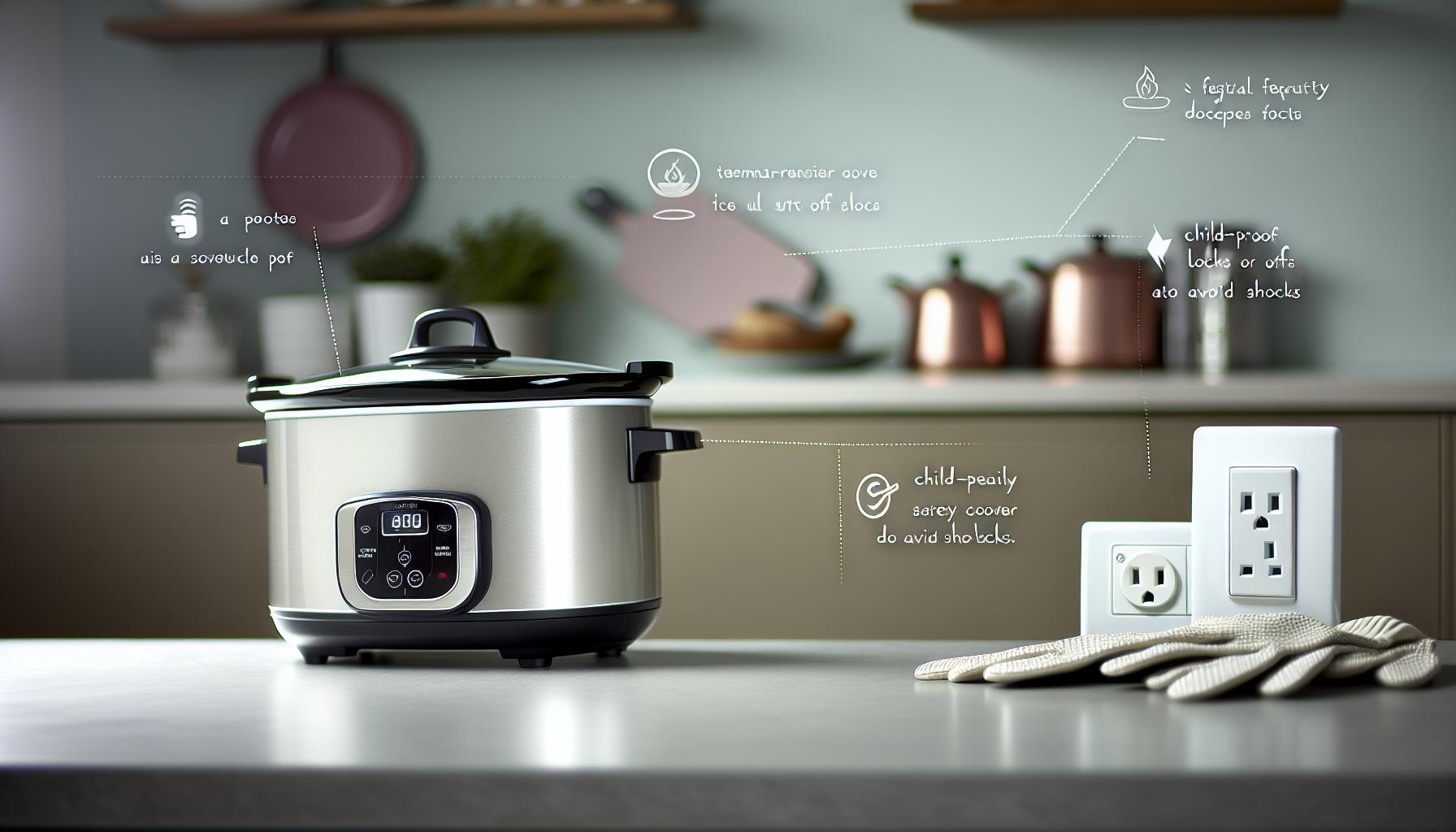
How to Prepare your Slow Cooker for Unattended Use
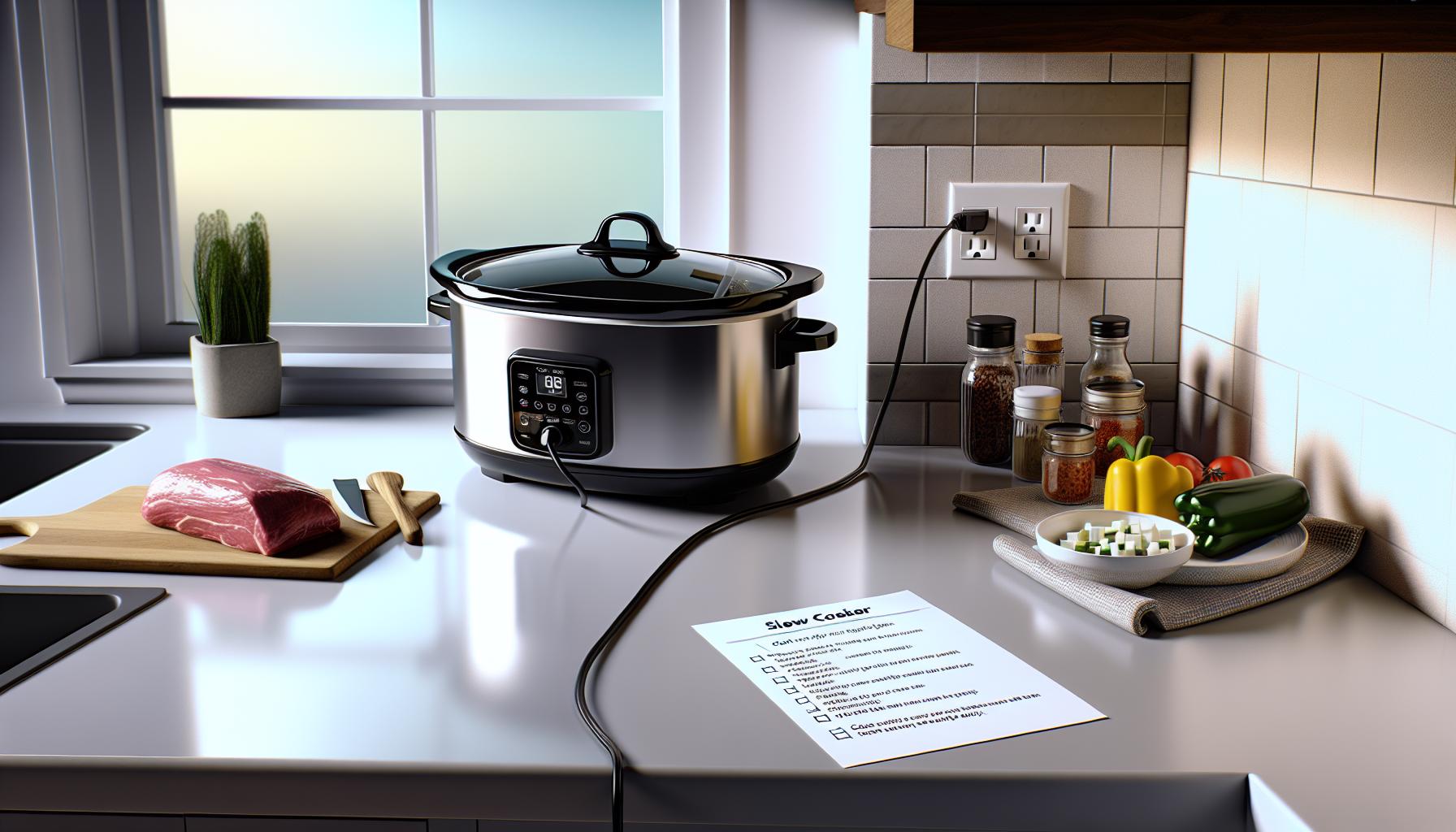
Slow cookers are a lifesaver when life gets hectic, but prepping one for unattended use takes a bit of mindful planning to keep your meals both safe and delicious. Think of it like setting your slow cooker up for a cozy, all-day hug-not just a timer ticking down, but a carefully choreographed routine that respects food safety and your busy schedule.
First, always start with room-temperature or properly thawed ingredients. Throwing frozen meat or veggies straight into the pot might be tempting-especially on rushed mornings-but it slows the cooker’s ability to reach the safe zone above 140°F quickly, where bacteria want to crash the party. For paleo-friendly roasts or gluten-free stews, taking a little extra time to thaw isn’t a flaw; it’s your security blanket against foodborne illness. I once skipped thawing and ended up with a stew that simmered too long, drying out the meat and leaving me staring at an undercooked center. Lesson learned!
Another golden rule: preheat your slow cooker by turning it on empty for 10-15 minutes before adding ingredients. This warms the ceramic insert and helps maintain steady temperatures, ensuring your food heats evenly and safely. It’s like giving your pot a warm-up lap before the big race, which means no cold spots where bacteria could linger. While prepping paleo or gluten-free dishes full of hearty root veggies, I found this little step makes all the difference in texture and safety.
- Pack ingredients smartly: Don’t overload your slow cooker. Leave some space for steam to circulate freely, promoting even cooking and steady heat.
- Layer wisely: Dense veggies like carrots or potatoes go in first, at the bottom, since they take longer to soften.
- dry or pat meat before adding: Excess moisture can cool down the pot and dilute flavors.
- Seal the lid tightly: Avoid the “lid peek” temptation-lifting it steals heat and can double cooking time.
Lastly, make sure your slow cooker is plugged directly into a wall outlet (no extension cords if you can avoid it), placed on a flat, heat-resistant surface, and away from flammable items or drafts. This setup keeps your kitchen calm and your slow cooker humming along safely while you tackle your day. My trusty slow cooker sits right in the center of the countertop, out of paw’s reach (our cat loves a warm nap site!)-and it works wonders for stress-free meal prep.
By taking these simple preparation steps, you set yourself up to enjoy a perfectly cooked paleo pot roast or a gluten-free vegetable stew that’s both safe and mouthwateringly good-all while you focus on what really matters, like snagging that last slice of crusty sourdough baguette without guilt.
Best Practices for Monitoring Your Slow cooker Remotely
Did you know some modern slow cookers come with smartphone apps that let you keep an eye on your dinner’s progress from literally anywhere? Perfect for those all-day paleo pot roasts or gluten-free stews when life throws a curveball, and you’re juggling work, kids, or the occasional Netflix binge. Having the ability to monitor temperature, adjust cooking times, or switch settings remotely adds an extra layer of peace of mind - especially when your kitchen is miles away.
If your slow cooker doesn’t have built-in wi-Fi or Bluetooth, don’t worry.You can still set up a simple “slow cooker check-in” routine with a smart plug that monitors power usage or even a wireless food thermometer.These handy gadgets can alert you if temperatures dip into the unsafe “danger zone” (between 40°F and 140°F) where bacteria love to party. I learned this the fun way after nearly ruined a pot roast by skipping temperature checks – as then, I swear by a remote thermometer app that pings me when my food hits that glowing 165°F mark for safe eating [[1](https://www.health.state.mn.us/people/foodsafety/cook/slowcook.html)].
- Use smart plugs: Pair your slow cooker with a smart outlet to remotely turn it on/off or monitor energy usage. Some models even integrate with voice assistants like Alexa or Google Home for hands-free control.
- Invest in a wireless food thermometer: These let you track your meat’s internal temperature in real-time from your phone – ideal for paleo roasts where texture and doneness are key.
- Set alerts and timers: Use your slow cooker’s digital timer or app to remind you when it switches from low to warm or when cooking time finishes.
Simple Monitoring Tips Without Fancy Tech
For those of us keeping it old-school (but still aiming for safe, tasty meals), a few tried-and-true steps can go a long way:
- Position your slow cooker strategically: Keep it in sight from another room or near a kitchen window so you can hear any unusual noises or smells.
- check in periodically: If you’re home, peek at the slow cooker every hour or so-just avoid lifting the lid too often to maintain heat.
- Keep your phone nearby: Set simple timers or alarms on your phone to remind you to check in or stir if your recipe calls for it.
Personally, having those alarms on my phone saved me more than once when I was deep in recipe testing for gluten-free chili or paleo carnitas – it’s like having a sous-chef whispering “Hey, time to check the stew!” even if I’m knee-deep in a flour dust-up prepping a dessert.
Ultimately,whether you’re tech-savvy or content with good old-fashioned kitchen vigilance,a little thoughtful monitoring transforms slow cooking from a “set it and forget it” gamble into a confident,foolproof way to enjoy wholesome meals that nourish both body and soul. Your slow cooker’s your buddy – keep a watchful eye from afar, and it’ll reward you with cozy, safe dinners every time.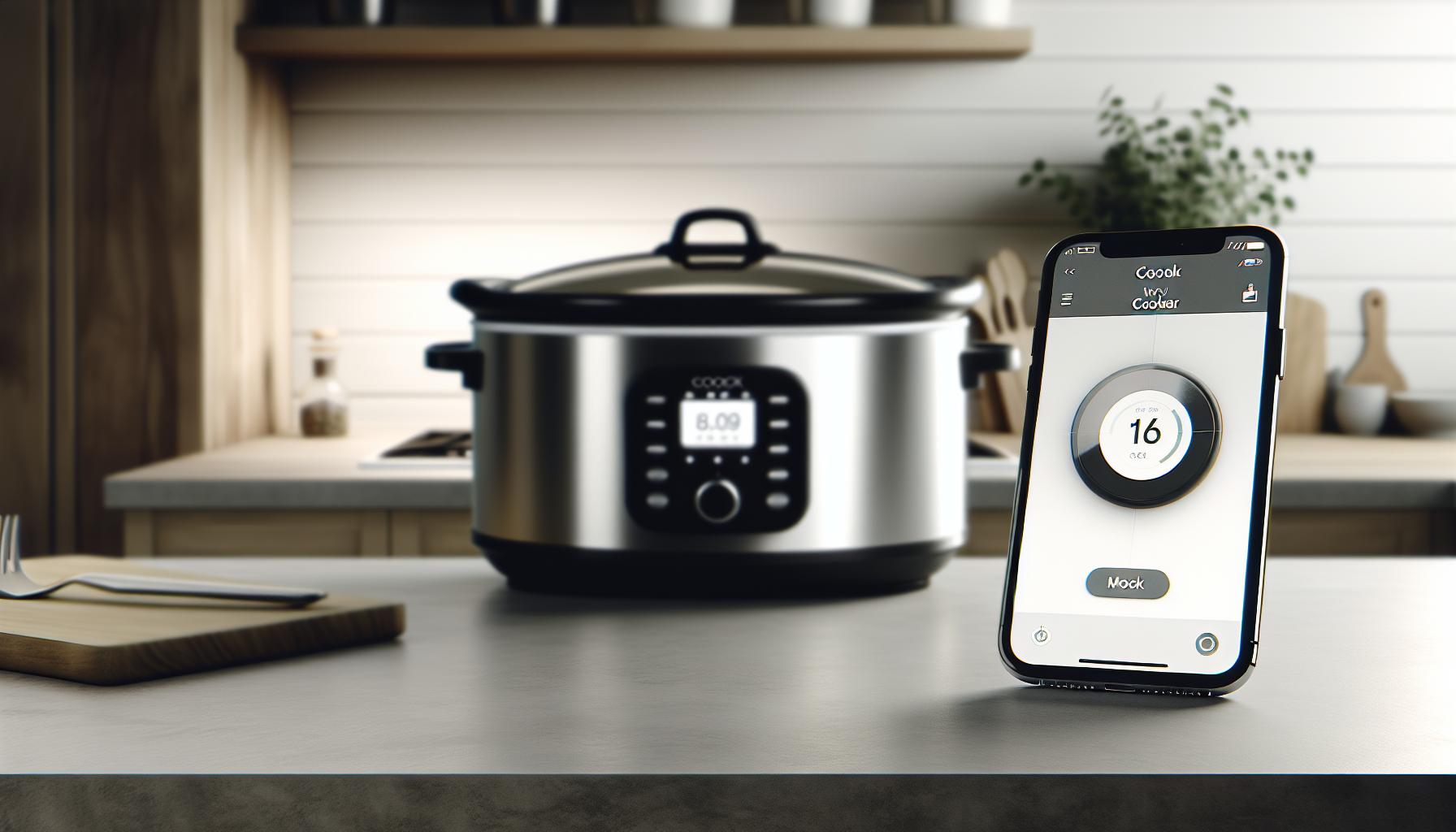
Top Slow Cooker Models with Advanced Safety Technology
When it comes to leaving your slow cooker unattended, having a model equipped with cutting-edge safety technology can turn anxiety into calm confidence. Today’s smart kitchen gadgets are not just about convenience-they’re designed to give you peace of mind while you’re busy juggling work, family, or just catching up on a well-deserved Netflix binge. Imagine adjusting cooking times, checking temperatures, or even switching settings right from your phone, whether you’re in the other room or out running errands.
The latest slow cooker models are packing features that transform “set it and forget it” into “set it and safely monitor it.” Many come with built-in Wi-Fi or Bluetooth, making it easy to sync with an app that sends alerts or lets you tweak settings mid-cook. This means no more guessing if your pork shoulder hit the safe 165°F mark or if your stew has simmered long enough.It’s basically like having a sous-chef in your pocket who never sleeps.
- Smart Control & Monitoring: Models like the Crock-Pot® Smart Slow Cooker allow you to start, stop, and adjust cooking from an app. You can also receive notifications about temperature changes or cooking stages, so you’re never out of the loop, even if your kitchen is miles away.
- Precision Temperature Sensors: Slow cookers with integrated or compatible wireless meat thermometers help keep your food out of the danger zone. These detect internal temperatures in real-time and ping your phone when your meal hits the sweet spot, ensuring perfect paleo roasts or gluten-free stews every time.
- Automatic Shift to “Keep Warm” Mode: Safety-savvy cookers often switch to a “keep warm” setting once cooking is done, reducing risks from overcooking or drying out. This extended “warm” phase is a lifesaver, especially for overnight cooks or long workdays when dinners need to stay fresh and safe.
Here’s a quick glance at a few fan-favorite slow cookers with built-in safety tech that have earned spots in my kitchen (and my heart):
| Model | Key Safety Features | Why It’s Great | Best For |
|---|---|---|---|
| Crock-Pot® Smart Slow Cooker | Wi-Fi control, app alerts, auto warm mode | Hands-off cooking with remote adjustments | Busy parents, tech-loving cooks |
| Instant Pot® Duo Crisp + Air Fryer | Multi-cooker with pressure & slow cooking, safety locks | Versatile with built-in safety sensors | Paleo meal preppers, gluten-free enthusiasts |
| Hamilton Beach® Set & Forget® | Temperature probe, automatic keep warm | Precision meat monitoring, less guesswork | Home cooks wanting reliable safety |
Personally, I love pairing these great cookers with wireless food thermometers – my go-to combo to avoid “oops” moments like that time I almost served undercooked ribs (lesson learned!). Whether it’s a fuss-free pot roast or a slow-simmered chili made gluten-free, these features ensure every bite hits the mark safely and deliciously. So while you’re out tackling your day,these smart slow cookers work hard to keep your kitchen safe and your dinner on point.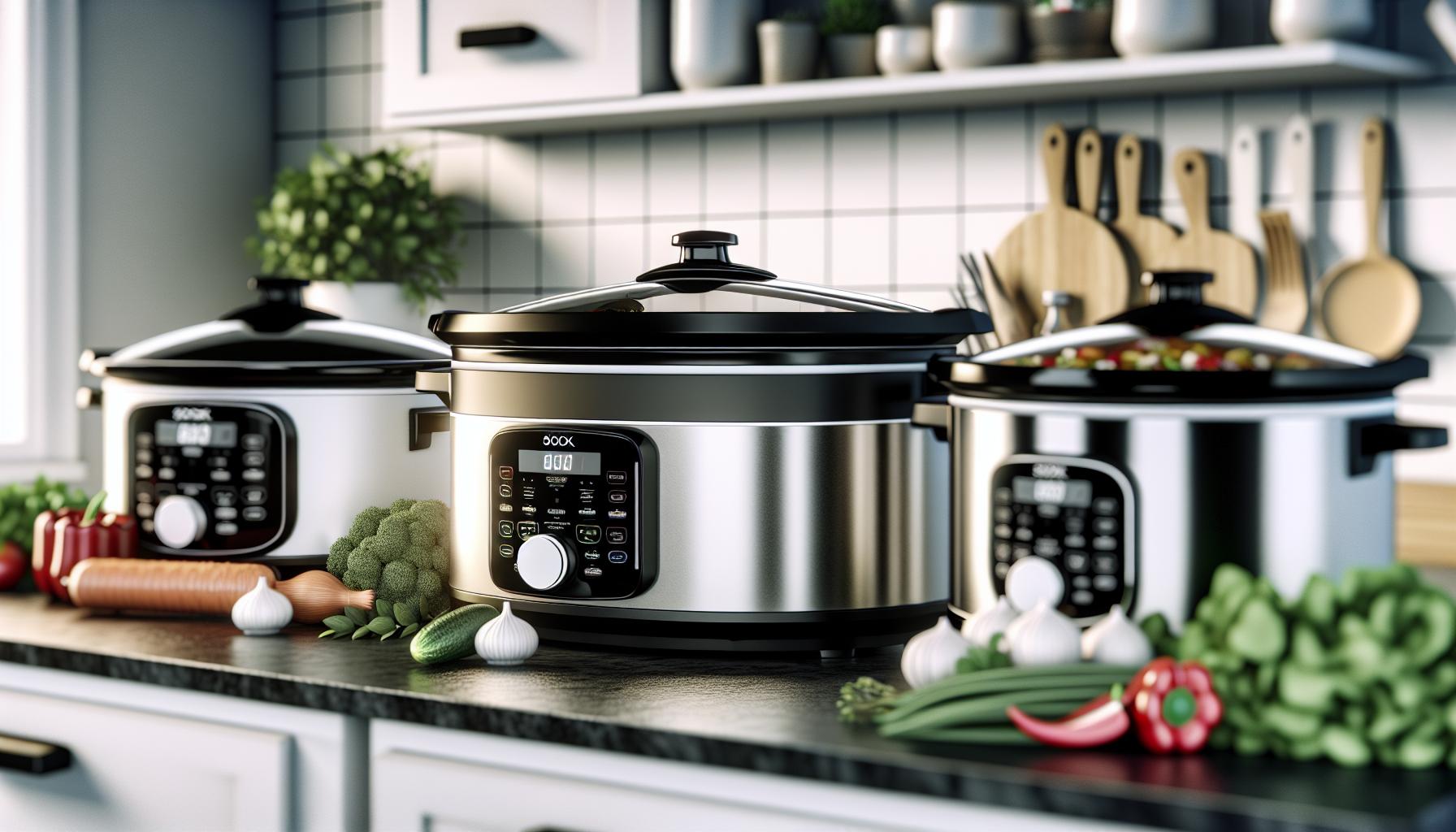
Preventing kitchen Fires: Tips Beyond the Slow Cooker
Fire safety in the kitchen goes well beyond just picking a reliable slow cooker. Even the snazziest smart models can’t prevent every spark,so it’s smart to layer your precautions-because a calm kitchen is a happy kitchen,right? While slow cookers operate at low temperatures and are generally safer for unattended cooking than stovetops or ovens,other factors can still lead to accidents if you’re not careful.
One great habit that’s saved my bacon (literally) has been a quick scan around the cooking area before leaving the house. Clear away anything flammable, like dish towels, paper towels, or recipe cards hanging near the stove. Slow cookers generate steady heat, so even items resting too close can become a hazard over hours. Also, avoid overloading outlets or plugging multiple heavy appliances into one power strip.A slow cooker plus a hot air fryer and a toaster on the same circuit? Recipe for a tripped breaker or worse.
Simple, Smart Steps to Keep Your Kitchen Fire-Safe
- Position your slow cooker wisely. Place it on a solid,heat-resistant surface,away from curtains or clutter.
- Don’t leave cords dangling. A stray tug on a cord can send your slow cooker tumbling off a counter.
- Regularly test smoke alarms. I can’t stress this enough-working alarms save lives and protect your home’s cozy vibe.
- Have a fire extinguisher handy. kitchen-rated extinguishers are a great investment, especially if you’re into crispy, caramelized edges that border on “watch out.”
Kitchen fires often come from unattended grease or spills catching flame. That’s why I always wipe down my slow cooker’s base and the surrounding countertop after each use. Sometimes a little spill can smolder unnoticed under appliances or under cabinets and lead to bigger trouble.
When Life Gets Busy: Fire-Safe Backup plans
If you’re running errands or working late,try pairing your slow cooker meals with simple kitchen timers or smart plugs that cut power automatically after a set period. You can even set a text or call reminder to check in on your meal-turn it into a quick kitchen break that doubles as a mood booster (hello,aroma therapy of simmering stew!). And if you’re wary of jumping straight into unattended cooking, test shorter cooking windows when you’re home, gradually increasing confidence. I still check in periodically, even with the fanciest Crock-Pots, but knowing I have remote alerts lets me breathe easy when I’m out.
Remember, a slow cooker is your kitchen companion, not an all-risk-free magic box.So layering precautions-clearing flammables, unplugging appliances you’re not using, maintaining your equipment, and investing in select safety devices-takes your mealtime prep from stressful to seriously smart.That way, you’re not just cooking tasty paleo roasts or gluten-free chili-you’re setting the stage for safe, joyful kitchen moments that you can actually relax into. The result? Delicious meals with zero drama and a kitchen that feels more like home.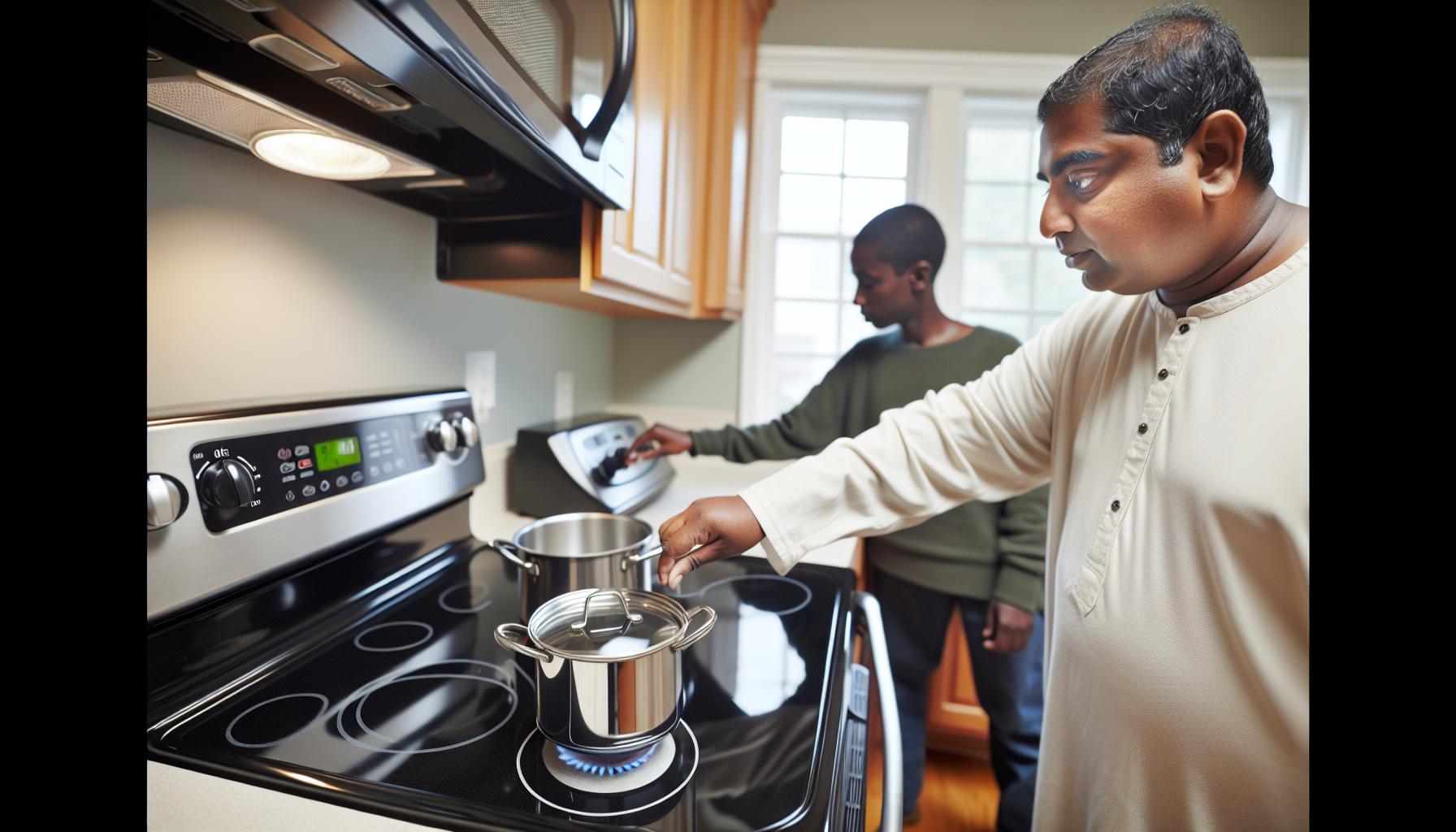
Real Stories: What Happened When Slow Cookers Were Left Alone
It’s easy to think of slow cookers as kitchen magic boxes-pop in your ingredients, set it, and forget it, right? Well, plenty of home cooks have stories showing that while slow cookers are generally safe, leaving them completely unattended isn’t without its quirks and occasional surprises. For example,one reader shared how they left their slow cooker running overnight on low with a luscious paleo beef stew inside,only to wake up to the perfectly cooked stew… and a bit of a scorched bottom layer. Not a disaster, just a reminder that every cooker and recipe behaves a little differently, especially when cooking times stretch past the suggested limits.
Another common tale involves power interruptions. One family’s slow cooker was mid-batch when a sudden outage hit, and even though the cooker’s contents stayed warm enough for about two hours (which food safety guidelines say is generally okay), the stress of wondering if their dinner was still safe to eat lingered until they could check it directly [[2]](http://www.fsis.usda.gov/food-safety/safe-food-handling-and-preparation/food-safety-basics/slow-cookers-and-food-safety). This highlights how slow cookers aren’t just about heat-they rely on consistent power and temperature to keep everything safe.
Lessons Learned and Tips from Real Experiences
- Check your slow cooker’s temperature performance. Some older or cheaper models don’t always hit the recommended 185°F minimum needed to kill bacteria and ensure safe cooking [[1]](https://www.canr.msu.edu/resources/cooking_safely_with_a_slow_cooker_e3255). If you notice uneven cooking or underwhelming heat results, invest in a food thermometer to test your device’s performance.
- Practice caution with overnight cooking. many slow cooker recipes recommend low settings for 6-8 hours, but pushing beyond that frequently or leaving it on “warm” for too long can backfire. Some cooks have found their meals dry out or develop an odd texture, and while not dangerous, it’s less than the melt-in-your-mouth goodness you hoped for.
- Use timers and smart plugs. When busy lives clash with lengthy cook times, some folks have added smart plugs with timers that automatically power off the cooker after a set time-a handy safety net that also saves energy and avoids overcooking.
- Keep an eye (or nose) on it when possible. While true unattended slow cooking is tempting, popping in occasionally if you’re at home or setting reminders to check when out helps catch potential issues early-whether it’s an odd smell, steam escaping where it shouldn’t, or just the reassuring sight of a happily bubbling pot [[3]](https://www.foodsafety.gov/blog/warm-safely-slow-cooked-meal).
One warm-hearted confession came from a gluten-free baker who prepped a slow cooker breakfast casserole before rushing out. The slow cooker had been placed too close to a curtain,which got a little singed-not enough to cause a fire,but enough to startle and spike a healthy dose of anxiety. Since then, spacing out the cooking area and clearing all flammable clutter has been non-negotiable.
In all the stories and mishaps, one truth shines through: slow cookers thrive when paired with thoughtful preparation and safety awareness. They deliver flavor-packed paleo roasts, nutrient-rich soups, and cozy gluten-free chilies with minimal fuss-but they’re happiest on a solid countertop, plugged into a dedicated outlet, surrounded by a calm (and clear!) cooking zone. Think of them as your trusty sous-chef, ready to work hard-but deserving at least a passing glance now and then. After all, a little kitchen savvy today means more relaxed dinners and fewer “what just happened?!” moments tomorrow.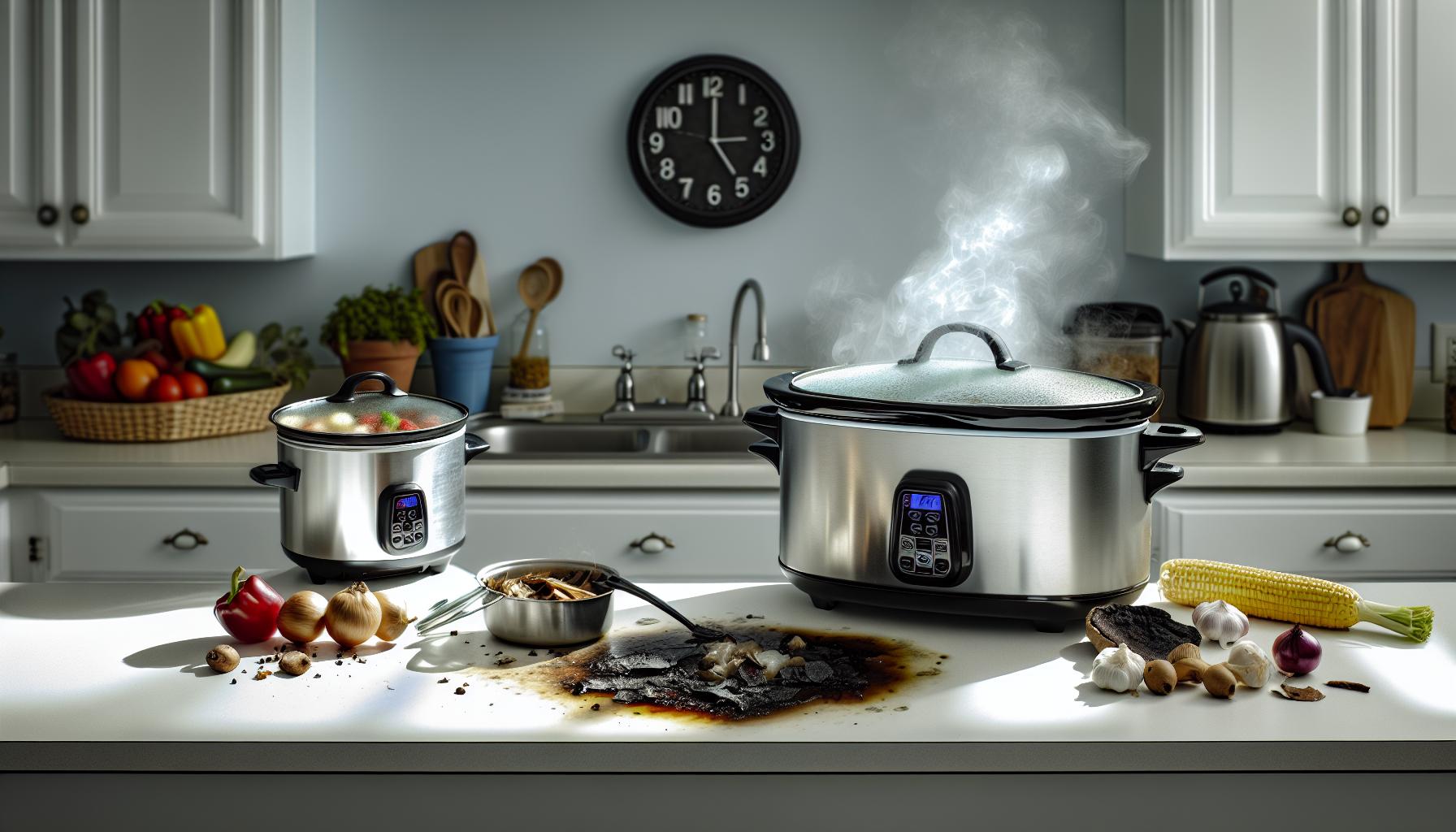
How Slow Cooker Recipes Adapt for Safe Slow Cooking
Slow cooker meals are like your best friends in the kitchen-dependable, forgiving, and ready to deliver comforting flavors with minimal fuss. But adapting recipes for safe slow cooking, especially when you might be leaving the cooker alone, calls for a little extra savvy beyond just tossing ingredients in and hitting “start.” The key is balancing thorough cooking with avoiding those dreaded dry, burnt edges that sneak up when the crock’s been simmering a little too long.
One of the first things I’ve learned from my own kitchen escapades (hello, slightly scorched paleo stew!) is that choosing the right cuts and ingredients makes a big difference. Tougher, fatty cuts like pork shoulder or beef chuck are slow cooker MVPs because they break down beautifully over long hours without drying out. Lean proteins, like chicken breast or fish, need either shorter cook times or to be added later in the process to stay juicy and avoid overcooking. For paleo or gluten-free eaters,this is a sweet spot-no fillers or grains soaking up moisture,just pure,tender meat and veggies doing their thing safely.
Cooking Times and Temperature Tricks
As safety is the real party trick here, many slow cooker recipes tweak the usual low setting timeframe to ensure meat hits the safe internal temp of 185°F or above, which zaps any lingering bacteria [[1]](https://www.eatright.org/food/home-food-safety/safe-cooking-and-prep/10-food-safety-tips-for-the-slow-cooker). If your recipe calls for an 8-hour low cook, consider starting it on high for the first hour to push things into the safe zone quickly, then dial back to low to finish. or if you’re working with a meal that contains lots of fresh veggies, add some closer to the last couple of hours-this helps keep their textures luminous while avoiding mushy outcomes.
For those juggling mornings or overnight cooking, “set it and forget it” takes on a new meaning when paired with smart planning. using ingredient substitutions can stretch safe cooking windows, too. Such as:
- Swap fresh greens for heartier root veggies. Spinach and kale break down rapidly, making them better as add-ins toward the end.
- Opt for bone-in meat. bones help heat penetrate evenly and stay juicy, reducing the risk of cold spots where bacteria might hide.
- Maintain enough liquid. Slow cookers thrive with at least a cup of broth or sauce so food stays moist and reaches safe temps.
Recipe Adaptations for Busy Days
Taking the guesswork out of feeding a busy household means leaning on recipes designed with safety and simplicity in mind. For instance, slow cooker breakfast casseroles that pre-cook ingredients like sausage and bacon before layering help guarantee everything starts at a safer temperature, making unattended cooking less risky. Gluten-free and paleo cooks frequently enough rely on hearty egg-based dishes or casseroles full of root veggies and simple spices that can simmer longer without spoiling texture or taste.
Another fun tip: layering food strategically matters. Place denser items like carrots or potatoes on the bottom since they take longer to cook and are closest to the heat source. Add quicker-cooking proteins on top so everything reaches safe temps concurrently and prevents over- or undercooking. It turns your slow cooker into a cozy little drama stage where every ingredient plays its part perfectly.
Adapting recipes for unattended slow cooking doesn’t mean sacrificing flavor or nutrition. It’s about giving a little love to your planning so your crockpot can do what it does best-turning humble ingredients into melt-in-your-mouth magic, without you hovering every minute. After all, everyone deserves a dinner that’s both safe and sensational, even on the busiest nights.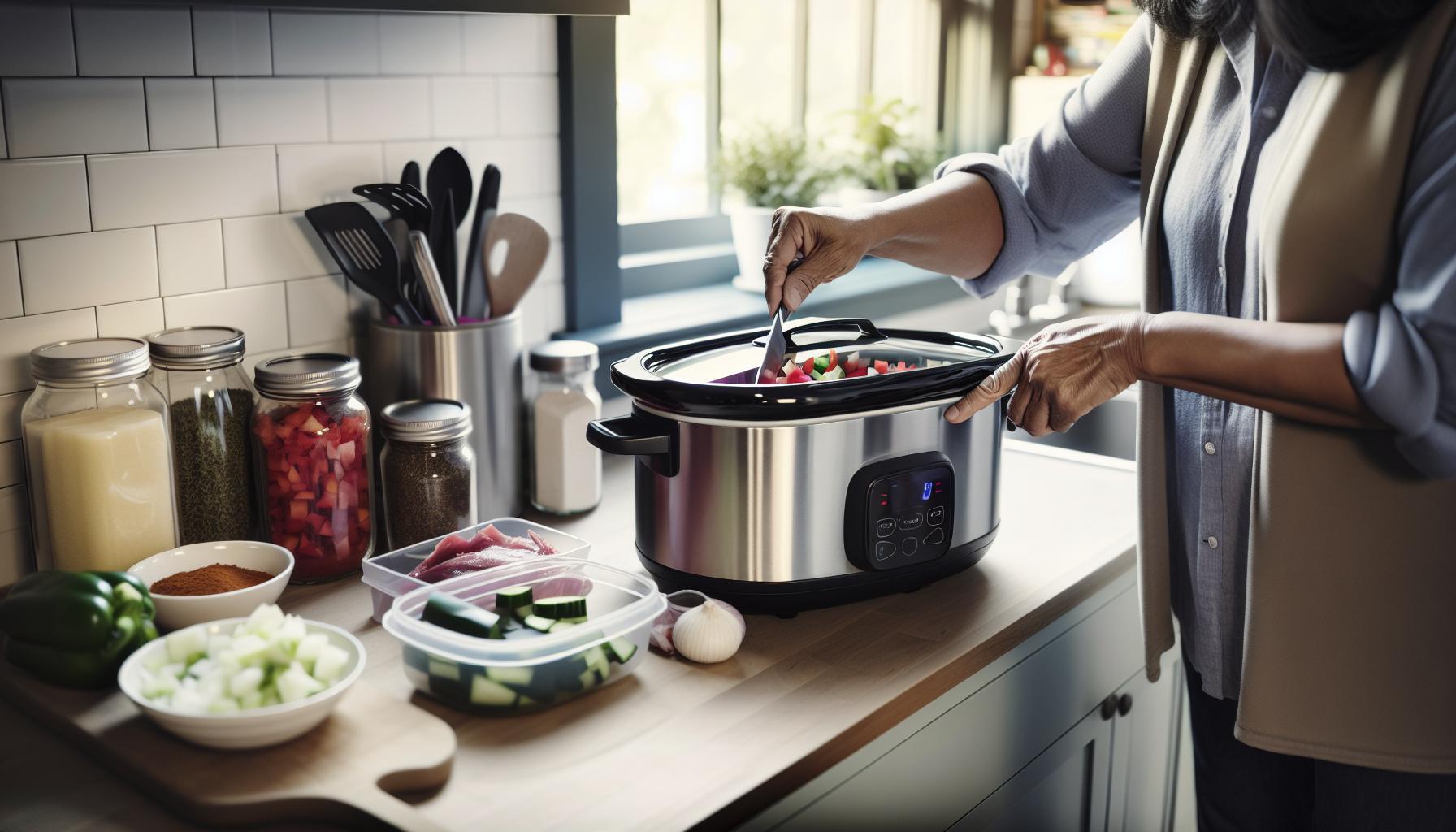
What to Do If You Suspect Slow Cooker Malfunction
there’s nothing like the cozy confidence of a slow cooker humming away in the kitchen-but what if mid-cook you start noticing odd smells, discoloration, or the appliance just doesn’t seem to be heating properly? Trust me, it’s not just you imagining things; slow cooker malfunctions, though uncommon, can happen-and knowing how to handle them safely will save you from a kitchen disaster (and a lot of stress).
First off, if your slow cooker feels unusually warm on the outside, smells burnt, or the food looks undercooked or suspiciously dry even after a reasonable cook time, unplug it immediately. Safety is the top priority here. Slow cookers rely on maintaining steady, safe temperatures over hours, typically above 140°F and ideally around 185°F to kill harmful bacteria [[2]](https://www.canr.msu.edu/resources/cooking_safely_with_a_slow_cooker_e3255); if that’s not happening, you risk foodborne illness. If the cooker’s heating element seems off, don’t try to “fix” it yourself-electricity and slow cookers aren’t best friends for DIY repairs.
Steps to Take when You Suspect Something’s wrong
- Cut the power: Unplug the device at once to prevent any fire hazards or electrical issues.
- Assess the food: if the food’s been cooking at a low temperature for several hours but doesn’t look or smell right, err on the side of caution and discard it. Slow cooking isn’t magic; it won’t bring spoiled or unsafe food back to life.
- Inspect your slow cooker: Once cool,check for cracks in the ceramic insert,damaged cords,or any visible damage.
- Consult your manual or manufacturer: Some models have reset buttons or safety fuses. If you’re unsure, customer service hotlines can guide the next steps.
- Replace if needed: Sometimes the most practical and safest move is to get a new, reliable slow cooker-especially if it’s an older unit prone to wear.
I remember once thinking my trusty cooker had given up the ghost when it just wouldn’t reach the ‘high’ setting heat. A quick look at the user manual revealed a hidden “keep warm” mode I’d accidentally switched on. Saved me from tossing hours of prep (and a family hangry moment). So, before panicking, try toggling settings and always keep your manual handy-every model has its quirks.
Tips to Avoid Malfunctions in the Future
- Don’t overfill or underfill the crock: Either can mess with heat distribution.
- Keep the cooker clean: food splatters can insulate heating elements or lead to strange smells.
- Avoid sudden temperature shocks: Don’t pour frozen meats directly in; let them thaw to help your cooker get to safe temps rapidly.
- Invest in models with built-in safety tech: Auto shut-off features and temperature monitors add peace of mind.
And let’s face it-we all need a little slow cooker forgiveness now and then. If your cooker breaks down, it’s okay to switch to an oven braise or stovetop stew while you hunt for a replacement. Your favorite paleo or gluten-free stews will thank you for the care, and so will your nose!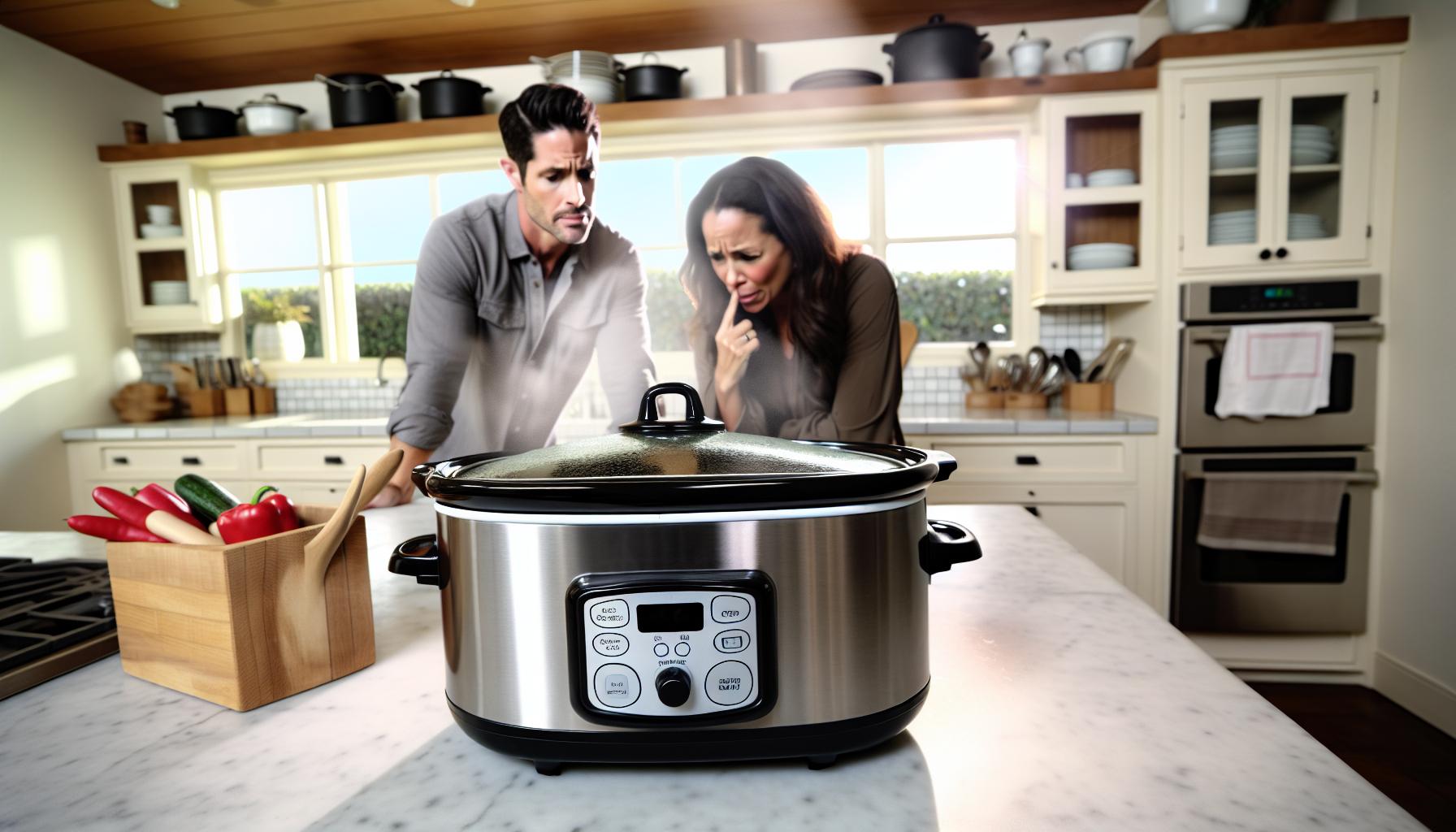
Safe Slow Cooker settings for Overnight Cooking
Cooking overnight in a slow cooker is one of those magical kitchen hacks that turns a few simple ingredients into a comforting,flavorful meal by morning-or dinnertime if you’re planning ahead. But here’s a little secret from someone who’s tested their fair share of recipes: the settings you choose aren’t just about timing; they’re the cornerstone of food safety when you leave your slow cooker humming away unattended for hours. Getting these settings right not only protects your meal but gives you peace of mind while you catch those extra Z’s or tackle your busy day.
When planning your overnight cook, the low setting is your best friend. It’s designed to slowly bring the food temperature into a safe zone (above 140°F) without rushing-perfect for tougher cuts of meat or hearty stews that get better the longer they simmer. A handy trick I learned: start on high for the first hour to jumpstart the cooking process and then switch to low for the remainder of the time. This little step helps the cooker bring the food out of the danger zone quickly, where bacteria have the chance to multiply [1]. If you’re pulling a paleo-friendly pork shoulder or a gluten-free chili overnight, this method ensures you’re cooking safely without sacrificing flavor or texture.
- Fill the pot properly: Keep your slow cooker between half and two-thirds full for the best heat circulation. An overstuffed crock can leave cold pockets where food cooks unevenly, while underfilling risks overheating and drying out the meal.
- Use fresh or fully thawed ingredients: Tossing frozen meat straight into the pot? Not ideal. It prolongs the time food remains in the ‘danger zone’ between 40°F and 140°F where bacteria thrive [1]. Make it easy by defrosting overnight in the fridge or using quick-thaw methods like cold water baths.
- Keep the lid on: Resist the temptation to peek. Every time you lift the lid, heat escapes, and it can take 15-20 minutes for the cooker to regain that safe internal temperature.
When ‘Keep Warm’ is Your Safety Net
Many modern slow cookers come equipped with a keep warm function that kicks in after the cooking cycle ends, perfect for overnight cooking.Rather than letting your food sit at risky temperatures, this setting maintains it above 140°F without continuing to cook-think of it as a gentle, warm embrace for your stew until you’re ready to feast. Just double-check your specific model’s stats in the manual, because not all keep-warm functions are created equal, and some might hover too close to the danger zone if left too long [2].
In a real-life kitchen win, I set a gluten-free chicken curry overnight using the low setting with a timed delay start and woke up to perfectly cooked, safe-to-eat bliss. the trick? A programmable slow cooker with a timer lets you delay starting the cook cycle so the food isn’t sitting raw in the pot for hours before the heat begins. Not to mention, an overnight slow cook can save your morning hustle while still delivering warm, satisfying food.
For those juggling paleo, gluten-free, or just plain busy lifestyles, mastering your slow cooker’s overnight settings means you can rely on your trusty appliance to handle the work safely, letting you enjoy more time savoring your food rather than worrying about it. Remember, when in doubt, err on the side of longer cooking on low rather than quick bursts on high-and always make sure your slow cooker is clean and in good working order before your big overnight cook begins [3].
| Setting | Approximate temperature | Best For | Safety Tip |
|---|---|---|---|
| Low | 190°F-200°F | Overnight cooks, tough meats, stews | Start on high for 1 hour for faster heating |
| High | 290°F-300°F | Quick cooking (3-4 hours) | Not ideal for overnight; can overcook |
| Keep Warm | Above 140°F | Holding food safely after cooking | Ensure it maintains safe temp, don’t use to cook raw food |
Cleaning and Maintenance Tips to Keep Slow Cookers Safe
There’s something oddly satisfying about that clean, gleaming slow cooker after a long day’s simmering magic. But beyond aesthetics, regular cleaning and maintenance are your secret weapons to keeping your slow cooker safe-not just for your next meal, but for every simmer, stew, and curry down the line. Trust me, nothing kills the joy of waking up to a savory overnight dinner faster than dealing with funky smells or a slow cooker that’s wonky as of leftover gunk or missed care.
Getting Your Slow cooker Sparkling (Without the Scrubbing torture)
First off: don’t rush! Slow cookers love gentle TLC.allow the ceramic insert to cool completely-don’t shock it with cold water right away; it’s a diva when temperature changes hit hard and fast. Once cooled, use warm soapy water and a soft sponge for cleanup. Stubborn, baked-on bits? Let the insert soak for 15-20 minutes like it’s having a spa day, then wipe away effortlessly. If you ever find yourself with a lingering stain (hello, that stubborn chili residue), a paste of baking soda and water works wonders-apply, let sit, then gently scrub!
Don’t forget the lid, which counts as part of the slow cooker family! Food particles like to linger around the rubber seals or edges, so give it a good rinse and wipe-down. Some lids are dishwasher-safe, but always check your manual before tossing anything hot in there-it’s better to be safe than a broken slow cooker shell mourns.
Small Details,Big Safety Wins
- Keep the heating base dry and dust-free. After unplugging, give it a wipe with a damp cloth (never immerse it in water!). Moisture and crumbs can find their way into vents or seams, which might mess with the electronics or worse, raise the fire-risk eyebrow.
- Inspect cords regularly. Frayed or cracked cords are a no-go. If you spot any worrisome wear, skip the DIY fix and replace the whole cord or unit if needed. your safety is worth every penny.
- store smartly. Make sure your slow cooker parts are completely dry before putting them away. Storing when damp is a recipe for mold and funky odors.
- Regularly check seals and handles. Loose or damaged parts can cause accidents. Handle your crock just like you would a precious artifact (or a toddler with scissors!)-gently but with good attention.
Pro Tips from a Home cook Who’s Been There
I once skipped washing the lid properly after a hearty beef stew-big mistake. Weeks later, my crockpot smelled like a mystery meat locker, which was NOT the ambiance I wanted in my kitchen. Lesson learned: a quick scrub and pat dry after every cook means your slow cooker stays as happy as your tummy. Plus, clean equipment cuts down on flavor crossover. Imagine how your paleo pork roast would taste with a ghost whisper of last month’s chili. No thanks!
And here’s a little bonus nugget: if you want to kick it up a notch, every few months unplug your slow cooker, let it cool, and give the exterior a gentle once-over with a soft brush near vents or grooves. Dust there can act like tiny winter coats for heat, tempting your cooker to run hotter than it should – which is the last thing we want when you’re sleeping or out and about leaving it unattended.
good maintenance is kind of like seasoning your cast iron pans: it’s not glamorous, but it delivers safety, trust, and tasty results night after night. So, treat your slow cooker with some love and care, and it’ll reward you with delicious, worry-free meals-perfect for busy gluten-free or paleo lifestyles that need that reliable kitchen buddy.
Keeping your slow cooker clean and well-maintained doesn’t have to feel like a chore, just part of the rythm of cozy home cooking.Your future self (and your taste buds) will thank you!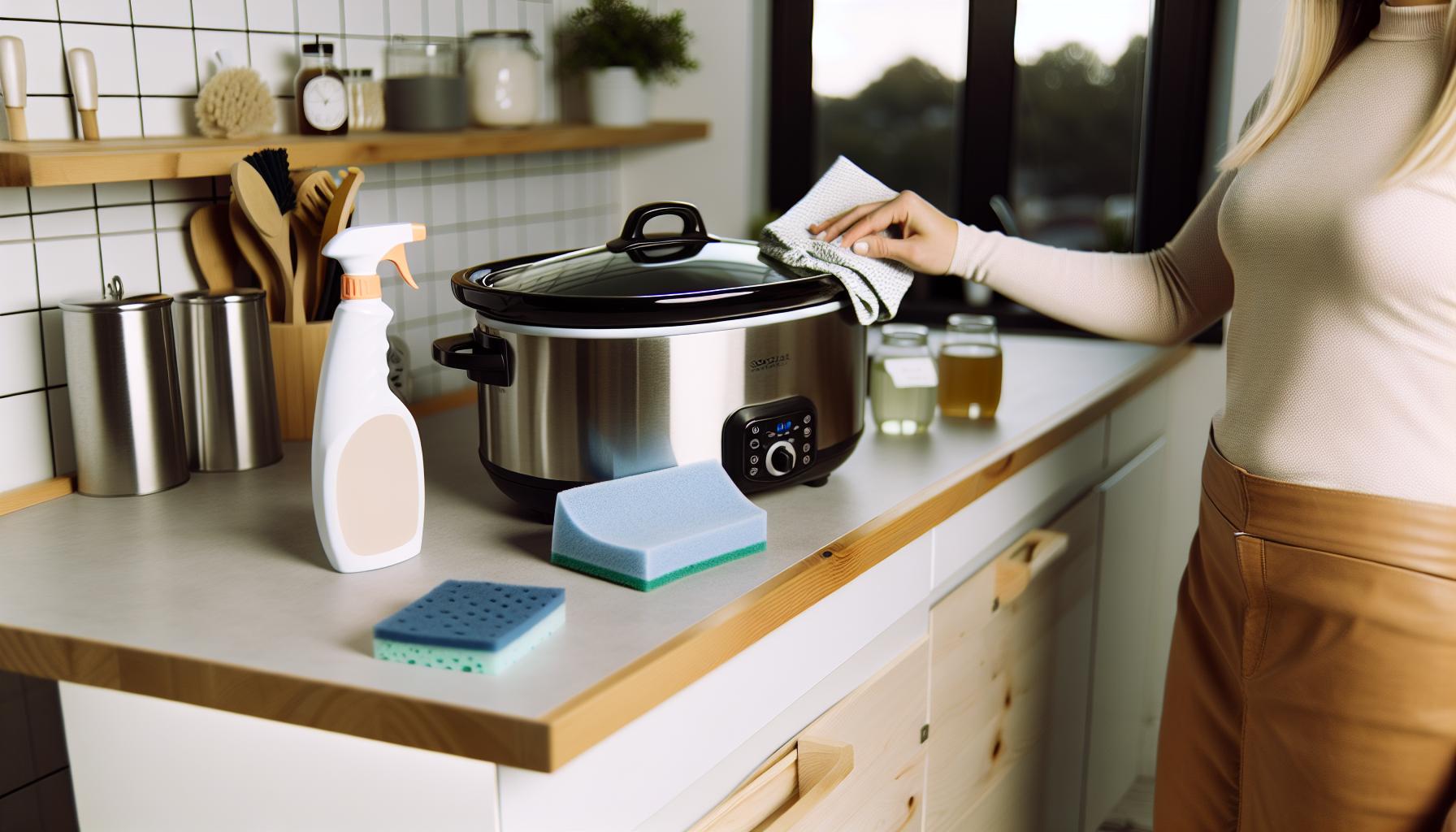
FAQ
Q: How can I ensure my slow cooker food stays safe if I need to leave it unattended for hours?
A: To keep slow cooker food safe unattended, always start with fresh ingredients and fill the cooker at least halfway to maintain a safe temperature.Use the low or automatic keep-warm setting after cooking to prevent bacterial growth. For more tips, see our section on how to Prepare Your Slow Cooker for Unattended Use for foolproof steps.Q: What should I do if I notice my slow cooker overheating when left alone?
A: If your slow cooker overheats while unattended, unplug it immediately and let it cool before opening the lid. Check for blocked vents or damaged cords to prevent future issues. Refer to What to Do If You Suspect Slow Cooker Malfunction for detailed troubleshooting and safety advice.Q: Are there smart slow cookers that allow remote monitoring and improve unattended safety?
A: Yes, many smart slow cookers offer Wi-Fi or Bluetooth connectivity, letting you monitor and adjust settings remotely via a smartphone app. These features enhance safety by allowing real-time alerts and temperature control, as covered in Best Practices for Monitoring Your Slow Cooker Remotely.Q: How does altitude or climate effect unattended slow cooking safety?
A: Higher altitudes and colder climates can impact cooking times and heat retention in slow cookers.You might need to increase cooking duration or use an insulated cozy. For personalized advice, check out How Slow Cooker Recipes Adapt for Safe Slow Cooking where we explore adjustments based on habitat.Q: What are the signs that a slow cooker is unsafe to leave unattended overnight?
A: Signs include unusual smells, excessive heat from the exterior, intermittent power, or visible damage to the cooker or cord.If these occur, avoid leaving it unattended and inspect the appliance per our Common Risks When leaving Slow Cookers Alone section.Q: Can I use any slow cooker setting safely overnight if I’m leaving it unattended?
A: Not all settings are ideal for unattended overnight use. The low or keep-warm settings are generally safest,as high heat can cause overcooking or drying. For detailed guidance, see our Safe Slow Cooker Settings for Overnight Cooking section to optimize your recipe and safety.Q: How frequently enough should I maintain or inspect my slow cooker for safe unattended use?
A: Regular cleaning and inspection every few months help ensure safety.Look for cracks, wear on seals, and clean vents as advised in Cleaning and Maintenance Tips to Keep Slow Cookers Safe. Keeping your cooker in top shape reduces malfunction risks when unattended.Q: What extra home safety tips complement slow cooker unattended use to prevent kitchen fires?
A: Beyond the cooker, keep flammable items away, install smoke detectors nearby, and never leave the kitchen entirely empty during cooking. For more comprehensive safety advice, visit Preventing Kitchen Fires: Tips Beyond the Slow Cooker, adding peace of mind to your slow-cooking routine.
A: If your slow cooker overheats while unattended, unplug it immediately and let it cool before opening the lid. Check for blocked vents or damaged cords to prevent future issues. Refer to What to Do If You Suspect Slow Cooker Malfunction for detailed troubleshooting and safety advice.
Q: Are there smart slow cookers that allow remote monitoring and improve unattended safety?
A: Yes, many smart slow cookers offer Wi-Fi or Bluetooth connectivity, letting you monitor and adjust settings remotely via a smartphone app. These features enhance safety by allowing real-time alerts and temperature control, as covered in Best Practices for Monitoring Your Slow Cooker Remotely.Q: How does altitude or climate effect unattended slow cooking safety?
A: Higher altitudes and colder climates can impact cooking times and heat retention in slow cookers.You might need to increase cooking duration or use an insulated cozy. For personalized advice, check out How Slow Cooker Recipes Adapt for Safe Slow Cooking where we explore adjustments based on habitat.Q: What are the signs that a slow cooker is unsafe to leave unattended overnight?
A: Signs include unusual smells, excessive heat from the exterior, intermittent power, or visible damage to the cooker or cord.If these occur, avoid leaving it unattended and inspect the appliance per our Common Risks When leaving Slow Cookers Alone section.Q: Can I use any slow cooker setting safely overnight if I’m leaving it unattended?
A: Not all settings are ideal for unattended overnight use. The low or keep-warm settings are generally safest,as high heat can cause overcooking or drying. For detailed guidance, see our Safe Slow Cooker Settings for Overnight Cooking section to optimize your recipe and safety.Q: How frequently enough should I maintain or inspect my slow cooker for safe unattended use?
A: Regular cleaning and inspection every few months help ensure safety.Look for cracks, wear on seals, and clean vents as advised in Cleaning and Maintenance Tips to Keep Slow Cookers Safe. Keeping your cooker in top shape reduces malfunction risks when unattended.Q: What extra home safety tips complement slow cooker unattended use to prevent kitchen fires?
A: Beyond the cooker, keep flammable items away, install smoke detectors nearby, and never leave the kitchen entirely empty during cooking. For more comprehensive safety advice, visit Preventing Kitchen Fires: Tips Beyond the Slow Cooker, adding peace of mind to your slow-cooking routine.
A: Signs include unusual smells, excessive heat from the exterior, intermittent power, or visible damage to the cooker or cord.If these occur, avoid leaving it unattended and inspect the appliance per our Common Risks When leaving Slow Cookers Alone section.
Q: Can I use any slow cooker setting safely overnight if I’m leaving it unattended?
A: Not all settings are ideal for unattended overnight use. The low or keep-warm settings are generally safest,as high heat can cause overcooking or drying. For detailed guidance, see our Safe Slow Cooker Settings for Overnight Cooking section to optimize your recipe and safety.
Q: How frequently enough should I maintain or inspect my slow cooker for safe unattended use?
A: Regular cleaning and inspection every few months help ensure safety.Look for cracks, wear on seals, and clean vents as advised in Cleaning and Maintenance Tips to Keep Slow Cookers Safe. Keeping your cooker in top shape reduces malfunction risks when unattended.Q: What extra home safety tips complement slow cooker unattended use to prevent kitchen fires?
A: Beyond the cooker, keep flammable items away, install smoke detectors nearby, and never leave the kitchen entirely empty during cooking. For more comprehensive safety advice, visit Preventing Kitchen Fires: Tips Beyond the Slow Cooker, adding peace of mind to your slow-cooking routine.
For more detailed insights and personal kitchen-tested tips, explore our full guide. Happy slow cooking and stay safe – your delicious meals deserve it!
Closing Remarks
Thanks for sticking with me as we uncovered the key safety tips for leaving your slow cooker unattended. Remember, with the right prep-like choosing the correct settings and timing-it’s totally doable to enjoy convenient, hands-off cooking without worry. If you’re curious about reinventing your meal prep, check out our guides on “Easy Paleo Slow Cooker Recipes” and “Gluten-Free Meal Planning Made Simple” for more tasty, stress-free ideas.
Ready to take your kitchen confidence even further? Sign up for our newsletter to get insider tips, quick recipes, and hands-on advice delivered right to your inbox. Wondering about the best slow cooker models or time-saving kitchen tools? We’ve got you covered with product reviews and practical resources tailored to busy home cooks just like you.Keep experimenting, and don’t hesitate to share your slow cooker successes or questions in the comments below-that’s how we all get better together!
By following these safety essentials and exploring related meal prep strategies, you’re setting yourself up for flavorful, worry-free dinners every night. Stay tuned for more tips that make gluten-free and paleo cooking easy, fun, and oh-so-delicious.