
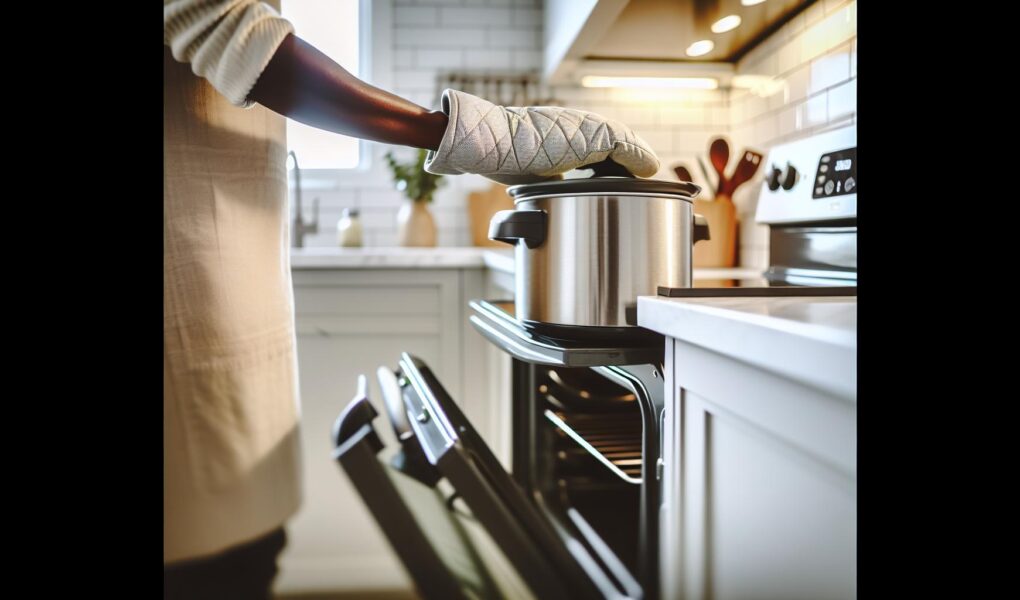
Here’s a common kitchen question: can you pop your slow cooker pot straight into the oven, or is that a recipe for disaster? Whether you’re switching up a dish mid-cook, finishing a crispy top, or just running low on appliances, knowing if your slow cooker stoneware is oven-safe can save you time-and your dinner. I’ve been there, juggling paleo-kind stews and gluten-free casseroles, wondering if that trusty ceramic insert can handle the oven’s heat. In this swift read, we’ll dive into the safety and practical tips around taking your slow cooker pot from countertop to oven, so you can confidently expand your cooking options without fear of cracks, burns, or ruined recipes.Think of it as cooking smarter, not harder-because life’s busy, food should be fun, and every shortcut is a small win in the kitchen. Ready to find out what your slow cooker can really do? Let’s get into the safety first details that every home cook deserves to know.
Table of Contents
- Understanding Slow Cooker Pots and Oven Safety Limits
- Which Slow Cooker Pots Are Oven-Safe? Materials Explained
- Common Risks of putting Slow Cooker Pots in the Oven
- Step-by-Step Guide to Using Your Slow Cooker Pot in the Oven Safely
- Alternatives When Your Slow cooker Pot Isn’t Oven-Safe
- How to Tell If Your Slow Cooker Pot Can Handle High Heat
- Real Stories: What Happened When I Tried Cooking Slow cooker Pots in the oven
- Cleaning and Caring for Oven-Used Slow Cooker Pots
- Recipes Perfect for Oven-Safe Slow Cooker Pots
- Troubleshooting Common Problems After Oven Use
- Frequently Asked Questions
- Q: How can I safely transition my slow cooker pot from stovetop to oven?
- Q: What signs indicate my slow cooker pot is not oven-safe?
- Q: Can oven-safe slow cooker pots affect cooking times compared to regular bakeware?
- Q: Why does my slow cooker pot sometimes crack when placed in the oven? How can I prevent this?
- Q: What alternatives can I use if my slow cooker pot is not oven-safe but I want a similar cooking result?
- Q: How can I maintain my slow cooker pot’s durability after using it in the oven?
- Q: Is there a risk of toxic fumes or chemical leaching when using slow cooker pots in the oven?
- Q: How do slow cooker pots compare to traditional oven bakeware in heat retention and safety?
- Wrapping Up
Understanding Slow Cooker Pots and Oven Safety Limits
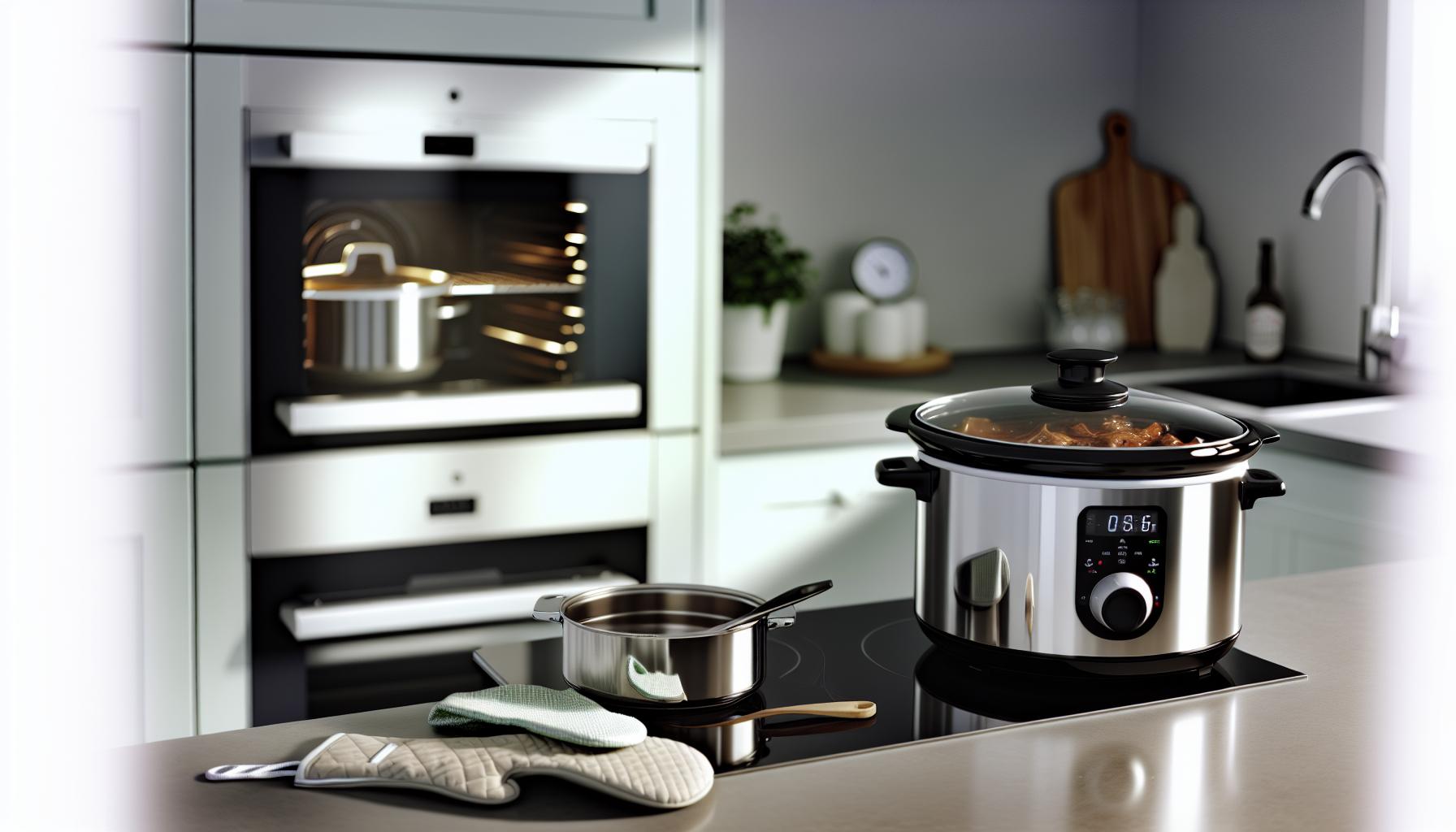
It’s tempting to pop your slow cooker pot straight into the oven when a recipe calls for browning or finishing off a dish at higher heat. After all, slow cooker pots often look like they’re made for the heat-thick, sturdy, and ceramic or stoneware inside. But when it comes to oven safety, not all slow cooker pots are created equal. Many are designed strictly for the gentle,steady temperatures found inside the slow cooker base-not the direct,intense heat of an oven. Understanding these limits can save your favorite pot (and your dinner) from cracks or worse.
Most slow cooker inserts are made from ceramic or stoneware, materials that do well at low to moderate temperatures and distribute heat evenly. However, the key issue isn’t the material alone, but the pot’s thermal tolerance and how it handles temperature shocks. Such as, some ceramic pots tolerate oven temperatures up to 400°F (204°C), while others only manage 350°F (175°C) before the risk of cracking increases. Glass slow cooker inserts-think some Pyrex or similar brands-can be a bit more delicate under sudden temperature changes. It’s not just about the top temperature, but also how quickly the pot heats up or cools down. Sudden shifts can cause thermal shock, leading to fractures. From personal experience, I learned the hard way when I transferred a cold slow cooker pot directly into a preheated oven and crack-a mini disaster in my kitchen!
- Check the manufacturer’s instructions: Always your first step. Many brands include oven use limits, including max temperature and gradation warnings.
- Gradual temperature changes matter: Avoid moving your pot from fridge/freeze to hot oven without bringing it to room temperature first.
- Steady heat beats quick temp swings: Slow raising the heat supports longevity and safety of your ceramic or stoneware pot.
A few brands, like the Crock-Pot stoneware line, specify their inserts as oven-safe up to a certain temperature-great news if you’re looking to combine slow cooking with a quick broil or caramelization step. But if your pot’s label is missing or unclear, treat it as a no-go zone. To keep that pot with its lovely chips-free finish and avoid silent cracks (sometimes you only see them after the pot cools), think of the pot as your delicate cooking buddy, not an oven mitt. The payoff? Knowing these boundaries means more kitchen wins, less stress, and delicious meals that impress without the drama.
Helpful Tips to Remember
- Room temp pot before oven use prevents thermal shock.
- Use oven mitts; slow cooker pots lose heat slowly but also get VERY hot.
- Don’t place pot on cold or wet surfaces immediately after oven use.
Understanding these safety limits means your slow cooker pot can be a versatile star in your kitchen-whether simmered all day or finished with a golden oven crisp. And trust me, with a little practice, you’ll be that confident home cook who knows exactly when to slide that pot into the heat, yielding perfectly cooked paleo, gluten-free, or classic comfort dishes with zero fuss.
Which Slow Cooker Pots Are Oven-Safe? Materials Explained

Few things in the kitchen feel as versatile-yet potentially tricky-as your slow cooker pot. While it seems like a champ designed to handle long, slow simmering, not all of these pots have the same tolerance for the intense, direct heat of an oven. Understanding what your slow cooker pot is made of-not just the surface material but its heat tolerance and reaction to thermal shocks-changes the game when you want to finish off dishes with a crispy top or brown those edges.Most slow cooker inserts you’ll encounter are crafted from ceramic or stoneware, materials beloved for their even heat distribution and beautiful, rustic finishes. These materials generally handle temperatures up to around 350°F to 400°F (175°C to 204°C), but the devil’s in the details. A ceramic pot from one brand might confidently go up to 400°F, while another could crack at 350°F or lower. It’s a bit like meeting new friends-don’t assume they all tolerate the same “heat.” some come with manufacturer guidelines clearly printed or embedded in packaging; others leave you guessing, which means erring on the side of caution is best. Thermal shock-sudden shifts from cold to very hot-can cause even the sturdiest ceramic to fracture. Trust me, I learned this the hard way after rushing a chilled pot into a blazing oven and hearing an ominous crack (spoiler: dinner survived, but my heart didn’t).
Material Breakdown and Practical Insights
| Material | Typical Oven Safe temp | Best For | Caution |
|---|---|---|---|
| Ceramic / Stoneware | 350°F-400°F (175°C-204°C) | Slow cooking, baking, roasting with gradual heat | Avoid sudden temperature changes; check maker’s max temp; don’t exceed limits |
| Glass (Pyrex or similar) | Up to ~350°F (175°C) | Simmering, reheating, gentle baking | Highly prone to thermal shock; never transfer from fridge to hot oven directly |
| Metal (rare for slow cooker pots) | Usually oven safe at high temps | Browning, searing, broiling | Rarely used as slow cooker pot inserts; check manufacturer |
So what’s the best approach? Start by hunting down your slow cooker’s manual or manufacturer website for any oven-use details. Some brands, like Crock-Pot, proudly share that their stoneware inserts can hit 400°F safely-meaning you can finish a stew with a golden crust without worry. When in doubt,bringing your pot to room temperature before sliding it into the oven is a simple but powerful trick to prevent cracks. Think of it like letting your friend warm up before running a marathon.
I once made a chili that needed a quick oven finish, and using a slow cooker pot explicitly rated to handle oven heat was a lifesaver. Not only did the flavors meld beautifully from the slow cook, but that crisp topping made it a standout dish for gluten-free comfort food night. When I tried the same with another pot (without checking), it didn’t end as prettily-a cautionary tale that’s now part of my kitchen lore.
- Always check for manufacturer recommendations or labels.
- choose pots made from durable ceramic/stoneware, preferably labeled oven-safe.
- Never shock your pot with sudden temperature changes.
Knowing your slow cooker pot’s limits isn’t about stressing over every bake or roast. Instead, it’s about unlocking a new layer of kitchen wizardry-blending slow-cooked goodness with the finishing prowess of the oven-all while keeping your favorite pot intact and ready for the next culinary adventure. Because delicious,fuss-free cooking should always be your go-to,no matter what kind of food lifestyle you embrace!
Common Risks of putting Slow Cooker Pots in the Oven
One of the sneakiest pitfalls when tossing a slow cooker pot into the oven is underestimating how sensitive these vessels can be to heat-and not just temperature, but how quickly that heat changes. You might think “Hey,it’s just ceramic,it can handle the oven,” but the reality is ceramics and stoneware can be quite finicky. Sudden temperature shifts-called thermal shock-can cause cracking or shattering, turning your dinner plans into a mini kitchen disaster faster than you can say “crockpot chili.” I’ve seen plenty of cooks (including myself) rush a chilled pot straight into a hot oven and hear that heartbreaking crack. Yes, the food usually survives, but your trust in your favorite pot? Hmm… not so much.
Beyond thermal shock, there’s also the matter of hitting the maximum heat tolerance of your slow cooker insert. While many ceramic or stoneware pots tolerate up to 350°F or even 400°F, not all brands share the same heat stamina. Overstepping those boundaries can cause glaze crazing (tiny cracks in the finish), warping, or permanent damage that ruins future use. And since many slow cooker pots don’t come labeled explicitly “oven-safe,” it’s easy to push them past their limit without realizing it. It’s like inviting a friend to a barbecue who claims they can handle heat-but they actually melt at medium flame.Knowing the exact safe temperature here is your kitchen superpower.
Hidden Dangers That Catch You by Surprise
- Uneven heat exposure: Unlike metal pans, ceramic inserts don’t conduct heat evenly when suddenly exposed to high oven temperatures, which can stress the material.
- Moisture trapped inside: If your slow cooker pot has tiny cracks or microfractures, oven heating can cause moisture inside to expand and widen those cracks, making things worse over time.
- Compatibility myths: Some cookers have metal rims or plastic handles not designed for oven use; even if the pot’s ceramic is solid, those bits can warp or melt.
So, while the idea of popping your slow cooker pot in the oven to brown the top or roast veggies looks like a brilliant shortcut, taking a few precautionary steps saves you from heartbreaking breaks and wasted meals. Let your pot “acclimate” to room temperature gently before the oven,and always double-check your brand’s info or the user manual.It might feel like a hassle, but these small moves keep your slow cooker durable and your kitchen joyful.
If your pot isn’t meant for the oven, no worries-there are plenty of other ways to achieve that perfect golden finish without jeopardizing your beloved crock. Stay tuned for alternatives that deliver crispy, caramelized results without the scary risks!
Step-by-Step Guide to Using Your Slow Cooker Pot in the Oven Safely

If you’ve ever thought of sliding your slow cooker pot right into a preheated oven, you’re not alone-and with a little TLC, it can actually work out beautifully. The trick is keeping your pot from feeling like it went from a sauna straight into the Arctic (thermal shock alert!). Treat it like a delicate guest: gentle transitions and clear boundaries will keep your favorite crockpot happy and your meal on point.
Getting your Slow Cooker Pot Oven-Ready – Step by Step
- Warm Up Gradually: Before the oven even switches on,take your pot out of the fridge or dishwasher and let it rest on the counter for 20-30 minutes. That way, it warms slowly to room temperature, sidestepping those sudden temp shocks that cause cracks.
- Check the Manufacturer’s Guidelines: If your manual says “Oven Safe,” fantastic! Double-check the maximum recommended temp, usually between 325°F and 400°F. If you don’t have a manual, try to find your model online or err on the safe, lower side to protect your pot’s integrity.
- Beware of Non-Stoneware Parts: Handles or rims made of plastic or metal may have different tolerances. If those components aren’t oven-proof, it might be time to remove them if possible, or opt for an alternative baking dish to avoid melting or warping.
- Use a Baking Sheet as a Heat Buffer: Placing your slow cooker pot on a preheated (or slightly warmed) baking sheet can help distribute heat evenly and prevent hotspots that stress the ceramic.
Inside the Oven: Best Practices for Smooth Sailing
Once inside,try to stick to moderate temperatures-not blazing hot blasts.Cooking at about 325°F to 350°F typically works well for most stoneware pots. And don’t rush it: slow, steady heating keeps your vessel safe and your dinner delicious.
If you need to check the food mid-cook, open the oven door gently to avoid quick temperature swings. And when the cook time wraps up, be sure to remove the pot and place it on a heat-safe surface or trivet-not directly on a cold countertop.I learned this the hard way; my favorite crockpot pot got a tiny chip when I plopped it straight onto a chilly granite slab. As then, a trivet is my slow cooker pot’s best friend.
Practical Tips and Friendly Reminders
- Use Oven Mitts with a Good Grip: Slow cooker pots frequently enough get heavier filled with food and retain heat longer than metal pans, so be sure your oven mitts are sturdy and dry.
- Swap Ingredients with Oven Safety in Mind: If you’re adapting a slow cooker recipe for the oven, consider thicker cuts of meat (which roast nicely) or veggies that can handle a longer, consistent heat without becoming mushy.
- Experiment with Broiling? Think Again: High broil heat is usually too intense unless explicitly stated safe-it can crack the ceramic or scorch your food faster than you can say “oven disaster.”
I’ve found that following these steps lets me get that gorgeous golden crust on casseroles or melt cheese beautifully, all while protecting my slow cooker pot from surprise shattering or glaze crazing. cooking should be joyful,not stressful-your trusted slow cooker pot can join the oven party happily,just when treated right.
Alternatives When Your Slow cooker Pot Isn’t Oven-Safe
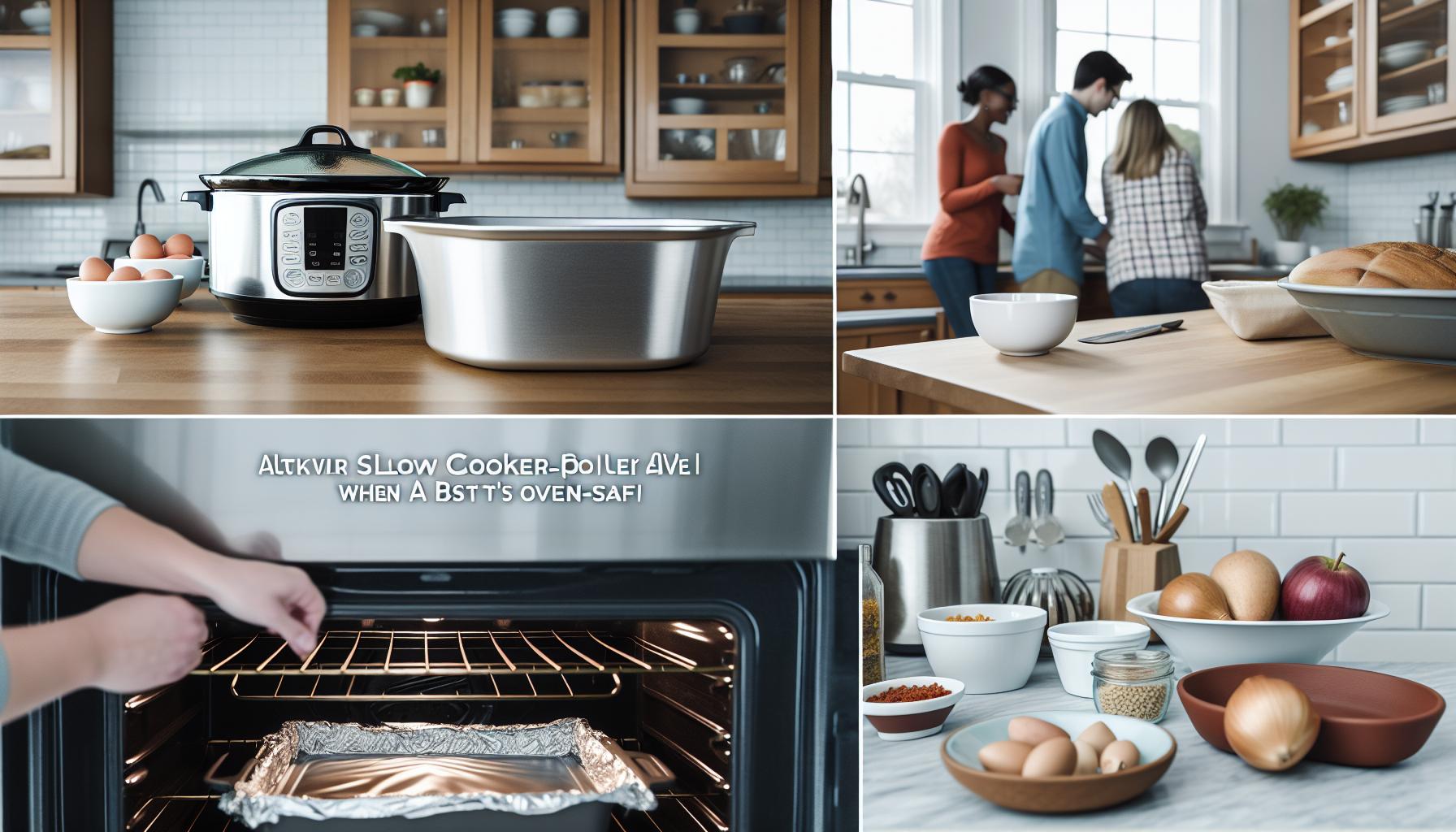
Sometimes, despite our best intentions and dreams of perfectly crispy oven meals, your slow cooker pot just isn’t built for the heat of an oven. Fear not-there are plenty of practical and tasty workarounds that keep your cooking mojo flowing without risking a cracked crock or melty handles. Switching gears doesn’t mean waving goodbye to delicious, easy meals; it means embracing alternatives that play nicely with your kitchen tools and your busy schedule.
One go-to option is transferring your slow cooker’s contents into an oven-safe dish like a dutch oven, cast iron skillet, or a ceramic casserole dish. These vessels thrive in high heat and often enhance your recipe with their superior heat retention. Plus, they come in all shapes and sizes, accommodating everything from your paleo-friendly roast to a cozy gluten-free veggie bake. Here’s a quick checklist to make this transition smooth:
- Choose a dish with even heat distribution. Cast iron or enameled stoneware are winners here.
- Make sure the size fits your recipe volume. Too small,and you risk spills; too large,and cooking times may change.
- Consider the lid situation. Covering your dish can mimic slow cooker moisture retention, essential for fall-apart tender meals.
Creative Swaps That Still Yield Slow-Cooked Magic
If you’re adapting a slow cooker recipe meant for oven finish, try a layered approach. For example,start your braise or stew in your slow cooker on low for most of the day,then slide the pot’s contents into an oven-safe dish for the last hour or two. This final stage can deepen flavors and brown surfaces without risking your original pot’s integrity.
For casseroles or bakes where a crispy top is the hero, baking just the assembled ingredients in a good old baking dish is a simple fix. Thicker slices of hearty vegetables, like sweet potatoes or carrots, and paleo-friendly cuts of meat work especially well here. They soak up oven heat gracefully and won’t turn into a mushy mess when exposed directly to dry heat.
Less Fuss, More Flavor: using Foil & Slow Cooker Liners
Another kitchen hack: line your slow cooker pot with sturdy, oven-safe foil before cooking. This offers a buffer that can make the pot’s fate less risky if transferring to the oven isn’t an option.Or, consider slow cooker silicone liners which are flexible and heat resistant, simplifying cleanup-and you can pop the whole thing into an oven-safe container for browning at the end.
In my kitchen, when my pot was definitely “no oven” territory, I quickly became friends with glass Pyrex dishes. They’re transparent (hello, visual progress!), easy to clean, and typically safe up to about 425°F. Just keep in mind, they heat faster so watch for your recipe’s cook times and moisture levels.Adapting recipes and using these alternatives is about working smarter, not harder. You get all the comfort of a slow-cooked meal with the crisp crust or bubbling top that only an oven can deliver. It’s proof that even if your favorite slow cooker pot can’t join the oven party, your culinary creativity certainly can!
How to Tell If Your Slow Cooker Pot Can Handle High Heat

It’s easy to underestimate just how much heat your slow cooker pot can take before it throws in the towel-or worse, cracks. If you’ve ever wanted to crank up the heat a bit by popping that pot into the oven, knowing whether it can handle the oven’s intense radiance is key to avoiding kitchen drama. Slow cooker pots aren’t all created equal, so a little detective work goes a long way in keeping your recipes (and your cookware) happy.
Most slow cooker pots are made from ceramic, stoneware, or sometimes metal like stainless steel. Ceramic and stoneware generally have some oven-safe promise baked right in,but there’s a huge difference between a gentle low-heat slow cooker setting and an actual hot oven environment,which can range from 300°F to 450°F or more. A common mistake is assuming if the pot is ceramic, it must be oven-proof-regrettably, not always true. Many manufacturers design those pots for simmering and slow cooking at low temperatures only. Heat shock is the real villain here: putting a chilled or damp pot straight into a hot oven can cause cracks, or even shatter your trusty kitchen companion.
So, how do you figure out your pot’s oven heat credentials before it turns your recipe into rubble? Here’s a quick checklist of things to consider before turning up the thermostat:
- check the user manual or manufacturer’s website. If your pot’s brand and model are handy, look up the official heat limits.Many will clearly state max oven temperature, frequently enough between 350°F and 400°F.
- Material matters. Stoneware and heavy-duty ceramic are frequently enough oven-safe but make sure they don’t have plastic handles or lids that can melt. Some slow cooker pots even have decorative glazes that aren’t oven-friendly.
- Look for an oven-safe symbol or label on the bottom of the pot. It might be subtle, but it’s worth searching for.
- Consider your pot’s age and condition. Micro cracks or chips from years of use increase the risk of breakage under intense heat.
Testing Your Pot with a Gentle Trial Run
If you’re still on the fence and want to play it safe, try a gradual heating test: place the pot in a cold oven, then turn the oven to a moderate temperature like 300°F, and let the pot warm up slowly alongside. After 30 minutes, turn the oven off and give the pot time to cool inside before touching it. No cracks? good sign, but still be cautious pushing temps higher.
Personally, I’ve seen several slow cooker pots survive baking my paleo-friendly bone broth at 375°F for an hour, but those same pots balk at full 425°F roasting temperatures-sometimes with sad little cracks appearing. And trust me, that heartbreak is real when a pot you adore ends up in shards.
Signs Your Pot Might Not Be Oven-Friendly
- Plastic or rubber parts like handles or knobs are a dead giveaway that the pot should avoid ovens entirely.
- Thin or lightweight construction usually means the pot can’t handle dramatic temperature swings.
- Manufacturer disclaimers warning against oven use are best respected.
Remember, your favorite slow cooker pot shines in its domain-long, slow, even heat that coax flavors out without the high temperature shock. When you want oven magic (hello, crisp tops or browned edges!), it’s often better to transfer your slow cooker’s delicious contents into an oven-safe dish. Your pot will thank you (and so will your taste buds).
Treat your cookware like a treasured utensil, and by knowing what it can handle, you’ll keep your kitchen experiments safe, fun, and delicious-no cracked pots or ruined meals in sight!
Real Stories: What Happened When I Tried Cooking Slow cooker Pots in the oven
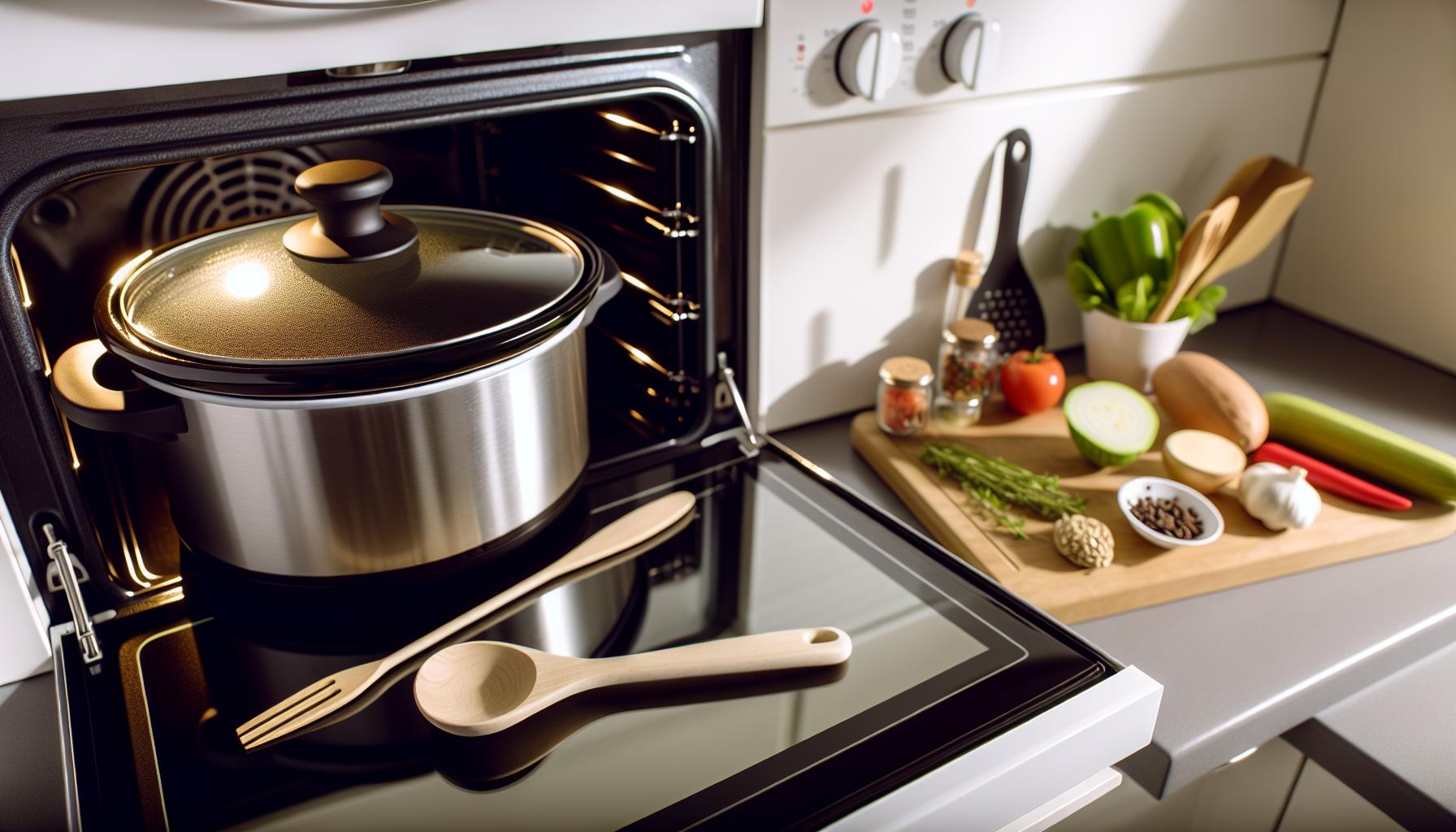
It’s hard not to feel a bit of thrill (and a pinch of kitchen anxiety) when deciding to pop a slow cooker pot-frequently enough your trusty sidekick for simmering stews and gentle meals-into a hot oven.I’ve been there, thinking, “How hot could it really get?” Spoiler alert: much hotter than my slow cooker’s usual 200°F to 300°F range. My very first experiment started with a slow cooker pot I assumed would handle a 375°F oven bake perfectly. It was a paleo-friendly bone broth recipe with a relatively short cook time-just about an hour. The pot strutted through the process without so much as a hairline crack, proving stoneware can sometimes be a champ if treated kindly. But my excitement turned cautious once I tried a higher heat roast at 425°F… that time,I came home to a sad little crack,a lesson that sudden jumps or pushing temperature limits can break even patient pots.
Lessons Learned the Hard Way
One thing I quickly realized is that the material and build matter more than the look or weight of the pot. I had a friend who used a ceramic slow cooker pot that looked identical to mine, but after just a quick pop into a preheated 400°F oven, it shattered, likely because it had plastic handles and a delicate glaze incompatible with high heat. That’s why I always recommend carefully checking for plastic or rubber parts-those are non-negotiable oven no-go zones. Another tip from my many kitchen sessions is to never take the pot straight from the fridge or dishwasher into the oven; thermal shock is a cruel enemy that will crack ceramic like dropping a dropped glass.
Real talk: Slow Cooker Pots in the Oven-Trust but Test
If you’re itching to bake or roast in your slow cooker pot, try a gentle test run first:
- Put the pot in a cold oven.
- set the oven between 275°F and 300°F.
- Let it warm gradually for 30 minutes.
- Turn the oven off and let the pot cool slowly inside.
- Check for cracks or any new fragility.
A pot that survives this phase usually can take oven temps up to 350°F with care. I’ve found this approach saves heartbreak and wasted meals. Plus,it’s a great excuse to cook some slow-smoked pulled pork or a cozy apple crisp without the risk.
cooking with slow cooker pots in the oven can be a rewarding shortcut for busy home chefs craving crispy edges or golden finishes on soups or casseroles. Just remember: not every pot is built the same, and your slow cooker’s gentle warmth differs drastically from an oven’s fierce heat. But with careful testing, patience, and sensible heat limits, many pots can join you in the oven adventure-and keep your kitchen fun and damage-free.
Cleaning and Caring for Oven-Used Slow Cooker Pots
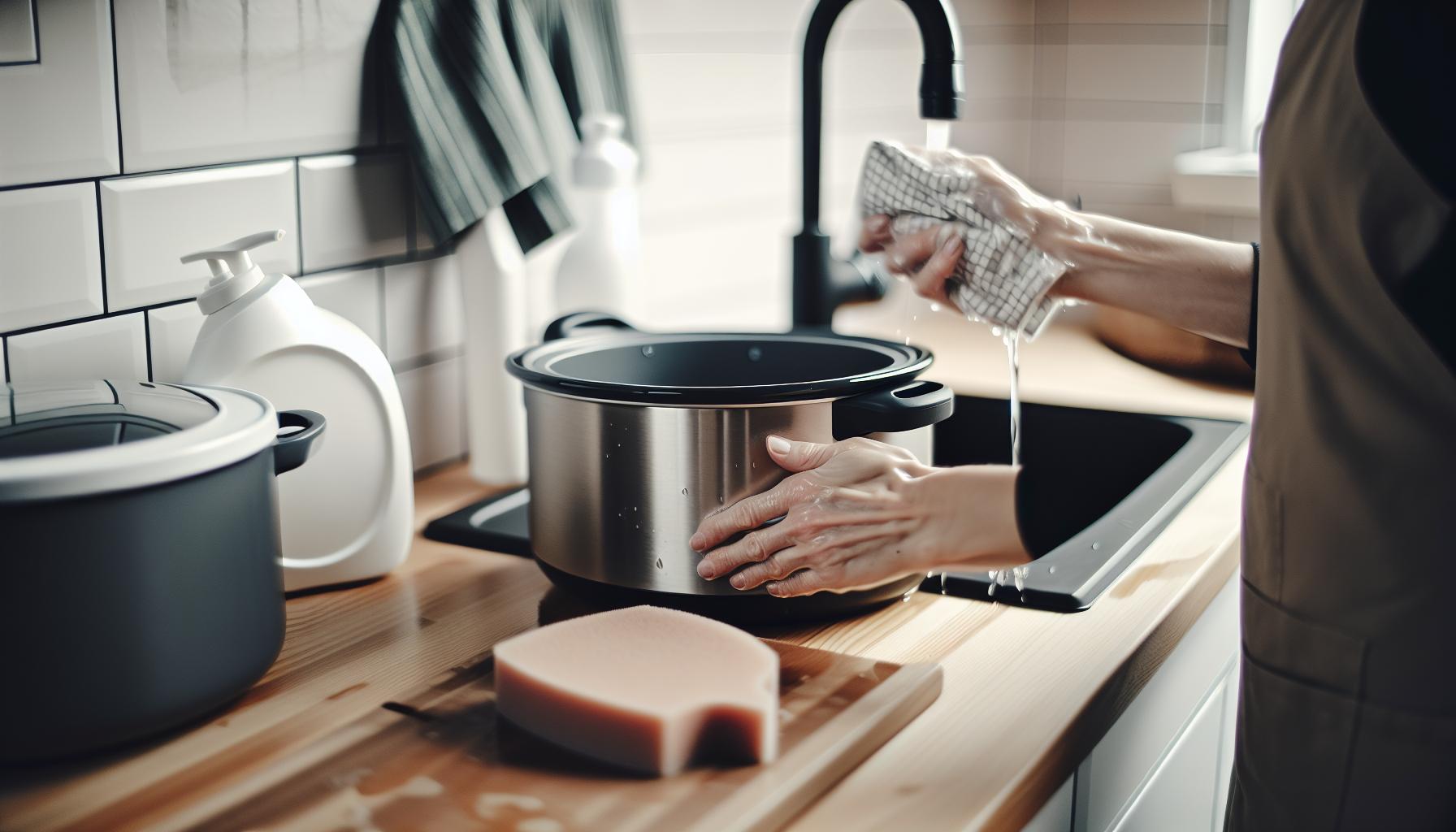
There’s a certain satisfaction in handing a well-loved slow cooker pot a second act in the oven, but that encore requires a little extra TLC to keep your ceramic or stoneware shining and crack-free. After the oven’s heat dance, you’ll want to treat your pot gently as high temperatures can leave stubborn baked-on bits or cause tiny hairline cracks that only show up over time if neglected.First off, resist the urge to rinse your pot with cold water right after pulling it out of the oven. That sudden temperature flip can cause thermal shock and, trust me, no one wants their kitchen heartbreak served alongside dinner. Instead, let your pot cool slowly on a heat-proof surface or right inside the turned-off oven until it reaches room temperature.This gradual cooldown keeps your pot in one piece and ready for its next culinary outing.
When dinner’s done and your pot has cooled, cleaning is best tackled with warm, soapy water and a soft sponge-skip abrasive scrubbers and harsh chemicals that can damage delicate glazes. If you encounter stubborn stuck-on food, soak the pot in warm water for a bit, then gently ease it off. For the occasional tougher cleanup,a paste of baking soda and water works wonders without sacrificing your pot’s smooth finish. Avoid the dishwasher if your pot has been through the oven; repeated thermal shifts there invite cracks or crazing that dull its beauty.
Tips to Keep Your Pot Oven-Ready for Next Time
- Allow gradual temperature changes: From fridge to oven or oven to sink, slow transitions prevent cracks.
- Check glaze and handles: Fragile glazing or plastic parts may deteriorate with heat, so inspect regularly.
- Use non-metal utensils: Metal can scratch the pot’s surface over time, dulling the finish and compromising durability.
- Store carefully: Keep your pot somewhere safe to avoid chips from accidental bumps.
I remember one time I tried a paleo-friendly peach cobbler in my stoneware pot after roasting a bone broth recipe in the same pot the week before. I made sure to cool it properly and cleaned it gently-the cobbler got perfectly crisp edges without a single crack in sight. It felt like giving my pot a second life, and honestly, it just made me feel a little more like a kitchen wizard.
Caring for oven-used slow cooker pots is really about respect-respect for your tools and for the food you create with them. Treat them right, celebrate their resilience, and you’ll keep adding warmth and flavor to your paleo, gluten-free, or everyday family meals for many ovens to come.
Recipes Perfect for Oven-Safe Slow Cooker Pots
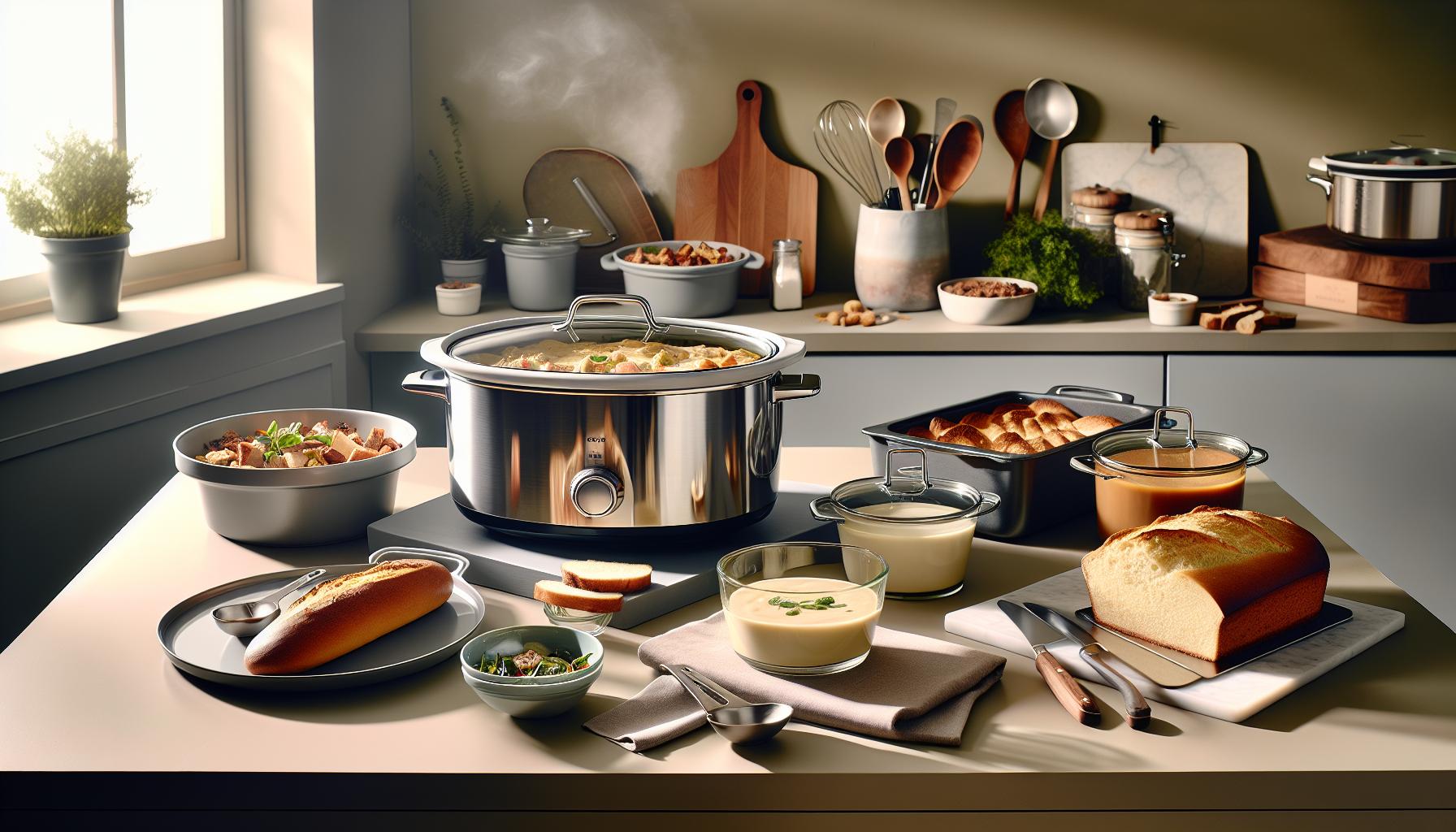
There’s something magical about using your slow cooker pot in the oven-it combines the ease of slow cooking with the lovely browning and crisp textures that an oven brings. If your pot is oven-safe, you get the best of both worlds without dirtying extra dishes. Plus, it opens up a treasure trove of recipes that go beyond stews and soups, perfect for everything from paleo roasts to gluten-free casseroles that feel like a warm hug on a busy night.
One of my favorite go-to recipes is a gluten-free chicken and vegetable bake that takes about 10 minutes prep and 45 minutes in the oven – pretty manageable even on weeknights. Start with diced chicken thighs (juicy and forgiving), toss with olive oil, garlic, root veggies like carrots and parsnips, and herbs like rosemary and thyme. Using your slow cooker pot, you get all those savory juices sealed in, and the ceramic surface helps everything roast evenly. Plus, cleanup is a breeze if you soak it right after. Pro tip: swap chicken for cauliflower “steaks” for a paleo-friendly vegetarian twist that’s hearty without the heaviness.
- Prep time: 10 minutes
- Cook time: 45 minutes
- Difficulty: Easy
Craving comfort food but staying on the paleo path? A sweet potato shepherd’s pie adapts perfectly. Cook your cauliflower rice base in the pot on the stovetop first (some models handle gentle heat just fine), then layer in sautéed ground turkey or beef along with onions, mushrooms, and a splash of bone broth. Top with mashed sweet potatoes mixed with coconut milk, then pop the whole pot into the oven until golden and bubbling. The stoneware’s heat retention encourages even cooking and a golden crust without drying out the filling-something you just can’t beat in a regular slow cooker insert.
If you’re worried about timing or don’t want to dirty multiple pans, here’s a quick rundown to keep it practical:
| Recipe | Dietary Focus | Prep Time | Oven Temp | Key Ingredients |
|---|---|---|---|---|
| Chicken & Veggie Bake | Gluten-Free, Paleo-Friendly | 10 mins | 375°F (190°C) | Chicken thighs, root veggies, rosemary |
| Sweet Potato Shepherd’s Pie | Paleo, Dairy-Free | 15 mins | 400°F (200°C) | Ground turkey, sweet potatoes, cauliflower rice |
| Peach Cobbler | Gluten-Free, Paleo | 15 mins | 350°F (175°C) | Fresh peaches, almond flour, coconut sugar |
A Sweet Finale or Savory Start
Don’t overlook desserts like a rustic peach cobbler made right in your oven-safe slow cooker pot. It’s a surprisingly simple way to impress guests or treat yourself. The stoneware holds heat beautifully for even baking, giving those edges a delicate crisp that tastes like you slaved for hours, even if you just threw it together in a flash. Swap regular flour for almond or coconut flour to keep it paleo, use unrefined sweeteners, and enjoy that cozy warmth that signals, “home cooked goodness.”
Whether you’re baking, roasting, or finishing a stovetop dish, knowing your slow cooker pot works in the oven lets you unlock creativity without extra mess or equipment. The key is to embrace the pot’s strengths-its excellent heat retention and gentle warmth-and to treat it with the TLC it deserves after use. Your dinner will thank you, and so will your busy schedule. I always say,if it’s good enough for my slow cooker pot,it’s good enough for the oven-and likely your family’s next favorite dinner.
Troubleshooting Common Problems After Oven Use
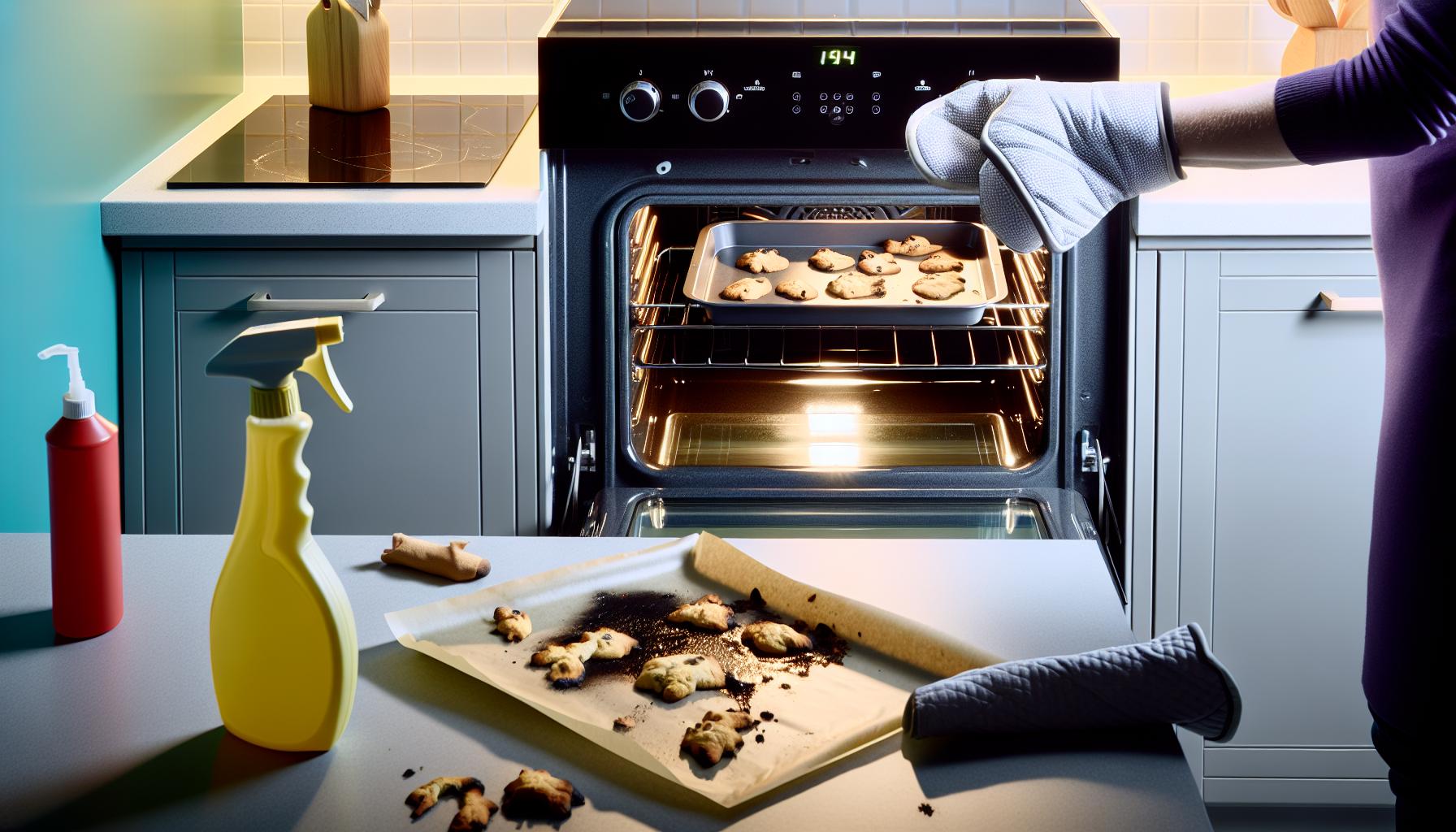
Cooking with your slow cooker pot in the oven can feel like a kitchen superpower-until something goes a little sideways. Maybe your otherwise trusty ceramic insert developed a hairline crack, or that beautiful golden crust stuck stubbornly to the surface. These hiccups can be frustrating, but knowing their causes and solutions will have you back on track without missing a beat. Think of it as troubleshooting with a friend who’s seen it all (and survived to share the recipes).One common snag is thermal shock, which happens when the pot experiences sudden extreme temperature changes-like taking it straight from the freezer or fridge and popping it into a hot oven. This shock stresses the ceramic, causing cracks or crazing (tiny fissures). To avoid a ceramic catastrophe, always allow your pot to come to room temperature before oven use or warm it gradually by placing it in a cold oven and then turning it on. It’s like gently waking your pot from a nap rather than throwing it into a sprint. If you see hairline cracks,pause using that piece in the oven; while it might hold some stovetop or slow cooker use,further heating risks breakage and potential mess.Another classic trouble spot is food sticking or burning on the pot’s surface-especially if you’re trying a new recipe or cooking at higher temperatures. Even oven-safe pots with smooth glazing might cling a little if the dish is naturally sticky or thick (think peach cobbler sugars or rich shepherd’s pie toppings). To avoid this:
- Grease or line your pot lightly with olive oil, coconut oil, or a paleo-friendly butter substitute before adding ingredients.
- Use parchment paper where possible, especially for baked goods.
- Soak promptly after serving to prevent dried-on, baked-in gunk. I’ve learned this the hard way about halfway through many dishes!
If you notice stubborn stains or dulling of the glazed surface after oven use,don’t fret. The ceramic can develop a patina over time from spices and oils, but gentle cleaning goes a long way. Avoid abrasive scrubbers and rather opt for baking soda paste or a gentle soak in warm, soapy water. Treat your pot like a cherished cast iron-appreciate the marks as part of its culinary story.
here’s a quick reminder table on troubleshooting kitchen gremlins after oven adventures with your slow cooker pot:
| Issue | likely Cause | Practical Fix |
|---|---|---|
| Cracks or crazing | Thermal shock (sudden temp changes) | Bring pot to room temp before oven use; warm gradually |
| Food sticking or burning | High heat, lack of greasing | Lightly oil or use parchment; soak promptly |
| Dull or stained glaze | Build-up of oils/spices | Soak gently; clean with baking soda paste, avoid abrasives |
In my kitchen, the occasional oven drama has turned into a learning curve rather than a setback. Once, a peach cobbler stuck stubbornly until I remembered the trusty parchment trick and a quick soak afterward. Now, those golden edges come out effortlessly, and the pot’s glaze is as lovable as ever. so, embrace the quirks-you’ll cook better, cleaner, and with more confidence each time your slow cooker pot hits the oven!
Frequently Asked Questions
Q: How can I safely transition my slow cooker pot from stovetop to oven?
A: To safely move your slow cooker pot from stovetop to oven, always *preheat the oven first* and use *oven mitts* to avoid burns.Avoid sudden temperature changes by placing the pot in a warm oven rather than a cold one. Check your pot’s heat tolerance in “How to Tell If Your Slow Cooker Pot Can Handle High Heat” before using it in the oven.
Q: What signs indicate my slow cooker pot is not oven-safe?
A: If your slow cooker pot has *plastic handles, painted finishes,* or *labels warning against oven use,* it’s likely not oven-safe. also, if the manufacturer instructions or manual don’t explicitly say it can go in the oven, it’s best to avoid it. Refer to the article section “which Slow Cooker Pots Are Oven-Safe? Materials Explained” for detailed signs.
Q: Can oven-safe slow cooker pots affect cooking times compared to regular bakeware?
A: Yes,oven-safe slow cooker pots often have *thicker ceramic or stoneware walls,* which can lead to slightly longer cooking times or more even heat distribution. Adjust your recipe’s timing by checking *progress earlier* and using an oven thermometer for accuracy.Explore “Recipes Perfect for Oven-Safe Slow Cooker Pots” for tailored cooking tips.
Q: Why does my slow cooker pot sometimes crack when placed in the oven? How can I prevent this?
A: Cracking typically happens due to *thermal shock*-rapid temperature changes can cause fragile ceramic pots to break. Always *preheat the oven fully* before placing the pot inside and avoid placing a cold pot on a hot oven rack. The “Common Risks of Putting Slow Cooker Pots in the Oven” section covers prevention well.
Q: What alternatives can I use if my slow cooker pot is not oven-safe but I want a similar cooking result?
A: If your slow cooker pot isn’t oven-safe, you can transfer your recipe to a *Dutch oven, cast iron skillet,* or *oven-safe casserole dish* to finish cooking. These alternatives provide excellent heat retention and similar slow-cooked flavors. See “Alternatives When your Slow Cooker Pot Isn’t Oven-Safe” for tips on substitutions.
Q: How can I maintain my slow cooker pot’s durability after using it in the oven?
A: After oven use, clean your slow cooker pot with *warm soapy water* avoiding harsh abrasives.Dry it thoroughly and avoid sudden cooling. Regularly check for hairline cracks and store carefully to prevent chips. For detailed maintenance, visit “cleaning and Caring for Oven-Used Slow Cooker Pots.” Keeping your pot in top shape extends its oven-friendly lifespan.
Q: Is there a risk of toxic fumes or chemical leaching when using slow cooker pots in the oven?
A: Oven-safe slow cooker pots made from *high-quality ceramic or stoneware* do not release toxic fumes or chemicals when used appropriately. Avoid using pots with *non-oven-safe glazes or plastic components* in the oven, as they may produce harmful fumes. Staying informed in “Common Risks of Putting Slow Cooker Pots in the Oven” helps ensure safety.
Q: How do slow cooker pots compare to traditional oven bakeware in heat retention and safety?
A: Slow cooker pots typically offer *better heat retention* due to thicker walls but may be more fragile than metal bakeware. They excel at even, steady cooking but require cautious temperature control to avoid cracking. For cooking safety and timing, see sections on “Step-by-Step Guide to Using Your Slow Cooker Pot in the Oven Safely” and “Which Slow Cooker Pots Are Oven-Safe?”
—
For more detailed advice and helpful recipes, explore related sections in the main article. Cooking with oven-safe slow cooker pots can be fun and delicious when you follow these simple safety tips!
Wrapping Up
Knowing whether your slow cooker pot can safely go in the oven is key to keeping your kitchen experiments both delicious and worry-free. While some slow cooker inserts handle oven heat beautifully, others don’t-so always check manufacturer guidelines before you bake, broil, or roast. Ready to expand your slow cooker skills? Explore our Slow Cooker Recipe Guide for meal ideas that fit gluten-free and paleo diets alike, and dive into Kitchen Safety Tips to boost your culinary confidence.
If you’re curious about alternative cookware that blends convenience with oven-friendliness, our Best Oven-Safe Cookware Picks are a handy next step.Don’t forget to subscribe for weekly recipes, kitchen hacks, and no-fail cooking tips that turn busy nights into comfort food celebrations. Have questions or personal slow cooker stories? Drop a comment below-we love hearing what makes your kitchen sing. Keep experimenting, stay safe, and let’s keep making cooking simple, fun, and absolutely tasty!


