
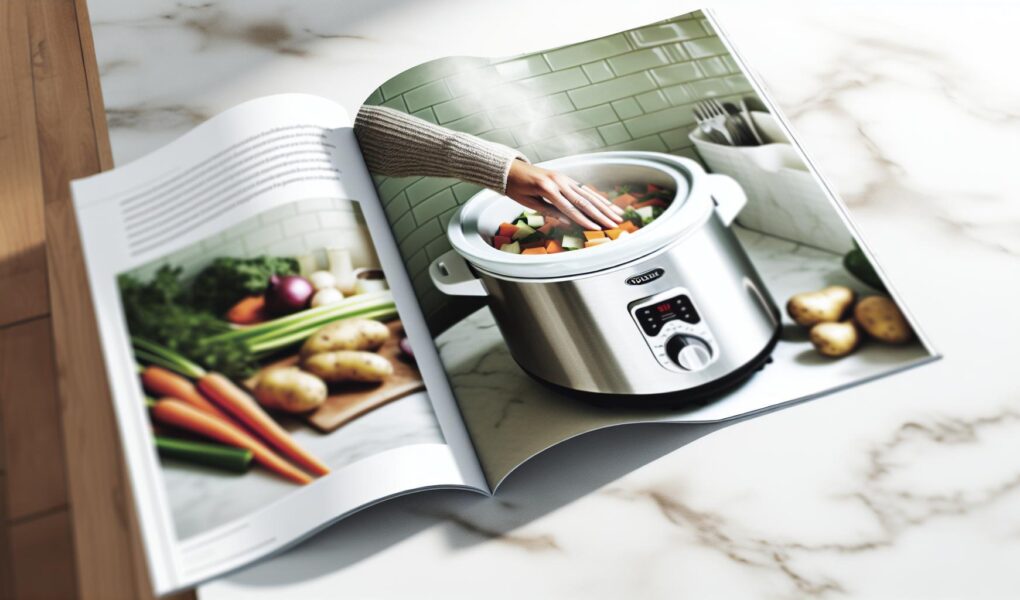
Did you no that making a hearty and filling vegetable soup in a slow cooker can be one of the easiest ways to enjoy a nutritious, comforting meal with minimal effort? Whether you’re juggling a busy schedule or just craving something warm and wholesome, this method lets you toss in simple ingredients-think carrots, potatoes, and lentils-and come back hours later to a rich, flavorful soup that satisfies both your hunger and your soul.Plus,it’s naturally gluten-free,paleo-friendly options are easy to swap in,and you don’t have to be a kitchen pro to nail it. If you’ve ever worried that veggie soups are watery or boring, stick around-I’ll share tips and tricks to make yours thick, savory, and downright delicious, with room for fast ingredient switches depending on what’s in your pantry. Think of this as cooking with a friendly buddy who loves shortcuts and celebrates food that feels like a warm hug,not a chore. Ready to transform humble veggies into a slow-cooked masterpiece that fills you up and fuels you right? Let’s dive in.
Table of Contents
- Choosing the Best Vegetables for Hearty Slow Cooker Soup
- Tips to Boost Flavor Without Extra Salt or fat
- Adding Protein: Beans, Meat, and Plant-Based Options
- Perfect Broth Bases for Filling Vegetable Soup
- Incorporating Whole Grains and Starchy Veggies for Satiety
- Slow Cooker Settings and Timing for Optimal Texture
- Quick prep Hacks to Save time in Busy Kitchens
- Diet-Friendly Variations: Gluten-Free, Paleo, and Vegan
- Creative Ingredient Swaps to Keep soup Exciting
- Storing and Reheating Tips to Keep Soup Delicious
- FAQ
- Q: How can I thicken vegetable soup in a slow cooker to make it more filling?
- Q: What are some hearty vegetable combinations that stay firm in a slow cooker?
- Q: Why does my slow cooker vegetable soup sometimes taste watery, and how can I fix it?
- Q: How do I prevent overcooked vegetables while making slow cooker soup hearty and filling?
- Q: What are some protein-packed ingredients that keep vegetable soup hearty without overpowering the flavor?
- Q: How can I make slow cooker vegetable soup more filling for meal prep lunches?
- Q: When should I add fresh herbs to my hearty vegetable soup in a slow cooker for best flavor?
- Q: Can I make a slow cooker vegetable soup hearty and filling without using beans or grains?
- To Wrap It Up
Choosing the Best Vegetables for Hearty Slow Cooker Soup
When it comes to crafting a slow cooker vegetable soup that’s truly hearty, the veggies you choose are your foundation. not all vegetables are created equal in the slow cooker world-some hold their texture beautifully, while others melt away into a mush. The magic lies in balancing roots, sturdy greens, and a few surprise gems that bring depth and satisfaction with every spoonful. Think of this like building a cozy veggie fortress that invites your taste buds to settle in for a flavorful, filling meal.
Start with robust options like carrots, potatoes, parsnips, and butternut squash. These starchy, chunky vegetables don’t just add substance; they naturally thicken the broth as they cook down, making the soup silky and soul-satisfying. Don’t shy away from adding celery and onions early on,either-these aromatic all-stars quietly infuse your base with layers of natural sweetness and complexity through hours of gentle simmering. For a fresh contrast,toss in hardy greens like kale or swiss chard toward the end of cooking to keep them from turning into green mush.Personally, I learned the hard way that spinach, while lovely, is best added just before serving to preserve its luminous color and texture.
- Root vegetables: Carrots, parsnips, turnips, and sweet potatoes
- Starchy veggies: Potatoes, winter squash (butternut, acorn)
- Aromatics: Onions, garlic, leeks, celery
- Hardy greens: Kale, collard greens, Swiss chard (added late)
- Flavor boosters: Mushrooms, bell peppers, tomatoes (fresh or canned)
For those who want to keep their soup gluten-free or paleo-friendly, focusing on veggies with natural texture and flavor is key. Slow cooker magic breaks down tougher vegetables without sacrificing taste, so long as you layer in ingredients thoughtfully. A quick tip from my kitchen mishaps-cut your vegetables uniformly so they cook evenly and avoid those “soggy bits” tragedy moments.Also, prepare your potatoes simply, peeling but not over-chopping, so they release starch gradually, thickening the soup just right.
By mixing in a variety of textures and flavors, your slow cooker vegetable soup transforms from a simple broth bath to a deliciously filling bowl of goodness that welcomes you in, warm and satisfied. Choosing your vegetables is the first and most fun step to creating a comforting masterpiece anyone can enjoy-even those who swear by paleo or gluten-free lifestyles can dive in with delight and zero guilt.
Tips to Boost Flavor Without Extra Salt or fat
Sometimes we think salt and fat are the only ways to pump up flavor,but slow cooker soups prove otherwise. Cooking low and slow lets your ingredients mingle and deepen naturally - like a flavor symphony without the salt shaker. The trick is to layer in bold, aromatic veggies and clever swaps that awaken the taste buds without relying on extra sodium or oil.
The first flavor boosters hiding in plain sight? Aromatics such as garlic, onions, leeks, and celery. Toss these in at the very start so they have hours to mellow and sweeten the broth. Roasting your veggies before adding them elevates their natural sweetness and adds a gentle caramelized note,making each spoonful rich and complex without any greasy heaviness. Mushrooms also deserve a shout-out here - their umami magic naturally enhances a soup’s savoriness and creates a fullness you might associate with salty broths.
Layering Flavors Like a Pro
- Fresh herbs and spices: Bay leaves, thyme, rosemary, and oregano impart deep earthiness and fragrance. Add these early for a slow infusion, then toss fresh parsley or basil in the final minutes for a burst of brightness.
- Acid balance: A splash of citrus juice (lemon or lime) or a small drizzle of vinegar near the end cuts through any heaviness, sharpening flavors and making your soup sing.
- Umami enhancers: Nutritional yeast, miso paste (dissolved into broth), or sun-dried tomatoes add savory depth – perfect for plant-based eaters who crave richness without salt.
- Toasted nuts or seeds: Finished soup can be topped with these for an added texture and a subtle nutty flavor.
Practical Tips from My Kitchen Experiments
I once tried a no-salt slow cooker soup that felt flat - until I roasted peppers and tomatoes separately and pureed a handful into the mix. Suddenly, a cozy sweetness and complexity emerged without a pinch of salt. Also, instead of reaching for stock cubes (often salt bombs), I keep a homemade vegetable broth or a bag of frozen aromatic veggie scraps in the freezer. Toss them in, and they slowly work their magic throughout the cooking time, enriching the background flavors.
Try to resist the urge to over-stir. Let your slow cooker do its thing; to much mixing can break down the veggies too quickly, creating a mushy soup and dull flavor. Instead,trust time and gentle heat – the flavor layers will build beautifully without heavy-handed seasoning.
taste as you go near the end. Sometimes a simple grind of fresh black pepper or a sprinkle of dried herbs is all you need to brighten the pot and make it feel satisfyingly complete – no extra salt required!
—
With these tricks, your slow cooker vegetable soup becomes a hearty, soul-warming meal that works beautifully for gluten-free, paleo, and all-around health-conscious cooks. It’s flavor that comes from real ingredients and smart steps, proving meals without extra salt or fat can be just as comforting – and way more satisfying – than the usual suspects.
Adding Protein: Beans, Meat, and Plant-Based Options
There’s something wonderfully satisfying about a slow cooker vegetable soup that’s not just flavorful but also packed with protein to keep you full and energized. Adding protein transforms your soup from a simple starter or side into a soul-warming, stick-to-your-ribs meal.Whether you lean toward meat, beans, or plant-based options, it’s all about balancing taste, texture, and cooking technique to make your soup robust and hearty without extra fuss.When it comes to meat, lean cuts like diced chicken breast or turkey work beautifully in a slow cooker.They absorb all those lovely spices and broth flavors without turning tough or dry when cooked low and slow. Alternatively, tougher cuts of beef or pork, such as chuck roast or shoulder, can break down into tender, melt-in-your-mouth morsels, infusing the soup with rich depth. Just be sure to cut the meat into bite-sized pieces so it cooks evenly. For extra convenience, brown meat quickly on the stovetop before tossing it in the slow cooker-this amps up caramelized flavor and keeps you from ending up with a one-note broth.Plant-based eaters, don’t worry! Beans and lentils are superstar protein boosters that turn vegetable soup into a satisfying bowl of goodness. Canned beans are a quick option-just rinse and add them during the last 30 minutes of cooking to avoid mushiness. If you’re using dried beans, soak them overnight and add them early on so they soften perfectly alongside the vegetables. Lentils, especially red or green ones, cook faster and break down beautifully, releasing natural starches that give your soup a lovely creamy texture. A sprinkle of nutritional yeast or a spoonful of miso paste stirred in near the end can add savory umami that mimics the richness meat frequently enough brings.
Protein Options for Every Diet
- Meat lovers: Chicken breast, turkey chunks, beef chuck, pork shoulder
- Beans & legumes: Cannellini, kidney beans, black beans, chickpeas, red/green lentils
- Plant-based extras: Tofu cubes (added last 30 mins), tempeh, nutritional yeast, miso paste
Integrating these proteins isn’t just about tossing them in-consider when to add each for the best texture. For example, delicate tofu or fresh beans added too early risk disappearing into the broth, while tougher dried beans and meats need longer simmering time.Trust the slow cooker’s gentle magic and layer in proteins in stages for a symphony of textures that makes every spoonful feel indulgent yet nourishing. My favorite trick? Add a handful of pre-cooked beans along with a bite-sized seared chicken breast for a satisfying combo-protein-packed and totally cozy.
In my experience,protein-rich slow cooker soups don’t just taste better-they make meal prep a breeze. You can prep everything in under 15 minutes, leave it simmering all day, then come home to a steaming pot that fuels you and your family.It’s living proof you don’t need complicated cooking or hours on your feet to enjoy a hearty, healthy dinner with plenty of protein to keep you satisfied well beyond your first bowl.
Perfect Broth Bases for Filling Vegetable Soup
There’s an art to crafting the perfect broth for your slow cooker vegetable soup-it’s the soul of the dish, where all those hearty veggies and proteins come together in comforting harmony. Starting with the right base is like building a flavorful foundation that transforms a simple soup into a filling, satisfying meal that warms you from the inside out. And don’t worry, this doesn’t mean complicated bone broths or endless simmering; slow cookers do the heavy lifting beautifully.
If you’re aiming for a rich and savory broth without tons of salt or additives, homemade vegetable or meat stock is your best friend.For non-meat eaters, slow-simmered vegetable stock made from onion skins, celery ends, carrot peels, and garlic cloves is incredibly easy-and it’s a zero-waste superstar. Toss these scraps in your slow cooker with herbs like thyme, bay leaves, and peppercorns for 6-8 hours on low. The result? A naturally flavorful, nutrient-packed base that’s perfect for paleo or gluten-free diets.If you’re short on time,high-quality store-bought broth works,but do pick one without added preservatives or sodium-your taste buds (and heart) will thank you.
For meat lovers, chicken or beef broth brings that deep umami punch that makes soups feel truly considerable. Here’s a neat tip from my kitchen: quickly sear a few chicken bones or beef marrow bones on the stovetop before adding them to your slow cooker. This little step caramelizes the surface and imparts a rich roasted note to the broth, giving you layers of flavor without the fuss of a full homemade stock. Adding a splash of low-sodium soy sauce, coconut aminos, or a spoonful of miso paste near the end of cooking can also punch up umami in a way that’s subtle but addicting.
Flavor boosting Broth Tricks
- Roast your veggies first: Toss onions, garlic, carrots, and celery in the oven until golden before adding to your slow cooker.It’s a small step that makes a notable difference.
- Add herbs and aromatics early: Bay leaves, rosemary, thyme, and peppercorns mingle beautifully over long cooking times, infusing the broth with earthy complexity.
- Brighten at the end: A squeeze of lemon juice or a splash of apple cider vinegar can brighten your broth and balance its richness, especially helpful when using starchy veggies or beans.
Don’t forget that a filling broth isn’t just about flavor, but texture too. Slow cookers excel at coaxing natural gelatin from bones if you’re doing meat-based broths, adding a silky mouthfeel that feels luxurious-and yet totally homey. Plant-based cooks, incorporating ingredients like dried mushrooms or kombu seaweed can mimic this gelatinous depth, creating a broth that’s hearty, nourishing, and surprisingly complex.
In a pinch, combining broth styles can offer the best of both worlds-start with a vegetable stock base and add a splash of beef broth or a bit of concentrated bone broth paste for an umami boost that doesn’t require hours on the stove. The beauty of slow cooker soups is their forgiving nature, so don’t fret if you need to tweak or substitute-every pot is an opportunity for a new delicious spin. Your filling, hearty vegetable soup awaits-all you need is a great broth to set the stage.
Incorporating Whole Grains and Starchy Veggies for Satiety
Whole grains and starchy vegetables are the unsung heroes when it comes to turning a simple vegetable soup into a truly satisfying meal. They bring bulk, natural carbs, and a comforting texture that slowly releases energy, keeping hunger at bay and your taste buds smiling. Adding these ingredients to your slow cooker soup is like inviting a warm, cozy friend who sticks around to chat awhile – they add substance without overwhelming the delicate flavors of your broth and veggies.
When picking grains for slow cooker soups, think of hearty options like barley, quinoa, or farro, which hold their shape nicely over hours of simmering. If you’re gluten-free or paleo, cauliflower rice or diced butternut squash can be brilliant starchy swaps, providing that fullness factor without grains. A personal favorite hack is to soak tougher grains like barley or farro for a few hours beforehand. This simple step reduces cooking time and prevents your soup from turning into a mushy mess. For quicker weeknight meals, precooked grains or instant oats stirred in towards the end can thicken and enrich the soup without a fuss.
Starchy veggies like potatoes,sweet potatoes,parsnips,and winter squash aren’t just fillers; they soak up broth flavors beautifully while adding a silky,almost creamy contrast that complements chunkier vegetables. Tip: dice starchy vegetables slightly larger than others as they cook faster and can disintegrate if left too long in a slow cooker. For a flavor and texture double whammy, roast these veggies beforehand with a sprinkle of herbs and a drizzle of olive oil – trust me, it amps up the sweetness and adds depth. This roasting step plays well with the slow cooker’s gentle simmer to create that layered ”just-from-scratch” vibe everyone admires.
Quick Reference: Grain & Starchy Veggie Highlights
| Ingredient | Dietary Notes | Prep Tips | best Slow Cooker Use |
|---|---|---|---|
| Barley | Contains gluten | Soak 2-3 hours before adding | Add early; chewy texture |
| Quinoa | Gluten-free, high protein | Rinse well; add 1 hour before done | Light and nutty finish |
| Farro | Contains gluten | Soak for quicker cooking | Hearty, nutty flavor |
| Sweet potato | Paleo, gluten-free | Dice larger; roast optional | Sweet, creamy texture |
| Cauliflower Rice | Paleo, gluten-free, low carb | Add last 30 minutes | Light filler, subtle flavor |
| Potato | Paleo-friendly if organic | cube size matters; don’t overcook | Classic comfort factor |
With a little planning, your soup can be an all-in-one powerhouse – nourishing, filling, and full of delightful textures. Next time you’re tossing together a slow cooker meal, don’t shy away from whole grains or starchy veggies; they’re the secret to transforming humble ingredients into a bowl that hugs your insides and keeps you fueled long after the last spoonful. As a busy home cook,I love that these ingredients safe-proof my soups to be as hearty as a stew but without extra effort or fuss. Give them a whirl and watch your slow cooker magic turn up several notches!
Slow Cooker Settings and Timing for Optimal Texture
When it comes to slow cooker soups, nailing the right cooking time and temperature is where the magic happens. Too high or too long, and your vibrant vegetables turn to mush; too short, and you’re stuck with a bowl of undercooked chunks. The slow cooker’s gentle heat is ideal for melding flavors without breaking down ingredients into an unrecognizable blob-but it does require some strategy, especially with hearty vegetables, proteins, and grains involved.
Most slow cooker vegetable soups thrive on a Low setting for 6 to 8 hours, which allows tougher veggies like carrots, potatoes, or winter squash to soften gradually while maintaining their shape and texture. If you’re pressed for time, the High setting for about 3 to 4 hours can do the trick, but this risks overcooking delicate ingredients like zucchini or spinach, so consider adding those later in the cooking process.A good rule of thumb: add quick-cooking veggies, leafy greens, and tender proteins such as beans (pre-soaked) or plant-based meats in the last hour of cooking to prevent them from disintegrating.
Balancing different ingredients’ cooking times is the trickiest bit. I usually layer ingredients by toughness: place dense root veggies and grains at the bottom (the hottest part) and place softer veggies and quick-cook items near the top. This natural stratification helps everything reach perfect tenderness together.For grains like barley or farro, soaking them ahead trims cooking time and prevents the dreaded mushy mess, while quinoa deserves a late-stage addition as it cooks fast and can become gummy if simmered too long.
Helpful Timing & Setting Tips for Your Slow Cooker Soup
- Use Low & Slow: 6-8 hours on Low is your best bet for deeply flavored, well-textured soups.
- Add Quick-Cook Ingredients Late: Stir in greens, herbs, delicate veggies, and quick-cooking grains in the last 30-60 minutes.
- Pre-soak tougher beans and grains: This reduces overall cooking time and improves texture.
- Cube sizes matter: Larger chunks of starchy veggies hold up better; smaller pieces break down easily.
- Check doneness near the end: Give your soup a taste and texture check before finishing, then adjust timing if needed.
For example, in one of my favorite autumnal slow cooker soups, I toss diced sweet potato and pre-soaked barley in at the beginning, cook on Low for 7 hours, then stir in kale and quinoa 45 minutes before serving. The result? Velvety broth,hearty chew from barley,and that green freshness that perks up the whole bowl. You don’t need to babysit the slow cooker, but a little timing finesse goes a long way to keep textures lively and satisfying.Whether you’re feeding a family or meal-prepping for the week,setting your slow cooker right saves time,preserves nutrients,and makes every spoonful a comforting celebration of texture and flavor. Trust your slow cooker to do most of the work, just guide it gently so your hearty vegetable soup comes out perfectly every time!
Quick prep Hacks to Save time in Busy Kitchens
Sometimes, the thoght of chopping, peeling, and prepping ingredients for a hearty slow cooker soup can feel like a chore rivaling the actual cooking time. But here’s a little secret from my own kitchen: the right prep tricks can shave off loads of time and hassle, making your weeknight dinners-or lazy weekend meals-a breeze. Whether you’re juggling work, family, or just craving that comfort-in-a-bowl fast, these hacks will help you stack your slow cooker with goodness without the usual morning blues or rushed evenings.
One game-changer? Embrace the power of pre-cut or frozen vegetables. Frozen diced carrots, peas, or even butternut squash save you the peeling and chopping chaos, yet still cook beautifully in a slow cooker without compromising texture. Bonus points: frozen vegetables often retain nutrients well, making your soup both quick and healthful. If fresh veggies are your jam, do a little batch prep on less busy days-wash, peel, and cube veggies, then store them in airtight containers or freezer bags. They’ll be ready to toss in next time you want to whip up a pot of warmth. Trust me, that one or two-hour prep spree pays off all week long!
Smart Ingredient Grouping for Speed and Flavor
- Layer it Right: When adding ingredients, put dense root veggies and whole grains at the bottom for even cooking, and gentle greens or herbs near the top to add later.
- Use Pre-Soaking Shortcuts: Beans and whole grains benefit hugely from quick soaking or using canned beans-rinse them well to control salt content and reduce cooking time.
- One-Dish Wonders: Toss in some ready-cooked proteins like shredded rotisserie chicken or pre-cooked sausages to skip lengthy cooking steps without losing hearty satisfaction.
If you’re the type who loves multitasking, throw your ingredients into the slow cooker the night before and pop it on in the morning. You’ll come home to a house smelling like heaven and a perfectly cooked, velvety soup waiting to warm your soul.Plus, for those who adore variety without much effort, batch cooking and freezing soup portions means you’ll always have a nutritious meal ready to heat-no excuses!
Kitchen Tools That Save Precious Minutes
Something as simple as a good vegetable peeler, a sharp chef’s knife, or even an electric chopper can make a world of difference. I like to keep a stash of these tools accessible because they cut down my prep time drastically-sometimes from 30 minutes to 10. Another handy tip: use your slow cooker insert as your culinary “mixing bowl.” Dice and mix ingredients right inside it to avoid extra dishwashing. Easy cleanup means less stress and more time for Netflix or that book you’ve been meaning to finish.
In short,getting your hearty slow cooker soup on the table faster is a combination of using smart shortcuts,prepping ahead,and embracing kitchen gadgets that work like your sous chef.Life’s busy, but with these hacks, a nourishing, filling meal can be your default, not your exception. Now, go forth and slow cook with confidence-your future self will thank you!
Diet-Friendly Variations: Gluten-Free, Paleo, and Vegan
Few things feel as comforting as a warm, filling bowl of vegetable soup that fits seamlessly into your lifestyle-whether that’s gluten-free, paleo, or vegan. With a bit of creativity and a handful of pantry staples, you can have a slow cooker soup that’s not only hearty but also tailored to your dietary needs, proving that eating well doesn’t mean sacrificing flavor or simplicity.Plus, cooking for these diets often means embracing whole foods and vibrant veggies, which is a win-win for your taste buds and your health.
For those avoiding gluten, the key is steering clear of customary grains like barley or wheat-based pasta. Rather, swap in naturally gluten-free options like quinoa, brown rice, or even millet to add that satisfying chew and fiber. Be sure any store-bought broth or canned goods used are certified gluten-free because sneaky gluten hides there sometimes.One of my favorite hacks? Adding a spoonful of cooked lentils or chickpeas enriches the texture and adds a protein punch, which makes the soup feel like a complete meal without the wheat.
if paleo is your jam, think of your slow cooker soup as a celebration of nature’s bounty-no grains, no legumes, and definitely no processed ingredients.Root veggies such as sweet potatoes, carrots, and parsnips become prime players here, providing complex carbs and natural sweetness.For protein, toss in grass-fed shredded chicken, or sear some beef stew meat before adding it to the slow cooker, letting the herbs and bone broth work their magic all day. You’ll be surprised how velvety and rich a slow-simmered bone broth base makes your soup, making every spoonful taste like a warm hug.
Vegan? No problem. In my experience, layering flavors is everything when you skip meat and dairy. Using a combination of fresh or frozen vegetables, herbs, and a splash of nutritional yeast can provide that umami kick often missing in plant-based dishes. Also, canned chickpeas or white beans are fantastic for a protein hit, plus they soak up flavors beautifully. A splash of coconut milk towards the end can add a luscious creaminess without fuss. I also love to add a handful of greens, like kale or spinach, after the slow cooking is done to keep things fresh and bright.
simple Swaps and Tips to Keep Cooking Easy and Delicious
- Gluten-Free: Always check labels on broths and canned goods.
Use gluten-free grains or skip grains altogether and bulk up on beans or starchy veggies. - Paleo: Stick to meat,veggies,and naturally paleo fats like olive oil or avocado oil.
Try bone broth as both a nutrient boost and flavor base. - Vegan: Use a medley of beans and lentils for protein and creamy coconut milk or blended cashews for richness.
Cooking slow-cooker soups that satisfy your dietary goals means thinking about texture and layering flavors instead of just ticking boxes. Take it from someone who’s played fast and loose before settling into this style: shortcuts like canned beans (rinsed!) or pre-chopped frozen veggies will get your soup going quicker without compromising soul-satisfying warmth. You definitely don’t need to spend all day fussing to end up with a bowl full of hearty comfort-it can be as easy as set-it-and-forget-it!
| diet Type | Recommended Base Ingredients | Protein Sources | Flavor Boosters | Ingredients to Avoid |
|---|---|---|---|---|
| gluten-Free | Quinoa, brown rice, root veggies, gluten-free broth | lentils, chickpeas, poultry, grass-fed beef | Fresh herbs, garlic, onions, gluten-free tamari | Barley, wheat pasta, non-certified broths |
| Paleo | Sweet potatoes, carrots, bone broth, onion, garlic | Grass-fed meats, bone broth, wild fish | Herbs, coconut oil, roasted garlic, turmeric | Grains, legumes, dairy, processed oils |
| vegan | Mixed veggies, vegetable broth, coconut milk | Beans, lentils, tofu (optional), nuts | Nutritional yeast, miso paste, fresh herbs | Animal products, dairy, bone broth |
The best part? These adaptations often overlap, so you can create a crowd-pleaser whether guests are eating gluten-free, paleo, or vegan-everyone leaves the table happy. Soup doesn’t have to be complicated to be cozy, filling, and perfectly in tune with your lifestyle. So grab those veggies, your slow cooker, and some good tunes-comfort food magic is just a simmer away!
Creative Ingredient Swaps to Keep soup Exciting
Sometimes, the secret to keeping your slow cooker vegetable soup irresistibly delicious is all about switching things up. When you get comfortable with a basic recipe, the real fun begins by seasoning your soup adventure with creative ingredient swaps. Whether you’re aiming to jazz up a weeknight meal or cater to diverse dietary needs, small substitutions can make a bowl of soup feel wholly new and exciting without extra effort. Think of it as updating your old favorite sweater with a splash of unexpected color-same cozy vibe, but fresher and more intriguing.One of my favorite tricks is swapping out the usual starches or proteins to tailor the soup to different diets or just keep the taste buds entertained. For instance, if your go-to base is brown rice, try quinoa or millet for a nuttier texture and an added protein boost-perfect for gluten-free or paleo-friendly versions. Or rather of traditional chickpeas or beans, toss in diced roasted sweet potatoes or butternut squash for that naturally sweet, silky mouthfeel that pairs wonderfully with warming spices like smoked paprika or turmeric. For protein lovers looking to cut back on meat without losing richness, a splash of coconut milk or a dollop of blended cashews can add velvety creaminess without a fuss.
Mixing Up Vegetables and Proteins
- Swap frozen mixed veggies with fresh seasonal finds like roasted beets,fennel,or kohlrabi for a flavor surprise and extra crunch.
- replace lentils with green peas or edamame to brighten the soup and add a fresh, slightly sweet note.
- Trade ground beef for turkey or shredded chicken in paleo versions,or opt for firm tofu or tempeh to keep it vegan and protein-packed.
- Try different beans like black-eyed peas or cannellini rather of chickpeas for a subtle change in texture and flavor profile.
Hiccups in the kitchen are real, especially when juggling life and dinner plans, so don’t stress about precision. I once swapped carrots for parsnips on a whim and the soup turned sweeter and more comforting than expected. The slow cooker doesn’t judge-it blends everything into a harmonious mix that’s endlessly forgiving and kinda magical.
Flavor and Broth Play for a Twist
Switching up your broth or adding surprising seasoning can transform your slow cooker soup from ‘meh’ to ‘wow’ without adding salt or fat. Swap standard vegetable broth for a spiced bone broth or mushroom broth to add deep umami notes. Vegan friends, don’t shy away from adding miso paste or a spoonful of nutritional yeast near the end of cooking; these pantry staples deliver that savory punch without extra calories.
And for a final flourish, consider these swaps: a squeeze of fresh lemon or lime to brighten flavors, a handful of fresh herbs like cilantro or basil stirred in last minute, or even a swirl of pesto or harissa for heat and herbaceous depth. These swaps make your soup feel like a restaurant dish that took hours to prepare but actually just simmered happily away on low while you handled everything else.
| Original Ingredient | Creative Swap | benefits |
|---|---|---|
| Brown rice | Quinoa or millet | Higher protein, gluten-free, adds nutty flavor |
| Chickpeas | Roasted sweet potatoes or butternut squash | Natural sweetness, vibrant color, paleo-friendly |
| Vegetable broth | Mushroom broth or bone broth | Richer umami flavor, nutrient boost |
| Frozen mixed vegetables | fresh seasonal veggies (beet, fennel, kohlrabi) | Crunch, freshness, seasonal variety |
| Lentils | Green peas or edamame | Sweet, bright flavor, texture variation |
| Ground beef | Turkey, shredded chicken, tofu, or tempeh | Lighter protein options, vegan/paleo-friendly |
Remember, these swaps aren’t about reinventing the wheel; they’re about having fun and making your slow cooker vegetable soup truly your own. So next time you’re staring at those same old ingredients, challenge yourself to throw in something unexpected-you might just discover a new favorite. After all, cooking is an adventure, not a test!
Storing and Reheating Tips to Keep Soup Delicious
There’s something incredibly satisfying about making a big batch of hearty slow cooker vegetable soup, only to find yourself savoring it over several days.But keeping that soup tasting fresh and vibrant-not like a sad science experiment-is an art all its own. The good news? With a few simple storage and reheating tricks, your slow cooker creation can stay just as delicious, even better in some cases, and ready to brighten busy mealtimes.
First off, always cool your soup down a bit before pouring it into storage containers. Hot soup straight from the slow cooker can create condensation in your fridge or freezer, affecting texture and freshness. I like to ladle soup into shallow, airtight containers-this helps it cool faster and reheats more evenly.If you’re prepping gluten-free or paleo-friendly soups, just remember to choose BPA-free glass or silicone containers for storage; they keep your soups safe and tasty. Labeling with the date is also a lifesaver-trust me, I’ve lost track more times than I’d like to admit!
Mastering the Freeze and Thaw Game
Freezing soup is a superhero move for busy kitchens. Most vegetable soups freeze wonderfully for up to 3 months. but to avoid mushy veggies or grainy broths when reheating, hold off on adding delicate ingredients like pasta, quinoa, or dairy-based toppings until after thawing. For example, if you’ve tossed in butternut squash or potatoes, they might soften when frozen but still taste great-just expect a different texture. When thawing, pop the soup into the fridge overnight or use your microwave’s defrost setting, stirring frequently.Then, gently warm on the stove or slow cooker’s low setting to bring it back to life.
Reheating Tips for Peak Flavor and Texture
Reheating soup might seem straightforward but doing it right can make all the difference between ‘meh’ and ‘mmm!’ I always recommend reheating slowly over medium-low heat, stirring occasionally to prevent sticking or scorching. If the soup looks too thick (some hearty slow cooker soups reduce quite a bit), add a splash of broth, water, or even a bit of coconut milk for extra richness without added salt or fat. avoid boiling once reheated as that can turn fresh veggies into mush-a cardinal slow cooker sin! For paleo or gluten-free soups with meat or beans, a gentle warm-up maintains soft, yet firm textures and keeps flavors bright.
- Quick tip: Reheat individual portions in the microwave covered with a vented lid or damp paper towel to lock in moisture.
- Make it creamy: Add a dollop of blended cashews or coconut cream after reheating for a cozy texture boost that’s vegan and dairy-free.
- Freshen it up: A squeeze of lemon, fresh herbs, or a pinch of smoked paprika stirred in right before serving can revive any “leftover” flavors.
In my own kitchen, I learned the hard way that soups with grains like quinoa or millet can absorb too much liquid over time, leading to a porridge-like soup. my solution? I cook grains separately and add them fresh when reheating-easy and stops the soup from turning into a science project! With these tips, your slow cooker vegetable soup will stay a comforting, crave-worthy favorite, ready to nourish you on the busiest of days without a drop of stress. as soup should be simple, satisfying, and a little joyous-long after the slow cooker stops humming.
FAQ
Q: How can I thicken vegetable soup in a slow cooker to make it more filling?
A: to thicken slow cooker vegetable soup, add mashed beans, cooked lentils, or blended potatoes during the last 30 minutes. You can also stir in a slurry of cornstarch or arrowroot mixed with cold water. These options boost thickness and satiety without extra fat. Try whole grains like barley for added bulk too, as covered in our Incorporating Whole Grains section.
Q: What are some hearty vegetable combinations that stay firm in a slow cooker?
A: Vegetables like carrots, celery, bell peppers, and green beans hold up best when added early in the cooking process. Root veggies like sweet potatoes and parsnips also stay firm if cut into larger pieces. Add delicate veggies (like zucchini or spinach) during the last 30 minutes to avoid mushiness – all explained in our Choosing the Best Vegetables guide.
Q: Why does my slow cooker vegetable soup sometimes taste watery, and how can I fix it?
A: Watery soup usually means too much liquid or too little simmering time. Reduce broth amounts slightly or use low-sodium stock for better flavor concentration. If watery, uncover slow cooker for 15-30 minutes at the end to let excess moisture evaporate. See more flavor-boosting tips in Tips to Boost Flavor Without Extra Salt or Fat.
Q: How do I prevent overcooked vegetables while making slow cooker soup hearty and filling?
A: To avoid mushy veggies, cut veggies into uniform pieces and layer sturdier vegetables at the bottom.Add delicate vegetables last. Use your slow cooker’s low setting for longer, gentle cooking or the high setting for quicker results – both detailed in Slow Cooker Settings and Timing for Optimal Texture.
Q: What are some protein-packed ingredients that keep vegetable soup hearty without overpowering the flavor?
A: Great protein additions include canned beans, lentils, shredded chicken, or tofu.Add these towards the end of cooking to keep texture and flavor balanced. For plant-based protein, chickpeas or black beans work wonderfully, fitting perfectly with our Adding Protein: Beans, Meat, and Plant-Based Options section.
Q: How can I make slow cooker vegetable soup more filling for meal prep lunches?
A: Boost fullness by including whole grains like quinoa or barley and starchy veggies such as sweet potatoes or butternut squash. These ingredients release sustained energy and keep you satisfied longer. Prep larger batches and store using our Storing and Reheating tips for easy grab-and-go meals.
Q: When should I add fresh herbs to my hearty vegetable soup in a slow cooker for best flavor?
A: Add hardy herbs like rosemary or thyme at the beginning, but fresh delicate herbs like parsley or basil should be stirred in during the last 10 minutes to preserve bright flavors and aroma. This layering strategy is part of boosting flavor without extra salt or fat.
Q: Can I make a slow cooker vegetable soup hearty and filling without using beans or grains?
A: Yes! Use starchy vegetables like potatoes,squash,or corn,plus add shredded cooked meat or plant-based meat alternatives for heartiness. Adding nuts or seeds (e.g., pumpkin seeds) just before serving can add texture and protein too. Explore creative swaps in our creative Ingredient Swaps section for more ideas.
For more hearty soup ideas and slow cooker tips, check out our full guides on Choosing the Best Vegetables and Slow Cooker Settings and Timing. Let your next batch be the coziest-comforting and full of flavor every spoonful!
To Wrap It Up
Ready to warm up with a hearty, slow cooker vegetable soup that’s as filling as it is healthy? This easy, gluten-free recipe proves you don’t need hours or fancy ingredients to make comfort food that fits your lifestyle. Whether you’re paleo, dairy-free, or just craving a cozy meal, the slow cooker does all the work while you focus on what matters-enjoying every delicious bite.
Hungry for more? Check out our quick and wholesome Slow cooker chicken Stew or dive into tips on prepping Make-Ahead Freezer Soups that save busy weeknights. Don’t forget to sign up for our newsletter to get fresh recipes and kitchen hacks delivered straight to your inbox-it’s like having a friendly foodie always cheering you on. Got questions or your own twist on veggie soup? Drop a comment below; we love hearing your kitchen wins and shortcuts!
Keep exploring hearty, healthy slow cooker meals and turn every dinner into a celebration of flavor and ease. Ready to cook again already? Let’s make mealtime simple and satisfying together!


