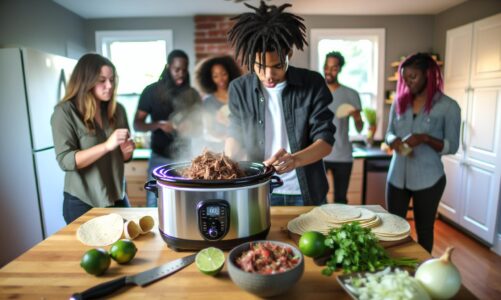
Did you know beef heart is a nutrient-packed, budget-friendly cut that gets incredibly tender and flavorful when slow-cooked? If you’ve ever been curious about cooking organ meats but felt a bit intimidated, this easy slow cooker method will change the game. Perfect for busy weeknights or meal prepping, it takes minimal hands-on time-just a bit of seasoning, a cup of broth, and your slow cooker does all the magic.Whether your paleo, gluten-free, or simply love discovering new flavors, this recipe unlocks a savory, hearty dish that feels comforting without the fuss. Plus, it’s a great way to dive into nose-to-tail eating without any tricky steps. Stick around, and I’ll walk you through simple tips and substitutions that make cooking beef heart approachable, delicious, and totally worth adding to your regular rotation.
Table of Contents
- Choosing the Best Beef Heart for Slow Cooking
- Prepping and Cleaning Beef Heart Like a pro
- Essential Ingredients for Tender, Flavorful Meals
- Step-by-Step Slow Cooker Beef Heart Recipe
- Perfect Cooking Times and Temperature Tips
- Amazing Flavor Variations and Spice Combinations
- Gluten-Free and Paleo-Friendly Beef heart Ideas
- Easy Ingredient Substitutions and Budget Tips
- Serving Suggestions for Hearty, Comfort Meals
- Storing and Reheating Leftover Beef Heart
- Frequently asked questions
- Q: How can I prevent beef heart from becoming tough when slow cooking?
- Q: what are the best slow cooker liquids to enhance beef heart flavor?
- Q: How do I know when beef heart is fully cooked and safe to eat in a slow cooker?
- Q: Can I freeze slow-cooked beef heart leftovers, and how should I reheat them?
- Q: What are simple spice blends that pair well with beef heart in a slow cooker?
- Q: Is beef heart suitable for a low-carb or keto slow cooker meal?
- Q: How can I adjust slow cooker beef heart recipes for smaller portions?
- Q: Why does beef heart sometiems have a metallic taste,and how can I avoid it?
- Wrapping Up
Choosing the Best Beef Heart for Slow Cooking

Beef heart might sound like a “mystery meat” to some, but it’s truly a treasure chest of flavor and nutrition waiting to be unlocked with slow cooking magic. Choosing the right piece is your first step toward a melt-in-your-mouth, tender dish that even beef skeptics will rave about. When you’re at the butcher’s counter or scanning the meat case, don’t be shy-ask for a fresh, whole beef heart rather than pre-cut chunks.Whole beef hearts maintain freshness better and allow you to trim away any tough spots or membranes, ensuring the slow cooker delivers just the right texture.
What I’ve learned from chatting with butchers and experimenting at home is that size and age matter. Look for a beef heart that’s plump and firm,with a deep reddish-brown color and minimal fat. A young, well-handled heart typically has a milder flavor and requires less cooking time. Avoid hearts that look pale, dried out, or have a heavy blood smell, which can be a sign of less fresh meat. Also, consider grass-fed or pasture-raised options if you’re after richer flavor and better nutrient profiles-these tend to fit right into paleo and whole-food diets.
What to Ask For and What to Avoid
- Whole vs. Pre-cut: Whole hearts are usually better quality and give you control over trimming.
- Freshness Indicators: Look for moist but not slimy surfaces,vibrant color,and no off smells.
- Fat Content: Trim excess fat yourself; it can be tough and chewy after slow cooking.
- Organic or Grass-Fed: Optional but often provides cleaner taste and aligns well with paleo and gluten-free preferences.
For a beginner-friendly approach,consider smaller beef hearts (about 1.5 to 2 pounds) that fit comfortably in your slow cooker without overcrowding. Overcrowding can lead to uneven cooking, and trust me, nobody wants to unearth a chewy corner at the end of their patient wait. Remember, slow cooking is forgiving, but better cuts and clear trimming save time and elevate taste.
In short, choosing a beef heart that’s fresh, well-handled, and of manageable size sets you up for success. It transforms what might sound intimidating into a comforting, nutrient-dense meal that’s surprisingly simple-and delicious-to make.Think of it as buying a ticket to flavor town with no return passenger regrets.
Prepping and Cleaning Beef Heart Like a pro
Beef heart is a fantastic cut that deserves a little extra TLC before it hits your slow cooker. The good news? Prepping it isn’t complex, and with a bit of know-how, you’ll be ready to create dishes that impress both the devoted offal lovers and the curious “first-timers.” Handling a whole heart might seem a bit intimidating at first glance-it’s a big, muscular organ with layers and veins-but trimming it carefully rewards you with tender bites and cleaner flavors.
Start by rinsing the beef heart under cold running water to wash away any residual blood. Pat it dry with paper towels-the less moisture, the better your seasoning sticks later. Then, place the whole heart on a sturdy cutting board and begin by trimming away any fat and the thick white connective tissue, which can become chewy if left in. Don’t be scared to get your hands a bit “dirty” here-removing these parts upfront ensures your slow cooker works its magic on the tender muscle rather than tough bits. Inside, you’ll notice some firm tubes and valves; these are best trimmed out as well, especially if you prefer a smooth texture.
Simple Steps to Prep Your Beef Heart
- Remove Fat and Membranes: Use a sharp knife to gently peel off the shiny membranes and excess fat. These components don’t soften well during slow cooking and can throw off your final texture.
- Cut Into Even Chunks: For most slow cooker recipes, cut the heart into 1 to 1.5-inch cubes. Uniform pieces cook evenly and make serving easier.Save any smaller trimming for broth or stock-nothing goes to waste!
- Optional Soak: Some cooks like to soak the cut heart pieces in cold water or milk for 30 minutes to reduce any strong “offal” flavors and improve tenderness. I’ve tried this both ways and honestly, with fresh, good-quality heart, it’s optional-but worth trying the first time if you’re new to organ meats.
Seasoning starts with this clean canvas. Becuase beef heart is lean and dense, it acts like a sponge for your marinade or spices, which means that prep is your first flavor bomb-don’t skip it! Plus, cleaning and prepping well mean less mess later and a much more enjoyable eating experience.
Quick Tips from My Kitchen
- I always keep a dedicated cutting board for organ meats-easy to sanitize and helps me stay organized.
- Use a flexible boning knife if you have one; it’s perfect for getting under membranes and trimming intricacies.
- If your hands smell robust afterward, a rub of lemon juice and salt followed by a good rinse usually does the trick-and keeps the process fun, not smelly!
Prepping beef heart like a pro doesn’t have to be a chore. With these simple steps,you’ll set yourself up for a slow-cooked meal full of rich,comforting flavors and a texture you’ll love-time after time. Remember, a bit of prep pays off big in the slow cooker world!
Essential Ingredients for Tender, Flavorful Meals

beef heart has a reputation for being rich, dense, and incredibly nutritious, but getting it melt-in-your-mouth tender comes down to more than just slow cooking.The ingredients you choose can make all the difference, turning what some might consider a tricky cut into a cozy, crave-worthy meal. Since beef heart is naturally lean and packed with dense muscle fibers, it benefits enormously from a balance of acidity, fat, and aromatic spices to really soften up and bloom with flavor during those long, slow hours.
One of the keys to tenderness is introducing a bit of acid early on; think citrus juice, vinegar, or even a splash of wine. These help break down tough fibers gently without overpowering the dish. For example, a few tablespoons of apple cider vinegar or lemon juice tossed with beef heart cubes before thay hit the slow cooker works wonders. It’s a simple trick I use often-no fancy gadgets needed, just pantry staples! combining this with a little healthy fat, like olive oil or avocado oil, creates a perfect environment for flavors to marry while keeping the meat moist.
- Broth or Stock: Use a good-quality beef bone broth or homemade stock. This liquid gold adds depth and richness without extra calories,and it also keeps the heart tender and juicy.
- Onions and Garlic: Classic aromatics that will soften over hours and infuse the meat with savory warmth.
- Herbs and Spices: Bay leaves, smoked paprika, cumin, and a pinch of cayenne can add complexity without overshadowing the natural beefy taste.
- Umami Boosters: Ingredients like tomato paste, Worcestershire sauce (check gluten-free brands if needed), or a dash of soy sauce alternative deepen savory layers.
Balancing Flavor and Texture
One of my favorite tips to guarantee tender results is to add a small amount of natural sweetener to the mix-think honey or maple syrup. This may sound strange,but a hint of sweetness balances acidity and rounds out the robust earthy flavors of beef heart beautifully. Plus, it caramelizes slightly during cooking for a more luscious mouthfeel.
Also, don’t underestimate the power of salt. A slow simmering journey through a well-seasoned bath slowly seasons the meat all the way through. Salt draws out moisture initially but then allows it to reabsorb, so don’t be shy about seasoning generously at the start. Just remember, you can always adjust salt near the end after tasting.
Simple Ingredient Substitutions
If you’re cautious about bold spices or don’t have specific ingredients on hand, no worries-slow cooker magic is forgiving. Instead of red wine, use extra broth plus a splash of balsamic vinegar. Replace fresh herbs with dried versions (just cut the amount by two-thirds). For a richer texture, swap olive oil for ghee or bacon fat if you’re leaning into those cozy comfort food vibes.
In my slow cooker beef heart adventures, I like starting with simple comforts that anyone can find at the grocery store. Because honestly, the joy is in the cooking process as much as the meal. This approach is naturally gluten-free and paleo-friendly, so it fits a wide range of lifestyles without needing complicated workarounds.
Pro tip: mixing your seasonings and liquids the night before the cook day lets the beef heart marinate and absorb the flavors-this step really pays dividends in tenderness and taste. Slow cooker meals are the ultimate “set it and forget it,” but a little advance prep adds that special homemade touch worth every minute.
With these essentials in your lineup, you’re not just cooking beef heart-you’re building a winning slow cooker masterpiece that’s tender, richly flavored, and utterly satisfying every time.
Step-by-Step Slow Cooker Beef Heart Recipe
There’s something deeply satisfying about starting a slow cooker beef heart meal early in the day and coming home to a kitchen filled with rich, hearty aromas. With just a bit of prep and the right ingredients, you’re minutes away from a nutrient-packed dinner that feels indulgent without any fuss. The slow cooker does most of the heavy lifting, but following a few straightforward steps ensures you get that perfect tender texture and bold flavor every time.
Begin by cutting your cleaned beef heart into bite-sized cubes-aim for uniform pieces so everything cooks evenly.Toss these chunks with a little apple cider vinegar or lemon juice and a splash of olive oil to gently break down muscle fibers before cooking. This extra step might seem like a small detail, but trust me, it pays off with melt-in-your-mouth tenderness. While you’re at it, season generously with salt, pepper, and some of your preferred herbs and spices (think smoked paprika and bay leaves). If you have time, marinate the heart in the fridge for an hour or overnight-this quick soak really lets the flavors settle in and works wonders on texture.
Simple Steps, Big Results
- Step 1: Layer the bottom of your slow cooker with sliced onions and minced garlic. These aromatics soften beautifully and become part of the luscious sauce by the end.
- Step 2: Add in the marinated beef heart cubes, spreading them evenly over the onion bed.
- Step 3: Pour in about 1.5 to 2 cups of rich beef bone broth or stock. This keeps everything moist and adds savory depth without any heaviness.
- Step 4: Stir in your umami boosters-tomato paste, a splash of gluten-free Worcestershire sauce, or even a teaspoon of maple syrup for a subtle caramelized note.
- Step 5: Toss in whole bay leaves and any other dried herbs you enjoy. For a little kick, a pinch of cayenne can elevate the dish without stealing the spotlight.
Seal the lid,set your slow cooker to low,and walk away for 6 to 8 hours. Yes, it’s that easy! I’ve found that the slower, gentler heat brings out the best in beef heart. Occasionally, a quick stir around hour five helps blend the flavors and ensures the meat stays submerged.If you prefer a thicker sauce toward the end, removing the lid for the final 30 minutes does the trick.
Tips From My Slow Cooker Desk
Don’t stress if your ingredient list isn’t a perfect match-slow cooking allows flexibility. When I’m out of fresh herbs, I grab a small pinch of dried instead, reducing the amount since dried is more concentrated. Swapping olive oil for ghee or bacon fat brings cozy richness if that’s your jam.And if you’re in a hurry, chopping veggies and mixing everything in the morning can save time without sacrificing flavor.
The beauty here is that this method, naturally gluten-free and paleo-friendly, doesn’t demand fancy equipment or hard-to-find ingredients. It’s a cozy, approachable way to enjoy beef heart, turning what some consider an intimidating cut into a comfort-food win. Plus, your slow cooker can multitask while you handle your day-talk about a kitchen buddy that works for you.
Perfect Cooking Times and Temperature Tips
There’s a special kind of magic that happens when beef heart meets the slow cooker’s gentle heat-it transforms a dense, muscular organ into melt-in-your-mouth tenderness without a fuss. Timing and temperature are your best friends here; too short a cook leaves the heart tough, too long and it risks drying out or losing its vibrancy. Striking that sweet spot means your slow cooker does all the heavy lifting, turning humble beef heart into a rich, satisfying meal that’s both paleo and gluten-free without breaking a sweat.
For the perfect balance,low and slow truly wins the race. Set your slow cooker to low heat and plan for about 6 to 8 hours of cooking time. This slow simmer breaks down the robust muscle fibers gradually, giving the meat time to relax and soak up all those flavors you built with marrow-rich broth, herbs, and spices. If you’re pressed for time, the high setting can cook the heart in around 3 to 4 hours, but be cautious-check for tenderness early and be ready to stop if it’s reached your preferred softness to avoid a rubbery finish.
Temperature tips that Make a Difference
- Consistent Low Heat: Maintaining a steady low temperature of about 190°F (88°C) ensures even cooking. Slow cookers naturally hover around this range, perfect for the heart’s muscular structure.
- Stir Halfway Through: Give the pot a gentle stir around hour 5 (if cooking on low). This helps distribute heat and flavors evenly while keeping the heart submerged in the savory broth, preventing dryness on top.
- Finish Uncovered for sauce Thickness: If you like a thicker, more concentrated sauce, remove the lid for the last 30 minutes to an hour. This lets the liquid reduce without drying out the meat.
Quick Reference for Slow Cooker Beef Heart
| Cook Setting | Approximate Time | Texture Result |
|---|---|---|
| Low | 6 to 8 hours | Tender, succulent, deeply flavorful |
| High | 3 to 4 hours | Firm but tender; watch to avoid toughness |
From personal experience, patience is a virtue with beef heart. I once rushed the process by cranking the heat up, only to get a chewy outcome that even a good sauce couldn’t rescue. Since then, I swear by the low-and-slow approach-it guarantees the juicy, tender texture that makes this cut so rewarding. Remember, your slow cooker is like your kitchen’s cozy assistant: set it and forget it, then come back to a wholesome, nutrient-rich meal that feels like a warm hug at the end of the day.
Amazing Flavor Variations and Spice Combinations

There’s something truly rewarding about taking a humble beef heart and transforming it into a flavor-packed, melt-in-your-mouth meal with just a handful of smart spices and seasonings. The slow cooker creates this perfect canvas where bold, aromatic ingredients can slowly infuse the rich, meaty heart, giving each bite layers that surprise and delight. Whether you’re craving something smoky and intense, luminous and herbaceous, or warmly spiced with a touch of heat, beef heart is like a culinary chameleon-ready to soak up your favorite pantry treasures.
Classic Comfort with herbs and Garlic
One of my go-to combos is simplicity done right: plenty of fresh garlic, rosemary, thyme, and bay leaves tossed right into the broth. Add a splash of balsamic vinegar or red wine for some tangy depth. This pairing works wonders for anyone easing into offal cooking as it highlights the heart’s natural flavor without overwhelming it. You’ll want to toss in some black pepper and a pinch of smoked paprika to add a subtle warm smokiness. Bonus points if you’ve got marrow-rich beef broth warming alongside, enhancing that intense umami all slow cooker fans love.
Spice Adventures for a Bold Twist
Feeling adventurous? Try stirring in cumin, coriander, and a dash of cinnamon for an earthy, slightly exotic profile.A bit of chipotle powder or cayenne kicks things up without burning your tongue-a perfectly balanced blaze of flavor that slow cooking mellows beautifully. This combo works notably well if you serve with creamy mashed cauliflower or a crunchy slaw to contrast heart’s tender texture. And hey, if you’re pressed for time or ingredients, pre-made paleo-friendly spice blends are lifesavers-no judgment, just convenience and flavor.
Bright, Fresh, and Citrusy Options
If your pantry skews towards fresh herbs and bright accents, consider lemon zest, fresh parsley, and a little ginger for zing. Throw in some ground coriander and turmeric for an anti-inflammatory health boost and a nice golden color that makes the dish look as good as it tastes. It’s a lovely choice for spring or summer meals when you want that comforting but uplifted feel. Plus, it’s totally paleo and gluten-free without you even breaking a sweat.
- Spice swap Tip: no fresh herbs? Dried versions work too-just cut quantities by half.
- Heat levels: Adjust chili powders to your heat tolerance; beef heart loves bold flavors but never needs to be fiery.
- Layer Flavors: Don’t be shy about adding fresh aromatics like onion, garlic, or ginger early in the slow cooker-they build a solid flavor base.
With these easy swaps and combinations, your slow cooker beef heart will never be boring again. Like a trusty sous chef, your spices do the heavy lifting, ensuring each bite is comforting, fascinating, and downright delicious. Plus, the best part? These flavor profiles are all 100% gluten-free and paleo-friendly, so everyone at your table can enjoy the savory goodness without a second thought. If you’re like me and enjoy tinkering, try blending your favorite spices into a paste before slow cooking-trust me, your taste buds will thank you!
Gluten-Free and Paleo-Friendly Beef heart Ideas

Cooking a nutrient-dense meal that’s both paleo and gluten-free doesn’t have to mean complicated ingredient lists or hours of prepping. Beef heart is a superstar in this arena-it’s lean, packed with vitamins and minerals, and has a rich flavor that slow cooking unlocks beautifully. The best part? It readily absorbs whatever herbs and spices you toss in, making it ideal for anyone steering clear of gluten or following paleo guidelines while craving something deeply satisfying.
When working with beef heart on a paleo or gluten-free plan, the secret is embracing simple, whole-food ingredients. Think fresh garlic, ginger, turmeric, and fresh herbs like rosemary or thyme-these boost flavor without any sneaky gluten lurking. On the “sauce” front, swap out soy sauce (which often contains gluten) for coconut aminos, or a splash of apple cider vinegar for a pop of acidity. Adding bone broth rather of water adds extra collagen and richness, keeping your slow cooker creation cozy, nourishing, and entirely compliant with paleo principles.
Quick Tips for Paleo & Gluten-Free Slow Cooker Success
- use whole,fresh aromatics: Garlic,onion,and fresh ginger are your flavor MVPs-and they cook down beautifully to soften while infusing the heart.
- Choose natural fats: Coconut oil, ghee, or grass-fed butter are great for pre-searing or finishing off your beef heart for extra richness and that crave-worthy crust.
- skip the fillers: Avoid breadcrumbs or flour thickeners; instead, thicken sauces naturally with slow-reduced broths or a sprinkle of arrowroot powder if needed.
Of course, life isn’t always about perfect pantry ingredients-and that’s okay! I love using pre-made paleo-friendly spice blends to save time (think chipotle-cumin-agave blends or citrus-herb mixes). They cut the fuss and amp up flavor without compromising any dietary restrictions. What’s more fun than turning a humble beef heart into a katy Perry-worthy “firework” of spices? And for a complete win, pair your heart stew with paleo staples like roasted sweet potatoes or cauliflower “rice”-both gluten-free and perfect for soaking up all the delicious slow cooker juices.
By thinking creatively and keeping the prep simple, you can whip up hearty, wholesome meals your whole family will love, no matter their dietary whims or weekday time constraints. Slow cooker beef heart is more than just a “special occasion” cut-it’s everyday magic with health perks, served up hassle-free. So double down on those fresh herbs, bold spices, and nourishing broths, and watch this unassuming ingredient become the star of your paleo and gluten-free kitchen adventures.
Easy Ingredient Substitutions and Budget Tips

Cooking with beef heart doesn’t have to break the bank or send you hunting for obscure ingredients. In fact, one of the joys of slow cooker recipes is how flexible and forgiving they are-even when swapping out items or cutting costs. Beef heart itself is a fantastic value protein, frequently enough much cheaper than prime cuts but every bit as rich in flavor and nutrients when cooked low and slow. If you’re aiming for paleo and gluten-free delicacies without the fuss, here are some straightforward substitutions and savvy tips that keep both your wallet and taste buds happy.
when bone broth isn’t on hand, reach for homemade broth from basic chicken or beef bones simmered with vegetables-an inexpensive way to add depth without additives.If pre-made paleo spice blends feel out of reach or you want to DIY, keep it simple with pantry staples like smoked paprika, garlic powder, and cumin. These spices blend beautifully to replace expensive herbal mixes, ensuring your beef heart dish still sings with flavor. Coconut aminos are the go-to soy sauce substitute for that umami punch, but if you’re short on those, a splash of balsamic vinegar or a squeeze of lemon juice can also brighten the dish while keeping it gluten-free.
Stretch your ingredients and keep it cost-effective by:
- Using frozen garlic or pre-chopped fresh ginger from the freezer to save prep time and reduce waste.
- Opting for seasonal or local herbs-rosemary, thyme, and oregano grow well on kitchen windowsills and bring fresh flavor for pennies.
- Swapping pricey fats like ghee for coconut oil or even rendered beef tallow from affordable cuts you might cook concurrently.
- Transforming any leftover slow cooker juices into rich sauces by reducing them on the stovetop rather than buying thickening agents.
Simple Pantry Swaps That Work Wonders
| Ingredient | Budget-Friendly Substitute | Why It Works |
|---|---|---|
| Bone Broth | Chicken or beef stock (homemade or low-sodium boxed) | Still delivers rich flavor and moisture without cost or effort |
| Coconut aminos | Balsamic vinegar or lemon juice (small amount) | Add acidity and brightness while keeping gluten-free |
| Fresh Herbs (Rosemary, Thyme) | Dried versions or mixed Italian seasoning | Retains herbal notes; dried herbs last longer and cost less |
| Arrowroot Powder (thickener) | Ground flaxseed or chia seeds (used sparingly) | Natural thickeners that boost fiber and nutrients |
From my own kitchen escapades, I’ve learned that embracing flexibility is key-there have been plenty of nights when the pre-made spice blend was out, and a quick shake of smoked paprika and garlic powder saved the day. And when short on fresh herbs, a sprinkle of dried oregano took that earthy edge just fine. The slow cooker generously pulls everything together, forgiving little tweaks and rewarding you with tender, flavorful beef heart every time.
Remember, the goal is wholesome, satisfying food with minimal stress-and a few smart swaps can take you there without sacrificing taste or your dietary goals. So go ahead, lean into your pantry, get creative with substitutions, and enjoy that heartwarming meal without the fuss or financial guilt.
Serving Suggestions for Hearty, Comfort Meals

Cooking beef heart in a slow cooker yields a rich, tender dish that deserves to be showcased with sides and presentations that make any meal feel like a warm hug on a plate. Whether you’re serving up a weeknight dinner or impressing guests with something a little more adventurous, pairing this nutrient-packed organ meat with complementary flavors and textures can turn it into a star of your comfort food repertoire-paleo and gluten-free included, of course.
For a truly hearty meal,think rustic and simple. Slow-cooked beef heart pairs beautifully with creamy mashed cauliflower or sweet potato mash-both offer gentle sweetness and silky textures that balance the robust, meaty flavor. Or if you’re all about that fiber and greens life, a side of sautéed kale or garlic-roasted Brussels sprouts adds earthiness and crunch without stealing the spotlight. When I’m short on time, a tossed green salad with a lemon-tahini dressing hits the spot and keeps things fresh without fuss.
Creative Sides and Serving Ideas
- Cauliflower Rice or Quinoa: These gluten-free grains soak up the slow cooker juices wonderfully. Add a sprinkle of fresh herbs or a squeeze of lemon to brighten up the plate.
- Roasted Root Vegetables: Carrots, parsnips, and beets roasted with a drizzle of olive oil and rosemary complement the beefy depth with a natural sweetness.
- Polenta or crispy Fried Plantains: For a comforting starchy base that’s particularly great if you’re aiming for a different texture and a touch of indulgence.
If you’re looking for a casual family-style vibe, try shredding the cooked beef heart right in the pot, then serving it over warm, buttered gluten-free noodles or spiralized zucchini (“zoodles”) tossed with garlic and herbs. It’s a quick way to extend the meal and make it approachable for picky eaters who might be new to organ meat. I once saw the reaction when the slow cooker did its magic, and suddenly, a beef heart dinner felt just like a stew someone’s grandma might proudly serve.
Perfect Pairings for paleo and Gluten-Free Diets
Balancing paleo principles with comfort food cravings can be straightforward. Incorporate homemade bone broth or a drizzle of rendered beef tallow over your greens and sides for that extra boost of richness and nutrition.Don’t be shy about adding avocado slices or a dollop of fermented sauerkraut on the side-it adds both tang and probiotics, turning each forkful into a flavor experience.Plus, these fresh touches keep the meal from feeling too heavy after hours in the slow cooker.
If you want to jazz up the leftover slow-cooked beef heart, consider wrapping it in large lettuce leaves with a crunchy slaw made from cabbage, carrot, and a splash of apple cider vinegar. It’s fresh, fast, and makes for an excellent paleo-friendly portable lunch or light dinner.
With just a little thought, serving slow cooker beef heart can be as cozy, flexible, and crowd-pleasing as any classic comfort dish. It’s proof that eating well doesn’t have to mean hours in the kitchen or breaking the bank-just smart pairing, a pinch of creativity, and a dash of kitchen confidence.
Storing and Reheating Leftover Beef Heart

There’s something truly satisfying about slow-cooked beef heart leftovers-flavor-packed, tender, and ready to transform tomorrow’s meal with nearly zero effort. As beef heart is richly textured and lean, it actually holds up beautifully in the fridge, letting you savor that deep, comforting taste beyond just one dinner. Just like any slow cooker meal,storing properly ensures that each bite stays as delicious and safe as the first time you dined on it.
Keep your beef heart leftovers in an airtight container once cooled to room temperature-this stops any fridge odors from sneaking in and keeps moisture locked in. Placing it in the refrigerator within two hours of cooking will reduce any chance of bacteria growth. Because it’s dense and meaty, slow-cooked beef heart will stay fresh in the fridge for up to 3-4 days. If you want to stretch that window longer, freezing is your best friend: tightly wrapped in freezer-safe bags or containers, portions of cooked beef heart can last 2-3 months without sacrificing much flavor or texture.
Tips to Reheat Without losing Tenderness
Reheating beef heart is easy, but a few tricks will keep it from drying out or getting tough. The goal is to gently warm it through while preserving that melt-in-your-mouth quality you worked for.
- Slow and Low: Reheat in a low oven (about 275°F/135°C) covered loosely with foil to keep moisture in. This usually takes 15-20 minutes depending on your portion size.
- Stovetop Revival: Pop sliced or shredded beef heart in a skillet with a splash of beef broth, water, or even a little olive oil. Warm gently over low heat, stirring occasionally until heated through.
- Microwave Magic: For a quicker fix, cover the beef heart loosely and microwave in short bursts-30 seconds at a time-stirring in between. Add a teaspoon of liquid before microwaving to keep it juicy.
Avoid overheating or reheating multiple times, as lean organ meat like beef heart can firm up if treated harshly. If your leftovers look a little dry, stirring in some extra broth, bone marrow butter, or a splash of lemon juice brightens and softens the texture nicely.
Repurposing Leftovers for New Meals
Since slow-cooked beef heart has fantastic flavor depth, don’t hesitate to get creative with how you serve your leftovers.Shred it and fold into your next batch of paleo-friendly chili, toss it into hearty stews or salads, or wrap it in collard greens or lettuce leaves with a crunchy, vinegar-kissed slaw for an easy handheld meal. Leftover beef heart also shines when diced into gluten-free pasta sauces or mixed with aromatic herbs and fresh avocado for a nourishing bowl.
Storing and reheating your beef heart wisely means no need to compromise on taste, texture, or nutrition. It’s a perfect partner to your busy week, delivering that comforting, nutrient-dense protein you love-ready whenever you are!
Frequently asked questions
Q: How can I prevent beef heart from becoming tough when slow cooking?
A: To keep beef heart tender, cook it low and slow at a temperature around 200°F (93°C) for 6-8 hours. Avoid overcooking and trim excess fat and connective tissue beforehand. Adding acidic ingredients like vinegar or citrus juice helps break down fibers.Check our Perfect Cooking Times and Temperature Tips for detailed heat guides.
Q: what are the best slow cooker liquids to enhance beef heart flavor?
A: Use flavorful liquids like beef broth, red wine, or tomato sauce in your slow cooker. These add moisture and depth without overpowering the heart’s rich taste. For a paleo-friendly option, try bone broth with herbs. Experiment with liquids discussed in our Essential Ingredients for Tender, Flavorful Meals section to boost taste easily.
Q: How do I know when beef heart is fully cooked and safe to eat in a slow cooker?
A: Beef heart is fully cooked when it reaches an internal temperature of 160°F (71°C) and is tender to the touch. Use a meat thermometer to check before serving. slow cooking times vary, but 6-8 hours on low is typical. Refer to Perfect Cooking Times and Temperature Tips for precise safety guidance.
Q: Can I freeze slow-cooked beef heart leftovers, and how should I reheat them?
A: Yes, freeze cooked beef heart in airtight containers for up to 3 months. To reheat, thaw overnight in the fridge, then warm gently on low in the slow cooker or microwave to preserve tenderness. Check Storing and Reheating leftover Beef Heart for easy steps and tips to retain flavor.
Q: What are simple spice blends that pair well with beef heart in a slow cooker?
A: Classic blends like smoked paprika, garlic powder, cumin, and oregano complement beef heart beautifully. You can also try chili powder with a touch of cinnamon for warmth. our amazing Flavor Variations and Spice Combinations section offers creative ideas to keep your meals exciting and perfectly seasoned.
Q: Is beef heart suitable for a low-carb or keto slow cooker meal?
A: Absolutely! Beef heart is naturally low in carbs and high in protein, making it perfect for keto or low-carb slow cooker recipes. pair it with low-carb veggies or cauliflower rice for a complete meal. Explore our Gluten-Free and Paleo-Friendly Beef Heart Ideas for more diet-friendly inspirations.
Q: How can I adjust slow cooker beef heart recipes for smaller portions?
A: For smaller servings, reduce beef heart and other ingredients proportionally and shorten cooking time slightly to prevent drying out. Using a smaller slow cooker assures even cooking. Check Easy Ingredient Substitutions and Budget Tips for helpful portioning and scaling advice.
Q: Why does beef heart sometiems have a metallic taste,and how can I avoid it?
A: metallic taste can happen if beef heart isn’t cleaned well or cooked too long. Thoroughly rinse and trim before slow cooking, and use acidic marinades like lemon juice or vinegar to balance flavor. Our Prepping and Cleaning Beef Heart Like a Pro section has detailed tips for fresher, tastier results.
Explore these faqs alongside our full recipe guide for How to Cook Beef Heart in a Slow Cooker (Tender & Delicious) and discover how simple and satisfying slow-cooked beef heart can be-gluten-free, paleo-friendly, and bursting with comforting flavor!
Wrapping Up
Now that you’ve mastered how to cook beef heart in a slow cooker-yielding tender, flavorful results with minimal effort-you’re one step closer to making nutrient-rich, budget-friendly meals a regular part of your rotation. Whether you’re paleo, gluten-free, or simply seeking hearty comfort food, this recipe proves that organ meats can be both approachable and delicious. Don’t hesitate to try ingredient swaps like aromatics or spices based on your pantry-flexibility is key in busy kitchens!
Ready to elevate your slow cooker game? Check out our guides on slow-cooked lamb shanks and paleo-friendly stew recipes for even more cozy, wholesome dishes that fit your lifestyle. Want to stay in the loop on easy,real-food recipes? Subscribe to our newsletter for weekly inspiration,tips,and exclusive tricks from home cooks who’ve been there. If you have questions or creative tweaks, drop a comment below-your kitchen wins might just inspire someone else!
Keep exploring beef heart cooking techniques and related slow cooker recipes to make the most of this underrated ingredient. After all,great meals come to those who slow cook with heart.