
Ever wondered how hot your slow cooker really gets on its various settings? Understanding the temperature ranges for low, medium, and high can make all the difference between a perfectly tender meal and one that’s under- or overcooked. Whether you’re simmering a paleo stew or slow-cooking a gluten-free chili,knowing what’s happening inside your pot helps you plan cook times and tweak recipes confidently. Plus, it takes the mystery out of what many consider an effortless kitchen shortcut-because even easy meals deserve a little kitchen know-how. Stick around, and I’ll share practical tips and real-life kitchen-tested info so your slow cooker becomes your trusty sidekick, delivering flavorful, fuss-free meals that fit your busy lifestyle.
Table of Contents
- How Slow Cooker Settings Affect Cooking Temperature
- Understanding Low Setting Temperatures and Their Uses
- What Temperature Does the High Setting Reach?
- The Keep Warm Setting: Safe Temperature Insights
- Factors That Influence Slow Cooker Heat Levels
- How Different Crockpot Brands Vary in Temperature
- Tips to Test and Track Your Slow Cooker’s Heat
- Ideal Recipes for Each Slow Cooker Temperature Setting
- Common Temperature Myths About Slow Cooking Debunked
- How to Adjust Cooking Times Based on Heat Settings
- Frequently Asked Questions
- Q: How quickly does a slow cooker reach its maximum temperature on each setting? A: A slow cooker typically takes 1 to 3 hours to reach maximum temperature on Low and about 30 minutes to 1 hour on High. The Keep Warm setting maintains temperature rather than heating up. For timing tips, see our section on [How Slow Cooker Settings Affect Cooking Temperature]. Q: What safety temperatures does a slow cooker maintain to prevent foodborne illness?
- Q: Why do some slow cookers have different temperatures on the same setting?
- Q: How does adding frozen food affect the temperature in a slow cooker?
- Q: Can a slow cooker’s keep Warm setting cook food or just maintain temperature?
- Q: How do altitude and room temperature affect slow cooker heat settings?
- Q: Should I adjust slow cooker temperatures when using insulated liners or extra cookware?
- Q: How can I safely measure the exact temperature of my slow cooker on different settings?
- Final Thoughts
How Slow Cooker Settings Affect Cooking Temperature
Slow cookers are like the Swiss Army knives of cozy kitchens-simple on the outside but surprisingly nuanced once you dig into their heat zones. The temperature your food reaches depends heavily on the setting you choose, and understanding how these settings translate into cooking heat can be a game-changer for getting meals just right without babysitting the pot. From gentle simmers to full-on bubbling magic,each level tweaks the way heat interacts with your ingredients,affecting texture,flavor,and safety.
Think of the settings as your slow cooker’s personality dial:
- Low setting is the laid-back friend who takes their time.It usually hovers around 190°F (88°C), perfect for breaking down tough cuts of meat or letting soups develop deep, layered flavors over 6 to 8 hours. Because it heats gently, it reduces the chance of overcooking and is ideal for busy days when you want dinner ready without fuss.
- High setting is the go-getter, pushing temperatures up to around 300°F (150°C), speeding things along. It’s grate when you’re short on time but still want that tender, slow-cooked texture-expect meals ready in roughly 3 to 4 hours. Just remember, cooking on high burns through liquid faster, so keep an eye on moisture levels or add a bit more broth if needed.
- Keep warm is your slow cooker’s gentle hug, maintaining food at around 145-165°F (63-74°C) to keep dishes cozy and safe for serving without continuing to cook aggressively.
The beauty of slow cooker heat is it’s not just about numbers but how your ingredients react below those temperatures. For example, collagen in meat begins melting into gelatin at lower temps around 160°F, which explains why long, slow cooking makes brisket melt-in-your-mouth tender. The settings don’t just dictate time-they control these transformative chemical reactions that make hearty gluten-free stews or paleo-pleasant bone broths so satisfying.
Practical Tips to Harness Your Slow Cooker Settings
- When trying a new recipe or cooker, test the temperature with an instant-read thermometer to familiarize yourself with your particular model’s quirks-this info can help you tweak cooking times for perfect results.
- Don’t be shy to switch settings mid-cook! Starting on high for an hour then dropping to low can jumpstart tougher proteins while preserving moisture.
- Remember that the size and shape of your slow cooker, plus how much food you’re cooking, influences heat distribution. A full pot on low might hold temperature more evenly compared to a half-empty one.
Mixing wisdom with a dash of experimentation helps turn every slow cooker session into a flavorful success story-even if life gets busy and shortcuts are the order of the day. Trust the settings and embrace the slow magic of heat working its subtle culinary charm behind the scenes.
Understanding Low Setting Temperatures and Their Uses
Picture the low setting as the slow and steady tortoise in your kitchen race-a gentle heat zone that hovers around 190°F (88°C).This cozy temperature is the perfect playground for developing rich, complex flavors without rushing the process.It’s especially brilliant for tougher cuts like brisket or pork shoulder that need plenty of time to break down collagen and become wonderfully tender without drying out or losing moisture. If you’re all about set-it-and-forget-it meals that reward you with deep, layered taste, the low setting is your best friend.
Cooking on low isn’t just about temperature-it’s about chemistry in a crockpot! Because the heat rises slowly and maintains a consistent simmer, it encourages collagen to melt into luscious gelatin around 160°F, adding that silky mouthfeel to your stews or bone broths. This makes it a go-to for paleo and gluten-free cooking, where texture and natural richness shine without needing thickening agents. Plus,you get the added security of food reaching a temperature that’s both safe and gentle enough to keep delicate ingredients from turning mushy.
When to Lean on Low
- Meal prep that respects your busy schedule: Load it up in the morning and let it work quietly while you tackle your day.Think hearty soups, chilis, and pulled meat that taste like you were in the kitchen all afternoon.
- Enhancing flavors through slow fusion: Low heat lets spices and herbs infuse gradually, transforming simple ingredients into memorable dishes.
- Perfect for “less liquid” recipes: Because evaporation is slower, you don’t have to keep topping up broth or water as often compared to high heat cooking.
From personal experience, starting a tough cut like a grass-fed beef roast on low for 8 hours has been my secret to foolproof, fork-tender dinners that satisfy the whole family. And if you’re juggling paleo or gluten-free meals, rest assured-slow, steady heat respects both flavor and dietary needs without turning the kitchen into a science lab. The magic of the low setting is it invites patience with a promise: your taste buds will thank you later.
What Temperature Does the High Setting Reach?
When you crank your slow cooker to the high setting,you’re signaling it to kick things up a notch – a serious heat boost that usually settles around 300°F (149°C) inside the pot. That’s about the point where your stew or chili shifts from a gentle bubble to a lively simmer, getting those flavors dancing faster. For busy weeknights or last-minute dinner rescues, the high setting becomes your best ally, transforming tougher proteins into tender masterpieces in half the time it would take on low. Plus,it confidently pushes your food past the safe temperature zone,ensuring bacteria don’t stand a chance.
From personal kitchen tales, using high is like setting your slow cooker to “get it done”-perfect when you forgot to plan ahead but still want rich, slow-cooked depth. Think shredded chicken tacos whipped up in 3-4 hours or spicy beef curry ready right when you walk in the door. Just remember, the ramp-up to full heat happens fairly quickly, so delicate veggies like zucchini or asparagus need to be added later in the cook cycle to avoid mush city.
High setting at a Glance
- Temperature Range: Approximately 280°F to 300°F (138°C to 149°C)
- Typical Cook Times: 3 to 6 hours depending on the recipe and quantity
- Best For: When you’re short on time but want that slow-cooked flavor-pulled pork, shredded chicken, or quick stews
- Tips: Add delicate ingredients later; check liquid levels as evaporation climbs faster than on low
The way the high setting helps collagen in meats break down faster is like magic for paleo fans who love that luscious gelatinous texture without adding thickeners. Gluten-free cooks will appreciate that this setting still respects the integrity of the dish while zipping through cook time. Personally, I love tossing in grass-fed beef stew meat on high for a quick dinner after work-eight hours on low is ideal but sometimes you just gotta hustle, right? High setting to the rescue!
The Keep Warm Setting: Safe Temperature Insights
Ever opened your slow cooker after a long day and wondered, “Is this food still safe to eat?” That’s where the trusty keep warm setting steps in like a kitchen guardian angel. Unlike the low or high cooking modes that actively raise the temperature, the keep warm function holds your meal steady at a cozy, safe temperature-usually hovering around 140°F to 175°F (60°C to 79°C). This sweet spot is hot enough to prevent bacterial growth, meaning your stew or chili stays deliciously ready without risking food safety.
Think of keep warm as the perfect waiting room for your meal. It’s ideal when dinner’s done but no one’s quite ready to dig in yet.For example, after a long paleo-friendly beef stew slow-cook session set to low all day, flipping to ‘warm’ keeps everything at that safe serving temperature without turning your tender shards of meat into chewy rubber bands. Same goes for gluten-free soups or hearty veggies-the keep warm prevents overcooking while you wrap up work emails, chat with family, or set the table.
tips for Using the Keep Warm Setting Safely and Smartly
- Don’t Keep Food Warm for Too Long: Ideally, food should stay on keep warm for no more than 4 hours to maintain flavor and safety.
- Check Internal Temperatures: Use a digital thermometer for peace of mind; 140°F (60°C) is the golden rule to keep bacteria in check.
- Stir Occasionally: This helps distribute heat evenly, especially for thick recipes like chili or pulled pork.
- Avoid Keeping Raw Food on Warm: always cook fully on low or high before switching to keep warm-this setting won’t cook food further.
Personally, I love using this setting during holiday meals or Sunday batch cooking. As a notable example, I’ll slow-cook a big pot of chicken curry on low for hours, then switch to keep warm as guests arrive. It means no frantic rushing to reheat plates, and the flavors continue to meld gently. Plus, it’s a lifesaver for anyone juggling gluten-free or paleo diets who want that fresh-cooked vibe without slaving over the stove all evening.
Factors That Influence Slow Cooker Heat Levels
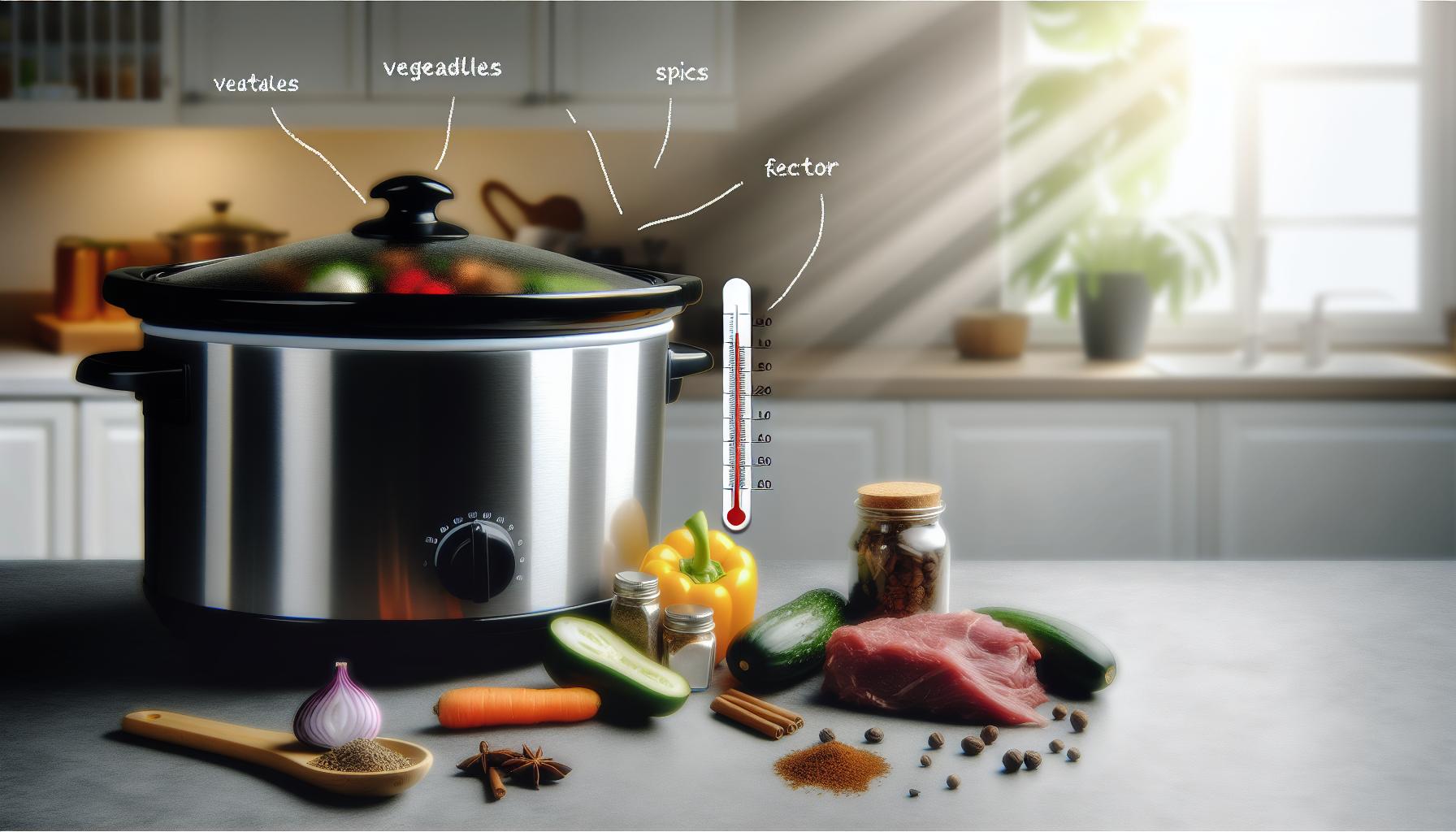
Ever notice how your slow cooker can feel like a temperamental friend-sometimes hot enough to turn a tough cut of meat into tender bliss, other times barely simmering along? The heat your slow cooker delivers depends on a handful of sneaky factors beyond just the Low, High, or Keep Warm dial you twist in the kitchen. These nuances shape how quickly and thoroughly your dinner cooks, ensuring everything from your paleo-friendly brisket to hearty gluten-free soups hits the mark every time.
First up, the size and shape of your slow cooker’s ceramic pot play a starring role. A larger crock spreads heat differently than a smaller one, affecting temperature consistency. As an example, if you’re cooking a batch of chili for the family, more surface area means the heat disperses more evenly, cutting down on hot spots or undercooked edges. Plus, older slow cookers might not hold their original heat like new ones, so a trusty kitchen thermometer is a great sidekick here.
Another subtle influencer is the lid seal-yes, that snug little piece of glass or plastic makes a big difference! Keeping moisture and heat locked in means your slow cooker keeps the interior temperature steady, speeding up cooking and making your favorite stew extra juicy.If your lid doesn’t fit tightly, you might find yourself needing to add time to your recipe to compensate for heat and moisture loss. I learned this the hard way once when my pork roast took an extra hour to get tender because the lid had a tiny chip and didn’t seal properly.
Other Heat Influencers to Keep in Mind
- Initial food Temperature: starting with fridge-cold ingredients versus room temperature can adjust how quickly your pot hits target temps. For paleo and gluten-free meals that often involve fresh veggies or lean proteins,letting ingredients sit out briefly (safely) can shave hours off cook time.
- Altitude and Kitchen Temperature: Higher elevations mean lower boiling points, so your slow cooker might heat differently if you live in the mountains. Likewise, a chilly kitchen or drafty spot can chill your cooker’s base.
- Ingredient Density and Liquid Volume: Thick stews with dense root vegetables or large cuts of meat retain and diffuse heat differently than lighter soups or sauces. More liquid usually helps conduct heat evenly but can dilute flavors if not balanced.
Understanding these behind-the-scenes players lets you tweak your cooking approach without stress. Sometimes I bump my gluten-free lamb stew from Low to High for the last hour when the meat’s being stubborn, or I add a splash more broth if things look dry midday. Think of your slow cooker as a charming dance partner: it leads with heat, but your adjustments keep the rhythm perfect.
How Different Crockpot Brands Vary in Temperature
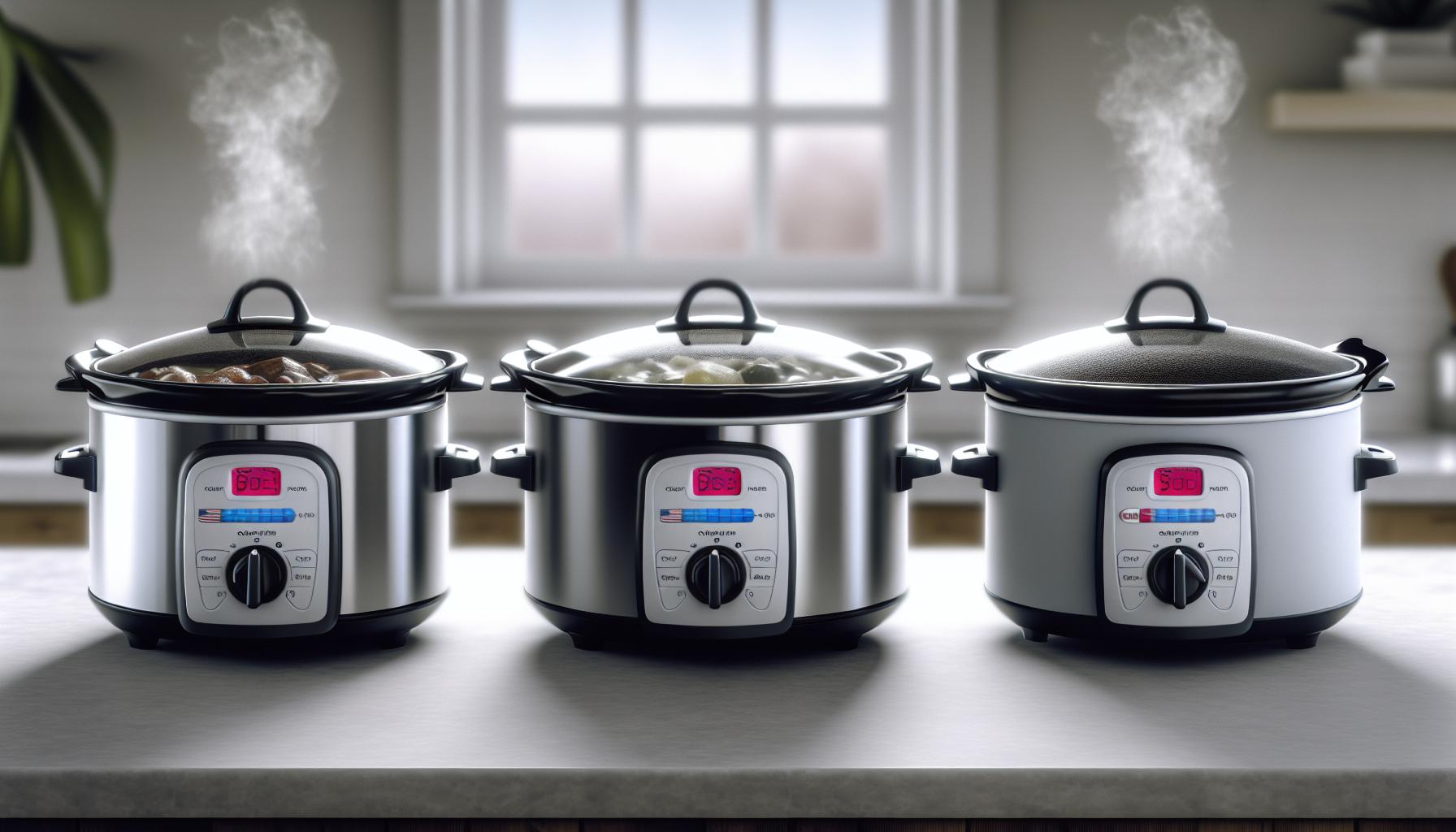
you might be surprised to learn that not all slow cookers-or crockpots, as many affectionately call them-are created equal when it comes to heat. Even if two models have identical Low, High, and Keep Warm settings, the actual temperature ranges they hit can vary quite a bit. This little quirk can make a huge difference in how your paleo-friendly pulled pork or gluten-free chili turns out. With some brands, the Low setting gently simmers your stew near 190°F, while others might nudge closer to 200°F, speeding up cooking without you even noticing.
One of my favorite kitchen experiments has been using a simple candy or meat thermometer to peek inside different slow cookers as they do their magic. For example, some budget-friendly brands tend to run cooler and more inconsistently, meaning you might find yourself cooking “low and slow” for twice as long. On the other hand, premium or newer models often have better heat retention and more precise thermostats, holding temperature steady on both Low and High settings. This reliability can be a game-changer when you’re juggling busy days but craving that perfect, fork-tender roast.
Why temperature Differences Happen
A few factors come into play with these brand-related variances:
- Heating element design: Some slow cookers have heating coils underneath or wrapped around the sides, which affects how evenly heat distributes.
- Pot material and thickness: Ceramic pots are standard but vary in heft and thermal conductivity. Thicker pots keep heat steadier but might take longer to warm up.
- Seal quality and lid fit: Different brands engineer lids differently, and a loose fit means more heat (and moisture) escapes, requiring longer cooking times.
For example, my trusty slow cooker from Brand A consistently hits about 205°F on High and holds steady, perfect for my paleo-friendly beef stew without drying out the meat. Meanwhile, my friend’s model from brand B runs a bit cooler, so she often adds an extra hour on High or switches from Low to High halfway through for the effect she wants.
Testing Your Slow Cooker: A Quick Guide
Here’s a friendly kitchen trick to demystify your slow cooker’s temperature quirks:
- Fill it with water-enough to cover the bottom but not overflow.
- Place a reliable instant-read thermometer or candy thermometer in the water.
- Set to Low and note the temperature after 2 hours; repeat on High after a cool-down period.
- Compare your results with your recipe’s expected temperature range and adjust cooking times accordingly.
Remember, these small tests help you master your appliance, whether it’s whipping up a hearty gluten-free chili for the family or slow-simmering a paleo chicken curry after a busy workday.
By knowing your slow cooker’s unique heat profile,you can tweak meal plans with confidence-no more guessing if your Low setting is really ”low” or if your High setting is actually blazing. It’s like getting to know a new kitchen buddy, one who always delivers tender, tasty dishes just the way you like them.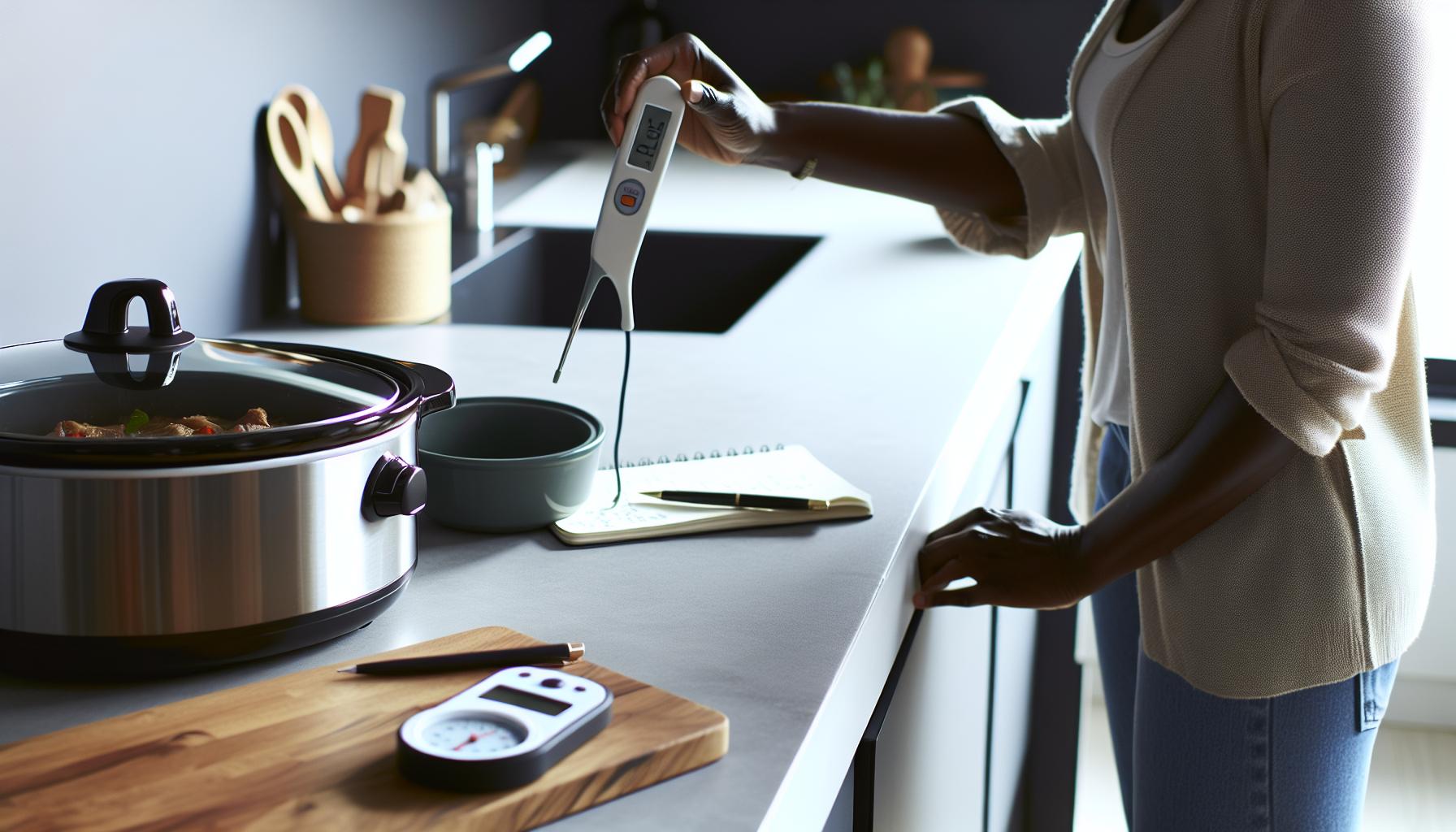
Tips to Test and Track Your Slow Cooker’s Heat
You might be amazed how much of a difference a little detective work can make when it comes to understanding your slow cooker’s heat. Not every slow cooker plays by the same rules, so rolling up your sleeves and running a quick temperature test can turn guesswork into culinary confidence-especially if your favorite recipes lean paleo, gluten-free, or just crave that perfect melt-in-your-mouth tenderness. Plus, it’s a fun way to bond with your kitchen buddy and avoid surprises like overcooked brisket or underdone veggies.
Grab a trusty thermometer-an instant-read or candy thermometer works best-and start by filling your slow cooker with plain water. This makes the heat easier to measure without the food throwing you off (because let’s be real: stew in progress can be a temperature puzzle). Turn the cooker on low, and give it a couple of hours to truly settle into its warming groove. Then, gently dip your thermometer into the water and note the temperature. Repeat the process after the cooker has cooled, but this time on the High setting. Tracking these temps over time lets you build a simple reference chart, so next time you whip up that paleo-friendly pulled pork, you’ll know exactly how long to let the slow cooker work its magic.
Small Steps, Big Payoff
- Consistency is key: Run these tests a few times to account for room temperature or variations in your model’s thermostat.
- Note your results: Jot down the temps along with cooking times from your favorite recipes to see what pairs best.
- Adjust wisely: If your Low setting edges closer to 200°F rather of 190°F, shave a bit off the cook time to avoid drying out delicate cuts.
Such as,my first slow cooker was a budget-friendly model that ran cooler and needed longer cooking. After testing, I started adding an extra half hour on low for my gluten-free chili-totally worth it to get that slow-simmered depth without the guesswork. on the flip side, a newer cooker I tried reached temps a bit on the higher end, so I reduced cooking time by 15-20% and kept my paleo beef stew luscious and tender without drying it out. Playing with temps like this helps turn slow cooking into a precision art form, all while keeping it easy and accessible.
Keep a simple spreadsheet or notebook handy, and treat this little testing ritual like a kitchen game-you’re both scientist and chef.With each temperature logged, you gain insight, making those crockpot meals more predictable, more delicious, and more in line with your dietary goals. Slow cookers can feel a bit like magical mystery machines, but with just a few minutes of testing, you become the master, not the victim, of your next slow-cooked feast.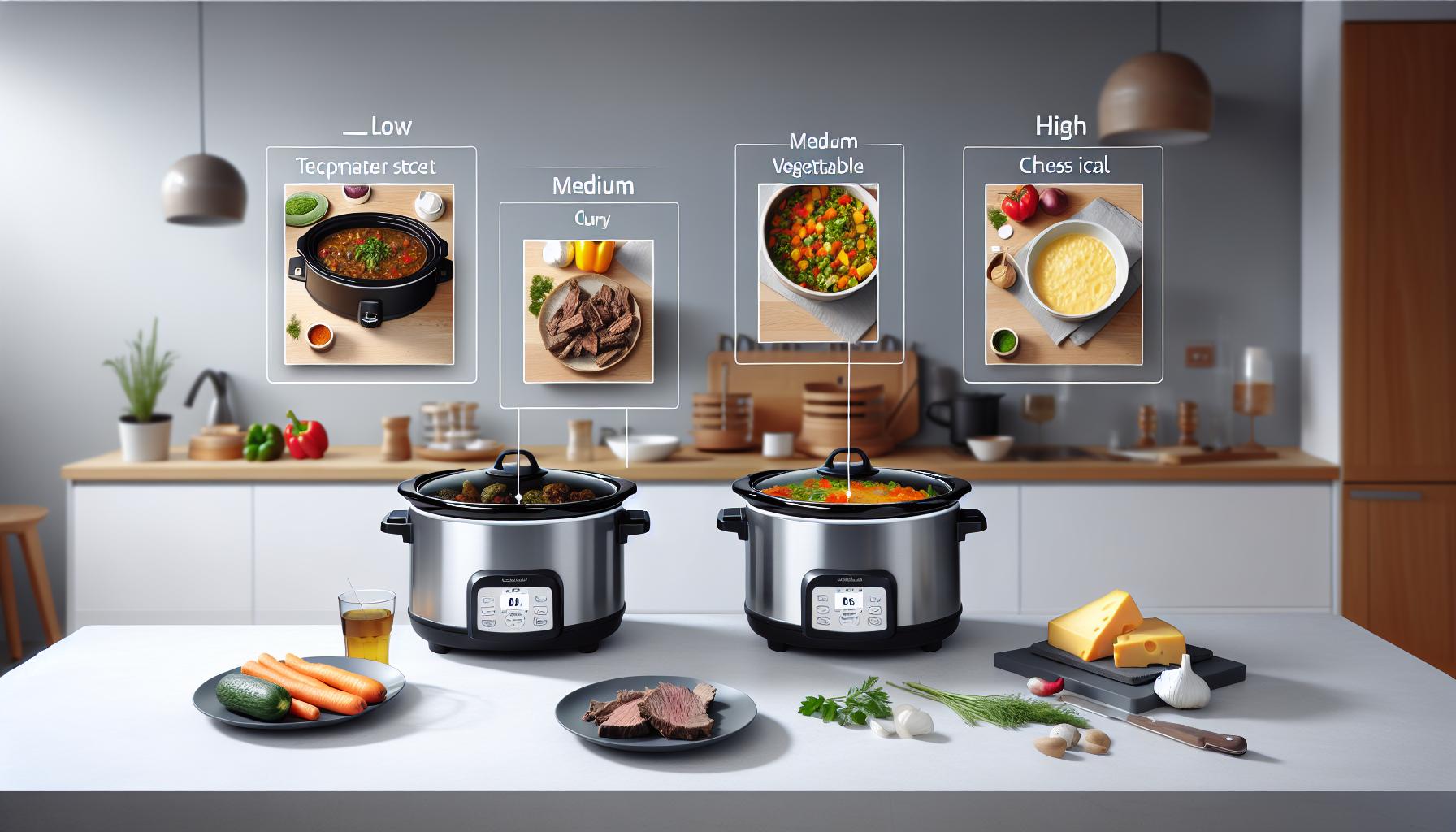
Ideal Recipes for Each Slow Cooker Temperature Setting
A slow cooker’s heat settings aren’t just numbers on a dial-they’re your best allies in crafting meals that suit your schedule, tastes, and dietary needs. Knowing what kinds of recipes shine on each setting can save you from hour-long mysteries in the kitchen and make every dish a triumph. Such as, dishes that thrive on the Low setting are all about slow, gentle cooking that tenderizes tougher cuts or melds flavors over several hours. Think fall-apart pork shoulder or hearty gluten-free chili simmered until rich and deep-these benefit from the steady 190°F-ish warmth that coax collagen into silkiness without drying out your food.
On the flip side, the high setting, which can ramp up near 300°F, is your fast-track ticket when time’s short but flavor can’t be compromised. This is your go-to for boneless chicken breasts that need to stay juicy but don’t want the hours-long parade. I once tossed together a paleo beef stew on High when guests arrived unexpectedly; the shorter cook time kept all the fresh veg radiant and veggie-stays-tender while still giving the beef a chance to soften up nicely.Just remember: High cooks quicker, so trim your times to prevent dryness or mushiness.
Dishes Perfect for Keep Warm
The Keep Warm setting isn’t just an afterthought.It holds your culinary treasures in a safe,cozy temperature zone-usually around 140°F-making it perfect for keeping dishes ready without overcooking. Think slow cooker breakfasts like steel-cut oats with cinnamon and pecans or a pot of homemade bone broth that you might want to sip through the day. It’s also a lifesaver when your guests are fashionably late but your stew can stay at peak deliciousness without worrying about food safety.
Recipe Ideas by Setting
- Low Setting (180°F-200°F): beef chuck roast, gluten-free chili, pork carnitas, root vegetable stew.
- High Setting (250°F-300°F): Chicken thighs with herbs, paleo beef stew, quick ratatouille, fish curry (use firm fish and cook shorter).
- Keep Warm (130°F-150°F): Oatmeal, bone broth, dairy-free mashed sweet potatoes, sauces like paleo gravy or tomato sauce.
You don’t have to be a slow cooker scientist to get the results you want, but a wink to science helps when adapting classic comfort foods to gluten-free or paleo lifestyles. For example, my gluten-free lentil soup gets a slow Low cook to soften lentils thoroughly without turning mushy. Simultaneously occurring, casseroles or layered dishes with quick-cooking veggies do better on High so they maintain a nice bite.
The great news? This testing approach lets you quickly customize your favorite recipes according to your slow cooker’s real temp, not just the dial setting. That means less ”Did I overcook it?” stress and more “Wow, this is perfect!” moments. So whether you’re prepping a cozy winter stew or a fresh summer curry, you’ve got the heat dialed in just right for every meal occasion.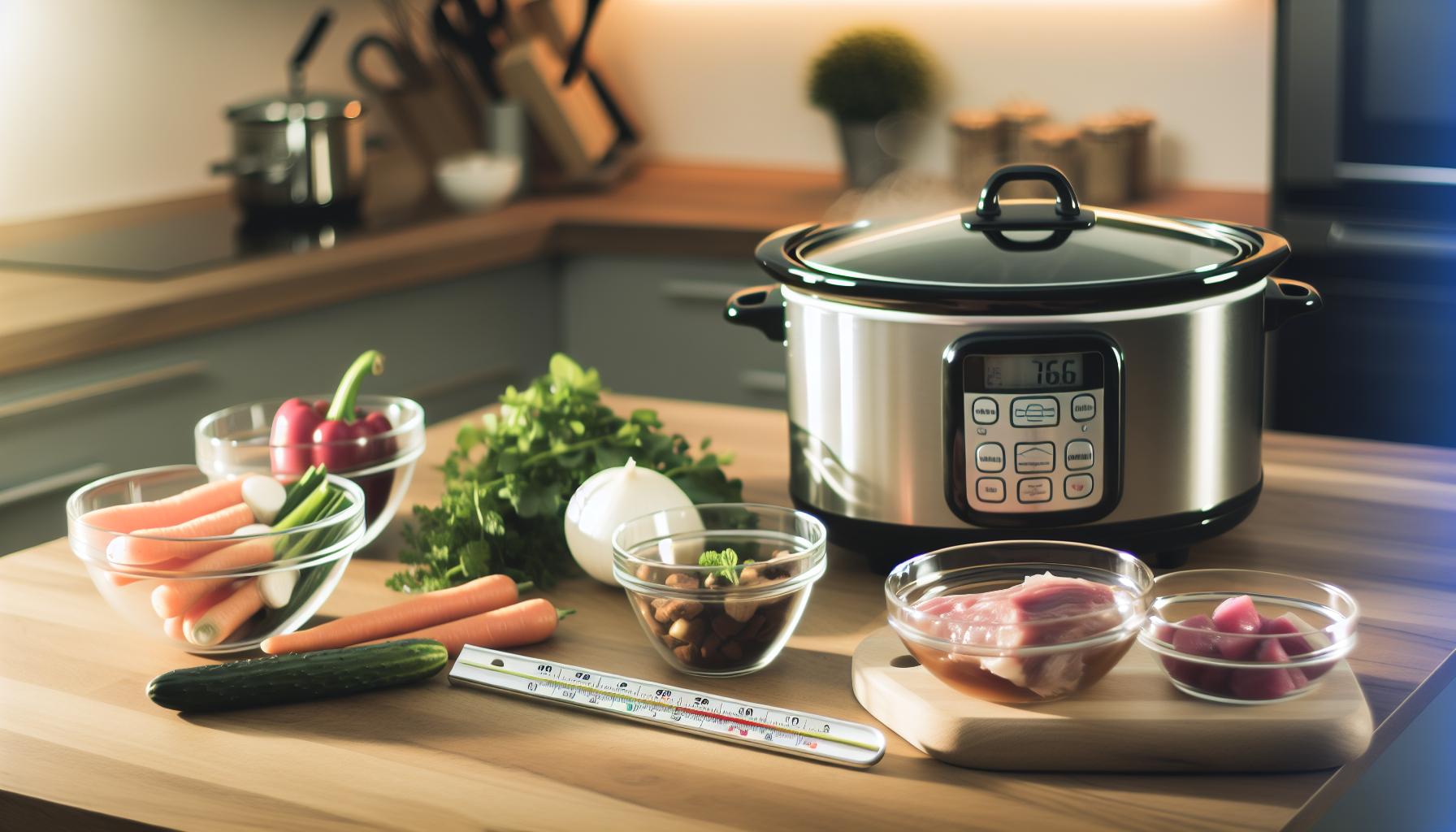
Common Temperature Myths About Slow Cooking Debunked
Sometimes what we think we know about slow cooker temperatures can actually send us down the wrong kitchen path. For example, there’s a common notion that the Low setting is so gentle it barely cooks anything, or that the High setting is just a “faster low” with the same results-when in reality, these settings play very different roles in how your meal finishes. I’ve learned through trial, error, and a few “oops” dinners that understanding the real heat behind those dials can save you from a mushy stew or a dry chicken breast faster than you can say “slow cooker fail.”
One myth I frequently hear is that keeping your slow cooker on High for twice as long equals the same result as cooking Low all day. nope! The Low setting (think roughly 190°F) lets collagen in tough cuts break down slowly, turning meats tender like butter without drying out your dish. High temps (near 300°F in some models) speed things up, but that heat can toughen delicate ingredients or overcook veggies if you’re not careful. I’ve seen plenty of cooks jump straight to High and wind up with stringy pork shoulder instead of that fall-apart tenderness we crave. So, temperature really matters-not just time.Another sneaky misconception is that the “Keep Warm” setting can replace Low or High for cooking, when in truth, it’s designed to hold food at a safe serving temperature around 140°F.This setting won’t cook your dinner; it’s for cozy meals to wait patiently for you without spoiling or turning into a science experiment on dryness. Want perfectly creamy steel-cut oats? Keep Warm is your friend.Rely on it for cooking? You’re just warming up leftovers-not slow-cooking!
Common Temperature Myths Simplified
- “Low takes forever but cooks the same as High.” No way! Low is for slow,tender magic over hours-perfect for dense cuts and robust flavors.
- “High equals double-speed Low.” Fast, yes-but that heat can alter texture and moisture. Use High for quicker recipes,not just longer Low recipes cranked up.
- “Keep Warm cooks food.” Definitely not.It’s a safe holding zone, perfect for waiting but not for actual cooking.
- “All slow cookers hit the same temps.” Actually, brands vary. Your trusty crockpot might run hotter or cooler than your friend’s-testing your own device helps unlock perfect results.
When I first switched to paleo and gluten-free recipes, I was obsessed with cooking times but hadn’t paid much attention to actual temperatures.Once I started measuring my slow cooker’s heat, it was like turning on a light. Suddenly, I knew exactly how long to cook pork carnitas on Low for that melty texture or how briefly to finish a ratatouille on High so the veggies stayed vibrant. These insights kept my meals flavorful and on point, without wasting a bite.
So, next time you dial in dinner, remember that understanding what those settings really mean can make all the difference between a “meh” meal and your new favorite slow cooker masterpiece. Don’t rely on myths-test, taste, and enjoy your slow-cooking adventures with confidence!
How to Adjust Cooking Times Based on Heat Settings
Adjusting your cooking times according to the heat setting on your slow cooker can feel like kitchen wizardry once you understand the real temps behind each dial. While many assume that doubling the high setting time equals a low setting cook, the truth is more nuanced-and knowing this difference can rescue your meals from turning into a mushy or tough disappointment. Low heats around 190°F give collagen the slow,steady coaxing it needs to melt into tender perfection,whereas High settings near 300°F accelerate cooking but can dry out delicate proteins or over-soften veggies if left too long. So it pays to think less about just “time” and more about balancing heat and food texture.When you’re switching between settings, a helpful rule of thumb is that cooking on High typically takes about two-thirds the time of Low, not half or equal. For example, if your favorite paleo beef stew simmers tenderly after 8 hours on Low, aim for around 5 to 6 hours on High-but start checking for doneness early. Cooking longer than necessary at High risks stringy meat or mushy roots, especially in gluten-free dishes where texture stands out. Having mentioned that, some one-pot recipes like tougher cuts or bean-based dishes handle High well if you need a quicker meal without compromising on comfort.
- Stick to slow and low when working with dense cuts or mixed-ingredient meals that build layers of flavor over hours.
- Shift to High for last-minute adjustments or recipes that call for quicker cooking, such as simpler veggie stews or shredded chicken dishes.
- Don’t confuse Keep Warm for a cooking setting-it’s your friend for meal timing or finishing touches like creamy steel-cut oats, never for actual cooking.
Tips for fine-Tuning Your Slow Cooker Times
Cooking times aren’t a straight rectangle but more like a cozy, flexible quilt-you can fold or stretch them depending on what’s in your pot and which dial you choose.
| Slow Cooker Setting | Approximate Temperature | Effect on Cooking Time | Best For |
|---|---|---|---|
| Low | ~190°F (88°C) | Base reference time (e.g., 8 hours) | Tough cuts, stews, mixed dishes |
| High | ~300°F (149°C) | ~⅔ Low time (e.g.,5-6 hours) | Quicker cooking,tender veggies,poultry |
| Keep warm | ~140°F (60°C) | Not for cooking,just holding temperature | Serving leftovers,finishing oatmeal |
In my own kitchen experiments,I once tried rushing a paleo pork shoulder on High without adjusting time properly-it came out dry and stringy,a tough lesson learned! Now,I always halve the low cook time and then shave off another hour or so to avoid overcooking on High. Also, pay attention to the size and shape of your crockpot; a taller, narrower cooker usually needs more time than a wide, shallow one because heat circulates differently.
Remember that slow cooking is forgiving but also precise when you understand the heat dynamic.A little kitchen patience combined with some temperature testing (hello, instant-read thermometer!) will free you from rigid recipes and help you get creative with paleo and gluten-free favorites that taste hearty, not harsh. So grab that dial, have fun with your adjustments, and enjoy the juicy success of each perfectly timed meal!
Frequently Asked Questions
Q: How quickly does a slow cooker reach its maximum temperature on each setting?
A: A slow cooker typically takes 1 to 3 hours to reach maximum temperature on Low and about 30 minutes to 1 hour on High. The Keep Warm setting maintains temperature rather than heating up. For timing tips, see our section on [How Slow Cooker Settings Affect Cooking Temperature].
Q: What safety temperatures does a slow cooker maintain to prevent foodborne illness?
A: Slow cookers keep food above the safe temperature zone, usually above 140°F (60°C) on Low and near 200°F (93°C) on High, stopping harmful bacteria growth. Use the Keep Warm setting only after cooking to maintain at least 140°F safely. More details are in [The Keep Warm Setting: Safe Temperature Insights].
Q: Why do some slow cookers have different temperatures on the same setting?
A: Temperature variation occurs due to brand differences, heating element design, and cooker size. Some models run hotter or cooler on Low or High, affecting cook times and results.Testing your model, as outlined in [Tips to Test and Track Your Slow Cooker’s Heat], helps adjust recipes perfectly.
Q: How does adding frozen food affect the temperature in a slow cooker?
A: Adding frozen ingredients lowers the internal temperature initially, extending the time needed to reach cooking temperatures. To keep food safe and recipes on schedule, thaw items before cooking or increase cooking time accordingly.more about heat factors in [Factors That Influence Slow Cooker Heat Levels].
Q: Can a slow cooker’s keep Warm setting cook food or just maintain temperature?
A: The Keep Warm setting is designed only to maintain food at a safe serving temperature (above 140°F) and not to cook or reheat cold food thoroughly. For best results,always fully cook food on low or High before switching to Keep Warm.
Q: How do altitude and room temperature affect slow cooker heat settings?
A: Higher altitudes and cooler kitchen environments may cause a slow cooker to reach slightly lower temperatures or take longer to heat up. Compensate by increasing cooking times or preheating the cooker for consistent results, as discussed in [Factors That Influence Slow Cooker Heat Levels].
Q: Should I adjust slow cooker temperatures when using insulated liners or extra cookware?
A: Yes,insulated liners and additional cookware can trap more heat or insulate food,potentially raising internal temperatures or extending cooking times. Monitor carefully and adjust times to avoid over- or undercooking.See [How Different Crockpot Brands vary in Temperature] for similar tips.
Q: How can I safely measure the exact temperature of my slow cooker on different settings?
A: Use an oven-safe probe thermometer placed in the food or water inside the cooker at set intervals to track temperature. This practical approach is detailed in [Tips to Test and Track Your Slow Cooker’s Heat] and helps refine your cooking precision.
for more on optimizing your slow cooker experience and recipes for each heat level, check out our complete guide sections. Happy slow cooking with confidence and flair!
Final Thoughts
Understanding how hot your slow cooker gets on each setting is a game-changer for perfectly timed,flavorful meals every time.Whether you’re aiming for a low-and-slow stew or a quick weekday dinner,knowing these temperature ranges helps you tailor your recipes with confidence-no more guesswork or overcooked dishes. Ready to take your slow cooking skills further? Check out our slow cooker recipe collection for easy, adaptable meals that fit paleo, gluten-free, and family-friendly diets, all tested in a busy home kitchen.
If you’re curious about perfect ingredient swaps or troubleshooting common slow cooker hiccups, don’t miss our guides on ingredient substitutions and slow cooker tips & tricks. And hey, if you found this helpful, why not join our newsletter? It’s packed with practical kitchen wisdom, fresh recipes, and a sprinkle of kitchen humor-because cooking should be fun, not stressful. Got questions or a favorite slow cooker hack? Drop a comment below and share your story-we love hearing from fellow home cooks ready to enjoy delicious, fuss-free meals.
A: Adding frozen ingredients lowers the internal temperature initially, extending the time needed to reach cooking temperatures. To keep food safe and recipes on schedule, thaw items before cooking or increase cooking time accordingly.more about heat factors in [Factors That Influence Slow Cooker Heat Levels].
A: The Keep Warm setting is designed only to maintain food at a safe serving temperature (above 140°F) and not to cook or reheat cold food thoroughly. For best results,always fully cook food on low or High before switching to Keep Warm.
A: Higher altitudes and cooler kitchen environments may cause a slow cooker to reach slightly lower temperatures or take longer to heat up. Compensate by increasing cooking times or preheating the cooker for consistent results, as discussed in [Factors That Influence Slow Cooker Heat Levels].

