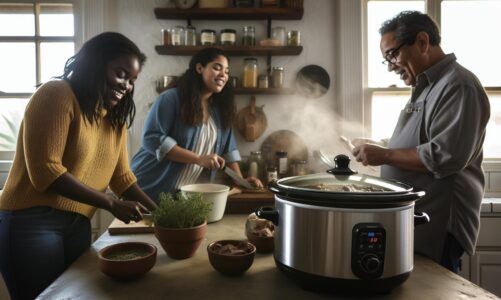
There’s something wonderfully comforting about a slow-cooked roast paired with tender, flavorful carrots-but timing is everything. Knowing exactly how long to cook carrots alongside your roast ensures they come out perfectly soft, not mushy, while soaking up all those rich, meaty flavors. Whether you’re new to slow cooking or just looking to refine your process, finding that sweet spot saves you from overcooked veggies and underwhelming meals. Plus, it helps keep your dinner on track with minimal fuss-perfect for busy weeknights or relaxed weekend feasts. Stick around, and I’ll share practical tips and simple steps so your carrots and roast finish in harmony, turning every bite into a cozy, gluten-free, and paleo-friendly delight.Cooking made easy, delicious, and just the way you like it-as good food doesn’t have to be elaborate, and you deserve that satisfying home-cooked glow without the stress.
Table of Contents
- How to Time Carrots with a Roast in Your Slow Cooker
- Choosing the Perfect Carrot Type for Slow Cooking
- Prep Tricks to Make Carrots Tender and Flavorful
- slow Cooker Settings and Their Impact on Cooking Time
- Adjusting Carrot Cooking Time for Different Roast Sizes
- Creative Ingredient Pairings to Elevate Your Carrots and Roast
- How to Test Carrots for doneness Without Guesswork
- Gluten-Free and paleo-Friendly Carrot and roast Tips
- Handling Leftover Slow Cooker Carrots and Roast
- Troubleshooting Common Carrot Cooking Challenges
- FAQ
- Q: How does the size of carrot pieces affect cooking time with a roast in a slow cooker?
- Q: Can I add carrots later when cooking a roast to prevent overcooking?
- Q: why do my slow cooker carrots turn out bland with the roast,and how can I improve their flavor?
- Q: What is the best temperature setting for cooking carrots with a roast in a slow cooker?
- Q: How can I tell if the carrots are properly cooked alongside my roast without overcooking them?
- Q: Can frozen carrots be used with a roast in a slow cooker, and how does that affect cooking time?
- Q: How do cooking times vary for organic versus conventional carrots with a roast in the slow cooker?
- Q: Are there specific carrot varieties that cook better with roast in a slow cooker without falling apart?
- Key Takeaways
How to Time Carrots with a Roast in Your Slow Cooker
Carrots are the trusty sidekick to a slow cooker roast, but getting their timing just right makes all the difference between perfectly tender bites and mushy blobs. The great news? Carrots typically cook faster than a beef roast, so it’s all about layering them in at just the right moment. Tossing them in too early can turn those lovely carrot chunks into unrecognizable mush, while adding them too late means they’ll be stubbornly crunchy when the roast is fork-tender.
For a classic 3 to 4-pound roast, a solid rule of thumb is to add your carrots during the last 1.5 to 2 hours on low heat, or about 45 minutes before the roast is done if you’re using the high setting.This timing lets the carrots soak up all those rich meat juices and aromatics without compromising their snap and sweetness. If you’re working with baby carrots or thinner slices, shave off 15-30 minutes to avoid overcooking.
Fine-Tuning Carrot Timing Based on roast Size and Slow Cooker Settings
- Small roasts (under 3 lbs): Add whole or large carrot pieces in the last 60 to 90 minutes on low.
- Larger roasts (4 lbs+): carrots do well added 2 to 3 hours before the end of cooking to let flavors mingle nicely without turning mushy.
- Using high heat: Shift the carrot addition to the last 30-45 minutes, checking for tenderness with a fork.
I remember once rushing a potluck and dumping carrots in right at the beginning with a big 5-pound roast-by the time it was dinner, the carrots were basically nothing more than carrot sauce. Oops! As then, timing those carrots just right feels like an easy win-comfort food with perfectly textural balance.
If your slow cooker tends to cook on the warmer side or if you prefer your carrots to have a bit more bite, don’t be afraid to experiment with adding them even later. A simple poke test with a fork will be your best friend here. Also, consider chopping carrots into larger chunks; they stand up better to longer cooking times and help you avoid that mushy “carrot apocalypse.”
ultimately, timing carrots with your roast is a happy little dance-one that rewards a pinch of patience and a touch of kitchen intuition with that perfect forkful every time.
Choosing the Perfect Carrot Type for Slow Cooking
Carrots are endlessly versatile, but when it comes to slow cooking alongside a roast, not all carrots are created equal. Picking the right type can be the secret weapon for a perfectly balanced meal: tender but still with a bit of bite, and juicy without turning to mush. In my own kitchen experiments, I’ve found that starting with sturdy, thick carrots helps them hold their shape during those long, slow hours, absorbing meaty flavors without disappearing into a saucy puddle.
Whole, regular carrots or those chunkier, farm-fresh varieties frequently enough deliver the best results in a slow cooker. Their natural sugars caramelize beautifully over time, adding sweetness that complements savory roasts. Baby carrots-those brightly colored little guys-are great for quick additions but tend to cook faster and can get mushy if left in too long. If you’re after a rustic feel, slicing large carrots into broad, chunky coins or thick sticks ensures they stay significant and enjoyable in every bite.
Choosing Carrots Based on Texture and Flavor
- Regular carrots: Best for slow cookers when peeled and cut into large chunks, they balance sweetness and firmness well.
- Baby carrots: A time saver and convenient but keep an eye on cooking time as they soften quickly.
- Heirloom or rainbow carrots: Fantastic for adding color and a slightly earthier flavor; just treat them like regular carrots when prepping.
From a dietary viewpoint, carrots are a fantastic paleo and gluten-free-friendly vegetable, naturally packed with vitamins and fiber to balance out your protein-rich roast. Whether you’re meal prepping for a busy week or hosting friends, choose the carrot that fits your timeline and flavor goals, then tweak the cook time accordingly.
A little kitchen hack I swear by: if you want the carrots to soak up every delicious drop of roast juice, try trimming them into larger pieces and adding them a bit earlier than you would for thinner cuts. They’ll gently absorb the savory liquid, turning your side dish into a flavor-packed star of the plate.Remember, slow cooking is forgiving, and experimenting with carrot types and sizes can turn routine dinners into charming culinary stories.
Prep Tricks to Make Carrots Tender and Flavorful
Carrots have a surprising talent: they soak up flavors like a culinary sponge while transforming into tender bites that feel like a warm hug with every forkful. But, getting them just right in a slow cooker alongside a roast takes a bit more than tossing them in whole. The key is in prepping with intention-cutting methods, seasoning, and even when you add them to the pot all make a difference in how luscious and flavorful they come out without turning mushy.
One of my favorite tricks is to peel carrots thoroughly and cut them into uniform, chunky pieces-think thick coins or quartered sticks.This size lets them hold their structure during hours of slow cooking while still soaking up that rich, meaty broth. Smaller bits tend to disintegrate into the sauce, which is fantastic if you want a thickened base but less ideal if you’re craving distinct bites. If you’re pressed for time or prefer baby carrots, just reduce the cooking duration or toss them in later in the process. I once left baby carrots in for a full 8-hour roast, and well-they became a mushy but sweet accent, which some guests loved and others playfully complained about!
Another game-changer is a light toss with olive oil, salt, and pepper before they hit the slow cooker.This simple step creates a subtle caramelization affect and intensifies flavor absorption. Sprinkle a pinch of smoked paprika or fresh thyme for an aromatic boost that dances in harmony with the roast’s savory notes. For my gluten-free and paleo friends, this step enhances natural sweetness without any hidden gluten sneaking in, keeping your meal wholesome but far from boring.
Timing and Layering: When to Add Your Carrots
- Adding Early: For thick chunks, add them at the start to maximize flavor melding and softness.
- Adding Late: For baby carrots or thinner slices, add in the last 2 hours to keep some bite and prevent mushiness.
- Partial cooking: Parboil or steam carrots briefly before adding if you want extra-fast meal prep without sacrificing texture.
Experimenting with these prep steps turns slow cooking from a waiting game into a creative adventure. Trust me, it’s worth the extra minute or two of chopping for those tender, flavor-packed carrots that stand proudly next to your roast, not swimming in it. And remember, no step is too small when it comes to turning humble veggies into memorable mouthfuls.
slow Cooker Settings and Their Impact on Cooking Time
If you’ve ever wondered why your slow cooker recipes don’t always turn out as you expected, the secret often lies in the settings you choose and how they influence cooking time-not just for your roast but for your carrots, too.Slow cookers usually offer two basic heat options: Low and High. Knowing when to use each can transform your meal from simply ”done” to absolutely mouthwatering, especially when balancing the needs of a dense roast with the tender, sweet carrots that cook alongside it.
Cooking on low is like slow dancing with your food-it takes about 7-8 hours and allows the roast to break down gently while the carrots soften gradually, soaking up all those savory juices without turning mushy. this setting is perfect for busy days when you want to start cooking early and come home to a ready meal. On the othre hand, High heats things up faster, typically requiring around 4-5 hours. This works well if you’re short on time but demands more attention to your carrots, as they may get overcooked or lose their appealing bite. If you use High, consider adding carrots later in the cooking process to keep them from turning into sweet, orange mush-unless, of course, you’re after that rich, stewy texture!
Cooking times do depend on a few factors: the thickness of your carrot pieces, the cut and size of your roast, and, of course, your slow cooker model-all of which can affect heat distribution. For chunkier carrot cuts paired with a large roast, sticking to the Low setting helps everything cook evenly, letting flavors meld gradually. But if you want a shortcut or have thin carrot slices, High heat with a shorter cooking window or a late addition of these veggies usually does the trick.
- Low setting: 7-8 hours, ideal for whole or chunky carrots, ensures tender carrots without mushiness.
- High setting: 4-5 hours, better for thinner carrots added halfway through, or parboiled carrots for faster meals.
- Mix and match: Start roast on High to brown and render fat, then switch to Low for finishing, adding carrots in the last half.
In my kitchen,I like starting a roast on High for an hour or so to kick off that deep,savory flavor advancement,then switching down to Low before adding thick carrot chunks-this little dance gives me the best of both worlds: a beautifully caramelized crust and tender,well-infused carrots. Plus,it’s foolproof for gluten-free and paleo diets where keeping texture and natural flavor front and center is everything.
| Setting | Approximate Roast Time | Carrot Prep & Timing | Best For |
|---|---|---|---|
| Low | 7-8 hours | Chunky carrots added at start; soft, soaking texture | Set-it-and-forget-it; tender veggies with a melt-in-your-mouth roast |
| High | 4-5 hours | Thin slices or baby carrots, added last 2 hours | Quick meals; firmer carrot texture |
| Mixed (High then Low) | 6-7 hours total | Add carrots after initial High phase; balance of flavor and texture | Flavor boost with controlled carrot doneness |
The beauty of slow cooking is that it’s forgiving-if your timing’s a little off, you won’t wreck the meal. but learning how your slow cooker’s settings affect the timing of both the roast and the carrots means your veggies come out every bit as flavorful and inviting as that prized cut of meat.Think of it as slow cooker wisdom that turns simple ingredients into a hearty feast, complete with carrots that hold their own and earn their moment at the table.
Adjusting Carrot Cooking Time for Different Roast Sizes
A roast isn’t just a main dish; it’s a centerpiece that demands respect-and carrots are the perfect sidekick, bringing sweetness and earthiness that soak up all those glorious juices. But here’s the thing: the size of your roast truly impacts how you time your carrots.A small roast cooks quicker, so those carrots need a gentler touch to avoid turning into orange mush, while a large roast takes its sweet time, giving carrots ample opportunity to absorb rich flavors and soften just right.
If you’re working with a hefty cut (think brisket or a large chuck roast),the slow cooker is your best friend for a long,slow cook. In this scenario, chunky carrot pieces can go in right from the start. They’ll slowly become tender without losing shape or flavor. Conversely,a smaller roast-say,a petite sirloin or a leaner cut-demands a nimble approach. Since the meat cooks faster, adding carrots too early risks overcooking them, so I recommend tossing in carrots halfway through or later to keep their texture lively and fresh.
- Large roast (4-5 lbs+): Add chunky carrots at the start on low for 7-8 hours. The carrots soften pleasantly, soaking up all that meaty goodness.
- Medium roast (2-4 lbs): Begin cooking on High for an hour, then switch to Low. Add carrots 2-3 hours before the finish to balance tenderness and snap.
- Small roast (<2 lbs): Cook on High, and add thin carrot slices or baby carrots in the last 1-2 hours for that just-right bite.
Timing Tips for the Best Bite
Beyond just weight, consider how you cut your carrots. Larger chunks withstand longer cooking without disintegrating, making them perfect companions for extended Low setting cooks with large roasts. If time’s tight or you’re craving more texture, slicing carrots thinly or even parboiling them before the slow cooker can speed things up, letting you add them later in the process for a vibrant finish.One quirky trick I swear by: when roasting a mid-sized chuck, start with your roast on High for an hour or so to brown the outside-this jump-starts flavor development. Then, drop to Low and add your carrots about halfway through. The carrots get plenty of time to soak in the roast’s juices but keep a hearty mouthfeel that’s far from mushy. It’s a game-changer when you want your slow cooker meal to feel special without extra fuss.
| Roast Size | Carrot Cut & Timing | Slow Cooker Setting | Outcome |
|---|---|---|---|
| Large (4-5+ lbs) | Chunky carrots added at start | Low, 7-8 hours | Very tender, flavor-infused carrots |
| Medium (2-4 lbs) | Carrots added halfway, medium chunks | High 1 hr then Low 5-6 hrs | Balanced tenderness with a little texture |
| Small (<2 lbs) | Thin slices or baby carrots added late | High, 4-5 hours | Carrots retain bite, quick cook |
Adjusting carrot cooking time based on your roast size is like tuning an orchestra-it may take a little experimenting, but the result is harmony on a plate. Plus, with gluten-free and paleo-friendly meals, perfectly timed carrots keep the dish wholesome and satisfying, proving that dietary choices don’t mean giving up flavor or texture. Embrace your slow cooker’s adaptability, add carrots smartly, and your roast night will become the one everyone asks you to repeat!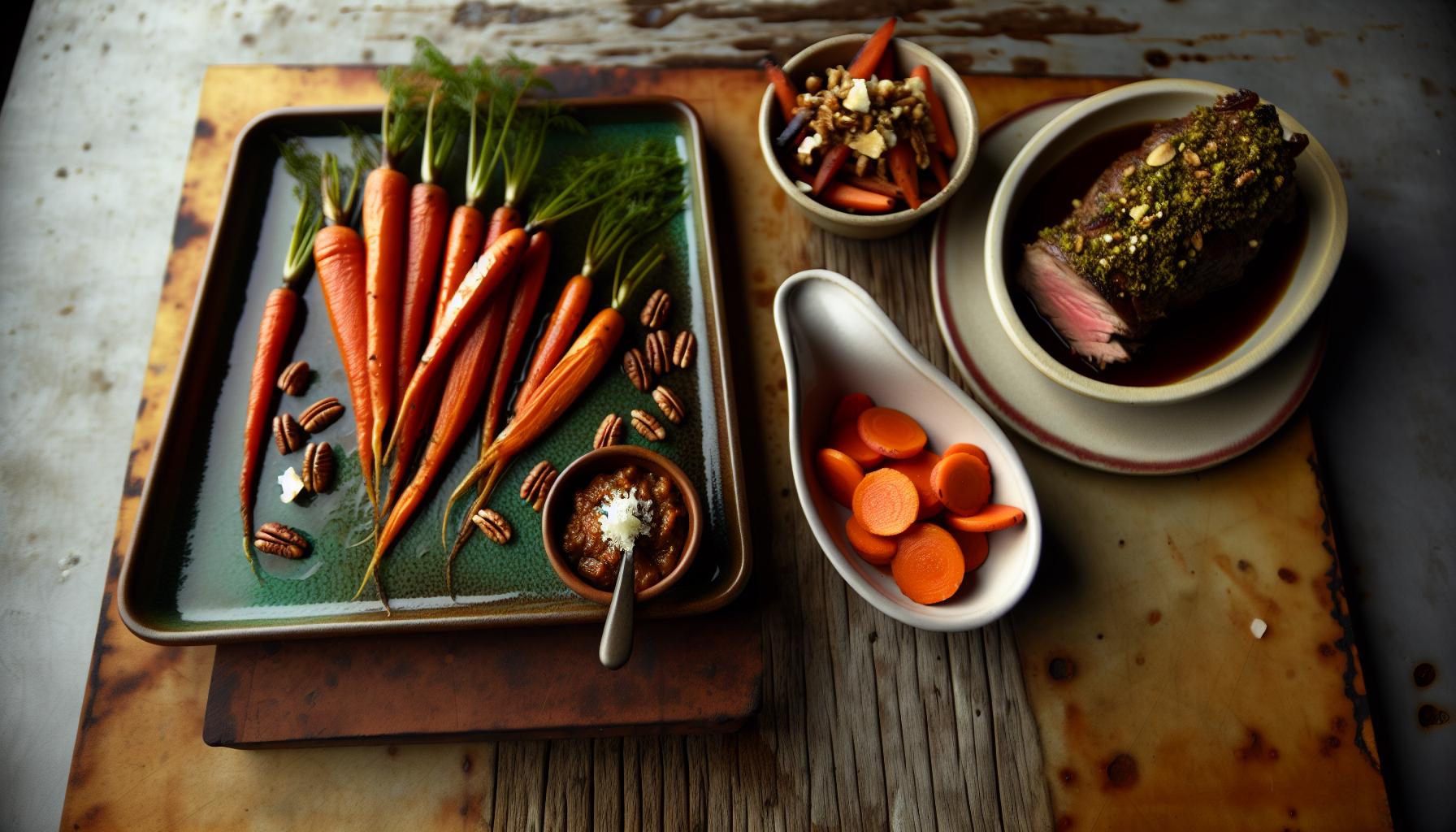
Creative Ingredient Pairings to Elevate Your Carrots and Roast
There’s nothing quite like the magic that happens when the right ingredients join your slow cooker alongside a roast and carrots. The slow simmer lets flavors meld beautifully, and choosing complementary additions can turn a simple meal into a memorable feast. Whether you’re aiming for rustic comfort or a slightly elevated twist,pairing your carrots and roast with ingredients that enhance their natural sweetness and savoriness is the secret sauce to standout slow cooker dinners.
A straightforward way to enrich your dish is by layering in aromatics and herbs that play off the earthiness of carrots and the richness of your meat. Think glossy shallots or pearl onions, their mild sweetness rounding out the flavor profile without overpowering. Fresh herbs like thyme, rosemary, or bay leaves are slow cooker staples-they gradually infuse the entire pot, bringing warmth and subtle piney notes that brighten the carbs-and-meat combo without fuss. If you’re into a little punch, a smashed clove or two of garlic adds depth while staying perfectly mellow after hours of cooking.
Balancing Sweet and Savory with smart Liquids and Spices
don’t underestimate your broth or liquid base as an ingredient in its own right.Using bone broth or beef stock amplifies the roast’s meaty flavor, while a splash of apple cider vinegar or a spoonful of dijon mustard can add just the right tang to enhance the carrots’ natural sugars. Need a hint of warmth? Sprinkle in a pinch of smoked paprika or ground cumin-these add smoky, earthy layers without turning the dish into something spicy. If you’re cooking paleo or gluten-free, these simple swaps keep your dish clean but lively.
Suggestions for Seasonal Swaps and Textural Twists
Beyond the usual suspects, experimenting with complementary veggies can keep your slow cooker creations exciting. Add chunks of parsnip or turnip for extra body, or toss in sweet potatoes for an extra layer of mellow sweetness that balances cheddar or bacon bits if you decide to sprinkle on some toppings after cooking. For extra texture, I sometimes add a handful of toasted nuts like walnuts or pecans right before serving-yes, even with roast and carrots! It’s that crunch contrast that sneaks up on you and makes everyone ask for seconds.
- Fresh ginger slices: offer subtle zing that perks up slow-simmered carrots without overwhelming.
- Fresh herbs: rosemary, thyme, and bay leaves are slow cooker classics that never fail.
- Liquids: bone broth, apple cider vinegar, and dijon mustard create layers of flavor and tenderize meat.
- Spices: smoked paprika and cumin add complexity without heat, great for all palates.
- Add-ins: parsnips, turnips, or sweet potatoes complement carrots visually and flavor-wise.
Think of your slow cooker as a flavor mixer where these components get all cozy for hours, soaking up juices and exchanging goodness. A little creativity here turns your roast and carrots into a soulful, layered dish that satisfies both paleo and gluten-free eaters while still being downright comforting. plus, with these pairings, you make every bite sing-even if you’re short on time or just fancy something a bit different from the usual pot roast fare.
How to Test Carrots for doneness Without Guesswork
Carrots are the unsung heroes of many slow cooker roasts-adding sweetness and color while soaking up those meaty flavors. But knowing exactly when they’re done can be a bit of kitchen guesswork, especially when slow cookers turn everything tender at different rates. The good news? You don’t have to rely on poking around blindly or hoping for the best. There are simple, foolproof ways to pinpoint that perfect carrot tenderness every time, keeping your meal on point and your stress level low.
The easiest go-to test is the classic fork or skewer poke. When your roast and carrots have simmered together for a good while-usually between 3 to 5 hours on low-grab a carrot piece from the pot and gently slide a fork or a sharp skewer into it. If it slides in with just a little resistance, you’ve hit that cozy sweet spot: tender but not mushy. If it feels tough or hard to pierce, cooking needs more time. On the flip side, if the carrot falls apart or crumbles with a light touch, it’s probably overcooked, though honestly, that’s not the worst fate in a slow cooker meal.Overcooked carrots still taste great but might lose some of their shape and visual appeal.
Simple Steps to Nail Carrot Doneness
- Test early, then often: Start checking at the 3-hour mark for small carrots or baby ones; for larger or whole carrots, 4 to 5 hours is typical on low.
- Size matters: Thicker carrot chunks naturally take longer to soften, so if you want to speed things up, slice them thinner or add them later in the cooking process.
- Trust your taste buds: If you’re unsure, taste a piece! It’s the ultimate judge-and hey, carrot nibbling during dinner prep is a perk of being the cook.
For those embracing paleo or gluten-free lifestyles, this method keeps things natural and intuitive, without needing special gadgets or timers. Plus, testing carrots this way ensures you keep that satisfying slight bite that adds contrast to your melt-in-your-mouth roast, avoiding limp veggies that nobody gets excited about. And if you’re ever short on time, feel free to start your carrots in boiling water for a few minutes before adding to the slow cooker; it gives them a head start toward tender perfection.
Remember, every slow cooker heats a bit differently, so making these quick checks part of your routine means you can enjoy beautifully tender carrots and roast without the guesswork-and with all the comforting flavors you love. After all, good food is about joy and simplicity, not rigid rules!
Gluten-Free and paleo-Friendly Carrot and roast Tips
Carrots and roasts are a classic combo, and when you’re following a paleo or gluten-free lifestyle, slow cooking this duo becomes a no-fuss, delicious way to keep your meals both hearty and wholesome. The beauty lies in the simplicity-whole, fresh carrots and a quality cut of meat simmering slowly, drawing out deep flavors without the need for any hidden gluten or non-paleo thickeners. Plus, slow cookers do half the work, freeing you up to enjoy the process or even sneak in some carrot tastings along the way!
One easy way to keep your roast and carrots paleo- and gluten-free friendly is by focusing on natural ingredients that add flavor without extra fuss.Skip commercial broth cubes loaded with additives and make your own bone broth or use fresh herbs like rosemary and thyme, which infuse the roast and carrots with aromatic depth.Adding a splash of apple cider vinegar or a bit of fresh garlic can brighten the dish while staying true to your diet. For carrots, slicing them into even chunks helps them cook evenly-but don’t go too thin or they might turn into mush before your roast is tender.
Practical Tips for Perfect Paleo & Gluten-Free Slow Cooker Carrots
- Add carrots later: since they cook faster than large roasts,adding your carrot pieces in the last 2 to 3 hours helps them retain texture and flavor without turning mushy.
- Use fresh and organic when possible: Paleo and gluten-free eaters often prefer carrots with minimal pesticides and chemicals-plus, organic carrots can have a richer flavor that enhances your roast.
- Choose natural seasonings: Herbs, salt, pepper, and citrus zest work great. Resist the urge to use pre-made seasoning blends that might contain gluten or questionable additives.
- Pre-cook for tenderness: If you’re short on time, blanch carrots briefly in boiling water before adding; this jumpstarts their softness so the slow cooker can harmonize all the flavors faster.
Trust me, approaching your slow cooker roast like this makes it far easier to enjoy a meal that feels indulgent yet clean and compliant with your dietary needs. No need for complicated shortcuts or specialty ingredients, just a trusty slow cooker, some good-quality meat, and fresh carrots that bring natural sweetness. The best part? This relaxed, joyful method leaves plenty of room for experimenting with seasonal veggies or even swapping sweet potatoes if you want to shake it up. Cooking with a slow cooker and keeping things paleo and gluten-free doesn’t have to be a chore-it’s a tasty adventure every time you hit that “low and slow” button!
Handling Leftover Slow Cooker Carrots and Roast
There’s something magical about waking up to leftover roast and carrots that taste even better the next day. The slow cooker’s gentle heat not only melds flavors beautifully but also tenderizes meat and veggies so thoroughly that leftovers can become the star of a fresh meal with minimal effort. When dealing with these leftovers, especially in a paleo and gluten-free context, it’s best to handle them in ways that preserve their wholesome goodness while keeping your taste buds intrigued.
To start,store your leftover roast and carrots in an airtight container in the fridge within two hours of cooking. They’ll keep well for up to 3-4 days, which gives you plenty of time to reimagine the meal without worrying about spoilage.If you want to stretch that window, portion out the leftovers and freeze them in sealed bags or containers; just remember that carrots may become a bit softer after freezing and reheating, so foods like soups or stews are ideal for frozen leftovers.
Reheating is where you get creative without stress.Use gentle methods like steaming or low heat in a skillet with a splash of broth or water to avoid drying out the roast. For a quick weekday lunch, toss chunks of leftover roast and carrots into a paleo-friendly grain bowl with fresh greens, avocado, and a simple lemon vinaigrette. Or, shred the beef and toss it with spiralized zucchini or sweet potato noodles for a cozy, nutrient-packed dinner.The natural sweetness of slow-cooked carrots pairs wonderfully with tangy dressings, fresh herbs, or even a sprinkle of toasted nuts for texture contrast.
Smart Tips for Leftover Love
- Freeze in meal-sized portions: This helps prevent waste and makes it easier to thaw just what you need.
- Add freshness when reheating: Stir in chopped herbs like parsley or cilantro, or a drizzle of apple cider vinegar to brighten flavors.
- Don’t overcook when reheating: Slow cooker meals can dry out, so use gentle heat or microwave in short bursts with a cover to retain moisture.
- Use leftovers creatively: Think beyond reheating – incorporate into salads, wraps with gluten-free tortillas, or even paleo-friendly hash with eggs.
Personally, I love turning slow cooker leftovers into a quick hash on busy mornings. Leftover carrots add a touch of sweetness that balances savory roast beautifully, and I top it with a fried egg for a nourishing start to the day. Besides saving time, this approach keeps your meals exciting and maximizes every ounce of your paleo/gluten-free cooking efforts. So next time you find yourself with leftover roast and carrots, remember-it’s just the beginning of another delicious story.
Troubleshooting Common Carrot Cooking Challenges
There’s nothing quite as disappointing as sinking your fork into a beautifully cooked roast only to bite into carrots that are either too mushy or stubbornly firm. Carrots seem simple, but when slow cooking alongside a roast, they can turn into the diva of the dish-demanding just the right timing and treatment. The good news? With a few kitchen-tested tricks and a bit of VLC (Very Low-key Confidence), you can nip those common carrot hiccups in the bud and keep your paleo and gluten-free slow cooker meals singing in perfect harmony.
One frequent culprit is uneven cooking. As carrots are denser and take longer to soften than some root veggies, placing them at the bottom of the slow cooker, directly under the roast or too close to the heat source, can lead to overcooked bottoms and underdone tops if you add them all at once.A simple fix here is layering wisely: add the roast first with some broth or liquid, then tuck the carrots around the edges or near the bottom for gentle saturation, or add carrots halfway through cooking to prevent that overmushy texture. Personal note- when I’m pressed for time, I slice carrots thicker, around 1-inch chunks, which helps keep a pleasant bite even during long simmers.
Another classic snag is carrots turning bland or losing their natural sweetness. Slow cooking can leach flavor if you merely dump carrots in without seasoning.To boost flavor, try a light toss in olive oil, a sprinkle of sea salt, and even a pinch of smoked paprika or a drizzle of honey before slow cooking-it’s a game changer! Herbs like thyme and rosemary not only embrace the roast beautifully but also infuse the carrots subtly, making every bite interesting. Don’t be shy to experiment with a splash of apple cider vinegar toward the end to brighten flavors-works wonders in paleo-friendly meals.
Lastly, the “are they done yet?” dance can be tricky.Carrots look innocent but testing their fork-tenderness avoids those pesky overcooked mush puddles. Always check about 30 minutes before your roast is ready. In case they’re lagging behind, remove the roast (keep warm wrapped in foil), and let carrots cook uncovered for a short while on high to finish. If you spot undercooked carrots early, try popping the lid a little to speed evaporation and soften them faster-slow cooker magic is flexible!
Quick Fixes for Common Carrot Challenges
- Uneven cooking: Add carrots later or layer strategically around the roast.
- mushiness: Use thicker carrot cuts or reduce cooking time for carrots.
- Flavor fade: Coat carrots with oil and seasonings before cooking, add herbs and a touch of acid.
- Checking doneness: Test early, finish separately if needed on high heat with lid off.
Think of your slow cooker as a gentle, patient friend who loves your roast but deserves some gentle coaxing when it comes to carrots. Getting them just right isn’t about precision tools or exact science, but small smart moves-easy enough for a busy home cook, yet tasty enough to keep you reaching for seconds. Keep priorities simple: texture you like, flavors you enjoy, and meals that fit your gluten-free and paleo lifestyle without fuss or judgment. After all, slow cooking’s superpower is hands-off flavor magic, but smart carrot timing is your secret weapon to endless delicious dinners.
FAQ
Q: How does the size of carrot pieces affect cooking time with a roast in a slow cooker?
A: Larger carrot chunks take longer to cook, often adding 30 minutes or more to your slow cooker roast time. To ensure even tenderness, cut carrots into uniform, bite-sized pieces. This also lets flavors develop simultaneously. For tips on prepping tender carrots, check out Prep Tricks to Make Carrots Tender and Flavorful in the main article.
Q: Can I add carrots later when cooking a roast to prevent overcooking?
A: Yes,adding carrots during the last 1-2 hours of slow cooking keeps them firm and flavorful. This method avoids mushy carrots, especially if your roast takes 6-8 hours on low.See Adjusting Carrot Cooking Time for different Roast sizes for timing guidance tailored to your meal.
Q: why do my slow cooker carrots turn out bland with the roast,and how can I improve their flavor?
A: Carrots may taste bland if not seasoned or layered well in the slow cooker. Try tossing carrots in olive oil,salt,and herbs before adding,or place them closer to the roast for rich juices. Explore Creative Ingredient Pairings to Elevate Your Carrots and Roast for flavor-boosting ideas.
Q: What is the best temperature setting for cooking carrots with a roast in a slow cooker?
A: Low heat (around 200°F) is ideal for slow cooking carrots with roast, ensuring tender, evenly cooked veggies without drying out the meat. High settings can cook faster but risk mushy carrots. Refer to Slow Cooker Settings and Their Impact on Cooking Time for complete details.
Q: How can I tell if the carrots are properly cooked alongside my roast without overcooking them?
A: Test carrots by piercing with a fork-they should be tender but still hold shape, slipping off easily without falling apart. If too firm, give them more cooking time in 15-minute increments. For simple methods, see how to Test Carrots for Doneness Without Guesswork.
Q: Can frozen carrots be used with a roast in a slow cooker, and how does that affect cooking time?
A: Frozen carrots can be used but may increase cooking time by 30-45 minutes and risk extra moisture in the slow cooker. Add them frozen during the last half of cooking for best texture. See Adjusting Carrot Cooking Time for Different Roast Sizes for timing adjustments.
Q: How do cooking times vary for organic versus conventional carrots with a roast in the slow cooker?
A: Organic carrots can be slightly firmer, sometimes requiring 10-15 minutes longer cooking time with your roast. Test their tenderness earlier to avoid overcooking. For carrot prep and taste tips, visit Choosing the Perfect Carrot Type for Slow Cooking.
Q: Are there specific carrot varieties that cook better with roast in a slow cooker without falling apart?
A: Carrots like Nantes or Imperator are ideal for slow cooking due to their firm texture and sweetness, holding up well without becoming mushy.* avoid overly young or baby carrots which cook quickly.Find more on carrot selection in Choosing the Perfect Carrot Type for Slow Cooking.*
For more detailed tips on timing and flavorful carrot prep, check the main article sections linked above. Give these tricks a try next time-you’ll get tender, tasty carrots that perfectly complement your roast every time!
Key Takeaways
Perfectly tender carrots cooked alongside your roast in the slow cooker bring out the best comfort and flavor with minimal effort-usually about 3 to 4 hours on low or 1.5 to 2 hours on high. Whether you’re aiming for that melt-in-your-mouth softness or a bit of bite, adjusting timing is simple and foolproof. Ready to make slow cooker meals your weeknight hero? Check out our Slow Cooker Roast Beef Tips and Easy Paleo Side Dishes for more fuss-free inspiration that fits any lifestyle.
If you’ve got questions on ingredient swaps or want to explore gluten-free variations, our recipe vault has you covered. Don’t forget to sign up for our newsletter for fresh, tested recipes delivered right to your inbox-as everyone deserves delicious, hassle-free meals that feel like a home-cooked hug. Drop a comment below with your favorite slow cooker tips or share your carrot roast success stories. Let’s keep the kitchen fun, simple, and tasty together!