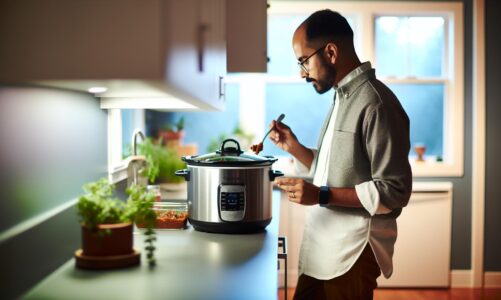
Did you know that teh secret to rich, gelatin-packed chicken bone broth lies in how long you let it slow cook? Whether you’re making broth for gut health, paleo-friendly meals, or just a comforting sip on a chilly day, getting the timing right is key to unlocking all those nourishing benefits. Cooking chicken bones too briefly means missing out on that silky gelatin magic; cook too long,and you might lose flavour or color. As a home cook who’s juggled busy days and imperfect schedules, I’ve found a sweet spot that’s foolproof-slow cooking chicken bone broth between 12 and 24 hours gently extracts the collagen and minerals we crave, without turning your kitchen into a science lab. Stick around,and I’ll share exactly how long to simmer,why vinegar is your broth’s best friend,and tips for tasty substitutions when life calls for shortcuts. It’s easier than you think to transform leftover bones into liquid gold, nourishing your family with every spoonful-gluten-free, paleo-approved, and perfectly comforting. Let’s dive in and make your next batch the one that turns every bowl into a hug.
Table of Contents
- How Slow Cooker Time Impacts Gelatin in Bone Broth
- Best Bones and Ingredients for Rich Gelatin
- Step-by-Step Slow Cooker Bone Broth Recipe
- How to Tell When Broth Has Perfect Gelatin
- Common Mistakes That Spoil Broth Gelatin
- Tips for Enhancing Flavor Without Losing Gelatin
- Using Gelatin-Rich Bone Broth in Paleo & Gluten-free Meals
- Storing and Reheating Bone Broth to Preserve Gelatin
- Quick Fixes When Broth Isn’t jelling Right
- Frequently Asked Questions
- Q: How does cooking time affect the gelatin content in chicken bone broth made in a slow cooker?
- Q: Can I add vegetables or acidic ingredients without reducing gelatin formation in slow cooker bone broth?
- Q: Why isn’t my slow cooker chicken bone broth jelling even after 24 hours of cooking?
- Q: How can I tell if my slow cooker chicken bone broth has reached the ideal gelatin stage?
- Q: is there a difference in gelatin yield between cooking bone broth on low vs. high settings in a slow cooker?
- Q: Can freezing or reheating slow cooker chicken bone broth affect its gelatin quality?
- Q: Does the size or type of chicken bones influence cooking time required for gelatin in slow cooker broth?
- Q: What slow cooker temperature setting is best to extract gelatin without losing flavor from chicken bone broth?
- Closing Remarks
How Slow Cooker Time Impacts Gelatin in Bone Broth

One of the magical things about slow cooking bone broth is how time gently coaxes gelatin out of the bones, turning a simple pot of water and chicken bones into a luscious, jiggly elixir. Gelatin, the star of the show, comes from the collagen in bones and connective tissue, wich slowly breaks down when simmered low and slow. The longer you let your slow cooker do its thing, the richer and more concentrated that gelatin becomes-think of it as a patient alchemy that transforms humble ingredients into nourishing gold.
That said, there’s a sweet spot when it comes to time. Too short, and your broth may taste thin and lack that satisfying richness. Too long, and sometimes the gelatin can break down further into simpler proteins, risking a thinner texture again-though this typically happens beyond the usual slow cooker range. For chicken bone broth, an ideal slow cooker time is about 12 to 24 hours on low heat. This window gives collagen enough time to dissolve without over-extracting flavors or risking bitterness. I once tried pushing it past 36 hours out of curiosity-it tasted fine, but I noticed a subtle loss in that gooey, velvet mouthfeel I love.
Timing Tips for Gelatin-rich Broth
- 12-24 hours on low: Perfect for most slow cookers and yields rich, jelly-like broth when chilled.
- Check for bubbles: The broth should just barely simmer-vigorous boiling can degrade gelatin and cloud the broth.
- Cool and test: After cooking, refrigerate a small portion overnight to see if it gels-a true gelatin success!
Another fun tip? If you’re juggling a busy schedule and can onyl do 6-8 hours, don’t despair. While it won’t be quite as gelatinous,using a mix of marrow-rich or joint-heavy bones and adding a touch of apple cider vinegar can help coax more collagen out in less time. And if your slow cooker tends to run hot, consider lowering the temperature or using the warm setting to avoid boiling off precious gelatin.
slow cooker time is your best friend for stress-free, tasty bone broth that wows with its creamy texture. Treat it like a restful spa day for your bones-low heat, plenty of time, and patience pay off with every nourishing spoonful. Just like in life, the slow and steady approach here makes all the difference.
Best Bones and Ingredients for Rich Gelatin
Bone broth truly shines when you pick the right bones and ingredients to summon a rich, silky gelatin that transforms everyday broth into liquid gold. The secret to that luscious, jiggly texture is collagen-the structural protein abundant in cartilage, joints, and marrow. So, you’ll want to load your slow cooker with bones that are collagen powerhouses. Think chicken feet, wings, necks, and joints; these parts might not be showstoppers on their own, but thay’re gelatin factories when simmered low and slow. Adding a couple of meaty carcasses or backs helps boost flavor without sacrificing gelatin content.
If you’re aiming for seriously rich broth, don’t shy away from mixing bone types. Marrow bones bring that deep, silky mouthfeel, while knuckle bones and cartilage-packed joints release boatloads of collagen. Personally,I toss in a few chicken feet whenever I find them at the market-they’re little gelatin bombs that punch well above their weight.Plus, they keep costs low and magic levels high. For paleo and gluten-free kitchens, this mix is a winner, packing nutrition without any additives or fillers.
Flavor Enhancers That Play Nice With Gelatin
While meatier bones add taste, don’t underestimate the humble veggie. Aromatics like onions, carrots, celery, and garlic give the broth body and balance without diluting the gelatin goodness. A splash of apple cider vinegar (around 1-2 tablespoons per pot) is the most underrated hack to help coax collagen out by gently breaking down tough tissues. Just don’t overdo it, or you’ll end up with a tangy broth instead of a mellow elixir.
If you’re pressed for time or don’t have access to chicken feet or marrow bones, joints from turkey or beef can make fine swaps, but watch cooking times-beef bones often need longer to release collagen fully, sometimes upwards of 24 hours. For a speedy version (think 6-8 hours on low), prioritize bones heavy on cartilage and connective tissues, and use that vinegar trick to speed things up.
Swift Reference for Best Bone Choices
| Bone Type | Gelatin Content | Flavor Contribution | Ideal Cook Time |
|---|---|---|---|
| Chicken Feet | Very High | Light, Clean | 12-24 hours |
| Chicken Neck & Wings | High | Delicate, Meaty | 12-24 hours |
| Marrow Bones (Beef or Chicken) | Medium-High | Rich, Deep | 24+ hours for beef |
| Knuckles & Joints | High | Savory, Mild | 12-24 hours |
| Carcasses (Chicken/Turkey) | Moderate | Full-Bodied, Meaty | 12-24 hours |
At the end of the day, the best bones for rich gelatin are the ones you can get your hands on without any fuss. A combo of feet, necks, and marrow bones in your slow cooker, with a splash of vinegar and a patient simmer, will reward you with a broth that’s rich, nourishing, and downright addictive.Don’t stress the exact mix-life’s busy, and sometimes shortcuts are necessary. Just be sure to gently coax that collagen out without rushing the process, and you’ll have a bowl of comfort gold waiting for you in a day or so.
Step-by-Step Slow Cooker Bone Broth Recipe

If you’re craving a bowl of silky, gelatin-rich chicken bone broth but aren’t sure how long to let it simmer in your slow cooker, you’re in the right spot. The magic of gelatin really unfolds when you take a patient, gentle approach-a long, slow simmer helps coax the collagen from those humble bones into a luscious, nourishing broth. And luckily, using a slow cooker means you can set it and forget it, coming back to kitchen gold without all the babysitting.
To make your best gelatin-packed broth, start by gathering the right bones-think chicken feet, necks, wings, or even backs. These bits are collagen powerhouses and turn into little gelatin factories during cooking. Add a splash (around 1-2 tablespoons) of apple cider vinegar before you fill the slow cooker with water-this helps break down the tough tissues and releases more collagen, boosting the broth’s jelly factor without dumping vinegar flavor into the mix. From here, the ideal cook time on low is between 12 to 24 hours. I personally aim for around 18 hours; enough time for all that collagen to melt into the broth, but not so long that you risk it becoming bitter or overly reduced.
Putting It All Together: your Slow Cooker Broth ritual
Here’s a simple breakdown that works in my busy weeknight kitchen:
- Prep: Roast your bones in a 450°F oven for 20-30 minutes until lightly browned. This deepens flavor but isn’t mandatory if you’re short on time.
- Load up the slow cooker: Toss roasted (or raw) bones in, add your vegetables (carrots, celery, onions), a couple of garlic cloves, and that vinegar splash.
- Add water: Fill to cover by 1-2 inches, but don’t overfill or you’ll dilute flavors and gelatin.
- Cook low and slow: Set your slow cooker to low for at least 12 hours, ideally closer to 18 for the best gelatin without fuss.
- Skim and season: Once done, carefully skim any foam or fat if you like a clear broth. Taste and season with salt to finish.
if time feels tight, prioritizing bones bursting with cartilage-like chicken feet or necks-and a vinegar boost means you could trim cooking to 8-12 hours with good results. But if you want that full, wobbly jellied texture when chilled, longer reigns supreme.
Substitution notes & Kitchen Real Talk
No chicken feet on hand? No worries! Meaty carcasses or knuckle bones work wonders too, just extend cooking times possibly up to 24 hours-especially for beef bones. And if you’re like me, you’ll appreciate that slow cooker convenience lets you walk away and binge your favourite show without stirring every hour. Plus,it means even newcomers can whip up professional-quality broth that’s paleo and gluten-free friendly,minus the intimidating chef jargon or hours over a stovetop.Turning these steps into your routine creates a bowl of comfort that’s more than just tasty-it’s healing and reassuring in a cup. Trust the process, play with your favorite herbs or add-ins, and celebrate the sultry, nourishing gelatin richness that only slow cooking can deliver.
How to Tell When Broth Has Perfect Gelatin

A perfectly gelatinous bone broth is like a little culinary triumph-rich, silky, and oh-so-satisfying when it chills into that lovely jelly-like texture. But how do you know when you’ve hit that sweet spot with your slow-cooked chicken broth without just crossing your fingers? It mostly comes down to a couple of simple tests and knowing what to look for. The great news: no special tricks or fancy tools required, just your senses and a little patience.
Once your broth has cooled (ideally overnight in the fridge),check its texture. The hallmark of excellent gelatin is that it should set firmly like a soft jello-wobbly, but holding its shape nicely. If your broth remains liquid even when cold, it’s a sign either there wasn’t enough collagen released or the cooking time wasn’t quite long enough. Don’t worry, you can always simmer it longer next time or toss in extra collagen-rich bits like chicken feet or knuckles to amp it up. The gelatin creates that comforting mouthfeel that’s often described as both silky and body-warming, especially welcome in cooler seasons or when you’re craving a cozy bowl of paleo-friendly goodness.
Simple steps to Gauge Gelatin Perfection
- Cool it Down: After cooking, strain and refrigerate your broth uncovered or loosely covered. Overnight cooling is best-it gives the broth time to set properly.
- Visual check: look for a translucent, firm jelly that wiggles when nudged gently. It shouldn’t be stiff like a gummy bear,but definitely not runny.
- taste & Feel: Warm a spoonful to tasting temperature. The broth should feel luscious and coat your mouth with a pleasant thickness-this is the gelatin doing its magic.
If you’re new to bone broth or juggling a busy schedule, here’s a little kitchen tale: I once got impatient and sampled my broth after just 8 hours on low. It tasted good but when cooled, it was more broth than jelly. Next batch, I went for 18 hours plus the vinegar trick and *boom*-a silky, jiggly batch that made me want to sip it right from the jar. The difference? Time and the right bones really do work wonders.
When Gelatin doesn’t Set: Troubleshooting Tips
Not every batch will gel perfectly, and that’s okay.If your broth isn’t jelling as was to be expected, remember:
- Bones Matter: More collagen-rich parts like chicken feet, wings, or joints tend to produce better gelatin than just meaty carcasses.
- Cook Time: Slow and low is key. extending the cooking time to 18-24 hours often helps extract that precious collagen.
- Acid Help: A splash of apple cider vinegar before cooking is like sending collagen a VIP invitation to join your broth.
- Water ratio: Too much water can dilute gelatin,so keep your bones snug and water levels just enough to cover them by about 1-2 inches.
perfect gelatin is a combination of the right ingredients,a bit of slow-cooking patience,and your own taste buds as the final judge. It’s part science, part kitchen magic-and every batch teaches you a little more about what your slow cooker can do. So savor the journey, and enjoy the rewarding, wobble-worthy results!
Common Mistakes That Spoil Broth Gelatin

Sometimes, despite your best intentions, that dreamy, wobbly bone broth can stubbornly refuse to gel. The culprit? A few classic slip-ups that tend to sneak into kitchen routines more often than you might think. Missing the perfect gelatin texture isn’t just a bummer-it can happen due to simple missteps that make all the difference between a silky bowl and a watery disappointment.
One of the biggest offenders is rushing the cooking time. Collagen-the protein responsible for that magical gelatin-is a slowpoke and needs plenty of gentle coaxing over low heat. Skipping out with just 6-8 hours on the slow cooker leaves much of that collagen locked inside tough bones. From personal kitchen tales, I’ve found cooking anywhere from 18 to 24 hours on low consistently hits that jackpot. Another frequent troublemaker? Using the wrong bones. If you rely only on meaty cuts like chicken breasts or thighs, you’re missing the gelatin goldmine hidden in joints, knuckles, feet, and wings.These collagen-rich parts are your best pals in the quest for that desired gel.
Common Pitfalls and How to Avoid Them
- too Much Water: It’s tempting to drown your bones in a big pot, but excess water dilutes the collagen concentration, resulting in a runnier broth.Aim to cover bones by just about 1-2 inches to keep that gelatin power packed.
- Skipping the Acid: Collagen doesn’t release easily without a little help. Adding even a splash of apple cider vinegar or lemon juice before low-and-slow cooking allows collagen to break down faster and more thoroughly. Missing this step often leads to disappointment.
- High Heat Temptation: Cranking the heat to speed things up? Resist it! High heat can break down gelatin once formed, making the broth thin and lifeless. Low and steady wins this race every time.
Avoiding Flavor vs. Gelatin Tug-of-War
Sometimes the hunt for flavor leads to boiling bones aggressively or roasting at high temps for hours-both great for taste but potentially sacrifices gelatin. It’s a delicate balance. My trick? Roast bones quickly at moderate heat for rich flavor, then slow-cook gently with added acid to extract maximum collagen without losing that depth of taste. Also, avoid heavy seasoning or salt until the end; early salt can tighten proteins and impede gelatin release.
Lessons From the Slow-Cooker Trenches
Here’s a fun confession: early on, I used to think any bones would do, and frankly, didn’t give the slow cooker enough respect. My broth was tasty but refused to jiggle in the fridge. After a few trials-adding chicken feet,stretching cook times,and ALWAYS adding vinegar-I started hitting consistent “wow” levels of gelatin. Don’t sweat it if you miss the mark; every batch teaches you more about your slow cooker’s personality and how your ingredients play together. The key is patience, the right bones, and a pinch of kitchen curiosity. Keep tweaking, and soon you’ll be sipping that paleo-and-gluten-free comfort with pride!
Tips for Enhancing Flavor Without Losing Gelatin

There’s a fine art to coaxing out deep, comforting flavors from your chicken bones without sabotaging that luscious gelatin texture we all crave. The secret is patience-and a gentle hand when it comes to temperature and seasoning. Think of it as a slow dance: rough moves (high heat or aggressive boiling) can ruin the rhythm,but a steady,low simmer lets collagen slowly melt into silky,nourishing goodness while letting your broth build layers of flavor.
Start by roasting your bones,but keep it quick and moderate-think 20-30 minutes at about 375°F. This browns the bones enough to add that rich, nutty depth without driving off the precious collagen trapped inside.After roasting, transfer the bones to your slow cooker, add a splash of apple cider vinegar (that slight acidity helps extract more gelatin), and top off with water just enough to cover the bones by a couple of inches. Then, let that magic happen low and slow for 18-24 hours. Resist the urge to crank up the heat for speed-that shortcut frequently enough leads to flavor at the cost of gelatin, leaving you with broth that tastes good but feels watery.
Timing your seasoning is another flavor enhancer that keeps gelatin intact. Add strong herbs like rosemary, thyme, or bay leaves in the last hour or two-not earlier. This approach keeps their aromas vibrant without accelerating gelatin breakdown. And hold off on salt until your broth is finished; salt tightens proteins, which can inhibit gelatin release during cooking. If you want to add brightness, a squeeze of fresh lemon or a sprinkle of fresh herbs right before serving can brighten the bowl without firefight with that velvety texture.
- Use aromatic veggies sparingly: Onion, garlic, and celery add subtle sweetness and complexity, but adding too much early can overshadow the pure broth flavor and sometimes cloud the liquid.
- Consider gentle spice additions: Peppercorns or a small piece of dried chili can introduce warmth without stripping gelatin.
- Mix bones for balance: Combining collagen-rich parts (like chicken feet or necks) with meaty bones keeps broth flavorful but still silky.
I remember one slow cooker experiment where I went heavy on spices and salt upfront-my broth tasted great but disappointed on that gelatin jiggle test. After tweaking to add seasoning closer to the end, I finally found that sweet spot where every spoonful dances with flavor *and* that satisfying wobbly texture. It’s all about layering flavors thoughtfully without forcing the process-slow and steady wins the gelatin race, with each small tweak making a huge difference in your paleo- and gluten-free-friendly masterpiece.
Using Gelatin-Rich Bone Broth in Paleo & Gluten-free Meals

There’s something almost magical about how gelatin-rich bone broth effortlessly elevates paleo and gluten-free cooking. When you’re following these diets, finding nourishing, flavorful ingredients that also pack a health punch can be a bit of a treasure hunt-and bone broth? it’s the golden find. Beyond its comforting warmth, the collagen-derived gelatin in slow-simmered chicken bone broth adds a naturally silky texture and mouthfeel that makes soups, stews, and sauces feel indulgent without any added thickeners or grains.Because gelatin is a protein that gels as it cools, it’s like having your own nutrient-dense thickener built right into your broth. For paleo cooks, this means you can whip up luscious bone broth-based gravies or use it as the base for rich, gut-friendly soups that don’t rely on flour or cornstarch.For gluten-free kitchens, that same gelatin provides body and complexity, helping brighten dishes that otherwise might feel flat or thin. I frequently enough use my slow cooker bone broth (cooked low and slow for the full 18 to 24 hours recommended to coax out max gelatin) as the liquid for everything from savory paleo chili to cozy cauliflower risottos. The result? Every bite feels indulgent, wholesome, and 100% clean-label.
Simple Ways to Incorporate Gelatin-Rich Broth into Your Meals
- Morning Boosters: Start your day with a warm mug of bone broth, spiced lightly with turmeric or fresh ginger for an anti-inflammatory paleo kick that’s also super hydrating.
- Soups & Stews: Use your gelatin-rich broth as a base in recipes that might typically call for water or a less flavorful stock.It not only adds depth but also naturally thickens the liquid as it cools, leaving behind a velvety mouthfeel that’s so satisfying.
- Sauces & Gravies: Skip the flour! Simmer broth with sautéed mushrooms or caramelized onions and a splash of coconut aminos for quick, paleo-friendly gravies that hold together beautifully thanks to the gelatin’s natural thickening properties.
- Veggie braises: slow-cooked veggies steeped in bone broth soak up both flavor and nutrients, transforming simple dishes into nutrient bombs-perfect for a fast paleo or gluten-free weeknight meal.
Keeping It Delicious and Practical
one thing I’ve learned is that the magic of gelatin doesn’t have to meen fuss. You can batch-make broth ahead (slow cooker, remember?) and freeze portions in silicone muffin trays or ice cube trays-each cube packs a gelatin punch that’s perfect for quick meal boosts. when reheating, gentle warming preserves that luscious texture, so avoid boiling your broth again, or you risk breaking down the gelatin and losing that silky feeling.
If you’re short on time, occasionally supplement your slow cooker broth with store-bought bone broth-but keep an eye on the label: many store-bought versions lack the rich gelatinous body you get from slow simmering. Pair store-bought with homemade broth in cooking to stretch your supply without sacrificing texture or flavor.
Lastly,don’t forget how versatile gelatin-rich broth is beyond soups and stews. it boosts paleo smoothies (just warm and sip it plain or with a splash of lemon), replaces stock in grain-free paleo casseroles, and is a fantastic base for paleo-friendly “bone broth poached” proteins like eggs or chicken breasts to keep things moist. It’s truly a comforting, multi-tasking ally in the kitchen that fits perfectly with the natural, unprocessed philosophy of paleo and gluten-free lifestyles-deliciously simple, nourishing, and endlessly adaptable.
Storing and Reheating Bone Broth to Preserve Gelatin

There’s nothing quite like opening your fridge to find that glorious, jelly-like slab of bone broth-proof that you’ve coaxed every last bit of nourishing gelatin from those slow-cooked chicken bones. But preserving that silky texture when storing and reheating can be a bit of an art form. The good news? With a few simple tricks, you can keep your broth’s body and flavor intact, making it easy to enjoy your paleo- and gluten-friendly elixir anytime.
When it comes to storage, patience is your best friend.Let the broth cool naturally at room temperature before transferring it to airtight containers. This gentle process helps the gelatin set properly without the shock of rapid cooling, which can sometimes lead to cloudy broth or separation. portioning your broth into smaller containers or silicone ice cube trays is a smart move-it not only speeds up freezing but gives you ready-made gelatin bombs perfect for quickly boosting soups, sauces, or even smoothies. And hey, it beats wrestling with a giant jug when you only need a cup! Always store broth in the fridge for up to 5 days or pop portions into the freezer for longer shelf life-up to 3 months without losing much of its luscious character.
Reheating is where many home cooks unknowingly sabotage their gelatin magic. Resist the urge to boil that precious broth; high heat breaks down the gelatin proteins, turning your silky goodness back into a watery soup. Instead, aim for gentle warmth. I love reheating bone broth over low heat on the stove or warming small portions in the microwave at 50-70% power, stirring regularly until just hot.This way, that signature velvety texture stays front and centre, lending richness to your dish rather than fading away. If you’re using broth as a base for cooking, add it toward the end of your recipe to avoid long boiling periods.
- Cool Slowly: Avoid shocking hot broth into cold storage; let it rest for about 30-60 minutes.
- Portion Smartly: Freeze in molds or small containers for ease and faster thawing.
- Reheat Gently: Warm on low heat or in short microwave bursts; avoid full boil.
In my kitchen,freezing broth in silicone muffin trays has been a game changer. Whenever I need a quick paleo-friendly gravy or a comforting mug on a chilly morning, I just pop out a cube, thaw it gently, and voilà-instant gelatin-rich goodness. And if I ever find store-bought broth creeping into my routine, I mix it with my homemade batch to keep things flavorful without sacrificing that unmatchable texture slow cooking delivers. Your slow cooker is doing the heavy lifting for you-now just treat your broth with the TLC it deserves when storing and warming,and enjoy every wholesome spoonful.
Quick Fixes When Broth Isn’t jelling Right

Sometimes, despite your best efforts, homemade bone broth just doesn’t jell into that luscious, gelatinous texture you’re hoping for. Before you toss your batch or resign yourself to watery broth forever, let’s troubleshoot with a few savvy kitchen fixes that might rescue your gelatin dreams without starting from scratch.
First off, the cooking time and temperature often play the biggest role in gelatin advancement. If your slow cooker run was shorter than 12 hours or set too low, your broth might still be lacking in extracted collagen. Don’t panic – simply pop it back on low for another 12 to 24 hours. Collagen needs time to break down, so extending the cook can work wonders. Another trick I’ve leaned on during busy weeks is adding a splash of apple cider vinegar or lemon juice before cooking to encourage collagen extraction from the bones. If your bones were younger or less dense (say, from a grocery store whole chicken rather than marrow-rich knuckles or feet), supplementing with a few handfuls of beef or pork bones next time adds that gelatin oomph in a flash.
If your broth cooled but refuses to set, and you don’t have time for a round two in the slow cooker, grab some powdered gelatin as a quick fix. Gently warming a cup of your broth then whisking in a teaspoon or two of gelatin powder (bloomed in cold water first, per package directions) can give your broth the body it’s missing without changing the flavor. This is a perfect stunt if you plan to use the broth immediately in paleo soups or sauces and can’t wait for a full gelatinous batch.
Preventing Common Gelatin Issues
- Check Your Bones: Use joints, feet, and knuckles high in collagen along with meaty bones for the deepest gelatin content.
- Don’t Rush the Simmer: Low and slow is the mantra. Broth needs 18-24 hours on low for optimal gelatin extraction.
- Acidity Helps: Adding 1-2 tablespoons of vinegar before cooking helps break down connective tissue.
- Avoid Skimming Too Much: Some of the fat and marrow carry flavor and gelatin components; don’t over-skim.
When Gelatin Is There But Not Setting Right
Sometimes the gelatin proteins are present but don’t set firmly due to too much water or salt imbalance. Try reducing your broth gently on the stove to concentrate it without harsh boiling, which breaks down gelatin. Adding a pinch of sea salt can also balance flavors and help the broth gel better once chilled.Remember, even if your broth isn’t picture-perfect jelly on the first go, it’s still packed with nutrients and flavor-no shame in enjoying it as a nourishing, savory stock. My kitchen confession? Some batches take a ”second shift” in the slow cooker or a sprinkle of powdered gelatin before they hit that perfect consistency. The magic takes time and a little TLC, but it’s 100% worth it for homemade, paleo-friendly, and gluten-free gold.
Frequently Asked Questions
Q: How does cooking time affect the gelatin content in chicken bone broth made in a slow cooker?
A: Cooking chicken bone broth in a slow cooker for 12 to 24 hours maximizes gelatin extraction, as longer times allow collagen to fully break down into gelatin. Cooking less than 8 hours may yield weaker gelatin, while over 24 hours can overcook flavors. For best results, aim for 16-20 hours-see our detailed guide on slow cooker timing for gelatin development.
Q: Can I add vegetables or acidic ingredients without reducing gelatin formation in slow cooker bone broth?
A: Yes, you can add veggies and small amounts of acidic ingredients like apple cider vinegar without harming gelatin. Acid helps break down collagen, boosting gelatin release. Just avoid excess acids, which can alter flavor balance. For flavor tips while preserving gelatin, check our section on enhancing broth flavor without losing gelatin.
Q: Why isn’t my slow cooker chicken bone broth jelling even after 24 hours of cooking?
A: If your broth doesn’t gel after long cooking, it may lack enough collagen-rich bones or the cooking temperature was too low. Use joints, feet, or backs with lots of cartilage for more gelatin.also, make sure the slow cooker maintains a steady simmer-too low heat slows collagen breakdown. Review our tips on common mistakes spoiling broth gelatin for fixes.
Q: How can I tell if my slow cooker chicken bone broth has reached the ideal gelatin stage?
A: The ideal gelatin stage is when the broth solidifies into a jelly-like consistency once refrigerated overnight. It should be firm but slightly wobble when nudged. This signals optimal collagen conversion.Visual checks paired with aroma and taste help ensure perfect gelatin content-see our how-to guide on telling when broth has perfect gelatin.
Q: is there a difference in gelatin yield between cooking bone broth on low vs. high settings in a slow cooker?
A: Cooking on low heat is better for gelatin yield as it allows collagen to break down evenly over time without boiling off moisture or flavors. High heat speeds cooking but risks reducing gelatin quality and clarity.For best results, use the low setting and plan for 12-24 hours of cooking. Details are in our slow cooker time impact section.
Q: Can freezing or reheating slow cooker chicken bone broth affect its gelatin quality?
A: Freezing and reheating usually don’t harm gelatin if done gently. Gelatin will solidify when cold and return to liquid when warmed. However,rapid temperature changes or boiling during reheating may reduce thickness. For best preservation, thaw slowly and reheat at low temperatures-see our storing and reheating tips to keep gelatin intact.
Q: Does the size or type of chicken bones influence cooking time required for gelatin in slow cooker broth?
A: Yes, larger bones with more cartilage and connective tissue (like feet or backs) need longer cooking, typically 16-24 hours, to fully release gelatin. Smaller bones cook faster but may yield less gelatin.Mixing bone types balances flavor and gelatin-explore the best bones and ingredients section to choose wisely.
Q: What slow cooker temperature setting is best to extract gelatin without losing flavor from chicken bone broth?
A: The ‘Low’ setting (around 190°F/88°C) is optimal to gently extract gelatin and preserve flavors for 12-24 hours. Higher temperatures can break down delicate flavors and reduce clarity. Avoid boiling on high. For a step-by-step slow cooker recipe and timing,check our slow cooker bone broth guide for a tasty and gelatin-rich broth.
For more in-depth tips on cooking times, ingredient choices, and troubleshooting gelatin in your bone broth, check out our full slow cooker bone broth recipe and related sections. Cooking delicious, gelatin-rich broth can be easy-trust us, your kitchen friend’s got your back!
Closing Remarks
Now that you know the ideal slow cooker time to achieve rich, gelatin-packed chicken bone broth, you’re just a few easy steps away from nourishing, comforting meals that support your health and taste buds alike. Whether you’re embracing paleo, gluten-free, or simply love homemade goodness, this broth is a game-changer for soups, stews, or sipping straight up. Don’t wait-start your slow cooker today and enjoy broth bursting with flavor and all the benefits gelatin brings.
Ready to take your broth-making further? Check out our guides on [Boosting Bone Broth flavor with Herbs and Spices] and [Easy Paleo Soups for Busy Weeknights] to keep your kitchen adventures tasty and simple. Have questions or a favorite broth tip? Drop a comment below-we love hearing from home cooks like you! plus, subscribe to our newsletter for weekly recipes and kitchen hacks that make healthy eating joyful and achievable.
Feel confident that with just patience and quality ingredients, creating nourishing chicken bone broth in your slow cooker is both satisfying and totally doable.Your journey to cozy,nutrient-rich meals starts now-so grab those bones and get cooking!