
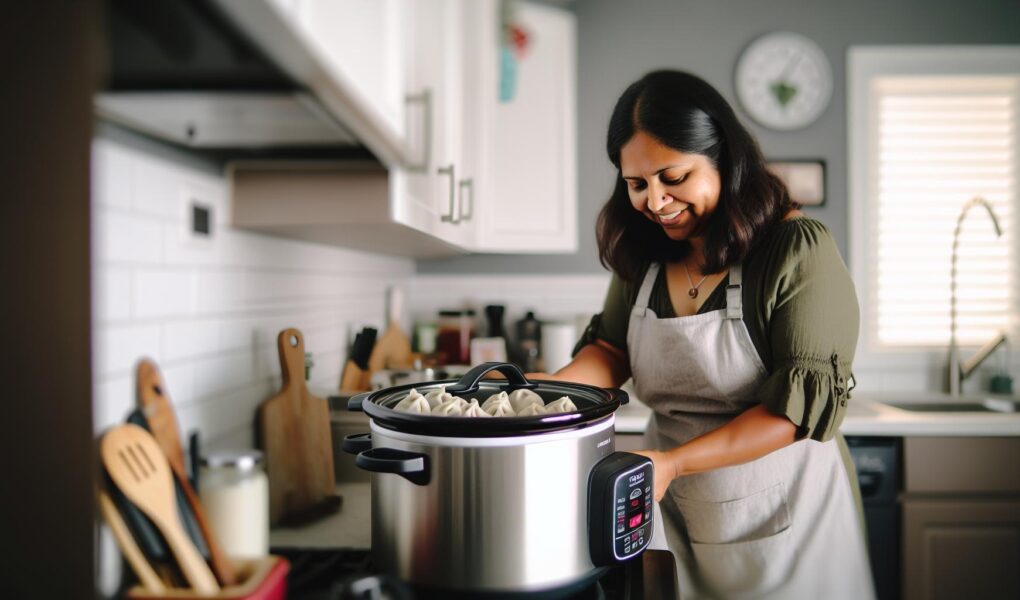
Did you know that cooking dumplings in a slow cooker on low heat can be a bit tricky if you want that perfect fluffy texture instead of a soggy mess? Whether you’re craving comforting chicken and dumplings or just love slow-simmered meals, getting the timing right matters big time. Slow cookers don’t always reach the high heat dumplings need to rise properly, so understanding exactly how long to cook them on low can save your dish-and your dinner plans. I’ve spent plenty of cozy evenings testing slow cooker tricks to help you nail that delicate balance: tender, flavorful dumplings with just the right puff, all without fuss or fancy gadgets. Stick around,and I’ll share practical tips and timing secrets that turn leftovers into Saturday night stars,no matter if you’re making classic comfort food or gluten-free swaps. As life’s busy, dinner shoudl be easy, joyful, and delicious-no soggy surprises allowed!
Table of Contents
- How to Perfectly Time Dumplings in a Slow Cooker on Low
- Choosing the Best Dumpling Dough for Slow Cooking
- step-by-Step Guide to Preparing Slow Cooker Dumplings
- Secrets to Fluffy Dumplings Without Getting Soggy
- Ideal Slow Cooker Settings and Temperature Tips
- Ingredient Swaps for Gluten-Free and Paleo Dumplings
- Common Dumpling Cooking Mistakes and How to Avoid them
- Creative Flavor Twists to Elevate Your Slow Cooker Dumplings
- How to Store and Reheat Slow Cooker Dumplings for Best Texture
- Troubleshooting Undercooked or Mushy dumplings Made Easy
- Faq
- Q: How long should dumplings cook in a slow cooker on low to stay fluffy, not soggy?
- Q: Can I add dry dumplings directly to the slow cooker or should I pre-cook them?
- Q: Why do dumplings sometimes turn soggy in the slow cooker, and how can I prevent it?
- Q: Is there a difference in cooking time for gluten-free dumplings in a slow cooker on low?
- Q: What slow cooker setting is best for cooking dumplings to fluffy perfection?
- Q: Can I freeze cooked slow cooker dumplings and reheat without losing fluffiness?
- Q: how does dumpling size affect cooking time in a slow cooker on low?
- Q: Can I stir slow cooker dumplings while cooking to keep them fluffy?
- Final Thoughts
How to Perfectly Time Dumplings in a Slow Cooker on Low
Getting the timing just right when cooking dumplings on low in a slow cooker is truly an art – and once you crack it, you’ll feel like a kitchen wizard serving pillows of fluffy comfort every time. The secret lies in understanding that dumplings are delicate creatures: too little cooking time and they’ll be doughy at the center; too much, and they turn soggy or start to disintegrate. When cooking on low, aim for a window of about 1 to 1.5 hours, but this is flexible depending on your dumpling size, dough type, and slow cooker model.
Here’s a tip from my own slow cooker escapades: after your stew or broth base has simmered gently for a few hours, drop the dumplings in and set the timer. Resist the urge to peek or stir frequently - it causes heat loss and can tear them apart. Dumplings love consistent, gentle heat; think of it like a spa day for dough rather than a hot yoga session. If your dumplings are large, add 10-15 extra minutes, but smaller or gluten-free dumplings often cook faster, so keep a watchful eye during that last stretch.
Signs Your Dumplings are Ready - Without a Kitchen Timer
- Look: The dumplings should puff up nicely, turning golden on top or having a slightly firm crust if you’re using biscuit dough.
- Feel: Lightly press the top with a spoon; they should spring back gently but feel cooked through, not doughy or sticky.
- Taste: A tiny nibble is the ultimate test-perfectly timed dumplings are tender and fully cooked inside but still fluffy and moist.
for gluten-free or paleo variations, keep in mind these flours can sometimes change cooking times slightly. As an example, almond- or coconut-based doughs might cook a bit faster, so start checking around the hour mark. if your slow cooker runs cool or varies in temperature, remember it never hurts to add 10 minutes here and there. The beauty of slow cookers is adaptability-just like slow-cooking a stew, dumplings usually forgive small timing errors better than high-heat baking.By treating your dumplings gently and trusting the slow cooker’s steady heat, you’ll get beautifully timed dumplings that float atop your dish like little clouds of cozy goodness. It’s all about patience and knowing your cooker’s quirks - once you get this down, your comfort food game is officially elevated to “slow cooker maestro” status.
Choosing the Best Dumpling Dough for Slow Cooking
Choosing the right dough for your slow cooker dumplings is like picking the perfect dance partner-it sets the rhythm for how fluffy, tender, or resilient your final bites will be. Classic biscuity doughs with all-purpose flour are the go-to because their gluten structure provides that lovely chew and rise, which stands up well to slow, gentle cooking. They puff up beautifully, creating soft, cloud-like dumplings that hold their shape without turning mushy after an hour or so on low heat.
If you’re venturing into gluten-free or paleo territory, don’t worry-delicious dumplings are still well within reach. These flours behave differently, generally lacking the stretchy protein network gluten gives; this means your dumplings might cook a tad faster and can be more delicate. for example, almond or coconut flour-based doughs often benefit from a bit of extra binder like xanthan gum or an extra egg to hold them together. Because these doughs tend to be denser, shaping smaller dumplings helps them cook evenly without becoming gummy or heavy. I’ve found starting the texture akin to a thick pancake batter works wonders-soft enough to drop gently into the slow cooker but firm enough to hold their shape.
Mixing It Up: Texture and Timing Tips
- For Classic Biscuits: Use a simple combo of flour, baking powder, salt, milk, and butter. The butter’s fat keeps the dumplings tender, and the baking powder gives that lovely rise.
- For Gluten-free Dumplings: Combine gluten-free flour blends with a bit of baking powder and xanthan gum for structure.almond flour pairs well here, but watch the liquid-these flours can absorb more moisture.
- For Paleo Variations: Use almond or coconut flours with eggs and a small amount of arrowroot or tapioca starch to mimic that stretchy effect.Keep them small and expect a slightly quicker cook time.
Here’s a little kitchen secret: no matter the dough, avoid overmixing. It’s tempting to make a super smooth batter,but with slow cooker dumplings,a lightly mixed dough retains just the right tender crumb. Also,if you want to save time,pre-made biscuit dough can be a lifesaver! Just cut it into little pieces and drop it in. It won’t be artisanal, but it’ll give you those comforting dumplings without the fuss-sometimes life calls for a delicious shortcut.
Trying new dough types can be a tasty adventure. Keep notes on how long each batch takes and how the texture turns out. Soon, you’ll have your own foolproof dough go-to, whether you’re craving traditional comfort or an allergy-kind twist that still delivers big on warmth and flavor. Happy slow-cooking!
step-by-Step Guide to Preparing Slow Cooker Dumplings
There’s something wonderfully satisfying about watching raw dough transform into fluffy, tender dumplings nestled on top of a bubbling slow cooker stew or soup. The secret is patience and a gentle hand-nobody wants soggy blobs or undercooked dough! Whether you’re working with classic biscuity dough or a gluten-free blend, slow cooker dumplings can be a delightful, no-fuss weeknight treat when done right.
Start by preparing your slow cooker base-think hearty chicken stew, creamy broth, or savory vegetables-all warmed and ready for the dumplings to cook right on top. The key is to wait until the slow cooker’s contents are fully hot and bubbling gently before adding your dough; this ensures the dumplings start cooking immediately and won’t soak in excess liquid.for low setting cooks, this usually takes about 3-4 hours depending on your slow cooker model.
Step-by-Step Dumpling Drop and Cook method
- Step 1: Prep Your Dough – Whip up your chosen dough per your recipe or convenience. I like to keep the batter a bit thicker than pancake batter-firm enough to hold shape but soft enough to spoon easily. For gluten-free or paleo doughs, a gentle mix ensures better texture and less gummy finish.
- Step 2: Scoop and Shape – Using a spoon or small ice cream scoop, drop dumplings gently on the simmering slow cooker surface. Keep them roughly the same size so they cook evenly-about 1 to 1.5 tablespoons of dough per dumpling is ideal for most diets.
- Step 3: Cover and Resist Peeking – Smushing with the lid is the ultimate dumpling fluffer-trap the steam to help cook through and rise. Avoid lifting the lid in the first 45 minutes to maintain consistent heat and moisture.
- Step 4: Cook Low and Slow – Let your dumplings quietly puff and set for about 60 to 90 minutes on low heat. For paleo or gluten-free versions, start checking closer to 45-60 minutes as they tend to cook a bit faster.
- Step 5: Check and Serve – Test dumplings with a toothpick or fork-it should come out clean, and the dumplings will feel springy but firm to the touch. If too wet or dense, give them another 15-20 minutes before calling it done.
Pro Tips for Foolproof Success
- Don’t Oversize Your Dumplings: Big dumplings can stay doughy in the center even after long cooking times.
- Avoid Stirring After adding: Dumplings need to “sit” to rise and cook properly.
- Use Butter or Fat in Dough: This adds tenderness and richness that slow cooking can sometimes sap.
- Experiment with Flavors: Add herbs like thyme or chives directly to your dough to echo your stew’s seasoning.
- Plan for Serving: Dumplings are best eaten fresh but store leftovers gently to prevent drying out or sogginess.
Treating the slow cooker as a gentle oven rather than just a simmer pot transforms dumplings into cozy bites of comfort food magic. Remember, timing varies based on dough type, size, and slow cooker wattage, so jot down what works best in your kitchen. With a bit of trial, you’ll master that fluffy, perfectly cooked dumpling that tastes like a hug in every spoonful. And honestly, isn’t that the point of slow cooking? Enjoy every cozy bite!
Secrets to Fluffy Dumplings Without Getting Soggy
Dumplings that are light and fluffy instead of soggy are the crown jewel of any slow cooker comfort meal. The magic lies in balancing moisture and cooking time-not as tricky as it sounds once you know the essentials. The slow cooker is a gentle environment, almost like a warm steam bath, which is perfect for softening dumplings without drying them out. But too much steam trapped inside or dough dropped too early in the cooking process can turn them into unappetizing mush. Here’s how to keep them pillowy with just the right amount of tender bounce.
The first trick is to add dumplings only when your slow cooker is fully hot and bubbling gently-usually after about 3-4 hours on low for stews or soups. Adding dough too early means the dumplings will sit in cooler liquid and soak up too much moisture before cooking, making them soggy little blobs. I like to think of it as their grand entrance: the slow cooker should be at peak simmer so your dumplings can set quickly, steam nicely, and rise properly without drowning in broth. Resist the urge to poke or stir once they’re in place-this disturbs the delicate surface and lets excess moisture in.
To further avoid sogginess, keep your dumpling dough on the thicker side-about the consistency of a thick pancake batter or soft cookie dough. Thicker dough holds together better and cooks from outside in, creating that soft-on-the-inside, slightly firm-on-the-outside texture we all crave. For paleo and gluten-free bakers, this means being gentle with mixing to avoid gummy textures; a few thoughtful tweaks to flour blends (like almond or tapioca) and fats can make a huge difference in both moisture absorption and taste. Speaking of fats, never shy away from adding butter or a good cooking fat to your dough-it boosts tenderness and helps create that fluffy texture slow cooking can sometimes flatten out.
- Seal in steam by tightly covering your slow cooker: A snug lid (sometimes with an extra layer of foil) traps the steam your dumplings need to puff up beautifully.
- Keep dumplings uniform in size: That way, they all finish cooking evenly without some smaller ones drying out or bigger ones turning gummy inside.
- Timing is everything: For gluten-free or paleo versions, start checking at 45 minutes as these variants frequently enough cook faster than traditional doughs.
- Let dumplings rest off the heat briefly: This helps them firm up slightly, reducing the risk of breaking apart or getting soggy once served.
Remember, slow cooker dumplings aren’t meant to be the fast food of your comfort meal but the slow, warm hug. If you get the timing right and respect the moisture dance going on inside that cooker, you’re guaranteed dumplings with that perfect fluffy texture and none of the soggy regrets.I’ve found that jotting down your slow cooker’s quirks-as yes, every model has it’s personality-makes future attempts even more foolproof. So get cozy, trust your slow cooker, and prepare to wow yourself with dumplings that taste like a little homemade love wrapped in fluff.
Ideal Slow Cooker Settings and Temperature Tips
A slow cooker isn’t just a set-it-and-forget-it appliance when it comes to dumplings; its temperament and temperature control are the secret sauce behind turning simple dough into fluffy little clouds that practically melt in your mouth. Cooking dumplings on low heat calls for a gentle, steady simmer-not a boil frenzy-to coax the dough into rising without turning soggy or gummy. The best advice? Let your slow cooker do its slow-steep magic, bringing your stew or soup to a proper simmer before inviting the dumplings to the party. This patience pays off big time with dumplings that cook evenly and fluff up just right.
Most slow cookers on the “low” setting hover around 190°F to 200°F (88°C to 93°C), which sounds perfect for dumplings-but here’s the kicker: every slow cooker is a diva in its own right. Some models may simmer a little lower, some hotter, and your dumplings can tell the difference! A good rule of thumb is to run your slow cooker on low for about 3 to 4 hours before adding the dumpling dough. Once you drop the dumplings in, keep the lid sealed tightly for steam retention, and cook for about 45 minutes to 1 hour, depending on the dough type.
- seal in the steam: the dumplings puff up beautifully by steaming gently in the enclosed moisture. Using an extra layer of foil beneath the lid can definitely help trap steam if your slow cooker tends to vent too much.
- Keep the lid on: Resist peek-a-boos.Lifting the lid releases precious steam and slows cooking, risking soggy, uneven dumplings.
- Uniform dumpling size is key: This ensures all pieces cook at the same rate, preventing some from drying out while others stay gummy inside.
Tailoring settings for Dietary Types & Dough Variations
Paleo and gluten-free doughs are like the cool kids-they often need slightly different attention because their unique flours absorb moisture differently and tend to cook faster. for those stylish alternatives, peek at your dumplings starting at around 40-45 minutes to avoid overcooking. My kitchen experiments showed me that these variations benefit enormously from the same gentle heat but a slightly shorter cook time. And don’t forget butter or cooking fats! They’re dumplings’ best friends, especially when gluten-free or paleo flours can dry out more easily.
Practical Temperature & Timing Cheat Sheet
| Slow Cooker Setting | Approximate Temp (°F / °C) | Recommended Dumpling Cook Time | Notes |
|---|---|---|---|
| Low | 190-200°F / 88-93°C | 45-60 minutes after liquid simmers | Ideal for traditional & thicker doughs; steady gentle steam |
| Medium/High | 225-250°F / 107-121°C | Not recommended-too aggressive; risk of soggy or overcooked dumplings | Better to avoid; dumplings may break or cook unevenly |
| Low (Gluten-Free/Paleo) | 190-200°F / 88-93°C | 40-50 minutes | Watch closely near 40 mins to avoid drying out or mushiness |
In my experience, dialing in on your own slow cooker’s quirks is half the fun. Yes, it’s good to start with these guidelines, but note how your model holds heat over time and how tightly it seals steam. If you notice dumplings sogging or drying, tweaking the cook time or adding that foil barrier under the lid can be a game-changer. The takeaway? Slow and steady wins the dumpling race, rewarding you with tender, fluffy bites every single time. Trust the process, embrace a little trial, and you’ll be a slow cooker dumpling pro before you know it.
Ingredient Swaps for Gluten-Free and Paleo Dumplings
Finding the perfect flour swap for gluten-free or paleo dumplings isn’t just about dodging gluten-it’s about capturing that pillowy, melt-in-your-mouth texture that makes dumplings so darn comforting. Gluten-free and paleo flours behave like their own quirky cast of characters: some absorb moisture faster, others need a little extra fat to stay tender, and a few can be a bit fragile under steam. But don’t worry, with a few simple ingredient switches and timing tweaks, you’ll be serving up dumplings that satisfy every craving-no compromise, just pure, cozy deliciousness.
For gluten-free dumplings,a blend of rice flour,tapioca starch,and a touch of xanthan gum often steals the show. Rice flour creates a nice structure, tapioca starch brings that stretchy, light elasticity, and xanthan gum acts like the friendly glue holding it all together.Often, these dumplings require a splash more butter or oil-this sneakily keeps them from drying out during that slow cooker simmer. I’ve found that slipping in a bit of Greek yogurt or sour cream can also boost tenderness and add a subtle tang that perks up the flavor. Remember, with these flours, aim to check dumplings for doneness around 40 to 50 minutes to avoid that dreaded overcooked mushiness.
Paleo dumplings get a bit more diva-like-usually relying on almond flour or coconut flour as the base, sometimes paired with arrowroot starch for lightness.Coconut flour is hungry for moisture, so you’ll want to up the liquids and fats a notch-think melted ghee or coconut oil. An egg or two is almost mandatory here to give structure and chew, which paleo flours lack on their own. Because these flours produce denser doughs, the cooking time is often a tad shorter, so keep a gentle eye from about the 40-minute mark to avoid drying. In my kitchen, I once swapped in a mix of cassava flour and tapioca starch and ended up with dumplings that were basically little pillows of paleo heaven-super tender and fluffy!
easy-to-Follow Gluten-Free & Paleo Dumpling Ingredient Swaps
- Traditional flour: Use a mix of 1 part rice flour + 1 part tapioca starch + ¼ tsp xanthan gum for gluten-free.
- Butter/Oil: add an extra 1-2 tablespoons of butter, ghee, or coconut oil to keep moisture locked in.
- eggs: Essential for paleo dumplings, typically 1-2 eggs, depending on batch size, for structure.
- Moisture boosters: Greek yogurt or sour cream add tenderness in gluten-free doughs; coconut milk or almond milk work well for paleo.
- Flour alternatives: Almond flour (paleo) works nicely but mix with arrowroot or tapioca starch for fluffiness.
If you’re juggling dietary needs but still crave comfort food vibes, the key is embracing that little extra fat and moisture boost these flours demand. It’s not a flaw-it’s just dumplings adapting to their new wardrobe! My best tip: prepare the dough a bit on the softer side than you’d normally expect, since these flours firm up during cooking. And don’t stress the lumps-in gluten-free dough especially,a bit of rustic charm isn’t a mess; it’s character.
Cooking-wise, toss your dumplings gently onto a bubbly but not boiling slow cooker stew, seal the lid tight (foil under the lid helps trap steam if yours vents a lot), and check in starting at 40 minutes. Fluffiness is just a steam session away-no soggy regrets here! With these swaps and tips, gluten-free and paleo slow cooker dumplings can be just as addictive as their wheat-filled cousins, turning any chilly day into a party of cozy, dreamy comfort.
Common Dumpling Cooking Mistakes and How to Avoid them
Cooking dumplings in a slow cooker on low heat is more art than science-and yes, it can sometimes feel like juggling a dozen delicate pillows of dough while trying to keep them fluffy and totally fail-proof. The good news? Most mishaps come down to a few common missteps that are totally avoidable once you know what to look out for. Imagine your dumplings as little divas: too much heat or moisture and they throw a soggy tantrum, too little time or dryness and they bounce off your spoon like rubber balls. Getting the timing, moisture, and dough consistency just right will have you serving up bowl after bowl of tender, cozy dumplings that practically melt in your mouth.One classic trap happens when dumplings get crowded in the slow cooker. Overcrowding means they steam unevenly, sticking together or cooking at different rates leading to some mushy and some underdone bites. Give your dumplings breathing room by dropping them gently and spaced apart over a simmering but not boiling stew or broth base. Another key is avoiding the temptation to peek too frequently enough. Every time you lift the lid, heat and steam escape, throwing off that gentle cooking environment essential to perfect texture. A good rule of thumb: trust the process for 40 minutes minimum and start checking for doneness only after that.
Don’t Overdo It on the Heat
Slow cookers vary, and low on one model might reach a simmer while another just gently bubbles. Dumplings hate a wild boil-it tears their tender edges and makes them soggy inside.To keep your dumplings luscious, opt for a slow, consistent simmer on low. If your slow cooker runs on the hotter side, consider cooking dumplings outside the cooker briefly or reducing overall cooking time. Remember, slow and steady wins the race-and your dumplings will thank you with fluffy clouds of comfort.
The Moisture Balancing Act
Dumplings need moisture to cook properly, but too much turns them into rubbery blobs. Ingredients like gluten-free and paleo flours can pull water out of the broth differently, so consistency adjustments help. Adding a little extra fat (butter,ghee,or oil) or a touch of dairy (Greek yogurt or coconut milk) can protect dumplings from drying or clumping,especially with non-traditional flours. Always check your stew or broth before adding dumplings-if it’s watery, try thickening with a modest slurry of arrowroot or tapioca starch. This creates a gentle seal on dumplings and helps hold their shape scrumptiously.
- Tip: Use a spoon or cookie scoop to create equally sized dumplings. Uniformity means even cooking every time!
- Avoid stirring after adding dumplings-let them rest and steam untouched.
- Use foil underneath the lid to help trap steam if your slow cooker lid vents heavily.
I remember once tossing dumplings into a bubbling broth that was just a tad too hot. Within minutes, the dumplings cracked, went mushy, and basically formed an unrecognizable doughy mess. A rapid rescue? Transfer gently to a new batch of cooled-down broth and reduce the heat. It’s okay to pause and adjust-slow cooker cooking loves patience over panic! With practice, you’ll quickly sense if your slow cooker needs a gentle nudge to perfect temperature or moisture management.
This balancing act of heat, moisture, and dough type is what separates ’meh’ dumplings from those that steal the show. Embrace these simple fixes, give yourself grace if the first round isn’t perfect, and soon you’ll master fluffy, tender slow cooker dumplings you can’t wait to make again-whether you’re gluten-free, paleo, or just a comfort food lover at heart.
Creative Flavor Twists to Elevate Your Slow Cooker Dumplings
Sometimes, the simplest dumpling recipe can transform into a showstopper with just the right splash of creativity. Adding bold flavors or unexpected ingredients not only surprises your taste buds but also helps these slow cooker dumplings stand out beyond the usual comfort-food classics.Whether you’re into paleo, gluten-free, or just love experimenting with tastes, introducing vibrant herbs, warming spices, or subtle umami notes can elevate your dish without extra fuss.
One of my favourite tricks? infusing the dumpling dough itself with herbs like fresh thyme,sage,or rosemary gives every bite a fragrant lift. For a paleo-friendly twist, mixing in finely chopped roasted garlic or shallots can add a mellow sweetness and depth without relying on heavy seasoning. And don’t hesitate to experiment with flavor-packed broths or bases-things like coconut milk with a dash of turmeric can turn your slow cooker chicken and dumplings into a creamy, golden delight that’s both soothing and exotic.
Smart Spice Swaps and Unexpected Add-Ins
Try swapping plain pepper for smoked paprika or a pinch of cumin to add warmth and complexity,especially in fall or winter recipes. For the gluten-free crowd, adding nutritional yeast inside the dough or broth gives a cheesy, savory note without dairy. A splash of lemon zest or a drizzle of chili oil right before serving can also awaken the flavors and create a layered experience. If you’re feeling adventurous, folding in finely diced sun-dried tomatoes or olives adds a Mediterranean vibe that pairs beautifully with heartier slow cooker meals.
- Herbs: Fresh rosemary, thyme, parsley, or chives mixed directly into the dough or sprinkled on top when serving.
- Spices: Smoked paprika, cumin, coriander, or even a touch of Chinese five-spice for an Asian-inspired take.
- Umami Boosters: Nutritional yeast, miso paste swirled into the broth, or a small splash of soy/tamari sauce for depth in both paleo and gluten-free versions.
- Brighteners: Lemon zest, finely chopped scallions, or a dollop of gremolata on the side.
- Texture Twists: Toasted nuts or seeds sprinkled on top after cooking for crunch contrast.
In my own kitchen experiments,adding fresh chopped basil and a little sun-dried tomato paste to the dumpling dough turned an ordinary chicken stew into an Italian-inspired cozy feast. The slow cooking melded the herbal notes with the rich broth, and the dumplings remained fluffy without any soggy disaster. What’s great is you can keep it all gluten-free or paleo by using the right flour swaps and fat sources-think cassava flour and ghee-which keeps those health-conscious friends as happy as everyone else. Remember, the secret to these flavor twists is balancing robust additions with the gentle cooking process of the slow cooker: too bold or too much moisture can cause dumplings to falter, so add your modifiers thoughtfully.
With just a handful of pantry staples and a bit of adventurous spirit, your slow cooker dumplings can become the superstar of the meal, delighting family and guests alike. So next time you prep your slow cooker, toss in a flavor twist or two-you’ll thank yourself when that first bite hits the spot just right.
How to Store and Reheat Slow Cooker Dumplings for Best Texture
If you’ve ever found leftover slow cooker dumplings turning into a gluey mess or drying out overnight, you’re not alone. Preserving that luscious fluffy texture while avoiding sogginess can be a bit tricky but totally doable with the right approach. The key is to cool them gently, store with moisture control in mind, and reheat carefully to revive that just-cooked magic without turning them chewy or mushy.
After your dumplings have cooked to perfection, let them cool slightly in the broth but avoid leaving them sitting too long on the countertop, as lingering steam can make them overly soft. For storage, transferring dumplings to an airtight container-ideally one designed for food storage with secure, vented lids-helps maintain freshness and prevents the dumplings from absorbing excess moisture or fridge odors. If you have space, I highly recommend layering parchment paper or paper towels between stacked dumplings to keep them from sticking together and to wick away any surface moisture, which is my secret to preserving texture on dumplings whether paleo, gluten-free, or classic wheat-based.
Smart Storage Tips for Dumpling Longevity
- Choose the right container: BPA-free polypropylene or glass containers with tight lids are perfect. They’re freezer safe too if you want longer storage.
- Cool before sealing: Let dumplings cool uncovered for about 20 minutes to release steam before placing the lid.
- Use moisture guards: layer a clean paper towel over dumplings inside the container; it soaks up excess moisture to avoid sogginess.
- Freeze in portions: Freeze dumplings separated on trays first, then bag or store-this prevents clumping and lets you reheat just what you need.
When it comes to reheating, patience is your friend. Quickly nuking frozen or refrigerated dumplings in the microwave can turn them gummy or dry. Instead,try reheating gently using a steaming method or in a hot broth. Here’s a quick method I do: add your leftover dumplings to a shallow pan with a splash of water or broth, cover loosely, and warm them over medium-low heat until just heated through. This method refreshes their softness without overcooking or rubbery edges-ideal for gluten-free or paleo flours that behave differently when reheated than conventional doughs.
Reheating Like a pro
- Steaming or stovetop: Place dumplings in a steamer basket,or simmer in broth with a lid on for 5-7 minutes until warm.
- Microwave shortcut: Place dumplings in a microwave-safe dish, add 1-2 tablespoons of water, cover with a damp paper towel, and heat for 2-3 minutes in short bursts, checking often.
- Oven revival: Spread dumplings on a baking sheet, mist lightly with water, cover with foil, and bake at 300°F (150°C) for 10-15 minutes.
Personally, I always store my slower cooker dumplings in clear, stackable plastic containers with locking lids-this keeps them organized and lets me eyeball leftovers easily. A quick toss with herb-infused broth before reheating always perks them up.My friend who’s strictly paleo swears by freezing individual portions wrapped in parchment and reheating gently in coconut broth – she says the dumplings bounce right back, fluffy and flavorful every time.
So whether your leftover dumplings are from a cozy weeknight stew, a gluten-free chicken batch, or a paleo veggie delight, these simple storage and reheating hacks will keep that tender, fluffy texture intact. Treat your dumplings with a little love after cooking, and they’ll return the favor with every bite. And hey, no shame in using freezer-friendly containers or quick reheating shortcuts-life’s busy and delicious food should never feel like a chore!
—
For more specialized storage containers built to keep dumplings fresh, check out stackable, vented options designed for freezing and microwaving on sites like Amazon-they’re a game changer if you make dumplings regularly [[1]](https://www.amazon.com/Dumpling-Container-Stackable-Microwave-Dumplings/dp/B0DY4P1K4V), [[3]](https://www.amazon.com/HOLIDYOYO-Preservation-Commercial-Refrigerator-transparent/dp/B0DMKM1PQJ). And if microwaving, a quick tip from Mei mei Dumplings: adding a little water and covering with a damp paper towel can replicate that steam effect and avoid drying out your dumplings [[2]](https://meimeidumplings.com/reheat). Give it a try and watch your leftovers transform!
Troubleshooting Undercooked or Mushy dumplings Made Easy
cooking dumplings in a slow cooker on low can feel a bit like a culinary tightrope walk-too little time, and you’re left picking at doughy middles; too long, and your fluffy pillows turn into mushy marshmallows. the good news? With a few dependable tricks, you’ll soon master the art of tender, fully cooked dumplings with just the right amount of bounce-no sogginess or gummy surprises necessary.
One common reason for undercooked dumplings is dropping them in too early or cooking them at too low a temperature. Slow cookers vary widely, so what’s ”low” on one might be different on another. Dumplings generally need about 1 to 2 hours on low to steam properly once added, depending on their size and dough type. If you find the dough is still raw inside after the cooking time, start checking for doneness around the 60-minute mark and use a toothpick or fork to test inside. Larger or gluten-free dumplings (which often contain less gluten and absorb more liquid) may need the upper end of that range or a gentle simmer in the broth after slow cooking to finish cooking through.
On the flip side, mushy dumplings often come from too much liquid or cooking them too long inside the slow cooker. Dumplings are like little sponges-they soak up broth and swell, which is great until they go overboard and fall apart. If your dumplings turn out gluey or soggy, it’s usually because they sat in hot broth for too long or there was extra moisture trapped (maybe from tightly covered lids). Try these fixes next time:
- Use thicker dough with a bit more flour or swap in a gluten-free blend that holds shape well (think tapioca or arrowroot starches combined with almond or coconut flour for paleo-friendly options).
- Add dumplings later in the cooking process-wait until the stew or chicken base is fully cooked and hot but not boiling, then gently drop in dumplings to steam for just the right time.
- Leave the lid slightly ajar during cooking after adding dumplings to prevent excess condensation dripping back into the pot.
- Don’t overcrowd: Dumplings need their space to expand and cook evenly-overstuffing the slow cooker can lead to inconsistent texture.
Quick Recovery Tips for Dumplings That Didn’t Cooperate
if your dumplings are a bit undercooked, no need to toss the whole pot. Simply transfer them, along with some broth, to a saucepan. Bring it to a gentle simmer on the stove and cook uncovered for 10-15 minutes, gently flipping dumplings once or twice to ensure even heat. This quick stove-top rescue often finishes the job without sacrificing texture.
For mushy or soggy dumplings,firming them back up is trickier but not impossible. You can try removing excess broth with a slotted spoon, then place dumplings on a paper towel-lined plate to absorb some moisture. Reheating them in a pan with a touch of oil or butter over medium heat can help dry the surface and add a slight crispness, turning a kitchen “oops” into a tasty, rustic twist!
Personal note: I once made a batch of gluten-free dumplings with a too-loose batter and ended up with a pot of thick, starchy mush. My fix? Whisking in an extra tablespoon of almond flour and simmering a little longer resulted in firmer dumplings that were surprisingly lovely-sometimes “mistakes” invite delicious creativity.
Simple Table: Rough dumpling Cooking Times in Slow Cooker on Low
| Dumpling Type | Approximate Cook Time | Texture Tip |
|---|---|---|
| Classic wheat flour | 60-90 minutes | Look for puffed, fully set dough; test center |
| gluten-free (almond/coconut blend) | 75-90 minutes | may require gentler simmer afterward for softness |
| Paleo starch-heavy (tapioca/arrowroot) | 70-90 minutes | Firm but elastic; avoid overcooking to prevent gummy |
Remember, cooking dumplings in a slow cooker is part science, part intuition-and always a lot of fun. When in doubt,hold back on adding the dumplings too early. Treat them like the delicate stars they are, and with a little practice, you’ll glide past undercooked or mushy mishaps to a perfectly fluffy, comforting bowl every time. Life’s too short for soggy dumplings!
Faq
Q: How long should dumplings cook in a slow cooker on low to stay fluffy, not soggy?
A: Dumplings should cook for about 2 to 2.5 hours on low in a slow cooker to stay fluffy and avoid sogginess. Cooking longer can cause them to absorb excess moisture and become mushy. For best results, add dumplings halfway through cooking to maintain texture. See our guide on slow cooker timing for fluffy dumplings.
Q: Can I add dry dumplings directly to the slow cooker or should I pre-cook them?
A: You can add dry or raw dumplings directly to the slow cooker without pre-cooking. Just place them gently on top of the stew or broth so they cook evenly over 2 hours on low. this method helps create soft yet fluffy dumplings without extra steps.Refer to our step-by-step slow cooker dumpling prep techniques.
Q: Why do dumplings sometimes turn soggy in the slow cooker, and how can I prevent it?
A: Dumplings get soggy when steamed too long or submerged fully in liquid. To avoid this, cook dumplings on top of the stew rather than soaked in broth, and add them last 1.5 to 2 hours of cooking. Using thicker dough and moderate moisture also helps keep them fluffy, as explained in our fluffiness secrets section.
Q: Is there a difference in cooking time for gluten-free dumplings in a slow cooker on low?
A: Yes, gluten-free dumplings often cook slightly faster, usually within 1.5 to 2 hours on low. they tend to absorb moisture differently, so check texture early to ensure fluffiness without sogginess. Our ingredient swaps guide covers adjustments for gluten-free and paleo doughs to perfect slow cooker timing.
Q: What slow cooker setting is best for cooking dumplings to fluffy perfection?
A: The low setting on slow cookers is ideal for dumplings; it gently cooks dough without breaking it down,preserving fluffiness. Avoid high heat, which can cause dumplings to get rubbery or soggy. For precise heat control,see our detailed slow cooker temperature tips and settings section.
Q: Can I freeze cooked slow cooker dumplings and reheat without losing fluffiness?
A: Yes, freeze cooked dumplings separately or in the stew. To reheat, thaw gently and warm in a steamer or microwave on low to preserve fluffiness. Avoid reheating in the slow cooker directly, which can make them soggy. Our storage and reheating tips section offers detailed guidance.
Q: how does dumpling size affect cooking time in a slow cooker on low?
A: Larger dumplings need about 30-45 minutes longer than small ones to cook through on low heat. Keeping them consistent in size ensures even cooking and avoids sogginess. For perfectly timed dumplings, refer to our slow cooker timing tips matched with dumpling size recommendations.
Q: Can I stir slow cooker dumplings while cooking to keep them fluffy?
A: It’s best not to stir dumplings while cooking,as this breaks their structure and leads to mushy texture. Gently placing dumplings on top and letting them cook undisturbed on low heat helps maintain their fluffiness.Check our troubleshooting guide for more texture-saving tips.
For more hands-on slow cooker dumpling tips, explore our full recipe collection and perfect your dumpling game with easy ingredient swaps and foolproof timing techniques!
Final Thoughts
Now you’re all set to enjoy perfectly fluffy, not soggy dumplings cooked low and slow in your crockpot-no guesswork needed! Whether you’re aiming for a cozy weeknight meal or prepping ahead, this easy slow cooker method (about 2-3 hours on low) fits right into your busy schedule. Remember, swapping classic flour dumplings for gluten-free or paleo-friendly flours keeps this recipe as inclusive as it is indeed comforting.
To keep the dinner inspiration flowing, check out our guides on Slow Cooker paleo Chicken Stew and Gluten-Free Dumpling Variations, where you’ll find more handy tips and tasty twists. Ready to master meal prep that feels like a hug in a bowl? Sign up for our newsletter below to get fresh recipes, quick hacks, and exclusive cooking shortcuts delivered straight to your inbox. Have questions or want to share your slow cooker dumpling success? Drop a comment-we love hearing from cooks who make comfort food easy and fun!
Keep exploring, experimenting, and savoring those slow-cooked dumplings-you’re just one click away from your next delicious kitchen win. This method is your foolproof path to tender, flavorful dumplings every time, perfect for anyone craving a warm, hassle-free meal.


