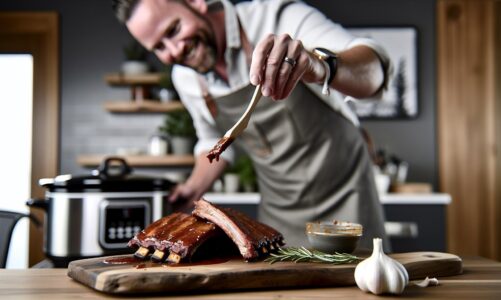
Did you know that slow cooking pork steaks can turn a budget-friendly cut into a melt-in-your-mouth dinner that feels gourmet? The secret? It’s all about the timing-cook too little, and they’re tough; cook too long, and they dry out. Getting that “just right” juicy texture in your slow cooker means balancing low-and-slow heat with enough seasoning and sauce to keep things tender and flavorful. Whether you’re gluten-free, paleo, or just a busy home cook craving comfort food without hassle, mastering the perfect slow cook time unlocks a fuss-free, flavorful meal you’ll want on repeat. Stick around, because I’ll share simple steps, quick tips, and personal tricks to help you nail pork steaks every time-no dry surprises, just juicy, flavorful bites that make dinner easy and downright satisfying.
Table of Contents
- Perfect Slow Cooker Times for Juicy Pork Steaks
- Choosing the Best Pork Steaks for Slow Cooking
- Prepping Pork Steaks: Tips for Maximum flavor and Tenderness
- Low vs. High Slow Cooker Settings: What Works Best?
- Essential Seasonings and Marinades for Slow Cooker Pork
- Step-by-Step Slow Cooker Pork Steaks Recipe for beginners
- How to Check Doneness and Avoid Overcooking
- Creative Sides and Sauces to Pair with Slow Cooker Pork Steaks
- Storing and Reheating Leftover Slow Cooker Pork Steaks
- Troubleshooting Common Slow Cooker Pork Steak Mistakes
- Frequently asked questions
- Q: How long should pork steaks rest after slow cooking for the juiciest results?
- Q: Can thicker pork steaks affect the slow cooker cooking time for juicy results?
- Q: What’s the best slow cooker temperature setting for juicy pork steaks without drying?
- Q: Can adding liquid to the slow cooker affect cooking time and juiciness of pork steaks?
- Q: How can I avoid overcooking pork steaks in a slow cooker to keep them tender and juicy?
- Q: Does using frozen pork steaks in a slow cooker change the cooking time for juicy results?
- Q: Why do some slow cooker pork steaks turn dry,and how can timing help fix this?
- Q: How does the cut of pork steak influence slow cooking time and juiciness?
- Concluding Remarks
Perfect Slow Cooker Times for Juicy Pork Steaks
Getting the timing just right when slow cooking pork steaks is a game-changer for juicy, tender results that practically melt in your mouth. unlike quick pan-frying, were you risk drying out the meat, the slow cooker lets the pork gently simmer to perfection, allowing connective tissues to break down and flavors to deepen. But too little time, and you’re left with chewy toughness; too much, and even pork can start to fall apart into mushy bits. The sweet spot? Usually between 3 to 5 hours on high heat or 6 to 8 hours on low heat, depending on steak thickness and your model’s power.
For a typical ¾ to 1-inch thick pork steak, patiently cooking on the low setting ensures even heat distribution and juicy tenderness. If you’re in a rush, high heat can get you there but requires careful watching to prevent overcooking. This method works well for cuts like shoulder or blade steaks, which thrive on low-and-slow to soften lean muscle and marbled fat alike. Remember, thinner cuts may need less time-starting to check around the 3-hour mark avoids surprises.
Tips for Timing Success
- Adjust for thickness: Thicker steaks (1-inch plus) typically benefit from longer cooking times, closer to 8 hours on low.
- Layer your ingredients: Place a bed of aromatics or vegetables under the pork to allow indirect heat that helps maintain moisture without overcooking the bottom layer.
- Don’t lift the lid too frequently enough: Each peek lets heat escape and can extend your cook time unnecessarily.
- Use a meat thermometer: Target an internal temperature of about 145°F (63°C) for safely cooked but still juicy pork steaks.
in my experience, starting with a little marinade or seasoning and removing the pork right as it reaches that tender stage makes weeknight dinners feel like Sunday feasts. And hey, if your model runs hot or cold, adjust your timing the next time-this is cooking, not rocket science! A perfectly timed slow cooker session leaves you with pork steaks full of flavor and texture, ready to impress without any fuss.
Choosing the Best Pork Steaks for Slow Cooking

Ever stood in front of the meat counter wondering which pork steak will give you that melt-in-your-mouth, slow cooker magic? Choosing the right cut is the frist step toward dinner nirvana – as not all pork steaks play nicely with long, slow cooks. As a general rule, pork steaks that have a good amount of marbling and connective tissue are your best friends here. Why? Those little streaks of fat and collagen break down during the slow cooking process, resulting in juicy, tender meat that falls apart without drying out.
The pork blade steak (sometimes labeled as pork shoulder steak) is a standout choice for slow cooking. it’s budget-friendly and packed with enough fat and connective tissue to shine when cooked low and slow. On the flip side, lean cuts like pork loin might turn out tougher and dry unless you guard them closely or cook at a lower temp for less time.Personally, if I’m aiming for easy, no-fuss slow cooker pork steaks, I reach for blade or shoulder cuts every time-because they soak up flavors beautifully and practically beg to be shredded or sliced juicy.
What to Look for When Shopping
- Thickness: Aim for steaks around ¾ to 1-inch thick. Thinner can dry out faster, thicker means a longer cook to get all that connective tissue cozy and tender.
- Freshness: Look for a nice pink-red color with white marbling. Avoid pale or overly dark cuts as they might affect flavor and texture.
- Packaging: Vacuum-sealed packs frequently enough keep moisture in,but if you buy in bulk or frozen,don’t be afraid to portion and freeze leftover steaks yourself to keep flavor fresh.
When life’s busy and shortcuts call your name, pre-seasoned or marinated pork steaks from the store can save time without sacrificing taste-slow cooking tends to amplify those flavors nicely. Plus, you can always add your own herbs, spices, or a splash of apple cider vinegar for that extra tangy punch.
To sum it up, picking a pork steak that’s naturally rich in fat and connective tissue makes your slow cooker’s job easier, yields better flavor absorption, and gets you a wonderfully tender, juicy meal without any complicated hacks. And honestly, that’s what makes slow cooker pork steak such an accessible weeknight hero-simple, satisfying, and full of soul.
Prepping Pork Steaks: Tips for Maximum flavor and Tenderness

Cooking pork steaks to juicy perfection isn’t just about slow cooker time-it starts long before you flip the lid on your crockpot. One of the best-kept secrets to a tender, flavorful pork steak lies in how you prep it. Think of it as setting the stage for a cozy slow-cooked dinner: a few thoughtful steps here,a little seasoning love there,and bam-you get a melt-in-your-mouth meal that doesn’t feel like it took hours to make.First off, don’t skip the dry rub or marinade. Even simple salt and pepper can work wonders, but adding layers of flavor makes all the difference. Personally, I love mixing smoked paprika, garlic powder, and a touch of brown sugar for a sweet-smoky combo that caramelizes beautifully as it cooks. If you’re short on time, tossing your pork steaks in a quick marinade with apple cider vinegar or lemon juice does double duty-it tenderizes the meat and amps up the tang. Let it hang out for at least 30 minutes, or even overnight if you plan ahead.Just remember that acidic marinades are like a little magic but can turn mushy if left too long, so play nice with timing.
Before the slow cooker meets your steak, I highly recommend searing the meat on a hot skillet for 2-3 minutes on each side.This step is a game-changer for flavor. That caramelized crust brings depth and richness to every bite, and it seals juices inside so the slow cooker doesn’t leach them out. Some days, I just toss everything in and call it a win-but trust me, the little bit of effort here always pays off. Plus, the pan drippings make the perfect base for sauces later on.
Simple Tips to maximize Tenderness and Flavor
- Pat Steaks Dry: Use paper towels to blot moisture off before seasoning. Wet meat won’t brown properly during searing.
- Use Room temperature Meat: Take steaks out of the fridge 20-30 minutes before cooking. This helps them cook evenly.
- Avoid Overcrowding: If prepping multiple steaks, cook them in batches in your hot skillet to get a good sear without steaming.
- Layer Your Flavors: Add fresh herbs like rosemary or thyme during slow cooking for a shining, aromatic finish.
- Consider a Light Brine: For extra juiciness, a quick saltwater soak (30 minutes to an hour) draws in moisture and seasons throughout.
I once skipped searing one too many times, and while the pork was tender, it lacked that “wow” factor. After adding the sear step, it took my slow cooker pork steaks from ”nice” to ”please pass the recipe!” So, if you want juicy, tender, full-flavored pork steaks without fuss, prepping right pays off big time. Plus, this prep works beautifully whether you keep things paleo, gluten-free, or just plain delicious. Slow cooking is forgiving-so have fun with it, experiment a bit, and enjoy that cozy home-cooked goodness.
Low vs. High Slow Cooker Settings: What Works Best?

Getting the temperature settings right on your slow cooker can feel a little like Goldilocks-too low, and your pork steaks might linger too long, drying out; too high, and they risk turning tough and chewy. Finding that just-right balance will make a world of difference for juicy, tender pork, especially when you might not be hovering over the pot the whole day. The good news? Slow cookers are forgiving appliances,and pork steaks respond beautifully whether you opt for low-and-slow or a quicker,high-heat finish-if you follow a few simple pointers.
When you set your slow cooker to low, you’re basically giving the pork steaks gentle heat that works to slowly break down connective tissues, rendering the meat tender without drying it out. This usually means cooking times of about 6 to 8 hours, perfect for a busy day at work or those lazy weekends when you want to prep in the morning and come home to a meal that’s basically done. Personally, I swear by the low setting when cooking pork steaks thicker than an inch or so-it lets the flavors develop fully and locks in juices, especially if you’ve given the meat a quick sear first (which you really don’t want to skip!). Also, the slower cook method helps melt any collagen and fat gently-what’s more comforting than pork that just flops off the fork like a dream?
Conversely, cranking your slow cooker to high can be a lifesaver when you need to get dinner on the table in under four hours. However, with pork steaks, the faster temperature ramp-up means you’ve got to watch the clock-and the moisture levels-more carefully. The risk here is that cooking too fast can sometimes cause the meat fibers to contract and squeeze out moisture prematurely, leaving you with slightly drier or chewier bites. But if you’re organized-sear the steaks well, add a good braising liquid, and avoid lifting the lid-you can still nail juicy pork in less time than a Netflix binge episode. It’s a trade-off of convenience versus that melt-in-your-mouth texture, but one that absolutely has a place on busy nights.
- quick Tip: If you start on high but notice the steak is cooking faster than expected (test with a fork), you can always switch down to low to finish gently without overcooking.
- Don’t rush the lid-lifting temptation: Opening the slow cooker wastes heat and prolongs cooking, especially crucial when on high.
- Add moisture: Whether low or high,keep a splash of broth,cider,or a marinade in the pot to help maintain juiciness.
| setting | typical Cooking Time | Best For | Potential Downsides |
|---|---|---|---|
| Low (190-200°F) | 6-8 hours | Thick pork steaks, max tenderness, rich flavor growth | Long cook time, requires planning |
| High (250-300°F) | 3-4 hours | Faster meals, thinner pork steaks, when short on time | Risk of drying out or overcooking if left too long |
Slow cooking is about freedom and flexibility, so don’t sweat perfection. One of my favorite tricks is to aim for low and slow most days but keep high mode in the back pocket for those surprise guests or when I forget to thaw meat overnight (hey, life happens!).Have confidence that your pork steaks will come out tender and tasty, especially when you give them a little pre-cooking love and keep an eye on moisture. Just think of your slow cooker as your patient sous-chef, simmering away while you earn bonus couch time.
Essential Seasonings and Marinades for Slow Cooker Pork

Pork steaks have this magical ability to soak up flavors during slow cooking,turning simple cuts into something mouth-wateringly delicious. The key to unlocking that juicy goodness lies not just in cooking times but also in what you rub or dunk them in before and during the slow cook. whether you’re a paleo aficionado avoiding sugar or just someone who loves a classic BBQ glaze, getting your seasonings and marinades right is easy and absolutely worth the little effort.
Simple Seasoning Basics for Maximum Flavor
Start with a well-balanced dry rub that complements pork without overwhelming its natural tenderness. Think salt, black pepper, garlic powder, and smoked paprika as your reliable everyday quartet. These staples work beautifully on thier own or as the foundation for more adventurous blends. Adding a pinch of cayenne or chili powder can gently wake up your taste buds without setting off a fire alarm. For those keeping it paleo and gluten-free, skip pre-made mixes and make your own to avoid hidden sugars and preservatives-plus, homemade blends mean you control the sodium and spice levels exactly how you like.
Marinades That Mean Business
Marinating is like giving your pork steaks a flavor hug before the slow cooker magic starts. A quick marinade can require as little as 30 minutes but leaving the meat overnight in the fridge amps up tenderness and depth significantly. Here’s a simple, crowd-pleasing example that’s paleo-friendly and gluten-free: combine apple cider vinegar, olive oil, minced garlic, a little Dijon mustard, fresh rosemary, and a touch of honey or maple syrup (optional for sweetness). The vinegar helps break down tough fibers while the herbs infuse aromatic complexity.
Worried about time? No judgment here-if you’re short on it, just brush the marinade on right before it hits the cooker; you’ll still get tasty results. Plus, that splash in the slow cooker adds moisture to prevent drying, especially if you cook on high.
- Pro Tip: Don’t be shy with acidity-citrus juices, vinegars, and mustards are your slow cooker BFFs for tender, juicy pork.
- Herbal notes: Fresh herbs like thyme, sage, and rosemary play beautifully with pork’s richness, mellowing out over the long cooking time.
- Sweet balance: A touch of natural sweetness via honey, maple, or fruit juices adds complexity without overpowering – a neat trick for paleo or Whole30-friendly meals.
Flavor Variations to Explore
If you want to shake things up a bit, try incorporating bold elements like smoked chipotle powder for a smoky kick or ground cumin with coriander for a subtle earthiness. Asian-inspired marinades with coconut aminos, garlic, ginger, and a splash of lime juice bring bright, vibrant flavors to your pork steaks. And if BBQ is your go-to, a mix of paprika, brown sugar (or coconut sugar for paleo), chili, and mustard powder simmers into comforting, finger-licking goodness as the pork slow cooks.
| Seasoning Type | Key Ingredients | Flavor Profile | Diet-Friendly Notes |
|---|---|---|---|
| Classic Dry Rub | Salt, black pepper, garlic powder, smoked paprika | Smoky, savory, peppery | Paleo & gluten-free; easy homemade mix |
| Herb & Vinegar Marinade | Apple cider vinegar, olive oil, rosemary, garlic, mustard | Bright, aromatic, tangy | Paleo-friendly; tenderizes meat |
| Asian-Inspired | Coconut aminos, ginger, garlic, lime | Umami, citrusy, fresh | Gluten-free; adds zing |
| Sweet & Smoky BBQ | Paprika, chili powder, brown/coconut sugar, mustard powder | Sweet, smoky, warming | Can be adapted paleo by swapping sugar |
Don’t stress if your pantry isn’t fully stocked-seasonings evolve with your taste buds and what’s on hand. And remember, slow cooking is forgiving. if you forget to marinate ahead, a quick dry rub plus a good splash of broth or marinade in the crock will still yield juicy, flavorful pork steaks that feel like a cozy hug after a long day. Just bring your favorite flavors to the party and let the slow cooker do the rest!
Step-by-Step Slow Cooker Pork Steaks Recipe for beginners

Pork steaks have a knack for turning from “meh” to mouthwatering when given the slow cooker treatment, but the right timing and approach can be a little elusive at first. Imagine coming home to fall-apart tender pork smelling like it’s been slow-cooked by a pro while you just kicked back all afternoon-that’s exactly what we’re aiming for. The great news? Slow cooking pork steaks is pretty forgiving, perfect for beginners who want maximum flavor and juicy results without fuss.
Gather Your Ingredients & Prep time
Before you get cozy with your slow cooker,gather simple staples: pork steaks (blade cut works beautifully for tenderness),a good dry rub or marinade based on what you’ve got,and maybe some onions or bell peppers to nestle around the meat for extra flavor and moisture. Prep time clocks in around 10-15 minutes, and the slow cooking itself will be anywhere between 4 to 6 hours depending on your setting choice and steak thickness. For paleo and gluten-free friends, swap any soy sauce-based ingredients for coconut aminos or tamari, and use natural sweeteners like honey or maple syrup.
Step-by-Step Magic for Juicy Pork Steaks
- Step 1: Pat your pork steaks dry and season them with your favorite dry rub or marinade. Don’t be shy-seasoning is where flavor blossoms!
- Step 2: Optional but recommended: quickly sear the steaks in a hot skillet for 1-2 minutes per side to lock in juices and add a gorgeous caramelized crust. This is the secret step that turns “slow cooker stew meat” into something special.
- Step 3: Place the pork steaks in the slow cooker. Add sliced onions, bell peppers, or garlic cloves around them for that aromatic comfort.
- Step 4: Pour in about 1/2 cup of liquid-broth, apple cider vinegar, or your marinade diluted slightly. This keeps the environment moist, preventing the pork from drying.
- Step 5: Set your slow cooker to LOW for 5-6 hours for that melt-in-your-mouth tenderness,or HIGH for 3-4 hours if you’re short on time. resist the urge to peek too frequently enough; slow cookers hold heat best when the lid stays put.
A Few Handy Tips From My Kitchen
I’ve found that searing steaks first makes a noticeable difference-not a must, but your taste buds will thank you. Also, don’t skip the liquid; even a splash is a game changer for juicy meat and a flavorful sauce base. And if you’re racing the clock, the HIGH setting works fine, but juicy texture peaks with longer LOW cooking. Using bone-in pork steaks adds subtle richness, but boneless can be just as fantastic with the right marinade.
| Cooking Setting | Suggested Time | Texture Result | Perfect For |
|---|---|---|---|
| Low | 5-6 hours | Ultra tender, juicy, effortlessly shreddable | Meal prep, weekend dinners, set-and-forget |
| High | 3-4 hours | Tender with slight chew-still delicious! | Busy weekdays, last-minute meals |
When your slow cooker signals “done,” let the pork rest in the juices for 10 minutes before serving to keep that moisture locked inside. You’ll get perfectly tender, juicy pork steaks every time with just a little patience and a sprinkle of love-easy enough for any beginner and adaptable for paleo/gluten-free lifestyles. So fire up that slow cooker and enjoy the magic of hands-off, slow-cooked deliciousness that tastes like you spent hours in the kitchen.
How to Check Doneness and Avoid Overcooking

Perfectly cooked pork steaks can feel like a magic trick-tender and juicy on the inside, never dry or tough. But how do you know when they’ve reached that sweet spot without overcooking? Slow cookers are wonderfully forgiving, but a little check-in goes a long way to avoid that sad rubbery texture. The great news is you don’t need to be a kitchen wizard or own fancy gear-just a few handy tips will keep your pork steaks in porky perfection.
trust Your Timer, But Don’t rely Solely on It
Slow cookers work on a range of heat settings and times, which is a blessing but can trick you if you leave them unattended too long. For pork steaks, the general go-to is 5-6 hours on LOW or 3-4 hours on HIGH. These ranges usually produce that melt-in-your-mouth tenderness most of us love. Because slow cookers vary in exact heat distribution, start checking around the minimum recommended time to avoid overcooking. Remember, once the pork hits the “done” zone, it won’t get any better, only drier if left too long.
Aim for Fall-Apart tender with a Quick Fork Test
One of the easiest ways to check doneness without slicing into the meat and losing precious juices is the classic fork test. Gently insert a fork into the thickest part of the steak and twist slightly. If the meat easily flakes or pulls apart, you’re golden. This indicates connective tissues have broken down fully,giving you that tender,juicy texture. If the steak still feels firm or resists pulling apart, give it some more time-30 minutes to an hour longer usually does the trick in a slow cooker.
- Quick Tip: If you see the fork sliding through but the meat isn’t shredding easily, you’re close. Just let it rest in the juices for 10 minutes outside the slow cooker to allow fibers to relax before slicing.
Use a Meat Thermometer for Confidence - but Don’t Obsess
For the thermometer fans, pork steaks are safe to eat at an internal temperature of 145°F (63°C) followed by a 3-minute rest. However,for slow cooker pork,an internal temp slightly above that-around 160-170°F (71-77°C)-means the collagen has softened further,making the meat tender and shreddable. If you don’t have a thermometer, don’t stress-it’s a nice-to-have, not a must.
Avoiding the Pitfalls of Overcooking
Since slow cookers hold heat so well, the biggest risk with pork steaks is leaving them in beyond their tender window. Overcooked pork can become dry or stringy, especially if you skip adding any liquid or fat. Always start with a splash of broth, marinade, or even apple cider vinegar diluted in water-this guards against drying out inside the sealed cooker. Also, resist the temptation to lift the lid frequently; every peek drops temperature and increases cooking time unpredictably.
In real talk, if you find your pork is edging into the “rubber band” territory, quickly shred it and stir it back into the cooking juices for a pulled-pork style dish-waste not, want not! Slow cooking is all about forgiving timing, so don’t sweat the small stuff too much.
| Doneness Indicator | What to Look For | Action |
|---|---|---|
| Fork Test | Meat easily flakes/pulls apart | Ready to serve or rest 10 minutes |
| Touch Test | Meat is tender with slight resistance | Give extra 30 min and test again |
| Thermometer | 145°F (safe), 160-170°F (tender) | Remove once temperature reached, let rest |
| Visual Clues | Juices run clear, meat looks moist | Indicates near or at doneness |
Checking doneness on slow cooker pork steaks doesn’t have to be a stressful guessing game. With a little practice, a fork, and maybe a thermometer, you’ll develop a sixth sense for that perfect, juicy finish.And trust me: with the right prep and a bit of patience, every bite will feel like a cozy, flavorful hug-gluten-free or paleo-friendly, and totally worth the wait.
Creative Sides and Sauces to Pair with Slow Cooker Pork Steaks

Pork steaks slow-cooked to tender perfection deserve sides and sauces that both complement and elevate their juicy, rich flavors. The beauty of slow cooker pork is its versatility-whether you lean paleo, gluten-free, or just crave pure comfort food, pairing it with the right accompaniments can turn a simple meal into a memorable feast. Think beyond the typical mashed potatoes or coleslaw; as you’ve already nailed the main event,your sides and sauces can bring contrasting textures and exciting flavors without fuss or extra heat.
Bright and fresh Sides to Balance Richness
Since slow cooker pork steaks tend to be rich and savory, fresh, crisp sides are ideal to cut through the heaviness and keep things lively on your plate. A quick mixed green salad tossed with a tangy vinaigrette or a zesty slaw made from shredded cabbage,carrots,and a splash of apple cider vinegar can do wonders. Roasted or grilled seasonal vegetables like asparagus, Brussels sprouts, or sweet butternut squash add a caramelized depth that pairs beautifully with the tender pork without overwhelming your palate.
Sauces That Bring It All Together - Easy, Flavor-Packed Ideas
Sauces are your chance to have a little fun and customize your pork steak experience. For a classic but foolproof approach, a smoky BBQ sauce-homemade or store-bought-works magically well and needs just a quick warm-up while the meat rests. If you prefer something lighter and more gourmet, try a fresh chimichurri or a simple salsa verde with herbs, garlic, and lemon zest; these brighten the plate and add a punch that’s paleo and gluten-free friendly.another personal favorite? A honey-mustard glaze gently warmed and drizzled over the pork at serving time. Sweet, sharp, and just sticky enough, it’s a crowd-pleaser that requires almost no prep.
Comfort Food Meets Practical prep
Sometimes, after a long day, you want something comforting but not complicated. That’s where easy slow cooker-friendly sides shine-think cauliflower “Mac” and Cheese for the paleo folks,or slow cooker greens with garlic and smoked paprika. Even simple rice or mashed sweet potatoes can be jazzed up with warm spices like cinnamon and nutmeg or by stirring in fresh herbs. These options are forgiving, quick to make in bulk, and keep your kitchen comfy without turning dinner prep into a marathon.
- Tip: Swap or pair your starches: cauliflower mash, quinoa, or even roasted root veggies keep the plate colorful and gluten-free while being satisfying.
- Quick Sauce Hack: Mix your slow cooker juices with a spoonful of Dijon mustard or coconut aminos, simmer briefly to thicken, and voila-instant pan sauce that feels gourmet.
- Vegetable Boost: Adding sautéed mushrooms or caramelized onions to your side dishes can echo the deep umami notes of slow-cooked pork, creating harmony in every bite.
serving slow cooker pork steaks with these thoughtfully chosen sides and sauces turns a simple meal into an experience – rich, balanced, and full of homey goodness without ever feeling fussy. Trust me, once you’ve got your favorite combos down, dinner becomes less about the clock and more about savoring every forkful.
Storing and Reheating Leftover Slow Cooker Pork Steaks

There’s something truly satisfying about slow cooker pork steaks that remain juicy and tender even after storing and reheating-if you do it right. Leftovers aren’t just a backup plan; they can be a highlight of your meal rotation. Properly storing your slow-cooked pork steaks locks in that luscious moisture and flavor, so each bite still feels like a treat days later. Plus, with the right reheating techniques, you avoid the dreaded dry, tough pork that no one wants to face.The first rule of leftover joy? Cool your pork steaks promptly-ideally within two hours of cooking-to keep them safe and fresh. Wrap them tightly in foil or place them in airtight containers to preserve those lovely juices. If you’re following a paleo or gluten-free lifestyle,this step keeps your meal clean and satisfying for future meals. Refrigerated leftovers will stay at their best for about 3 to 4 days. For longer storage, pop them in the freezer, where they’ll keep well for up to 3 months without sacrificing tenderness or flavor. Just remember to thaw them overnight in the fridge for even reheating.
Bringing Leftover Pork Steaks Back to Life
Reheating can be a tricky dance-too hot,and the pork dries out; too slow,and it just sits there,losing its charm. The best method? Reheat gently. oven warming at 275°F (135°C) wrapped in foil keeps the pork moist and tender, usually taking 15 to 20 minutes depending on thickness. If you’re in a hurry, the microwave can work, but I recommend adding a splash of broth or water and covering the pork loosely to create steam. This trick keeps it juicy and stops it from turning rubbery.
Another fan favorite is reheating pork steaks in a skillet with a splash of water or broth over medium-low heat.Cover the pan to trap steam and turn the steaks occasionally-this method mimics slow cooking and keeps that melt-in-your-mouth texture intact. plus, it’s quick and adds a little pan-charred flavor that can reignite leftovers beautifully. Remember, whatever reheating method you grab, avoid going beyond steaming hot-slow cooker pork steaks are best enjoyed tender and not overcooked!
Easy Extras to Boost Your Leftover Feast
Why stick to plain reheated pork when you can jazz it up effortlessly? Toss your reheated pork steaks over a fresh salad with lemon vinaigrette for a refreshing twist that balances richness. Or shred the leftovers and mix them with warmed paleo-friendly BBQ sauce for sandwiches or lettuce wraps that scream weekend comfort food. Even tossing the pork into a simple stir-fry with quick-sauteed veggies transforms your leftovers into a bright, fast meal.
- Tip: Use leftover slow cooker juices to make a quick pan sauce by simmering with Dijon mustard or coconut aminos.
- Storage Pro Tip: Avoid stacking hot pork steaks tightly when storing; give them space to cool evenly and prevent sogginess.
- Make-Ahead Hack: Portion leftovers into single servings before freezing-perfect for easy paleo or gluten-free lunches on busy days.
with these simple but savvy tips, your leftover slow cooker pork steaks will taste fresh, nourishing, and downright delicious-ready to brighten up even the busiest weeknight. after all, cooking doesn’t have to be perfect, but it should always be joyful and tasty.
Troubleshooting Common Slow Cooker Pork Steak Mistakes

Few things are more frustrating than eagerly anticipating tender, juicy pork steaks from the slow cooker-only to be greeted by dry, tough bites or rubbery texture. the magic of slow cooking hinges on timing, temperature, and the cut of meat, but even seasoned home cooks can stumble on common pitfalls. Luckily, these kitchen hiccups are totally fixable with a few tweaks and tips that keep your pork steaks juicy, flavorful, and melt-in-your-mouth tender every time.
One of the biggest slip-ups is cooking pork steaks too long or at too high a temperature, which squeezes out moisture and leaves the meat leathery. Remember, pork blade steaks have a good amount of connective tissue and fat that needs low-and-slow love to break down properly.Too high heat or rushing the cook time (like tossing frozen steaks straight in without adjusting) means the outside cooks faster than the inside can tenderize. My best advice is to stick to low heat settings and about 6 to 8 hours of cooking. If pressed for time, cook on high, but reduce the cooking window to 3-4 hours and check doneness early. Also, flipping steaks halfway through helps heat distribute evenly and prevents one side from drying out or sticking to the crock pot walls.
Another common snag is insufficient seasoning or skipping marinades that boost flavor and tenderness. Unlike quick grill or pan-fry methods, slow cooker pork benefits from bold aromatics, acids, and spices to penetrate the meat during the long cook. using a splash of apple cider vinegar, citrus juice, or coconut aminos not only brightens the dish but also helps break down muscle fibers. Fresh herbs (thyme, rosemary) paired with garlic and onions can turn basic pork steaks into something spectacular.If you prefer dry rubs, apply them generously before searing (optional but recommended) or before slow cooking-the rub forms a flavorful crust and seals in juices.
- Forgot to thaw? Pop frozen pork steaks in the slow cooker on low, but expect the cook time to extend by at least an hour and flip them midway to keep tenderness consistent.
- Overcrowded slow cooker? Give your pork steaks space! Crowding traps steam unevenly, making some pieces mushy and others dry.
- Flavor bland? Don’t skimp on the sauce - add a drizzle of bone broth or a spoonful of paleo-friendly BBQ sauce near the end to perk up flavors without adding empty calories.
Let’s talk texture: if your pork steaks come out stringy or too soft, chances are they cooked too long-even slow cooking isn’t a “set it and forget it” deal for much longer than necessary. Using a meat thermometer is your best friend here. Pork is safe at 145°F, but for tender steaks from tougher cuts, aim for 180-190°F internal temp to break down collagen nicely-but don’t let it creep beyond 200°F unless you want dry shredded pork. When in doubt, test early and often in the last hour of cooking.
Lastly,avoid the temptation to lift the lid too often. Slow cookers rely on trapped steam for moisture and even cooking, so every peek lets heat escape and extends cook time-keeping you stuck in the kitchen waiting for results.Instead, trust the slow cooker to do its thing and plan accordingly.
With these insights, you can tackle common slow cooker pork steak challenges with confidence. Whether you’re paleo, gluten-free, or just a fan of fuss-free meals, slow cooker pork is a versatile crowd-pleaser that’s easy to nail with a little patience and readiness. Now, go ahead-set it, forget it, and get ready for juicy pork steaks worth a second helping!
Quick Troubleshooting Checklist for juicy Slow Cooker Pork Steaks
| Issue | Likely Cause | Fix / Tip |
|---|---|---|
| Dry or tough pork | Cooked too long or too hot | Lower temp, reduce cook time, use thermometer to monitor doneness |
| Uneven cooking | Steaks crowded or not flipped | Space steaks out, flip halfway through cooking |
| Little flavor | Not enough seasonings or marinade | Use bold spices, acids, and herbs; marinate if possible |
| Rubbery texture | Started frozen without adjusting time, or lack of moisture | thaw before cooking or increase cook time; add broth or sauce |
| Slow cooker lid lifted too frequently enough | frequent heat loss prolonging cook time | Trust the cooker, avoid peeking unless necessary |
Frequently asked questions
Q: How long should pork steaks rest after slow cooking for the juiciest results?
A: Pork steaks should rest for 5 to 10 minutes after slow cooking to let the juices redistribute evenly. This helps retain moisture and enhances tenderness.Resting also makes slicing easier and prevents juice loss. Check our How to Check doneness section for more tips on perfect finishing.
Q: Can thicker pork steaks affect the slow cooker cooking time for juicy results?
A: Yes, thicker pork steaks require longer cooking times, usually 1 to 2 hours more on low. Adjust slow cooker time based on thickness to ensure the center is tender without drying out. For best results, check doneness using a meat thermometer or the methods in How to Check Doneness and Avoid Overcooking.
Q: What’s the best slow cooker temperature setting for juicy pork steaks without drying?
A: The low setting (around 190°F/88°C) is ideal for juicy pork steaks, cooking them gently over 6-8 hours.High heat risks overcooking and drying the meat. For detailed timing and setting guidance, see the Low vs. High Slow Cooker Settings section.
Q: Can adding liquid to the slow cooker affect cooking time and juiciness of pork steaks?
A: Adding about ½ to 1 cup of liquid (broth, apple juice, or marinade) helps keep pork steaks moist and tender. It usually does not significantly extend cooking time but prevents drying. For flavor tips, explore our Essential Seasonings and Marinades section.
Q: How can I avoid overcooking pork steaks in a slow cooker to keep them tender and juicy?
A: To prevent overcooking, follow the recommended time frames (typically 6-8 hours on low), avoid lifting the lid frequently, and use a meat thermometer to check for pork’s safe internal temperature of 145°F (63°C). See How to Check Doneness and Avoid Overcooking for easy steps.
Q: Does using frozen pork steaks in a slow cooker change the cooking time for juicy results?
A: Yes, cooking pork steaks from frozen increases time by about 1 to 2 hours. Slow cook on low to ensure gentle, even cooking and to maintain juiciness. For best texture, thaw steaks when possible before slow cooking following tips from Prepping pork Steaks.
Q: Why do some slow cooker pork steaks turn dry,and how can timing help fix this?
A: Pork steaks can dry out if cooked too long or at too high heat. Proper slow cooker timing-6 to 8 hours on low-is key to juicy results. Also, using marinades and resting meat after cooking prevents dryness. Tips on avoiding this are in our Troubleshooting Common Slow Cooker Pork Steak Mistakes section.
Q: How does the cut of pork steak influence slow cooking time and juiciness?
A: Different cuts,like blade or sirloin pork steaks,vary in fat and connective tissue. Cuts with more fat and marbling cook longer to become tender but yield juicier results. Adjust slow cooker times accordingly; see Choosing the Best Pork Steaks for Slow Cooking for detailed guidance.
Enjoy experimenting with these tips to perfect your slow cooker pork steaks! For detailed recipes and side pairings, check out our full article sections linked above.
Concluding Remarks
Ready to savor perfectly juicy pork steaks from your slow cooker? With just the right cook time and simple steps, you can enjoy tender, flavorful meals that fit your gluten-free or paleo lifestyle without fuss. don’t wait-grab your favorite pork cuts,set that slow cooker,and let the magic happen while you tackle your day.If you’re curious about flavorful marinades or want easy side dishes to pair with your pork steaks, check out our guides on Slow Cooker Marinade Ideas and Healthy Paleo Side Recipes for more inspiration. Need tips on ingredient swaps or kitchen tools that make cooking even simpler? We’ve got you covered, so take a peek at our Essential Slow Cooker Accessories.
Join our newsletter for fresh recipes and insider tricks that turn everyday cooking into a joy. Got questions or your own tasty tips? Drop a comment-sharing kitchen wins makes every meal better. Remember, perfect slow-cooked pork isn’t just a goal; it’s a delicious, doable part of your week. Let’s keep cooking together!