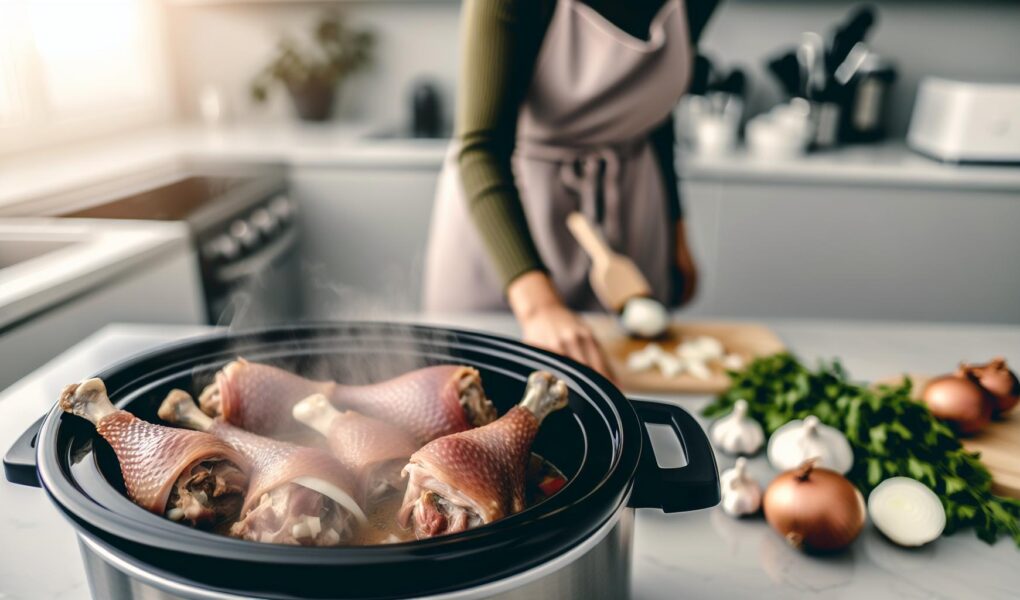
Did you know slow cooking turkey legs not only locks in flavor but also transforms them into tender, juicy comfort food with barely any effort? If you’ve ever struggled with tough turkey or guessed your way through cooking times, you’re not alone-and that’s exactly why knowing how long to cook turkey legs in a slow cooker until fork-tender matters. Whether you’re aiming for a cozy paleo or gluten-free meal, or just want a appetizing dinner that fits your busy schedule, mastering this timing is key. Stick around, because I’ll share practical tips, trusted cook times, and a few easy tricks to get perfectly tender turkey legs every single time-with minimal fuss and maximum flavor. Think of this as your no-stress guide to slow cooker success,turning big,intimidating turkey legs into a juicy,fall-off-the-bone feast even a busy home cook can be proud of.
Table of Contents
- Perfect Slow Cooker Times for Tender Turkey Legs
- choosing the Right Turkey Legs for Slow Cooking
- Step-by-Step Prep Tips for Juicy Turkey Legs
- Best Slow Cooker Settings for Fork-Tender Results
- Flavor Boosters: Marinades, Rubs, and Seasonings
- How to check If Turkey Legs Are Done Perfectly
- Quick fixes for Overcooked or Undercooked Turkey
- Healthy and Paleo-Friendly Slow Cooker Turkey Recipes
- Serving Ideas and Easy Side Dishes to Pair
- Storing and Reheating leftover Turkey Legs Safely
- Faq
- Q: How can I tell if turkey legs are fork-tender without overcooking in a slow cooker?
- Q: Does adding liquid affect how long turkey legs take to cook fork-tender in a slow cooker?
- Q: What’s the difference in cooking time for frozen versus thawed turkey legs in a slow cooker?
- Q: Can I speed up fork-tender turkey legs in a slow cooker without sacrificing texture?
- Q: How do skin-on vs. skinless turkey legs affect slow cooker times for fork-tender texture?
- Q: How frequently enough should I check turkey legs to avoid overcooking while achieving fork-tenderness?
- Q: Why do slow cooker turkey legs sometimes turn out tough despite long cooking times?
- Q: What side dishes pair best with fork-tender slow cooker turkey legs for paleo-friendly meals?
- In Summary
Perfect Slow Cooker Times for Tender Turkey Legs
Ther’s something undeniably satisfying about slow cooking turkey legs until they reach that perfect level of tenderness-where the meat practically falls off the bone with just a gentle tug of your fork. achieving this texture isn’t just about throwing turkey legs in the crockpot and hoping for the best; it’s about patience and timing. Depending on your slow cooker’s settings and the size of the turkey legs, the ideal cooking window typically falls between 6 to 8 hours on low heat or around 3 to 4 hours on high. The low-and-slow method is a magician’s trick here, allowing the connective tissue to break down beautifully, resulting in juicy, melt-in-your-mouth meat that’s well worth the wait.
If you’re like me and juggling life’s many demands, knowing the rough timing upfront helps turn this from a mysterious black box into a reliable go-to meal. For example, turkey legs weighing about 1 to 1.5 pounds each usually do great over 7 hours on low. Larger legs or denser meat might call for that extra hour or two. A nifty tip? After cooking, let the legs rest outside the slow cooker for about 10 minutes-carryover heat finishes the job and keeps juices locked in [1].
Slow Cooker Time Chart for Turkey Legs
| Cooking Temperature | Turkey Leg weight | Recommended Time |
|---|---|---|
| Low (around 200°F) | 1-1.5 lbs | 6-8 hours |
| Low | 1.5-2 lbs | 8-9 hours |
| High (around 300°F) | 1-1.5 lbs | 3-4 hours |
| High | 1.5-2 lbs | 4-5 hours |
Remember to factor in any extras like browned or marinated legs, which might slightly shorten cooking times as you’re adding extra flavor and possibly some moisture. And if your slow cooker tends to run hot or cool, it’s perfectly fine to check in early, just without constantly lifting the lid (which lets heat escape). A little wiggle room is part of the charm-not every turkey leg cooks exactly the same,and that’s okay. Slow cooking is about loving the process as much as the result[2].
Ultimately, slow cooker turkey legs invite you to trust the gentle simmer and savor anticipation. The payoff is tender, flavorful meat that feels effortless and special, making it a wonderful staple whether you’re prepping for a cozy family dinner or a meal prep win in your week. Cooking turkey legs low and slow is an easy way to bring big flavor and minimal fuss to your table-plus, it fits right in with paleo, gluten-free, and whole-food lifestyles without a second thought!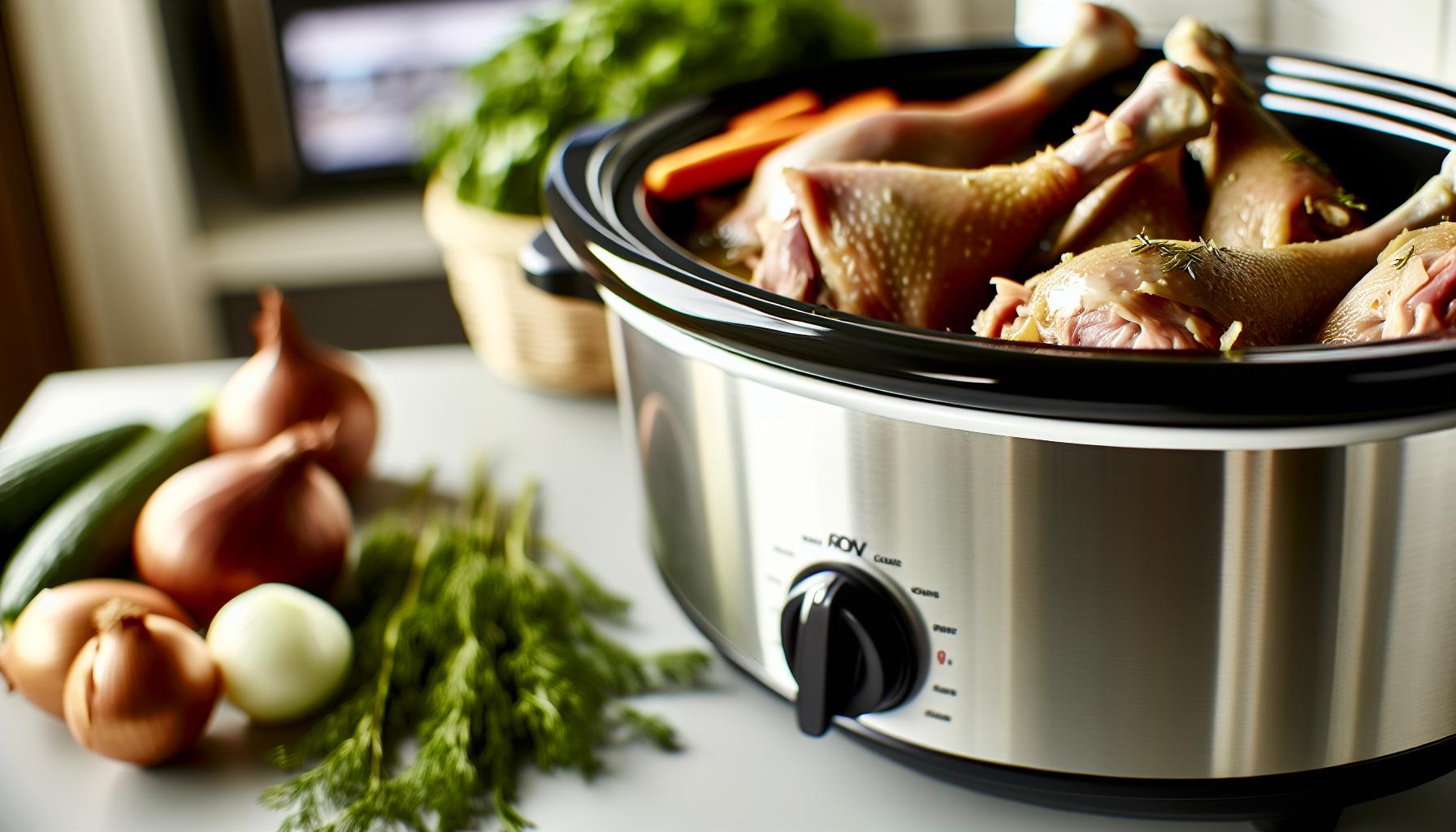
choosing the Right Turkey Legs for Slow Cooking
Choosing turkey legs that are just right for slow cooking can feel like a mini adventure-because not all turkey legs are created equal. The size, bone density, and freshness can dramatically affect your final dish’s texture and flavor. If you’re aiming for that tender, fork-falling-apart goodness (who isn’t?), start by picking turkey legs that are meaty yet not overly large.Legs that weigh between 1 to 1.5 pounds are ideal; they fit nicely in most slow cookers and allow for predictable cooking times, usually 6 to 8 hours on low or about 3 to 4 hours on high. Bigger legs can be used too, but they’ll need a bit longer to fully break down those connective tissues and render that luscious juiciness we all dream of.
Look for Freshness and Quality
Fresh turkey legs tend to hold moisture better and produce that satisfying melt-in-your-mouth texture as the meat is less likely to dry out during long cooking. If you’re shopping at a local butcher or farmer’s market, take a moment to ask about the source – pasture-raised or organic options often bring richer flavor profiles that shine even with simple seasoning. Frozen legs work too, but be sure to thaw them properly overnight in the fridge to keep things safe and even-cooking friendly. Trust me, it’s worth the wait!
bone-In for Maximum Flavor
One handy pro tip: always pick bone-in turkey legs when you plan to slow cook. The bone acts like a natural flavor conduit, enriching the meat and cooking liquid with deep, savory notes. It also helps keep the leg juicy and tender by conducting heat evenly and slowing down drying out. Plus, if you’re sharing stories around the dinner table, there’s something satisfying about gnawing a well-cooked turkey leg-it’s a nostalgic comfort food vibe that’s hard to beat.
Practical Size Guide for Easy Planning
| Turkey Leg Weight | estimated Cooking Time (Low) | Estimated Cooking Time (High) |
|---|---|---|
| 1 - 1.5 lbs | 6 – 8 hours | 3 – 4 hours |
| 1.5 - 2 lbs | 8 – 9 hours | 4 - 5 hours |
This swift lookup helps you take the guesswork out of meal prep. Bonus points if you give your turkey legs a little pat-down with paper towels before seasoning to remove extra moisture-this helps when you’re aiming for crispy, seasoned skin if you brown them before slow cooking.
Remember, the perfect turkey leg for slow cooking fits your schedule and your slow cooker’s capacity, so keep it cozy without overcrowding. Stack them tightly, and they’ll steam instead of slow roast, which can change texture and lengthen cooking times. Treat your slow cooker like a treasure chest rather than a jigsaw puzzle.
Whether you lean paleo, gluten-free, or just love a straightforward, soulful meal, nailing down the right turkey leg makes the whole slow cooking journey way more enjoyable-and the delicious payoff even sweeter. So, next time you grab turkey legs, give a little thought to size, source, and bone-in goodness.Your slow cooker will thank you!
Step-by-Step Prep Tips for Juicy Turkey Legs
You’re just a few simple prep steps away from juicy, tender turkey legs that practically fall off the bone - no fancy techniques required. One of the best parts about slow cooking turkey legs is how forgiving the process is, especially if you follow a few straightforward tips to lock in moisture and build rich flavor from the get-go. Think of it like giving your slow cooker the best possible starting line for a marathon of deliciousness.
Start with a Dry Surface for the Win
Before seasoning or tossing those legs into the slow cooker,give them a gentle but thorough pat-down with paper towels. Removing excess moisture upfront helps the skin get a bit of crispness if you choose to brown your legs first (totally optional but highly recommended). Plus, a dry surface means your rub or marinade sticks better and penetrates deeper during those long hours of cooking.
Season Generously, but thoughtfully
Salt is your best friend here – it helps draw in flavor and moisture, plus it tenderizes. Don’t be shy! Whether you’re keeping it simple with salt and pepper or going the full mile with herby rubs or smoky spice blends, apply seasoning evenly on all sides.If you can, let the turkey legs sit with the rub for 30 minutes to an hour before slow cooking; this gives the flavors some time to wake up and mingle. Got a busy schedule? No worries – even seasoning just before cooking works perfectly fine.
Browning for Extra Flavor Depth (Optional, but Oh-So Worth It)
If you want that beautiful golden crust and an extra layer of savory richness, take 5-10 minutes to sear the legs in a hot skillet with a little oil before they hit the slow cooker. It’s a small step that adds complexity without fuss. Just remember,this step is entirely optional and can be skipped if you’re short on time or prefer to keep things really simple.
Layering Liquids and Aromatics
Slow cooker magic often happens with moisture, so adding a flavorful liquid is key. Chicken broth, apple cider, or even a splash of white wine work wonders, helping to keep the meat tender and juicy. Toss in aromatics like garlic cloves, fresh herbs (thyme, rosemary), or onion wedges to infuse the cooking liquid with cozy, inviting notes. This background flavor seeps into the turkey leg meat,lifting the entire dish.
- Quick tip: avoid overcrowding the slow cooker to ensure even heat circulation – turkey legs packed like sardines tend to steam rather than roast gently, changing texture and taste.
- Pro prep move: use tongs to flip legs halfway through cooking if your slow cooker allows it; this promotes even cooking and flavor distribution.
At the end of the day, prepping turkey legs for slow cooking isn’t rocket science - it’s more like setting the table for a fantastic, relaxed dinner with friends or family. It’s about layering simple steps that build flavor and moisture so when you finally lift that lid,you’re greeted with sight,smell,and taste that’s all ”wow.” Whether you’re keeping it paleo, gluten-free, or just enjoying a hearty, comforting meal, these prep tips will help your turkey legs achieve that coveted fork-tender perfection every time. Enjoy cooking, and remember: easy doesn’t mean boring!
Best Slow Cooker Settings for Fork-Tender Results
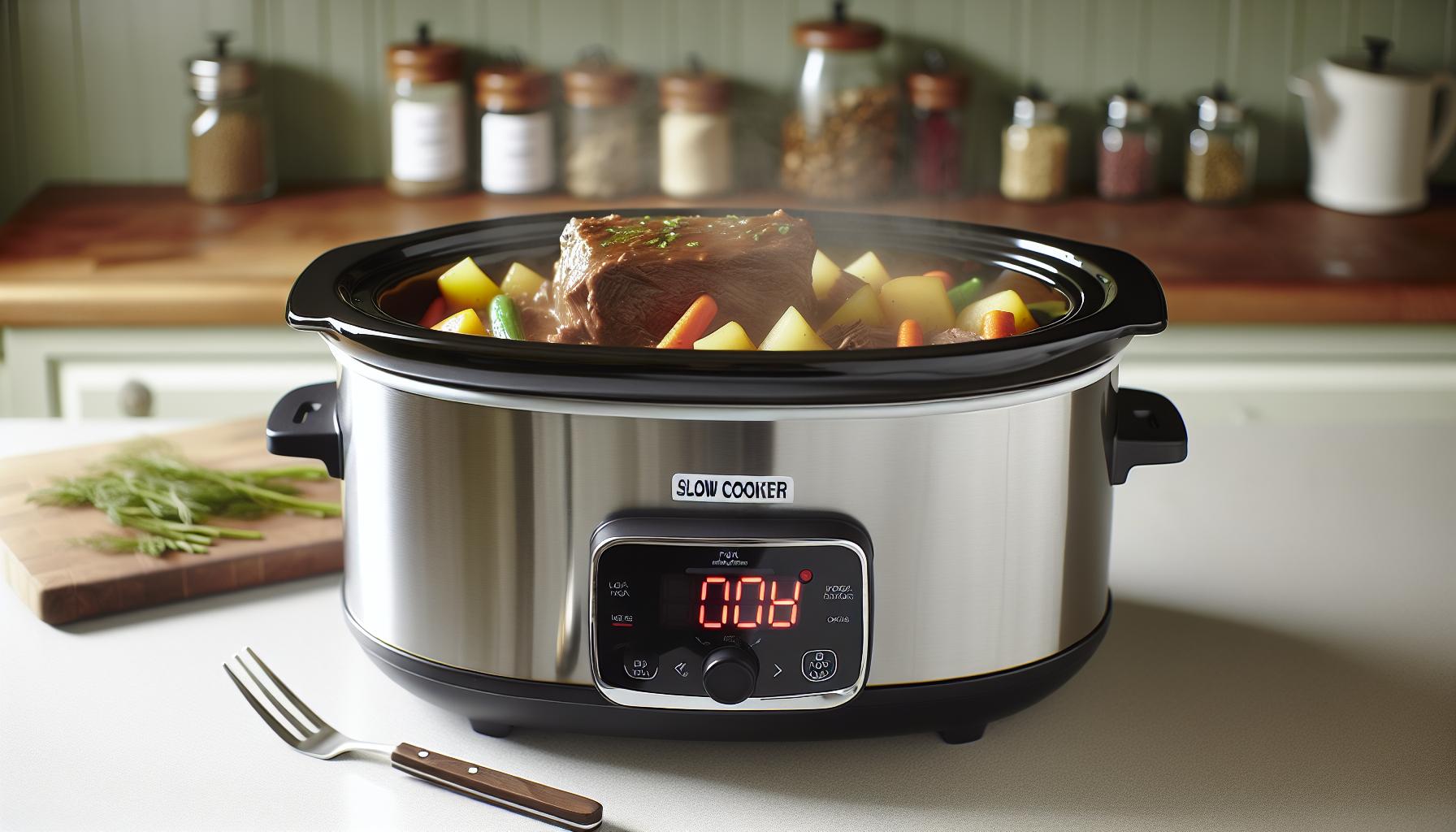
Turkey legs are famously forgiving when cooked low and slow,but dialing in the right slow cooker setting is the secret sauce to reaching that tender,fall-off-the-bone texture without drying them out.A key insight from many home cooks and recipe vets alike is that cooking turkey legs on low heat for a longer time reliably transforms tough connective tissue into buttery softness, allowing collagen to melt deliciously into the meat. Trust me, this slow-and-steady method is your best friend if you want juicy results every time.
On the other hand, if life’s too busy for an all-day marathon, high heat can do the trick in about 4 to 5 hours, but keep your eye on the slow cooker and test the tenderness early to avoid drying out the meat. My kitchen-tested go-to for paleo and gluten-free fans? Set your slow cooker to low and aim for about 6 to 8 hours. This window gives the flavors time to mingle, and you’ll get a rich, silky texture that’s perfect for shredding or serving straight from the bone.
Tips to Maximize Slow Cooker Magic
- Don’t crowd the pot: Leave enough breathing room so heat circulates evenly. Turkey legs packed in too tight will steam rather than braise, risking a mushy or rubbery texture.
- Use a lid: Slow cookers rely on trapped steam to create tender meat. resist the urge to lift the lid too often - every peek steals heat and adds to your cooking time.
- Flip halfway through: If you can, gently turn the legs about halfway through cooking. This little move encourages even cooking and ensures flavor from your seasoning or marinade is uniform.
- Liquids help: Add a splash of chicken broth, apple cider, or your favorite paleo-friendly cooking liquid to maintain moisture and infuse subtle aroma throughout the cook.
Here’s a simple cheat sheet to get you started on perfect timing:
| Slow Cooker Setting | Cook Time | Result |
|---|---|---|
| Low | 6-8 hours | Ultimate fork-tender, juicy, shred-ready turkey legs |
| High | 4-5 hours | Good tenderness, faster, but watch for dryness |
Remember, every slow cooker model runs just a little differently and your turkey leg size will affect cooking time too. It pays to check for tenderness about 30 minutes before your target finish time. Use a fork to test-the meat shoudl slide off easily, but still have a bit of juicy firmness.
Slow cooking turkey legs is like magic in a pot-set and forget, with surprisingly delicious results that highlight the natural flavors and texture of this budget-friendly, protein-packed superstar. Whether you’re cooking for a paleo feast or a cozy gluten-free dinner, adjusting these settings with these straightforward tips will have you celebrating juicy, fork-tender turkey legs as your new slow cooker signature dish.
Flavor Boosters: Marinades, Rubs, and Seasonings
Imagine your slow cooker is a flavor spa, and those turkey legs are about to bathe in a rich, aromatic soak that transforms every bite into a festivity of taste and tenderness. While slow cooking does the heavy lifting with texture, the real magic happens before you hit start. A thoughtfully chosen marinade or a bold rub can turn ordinary turkey legs into the star of any meal. Plus, these flavor boosters aren’t just about taste; they add moisture, tenderize the meat, and help infuse subtle layers of savory goodness throughout those long, slow hours.
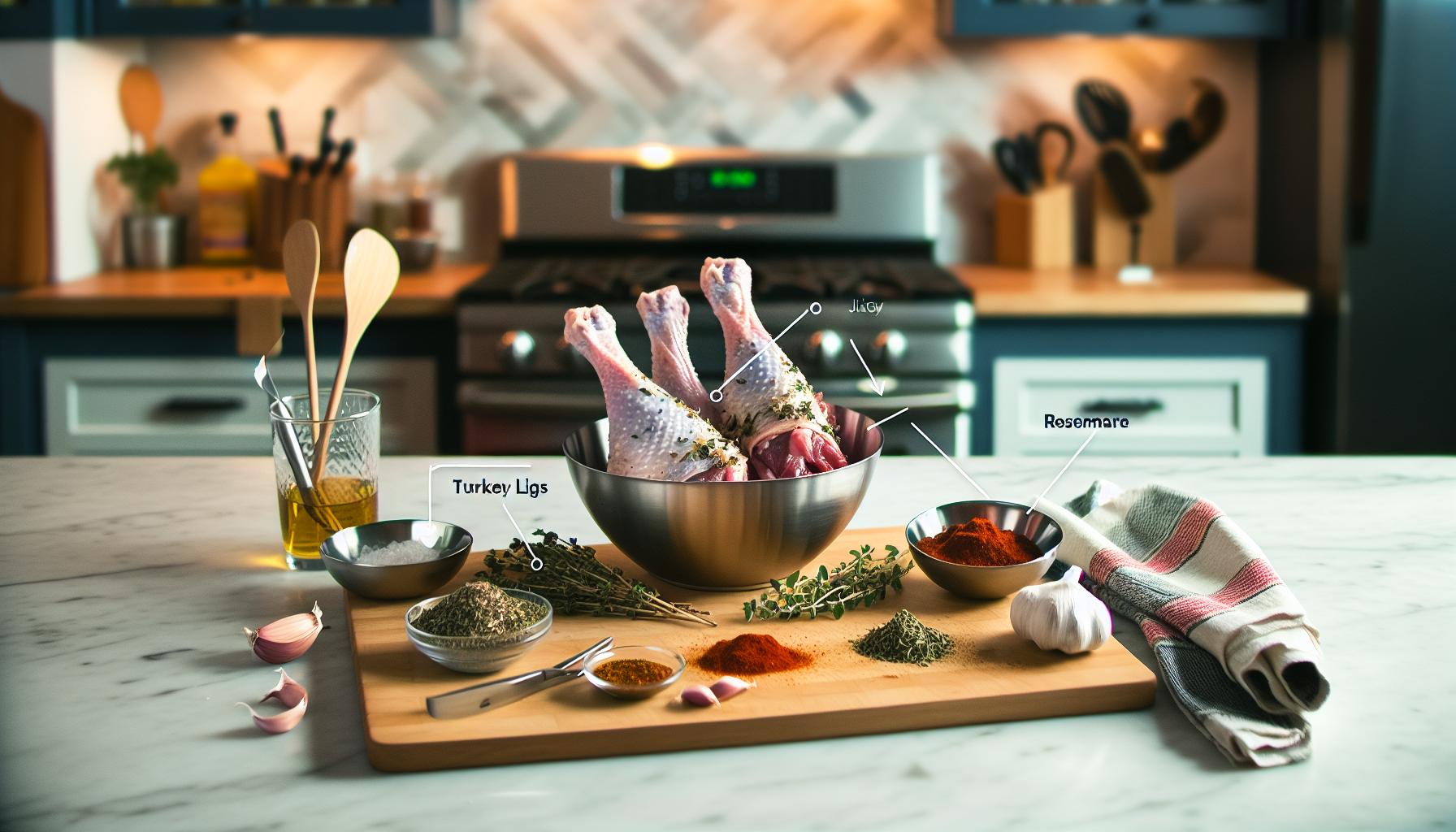
When it comes to paleo and gluten-free kitchens, simple ingredients shine brightest. Think fresh herbs like rosemary, thyme, and sage teamed with garlic and lemon zest for zesty brightness. A splash of apple cider vinegar or citrus juice works wonders as a marinade base - not only do they enhance flavor, but thier mild acidity helps break down tough fibers, speeding up tenderness. For those who love a bit of warmth, smoked paprika, cumin, or a hint of chipotle powder bring cozy, smoky notes that meld beautifully with rich turkey meat.
How to Build a Quick & Effective Marinade
- Start with an acid: Lemon juice,apple cider vinegar,or even a splash of balsamic vinegar (paleo-friendly versions abound) are great choices.
- Add heartiness: Olive oil or avocado oil coats the meat and helps distribute spices evenly.
- Season boldly: Fresh or dried herbs, garlic, salt, pepper, and a little honey or maple syrup to balance acidity and create a caramelized glaze during cooking.
- Optional spice: Red pepper flakes or smoked paprika add warmth and a subtle kick without overpowering delicate turkey flavors.
Marinate for at least 2 hours, but if you’re short on time, even 30 minutes will impress. don’t worry about strict timing here-this isn’t a chemistry lab. A quick toss in a bowl or bag will coat those legs well enough to soak up flavor as they slow cook.
Dry Rubs: The shortcut to Flavor-Packed Turkey Legs
Dry rubs are my lazy-but-brilliant friends. They require zero fridge time, meaning you can prep turkey legs minutes before placing them in the slow cooker. My go-to rub includes garlic powder, smoked paprika, kosher salt, black pepper, and a pinch of ground coriander or cumin. Rub it on generously, then toss the legs right into the pot. The slow cooker will cozy up to this blend, marrying spices and meat in a way that’s nothing short of mouthwatering. For an extra twist, tuck in some fresh herbs with the legs or add a dash of liquid smoke to your cooking liquid.
Pro tip: If you’re cooking more than a couple of legs, consider doubling the rub mix-store leftovers in an airtight jar for next week’s magic batch.
Even when life’s hectic and shortcuts call,these flavor boosters make it easy to impress guests or treat yourself to a comforting paleo-friendly feast without hours of fuss. Remember, great seasoning is all about balance and letting ingredients do the heavy lifting. Your slow cooker is patient - so get those flavors in early, and let the magic happen while you handle everything else.[2]
[1]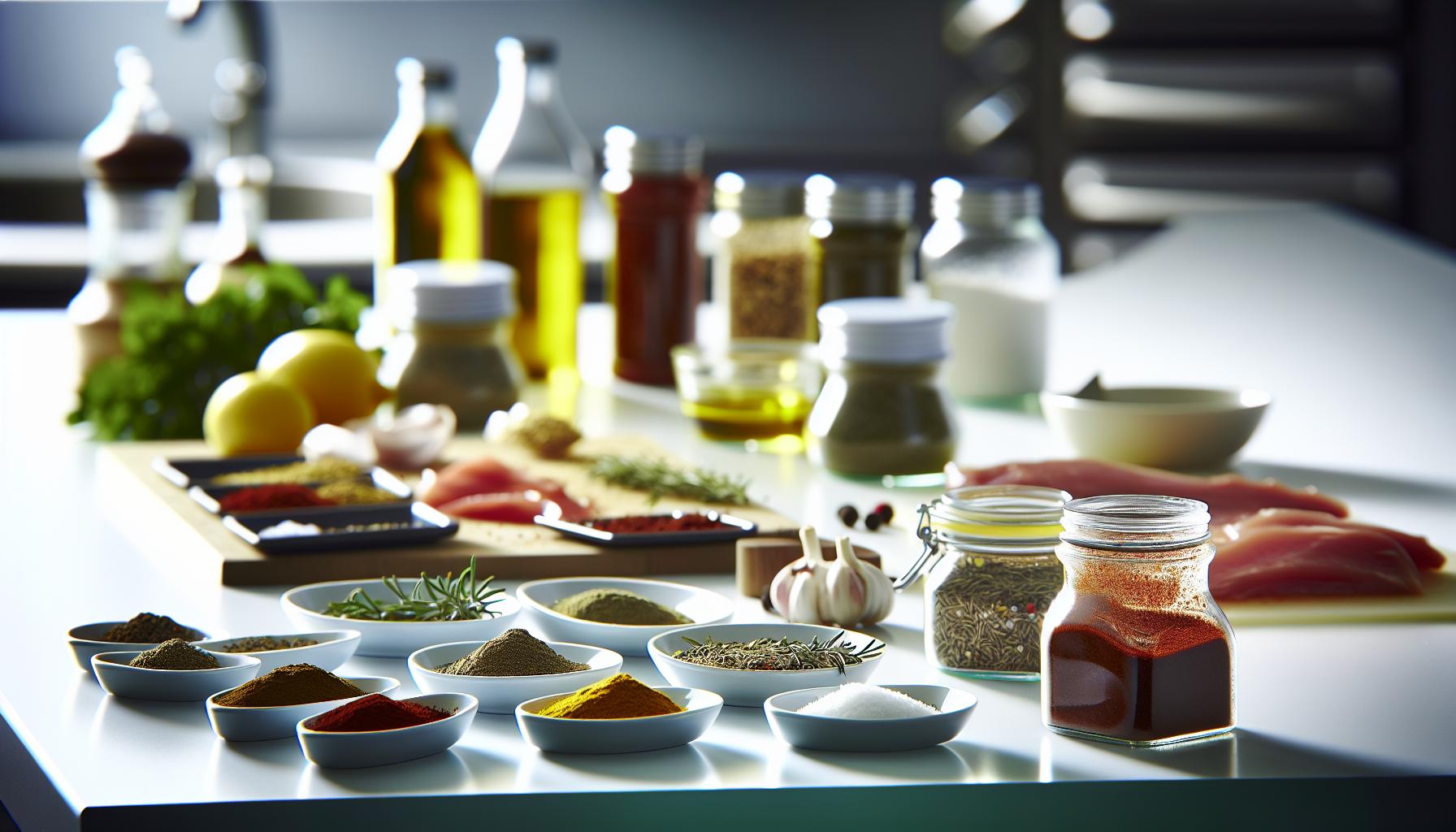
How to check If Turkey Legs Are Done Perfectly
Turkey legs slow-cooked to tender perfection feel like a little kitchen victory every time you lift that lid.But how do you know when your turkey legs have reached that dreamy fork-tender stage without over- or under-cooking? Thankfully, there are simple, foolproof cues to guide you – no guessing games or long waits required.
At the heart of it all is texture. When fully done, turkey legs will feel very tender and juicy, with the meat easily pulling away from the bone without much effort. You can do a quick fork test: gently insert a fork into the thickest part of the leg and twist slightly. If the meat yields easily and starts separating from the bone, you’ve hit the jackpot. If you have to tug or pry hard, it needs more time. If it’s falling apart too readily and dry, it’s likely overcooked – but more on rescue tips later!
While texture is key, internal temperature remains the gold standard for safety and doneness. Use a trusty instant-read thermometer to check that the thickest part of the turkey leg reads at least 165°F (74°C), which is the USDA recommended safe temperature. If it’s just shy of that, give it a bit more time on low. Slow cookers vary, and turkey sizes differ, so this extra check can save you from any worries about undercooked poultry [2].
Signs Your Turkey Legs Are Perfectly Done
- Fork Tender Test: Meat easily pulls away from the bone without resistance.
- Visual Clues: Meat looks moist and slightly pulling from the bone ends; juices run clear, not pink or bloody.
- thermometer Check: Internal temp hits at least 165°F (74°C).
From my kitchen adventures,patience is your best ally. Most turkey legs reach perfection after about 6 to 8 hours on low, depending on size and your slow cooker’s quirks. I often peek after 5 hours and then every half hour,using the fork and temp test - it’s hands-on but rewarding. And hey, if a turkey leg is a bit hangry and stubborn, bouncing back to the crockpot for 30 more minutes usually does the trick.
Knowing how to read your bird means you can trust the process and enjoy the journey from raw to richly flavored, silky-soft turkey legs. Plus, you get to brag about having mastered the slow cooker like a pro-without ever opening the oven!
Quick fixes for Overcooked or Undercooked Turkey
Cooking turkey legs in the slow cooker is usually foolproof, but every so often, a leg may end up a bit too chewy or, on the flip side, a bit too dry and falling apart. Don’t fret-rescuing your slow cooker turkey legs is totally doable and often just a few smart tweaks away. Think of it like giving your dish a little TLC to bring back that juicy, tender magic that makes paleo and gluten-free meals so satisfying.
If your turkey legs show resistance to the fork test-the meat feels tough and sticks stubbornly to the bone-it’s likely undercooked.The good news? Slow cookers are forgiving, so simply pop them back in on low heat and add a splash of liquid like chicken broth, water, or even a bit of apple cider for a hint of sweetness. This extra moisture encourages tenderness while preventing drying out. Check every 30 minutes after the initial cook time to avoid overdoing it. Sometimes, swapping slow cooking for a brief oven finish-wrap the turkey legs tightly in foil and bake at 300°F (150°C) for 20-30 minutes-can coax the meat to become even more tender.
But what if your turkey legs went a smidge too far and turned dry or stringy? No worries. One of my favorite tricks is to shred the meat and gently reheat it in a warm sauce or broth-based soup. Adding a rich mushroom gravy or an herby bone broth instantly adds moisture and flavor back, making the turkey perfect for stuffing into lettuce wraps, paleo-friendly tacos, or a cozy bowl of paleo “chicken” noodle soup. This way, even “overcooked” turkey legs get a second life as a delicious new meal without a hint of waste.
- Add Moisture: For undercooked meat, introduce extra broth or liquid and extend slow cooking in 30-minute increments.
- Try the Oven Finish: Seal turkey legs in foil and bake to evenly tenderize without drying out.
- Shred and Sauced: Rescue dry, overcooked legs by shredding and warming in gravy, broth, or paleo-friendly sauces.
Cooking in a slow cooker isn’t always about perfection on the first go-it’s about adapting. The next time your turkey legs need a minute (or a little love) more or less, you’ll have a handful of practical options to bring that fork-tender, flavor-packed poultry back to life.Because food joy isn’t about flawless timing; it’s about flavor,texture,and enjoying every bite with zero stress.
Healthy and Paleo-Friendly Slow Cooker Turkey Recipes
Turkey legs in the slow cooker are an absolute game-changer when you’re aiming for meals that are both hearty and health-conscious. What I love most about slow cooking turkey legs for paleo and gluten-free diets is how effortlessly the meat turns tender and flavorful without needing fancy ingredients or complicated steps. Plus, slow cookers do the heavy lifting, making this a perfect busy-day savior. Whether you’re prepping for a cozy weeknight dinner or batch-cooking for the week,turkey legs can be the star protein that fits your paleo lifestyle and keeps things simple in the kitchen.
One thing to keep in mind is the cook time. For ^fork-tender turkey legs,^ you’re looking at about 4 to 5 hours on HIGH or 8 hours on LOW,depending on your slow cooker’s heat settings and the size of the legs [[[[[1]](https://www.youtube.com/watch?v=KiSIXhxl0Tk). Starting your prep with a quick seasoning of sea salt, fresh cracked pepper, and a brush of olive oil adds savory notes while keeping the ingredients paleo-friendly. If you want to get a bit creative without adding sugars or processed elements,toss in some fresh herbs like rosemary or thyme and aromatics such as garlic and onion-these aromatics help build layers of flavor while keeping it clean.
Simple Steps for Flavorful Paleo Turkey Legs
- Season well: Salt and pepper do wonders. Don’t be shy, as slow cooking mellows the seasoning.
- Add liquid smartly: Use bone broth or filtered water to keep the turkey moist but avoid drowning out flavor.
- Boost flavors naturally: Toss in lemon zest or a splash of apple cider vinegar for subtle zing without sugar crashes.
I once experimented layering some sliced sweet potatoes and baby carrots beneath the turkey legs, which steamed perfectly while the turkey slow-cooked above. This one-pot paleo meal not only saves time but boosts nutrition and makes clean-eating super approachable. for anyone short on time, prepping these veggies a day ahead and just stacking them in your slow cooker cooks evenly alongside the turkey. Plus, the natural juices from the turkey infuse the veggies, making for a comforting, whole-food plate that nourishes body and soul.
Healthy Substitutions and Practical Tips
| Ingredient | Paleo-Friendly Substitute | why It Works |
|---|---|---|
| Chicken broth (store-bought, non-organic) | Homemade bone broth or filtered water with herbs | Reduces additives and maintains mineral-rich, clean flavor |
| Regular salt | Himalayan pink salt or sea salt | Mineral-rich options offer subtle differences in flavor |
| Butter or margarine | Ghee or avocado oil | Healthy fats aligned with paleo and easy on digestion |
No matter how you season or what mix-ins you choose, the secret weapon is always patience with slow cooking. Your rewards appear when the meat pulls away easily from the bone - that’s when you know you’ve cooked it to paleo-perfect tenderness.
remember, this isn’t about rigid rules but enjoying food that makes you feel good inside *and* tastes fantastic. Slow cooker turkey legs come through as a dependable paleo protein if you keep things simple,add seasoning you love,and give the magic of slow time to let flavors meld. Keep a trusty slow cooker at hand, and this versatile recipe will turn regular nights into memorable, nourishing feasts.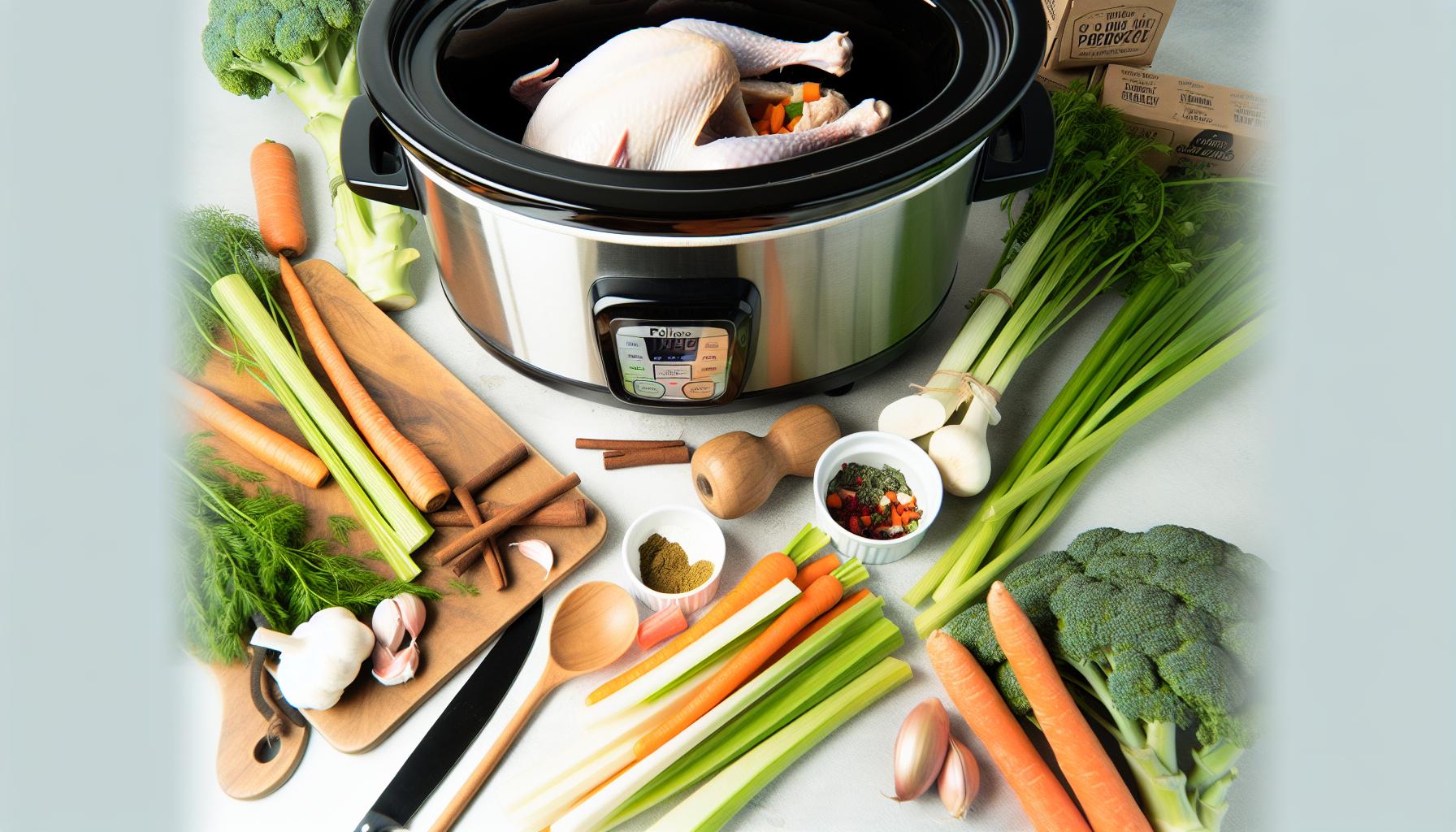
Serving Ideas and Easy Side Dishes to Pair
Turkey legs cooked low and slow are a cozy, hearty main dish that practically beg for some equally comforting sides. The beauty of cooking turkey legs until fork-tender in a slow cooker is that the rich, meaty flavor pairs wonderfully with simple, wholesome accompaniments that won’t overwhelm your paleo or gluten-free lifestyle.Plus, the slow cooker juices offer an extra layer of savory goodness – almost like a built-in sauce - so your sides can be shining, fresh, or lightly spiced to balance that hearty depth.
For a balanced meal, think about mixing textures and colors on your plate.Roasted or steamed root vegetables like sweet potatoes, carrots, and parsnips bring natural sweetness and earthiness that complements the turkey nicely. If you want to keep it super simple, tossing these veggies in the slow cooker beneath the turkey allows them to soak up all those rich drippings and come out perfectly tender, saving you time and dishes. Green sides like sautéed kale, garlic spinach, or crispy Brussels sprouts add a vibrant, slightly bitter contrast that makes every bite more captivating and bright.
Easy Paleo-Approved Side Ideas
- Cauliflower mash: A silky, low-carb option to mashed potatoes that you can whisk together while the turkey cooks.
- Roasted garlic asparagus: Drizzled with olive oil and sprinkled with sea salt, roasted asparagus is quick and elegant.
- Sautéed mushrooms with fresh herbs: Mushrooms bring umami notes that deepen the savory profile of the meal.
- Simple greens salad: Mixed leafy greens with lemon vinaigrette keep things light and refreshing.
- Zucchini noodles or “zoodles”: A fun, paleo-friendly swap for pasta that pairs beautifully with pan juices from the turkey legs.
When serving leftovers, which are always a win with slow cooker poultry, consider deconstructing your meal into bowls or wraps using large lettuce leaves. This approach not only stretches your meal further but keeps things fresh and portable. You can even add a dollop of homemade paleo-friendly cranberry sauce or a squeeze of fresh lemon juice to brighten flavors as you reheat.
I must admit, my go-to lazy Sunday combo is stacking those juicy turkey legs atop a bed of steamed mixed veggies with a side of roasted sweet potatoes. It’s simple, nourishing, and somehow feels like a treat every single time. And if you’re in a rush or just skimping for time (because, hey, life!), pairing your turkey legs with pre-washed salad greens and a handful of avocado slices can turn a quick meal into a nutrient-dense feast that’s ready in under five minutes.No fuss, no guilt-just deliciousness that fuels you for whatever your day demands.
| Side Dish | Prep Time | Why It Works with Turkey Legs |
|---|---|---|
| Slow Roasted Root Veggies | 5 minutes prep + 30-40 minutes roasting | Sweet and earthy notes balance rich meat flavors; easy to prep ahead |
| Garlic Sautéed Greens | 10 minutes | Brightens and lightens the meal with fresh, slightly bitter contrasts |
| Cauliflower Mash | 20 minutes | Creamy, Paleo-approved comfort food alternative |
| Zucchini Noodles | 5 minutes | Low-carb, fresh-textured alternative adding a fun twist |
Pairing slow cooker turkey legs with sides that feel both cozy and vibrant makes every meal memorable without stress. It’s about celebrating how such a simple cut of meat can be elevated with fresh, clean flavors that honor your paleo and gluten-free lifestyle-no complicated ingredients necessary. So go ahead, enjoy that aromatic slow cooker magic paired with easy-to-make sides that bring color, nutrition, and tasty balance to your table.
Storing and Reheating leftover Turkey Legs Safely
Food leftovers can be a lifesaver, especially when your slow cooker turkey legs turn out irresistibly tender and plentiful. But storing and reheating them properly isn’t just about keeping that mouthwatering flavor – it’s also key to food safety and maintaining the moist,juicy texture that makes turkey legs so crave-worthy. I’ve learned through plenty of kitchen experiments (and a few mishaps!) that how you handle your leftovers can either keep your turkey legs tasting fresh or sadly dry them out.
Once your turkey legs have cooled to room temperature, it’s best to tuck them away in airtight containers to lock in moisture and prevent any funky fridge odors from sneaking in. For paleo and gluten-free folk who love their meals clean and wholesome, keeping the turkey free from unnecessary additives during storage is a win.Ideally, use containers with tight seals or heavy-duty freezer bags if you’re sending them into long-term storage. And a pro tip? Save any leftover cooking juices or broth and store that separately to drizzle over the reheated legs later - it’s a game changer for keeping things succulent.
Smart Storage Tips
- Chill within two hours: To avoid bacteria, turkey legs should be refrigerated promptly – and eaten within 3-4 days.
- Freeze for longer: If you’ve got a turkey leg army leftover, freezing in portioned containers is perfect. They’ll keep for 2-3 months without losing flavor.
- Label and date: This simple habit prevents forgotten freezer surprises and ensures you’re always enjoying the freshest bites.
When it’s time to bring your turkey legs back to life, reheating is where many freezes falter. Microwaving might be the fastest, but it often risks turning that tender meat rubbery or unevenly hot.Instead, gentle reheating in an oven or covered skillet helps keep the texture on point. I like wrapping my turkey legs loosely in foil with a spoonful of that saved cooking liquid to create a little steaming effect – it’s almost like replaying the slow cooker magic in miniature.
reheating Made Easy
| Method | How-To | Why it Works |
|---|---|---|
| Oven | Preheat to 300°F (150°C). Wrap turkey legs in foil with a splash of broth. Heat for about 20-25 minutes until warmed through. | Even, gentle heat preserves moisture and avoids drying out the meat. |
| Skillet | Heat a non-stick pan over medium-low heat, add turkey legs and a couple tablespoons of broth, cover, and warm for 8-10 minutes, turning occasionally. | Low and slow heat plus liquid keeps turkey tender and flavorful. |
| Microwave | Place turkey legs on a microwave-safe plate, cover with a damp paper towel, and heat in 1-minute bursts until warmed. | Quick but can dry meat if overdone; best for small portions. |
Last but not least, always give your turkey legs a sniff and visual once reheated. If something smells “off” or has a slimy appearance, it’s better to play it safe and skip the tasting. Leftover meals should feel like a reward, not a risk – and with the right approach, your slow cooker turkey legs will keep delivering that cozy, melt-in-your-mouth goodness even days later.
so whether you’re meal prepping for a busy week or just love the ease of making dinner ahead, proper storage and smart reheating are your best friends for extending the joy of every fork-tender bite. Keep it simple, keep it safe, and most importantly, keep it delicious!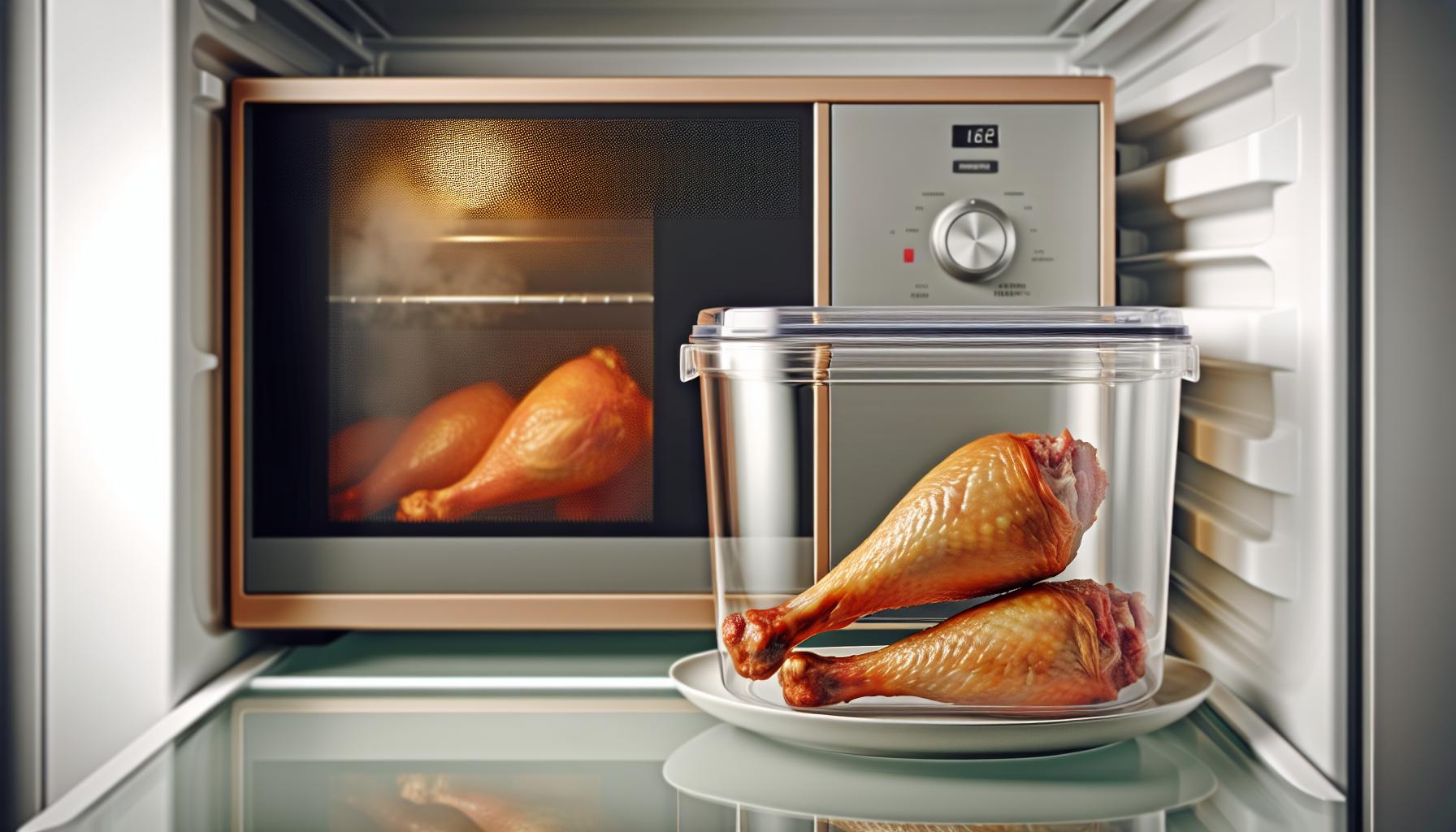
Faq
Q: How can I tell if turkey legs are fork-tender without overcooking in a slow cooker?
A: Turkey legs are fork-tender when a fork easily slides into the meat and the fibers pull apart with little resistance. check at 4-5 hours on low and test every 30 minutes after. Avoid overcooking to prevent dryness. For detailed doneness tips, see How to Check If Turkey Legs Are Done Perfectly in our main article.
Q: Does adding liquid affect how long turkey legs take to cook fork-tender in a slow cooker?
A: Yes, adding more liquid can slightly increase cooking time as the slow cooker stays moist and steams the meat gently. Use just enough broth or marinade to cover the base, not the legs fully, to keep a balance that yields fork-tender turkey without sogginess.
Q: What’s the difference in cooking time for frozen versus thawed turkey legs in a slow cooker?
A: Frozen turkey legs need about 1-2 hours more cooking time than thawed. It’s best to thaw fully before slow cooking for predictable fork-tender results and food safety. For best practise, refer to our Step-by-Step Prep Tips to avoid uneven cooking.
Q: Can I speed up fork-tender turkey legs in a slow cooker without sacrificing texture?
A: To speed up cooking, use the high setting but watch carefully: turkey legs typically take 3-4 hours high vs. 6-8 hours low. Adding acidic marinades like lemon juice can also help tenderize faster-check doneness regularly to prevent drying out.
Q: How do skin-on vs. skinless turkey legs affect slow cooker times for fork-tender texture?
A: Skin-on turkey legs usually take a bit longer (about 30 minutes more) to become fork-tender because the skin insulates meat. Skinless legs cook quicker and absorb seasonings faster. For rich flavors with tender results, experiment with both in Flavor Boosters section.
Q: How frequently enough should I check turkey legs to avoid overcooking while achieving fork-tenderness?
A: start checking turkey legs at 4 hours on low or 2.5 hours on high, then every 30 minutes. Slow cookers vary, so frequent checks prevent overcooking, especially if you’re aiming for moist, fork-tender meat, as highlighted in our Quick Fixes for Overcooked or Undercooked turkey.
Q: Why do slow cooker turkey legs sometimes turn out tough despite long cooking times?
A: Tough turkey legs usually result from cooking at too high heat,insufficient liquid,or not allowing connective tissue to break down fully. Maintain low and slow heat with enough moisture for the best fork-tender outcome. See our Best Slow Cooker Settings for detailed tips.
Q: What side dishes pair best with fork-tender slow cooker turkey legs for paleo-friendly meals?
A: Fork-tender slow cooker turkey legs go great with paleo sides like roasted root vegetables, sautéed greens, or cauliflower rice. These healthy, easy sides complement the juicy meat without overpowering flavor. Check out our Serving Ideas and Easy Side Dishes to Pair for inspiration and simple recipes.
Explore these answers alongside our main article for a complete guide to slow cooker turkey legs, ensuring perfect timing and delicious results every time!
In Summary
Now that you know exactly how long to cook turkey legs in your slow cooker until they’re perfectly fork-tender, it’s time to get cooking! Whether you’re aiming for a comforting gluten-free dinner or a paleo-friendly feast, this easy, hands-off method promises juicy results with minimal fuss-just 6 to 8 hours on low, and dinner is served. Don’t be afraid to experiment with your favorite herbs or swap in broth or apple cider for a flavor boost. Hungry for more? Check out our slow cooker turkey breast recipe or explore easy paleo sides that pair beautifully with tender turkey legs.
Ready to master more simple, delicious meals? Subscribe to our newsletter for fresh recipes, kitchen tips, and time-saving hacks delivered straight to your inbox. Still wondering about seasoning tricks or cooking times for other cuts? Drop a comment below-we love hearing your questions and kitchen wins. Keep exploring our collection of slow cooker recipes and meal guides to make every dinner effortless, tasty, and just right for your lifestyle. Your next delicious, stress-free dinner is just a click away!