Reheating stew in a slow cooker might sound simple, but timing is everything if you want to avoid a dried-out, overcooked mess. Whether you’re warming up a hearty paleo-friendly beef stew or a cozy gluten-free veggie blend, knowing exactly how long to reheat without sacrificing texture or flavor saves you from a kitchen disappointment. If you’ve ever faced that “too hot, too long” stew situation, you know it can turn a great meal into a dense, dull one. The good news? With a few easy, tested tips, you can reheat your leftovers to perfect, just-like-fresh goodness-no stress, no second-guessing. Stick around if you want practical timing insights, smart low-adn-slow reheating hacks, and speedy ingredient swaps so your next batch feels like it just came off the stove-comfort food magic without the hassle. LetS get your slow cooker working its reheating magic, keeping every bite tender, flavorful, and fridge-to-table fabulous!
Table of Contents
- How to Prepare Stew for Slow Cooker reheating
- Ideal Slow Cooker Settings for reheating Stew Perfectly
- Step-by-Step Guide to Reheat Stew Without Overcooking
- Signs Your Stew Is Overcooked (And How to Avoid Them)
- Best Slow Cooker Models for Even Stew Reheating
- Time Estimates for Reheating Different Stew Types
- Adjusting Reheat Times for Gluten-Free and Paleo Stews
- Smart Tips to Keep Stew Flavorful When Reheating
- How to Thicken or Thin Stew After Reheating
- Creative Ways to Revive Leftover Stew Textures
- Common Mistakes When Reheating Stew in Slow Cookers
- FAQ
- Q: How long should I reheat stew in a slow cooker on low to avoid overcooking?
- Q: Can I reheat stew in a slow cooker overnight without risking overcooking?
- Q: What’s the fastest safe way to reheat stew in a slow cooker without drying it out?
- Q: How does the size or amount of stew affect reheating time in a slow cooker?
- Q: Why is my reheated slow cooker stew sometimes watery, and how can I fix it?
- Q: Can I freeze and reheat stew directly in the slow cooker without thawing first?
- Q: Is reheating stew in a slow cooker safe for paleo or gluten-free diets?
- Q: How can I tell if my stew is overheated in the slow cooker?
- In Summary
How to Prepare Stew for Slow Cooker reheating
Reheating stew in a slow cooker is one of those kitchen wins that feels like magic-warm, comforting, and perfectly tender, just like when it was freshly made. But prepping your stew correctly before reheating can be the secret to avoiding that dreaded overcooked mush or flavor fade. The key is to treat your leftover stew gently and thoughtfully, as slow cookers heat gradually and uneven loading can make an or else stellar meal turn a bit sad.
First off, always ensure your stew is properly cooled before placing it in the slow cooker. This might sound obvious, but putting hot stew straight from the stove into a slow cooker can lead to temperature safety issues and uneven reheating. Here’s a quick tip: transfer your stew into a shallow container and let it cool on the counter for about 30-45 minutes (no longer to avoid bacteria growth). Then refrigerate until it’s fully chilled-this step not only keeps things safe but helps ingredients settle so they reheat consistently.
When you’re ready to reheat, don’t just dump the entire batch frozen or cold directly in.Instead, give it a little stir or break up large chunks, especially if your stew has big pieces of meat or root veggies. This helps the heat circulate better. If the stew seems thick or gelatinous after cooling-which happens often with bone broths or gelatin-rich stocks-add a little bit of broth, water, or for a twist, a splash of wine to loosen things before warming up. This makes it easier to stir during reheating and prevents hot spots or burning on the bottom.
Simple Steps to Prep Leftover Stew for the Slow Cooker
- Cool properly: Let your stew chill thoroughly in the fridge.
- Stir and check consistency: Break up large chunks and add liquid if it feels too thick.
- Portion wisely: If you have a large amount, reheating in smaller batches or dividing the stew helps avoid uneven reheating.
- Skip the frozen block: Defrost frozen stew overnight in the fridge first to help with a gentler and more even heat-up.
- add fresh touches: If paleo or gluten-free ingredients like fresh herbs or chopped veggies taste dulled, toss a few fresh ones in at the start of reheating to brighten flavors.
Such as, last week, I reheated a hearty gluten-free beef stew loaded with carrots, potatoes, and mushrooms. I gave it a good stir, added about 1/4 cup of beef broth, and found that it not only reheated evenly but stayed super flavorful-and that extra broth splash helped when serving, making the stew nice and saucy, just how I like it.
Whether you’re bringing a pork stew back to life or reviving your favorite paleo-friendly root vegetable blend, taking these small preparatory steps turns the slow cooker from a simple warming pot into a trusted sous-chef that respects the original care you put into your stew. It’s all about setting your dish up for slow,steady success with minimal fuss and maximum yum.
For more hearty slow cooker stew inspiration or to explore paleo and gluten-free variations that reheat beautifully, check out recipes like these on Allrecipes, where options abound for every kitchen style and craving[1[1[1[1].
Ideal Slow Cooker Settings for reheating Stew Perfectly
Reheating stew in a slow cooker is all about patience and the right temperature-not just cranking up the heat and hoping for the best.Slow cookers excel at gentle, gradual warming, which keeps your stew’s textures intact and flavors vibrant. The magic formula? Stick mostly to the LOW setting when reheating, unless you’re in a major hurry (then medium can work-but with caution). this slow coaxing of heat helps prevent the dreaded overcooked mush or burnt bottom that can happen if you rush it on high.
If you’re reheating a smaller batch or well-chilled stew, the LOW setting typically requires about 2 to 3 hours to bring it to a safe, savory temperature without sacrificing the tender chunks of meat or veggies you love. For larger quantities, expect closer to 3 to 4 hours. Midway through, give the stew a gentle stir to redistribute heat evenly. This simple action helps avoid those pesky cold spots and stops ingredients from sticking to the sides or bottom of your slow cooker. From personal experience, I always add a splash of broth or wine at the start-especially for those bone broth-based stews-to lighten up thickened gelatins and keep stirring easy.
How to Adjust Settings for Dietary Variations and Convenience
For specialized diets like paleo or gluten-free, remember that many of these stews can be naturally thicker or have ingredients that break down differently over time.For these, LOW is absolutely your friend. It keeps flavors shining without over-softening delicate root veggies or fresh herbs you might toss in right as reheating begins. If you’re reheating overnight (yes, some swear by this!), switching to the WARM setting after the first 2-3 hours on LOW keeps your stew ready for dinner without overcooking. Just be sure your slow cooker’s WARM isn’t too hot (some models can be 165°F or higher, which is more ”low and slow” than “warm”).
- Low setting: Ideal for 2-4 hours depending on volume
- Medium setting: Use only if short on time; monitor carefully to avoid overcooking
- Warm setting: Great for holding temperature after reheating
One handy tip from multiple kitchen trials: avoid reheating from frozen straight into the slow cooker,as this can extend heating time and risk uneven warming. Always thaw first in the fridge, then treat your stew gently with the settings above. Trust me, your patience will pay off with spoonfuls of comfort that feel freshly made every time!
Step-by-Step Guide to Reheat Stew Without Overcooking
Reheating stew in a slow cooker is a bit like giving your leftovers a gentle wake-up call rather than a harsh alarm clock blast. The key to keeping those tender chunks of meat and perfectly softened veggies intact lies in patience and a steady, gentle heat. Resist the temptation to crank the heat to high-it can turn your lovingly made stew into a mushy or even scorched mess faster than you can say “dinnertime dilemma.” Rather, embracing the slow cooker’s LOW setting ensures your stew warms evenly, maintaining that melt-in-your-mouth texture and bold flavor you originally fell in love with.
Getting started is easier than you might think. First, always thaw your stew completely in the fridge-jumping straight from frozen to reheating can cause uneven warming and prolong your cooking time. When you’re ready, transfer your stew into the slow cooker and add a splash of broth, wine, or water if it looks too thick or gelatinous. This little trick helps loosen up the stew without watering down the taste. Now, set your slow cooker to LOW and let it work its magic. For smaller portions, plan on about 2 to 3 hours; larger batches often need 3 to 4. Right about the halfway mark, give it a gentle stir-just like stirring a sleepy pot awake-to redistribute heat evenly and prevent any sticking or cold spots.
Essential Steps for Flawless Slow Cooker Reheating
- Pre-thaw: Always defrost stew overnight in the fridge before reheating.
- Add moisture: splash in extra liquid if stew looks thick or jelly-like before reheating.
- Low and slow: Use the LOW setting whenever possible-this keeps textures intact and flavors vibrant.
- Midway stir: Around halfway through,gently stir to ensure heat spreads evenly and nothing sticks.
- Optional holding: Once heated through,switch to the WARM setting to keep stew ready without cooking further.
From personal kitchen escapades,adding a bay leaf or a scrape of fresh herbs like thyme or rosemary about 30 minutes before the finish adds a fresh,herbal pop without overpowering the original flavors. If you’re short on time and use the medium setting, keep a watchful eye-stew can go from perfect to overcooked surprisingly fast. and remember, a slow cooker’s ”warm” function isn’t just for babysitting your stew-if it’s not too hot (ideally under 165°F), it can keep your meal spot-on for hours.
The beauty of slow cooker reheating is that it transforms leftovers back into that cozy, just-made comfort. With a little care and time,you’ll rescue your stew from the cold-or-hurried fate and serve up a bowl of goodness that feels like it was just pulled off the stove,no matter your diet or preference. As a bonus, this method keeps paleo and gluten-free stews bright and hearty-no overcooked mush, just appetizing warmth waiting for you.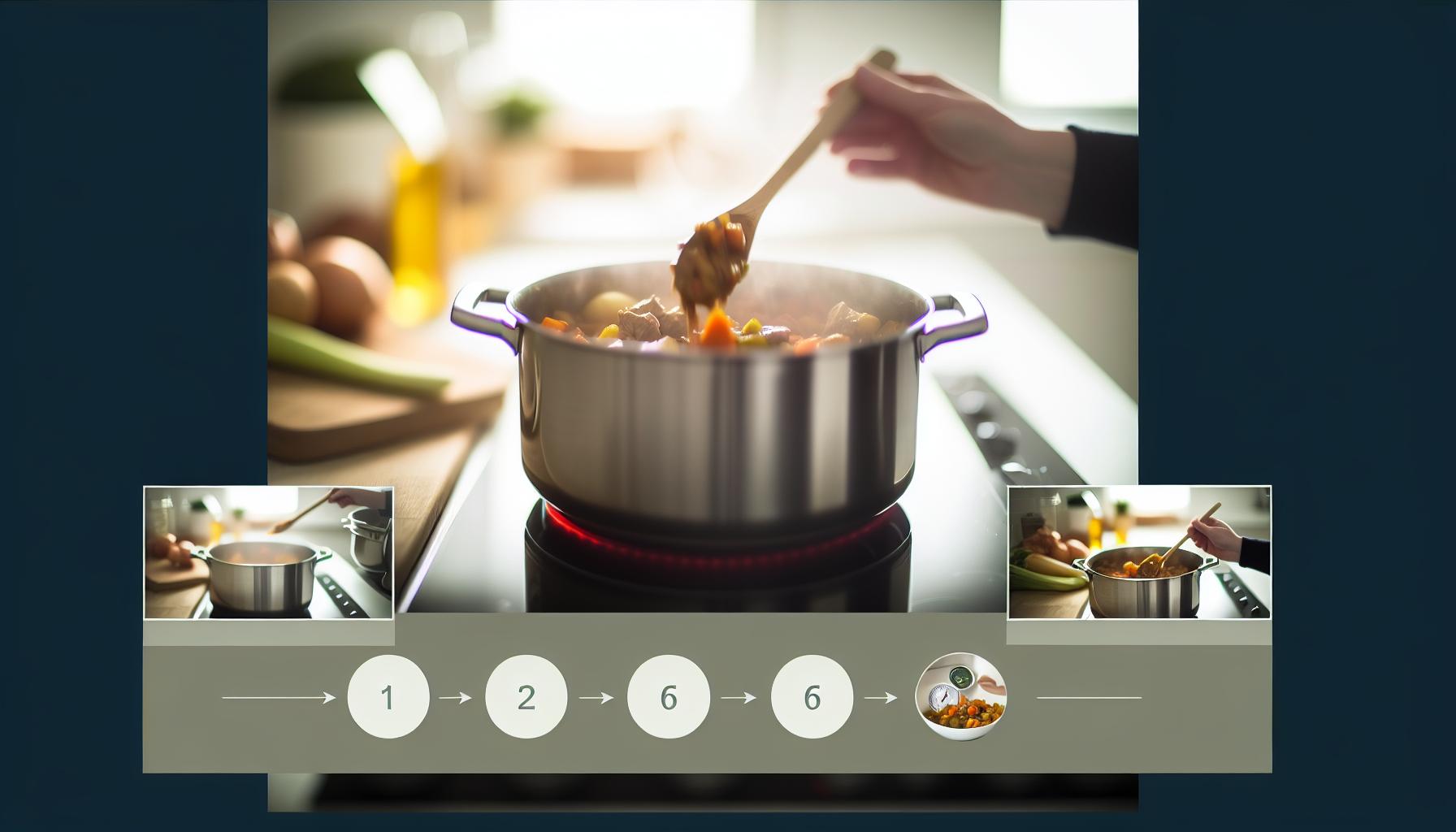
Signs Your Stew Is Overcooked (And How to Avoid Them)
Reheating stew in a slow cooker demands a delicate balance-too little heat and your stew remains cold or unevenly warmed; too much, and you risk turning those luscious chunks of meat and veggies into a sad, mushy mess that not even grandma would recognize. Overcooking isn’t just a texture tragedy; it dulls the robust flavors and can leave nutritional qualities taking a nosedive. So, how do you tell if your stew has crossed the line, and more importantly, how can you steer clear of that culinary heartbreak?
One of the first red flags is texture loss. If your meat falls apart to the point where it’s no longer satisfying but just stringy or shredded mush,or your veggies have dissolved into an unappetizing pulp,you’ve nudged past ideal reheating.Overcooked stew often has a watery, “runny” broth as the natural gels break down, or conversely, it can thicken so much from evaporation that it turns sticky and pasty. Another subtle but telling clue lies in the flavor – overcooking dulls those bright herbaceous notes and spices you carefully layered in. Instead, the taste flattens, sometimes feeling overly concentrated or even slightly bitter, especially if you unknowingly let it simmer on high for too long.
Helpful Tips to Avoid a sad Stew Situation
- Stick to low and slow: The LOW setting on your slow cooker reigns supreme for reheating-it warms evenly without melting your stew into a pile of sorry soup. Resist the urge to rush with HIGH, especially if your batch is large.
- Time it right: Smaller portions usually take 2 to 3 hours; larger ones need 3 to 4. Think of it as coaxing the flavors awake, not jolting them.
- Stir gently halfway: This little movement is your insurance policy against uneven heating and sticking that can cause scorching at the base.
- Use the warm setting wisely: Once hot, flipping the slow cooker to WARM is your best bet for serving over hours without further cooking.
In my own kitchen adventures, I’ve learned to set a timer as a friendly nudge.Sometimes, life gets busy and my stew keeps cooking well past the point of no return. A simple timer reminder saved me many mushy, overcooked dinners! Plus, don’t forget about the moisture level-a splash of broth or water before reheating keeps stew from drying out and helps avoid those tough, stringy bits that come from overdone beef or chicken.
Overcooking fears might make you hesitate, but with slow cooker reheating, patience becomes your MVP. Treat your leftovers like a beloved friend needing gentle coaxing back to life, and you’ll keep the flavors bright and textures just right every time-gluten-free and paleo-friendly stews included. No one wants sad stew; everyone deserves a cozy, comforting bowl. So take a breath, turn that dial to LOW, and let your slow cooker do its magic. Your taste buds will thank you!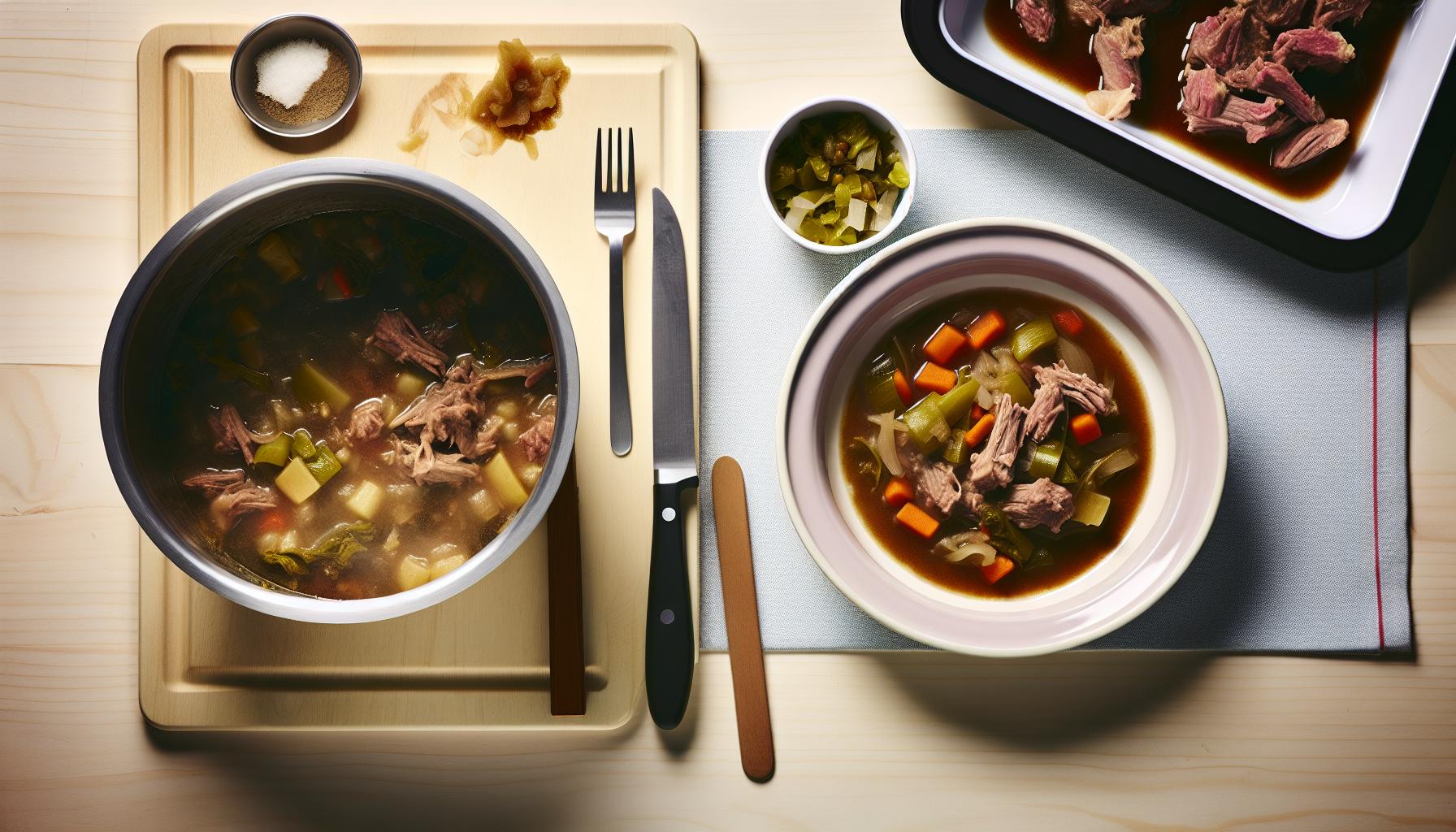
Best Slow Cooker Models for Even Stew Reheating
Few kitchen devices wear the slow cooker crown as proudly as those that can coax your leftover stew back to life without turning it into a sad, mushy shadow of its former self. When it comes to reheating stew evenly,not all slow cookers are created equal – some models are engineered with smarter heating elements and better insulation that prevent uneven hot spots or frost-bitten cold corners.If you’re a devoted stew-lover juggling busy life days (and who isn’t?),choosing the right slow cooker can be your secret weapon for consistently comforting meals.
One of my favorite slow-cooker features for even reheating is a ceramic insert with thick walls. it holds heat uniformly and releases it gently - perfect for slowly waking up those flavors without blasting your stew into overcooked oblivion. Brands like Crock-Pot and Hamilton Beach often pair ceramic inserts with an optimized heating ring that circles the vessel evenly. This means no more fishing around for a hot spot or worrying you’ll scorch the bottom while the top stays cool.
Why Size and Shape Matter More Than You Think
choosing the right slow cooker size also plays a starring role in reheating success. A cozy 4-quart model suits smaller stew portions and reheats relatively quickly with less risk of uneven temperature zones. If you’re a meal prep pro who freezes in bulk or enjoys big family-style meals, a 6- to 7-quart slow cooker usually offers the perfect balance. One tip from my kitchen escapades: use a slow cooker that’s no more than two-thirds full when reheating. This avoids cold pockets and long heat times, so your stew revives its texture without turning into mush.
Slim,tall slow cookers tend to reheat more evenly compared to squat,wide models as the heat circulates better around the stew’s surface.Some newer models even feature features like temperature probes or smart sensors – yes, slow cookers are getting high-tech! these can adjust heat dynamically, making sure your stew stays just right and never tips into mushy territory, which is a blessing for gluten-free and paleo-friendly recipes that rely heavily on texture and moisture balance.
Features That Make Your Life Easier
- Digital Controls with Timers: Being able to set precise reheating times and automatic warm modes means your stew won’t keep cooking endlessly after it’s ready – a major key to avoiding overcooking disasters.
- Keep-Warm Mode: After the reheating cycle, this feature lets you serve the stew hot without further cooking it. I use this on my busy days when dinner waits on the family arrival.
- Removable Crocks: Makes stirring halfway through reheating a breeze, which helps even heating and prevents scorching.
- Dishwasher-Safe Parts: Because sipping stew after a long day is great; scrubbing slow cooker parts, not so much.
If you want a personal favorite that’s balanced between functionality, ease, and durability, the Crock-Pot SCCPVL610-S (6-quart) is a go-to from my tests. It reheats stew evenly with low and slow precision and has a reliable keep-warm setting to keep that bowl cozy without the mush. Plus, it’s big enough for family-style portions but not so huge it wastes energy on small reheats. For the tech-savvy or meal preppers, the instant Pot Smart WiFi slow cooker mode is a high-tech hero with smart programming that can sense temperature changes and help avoid the dreaded overcooked stew fate while you multi-task around the kitchen.
Investing in a slow cooker with these thoughtful designs will transform how you reheat your stew leftovers – making every bite taste fresh, with just the right tender texture. Because ultimately,we all deserve comfort food that feels freshly made,even on the busiest days!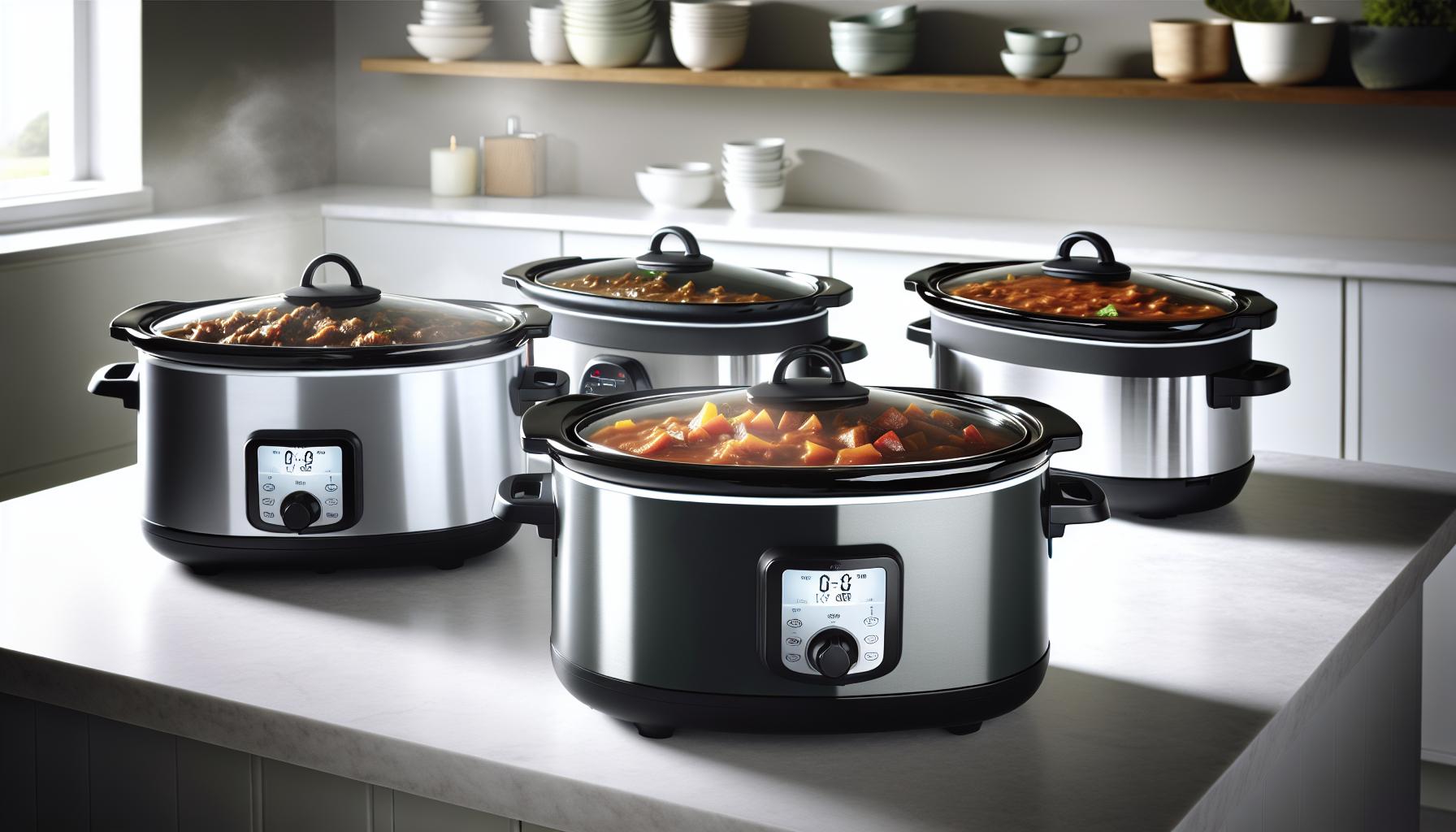
Time Estimates for Reheating Different Stew Types
Reheating stew in a slow cooker is a bit like waking up a sleeping giant-it takes patience, but the results are worth waiting for. how long it takes to bring your stew back to life depends heavily on what kind of stew it is indeed, the quantity, and any special dietary tweaks you might have made. For instance, a dense beef stew laden with root vegetables deserves a slow and gentle nudge, while a lighter chicken or vegetable stew often perks up faster.
- Beef or lamb Stew: These robust, meaty stews generally need about 3 to 4 hours on the LOW setting. The connective tissues benefit from slow warmth, helping the flavors meld again without turning your meat into mush. If your slow cooker has a ”keep warm” mode, shifting to it after reheating can keep things cozy without overcooking.
- Chicken or Turkey Stew: poultry stews reheat more quickly-usually about 2 to 3 hours on LOW.Because poultry tends to dry out fast, it’s smart to check halfway and stir to evenly warm and prevent drying on the edges.
- vegetable-Only or Lentil Stew: these lighter versions frequently enough need anywhere from 1.5 to 2.5 hours on LOW. Since veggies and legumes can soften quickly,longer reheating risks turning them into unrecognizable mush,so less is more here.
What About Portion Size and Frozen Stews?
Large, cold-from-the-fridge quantities take longer, naturally-think of it as coaxing your stew slowly awake rather than shaking it awake with a jolt. If the stew is frozen solid,it’s best to thaw overnight in the fridge first-then reheat slowly.Otherwise, you’ll risk uneven reheating where the edges scorch before the center is warm.
| Stew Type | Reheat Time (LOW) | Tips |
|---|---|---|
| Beef/lamb | 3 – 4 hours | Stir halfway; use keep-warm mode after reheating |
| Chicken/Turkey | 2 – 3 hours | Check for dryness; stir gently midway |
| vegetable/Lentil | 1.5 – 2.5 hours | avoid over-stirring; watch texture closely |
Keeping Special Diets in mind
For gluten-free or paleo stews, texture can be a big deal since these recipes often rely on fresh, crisp veggies or tender meats without heavy thickeners. Use reheating times on the shorter end if your stew is packed with delicate ingredients like zucchini, mushrooms, or fresh herbs. Adding a splash of broth or fresh herbs at the very end of reheating can revive vibrancy and prevent that flat-after-reheat taste.
Ultimately, the best tactic I’ve found is to treat reheating like a gentle revival rather than a blast furnace event. Trust your nose and eyes: if it smells ready and the broth is bubbling gently,it’s time to stop.No one wants stewed stew unless that’s exactly the mood you’re in! Happy slow-cooking and savor every spoonful.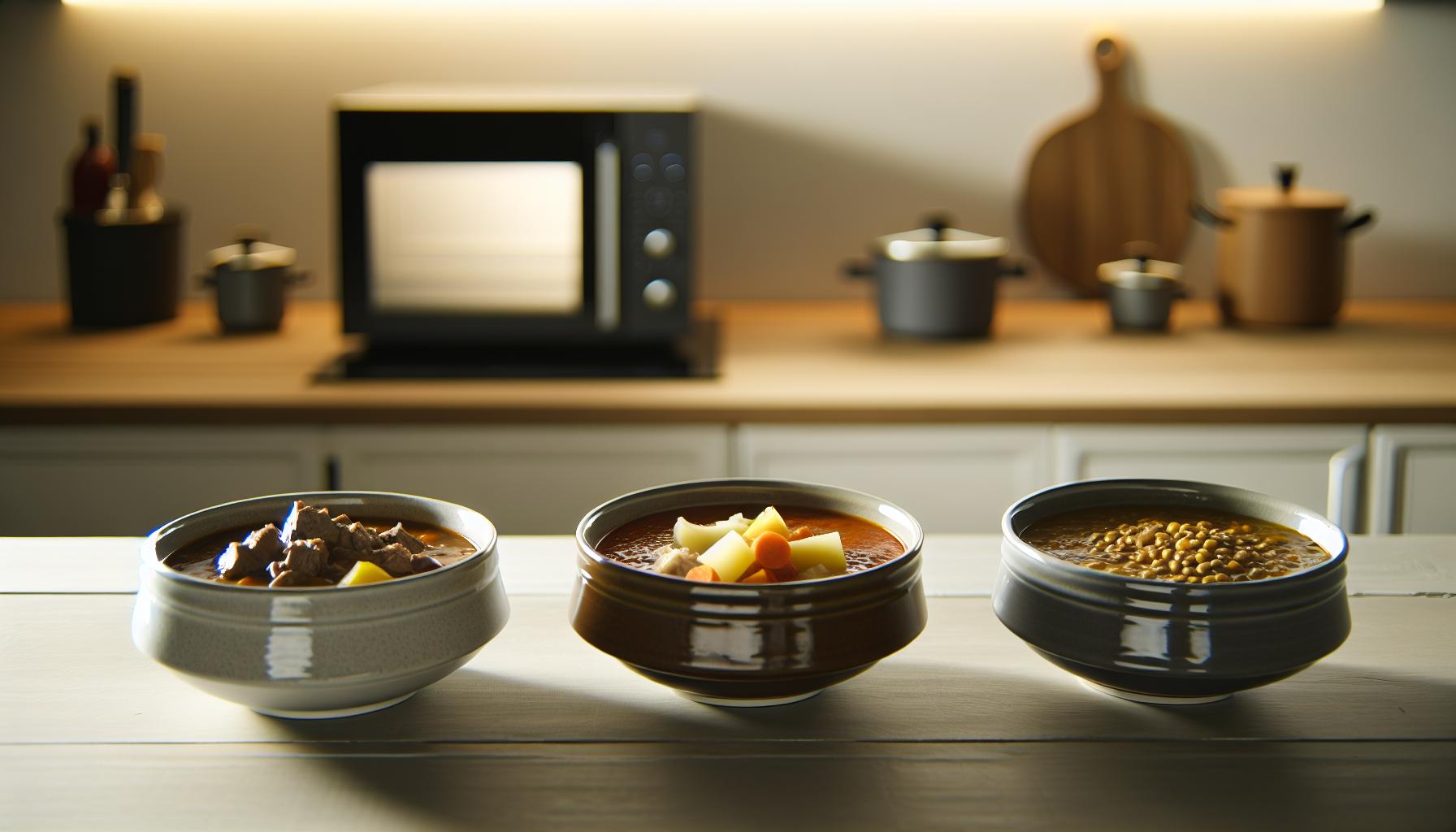
Adjusting Reheat Times for Gluten-Free and Paleo Stews
If you’re juggling gluten-free or paleo stews, reheating calls for a gentle hand and a little extra TLC. These stews often lean on fresh, vibrant veggies, tender cuts of meat, and natural thickeners that can turn sad and mushy if exposed to too much heat or time. Unlike more forgiving traditional stews loaded with flour or starches, gluten-free and paleo varieties demand shorter reheating periods and careful stirring to keep that perfect texture intact.
One trick I swear by is treating these specialty stews like a delicate orchestra rather than a heavyweight bout. Start with a low heat setting and aim for the lower range of reheating times-generally around 1.5 to 3 hours, depending on whether you’ve got chicken, beef, or just veggies. They rarely need the full 3 or 4 hours typical for tougher stews. Don’t forget to stir your stew halfway through to help distribute heat evenly without breaking up your tender ingredients. Especially if you’re working with delicate additions like zucchini, mushrooms, or fresh herbs, a light hand prevents that dreaded “overcooked veggie mush” syndrome.
Adding a splash of broth or a squeeze of fresh lemon juice at the end can work wonders to perk up the flavors-they tend to flatten out more quickly in gluten-free and paleo dishes because they lack heavy thickeners that preserve boldness. Also, if you freeze your stew, plan ahead for a full overnight thaw in the fridge before reheating. throwing frozen paleo or gluten-free stew straight into the slow cooker risks uneven warming and a patchy mess.
| Diet Type | Typical Reheat Time (LOW) | Tips for best Results |
|---|---|---|
| Gluten-Free | 1.5 – 2.5 hours | avoid over-stirring; fresh herbs at end boost flavor |
| Paleo (Meat-heavy) | 2 - 3 hours | Check meat tenderness mid-way; add broth if dry |
| Paleo (Veggie-forward) | 1.5 - 2 hours | Keep stirring light; avoid overcooking delicate veg |
living the gluten-free and paleo lifestyle doesn’t mean you have to sacrifice the soul and comfort of a good stew-even reheated ones! Think of the slow cooker like a gentle hug for your food, coaxing out flavors and textures without letting anything get away from you.And remember, every slow cooker and recipe is a bit different; don’t be shy about stirring a few times and trusting your senses to decide when it’s just right. After all, delicious is the point-not perfection.
Smart Tips to Keep Stew Flavorful When Reheating
Reheating stew in a slow cooker can be as much an art as it is a science-especially if you want to keep those rich, layered flavors alive without turning your meal into a bland mush. One of my favorite tricks is to treat reheating like a gentle revival, not a restart. That means avoiding the temptation to crank up the heat or rush the process. Slow and steady really does win the flavor race here, especially with stews on the gluten-free or paleo side, where delicate herbs and tender veggies can lose their charm under harsh heat.
Start by adding a little extra moisture before you hit “on.” Stews love a splash of bone broth, stock, or even plain water if they seem a touch thick from refrigeration. this rehydrates the ingredients and helps carry the flavors throughout. I’ve also found that tossing in a fresh handful of herbs-like parsley, thyme, or cilantro-towards the end of reheating bursts open the flavor profile and keeps things tasting fresh rather than ”been-there-done-that.” A quick squeeze of lemon juice or a drizzle of vinegar at the final stir wakes up flavors that may have mellowed while chilling in the fridge.
Stirring and Timing Are Your Flavor Friends
Over-stirring is a common pitfall when reheating stew; it can break down those tender veggies and fragile meat pieces into sad little blobs. Rather, stir just enough to spread the heat evenly-usually once halfway through reheating is perfect. If you’re cooking a meat-heavy paleo stew, check the tenderness mid-way, and if things feel dry, don’t be shy about adding a bit more broth or water. It’s kind of like giving your stew a gentle pat on the back. Avoid the temptation to rush things with high heat settings; a low and slow approach keeps the flavors melding beautifully without turning the texture to mush.
Helpful Habit Hacks for Real-World Stew Lovers
- Freeze and thaw wisely: If your stew’s been frozen, always thaw overnight in the fridge instead of tossing it frozen into the slow cooker. Uneven heating is a recipe for sad textures and flavor gaps.
- Use leftovers creatively: Stir in a handful of fresh veggies or canned beans for a quick nutrient and texture boost after reheating. It’s like giving your stew a second wind.
- Season late: Salt and acid tend to lose power when reheated, so taste and adjust seasoning right at the end. A pinch of flaky salt or a splash of acid can brighten the whole pot.
Keeping flavor bright and texture just right isn’t just for kitchen pros-it’s about a few simple tricks that make your slow cooker reheated stew feel like a dish crafted fresh from scratch.Trust your instincts, give yourself permission to tinker, and your stew will thank you with every hearty spoonful.
How to Thicken or Thin Stew After Reheating
Nobody loves a stew that’s either a thin watery soup or a pasty gloopy mess. Adjusting the texture after reheating in your slow cooker is like giving your dish a last-minute makeover - and it can totally transform your leftover experience. Whether you’re craving a silky smooth broth or something richer and heartier, tweaking thickness post-reheat is totally doable without breaking a sweat or sacrificing flavor.
If your stew has turned out a bit too watery after reheating (which is common, especially if you added extra broth to gently revive it), don’t panic. You can gently simmer the stew on the slow cooker’s “high” setting with the lid slightly ajar to let some steam escape and concentrate the flavors. This reduces liquid naturally without turning your slow cooker into a pressure cooker. For paleo or gluten-free stews where traditional flour thickeners are a no-go, tossing in some pureed cooked vegetables-think roasted cauliflower, carrots, or butternut squash-adds creaminess and body while keeping it all clean and wholesome.Alternatively, a small spoonful of coconut cream or a smear of almond butter can add luscious thickness with a subtle flavor twist.
Now, if you’ve discovered the stew has thickened more than you like-maybe it sat overnight and seriously clumped-thinning it out is just as simple and forgiving.Just stir in warm bone broth, stock, or even hot water a splash at a time until you hit your ideal consistency. I always keep a jar of homemade broth around for this exact reason. Be cautious about thinning your stew cold; it can make the texture feel heavy or separated. Warm liquids reintegrate better, making the outcome seamless and velvety.
Quick Fixes and Pro Tips for Perfect Texture
- Starch magic: For those not strictly paleo or gluten-free, a slurry made of cornstarch or arrowroot mixed with cold water, added near the end of reheating, thickens without clumping.
- Egg yolk trick: Whisk an egg yolk with a small amount of warm stew liquid, then slowly stir this back in off direct heat for a silky richness perfect for creamier stews.
- Add fresh veggies last minute: For both thickening and boosting texture, toss in quick-cooking veggies like chopped zucchini or spinach a few minutes before serving.
The key is to keep tasting and adjusting in small increments until your stew feels as cozy as you want it to be. Texture tweaks after reheating are an easy way to keep your stew feeling freshly made-even if it’s just a few meals past original cooking day. And honestly, discovering these little textural hacks can make reheating leftovers one of your favorite meal moments.
Creative Ways to Revive Leftover Stew Textures
There’s something satisfying about rescuing leftover stew and turning it into a bowl of comfort that tastes almost as good as – or better than – the first go-around. When reheating stew in your slow cooker, textures can shift quite a bit: sometimes ingredients soften too much or the broth separates or thins out. Luckily, a few well-loved tricks help revive those textures, making your leftovers feel fresh, hearty, and just right.
One great way to add an instant texture boost is to introduce fresh or lightly cooked veggie add-ins just before serving. Think quick-cooking greens like spinach or kale, or diced zucchini and bell peppers tossed in during the last 10 minutes of reheating.They add a pleasant crunch and brightness that balances the slow melty tenderness of the stew’s main ingredients. For paleo or gluten-free eaters, roasted cauliflower or mashed winter squash stirred in also bring creamy body without grainy thickeners. These little veggie “sprinkles” not only shift the mouthfeel but also pump up nutrition and colour – a win-win for busy weeknights.
If your stew’s broth feels overly thin or watery after reheating, and you want a richer consistency without a heavy flour slurry, pureed cooked vegetables shine here, too. A small batch of roasted carrots, sweet potato, or butternut squash pureed smooth and stirred back in adds silky thickness with natural sweetness and earthiness. For an extra silky touch – especially in creamy or coconut-based stews – dollop a bit of coconut cream or almond butter. These fats bring lush mouthfeel and depth without overpowering flavors.
On the flip side, if the stew has tightened up too much – thickened to a pasty glop after cooling or overnight storage – gentle thinning is your friend. Adding small amounts of warm stock, broth, or even hot water helps loosen it without sacrificing that cozy stew signature texture. Be sure to add liquid gradually and stir well to avoid a watery or separated finish. I keep a jar of homemade broth in the fridge precisely for this rescue mission!
Boosting Texture with Simple Tricks
- Fresh herbs and crunchy toppings: Sprinkle chopped parsley,chives,or scallions over the serving bowl. If you tolerate nuts,toasted pine nuts or sliced almonds add nice crunch and contrast.
- Grain substitutes: For paleo fans, riced cauliflower or mashed sweet potatoes stirred in at the end create a filling, starchy mouthfeel without grains.
- Mix-ins for creamier stews: Try whisking in a lightly beaten egg yolk off the heat to thicken and add silky richness – just temper it carefully to avoid scrambled bits.
At the heart of texture revival is gentle experimentation: add small amounts of thickener,liquid,or fresh veggies,then taste and tweak. Even just a few simple swaps can reawaken your stew’s vibrancy and cumin-spiced charm. After all, the joy of stew leftovers is that they’re flexible, forgiving, and full of second-chance deliciousness – kind of like cooking with a good friend who always gets your comfort food cravings. So grab that slow cooker lid, trust your taste buds, and enjoy turning yesterday’s meal into today’s cozy masterpiece.
Common Mistakes When Reheating Stew in Slow Cookers
Reheating stew in a slow cooker seems foolproof, but even the most seasoned home cooks can fall into a few classic traps that turn cozy leftovers into unappealing mush or flavorless broth. One of the sneakiest mistakes is simply turning the slow cooker on high and walking away without adjusting the time or checking in. unlike fresh stew that needs hours to fully cook, reheating requires a gentler approach to preserve texture and flavor. Leaving the stew too long on high heats risks overcooking soft vegetables into unrecognizable goo and causing the meat to dry out – and no one wants a shredded mess unless that’s the goal!
another common pitfall relates to stirring frequency. Many believe that frequently stirring the stew will heat it faster and more evenly,but it frequently enough backfires by breaking down tender chunks and releasing starches or fats prematurely. This can lead to a cloudy, greasy-looking broth instead of the rich, glossy finish everyone craves. Rather,resist the urge to poke around too much and let the slow cooker work its gentle magic with occasional,careful stirring.
- overfilling the slow cooker: Overcrowding can prevent even heating and leave cold spots where bacteria might linger. Aim to fill your slow cooker no more than two-thirds full for optimal reheating.
- Neglecting to thaw frozen stew properly: Tossing frozen stew directly into the cooker on high heat significantly ups the risk of uneven warming and potential food safety issues. Defrost in the fridge overnight or use the microwave’s defrost function first.
- Not adjusting for dietary tweaks: Paleo or gluten-free stews frequently enough rely on special thickening agents or unique veggies. Reheating these without attention can cause textures to shift dramatically; being mindful of such ingredients and adding fresh elements near serving time keeps the meal vibrant.
Timing Isn’t Just a Suggestion
Like a good slow cooker recipe – timing rehating matters deeply. I’ve learned firsthand that 1 to 2 hours on low is usually enough to bring stew back to life without overcooking it. When pressed for time, the “warm” setting for 30-60 minutes can work in a pinch but rarely heats evenly.Treat reheating stew like you’re coaxing it back to life, not giving it a full new cook. If your slow cooker model heats more aggressively, dial down the time and check for that steaming, fork-tender feel rather than waiting blindly by the clock.
And here’s a kitchen secret worth sharing: avoid adding thickening agents or acidic ingredients (like lemon juice or vinegar) right at the start of reheating.These can break down the stew’s layers and cause grainy textures or separation when reheated too long. Wait until the final stretch, then stir in fresh herbs, thickeners, or cream-based additions to keep flavors sharp and textures inviting.when reheating stew-even if it’s tailored for paleo or gluten-free diets-small tweaks can make a huge difference without needing a complete remake. Layer in fresh veggies or roasted cauliflower near the end to rebuild texture,or gently thin overly thick stews with warm broth instead of plain water to preserve flavor depth. Stew leftovers deserve love as much as the first simmer, and avoiding these common missteps lets you enjoy them at their best.
| Common Mistake | Why It Happens | How to Fix It |
|---|---|---|
| Reheating on high heat too long | Impatience or assumption stew needs full cooking time | Use low setting for 1-2 hours; stir occasionally but gently |
| Over-stirring during reheating | Trying to speed up warming | Limit stirring to preserve texture; check near end |
| Not thawing frozen stew fully | Rushing the process | Defrost first; warm slowly in slow cooker |
| Ignoring stew type and additives | Using one-size-fits-all approach | Adjust timing/add-ins based on stew ingredients |
With just a few simple adjustments and patience, slow cooker reheating is a way to transform yesterday’s pot into today’s feast without sacrificing any of that soulful, comforting goodness we all crave. Remember, reheating stew isn’t reheating leftovers-it’s reviving them, that cozy second chance that every cook deserves.
FAQ
Q: How long should I reheat stew in a slow cooker on low to avoid overcooking?
A: Reheat stew on low heat for about 2 to 3 hours, stirring occasionally to ensure even warming without overcooking. This gentle timing helps preserve texture and flavor-perfect for avoiding mushy veggies or tough meat.For detailed timing tips, check the step-by-Step Guide to Reheat Stew in the main article.
Q: Can I reheat stew in a slow cooker overnight without risking overcooking?
A: It’s best not to leave stew reheating overnight, as slow cookers on low can slowly overcook and break down ingredients, dulling flavors. Rather, set the cooker for 2-3 hours and switch to the “Keep Warm” setting afterward to maintain temperature without further cooking.
Q: What’s the fastest safe way to reheat stew in a slow cooker without drying it out?
A: Heat stew on high for 1 to 1.5 hours, stirring halfway to prevent drying and monitor texture. Add a splash of broth if needed to keep it moist. this quick method suits thicker stews but be cautious-see Smart Tips to Keep Stew Flavorful When Reheating for more pointers.
Q: How does the size or amount of stew affect reheating time in a slow cooker?
A: Larger or denser batches need longer reheating-often up to 3 hours on low, while small portions may only need 1 to 1.5 hours on high. Adjust times based on stew volume, and stir occasionally for even heat distribution without overcooking.
Q: Why is my reheated slow cooker stew sometimes watery, and how can I fix it?
A: Wateriness can happen if the stew is reheated too long or not thickened before serving. To fix, gently simmer uncovered for 15-20 minutes to reduce liquid or stir in a thickening agent like cornstarch slurry. For detailed fixes, see How to Thicken or Thin Stew After Reheating.
Q: Can I freeze and reheat stew directly in the slow cooker without thawing first?
A: It’s safer to thaw stew completely before reheating in the slow cooker to ensure even warming and prevent food safety risks. Defrost overnight in the fridge, then reheat on low for 2-3 hours, stirring occasionally for best results.
Q: Is reheating stew in a slow cooker safe for paleo or gluten-free diets?
A: Yes, reheating stew in a slow cooker is safe and convenient for paleo and gluten-free diets. Just ensure ingredients meet your dietary needs, and follow the tailored reheating times for these stew types found in the adjusting Reheat Times for Gluten-Free and Paleo Stews section to preserve flavor and nutrition.
Q: How can I tell if my stew is overheated in the slow cooker?
A: Overheated stew frequently enough has mushy vegetables, dry meat, or a dull taste. If you notice these signs, reduce reheating time or switch to “Keep Warm” mode sooner. Refer to Signs Your Stew Is Overcooked (And How to Avoid Them) for clear cues and solutions.
Explore these tips to master your slow cooker reheating routine without losing that cozy, flavorful charm! For more in-depth advice, don’t forget to visit the main article’s helpful sections.
In Summary
Reheating stew in your slow cooker doesn’t have to be a guessing game. With just the right timing and temperature,you can enjoy a warm,flavorful meal without worrying about overcooking or drying it out.Whether you’re preparing a cozy gluten-free or paleo-friendly stew, these easy reheating tips ensure your leftovers taste fresh and comforting every time.
ready to elevate your slow cooker skills? Check out our guides on slow cooker meal prep and best ingredient swaps for hearty stews to keep things simple and delicious.don’t forget to sign up for our newsletter-packed with practical recipes, kitchen hacks, and seasonal meal ideas tailored for busy home cooks who love flavor without fuss. Got questions or your own reheating tips? Drop a comment below and join our flavorful community where great cooking and good vibes happen daily!
Keep your slow cooker handy,trust the process,and remember: reheating stew perfectly is just a few smart steps away. For more slow cooker inspiration and time-saving kitchen tips, explore our related posts on meal planning with leftovers and discover how easy comfort food can be-no stress, just tasty results.