You know that satisfying feeling when your slow cooker churns out a warm, comforting meal with hardly any fuss? But then comes the not-so-fun part: cleaning the metal exterior without scratching or damaging that trusty appliance. Whether you’re team paleo, gluten-free, or just a busy home cook looking for easy kitchen hacks, keeping your slow cooker’s metal parts spotless is a game-changer. It not only keeps your cooker looking shiny adn new but also helps it perform better over time. In this guide,I’ll share simple,safe ways to clean those stubborn stains-no harsh chemicals or awkward scrubbing required. Think of it as a mini kitchen win that saves you time and keeps dinner prep as smooth as your favorite slow-cooked stew. Ready to give your slow cooker a spa day? Let’s dive in!
Table of Contents
- Understanding Slow Cooker Metal Parts and Materials
- Daily Cleaning tips to Avoid Damage
- Safe Homemade Cleaners for Metal Parts
- Step-by-Step Guide to Deep Cleaning Metal Components
- How to remove Stubborn Stains and Burnt-On Residue
- Avoiding Common Cleaning Mistakes That harm Your Slow Cooker
- quick Fixes for Rust and Discoloration
- Maintaining Shine: Polishing and Protecting Metal Surfaces
- When to Replace vs. Repair Slow Cooker Parts
- Expert Tips for Extending Your Slow Cooker’s Lifespan
- Q&A
- Q: How can I prevent water spots on the metal part of my slow cooker after cleaning?
- Q: What is the safest way to remove mineral buildup from slow cooker metal surfaces?
- Q: Why should I avoid abrasive scrubbers on slow cooker metal parts?
- Q: how often should I deep clean the metal parts of my slow cooker for best care?
- Q: Can I use lemon juice to clean the metal part of my slow cooker?
- Q: How do I deal with discoloration on the metal parts without harsh chemicals?
- Q: When is it best to replace the metal component rather of cleaning it?
- Q: What homemade solutions safely disinfect the metal parts of my slow cooker?
- In Retrospect
Understanding Slow Cooker Metal Parts and Materials
Believe it or not, the metal parts of your slow cooker are like the unsung heroes of your kitchen routine. These components, often overlooked, are crafted from different metals designed to balance durability with heat conduction. Most slow cookers use stainless steel or aluminum for their metal housing and heating elements, each bringing unique benefits and challenges when it comes to cleaning and maintenance.
For example, stainless steel is beloved because it resists rust and corrosion, giving your slow cooker that shiny, polished look even after years of simmering stews or prep for paleo-kind bone broth. But just because it’s tough doesn’t mean it’s invincible – harsh abrasives or acidic cleaners can dull the surface or even cause micro-scratches that invite stains.
On the flip side, aluminum is lightweight and great for heat conduction but can be more vulnerable to discoloration and pitting from acidic foods or strong detergents. Understanding which metal your slow cooker parts are made from can save you from accidentally using a cleaning method that does more harm than good. Most importantly,it helps you choose the right cleaning strategy that protects your appliance and keeps it looking as good as your signature gluten-free chili!
Why Metal Type Matters for Care and cleaning
- Stainless Steel: Resistant to rust and staining,but avoid bleach or steel wool.
- Aluminum: Prone to discoloration and acidic damage; mild, pH-neutral cleaners are best.
- Heating Elements: Usually encased but never immerse in water – wipe clean carefully.
When I first got my slow cooker, I scrapped off some “stubborn” marks with a metal scrubber, only to regret the scratches that followed. Learning the specifics of the metal parts transformed my approach: now I treat those surfaces with gentle, homemade cleaning solutions and a soft cloth, preserving the appliance as if it were a family heirloom. Trust me, your slow cooker will thank you with many more delicious meals worth savoring!
Daily Cleaning tips to Avoid Damage
Keeping your slow cooker’s metal surfaces looking fresh and damage-free doesn’t have to feel like a chore or require a science degree. The key is consistency and gentleness-just like tending to a delicate loaf of sourdough or a batch of home-brewed kombucha. After every use, a quick wipe-down with a soft, damp cloth can prevent residue buildup that might otherwise demand elbow grease later on. Trust me, a little TLC daily goes a long way for those stainless steel or aluminum parts that work overtime to deliver your favorite gluten-free stews and paleo-friendly roasts.
When touching on daily care, always avoid harsh scrubbing tools like steel wool or abrasive brushes. These can leave micro scratches that turn your shiny metal into a playground for stains and dull spots. Instead, opt for microfiber cloths or soft sponges that gently lift away food splatters without compromising the finish. for me, keeping a small spray bottle with diluted vinegar or mild dish soap handy near the sink turns quick cleans into a no-fuss habit.Just a few spritzes, a soft wipe, and presto-your slow cooker gleams without needing those scary chemical cleaners.
Simple Daily Tips to Save Your Slow Cooker’s Shine
- Cool before cleaning: Let metal parts cool fully before wiping to avoid warping or burns.
- Use lukewarm water: Hot water can sometimes worsen stains or discolor aluminum surfaces.
- Gentle detergents only: Stick to pH-neutral soaps; skip bleach or acidic cleaners that can pit metals.
- Avoid soaking heating elements: These rarely come off; wipe carefully with a damp cloth instead.
- Dry thoroughly: Moisture left on metal can invite rust or water spots, especially on less resistant aluminum.
One of my favorite kitchen “life hacks” is setting a 10-minute timer right after dinner for quick appliance upkeep. Even busy days can accommodate this small ritual, and your future self will thank you when your slow cooker gleams next week instead of sporting stubborn stains. Besides, keeping your kitchen gear happy means more time for cooking up those comfort dishes you love-without worrying whether your metal parts will hold up.
Safe Homemade Cleaners for Metal Parts
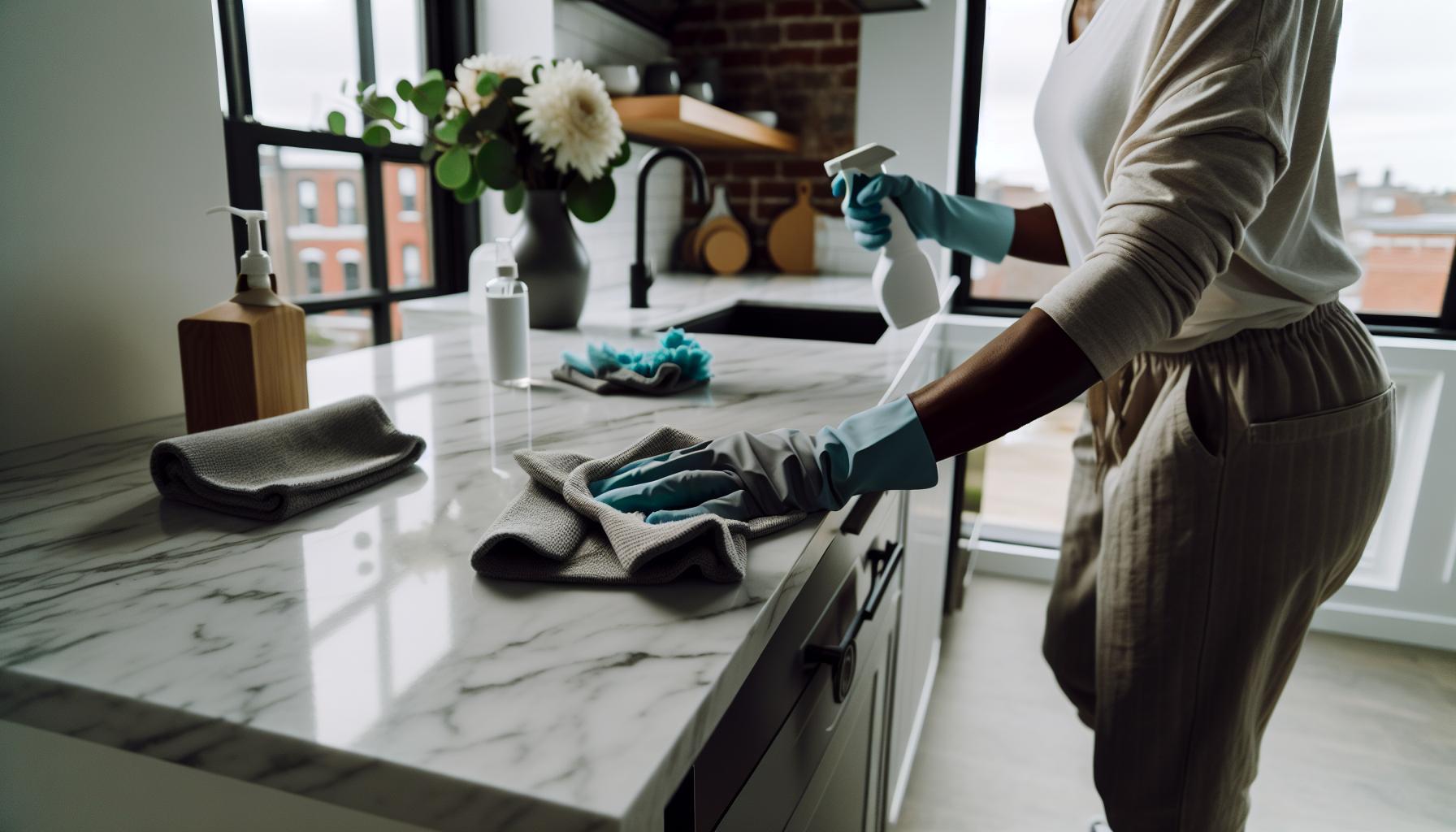
Believe it or not, some of the best cleaners for your slow cooker’s metal parts might already be hanging out in your kitchen pantry.Forget chemicals that make you reach for gloves or wonder if you’ll need eye protection. We’re talking mild, effective homemade options that balance cleaning power with kindness to delicate metal finishes-perfect for anyone juggling paleo or gluten-free lifestyles who wants their tools to stay as sharp as their recipes.
Start with a trusty classic: white vinegar. It’s a natural degreaser that cuts through grime without etching stainless steel or aluminum. Dilute one part vinegar with two parts warm water in a spray bottle for an easy-to-use cleaner. Just spritz on,let it sit for a minute,then gently wipe away with a microfiber cloth. Bonus: vinegar’s subtle acidity helps dissolve mineral deposits and dull spots, keeping your metal parts gleaming like new. If you’re not a fan of vinegar’s aroma, lemon juice is a brilliant substitute, offering a fresh citrus scent plus natural antibacterial properties.
Simple DIY Cleaners That Work Wonders
- Baking Soda Paste: Mix 3 parts baking soda with 1 part water to form a gentle abrasive paste. Apply with a soft cloth or sponge to tackle stubborn spots without scratching.
- Mild dish soap Solution: A few drops of gentle, pH-neutral dish soap in warm water creates a go-to daily cleaner that lifts food residues effortlessly.
- Olive Oil Polish: After cleaning, a small dab of olive oil rubbed on with a soft cloth can restore shine and create a protective layer against future stains.
From personal kitchen experiments, I found that these remedies pair nicely with patience rather than scrubbing furiously. Slow cooker metal parts are hardworking-not invincible superheroes-so treat them like you would your favorite wooden cutting board: clean gently, dry thoroughly, and nourish occasionally. For busy cooks, setting aside just five minutes after each use for a rinse and wipe with one of these homemade solutions keeps your appliance looking fresh and ready for the next recipe adventure.
Step-by-Step Guide to Deep Cleaning Metal Components
Cleaning those often-overlooked metal parts of your slow cooker can feel like a chore, but with a bit of TLC and the right approach, you’ll have them sparkling in no time-without scratching or dulling their finish. Think of this as a mini spa day for your slow cooker’s metal components, were patience and gentle care win every time. Whether you’re tackling light buildup or prepping for a weekend meal marathon, following these practical steps can definitely help you maintain that fresh-from-the-store shine, even if you’re juggling paleo meal prep or gluten-free baking simultaneously occurring.
Gather Your Tools and Ingredients
Before diving in, arm yourself with gentle cleaning buddies. You’ll need:
- White vinegar or lemon juice (natural degreasers)
- Baking soda for mild abrasion
- Warm water
- Soft microfiber cloths or non-scratch sponges
- A small bowl and soft brush or old toothbrush
- Olive oil or mineral oil (for finishing polish)
Avoid harsh scouring pads or bleach, as these can damage delicate metal surfaces faster than you can say “slow-cooked stew.”
Step-by-Step Cleaning Ritual
- Prepare the cleaning solution. Mix equal parts white vinegar and warm water in your bowl for a powerful but gentle soak. If vinegar’s scent isn’t your thing, swap in fresh lemon juice instead. Both help dissolve stubborn mineral deposits and loosen grease.
- Soak and wipe. Dip your microfiber cloth or sponge into the solution and wipe down the metal parts thoroughly. If you can safely remove these metal components, soaking them for 10-15 minutes can work wonders on built-up gunk.
- Tickle out the tough spots. For any spots that won’t budge, sprinkle a little baking soda on the cloth or directly on the metal, then gently scrub in a circular motion.This mild abrasive helps lift burnt-on residue without scratching.
- Rinse and dry completely. Use a clean, damp cloth to wipe away all residue-never let moisture sit and invite rust.follow immediately with a soft towel or air-dry in a warm spot to avoid water marks.
- Polish for protection. Once dry, add a drop of olive or mineral oil on a fresh cloth and buff the surfaces lightly. This shields metal from stains, adds a glow, and keeps your appliance looking as good as your weekend paleo chili.
Pro Tips From the Trenches
- If you’re short on time, at least wipe metal parts with the vinegar-water mix after each use to avoid buildup needing deep cleaning altogether.
- Use a soft toothbrush to get into the nooks around screws or vents where crumbs enjoy hiding spots.
- Patience is key-think of scrubbing like slow cooking itself: low and steady beats aggressive and rushed every time.
With these steps, deep cleaning your slow cooker’s metal parts becomes quick, satisfying, and safe for all your favorite dietary experiments. After all, a happy slow cooker means even happier meals-and nothing beats enjoying your paleo pot roast or gluten-free chili knowing your tools are as cared for as your taste buds!
How to remove Stubborn Stains and Burnt-On Residue
A little burnt-on residue on your slow cooker’s metal parts can feel like the stubborn guest at a dinner party-you know it’s there, and it refuses to leave quietly. But fret not! Inviting patience and a few kitchen staples to the cleanup party can make even the toughest stains wave goodbye without scratching or dulling your slow cooker’s shiny finish. Think of this as the slow cooking of cleaning: low effort, but high reward.
Start by creating a natural bubbling magic with baking soda and vinegar, your trusty kitchen duo. Sprinkle a generous layer of baking soda right onto the stain, then lightly dampen it with white vinegar or lemon juice. You’ll see it fizz just like a mini science experiment-that fizz is breaking down stuck-on food and grease. Let this sit for about 15 minutes. This gentle fizz attack softens burnt bits without the abrasiveness of harsh cleaners or steel wool. For especially ornery spots, grab a soft toothbrush and scrub in slow circles. The key here: be firm but gentle, avoiding aggressive scrubbing that could mar the metal.
If you’re dealing with darker, more stubborn scorch marks from a busy week of paleo roasts or gluten-free stews, try a warm soaking soak first. Remove the metal parts if possible, and soak them in a warm mixture of equal parts white vinegar and water for 20 minutes. This soak loosens residue, making your following scrub much easier. After soaking, apply baking soda paste (simply baking soda + a bit of water) to spots that need extra TLC, then buff with a microfiber cloth. Rinse well and dry immediately to avoid water spots or rust.
- Substitution tip: No vinegar? No worries-fresh lemon juice works just as beautifully,leaving behind a fresh zing and breaking down grease just as effectively.
- Burnt-on spice hint: For oils and spices that seem glued on forever, a dab of mild dish soap combined with your baking soda paste can boost stain lift without harsh chemicals.
In my own kitchen adventures, I’ve noticed that the difference between scrubbing that feels like cardio and cleaning that feels like gentle kneading is all in the timing and tools. A 15-20 minute wait with your fizzing mix turns scrubbing from a chore into a small reward, no elbow grease superhero cape required. Your slow cooker will look as slick and cared-for as your favorite paleo pot roast tastes comforting after hours on the heat-because every well-loved kitchen tool deserves that kind of love back!
Avoiding Common Cleaning Mistakes That harm Your Slow Cooker
Sometimes, the best intentions can lead our slow cooker’s metal parts down a slippery slope of damage. it’s tempting to reach for that abrasive scrub pad or harsh chemical cleaner when faced with stubborn stains, but those quick fixes often do more harm than good. Think of your slow cooker’s metal surfaces like the trusty armor of your kitchen sidekick-protective, yet delicate enough to blemish if treated too roughly. A sudden attack with steel wool or bleach can leave scratches or strip away protective coatings, turning your once shiny gear into a dull, vulnerable mess.
One classic blunder I’ve stumbled into myself is skipping the drying step after cleaning. Leaving water to pool or air-dry on metal invites rust and discoloration, especially on components without stainless steel’s resilience. always grab a soft microfiber cloth and give your parts a gentle but thorough dry-down. This little extra love step keeps rust at bay, especially if you live in a humid climate or your slow cooker sees daily action whipping up paleo-friendly soups or gluten-free casseroles.
- Abrasive scrubbing tools: Avoid steel wool, metal brushes, or harsh scrub pads; instead, opt for soft sponges or microfiber cloths.
- Harsh chemicals: Steer clear of bleach, ammonia, or commercial cleaners loaded with acids that can eat away metal finishes and harm seals.
- Skipping pre-soaks: Rushing into scrubbing without loosening grime first often means more elbow grease and more scratches.
- Using metal parts in the dishwasher: It might seem easier, but the high heat and detergents inside can damage your slow cooker’s metal bits.
Small Tweaks,Big Differences
I remember once trying to power through a week’s worth of sticky spice buildup with just a sponge and dish soap-and ended up with crabbed fingerprints all over the metal housing. Laughable now, but that taught me to embrace slow cleaning tactics: Let baking soda and vinegar do their fizzing magic before gently wiping grime away. When tough stains pop up, patience beats aggression. A simple soak in warm lemon water softens burnt bits without scratching, and if you add a pinch of mild dish soap into your baking soda paste, that grease practically melts off.
Remember, your slow cooker’s metal parts aren’t just utensils-they’re the steady foundation of your cooking adventures. Treat them with a bit of TLC and respect, and they’ll reward you with years of reliable use, a gleaming finish, and meals that continue nourishing your paleo or gluten-free lifestyle with zero cleaning regrets. After all, the easiest part of a recipe is often the cleanup-if you play your cards right.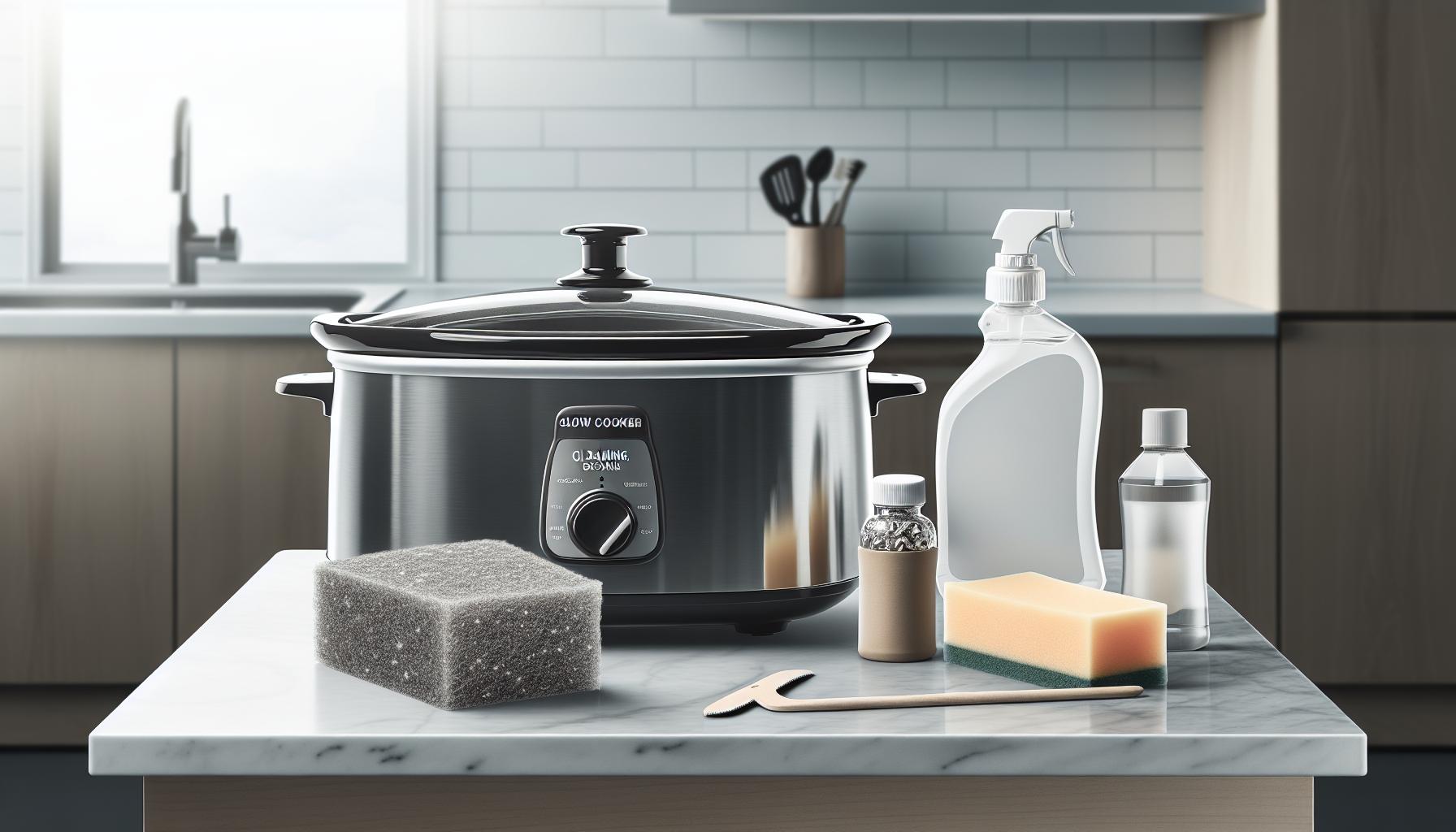
quick Fixes for Rust and Discoloration
Rust and discoloration on your slow cooker’s metal parts can feel like a sudden betrayal-one day your gear gleams, and the next, it’s sporting spots and dull patches. The good news? Tackling these nuisances doesn’t call for harsh chemicals or power tools. Instead, a few kitchen staples and some gentle elbow grease are all you need to restore sparkle and confidence to your favorite cooking companion.
One of my go-to tricks is a simple paste made from baking soda and water. Just mix until it reaches a spreadable consistency. Apply this paste to the rusty or discolored spots and let it sit for 15-20 minutes-this gives it time to soften up the mineral buildup and nudge rust spots loose. After the wait, use a soft microfiber cloth or a non-abrasive sponge to gently rub away the residue. You’ll be amazed how this gentle approach can lift that stubborn discoloration. For extra tough spots, a squeeze of lemon juice added to the paste amps up the natural acids, making the rust retreat faster without harming the metal finish.
If you spot any early rust, don’t ignore it! Addressing those first signs promptly saves you from bigger headaches down the road. A quick wipe with white vinegar can neutralize rust’s grip-dab some on with a cloth, let it sit for about 10 minutes, then wipe clean and dry. Remember,moisture is the mischief-maker here. After every cleaning, make it a happy habit to dry metal parts thoroughly with a soft towel-think of it as tucking your slow cooker in for a dry, cozy night. This practice especially helps in humid kitchens or if your slow cooker works overtime with your paleo stews and gluten-free ratatouille.
- Tip: Avoid metal scrubbing pads or steel wool; they can scratch the surface and make rust worse.
- Pro tip: For discoloration caused by heat, try a gentle buff with a soft cloth and a little olive oil-it’s a natural way to restore warmth and shine.
- skip: The dishwasher for metal parts to prevent accelerated wear and tear.
Reclaiming that shiny, rust-free look is really about patience and smart methods, not brute strength. And if you ever feel rushed, just remember: careful caretaking today means your slow cooker will keep cranking out those delicious, wholesome meals well into the future-rust and discoloration won’t stand a chance against your savvy kitchen TLC!
Maintaining Shine: Polishing and Protecting Metal Surfaces
Nothing brightens up a kitchen like that satisfying gleam of polished metal on your slow cooker. Keeping those metal surfaces shiny and protected isn’t just about looks-it actually helps fend off future rust and discoloration, meaning fewer scrubs and more time for your favorite paleo stews or gluten-free sunday roasts. With a bit of TLC and some natural tricks from the pantry, your slow cooker can keep looking brand-new without resorting to harsh chemicals or expensive polishes.
One of my favorite go-to “recipes” for shine is a simple olive oil buff. After cleaning and drying your metal parts, just dab a small amount of olive oil onto a soft cloth. Rub it gently in circular motions over the surface to bring back warmth and luster, especially if you’ve noticed heat marks or slight dullness. Bonus: it’s food-safe, inexpensive, and smells like your favorite salad dressing-which in my book is a win-win! For stainless steel slow cooker covers or accents, lemon juice mixed with a little olive oil acts like a natural polish, cutting through faint stains and leaving a subtle citrus sparkle.
- Quick Tip: Always use a microfiber cloth or any soft, lint-free fabric-rough towels can cause tiny scratches.
- DIY Polish: Mix 2 tbsp olive oil + 1 tsp lemon juice for a kitchen-friendly brightener.
- Avoid: Aerosol sprays or abrasive polishes that may contain chemicals unsuitable for cooking surfaces.
Creating a Protective Barrier
Polishing isn’t just about shine-it acts like sunscreen for your slow cooker’s metal, creating a thin protective layer against moisture and air, those pesky duo that lead to rust. After you finish your polish ritual, give the metal parts a little extra love by wiping down with a dry, soft cloth to absorb any excess oil. This prevents the oil from attracting dust or sticky residue, which could dull the shine faster.For a totally low-maintenance approach, consider incorporating this quick polish step right after your regular cleaning routine. I often find that this little habit saves me from the bigger job of scrubbing off stubborn stains later. Plus, it’s super satisfying to see your slow cooker glow, like it’s ready to star in its very own cooking show (or at least impress your family dinner crowd).
keep It Shiny, Keep It Happy
If you’re anything like me, the real challenge is juggling kitchen time without adding stress. That’s why these shine-maintenance tips aim to fit effortlessly into your busy day. As let’s face it-cleaning the slow cooker’s metal parts doesn’t have to feel like a chore. It can be quick, simple, and even a little fun (cue “slow cooker spa day”).Besides, your slow cooker deserves as much love as the meals it helps you prepare.
So next time you’re wiping down your trusty cooker, remember: a touch of olive oil, a squeeze of lemon, and a soft cloth can make all the difference between ”meh” and ”wow!” And with that gleam, get ready to serve up some seriously delicious, wholesome meals that look as good as they taste.
When to Replace vs. Repair Slow Cooker Parts
Long before your slow cooker starts showing serious wear, there’s a sweet spot where a little repair can stretch its life and keep your kitchen running smoothly. But once those metal parts begin to lose their structural integrity or the cleaning tactics just won’t cut through stubborn damage, it’s time to think replacement rather than repair. Identifying that tipping point saves you from endless scrubbing frustration,and more importantly,keeps your meals safe and your cooking experience enjoyable.
Sometimes, signs like deep scratches in the metal surface, warped or bent components, or persistent discoloration and rust that defy all your natural cleaning efforts mean the slow cooker’s integrity is compromised. For example, if your metal rim or outer shell no longer fits snugly, or the heating element housing is visibly damaged, continuing to patch it up can cause uneven heat distribution or safety hazards. In cases like these, swapping out the part-often surprisingly affordable and easy to install-will revive your cooker without the need for a brand-new unit.
- When minor stains or surface rust appear: try DIY cleaning methods with gentle scrubbing or natural brighteners like lemon juice and olive oil polish before considering repairs.
- If heat marks or kinks are affecting the metal’s function: Repairs might be a short-term fix, but replacement ensures the slow cooker performs consistently, especially for those important paleo stews or cozy Sunday roasts.
- Signs of electrical component issues behind metal panels: Leave repairs to professionals, or when in doubt, replace to avoid kitchen mishaps.
Balancing Repair Costs vs.Replacement Value
In my own kitchen adventures, I’ve found that weighing the cost and time involved in repairs versus replacement is sometimes the trickiest part. Often, replacing a small metal part-like a lid ring or outer cover-can cost less than hours spent scrubbing or juggling makeshift fixes.Plus, fresh parts come with a little peace of mind, much like upgrading your favorite slow cooker recipe from “trial” to ”tried and true.” Your slow cooker’s metal components aren’t just decorative; they shield the inner parts and help regulate heat, so skimping here can put your meals and machine at risk.To help decide, here’s a quick guide that’s saved me more than once:
| Condition | Recommended Action | Why? |
|---|---|---|
| Surface stains or mild rust spots | Clean and polish with homemade cleaners | Preserves metal integrity, affordable, easy |
| Deep pitting or corrosion | Replace metal parts | Prevents health risks and further damage |
| warped or bent metal edges | Replace metal pieces | Avoids poor sealing or heat loss |
| Loose fitting or cracked seals | replace seals or rings | Ensures proper function, prevents leaks |
When Patience Meets Practicality
If you’re the kind who enjoys a slow cooker spa day-deep cleaning followed by a gentle olive oil polish-you might delay replacements longer than most, turning the care into a small weekly ritual. That’s fantastic! However, when every clean ends in frustration or when the metal feels weirdly brittle or damaged, it’s a clear sign that a replacement will restore your joy and safety in the kitchen.
Bottom line: your slow cooker is a trusty sidekick in the paleo and gluten-free culinary journey. Keep it cared for, but don’t hesitate to replace worn metal parts. After all, better a new ring than a burnt stew or rusty bite. Your taste buds (and time) will thank you!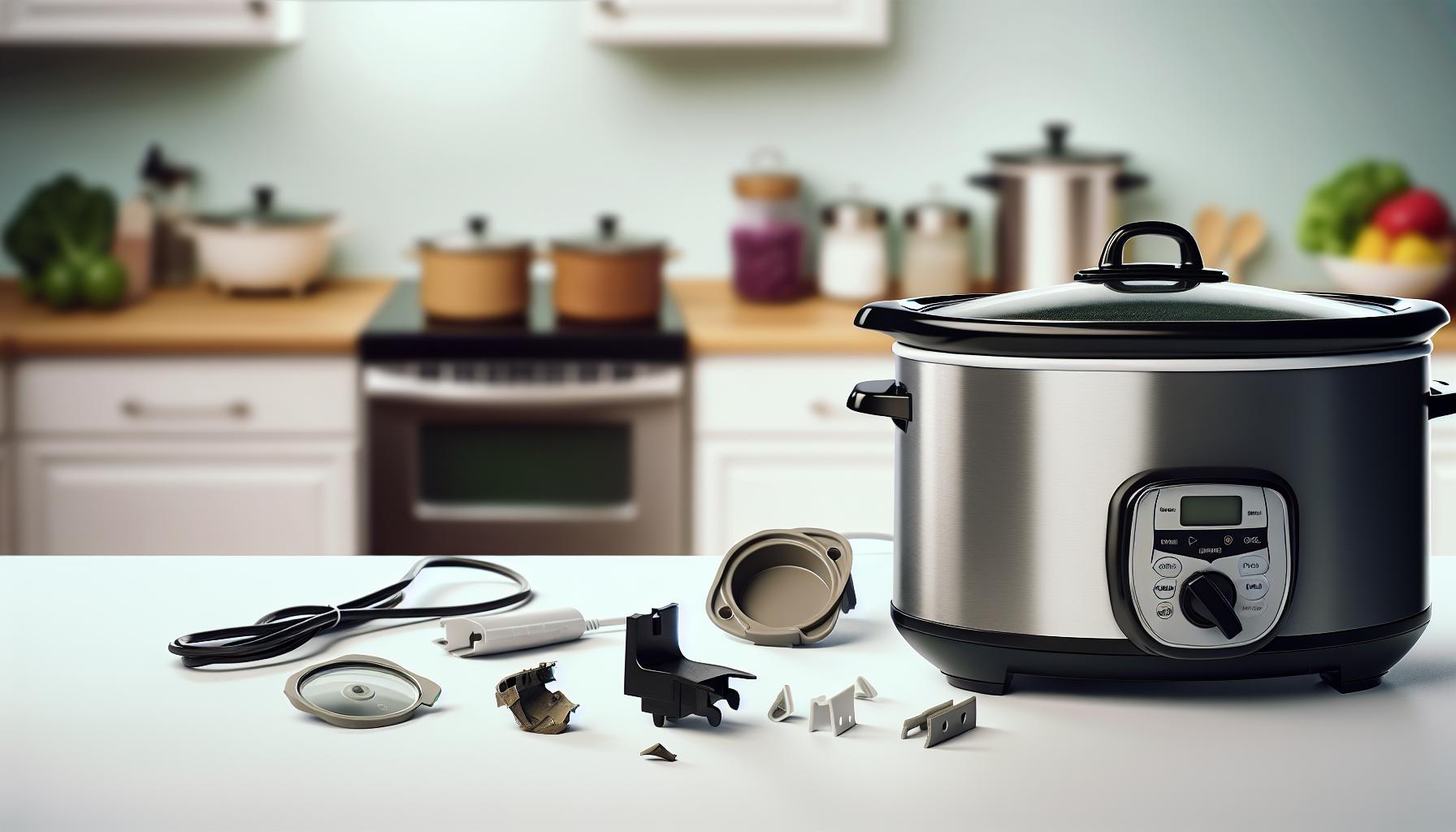
Expert Tips for Extending Your Slow Cooker’s Lifespan
Few kitchen companions are as loyal and hardworking as your slow cooker, but like any trusty sidekick, it needs a little TLC to stick around for the long haul. One surprising secret to prolonging its life lies in how you treat those essential metal parts. Even the best metal components can wear down prematurely if subjected to harsh cleaners or neglect. Keeping your slow cooker’s metal surfaces clean and protected not only maintains its shine but also ensures even heat distribution, crucial for those perfectly tender paleo roasts or cozy gluten-free stews.
From my experience, the best approach balances gentle care with smart habits-think of it as giving your slow cooker a weekly spa day without the fuss. avoid abrasive scrubbing pads that can scratch protective coatings; instead, opt for soft cloths or non-scratch sponges. After cleaning, a light buff with a natural polish such as olive oil not only restores shine but also adds a protective layer against moisture and oxidation.And don’t forget to dry the metal parts thoroughly-leftover water is like a slow cooker’s worst frenemy when it comes to rust.
Simple Habits That Pay Off Big
- Clean promptly: Wipe down exterior metal parts after each use to prevent buildup of grease and food residue. It’s much easier than scrubbing weeks-old grime!
- Use homemade cleaners: A mix of lemon juice and baking soda tackled most stubborn spots in my kitchen without harsh chemicals or damage.Bonus: it smells amazing.
- Check seals and fittings regularly: Metal parts are pointless if the cooker is leaking or unevenly heating. Tighten or replace worn seals so your cooker works like a charm every time.
A personal tip-when preparing a big weekend paleo roast, I always do a quick inspection of the outer metal ring and base before plugging in. If I spot any discoloration or rough patches, a quick swipe with my DIY cleaner saves headaches later. This little ritual keeps me cooking with confidence and avoids surprises when guests arrive hungry.
Knowing When to Call It Quits
Sometimes,despite your best love and effort,metal parts just aren’t meant to last forever. If you notice deep scratches, dents, or rust spots visible even after cleaning, it’s okay to let go and replace the part. Not only will this keep your slow cooker safer, but it’ll also prevent uneven heating that can sabotage your favorite recipes. Replacement parts are often affordable and surprisingly easy to install-kind of like swapping out an old cooking pan instead of buying a whole new stove.extending your slow cooker’s lifespan is less about perfection and more about respect-respect for the tools that help you make magic in the kitchen. With routine care, a pinch of patience, and plenty of delicious meals, your slow cooker will stay your go-to partner in paleo, gluten-free cooking for years to come. After all, keeping that metal gleaming is almost as satisfying as serving up that perfectly tender stew. Cheers to tasty, slow-cooked adventures ahead!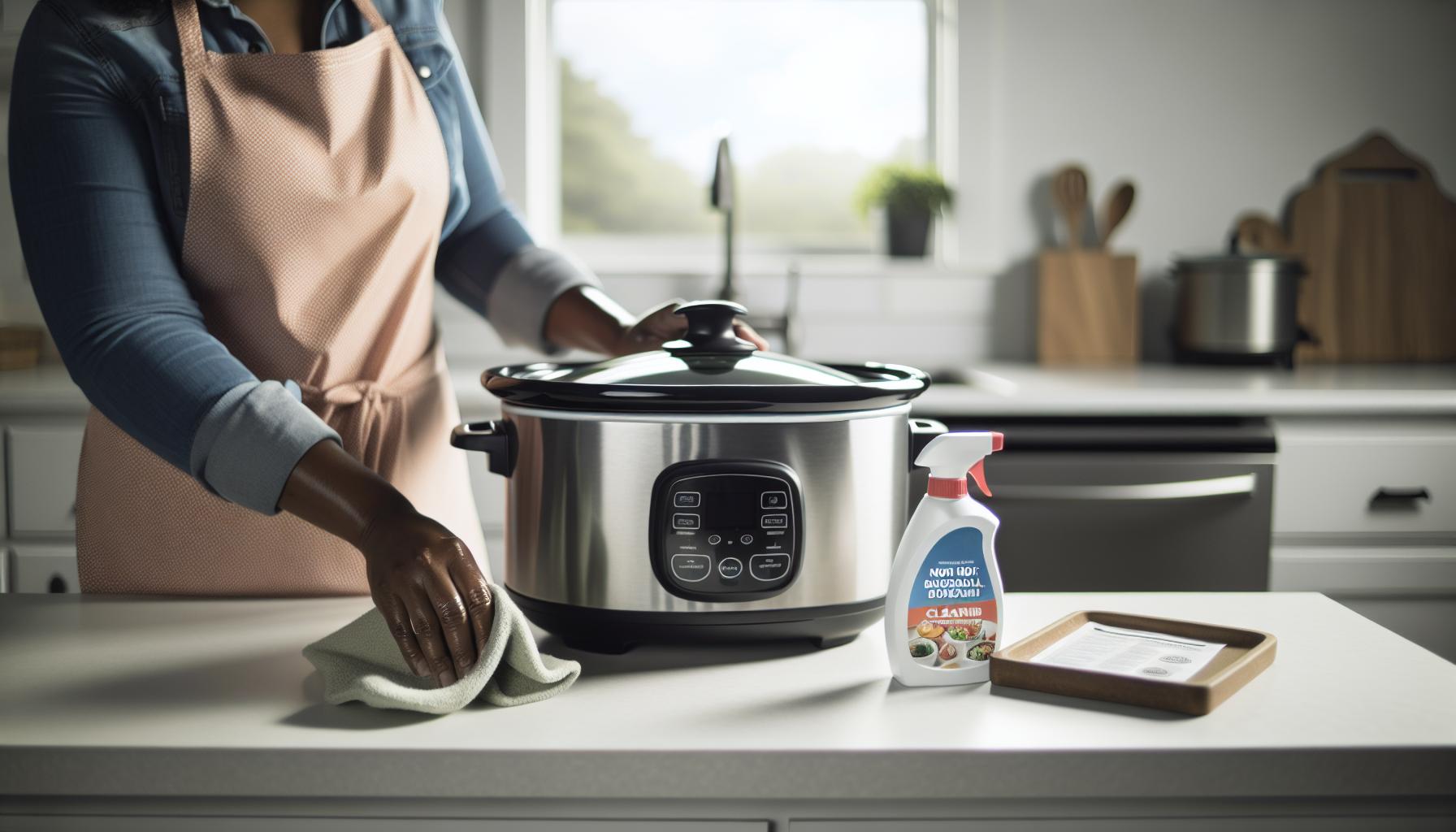
Q&A
Q: How can I prevent water spots on the metal part of my slow cooker after cleaning?
A: To prevent water spots on your slow cooker’s metal parts, dry them immediately with a soft microfiber cloth after washing. Avoid air drying, which can leave mineral deposits. For extra shine, wipe with a little white vinegar on a cloth to dissolve any leftover residue-see our Maintaining Shine tips for more details.
Q: What is the safest way to remove mineral buildup from slow cooker metal surfaces?
A: Safely remove mineral buildup by soaking a cloth in equal parts white vinegar and water, then gently wiping the metal surface. For stubborn spots, let the vinegar sit for 10 minutes before rinsing thoroughly and drying. This natural method won’t damage the metal and complements our Safe Homemade Cleaners section.
Q: Why should I avoid abrasive scrubbers on slow cooker metal parts?
A: Abrasive scrubbers can scratch and damage the metal finish, leading to rust or dullness over time. Use non-abrasive sponges or soft cloths instead to protect the surface while effectively cleaning, as advised in our Avoiding Common Cleaning Mistakes section.
Q: how often should I deep clean the metal parts of my slow cooker for best care?
A: It’s best to deep clean metal parts once a month or after heavy use to remove residue and maintain shine. Regular deep cleaning prolongs your slow cooker’s life-refer to our Step-by-Step Deep Cleaning Guide to keep it looking and working like new.
Q: Can I use lemon juice to clean the metal part of my slow cooker?
A: Yes, lemon juice is a natural and gentle cleaner ideal for slow cooker metals. Apply fresh lemon juice directly on the metal,let sit 5 minutes,then wipe with a soft cloth and rinse. Its mild acidity cuts through grime without causing damage, tying nicely into our Safe Homemade Cleaners tips.
Q: How do I deal with discoloration on the metal parts without harsh chemicals?
A: To tackle discoloration naturally, make a paste of baking soda and water, apply it to the metal, then gently scrub with a soft sponge. Rinse and dry thoroughly. This eco-friendly method avoids harsh chemicals and supports your slow cooker’s longevity as noted in Quick Fixes for Rust and Discoloration.
Q: When is it best to replace the metal component rather of cleaning it?
A: Replace the metal part if it shows deep scratches, persistent rust, or peeling finish after thorough cleaning. Damaged metal can affect cooking quality and safety. Visit our When to Replace vs. Repair Slow Cooker Parts for signs that cleaning may no longer help.
Q: What homemade solutions safely disinfect the metal parts of my slow cooker?
A: Mix equal parts water and white vinegar or dilute hydrogen peroxide to disinfect metal parts naturally. Wipe with this solution, let sit 5 minutes, then rinse and dry. These safe, natural disinfectants maintain hygiene without harming metal finishes, complementing Safe Homemade Cleaners advice.
For more tips on keeping your slow cooker in top shape,explore our full guide-because a clean cooker means more delicious,worry-free meals!
In Retrospect
keeping your slow cooker’s metal part sparkling without damage is easier than it seems-and now you’ve got the simple,safe steps to do it right every time. Regular gentle cleaning not only preserves your slow cooker’s look but also extends its lifespan, so why wait? Give your kitchen helper the TLC it deserves today.
Looking for more kitchen care tips or slow cooker recipes that fit your busy lifestyle? Check out our guides on How to Clean Ceramic Slow Cooker Inserts and Top 5 Slow Cooker Meals for Gluten-Free Comfort Food-perfect next stops on your culinary journey. Don’t forget to subscribe to our newsletter for weekly hacks and delicious paleo and gluten-free meals that make cooking feel fun and effortless.
Got questions or a cleaning tip of your own? Share it below-your experience could help a fellow home cook! Keeping your slow cooker in tip-top shape is a small step that makes every meal better. Here’s to many more cozy, hassle-free dinners ahead!