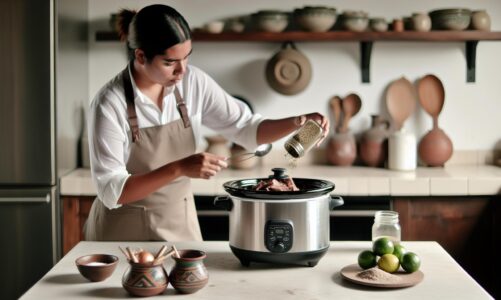
Did you know you can cook dry beans in your slow cooker without the hassle of pre-soaking? It’s true-and it’s a game changer for busy home cooks who want wholesome, hearty meals with minimal prep. Slow-cooking dry beans straightaway saves time and kitchen cleanup, making it perfect for gluten-free, paleo, and vegetarian diets alike. Plus, it’s a simple way to enjoy nutritious beans without fuss.
If you’ve ever felt intimidated by bean cooking or worried about long soak times derailing your dinner plans, this method has your back.Just toss your beans, add water and seasonings, set it low, and let the slow cooker work its magic while you tackle your day. Whether you’re craving a comforting stew or a protein-packed side, learn how easy it is to get tender, flavorful beans with no soaking required. Stick around-soon, you’ll be making stress-free, satisfying meals that fit your lifestyle and taste buds, no shortcuts or judgment, just tasty results.
Table of Contents
- Why Skip Soaking and Still Cook Perfect Beans
- Choosing the Best Beans for Slow Cooker Magic
- Step-by-Step Dry bean Slow Cooker Method
- Timing Tips: How Long to Cook Without Soaking
- flavor Boosters and Seasoning Secrets
- Avoiding Common Slow Cooker Bean Mistakes
- Easy Ingredient Swaps for Bean Recipes
- How to Tell When Beans Are Tender and Ready
- Storing and Reheating Your Slow-Cooked Beans
- Creative Meal Ideas Using Slow Cooker Beans
- Faq
- Q: Can I add acidic ingredients like tomatoes when cooking dry beans in a slow cooker without soaking?
- Q: How much water should I use for cooking dry beans in a slow cooker without soaking?
- Q: Is it safe to cook dry beans in a slow cooker without soaking first?
- Q: Why do some dry beans stay hard even after slow cooking without soaking?
- Q: How can I speed up cooking dry beans in a slow cooker without soaking?
- Q: What are good bean varieties that cook well in a slow cooker without soaking?
- Q: Can I add spices and herbs before cooking dry beans in a slow cooker without soaking?
- Q: How do I prevent foaming or overflow when cooking dry beans unsoaked in a slow cooker?
- The Way Forward
Why Skip Soaking and Still Cook Perfect Beans
Cooking dried beans without soaking might sound like culinary heresy to some,but slow cookers have truly changed the game-offering a hands-off method that turns even the toughest dry beans into tender,creamy bites by dinner time. Soaking beans overnight has been the traditional route to speed up cooking and improve digestibility,but it’s not always practical or necesary. For busy home cooks who value ease without sacrificing flavor or texture, skipping the soak can be a genuine lifesaver.Especially if you’ve ever forgotten to plan ahead or just want to embrace a simpler prep routine, this approach keeps your kitchen workflow flowing smoothly.
Why does it work? Slow cookers operate at low temperatures over long periods, gently hydrating and breaking down the beans’ tough exterior. This extended simmer means the beans don’t need to be pre-soaked to absorb water quickly; rather, they have all evening (or all day) to fully soften while mingling with your choice of herbs and spices. Plus, skipping soaking frees you from the extra step of managing soak water and rinsing. Not to mention,unsoaked beans sometimes hold onto more of their natural flavor and nutrients-so you don’t lose the hearty,earthy charm we all love in home-cooked beans.
Making No-Soak Beans Work for You
here’s a nugget from my own kitchen adventures: I once tossed dry black beans into my slow cooker on a whim,no soaking,and came back after 8 hours to the kind of creamy,rich texture you’d expect from a professionally slow-cooked pot. The key is just a little patience and a few basic tweaks:
- Use enough liquid: Because dry beans soak up a surprising amount of water during their long slow cook, err on the side of adding more broth or water then you think you need. That keeps the beans submerged and prevents scorching.
- adjust timing: While soaked beans might take 4-6 hours, unsoaked ones need 7-9 hours on low heat. That gradual cooking melts starches and softens skins perfectly.
- Mind your bean type: Some beans, like lentils or split peas, cook quickly and don’t usually need soaking. Larger beans, like kidney or chickpeas, benefit most from longer slow cooking without soaking.
Not only is this method wonderfully flexible for holidays or last-minute meal prep, but it feels adventurous in a comforting way-a bit like rediscovering an ancient slow-cook ritual without the fuss.
Why Some Folks still Soak (And When You Could Consider It)
A quick note: soaking sometimes still pays off if you want to reduce certain compounds that can cause gas or to speed things up drastically. But if your schedule doesn’t allow for soaking, or you simply want to embrace that purist slow-simmer method, rest assured the slow cooker handles it beautifully. no judgment here-just delicious results. After all, food is about joy, not perfection.
In fact, many paleo and gluten-free home cooks find that slow cooking unsoaked beans yields meals that are both nutrient-packed and gentle on digestion, especially when paired with spices like cumin or ginger.
So next time you’re staring at your dry beans wondering if you really have to plan an all-night soak,take a breath-and take your slow cooker for a spin instead. It’s the modern shortcut that tastes like tradition.For more detailed guidance on soaking and no-soak timing differences, check out this helpful resource on cooking beans in a slow cooker here[[1]].
Choosing the Best Beans for Slow Cooker Magic
Beans are like the ultimate kitchen chameleons-they show up in cuisines from smoky barbecues to comforting stews, and they’re just as at home in a slow cooker as on a stovetop. But not all beans are created equal when it comes to no-soak slow cooking. Picking the right type can make the difference between a pot of creamy, tender bites and… well, a crunchy disappointment. For anyone juggling a busy schedule, embracing the right bean varieties means you can toss dry beans straight into your slow cooker without worry and still come back to magic.
The secret? Beans with a thinner skin and smaller size tend to soften more consistently during long, slow cooking without pre-soaking.Think lentils, black beans, navy beans, and great northern beans-they practically sing on their own after 6-8 hours on low heat. On the other end, larger beans such as chickpeas, kidney beans, and pinto beans usually need a bit longer in the slow cooker-closer to 8-10 hours-but they get wonderfully creamy without fuss once you give them time. Personally, I learned this the fun way after one last-minute chili attempt: I dumped unsoaked kidney beans straight in, crossed my fingers, and was happily surprised by a rich texture worthy of the effort. If that’s not encouragement to experiment, I don’t know what is.
Picking Beans for Your Meal Type and Dietary Vibe
Choosing beans can also depend on the meal you’re eyeing and your diet preferences. Paleo and gluten-free eaters, rejoice! Most beans fit right into your plans-when prepared slowly, they become super digestible and full of fiber and protein. Black beans and lentils are especially versatile for tacos, salads, or stews with warm spices.
- For a quick weeknight fix, lentils and split peas shine as they need no soaking and cook quickly-about 4-6 hours on low.
- If you want a hearty centerpiece, slow-cooked kidney beans or chickpeas give you that satisfying bite and lovely firmness without sticky mush.
- Fancy a crowd-pleaser? Use a bean medley-mix black beans, pinto beans, and navy beans for a colorful, flavor-packed slow cooker party.
If you’re new to slow cooker beans and want to avoid surprises, start with small batches and keep notes on timing and texture. Remember, freshness matters too-older beans can take longer to soften. A fresh bag of beans from your local market or reputable online source is worth that extra step.
Substitutions and Versatility: Because Life Happens
Don’t sweat if you don’t have the “perfect” bean on hand. Most dry beans will play nicely with the no-soak method-just adjust your cook time accordingly, and add a splash more liquid to keep things cozy. White beans like cannellini or great northerns are forgiving and develop a delicate flavor that complements many dishes. Meanwhile, if you’re feeling adventurous, try cranberry or adzuki beans for a unique twist that’s as easy to slow cook without soaking as your go-to black beans.
Here’s a quick guide to help you choose what works best at a glance:
| Bean Type | approximate Cooking Time (No Soak) | Best For | Flavor Profile |
|---|---|---|---|
| Lentils | 4-6 hours | Soups, salads, quick meals | Earthy, mild |
| Black Beans | 7-8 hours | chili, rice dishes, tacos | Rich, slightly sweet |
| Kidney Beans | 8-10 hours | hearty stews, chili | Robust, meaty |
| Chickpeas | 8-10 hours | Curries, salads, hummus (post-cook) | Nutty, creamy |
| Split Peas | 4-6 hours | Soups, purees | Mild, slightly sweet |
The long and short of it: your slow cooker is a powerful friend that will turn nearly any dry bean into a tender, flavorful meal, soaking or no soaking. With just a dash of patience and a splash of extra water or broth, you’re well on your way to bean bliss without added hassle. So the next time you’re scanning your pantry, channel a little slow cooker magic and give those dry beans a starring role-they’ll surprise you!
Step-by-Step Dry bean Slow Cooker Method
if you’ve ever felt intimidated by cooking dry beans in a slow cooker without soaking, you’re in for a treat. Tossing dry beans straight in might sound like a gamble, but with the right approach, it’s a foolproof way to get tender, flavorful beans without the extra step of soaking. it saves you time and mental energy-perfect for busy folks who want wholesome meals without a fuss.
The beauty here is simplicity combined with a few smart tricks. You’ll start by picking your favorite dry beans (black beans, kidney beans, chickpeas, or lentils-all great no-soak candidates). Then, it’s all about getting your hands on liquid, seasoning, and low-and-slow temperatures. most slow cookers run about 8 hours on low, so planning ahead is key, but it’s easier than it sounds-more set-it-and-forget-it than active cooking.
Here’s how to put those dry beans to work:
- Step 1: Inspect and Rinse. Pour your dry beans into a colander and rinse thoroughly under cold water. Pick out any pebbles or debris-it only takes a minute, and trust me, your slow cooker will thank you.
- Step 2: Add Beans and Liquid. Place the rinsed dry beans into your slow cooker. The general rule of thumb is to add about 3 cups of water (or broth for more flavor) for every 1 cup of dry beans. Make sure the beans are submerged comfortably-aim for 2 inches of liquid above the beans to allow for expansion.
- Step 3: Season Early, But Carefully. Toss in about 1 teaspoon of salt per cup of beans to start-the slow cooker does great with seasoning from the jump.Add your favorite aromatics like garlic cloves, bay leaves, or onion chunks. Avoid acidic ingredients like tomatoes or vinegar at this stage, as they can toughen beans. Add those later during the last hour of cooking for the best texture.
- Step 4: Set It and Forget It. Cover your slow cooker and set it to low. Timing varies (see next sections!), but expect 6-10 hours depending on bean type. Resist the urge to frequently lift the lid; each peek lets steam out and adds to cooking time.
- Step 5: Check and Taste. After the minimum cook time, test a few beans for tenderness. Perfect beans should be creamy but not mushy-a little bite is great, but no crunch. If they’re not quite ready, keep going, checking every 30 minutes. Slow cookers can vary, so this is where your patience pays off.
Tips From the Trenches
I once forgot to soak chickpeas for a curry, tossed them dry into the slow cooker, and crossed my fingers. About 9 hours later, they were tender, nutty, and perfect for blending into hummus. This no-soak magic works because slow cooking at low heat gives enough time for water to penetrate the beans gently.
You can swap water with flavorful stocks to amp up taste, and add veggies like carrots or celery at the start for a one-pot meal. Just remember that thin-skinned or smaller beans like lentils need less time (4-6 hours) and might benefit from a little extra liquid to stay cozy. Bigger beans take longer, but patience delivers creamy, melt-in-your-mouth results without presoaking hassles.
Don’t stress about exact timing or perfect ratios-start small, keep notes, and adjust based on texture and flavor.Over time, your slow cooking becomes your secret weapon for easy, gluten-free, paleo-kind beans brimming with home-cooked goodness.
| step | What to Do | Pro Tips |
|---|---|---|
| 1 | Rinse and sort dry beans. | Eliminate debris to avoid unwanted surprises. |
| 2 | Add beans + 3 cups water per 1 cup beans. | Use broth for extra flavor. |
| 3 | Add salt & aromatics (not acidic ingredients). | Add acidic foods later to keep beans tender. |
| 4 | cook on low,6-10 hours depending on bean type. | keep lid closed for best results. |
| 5 | Check for tenderness before serving. | Beans should be creamy, not crunchy or mushy. |

Timing Tips: How Long to Cook Without Soaking
You’ll be pleasantly surprised how forgiving slow cookers are when it comes to cooking beans without that fuss of soaking. Because slow cookers cook at a gentle, steady temperature, dry beans have ample time to absorb liquid and soften gradually-saving you prep time without sacrificing texture or flavor. But be prepared: patience is your best friend here, as the cooking time without soaking can stretch anywhere from 6 to 10 hours or more, depending on your bean type and slow cooker’s heat pattern.Smaller beans like black beans or lentils tend to soften faster, nudging closer to the 6-hour mark, while larger, denser beans-think chickpeas or kidney beans-may take closer to 9 or 10 hours for that perfect creamy bite. It’s totally normal for slow cooker models to heat unevenly or fluctuate slightly, so don’t be shy about testing your beans after the minimum time and then every 30 minutes thereafter. The difference between undercooked, crunchy beans and tender, melt-in-your-mouth legumes is just a quick taste test away.
practical Timing Tips to Keep You Chill
- Start with a baseline of 8 hours on low. This works well for most beans without soaking. If you’re pressed for time, increasing the slow cooker to high will speed things up, but you’ll want to watch closely after 4-6 hours to avoid mush.
- Allow extra liquid. Since dry beans soak up quite a bit over extended cooking, use about 3 to 4 cups of water or broth per 1 cup of beans to keep them swimming comfortably.
- Hold back acidic ingredients until late. Adding tomatoes,citrus,or vinegar too soon can toughen beans and extend cooking times,so save those flavors for the last 30-60 minutes.
- Resist lid-lifting urges. Each peek releases steam and cools the pot, translating to longer cooking time.
I had a perfect “oops” moment once when I forgot to soak chickpeas for a dinner party. Tossed them dry into the slow cooker before bed,set it on low,then crossed my fingers. By morning, they were tender enough for hummus-rich, nutty, and silky-smooth-no soaking required. That experience taught me that slow cookers do the heavy lifting on time, making them ideal for busy cooks who need hands-off, reliable results.
| Bean type | Approximate Cook Time (No Soak) | Liquid Ratio (per 1 cup dry beans) | Notes |
|---|---|---|---|
| black Beans, Pinto Beans | 6-8 hours low | 3 cups | Great for quick weeknight meals, check at 6 hours. |
| Chickpeas (Garbanzo Beans) | 8-10 hours low | 4 cups | Longer cook time needed,swap broth for more depth. |
| Kidney Beans | 8-10 hours low | 3.5 cups | Firm skin-test for softness before serving. |
| Lentils | 4-6 hours low | 2.5 cups | Thin skin, cooks fastest-avoid overcooking. |
Remember,the slow cooker isn’t just a kitchen appliance-it’s your patient,understanding sous-chef who lets beans go from rock hard to perfectly tender on your schedule. With a little attention and a lot less fuss than soaking demands,every batch can be your new favorite comfort food staple. Just set it, forget it, and come back to a pot full of bean magic!
flavor Boosters and Seasoning Secrets
When it comes to coaxing maximum flavor out of your slow cooker beans-especially cooked without soaking-sometimes it’s the little extras that turn a simple pot into a showstopper. Because beans themselves are like a blank canvas, they eagerly soak up whatever you add, making seasoning timing and ingredient choices key players.One golden rule I’ve learned? Add your herbs and spices thoughtfully to match the long, gentle cook time and avoid any bitter or muted results.
Start with the basics: aromatics like onions, garlic, and celery tucked right in at the beginning provide a savory backbone. Dried herbs such as oregano,thyme,and bay leaves are slow cooker dreams,infusing their earthy notes gradually without overpowering. Though, it’s best to hold off on fresh herbs and bright acids (think lemon juice or tomato) until the last 30 to 60 minutes to preserve their brightness and prevent the beans from toughening up. Trust me, patience pays off here!
Flavor Layers Without Fuss
- Broth over water: Using vegetable, chicken, or beef broth rather of plain water adds instant depth. For paleo or gluten-free eaters, just double-check your broth is compliant and gluten-free.
- Smoked paprika or chipotle powder: A pinch provides a subtle smoky warmth that works wonders with pinto or black beans-perfect for listeners who love a little spice-but feel free to skip if heat isn’t your jam.
- Umami boosters: A splash of coconut aminos or a teaspoon of nutritional yeast stirred in near the end can elevate flavor complexity without salt overload.
- Sweet hints: Sometimes a small touch of maple syrup or a grated carrot helps balance earthy beans beautifully.
There’s a fun kitchen hack I stumbled upon while throwing together a quick batch: adding a cinnamon stick and a couple of crushed cardamom pods at the start gave the chickpeas a gentle warmth and exotic twist, perfect for a cozy dinner with minimal effort.This is the kind of playful seasoning that turns your slow cooker into your flavor sidekick. And since you’re hands-off most of the time, don’t be shy about experimenting with what herbs or spices you already love-slow cooking is forgiving.
Seasoning Timing Cheat Sheet
| Ingredient Type | When to Add | Why |
|---|---|---|
| Root vegetables (onion, garlic, carrot) | Start of cooking | Need long time to soften and infuse flavor |
| dried herbs & spices (oregano, bay leaf, cumin) | Start of cooking | Gradually release aroma and flavor |
| Acidic ingredients (tomato, vinegar, lemon juice) | Last 30-60 min | Prevent toughening of beans, brighten flavor |
| Fresh herbs (cilantro, parsley, basil) | Near end or after cooking | Preserve fresh aroma and color |
Keep in mind: salt is a bit of a diva with beans. Adding it too early can sometimes slow the softening process, so if you want control over final saltiness, wait until beans are tender or very close to done before seasoning. Though,if you’re using a salty broth,taste first before adding extra salt.
Play around, trust your nose and taste buds, and welcome those happy little kitchen accidents that might just become your new signature twist. With these flavor boosters and timing tips, your no-soak slow cooker beans will not only be easy and convenient, but full of personality-just like food should be.
Avoiding Common Slow Cooker Bean Mistakes
Cooking dry beans in a slow cooker without soaking is a fantastic way to save time and get a hearty meal on your table with minimal fuss-but even with this laid-back approach, a few hiccups can sneak in if you’re not careful. One surprisingly common setback is underestimating cooking time or bean type,which can leave you chewing on beans as tough as your in-laws’ opinions at Thanksgiving. Slow cookers vary in heat intensity, and beans can be stubborn, so patience and occasional checking are your best friends here. If you start without soaking, expect a longer simmer-typically 6 to 8 hours on low-and plan accordingly to avoid that dreaded “still crunchy” dilemma.
ever been tripped up by adding salt too early? It’s an old myth that salt makes beans hard, but modern culinary wisdom says timing is crucial here. Salt itself won’t ruin your beans, but adding it right at the start can slow down their softening process, turning your cozy pot into a drawn-out chew fest. My go-to hack: wait until the beans are just about tender to season. Or, if you’re working with salty broth, ease up on added salt altogether and taste as you go.this tip alone can transform a mediocre pot of beans into a rich, well-balanced bowl without oversalting.
Simple Missteps That Stall Your Beans
- Skipping liquid adjustments: Beans swell as they cook,so too little liquid leads to drying or burning,but too much dilutes flavor. Use at least 3 cups of water or broth per cup of beans.
- Overloading the slow cooker: Packing in more beans than your slow cooker can handle results in uneven cooking. Leave room for bubbling and expansion.
- Hitting the lid too often: Slow cookers lose heat and extend cook time each time you peek. Resist repeated lid lifts unless it’s to check tenderness near the finish.
One time I tossed a cinnamon stick and cardamom pods into my chickpeas early on-did I mention slow cooking is forgiving?-only to forget to adjust liquid levels. Halfway through, my beans were threatening to singe. Lesson learned: always prep your liquid first, then layer in your flavorful extras.
Quick Checks to Keep Your Beans on Track
| Common Mistake | Fix or Prevention Tip |
|---|---|
| Connecting a ”still crunchy” bean plague | Extend low heat cooking time; test several beans for doneness; decrease slow cooker temperature if beans get mushy. |
| Add salt too early | Season near the end; taste broth before adding salt at all. |
| Burnt beans or dried-out cooker | Monitor liquid levels; stir gently; avoid overfilling. |
| Lid lifting slows cooking | Save lid checks for 1 hour before expected finish time. |
Above all, remember that dry beans are a bit like old friends-sometimes stubborn, occasionally surprising, but always worth the wait. Embrace flexibility, check in just once or twice, and you’ll reward yourself with silky, flavorful beans that make skipping the soak a total no-brainer.
Easy Ingredient Swaps for Bean Recipes
No soaking and still looking for tasty bean variations? Swapping out ingredients isn’t just a shortcut-it’s your ticket to endless flavor adventures with minimal effort. Whether you’re gluten-free, paleo, vegetarian, or simply juggling busy days and picky eaters, flexible ingredient swaps let you craft mouthwatering bean dishes in your slow cooker without breaking a sweat.
For starters, liquids are your best friend here and swapping them can completely alter the vibe of your slow-cooked beans. If you usually reach for plain water, try rich chicken broth or veggie stock for a flavor boost that doesn’t require more seasoning later. Paleo folks love using bone broth for added nutrients and luxurious depth,while those watching sodium might want low-sodium varieties to control salt better. If stock is out of reach, even coconut water offers a slightly sweet twist that plays nicely with black beans or chickpeas.
Protein and Bean Swaps that Keep Life Interesting
Not all beans cook equally, but you can swap freely between varieties if you adjust timing slightly. Such as:
- Pinto beans and black beans: Both similar in cook time and texture, perfect for dips and chili.
- Chickpeas (garbanzo beans): They take a little longer-think 7-8 hours on low-but swap in lentils (which cook faster) when in a pinch.
- Lentils: Great when you want quicker meals; they don’t require soaking at all and soften easily in under 4 hours.
And if you’re craving a meaty texture without meat, try swapping sausage or bacon bits for smoked paprika and mushrooms-your slow cooker beans will thank you with layers of umami flavor, all while keeping things vegetarian or paleo-friendly.
Seasoning and Add-Ins: Small Swaps, Big Flavor
salt and spices can feel like a minefield when cooking beans without soaking. To keep things foolproof:
- Swap fresh herbs for dried if that’s what you have. Dried rosemary, thyme, or oregano are perfect for slow cooking-just add them at the start.
- Use garlic powder instead of fresh garlic for a gentler, mellow flavor that won’t burn or turn bitter during the long cook.
- Swap sweetener types as well: a drizzle of maple syrup can replace brown sugar for paleo fans, adding a subtle caramelized hint.
One fun trick from the slow cooker trenches: if you’re out of tomato paste or canned tomatoes (common go-tos in bean chili or stews), swap in roasted red peppers or a splash of balsamic vinegar for tang and richness. These swaps don’t just tweak flavor; they brighten the entire dish without fuss.
Quick Reference Table: Common Ingredient Swaps for Slow-Cooked Beans
| Original Ingredient | easy Swap | Why It Works |
|---|---|---|
| Chicken or vegetable broth | Bone broth / Coconut water | Adds nutrients, richness, or a subtle natural sweetness |
| Pinto or black beans | Chickpeas / Lentils | Texture and cook time variety, lentils speed things up |
| Fresh garlic | Garlic powder / roasted garlic | prevents bitterness, easier for long cooking |
| Brown sugar | Maple syrup / honey | Natural sweetness with paleo-friendly options |
| Tomato paste or canned tomatoes | Roasted red peppers / balsamic vinegar | Maintains acidity and complexity without added prep |
With these swaps in your arsenal, your slow cooker beans will be anything but boring-even if you skipped that soaking step. Remember, beans love company, whether it’s spices, liquids, or veggie pals. Think of these swaps as invitations to a flavor party where everyone’s welcome and no one gets left behind because of a missing ingredient or diet restriction. Happy slow cooking!
How to Tell When Beans Are Tender and Ready
Beans cooked from dry and without soaking can sometimes feel like a bit of a “slow” love story-you put them in the pot,wait patiently,and then you get rewarded with that perfect,tender bite. But how do you know exactly when they’re done, without overcooking into bean mush or biting into tough little legumes? The answer is both simple and a bit intuitive: it’s all about texture, taste, and a little poking around.
First off, beans should be tender enough to mash easily with the side of a spoon but still hold their shape-you want that balance between creamy and intact.When beans are perfectly done, they’ll feel soft all the way through, with no chalky or gritty center lurking inside.This can take anywhere from 6 to 10 hours on low in a slow cooker depending on the bean variety (chickpeas usually need a bit longer, while lentils and black beans cook faster). Starting around the 6-hour mark, you can cautiously check beans every hour or so by scooping out a few with a spoon and taking the “bite test.” A pinch between your fingers or a gentle squeeze can also tell you a lot about their tenderness.
If you’re new to the no-soak slow cooker method, here’s a little kitchen pro tip: avoid testing by just poking with a fork-it tends to squish them too much, giving a false sense of doneness. Rather, try scooping a few onto a small plate or bowl and pressing down gently to feel the texture. Under-cooked beans will resist pressure and feel firm in the center; overcooked beans will collapse completely. Done right, they’re tender but still have a little body and bounce. Bonus: tasting a bean warmed up also gives the best “real” picture as sometimes beans feel tender hot but stiff once cooled (and vice versa).
Signs Your Slow Cooker beans Are Ready To Enjoy
- Soft throughout: No more tough skins or gritty centers-every bite is creamy.
- Easy to mash: Press a bean lightly with your finger-if it squishes easily without falling apart, you’re golden.
- Plump and full: The beans should have puffed up nicely, soaking in all that flavorful liquid.
- Flavor absorption: Sometimes beans need a final 15-30 minutes on high to let seasoning fully penetrate and soften.
Personally, I like to taste-test towards the end of the cooking time while imagining the recipe I’m planning-soups want beans that’ll hold up a bit, but for creamy dips you can push it softer. Remember, every slow cooker varies, and even the same bean type can fluctuate with age or dryness, so use these guidelines as a flexible road map, not a hard rule.keep in mind that beans continue to absorb liquid as they cool. If your beans seem perfectly tender while hot but firm up when cooled, just reheat gently with a splash of broth or water to loosen them. This little trick salvages your batch and keeps your paleo or gluten-free creations tasting perfect-even if you skipped soaking, you’re still winning at bean magic!
Storing and Reheating Your Slow-Cooked Beans
Beans are the ultimate batch-cookers, and the good news? They love hanging out in your fridge or freezer almost as much as they enjoy slow simmering in a crockpot. But to keep your no-soak slow-cooker beans tasting fresh and vibrant, a little TLC in storage and reheating goes a long way.
Once your beans have cooled to room temperature, transfer them along with their cooking liquid into airtight containers to preserve moisture and flavor. Because these babies soak up so much liquid as they cook,that flavorful broth is like edible gold-don’t toss it! Storing beans submerged in their cooking liquid keeps them creamy and prevents drying out. Pop them in the fridge for up to 4-5 days, and if life’s got you in a longer-term storage mood, pour the beans and liquid into freezer-safe bags or containers. Label with the date,and they’ll be ready to roll for up to 3 months.
Warming up Beans Without Losing Their Charm
Reheating slow-cooked beans can be where many home cooks trip up-overheat them, and you get mush city; heat too little and you’re stuck with tough bites. I’ve found that gentle reheating on the stovetop with a splash of broth or water works wonders to loosen up beans that firmed up during chilling. If you’re using a microwave, cover beans loosely to keep steam inside and check every 30 seconds to avoid overcooking. A helpful kitchen hack I swear by: stir in a teaspoon of olive oil or a pat of butter upon reheating to add silkiness and boost flavor, no matter if you’re paleo, gluten-free, or just bean-curious.
Quick Reference for Storing Your Beans
| Storage Method | Duration | Tips |
|---|---|---|
| Refrigerator (in airtight container with cooking liquid) | 4-5 days | Keep beans submerged in broth to prevent drying |
| Freezer (in freezer-safe bag or container with cooking liquid) | Up to 3 months | Leave some headspace; thaw overnight in fridge |
Whether you toss your beans into salads, mash them for dips, or add them to soups and stews, stored beans make weeknight dinners delightfully easy. Personally,I prep a big batch,freeze in half-cup portions,and pull them out whenever I want to jazz up a meal. It’s the kind of shortcut that feels fancy but takes zero extra effort-perfect for a busy life that still craves tasty, nourishing food.
Remember, even though slow cooker beans cooked without soaking are forgiving, their texture can shift after chilling. A quick warm-up with a splash of liquid brings them back to that magical, creamy state you waited hours for in the first place. your future self will thank you with every perfect bite.
Creative Meal Ideas Using Slow Cooker Beans
Beans cooked low and slow in a crockpot without soaking unlock a treasure trove of effortless, nourishing meals that fit every craving and lifestyle. Because they’re already prepped with minimal fuss, you’ve got a stellar base to get creative without stress. Whether you’re fueling up for a busy week of paleo-friendly dinners or jazzing up a gluten-free lunch, these versatile beauties transform any dish into something hearty and satisfying. Plus, with leftovers that freeze beautifully, meal prep just got a whole lot smarter and tastier.
simple Weeknight Comforts
Think of slow cooker beans as your secret culinary sidekick. For a cozy dinner, toss a big batch of black beans or pinto beans into a skillet with sautéed onions, garlic, and a smear of your favorite chili powder. Heat it all gently and serve over cauliflower rice or a baked sweet potato for a paleo-approved, gluten-free meal that’s ready in minutes. Or stir in some diced avocado, fresh lime juice, and chopped cilantro for a vibrant bean salad that doubles as a quick lunch or dinner side.
Soups, Stews, and Beyond
Slow-cooked beans are like little sponges soaking up flavor – perfect for turning pantry ingredients into a soul-warming stew. mash a handful of kidney or navy beans into your tomato-based broth for added creaminess and protein without cream (hello paleo!). Add chopped seasonal veggies, a splash of smoked paprika, and a sprinkle of fresh herbs. need a gluten-free crowd-pleaser? Serve this with gluten-free cornbread or rice for a meal everyone will cheer for.
Snack & Dip Starters
Don’t underestimate the power of pureed beans after your slow cooker session. Just blend white beans or chickpeas with lemon juice, olive oil, and garlic for a silky hummus-or mash black beans with a touch of cumin and lime for a creamy dip that’s perfect with cut veggies or gluten-free crackers. These dips are not only delicious but come together in a flash when your cooked beans are just waiting for their next life in the fridge or freezer.
- Pro tip: reserve some of that magical cooking liquid to thin out purees or soups – it adds flavor without diluting nutrients.
- Mix in cooked beans for an instant protein boost in salads, scrambled eggs, or even grain bowls.
- Substitute smoked sausage or bacon in your slow cooker recipes for quick flavor upgrades – or keep it veggie-friendly with mushrooms and smoked paprika.
Cooking beans in the slow cooker without soaking isn’t just a time-saver; it’s a gateway to exploring diverse cuisines and lifestyles with ease. Whether you’re whipping up a simple chili, a Mediterranean-inspired bean dip, or a nourishing stew, those tender slow cooker beans bring big flavor and comfort to your table – no fuss required.
Faq
Q: Can I add acidic ingredients like tomatoes when cooking dry beans in a slow cooker without soaking?
A: Avoid adding acidic ingredients like tomatoes or vinegar at the start as they can toughen the beans’ skins, increasing cooking time.add acidic components after the beans are soft-usually in the last 30 minutes of cooking-to ensure tender, flavorful results. For more tips, see our Flavor boosters and seasoning Secrets section.
Q: How much water should I use for cooking dry beans in a slow cooker without soaking?
A: Use about 3 cups of water for every 1 cup of dry beans when cooking unsoaked beans in a slow cooker. This ratio ensures the beans stay submerged and cook evenly without drying out. Adjust slightly if you prefer thicker or soupier beans.Check the Step-by-Step Dry Bean Slow Cooker Method for perfect liquids.
Q: Is it safe to cook dry beans in a slow cooker without soaking first?
A: Yes, it is indeed safe to cook dry beans without soaking in a slow cooker if cooked thoroughly at low heat for the recommended time.Just ensure beans reach a tender texture to neutralize natural toxins like phytohemagglutinin in red kidney beans. Learn more in Timing tips: How Long to Cook Without Soaking.
Q: Why do some dry beans stay hard even after slow cooking without soaking?
A: Beans may stay hard if they are old, or if water level is too low. Also, cooking on low heat without soaking requires longer cooking times-usually 6 to 8 hours or more. Using fresh beans and enough water helps,plus check Avoiding Common Slow Cooker Bean Mistakes for troubleshooting.
Q: How can I speed up cooking dry beans in a slow cooker without soaking?
A: To speed up cooking, use the high setting on your slow cooker and increase liquid slightly.Alternatively,quickly rinse beans and do a hot water soak for 1-2 hours before slow cooking to reduce cooking time without full soaking. For detailed methods, see the Timing Tips and Easy Ingredient Swaps sections.
Q: What are good bean varieties that cook well in a slow cooker without soaking?
A: Black beans,pinto beans,and navy beans cook well without soaking in a slow cooker due to their softer skins. Larger, harder beans like chickpeas or kidney beans may need longer cooking or soaking for best texture. Check Choosing the Best Beans for Slow Cooker Magic for tailored advice.
Q: Can I add spices and herbs before cooking dry beans in a slow cooker without soaking?
A: Yes, mild spices like bay leaves, garlic, and onion powder can be added at the start.Though, avoid salty seasonings and acidic ingredients early as they may inhibit softening. add salt towards the end of cooking for best flavor and texture. See Flavor Boosters and Seasoning Secrets for more on seasoning timing.
Q: How do I prevent foaming or overflow when cooking dry beans unsoaked in a slow cooker?
A: To prevent foaming and overflow, use plenty of room in your slow cooker (beans expand!) and add a teaspoon of oil or a splash of vinegar to reduce foam. Stir midway if safe to do so. Check the avoiding Common Slow Cooker Bean Mistakes for practical tips and reminders.
For more detailed guidance, feel free to explore our extensive article sections-cooking dry beans without soaking has never been easier or more delicious!
The Way Forward
Now that you know how easy it is to cook dry beans in a slow cooker without any soaking, you’re all set to enjoy wholesome, homemade beans with minimal prep and maximum flavor. Whether you’re aiming for a gluten-free, paleo-friendly meal or just a comforting side dish, this simple method saves you time without sacrificing taste or texture. Ready to try variations like black beans or chickpeas? Check out our Slow Cooker Bean Recipes and Healthy Bean Meal Ideas for more inspiration that fits your busy lifestyle.
Don’t let the fear of long cooking times hold you back-these straightforward steps turn dried beans into a nutrient-packed ingredient you can rely on anytime. Want to make your beans even more delicious? Explore our tips on seasoning and quick ingredient swaps in Flavor Boosters for Slow cooker Meals. If you found this guide helpful, join our newsletter for fresh, tested recipes delivered straight to your inbox. Got questions or bean hacks to share? Drop a comment below-let’s keep the conversation cooking!