
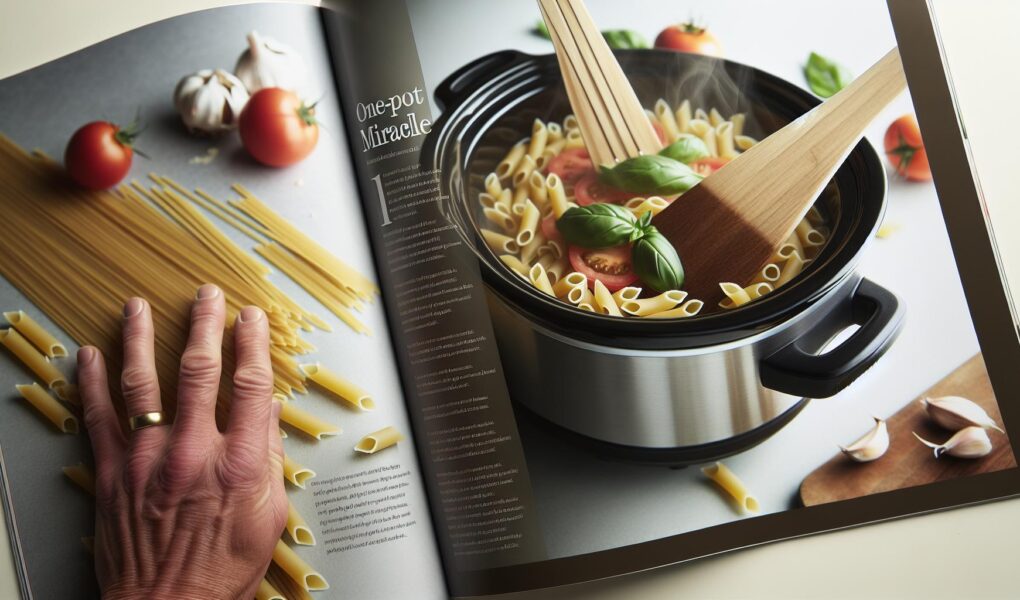
Did you know you can toss dry pasta right into a slow cooker and come back hours later to a perfectly tender, saucy meal with zero stress? Cooking dry pasta in a slow cooker is a total game-changer for busy home cooks who crave comforting, hands-off dinners without the last-minute scramble. Weather you’re juggling work, family, or just not into standing over a hot stove, the slow cooker method lets you set it and forget it-no boiling water or constant stirring required. Plus, it’s surprisingly forgiving with ingredient swaps and easy to customize for gluten-free or paleo styles.Ready to discover the one-pot miracle that transforms simple dry pasta into a creamy, flavorful dinner? Stick around-I’ll walk you through foolproof steps, time-saving tips, and flavorful variations that make this effortless classic a weekly favorite in my kitchen.
Table of Contents
- Choosing the Best Pasta for Slow Cooker Recipes
- Essential Ingredients and Kitchen Tools You’ll Need
- Step-by-Step Guide to Cooking Dry Pasta in a Slow Cooker
- Perfect Liquid Ratios for Creamy, Non-Mushy Pasta
- Timing Tips: How Long to Cook Pasta Without Overdoing It
- Flavor Boosters: Sauces, Herbs, and Cheese Ideas
- Gluten-Free and Paleo Pasta Options That Actually Work
- Creative One-Pot Meal Ideas with Slow Cooker Pasta
- Troubleshooting Common Slow Cooker pasta Problems
- Expert Hacks for Quick Prep and Cleanup
- storing and reheating Slow Cooker Pasta Leftovers
- Frequently Asked Questions
- Q: Can I add raw vegetables when cooking dry pasta in a slow cooker?
- Q: How do I prevent my slow cooker pasta from sticking to the pot?
- Q: What’s the best type of dry pasta shape for slow cooker recipes?
- Q: Can I cook gluten-free or paleo pasta in a slow cooker without it falling apart?
- Q: How much water do I need when cooking dry pasta in a slow cooker compared to stovetop?
- Q: Can I use pre-cooked pasta in a slow cooker dish to save time?
- Q: How do I adjust slow cooker pasta recipes for busy weeknights?
- Q: Why does my slow cooker pasta sometimes turn mushy, and how can I fix it?
- In Summary
Choosing the Best Pasta for Slow Cooker Recipes
Choosing the right pasta is a game-changer when it comes to slow cooker recipes, especially if you’re starting with dry pasta. Unlike stovetop cooking, the slow cooker’s gentle, moist heat means not all pasta shapes and sizes behave the same. Picking a pasta that holds up without turning into a mushy mess can make your dinner feel like a one-pot miracle instead of a kitchen disaster. For example, smaller shapes like penne, rigatoni, or rotini tend to work beautifully-they hold their structure and soak up the sauce evenly throughout the long cooking process.On the flip side, delicate or very thin pastas like angel hair or vermicelli usually don’t last the slow cooker marathon. They can dissolve or overcook fast, losing that comforting bite we all crave.So, if you’re a fan of spaghetti or linguine, consider breaking strands up or opting for thicker varieties like fettuccine, which have a better chance at surviving the slow cooker’s cozy, slow simmer. Plus, tubular pastas like ziti and shells are real champions because their hollow centers trap sauces and cheese, delivering flavour pockets with every bite.
Practical Tips from My Slow Cooker Kitchen
- Choose pasta with “bite”: Think medium to large shapes that won’t fall apart, ideal for slow cooking times of about 2-3 hours on low.
- Skip the fresh pasta: while fresh pasta is lovely for swift stovetop dishes, it tends to get too soft and lose shape in a slow cooker unless you’re cooking for a very short time.
- batch-Test Variety: Don’t be afraid to experiment with gluten-free rice or corn pastas, which can behave differently-some firms up nicely, others turn gummy. Testing a small batch first saves dinner drama.
choosing your pasta thoughtfully isn’t only about texture-it’s about maximizing flavor absorption while preventing overcooking. When pasta clumps or becomes mushy, your whole meal suffers. but with the right selection, your slow cooker pasta becomes a comforting, crave-worthy dish that needs minimal babysitting and pleases everyone at the table. It’s like giving yourself a cooking win and ensuring dinner delivery with zero fuss. Now, what pasta will you try first in your next slow cooker adventure?
Essential Ingredients and Kitchen Tools You’ll Need
If you’re gearing up to make slow cooker pasta, having the right ingredients and tools on hand can turn a good recipe into a total home-cooking win. The beauty of slow cooker pasta lies in its simplicity,but a few smart choices behind the scenes help everything meld together perfectly without turning into a mushy mess or a dinner disaster. From picking the right pantry staples to having a trusty slow cooker that actually cooks evenly, setting yourself up well is half the fun-and success-right there.
Start with good-quality dry pasta, preferably those medium-to-large shapes like penne, rigatoni, or shells that we all know hang tough in the slow cooker heat. But pasta is only part of the magic. Creamy sauces usually involve staples like cream cheese, heavy cream, or a finely grated Parmesan as these help build that luscious, rich texture you want coating each bite.Don’t forget a little butter and maybe a touch of garlic powder or Italian seasoning for flavor depth. I like to keep shredded mozzarella or colby jack cheese in my fridge as they melt like a dream after a couple of hours on low, delivering gooey, comforting vibes every time.
Essential Kitchen Tools
Your trusty slow cooker is the star of the show-ideally one with at least a 4-quart capacity. Bigger slow cookers give your pasta enough room to cook evenly without getting crowded, which can make noodles stick together.A good-quality non-stick insert or ceramic pot helps prevent sauces from sticking and burning on the sides.I also highly recommend a silicone spatula or a long spoon to gently stir halfway through cooking without scratching your pot. For measuring liquids precisely (something crucial when aiming for creamy pasta without soup), a liquid measuring cup with clear markings is your best friend.
Pantry Essentials and Flavor Helpers
- Pasta: Dry tubular or shaped pasta; gluten-free options like brown rice or chickpea pasta if preferred.
- Liquids: Stock (chicken,veggie,or beef),broth,water,or cream,depending on your recipe.
- Cheese: Parmesan, mozzarella, colby jack, or cream cheese for various textures.
- Seasonings: Salt, pepper, garlic powder, onion powder, and Italian herbs (basil, oregano, thyme).
- Fats: Butter or olive oil to add richness and keep things from drying out.
For gluten-free or paleo pasta lovers, stock up on grain-free noodles made from almond flour or cassava, but keep in mind these can absorb liquids differently. My pro tip? Do a quick test batch before a big meal to tweak liquid amounts or cooking times. And while it’s tempting to rush, slow cookers reward patience-you’ll rarely need more than a few gentle stirs and a watchful eye on timing to nail it.
Whether you’re whipping up a quick weeknight dinner or an extraordinary but fuss-free family feast, with these ingredients and tools lined up, your slow cooker pasta adventure will be more joyful than intimidating. Plus, having these basics means you’ll be ready to customize with flavor boosters or try one-pot pasta variants whenever inspiration strikes. Slow cooking pasta isn’t just about convenience-it’s a little slow magic that lets you come home to pasta that tastes like it took hours of love, with barely any hands-on time at all.
Step-by-Step Guide to Cooking Dry Pasta in a Slow Cooker
Cooking dry pasta directly in a slow cooker might seem like a challenge, but it’s truly a one-pot miracle that brings dinner-time magic without slaving over a stove. The key is patience and layering your ingredients thoughtfully so that you end up with perfectly tender pasta that soaks up flavor without turning into a sticky mess. My own slow cooker adventures have taught me that starting with the right pasta shapes and a carefully planned liquid ratio sets you up for success every time.
First up, choose your pasta wisely-medium to large shapes like penne, rigatoni, or shells hold up well and don’t dissolve into a mushy mix. Unlike stovetop pasta, you don’t need to pre-boil it. Just add the dry pasta straight into your slow cooker along with the sauce and enough liquid to hydrate it fully. Make sure to stir everything gently at the beginning to evenly distribute the pasta and liquid, but after that, resist the urge to keep stirring as every poke can break down the noodles. The slow cooker’s sealed surroundings will work its magic creating tender pasta with rich flavor over a few hours.
Practical Step-by-Step Approach
- Layer your ingredients: Start with a base of sauce at the bottom to prevent sticking. Than add your dry pasta in a single, even layer so that it cooks uniformly.
- measure your liquids precisely: Use broth, water, or cream as your cooking medium. The general rule is about 2 to 2½ cups of liquid for every cup of dry pasta,but adjusting based on your chosen pasta type (gluten-free and grain-free varieties may need tweaks) is important.
- Low and slow: Cook on low heat for around 2½ to 3 hours. This lower temperature keeps the starches from breaking down too aggressively, avoiding mushy noodles and giving them time to absorb that tasty sauce.
- Halfway stir: At the 90-minute mark, give everything a gentle stir with a silicone spatula-this helps redistribute the pasta and prevents clumping without causing breakage.
One of my favorite tricks is incorporating cheeses like cream cheese early on, which slowly melt into a creamy base as the pasta cooks, while topping with mozzarella or Parmesan in the last 15 minutes for that perfect bubbly crust. For gluten-free or paleo pasta, expect to slightly adjust cooking times and liquid amounts depending on noodle density-grain-free pastas sometimes need a little more liquid or a shorter cook time to maintain their texture, so keep an eye on those first few batches.Ultimately, cooking dry pasta in a slow cooker is forgiving and flexible-a great recipe canvas to experiment with flavors and dietary tweaks.Think of it like having a helpful kitchen buddy who takes care of dinner quietly in the background while you relax or prep your next meal. With just these simple steps, you’ll turn dry pasta and a handful of pantry staples into a comforting, crowd-pleasing dish with minimal fuss and maximum flavor.
Perfect Liquid Ratios for Creamy, Non-Mushy Pasta
You know, nailing the liquid balance in your slow cooker pasta is like finding the Goldilocks zone-not too dry, not too soggy, but just right. Because unlike stovetop cooking, where you drain excess water, everything stays put in the slow cooker, meaning the pasta continues to absorb all the liquid as it gently simmers. This creates that luscious, creamy texture we crave-when you get it right. Too little liquid and your noodles will be dry or undercooked. Too much, and you’re staring down a bowl of gummy, mushy sadness.A solid rule of thumb to keep in your back pocket is about 2 to 2½ cups of liquid per 1 cup of dry pasta. But here’s the kicker-the type of liquid matters as much as the amount. Cooking with all-broth gives your pasta a savory punch but absorbs differently than cream or a sauce-based mix. For creamy dishes like a slow cooker Alfredo or mac and cheese,combining broth with a bit of cream,milk,or even cream cheese helps maintain that silky consistency without watering down flavors. When I first started slow cooker pasta adventures, I learned the hard way that substituting water for broth led to flavorless noodles, but upping the fat content balanced things beautifully.
Accounting for Different Pasta Types and Dietary Needs
If you’re rolling gluten-free or paleo style, heads-up: these pastas often have a slightly different hydration game. Grain-free or legume-based noodles tend to soak up liquids faster and can get gummy if overcooked with too much moisture. For these, start by reducing liquid slightly-try 1¾ cups per cup of dry pasta-and check doneness about 15-30 minutes earlier than traditional pasta recipes call for. Conversely, some chickpea or lentil pastas require a touch more water or broth because of their dense texture. Think of it as a dance between your pasta and sauce-sometimes you need to slow down or speed up the steps.
Don’t forget: the slow cooker environment is sealed, so condensation won’t escape. This means the pasta “cooks” in its own steam, gradually soaking up sauce and liquids over time.Stir gently around the halfway mark to redistribute moisture without breaking those precious noodles apart. And, if you’re tossing in creamy cheeses like cream cheese or heavy cream early on, they’ll thicken liquids as they melt, subtly changing the needed liquid ratio. I always add a splash more broth or water if my sauce feels too thick before sealing the lid.
Quick Reference Liquid Guide for Classic Pasta Types
| Pasta Type | Liquid per 1 cup dry pasta | Suggested Liquid Mix | Cook Notes |
|---|---|---|---|
| Regular wheat penne/rigatoni/shells | 2 – 2½ cups | Broth + Tomato Sauce or Cream + Cheese | Cook 2½ – 3 hours low; stir gently half-way |
| Gluten-Free (rice/corn/blend) | 2 – 2¼ cups | Broth + Dairy or Dairy-Free Cream | Check 30 minutes early; watch for mushiness |
| Paleo (almond or cassava flour) | 1¾ – 2 cups | Bone Broth + Coconut Cream or Cashew Cream | Reduce liquid if very dense; faster cook times |
Remember, if your pasta ends up too saucy or not saucy enough, adjustments on the fly are totally normal-just stir in a bit more hot broth after cooking, or pop it back on warm uncovered for a few minutes to thicken things up.slow cooker pasta is forgiving, but understanding how liquids interact with starch and protein will turn your one-pot wonder into a creamy, dreamy weeknight hit-no soggy bites allowed!
Timing Tips: How Long to Cook Pasta Without Overdoing It
Few things happen quite like the joy of biting into perfectly cooked pasta that clings to a rich sauce – and in a slow cooker, timing is everything to hit that sweet spot. The cozy, low-and-slow method is magical but can easily turn pasta from al dente dream to mushy mush if you leave it unattended too long. The good news? With a little know-how and timing finesse, you’ll create effortless meals that feel like a warm hug in a bowl, every single time.
Slow cooker pasta usually takes between 2½ to 3 hours on low heat to reach that perfect texture, depending on the shape and type of pasta you choose. Regular wheat pastas like penne or rigatoni are forgiving and develop a lovely creaminess as they soak up slow-simmered sauces. Just remember to stir gently around the halfway mark to keep noodles cozy and separate – this small step saves you from noodle clumps and uneven cooking. If you’re pressed for time, setting the slow cooker to high can shave cooking to around 1½ to 2 hours, but watch it carefully, as quicker temperatures risk mushier results.
Adjusting for Dietary Choices and Pasta Types
When dialing in your timing, remember gluten-free and paleo pastas typically need a bit of TLC:
- Gluten-free pastas (made from rice, corn, or blends) cook faster and can easily become gummy. Set your timer for around 2 hours on low and check doneness 30 minutes early. Treat them gently, stirring carefully to avoid breakage.
- Paleo pasta options,often made from almond or cassava flour,absorb liquids differently and may finish cooking slightly faster – closer to 1¾ to 2½ hours depending on thickness. Cutting the cook time by 15 to 30 minutes prevents a gluey texture.
One of my kitchen hacks is to test pasta early by tasting a piece at the 2-hour mark (or 1½ for paleo/gluten-free types). It’s like poking the slow cooker’s “pause button” to decide if it needs more time or if it’s already in that perfect tender-but-not-soggy zone. Better to check early and often than discover a mushy mess after the whole batch is done.
Practical Timing Tips for Slow Cooker Pasta success
- Don’t open the lid too frequently. Every peek lets heat escape, adding minutes to your cooking time.
- Stir gently halfway through. This prevents sticking and ensures even absorption of flavorful liquids.
- Use the slow cooker’s “warm” setting after cooking if you’re not ready to eat-pasta will keep absorbing moisture, so best not to leave it on warm too long.
- Adjust based on extras. Creamy cheeses added early tend to thicken the sauce and can slow cooking slightly-consider adding delicate ingredients like fresh herbs or cheeses near the end of cooking.
| Pasta Type | Typical Cook Time on Low | Timing Advice |
|---|---|---|
| Regular wheat (penne, shells) | 2½ - 3 hours | Stir halfway; check doneness at 2 hours if unsure |
| Gluten-Free (rice, corn blends) | 1¾ – 2½ hours | Check 30 minutes early; avoid over-stirring |
| Paleo (almond, cassava) | 1¾ – 2½ hours | Reduce liquid; taste test at 1¾ hours |
Timing is truly your best friend when slow cooker pasta is on the menu. Think of it as a gentle dance between patience and curiosity-check in just enough to catch the moment when your pasta is tender but still holds its shape, silky with sauce, making that cozy one-pot meal worth every minute. And no worries if it’s a bit off the first time-adjusting time and liquid balance is all part of the tasty adventure!
Flavor Boosters: Sauces, Herbs, and Cheese Ideas
There’s something truly magical about layering flavors in a slow cooker pasta dish-the gentle simmer allows sauces, herbs, and cheese to meld in a way that’s effortlessly delicious. When you’re planning your slow cooker pasta adventure, think of your sauce as the heart of the meal. Classic tomato sauces work beautifully, especially when boosted with garlic, onion, and a splash of red wine or balsamic vinegar for depth. If creamy is more your vibe,a mix of heavy cream,cream cheese,and Parmesan can create that irresistibly rich Alfredo you dream about after a long day. And the best part? You can toss it all in raw-the slow cooker will take care of turning it into cozy saucy perfection while your hands stay free for other tasks.Balancing herbs and cheeses is your secret weapon for elevating slow cooker pasta without turning it into a mushy mess. Robust dried herbs like oregano, thyme, and basil can handle the long cook time and infuse the sauce with classic Italian flair-just add these at the start. Fresh herbs such as parsley, basil, or chives, though, are best stirred in at the very end to preserve their bright, fresh notes. Cheese lovers, rejoice! Hard cheeses like Pecorino Romano or aged Parmesan bring salty, tangy umami, while melting cheeses (think mozzarella or fontina) add gooey, dreamy layers. If you’re navigating gluten-free or paleo adaptations,sharp cheeses frequently enough work well to punch up flavor without extra carbs. For a dairy-free twist, nutritional yeast can mimic cheesy richness and plays nicely with bold herbs and sauces.
Simple Tips for Flavor Success
- Layer flavors strategically: Start with your base sauce and dried herbs, then add cheese near the end to avoid clumping or over-thickening.
- Don’t be shy with acid: A splash of lemon juice or vinegar just before serving brightens flavors and cuts through richness.
- Consider texture contrast: Crispy cooked bacon, toasted pine nuts, or fresh greens stirred in last add freshness and a little crunch to slow cooked softness.
- For busy weeknights: Use pre-made sauces but pump them up with fresh garlic, crushed red pepper, and a handful of grated cheese for homemade vibes with half the effort.
Little tweaks can take your slow cooker pasta from simple to sensational without stress.I once stirred in dollops of mascarpone cheese near the end of a slow cooker chicken Alfredo feast-total game changer. It gave the sauce that silky, luxurious finish that made everyone ask for seconds (and no one guessed it started uncooked an hour ago). So whether you’re gluten-free, paleo, or just here for the cheese pull, layering your sauces, herbs, and cheeses thoughtfully gives you that wow factor every time.
| Ingredient Type | Suggestions | When to Add | Diet Tips |
|---|---|---|---|
| Sauces | Marinara, Alfredo, Pesto, Tomato Basil, Cream Cheese-based | Beginning of cook cycle | Use dairy-free cream alternatives for paleo/dairy-free |
| Herbs | Dried oregano, thyme, basil; Fresh parsley, basil, chives | Dried at start; fresh at end | All herbs are naturally gluten-free and paleo-kind |
| Cheese | Parmesan, Mozzarella, Fontina, Pecorino, Mascarpone | Last 30 minutes or after cooking | choose aged cheeses for stronger flavor with less quantity (good for keto/paleo) |

Gluten-Free and Paleo Pasta Options That Actually Work
There was a time when gluten-free and paleo pasta options felt more like a compromise than a delight-let’s be honest, many gluten-free pastas ended up gummy or fell apart, and paleo-friendly alternatives sometimes lacked that comforting “pasta” feel. But modern selections and clever slow cooker methods have totally changed the game. Whether you’re juggling a gluten sensitivity, following a paleo lifestyle, or just trying to eat cleaner, you absolutely can enjoy a slow cooker pasta that’s tender, flavorful, and far from boring.
When cooking pasta without gluten,your best bet is to choose brands made from brown rice,quinoa,or chickpeas. These hold up better during slow, moist cooking times as they have more protein and fiber, which helps maintain shape and texture. For a paleo twist, traditional grain-based pasta is a no-go, but spiralized veggies like zucchini noodles (zoodles), butternut squash ribbons, or even sweet potato strands work wonders in the crockpot-though timing is everything to avoid a mushy mess. I like to add spiralized veggies toward the end of cooking-say, the last 20-30 minutes-to preserve some bite and fresh flavor.
Key Tips for Successful Gluten-Free and Paleo Slow Cooker Pasta
- Liquid ratios matter more than ever: Gluten-free pasta frequently enough needs a bit more liquid than regular pasta to cook perfectly but keep the sauce rich, so add an extra ¼ to ½ cup of broth or sauce.
- Layer thoughtfully: For gluten-free dry pasta, mix pasta straight into the sauce at the start and cover well to trap steam-slow cook high for about 2 to 3 hours, stirring occasionally to prevent clumping.
- Use hearty dairy or dairy-free cheeses: Sharp cheeses like Parmesan add salty punch without mushiness, while nutritional yeast is a stellar dairy-free flavor booster for paleo-friendly dishes.
- Don’t overcook veggie “pasta”: Spiralized squash or zucchini can turn to mush fast-add them only during the last half-hour, or sauté lightly before tossing in for texture balance.
| Diet Type | Best Pasta Options | Cook Time in Slow Cooker | Tips |
|---|---|---|---|
| Gluten-Free | Brown rice pasta, Quinoa pasta, Chickpea pasta | 2-3 hours on high (stir mid-cook) | Extra liquid helps prevent dryness and clumping |
| Paleo | spiralized zucchini, Butternut squash, sweet potato noodles | Last 20-30 minutes of cooking | Pre-sauté veggies for firmer bite; add cheese/nutritional yeast last |
One lovely slow cooker trick I’ve learned? When making a paleo-friendly “alfredo,” use cauliflower puree mixed with coconut cream for the sauce base. Once it’s simmered and thickened, gently fold in spiralized squash right at the end. The texture is dreamy, the sauce rich, and it feels indulgent without straying from paleo principles. plus,the kids never notice the veggie swap-they just say,”More,please!”
So yes,gluten-free and paleo slow cooker pastas aren’t just possible-they can be downright crave-worthy comfort food with the right ingredients,timing,and a little kitchen creativity. Don’t sweat perfection; think softness but not mush,cheesy richness without heaviness,and the welcoming ease that only a slow cooker can bring. Your future self will thank you for the hands-off happy dinner vibes!
Creative One-Pot Meal Ideas with Slow Cooker Pasta
There’s something undeniably satisfying about tossing all your favorite ingredients into one pot and letting the slow cooker weave its magic, turning humble pasta into a comforting, fuss-free feast. Whether you’re craving a cozy weeknight dinner or a crowd-pleasing dish to prep early and forget about, slow cooker pasta one-pot meals deliver on flavor, ease, and variety.Plus, they’re endlessly adaptable for gluten-free and paleo lifestyles-meaning no one misses out on the carb-loaded joy or veggie-packed goodness.
Imagine a creamy chicken Alfredo where tender chicken thighs simmer alongside gluten-free penne in a dreamy sauce of cream cheese, Parmesan, and garlic-effortlessly melding flavors with just a quick stir mid-cook. Or take a cozy Italian sausage and kale pasta soup, where the hearty protein and veggies soak up rustic tomato broth, all cooked gently so pasta stays tender but not mushy. For our paleo friends, one-pot meals shine by swapping traditional noodles for spiralized zucchini or sweet potato noodles added near the end, simmered just long enough to soften without turning into veggie mush. This method keeps the meal vibrant and texturally captivating.
Simple Steps for One-Pot Success
- Layer thoughtfully: Start with your sauce base, proteins (pre-cooked or browned for best texture), and sturdy veggies.
- Add dry pasta and liquid: Make sure to use the right liquid ratio to prevent dryness or gummy noodles. For gluten-free pasta, an extra ¼ to ½ cup broth helps.
- Cook time matters: Keep pasta cook times within recommended windows (usually 2-3 hours on high for gluten-free pasta) and reserve delicate spiralized veggies for the last 20-30 minutes.
- Stir mid-cook: Prevent clumps and uneven cooking by giving your slow cooker a gentle stir halfway through.
One-Pot Meal Ideas – As variety is the Spice of Life
| Meal Type | Dietary Notes | Key Ingredients | Cook time | Pro Tips |
|---|---|---|---|---|
| Chicken Alfredo | Gluten-Free | Chicken thighs, GF penne, cream cheese, Parmesan, garlic | 2.5 hrs high | use heavy cream’s richness; stir half-way for silky sauce |
| Sausage & Kale soup Pasta | gluten-Free, Dairy Optional | Italian sausage, kale, GF pasta, tomatoes, broth | 2.5 hrs high | Pre-cook sausage for caramelized flavor; add pasta last |
| Paleo Veggie “Pasta” | Paleo | Spiralized zucchini and butternut squash,cauliflower cream sauce | Spiralized veggies last 20-30 mins | Sauté veggies beforehand; fold in cheese or nutritional yeast last |
Adding a dash of fresh herbs like basil or parsley just before serving elevates any one-pot meal from “yep,dinner” to “wow,dinner!” And let’s not overlook cheese,which can turn a simple pasta into a soul-warming dish. Sharp cheeses like Parmesan or a sprinkle of nutritional yeast for paleo eaters bring umami goodness that’s worth every sprinkle.Real talk? These meals are about embracing simplicity without sacrificing excitement. If you’re short on time, pre-browned protein or using store-bought sauce can fast-track dinner magic. The slow cooker does the heavy lifting, and you get to reap the rewards of a wholesome, satisfying meal that feels made just for you-and maybe your kids, who won’t even complain about those sneaky spiralized veggies!
Cooking pasta in a slow cooker might sound like a kitchen experiment, but it quickly becomes a cozy ritual. When you get your liquid ratios right and understand the pacing of each component, you’ll find yourself reaching for this one-pot wonder time and again. It’s comfort food, elevated by convenience and creativity.
Troubleshooting Common Slow Cooker pasta Problems
Getting dry pasta perfectly tender in a slow cooker may feel like taming a wild beast-too much liquid and time, and you’re swimming in mush; too little, and the noodles remain stubbornly al dente or undercooked. But with a few friendly tweaks and a bit of kitchen intuition, you can troubleshoot common pasta pitfalls and emerge victorious with a cozy, crave-worthy meal every time.
One of the most frequent challenges? Mushy or gummy pasta. Slow cookers trap moisture wonderfully, but that same humid environment can easily turn pasta into glue if you’re not careful. The secret is all about timing and liquid balance. Always stick close to recommended cooking windows-usually 2 to 3 hours on high for gluten-free or traditional dry pasta-and avoid oversaturating your pot. If your sauce or broth pools too heavily around the noodles, try reducing overall liquid by about ¼ cup next time, or add sturdier veggies earlier to soak some moisture up. A gentle stir halfway through the cooking cycle helps keep the pasta separate and cooking evenly,much like coaxing shy noodles out of a clump.
Then there’s the flip side: undercooked or doughy pasta that just won’t soften. This frequently enough happens if the noodles start cooking too long before enough liquid is present-imagine dry pasta in a thick sauce, where liquid can’t fully reach all surfaces. If you notice this happening, layer ingredients thoughtfully by placing pasta directly in contact with broth or sauce rather than on top of dense proteins or heavy cheese. Some cooks swear by adding a quick splash of hot water about an hour in to boost moisture in drier batches. Also, pay attention to the shape and size of your pasta. Smaller shapes like penne or rigatoni generally cook more evenly than long noodles, but gluten-free pasta often requires slightly longer or an extra ¼ cup of liquid.
Unexpected Flavor or Texture Issues? let’s Fix Those Too
- Sauce separation or curdling: Dairy-rich sauces like Alfredo can sometimes break if cooked too long or at too high a temperature. Use cream cheese or full-fat cream as your base-they’re more forgiving and keep the sauce luscious.Stirring mid-cook also helps prevent the cheese from settling or separating.
- Blandness after slow cooking: Slow cookers mellow flavors over time,which is nice for melding but can leave the dish feeling dull. Brighten things up with fresh herbs (basil, parsley) or a squeeze of lemon juice added at the end. A sprinkle of sharp Parmesan or nutritional yeast can also revive umami without overpowering paleo or gluten-free diets.
- Sticky pasta stuck to pot sides: Give the pot a light coat of oil or non-stick spray before layering ingredients next time. Also remember to stir halfway through cooking to prevent this annoying clinging.
Simple Fix-It Hacks From Our Kitchen
| Common Problem | Quick Fix | Pro Tip |
|---|---|---|
| Mushy, soggy pasta | Reduce added liquid by ¼ cup; shorten cook time | Use pasta shapes that hold up well, like penne |
| Undercooked, doughy noodles | Add extra ¼ cup broth mid-cook; ensure pasta contacts liquid | Layer pasta beneath sauce to absorb moisture better |
| Sauce curdling or separating | Use full-fat dairy products; stir mid-cook gently | Add cheese and cream near the end of cooking |
| Flavors muted or dull | Add fresh herbs, acid (lemon/vinegar), or sharp cheese before serving | Reserve some fresh herbs to toss in last minute for brightness |
Remember, these little hiccups are part of the adventure. When I first made chicken Alfredo in the slow cooker, my pasta turned out a bit gummy as I was too generous with the heavy cream (a delicious mistake but still sticky!). A quick mid-cook stir and reducing leftover broth next time fixed things perfectly.And if you’ve got a last-minute craving, don’t be shy about sneaking in shortcuts like store-bought sauce or pre-cooked protein-the slow cooker will carry the day.
slow cooker pasta is about embracing imperfection with joy and creativity, letting you come back to a warm bowl of comfort on busy nights. With these troubleshooting tips under your belt, your one-pot miracles will be more consistent, more delicious, and infinitely easier to trust. Happy cooking!
Expert Hacks for Quick Prep and Cleanup
Few kitchen wins feel as satisfying as tossing uncooked pasta straight into a slow cooker and walking away-only to return hours later to a bubbling, flavorful, one-pot dinner. But let’s be honest: when it comes to prep and cleanup, slow cooker pasta can still trip up even the most organized cooks. The good news? A handful of smart hacks will speed up your prep, keep your pot happy, and have you sitting down to eat sooner rather than later.
First off, think about your slow cooker as a multi-tasking kitchen ally. To cut down on chopping and washing, opt for pre-cut or frozen veggies, and pre-shredded cheeses when in a pinch-they melt just as beautifully in your slow cooker sauce. taking a moment to spray the pot’s interior lightly with non-stick cooking spray or brush a little olive oil before adding ingredients prevents pasta from stubbornly sticking to the sides, saving you elbow grease later. Plus, this trick cuts gaps when pasta tends to cling like a needy toddler.Seriously, it’s the easiest barrier against post-meal scrubbing headaches.
Smart Steps for Faster Prep
- layer ingredients thoughtfully: Start with the liquid base (broth or sauce), then scatter dry pasta evenly over it to ensure every noodle gets its share of moisture.
- Mix cheese and herbs towards the end: Adding shredded cheese about 30 minutes before the finish and fresh herbs right when you turn off the slow cooker brightens flavors and keeps textures lush, not rubbery.
- Use a ladle or long spoon to stir gently halfway: This simple move breaks up any noodle clumps and distributes heat and sauce evenly without losing all your meal’s cozy layers.
Cleanup Champions and Time-Savers
Washing up doesn’t have to be a grief fest with a slow cooker dish. Try these ninja moves to keep things slick:
- Line your slow cooker with a slow cooker liner: Yes, these plastic bags are real and magical. They capture nearly all the mess inside, and when dinner’s done, just peel it out and toss.
- Soak the pot promptly: If you skip liners, fill the pot with warm soapy water promptly after serving and let it soak while you enjoy your meal. Set a kitchen timer for 10 minutes so you don’t forget-the leftover sauce crust will soften and wipe off easily.
- Scrape with wooden or silicone tools: They’re gentle on the slow cooker’s ceramic surface but tough on stuck-on pasta pieces.
I remember the first time I made slow cooker pasta without any liner or prep spray. The bottom stuck stubbornly like a bad breakup, and I spent way too long scraping. Lesson learned: a quick spray and timely stirring can make all the difference.Also, if you’re juggling paleo or gluten-free options, keeping an eye on stirring frequency will help fragile gluten-free pastas cook evenly without falling apart.
by embracing these easy hacks, slow cooker pasta transforms from a “set it and fret” experiment into a breezy part of any weeknight routine. You’ll get delicious results with minimal mess – leaving more time to savor that creamy,comforting bowl of goodness you just created. Trust me, your future self will thank you!
storing and reheating Slow Cooker Pasta Leftovers
Few things beat the cozy joy of coming back to a slow cooker pasta dinner that’s ready to eat. But what happens when there are leftovers? Storing and reheating slow cooker pasta properly makes all the difference between a delightful next-day meal and a sad, mushy mess. The good news: with a few simple tips, your pasta will reheat without losing its creamy, comforting charm-whether you’re working with classic wheat noodles, gluten-free varieties, or paleo-friendly swaps.
Best Practices for Storing Leftover Slow Cooker Pasta
When it’s time to save those delicious leftovers, aim to cool your pasta quickly to keep it safe and fresh. Transfer the pasta into an airtight container within two hours after serving. If your slow cooker meal has a particularly creamy or cheesy sauce, stir the pasta gently before storing to redistribute moisture evenly, so noodles don’t stick together when chilled. For gluten-free and paleo pastas, this step is extra important because their texture can get fragile; a quick stir prevents clumps and mushiness.
- Storage duration: Keep leftovers refrigerated and enjoy within 3-4 days.Paleo and gluten-free options might dry faster, so check frequently.
- Portion thoughtfully: Storing portions in single-serving containers makes reheating faster and reduces the temptation to overheat large batches, which can cause a loss of texture.
- Freeze for longer storage: Most slow cooker pasta dishes freeze well for up to 2 months. Use freezer-safe containers or bags, leaving some space for expansion. Make sure to cool fully before freezing.
Reheating: Bringing Slow Cooker Pasta Back to Life
Reheating slow cooker pasta can be tricky, especially if you want to avoid that dreaded rubbery or overly mushy result. The best method is gentle and gradual-you want to warm rather than cook anew. Microwaving is the fastest method, but adding a splash of water, broth, or milk beforehand helps loosen the sauce and keeps noodles from drying out.
If you’re at home with a few extra minutes, reheating on the stovetop is a winner. just place leftovers in a non-stick pan over medium-low heat and stir frequently, adding liquid as needed until the pasta is heated through. For paleo or gluten-free dishes,aim for gentle heat and stir carefully to protect the delicate pasta texture.
- Microwave tip: Cover with a microwave-safe lid or wrap, and heat in 1-minute bursts, stirring in between.
- Oven approach: For larger portions, bake covered at 325°F (165°C) until warmed through-about 20-25 minutes. Adding a bit of cheese on top can revitalize the dish.
Sometimes leftover slow cooker pasta thickens as it cools; a little extra sauce or broth stirred in during reheating goes a long way toward restoring that mouthwatering creaminess. And don’t worry-life happens, and sometimes the pasta might be a bit softer than the original batch. That’s when a sprinkle of fresh herbs, a crack of black pepper, or a handful of shredded cheese adds just the right finishing touch and boosts flavors beautifully.
Quick Swap Ideas for Reheating Leftovers
If you’re reheating a batch filled with veggies or meat, toss in a handful of fresh spinach or pre-cooked sausage to refresh and bulk up the meal. For paleo friends, a drizzle of olive oil or a pat of ghee can revive richness without adding dairy.
With a little practice, storing and reheating your slow cooker pasta will become as effortless as dumping ingredients in the crockpot. The leftovers become just as loved as the first serving-which to me, is the ultimate kitchen win. After all, life’s busy and we all deserve a second helping of pasta joy without fuss or fail.
Frequently Asked Questions
Q: Can I add raw vegetables when cooking dry pasta in a slow cooker?
A: Yes, you can add raw vegetables like bell peppers, onions, or spinach directly to the slow cooker. Just chop them small so they cook evenly alongside the dry pasta.This boosts flavor and nutrition without extra steps. For best results, add softer veggies later to avoid overcooking.Find more on ingredient timing in our Flavor Boosters section.
Q: How do I prevent my slow cooker pasta from sticking to the pot?
A: To avoid sticking, lightly grease the slow cooker with oil or butter before adding pasta and liquids. Stir halfway through cooking if possible, and ensure enough liquid to keep the pasta submerged. using non-stick slow cooker liners or ceramic pots also helps. Check out Troubleshooting Common Slow Cooker Pasta Problems for more tips.
Q: What’s the best type of dry pasta shape for slow cooker recipes?
A: Short, sturdy pasta shapes like penne, rigatoni, or small shells work best because they cook evenly without becoming mushy. Avoid thin or delicate pasta like angel hair that may overcook easily.Learn about pasta selection in our Choosing the Best Pasta for Slow Cooker Recipes section for perfect texture every time.
Q: Can I cook gluten-free or paleo pasta in a slow cooker without it falling apart?
A: Yes, use gluten-free pasta designed for boiling and add it just before the end of cooking to prevent mushiness. For paleo-friendly options like spiralized veggies or cassava pasta, treat them gently and reduce cook time. See our detailed Gluten-Free and Paleo Pasta Options That Actually Work for precise timing and tricks.
Q: How much water do I need when cooking dry pasta in a slow cooker compared to stovetop?
A: You generally need more liquid in the slow cooker-about 4 cups of water or broth per 8 ounces of dry pasta-to ensure it cooks evenly without drying out.this maintains a creamy texture, unlike stovetop boiling. Check our Perfect Liquid Ratios for Creamy, Non-Mushy Pasta section for exact measurements.
Q: Can I use pre-cooked pasta in a slow cooker dish to save time?
A: You can add pre-cooked pasta to your slow cooker, but add it near the end of cooking to avoid it turning mushy. This method is great for quick meal prep and works well in layered dishes. For full prep guides, see Expert Hacks for Quick Prep and Cleanup in the article.
Q: How do I adjust slow cooker pasta recipes for busy weeknights?
A: To speed up slow cooker pasta, use quick-cook pasta shapes and add pre-cooked proteins or canned sauces. Set the cooker on high for shorter times, around 1.5-2 hours,while stirring occasionally to prevent sticking. Our Timing Tips and Creative One-Pot Meal Ideas sections have more practical shortcuts.
Q: Why does my slow cooker pasta sometimes turn mushy, and how can I fix it?
A: Mushy pasta usually means too much liquid or overcooking. Reduce broth by 10-15%, use sturdier pasta, and stick to recommended cooking times-usually 1.5 to 2 hours on low. Stir midway for even cooking. Visit Troubleshooting Common Slow Cooker Pasta Problems for targeted fixes and texture tips.
Ready to master your slow cooker pasta? Dive back into our extensive sections for more tasty tips and tricks that make every bite a one-pot miracle!
In Summary
Thanks for sticking with me through this one-pot miracle! Cooking dry pasta in your slow cooker takes just a few simple steps-perfect for busy days when ease and flavor matter. Whether you’re gluten-free, paleo, or just craving comfort food, this method combines convenience with delicious results in under four hours, no babysitting required. If you’re wondering about ingredient swaps or tackling sauces next,check out our slow cooker marinara and one-pot paleo dinners for tasty inspiration.
Ready to save time and still enjoy hearty meals? Don’t forget to sign up for our newsletter for more easy slow cooker recipes and handy kitchen tips delivered straight to your inbox.Curious about mastering other no-fuss meals? Explore our slow cooker chicken recipes and gluten-free pasta guides next to keep your dinners exciting and stress-free. Drop a comment below sharing your slow cooker wins or questions-I love hearing from fellow home cooks making busy life delicious. Keep cooking smart, and remember: great food doesn’t have to be elaborate!


