
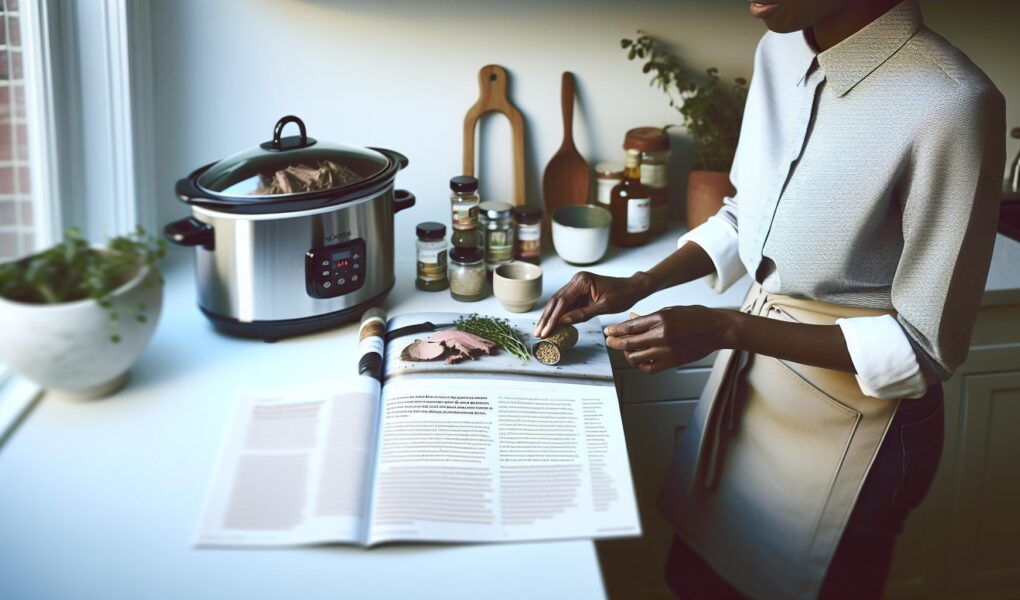
If you’ve ever wished for a melt-in-your-mouth rump roast without slaving over the stove or breaking the bank, this slow cooker recipe is your new best friend. Tender rump roast slow cooker style means juicy, flavorful meat with minimal effort-perfect for busy weeknights or cozy weekend meals. Plus, it’s budget-friendly and naturally gluten-free, making it easy to fit into many diets without sacrificing taste. I’ve tweaked this recipe through trial and error so you get consistent, fall-apart results every time, whether you’re a kitchen newbie or a seasoned home cook. Stick around to discover simple ingredient swaps, foolproof steps, and tips to make this hearty, comforting roast your go-to meal when you want something warm, satisfying, and stress-free. let’s get cooking!
Table of Contents
- Choosing the Perfect Rump Roast for Slow Cooking
- Budget-Friendly Ingredient Swaps and Hacks
- Step-by-Step Slow Cooker Preparation Guide
- Secret Tips for a Tender, Juicy Rump Roast
- Flavor Boosters: Herbs,Spices,and Marinades
- Gluten-Free and Paleo-Friendly Cooking Variations
- How to Adapt Cook Times for Busy Schedules
- Easy Side Dishes that Pair Perfectly with Rump Roast
- Storing, Reheating, and Freezing Leftovers Safely
- Troubleshooting Common Slow Cooker Rump Roast Issues
- Frequently asked Questions
- Q: How can I speed up cooking a rump roast in a slow cooker without sacrificing tenderness?
- Q: What’s the best liquid to add for a juicy slow cooker rump roast on a budget?
- Q: Why does my slow cooker rump roast sometimes turn out stringy instead of tender?
- Q: How do I make a slow cooker rump roast flavorful without using expensive spices?
- Q: Can I make a rump roast slow cooker recipe paleo and gluten-free without changing the taste?
- Q: What’s the ideal way to reheat leftover rump roast from the slow cooker without drying it out?
- Q: How does the cut of rump roast affect slow cooker cooking time and tenderness?
- Q: When is the best time to add vegetables to a slow cooker rump roast for even cooking?
- future Outlook
Choosing the Perfect Rump Roast for Slow Cooking
When it comes to slow-cooking a rump roast, the cut you pick can make or break the whole experience. rump roast comes from the hindquarters (think of it as the “back end” of the cow’s leg muscle), so it’s naturally tough but full of flavor-a perfect candidate for that low-and-slow magic. The key is choosing a roast with good marbling (those little white streaks of fat) as fat is flavor and tenderness’ best friend, especially when budget-friendly cuts are in play.
For slow cooker success, look for a rump roast between 2 to 4 pounds.Smaller roasts cook faster but can dry out if left too long; bigger ones can feed a hungry family and get better with extra cooking hours. Don’t shy away from a slightly tougher cut-slow cooking turns it into melt-in-your-mouth goodness. Just keep an eye out for roasts labeled “top round” or “bottom round” if rump roast isn’t available nearby. They’re budget-friendly stand-ins with similar textures and flavors.
What to Look for at the Store (or Market)
- Color and texture: Choose beef that’s radiant red with some fat visible; avoid dull or overly wet packages.
- Marbling: More fat means juicier results.If you’re going paleo or gluten-free,that natural fat will help keep your roast tender without needing extra ingredients.
- Bone-in vs. boneless: Bone-in roasts often bring extra flavor, but boneless works great if you want easy slicing and less mess.
Personally, I love grabbing rump roast on sale and stashing it in the freezer until I’m ready-it’s cost-effective and slow cookers usually handle slightly frozen meat just fine. Also, if you want to sneak in extra nutrition or complexity, consider getting a roast with a bit of connective tissue. It sounds wierd, but that cartilage breaks down beautifully over hours, adding a silky texture that always impresses guests.
Quick Buying Tip Table
| Cut Type | Ideal Weight | Good For | Budget Consideration |
|---|---|---|---|
| Rump Roast (boneless) | 2-4 lbs | Versatile, easy to slice | Frequently enough on sale, great flavor |
| Top Round Roast | 3-5 lbs | Lean, great for slicing | Very budget-friendly |
| Bottom Round Roast | 3-5 lbs | Best slow-cooked, flavorful | One of the cheapest cuts |
At the end of the day, the perfect rump roast for your slow cooker is the one that fits your taste, schedule, and budget. Don’t fret the fancy stuff; the beauty of slow cooking is its forgiving nature. Toss it in with your favorite herbs and a splash of broth, set it, and you’re on your way to dinner that feels fancy without the fuss. Trust me-nothing beats coming home to a house smelling of tender, juicy rump roast after a busy day.
Budget-Friendly Ingredient Swaps and Hacks
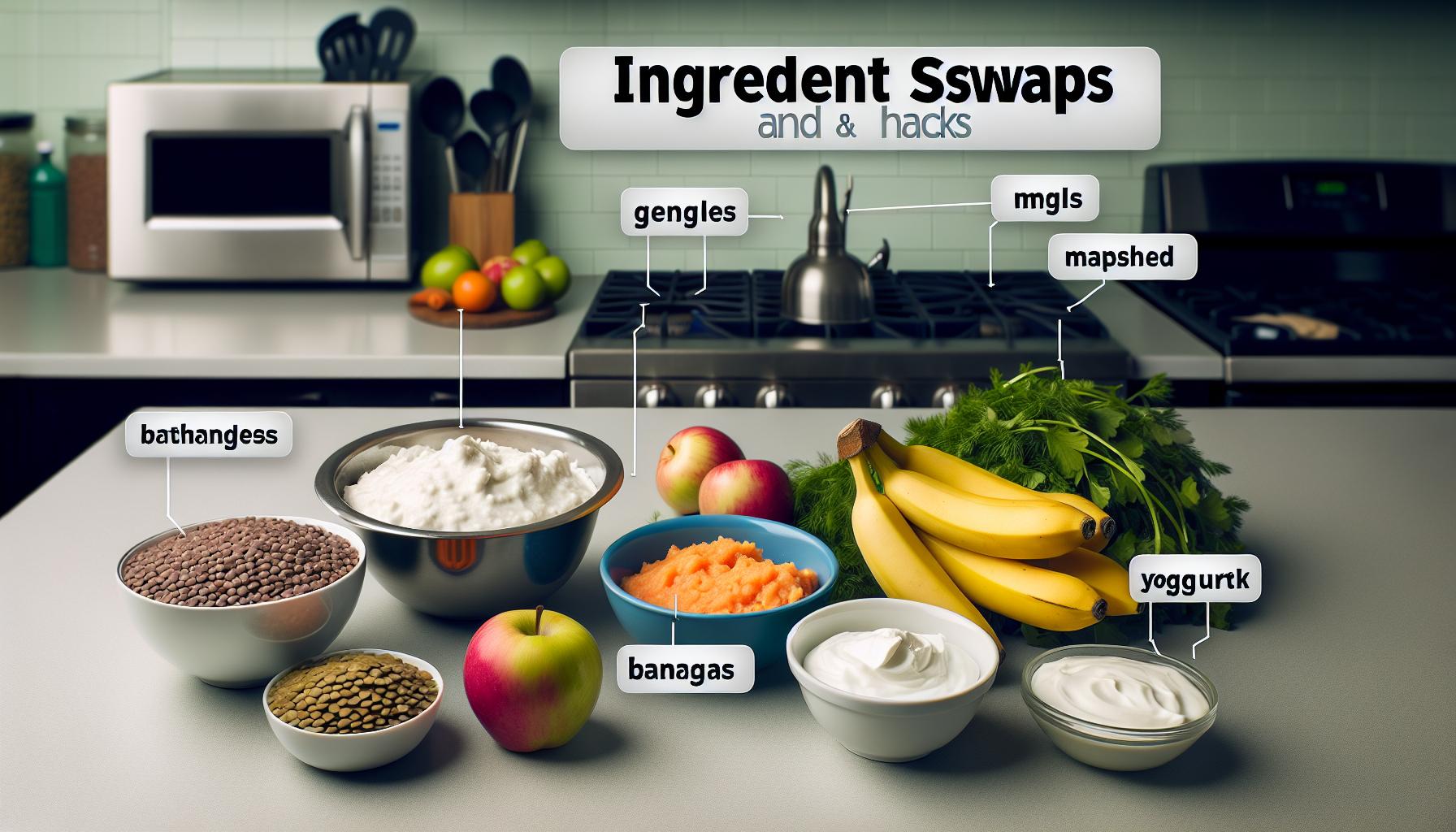
Sometimes the best meals come from knowing how to cleverly swap out a few ingredients without losing flavor – or breaking the bank. When you’re slow-cooking a rump roast, a few smart hacks can turn an everyday cut into a breathtaking dinner, even if your pantry isn’t fully stocked or you’re watching your grocery bill. The great news? Slow cooking is forgiving, so don’t sweat the small stuff like missing a fancy spice or opting for a cheaper broth. It’s about maximizing what you have and embracing those budget-friendly shortcuts like a kitchen ninja.
If you’re juggling a busy schedule and a lean budget, start with broth. Instead of buying expensive beef stock, grab a good-quality chicken broth or even vegetable broth. Both add moisture and subtle flavor without the cost, and when combined with seasoning, your roast will soak up complexity over the hours. for a paleo-friendly or gluten-free swap to beef broth blends often laced with gluten,homemade bone broth or simple water with a splash of apple cider vinegar works wonders - the acidity helps tenderize meat and unlock flavor without extra $$.
Stretching Your Pantry Staples
- Onions & Garlic: Fresh is great, but frozen (or even powdered) versions save time and money. They still pack punch once slow-cooked for hours.
- Herbs: Fresh rosemary or thyme can get pricey mid-season. Keep a stash of dried herbs on hand – use about a third of what fresh calls for and multiply the flavor with a bay leaf or two.
- Vegetables: Don’t stress about fancy varieties-carrots, celery, and potatoes are cheap crowd-pleasers that double as flavor bombs and side dishes.
- Marinades: Using pantry basics like Worcestershire sauce, mustard, or even a splash of balsamic vinegar gives you that tangy, hearty boost without shelling out for costly pre-made marinades.
The beauty of slow cooker rump roast is that it’s practically *made* for adapting. If you’re paleo, skip sugary sauces and instead add pureed roasted garlic or coconut aminos for that umami hit. Gluten-free? No sweat-avoid store-bought seasoning blends that sneak in wheat and rely on fresh or dried herbs plus salt and pepper.
Budget-Boosting Ingredient Swap Table
| Ingredient | Budget Swap | why it Works |
|---|---|---|
| Beef Broth | Chicken or veggie broth, water + apple cider vinegar | enhances moisture and flavor without high cost; acidity tenderizes meat |
| Fresh Herbs (rosemary, thyme) | Dried herbs + bay leaves | Concentrated flavor; long shelf life saves money |
| Fresh Garlic | Garlic powder or frozen minced garlic | Same bold flavor with longer shelf life and less prep time |
| Pre-Made Marinades | Homemade: Worcestershire, mustard, balsamic vinegar blends | Customize flavor without added sugars or preservatives |
| Specialty Vegetables (parsnips, fennel) | Carrots, celery, potatoes | Widely available, affordable, add natural sweetness and texture |
In my kitchen, I often grab rump roasts on sale and toss in whatever vegetables I have lurking in the fridge’s crisper. Sometimes it’s a bit of celery, sometimes leftover carrots, sometimes just potatoes. Slow cooking turns them into little treasures that soak up the beefy goodness and keep things cost-effective. And speaking from experience: a splash of apple cider vinegar in that pot? Game changer for melt-in-your-mouth richness, every single time.This is a no-shame zone. Budget-friendly cooking has its own kind of flavor magic.
Step-by-Step Slow Cooker Preparation Guide
Slow cooking a rump roast is like setting a flavorful time capsule-you put in a bit of effort at the start, and hours later, you’re rewarded with tender, melt-in-your-mouth beef that tastes like it slow-roasted for days. The trick? Preparation is key, but it doesn’t have to be fancy or intricate. Whether you’re Paleo,gluten-free,or just a busy home cook,this step-by-step guide will walk you through the easiest way to get dinner on the table with minimal fuss and maximum flavor.
First off,give your rump roast a quick pat dry to help it brown beautifully (if you’re into that extra flavor layer). Browning is optional for slow cookers but highly recommended-it locks in juices and adds those mouthwatering caramelized notes.Don’t stress if you’re short on time or want to skip the stove step; the slow cooker will still work its magic.Once you’re ready, rub your roast down with salt, pepper, and your preferred herbs or spices-think dried rosemary, thyme, garlic powder, or a dash of smoked paprika for warmth.
Simple Steps to Slow Cooker Rump Roast Perfection
- Sear the Meat: Heat a splash of oil in a pan over medium-high heat. brown the roast for 3-4 minutes on all sides until a nice crust forms. This step adds depth but can be skipped if you’re in a rush.
- Layer Your Veggies: Toss in budget-friendly staples like chopped carrots, celery, and potatoes directly into the bottom of your slow cooker. These not only serve as perfect side dishes but elevate the roast by soaking up rich juices.
- Add Your Liquid: Pour 1 to 1.5 cups of broth (chicken, veggie, or homemade bone broth for Paleo) or water with a splash of apple cider vinegar. The vinegar acts as a tenderizer, breaking down tough fibers gently over the hours.
- Place the Roast: Set your meat on top of the veggies and liquid, ensuring it’s partly submerged but not drowning.
- Cook Low and Slow: Cover and cook on low for 7-9 hours, or on high for 4-5 hours. Low and slow is your best bet for the juiciest results,but high works in a pinch.
Pro Tips for Stress-Free Prep & Variations
If you’re all about shortcuts, frozen minced garlic or garlic powder works just and also fresh, and dried herbs are your pantry’s best friend for that concentrated flavor punch without the wilted mess. Another kitchen hack: reserve some of the cooking liquid once done, reduce it on the stove, and drizzle it over your sliced roast for an instant gravy-like finish-no added thickeners needed.
For those on gluten-free or Paleo paths, avoid pre-made seasoning blends that sneak in wheat or sugar. Stick to fresh or dried herbs, sea salt, pepper, and kitchen staples like coconut aminos rather of soy sauce. The beauty of this method? It’s forgiving-your rump roast will turn out delicious regardless of small swaps, and every extra hour it cooks develops deeper, richer flavors.
Cooking nuggets from my kitchen: I often toss in whatever’s left in my crisper-carrots, potatoes, or even celery scraps-because slow cooking transforms humble veggies into a tender, flavorful feast that pairs perfectly with the beef. And don’t skimp on that splash of apple cider vinegar; it’s a game changer that tenderizes the meat naturally and brightens the whole dish. Ready to become a rump roast legend? Let’s get slow cooking!
Secret Tips for a Tender, Juicy Rump Roast
There’s something magical about the slow cooker transforming a humble rump roast into a tender, juicy centerpiece that feels like it took hours of gourmet attention-even when it really didn’t. The secret lies in a few simple habits that turn tough muscle into melt-in-your-mouth comfort. Patience is a virtue here: cooking low and slow is the real hero of tenderness, as it gently breaks down connective tissue without drying out your beef. But there are a couple of fun tricks that’ll elevate your roast from “fine” to ”wow”-without turning your kitchen into a science lab.
First off, don’t underestimate the power of moisture and acidity. Adding a splash of apple cider vinegar or a bit of tomato paste to your cooking liquid can work wonders by naturally tenderizing the meat’s fibers. It’s like a gentle massage for your roast over the course of several hours. Plus, making sure your roast isn’t completely submerged but does sit partly in the liquid gives it a perfect balance of steaming and braising. If you want to boost flavor without extra effort, toss in whole garlic cloves or a cinnamon stick-these little aromatics infuse subtle, comforting warmth through the meat and juices. Believe me, it’s the kind of detail that sneakily ups your dinner game every time.
Pro tips for Juicy Results Every Time
- Give it a rest: After cooking,let your roast sit covered for at least 10 minutes before slicing. The juices redistribute, so your meat stays gloriously moist rather of spilling out onto the cutting board.
- Go easy on the stirring: resist poking and prodding the roast or vegetables too much during cooking-every poke lets juices escape, drying out your prize beef.
- Use a meat thermometer: Aim for about 195°F (90°C) internal temperature in slow cooker mode for that fall-apart tenderness. Lower temps are okay if you prefer sliceable but tender roast.
- Don’t skip the sear: Browning develops a deeper, caramelized flavor-and it seals in juices.If time’s tight, no worries-slow cooking still does wonders without it.
If you’re juggling a busy schedule or different dietary needs, these tips still fit perfectly. For example, when going Paleo or gluten-free, keep your liquids simple-hearty bone broth, a splash of apple cider vinegar, and herbs like rosemary and thyme truly shine here. And if life gets crazy and you need to pause cooking, the slow cooker medium-low setting and keep-warm features allow you to flex without sacrificing texture or taste.
From personal experiments, I’ve learned never to fear the humble rump roast-it’s a budget-friendly cut with a big personality, and the slow cooker unlocks a tenderness you’d expect only in fancy restaurants. Just trust the process, add your favorite flavor hits, and enjoy the kind of meal that feels like a warm hug after a long day.
Flavor Boosters: Herbs,Spices,and Marinades
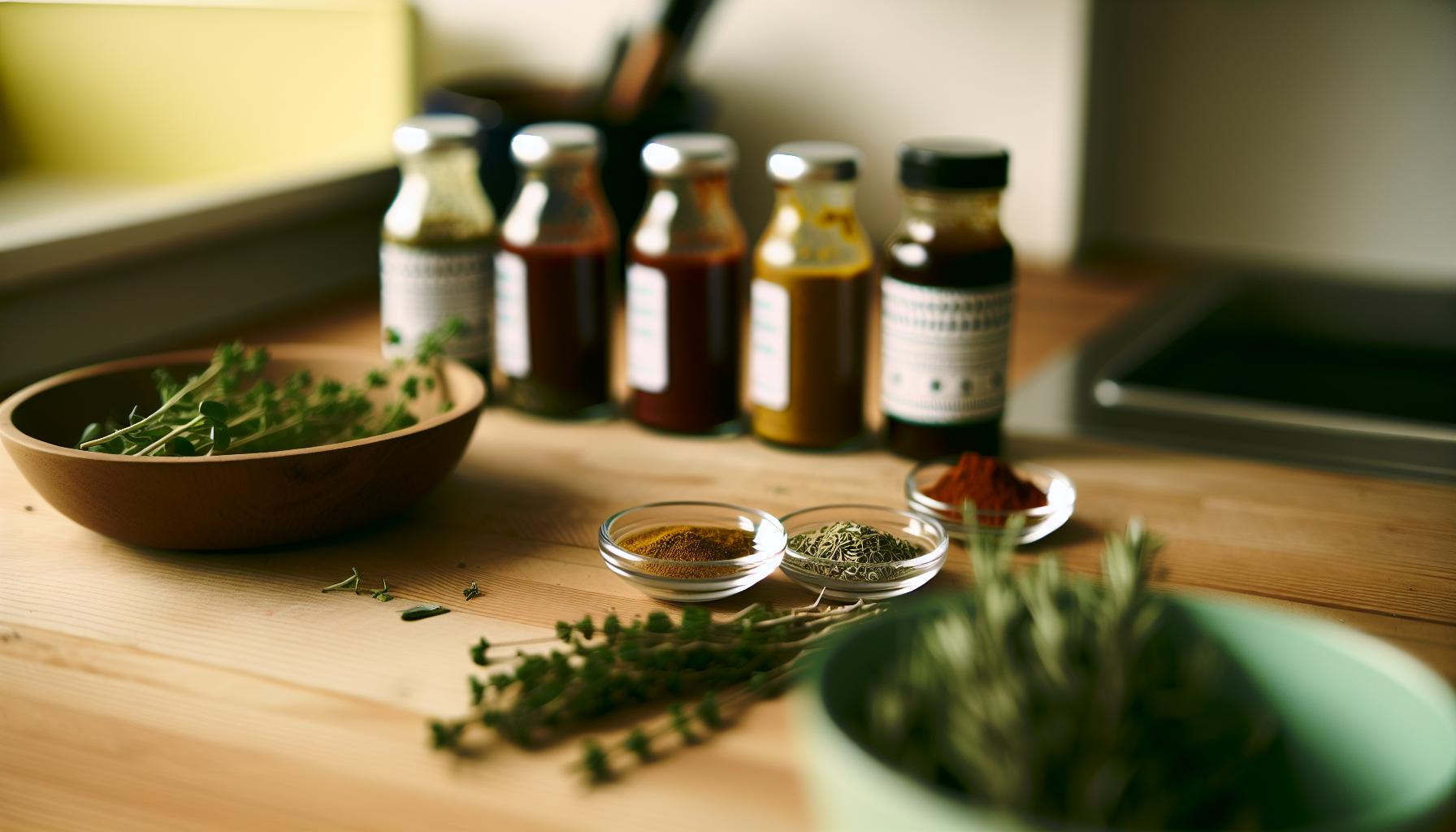
There’s something deeply satisfying about watching a simply seasoned rump roast transform into a fragrant, flavor-packed feast in your slow cooker. The secret isn’t just patience-it’s the magic of layering herbs, spices, and marinades that gently infuse into every tender bite. These flavor boosters do more than perk up your roast; they turn humble budget-friendly cuts into meals that feel like a celebration, all without demanding hours of prep or expensive ingredients.
When it comes to herbs, think classic and comforting. Fresh rosemary and thyme are your slow cooker’s best friends-they hold up beautifully during long cooking times, releasing woody, earthy notes that complement the beef’s natural richness. Garlic cloves, lightly crushed or whole, offer a mellow, sweet punch once slow-cooked, while bay leaves imbue subtle depth.For a bit of warmth and unexpected complexity, toss in a cinnamon stick or a few crushed juniper berries. they’re kitchen secrets that sound fancy but require zero extra effort. Plus, if you’re following Paleo or gluten-free guidelines, these simple, all-natural additions let you keep flavors vibrant without additives or gluten lurking in spice blends.
Spices and Marinades That Really shine
Spices like smoked paprika, black pepper, and cumin elevate the roast with smoky, peppery warmth, perfect for slow cooking as their flavors mellow and marry over time. If you love a little tang, a splash of apple cider vinegar or a spoonful of tomato paste in your marinade can act as both tenderizer and flavor booster-think of it as a gentle wake-up call for your roast’s taste buds. For folks short on time, a quick marinade using olive oil, minced garlic, and your favorite herbs thrown together before slipping the roast into the cooker can make a huge difference.
- Marinade hack: Use coconut aminos instead of soy sauce for a gluten-free, Paleo-friendly umami hit.
- Herb swaps: If fresh herbs are scarce, dried versions work well-just use about one-third the amount.
- Flavor layering: Add fresh herbs towards the end of cooking for a bright, fresh finish.
From my kitchen adventures, one of the best tricks is to combine a simple marinade with aromatics inside the cooking liquid. This two-pronged approach lets herbs and spices seep into the meat, while also enriching the broth that doubles as a luscious gravy. Whether you prefer the comforting notes of garlic and thyme or the bold kick of smoked paprika and chili flakes, customizing your flavor boosters is where the fun begins-and it’s the part that turns everyday rump roast into your family’s new favorite.
Gluten-Free and Paleo-Friendly Cooking Variations
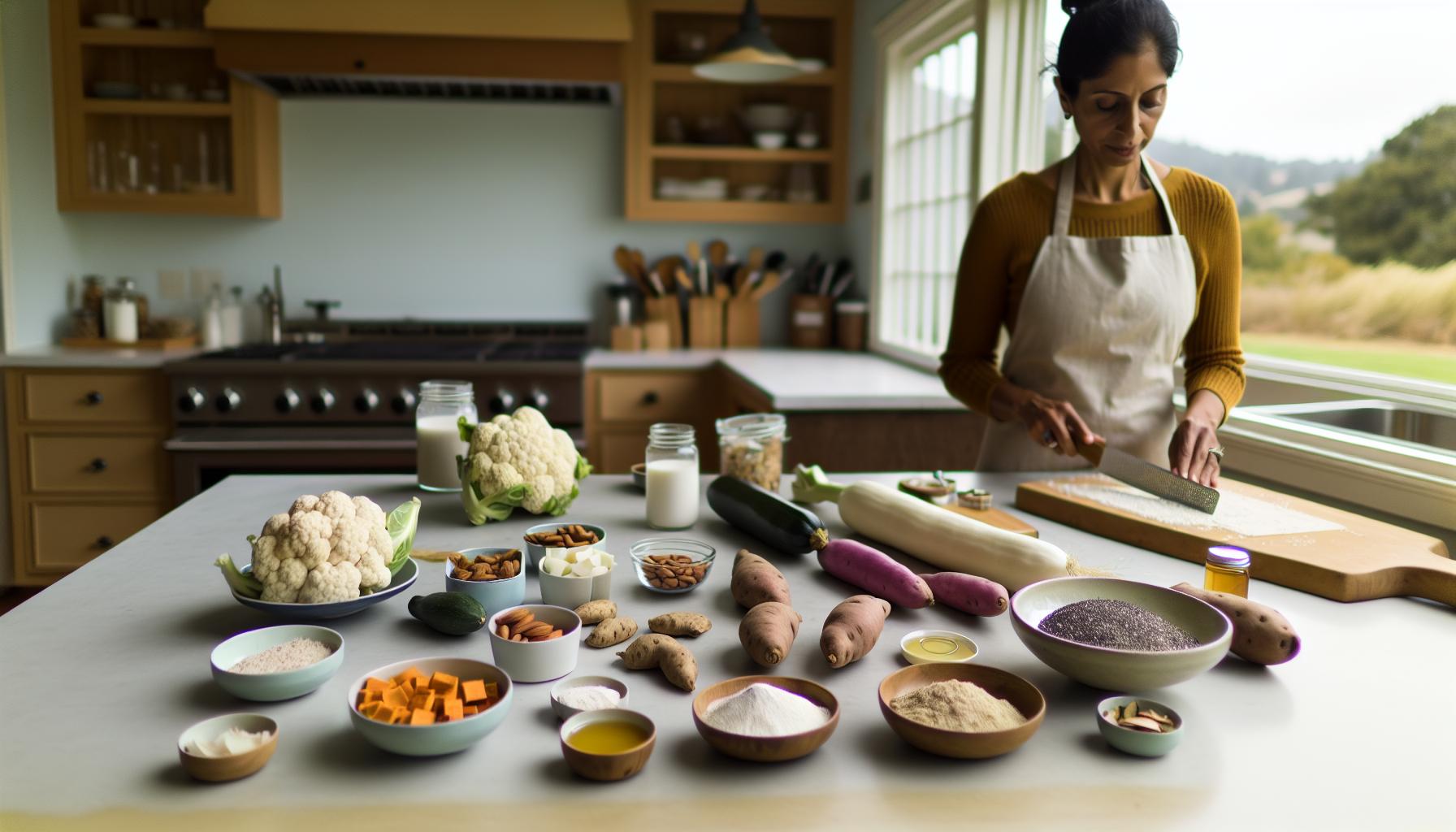
There’s something wonderfully freeing about knowing you can whip up a luscious,tender rump roast in your slow cooker that fits perfectly into both gluten-free and Paleo lifestyles – without sacrificing flavor or fun in the kitchen.Whether you’re managing dietary needs or just dabbling in cleaner eating, rump roast is a stellar candidate because it’s naturally grain-free and packed with hearty protein. The key is smart ingredient swaps and simple cooking tweaks that keep things delicious and fuss-free.
For a Paleo-friendly marinade that’s also gluten-free,think fresh herbs,spices,and umami boosters minus any soy or gluten-based sauces.Coconut aminos are a superstar here-offering that rich, salty depth like soy sauce but without gluten or refined sugars. Pair them with apple cider vinegar, garlic, and a drizzle of avocado oil for a marinade that tenderizes the meat while layering in complexity. And don’t shy away from dried spices like smoked paprika,cumin,and black pepper-these not only build flavor but also stand up beautifully to the long,slow cook without fading away.
easy,Flavorful Substitutions
- Gluten-free broth options: Use homemade bone broth or check labels carefully for additives-some store-bought versions sneak in wheat-based fillers.
- Thickening your gravy: Tapioca starch or arrowroot powder work wonders as paleo-friendly thickeners that avoid flour or cornstarch.
- Sides that vibe: Swap traditional mashed potatoes for creamy cauliflower mash or roasted sweet potatoes-both keeping the meal cohesive and satisfying.
One of my favorite tricks is to throw in fresh rosemary and thyme sprigs right at the start, let their oils seep deep, then toss in a handful of julienned carrots and onion for natural sweetness and body. When the roast is nearly done, add fresh herbs to brighten the dish without overpowering it-this little layering step feels fancy but takes barely any effort.
The best part about a rump roast slow cooker meal that suits gluten-free and Paleo is that you don’t have to reinvent the wheel. Simple, whole-food ingredients celebrate that savory goodness of the beef, allowing it to shine. Plus, the slow cooker does all the heavy lifting, so you get a flavorful, melt-in-your-mouth result with minimal hands-on time. this means more time to enjoy your meal and less time fretting over whether your ingredients “fit” the diet.Truly, a win-win for busy cooks who want nourishing, fuss-free dinners anytime.
How to Adapt Cook Times for Busy Schedules
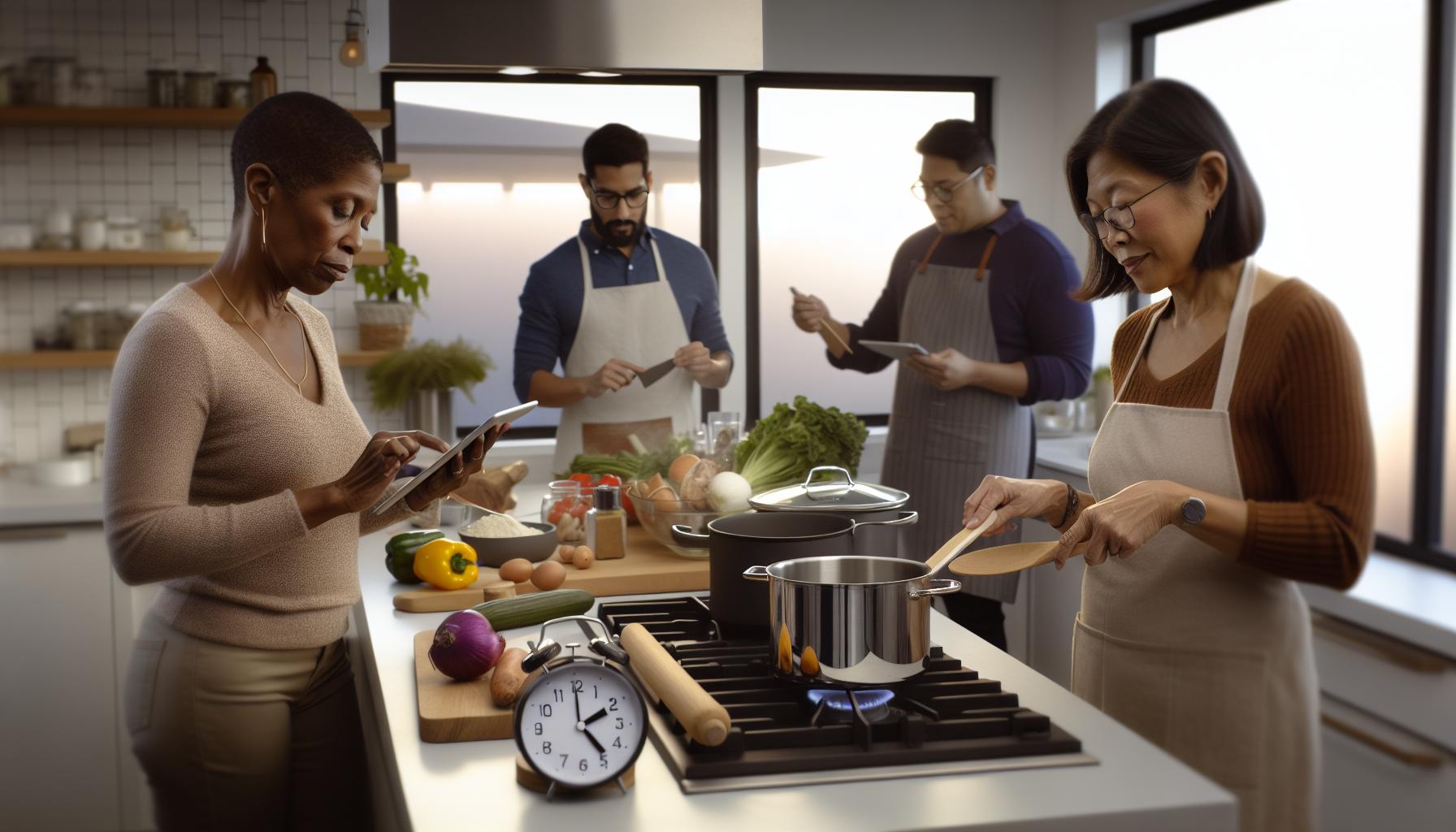
Slow cooking a rump roast is the epitome of set-it-and-forget-it comfort food-but what happens when your busy life just won’t cooperate with the traditional 8-hour low-and-slow schedule? Luckily, adapting cook times for a rump roast slow cooker meal is easier than you might think, and you can still achieve that melt-in-your-mouth tenderness without the stress.
if your mornings are rushed or your evening plans unpredictable, try adjusting the slow cooker settings or using a bit of multitasking magic. Starting the roast on high for the first couple of hours can speed up the process without sacrificing flavor. After that, switch to low for the remainder to let the connective tissue break down gently. Such as,cooking on high for 3 hours then low for 4 to 5 hours often mirrors the tenderness of a full 8-hour low cook time. This tweak is perfect for gluten-free and Paleo meals-no shortcuts on ingredient integrity, just smarter time management.
Quick Tips to Juggle Your Schedule
- Early morning prep: Brown your roast the night before and refrigerate it. In the morning, pop it into the slow cooker with broth and herbs-no fuss, just flavor layering!
- Use the “keep warm” function: If you finish cooking early, keeping your roast warm for an hour or two won’t dry it out, making it easier to serve exactly when you want.
- Batch cook with timed delay: Invest in a slow cooker with a delay start timer. Prep everything the night before, and schedule your cook to start just before you get home.
One of my favorite “hacky” tricks is to make a double batch of gravy or marinade while the meat cooks-it’s like a mini cooking party that maximizes your kitchen time. Plus, if your slow cooker keeps the roast beautifully warm until dinner, your workday mishaps won’t spoil the feast.
Adapting Cook Times: A Handy Reference
| slow Cooker Setting | Approximate rump Roast Cook Time | Tips |
|---|---|---|
| Low | 8-10 hours | Best for hands-off cooking, perfect for weekends |
| High | 4-6 hours | Brand new to slow cookers? Brown meat first for deeper flavor |
| Mixed (High + Low) | High 2-3 hours, then Low 4-5 hours | Great balance for busy weekdays; tender and juicy results |
Because rump roast is naturally a budget-friendly cut, this slow cooker magic makes it a weeknight superstar even when time feels tight. Remember, the quality of ingredients like fresh herbs, coconut aminos, and paleo-friendly broths will shine brightest when you give your roast that slow, steady love-even if the clock is ticking faster than usual.
Ultimately, making slow cooker rump roast fit your schedule is all about trust-the kind of culinary trust that says, “I’m busy but I’m still feeding myself well.” So embrace the versatility, experiment with your cooker’s settings, and enjoy the delightful aroma and flavors when you open that lid. That’s slow cooking winning over busy living-paleo, gluten-free, and totally tasty.
Easy Side Dishes that Pair Perfectly with Rump Roast
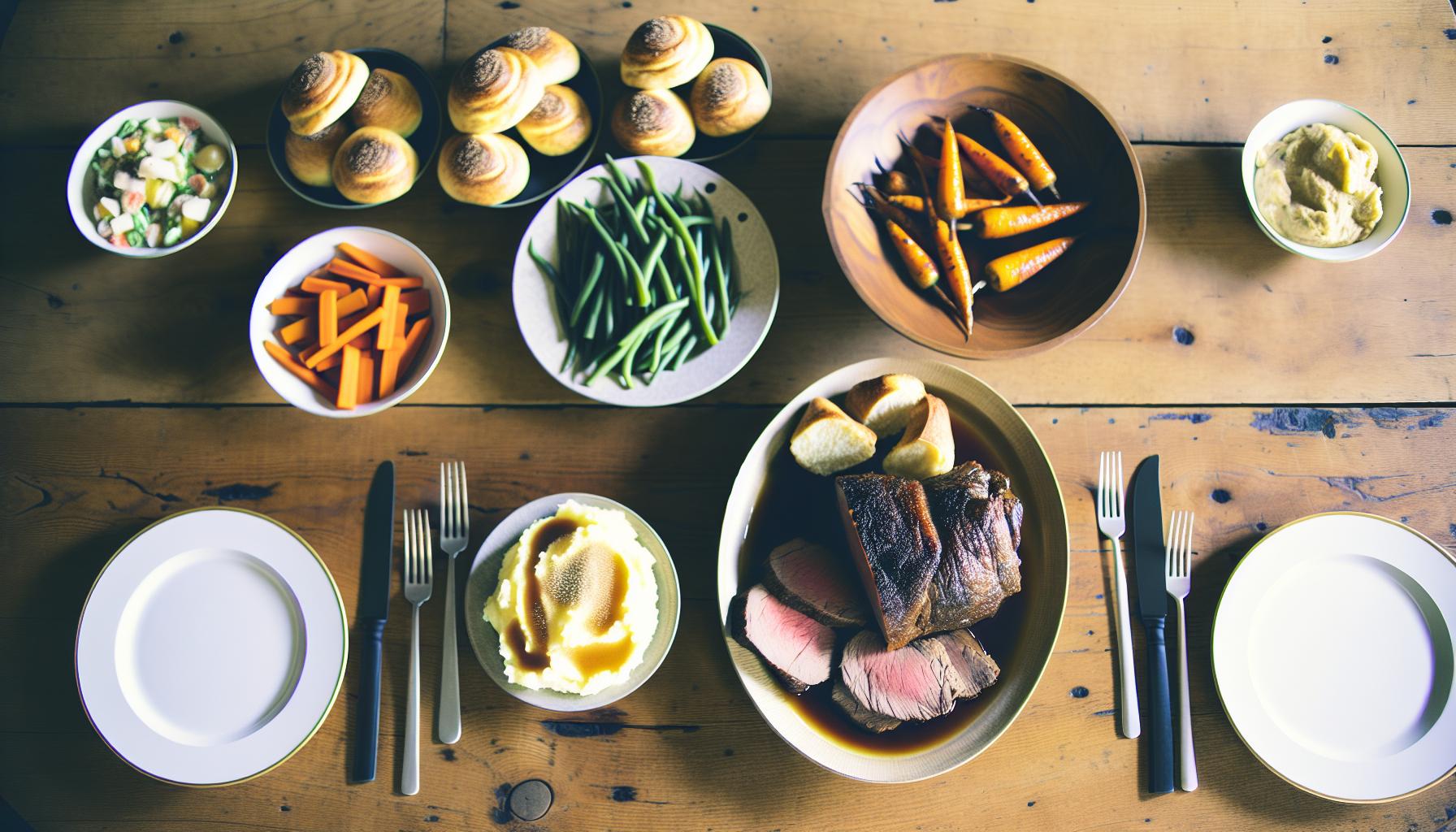
Pairing your slow-cooked rump roast with the right sides can turn a simple meal into a cozy celebration of flavors and textures. as rump roast is rich and savory, the perfect accompaniments offer balance-a little brightness, creamy comfort, and maybe a hint of crunch to round out the plate. The best part? Many side dishes fit the bill with minimal fuss and easily stick to gluten-free and paleo-friendly guidelines, making weeknight dinners not just nourishing but downright enjoyable.
one of my go-to staples alongside rump roast is roasted or mashed root veggies.Think garlic-roasted carrots, parsnips, or sweet potatoes-all loaded with natural sweetness that contrasts beautifully with the meat’s beefy depth. If mashing is more your style, swapping butter for coconut oil keeps it paleo-friendly, and a splash of bone broth instead of dairy gives an extra gravy-worthy twist. plus, all these can be thrown in the oven or whipped up on the stovetop while your slow cooker does its magic. It’s a win-win for busy cooks! If you want to toss in some greens, a simple sauté of kale or spinach with a squeeze of lemon juice keeps things fresh and bright without overcomplicating your prep.
Quick Salad Options for Freshness
Sometimes, you want your meal to lean lighter after all that slow-cooked goodness. A crisp salad with a tangy vinaigrette adds the perfect counterpoint. Try a spinach and avocado salad with pumpkin seeds, dressed with olive oil and apple cider vinegar-that’s nutrient-packed and effortless. Or chop up some cucumber, cherry tomatoes, and red onion for a quick Mediterranean vibe.Both options keep things gluten-free and Paleo-approved, so you get health without hassle. Bonus: salads usually come together in under 10 minutes, making them an ideal last-minute complement.
Comforting Paleo-Friendly Starches
If you’re craving something a little more filling but still clean, cauliflower rice or spiralized veggies fit right in. They soak up gravies like champs and add texture without weighing you down. For a slightly indulgent touch, roasted garlic mashed cauliflower whipped with a hint of ghee or olive oil will give you all the richness minus the gluten or dairy. Plus, these sides are perfect for batch-cooking ahead, so you can slice and dice your weekend prep into easy weekday success.
- Roasted Root Vegetables: Preheat oven to 425°F (220°C), toss with olive oil, garlic, salt, and fresh herbs. Roast for about 30-40 minutes,until tender and golden.
- Simple Green Salad: Toss baby spinach with sliced avocado, pumpkin seeds, olive oil, and vinegar. Serve chilled.
- Cauliflower Mash: Steam cauliflower until soft, then blend with ghee, salt, and garlic powder for a comforting mash option.
From my own kitchen escapades, combining easy roasted veggies and a bright salad with rump roast has saved my sanity on many busy nights. The veggies absorb the rich gravy, the salad refreshes the palate, and together you get a meal that feels homey and whole without any stress. And if you’re short on time, remember that some of these sides can be prepped ahead or cooked while the roast does its slow thing. It’s like having a kitchen superhero who works behind the scenes-and who doesn’t want that?
Storing, Reheating, and Freezing Leftovers Safely

Leftover rump roast is like a treasure chest waiting to be unlocked. When stored and handled properly, those rich, tender slices can transform into quick lunches, hearty soups, or even a special crustless paleo-friendly shepherd’s pie. The key is keeping safety and flavor front of mind so your second-day roast is just as memorable as the first.Plus, mastering leftovers means less waste and more bang for your buck-always a win for budget-conscious home cooks!
First things first: cool your roast promptly after serving. Ideally, slice the meat off the bone, then spread it out in a shallow container to help it chill swiftly. Meat left at room temperature longer than two hours can become a breeding ground for unwelcome bacteria, so the faster the better. Store leftovers in airtight containers or heavy-duty freezer bags to lock in moisture and prevent freezer burn. As rump roast is deliciously juicy, keeping it sealed means those precious juices stay right where they belong-inside your meat.
Reheating Without Drying Out
Reheating slow-cooked rump roast can be tricky-it’s easy to end up with tough or dry bites if you’re not careful. To keep it tender and juicy, reheat gently and with moisture. Here’s a tried-and-true method I swear by: place slices in a baking dish, add a splash of beef broth or reserved gravy, then cover tightly with foil. Heat at a low temperature (around 275°F or 135°C) in the oven for 15-20 minutes until warmed through. Microwaving works in a pinch but zap in short bursts and cover with a damp paper towel to keep moisture in.
Freezing Tips for Future Feasts
Freezing rump roast leftovers makes weeknight dinners a grab-and-go breeze. For best results, slice the meat before freezing, then portion according to how you’ll use it-think single meals or recipe-sized servings. Wrap slices tightly with plastic wrap, then pop them in a freezer bag. To keep things paleo and gluten-free, freeze alongside a small container of homemade gravy or just beef broth to rehydrate during reheating. Label with the date and use within 3 months for optimal flavor. When thawing, plan ahead and thaw overnight in the fridge to keep textures spot-on and safe.
- Cool leftovers within 2 hours-spread meat out in a shallow container.
- Store airtight in the fridge for up to 4 days or freezer for up to 3 months.
- reheat gently with broth or gravy at low oven temp to lock in moisture.
- Freeze sliced & portioned for easy meal prep and quicker thaw time.
From personal experience, having frozen rump roast handy has saved me from last-minute scrambling more times than I can count. On busy nights, I just thaw, reheat with some garlic mashed cauliflower or roasted roots, and dinner is on the table-delicious, comforting, and totally stress-free. So go ahead, embrace the magic of leftovers. Your future self will thank you with every savory bite.
Troubleshooting Common Slow Cooker Rump Roast Issues
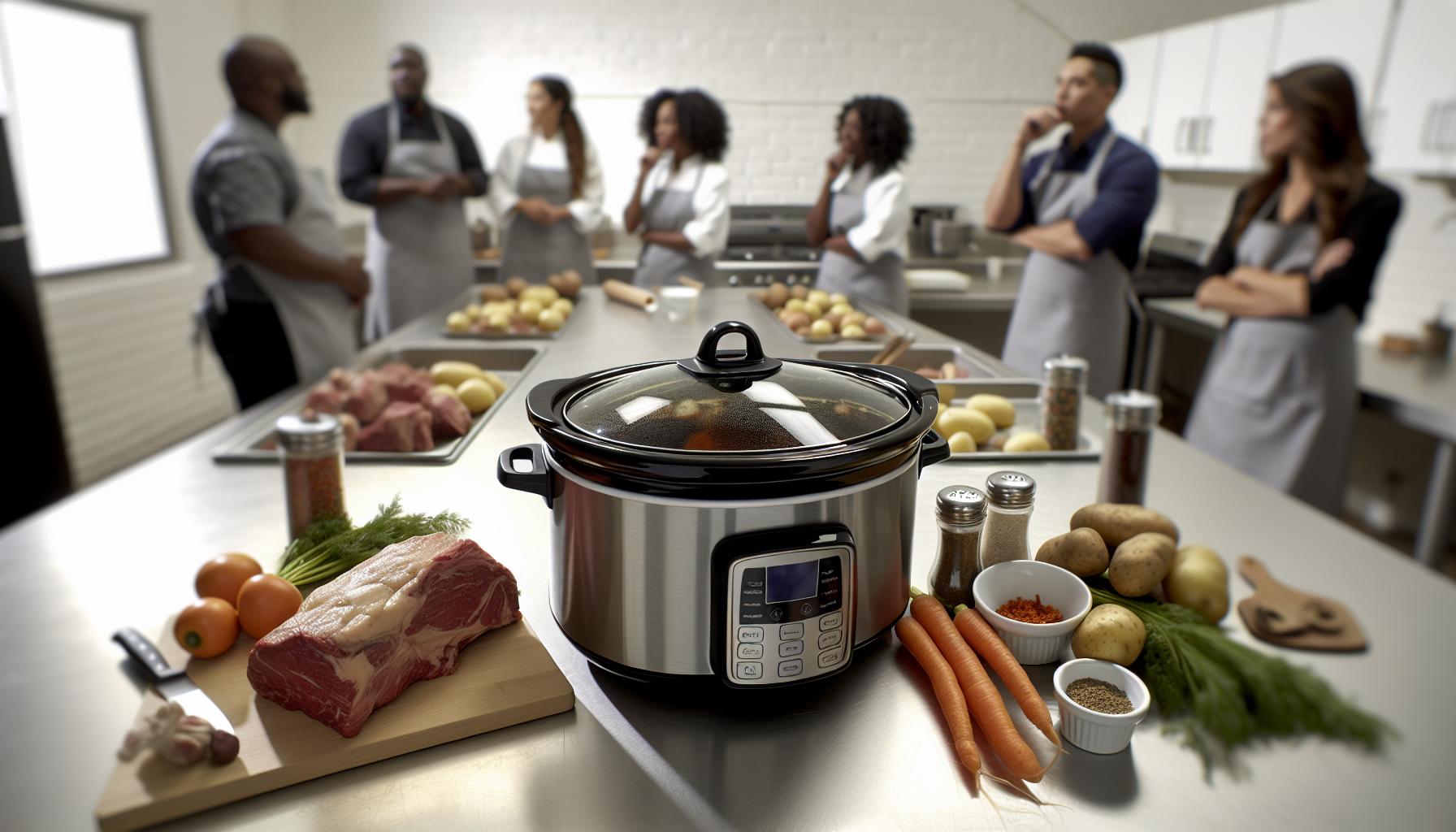
sometimes,even the most carefully planned slow cooker rump roast can hit a few bumps on the road to tender,juicy perfection. The good news? Most issues have simple fixes, and knowing what to watch out for means you’ll be saving dinner – and your sanity! Whether you’re juggling a busy weeknight or trying to keep things paleo and gluten-free without fuss, a few troubleshooting tips can make all the difference.
One of the most common hiccups is ending up with meat that’s either too tough or completely falling apart like a shredded mystery. If your rump roast turns out tough, it often means it needed more time or moisture to break down the connective tissue. For rump roast, which is a leaner cut, patience is your best friend. Slow cook on low for at least 8 hours,adding enough liquid (broth,water,or a paleo-friendly marinade) to create a steamy surroundings. This encourages collagen to melt down into gelatin, making each slice melt-in-your-mouth tender. If you’re short on time, a quick workaround is slicing the roast against the grain as thinly as possible before serving-this simple step can fool your taste buds into tenderness even if the cook time was just shy.
On the flip side, overcooking can happen, especially if you crank the heat up to “high” for too long. The meat can dry out and lose those juicy, flavorful qualities that make rump roast a slow cooker star. For those moments when you suspect it might be veering into shoe-leather territory, rescue it with a splash of beef broth or your favorite paleo gravy during reheating. Cover tightly-this creates a mini sauna and locks in moisture. I’ve definitely been there when life gets hectic and the roast spends “a little too long” simmering.Adding extra liquid and warming low and slow saved me many times!
Quick Fixes and Common Questions
- Roast not browning? Don’t skip the sear! Browning before slow cooking builds flavor through the Maillard reaction. If you’re short on time, even a quick high-heat sear in a skillet or under the broiler works wonders.
- Broth tastes bland? Add herbs like rosemary, thyme, and a crushed garlic clove early on. A splash of worcestershire sauce or coconut aminos amps up umami without gluten or soy.
- Fat on the roast too much/not enough? Rump roast can be lean; if you like richer meals, toss in some bacon or butter at the start. For less fat, trim visible chunks before cooking.
- Meat sticks to the slow cooker? Lightly oil the pot or use a slow cooker liner. Also, releasing liquid from veggies underneath helps keep the roast from drying out and sticking.
Remember, slow cooking rump roast is as much an art as a science – slight tweaks based on your equipment, meat quality, and schedule can turn a so-so dinner into a celebrated comfort food moment. If a batch doesn’t come out perfect, just think of it as data for next time, not failure. And hey, with paleo and gluten-free tweaks, there’s always a way to make your rump roast cozy, compliant, and crowd-pleasing without turning your kitchen into a stress zone. So keep calm, keep slow cooking, and savor every delicious bite!
Frequently asked Questions
Q: How can I speed up cooking a rump roast in a slow cooker without sacrificing tenderness?
A: To speed up slow cooker rump roast cooking, use the high heat setting and sear the meat before adding it to the cooker. This locks in juices and enhances flavor. Check tenderness after 3-4 hours, then adjust time as needed. For perfect results, see our cook time adaptation tips in the article.
Q: What’s the best liquid to add for a juicy slow cooker rump roast on a budget?
A: The best budget-friendly liquids include beef broth, diluted tomato sauce, or even strong brewed tea for rich flavor without extra cost. These keep the roast moist and tender. For more on flavor boosters and budget swaps, check out the Flavor Boosters and Budget-friendly Ingredient Swaps sections.
Q: Why does my slow cooker rump roast sometimes turn out stringy instead of tender?
A: Stringy roast usually means it was either undercooked or overcooked. Make sure to cook the rump roast low and slow without rushing. Avoid cutting it before resting, and always slice against the grain after cooking for maximum tenderness. Troubleshooting tips in the article offer more solutions.
Q: How do I make a slow cooker rump roast flavorful without using expensive spices?
A: Use simple, everyday herbs and pantry staples like garlic powder, onion, black pepper, and dried thyme to enhance flavor without a big budget.Slow cooking naturally intensifies these flavors, creating a savory dish. Refer to the flavor Boosters: Herbs, Spices, and Marinades section for creative ideas.
Q: Can I make a rump roast slow cooker recipe paleo and gluten-free without changing the taste?
A: Yes! Stick to natural herbs,fresh veggies,and broth while omitting gluten-containing thickeners.Use alternatives like arrowroot or coconut flour for gravy thickening. Our article’s Gluten-Free and Paleo-Friendly Cooking Variations gives easy ways to keep authentic flavor and texture.
Q: What’s the ideal way to reheat leftover rump roast from the slow cooker without drying it out?
A: Reheat leftovers gently in a covered pan with a splash of broth or water on low heat, or microwave with a damp paper towel to retain moisture. Avoid overheating. For thorough tips, see the Storing, Reheating, and Freezing Leftovers Safely section.
Q: How does the cut of rump roast affect slow cooker cooking time and tenderness?
A: Thicker, well-marbled rump roasts need longer, slower cooking for tender results. Leaner cuts cook faster but can dry out if overdone. Selecting the right cut is crucial; see our Choosing the Perfect Rump Roast section to match your slow cooker timing and budget.
Q: When is the best time to add vegetables to a slow cooker rump roast for even cooking?
A: Add root vegetables like carrots and potatoes in the first hour for slow-roasted softness. Delicate vegetables like zucchini or green beans should go in the last 30 minutes to avoid overcooking. This timing trick is highlighted in the Easy Side Dishes That Pair Perfectly part of the guide.
Explore these FAQs alongside the main article sections for maximum flavor and foolproof results. Cooking a rump roast slow cooker style on a budget can be both easy and delicious – embrace the process with fun, tested tips that fit your busy life!
future Outlook
Now that you’ve mastered how to make a tender rump roast slow cooker style without breaking the bank, you’re just a few simple steps away from enjoying a warm, comforting meal that fits perfectly into your busy weeknight routine.This budget-friendly, gluten-free recipe takes less than 10 minutes to prep and delivers melt-in-your-mouth results every time-proof that delicious, wholesome meals don’t have to be complicated or expensive. If you’re wondering about ingredient swaps or how to turn leftovers into next-day magic, check out our easy slow cooker sides or meal prep tips for more inspiration.
Ready to dive deeper into effortless, crowd-pleasing meals? Explore our collection of one-pot dinners designed to save you time and stress while satisfying every palate. Don’t forget to subscribe to our newsletter for exclusive recipes, kitchen hacks, and budget-friendly shopping guides that make cooking fun and manageable. Have questions or tweaks to share? Drop a comment below-your cooking stories are what make this community deliciously real. Here’s to effortless,tender rump roast dinners and many more cozy meals ahead!


