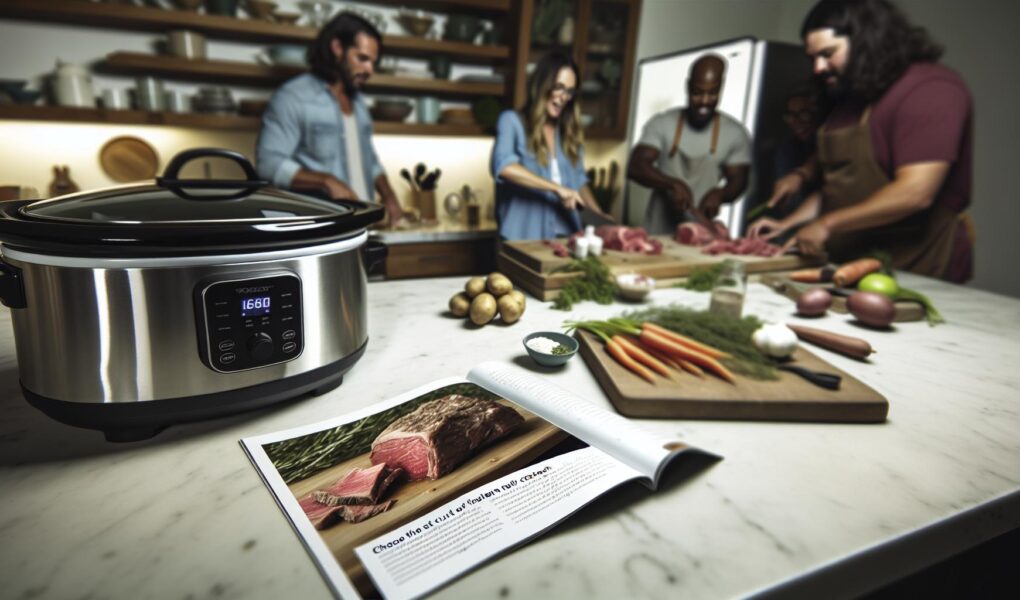
Did you know that choosing the right cut of meat can make or break your slow cooker pot roast? Picking the perfect beef cut ensures it becomes tender, juicy, and full of flavor after hours of low and slow cooking-no dry bites or tough chews here.Whether you’re juggling a busy schedule or just craving that cozy, fall-apart comfort food, knowing which cut works best saves you time and frustration.From budget-kind chuck to melt-in-your-mouth brisket,each has its own magic in the slow cooker.Stick around and I’ll share simple tips and tasty options that fit paleo, gluten-free, or just classic meat-loving meals. Think of me as your kitchen buddy, making slow cooking feel easy, fun, and delicious-as life’s busy, but your dinners shouldn’t compromise on flavor or warmth. Let’s make your next pot roast the highlight of the week!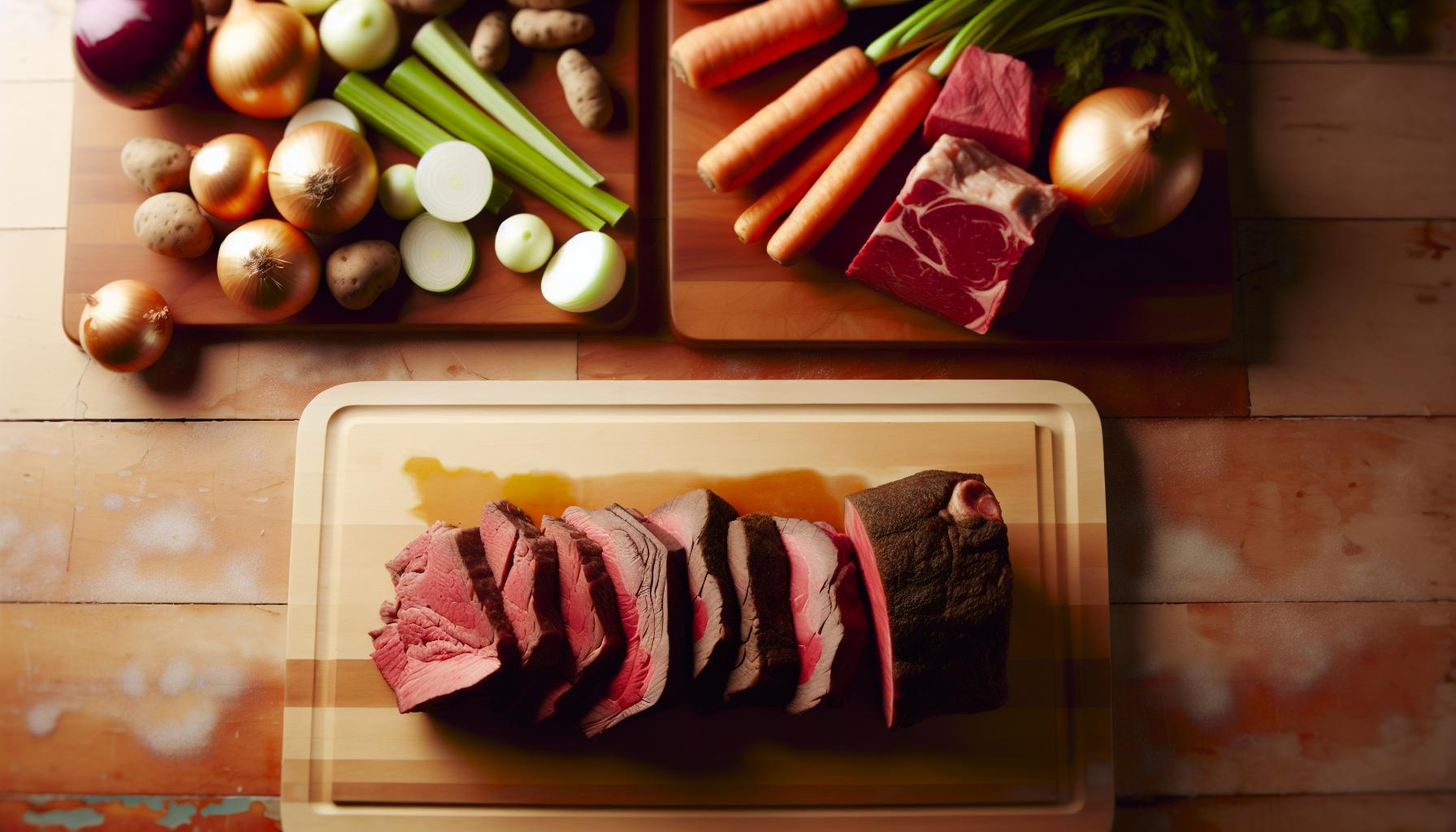
Table of Contents
- Best Cuts of meat Ideal for Slow Cooker Pot Roast
- Why Chuck Roast Is a Slow Cooker Superstar
- Brisket vs. Round roast: Which Works Better?
- How Meat Marbling Impacts Pot Roast Flavor
- Choosing Gluten-Free and Paleo-Friendly Meat Cuts
- Prep Tips to Maximize Tenderness in Slow Cooker Roasts
- Time and Temp Tricks for Perfect Slow Cooker Pot Roast
- Flavor-Boosting Meat Rubs and Marinades That Work Wonders
- Easy Ingredient Swaps for Allergy-Friendly Pot Roasts
- Using Leftover Pot roast: Creative Recipes and Storage Tips
- Q&A
- Q: How does the thickness of the meat cut affect slow cooker pot roast results?
- Q: Can leaner cuts work well for pot roast in a slow cooker?
- Q: What slow cooker meat cut is best for a budget-friendly pot roast?
- Q: How can I tell if a cut of meat is suitable for a slow cooker pot roast?
- Q: does the source of the meat (grass-fed vs. grain-fed) influence pot roast texture in a slow cooker?
- Q: Is it better to sear the meat before slow cooking pot roast cuts?
- Q: Can you use a pork roast cut for a slow cooker pot roast recipe?
- Q: How does bone-in vs. boneless roast affect slow cooker pot roast outcomes?
- Closing Remarks
Best Cuts of meat Ideal for Slow Cooker Pot Roast
Finding the right cut of meat for your slow cooker pot roast can make all the difference between a tender, flavor-packed meal and a tougher-than-expected dinner. While it might be tempting to grab whatever looks good at the butcher counter, certain cuts shine brightest when given the low-and-slow treatment. These cuts tend to have the perfect balance of fat, connective tissue, and muscle that break down beautifully during hours of gentle cooking-rewarding you with melt-in-your-mouth goodness that practically falls apart at the touch of a fork.
Top Slow Cooker Cuts that Steal the Show
- Chuck Roast: The undisputed slow cooker champion, chuck roast comes from the shoulder and packs good marbling along with a dense texture. This cut’s connective tissue melts into luscious gelatin during cooking, turning every bite tender and juicy.If you’re aiming for a gluten-free or paleo-friendly pot roast,chuck’s natural fat content helps keep the dish satisfying without needing extra thickeners or breadcrumbs.
- Brisket: Known for its rich, beefy flavor, brisket works well when cooked slowly. It’s a bit leaner than chuck but still develops great tenderness and depth of flavor if you resist the urge to rush it. Brisket might require a touch more attention to moisture-think a splash of broth or wine-to keep it from drying out in the slow cooker.
- Round Roast (Bottom or Eye Round): Often overlooked, round roast is leaner with less marbling, so it benefits greatly from slow cooking with extra moisture and a flavorful rub or marinade. It’s a solid choice if you prefer a leaner cut or are following a paleo or gluten-free plan requiring low fat.Just note you might want to keep cooking times on the longer side to get that perfect tenderness.
- Shoulder Blade Roast: Similar to chuck but sometimes with a bit more fat,this cut delivers a tender,juicy pot roast and is a great choice depending on availability and price.
Choosing Cuts That Match Your Lifestyle and Taste
A lot of home cooks want to balance convenience, budget, and health preferences. Chuck roast is generally the most forgiving and budget-friendly option, perfect for busy nights when you want to toss everything in the slow cooker and come back to a delicious meal. If you’re looking for a lighter pot roast that won’t leave you feeling weighed down, brisket and round roast are excellent bets-just remember to add moisture. Paleo and gluten-free eaters rave about chuck and brisket for their naturally grain-free purity and ability to soak up herbs, garlic, and spices without needing gluten-filled binders or thickening agents.
Personally, I love chuck roast’s robust flavor and the way it acts like a sponge for delicious beef broth and aromatics. But on rare occasions, I grab brisket for a more elegant pot roast with a slightly firmer texture that slices beautifully for special dinners or leftovers turned into hearty Paleo sandwiches. either way, investing in a good-quality cut with some marbling pays off in flavor and texture.
| Cut | Flavor Profile | Fat Content | Best For | Paleo/Gluten-Free Friendly |
|---|---|---|---|---|
| Chuck Roast | Rich, beefy, well-marbled | Moderate to High | Everyday pot roast, melt-in-mouth texture | Yes |
| brisket | Deep, smoky, lean | Moderate | More refined texture, slow-cooked slices | Yes |
| Round Roast | Mild, lean | Low | Lean option, benefits from extra moisture | yes |
| Shoulder Blade Roast | Rich, juicy | Moderate | Great alternative to chuck | Yes |
Slow cooker pot roast is one of those recipes where the cut of meat really lays the foundation for success.By grabbing a well-marbled chuck or giving brisket a try, you’re setting yourself up for a hearty, flavorful meal that’s perfect for busy weeknights or laid-back weekends. And trust me-any of these cuts can shine with a little love, a good seasoning, and the magic of slow cooking.
Why Chuck Roast Is a Slow Cooker Superstar
Few cuts of meat embody the “set-it-and-forget-it” slow cooker ideology quite like chuck roast.Hailing from the shoulder area, chuck comes with an ideal balance of muscle, fat, and connective tissue that transforms into rich gelatin when cooked low and slow. This natural breakdown is what gives chuck roast that signature melt-in-your-mouth texture and juicy bite without any fancy tricks. If you’re juggling a busy schedule but crave a comforting, hearty meal, chuck roast’s forgiving nature makes it a top pick.One of the biggest reasons chuck shines in the slow cooker is its marbling. Those streaks of fat not only lock in amazing flavor but also keep the meat moist over several hours on low heat. Without all that fat, pot roast can dry out or end up chewy, especially in the long cooks slow cookers demand. For paleo and gluten-free eaters,chuck is a win becuase it naturally provides enough richness and body to skip thickening with flour or breadcrumbs,preserving both flavor and dietary preferences effortlessly.
Here’s a rapid cheat sheet for making the most of chuck roast in your slow cooker:
- Patience pays off: chuck needs around 7-9 hours on low for perfect tenderness – rushing it only frustrates the connective tissue.
- Brown before you go: A quick sear on all sides locks in flavor and adds those irresistible caramelized bits.
- Flavor sponge: Chuck soaks up herbs, spices, and broth like a pro – try garlic, rosemary, or smoked paprika for a paleo-friendly punch.
In my kitchen, chuck roast is the dependable friend who never lets you down – sometimes, I pop it in the slow cooker with just onions, broth, and a splash of balsamic, and later in the day the whole house smells like a cozy Italian trattoria. Its simplicity and adaptability make it a stellar base for whatever leftovers you want to reinvent the next day, whether it’s a grain-free beef hash or paleo-friendly stuffed peppers. For anyone wanting great taste with minimal fuss (and zero gluten drama), chuck roast really shines as the slow cooker superstar you can count on.
Brisket vs. Round roast: Which Works Better?
brisket and round roast often spark fierce debate among slow cooker enthusiasts, each bringing unique strengths to the dinner table. If you’ve ever wondered whether to pick brisket or round roast for your pot roast adventure, it boils down to flavor, texture, and how much time you’re ready to invest. Both cuts are relatively affordable and leaner than chuck,but they behave quite differently when cozying up in a slow cooker all day.
Brisket, coming from the chest area, is renowned for its rich marbling and deep beefy flavor. Thanks to those fat streaks, brisket practically begs to be cooked low and slow, transforming into tender, juicy goodness with a slightly silky mouthfeel. Its denser connective tissue melts beautifully, but brisket demands patience; rush it, and you might end up with a dry or stringy mess. I love using brisket when I want that full-bodied, slightly smoky flavor punch-perfect with robust spices or a wine-based braise. For gluten-free and paleo cooks, brisket is a flavorful canvas that doesn’t need much extra help from thickening agents.
On the flip side, round roast hails from the rear leg and is much leaner, with less marbling and more muscle fibers. It’s great if you’re aiming for a healthier, lower fat pot roast without sacrificing the classic beef flavor, but it requires a bit more TLC to avoid chewiness. Here’s where a slow cooker’s gentle hum shines. Cooking round roast slowly with plenty of moisture and maybe a splash of acid (like vinegar or tomato) helps break down those tougher fibers. In my kitchen, round roast is my go-to when I’m short on prep time or prefer fewer calories but still crave a comforting meal. As of its simplicity, it pairs wonderfully with savory herbs and lighter broths too, keeping it paleo and gluten-free friendly.
- Brisket: Fatty, flavorful, melts into tender bites; needs 8-10 hours on low; best for richer dishes.
- Round Roast: leaner,firmer texture; cooks in 6-8 hours; needs extra moisture or acids; ideal for lighter meals.
If you think of brisket as the slow cooker’s indulgent, full-flavored best friend, round roast is the lean, versatile companion-both bringing stellar results but catering to different mood and dietary preferences. Try brisket when you want that luscious,almost decadent pot roast that feels like a hug on a plate. Reach for round roast when a lighter,slightly firmer roast fits your dinner vibe better,especially if you’re blending in paleo-style veggies or need a protein-packed base with less fat.
Adapting either cut with strategic seasoning and a good sear before the slow cook can elevate your pot roast game dramatically. And hey, when in doubt, both leftovers reheat beautifully for easy next-day meals – whether chopped into salads, tacos, or simple soups. That’s pot roast magic for busy home chefs who treasure delicious flavors without fuss or judgment.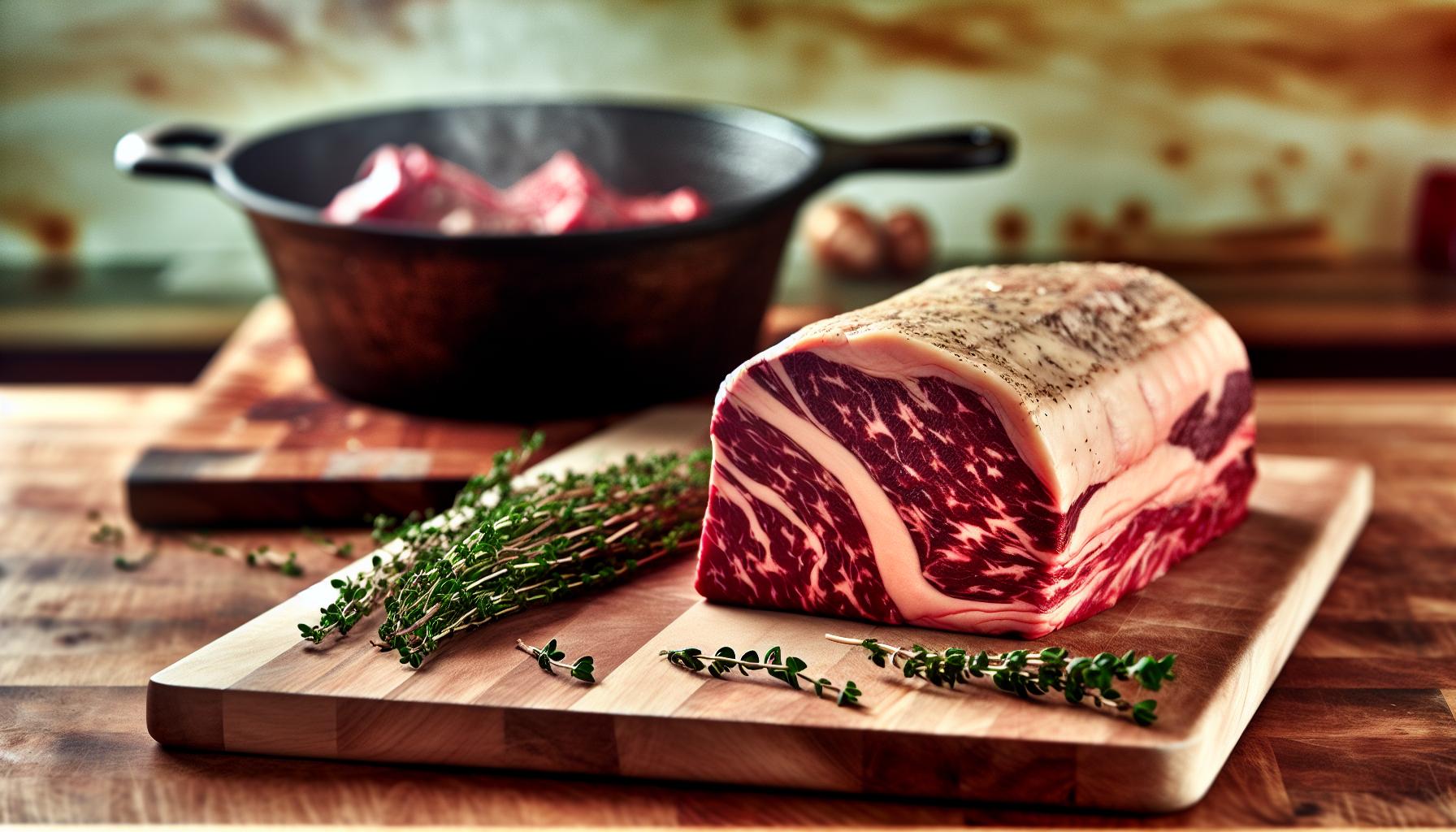
How Meat Marbling Impacts Pot Roast Flavor
When it comes to pot roast, the secret to luscious, melt-in-your-mouth tenderness often lies in one thing: marbling.Those little streaks of fat woven through the meat work their magic during the long, slow cooking process, basting the beef from the inside out. Not only do they keep the roast juicy,but they also deliver rich,savory flavor that elevates your dish well beyond “just meat.” For anyone cooking paleo or gluten-free, this fat content is a natural friend-no thickening agents needed and bonus, it keeps your roast satisfyingly unprocessed.
Different cuts bring different marbling personalities to the party.Take chuck roast,frequently enough crowned the slow cooker superstar,such as. its good fat distribution means you’re almost guaranteed tender, flavorful results every time with minimal fuss. Brisket,with its denser marbling and connective tissue,rewards patience by yielding that silky texture and deep,beefy flavor that’s practically comfort food in liquid form.On the flip side, leaner cuts like round roast have less marbling, meaning they need a bit of extra moisture or acidic ingredients to avoid ending up dry or tough. But with the right slow cooker love – think tomato, vinegar, or a splash of wine – even these leaner friends can shine in their own right.
Why Fat Makes all the Difference
Fat is like a flavor sponge and a natural tenderizer rolled into one. As the pot roast cooks low and slow, the fat melts, seeping into the muscle fibers and softening them. This slow rendering also imparts a luscious mouthfeel that makes every bite juicy and satisfying.If your goal is a paleo- and gluten-free-friendly meal that’s bursting with flavor but low on filler, opting for cuts with moderate marbling ensures you’re getting plenty of natural richness without relying on flours or starches to thicken sauces. Plus, the fat breaks down connective tissue, turning those tougher muscles into tender nuggets that practically fall apart.
Marbling and Cooking Times: A Balancing Act
I’ve learned from many kitchen adventures (and a few “oops” moments) that marbling also influences how long your roast should cook.More marbling means a longer, slower cook because the fat and collagen need time to gently melt down and soften the meat without drying it out. Chuck and brisket often love hanging out for 8 to 10 hours on low, while leaner roasts like round do better with less time-around 6 to 8 hours-and a conscious boost of moisture. If you rush a fatty cut, you might miss the chance to unlock its full flavor potential; cook lean meat too long, and you risk a tough chew.
Simple Tips to Marry Marbling and Flavor
- Look for visible fat streaks: Cuts with thin ribbons of fat embedded within will give you that unbeatable tender texture and beefy taste.
- Don’t skip searing: A good browning before slow cooking locks in juices and caramelizes the fat for flavor depth.
- Keep it slow and steady: Low temperatures over extended times let marbling slowly soften connective tissue and fat without drying out your roast.
- Boost leaner cuts: Use acidic liquids (tomato, vinegar, wine) and plenty of broth for moisture to complement the lack of marbling.
Embracing marbling is like inviting a rockstar chef to your slow cooker party-your pot roast will be richer, juicier, and bursting with flavor that’s all natural. Whether you crave the indulgent silkiness of a brisket or the lean simplicity of round roast jazzed up with smart cooking hacks, understanding how fat impacts your meat is the key to pot roast success every time. so go ahead, give that well-marbled roast some slow cooker love, and enjoy the comfort food magic that brings your kitchen alive.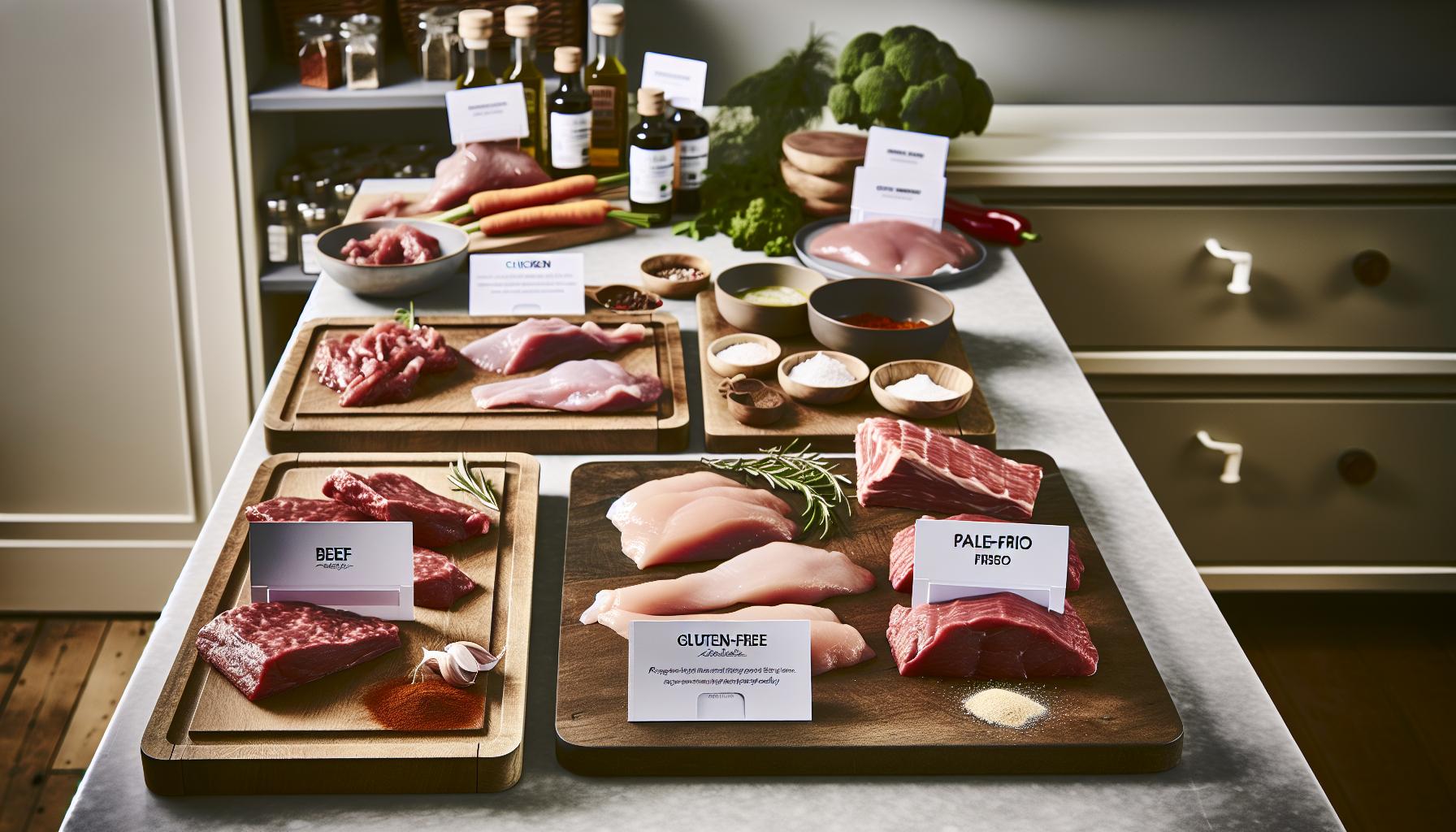
Choosing Gluten-Free and Paleo-Friendly Meat Cuts
Cooking a pot roast that’s both paleo-friendly and gluten-free is a delicious way to enjoy comfort food without sacrificing your dietary goals. The beauty is that many classic roast cuts naturally fit these diets without extra fuss-no hidden gluten or sneaky grains, just pure, wholesome beef. For busy cooks, sticking to moderate-to-high marbling cuts like chuck or brisket means you’re already on the right track. These cuts have enough internal fat to keep your roast juicy and flavorful without the need for flour-based thickening agents, which often trip up gluten-free or paleo eaters.
When picking your roast, look for those marbled gems that bring along collagen and fat. These goodies break down slowly in the crock pot, turning tough muscle into tender, mouthwatering bites that practically melt under your fork. For the paleo crowd, seek out grass-fed and pasture-raised beef whenever possible. Not only does it align with paleo principles, but you’ll often notice a richer flavor and better texture. I onc switched from conventional chuck to grass-fed brisket-and wow, the difference in flavor was like night and day! The slow cooker did its magic, and I had a paleo powerhouse meal that felt indulgent without guilt.
Gluten-Free, Paleo-Friendly Cuts to Trust
- Chuck Roast: This classic is a home run-good marbling, balanced fat, and connective tissue that softens perfectly over 8-10 hours in a slow cooker. No need for thickening agents here!
- Brisket: Denser with a bit more connective tissue, brisket’s slow, patient cooking draws out rich beefy flavor, ideal for a hearty paleo feast.
- Bottom Round Roast: Leaner but still a solid choice if you pack the crock pot with flavorful broth and acidic components like tomatoes or a splash of vinegar to tenderize.
Avoid pre-seasoned or processed meat products that may sneak in gluten-containing fillers or additives. Instead,embrace simple seasoning with herbs,salt,pepper,and garlic. This way, you can control every ingredient and keep your pot roast truly clean and wholesome.
Simple Paleo-Friendly Tips for Slow Cooker Pot roast
- Swap flour for natural thickening: If you want a thicker gravy, turn to pureed vegetables like cauliflower or carrot, or reduce the sauce by cooking it uncovered at the end.
- Boost flavor with homemade stocks: Bone broth is a paleo superstar, adding rich, mineral-packed goodness and helping integrate flavors.
- Keep it hands-off: One of the joys of slow cooking paleo is minimal prep-brown your roast quickly for flavor, then toss in broth, veggies, and herbs and let time do the rest.
There’s joy in slowing down, trusting your ingredients, and savoring each bite-especially when you know your pot roast meets your lifestyle without compromise.Whether it’s a weeknight rescue or a Sunday dinner showstopper, choosing the right cut means you get to enjoy that satisfying, fork-tender fall-apart goodness in every paleo and gluten-free bite.Happy slow cooking!
Prep Tips to Maximize Tenderness in Slow Cooker Roasts
There’s nothing like that first forkful of slow cooker pot roast that practically melts in your mouth. But getting that tender, juicy magic isn’t always automatic-it starts long before the crock pot lid goes on. Treating your meat with a little care during prep sets the stage for a pot roast that not only tastes incredible but fits beautifully with paleo and gluten-free lifestyles. Think of it as giving your roast a spa day before its slow, flavor-packed soak.
First up, don’t skip the all-crucial browning step. It might feel like extra work, but a quick sear on all sides creates a caramelized crust that locks in juices and amps up the depth of flavor.I usually heat a heavy skillet or my trusty cast iron on medium-high, add a splash of avocado or coconut oil, and brown the roast for about 3-4 minutes per side. This simple step adds those rich, savory notes we all crave while building a lovely base for your paleo-friendly broth.
Another game-changer? Letting your roast come to room temperature before cooking. Pull it out of the fridge about 30 minutes ahead to avoid that tough “cold-center” bite.Couple that with a gentle marinade or rub-nothing complicated-just a mix of herbs like rosemary and thyme, a pinch of sea salt, freshly cracked black pepper, and garlic powder. These add subtle layers of flavor without any gluten or unwanted additives sneaking in.And for those extra tenderizing points,a splash of acidity,think apple cider vinegar or lemon juice,helps break down muscle fibers naturally during cooking.
- Trim with care: Removing excessive external fat can prevent greasy textures, but keep the internal marbling-this fat keeps meat juicy and helps collagen transform into that luscious gelatin we love.
- Pat dry: A quick towel-dry before seasoning ensures your rub sticks properly and browns beautifully rather of steaming.
- Don’t rush the seasoning: Sprinkle herbs and salt evenly and give the rub a gentle massage into the meat to infuse flavor deeply.
If you’re pressed for time or craving a shortcut, here’s a tip from my busy-weeknight arsenal: prep your roast the night before. after seasoning and browning, pop it in the fridge overnight. This not only boosts flavor penetration but also means your slow cooker morning routine just got a whole lot easier-set it and forget it, knowing tenderness is on its way.
Embracing these prep nuances means your slow cooker does less heavy lifting and more perfecting, delivering a pot roast that’s reliably tender, beautifully flavored, and totally paleo- and gluten-free-friendly. Remember, good things take time and a little TLC-your taste buds will thank you!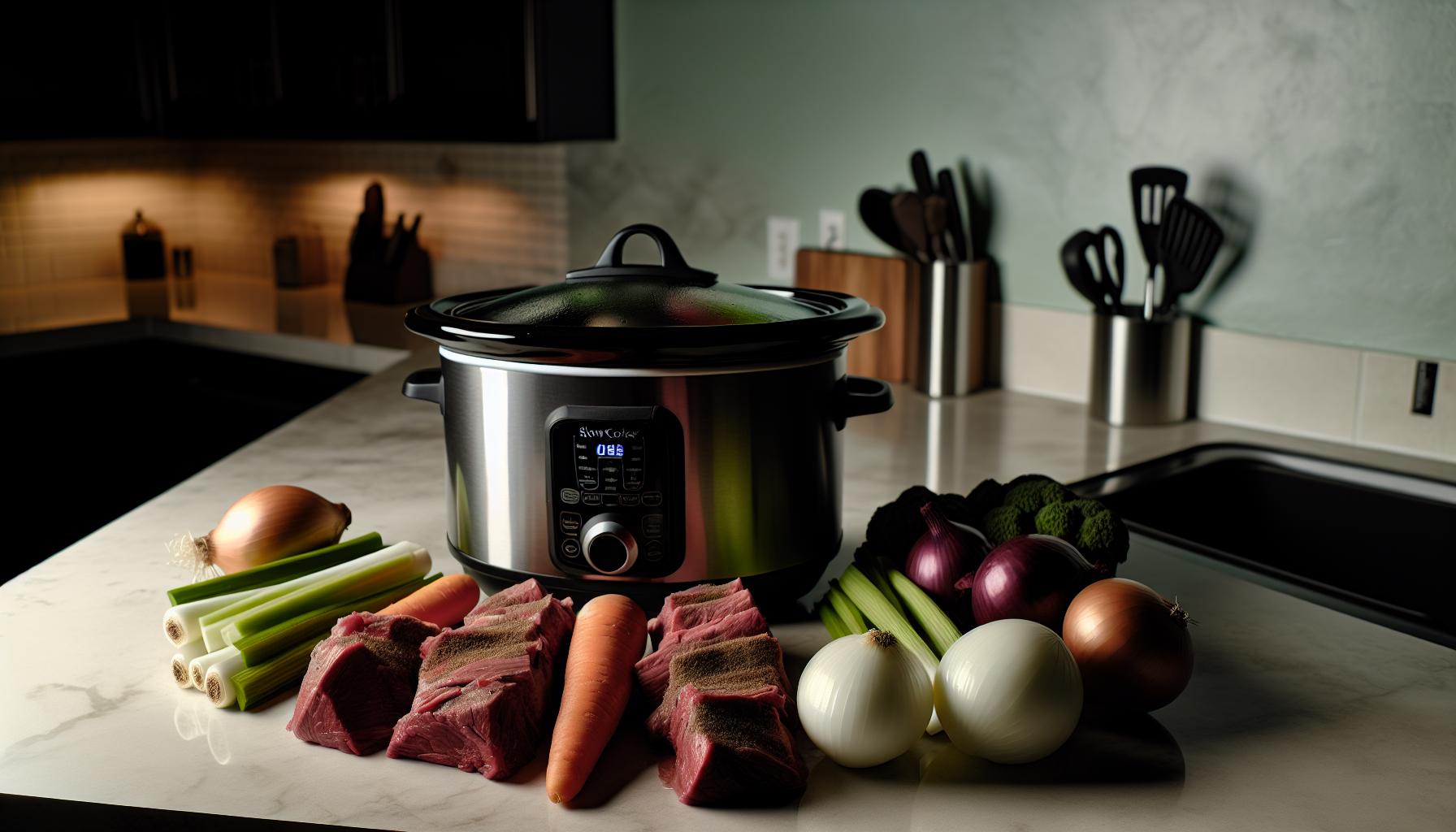
Time and Temp Tricks for Perfect Slow Cooker Pot Roast
There’s something a little magical about slow cooking a pot roast-turning a tough cut into a melt-in-your-mouth masterpiece without much fuss. But the real secret behind that magic lies in balancing time and temperature just right. Too high, and you risk drying out the meat; too low or too quick, and it might stay tough or miss out on developing those rich, slow-simmered flavors that make pot roast a comfort food classic.
One tried-and-true trick is trusting the low-and-slow approach. Setting your slow cooker to low for about 8 to 10 hours frequently enough works better than rushing things on high. For cuts like chuck roast, which are loaded with collagen and marbling, that gentle heat slowly melts the connective tissue into luscious gelatin, creating that silky texture everyone loves. Don’t underestimate the power of patience here-it really pays off! Personally, I once tried a “high and quick” setting on a leaner round roast and ended up with a dry, mealy disappointment, so I always stick to low and savor the slow change.
If time is tight, a high setting can still work, but keep the cooking time between 4 to 6 hours and check frequently enough to prevent overcooking. Remember, every slow cooker heats differently, so use these times as flexible guides.A handy kitchen tip: when working with thicker roasts, consider slicing them in half or slightly flattening the shape for more even heat penetration. This can shave off cooking time without sacrificing tenderness.
Temperature and Timing Cheat Sheet
| Cut of Meat | Slow Cooker Setting | Recommended Time |
|---|---|---|
| Chuck Roast | Low | 8-10 hours |
| Brisket | Low | 8-10 hours |
| Round Roast | Low to Medium | 7-9 hours |
If you’re paleo or gluten-free like me, make sure your slow cooker’s lid fits tightly-escaping steam means drying out your roast. I’ve learned the hard way that lifting the lid too often is slow cooker kryptonite. Resist the urge, and trust your timer. For added magic, toss your meat on a trivet or vegetables to keep the roast slightly elevated; this encourages even cooking and lets flavors mingle beautifully all around.
Sometimes I like to crank the heat at the end for the last 20-30 minutes to brown the top with the lid off-adds a little crisp edge and deep caramelization that’s totally drool-worthy (and still paleo- and gluten-free-friendly). If you have a handy broiler, you can finish your roast there as well after slow cooking-it’s like a little finale to the slow simmer symphony.
Don’t forget that internal temperature matters too, but with pot roast, it’s really about fork-tender proof: if a fork slides in and out with zero resistance, you’re golden. Whether you’re juggling busy days or weekend meal prep, these timing and temperature tips let you enjoy effortless, perfectly tender pot roast every time-with plenty of flavors that sing. Your slow cooker is your trusty sous-chef here, so set it right, leave it alone, and get ready to feast!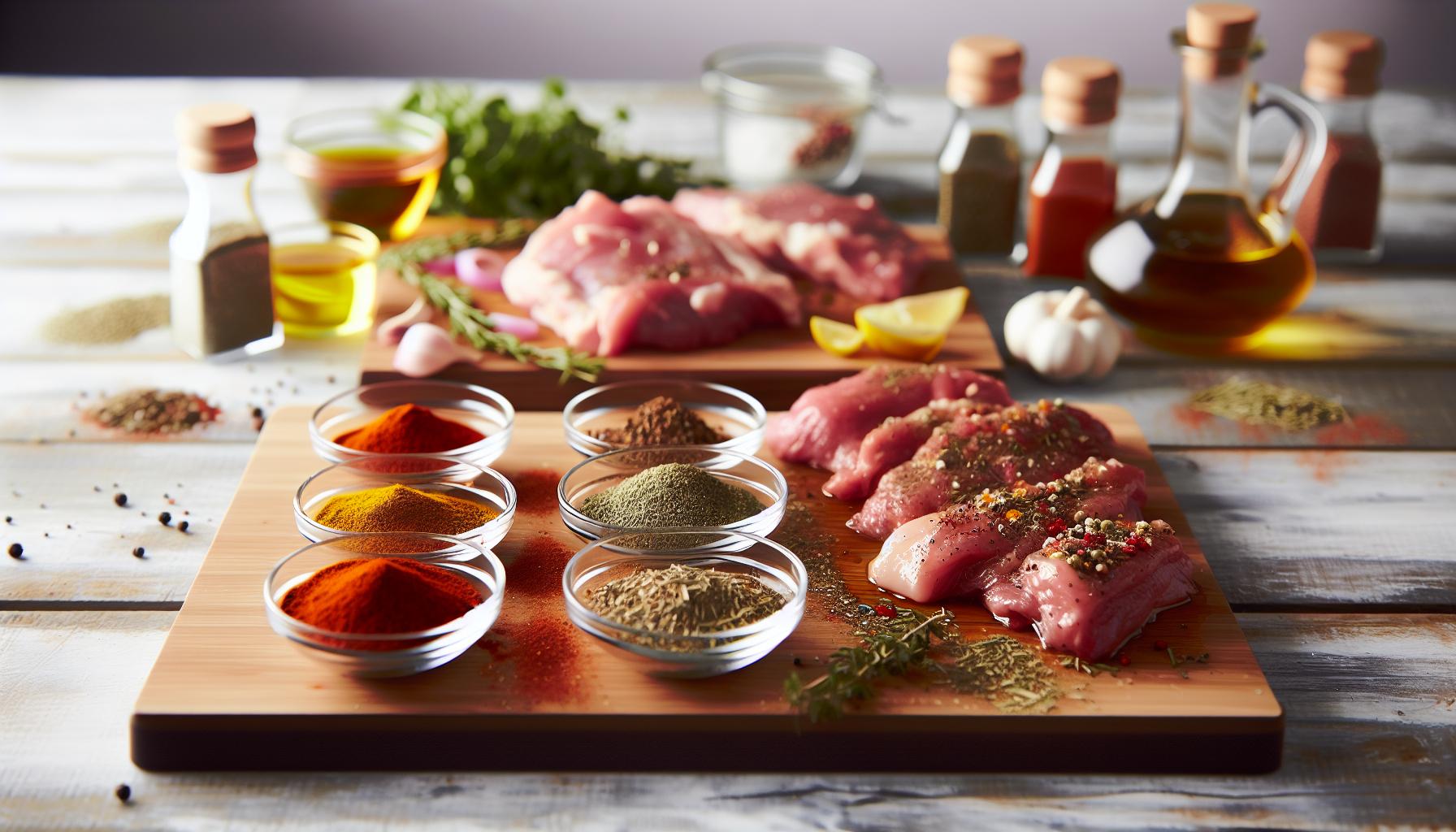
Flavor-Boosting Meat Rubs and Marinades That Work Wonders
Nothing transforms a humble slow cooker roast quite like a perfectly crafted meat rub or marinade. Whether you’re working with a richly marbled chuck roast or a leaner brisket, these flavor boosters can elevate every bite, making that slow-simmered feast sing with layers of complexity and warmth. The magic lies in marrying the seasoning with your cut’s natural richness while keeping it paleo- and gluten-free-friendly, if that’s your jam-because deliciousness shouldn’t come with complicated ingredient lists or long prep times.
Start simple with a dry rub featuring bold, earthy spices like smoked paprika, garlic powder, and freshly cracked black pepper. Toss in a pinch of ground cumin or dried thyme to add a savory herbal note that compliments the beef’s depth. Here’s a quick favourite that fits perfectly with chuck’s marbling and collagen richness:
- 2 tsp smoked paprika
- 1 tsp garlic powder
- 1 tsp onion powder
- 1/2 tsp ground cumin
- Salt and pepper to taste
Rub this generously over your roast an hour before cooking-or even overnight for a slow flavor soak that pays dividends in tenderness and taste. I’ve found that tossing the brisket or round roast in this rub, especially when paired with a splash of apple cider vinegar or citrus juice in a marinade, produces a beautifully balanced flavor without overpowering the meat’s natural charm. Plus,keeping the rub dry means no sticky mess and easy clean-up.
Marinades That Add Moisture and Depth
Marinades are game-changers, especially with leaner cuts like round roast, which can benefit from a bit more moisture and tenderizing action. Combine paleo-friendly liquids like coconut aminos, fresh lemon juice, or apple cider vinegar with aromatics such as minced garlic, rosemary sprigs, or crushed red pepper flakes for a lively, vibrant infusion. Here’s a straightforward marinade recipe that takes about 10 minutes to whip up and works wonders after 4-6 hours of marinating:
- 1/4 cup coconut aminos (or tamari for gluten-free but non-paleo)
- 2 tbsp fresh lemon juice
- 3 cloves garlic, minced
- 1 tsp fresh rosemary, chopped
- 1/2 tsp crushed red pepper flakes
You can seal the roast and marinade in a zip-top bag or shallow dish, turning a couple of times to coat well.A quick note from personal kitchen experiments: sometimes I pair this marinade with a sear on the stovetop before slow cooking, locking in juices and that deeply caramelized crust that makes fork-tender meat even more appetizing.
Pro Tips for Flavor absorption and Custom Swaps
- Don’t skimp on salt. It’s the unsung hero that unlocks both rubs and marinades, drawing out moisture and amplifying natural flavors.
- Embrace fresh herbs and zest. Lemon or orange zest adds a bright zing that balances the rich beefy notes beautifully.
- Adjust spices for your palate. If you prefer warming heat, add a touch of ground chipotle or smoked cayenne.
- Substitutions for allergies. swap garlic powder for asafoetida or omit nightshade spices-there’s always a way to customize while keeping the beef front and center.
Ultimately, boosting flavor is about layering simple ingredients that enhance the meat without fighting it. The slow cooker will do the heavy lifting on tenderness, but a thoughtfully applied rub or marinade really brings that melt-in-your-mouth pot roast to life. Remember, a little pre-cook prep goes a long way-your future self (and hungry family!) will thank you.
Easy Ingredient Swaps for Allergy-Friendly Pot Roasts
Sometimes, the best slow cooker pot roast can be derailed by a hidden allergen or a picky dietary need. The good news? You can still whip up that tender, flavorful roast you love without sacrificing taste or texture-just by swapping a few key ingredients. Whether you’re tackling a gluten sensitivity, dairy intolerance, or simply avoiding nightshades, there are easy, practical switches that keep cooking stress-free and delicious.
Rather of your usual soy-based tamari or Worcestershire sauce, which can hide gluten or added sugars, try coconut aminos. It’s naturally gluten-free, paleo-friendly, and adds a mild umami kick without overpowering your meat’s rich marbling. Also, garlic lovers with sensitivities can swap garlic powder for asafoetida powder (just a pinch does the trick!), which keeps that savory note without the irritants. And if you’re dodging nightshades, skip paprika and cayenne in rubs and lean on herbs like thyme, rosemary, or even smoked black pepper for smoky depth.
Smart Ingredient Swaps for Allergy-Friendly Rubs & Marinades
- Gluten-Free: replace soy sauce or tamari with coconut aminos or homemade bone broth reductions for that savory punch.
- paleo-Friendly: Swap processed sugar or honey for mashed ripe banana or unsweetened applesauce to provide subtle sweetness without breaking paleo rules.
- Dairy-Free: Avoid butter in basting or finishing and use avocado oil or ghee (if tolerated), which complements slow-cooked beef beautifully.
- Nightshade-Free: Replace paprika, chili powder, or cayenne with smoked black pepper, ground coriander, or fresh ginger for warmth.
why These Swaps Work in Slow Cooker Pot Roasts
The slow cooker is all about low and slow flavor infusion-making it a perfect partner for allergy-friendly swaps. As a notable example, coconut aminos gently mingle with the meat over hours, deepening flavor without harsh chemical notes that some gluten-free sauces carry. Similarly, natural sweeteners like mashed banana won’t overpower but subtly enhance caramelization when you finish the roast with a quick sear. I remember swapping out paprika for smoked black pepper during a dinner with a friend allergic to nightshades-and no one guessed a thing! The roast came out tender and smoky, with all that cozy comfort intact.If you’re wondering about texture-especially with lean cuts like round roast-adding moisture with citrus-based marinades or apple cider vinegar keeps things juicy even when ditching typical soy or sugar ingredients. Just let your roast soak up the marinade 4-6 hours before slow-cooking. This prep not only tenderizes but layers on depth without triggering allergies.
Quick tip from my kitchen: always give your rub or marinade a taste test before slathering on. This lets you tweak salt and acidity levels for balance, especially when experimenting with substitutions. After all, cooking fun is about discovery, not perfection!
| Standard Ingredient | Allergy-Friendly Swap | Why It Works |
|---|---|---|
| Soy Sauce / Tamari | Coconut Aminos | Gluten-free, paleo-friendly, mild umami |
| Garlic Powder | Asafoetida (hing) powder | Allergy-friendly, savory onion-garlic flavor |
| Paprika / Cayenne | Smoked Black Pepper or Ground Coriander | nightshade-free warm spice |
| Honey / Sugar | Mashed Banana / Unsweetened Applesauce | Natural sweeteners for caramelization without refined sugars |
| Butter (for finishing) | Avocado Oil / ghee (if tolerated) | Dairy-free fat that enhances richness |
With these easy swaps, you’ll confidently navigate allergy-friendly cooking without losing that luscious tender bite and hearty flavor that make slow cooker pot roast a family favorite. Remember, the real magic lies in the slow cooker doing the heavy lifting-and you getting creative with ingredients that suit your table. Keep it simple, keep it joyful, and enjoy every delicious forkful!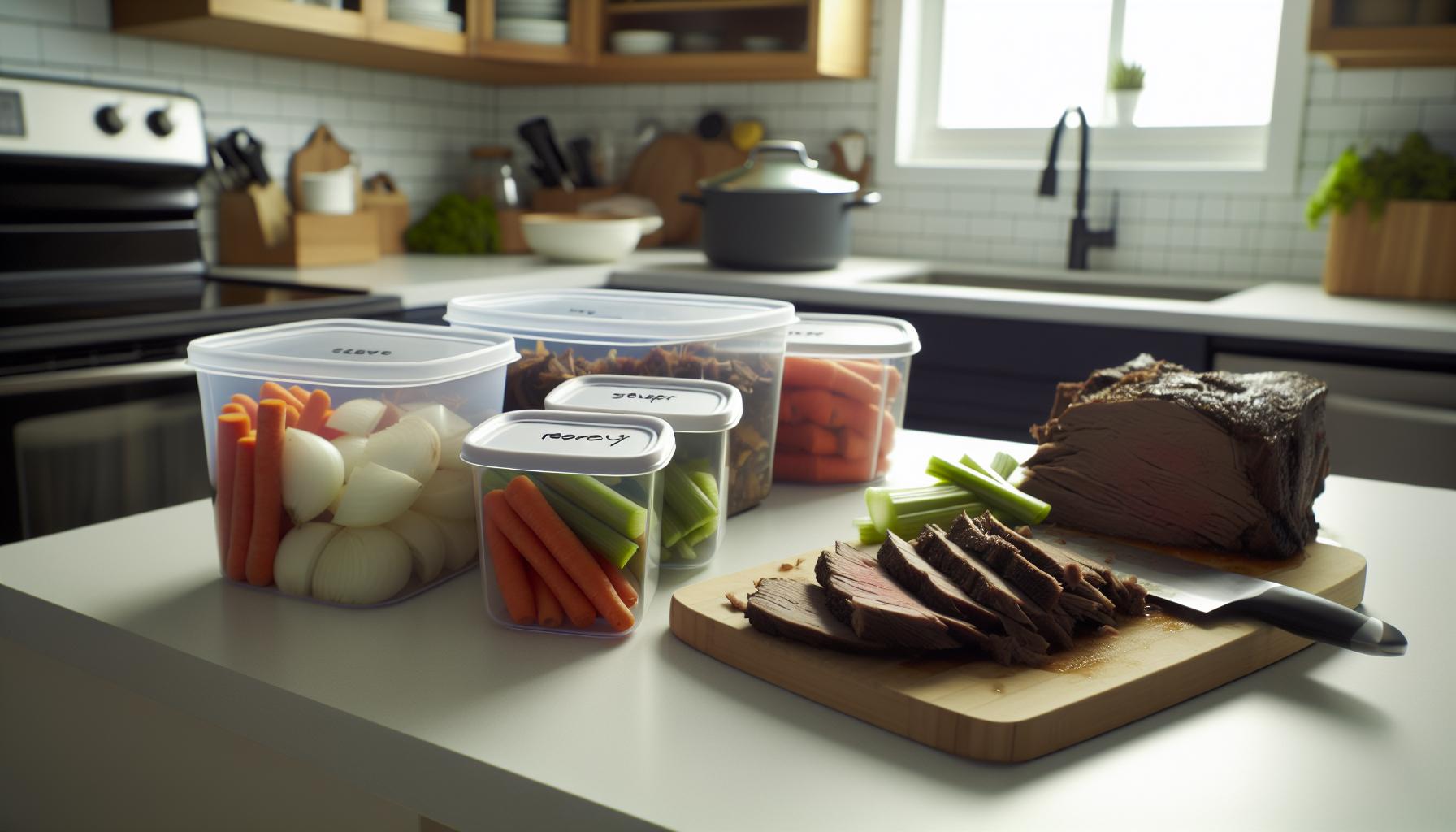
Using Leftover Pot roast: Creative Recipes and Storage Tips
Leftover pot roast is a treasure trove waiting to be transformed into new meals that keep dinner exciting and minimize food waste. The beauty of slow cooker pot roast-especially when using cuts like chuck roast or brisket with wonderful marbling-is that the next-day flavors frequently enough deepen and intensify, giving you a jumpstart on deliciousness for your creative repurposing. Whether you’re paleo, gluten-free, or simply looking to stretch your roast into quick meals, there are plenty of easy, flavor-packed options to keep things fresh and fun.
One of my go-to lifesavers is turning leftover roast into a hearty beef hash. It’s a breeze to make,paleo and gluten-free-friendly,and you only need basic kitchen staples. Just chop the cold pot roast into bite-size pieces, and sauté with diced sweet potatoes, onions, and any leftover root veggies. Add fresh herbs like rosemary or thyme, then finish with a fried egg on top if you like.The savory, tender meat paired with caramelized bits brings out that cozy comfort vibe without extra fuss. It takes about 20 minutes from fridge to fork-a total weeknight win.
Simple Ideas for Breakfast, Lunch, and Dinner
- Breakfast: Pot roast breakfast bowl with sautéed veggies and eggs-protein-packed to fuel your day.
- Lunch: Paleo-friendly lettuce wraps-shred the roast, toss with avocado, diced cucumber, and a squeeze of lime for fresh, handheld goodness.
- Dinner: Slow cooker-inspired beef stew-add leftover roast to a pot with bone broth, carrots, celery, and your favorite paleo veggies for an easy remake.
Storing the leftovers properly can make all the difference between tasty reheats and sad, dry meat. Cool the roast wholly before refrigerating it in an airtight container. it’s best eaten within 3-4 days, but you can freeze portions for up to 3 months without losing that juicy texture, especially when the fat-marbling in chuck or brisket keeps the meat moist during thawing. When reheating, low and slow always wins-either gently steam or warm in a covered skillet with a splash of broth or water to revive tenderness.
| Storage Method | Timeframe | Best Practices |
|---|---|---|
| Refrigeration | 3-4 days | Cool completely; airtight container; reheat gently with broth. |
| Freezing | Up to 3 months | Divide into meal-sized portions; wrap tightly; thaw overnight in fridge. |
Turning your pot roast leftovers into new meals isn’t just smart-it’s downright delicious and satisfying. I remember a week where a giant chuck roast kept us fed in several ways: shredded over roasted veggies, folded into paleo-friendly tortillas, and even blitzed in a hearty soup with marrow-rich bone broth. Each dish was a party of that slow-cooked goodness lingering on, with zero pressure to be perfect. So go ahead-experiment boldly, savor every bite, and let your kitchen adventures show that leftovers have a delicious second act.
Q&A
Q: How does the thickness of the meat cut affect slow cooker pot roast results?
A: The thickness of the meat cut impacts cooking time and tenderness. Thicker cuts hold moisture better and stay juicy but require longer cooking in the slow cooker. For best results, choose cuts about 3-4 inches thick and adjust your slow cooker time accordingly to avoid drying out or undercooking. Check our Time and Temp Tricks section for precise guidance.
Q: Can leaner cuts work well for pot roast in a slow cooker?
A: Leaner cuts can work, but they tend to be less tender and dry out faster. To compensate, braise lean cuts with added broth or fat and cook on low heat to maintain moisture. Consider marinating first or using a flavorful rub from our Flavor-Boosting Meat Rubs and Marinades section to enhance juiciness and taste.
Q: What slow cooker meat cut is best for a budget-friendly pot roast?
A: Chuck roast is ideal for budget-friendly pot roast as it’s flavorful, tender when slow-cooked, and usually affordable. It has enough marbling to keep the meat juicy without splurging. For tips on affordable cuts and maximizing flavor,see our Best Cuts of Meat Ideal for slow Cooker Pot Roast section.
Q: How can I tell if a cut of meat is suitable for a slow cooker pot roast?
A: Look for cuts with good marbling and connective tissue, such as chuck or brisket. these break down during slow cooking, creating tender, flavorful results. Avoid very lean cuts with little fat, which can dry out.Refer to How Meat Marbling Impacts pot Roast Flavor for details on selecting the right cuts.
Q: does the source of the meat (grass-fed vs. grain-fed) influence pot roast texture in a slow cooker?
A: Yes, grass-fed meat tends to be leaner and firmer, requiring careful slow cooking with moisture to avoid dryness. Grain-fed cuts often have more marbling, yielding softer, richer pot roasts. Adjust cooking times and add liquids as advised in Prep Tips to Maximize Tenderness for best texture nonetheless of meat source.
Q: Is it better to sear the meat before slow cooking pot roast cuts?
A: Searing is highly recommended because it locks in flavor and adds a delicious crust that enhances the overall taste of your pot roast. It also helps the meat hold juices better during slow cooking. Check our Prep Tips section for simple searing steps that elevate your slow cooker pot roast.
Q: Can you use a pork roast cut for a slow cooker pot roast recipe?
A: While traditionally beef cuts are used, pork shoulder or pork butt are excellent slow cooker substitutes for pot roast. They have enough fat and connective tissue to stay tender and flavorful. just adjust your seasonings and cooking times accordingly; see Easy Ingredient Swaps for allergy-friendly and variety options.
Q: How does bone-in vs. boneless roast affect slow cooker pot roast outcomes?
A: Bone-in cuts add extra flavor and help keep meat moist during slow cooking, enhancing overall richness. Boneless cuts are easier to slice and serve but may need careful timing to avoid dryness. For tips on choosing between these options, visit Choosing Gluten-Free and Paleo-Friendly meat Cuts in the main article.
Feel free to explore these answers with practical tips and seasonings from the main pot roast guide. For more, experiment with different cuts and techniques to find your perfect slow cooker roast!
Closing Remarks
Choosing the perfect cut of meat for your slow cooker pot roast truly transforms a simple meal into a tender, flavor-packed delight that fits any busy schedule. Whether you prefer a classic chuck roast or a leaner alternative, knowing which cut works best ensures your pot roast comes out juicy and fall-apart good every time-with minimal effort and maximum comfort. Don’t wait to try these tips tonight; your slow cooker is ready to do the heavy lifting while you relax.
To keep your cooking adventures going, check out our guides on slow cooker seasoning ideas and easy gluten-free sides that pair beautifully with pot roast. If you’re curious about meal prep shortcuts or want to refine your recipe arsenal, explore our collection of hearty, paleo-friendly dinner recipes next. And hey, if you have questions or a favorite cut to share, drop a comment below-we love swapping kitchen stories!
Ready to master the art of slow-cooked meals? Sign up for our newsletter for exclusive recipes, cooking hacks, and tips that make home-cooking joyful and effortless.Remember, the best pot roast starts with the right cut-let’s make every bite count.