Did you know that the way you cook yoru meals can actually impact how nutritious they are? Weather you’re simmering a stew in a slow cooker or whipping up a quick sauté, each method affects flavor, texture, and nutrient retention differently. If you’re juggling busy days and want meals that feel wholesome without added stress, understanding which cooking methods truly bring out the best in your food-while keeping it healthy-is a game changer. In this amiable, no-fuss guide, we’ll explore how slow cooking stacks up against other common methods, sharing practical tips and real kitchen-tested insights.Think of it as chatting with your favorite cooking buddy who knows that paleo, gluten-free, or just good home cooking should be simple, tasty, and totally doable for every busy soul craving nourishing meals. Ready to uncover which method helps you cook smarter and healthily without sacrificing flavor? Let’s dive in!
Table of Contents
- how Slow Cooker cooking Preserves Nutrients and Flavor
- Comparing Slow Cooker Health Benefits to Grilling and Roasting
- The Impact of cooking Temperature on Food Nutrition
- Slow Cooker Recipes for Gluten-free and Paleo Diets
- Avoiding Harmful Chemicals and Carcinogens in Cooking
- Time-Saving and Energy Efficiency: Slow Cooker vs. Other Methods
- How slow Cooking affects Portion Control and Weight Management
- Tips to Maximize Health Benefits When Using a Slow Cooker
- Flavor and Texture: Why Slow Cookers Excel in Healthy Meals
- Common Mistakes That Can Undermine Slow Cooker Nutrition
- Q&A
- Q: How does slow cooking affect the antioxidant levels in vegetables compared to steaming or boiling?
- Q: Why might slow cookers reduce the formation of harmful compounds compared to frying or grilling?
- Q: What types of fats are healthiest to use in slow cooker recipes for optimal heart health?
- Q: How can slow cooking help with digestive health compared to frying or baking?
- Q: When is it healthier to use slow cooking over pressure cooking or instant pot methods?
- Q: how does slow cooking influence sodium levels in meals compared to other cooking methods?
- Q: What are common mistakes that can make slow cooker meals less healthy,and how do I avoid them?
- Q: How can slow cooking support weight management compared to stovetop or oven meals?
- In Summary
how Slow Cooker cooking Preserves Nutrients and Flavor
When you let your slow cooker do its magic, it’s not just about convenience-it’s a gentle, nutrient-saving hug for your ingredients. Unlike high-heat methods like grilling or roasting that can scorch delicate vitamins and dry out your food, slow cooking uses low temperatures over an extended time, which helps vegetables and meats retain more of their nutrients and natural flavors.For example, water-soluble vitamins like B-complex and C are less likely to evaporate or break down because the slow cooker environment keeps them cozy and insulated in their own juices. Bonus: that steamy lid traps moisture, preventing nutrients from escaping into the air like a kitchen ninja.
I’ve found through countless batches of paleo stews and gluten-free chilis that slow cookers make tough, nutrient-dense foods totally palatable without sacrificing flavor. Long simmering transforms humble ingredients-think carrots, sweet potatoes, or grass-fed beef-into tender mouthfuls bursting with natural sweetness and savoriness. Plus, the slow cooker’s steady heat means your herbs and spices infuse deeply, so you get bold tastes with less salt or fat. The best part? You don’t have to babysit the pot, which means fewer temptations to over-stir or open the lid, both of which let heat and nutrients escape.
Keeping Nutrients Locked In: A Slow Cooker’s Secret Weapon
- Low and steady heat: Preserves heat-sensitive vitamins by avoiding sudden temperature spikes.
- Lid-on cooking: Retains moisture and nutrients that would otherwise evaporate.
- Minimal water needed: Less water means fewer nutrients leach out compared to boiling.
- Extended cooking times: Breaks down fiber gently, making nutrients easier to digest and absorb.
If you’re worried that slow cooking might make veggies mushy or flavorless-fear not. Adding heartier root veggies or quick-cooking greens at the end of the cycle can keep your meal luminous and fresh. And swapping heavy cream or butter for nutrient-rich broth or coconut milk can turn a slow cooker meal into a healthful delight.From my own kitchen adventures, a slow-cooked paleo curry or a gluten-free turkey chili feels like a warm bowl of nutrition and comfort all rolled into one-easy, satisfying, and totally forgiving of your busy schedule. Embracing the slow cooker isn’t just smart; it’s a joyful way to honor your food’s natural goodness every day.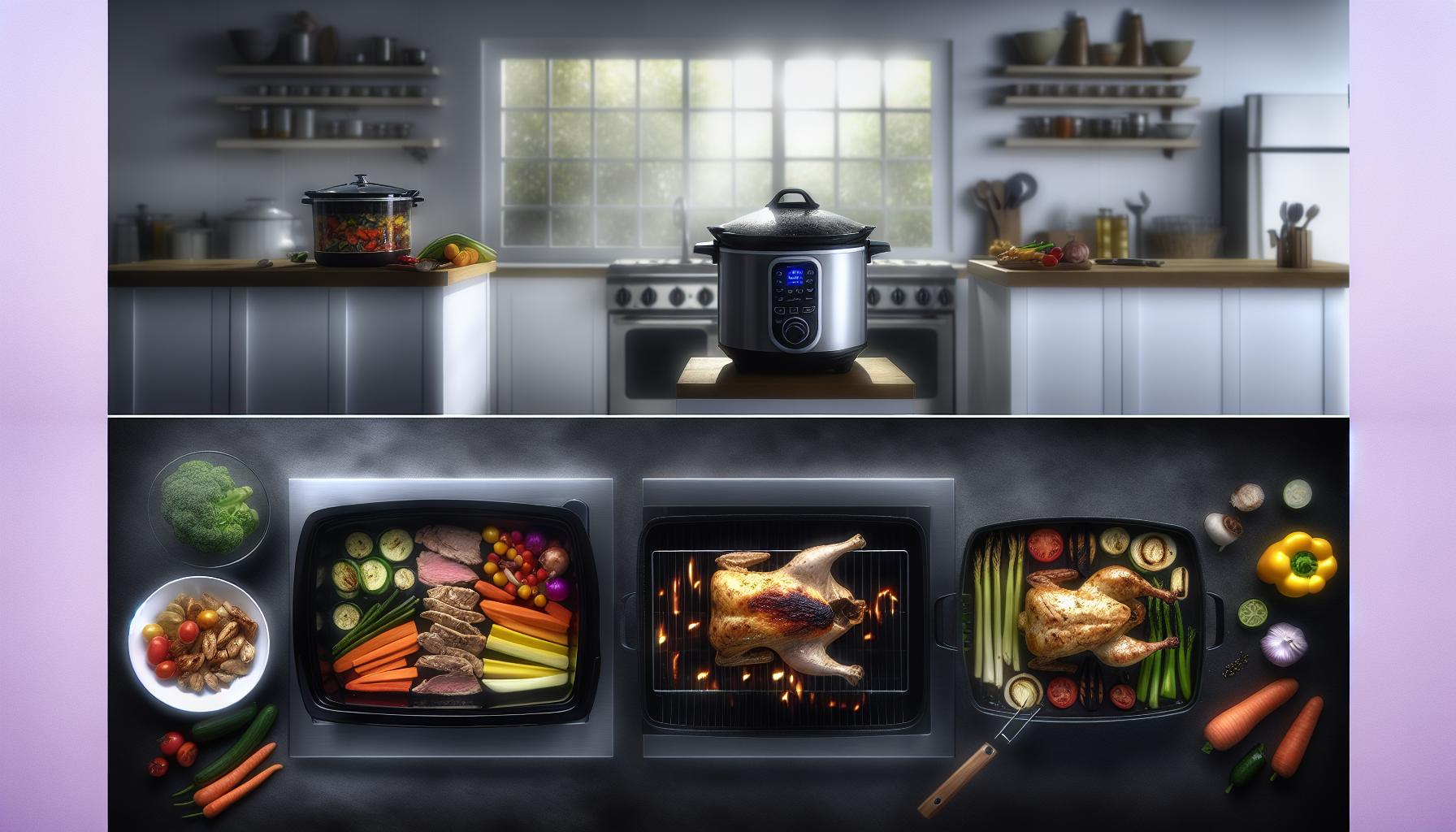
Comparing Slow Cooker Health Benefits to Grilling and Roasting
Cooking methods can dramatically change the nutritional profile and flavor of your meals, but did you know that the humble slow cooker often comes out on top when it comes to preserving both? Unlike grilling or roasting, which crank up the heat to browning (and sometimes scorching) levels, slow cookers gently coax meals into readiness with mellow, even warmth. this slow and low approach means fewer nutrients are lost, especially those delicate, heat-sensitive vitamins like vitamin C and some B vitamins that can vanish in a puff of smoke during grilling or dry roasting.
When grilling, the high heat and open flame not only risk charring your food but can also create those infamous carcinogens called polycyclic aromatic hydrocarbons (PAHs) and advanced glycation end products (AGEs), which have been linked to health issues when consumed in excess. Roasting isn’t far behind with higher oven temps drying out vegetables and meats, stripping moisture and sometimes breaking down nutrients faster.Slow cooking, conversely, keeps your ingredients snug in their juices under a sealed lid, preventing nutrient evaporation and flavor loss.Imagine your stew simmering all day, the herbs melding deeply without any frantic stirring or oxygen exposure that might sap vitality from the dish.
From my kitchen trials with paleo-friendly beef stews and gluten-free vegetable chilis, slow cooking transforms even the toughest cuts and dense root veggies into tender, nutrient-rich delights.Because the temperature rarely climbs above about 200°F, there’s no risk of overcooking or burning. Plus, slower heat means collagen in meats gently melts into gelatin, boosting gut-friendly foods without resorting to heavy sauces or fats.If you love grilling’s smoky flavor but want to save your vitamins, try a hybrid move-sear meat quickly on the grill for flavor, then pop it into the slow cooker to finish. That way you get the best of both worlds without the nutrient casualties.
Why Slow Cooking Supports Healthier Meals
- Gentle heat protects vitamins: Slow cooking avoids the nutrient breakdown that high heat causes.
- less moisture loss: Roasting dries out food; slow cookers keep juices-and nutrients-locked in with a tight-fitting lid.
- Reduced formation of harmful compounds: Slow cooking doesn’t produce the same carcinogens that grilling charring can generate.
- Flavor infusion: Herbs and spices permeate slow-cooked food deeply, reducing the need for salt or added fats.
Practical Tips From My Slow Cooker Experiments
For anyone crunched on time but craving healthful meals, slow cooking is a dream. Here’s a quick recipe idea: toss cubed sweet potatoes, grass-fed beef chunks, diced onions, garlic, and rosemary with some bone broth right after breakfast. Set to low, and by dinner, you’ll have a rich, tender stew that locks nutrients in and satisfies hunger with minimal effort.
And if you’re concerned about texture, add quick-cooking veggies like spinach or peas in the last 15 minutes to keep things bright and fresh. Also, swapping in coconut milk rather of cream or butter can enrich a slow-cooked curry with healthy fats without dulling flavors or adding unwanted dairy.
Savoring slow-cooked meals is like giving your body a break while still feeding it well-nourishing, flavorful, and perfectly suited to busy lives. It’s not just cooking; it’s kindness to your health, plate, and palate all in one pot.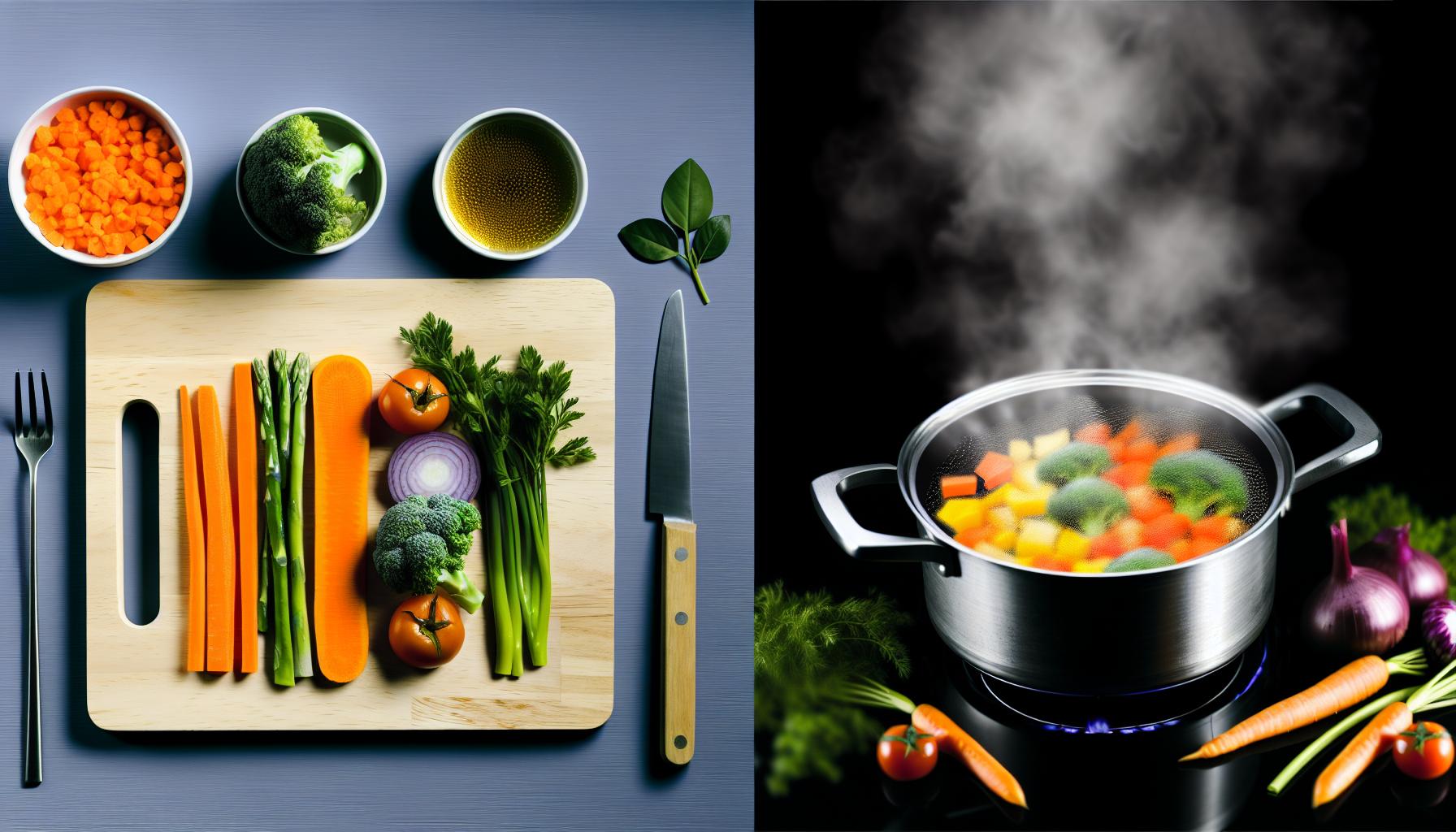
The Impact of cooking Temperature on Food Nutrition
There’s something almost magical about how temperature can transform your food – not just in taste and texture,but also in its nutritional punch. Cooking at high heat, like grilling or roasting, might give you those irresistible char marks and caramelized flavors, but it frequently enough comes at a cost: vital nutrients get zapped. Vitamins such as C and some B-complex are especially sensitive, breaking down quickly when exposed to intense heat. That’s where slow cooking shines-it keeps the temperature cozy, generally below 200°F, offering a gentler environment that preserves more of those delicate nutrients while still creating deeply satisfying meals.
Because slow cookers operate at a steady, low temperature, the breakdown of sensitive vitamins and antioxidants is minimized. Plus, unlike dry roasting where moisture evaporates, slow cooking traps steam and juices inside a sealed pot, keeping crucial nutrients locked in. This mild heat also prevents the formation of harmful compounds like acrylamide and advanced glycation end products (AGEs), which can increase with higher temperatures and have been linked to inflammation and other health risks. In practical terms, your slow cooker is like a nutrient-preserving cocoon, wrapping veggies and meats in a warm hug that releases flavors and nutrients slowly without the stress of intense heat.
- Steady heat means less nutrient loss: vitamins that are heat- and oxygen-sensitive have a better chance to survive slow cooking.
- Moisture retention safeguards minerals and phytochemicals: Water-soluble vitamins and minerals stay put rather then leaching out or evaporating.
- Fewer harmful by-products: Slow cooking’s lower temps avoid the burnt or charred flavors that contain carcinogens common in grilling or high-heat roasting.
I remember a time when I was making a slow-cooker lamb stew for a paleo dinner party. The lamb chunks came out meltingly tender, and the carrots and sweet potatoes retained that fresh sweetness and vibrant color, a sharp contrast to the slightly tough, dry veggies I’d gotten from roasting at high heat previously. The collagen in the meat gently transformed into gelatin, creating a silky broth that tasted like it had been simmering on the stove all day (which it basically had!). By keeping the heat controlled, I preserved that balance of nutrition and mouthfeel-something fast, high-heat cooking just can’t replicate easily.
If you want to tweak and experiment, try finishing your protein with a quick sear for flavor, then slide it into the slow cooker to gently finish.This trick gives you that smoky char without sacrificing the benefits of low and slow heat. So, whether you’re making a paleo-friendly beef stew or a gluten-free veggie chili, understanding the impact of cooking temperature helps you make better choices in your kitchen-and trust me, that tasty knowledge pays off in every bite.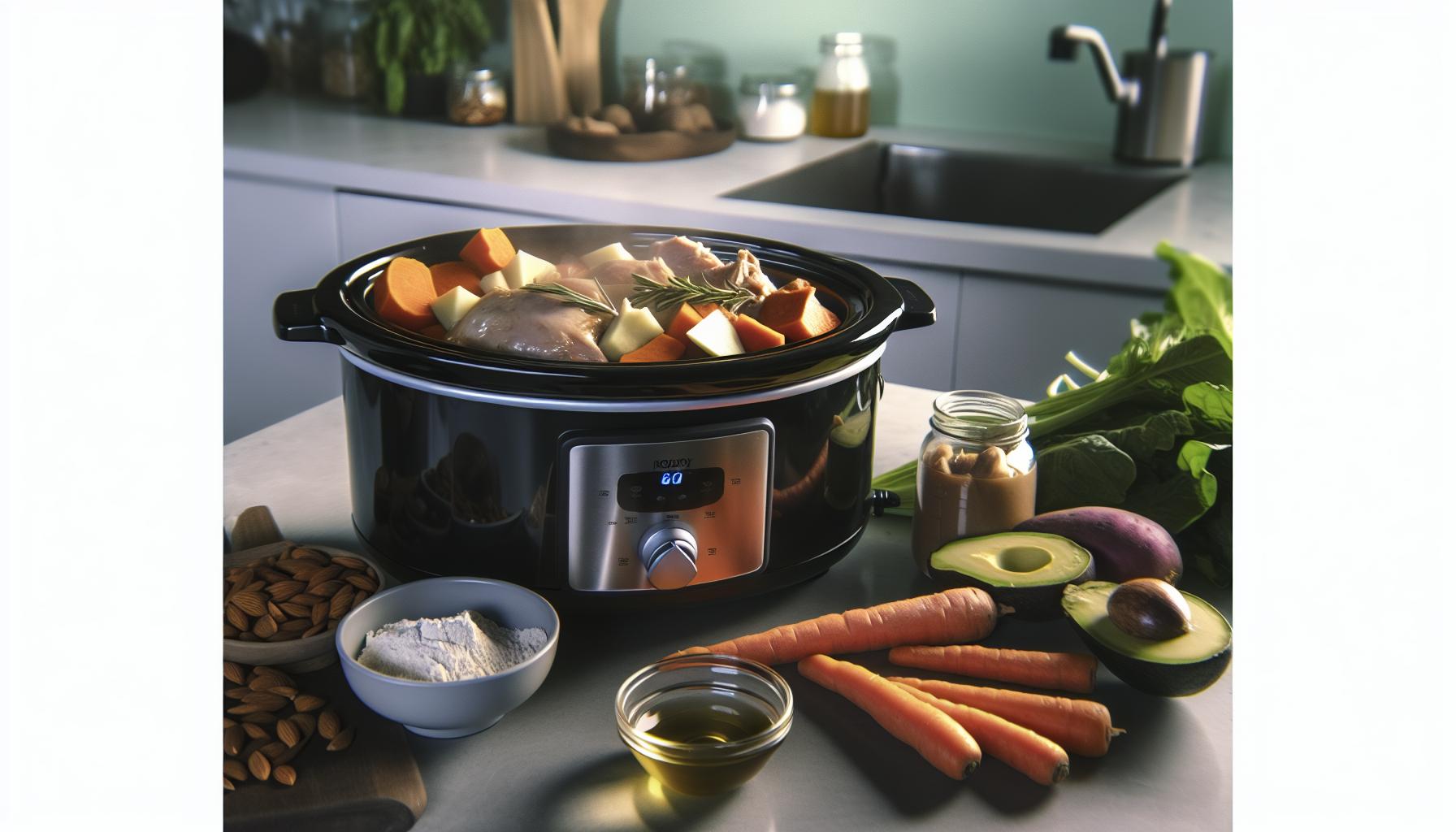
Slow Cooker Recipes for Gluten-free and Paleo Diets
There’s a special kind of joy in knowing that your dinner can be both nourishing and effortless-especially when you’re navigating gluten-free and paleo diets, which can feel a bit like threading a culinary needle sometimes. Slow cooking checks all the boxes here: it’s gentle on ingredients, locks in nutrients, and transforms simple staples-like root veggies and grass-fed meats-into seriously crave-worthy meals without fuss.Plus, the sealed environment and low heat mean you’re steering clear of common pitfalls like dried-out chicken or hard carrots, while keeping meals rich in flavor and nutrition.
For those embracing paleo and gluten-free lifestyles, slow cookers become trusty sidekicks in the kitchen. Think about a classic beef or lamb stew, simmering away all day, with tender meat melting off the bone and veggies soft but not mushy. The magic: collagen breaks down into gelatin, delivering a silky texture and gut-friendly broth that’s paleo gold.And as paleo skips grains and gluten-free avoids wheat, slow cookers allow you to spotlight nutrient-dense veggies, sweet potatoes, and alternative flours like almond or cassava in accompanying sauces.They’re perfect vessels for layering earthy spices, fresh herbs, and healthy fats like coconut oil or avocado, all without accidentally tossing in hidden gluten or fillers.
Simple gluten-Free & Paleo Slow Cooker Ideas
- Hearty Lamb and Root Veggie Stew: Lamb chunks,carrots,parsnips,and turnips simmered with fresh rosemary and garlic. Prep time: 15 minutes; cook time: 6-8 hours on low.
- Chicken and Butternut Squash Chili: Ground chicken, diced squash, tomatoes, and chipotle powder-comfort food minus the beans.Prep in 10 minutes; 4 hours on high or 8 hours on low.
- Beef and Mushroom Ragout: Grass-fed beef cubes slow-cooked with mushrooms, shallots, and thyme in a paleo-friendly broth. Prep: 15 minutes; cook: 7 hours low.
Tips to Nail Paleo/Gluten-Free Slow Cooking Every Time
- Layer your flavors smartly: Brown proteins first in a hot pan to develop depth before slow cooking. This little step elevates flavor without high heat in the slow cooker.
- Choose starches wisely: Sweet potatoes, plantains, and winter squash are slow cooker stars, holding up better than potatoes or regular squash which can turn mushy.
- Fresh herbs over dried late: Add delicate herbs like parsley, basil, or cilantro in the last 15 minutes to keep their brightness.
- Embrace broth and fats: Bone broth, coconut milk, or ghee not only enrich slow cooker meals but boost nutrient absorption essential for paleo and gluten-free goals.
From personal experiance, feeding a crowd at a paleo potluck with a slow cooker chili was a win-the thick, rich sauce and tender chicken made happy eaters with zero gluten worries. Oh, and it also freed me up to relax instead of standing over a hot stove, which is the real MVP move for busy weeknights or casual get-togethers.
So, whether you’re whipping up a weekday stew or prepping Sunday’s big meal, slow cooking gluten-free and paleo style turns what could feel restrictive into a kitchen playground. No special skills needed-just hearty ingredients, some good seasoning, and a patient slow cooker doing its magic while you get on with your life.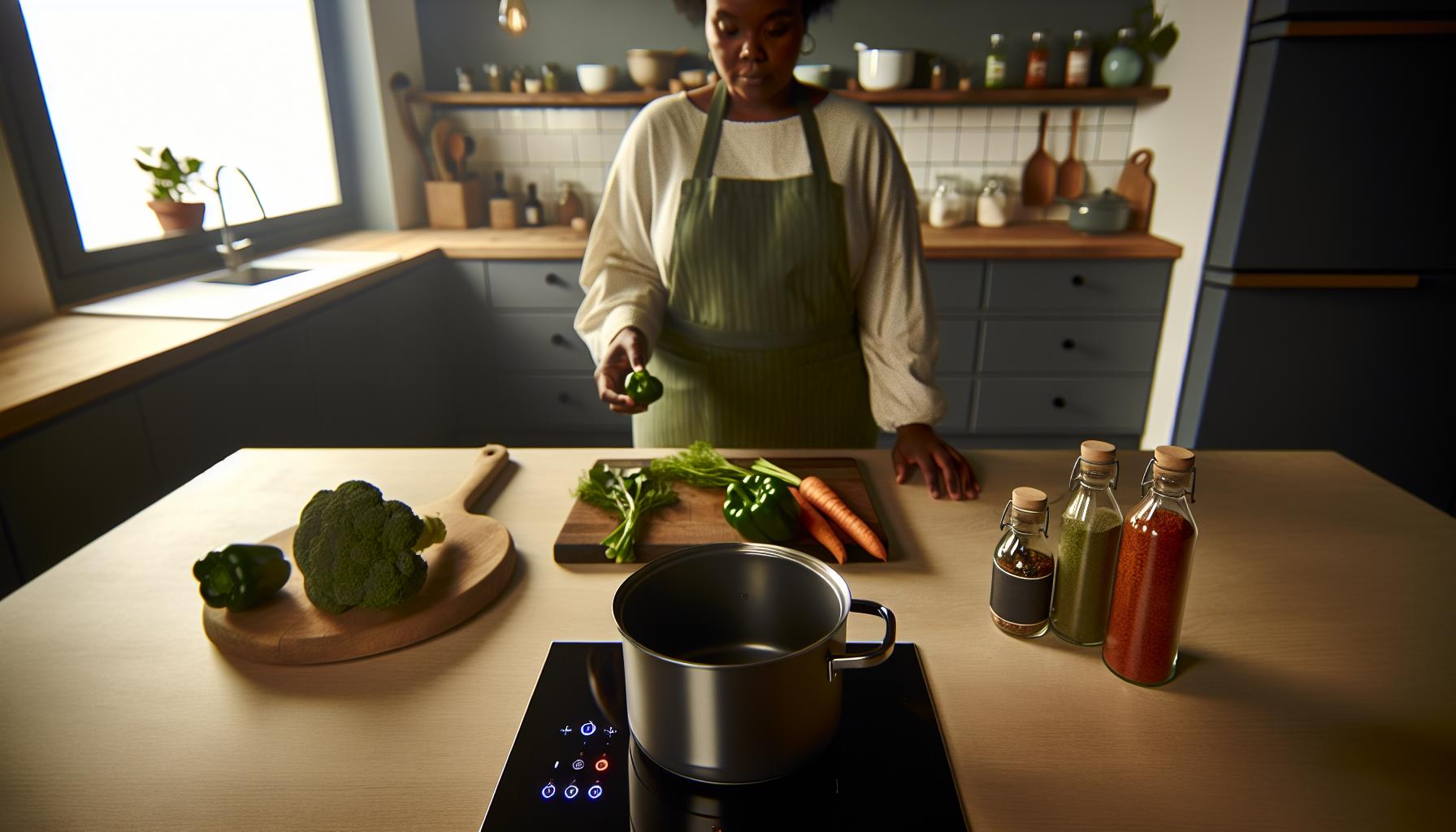
Avoiding Harmful Chemicals and Carcinogens in Cooking
Nothing says “home-cooked love” like a meal simmered slowly to perfection-but did you know that how you cook actually plays a huge role in what ends up on your plate, beyond just taste? High heat methods like grilling, frying, or roasting at blistering temperatures frequently enough create unwanted guests called carcinogens-those pesky compounds linked to increased cancer risk. slow cooking, with its gentle low and slow approach, keeps these harmful chemicals largely at bay. So while your stew bubbles away, it’s quietly doing your body a favor by avoiding the acrid smoke and burnt bits that can come from charring or searing at high heat.
What makes slow cookers especially friendly on that front is the sealed environment and steady, moderate temperature. Unlike grilling (think: those crispy black edges on your steak) or pan-frying, where fats drip onto flames creating smoke that deposits polycyclic aromatic hydrocarbons (PAHs) back onto your food, slow cookers don’t play that game. Plus,advanced glycation end products (AGEs)-those compounds formed when meat and sugars cook together at high temperatures,which can contribute to inflammation-are kept in check since the heat rings in well below broiling levels. This means your paleo-friendly lamb stew or chicken chili is not just tender and flavorful, but also a safer bet for your long-term health.
Smart Swaps and Slow Cooker TLC
Even when eating paleo or gluten-free, it’s smart to keep an eye on how your food cooks. Here’s how to steer clear of unwanted chemicals while still layering flavor:
- Brown First, But Gently: For that lovely crust, quickly sear meats in a cast iron pan, but keep it brief. This step adds flavor and locks in juices without cooking long enough to generate too many AGEs.
- Avoid Burnt sauces and Over-Reduced Liquids: Slow cooking often means hours of simmering, but be cautious of sauces reducing to a sticky, dark glaze. Over-reduced sweet or spicy sauces can develop compounds similar to charred bits.
- Choose Healthy Fats: Using stable fats like ghee, coconut oil, or avocado oil resists oxidation better during slow cooking. Say no to cheap vegetable oils high in omega-6s, which can promote inflammation.
- Veggies Are Your Friends: Root vegetables, squash, and mushrooms don’t just add flavor-they help keep the overall dish balanced and can even neutralize some harmful compounds through natural antioxidants.
I remember making a slow-cooked beef ragout last winter and laughing at how the low heat turned even humble carrots into silky jewels. No charred edges, no acrid fumes-just a gentle, nourishing hug in a bowl. And honestly, that’s part of the magic slow cooking brings: food that comforts *and* protects.
So, if you’re zooming between paleo potlucks or gluten-free dinner plans, slow cooker magic isn’t just about convenience-it’s about creating meals that feel as good on your insides as they taste on your tongue.Skip the smoke, skip the burnt bits, and let your slow cooker do the heavy lifting while you savor every warm, wholesome bite.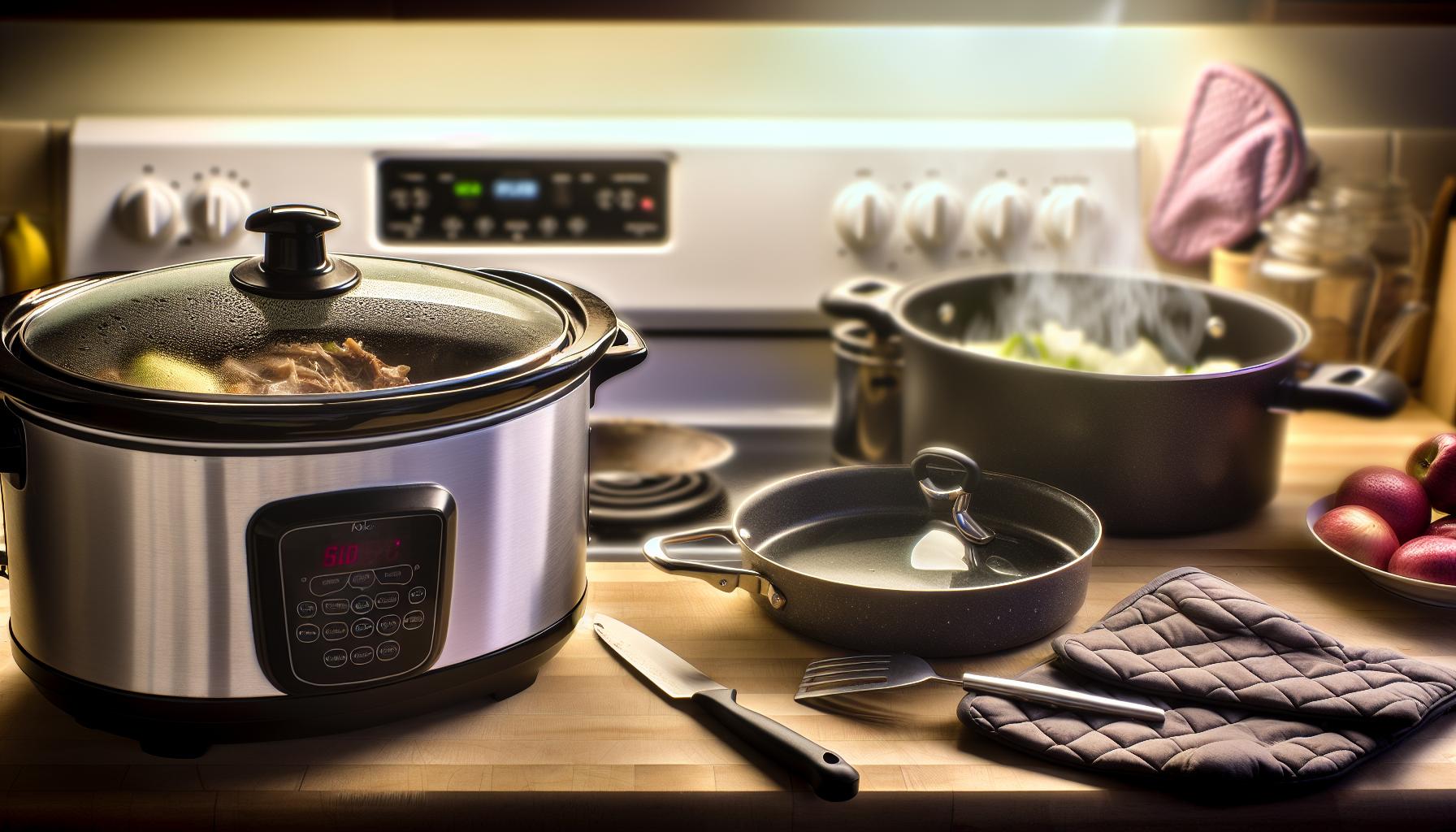
Time-Saving and Energy Efficiency: Slow Cooker vs. Other Methods
Cooking doesn’t have to be a time-suck or an energy guzzler-especially when you have a slow cooker doing the heavy lifting. Think about this: while your slow cooker bubbles away gently over several hours, you’re free to conquer your busy day without hovering over the stove.Unlike high-heat methods like roasting or grilling that demand constant attention and can burn through energy quickly,slow cooking is a true set-it-and-forget-it kitchen hero. It uses less energy since it cooks at a low, steady temperature for a longer period, often consuming a fraction of the power an oven or stovetop burner uses.
I remember the first time I swapped a Sunday roast for a slow-cooked lamb stew. The prep was under 15 minutes: chop,season,throw it all in the pot. While the house filled with the cozy aroma, I cleaned up, read a book, and didn’t think about dinner again until it was perfectly tender hours later. It’s a game changer for busy paleo and gluten-free cooks who want hearty, nourishing meals without the stress or rush. Plus, the slow cooker’s sealed environment means less heat escaping into your kitchen-saving you from a stuffy cooking area on hot days, unlike roasting or frying which can crank up the thermostat (and your energy bill).
Saving Time Without Compromising Flavor
You might wonder: “Slow means longer-how does that save me time?” Good question! Slow cooking’s magic is in its multitasking ability. Minimal hands-on time means your presence isn’t required once ingredients are in the pot. Roasting or grilling frequently enough take shorter minutes but demand forethought for preheating,constant monitoring,turning,and sometimes quick cleanups from splatters. Slow cookers excel when you prep meals ahead, ideal for planning Paleo-friendly dishes like pulled pork or a veggie-packed chili that can simmer all day, ready exactly when you walk in.
Energy Use Made Simple
To put it in outlook: a typical slow cooker running for 8 hours uses about 3-4 kWh, compared to an electric oven’s 2-3 kWh for just 1 hour of roasting. Stovetop cooking burns even more energy if you’re constantly stirring or using multiple burners. Over time, these differences add up, making slow cookers not only a convenience but a smart option if you want to reduce your kitchen’s carbon footprint (and your utility bill). It’s a win-win that still results in tender,nutrient-preserving meals,especially crucial when serving up wholesome,anti-inflammatory Paleo or gluten-free recipes.
Quick Tips for Energy-Savvy Slow Cooking
- Batch Cook and Freeze: Use your slow cooker to make larger portions and freeze extras-perfect for quick paleo breakfasts or gluten-free lunches.
- avoid Lifting the Lid: Every peek adds cooking time and energy usage; trust the slow cooker’s gentle heat to do its work.
- Use the Right Size cooker: Overfilling wastes energy, while underfilling means longer cooking times-match your pot size to your meal size for max efficiency.
- Prep in Advance: Chop veggies, marinate meat the night before-little prep shortcuts add up to big time and energy savings.
So next time you’re debating between firing up the oven or pulling out your slow cooker, remember: slow cooking is more than just low heat-it’s about freeing your time, preserving nutrients, and keeping your kitchen-and you-cool, calm, and happy while crafting meals that nourish your body and soul.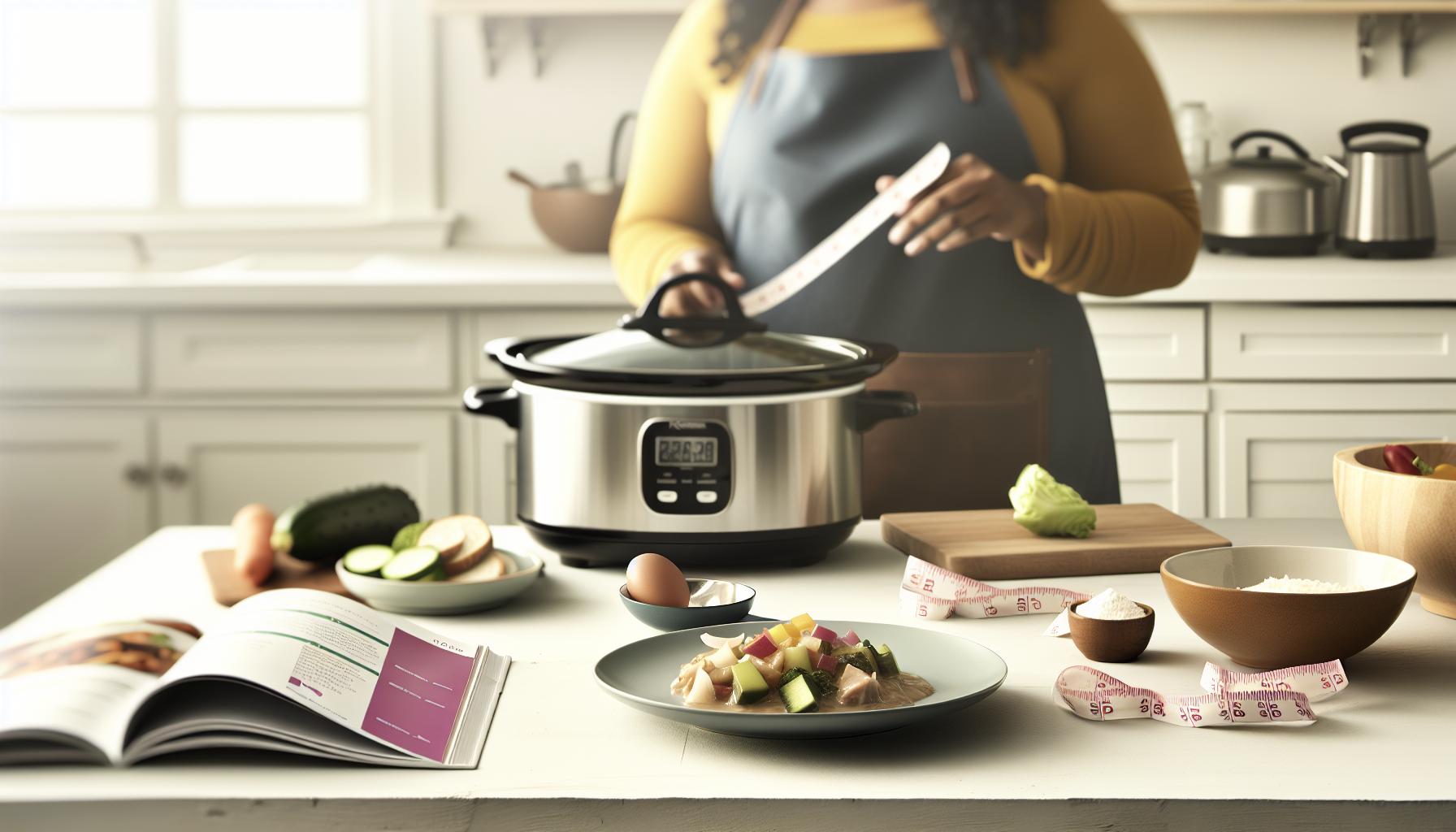
How slow Cooking affects Portion Control and Weight Management
You know that comforting simmer of a slow cooker meal can feel like a warm hug after a long day-but did you realize it also quietly nudges you toward smarter portion control and healthier weight management? Unlike high-heat cooking methods that can encourage piling on large portions (hello, that extra crispy roast edge begging for seconds), slow cookers invite a more mindful approach to servings. Because the food is cooked low and slow, flavors meld deeply, making smaller amounts more satisfying and reducing the urge to overeat.
One of the slow cooker’s unsung perks is the way it breaks down ingredients into tender, chewable bites that fill you up without overwhelming your digestive system. This is fantastic for paleo and gluten-free eaters who appreciate meals rich in protein, fiber, and nutrient-dense veggies. Plus, as you can prepare recipes in advance and tweak portion sizes before cooking, it’s easy to tailor meals to your family’s appetite-not to mention avoiding the trap of mindless snacking or grabbing quick, less nourishing options.
Practical Portion Tips for Slow Cooker Success
- Divide Before You Cook: Measuring out individual portions or pre-plating meals before tossing ingredients into the pot helps keep portion sizes in check. Try mini Mason jars for paleo breakfasts or single-serving soups-easy, grab-and-go, and no guilt about second helpings.
- Bulk Up with Veggies: Slow cookers excel at softening hardy greens, root veggies, and cauliflower rice. Packing meals with these low-calorie, fiber-rich wonders stretches portions naturally, so you feel full longer without extra calories.
- Embrace Leftovers Smartly: Make large batches and freeze equitable portions for lunch or dinner later. This prevents the “eat-it-all-now” mindset many of us fall into when faced with family-size slow cooker pots.
from my kitchen experiments, one favorite trick is a slow-cooked turkey chili that’s vibrant, filling, and gluten-free. I portion it into four separate containers right out of the pot-no midnight fridge raids needed! Logging portions or bringing leftovers to work kept me on track more than any dieting app. The slow cooker becomes less about “feeding the crowd” and more about nourishing yourself with intention.
So, if balancing meals and managing weight feels like a juggling act, harnessing the slow cooker’s low-temperature magic and planning ahead can calm the chaos. It’s like having a trusted kitchen sidekick who not only whips up tasty, hearty food but also keeps your meals-and appetites-in check without drama. Who said healthy eating couldn’t be cozy, practical, and downright tasty?
Tips to Maximize Health Benefits When Using a Slow Cooker
Cooking with a slow cooker doesn’t just make dinnertime easier-it can actually boost the nutrient profile and flavor of your meals when used thoughtfully. One of the coolest things I’ve found in my kitchen adventures is how layering ingredients properly can transform a basic stew into a nutrient-packed delight. For example, adding delicate herbs and quick-cooking veggies near the end preserves their vitamins and brightness, while hearty root vegetables and tougher cuts of meat get a cozy, hours-long bath that breaks down connective tissue and unlocks deep flavors without destroying nutrients.
Slow cookers work their magic at relatively low temperatures, which tends to prevent nutrient loss compared to high-heat methods like frying or broiling. But there are easy swaps and tricks that can bump up the health factor even more. For gluten-free and paleo pals, tossing in coconut aminos rather of soy sauce, or using bone broth as your cooking base, keeps the meal stock both nourishing and allergy-friendly. And here’s a kitchen trick I swear by: always use the cooking liquid! It’s a treasure trove of vitamins and minerals that leach out from your ingredients during the long simmer. So lean into soups, stews, and sauces instead of draining away that flavorful “gold.”
Smart Ingredient Choices & Timing
- Layer Wisely: Place root veggies like carrots and potatoes on the bottom where they get max heat, then add proteins and softer veggies on top to avoid overcooking.
- Freshen at the End: Stir in herbs, greens, and acidifiers (like lemon juice or vinegar) right before serving to maintain their bright flavors and nutrient punch.
- Go Seasonal: Slow cooking shines with seasonal produce, which tastes better and packs more nutrients when fresh. Try swapping in what’s local and ripe for a tasty twist each season.
minimizing Nutrient Loss & Enhancing Flavor
It’s tempting to fill a slow cooker to the brim, but giving ingredients room to breathe reduces waterlogging that can dilute flavors and nutrients. I’ve learned the hard way that overcrowding can turn a vibrant chili into a soggy soup. Instead, choose recipes that allow space or use smaller appliances for batch cooking. Also, resist the urge to keep lifting the lid “just to check.” Each lift lets heat (and nutrients) escape, stretching cooking time and dulling your dish. Think of your slow cooker as a closed, gentle sauna – the longer it stays sealed, the better your meal emerges.
be mindful of what you throw into the pot early. For paleo or gluten-free cooking, skip processed sauces laden with sugars or additives that mask true flavors and add unwanted chemicals. Instead, I recommend homemade spice blends and fresh-pressed fats like olive oil or avocado oil added towards the end for a nutrient-rich finish with a flavor boost. Using these little tricks, you get all the cozy goodness of slow cooker meals, with the health perks that make you smile inside and out.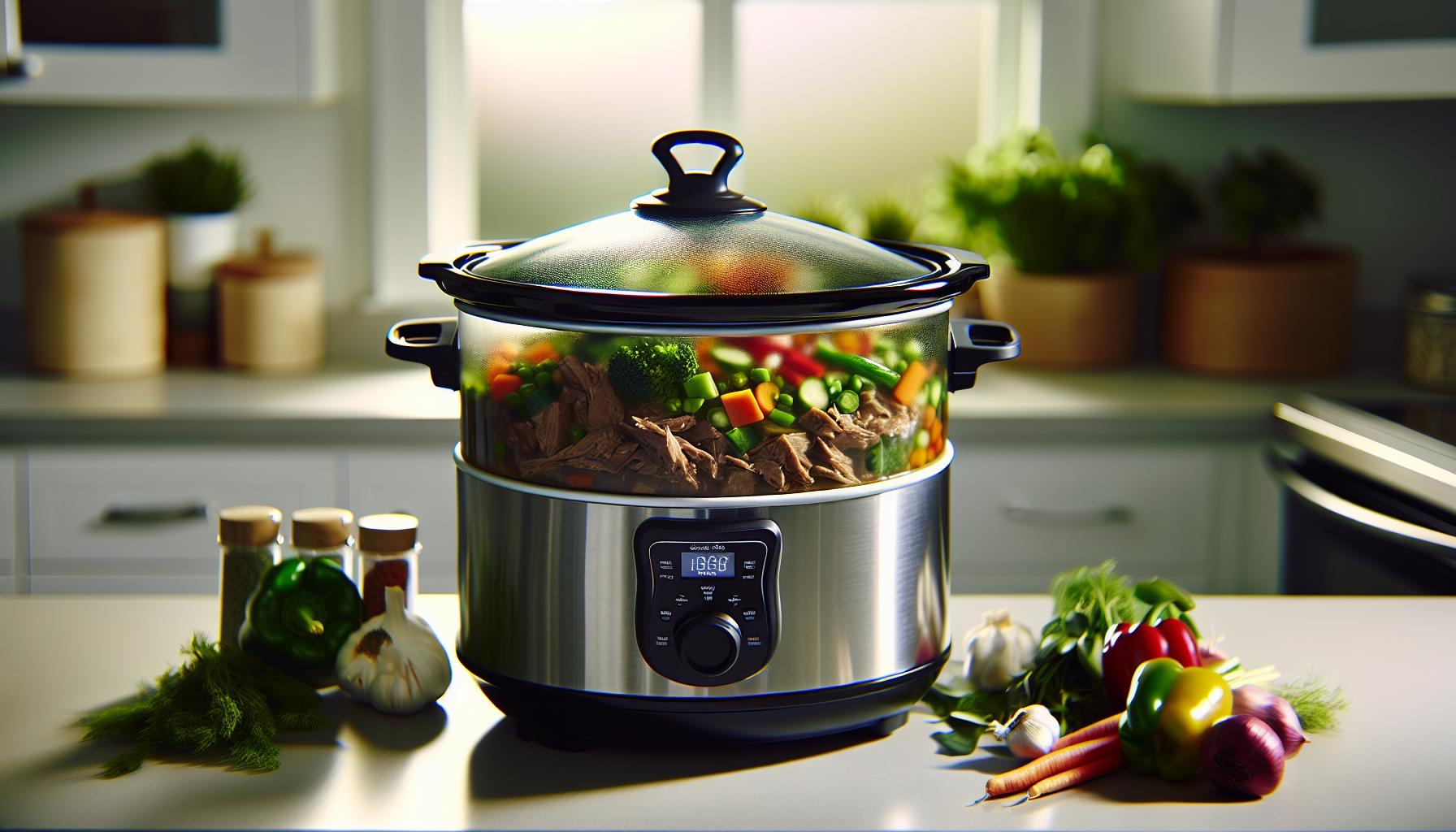
Flavor and Texture: Why Slow Cookers Excel in Healthy Meals
Cooking low and slow does wonders beyond just tenderizing meats-it’s a flavor and texture game-changer. One of the best things about slow cookers is how they coax out natural sweetness and umami from ingredients without the harsh drying or charring that grilling or roasting often brings. When you break down tough cuts of meat at a gentle simmer, the muscle fibers relax, fat renders slowly, and connective tissues melt into silky gelatin-that’s the secret to that melt-in-your-mouth bite nobody can resist.Plus, the gradual melding of flavors in a sealed environment means every vegetable, herb, and spice gets time to infuse and brighten the dish naturally.
For those navigating gluten-free and paleo plates, slow cooking offers a fantastic way to build complex dishes without relying on processed thickeners or flavor enhancers. Rather of high-heat caramelization which can sometimes produce bitter or burnt notes, slow cookers preserve silkiness and earthiness, providing a balanced taste profile that highlights natural ingredients. Think: creamy bone broth-based soups or hearty root vegetable stews that taste rustic and refined all at once. From personal kitchen experiments, I’ve found that adding delicate greens or fresh herbs just before serving keeps a lively texture and pops of freshness that contrast perfectly with the slow-cooked richness.
- Layer textures smartly: Dense veggies and tougher cuts go in first to soften evenly, while quick-cooks like zucchini, mushrooms, or leafy greens can be added late to preserve bite and freshness.
- Use the cooking liquid: Don’t dump that flavorful broth! It’s a nutrient- and collagen-rich elixir packed with concentrated flavors-perfect for drizzling over your finished plate or thickening into a sauce.
- Skip excessive stirring: Slow cookers do best when left alone; constant stirring breaks down food differently, sometimes making textures mushier than desired.
For texture lovers worried about that “too soft” slow cooker syndrome, the trick is all in timing and ingredient selection. I always recommend starting with recipes that match your desired doneness and adjusting add-in times accordingly.For example, sweet potatoes give that creamy bite after hours of cooking, but green beans retain just enough snap if tossed in the last 30 minutes. This way, your plate isn’t a one-note mush fest but a symphony of textures – creamy to tender to lightly crisp-that keep every forkful interesting and satisfying. When you nail this balance, slow cooker meals don’t just nourish; they’re downright addictive comfort food that fits healthy lifestyles without fuss.
In case you want a quick glance at how slow cooking shapes flavor and texture differently from other methods, here’s a simple breakdown:
| Cooking Method | Flavor Impact | Texture Result | Best for |
|---|---|---|---|
| Slow Cooker | Gentle melding, natural sweetness, deep umami | Tender, moist, melt-in-mouth for meats; creamy to soft for veggies | Tough cuts, stews, soups, dense roots |
| Grilling | Smoky, charred, intense | Firm, sometimes crispy exteriors; risk of dryness | Quick proteins, vegetables, outdoor cooking |
| Roasting | Caramelized, rich, slightly sweet | Crunchy edges with soft interiors | Vegetables, whole poultry, nuts |
In short, slow cooking elevates healthy meals by layering flavor and texture in ways that feel indulgent but are naturally nourishing. With a bit of planning and that magic “set it and forget it” ease,you get dishes filled with character and pure comfort-no sugary sauces or gluten fillers required.It’s proof that wholesome eating can not only be simple but irresistibly delicious, no matter what your diet style.
Common Mistakes That Can Undermine Slow Cooker Nutrition
Sometimes, the slow cooker’s magic can be easily sidetracked by little missteps that quietly sap nutrition and flavor. It’s easy to think “set it and forget it” means you can toss everything in without a second thought, but slow cookers thrive on thoughtful prep and timing. For example, overloading the pot with too many veggies or liquids dilutes flavors and nutrients, turning a vibrant stew into a bland, watery mess. I’ve learned the hard way that striking the right balance upfront means every bite bursts with goodness, not just filler.
Another classic pitfall is starting with frozen ingredients straight into the slow cooker. It might save time,but it can throw off cooking temps and safety,plus the thawing process can leach valuable vitamins into the water that often doesn’t get used.Whenever possible, thaw proteins or veggies beforehand – even a quick defrost in the microwave helps keep textures intact and ensures even cooking. And trust me, it’s worth the extra minute or two to avoid that mushy, nutrient-drained outcome.
- Don’t overload with dairy or delicate greens: Slow heat turns milk, cream, and cheese grainy or separated, while leafy greens lose their color and pop if cooked too long. Add these ingredients in the last 10-15 minutes to maintain texture and nutritional punch.
- Skip heavy sauces with sugar or processed fillers: Easy to find in pre-made options,these sneak in unnecessary additives that counter slow cooking’s natural purity. Homemade, simple seasoning shines brighter and feels lighter.
- Avoid double-cooking leftovers: Reheating in the slow cooker beds meals in extended heat exposure, which may degrade vitamins sensitive to long cooking.
Tough Cuts Deserve Patience, Not instant Speed
One of the best things about slow cookers is how they transform humble cuts like chuck or brisket into tender delights, but rushing this step by cranking the heat or cutting cooking times short will leave you with dense meat and lost nutrients. Slow, steady heat not only unlocks collagen and flavor but preserves moisture and vitamins better than a frantic high-heat blast. My favorite trick is setting the cooker on low and planning around the natural cooking times; trust the process and reward your patience with that melt-in-your-mouth reward rather than rushed toughness.
Maximize nutrients with Smart Layering and Timing
When it comes to veggies, layering matters more than you might guess. Dense root vegetables (think carrots, potatoes, beets) need more love and early entry; delicate items like zucchini, mushrooms, or spinach prefer joining the party late to keep their nutrients and texture intact. Think of it like a slow-cooked symphony where every instrument plays its part at just the right moment – cooking everything at once can turn your dish flat and nutritionally muted.
lastly, don’t shy away from saving and reusing that cooking liquid! It’s a treasure trove of water-soluble nutrients and gelatin from bones. Rather of pouring it down the drain, use it as a base for sauces, gravy, or even a warming sip on its own.It’s one of those small practices that nourishes both body and soul without extra effort.
So, while slow cookers are champions of nutrition and flavor, treating them as just a waiting game risks undercutting their gifts. Take a little extra care with ingredient prep, timing, and additions, and your slow cooker meals will be consistently wholesome, vibrant, and downright delicious – just like cooking with a savvy friend who’s got your back.
Q&A
Q: How does slow cooking affect the antioxidant levels in vegetables compared to steaming or boiling?
A: Slow cooking generally preserves antioxidants better than boiling but slightly less than steaming.The gentle, low heat reduces nutrient loss, especially in antioxidants like carotenoids. To maximize benefits, add vegetables later in the cooking process or choose shorter cook times. For more on nutrient preservation, see our section on *How Slow Cooker Cooking Preserves Nutrients and Flavor*.
Q: Why might slow cookers reduce the formation of harmful compounds compared to frying or grilling?
A: Slow cookers use lower temperatures that avoid charring, reducing harmful compounds like acrylamides and heterocyclic amines often produced during frying or grilling. This makes slow cooking a safer choice for long-term health. for tips on avoiding harmful chemicals, check out *Avoiding Harmful Chemicals and carcinogens in Cooking*.
Q: What types of fats are healthiest to use in slow cooker recipes for optimal heart health?
A: Healthy fats like olive oil, avocado oil, or coconut oil perform well in slow cookers and support heart health. avoid highly processed oils and limit saturated fats. Using these fats can enhance flavor and nutrition while staying aligned with *Slow Cooker Recipes for Gluten-Free and Paleo Diets*.
Q: How can slow cooking help with digestive health compared to frying or baking?
A: Slow cooking breaks down fiber and protein gently, making foods easier to digest and nutrients more absorbable. Unlike frying, it doesn’t create irritating compounds, benefiting sensitive digestion.Explore more on nutrient impact in *The Impact of Cooking Temperature on Food nutrition*.
Q: When is it healthier to use slow cooking over pressure cooking or instant pot methods?
A: Slow cooking is healthier when you want to preserve delicate nutrients and avoid very high heat that pressure cooking uses. It suits recipes needing low, consistent heat for better nutrient retention and flavor development. To learn more, see *Tips to Maximize Health Benefits When Using a Slow Cooker*.
Q: how does slow cooking influence sodium levels in meals compared to other cooking methods?
A: Slow cooking can concentrate flavors, helping reduce added salt without sacrificing taste. This makes it easier to control sodium intake versus faster, salt-heavy methods like frying or roasting. Try our flavor tips in *Flavor and Texture: why Slow Cookers Excel in Healthy Meals* for tasty, low-sodium dishes.
Q: What are common mistakes that can make slow cooker meals less healthy,and how do I avoid them?
A: avoid overcooking,adding too much processed meat,or skipping fresh veggies,which can reduce nutrient content and increase unhealthy fats. Layer ingredients properly and select fresh,whole foods to keep meals nutritious. For detailed guidance, check *Common Mistakes That Can Undermine Slow Cooker Nutrition*.
Q: How can slow cooking support weight management compared to stovetop or oven meals?
A: Slow cooking promotes portion control and satiety by allowing nutrient-dense, fiber-rich meals that digest slowly. It also helps prep balanced meals ahead, reducing impulsive unhealthy choices. See *How Slow Cooking Affects Portion Control and Weight Management* for practical meal ideas that fit your lifestyle.
—
Feel free to explore these answers while diving deeper into our main article sections for even richer home-cooking inspiration!
In Summary
Choosing the healthiest cooking method doesn’t have to be complicated-slow cookers offer a delicious, hands-off way to lock in nutrients while letting flavors meld beautifully, whether you’re whipping up gluten-free stews or paleo-friendly roasts. If you’re ready to bring ease and nutrition together in your kitchen, why not give a slow cooker recipe a try today? for more tips on meal prep and healthy cooking techniques, check out our guides on quick gluten-free dinners and paleo-friendly weeknight meals.
Still wondering how slow cooking stacks up against grilling or steaming for your specific dietary needs? Dive deeper into our article on comparing cooking methods for optimal nutrition, or sign up for our newsletter to get fresh recipes and cooking hacks straight to your inbox. Your journey to tasty, wholesome meals that fit your busy lifestyle starts here-let’s keep exploring together! Don’t forget to share your slow cooker wins or questions in the comments; we love hearing from fellow home cooks navigating real kitchens with joy and a splash of humor.