
Did you know teh slow cooker can turn even the toughest steak cuts into melt-in-your-mouth meals with minimal effort? Figuring out exactly how long to cook steak on high in a slow cooker is a game-changer, especially when you want juicy, tender results without babysitting the pot. Whether you’re gluten-free, paleo, or just crave a hassle-free dinner, nailing the timing keeps your steak flavorful and perfectly cooked every time. Let’s dive into the ideal cook time and tips that turn your slow cooker into your new best kitchen buddy-no stress, just deliciousness waiting for you at dinner.
Table of Contents
- Ideal Cook Times for Steak in slow Cooker on High
- Choosing the Best Steak cuts for slow Cooking
- Step-by-Step Prep Tips for perfect Slow Cooker Steak
- How to Check for Doneness Without overcooking
- Flavor Boosters: Marinades and Spice Rubs That Work
- Common Mistakes to Avoid When Cooking Steak on High
- Balancing texture: Tender vs. Juicy Steak in the Slow Cooker
- Adjusting Times for Different Steak Thicknesses
- Serving Suggestions: Sides That Complement Slow Cooker Steak
- Adapting Slow cooker Steak Recipes for Paleo and Gluten-Free
- How to Rescue Overcooked or Dry Slow Cooker steak
- Faq
- Q: How can I tell if my slow cooker steak is done on high without a meat thermometer?
- Q: Why does cooking steak in a slow cooker on high sometimes result in dry meat?
- Q: What’s the best way to adjust cooking time if my steak is very thick when slow cooking on high?
- Q: Can I safely start cooking steak on low and finish on high in my slow cooker?
- Q: How does the slow cooker’s brand or model affect steak cooking time on high settings?
- Q: Can I add vegetables in the slow cooker when cooking steak on high without affecting cook time?
- Q: What marinade ingredients help maintain steak juiciness when slow cooked on high?
- Q: How soon can I serve slow cooker steak on high after cooking before resting?
- Insights and Conclusions
Ideal Cook Times for Steak in slow Cooker on High
Cooking steak in a slow cooker on the high setting can be a fantastic shortcut to tender, flavorful beef-if the timing is just right. Unlike searing on the stovetop or grilling, slow cookers work by surrounding the meat with gentle heat, which means your cook time controls everything from texture to juiciness. To short, and the steak might still be tough; too long, and it can turn dry or stringy. Finding that ideal cook time ensures your steak finishes soft,succulent,and ready to swoon over.
In most cases, steaks cooked on high in a slow cooker take about 2 to 3 hours to reach that perfect tender-but-not-falling-apart stage. This window works best for common cuts like round steak, chuck, or sirloin tips. A good rule of thumb is to start checking around the 2-hour mark,especially if your steak is cut on the thinner side (around 1 inch thick).For thicker steaks, closer to 3 hours may be necessary, but you’ll want to avoid the temptation of extending it much beyond that unless your goal is a “shredded beef” texture.
- Cut thickness and type: Thicker cuts or tougher steaks (like round or chuck) benefit most from closer to 3 hours, while thinner or more tender cuts might only need 2.
- Don’t lift the lid: Resist peeking! Each time you open the slow cooker,heat escapes,and your timer resets in effect.
- Test early, test often: Start checking doneness around 90-120 minutes using a fork or thermometer to avoid overcooking.
Practical tip:
I once tossed in a couple of sirloin steaks for 4 hours on high, thinking “more is better.” The result? Beef that was dry and stringy enough to challenge my napkin’s durability! Since then, I stick around the 2.5-hour mark and happily achieve tender steaks that still hold their shape-perfect for slicing and serving with your favorite sides.
Ultimately, mastering slow cooker steak on high is a balancing act. Aim for that sweet spot between enough heat and time to coax out tenderness without drying out the meat. If you’re cooking with Paleo or gluten-free principles in mind, lean cuts and a simple seasoning blend or marinade add layers of flavor without fuss. Plus, keeping an eye on timing means you can confidently prepare your meal without babysitting it for hours-freeing you up for life’s othre delicious moments.
For even more inspiration, simple recipes show you how to pair your steak with potatoes, carrots, and basic seasonings right in the slow cooker for a full meal in one pot-a perfect companion to your timing strategy [1] [2].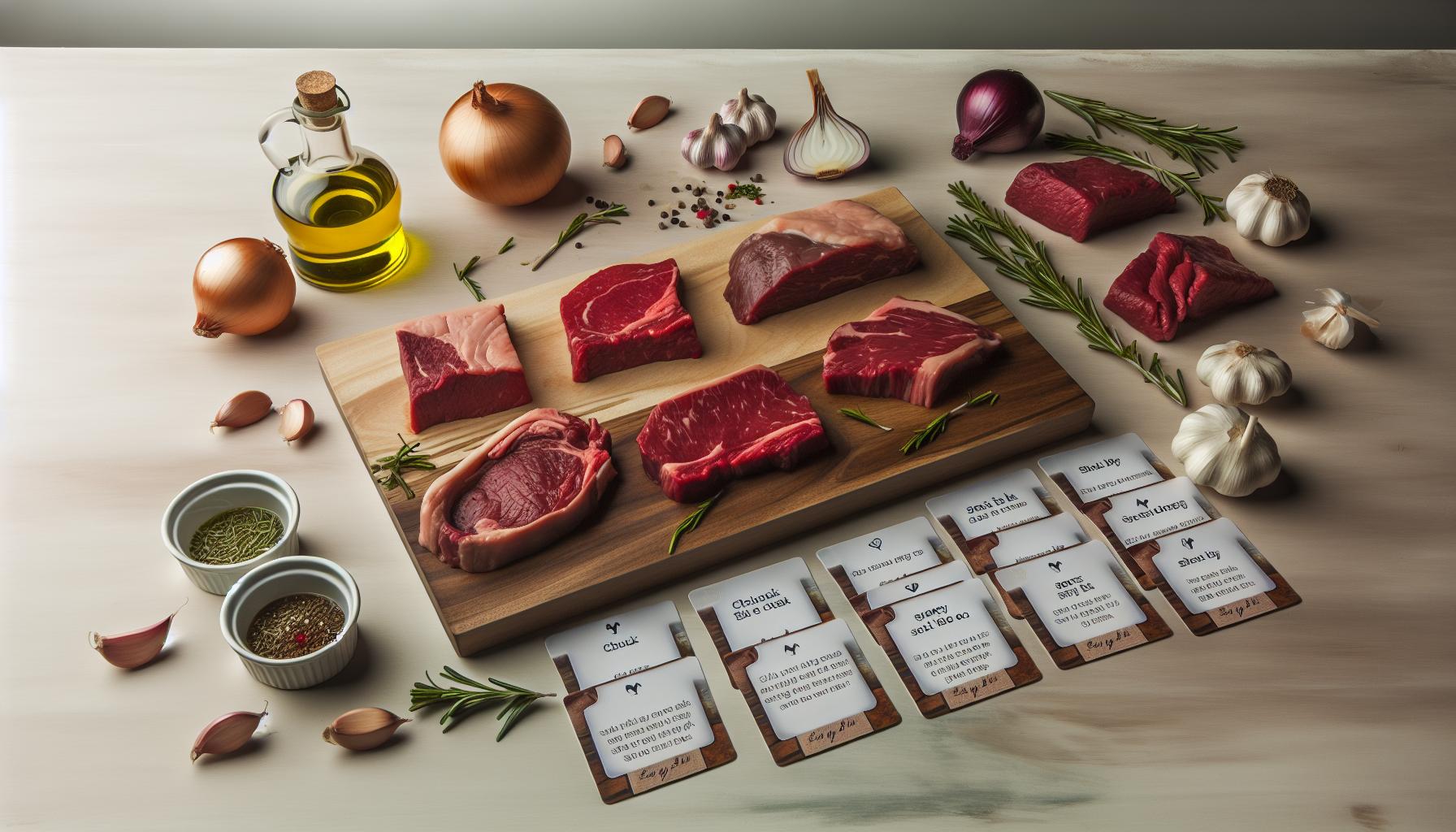
Choosing the Best Steak cuts for slow Cooking
One of the secrets to making a slow cooker steak shine lies in picking the right cut of beef from the start.Unlike grilling or pan-searing, slow cooking thrives on transforming tougher, more affordable cuts into melt-in-your-mouth meals. Cuts that might be so-so on the grill become superstar tender after a few hours of gentle heat and slow cooking magic. If you’re aiming for Paleo or gluten-free-friendly meals, choosing lean but flavorful cuts is your best bet for a satisfying, wholesome dinner.
Think of chuck,round steak,or sirloin tips as your slow cooker’s best friends. These cuts have a good balance of connective tissue and marbling that breaks down beautifully over the slow cooker’s 2 to 3 hour high-heat window, emerging tender but still sliceable. Avoid super tender cuts like ribeye or filet mignon for slow cooking-they’re better off fast-seared to keep that buttery texture intact. using the right cut also means you won’t have to babysit your cooker or worry about dry,stringy beef-a pitfall I learned the hard way after leaving sirloin steaks in for too long and ending up with “beef jerky” instead of dinner.
- Chuck roast: Rich marbling and connective tissue make this cut perfect for slow cooking. It breaks down nicely into tender, juicy pieces.
- Round steak: Leaner but benefits from long cooking times to soften its firmer texture-ideal if you want to keep it Paleo and low-fat.
- Sirloin tips: Versatile and flavorful, these respond well to slow cooking and absorb seasonings beautifully.
Since slow cooking brings out the best in cuts that often need a gentle hand, don’t shy away from experimenting within these categories. for example, chuck and round can be diced for stews or left whole for slicing after cooking. Picture tossing your cut with a quick spice rub or simple garlic-herb marinade before slow cooking-it amps up the flavor, perfect for anyone avoiding gluten or processed ingredients. Plus, slower cooks usually mean fewer pots to clean, giving you more time to enjoy your meal-and life!
Step-by-Step Prep Tips for perfect Slow Cooker Steak
Cooking a steak in a slow cooker might sound like a no-brainer, but to get that perfect meld of tenderness and flavor, a little prep goes a long way. The magic isn’t just in letting the slow cooker do its thing-it starts well before the lid goes on. Wrangling the right texture and juiciness from tougher cuts means embracing a few simple but crucial steps that make your steak sing, whether you’re aiming for a paleo or gluten-free dinner that doesn’t skimp on soul.
First off, pat your steak dry with paper towels before seasoning. Any surface moisture slows browning-yes, even if we’re not searing-that beautiful golden crust adds a layer of flavor and visual appeal that’s worth the small effort. Next, a quick pre-season is your friend. Use a dry rub with simple pantry staples like smoked paprika,garlic powder,salt,and pepper,or a splash of Worcestershire sauce for an umami kick. Don’t skip letting the steak rest for at least 15 minutes after seasoning; this allows the flavors to marinate without needing a long soak. If you prefer a marinade, keep it short and punchy-30 minutes to an hour max, especially with acidic ingredients like lemon or vinegar, to prevent the meat from becoming mushy in the slow cooker.
Layering Flavors and Preparing the Cooker
Before dropping your steak into the slow cooker, make a cozy bed of sliced onions, garlic, or mushrooms. These not only infuse the meat with subtle flavor but also prevent the steak from sitting directly in the liquid,which can turn your nicely browned edges soggy. If your recipe involves a sauce or broth, add it around-not directly on top of-the steak to keep seasoning intact and allow the meat to soak up just the right amount of moisture. For paleo and gluten-free options, swap out soy sauce for coconut aminos and use fresh herbs like rosemary or thyme for aromatic layers.
Timing and Temperature Tips from experience
From years in the kitchen, the sweet spot on high heat usually lands around 2 to 3 hours. This gives the connective tissue time to break down without turning your steak into a dry, stringy mess. Check in at the 2-hour mark by poking gently with a fork-if it pulls apart easily but isn’t mushy, you’re in the green zone. If you notice the meat is getting too soft too soon, lower the heat or reduce the cooking time next round. Keep in mind, slow cookers vary widely, so use your first batch as a learning opportunity. And hey, no shame in a quick reverse sear after slow cooking for added texture and flavor!
- Trim excess fat from the steak to avoid greasy outcomes, especially if you’re using marbled cuts like chuck roast.
- Don’t overcrowd the pot-give your steak breathing room so it cooks evenly.
- Resist stirring during cooking to keep those juicy fibers intact.
- Use a meat thermometer to avoid guessing; for most slow cooker steaks,aim for an internal temp of about 190°F (88°C) for tenderness.
This approach turns your slow cooker from “just a kitchen appliance” to a trusty sous-chef that delivers reliably tender, richly flavored steak every time. And the best part? You get more time to relax or prep your favorite paleo-friendly sides without fuss-as good food should feel that easy.
How to Check for Doneness Without overcooking
Cooking steak in a slow cooker is like a culinary magic trick-you want to hit that sweet spot where the meat is tender but still juicy, not mushy or dry. Since slow cookers work low and slow, unlike grilling or pan-searing, the usual “look and feel” cues can be a bit slippery. That’s why knowing is your secret weapon for steak success.
First off, don’t rely solely on cooking times. Slow cooker performance varies a lot depending on the model and the cut thickness. Instead, bring a trusty meat thermometer along for the ride.Aim for an internal temperature near 190°F (88°C) if you’re working with tougher cuts like chuck or round-this temperature breaks down connective tissue beautifully, turning the steak tender without drying it out. For thinner, more delicate steaks, pull the meat a bit earlier, around 170-180°F, to preserve some juice and avoid a stringy texture. Remember, temperature is your most reliable guide, especially if you’re embracing Paleo or gluten-free lifestyles that don’t mess with tenderizers or processed ingredients.
If you don’t have a thermometer handy (hey, life happens), a good old-fashioned “fork test” works pretty well. At around the two-hour mark on high heat, poke the steak gently with a fork or tongs. The meat should offer some resistance but still pull apart with minimal effort-think “fork tender,” not “falling apart in your hands.” If it’s too firm, give it some more time. Too soft or mushy? You might be edging into overcooked territory. This visual and tactile check, combined with tasting juices or even smelling the aromatic garlic and herbs, gives you confidence that your slow cooker steak is hitting all the tasty notes.
Practical Tips to make Doneness Easy
- Check early and often: Start testing at the earliest recommended time, around 2 hours on high, especially if it’s your first time with a particular cut.
- Resist the urge to stir: Constant poking or stirring breaks down the fibers faster and can lead to unintentional mush.
- Rest and reverse sear: If your steak looks done but lacks that caramelized crust, a quick hit in a hot pan or under the broiler for 1-2 minutes per side will add texture and flavor without overcooking inside.
- Keep notes: Every slow cooker behaves like its own culinary personality-jot cooking times, steak thickness, and results to perfect your process with repeat meals.
So, whether you’re steeped in paleo simplicity or embracing gluten-free clean eating, checking for doneness is as much an art as a science.Trust your thermometer first, then your senses second. And don’t fret if you need a little practice – even slow cooking pros keep a close eye on their first batch! After all, steak like this is meant to bring joy, not stress, so enjoy the ride and those first forkfuls of tender, flavorful yum.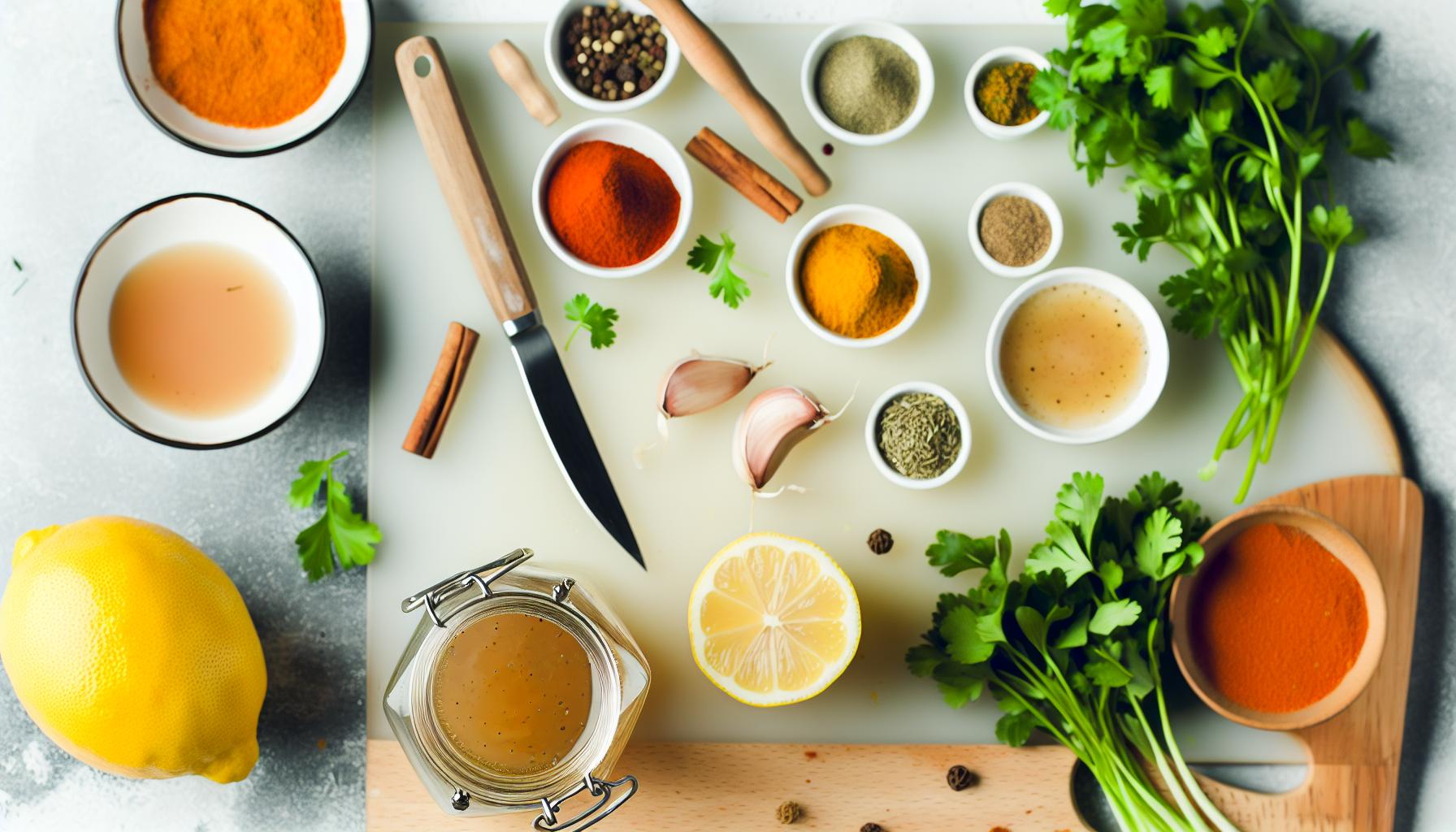
Flavor Boosters: Marinades and Spice Rubs That Work
One of the best ways to turn a humble slow cooker steak into a dish bursting with personality is by layering in flavor before you even turn the dial to high. As slow cooking gently coaxes out every nuance, starting with a bright or bold marinade or a vibrant spice rub can make all the difference. Plus, you’re not just adding flavor-you’re unlocking deeper tenderness and juiciness, especially with tougher cuts like chuck or round.
When crafting marinades, think of easy, paleo- and gluten-free-friendly ingredients like coconut aminos, fresh herbs (rosemary, thyme), garlic, and a splash of apple cider vinegar. These not only tenderize naturally but weave in layers of umami and aromatic zest without relying on processed stuff. A quick marinade time of 30 minutes to an hour is usually enough as slow cooker heat will do the heavy lifting in softening the meat. For example, mixing coconut aminos with a drizzle of olive oil, minced garlic, cracked black pepper, and a squeeze of lemon juice creates a lively, tangy base that keeps steak bright even after hours in the cooker.
If marinades aren’t your jam or you’re in a pinch, spice rubs are your best bracket-mate. Dust your steak generously with a combination of smoked paprika, ground cumin, garlic powder, and a pinch of chili flakes for a subtle warmth. This rub forms a gentle crust during the initial sear (don’t skip that step; it’s worth it!), then infuses the meat gradually as it braises in the slow cooker. Bonus: most of these spices skip gluten and fit perfectly into primal or paleo routines without fuss.
Quick Tips for Flavor Boost Success
- Seal in flavor: Always brown your steaks first, even with a marinade or rub. The Maillard reaction adds richness that slow cooking alone can’t replicate.
- Use fresh herbs wisely: add fresh herbs like thyme or rosemary near the end of cooking to preserve their bright notes and avoid bitterness.
- Layer liquids smartly: Incorporate flavorful broths, a splash of tomato paste, or even a dollop of Worcestershire sauce (gluten-free options exist!) to boost umami depth.
- Balance acidity: A small amount of acid (vinegar, lemon juice) in the marinade keeps flavors lively and prevents the slow cooker from flattening the dish.
I remember once rushing dinner prep and tossing in a basic rub of garlic powder, smoked paprika, salt, and pepper. The results? Surprisingly juicy and packed with a smoky, warm spice profile after just 3 hours on high. No marinade required, just good seasoning and careful timing. Experimenting with flavors and trusting your palate turns every slow cooker steak night into a delicious adventure – and that’s a kitchen win worth savoring!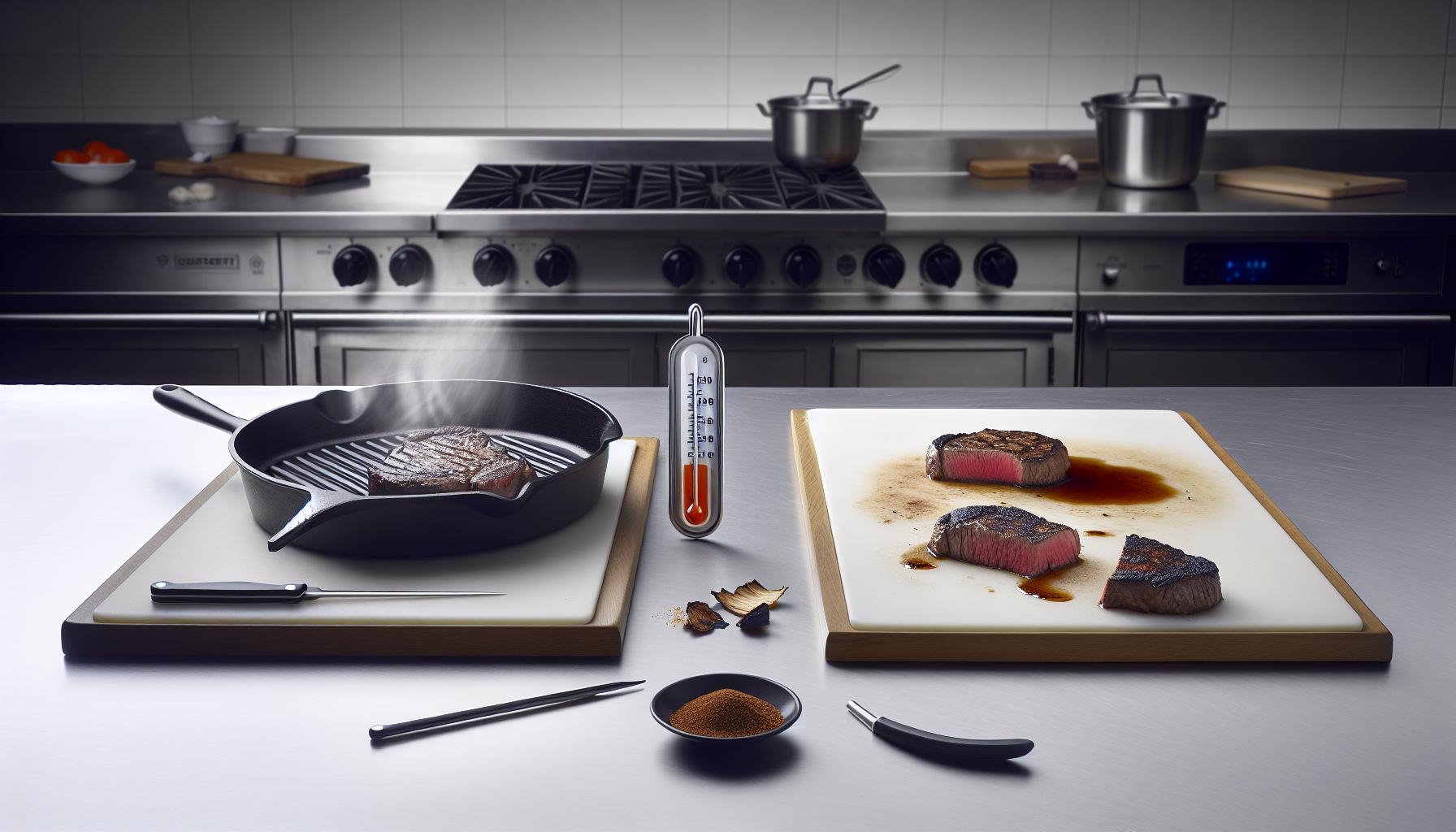
Common Mistakes to Avoid When Cooking Steak on High
One of the sneakiest traps when cooking steak on high in a slow cooker is thinking more time equals better steak. In reality, overcooking is the fastest way to turn your once promising cut into a tough, dry disappointment. Slow cookers running on high can get hot fast, so it’s easy to overshoot the window that keeps your steak tender and juicy. trust me, it happens to even the most seasoned home cooks – that’s why having a clear sense of timing and doneness cues is key.
Another common blunder? Skipping the sear. I get it,when you want dinner fast,the slow cooker is your hero. But tossing raw steak straight in can leave your final dish flavor-bland and less visually appealing. That Maillard reaction from browning not only locks in meat juices but adds those irresistible caramelized notes that slow cooking alone can’t replicate. Think of it as the flavor foundation – and the effort pays off big time in the finished dish.
People also tend to overload the slow cooker with too many ingredients or too much liquid, assuming it will all just blend together into something magical. Instead,this dilutes the rich beef flavors and leads to a watery,lackluster stew-like mess.When cooking on high, stick to the essentials and let those umami-packed liquids like natural beef broth, a touch of tomato paste, or even a splash of coconut aminos do the heavy flavor lifting. Balance is everything.
Quick Tips to dodge These Pitfalls
- Set a timer: Plan for about 2.5 to 3.5 hours on high for average thickness steaks, and check early to avoid overcooking.
- Sear first: Brown steaks in a hot pan for 2-3 minutes per side before slow cooking.
- Avoid excess liquid: Use just enough broth or marinade to keep the meat moist without drowning it.
- Monitor the texture: Tender but not mushy is the gold standard – if it falls apart too easily, it’s lost its steak identity.
In one of my “learning moments,” I left a beautiful chuck steak on high for over 4 hours thinking it would get better with time. Spoiler: it turned into beef confetti – still tasty but hardly steak dinner worthy! These hiccups aren’t failures; they’re part of the fun of experimentation.With a bit of awareness and a willingness to adjust,you’ll have those perfect slow cooker steaks down in no time,ready to impress whether you’re Paleo,gluten-free,or just craving simple comfort food.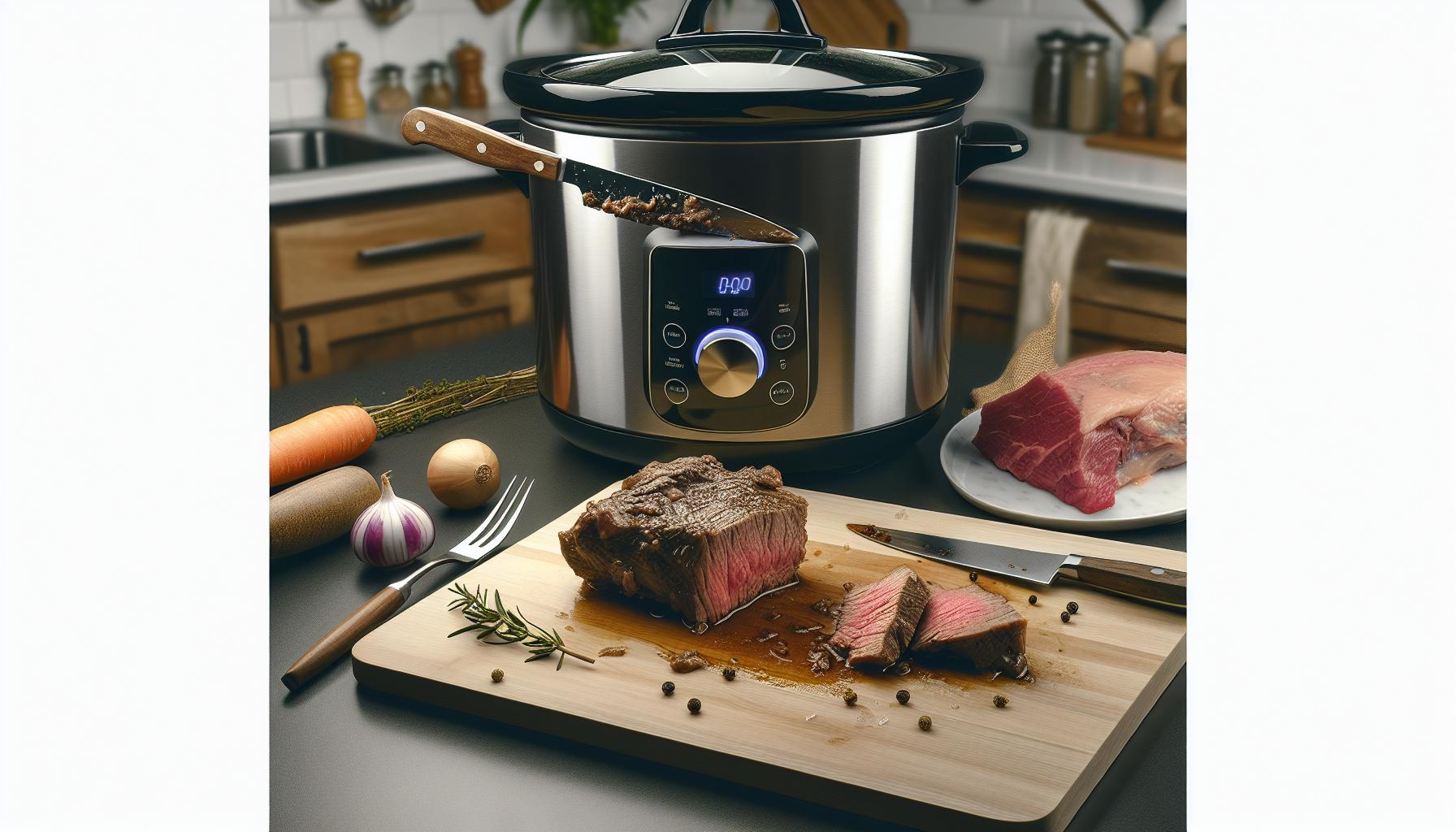
Balancing texture: Tender vs. Juicy Steak in the Slow Cooker
One of the trickiest parts of slow cooker steak magic is getting that perfect harmony between tender and juicy-because while tender meat melts in your mouth, juicy means it’s deliciously moist and flavorful. The battle between these two textures often boils down to timing and the cut of steak you choose. Cook your steak too long,even on high,and you risk turning it from tender to mushy or overly dry. But cook it just right, and you’ll have a bite that feels like a warm hug after a long day.
Here’s where a little kitchen wisdom goes a long way: slow cooker heat on high cooks faster than you might expect, so keep a close eye on the clock. For most common cuts like chuck or sirloin, aiming for around 2.5 to 3.5 hours is usually the sweet spot. This time frame breaks down tough connective tissue just enough to soften it, while still preserving the steak’s natural juices. If your meat starts to shred on its own, it’s technically tender, but you’ve probably lost that lovely juiciness and steak-like chew that makes the dish special.
Simple Strategies to Nail Texture Every Time
- Sear first: Browning your steak creates a crust that helps trap moisture, so the inside stays juicy longer. Plus, it amps up flavor with those irresistible caramelized notes.
- Use just enough liquid: Too much broth or marinade can make the meat “boil” and lose structure. Instead, add a splash-think ½ to 1 cup of beef broth or a flavorful paleo-friendly substitute.
- Don’t rely solely on slow cooking: A hearty sear combined with a careful cooking window is your best formula to keep texture balanced.
- Check early and often: Start poking around the 2-hour mark if your slow cooker runs hot.You can always add more time,but you can’t undo overcooking.
I remember my first slow cooker steak adventure-think eager newbie with a chuck roast left in way too long. It was tender all right… just lacked that firm bite I love in a steak. Lesson learned! Now I treat the crockpot like a precision instrument, and the results feel worthy of any paleo or gluten-free feast. As yes, juicy and tender don’t have to be mutually exclusive-they just need a little slow cooker TLC from someone who’s been there. So go ahead,enjoy that melt-in-your-mouth texture with plenty of juice to sip on,not soak up,and savor your slow cooker steak success every time!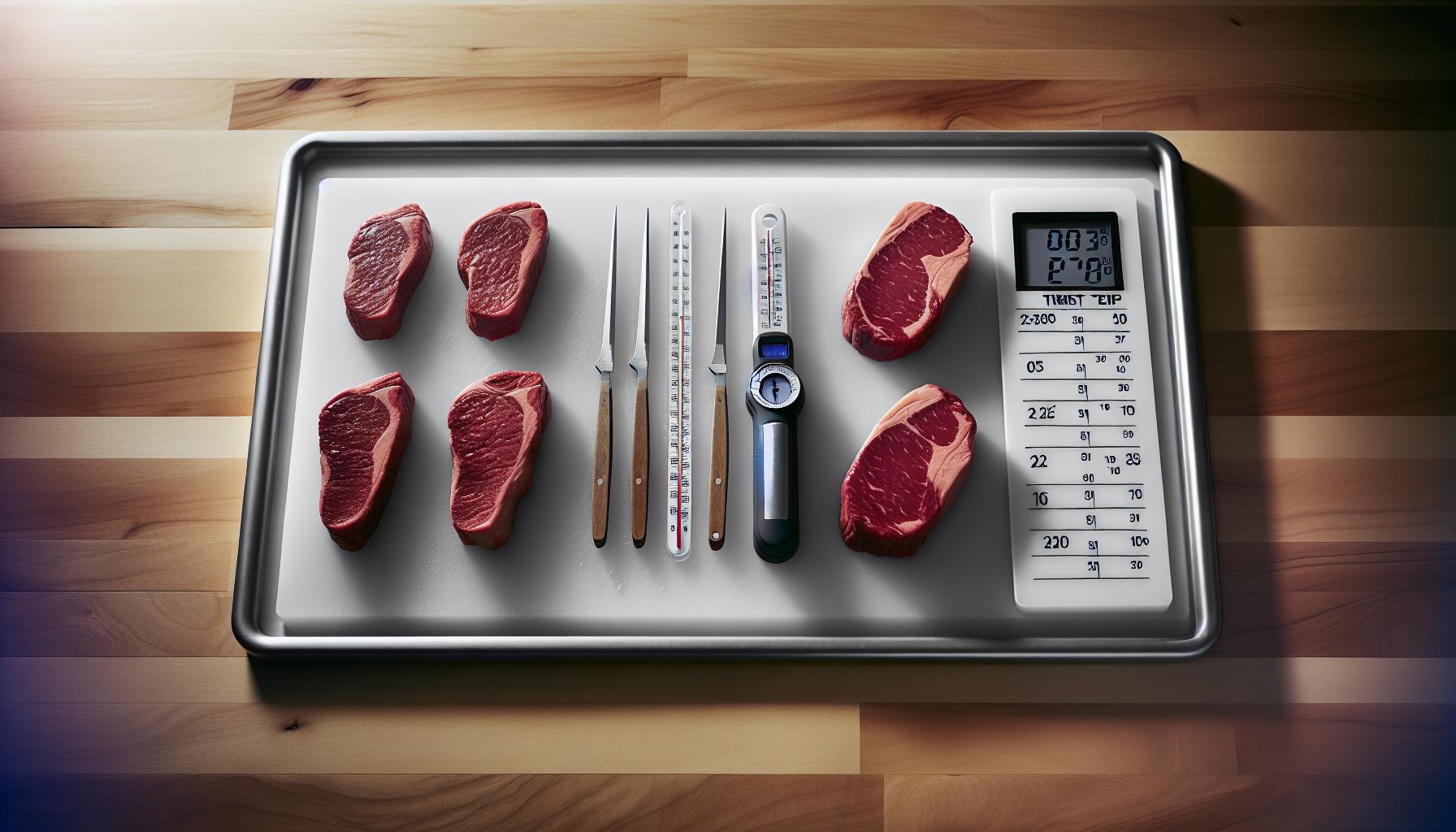
Adjusting Times for Different Steak Thicknesses
Figuring out the right cook time for steak in a slow cooker can feel a bit like tuning a guitar-just a little off, and you lose the perfect note. Thickness plays a starring role here, dictating how long those gentle, high-heat minutes need to coax that luscious tenderness you crave without crossing into overcooked territory. Imagine a 1-inch thick sirloin versus a 2-inch thick chuck roast; treating them identically will almost certainly result in one being overdone while the other is undercooked. that’s why dialing in your timing based on steak thickness is your secret weapon to nailing texture and juiciness every time.
When you’re working with thinner steak cuts-say, between ¾ and 1 inch thick-their quick soak-up of heat means you’ll want to trim cooking time down to about 2 to 2.5 hours on high. This prevents the meat from drying out, which can happen surprisingly fast with thin slices. Conversely, thicker steaks, like a 1.5 to 2-inch cut or larger, often benefit from 3 to 3.5 hours of cooking. This longer but carefully monitored heat infusion lets collagen and connective tissues break down fully, giving you that melt-in-your-mouth tenderness that slow cooking is famous for.
Tips to Manage Timing Based on Thickness
- Use a kitchen scale or ruler: Measure steaks before popping them into the cooker; a quick look can save you guesswork later.
- Slice after cooking, not before: Leaving your steak whole protects those juices better during slow cooking, no matter the thickness.
- Set reminders: Thin cuts often surprise you by finishing earlier than expected-checking in halfway through can prevent steak sorrow.
- Think layering: If cooking multiple pieces of varying thicknesses, place thicker cuts at the bottom (where it’s hotter) and thinner ones on top.
Let me share a little kitchen story: I once threw in an oddly thick sirloin steak without adjusting the timer-I left it 3.5 hours on high, thinking “slow cooker magic.” the result? Tender, yes, but sadly way past juicy, tipping into that dry, stringy zone. The fix was straightforward-next time, I cut thicker steaks in half or simply cooked them closer to the 3-hour mark. Turns out, respecting thickness means fewer second guesses and happier taste buds, especially when you’re aiming for paleo-friendly meals that highlight pure flavors without fuss.
| Steak Thickness | recommended Cook Time on High | Tips |
|---|---|---|
| ¾ to 1 inch | 2 to 2.5 hours | Check early, avoid overcooking; retains juiciness |
| 1 to 1.5 inches | 2.5 to 3 hours | Ideal balance for tenderness and texture |
| 1.5 to 2 inches | 3 to 3.5 hours | Allows connective tissues to break down fully |
| Over 2 inches | 3.5 to 4 hours | Best with periodic checks to avoid mushiness |
By taking steak thickness seriously and adjusting your slow cooker time accordingly, you empower your meals to reach their full flavor potential-friendly to all diets, including paleo and gluten-free, without sacrificing the joy of a hearty, home-cooked steak. It’s about working smarter with your slow cooker, not harder, so you can spend more time enjoying your beautiful creation and less time worrying about over or undercooking. Happy cooking, and may every steak be your new favorite!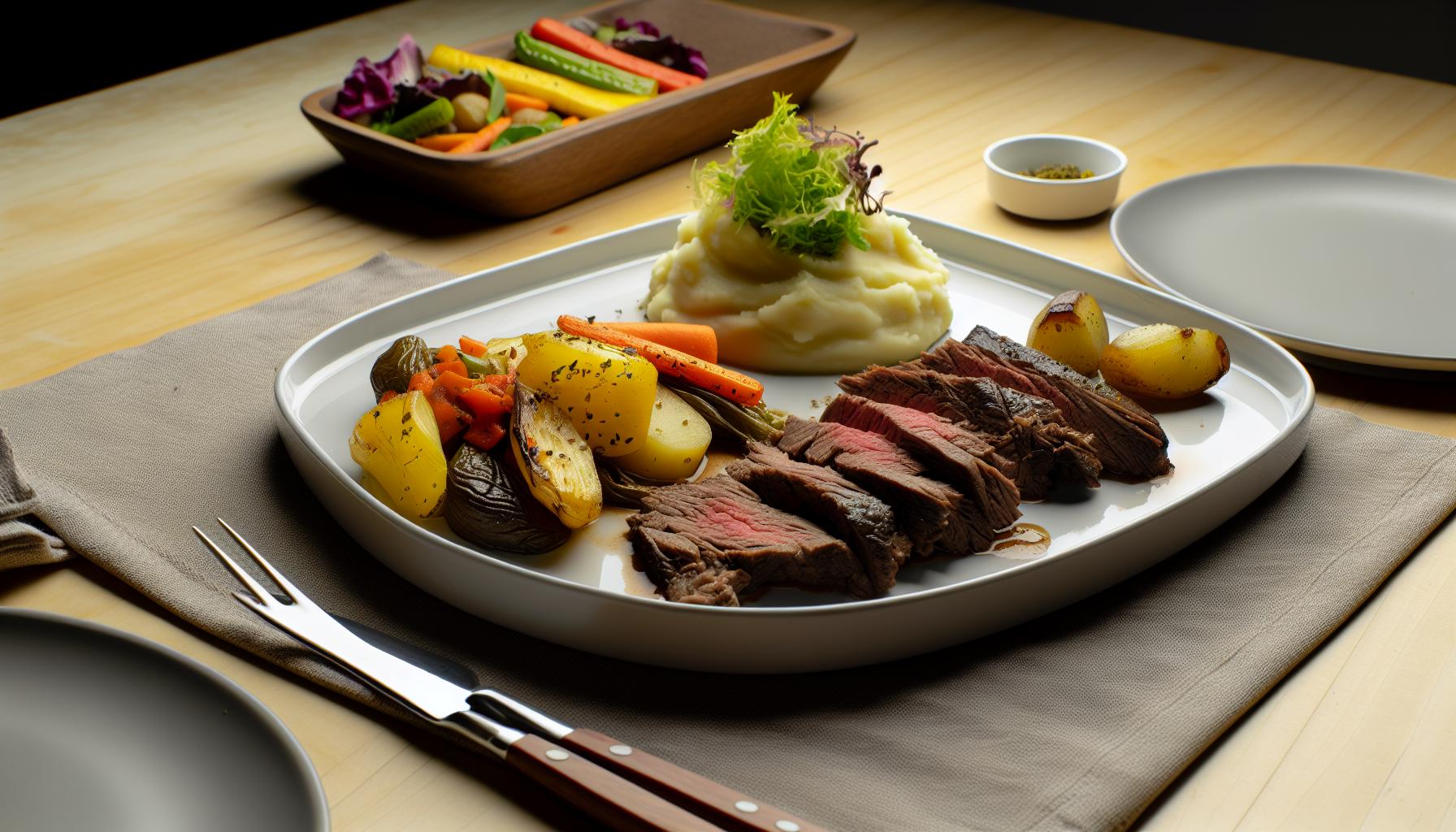
Serving Suggestions: Sides That Complement Slow Cooker Steak
There’s something truly magic about slow cooker steak-the way it melts into tenderness,inviting you to savor each bite. Pairing it with the right sides can elevate this cozy meal into a complete experience that excites your palate without overshadowing the star. Whether you’re aiming for paleo-friendly fare, gluten-free delights, or easy comfort food, the key is balancing flavors and textures that enhance the rich, succulent beef without competing.
Veggie-Based Sides: Fresh, Bright, and Nutrient-Packed
If you’re leaning into paleo or gluten-free diets, roasted or slow-cooked vegetables are your best friends. think garlic-infused roasted asparagus,crisp-tender green beans,or caramelized carrots with a drizzle of honey and thyme. Not only do these sides bring vibrant color to your plate, but their naturally sweet and earthy tones trim the richness of slow cooker steak perfectly. For a no-fuss, dump-and-go side, try prepping a slow cooker German potato salad or creamed corn-both deliver that southern comfort with minimal effort and maximum flavor[[[1]](https://www.allrecipes.com/best-slow-cooker-summer-side-dishes-8682022).
A little real talk: I once paired my slow cooker steak with creamy mashed cauliflower (skinny mashed potatoes, anyone?), and it was a hit with everyone-paleo and carb-cravers alike. Cauliflower mash is quick,creamy,and can be jazzed up with roasted garlic or fresh herbs,making it a luxe partner for steak without straying from dietary goals.
Classic comfort Meets Slow Cooker Ease
For those looking to keep it simple and hearty, slow cooker mac and cheese or scalloped potatoes are fantastic companions. They soak up the steak’s juices like a dream and add an indulgent, creamy contrast to each forkful [[3]](https://www.tasteofhome.com/collection/slow-cooker-side-dishes-to-the-rescue/). Plus, they’re crowd-pleasers that don’t demand hours of babysitting-perfect for busy weeknight dinners or lazy weekend feasts.
If you want to keep the meal paleo yet crave that cozy vibe, try swapping customary potatoes for sweet potatoes or yucca fries. They bring natural sweetness and vibrant color while staying nutrient-dense. Toss them in rosemary and sea salt, and you’ve got a rustic yet refined side that pairs beautifully with the slow-cooked beef.
Fresh Salads and Quick Pickles for a Zesty Finish
Slow cooker steak can be rich, so introducing bright, acidic sides like a crunchy kale and apple salad with lemon-tahini dressing or quick pickled cucumbers adds that spark to cut through the heaviness. These fresh components are not only palate-cleansing but also super quick to prep-and who doesn’t love a little zing alongside melt-in-your-mouth beef? the kind of side that sparks repeated bite requests and compliments.
- Pro-tip: For paleo and gluten-free-friendly dressings, stick to olive oil, citrus juice, apple cider vinegar, and fresh herbs-avoiding sugar-loaded store-bought options.
- Vegetarian option alert: Pair the steak with a hearty quinoa salad tossed with roasted veggies and a splash of lemon for a nutrient-packed twist.
By mixing and matching sides that spotlight fresh veggies, creamy comfort, and sharp acidity, you make every slow cooker steak meal feel thoughtfully balanced and satisfying without extra hassle. Remember, slow cooker magic is as much about the lovely company-and sides-you serve alongside the main event. My advice? Keep a handful of easy recipes on rotation. It lets you enjoy your juicy steak without stressing about what’s on the side. After all, the goal is delicious food and happy, full bellies. Cheers to that!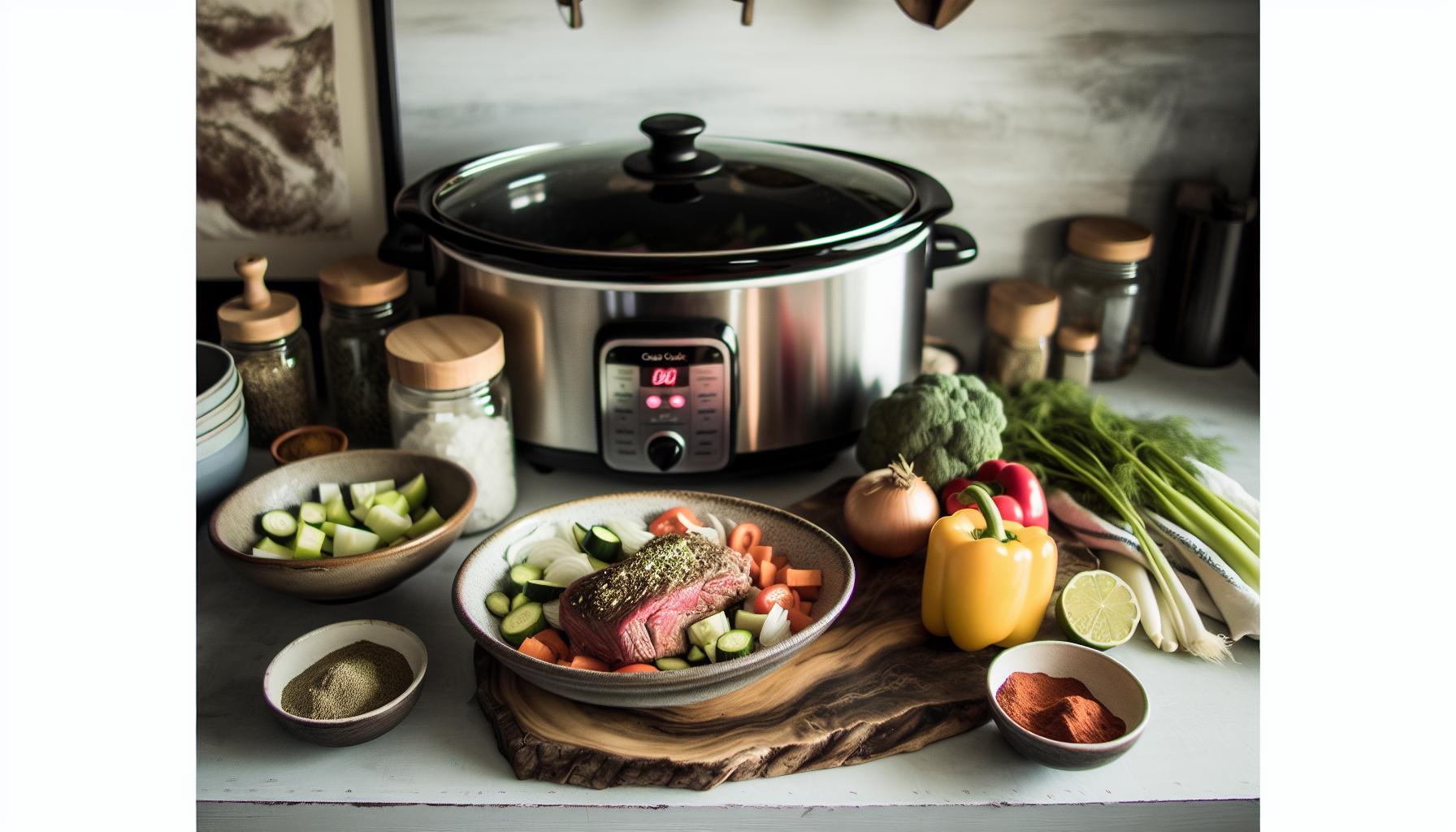
Adapting Slow cooker Steak Recipes for Paleo and Gluten-Free
There’s a fantastic freedom in adapting your slow cooker steak recipes to fit paleo and gluten-free lifestyles without sacrificing flavor or ease. Since slow cooker steak benefits from low and slow heat to tenderize, you’ll want to keep cook times consistent (usually around 2-3 hours on high for a medium-thickness cut), but the magic happens in your ingredient choices and seasoning tweaks that make everything friendly for your dietary needs.
The paleo approach naturally aligns with slow cooking since it emphasizes whole foods and ditching grains, dairy, and processed additives. Swap out any traditional sauces or spice blends containing gluten or sugars for simple, fresh alternatives. As an example, rather than soy sauce (which often contains gluten), try coconut aminos-they add that umami punch without the nasties. garlic, fresh herbs like rosemary and thyme, cracked black pepper, and a splash of apple cider vinegar create perfect paleo-friendly marinade bases that infuse flavor and help tenderize the meat during cooking.
Simple Ingredient Swaps to Keep It Gluten-Free and Paleo
- Thickeners: Avoid flour or store-bought gravy mixes. Use arrowroot powder or tapioca starch if you want a thicker sauce at the end.
- Broths: choose 100% natural beef or vegetable broth labeled gluten-free-this helps keep your slow cooker juices rich without hidden gluten.
- Veggie sides: Stick to paleo staples like roasted sweet potatoes, sautéed greens, or steamed asparagus rather of starchy or processed options.
One quiet kitchen confession-sometimes, life’s busy and I reach for a bottled marinade. If it’s certified gluten-free and made with clean ingredients, it’s a no-judgment zone here. The key is balancing convenience with real-food flavor, so your slow cooker steak ends up tender, juicy, and full-flavored without endless fuss.
Balancing Flavor and Texture in Paleo & Gluten-Free Steak
As the slow cooker retains moisture well, you can keep your steak juicy without sloppy sauces. To preserve texture, avoid overcooking; lean cuts like flank or sirloin do best around 2 hours on high, while tougher cuts like chuck benefit from the full 3 hours or a longer slow setting. Adding root vegetables like carrots and parsnips helps soak up those rich beefy juices, creating a natural, paleo-compliant “gravy” that elevates the plate and makes every bite sing.
Adjust your seasoning toward simplicity and freshness-a squeeze of lemon or a sprinkle of chili flakes adds brightness that counterbalances slow-cooked richness. Few things beat the satisfaction of a wholesome paleo and gluten-free meal that only your slow cooker had to babysit. And hey, if you want a little indulgence, a knob of ghee or drizzle of avocado oil finishes it off with silky richness that’s totally on point with your goals.
Remember, adapting doesn’t mean compromising. With a bit of mindful prepping and trusted ingredient swaps, your slow cooker steak can shine as a crowd-pleaser-nutrient-dense, full of flavor, and perfectly timed for busy weeknights or Sunday dinners. It’s comfort food with a clear conscience, keeping your plate happy and your belly fuller. Cheers to keeping it simple, delicious, and totally doable.
How to Rescue Overcooked or Dry Slow Cooker steak
You might think a dry or overcooked slow cooker steak is a lost cause, but don’t toss it just yet-there’s hope for rescuing those tough bites into something deliciously salvageable. Slow cookers do a great job keeping things moist *if* you nail the timing,but overshoot that sweet spot,and your steak can turn dry or stringy. The good news? With a few clever tricks, you can coax back moisture and flavor, making your meal a winner-even on those “oops” cooking days.
Add Moisture and Tenderness Back In
One of the easiest ways to revive overcooked steak is to gently reintroduce moisture and flavor with a rich cooking liquid or sauce. Think paleo and gluten-free friendly: bone broth, coconut aminos, or a splash of homemade tomato sauce work wonders without turning it gummy. Place your steak back in the slow cooker or a covered skillet with low heat and add a cup or so of warm broth or a saucy marinade. Cover tightly and let it simmer gently for 20-30 minutes. This steamy surroundings helps the meat fibers relax and rehydrate, softening that dry texture.
- Tip: Add a tablespoon of apple cider vinegar or lemon juice to the liquid-this mild acidity tenderizes and brightens flavors.
- Also try: Pureeing cooked root veggies (like carrots or parsnips) into the liquid for a silky,paleo-friendly gravy boost.
Slice and Serve with Moist Accompaniments
If time’s tight or the steak feels too far gone to fix whole, slice it thinly against the grain. Thin slices lose less moisture and feel less chewy.Serve these with moist sides that soak up juices or creamy paleo spreads like mashed avocado or homemade paleo pesto. A drizzle of quality avocado oil or ghee over sliced steak adds luscious richness that can mask dryness while staying true to your diet style.
creative Leftover ideas That Save the Day
Don’t forget, overcooked steak can shine in new outfits. Chop it into warm salads with a fresh lemon-herb dressing, toss into paleo tacos wrapped in lettuce leaves, or layer over roasted veggies with a punchy sauce like chimichurri. Using serves that add moisture naturally patches texture and keeps the meal exciting. Trust me-these little kitchen tricks have saved many busy weeknights and made paleo, gluten-free eating feel downright decadent without added carbs or dairy.
With a bit of patience and creative thinking, your slow cooker can still charm with tender steak, even on “dry” days. Sometimes the rescue mission reveals new favorites and takes pressure off the clock. After all, food joy isn’t about perfection – it’s about savoring every bite and enjoying the journey there.
Faq
Q: How can I tell if my slow cooker steak is done on high without a meat thermometer?
A: you can check doneness by gently pressing the steak: firmness indicates more cooked, while softness means rare.Comparing with finger tests (e.g., thumb and finger pressure) helps estimate.For best accuracy, cut a small slit to peek at the color, aiming for pink in the middle for medium. See more on doneness tips in our article section “How to check for Doneness Without Overcooking.”
Q: Why does cooking steak in a slow cooker on high sometimes result in dry meat?
A: Dryness frequently enough occurs if the cooking time is too long or the slow cooker runs too hot. To avoid this, limit high heat cooking to 2-3 hours, add enough liquid, and use fattier cuts or marinades. Learn more about correcting this under “How to Rescue overcooked or Dry Slow Cooker Steak.”
Q: What’s the best way to adjust cooking time if my steak is very thick when slow cooking on high?
A: For thick steaks (1.5 inches or more), increase cooking time on high by about 30-60 minutes, but check frequently to avoid overcooking. Use our “Adjusting Times for Different Steak Thicknesses” guide for detailed timing tweaks and techniques.
Q: Can I safely start cooking steak on low and finish on high in my slow cooker?
A: yes, starting on low for tenderness and finishing on high to brown can work well. Typically, cook 2 hours on low, then 1 hour on high for best flavor and texture. This balances cooking without drying out your steak. See “Common Mistakes to Avoid When Cooking Steak on High” for more tips.
Q: How does the slow cooker’s brand or model affect steak cooking time on high settings?
A: Different slow cookers vary in heat intensity; some run hotter, reducing cooking time, while others cook slower.Check your manual and start with recommended times, adjusting as needed.Test with short intervals, referencing “Ideal Cook times for Steak in Slow Cooker on High” for guidance.
Q: Can I add vegetables in the slow cooker when cooking steak on high without affecting cook time?
A: Yes, but add quick-cooking veggies like bell peppers or zucchini during the last hour to avoid over-softening.Root veggies can go in before cooking but may need longer total time. for pairing recommendations, see our “Serving Suggestions: Sides That Complement Slow Cooker Steak.”
Q: What marinade ingredients help maintain steak juiciness when slow cooked on high?
A: Marinades with acidic components like vinegar or citrus, plus olive oil and herbs, help tenderize and lock moisture. Avoid salty marinades that can dry out meat. Check “Flavor Boosters: Marinades and spice Rubs That Work” for recipes that enhance juiciness and flavor.
Q: How soon can I serve slow cooker steak on high after cooking before resting?
A: Rest your steak for 5-10 minutes** after cooking on high to allow juices to redistribute and improve texture. Cover loosely with foil during resting. This simple step elevates meal quality-see “Balancing Texture: Tender vs. Juicy Steak in the Slow Cooker” for more tips.
For more detailed advice and step-by-step slow cooker steak perfection, be sure to explore the full recipe sections linked above. Happy slow cooking!
Insights and Conclusions
Mastering the perfect cook time for steak in your slow cooker on high turns a simple meal into a comforting, tender delight-whether you’re gluten-free, paleo, or just craving easy comfort food. Remember, with just the right balance of timing and seasoning, you’ll transform even the toughest cuts into juicy, fork-tender eats in about 3 to 4 hours. If you’re wondering about ingredient swaps or want to explore slow cooker recipes that fit your lifestyle, check out our guides on best slow cooker sides and gluten-free meal ideas to round out your dinner plan.
Ready to bring this delicious ease into your kitchen? Don’t forget to try our printable slow cooker steak checklist and sign up for our newsletter to get weekly tips, recipes, and handy hacks delivered right to your inbox. Got questions or favorite tweaks? Drop a comment below-sharing kitchen wins and shortcuts makes cooking even more fun for everyone! For next-level slow cooker magic, explore how to perfectly sear your steak before slow cooking or try our curated list of slow cooker sauces and marinades to boost flavor with minimal effort.
By nailing the ideal slow cooker steak cook time, you’re not just saving time-you’re crafting meals that feel special and stress-free. Stick with us for more flavorful, friendly recipes that fit your busy life and palate. Your slow cooker journey is just getting tastier!
Get our latest guides, news, and insights highlighted in your Google Search & AI Overviews.