
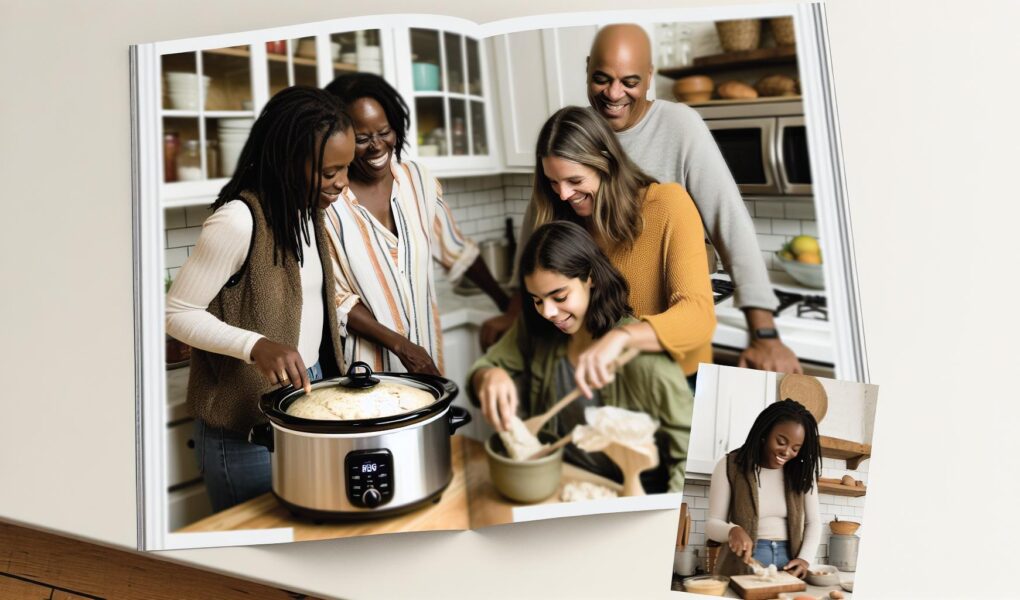
Did you know your slow cooker can do more than just simmer stews and soups all day? Believe it or not,itS also a fantastic tool for baking-think tender cakes,gooey brownies,and even breakfast casseroles,all made without heating up your oven.Whether you’re short on time, avoiding extra heat in the kitchen, or simply want a hands-off approach, slow cooker baking can be a game-changer.As someone who loves sharing simple, tested recipes that fit busy lives and varied diets (hello, gluten-free and paleo friends!), I’ve found slow cooker baking delivers comforting, delicious results with minimal fuss. No need to stress about intricate techniques or mess-just easy steps, flexible ingredient swaps, and tasty outcomes that feel homemade and satisfying. Ready to unlock surprising uses for your slow cooker? Stick around, because I’m about to share tips, tricks, and recipes that will turn your slow cooker into your new favorite baking buddy. Let’s make mealtime effortless and joyful, no matter your schedule or dietary preferences!
Table of Contents
- How Slow Cookers Work for Baking Delight
- Best Baked Recipes Perfect for Slow Cookers
- Step-by-Step Guide to Baking Cakes in a slow Cooker
- Secrets to Achieving Moist and Fluffy Slow Cooker Bread
- Creative Slow Cooker Baking Beyond Cakes and Bread
- Timing and temperature Tips for Slow Cooker Baking Success
- Gluten-Free and Paleo baked treats in Your Slow Cooker
- Common Slow Cooker Baking mistakes and How to Avoid Them
- Ingredient Swaps for Slow Cooker Baking Magic
- Transforming Slow Cooker Desserts Into Everyday Favorites
- Q&A
- Q: Can you use a slow cooker to bake desserts other than cakes and bread?
- Q: How can I adapt traditional oven baking recipes for a slow cooker?
- Q: Are slow cooker baked goods healthier compared to traditional oven baking?
- Q: What type of baking pans work best inside a slow cooker?
- Q: Can I bake gluten-free desserts in a slow cooker without them turning out dense or dry?
- Q: Why do slow cooker baked goods sometimes take longer than expected to finish?
- Q: How can I prevent my baked goods from sticking to the slow cooker pot or pan?
- Q: Is it possible to bake savory dishes in a slow cooker using baking techniques?
- In Retrospect
How Slow Cookers Work for Baking Delight

Imagine a kitchen gadget that quietly simmers your favorite cakes and breads while you focus on everything else-no oven heat blasting the room, no timer needed every five minutes. That’s the slow cooker’s magic! Unlike customary ovens, slow cookers create a gentle, steady heat surroundings that cooks food slowly and evenly over several hours. This low-and-slow heating method is what makes baking in a slow cooker surprisingly delightful, especially for those who struggle with overbaking or drying out their treats.
Slow cookers work by maintaining consistent moisture and warmth through their ceramic pot and sealed lid, which traps steam inside. This steamy, insulated environment acts like a mini steam oven, keeping baked goods moist and tender in a way that conventional dry heat ovens frequently enough don’t. for baking newbies and pros alike, this means less worry about cracking crusts or burnt edges, and more forgiving windows if you leave your dessert cooking a bit longer than planned.
Why Slow Cookers Are Baking-Amiable
- Even heat distribution: Unlike ovens that heat from one source, slow cookers gently surround your recipe with warmth to prevent hotspots that cause uneven baking.
- Moisture retention: the sealed environment locks in steam, yielding moist cakes or bread without the fuss of butter-brushing or water baths.
- Hands-off convenience: Set it and forget it-perfect for busy days or when you want to wake up to freshly baked goods.
From my own kitchen experiments, baking cakes or gluten-free banana bread in a slow cooker has been a revelation. One favorite treat that surprised my family was a paleo almond-flour cake that stayed velvety soft for days-no drying out or crust cracking! The slow cooker’s ability to maintain a low, steady temperature (usually around 200°F/90°C on low) means you can trust it with delicate batters that need gentle care.
Practical Tips for First-Time Slow Cooker Bakers
- Always grease your slow cooker pot or line it with parchment to avoid sticking.
- Use the low setting for baking; high can cook too quickly and cause uneven texture.
- Resist the urge to peek! Lifting the lid releases steam and lowers the temperature.
With thes insights,baking in a slow cooker isn’t just a handy hack-it’s a new way to enjoy warm,comforting baked goods with less fuss and fewer kitchen disasters. It’s perfect for the home cook who wants big flavor and tender crumb but might lack the time or patience for traditional baking methods. trust me, once you experience the slow cooker’s gentle embrace, you might never look at your oven quite the same way again!
Best Baked Recipes Perfect for Slow Cookers

Baking in a slow cooker isn’t just a quirky kitchen experiment-it’s a legit game-changer for cozy,fuss-free treats that practically bake themselves. If you’re craving warm, tender desserts with minimal babysitting, slow cookers make some of the best baked goodies without the need to sweat over your oven’s finicky heat. From dense, gooey brownies that stay moist for days to wholesome, gluten-free banana bread that doubles as an all-day snack, the slow cooker shines where ovens can sometimes dry things out.
For those who love tackling new recipes but want low-stress baking, slow cookers are perfect for simple, crowd-pleasing treats. I’ve had great success with classics like cinnamon apple cake-a subtly spiced, syrupy delight that’s fantastic with a scoop of vanilla ice cream. Plus, paleo friends, rejoice: recipes like an almond flour-based upside-down pear cake turn out beautifully tender and rich, staying fresh even after a couple of days in the fridge. The slow cooker’s steady low heat and moisture-locking lid make these recipes forgiving,so even if you get busy and leave it an hour too long,the treats are still fantastic.
Quick Favorites By Meal Type
- Desserts: Chocolate fudge brownies, carrot cake, sticky toffee pudding
- Breads: Gluten-free banana bread, classic cinnamon swirl bread, savory herb focaccia
- Breakfast treats: Baked oatmeal with fresh berries, cinnamon coffee cake, pumpkin spice muffins
A little tip from the trenches: always grease generously or use parchment paper to prevent sticking-something I learned the hard way after rescuing a half-stuck loaf. Also, start on the low setting! It’s tempting to crank the heat for speed, but the slow cooker’s magic is in its gentle warmth. For ingredients,don’t be shy swapping dairy or gluten with almond milk or coconut flour for paleo-friendly versions. You’ll be surprised how adaptable many recipes are.
Paleo & gluten-Free Gems
One recipe that had me hooked is a slow cooker pumpkin almond cake-satisfyingly moist, with a crumb so tender it feels almost like a decadent pudding. Preparing it is easy, ingredients are minimal, and baking takes about 3-4 hours on low. This recipe demolishes the misconception paleo desserts are dry and bland. If you’re new, try combining almond or coconut flour with a natural sweetener like maple syrup and bind with flaxseed meal or eggs. The slow cooker’s sealed environment keeps everything surprisingly juicy and flavorful.
Slow cookers are truly accommodating when it comes to creative swaps and dietary needs, making them perfect for anyone who wants to celebrate baking without the stress. Whether it’s a last-minute birthday cake or an anytime comfort food fix, your slow cooker can turn out miracles with the right recipes and a touch of patience.
Step-by-Step Guide to Baking Cakes in a slow Cooker
Baking a cake in a slow cooker feels like discovering a secret superpower for your kitchen-minimal effort, maximum cozy results.Unlike oven baking, slow cookers use gentle, even heat wrapped in a moist environment, which means your cake is less likely to dry out and more likely to stay tender and perfectly moist. Whether you’re working with gluten-free flours, paleo-friendly ingredients, or just a classic from-scratch batter, the slow cooker opens up a delicious, fuss-free way to bake that fits into busy lifestyles.
Here’s a simple but foolproof process I swear by,that’ll have you turning out slow cooker cakes with confidence and zero stress. Start with your favorite cake batter (I love almond flour chocolate cake for paleo treats or a simple vanilla batter for all-occasion comfort). Prepare your slow cooker insert by greasing it well or lining it with parchment paper-the key to effortless cake release. Remember, unlike oven baking, you won’t need to preheat the slow cooker, so mixing your batter while the pot is cold is totally fine.
Step-by-Step Baking Guide
- Step 1: Pour the batter into the greased or parchment-lined slow cooker insert, smoothing the top gently for even cooking.
- Step 2: Cover the slow cooker with its lid tightly. Resist the urge to peek too often-the magic is in that steamy sealed environment.
- Step 3: Cook on low heat for about 2.5 to 4 hours, depending on your slow cooker’s size and model. Most cakes will be done when a skewer inserted comes out clean or with a few moist crumbs.
- step 4: once baked, turn off the slow cooker and let the cake sit with the lid on for 15-20 minutes to finish setting.
- Step 5: Remove the insert carefully (it’s hot!), invert the cake onto a cooling rack or plate, peel off parchment if used, and voilà-ready to frost or enjoy plain!
Extra tip: if your batter is on the wetter side (think paleo or gluten-free), adding a tablespoon or two of almond flour or coconut flour can help firm up the texture. I’ve also swapped eggs for flaxseed “eggs” in this process with great success, making it an inclusive approach for many dietary needs.
Timing and Texture Insights
Patience is your friend here. Unlike quick oven bakes, slow cooker cakes might seem to take forever, but that’s the gentle heat working its magic for even rising and a soft crumb. Resist upping the heat to “high” to speed things up, unless you want a slightly rubbery or dense cake (been there, learned that!). You’ll find most slow cooker cakes turn out best around the 3-hour mark on low for a standard 6-quart cooker. If you have a smaller or larger slow cooker, adjust accordingly and test with a toothpick.
From my kitchen experiments, moisture retention is the slow cooker’s greatest charm – coconut milk or almond milk keep things luscious without sogginess, and natural sweeteners like maple syrup or honey carry the flavor well without over-drying. Slow cooker cakes frequently enough develop a soft “pudding-like” texture that’s utterly comforting.
Secrets to Achieving Moist and Fluffy Slow Cooker Bread

baking bread in a slow cooker might sound unconventional,but it’s an absolute game-changer for anyone craving moist,fluffy loaves without the fuss of an oven. The secret lies in the slow cooker’s ability to maintain a consistently gentle and humid heat,which keeps the bread wonderfully soft and tender,all while developing a subtle crust that’s just right-not too crunchy or too doughy. This method particularly shines for gluten-free and paleo-friendly breads, which can sometimes turn out dry or crumbly when baked the traditional way.
One of the top tips I’ve learned from slow cooker bread adventures is balancing moisture and structure carefully. Because the slow cooker traps steam, your batter or dough benefits from slightly reducing liquid compared to an oven recipe. Too much moisture can make the bread gummy rather of light. For gluten-free baking, blending almond flour with a bit of coconut or tapioca flour helps create that irresistible fluffy texture.Also, adding ingredients like eggs or flaxseed “eggs” gives extra lift and moisture retention without overpowering the bread’s natural flavor.
Practical Steps for Success
- Grease or Line: Always grease your slow cooker insert or line it with parchment paper to prevent sticking and make removal a breeze.
- Low and Slow: cook on the low heat setting for 2 to 3 hours depending on loaf size. Resist the temptation to speed things up-rushing leads to denser bread.
- Check and Rest: Test doneness by inserting a skewer; it should come out clean or with moist crumbs. After cooking, let the bread rest covered for about 10-15 minutes to finish its fluffing process.
from personal experience, slight tweaks can make a big difference. For example, when I swapped water for coconut milk in a paleo bread recipe, the loaf came out richer and stayed moist longer-perfect for sandwich bread or toast. And sometimes, just a touch of natural sweetener like honey or maple syrup helps balance the earthiness of nut flours.The slow cooker’s sealed environment prevents drying out, making these tweaks all the more effective.
Lastly,don’t stress over perfection! Each slow cooker heats a little differently,so your bread might need a minute or two more or less depending on your machine. Be kind to yourself and experiment – after all, the joy is in the delicious, moist results and a kitchen full of tempting aromas.
Creative Slow Cooker Baking Beyond Cakes and Bread

Slow cookers aren’t just for soups and stews or the occasional cake and bread-they’re surprisingly versatile tools for crafting a wide array of baked delights you might never have considered. From custards to casseroles and even unique twists on classic desserts, slow cookers can handle it all with gentle, even heat that locks in moisture. This makes them ideal for recipes that benefit from soft textures and melded flavors, especially when you’re juggling a busy schedule but want to serve homemade comfort food with minimal fuss and maximum flavor.
For anyone curious about expanding their slow cooker repertoire beyond the usual suspects,try your hand at layered casseroles or savory baked frittatas. Both feedcrowds easily, are naturally gluten-free, and can be tailored for paleo or dairy-free diets. The slow internal heat cooks eggs and veggies evenly without the risk of burning or drying out. Just layer your ingredients, season well, and let the magic happen over 2-3 hours on low.Plus, these dishes reheat beautifully for quick weekday breakfasts or lunches.
Creative Sweet Surprises
On the sweeter side, slow cookers excel at custard-like treats such as rice pudding or bread pudding-recipes that traditionally require close oven-monitoring to avoid curdling or drying out. The slow cooker creates an irresistibly creamy texture by cooking the custard gently and evenly. A personal favorite hack: stir in coconut cream and a dash of vanilla to transform ordinary rice pudding into a dreamy paleo-friendly dessert. for gluten-free fun, swap classic bread cubes for chunks of gluten-free pound cake or thickly sliced plantain for a tropical spin.
- Tip: Use a liner or grease well to avoid sticking, especially for custards or anything with eggs.
- Flavor Boosters: Add citrus zest, spices like cinnamon or nutmeg, and a splash of high-quality vanilla extract for depth.
- Timing: Most of these dishes take about 3-4 hours on low – patience truly rewards here, as rushing often leads to browned edges or curdled centers.
Don’t hesitate to experiment with ingredient swaps such as almond milk or other nut-based milks to keep recipes dairy-free, or try natural sweeteners like maple syrup for a less processed option. These tweaks nicely align with slow cooker baking’s gentle style and maintain moisture without making the batter or custard too loose. Remember, the slow cooker is your low-key baking buddy: it doesn’t need precision timing like ovens do, and forgiving textures make every batch a chance to learn and adjust rather than stressing perfection. Cooking slow is cooking smart, especially when busy lives demand delicious, homemade magic with less wait and less mess.
Timing and temperature Tips for Slow Cooker Baking Success

One of the coolest (pun intended) things about baking in a slow cooker is learning to embrace a new rhythm-think way gentler than your oven’s hot-and-fast approach. Slow cookers use low, steady heat that’s perfect for coaxing moist, tender baked goods without the risk of burning edges or drying out interiors. But here’s the trick: slow cooking isn’t just about setting it and forgetting it; it’s about patience mixed with a little timing savvy-and a dash of trial and error until you nail your favorites.
Most slow cooker baked treats thrive on the “low and slow” rule. Cooking on the low setting, usually around 200°F (93°C), for a stretch of 3 to 4 hours works wonders for cakes, breads, and custards, letting flavors meld and moisture stay locked in. Switching to high heat (around 300°F or 149°C) can shrink cook times to roughly 1.5 to 2.5 hours,but beware,the faster pace sometimes crowds the texture and invites drying out or curdling,especially with egg-based recipes. Best practice? Start low and trust the slow cooker’s gentle magic, poking in to check appearances only near the end.
Timing Tips That Really Work
- Layer Your Ingredients Thoughtfully: heavier items like nuts or chunks of fruit sink-so layer them towards the middle or bottom for even cooking.
- Resist the Urge to Peek: Every lift of the lid lets out precious heat and adds unexpected cook time, so only check once close to your expected finish time.
- Use a Timer or Reminder: Slow cookers often run longer than expected if left unattended-set a gentle alarm for that ideal finishing window to avoid overcooked bakes.
Mastering Temperature Adjustments
I know it’s tempting to crank the heat for a quick fix, but slow cookers shine because of their controlled warmth. For recipes that call for a “bake” setting (some modern slow cookers come with these), you can confidently swap in your oven baking times but add an extra 15-30 minutes to be safe. When your appliance lacks a bake mode, converting oven recipes takes some creativity-consider cutting the oven temperature by about 25°F (15°C) and adding at least 50% more cook time as a rough guide.
For gluten-free and paleo bakes, temperature control is even more crucial. These flours tend to dry out faster, so sticking to low heat and longer cook times ensures moist, tender results.I once swapped in almond flour for a classic banana bread mix and went slow and steady for nearly 4 hours on low-result? A fluffy, moist loaf that disappeared overnight. Trusting the slow cooker to do its thing allows gluten-free treats to develop their best texture without the tough edges ovens can cause.
| Dish Type | Temp Setting | Approximate cook Time | Notes |
|---|---|---|---|
| Cakes (classic, paleo, & gluten-free) | Low (200°F / 93°C) | 3-4 hours | Use lined or well-greased insert to prevent sticking |
| Breads (quick & yeast-free) | Low (200°F / 93°C) | 3-5 hours | Longer time allows thorough cooking but avoid dry edges by adding moisture-rich ingredients |
| Custards & Puddings | Low (200°F / 93°C) | 2.5-3.5 hours | Grease well; stirring halfway optional but recommended for even texture |
| Quick Bakes & Brownies | High (300°F / 149°C) | 1.5-2.5 hours | Keep an eye near end to avoid drying out; useful if short on time |
keep in mind that slow cooker temperatures can vary model to model, so consider doing “test bakes” with smaller batches to dial in your perfect timing for each recipe. Patience here pays off with baked goods that taste like they’ve been lovingly crafted all day-because, well, they have!
Gluten-Free and Paleo baked treats in Your Slow Cooker

It might surprise some home bakers, but your slow cooker is actually a stellar tool for whipping up gluten-free and paleo-friendly baked goodies that don’t skimp on flavor or texture. Thanks to the gentle,even heat of slow cookers,these special-diet treats come out moist and tender,sidestepping the dryness or crumbliness that sometimes accompanies these flours in traditional ovens. Plus, it’s a total game-changer for busy days when you want a nourishing baked snack-no oven fuss, no worry about burning edges.
When working with gluten-free or paleo flours like almond, coconut, or cassava, patience is your best buddy. These flours naturally behave differently: they soak up moisture quickly and can dry out if cooked too hot or too fast. Keeping your slow cooker on the low setting, around 200°F (93°C), for 3 to 4 hours will let the batter fully hydrate and set beautifully without toughening up. I once experimented by swapping almond flour into a classic banana bread recipe, slowly baking it in my slow cooker, and the result was a luscious, fluffy loaf so good it vanished quicker than I could slice it!
Tips for Success with Paleo and gluten-Free Baking
- Add Moisture-Rich Ingredients: Things like mashed bananas, applesauce, or pumpkin puree shine here, helping keep baked goods tender and giving subtle flavor boosts.
- Use Binding Agents Wisely: eggs or chia/flax “eggs” keep everything stuck together. A couple extra eggs often help with structure for gluten-free recipes.
- Grease Your Pot Thoroughly: These flours can be stickier than wheat flour, so line or oil your slow cooker insert well to get that perfect release.
- Test a Small Batch First: Slow cooker models vary in heat consistency, so start small to nail your ideal cooking time and texture.
- Don’t Skip the Lid: Keeping that lid on traps moisture, critical for tasty, soft paleo-baked goods.
Gluten-free and paleo baking frequently enough means embracing some improvisation.Such as, if you’re in a pinch without almond flour, try finely ground sunflower seeds as a nut-free substitute. Or swap coconut sugar for maple syrup when you want a touch more sweetness and a hint of natural caramel-the slow cooker’s gentle warmth lets those flavors meld beautifully.Don’t shy away from customizing spices like cinnamon or nutmeg, which add a cozy, comforting vibe to your slow cooker treats.
Simple Recipe Idea to Get You Started
| Recipe | Prep Time | Cook Time | Difficulty | Key Ingredients |
|---|---|---|---|---|
| Slow Cooker Paleo Banana Bread | 10 minutes | 3.5 hours on low | Easy | Almond flour, ripe bananas, eggs, honey, baking soda, cinnamon |
Try mixing ripe mashed bananas with almond flour, eggs, a little honey for sweetness, and a pinch of baking soda and cinnamon.pour into a greased slow cooker bowl, cover, and bake on low for about 3.5 hours. The end result is a moist,aromatic bread that’s perfect for breakfast or an afternoon pick-me-up without any gluten or grains.
In short, slow cookers offer a surprisingly forgiving, hands-off method for enjoying paleo and gluten-free baked treats that feel indulgent and wholesome. Armed with these tips and some patience, you’re all set to turn your slow cooker into your newest baking BFF-because everyone deserves a slice of joy that fits their lifestyle!
Common Slow Cooker Baking mistakes and How to Avoid Them

Baking in a slow cooker is a delightful detour from the traditional oven route, but it can lead to a few classic missteps if you’re not careful. One of the biggest pitfalls is underestimating how the slow cooker’s gentle, moist heat changes baking dynamics. Unlike ovens that deliver dry, direct heat, slow cookers cook low and slow, which means batter frequently enough needs more time to set, and moisture levels play a starring role. Rushing or poking too often usually leads to sogginess or undercooked centers-it’s the slow cooker’s way of reminding you patience is a virtue!
Another common trap is skimping on preparation of the cooker itself. Slow cooker inserts can be notoriously finicky when it comes to sticking, especially with paleo or gluten-free batters that tend to cling more than traditional flours. A rushed greasing job or skipping a liner can turn your scrumptious bake into a sticky mess that refuses to come out nicely. Trust me, I once baked a paleo carrot cake that looked like a dream but left me scrubbing the pot for an hour-lesson learned to butter, oil, or use parchment generously every single time.
How to Sidestep These Baking Blunders
- Resist the Urge to Peek: Every time you lift the lid,moisture escapes and the cooker cools drastically,messing with the cooking time and texture. Use a timer and avoid premature curiosity checks.
- Prep Your Pot Thoroughly: Apply a generous layer of oil or butter, or better yet, use a slow cooker liner for easy removal and cleanup. this is especially critical when working with sticky gluten-free or paleo flours.
- Embrace the Low Setting: Most slow cooker baking shines when set low (around 200°F/93°C). High heat can toughen edges and dry out bakes quickly-slow and steady is the key to tender crumb.
- Adjust Liquids Mindfully: Slow cookers trap steam, so batter shouldn’t be too wet or you risk a gummy texture. Cutting back on wet ingredients by a tablespoon or two compared to oven recipes often helps.
remember that slow cookers vary widely in exact temperature and heat distribution. My advice? Start with small test batches when trying new recipes.I once adapted a standard banana bread recipe for the slow cooker only to find it needed an extra half hour to set perfectly-little tweaks like that make all the difference. Slow cooker baking invites a bit of experimentation, but with these simple adjustments, you’ll soon be whipping up gorgeous, moist baked treats with zero oven stress. Plus, it’s a great excuse to show off a “surprise” baked good that came from the most unlikely appliance in the kitchen!
Ingredient Swaps for Slow Cooker Baking Magic

Swapping ingredients when baking in a slow cooker isn’t just about dietary preferences-it’s a magic trick that can transform your results from so-so to simply sensational. As slow cookers steam as much as they bake, certain ingredients behave differently than in an oven.Understanding these swaps can save you from a soggy or dense disaster, and rather deliver moist, fluffy delights that surprise every time.
One frequent swap I swear by is replacing traditional all-purpose flour with gluten-free blends or almond flour for paleo-friendly bakes. But beware: gluten-free flours often absorb more liquid and can turn sticky or gummy if you don’t tweak the wet-to-dry ratio. I usually start by reducing liquids like milk or oil by about a tablespoon per cup of gluten-free flour to keep the batter just right for the slow cooker’s moist environment.
Fat and Sweetener Swaps
Butter and coconut oil perform beautifully in slow cooker bakes, but coconut oil’s solid-at-room-temperature nature means it needs a little extra melting or thinning before mixing in. For those avoiding refined sugars,swapping white sugar with honey or maple syrup adds natural sweetness plus unique depth-just remember these liquid sweeteners add moisture. to compensate, reduce other liquids slightly or add a tablespoon of extra flour to balance batter thickness.
Egg Alternatives That Work
Eggs are the binders and leaveners that keep cakes rising and bread fluffy, but if you’re vegan or paleo and omit eggs, flax eggs (1 tbsp ground flax + 3 tbsp water per egg) or mashed banana do the trick nicely in slow baked goodies. I’ve found mashed banana also adds moisture and natural sweetness-perfect for breakfast muffins or quick breads. Just keep an eye on sweetness and, if adding banana, dial back any extra sugar to avoid a dessert that’s overly sweet.
- for Gluten-Free Flour: reduce liquid by 1-2 tablespoons per cup of flour.
- Honey or Maple Syrup: Use ~¾ cup for every 1 cup sugar, reduce other liquids.
- Coconut Oil: Melt and cool slightly before mixing; adds rich flavor.
- Egg Replacements: Flax eggs or mashed banana lend moisture and binding.
Personal experience taught me patience and trial work pay off: my first slow cooker chocolate cake came out a bit too wet when simply swapping AP flour for coconut flour. the fix? I reduced liquids and added an extra egg replacer once I realized just how absorbent coconut flour can be in slow cooker conditions.These swaps might seem small, but they turn your slow cooker from a surprising baking tool into a dependable culinary partner.
Transforming Slow Cooker Desserts Into Everyday Favorites

There’s a special kind of joy that comes from pulling a warm, comforting dessert out of a slow cooker-a surprise treat that feels homemade but requires minimal fuss. Slow cooker desserts effortlessly turn simple ingredients into cozy favorites that fit perfectly into busy lives, whether you’re craving a paleo pumpkin cobbler, a gluten-free chocolate lava cake, or even a batch of ooey-gooey cinnamon rolls. The secret? The slow cooker’s moist and gentle heat transforms ingredients in ways that an oven can’t quite replicate, making everyday desserts feel new and wonderfully indulgent.
Think beyond the usual cakes and experiment with desserts that marry slow cooking’s steam-baking magic with flavors you love. For example, a rustic apple crisp with a crunchy nut topping can be assembled in minutes and left to work its magic while you get on with your day. Or try a paleo-friendly cheesecake that sets beautifully with the slow cooker’s steady warmth-no cracking, no cracking worries!
Easy Tips to Elevate Your Slow Cooker Desserts
- Line your pot: Use parchment paper or a slow cooker liner to avoid sticky situations-desserts slide out smoothly and cleanup is a cinch.
- layer flavors: Slow cooking mellows spices like cinnamon or nutmeg, so feel free to use a bit more than usual to keep your dessert aromatic and vibrant.
- Be patient: Resist the urge to peek too often. The slow cooker’s gentle heat needs time to coax desserts into perfection.
One of my favorite success stories was a gluten-free chocolate lava cake made in my slow cooker. The divine molten center seemed almost accidental, but the long, steady cooking created a moist exterior with a gooey heart-something I’d never nailed in the oven. It’s these “accidental” wins that turn slow cooker desserts into staple treats. Whether it’s a weekend brunch with paleo banana muffins or a last-minute gluten-free cobbler for unexpected guests, the slow cooker gives you a way to serve up kindness and comfort with minimal hands-on time and maximum delight.
Q&A
Q: Can you use a slow cooker to bake desserts other than cakes and bread?
A: yes, slow cookers are perfect for baking desserts like cobblers, custards, and puddings. These recipes benefit from slow, gentle heat, resulting in richly flavored, moist textures. For creative dessert ideas, check the section on Transforming slow Cooker Desserts Into Everyday Favorites to try crowd-pleasers beyond cakes and bread.
Q: How can I adapt traditional oven baking recipes for a slow cooker?
A: To adapt oven recipes, reduce the temperature and increase the cooking time considerably. Use recipes specifically designed for slow cookers or convert by lowering the oven temp (usually 325°F → low slow cooker setting) and doubling the cooking time. Refer to Timing and Temperature Tips for Slow Cooker Baking Success for precise adjustments.
Q: Are slow cooker baked goods healthier compared to traditional oven baking?
A: Slow cooker baking typically uses less oil and retains more moisture, which may reduce added fats and dryness. It’s great for gluten-free and paleo treats that prioritize wholesome ingredients. Learn how to balance diet and flavor in the Gluten-Free and Paleo Baked Treats section of the article.
Q: What type of baking pans work best inside a slow cooker?
A: Use heat-safe, ceramic or metal pans that fit comfortably inside your slow cooker. Avoid glassware that doesn’t withstand direct heat or overfills the pot, which can cause uneven cooking. For advice on pan sizes and placement, see the Step-by-Step Guide to Baking Cakes in a Slow Cooker.
Q: Can I bake gluten-free desserts in a slow cooker without them turning out dense or dry?
A: Absolutely! Slow cookers keep gluten-free baked goods moist by evenly distributing gentle heat. Using the right combination of flours and moisture-rich ingredients, as explained in gluten-Free and Paleo Baked treats in Your Slow Cooker, ensures fluffy, tender results every time.
Q: Why do slow cooker baked goods sometimes take longer than expected to finish?
A: Cooking time depends on the slow cooker’s wattage, recipe volume, and ingredient density. Sence slow cookers heat gently, expect baking to take longer than ovens. Timing and Temperature Tips for Slow Cooker Baking Success offers ways to anticipate and manage cooking times for perfect results.
Q: How can I prevent my baked goods from sticking to the slow cooker pot or pan?
A: To prevent sticking, lightly grease the slow cooker insert or your baking pan, or line it with parchment paper. Some recipes benefit from a quick spray of non-stick cooking oil. See Common Slow Cooker Baking Mistakes and How to Avoid Them for detailed tips to ensure easy release.
Q: Is it possible to bake savory dishes in a slow cooker using baking techniques?
A: Yes! Slow cookers excel at culinary versatility, letting you bake savory casseroles and quiches with tender, well-cooked textures.Explore Creative Slow Cooker Baking Beyond Cakes and Bread for savory recipe inspiration that blends baking with slow cooking ease.
For more helpful baking tips and recipes, don’t miss the full guide-baking in a slow cooker can be your new kitchen superpower!
In Retrospect
Now that you know baking in a slow cooker is not only possible but surprisingly simple and delicious, it’s time to get experimenting! Whether you’re craving a paleo-friendly breakfast casserole or a gluten-free dessert that takes minutes to prep, your slow cooker can become your best kitchen buddy. Think beyond stews-try easy 3-step recipes with flexible ingredient swaps to fit your lifestyle and dietary needs.For quick inspiration,check out our [slow cooker breakfast ideas] and [gluten-free desserts] that turn busy mornings and sweet cravings into effortless wins.
If you’re wondering how to perfect those bake-in-the-slow-cooker techniques or looking for tools to streamline your cooking, don’t miss our guides on slow cooker essentials and kitchen hacks.Ready for more? Join our newsletter for weekly tested recipes, pro tips, and stories from home cooks who’ve been there-busy, imperfect, and hungry for real food. Got a favorite slow cooker bake? Share your tips or questions below-we love hearing your kitchen adventures! keep exploring, as mastering slow cooker baking means more time savoring food and less time stressing over it.


