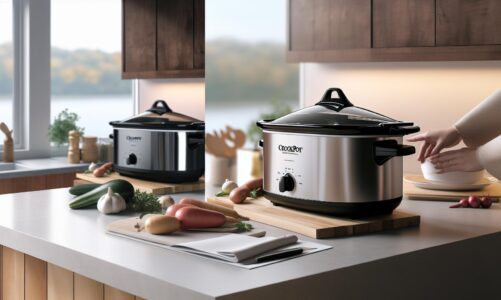
here’s a nifty secret: yes, you can cook rice in a slow cooker without ending up with a soggy, mushy mess! If you’ve ever tried tossing rice into the slow cooker alongside your favorite stew or curry, you probably noticed that tricky texture problem. But with just a few simple tweaks-like rinsing your rice well, controlling water ratios, and maybe a touch of butter or ghee-you’ll get fluffy, perfectly cooked rice every time. Whether you’re gluten-free, paleo, or just craving hands-off comfort food, mastering slow cooker rice means less active cooking time and more flavor melding in your pot. Stick around-I’ll share practical tips and easy swaps that turn your slow cooker into a rice-cooking superstar, keeping your grains light, tasty, and ready to impress, even on your busiest days.
Table of Contents
- How Slow Cookers Change Rice Texture
- Choosing the Right Rice for Slow Cooking
- Step-by-Step Guide: Perfect Slow Cooker Rice
- Time and Temperature Tips to Avoid Mushiness
- Best Liquids and Ratios for Fluffy Rice
- creative Add-Ins to Boost Flavor and Texture
- Common Mistakes That make Rice Mushy
- How to Rescue Overcooked or Mushy Rice
- Slow Cooker rice Recipes for Busy Weeknights
- gluten-Free and paleo-Friendly Rice Cooking Tips
- FAQ
- Q: How can I prevent slow cooker rice from becoming mushy when cooking different rice varieties?
- Q: What slow cooker settings work best to keep rice fluffy and separate?
- Q: Why does rice turn mushy sometimes despite following slow cooker instructions?
- Q: Can adding broth or other liquids rather of water affect slow cooker rice texture?
- Q: How can I fix rice that turned mushy after slow cooking?
- Q: Is it possible to cook brown rice in a slow cooker without it getting mushy?
- Q: When should I add vegetables or proteins to slow cooker rice to avoid mushiness?
- Q: Can rinsing rice before slow cooking reduce mushiness without losing nutrients?
- In Retrospect
How Slow Cookers Change Rice Texture
rice and slow cookers have a intricate love story. The slow,gentle heat that makes these appliances so wonderful for soups and stews can be a double-edged sword when it comes to rice. Unlike stovetop cooking, where you have more control and can quickly adjust heat or timing, slow cookers work by slowly penetrating around the grains over several hours. This slow, prolonged heat application can cause rice starches to release water unevenly, which often leads to mushy results if you’re not careful.
Think of it this way: rice is like a sponge soaked in starch and water, and the slow cooker is a cozy bath that never quite reaches a rolling boil but simmers steadily for hours. That long simmer allows the rice grains to continue to absorb liquid well past fully cooked stages, softening some grains to the point where they practically dissolve. Unlike faster cooking methods that steam the rice just right and then stop, the slow cooker’s extended cooking time means the texture evolves-sometiems into something pleasantly creamy (hello, risotto vibes without the fuss), but often into a blob of mush if the cooking time or liquid ratios aren’t dialed in just right.
Why Slow Cookers So Frequently enough Yield Mushy Rice
- Consistent Warmth, Not Heat Spikes: Slow cookers hover around 190°F (88°C) on low, which is enough to gelatinize rice starches but doesn’t let the rice “steam” and set quickly like stovetop methods do. This slow gelatinization gives starch chains time to break down more than usual.
- Liquid Stays Around Longer: Because slow cookers don’t evaporate much water during cooking, any extra liquid remains trapped inside, so the rice keeps soaking beyond the ideal point.
- Heat Distribution Differences: The slow cooker’s heat comes from the sides and bottom, causing uneven temperature zones that can soften rice unevenly-some grains get soggy before others are tender.
This is not all gloom, though! The unique texture can be a boon if you’re aiming for creamy, pudding-like dishes or casseroles with rich flavors melding into every grain. But to keep your dinner fluffy and joyful, you’ll need to balance these quirks with precise technique.
Personal Rice-Slow Cooker Tales (And Tips)
One of my earliest attempts resulted in a pot of rice that looked like it was swimming in a starch pond by the end. Lesson learned: remove the rice as soon as it’s cooked.A handy trick is to set your slow cooker on a timer or simply check rice every 2 hours when cooking on low. Adding a bit less liquid (like 1.75 cups per cup of rice rather of 2) and rinsing rice well beforehand also helps cut stuck-together mush. For brown rice, expect longer cook times and possibly more guarded liquid additions since the bran layer affects absorption.By understanding how slow cookers coax starch out and hold onto water, you can respect the rice’s changing texture rather than fight it. That means planning your dish for whether you want perfectly separate fluffy grains or a comforting,sticky bowl that hugs your spoon.Either way, slow cookers can be a secret weapon when you’re juggling busy nights and still craving appetizing rice without watching a pot on the stove.For more tips on optimizing liquid ratios and timings that keep your slow cooker rice just right, you might want to check out some tested approaches like those suggested on Lazy Slow Cooker Recipes and Minute Rice’s blogs [[1](https://thelazyslowcooker.com/lazy-slow-cooker-rice-recipe/)] [[3](https://minuterice.com/blog/can-you-make-perfect-slow-cooker-rice-heres-how/)]. They both echo the golden rule: timing, liquid, and prompt serving are your best friends for slo-mo rice success!
Choosing the Right Rice for Slow Cooking

Rice in a slow cooker can be a little like a temperamental friend-some types get along beautifully with the gentle heat and slow cooking times,while others need a bit more TLC or might just cause a mess if you’re not careful. Picking the right rice is your first power move toward avoiding that dreaded mushy texture and pulling off perfectly cooked grains every time. Not all rice is created equal here, and the slow cooker’s constant simmer means the type of rice you choose will dramatically affect your end result.
With white rice-especially long-grain varieties like basmati or jasmine-you’re generally in safer territory. These rices hold their shape well and tend to absorb liquids in a way that works nicely with the slow heat, lending a fluffy finish if you mind your timing and water ratios. I personally find basmati to be a reliable crowd-pleaser for slow cooker meals, especially when I’m making dishes where the rice needs to stand out rather than melt into a gooey base. Just remember to rinse your rice well before cooking to remove excess starch, which helps prevent stickiness and clumping.
Brown rice, conversely, needs a bit more respect-and patience.Because of its bran layer, it takes considerably longer to soften and soak up liquids, making it a candidate for longer cook times and slightly different water ratios. If you’re aiming to keep things gluten-free or are following a paleo-friendly plan, brown rice checks those boxes but demands some extra planning. I’ve found that adding a little extra water, about 1/2 cup more per cup of rice, and extending cooking to around 3 to 3.5 hours can do the trick. However, keep an eye on it to avoid turning the whole pot into a porridge-like mush. Slow cooker rice lovers have reported success with butter or ghee stirred in to enhance flavor and reduce stickiness, which is a neat trick worth trying with brown rice [[3](https://acleanbake.com/perfect-rice-in-the-slow-cooker/)].
Quick Guide to Picking Rice for Slow Cooking
- Long-Grain White Rice: Best for fluffy and separate grains; ideal for quick meals (prep time 2-3 hours in slow cooker).
- Brown Rice: Nutty flavor and hearty texture; needs more water and longer cooking (3-4 hours+), perfect for health-conscious eats.
- Short-Grain Rice: Higher starch content; grate for creamy, risotto-style dishes but tricky if you want fluffy rice.
- Specialty Rices (basmati, Jasmine): Adds fragrance and subtle flavor; balances well with slow cooker’s steady heat.
Even wild rice, while not technically rice but a grass seed, can be slow-cooked but will require lots of liquid and careful timing to avoid excessive mushiness.my go-to? Starting with the rice that suits your dish and your mood, then adjusting liquids and cook times as you get to know your slow cooker’s quirks. Remember, slow cookers vary, so treat your rice like a guest-you want to check in often and avoid letting it overstay the welcome!
In practise, experimenting with different rice types feels less like guesswork and more like a fun kitchen adventure-especially when you discover the perfect match for your weeknight dinners or cozy meal prep.Choosing the right rice lays the foundation for success, and once you master that, the slow cooker can be your trusty sidekick in the quest for hassle-free, delicious rice without the dreaded mush [[1](https://thelazyslowcooker.com/lazy-slow-cooker-rice-recipe/)] [[2](https://minuterice.com/blog/can-you-make-perfect-slow-cooker-rice-heres-how/)].
Step-by-Step Guide: Perfect Slow Cooker Rice

Rice in a slow cooker might seem a bit like taming a gentle beast – give it the right care, and it rewards you with tender, fluffy grains; neglect it, and you’re left with a sticky mess that’s less “comfort food” and more “oops.” The trick lies in mastering a few straightforward steps that respect the slow cooker’s low-and-steady heat while keeping your rice texturally on point. Here’s a down-to-earth way to nail slow cooker rice with minimal fuss and maximum flavor, whether you’re aiming for paleo-friendly brown rice or that classic jasmine jasmine sparkle.
Start by rinsing your rice thoroughly – this is your secret weapon against excess starch, which can glue grains together into mush city. Use cold water, swish the rice around a few times, and drain until the water runs clear. This little ritual keeps your rice light and fluffy. From here, measure your rice and water carefully. A good baseline is 1 cup of rice to 2 cups of water for white rice; brown rice usually needs about 2½ cups of water per cup and a longer cook time (think 3-4 hours). Pro tip: if you like a richer note, toss in a teaspoon of butter or a splash of olive oil; it adds flavor and helps keep things from sticking.
How to Get It Just Right
- Use Low Heat Settings: Set your slow cooker to LOW for the gentlest cook – this prevents rapid liquid absorption that can lead to mush.
- Timing Is Everything: White rice typically cooks between 2-3 hours. Brown rice needs about 3.5 to 4 hours, but since slow cookers vary, start checking a bit early so you don’t overcook.
- Don’t Peek too Much: Every lid lift lets steam escape, disrupting cooking. Trust your slow cooker, but feel free to stir gently once or twice if you’re around.
- Rest After Cooking: When done, turn off heat and let rice sit covered for 10-15 minutes.This lets moisture redistribute for fluffier grains.
Especially on busy days, this technique is a gift. Just dump your rinsed rice and water into the pot, set it, and get on with your day. But keep in mind: fully loaded slow cookers with heaps of rice can be tricky – leave some space for steam to circulate. When I’m short on time, I have been known to nudge the process along by starting brown rice earlier or even adding pre-soaked grains, but that’s totally optional.
Swap and Substitute with Confidence
If you’re feeling adventurous or gluten-free/paleo, no worries – the method stands strong with many rice types. wild rice and short-grain rices just need tweaks in water and time. Here’s a quick cheat sheet you can keep handy:
| Rice Type | Water Ratio | Cook Time (Low Setting) | Flavor/Texture Notes |
|---|---|---|---|
| Long-Grain White (Basmati/jasmine) | 1 cup rice : 2 cups water | 2 – 3 hours | Fluffy, aromatic, separate grains |
| Brown Rice | 1 cup rice : 2.5 cups water | 3.5 – 4 hours | Nutty, chewy, hearty |
| Short-Grain Rice | 1 cup rice : 1.75 cups water | 2.5 – 3 hours | Sticky, creamy (great for risotto-style) |
| Wild Rice | 1 cup rice : 3 cups water | 3.5 – 4 hours | Earthy, chewy, robust |
The slow cooker is more than a set-it-and-forget-it gadget – it’s a patient partner in your kitchen adventure, rewarding those who respect its quirks. I’ve learned through many trials that holding back on water counts as much as timing, and stirring in a bit of ghee or butter adds subtle magic to the texture and flavor.Remember: rice keeps cooking even when the pot’s off but covered, so a rest period is your friend.
Trust yourself, and soon you’ll be turning out perfect slow cooker rice that’s every bit as easy and comforting as it is indeed delicious – no mush in sight!
For more detailed recipes and failsafe water ratios, there are lots of great resources to check out, including versions tested by slow cooker addicts and rice lovers alike[[1](https://thelazyslowcooker.com/lazy-slow-cooker-rice-recipe/)][[3](https://minuterice.com/blog/can-you-make-perfect-slow-cooker-rice-heres-how/)].
Time and Temperature Tips to Avoid Mushiness

Cooking rice in a slow cooker can feel like walking a tightrope between perfectly fluffy grains and an unfortunate mushy mishap. The secret lies in balancing gentle heat with just the right timing to let the rice absorb liquid slowly without breaking down into a sticky blob.Slow cookers don’t boil rapidly like stovetops do; instead, they simmer steadily - and that steady simmer means patience, not speed, wins the day here.
Choose the LOW heat setting whenever your goal is fluffy rice. High heat can cause the liquid to be absorbed too fast, making starches swell excessively and leading to clumping or mushiness. I’ve found that keeping the slow cooker on low, even if it feels like the rice is cooking “too slowly,” actually gives you a better texture every time. For white rice, expect about 2 to 3 hours, while brown rice gets the gentle nudge it needs with 3.5 to 4 hours of cooking. Don’t rush it - patience will pay off.
- Resist the urge to lift the lid. every peek lets precious steam escape, which interferes with the rice’s even cooking and can cause one part of your batch to dry out while another stays wet or mushy. Instead, trust your slow cooker and only stir gently once or twice during cooking if you must.
- After cooking, turn off the heat but keep the lid on. Let the rice rest, snug in its cozy steam bath, for 10-15 minutes. This step lets the moisture redistribute evenly,giving you rice that’s light and separated instead of gluey clumps.
Personal Tips and tricks from the Slow Cooker Trenches
If you’re cooking for a crowd or filling up a larger slow cooker insert, be cautious not to pack the rice tightly. Leaving some room ensures steam can circulate and cook the grains evenly – a little kitchen aeration goes a long way! Also, while slow cookers vary slightly in temperature calibration, starting to check doneness about 20-30 minutes before your expected finish time can save you from overcooking disasters.
Sometimes, I like to toss in a teaspoon of butter or a small splash of olive oil with the rice. Not only does it add a cozy richness that makes paleo-friendly and gluten-free dishes feel indulgent, but it also helps keep the grains separate by coating them gently – a nifty little barrier against mush. This tip also comes in handy if you’re adding flavor-packed liquids like broth or coconut milk; the fat balances acidity and prevents drying.
Cook Time and Temperature Quick Reference
| Rice Type | Heat Setting | Approximate Cook Time | Notes |
|---|---|---|---|
| long-Grain White (Jasmine/Basmati) | Low | 2 – 3 hours | Fluffy, separate grains |
| Brown Rice | Low | 3.5 – 4 hours | Chewy, hearty texture |
| Short-Grain | Low | 2.5 - 3 hours | Stickier and creamier, great for risotto-style dishes |
| Wild Rice | Low | 3.5 – 4 hours | Earthy, chewy, robust flavor |
remember: slow cookers keep cooking even after being turned off if the lid stays on. So, letting your rice rest is not just a luxury, but a clever hack to perfect texture without any extra fuss. With these tips, your slow cooker becomes a trusted ally, not a rice disaster waiting to happen!
For more personalized ratios and timing tweaks, lots of slow cooker aficionados have tested these methods repeatedly – it’s a great way to build your go-to strategy that matches your slow cooker’s unique “personality”[[1](https://minuterice.com/blog/can-you-make-perfect-slow-cooker-rice-heres-how/)][[3](https://thelazyslowcooker.com/lazy-slow-cooker-rice-recipe/)].
Best Liquids and Ratios for Fluffy Rice

When it comes to coaxing perfectly fluffy rice from your slow cooker, the choice of liquid and the right ratio are the unsung heroes of your success story. Since slow cookers don’t boil like your stovetop does, the rice gently absorbs the liquid over time-meaning too much or too little can turn your grains from light and airy to a gloopy mess real quick. The golden ratio to keep in your back pocket? About 1 part rice to 1.5 to 1.75 parts liquid works beautifully for most long-grain white rice varieties on the low setting, giving the slow cooker enough moisture to work its magic without flooding the grains.
Broth or stock isn’t just for soup-using flavorful liquids can elevate your rice game from basic to brilliant, adding savory depth without extra effort.Whether it’s chicken, vegetable, or even coconut milk (hello, dairy-free decadence!), these liquids infuse natural richness while still respecting the rice’s delicate texture. Just remember, some broths can be saltier than you expect, so scale back on added salt to avoid over-seasoning. Water is your trusty baseline, but a splash of fat like butter, ghee, or olive oil stirred in early on keeps those grains from sticking together and lends a subtle silkiness that fits any paleo or gluten-free diet beautifully.
Liquid-to-Rice Ratios Cheat Sheet
| Rice Type | Liquid Type | Ratio (Liquid : Rice) | Notes |
|---|---|---|---|
| long-Grain White (Jasmine, Basmati) | Water or Broth | 1.5 to 1.75 : 1 | Fluffy with distinct grains |
| Brown Rice | Water or Broth | 2 to 2.25 : 1 | chewier texture; more liquid needed |
| Short-Grain Rice | Water or Broth | 1.75 to 2 : 1 | Stickier, creamier; ideal for risotto-style dishes |
| Wild Rice | Water or Broth | 2.5 : 1 | Robust,chewy; benefits from extra liquid |
| Any Rice | Coconut Milk (or Coconut milk + Water) | 1.25 to 1.5 : 1 | Rich, tropical flair-thin with water if needed to avoid heaviness |
if you’re feeling fancy, you can combine liquids to balance creaminess and moisture-like half coconut milk and half broth or water. This trick not only keeps the rice from getting too dense but also layers in flavor complexity that makes weeknight dinners feel like special occasions. One of my go-to hacks is tossing a teaspoon of ghee or olive oil into the rice before it starts cooking-this little fat barrier acts like a friendly referee, keeping grains from slugging it out and sticking together in a mushy mess.
- Pro tip: Always rinse your rice until the water runs clear before adding liquid-this removes excess starch that’s a prime culprit in mushy rice.
- Don’t rush the absorption: Slow cooker rice appreciates patience, so long slow cooking at low heat with the right liquid balance is the dream team for fluff and flavor.
At the end of the day, the slow cooker is forgiving, but dialing in your liquids with these ratios and flavorful swaps genuinely transforms rice into the kind of pillowy, separate grains that you’ll want to serve at every meal. Whether paleo, gluten-free, or just a fan of taste-packed kitchen wins, the right liquid and ratio combo in your slow cooker turns rice from a side note into the star of the plate. Cheers to hassle-free, luscious rice every time![1[1[1[1][3[3[3[3]
creative Add-Ins to Boost Flavor and Texture
One of the secret joys of slow cooker rice is how easy it is to transform a simple side dish into a flavor-packed star with just a handful of thoughtful add-ins. Since slow cooking gently infuses rice with moisture, it’s a perfect canvas for layering in herbs, spices, and other tasty extras that don’t require constant attention. Plus,with the slow cooker’s low and steady heat,you don’t have to worry about over-stirring and turning your rice mushy-making it a stress-free way to experiment with flavours,textures,and dietary-friendly ingredients.
A favorite trick in my kitchen is tossing in aromatics like minced garlic, finely chopped onions, or a couple of bay leaves right at the start. These ingredients subtly deepen the flavor without overpowering the delicate rice. If you’re aiming for a vibrant dish with a touch of warmth,a teaspoon of smoked paprika or a sprinkle of turmeric can add color and gentle spice. For freshness, adding chopped herbs like cilantro, parsley, or green onions just before serving brightens the whole dish-no soggy herbs here since they go in at the last minute!
Boosting Texture Without Compromising Fluffiness
you might also love tossing in vegetables that cook quickly and keep their integrity, such as diced bell peppers, peas, or even sweet corn. These contribute bursts of texture and sweetness without releasing excess water that might risk mushiness. For the paleo or gluten-free crowd, nuts like slivered almonds or chopped walnuts sprinkled in after cooking add a satisfying crunch that elevates your meal from “just rice” to something special.
If you want to get really creative and keep things wholesome yet indulgent, consider stirring in a tablespoon of ghee or coconut oil before the rice starts cooking. This fat acts like a silky shield around each grain, helping them stay separate and adding that luscious richness slow cooker rice sometimes needs. Another kitchen win: adding a handful of dried fruits such as cranberries or chopped apricots imparts natural sweetness without watering down the dish-perfect for balancing savory flavors in dishes like Moroccan-influenced tagines.
Simple add-In Ideas to Kickstart Your Slow Cooker rice
- Herbs & spices: Garlic,onion powder,cumin,turmeric,smoked paprika,bay leaves
- Veggies: Peas,diced carrots,bell peppers,corn kernels,mushrooms (added late to avoid sogginess)
- Fats & Oils: Ghee,coconut oil,olive oil (1-2 tsp stirred in before cooking)
- crunch & Sweetness: Toasted nuts,seeds,dried fruits like raisins or apricots (added after cooking)
Keep in mind-as the slow cooker doesn’t allow for mid-cook stirring without compromising texture,use add-ins that either need minimal cooking or can be stirred in right after the rice is done. This way, your rice stays fluffy and each bite brings a delightful flavor or texture surprise.
From weeknight dinners to paleo-friendly feasts, a little creativity goes a long way in making slow cooker rice exciting and deeply satisfying.Imagine fluffy basmati infused with lemon zest and fresh parsley, or brown rice simmered with earthy turmeric and garnished with toasted almonds-a simple transformation that feels like a gourmet experience without getting fancy in the kitchen. Trust me, once you start playing with these add-ins, your slow cooker rice will never be just “plain” again.
Common Mistakes That make Rice Mushy

Rice is wonderfully forgiving, but even the most seasoned slow cooker enthusiasts occasionally hit the dreaded soggy, mushy stage. It turns out, mushiness frequently enough sneaks in through seemingly innocent habits or tiny missteps that add up. luckily, knowing what to avoid can transform your slow cooker rice from a sticky blob into perfectly fluffy grains that are every bit as comforting as they are notable.
One of the biggest culprits? Using too much liquid. While slow cookers excel at gentle heat and moisture infusion, rice is a bit picky about water ratios. unlike stovetop rice, where you can peek and adjust mid-cook, slow cooker rice needs a measured hand upfront.Overestimating water-as you’re “playing it safe”-ends up with waterlogged grains. My go-to fix: cut back slightly on liquid from your usual stovetop recipe and remember that some slow cookers trap more steam than others, meaning less evaporation and more water remaining in the pot[[2]](https://slowcookergourmet.net/how-to-make-the-perfect-slow-cooker-rice/).
Another sneaky pitfall is the type of rice you pick. Long-grain varieties like basmati or jasmine handle slow cooking better because their grains stay separate under low and slow heat. Short-grain rice, on the other hand, has more surface starch and tends to clump or become sticky when cooked slowly. I’ve found that sticky rice fans who switch to long-grain varieties for slow cooker recipes get better results without sacrificing texture or flavor.
timing and disturbance are tricky. Although it’s tempting to stir rice halfway through to check on it, this disturbs the delicate cooking process and often releases starch that promotes clumping and mush. Resist the urge! Closing the lid and letting the slow cooker do its magic with minimal fuss is key. And be cautious about cooking too long-even on low heat, rice overcooks quietly, losing that fluffy charm.
Tips to Prevent Mushiness
- Measure liquids carefully: Use about 1.5 cups of water or broth per cup of long-grain rice as a starting point.
- Rinse rice before cooking: Removing surface starch reduces stickiness and helps grains cook separately.
- Avoid stirring mid-cook: Let the slow cooker work its magic without interruptions.
- Choose the right rice type: Long-grain rice is your best friend for slow cooker fluffy texture.
- Watch cooking times: Start checking at the shorter end of your cooker’s rice cook time.
- Grease the pot: Lightly butter or oil the slow cooker before adding rice to prevent sticking and clumping[[2]](https://slowcookergourmet.net/how-to-make-the-perfect-slow-cooker-rice/).
from personal kitchen experiments, one time I accidentally added an extra half-cup of broth “just to be safe.” The result was a disappointingly sticky pot of rice.Since then, I always err on the side of less water and trust that the slow cooker keeps moisture locked in. Plus, tossing in a teaspoon of coconut oil or ghee at the start helps coat the rice grains, giving you a silky, less clumpy texture that feels almost indulgent without any guilt[[1]](https://minuterice.com/blog/can-you-make-perfect-slow-cooker-rice-heres-how/).Remember, slow cooking rice is a bit like a dance-you want to lead with patience, the right moves, and just the right amount of moisture. follow these simple habits, and mushy, gluey rice will be a thing of the past, leaving you with a homey, clean-tasting side that’s ready to steal the show.
How to Rescue Overcooked or Mushy Rice

There’s nothing quite as deflating as opening the slow cooker to find a pot of rice that’s more glue than grain. But don’t toss it just yet! Mushy or overcooked rice can often be rescued with a little kitchen creativity-and sometimes, a tiny bit of patience.
First, try fluffing the rice gently with a fork to separate the grains. This simple step can break up clumps and help steam escape, reducing some of that gummy texture.if the rice feels excessively wet, spread it out on a baking sheet or large platter and let it air-dry for 10-15 minutes. The extra airflow can soak up residual moisture and revive the grains’ fluffiness. If you’re in a hurry,a quick zap in the oven at low heat (about 250°F/120°C) for 5-10 minutes works wonders. Keep an eye on it-no one wants crispy rice unless that’s the goal!
Sometimes the solution lies not just in drying but in reinventing. When life gives you mushy rice, turn it into a new dish! Use it as a base for rice pudding, mixing in coconut milk, cinnamon, and a touch of honey for an indulgent gluten-free dessert. Alternatively, transform it into fried rice-breaking up soft rice works especially well here-by tossing it in a hot skillet with some oil, veggies, and your favorite protein. The frying process not only firm ups the rice but adds delightful texture and flavor, rescuing your meal in style.
If mushiness sneaks in often, consider adding a small amount of fat at the start of cooking-like coconut oil or ghee-which helps coat grains and inhibits excess stickiness. Also, next time, try reducing the liquid slightly or choosing a long-grain variety like basmati or jasmine that stands up better to slow cooking. But hey, cooking is a journey full of happy accidents. The best part is turning even the “oops” moments into tasty wins!
Quick Fix Checklist for Mushy Slow Cooker Rice
- Fluff gently: Use a fork to separate the grains immediately when done.
- Air dry: Spread rice out for 10-15 minutes, or low-heat oven dry for 5-10 minutes.
- Reimagine: Use mushy rice for puddings, soups, or fried rice to mask texture.
- Add fat: Next time, stir in coconut oil or ghee at the start to keep grains separate.
- Adjust liquid: Cut water/broth slightly below stovetop amounts to avoid sogginess.
- Choose rice wisely: Lean toward long-grain types for slow cooker cooking.
A quick kitchen confession-I once threw an extra splash of broth into the slow cooker “just because.” The result? Rice that could double as glue. After a little air drying and turning it into coconut rice pudding,dinner was saved,and dessert was on. That’s the joy of cooking slowly in a smart cooker: even mishaps can turn into small victories with the right tweaks!
Slow Cooker rice Recipes for Busy Weeknights

Few kitchen hacks rival the magic of tossing uncooked rice into a slow cooker when you’re racing against the clock on a busy weeknight.The slow cooker takes the guesswork out of timing, letting you focus on other dinner prep or those rare moments of relaxation. But we all know the risk: without the right balance of liquid and timing, slow cooker rice can quickly morph into a sticky, gummy mess. Fear not-there are plenty of straightforward ways to enjoy perfectly cooked rice with minimal effort and maximum flavor.
For busy weeknights, simplicity is king. Start with long-grain rice like basmati or jasmine, which naturally hold their shape better during slow cooking. Use a ratio of about 2 cups of liquid (water or broth) per 1 cup of rice, but consider cutting back slightly-aim for 1½ to 1¾ cups-especially if you tend to leave your cooker on warm after the initial cook time.Adding a tablespoon of coconut oil or melted ghee before cooking can work wonders by coating the grains and preventing clumping. Set the cooker to low and time for roughly 2 to 3 hours, checking around 2 hours to avoid overcooking. This approach keeps the rice fluffy,not mushy [[1]](https://slowcookergourmet.net/how-to-make-the-perfect-slow-cooker-rice/), [[3]](https://thelazyslowcooker.com/lazy-slow-cooker-rice-recipe/).
Quick-Fix Slow Cooker Rice Bowls
Transforming slow cooker rice into a meal starter is a lifesaver when time’s tight and options are limited. Here’s a recipe idea that’s naturally gluten-free and paleo-friendly and takes just a little prep before hitting “start” on the slow cooker:
- ingredients: 1 cup jasmine rice, 1½ cups chicken or vegetable broth, 1 tbsp coconut oil, ½ tsp salt, 1 cup diced cooked chicken (leftover or rotisserie), 1 cup steamed broccoli florets, fresh cilantro and lime wedges to garnish.
- Instructions: Add rice,broth,coconut oil,and salt to the slow cooker. Cook on low for 2-2.5 hours until rice is tender but still fluffy. Stir in the cooked chicken and broccoli in the last 15 minutes just to warm through.
- Serve: Spoon into bowls and top with fresh cilantro and a squeeze of lime. Add a drizzle of olive oil or a sprinkle of toasted nuts for texture if desired.
this one-pot approach lets you prep on autopilot, freeing you for evening routines while guaranteeing a wholesome, comforting dinner with zero guilt.
Make-Ahead Tips & Flavor Boosts
the slow cooker shines for hands-off meals, so don’t hesitate to prep ingredients the night before. Rinse your rice well to remove excess starch-a little step that helps grains stay separate. Use broth instead of water for richer flavor,and sneak in aromatics like garlic powder,bay leaves,or even a cinnamon stick to infuse subtle complexity.feel free to swap vegetables with whatever you have on hand-think roasted sweet potatoes, bell peppers, or kale added toward the end of cooking. If you like a bit of protein punch, tossed-in lentils or canned beans can coexist beautifully with the rice.
A favorite trick? Finish your slow cooker rice dish with a quick sear in a hot pan to create crispy edges and deepen flavor-your rice won’t just be “cooked,” it’ll be crave-worthy.
| Step | Action | Tip |
|---|---|---|
| 1 | Rinse rice and grease slow cooker | Prevents sticking, especially for longer cook times |
| 2 | Add rice, liquid, fat, and seasonings | Use broth and coconut oil for flavor and texture |
| 3 | Cook on low 2-3 hours, check at 2 | Adjust liquid or time as needed to avoid mushiness |
| 4 | Add proteins and veggies last 15 mins | Maintains fresh texture and radiant flavors |
| 5 | Fluff and serve | Use fork to separate grains for best texture |
Remember, no two slow cookers are identical, and altitude or grain brand can subtly shift cooking times. But with a little practice, slow cooker rice can easily elevate weeknight dinners from rushed to relaxed, satisfying, and delightfully mush-free. Keep experimenting and have fun-rice done right is pure comfort that fits your lifestyle perfectly.
gluten-Free and paleo-Friendly Rice Cooking Tips

Rice cooked in a slow cooker can easily become a comfort-food staple for those embracing gluten-free or paleo lifestyles-but nailing the texture without it turning mushy is the real magic trick. The great news? Both gluten-free and paleo eating styles can thrive on slow cooker rice dishes that are not just safe and easy but downright delicious, with fluffy grains that hold their own alongside bold flavors. The key lies in simple swaps, mindful liquid ratios, and embracing ingredients that elevate both nutrition and taste.
If you’re following paleo (which often excludes grains), some rice varieties like white jasmine or basmati are usually accepted in more flexible interpretations, while brown rice might be off-limits.For strict paleo, riced cauliflower or other “rice-like” veggies can be your best buddy-and yes, you can slow cook cauliflower rice gently to soak in seasonings without turning limp mush. For gluten-free folks,rice is a versatile,allergy-friendly staple; just make sure your broth or seasoning blends are also certified gluten-free to keep surprises at bay.
Simple Steps for Paleo and Gluten-Free Slow Cooker rice
- Choose the right rice: Jasmine and basmati shine here because their grains hold firm and cook evenly over 2 to 3 hours on low. Avoid short-grain rice unless you want more stickiness, which some paleo plates may not love.
- Mind the liquid: aim for 1½ cups of broth or water per 1 cup of rice to avoid over-hydration-this step curbs mushiness and keeps those grains gloriously fluffy.
- Sprinkle healthy fats: A tablespoon of coconut oil or ghee is your slow cooker secret weapon. It coats the grains, reducing starch release and preventing clumping-plus, it brings a subtle, nutty richness your paleo palate will adore.
- Season simply: Salt is essential, but feel free to add garlic powder, fresh herbs, or turmeric to infuse flavor without adding gluten or breaking paleo rules.
- Time it right: Cook on low for 2 to 3 hours. Check at the 2-hour mark because different slow cookers vary. overcooking leads to sticky rice, which is never the goal.
Cool Tips from the Home Kitchen
Growing up gluten-free,I quickly learned the value of simple,reliable staples. Slow cooker rice became my go-to when juggling work and family dinners. A quick rinse washes away excess starch, and then the coconut oil trick works wonders, like an invisible coach guiding each grain to hold its own place at the dinner table. My favorite paleo twist? Adding a cinnamon stick or bay leaf during cooking adds cozy flavor without fuss.
for those embracing paleo fully, cauliflower rice in the slow cooker is a revelation. Cook it on low with a bit of broth and your favorite seasoning, but just 30 to 45 minutes max-anything longer, and you’ve got mush city. you want tender yet with a little bite, like the perfect sidekick vegetable for your roasted chicken or stir-fry.
| Diet | Preferred Rice or Substitute | Liquid to Rice Ratio | Cooking Time (Low) | Flavor Boosts |
|---|---|---|---|---|
| Gluten-Free | Jasmine or Basmati Rice | 1½ to 1¾ cups broth/water per 1 cup rice | 2-3 hours | Coconut oil, garlic powder, bay leaf |
| Paleo (Grain-Inclusive) | White Jasmine or Basmati Rice | 1½ cups broth/water per 1 cup rice | 2-3 hours | Coconut oil, turmeric, fresh herbs |
| Paleo (Grain-Free) | Cauliflower Rice | 1 cup broth per 1 cup cauliflower rice | 30-45 minutes | Garlic, fresh parsley, lemon zest |
If you’re short on time or energy, don’t shy away from slow cooker rice bowls with paleo-friendly proteins and veggies added toward the end of cooking. Toss in cooked chicken, broccoli, and a squeeze of lime and suddenly that simple rice becomes a vibrant, gluten-free meal-in-one that feels fancy without fuss. Low-fuss, high wow-factor-that’s how we roll.
Enjoy the process, and remember: every slow cooker is its own beast. Play, taste, and trust your instincts-and your paleo or gluten-free lifestyle will thank you for a slow cooker rice that’s anything but mushy.
FAQ
Q: How can I prevent slow cooker rice from becoming mushy when cooking different rice varieties?
A: To avoid mushy slow cooker rice,adjust the water ratio based on the rice type-use less water for short-grain and sticky rice,and slightly more for long-grain varieties. Also,rinse the rice thoroughly to remove excess starch. Check out our detailed tips in Choosing the Right Rice for Slow Cooking for optimal results.
Q: What slow cooker settings work best to keep rice fluffy and separate?
A: Use the low heat setting and a timer to cook rice slowly over 2 to 3 hours. Avoid high heat, which can break down grains and cause mushiness. A slow and steady cook lets moisture absorb evenly, as explained in Time and Temperature Tips to Avoid Mushiness in the main article.
Q: Why does rice turn mushy sometimes despite following slow cooker instructions?
A: Rice can turn mushy if there is too much liquid, stirring during cooking, or if cooking times are too long. Also, skipping rinsing can leave extra starch that clumps grains together. Review Common Mistakes That Make Rice Mushy to troubleshoot and keep rice fluffy every time.
Q: Can adding broth or other liquids rather of water affect slow cooker rice texture?
A: Yes! Using broth or coconut milk adds flavor but can change moisture absorption. Reduce added liquid slightly compared to water to prevent mushiness. For best ratios,see our Best Liquids and Ratios for Fluffy Rice section to balance taste and texture beautifully.
Q: How can I fix rice that turned mushy after slow cooking?
A: To rescue mushy rice, spread it on a baking sheet and dry it out in a low oven for 5-10 minutes, or gently fluff with a fork and reheat without liquid. Our guide How to Rescue Overcooked or Mushy rice offers simple, effective fixes to save your dish.
Q: Is it possible to cook brown rice in a slow cooker without it getting mushy?
A: Absolutely! Brown rice needs longer cooking time and slightly less liquid than white rice to stay fluffy.Cook on low for 3 to 4 hours and check liquid levels. check out specific advice in Choosing the Right Rice for slow Cooking and Time and Temperature Tips for perfect slow cooker brown rice.
Q: When should I add vegetables or proteins to slow cooker rice to avoid mushiness?
A: Add hard vegetables and raw proteins at the start, but delicate veggies or quick-cooking proteins should be added in the last 30 minutes. This prevents overcooking and excess moisture causing mushy rice. See Creative Add-Ins to Boost Flavor and Texture for meal-building inspiration without texture loss.
Q: Can rinsing rice before slow cooking reduce mushiness without losing nutrients?
A: Yes,rinsing rice removes surface starch that causes stickiness but doesn’t significantly impact nutrients. For best results, rinse rice until water runs clear, then cook as usual. This simple step is key for non-mushy slow cooker rice and covered in Choosing the Right Rice for Slow Cooking.
Explore our full recipe and tips sections to make every slow cooker rice meal fluffy, flavorful, and fuss-free-perfect for busy weeknights or gluten-free and paleo-friendly diets!
In Retrospect
Mastering perfectly cooked rice in your slow cooker doesn’t have to be a mystery or a gamble. With just the right ratio of water to rice and a bit of patience, you can enjoy fluffy, non-mushy rice that pairs beautifully with any meal-whether you’re navigating a gluten-free or paleo lifestyle. Ready to try it out? Remember, low and slow is the key, and small tweaks like rinsing your rice or adding a touch of fat can make all the difference.If you loved these slow cooker rice tips, don’t miss our guides on Slow Cooker Meal Prep Ideas and Easy One-Pot Gluten-Free Dinners to keep dinner simple and tasty. Have questions about cooking times or ingredient swaps? Drop a comment below or join our newsletter for exclusive recipes and kitchen hacks that make every meal feel like a celebration-no perfection required. Dive in, experiment, and share your slow cooker rice wins-we’re here cooking alongside you every step of the way!