
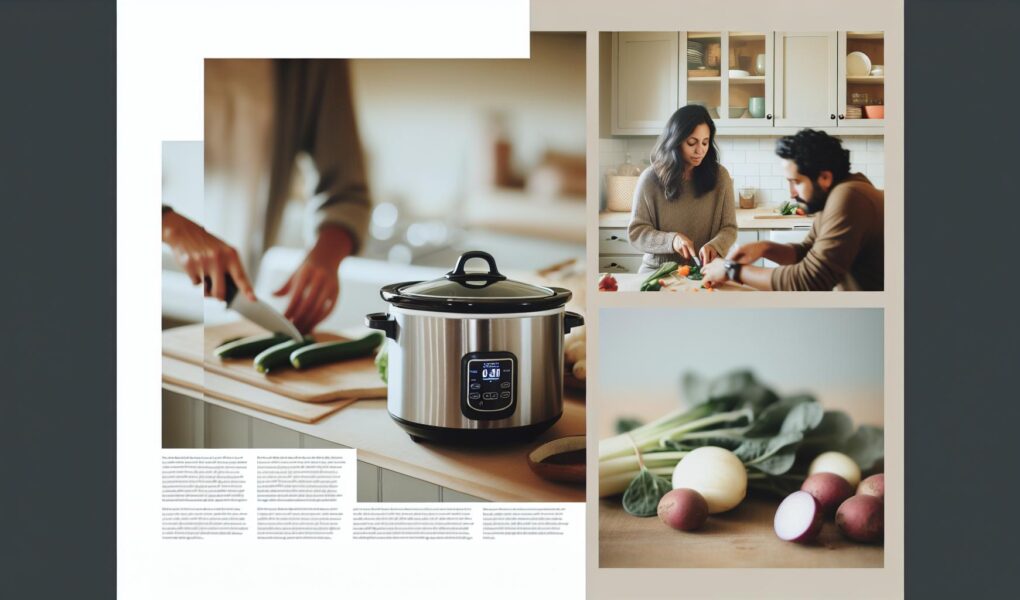
Did you know slow cookers are designed to simmer food safely for hours,making them ideal for busy mornings or late-night meal prep? But the big question many home cooks ask is: can you leave a slow cooker on overnight without worry? Whether you’re dreaming of waking up to a warm breakfast casserole or craving a tender stew ready after a long day,understanding slow cooker safety is key. in this guide, I’ll share what you need to know about leaving yoru slow cooker unattended overnight-no stress, just practical tips to keep your kitchen safe and your meals tasty. stick around, and you’ll learn how to make slow cooking fit seamlessly into your busy life, with confidence and a dash of fun.
Table of Contents
- Is It Safe to Leave a Slow Cooker On Overnight?
- How Slow Cookers Work: A Simple Breakdown
- Common Risks of Overnight Slow Cooking and How to Avoid Them
- Choosing the Right Slow cooker for Overnight Use
- Best Slow Cooker Recipes Perfect for Overnight Cooking
- How to Prep ingredients for Hassle-Free Overnight Meals
- Tips to Monitor and Adjust Slow Cooking While You Sleep
- Energy Consumption: Are Overnight Slow Cookers Cost-Effective?
- Troubleshooting Common Overnight Slow Cooker Problems
- Slow Cooker Safety Myths Debunked by experts
- When Not to Leave Your Slow cooker Unattended
- How to Store and Reheat Slow Cooked Overnight Meals
- FAQ
- Q: What are the best slow cooker settings to use for overnight cooking? A: For overnight cooking, using the low setting on your slow cooker is ideal to ensure food cooks evenly without burning. Low heat maintains a safe temperature over 8+ hours and helps tenderize tougher cuts. Check your cooker model’s manual for specific temperature ranges to optimize results and safety.See tips on how to prep ingredients for hassle-free meals in the main article. Q: Can you put frozen food directly into a slow cooker for overnight cooking?
- Q: How long can slow cooker meals safely stay warm after overnight cooking?
- Q: How can I prevent slow cooker meals from drying out when cooking overnight?
- Q: Are slow cookers energy-efficient for overnight meal preparation?
- Q: What should you do if your slow cooker shuts off unexpectedly during overnight cooking?
- Q: Can overnight slow cooking help with meal planning for gluten-free or paleo diets?
- Q: How do I safely clean a slow cooker after overnight use?
- Insights and Conclusions
Is It Safe to Leave a Slow Cooker On Overnight?
Cooking dinner while you sleep sounds like a dream come true-and with slow cookers, it absolutely can be. These handy appliances are specifically designed to simmer food safely over long periods, making overnight cooking not just convenient but also a popular choice for busy people who want to wake up or come home to a ready-made meal. Actually, leaving a slow cooker on overnight is generally safe provided that you follow a few simple guidelines and manufacturer instructions. Think of it as your kitchen’s version of a trustworthy night owl,quietly working in the background so you don’t have to.
The magic lies in how slow cookers maintain a steady low heat that gradually cooks food,usually not surpassing temperatures that could cause safety issues like fires or food spoilage. Most modern slow cookers have built-in safety features such as auto shut-off timers and cool-touch exteriors, making overnight use worry-free. Of course, it’s crucial to remember that only using the right model and ensuring it’s on a sturdy, heat-safe surface keeps your culinary peace of mind intact. My go-to trick? Always double-check that your slow cooker is plugged into a GFCI outlet and isn’t near any flammable materials-safety first, flavor always.
- Use fresh, high-quality ingredients to prevent any foodborne illness risks during the extended cook time.
- Fill the slow cooker properly-not too empty, as insufficient liquid or volume can cause overheating.
- Don’t lift the lid unnecessarily since every peek prolongs cooking and can let heat escape.
During one of my favorite all-night chili recipes, I’ve found that slow cooker leftovers kept warm for hours taste just as rich and satisfying as fresh-proof that overnight slow cooking is a fabulous ally to anyone juggling busy mornings or late nights. If you’re still a bit hesitant, test your slow cooker’s overnight cooking on a weekend when you’re home, so you can troubleshoot any quirks. With sensible preparation and a bit of trust, you’ll see why slow cooking overnight is a secret weapon for effortless, healthy meals [1] [2].
slow cookers are designed with convenience and safety in mind. So go ahead-set it, forget it, and wake up to the comforting aroma of a meal made with love during your sweet dreams.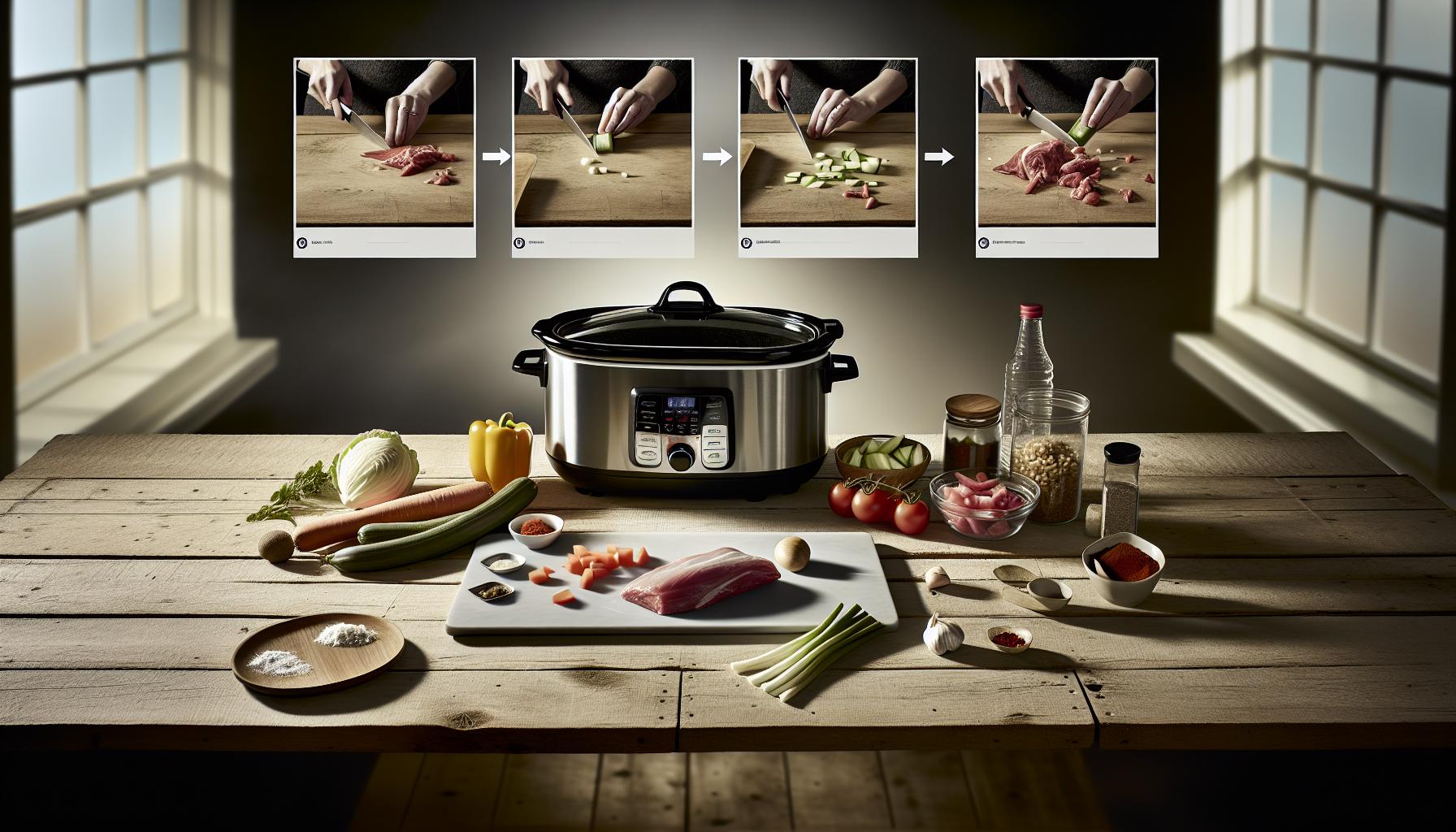
How Slow Cookers Work: A Simple Breakdown
Slow cookers might seem like humble kitchen gadgets, but they’re actually masters of precision slow heat that makes overnight cooking not only easy but surprisingly foolproof. At their core, slow cookers function by gently simmering ingredients at controlled low temperatures, usually between 170°F and 280°F (75°C to 140°C). this range is low enough to prevent burning or drying out, yet high enough to safely cook food thoroughly over several hours. The steady heat bubbles away quietly under a sealed lid, trapping moisture and flavors to transform even the toughest cuts of meat or dense vegetables into tender, comforting dishes.
Unlike stovetop cooking, where heat can fluctuate wildly, slow cookers use a built-in thermostatic control to maintain a consistent simmer. What’s really clever is the design – a ceramic or porcelain pot surrounded by an electric heating element that wraps around several sides for even warmth. This means the cooking vessel itself heats slowly and uniformly, preventing hotspots that could scorch your food. I love this about my trusty slow cooker as it means “set it and forget it” is not just a catchy phrase; it truly works. Such as, making a paleo-friendly beef stew overnight is as simple as layering ingredients, locking the lid, and letting time do the magic – without needing constant stirring or babysitting.
Understanding the Heat settings
Most slow cookers feature at least two heat settings: Low and High. Low is perfect for very long cooking times (8 hours or more), ideal when you want to wake up to breakfast oatmeal or return home to dinner. High speeds things up to around 3-4 hours, great for those days you’re pressed for time but still want that melt-in-your-mouth texture.Some models also offer a “Keep Warm” mode, which holds food safely at a serving temperature without overcooking it. This setting is a kitchen lifesaver when you’re running late but don’t want your meal to lose its charm.
Moisture Is Your Best Friend
because slow cookers rely on trapped steam, having enough liquid in the pot is key to success. It’s not just about soup or stew broth - even the veggies and meats release juices that create a flavorful, moist cooking environment. This self-basting effect keeps meals juicy and tender for hours on end, and honestly, it’s one of the reasons slow-cooked gluten-free or paleo dishes come out so hearty and satisfying. My personal tip? Avoid lifting the lid to peek too often. Each lift lets heat escape, extending cooking time and drying out your masterpiece. Instead, trust your slow cooker’s gentle heat to do its thing, and check only once toward the end to season and add any fast-cooking greens or herbs.So, whether you’re simmering a rich chicken curry overnight or a rustic root vegetable bake, slow cookers turn the frequently enough intimidating process of long cooking into a stress-free, hands-off joy. They complement busy lifestyles by offering both safety and flavor – the perfect combo for anyone who loves easy, delicious, homemade meals without the fuss.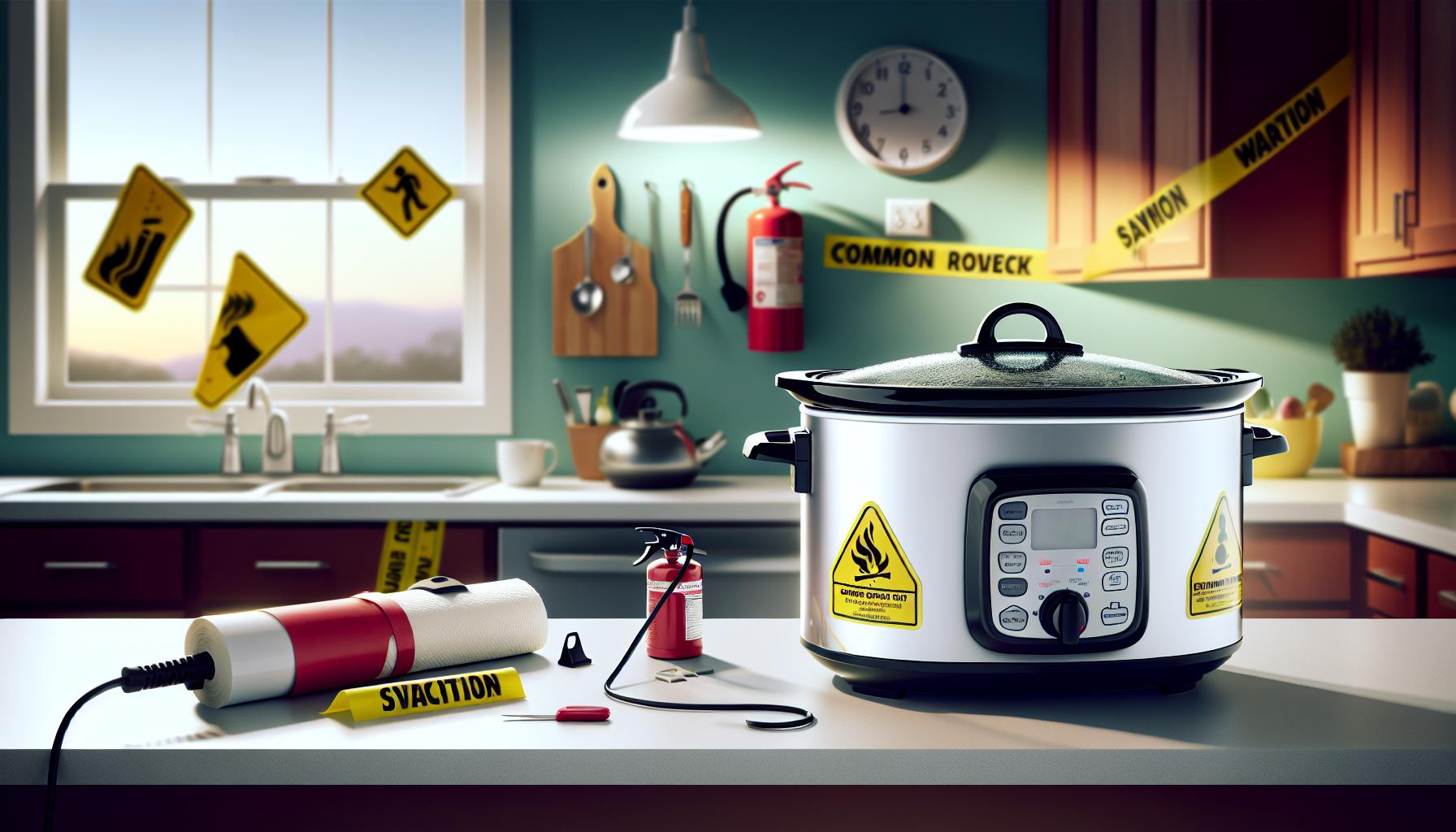
Common Risks of Overnight Slow Cooking and How to Avoid Them
Slow cookers are fantastic for busy folks wanting tender, flavorful meals with minimal fuss, but like any kitchen tool, they come with a few caveats-especially when left on overnight. One of the trickiest things to balance is safety versus convenience. The good news is that slow cookers are designed with safety in mind, but risks can pop up if you don’t keep a few basics in check.From undercooked food to hardware hazards, knowing what to watch for helps you enjoy that “set it and forget it” magic without worry.
A common risk involves food safety. As slow cookers work at relatively low temperatures, starting with cold or frozen ingredients might keep food in the “danger zone” (between 40°F and 140°F, where bacteria can multiply) too long before cooking thoroughly. to dodge this, always thaw meats beforehand or at least cut ingredients into smaller chunks for faster heat penetration. Also, avoid overfilling the pot-aim for about two-thirds full. This ensures the heat circulates properly so your meal reaches safe temperatures without stubborn cold spots that could invite foodborne bugs to crash your dinner party. If you’re like me, and sometiems toss in frozen veggies last minute, adding a bit of extra cook time or using the High setting early on can work wonders.
Another overlooked risk: equipment malfunction or old crockpots lacking proper thermostat control.Overheating can cause hazards, especially with cheaper or aging models that don’t maintain steady temperatures. If you’ve had your slow cooker for years, give it a once-over or test it with water to see if it maintains a gentle simmer without hotspots.Modern slow cookers frequently enough have built-in safety features like automatic shut-off or “keep warm” options after the cooking cycle. These are great if you plan truly overnight runs. And yes, placing your cooker on a heat-resistant surface away from flammable objects is not negotiable-even if it feels obvious. I once left mine too close to a curtain and learned the hard way that spacing matters!
How to Steer Clear of Overnight Slow Cooker Snafus
- Prep wisely: Thaw meats, chop evenly, and don’t overload.
- Use trusted settings: Low for 8+ hours or High for shorter but monitored cooks.
- Invest in quality gear: Newer models with safety auto-shutoffs are worth it for peace of mind.
- Avoid lid peeking: Each peek releases steam and extends cooking, potentially leading to undercooked dishes.
- Place properly: Keep away from water, flammable fabrics, and avoid unstable surfaces.
Throwing a paleo beef stew into my slow cooker before bed is a routine that’s saved my sanity countless times, but trust me, I’ve learned to respect these little slow cookers enough not to mix frozen chicken chunks with a too-low setting or overload the pot with dense root veggies. Making just a few tweaks keeps my meals safe, tasty, and stress-free when I wake up hungry and ready to dig in. So, slow cookers and overnight use are a winning combo-as long as you treat them like the trusty sous-chef they are, not a magic black box!
Choosing the Right Slow cooker for Overnight Use
Choosing a slow cooker that’s up for overnight adventures is like picking the right trusty sidekick-some just do their job better,safer,and with less drama. Not all slow cookers are built equal,especially when you plan to leave them unattended while you catch some Z’s. You want a model with reliable temperature control that gently simmers your meal without heating hotspots or dangerous fluctuations. My first slow cooker was a hand-me-down that didn’t always maintain a steady temp, so those occasional overcooked edges and lukewarm centers were real kitchen heartbreaks. Investing in a newer model with built-in safety features like automatic shut-off or a “keep warm” cycle can make all the difference between peace of mind and midnight kitchen panic.
Size matters too-not just for how much food you want, but for how well the heat circulates overnight. A slow cooker that’s too big and half-empty tends to cook inefficiently, while one that’s too small gets crowded, leading to uneven cooking or overflows. For overnight recipes, I find that aiming for a pot size where you fill roughly two-thirds works wonders; it lets the heat swim around your ingredients nicely, preventing “danger zone” temps where bacteria could multiply. Also, look for slow cookers with ceramic inserts-they distribute heat more evenly and are easier to clean, which means less hassle after your slow-cooked feast.
Features to Look For when Cooking Overnight
- Keep warm Setting: This nifty function kicks in once the cooking time ends, maintaining your dish at a safe serving temp without overcooking.
- Programmable Timers: Allows you to set exact cooking lengths so the device switches to “keep warm” mode automatically after you’ve nodded off.
- Sturdy Lid with Good Seal: Prevents precious steam from escaping, keeping your slow cooker environment consistent and your food moist.
- Durable Construction: Look for thick-walled pots made of stoneware or ceramic material that retain heat steadily throughout the night.
- Cool-touch Handles & Base: For safety, especially if your cooker sits on a countertop near little hands or curious pets overnight.
Another little pro tip: consider slow cookers with digital interfaces. these models let you tailor settings with a few taps rather than guessing with dials, and some even connect to apps. It’s like having your very own sous-chef on call, giving you versatility when you realize 8 hours was just a little too much-or too little-for that paleo chili recipe. And if counter space is tight, remember to measure where you’ll place the cooker overnight, making sure it’s well away from curtains, papers, or anything flammable.
In short, selecting a slow cooker for overnight use isn’t about splurging on the fanciest gadget, but about finding one designed with safety, consistent heat, and your lifestyle in mind. When you get this part right, waking up to a savory, tender gluten-free stew feels like magic you can count on-every dang time.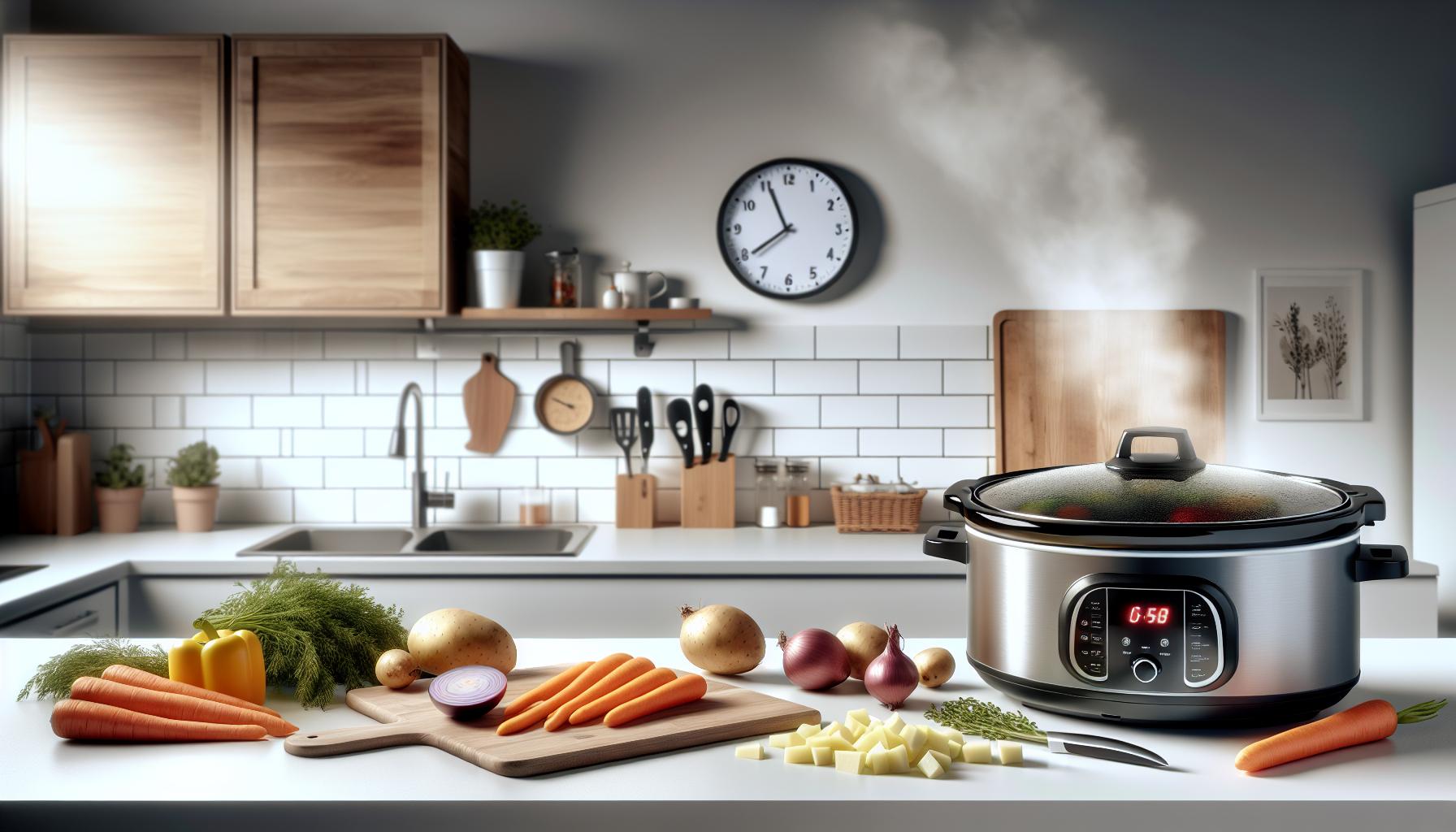
Best Slow Cooker Recipes Perfect for Overnight Cooking
slow cookers are the ultimate overnight heroes for busy folks craving hearty, fuss-free meals-and yes, you can definitely wake up to something fantastic without babysitting your stove. I’ve discovered that the secret to overnight success is picking recipes that play well with long, slow heat and don’t get soggy, tough, or weirdly overcooked by the time morning rolls around. Think robust flavors that deepen with time and ingredients designed to thrive in a gentle simmer. Plus, they cover a spectrum of diets, from gluten-free stews to paleo-friendly roasts that feel like a warm hug after a long day.
- Classic Beef Stew (gluten-Free, Paleo Option): Prep time 15 mins, cook time 8-10 hours on low, difficulty: easy. this recipe is a slow cooker staple because root veggies and beef chuck become meltingly tender and richly flavorful without you breaking a sweat. I swap potatoes for extra carrots and celery to keep it paleo-friendly-adding a splash of coconut aminos rather of soy sauce for a savory twist. Toss everything in, pour a little broth, and set it on low before bed. By morning, the house smells like you’ve been slow-cooking for hours… oh wait, you have!
- Mexican Chicken Chili (Gluten-Free, Optional Dairy): Prep 10 mins, cook 6-8 hours low, difficulty: beginner. If you want a spicy, cozy meal ready when you rise, this one’s a winner.Chicken thighs, black beans, corn, and diced tomatoes blend with chili powder, cumin, and a hint of lime. The best part? It doubles as lunch leftovers that taste better the next day. For dairy lovers, a sprinkle of cheese or a dollop of sour cream on top works wonders just before eating.
- Vegetarian Lentil Curry (Vegan, Gluten-Free, Paleo Adaptation Available): Prep 10 mins, cook 7-8 hours low, difficulty: medium. This curried gem thrives in the slow cooker because lentils soften perfectly, soaking up coconut milk and authentic spices. I love adding sweet potatoes and spinach near the end to keep them vibrant-not mushy.Paleo folks can swap lentils for diced butternut squash and more veggies for a similar soul-satisfying punch.
Pro Tips for Recipe Success Overnight
- Layer Smart: Hard veggies like carrots and potatoes go at the bottom; proteins and quick-cooking ingredients on top-this way, everything cooks evenly without mushy spots.
- Don’t Overfill: Fill your slow cooker about two-thirds full. Too much food can cause uneven cooking; too little might lead to drying out or overheating.
- Skip the Lid Lift: Peek once and resist the urge after. Keep the lid sealed tight to maintain consistent warmth-each lid lift can add 15-20 minutes to your overall cooking time.
- Leave Room for Liquid: Unlike stovetop cooking, slow cookers require minimal stirring but need enough moisture to prevent drying-stock, broth, or coconut milk are great picks.
some of my favorite recipes started as ”kitchen experiments”-like adding cinnamon to chili or swapping ground turkey for beef in my stew-as slow cooking grants flexibility and forgiveness. Overnight slow cooking means your meal isn’t just convenient but also develops layers of flavor impractical to rush. So whether you’re gluten-free, paleo, vegetarian, or all of the above, finding your go-to slow cooker recipes means saying goodbye to rushed dinners and hello to waking up to deliciousness that feels like it was made just for you.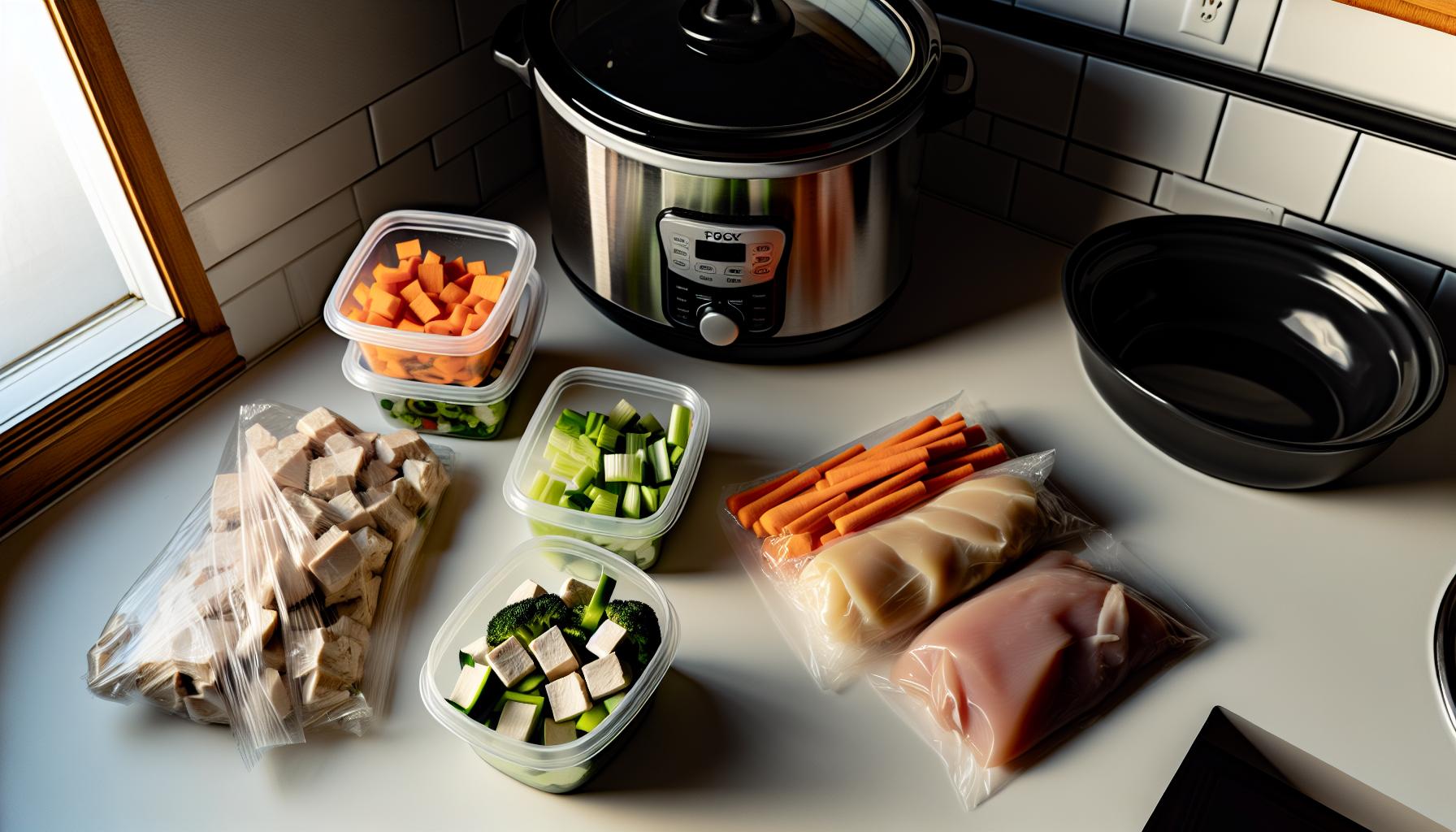
How to Prep ingredients for Hassle-Free Overnight Meals
Getting your ingredients ready for an overnight slow cooker meal is like setting the stage for a delicious, hassle-free morning surprise. The real trick is balancing prep speed with smart choices that help your food cook evenly and taste incredible without needing a midnight kitchen check-in. Whether you’re aiming for paleo, gluten-free, or just want a cozy dinner waiting when you wake up, a little thoughtful prep goes a long way in the slow cooker world-plus, it keeps your mornings stress-free and your taste buds happy.
Start by chopping your veggies and proteins into sizes that match the cooking time. Harder root veggies like carrots, turnips, or sweet potatoes want to be cut a bit smaller if your slow cooker runs hot or the recipe calls for a shorter cook; otherwise, chunkier pieces are fine. Proteins like beef chuck or chicken thighs do well in larger chunks as they tenderize gradually over the low heat. A neat little kitchen hack? Briefly searing meat before tossing it in adds a flavor depth you won’t believe- it’s worth the extra 5 minutes. It also helps to pat your meat dry before seasoning; this kickstarts a better crust when searing and keeps things from getting watery.
Layering Like a Pro
How you stack your ingredients can make or break that overnight meal. Dense veggies should hit the bottom of the cooker-they can handle the heat longest and absorb the flavors that drip down. Next, layer your proteins, then quicker-cooking or delicate items on top (think: zucchini, bell peppers, or leafy greens). This simple hierarchy avoids mushiness and uneven cooking because everything gets just the right amount of love and heat.
- Fill to Two-Thirds: Overloading your slow cooker is a common pitfall. Aim for about 2/3 full to allow heat circulation and prevent drying-or worse, undercooked centers.
- Don’t Skip the Liquid: Even if your recipe looks juicy, adding a splash of broth, stock, or coconut milk ensures your gaggle of goodies doesn’t dry out overnight. Plus, it helps in flavor development, simmering everything slowly for that melt-in-your-mouth feel.
Smart Shortcuts and Substitutions
Life’s busy, so don’t sweat it if you want to save some time or tailor your meal. Frozen diced onions or pre-chopped garlic get you off to a running start (plus, they keep well in the freezer). If a recipe calls for beans but you’re paleo, swap them for cubed winter squash or extra mushrooms to get a similar earthy texture. Another fave move is adding quick-cook ingredients like spinach or fresh herbs in the last 30 minutes-this keeps their color and flavor bright, preventing that soggy, sad veggie feel.
Above all, prepping for overnight slow cooking is about confidence and creativity. Don’t be afraid to experiment with spices and swaps-your slow cooker turns even the simplest mix-ins into a cozy,flavor-packed meal by morning. So grab that cutting board, set your timer, and get ready for a kitchen win that practically makes itself while you sleep.
Tips to Monitor and Adjust Slow Cooking While You Sleep
Cooking overnight with a slow cooker is like having a personal sous-chef on your night shift, quietly transforming humble ingredients into a savory masterpiece while you catch some Z’s. But even the best slow cookers need a little TLC when you’re not around to stir the pot-or, you know, to remind yourself you forgot to turn it down before bed. The good news? You can keep tabs on your overnight simmer session without turning your kitchen into a late-night vigil.
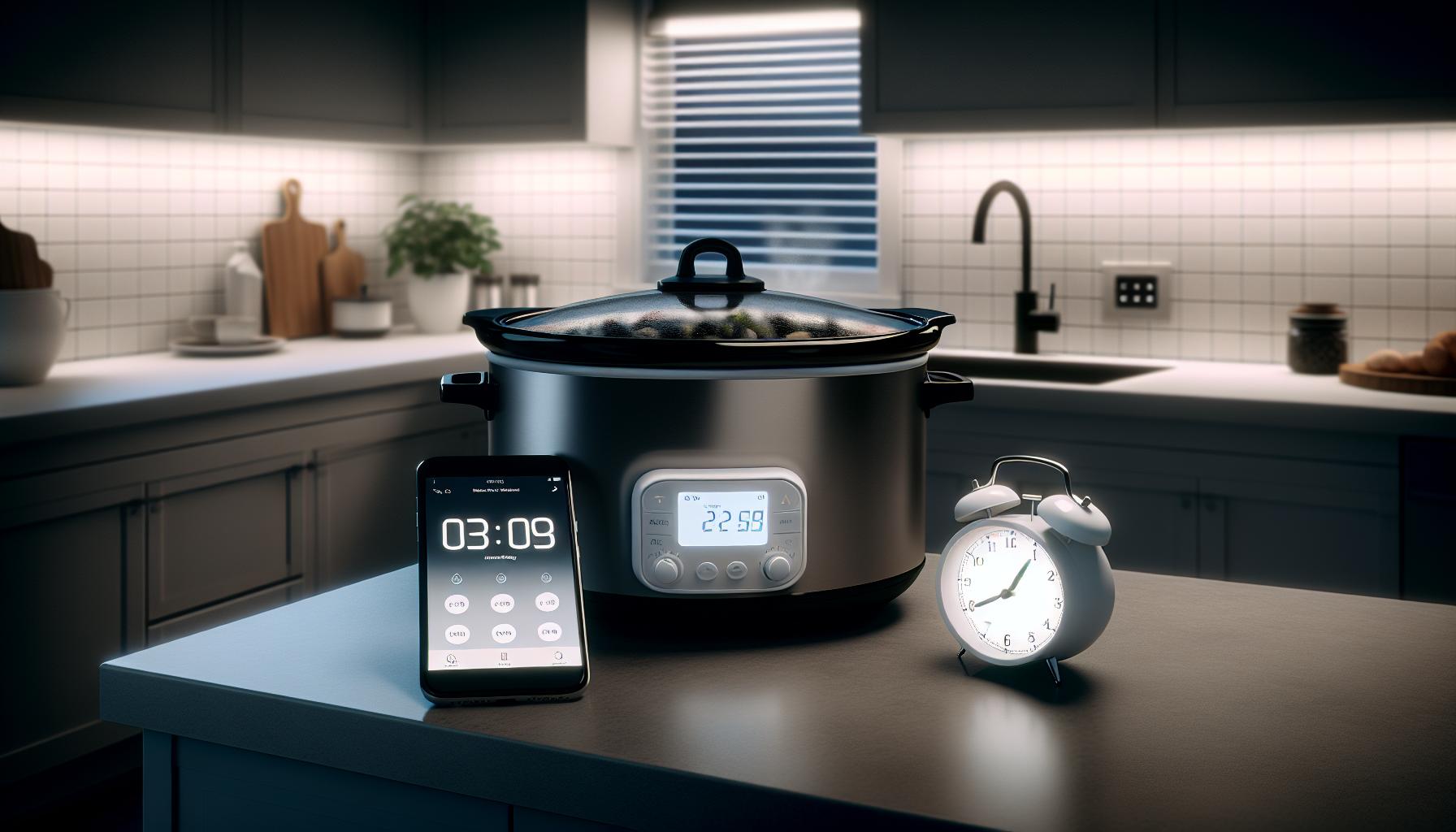
One of the easiest ways to keep an eye on things is to pick slow cookers with built-in timers or programmable settings. These clever gadgets switch to “warm” mode after cooking is complete,so your meal won’t turn into a dry,overcooked disaster. If your trusty slow cooker is a bit on the old-school side, pairing it with a smart plug or an outlet timer can add that layer of control-you set the cooking window, and the slow cooker politely powers down when it’s done. That way, if you’re anything like me and prone to impulsive midnight snack attacks, you won’t accidentally sabotage tomorrow’s dinner party.
Sometimes, minor adjustments mid-cook can save the day. Let’s say you wake up to find the veggies a bit too fork-tender or the broth has reduced more than expected. Rather of despairing, try these simple tweaks:
- Add a splash of liquid: Whether it’s broth, coconut milk, or even a touch of water, rehydrating can rescue mushy veggies or overly thick sauces.
- Switch to warm mode: If the meal looks done too early,reduce the heat to keep it cozy without further cooking.
- Stir gently: A quick stir just once can redistribute heat and moisture, especially if you’ve layered ingredients like a pro.
If you’re the meticulous type who loves morning peace of mind, pre-check your recipe’s cook times and your slow cooker’s particular quirks.I once found my ancient cooker runs hotter than the manufacturer claims,so I set my timer for an hour less than recipes suggest-best meal tweak ever. Another personal favorite is using an app connected to smart home devices; it lets me monitor temperature and time right from bed, so I can keep my eyes closed and my palate ready.
Simple Monitoring Tools You can Use at Night
| Tool | Benefit | Example Use |
|---|---|---|
| Programmable Slow Cooker | automatic switch to warm mode after cooking | Set for 8 hrs cooking + warm for 2 hrs overnight |
| Smart Plug/Outlet timer | Control power remotely or on a set schedule | Turn off after recipe’s recommended cooking time |
| Instant-Read Thermometer | Quick food safety checks without guesswork | Check internal temp in the morning (165°F for poultry) |
| Smartphone Apps | Remote monitoring & alerts | Receive notifications if temp drops or timer ends |
Ultimately, overnight slow cooking is about embracing convenience without sacrificing quality or safety. A little prep,a pinch of tech,and a dash of common sense turn your overnight slow cooker into a dream team player. And remember: a perfectly cooked meal is worth a few extra button presses!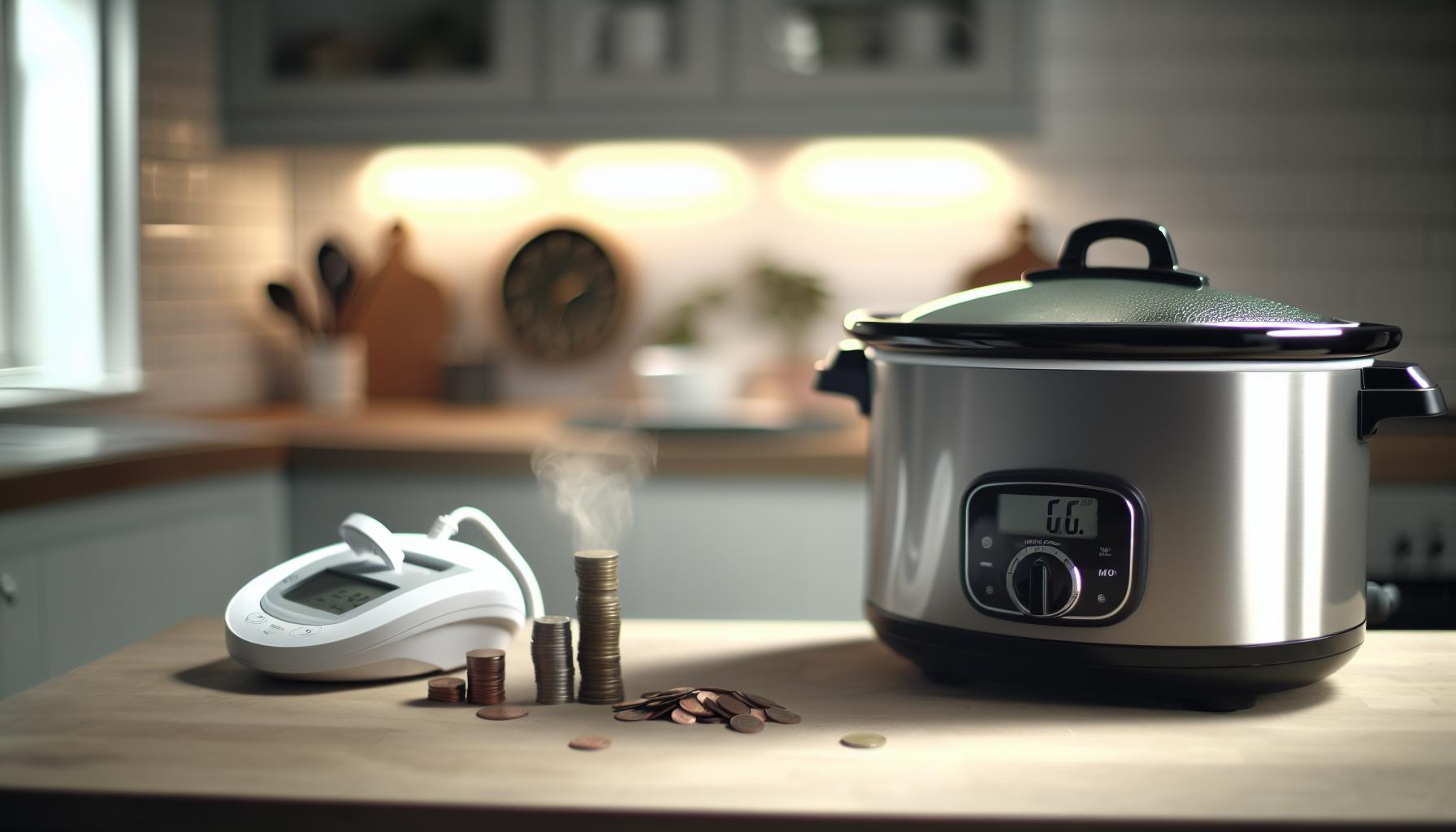
Energy Consumption: Are Overnight Slow Cookers Cost-Effective?
Slow cookers are a charming ally in the kitchen, especially when life’s pace speeds up and meal prep time shrinks. But when it comes to energy use, are these countertop wonders secretly boosting your electric bill overnight? Good news: slow cookers generally sip energy quite modestly compared to other kitchen appliances, making them an economical choice for overnight cooking adventures. For example, a typical slow cooker uses roughly 70 watts on low heat, which translates to about 0.56 kilowatt-hours (kWh) if left running for 8 hours. That’s just a fraction of what an oven might consume in the same timeframe!
One handy way to look at it is through the lens of cost per use. If your local electricity rate is around $0.13 per kWh, letting the slow cooker hum away overnight costs approximately 7 to 8 cents. That’s less than your morning coffee, which, honestly, seems like a bargain for a meal that’s perfectly ready when you wake up. So, if you’re juggling busy mornings or craving paleo and gluten-free stews that need time to develop flavor, your slow cooker is both your time-saving and wallet-friendly friend.
Energy-Saving Tips for Overnight Slow Cooking
Keep your slow cooker running efficiently and avoid unnecessary power guzzling:
- Pick the right size: Choose a cooker that fits the quantity you’re making. A too-large slow cooker uses more energy warming empty space, so match your meal size to the appliance size.
- Use the warm setting wisely: Many slow cookers switch to “warm” automatically after cooking. This uses dramatically less power than cooking modes and helps keep your meal safe without extra energy waste.
- Insulate for retainment: placing your slow cooker on a well-insulated surface (think a thick trivet or heat-resistant towel) helps keep heat in, reducing energy needed to maintain temperature.
- Cover it well: Avoid lifting the lid mid-cook; every peek lets heat escape and forces extra energy to bring the temp back up.
I once tackled a hearty chili recipe that called for a 10-hour slow cook on low. By using a programmable slow cooker that switched to warm mode automatically after 8 hours, I cut the energy use noticeably. The chili still had that rich, slow-simmered depth without drying out – a classic win-win for taste and cost!
| Cooking Duration | Approximate Energy Used (kWh) | Estimated Cost (@ $0.13/kWh) |
|---|---|---|
| 4 hours | 0.28 | $0.04 |
| 8 hours | 0.56 | $0.07 |
| 10 hours (with warm mode) | ~0.60 | ~$0.08 |
Ultimately, slow cookers bring not only flavorful, tender meals but also energy efficiency that fits modern, budget-conscious kitchens. So yes,leaving your slow cooker on overnight is a smart bet-not just for your taste buds but also for energizing your wallet-friendly lifestyle. Happy cooking and relaxing!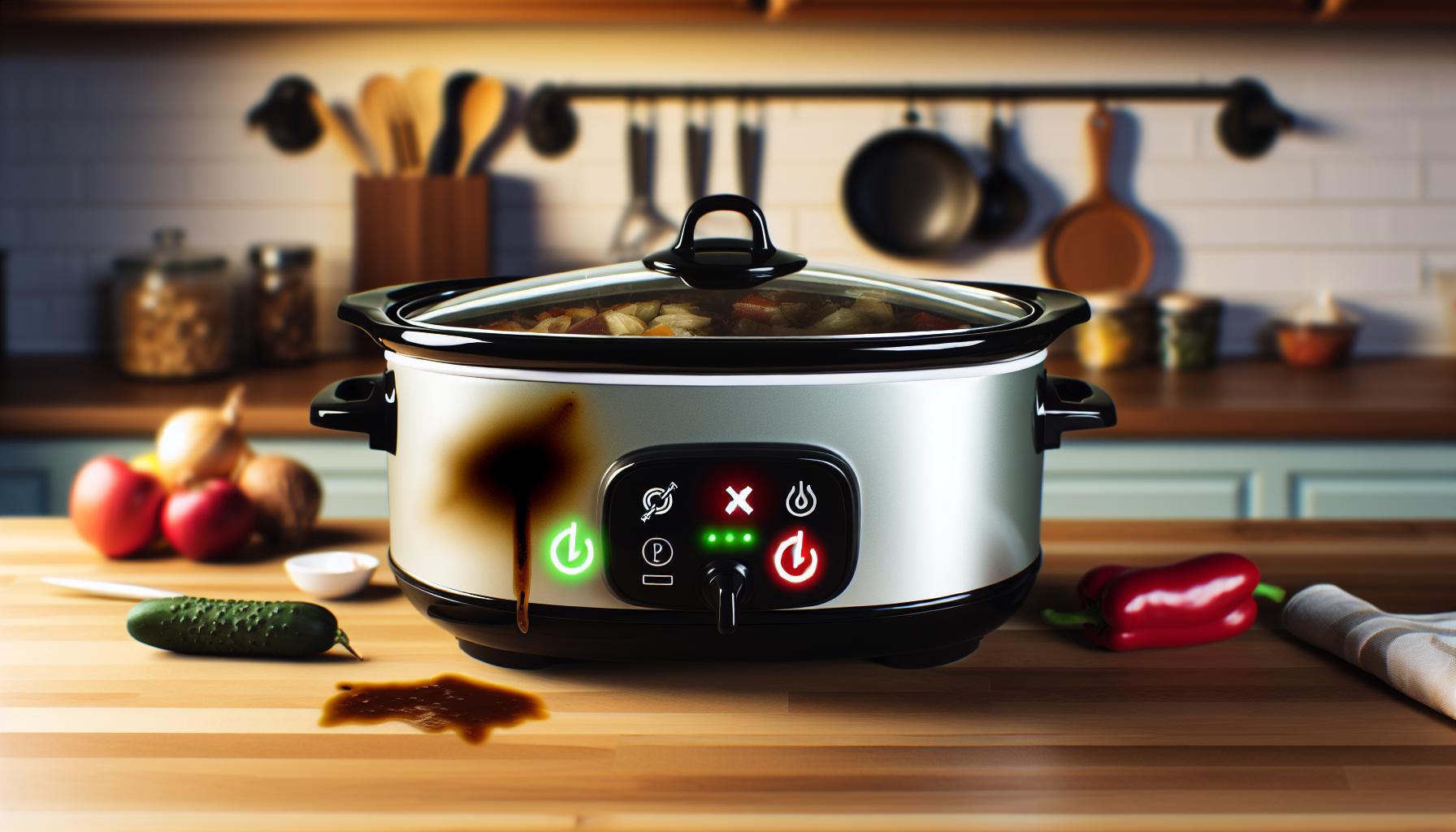
Troubleshooting Common Overnight Slow Cooker Problems
Ever had your slow cooker turn a delicious dinner plan into a bit of a kitchen mystery? Slow cookers are fantastic for overnight magic, but sometimes they throw a few curveballs. Whether it’s your stew not quite reaching the right temp or certain veggies turning to mush, troubleshooting these common overnight slow cooker quirks can save your meal and your sanity (and keep that paleo chili on-point!).
One frequent hiccup is inconsistent heating. Slow cookers vary,and some older models might not maintain a steady low or warm setting for the entire night. If you wake to find your food cool or halfway cooked, your cooker’s heating element might be struggling.A quick fix? Use a programmable slow cooker with an auto-warm feature, or get a reliable kitchen thermometer to check internal temps early on. Remember, food safety’s key, especially when cooking overnight. Aim for dishes that hit at least 165°F internally before you snooze away.
Vegetable Texture Troubles?
Many people find their slow cooker carrots or green beans come out a soggy mess after eight hours. Here’s my trick-add delicate veggies like zucchini, spinach, or peas in the last 30 minutes to avoid the overcooked mush. Root veggies like carrots, sweet potatoes, and beets should go in at the start so they have plenty of time to soften without disintegrating. Using even cuts helps everything cook evenly, too!
Too Much Liquid or Not enough?
Slow cookers hold in moisture well, but sometimes you end up with a watery stew or a dry roast. If your dish is soggier than you wanted, try reducing broth or water by about 25% next time. You can also remove the lid during the last hour to allow extra liquid to evaporate. Conversely, if your food dries out, especially lean meats like chicken breast or pork loin, add a splash of liquid or cook uncovered for part of the time. This balancing act is easier the more you experiment with your specific cooker-and hey, that’s part of the delicious fun!
Power Outages or Device Worries
If a power failure interrupts the long cook, don’t panic! If the cooker was off for two hours or less and food stayed hot (above 140°F), it should still be safe to eat. Beyond that, use your best judgment-it’s safer to err on the side of caution. To safeguard future meals, consider a slow cooker with a backup power option or set it on a timer connected to a surge protector.
- Use a programmable slow cooker for peace of mind and precision control.
- Prep veggies thoughtfully for even texture and timing.
- Adjust liquids gradually to avoid watery or dry results.
- Check temperatures with a probe thermometer so you never miss a safe internal temp.
After a few overnight experiments with your trusty slow cooker, you’ll soon hit your groove.the joy is in the journey-and those first delicious bites of a perfectly tender, fall-apart pork roast or hearty gluten-free stew that’s been simmering away all night. Embrace the trial, tweak your approach, and your kitchen companion will become your overnight meal MVP!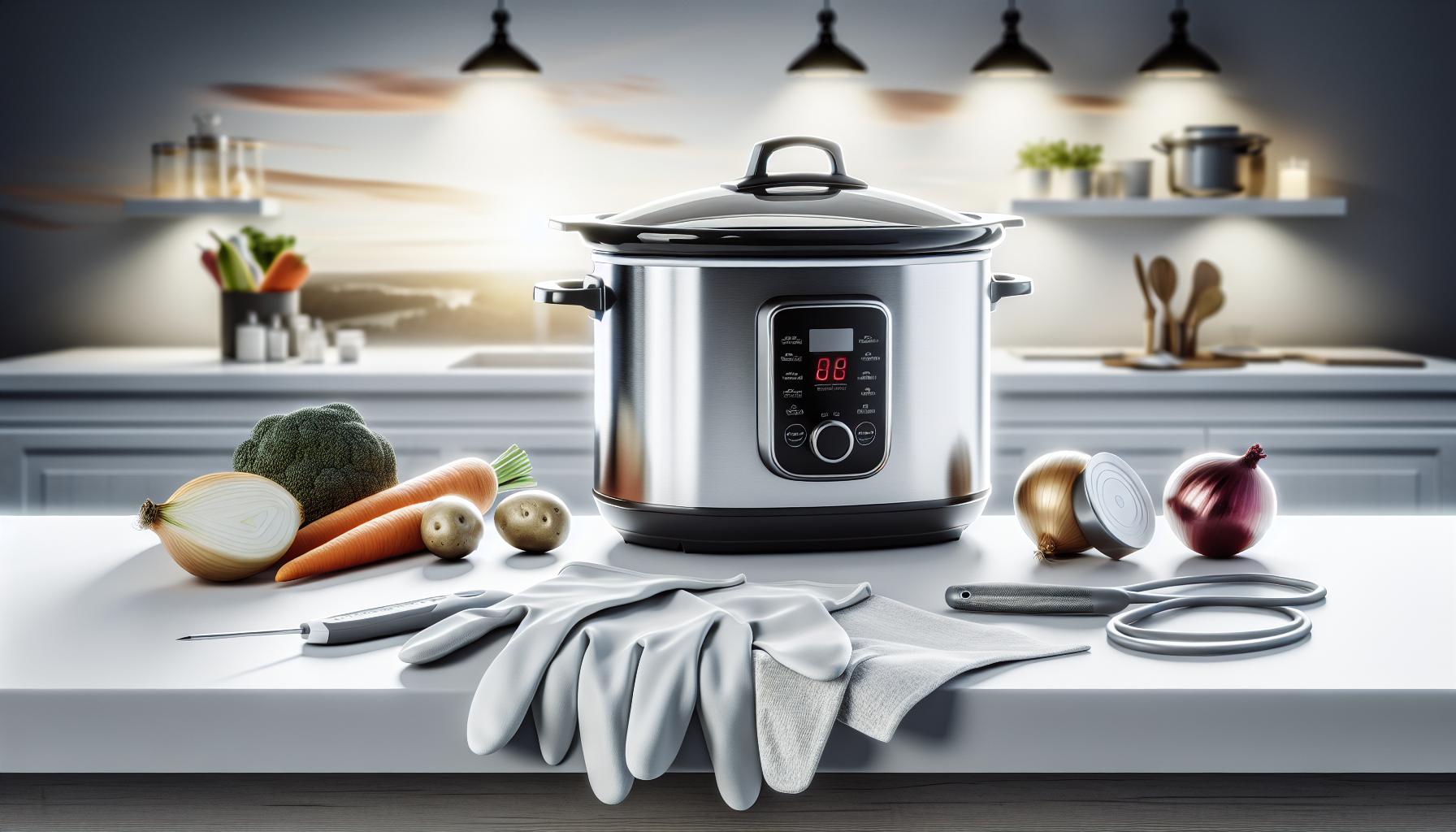
Slow Cooker Safety Myths Debunked by experts
Slow cookers have earned a reputation for convenience, but with that comes a buffet of safety myths that can make even the most confident home cook hesitate. Let’s clear the air: despite what you might hear, leaving a slow cooker on overnight doesn’t turn your kitchen into a five-alarm fire zone, nor is it a free pass to toss in any old ingredients without a second thought.
A biggie is the fear that slow cookers cook food too slowly to be safe, especially overnight. Truth is,these devices are designed specifically to maintain safe temperatures over extended periods. The heating element typically cranks up early to quickly bring food to a safe zone-think 165°F or higher for meats-then keeps it there, steadily simmering away without needing your 2 a.m. kitchen check-in. It’s like the ultimate set-it-and-forget-it buddy, provided that you prep with care. Such as, always start with fresh ingredients, and avoid freezing meats directly in the cooker, which can extend cooking times dangerously.
Another myth is about slow cooker safety and electrical hazards. Slow cookers use low wattage and are engineered with safeguard features like automatic shutoffs or keep-warm modes on many models nowadays. Of course, like any appliance, older models or damaged cords can be a risk, so giving yours a quick once-over before a long overnight session is a great habit. And please, keep your cooker on a heat-resistant surface away from flammable items-simple kitchen commonsense goes a long way.
Simple Tips to Stay Safe and Stress-Free
- Choose modern or programmable models: They offer timers and auto-warm settings that reduce guesswork and risk.
- Prep thoroughly: Cut vegetables evenly and thaw meats properly to ensure safe, even cooking.
- Don’t crowd your cooker: Overfilling can trap cold spots,so keep food level to just below the lid line.
- Use proper thermostats: Invest in a probe thermometer if you want precision peace of mind.
I once heard from a friend who swore by slow cooker chili for overnight paleo meal prep. She always made sure the meat was fully thawed and browned first, then poured everything in and set it to low around 8 p.m. Come morning, the chili was perfectly done, hot, and safe-with no scary kitchen incidents. That’s the beauty of slow cooking: with just a bit of good prep and the right cooker, overnight meals are not only safe but downright effortless.So next time you hesitate to leave your slow cooker unattended overnight,remember: the experts have tested these appliances inside and out. Following basic safety steps means your slow cooker will be more of a kitchen sidekick and less of a worry in your home.Cozy, delicious meals await, with no need to sacrifice safety for ease.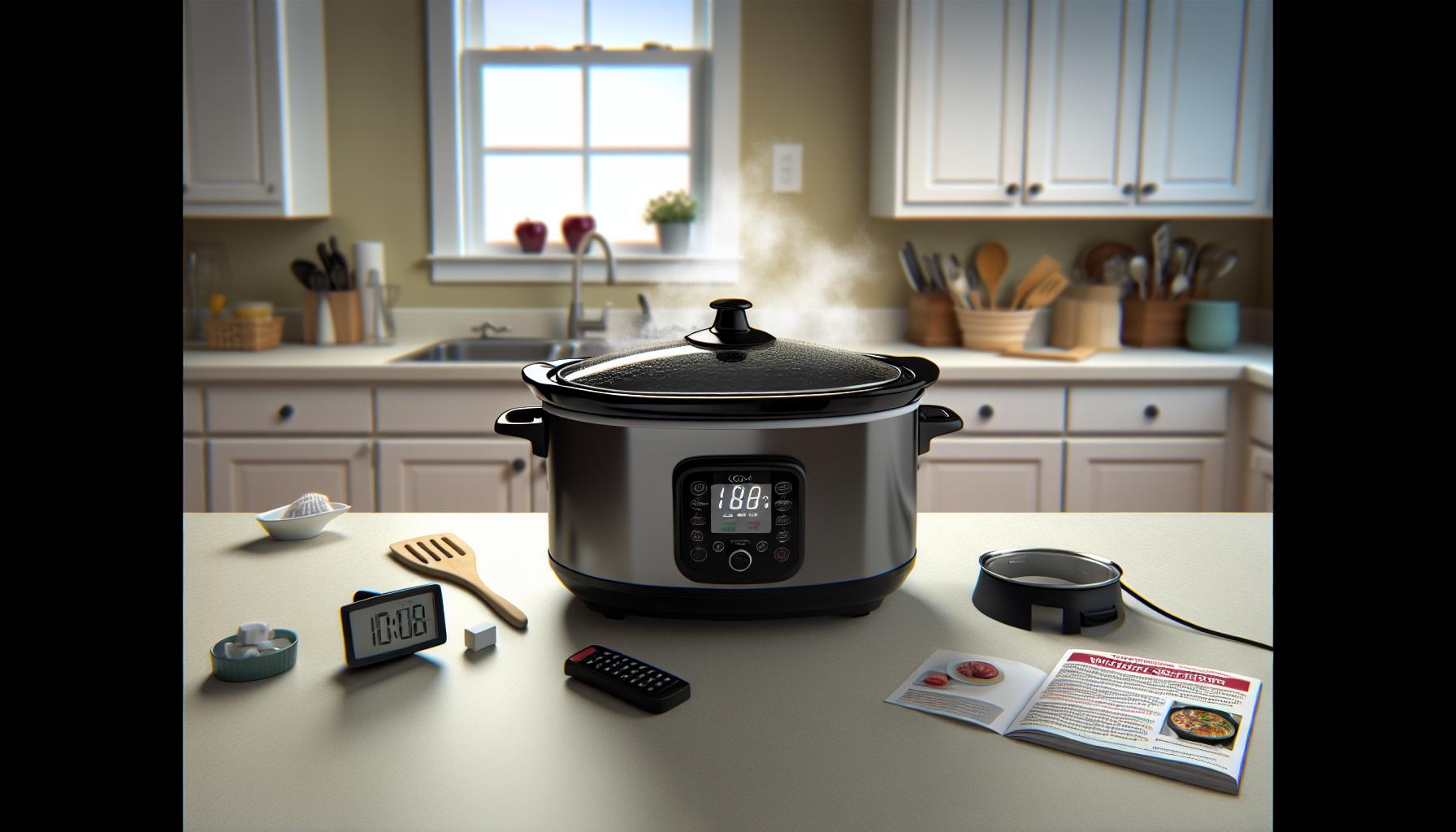
When Not to Leave Your Slow cooker Unattended
Sometimes, slow cookers aren’t quite the carefree kitchen heroes we wish they were, especially if you’re off for more than just a few hours of shut-eye. It’s tempting to just ”set it and forget it” and stroll off into the sunrise, but a few situations call for a little more attention or caution. Think of it as giving your slow cooker a tiny bit of babysitting when it really needs it-because not all slow cooker adventures are created equal.
One classic red flag is when your slow cooker is an older or no-frills model without modern safety features like timers or automatic shutoff. These trusty but vintage friends sometimes lack the fail-safes that prevent overheating or electrical issues. If your cooker also lives on a cluttered countertop near tea towels, paper, or curtains, an open-ended slow cook can unexpectedly become a fire hazard. I always poke around before long cooks, checking cords for frays and making sure it’s cozy on a flat, heat-resistant surface away from anything flammable.
- Avoid overnight slow cooking when using frozen ingredients: Starting with frozen meat or veggies means longer cooking times and potentially unsafe zones where bacteria can multiply before the cooker reaches that safe 165°F mark.
- Don’t crowd your slow cooker: Overfilling not only compromises even cooking but might trap cool spots allowing food to sit at unsafe temps-nobody wants a salmonella surprise come breakfast.
- If you’re trying a new recipe or your slow cooker’s behaving oddly: If you notice strange smells,sparks,or inconsistent temperatures,don’t leave it unattended overnight. Better to test it in the daylight hours with a trusty meat thermometer in hand.
There’s also the “life happens” factor. Say your smoke detector’s always tripping near the cooker or there’s that one socket that’s a bit wonky. in these cases, staying nearby or running the slow cooker only when you’re awake and alert makes excellent sense. After all,slow cooking is about ease,not anxiety! That friend of mine with the paleo chili always does a quick check before bed,then kicks back with a peace-of-mind high five for a perfectly cooked morning reward.
When to Use a Timer or Programmable Slow Cooker
If your schedule means you’re unavoidably gone for 12+ hours or overnight,investing in a slow cooker with a timer or programmable auto-switch to “keep warm” can be a game changer. It’s like having a built-in sous-chef who knows to turn things down once the cooking’s done-no risk of overcooking or accidentally leaving raw food simmering unattended.
Simple Rules to Keep Overnight Slow Cooking Safe
- Thaw meats wholly before adding them-this is crucial for food safety and helps the cooker get to temperature faster.
- Use fresh ingredients rather than frozen or deli leftovers to reduce contamination risk.
- Keep an eye on appliance health-replace frayed cords, clean food debris from vents, and never use cracked ceramic pots.
- Don’t use the slow cooker for deep frying or non-recipe approved experiments-stick to tried-and-true recipes or those recommended by your slow cooker’s manufacturer.
In my experience, the slow cooker is easiest when it has clear boundaries-when you respect those, it’s usually content to simmer happily without supervision. But if anything feels “off” or unpredictable, it’s safest to wait and supervise or cook shorter meals while awake. As ultimately, slow cooking should be cozy, not cautious. And trust me, your kitchen (and your sense of calm) will thank you for knowing exactly when to hit “set it and forget it” – and when to keep a gentle eye on the pot.
How to Store and Reheat Slow Cooked Overnight Meals
There’s something truly comforting about waking up to the aroma of a slow-cooked meal finished overnight, ready to dive right into. But after all that gentle simmering, how you store and reheat those luscious dishes can make or break the magic of your meal – not to mention keeping it safe and delicious. The good news? With a few simple steps, your overnight slow cooker creations will taste fresh, vibrant, and just as cozy the next day.
Once your slow cooker has done its overnight magic, it’s important to cool the food down relatively quickly-ideally within two hours-to keep bacteria at bay. A smart trick I use in my own kitchen when I’ve made a large batch of chili or shredded beef is to divide the food into smaller, shallower containers right after serving or once it has stopped steaming.This helps it chill faster in the fridge and prevents that “reheated stew” sludge some leftovers get. If you’re balancing paleo or gluten-free needs, this also makes portioning out meals for grab-and-go breakfasts or lunches super simple and mess-free.
Best Storage Tips for Slow-Cooked Meals
- Use airtight containers: Glass ones with tight lids work wonders for keeping flavors locked in and odors out.
- Label with date and contents: Because who knows what quinoa stew you made two weeks ago?
- Refrigerate within two hours of cooking to keep things safe, especially for meat and dairy-rich recipes.
- Freeze extras: Slow cooker meals often taste better after freezing and reheating as the flavors have another chance to meld.
When it’s time to reheat, patience pays off. Microwaving is quick and easy but can sometimes yield uneven hot spots or dried-out edges. Instead, transferring your meal to a saucepan or oven-safe dish to warm on low heat, stirring occasionally, mimics the slow cooker’s gentle bubble-up, preserving texture and flavor. If you’re reheating soup, casserole, or stew, I recommend stirring every few minutes to avoid clingy proteins or veggies sticking to the pan.
Simple Reheating Workflow for Tasty Leftovers
| Method | Best For | Tips |
|---|---|---|
| Stovetop | Soups, stews, shredded meats | Use low-medium heat, stir often, add a splash of broth if too thick |
| Oven | Casseroles, baked slow cooker meals | Cover with foil to retain moisture, heat at 325°F (160°C) until warmed through |
| microwave | Quick warming of individual portions | Heat in short bursts, stir between, cover with a microwave-safe lid |
Don’t be shy about tweaking with a pinch of fresh herbs, a squeeze of lemon, or a drizzle of olive oil when reheating – these small touches bring your slow-cooked overnight meal back to vibrant life. As someone who loves playing with paleo and gluten-free meals, I’ve found that a splash of coconut milk or a sprinkle of toasted nuts can completely elevate leftovers into a new, exciting dish.
At the end of the day, the beauty of slow-cooked meals is that they’re meant to be enjoyed on your timetable, not mine or anyone else’s. By following these easy storage and reheating tips, you’re not only keeping your kitchen safe and efficient but also ensuring that every bite tastes like a warm hug-even if it comes hours (or days!) later. Because let’s face it: life is busy, but your meals don’t have to suffer.
FAQ
Q: What are the best slow cooker settings to use for overnight cooking?
A: For overnight cooking, using the low setting on your slow cooker is ideal to ensure food cooks evenly without burning. Low heat maintains a safe temperature over 8+ hours and helps tenderize tougher cuts. Check your cooker model’s manual for specific temperature ranges to optimize results and safety.See tips on how to prep ingredients for hassle-free meals in the main article.
Q: Can you put frozen food directly into a slow cooker for overnight cooking?
A: It’s best not to put frozen food directly into a slow cooker overnight as it may stay in the unsafe temperature zone too long. Thaw ingredients beforehand or use the “high” setting briefly at the start to jumpstart cooking. This reduces food safety risks, as explained in the section on common risks of overnight slow cooking.
Q: How long can slow cooker meals safely stay warm after overnight cooking?
A: Slow cooker meals can stay safely warm for up to 4 hours after cooking, provided the cooker maintains an internal temperature above 140°F (60°C). For longer warmth, consider transferring food to a heat-safe container or refrigerate leftovers promptly. This helps avoid bacterial growth and is covered under safe storage and reheating advice.
Q: How can I prevent slow cooker meals from drying out when cooking overnight?
A: To avoid dryness, add enough liquid like broth or water and avoid lifting the lid during cooking. consider layering ingredients strategically-place denser veggies on the bottom and meats on top to retain moisture. Check the section on prep tips for hassle-free meals for more guidance.
Q: Are slow cookers energy-efficient for overnight meal preparation?
A: Yes, slow cookers use low wattage and can save energy compared to ovens or stovetops for long cooking periods. Overnight slow cooking is generally cost-effective,consuming about 0.7 kWh per 8-hour cycle. For detailed energy insights, see our energy consumption section.
Q: What should you do if your slow cooker shuts off unexpectedly during overnight cooking?
A: If your slow cooker turns off, immediately check the power source and reconnect if safe. Undercooked food must be reheated thoroughly or discarded to avoid food poisoning. Consider using a slow cooker with a built-in safety timer or app control for peace of mind. More troubleshooting tips are in our overnight slow cooker problems section.
Q: Can overnight slow cooking help with meal planning for gluten-free or paleo diets?
A: Absolutely! Overnight slow cooking is perfect for gluten-free and paleo-friendly meals using whole foods and fresh ingredients. Prepare and layer paleo staples like grass-fed meat and veggies beforehand for easy breakfasts or dinners. Explore our best slow cooker recipes section for delicious, diet-friendly ideas.
Q: How do I safely clean a slow cooker after overnight use?
A: After overnight cooking,allow the cooker to cool completely before cleaning. Remove the ceramic insert and wash with warm, soapy water* - avoid sudden temperature shocks to prevent cracking. refer to your manufacturer’s cleaning guidelines and our slow cooker safety myths* section for expert tips.
For more hands-on advice and tested recipes,be sure to check out the related sections on prepping ingredients and troubleshooting your slow cooker experience. Cooking overnight can be simple, safe, and delicious with the right tips!
Insights and Conclusions
Leaving your slow cooker on overnight can be a game-changer for busy days, but knowing how to do it safely makes all the difference.By understanding the right settings and ingredient choices, you can wake up to a warm, flavorful meal without any worries. curious about easy, gluten-free slow cooker recipes or paleo-friendly meal ideas? Check out our Slow Cooker Soups That Warm You Up and Quick Paleo Dinners You’ll Love for inspiration that fits your lifestyle and taste buds.
Ready to master slow cooking and enjoy stress-free meals every day? Dive into our Beginner’s Guide to Slow Cookers for tips and tricks, and don’t forget to subscribe to our newsletter for fresh recipes and kitchen hacks delivered straight to your inbox. Got questions or favorite slow cooker hacks? Drop a comment below - let’s keep the conversation cooking! Your next delicious, effortless meal is just a few clicks away.
A: It’s best not to put frozen food directly into a slow cooker overnight as it may stay in the unsafe temperature zone too long. Thaw ingredients beforehand or use the “high” setting briefly at the start to jumpstart cooking. This reduces food safety risks, as explained in the section on common risks of overnight slow cooking.
A: Yes, slow cookers use low wattage and can save energy compared to ovens or stovetops for long cooking periods. Overnight slow cooking is generally cost-effective,consuming about 0.7 kWh per 8-hour cycle. For detailed energy insights, see our energy consumption section.
A: Absolutely! Overnight slow cooking is perfect for gluten-free and paleo-friendly meals using whole foods and fresh ingredients. Prepare and layer paleo staples like grass-fed meat and veggies beforehand for easy breakfasts or dinners. Explore our best slow cooker recipes section for delicious, diet-friendly ideas.
A: After overnight cooking,allow the cooker to cool completely before cleaning. Remove the ceramic insert and wash with warm, soapy water* - avoid sudden temperature shocks to prevent cracking. refer to your manufacturer’s cleaning guidelines and our slow cooker safety myths* section for expert tips.

