Did you know you can make creamy, delicious yogurt right in your slow cooker with just two simple ingredients-milk and a bit of live culture? If you’ve ever wanted to enjoy fresh, homemade yogurt without fussing over fancy equipment or constant attention, this easy slow cooker method is your new best friend. Whether you’re aiming for Greek-style thickness or classic creaminess,this approach saves time,cuts costs,and lets you control exactly what goes into your yogurt-great news for anyone following paleo,gluten-free,or clean eating lifestyles.Plus, it’s surprisingly simple: heat, incubate, and chill with minimal hands-on work. I’ve found that using my slow cooker means less babysitting and more time to savor that tangy, satisfying bowl of yogurt-perfect for breakfast, snacks, or recipes calling for a probiotic punch. Ready to turn your slow cooker into a yogurt maker and impress yourself (and your family) with homemade goodness? Let’s dive into the straightforward steps that make this tasty tradition fit into even the busiest kitchens.
Table of Contents
- What You Need to Make Slow Cooker Yogurt
- Step-by-Step Slow Cooker Yogurt Instructions
- Choosing the Best Milk for Creamy Yogurt
- How to Customize Yogurt Flavor and Texture
- Troubleshooting Common Slow Cooker Yogurt Problems
- Simple Tips to Speed Up Yogurt Culturing Time
- Safe Storage and shelf Life of Homemade Yogurt
- Creative Ways to Use Your Homemade Yogurt
- Adapting Slow Cooker Yogurt for Paleo and Gluten-Free Diets
- How to Make Greek Yogurt with Your Slow Cooker
- Frequently asked questions
- Q: Can I use non-dairy milk to make yogurt in a slow cooker the easy way?
- Q: How do I ensure my slow cooker yogurt sets properly without a yogurt maker?
- Q: Why is my slow cooker yogurt sometimes watery, and how can I fix it?
- Q: How long does it take to ferment yogurt in a slow cooker the easy way?
- Q: What is the best way to add probiotics to slow cooker yogurt for extra health benefits?
- Q: Can I make flavored slow cooker yogurt without affecting culturing time?
- Q: How do I prevent slow cooker yogurt from becoming too sour or tangy?
- Q: Is it possible to make slow cooker yogurt safely without refrigeration during culturing?
- In Retrospect
What You Need to Make Slow Cooker Yogurt
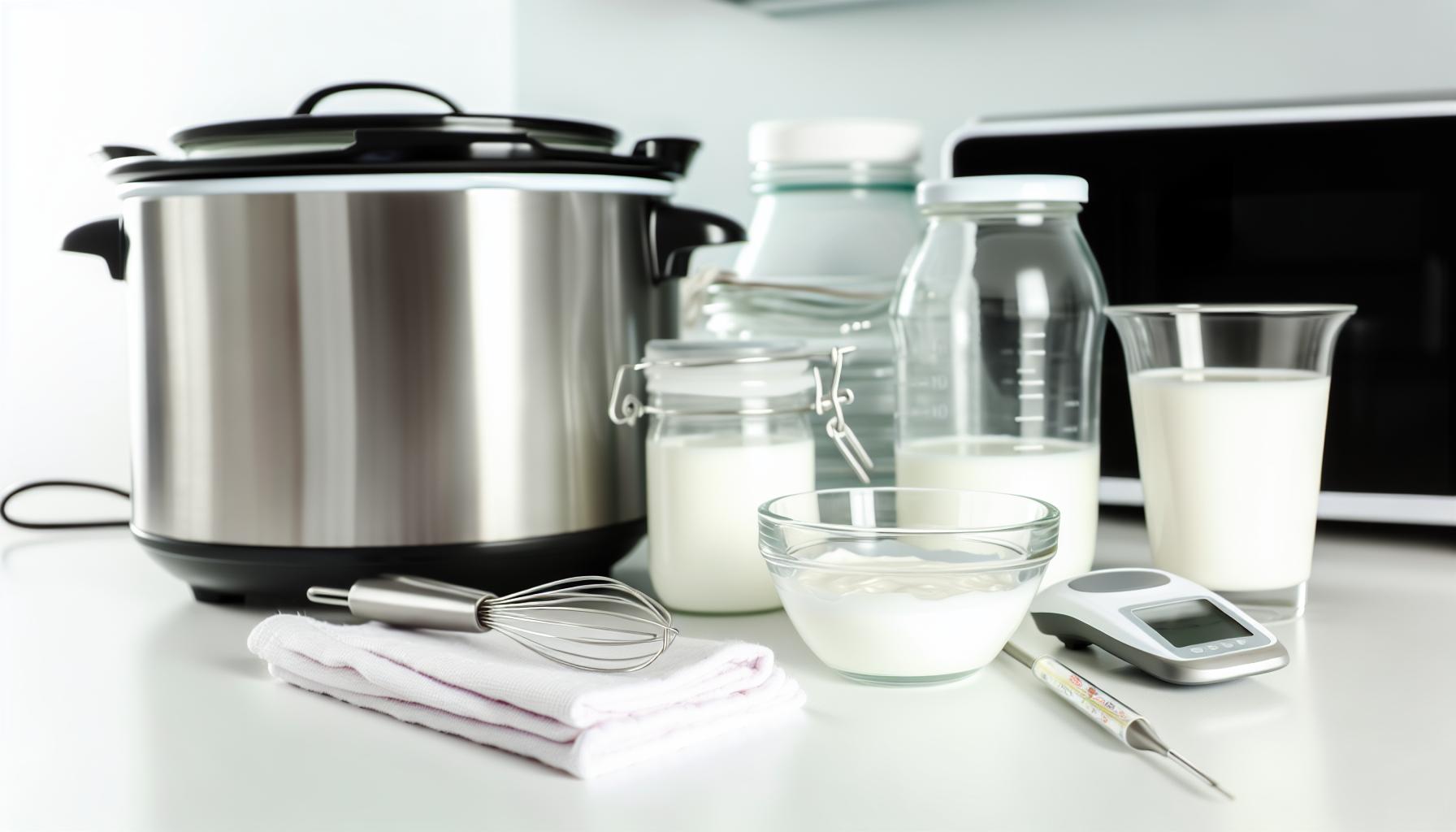
When you’re ready to dive into making yogurt with your slow cooker, you’ll find the ingredient list is delightfully short-and the gear is likely already sitting in your kitchen. It’s one of those recipes that feels fancy but is actually mostly about patience and a couple of simple, quality ingredients. The magic happens when you let nature do its thing at a cozy, steady temperature inside your slow cooker.
To get started, you’ll need a couple of essentials: milk and a starter culture. Milk is your canvas, and the starter yogurt brings the friendly bacteria that transform milk into creamy, tangy yogurt. Most folks use plain yogurt with live active cultures or a bit of store-bought yogurt as their starter-think of it as borrowing a helpful microbial neighbor who’s been there before. You’ll want about half a cup of starter per quart of milk,which is perfect for a slow cooker batch that often ranges from 2 to 3 quarts. As for milk, the choice between whole, 2%, or skim changes the richness of your final yogurt, but all work well, so pick what fits your taste and dietary needs.
Aside from ingredients, the other must-have tool is your trusty slow cooker with a removable insert-this makes the clean-up way easier and helps you manage temperatures more precisely. A thermometer is your best kitchen sidekick here since heating milk to the right temp (around 180°F) is key to killing off unwanted microbes and prepping the milk proteins for thickening. If you don’t have a thermometer, no worries, just keep a close eye on the milk as it starts steaming but not boiling over. Wrapping your slow cooker with a thick towel or blanket after mixing in the starter helps maintain a cozy environment for the bacteria to thrive, so have one handy.
You might also want to gather a few extras to customize or troubleshoot: a fine-mesh strainer or cheesecloth if you’re aiming to thicken your batch into Greek-style yogurt later on; a spatula for gentle stirring; and clean jars or containers for storing your delicious creation in the fridge afterward. Nothing complicated, but these simple tools will make your homemade yogurt journey smooth and enjoyable.
Swift Essentials Checklist
- Milk: whole,reduced-fat,or skim (cow’s milk or plant-based alternatives,if you wish,though results vary)
- Starter Yogurt: ½ cup with live active cultures per 1 quart of milk
- Slow Cooker: preferably with removable insert for easy cleanup
- Thermometer: instant-read or candy thermometer for accuracy
- Towel or blanket: to insulate slow cooker during culturing
- Fine-mesh strainer or cheesecloth: optional,for thicker yogurt textures
- Clean storage containers: jars or airtight tubs for refrigeration
- Spatula or whisk: for mixing ingredients gently
A quick note - if you’re paleo or gluten-free,most slow cooker homemade yogurt recipes fit effortlessly into your diet with minimal tweaks. Just use dairy that matches your preferences (or coconut milk yogurt starter for non-dairy enthusiasts). And if you’re short on time, don’t shy away from shortcuts like using store-bought milk already pasteurized-your slow cooker will do the heavy lifting of culturing.it’s kind of like having your kitchen buddy on standby,ready to create silky smooth yogurt without the fuss.
Making yogurt at home in a slow cooker blends low-effort, high-reward cooking with the joy of knowing exactly what’s in your food-and tasting the difference that fresh, homemade yogurt brings to breakfast, snacks, and beyond. Roll up your sleeves, grab your ingredients, and get ready for a kitchen experiment that’s almost as fun as eating the results!
Step-by-Step Slow Cooker Yogurt Instructions
There’s somthing downright magical about turning simple milk into luscious yogurt using just your slow cooker. It’s a bit like inviting friendly bacteria to a warm spa day – they do all the heavy lifting while you kick back. The beauty? This process mostly involves patience, a couple of ingredients, and very little hands-on time, making it a perfect slow cooker sidekick recipe for busy home cooks who still crave homemade goodness.
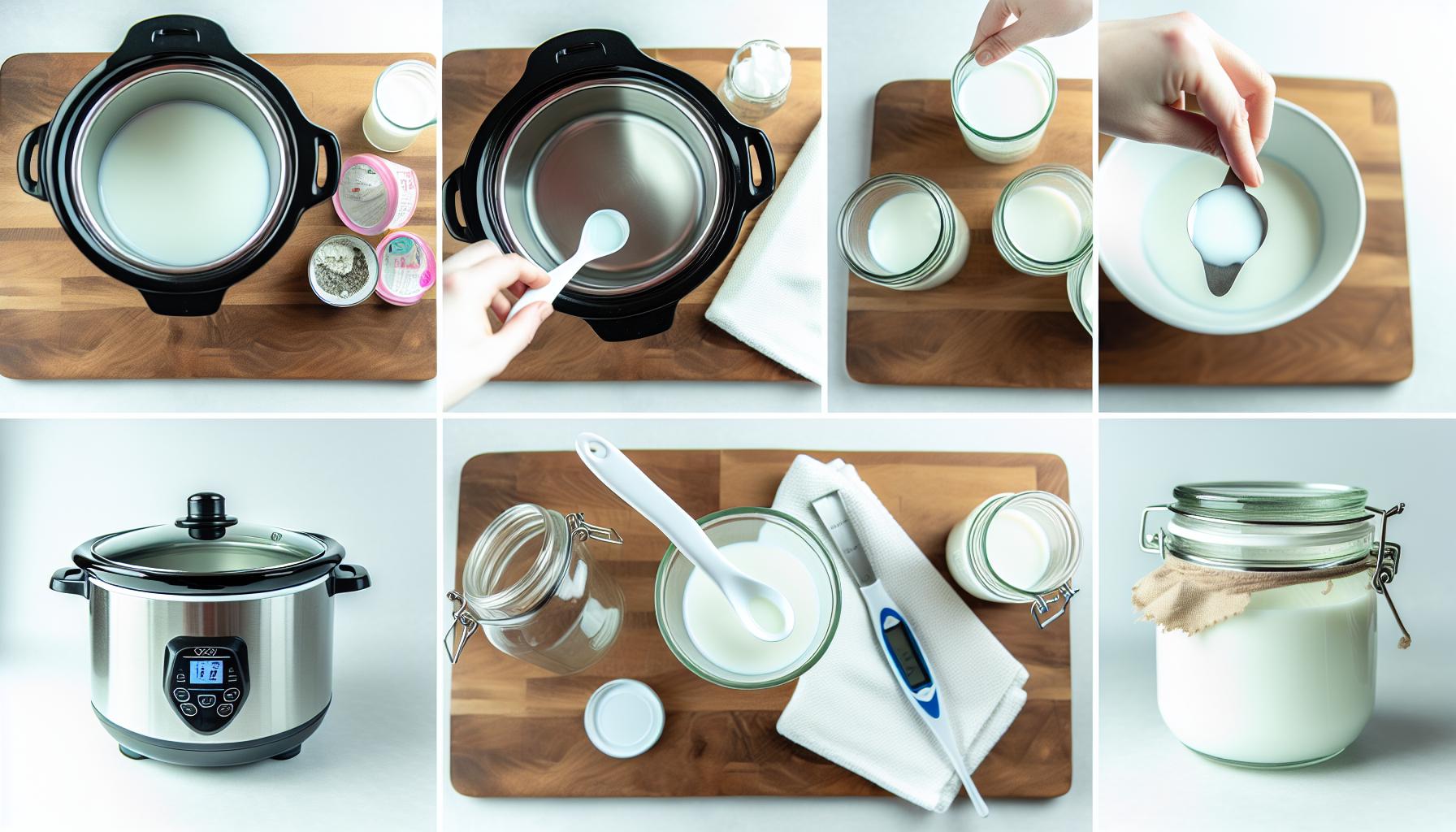
The first step is heating your milk to around 180°F (82°C). This step might sound fancy, but it’s super crucial-it kills off unwanted bacteria and changes the milk proteins so your yogurt sets up nice and thick. Pour your milk into the slow cooker insert and turn it on high. Use a kitchen thermometer to monitor the temperature. When you hit 180°F, turn the slow cooker off and let the milk cool down to about 110°F (43°C)-this is the cozy temperature where your starter cultures get comfy and ready to multiply.
once your milk is at the right temperature, it’s time to introduce your starter culture. This is usually about ½ cup of plain yogurt with live active cultures per quart of milk. stir gently but thoroughly so those beneficial bacteria spread evenly. Wrapping a towel or small blanket around the slow cooker helps keep everything toasty during incubation. Pop the lid back on and let your yogurt culture undisturbed for 6 to 12 hours, depending on the tanginess and thickness you prefer. Longer incubations yield a more tangy, firmer yogurt-my family usually leans closer to 8 hours for a nice balance of creamy and zingy.
- Heat the Milk: Pour your milk into the slow cooker and heat it on HIGH until it reaches 180°F. Stir occasionally to prevent scorching.
- Cool the Milk: Turn off the slow cooker and let the milk cool to 110°F-this is the sweet spot for your yogurt cultures.
- Add the Starter: Whisk in ½ cup of plain yogurt with live cultures per quart of milk gently and thoroughly.
- Incubate: Cover the slow cooker. Wrap it with a towel or blanket and let it sit undisturbed for 6-12 hours.
- Chill and Store: Once the yogurt has thickened and tastes tangy, transfer it to clean containers and refrigerate for at least 4 hours before enjoying.
If you’re worried about timing-don’t be! The slow cooker does the quiet work while you can binge-watch your favorite show or prep breakfast for the week. Also, feeling adventurous? Try a splash of vanilla extract, a drizzle of honey, or even a cinnamon stick during incubation for flavour magic. Just remember, the longer the culture time, the more tangy and thick your yogurt will get, so adjust based on your family’s preferred flavor profile.
Making yogurt in your slow cooker isn’t just efficient-it’s genuinely fun. You end up with creamy, fresh yogurt that beats anything from the store, plus bragging rights for your DIY kitchen skills. your gut and taste buds will thank you!
Choosing the Best Milk for Creamy Yogurt
When it comes to transforming milk into creamy, dreamy yogurt in your slow cooker, the type of milk you choose plays a starring role. Think of milk as the canvas for your yogurt masterpiece-the richer and higher quality the canvas, the more delicious and luscious your end product will be. While the slow cooker handles the magic of fermentation and thickening, starting with the right milk sets you up for success and makes all the difference in texture and flavor.
Whole milk is the classic go-to for yogurt makers who crave a naturally creamy consistency without any fuss. The fat content in whole milk smooths out the tangy bite of the yogurt and helps it thicken nicely without adding extra thickeners. If you’re aiming for a probiotic-packed treat that doubles as a comfort food staple, whole milk’s your best buddy. Plus, it’s naturally gluten-free and paleo-friendly, ticking off those dietary boxes without compromise. For those who prefer a lighter option, 2% milk works fine but expect a slightly less creamy feel-not a dealbreaker, just a heads-up!
If you’re feeling adventurous or your kitchen likes to mix it up, non-dairy milk can be used but requires a bit more care. Almond, coconut, or cashew milk can all make tasty yogurts, but since they lack the natural proteins and sugars of cow’s milk, they often need thickeners like agar agar or gelatin and a bit of extra patience during culturing. Make sure your non-dairy milk is *unsweetened* and free of additives, as sugars and stabilizers can throw off fermentation. Homemade nut milks that you control fully tend to yield the best texture and flavor when making dairy-free yogurt.
Milk Selection Tips for Top-Notch Yogurt
- Full-fat milk (whole milk) yields the creamiest, thickest yogurt naturally.
- 2% or skim milk works but expect thinner, tangier results; consider adding powdered milk for extra creaminess.
- raw milk enthusiasts: Raw milk can be used but must be pasteurized by heating to 180°F and cooled to 110°F before culturing to ensure safety.
- Non-dairy milks need thickeners and careful monitoring; best for those committed to paleo, dairy-free, or vegan diets.
- look for milk without additives like carrageenan or emulsifiers, as these interfere with yogurt consistency.
Personally, I’ve found that starting with a quality whole milk-local or organic if possible-takes all the guesswork out of the equation. On busy mornings, there’s nothing more comforting than thick, homemade yogurt that I can dollop on granola or swirl with honey without worrying about weird textures or flavors. But hey, if you’re in a pinch, regular store-bought milk will do just fine. the slow cooker’s magic and the live cultures in your starter do most of the heavy lifting.Just pour,heat,cool,and culture-the rest is pure yum.
| Milk Type | Fat Content | Best For | Pros | Cons |
|---|---|---|---|---|
| Whole Milk | 3.25% | Creamy, rich yogurt | Thick texture, rich flavor, natural fat | Higher calories |
| 2% Milk | 2% | Lighter yogurt | Lower fat, still creamy | Less thick, may be tangier |
| Skim Milk | 0-0.5% | Low-fat option | low calories, healthy | Thin texture, needs thickener |
| Non-Dairy (Almond, Coconut, Cashew) | Varies | Dairy-free, paleo-friendly | Good for special diets | Needs thickener, more care |
Choosing the right milk isn’t about perfection-it’s about picking what fits your taste, lifestyle, and kitchen mojo. The beauty of homemade yogurt is it flexes to your needs, just like a good friend who knows when you need a rich cuddle or a light, refreshing snack. So grab your favorite milk, and get ready for a slow cooker yogurt adventure that’s as fun as it is indeed tasty. Your taste buds and gut will give you a high-five!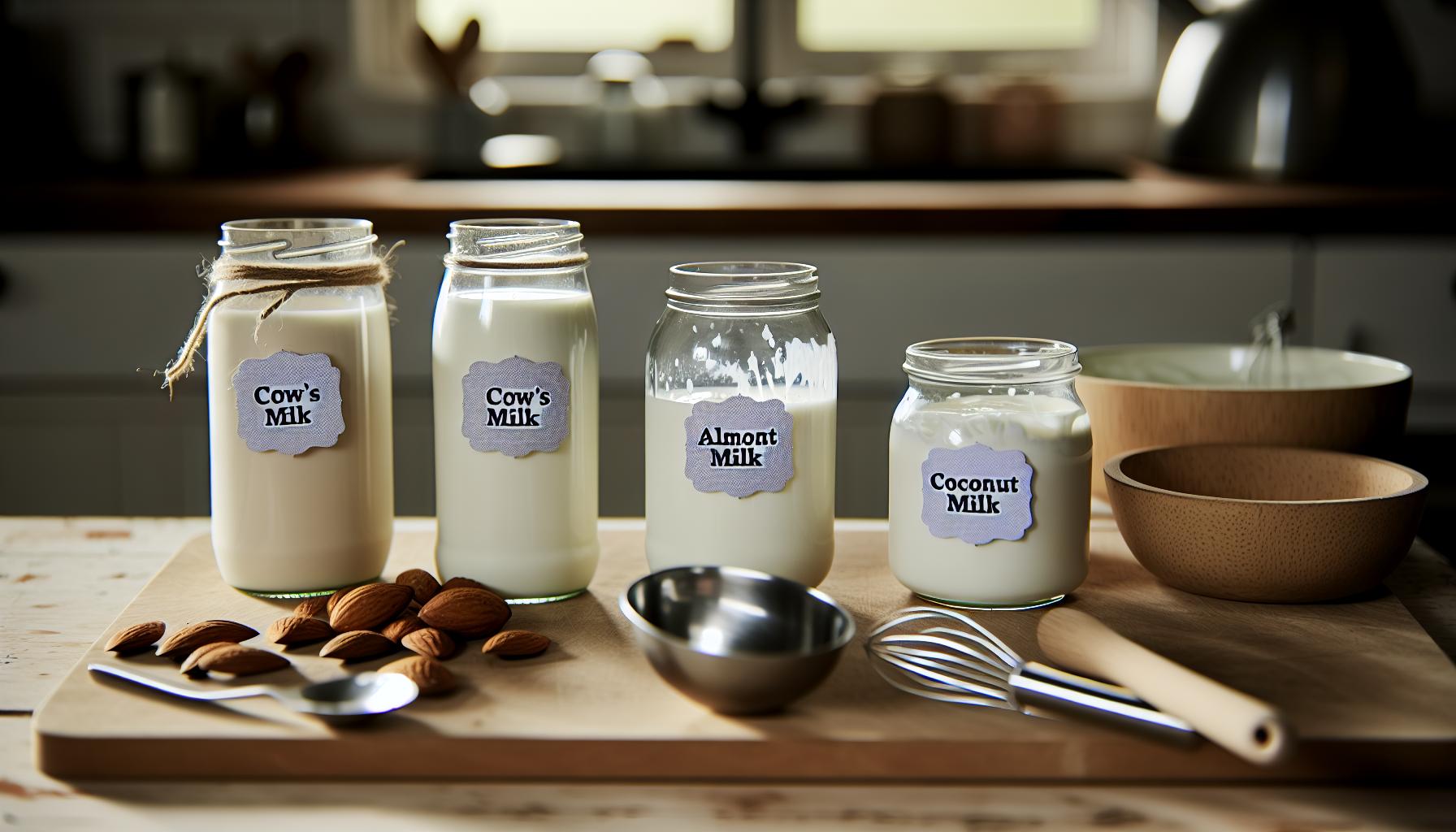
How to Customize Yogurt Flavor and Texture
Making your slow cooker yogurt feel truly your own is one of the best parts of homemade yogurt magic. Whether you love it plain and simple or crave a swirl of flavors and textures, the customization possibilities are delightfully endless-and they don’t require fancy skills, just a pinch of creativity and a splash of fun. From adjusting tanginess to experimenting with mix-ins, here’s how to shape your yogurt just the way you like it.Flavor tweaks start with the culturing time. Generally,the longer you let your yogurt culture,the tangier it becomes-think of it like slow-brewed tea for your taste buds. If you prefer mild, creamy yogurt, aim for about 6 to 8 hours of fermentation. But if you want that punch of tartness to brighten your bowl, 10 to 12 hours will get you there. Remember, don’t sweat it if you overshoot a bit; tangier yogurt is fantastic in dressings, smoothies, or curry bases. For an even richer flavor, try stirring in a teaspoon of good vanilla extract or some fresh lemon zest after culturing.
Texture is another joy to play with-creamy or thick, chunky or smooth, it all starts from your milk choice and a few handy tricks. To naturally thicken yogurt without additives, start with whole milk or add powdered milk before heating. If your yogurt ends up too runny, gently whisk in a spoonful of strained yogurt (your starter), which acts like a natural thickener for the next batch. For a luscious spoonable creaminess, try straining your finished yogurt through a cheesecloth for an hour or two-hello, homemade Greek-style yogurt! Vegan or paleo fans can experiment with agar-agar or gelatin to thicken non-dairy batches, just mind the timing and instructions to avoid gummy textures.
Delicious Customization Ideas
- Sweeten Naturally: Stir in honey, maple syrup, or a splash of pure fruit syrup once the yogurt has chilled. Perfect for breakfast bowls or snacks.
- Flavor Boosts: fresh berries,cinnamon,ground cardamom,or toasted coconut make simple add-ins that transform everyday yogurt into a gourmet treat.
- Texture twists: Add chopped nuts, chia seeds, or even a little granola right before serving for that satisfying crunch.
- Probiotic Punch: Mix in probiotic powders or antioxidant-rich powders like matcha for an extra health kick without changing flavor much.
In my kitchen, I’ve learned that slow cooker yogurt is forgiving and fun-the perfect canvas to experiment without fear.One morning, I hastily added vanilla and honey before culturing and ended up with a slightly less-set but deeply aromatic yogurt that my family adored. life’s too short for perfect kitchen science only-sometimes a happy accident is the best flavor booster.
So, grab your favorite milk, a favorite flavor combo, and a spirit of playful experimentation.The slow cooker handles the heavy lifting, and you get to be the artist of your delicious creation.Whether you like your yogurt thick or thin,plain or packed with goodies,the customization possibilities mean each batch feels like a fresh little celebration. Enjoy the creamy, tangy, dreamy journey!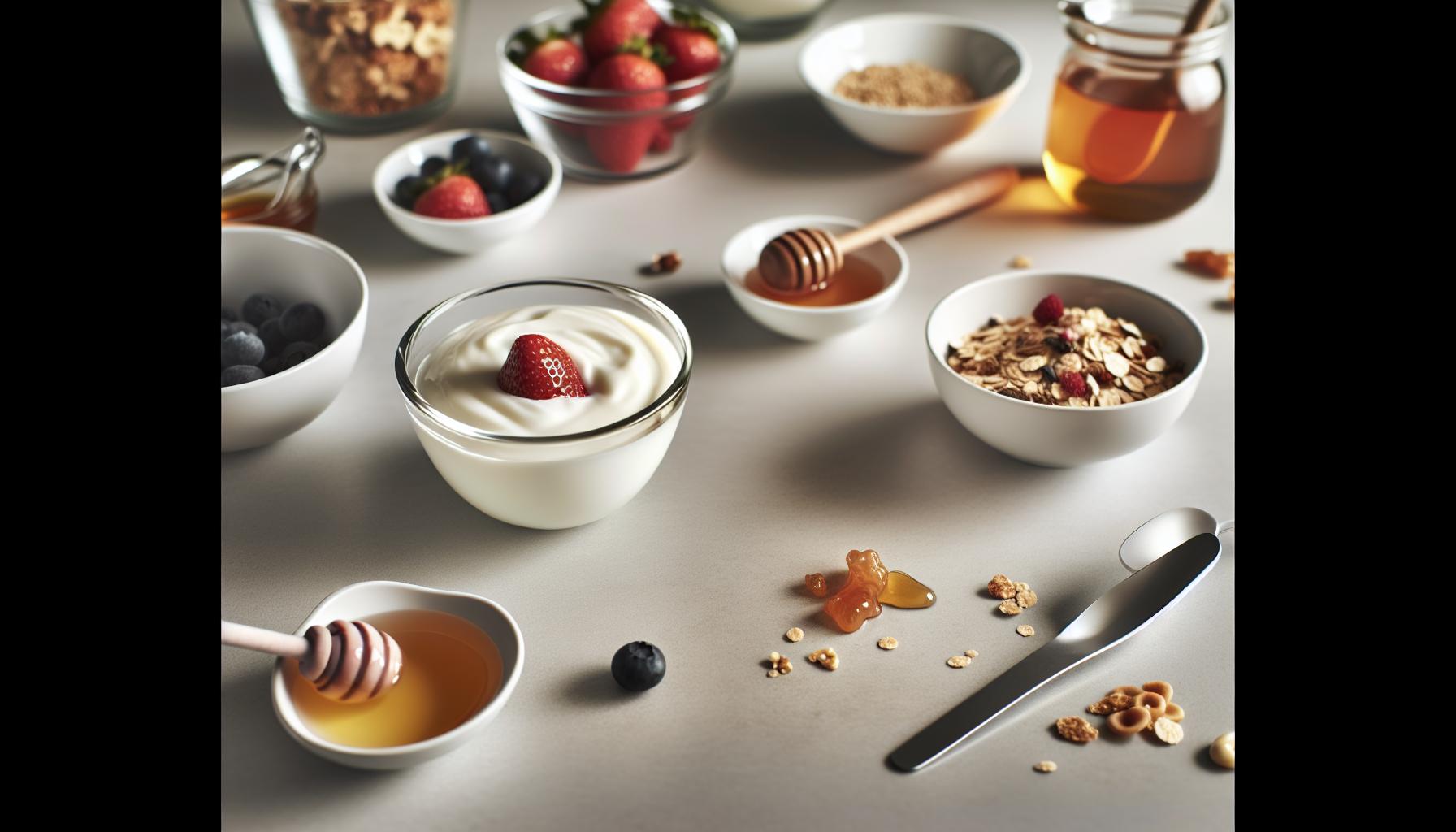
Troubleshooting Common Slow Cooker Yogurt Problems
You’re embarking on a yogurt-making adventure with your slow cooker,and sometimes the journey hits a few bumps – runny yogurt,too sour,or maybe it never quite sets right. Don’t worry! Even the most seasoned home cooks have their “oops” moments with yogurt. The good news? Most issues have straightforward fixes,so you can get back to enjoying creamy,homemade goodness without the stress.
One of the most common hiccups is yogurt not setting properly or being too runny. This often happens when the milk temperature isn’t quite right during the heating or culturing stages. For the magic to happen, your milk needs to be heated to around 180°F (82°C) to denature proteins, which helps thicker yogurt set later.Then, cooling it down to about 110°F (43°C) before adding your starter is key – too hot, and you’ll kill the friendly bacteria; too cool, and culturing slows way down. If you miss the mark, the yogurt tends to come out loose and soupy. If you find yourself here, try these easy fixes:
- double-check your temperatures: Use a reliable kitchen thermometer to hit these sweet spots.
- Add a bit of powdered milk: Stir in 1/4 cup of powdered milk per quart before heating to boost creaminess without extra fat.
- Increase culturing time: Sometimes just letting it go an extra hour or two transforms that liquid batch into a spoon-worthy treat.
- Use a thicker starter yogurt: Make sure your starter has live active cultures and is thick itself - it’s your yogurt’s best friend!
another scenario is when yogurt tastes too tart or sour,which might alarm new yogurt makers who expect mild tang. Late fermentations deepen tanginess-think tart lemonade rather than gentle milk cream. If that’s not your vibe, shorten your culturing period to 6-8 hours. You can always pop the finished yogurt in the fridge to slow the fermentation and mellow flavors. Conversely, if it’s bland or flavorless, you may have accidentally used pasteurized starter without live cultures or the temperature was too low for bacteria activation. For consistent results,always choose plain yogurt labeled with “live and active cultures” and keep your slow cooker warm but not hot.
Sometimes you’ll see a layer of watery whey on top after fermentation. This clear liquid is harmless and just a sign your yogurt is separating a bit,especially if you used low-fat milk. Simply stir it back in for a thinner yogurt or strain it through cheesecloth if you crave dense Greek-style texture. I once left my batch wrapped in a towel to keep warm and came back to a slightly uneven set – stirring gently and re-chilling saved it, so patience (and a gentle hand) go a long way.
When Your Slow Cooker Stirs Up Unexpected results
- Problem: Yogurt never thickens.
- Try: Extending fermentation time; reheating milk properly; boosting milk fat by using whole milk or adding powdered milk.
- Problem: Yogurt tastes bitter or off.
- Try: Using fresh, high-quality milk; avoiding overheating or leaving milk in the slow cooker too long pre-culturing; checking that starter yogurt is fresh.
- Problem: Yogurt has grainy or lumpy texture.
- try: Ensuring slow cooling after heating milk; stirring well but gently before culturing; trying another yogurt starter brand since cultures vary.
Home yogurt making in a slow cooker is equal parts science and soul, where tiny timing tweaks and milk choices have outsize effects. If you’ve ever rushed through a batch, tossed in honey too soon, or eyed your slow cooker with suspicion, welcome to the club! Each batch teaches you a little more about how your slow cooker behaves and what your taste buds adore. Keep a little notebook or phone memo with your timings, milk types, and tweaks - it’s like slow cooker yogurt detective work that pays off big time. Remember: your perfect yogurt is just a little patience and one more batch away.
By embracing these troubleshooting tips with a dash of kitchen curiosity, you’re well on your way to becoming a slow cooker yogurt pro – no fuss, no stress, just creamy, tangy magic at home. Enjoy every spoonful!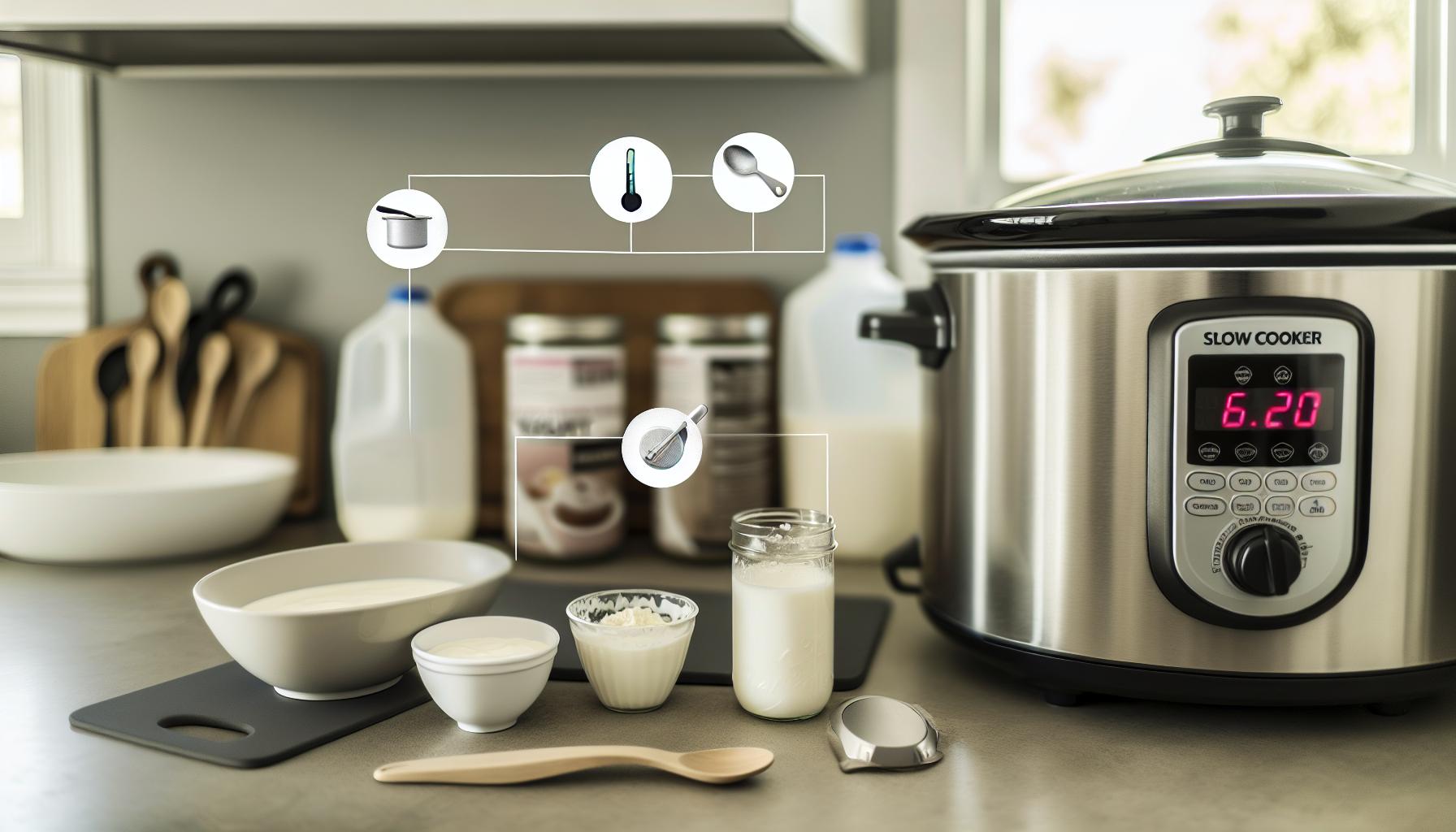
Simple Tips to Speed Up Yogurt Culturing Time
If waiting hours for your yogurt to set feels like an eternity, you’re definitely not alone. The culturing step is where patience meets science, but there are some clever tricks to kick-start those friendly bacteria and sneak a little speed into your slow cooker yogurt game. The secret? It’s all about creating the perfect cozy environment for your cultures to thrive quickly without sacrificing that creamy, tangy goodness you love.
One simple strategy is to pre-warm your starter yogurt before mixing it in. Letting it come to room temperature-not cold straight from the fridge-helps the cultures hit the ground running. When cold yogurt is added to milk at around 110°F (43°C), it can temporarily slow down the bacteria’s activity. Think of it like trying to sprint right after jumping into a chilly pool-it just takes a moment to warm up. I like to set my starter out while my milk cools from 180°F after heating, so everything is ready just in time.This small step shaves valuable culturing time without any fancy gadgets.
Another game-changer in speeding up culture growth is adding a bit of powdered milk to your base milk before heating it up. Just a quarter cup per quart not only thickens the final product but boosts nutrients the bacteria love. It’s like giving your culturing community a gourmet buffet instead of just plain munchies. More protein means stronger gel formation and quicker setting. A thick, spoonable yogurt can often be achieved on an 8-hour timer instead of lingering 10 to 12-perfect for those busy mornings when you want your creamy breakfast without the wait.
- Set your slow cooker to “Keep Warm” with the lid slightly tilted: This keeps the temperature stable around the culturing sweet spot (110°F – 115°F) but prevents overheating that stalls growth.
- Use a kitchen thermometer: Keeping a close eye on temperature avoids falling into the “too cold” or “too hot” traps, which can double culturing time or kill your cultures.
- Choose active, fresh starter yogurt: The fresher the cultures, the faster they multiply. Store-bought plain yogurts with live cultures often differ widely in activity, so find your favorite speedy starter brand.
if you’re really pressed for time but still want that tang and texture, try wrapping your slow cooker in a thick towel or placing it inside a turned-off oven with the light on after mixing in the starter. This extra insulation keeps the heat steady and cozy for your cultures to accelerate setting. I’ve even tucked mine with a heating pad set to low (yes, a little kitchen hack!) when winter chills slow things down. Technology isn’t required here-just a warm, happy home for your microbes to party.
With these tweaks up your sleeve, culturing your slow cooker yogurt becomes less of a waiting game and more like your new streamlined routine. A little effort beforehand pays off with creamy, smooth results in less time, freeing you up to enjoy yogurt bowls topped with your favorite paleo- and gluten-free goodies.Trust me, squeezing in these easy speed-ups is like adding an espresso shot to your yogurt-making ritual-fast, energizing, and totally worth it!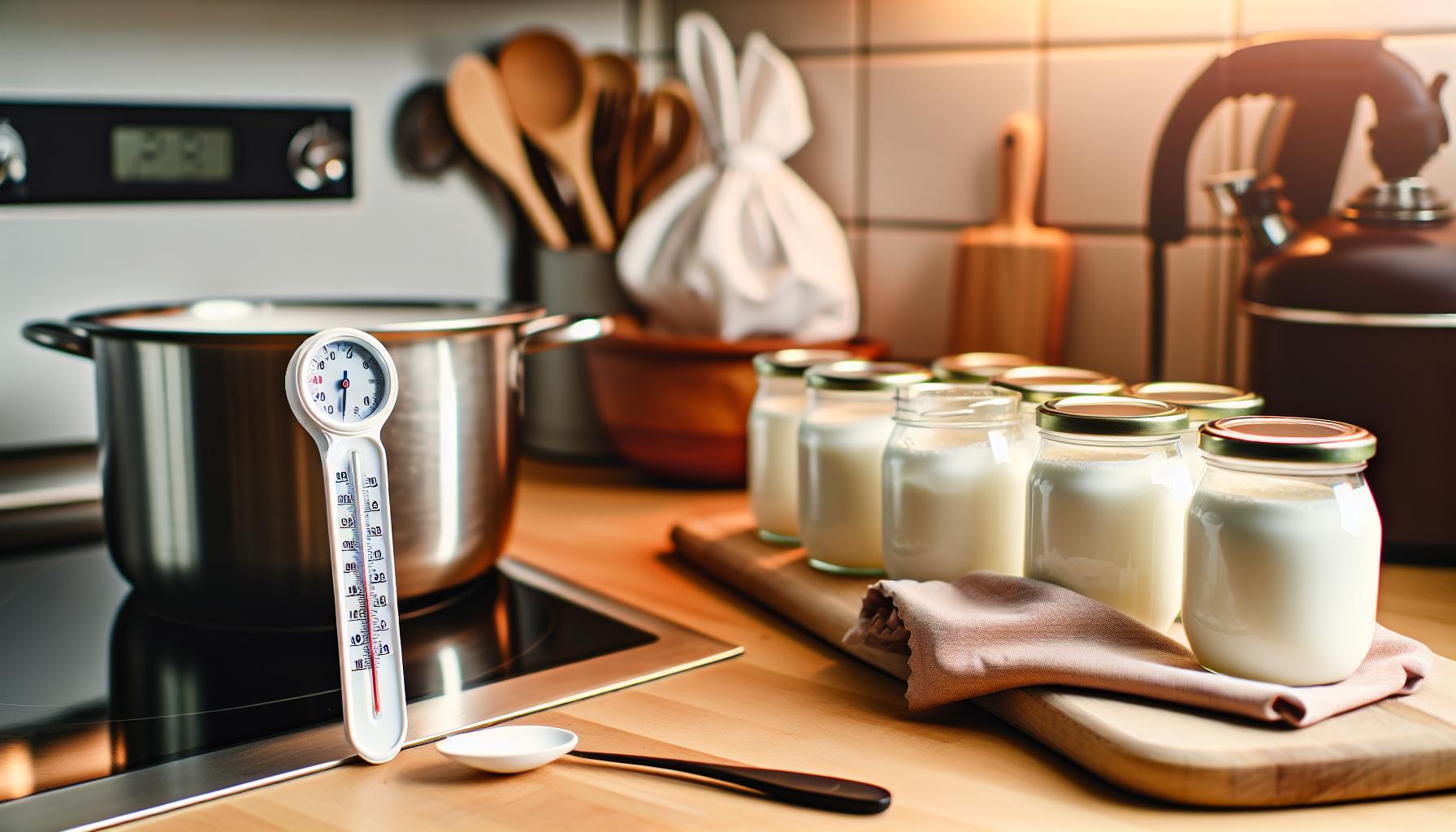
Safe Storage and shelf Life of Homemade Yogurt
Homemade yogurt is a delight to make, but once your slow cooker masterpiece is ready, treating it right ensures each creamy spoonful stays fresh and delicious. just like any fermented dairy treat, your homemade yogurt is alive with live cultures, which continue to slowly change the flavor and texture over time – so proper storage is the secret to keeping that perfect balance of tang and creaminess on point.
For starters, once your yogurt has cultured and set beautifully, it’s best to transfer it to clean, airtight containers and pop them in the fridge right away. Cool temperatures between 36°F and 40°F (2°C to 4°C) slow down bacterial activity without killing the friendly cultures,letting your yogurt stay fresh for up to 2 weeks-yes,that’s right,homemade can outlast many store-bought versions if handled well! If you’re like me,I always mark my containers with the date so I don’t lose track amidst the fridge chaos. If you find your yogurt gets a bit more tangy over time, it’s just those bacteria happily doing their thing-feel free to stir and enjoy.
- Avoid double-dipping: Use clean spoons each time to keep contamination at bay, which helps extend shelf life and maintain a tasty flavor.
- Store in smaller portions: Dividing yogurt into single-serving jars cuts down on fridge door invasions (and potential contamination) when you just want a quick snack.
- Keep it covered tight: Exposure to air can cause drying or unwanted mold, so airtight lids are a must.
Sometimes, you might be wondering if you can freeze your slow cooker yogurt for longer storage. Freezing is totally doable but be prepared for a slight change in texture. When thawed, yogurt can become a little grainy or watery as the whey separates, but a vigorous stir or quick blend can bring it back together nicely. Frozen yogurt will maintain best quality for up to 2 months in the freezer, so it’s great for bulk batches or preserving that extra jar waiting in the wings.
Signs Your Yogurt Has Passed Its Prime
Knowing when to say goodbye is just as importent as when to dig in. If you notice any fuzzy mold on the surface, an unpleasant sour or rancid smell, or a severe watery separation that doesn’t mix back in, it’s time to toss. No shame in it – homemade yogurt is a living food and sometimes it just takes a bad turn. When in doubt, use your senses and trust your gut.
Food safety aside, keeping homemade yogurt fresh and tasty really comes down to simple fridge math and respectful storage habits. With these tips, you’ll savor bowls of creamy goodness without rush or waste, enjoying every Paleo-friendly, gluten-free bite you lovingly cultured in your slow cooker. And the best part? No preservatives, just gentle, homegrown deliciousness ready to fuel your day or jazz up your favorite recipes.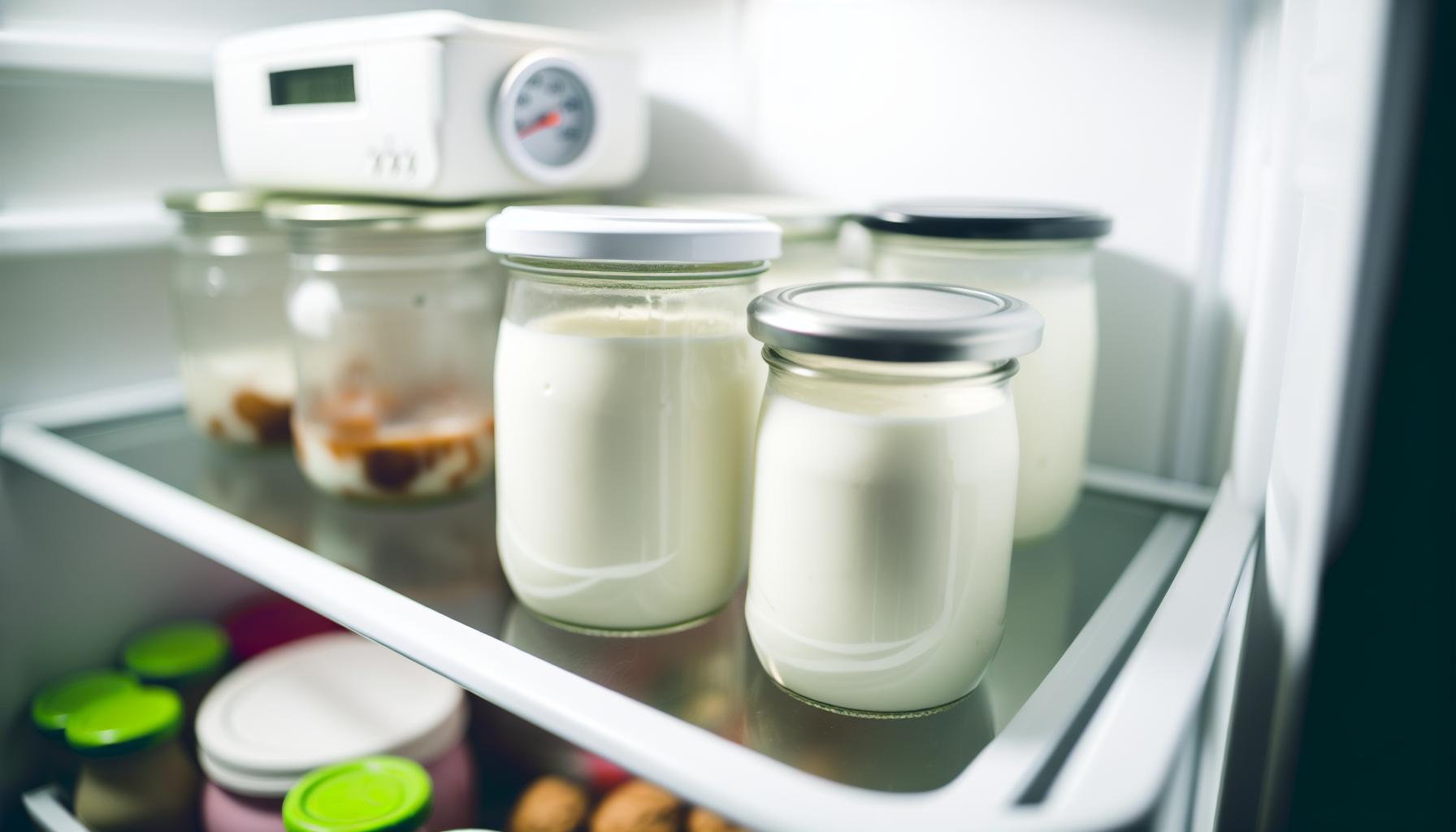
Creative Ways to Use Your Homemade Yogurt
There’s something wonderfully satisfying about turning a simple batch of homemade slow cooker yogurt into a whole world of tasty possibilities. Beyond just eating it by the spoonful, your creamy creation can become a superstar ingredient that jazzes up breakfasts, dinners, snacks, and even desserts-all while keeping it paleo and gluten-free friendly. Since you already have the yogurt base down pat, why not let it shine in ways that make every bite feel like a little celebration of wholesome, homemade goodness?
Start your day by stirring a dollop of slow cooker yogurt into warm gluten-free granola or atop fresh berries. It adds a burst of protein and creaminess that’s far richer and less processed than store-bought options. Feeling fancy? Whip together a simple fruit compote by simmering your favorite berries with a touch of honey or maple syrup, then spoon over yogurt for a luscious parfait. For a quick paleo-approved smoothie, blend yogurt with avocado, spinach, and a splash of coconut water-velvety texture guaranteed, and bonus points for sneaking in veggies without a fuss.
- Dips and Dressings: Yogurt makes a naturally tangy base for savory dips. Mix in fresh herbs like dill,garlic,cucumber,or lemon juice to create a paleo-friendly tzatziki,perfect for raw veggie crudités or grilled meats.
- Baking Secret Weapon: Substitute yogurt for oil or sour cream in gluten-free muffin and pancake recipes. It adds moisture, tender crumb, and a subtle tang that keeps baked goods from drying out.
- Cooling Curries and Spicy Dishes: A spoonful of homemade yogurt can tame heat in dishes like chili or Indian curry, lending a luscious creaminess while keeping everything dairy-fresh and gut-loving.
Experimenting with Texture and Flavor
If your taste buds crave a little extra zest, mix in natural sweeteners (think raw honey or pure maple syrup), vanilla extract, or a sprinkle of cinnamon right into your bowl before digging in. Don’t hesitate to fold in chopped nuts or seeds for crunch and extra nutrition. On the flip side,when going savory,a pinch of smoked paprika or a drizzle of infused olive oil can elevate simple yogurt to a gourmet level.Plus, playing with thickness is easy-strain your homemade yogurt through cheesecloth for a thicker Greek-style version that’s perfect as a creamy spread or base for savory bowls.
One of my favorite quick meals uses yogurt as the star sauce: toss grilled chicken or baked salmon with a generous spoonful, add fresh herbs and a squeeze of lemon, and slide in some steamed veggies on the side. It’s fast, fresh, and just the right balance of tang and creaminess. Best part? With homemade yogurt ready in your slow cooker, you always have that magic ingredient waiting in the fridge to turn everyday meals into cozy, nutrient-packed delights.
Whether you’re spooning, blending, dipping, or drizzling, your homemade slow cooker yogurt brings endless versatility. It’s not just food-it’s an adventure your kitchen deserves!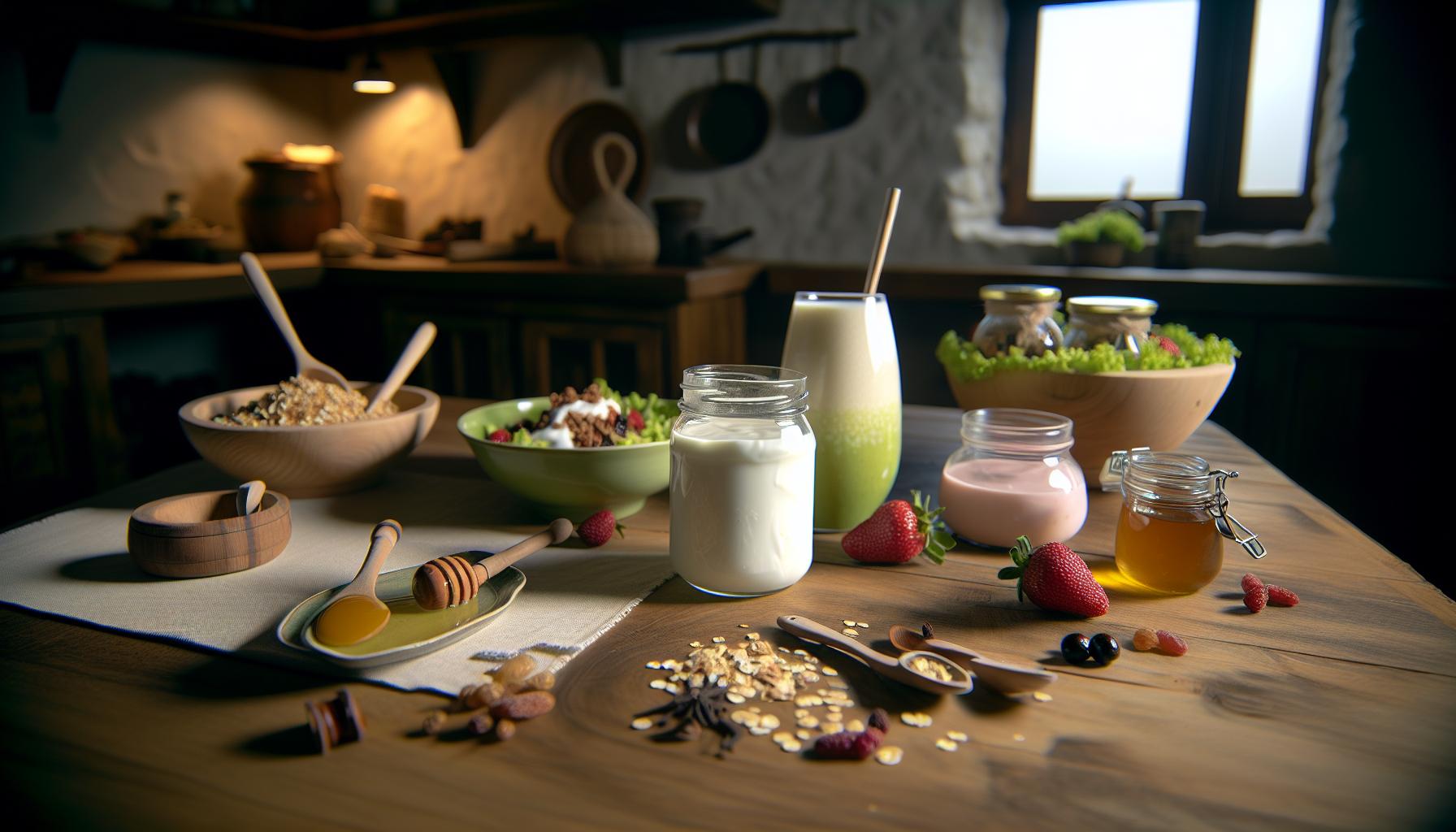
Adapting Slow Cooker Yogurt for Paleo and Gluten-Free Diets
When you think of homemade yogurt, paleo and gluten-free living might not be the first connection that pops into your mind. But here’s the sweet spot: with just a bit of mindful ingredient choice and a fun DIY spirit, your slow cooker yogurt can easily fit these diets like a cozy pair of slippers. It’s all about choosing the right milk, starter cultures, and mix-ins that honor your lifestyle without skimping on creaminess or flavor.Plus, slow cooker yogurt is a brilliant way to indulge in probiotics and protein while keeping things simple and wholesome.
one of my go-to tricks is using fresh, organic coconut milk or full-fat almond milk for a paleo-approved twist, especially if you’re avoiding dairy. while traditional yogurt relies on dairy milk’s natural sugars to feed the cultures, nut and coconut milks can flourish if you add a little natural sweetener-like raw honey or pure maple syrup-to fuel fermentation. If you’re a dairy lover, grass-fed whole milk remains the gold standard for that rich texture and tang but always check that your starter culture is free from additives or gluten-containing fillers. For gluten-free kitchens, homemade yogurt is a dream come true-no hidden gluten lurking here.
- Substitution Tips: For paleo versions, swap cow’s milk with canned coconut milk mixed with a tablespoon of honey or maple syrup to encourage good bacteria growth.
- Starter Culture Advice: Use plain Greek yogurt from a trusted source or a powdered yogurt starter labeled gluten-free and dairy-free if needed.
- Flavor Boosters: Stir in chia seeds or flaxmeal (both paleo-friendly) for texture and omega-3s, or sprinkle in some cinnamon or nutmeg to sweeten things naturally.
Crafting Paleo & Gluten-Free Yogurt Meals with Ease
Breakfast, snacks, and even dinner get a major upgrade with this versatile ingredient. Imagine dolloping your slow cooker creation over a bowl of roasted fresh berries and gluten-free granola-hello, luscious texture and clean energy! For a savory spin that’s 100% paleo-compliant, whip up a quick tzatziki-inspired sauce by combining yogurt with minced cucumber, fresh dill, garlic, and a squeeze of lemon juice-dip your grilled veggies or drizzle it over baked salmon for an effortless gourmet touch. And since yogurt acts as a moisture magnet in baking,swapping in your homemade creation for oil or sour cream in your favorite gluten-free muffin or pancake recipes can bump up both flavor and nutrition without a fuss.
Hey, I get it-the kitchen is busy, and sometimes shortcuts save the day without guilt. Feel free to grab a store-bought paleo-friendly yogurt starter or convenience-friendly plant-based milk alternatives, but once you get the hang of slow cooker fermenting, you’ll see it’s surprisingly low-maintenance. Just a few hours in the warmth of your slow cooker, and you’ll have a probiotic-rich veggie-friendly base ready in the fridge for snacks, dips, and smoothies that respect your dietary choices and bring joy to your meals.
| Dietary Need | Recommended Milk | Starter Culture | Flavor Enhancements | Use Case Ideas |
|---|---|---|---|---|
| Paleo | Canned full-fat coconut milk + raw honey/maple syrup | gluten-free, dairy-free powdered starter or plain paleo yogurt | Fresh herbs, garlic, lemon juice (savory); cinnamon, nutmeg (sweet) | Tzatziki dip, smoothies with spinach/avocado, baking substitute |
| Gluten-Free | Grass-fed whole milk or almond milk | Plain Greek yogurt (gluten-free certified) | Chia seeds, nuts/seeds, vanilla extract | Granola toppings, parfaits, cooling sauces for spicy dishes |
Finding comfort and confidence in homemade yogurt for your paleo and gluten-free pantry means you’re crafting real food that supports your health without sacrificing any fun. Plus, it’s a joy to know exactly what’s in your bowl - no surprises, just pure, creamy goodness. So fire up that slow cooker, experiment with milks and flavors, and enjoy the process of making this kitchen staple your own loyal sidekick on your healthful meal journey.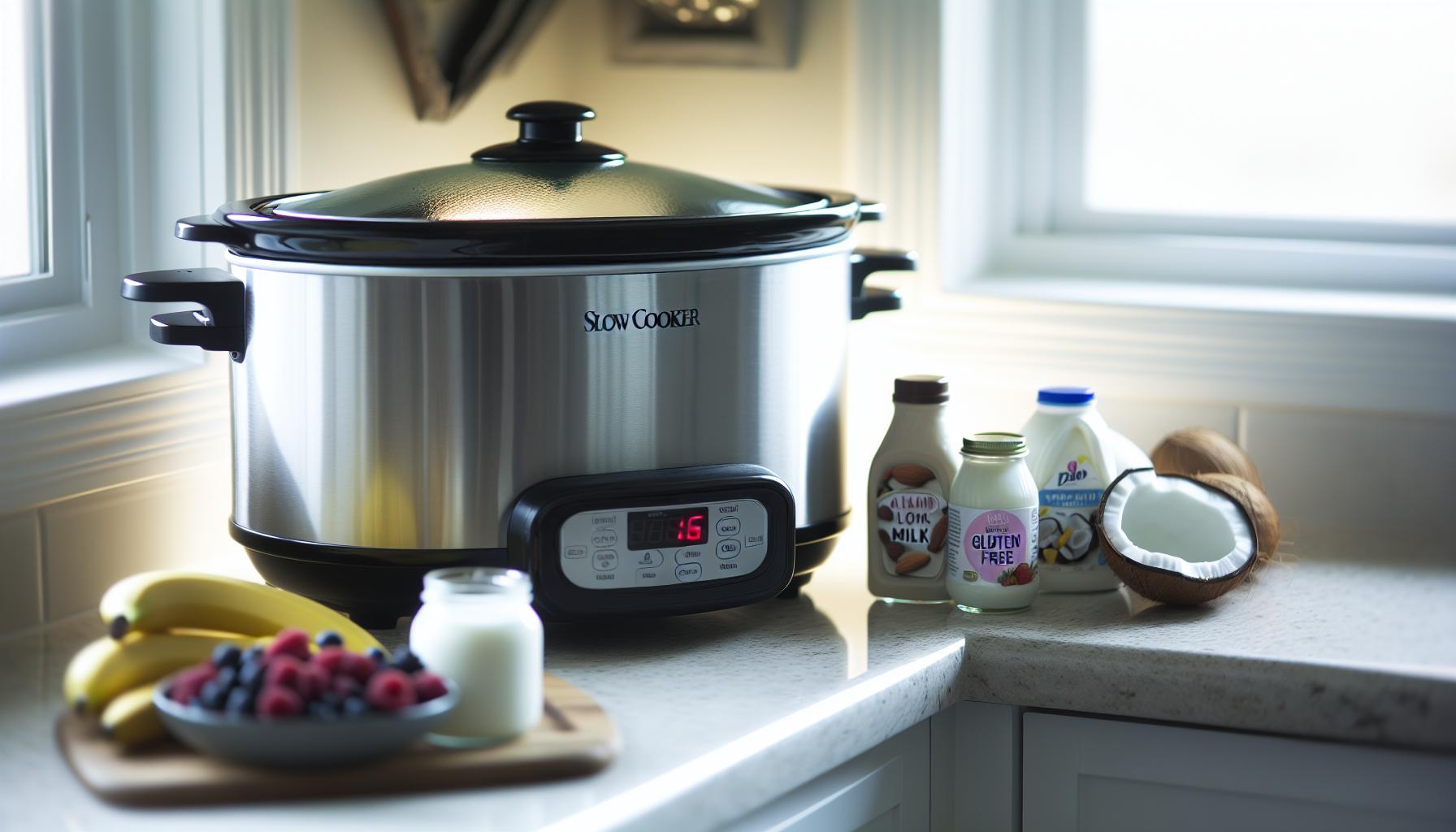
How to Make Greek Yogurt with Your Slow Cooker
Making rich, tangy Greek yogurt right in your slow cooker is one of those surprisingly straightforward kitchen wins that feels fancy but requires minimal effort. The magic is in the slow, gentle heat combined with a bit of patience (and maybe a cozy towel). Once you’ve got your basic slow cooker yogurt down, turning it into creamy Greek-style yogurt mainly means straining out the whey to get that thicker, spoon-worthy texture everyone loves.It’s easier than you think and worth every minute spent!
To start, use whole milk-ideally grass-fed for the best flavor-and a good quality starter yogurt with live active cultures. After your slow cooker yogurt has finished culturing (usually about 8-12 hours), pour it into a fine mesh strainer or cheesecloth-lined colander set over a bowl. Let it drain in the fridge for anywhere from 2 to 6 hours,depending on how thick and tangy you want it. The longer it strains, the creamier and denser your Greek yogurt becomes (hello, protein-packed goodness). Plus, you can save that leftover whey for smoothies or baking-talk about zero waste!
- Pro tip: Don’t rush the yogurt cooling before straining. Let it chill undisturbed in the fridge overnight for the best flavor advancement.
- Substitution: For dairy-free or paleo-friendly Greek-style yogurt,swap cow’s milk with full-fat canned coconut milk,and follow the same straining steps. The sweetness and fat content of coconut milk help keep that luscious texture intact.
Simple Steps to Perfect Slow Cooker Greek Yogurt
- Heat your milk in the slow cooker on low until it reaches about 180°F (this kills unwanted bacteria and preps proteins for thickening).
- Cool the milk to about 110°F. Stir in your starter yogurt evenly.
- Turn off the slow cooker but keep the lid on to maintain warmth. Wrap the whole cooker in a thick towel to hold heat.
- Let the mixture culture for 8-12 hours or until thickened to your liking.
- Chill the yogurt in the fridge for a few hours to set.
- Strain through cheesecloth or a fine mesh for 2-6 hours, depending on your thickness preference.
- Transfer to containers and enjoy throughout the week!
If you’re anything like me, sometimes life doesn’t gift you 12 hours of leisurely waiting. Don’t sweat it. Even 6-8 hours of culturing yields decent results, and you can always tweak the straining time to balance texture. Making Greek yogurt this way is a fantastic move for gluten-Free and Paleo kitchens, especially if you swap in coconut milk or almond milk with a suitable starter.Plus,homemade yogurt lets you sidestep additives and hidden ingredients,giving you creamy goodness on your own terms-with a dollop of love.
Happy slow cooking and straining! Your fridge is about to become your yogurt haven, stocked with thick, tangy, homemade treasures ready for everything from morning parfaits to paleo-friendly dips and beyond.

Frequently asked questions
Q: Can I use non-dairy milk to make yogurt in a slow cooker the easy way?
A: Yes,you can use non-dairy milks like almond,coconut,or cashew in your slow cooker yogurt,but they often require added thickeners such as agar or tapioca starch for creaminess. Use a high-quality non-dairy yogurt starter and keep an eye on culturing times for the best results. For tips on flavor customization, check the Flavor and Texture section in the main article.
Q: How do I ensure my slow cooker yogurt sets properly without a yogurt maker?
A: To get a firm yogurt without a yogurt maker, maintain a consistent temperature of around 110°F (43°C) during culturing by using the ‘keep warm’ setting or wrapping the slow cooker. Avoid opening the lid while culturing to keep heat stable. See Troubleshooting Slow Cooker Yogurt Problems for more detailed advice.
Q: Why is my slow cooker yogurt sometimes watery, and how can I fix it?
A: Watery yogurt is usually due to insufficient thickening time or low-quality milk. To fix this, strain your yogurt through cheesecloth to remove excess whey or use milk with a higher fat content next time. Refer to the Troubleshooting section for more fixes and texture tips.
Q: How long does it take to ferment yogurt in a slow cooker the easy way?
A: Typically,slow cooker yogurt takes 6 to 12 hours of culturing depending on temperature and starter quality. Warmer settings speed fermentation but can risk over-acidification.For speeding up culturing and timing tips, see the Simple Tips to Speed Up Yogurt Culturing Time section.
Q: What is the best way to add probiotics to slow cooker yogurt for extra health benefits?
A: To boost probiotics, add a high-quality live-culture yogurt starter or probiotic capsules after heating the milk and cooling it to 110°F. Avoid boiling as it kills bacteria. This makes your homemade yogurt especially gut-friendly. For starter recommendations, see Choosing the Best Milk and Starter section.
Q: Can I make flavored slow cooker yogurt without affecting culturing time?
A: Yes! Add flavors like vanilla, honey, or fruit after your yogurt has finished culturing and chilled to prevent disrupting bacterial growth. Mixing in flavors too early can alter culturing times and yogurt texture. Read about customizing flavor and texture without risk in the main article.
Q: How do I prevent slow cooker yogurt from becoming too sour or tangy?
A: To avoid overly sour yogurt, limit culturing time to 6-8 hours and refrigerate promptly once set. Using less starter culture or milder milk can also help balance acidity. Check Troubleshooting Common Slow Cooker Yogurt Problems for detailed steps to perfect your batch.
Q: Is it possible to make slow cooker yogurt safely without refrigeration during culturing?
A: Yes, slow cooker yogurt culturing happens at warm temperatures inside the slow cooker on ‘keep warm’ mode, not in the fridge. Once culturing finishes, chilling is essential to stop fermentation and keep yogurt safe. See Safe storage and Shelf Life of Homemade Yogurt for storage tips to maximize freshness.
In Retrospect
Now that you’ve seen how easy and rewarding making yogurt in a slow cooker can be, why not give it a try today? With minimal ingredients, simple steps, and flexible prep times, this method fits perfectly into busy lifestyles while delivering creamy, homemade yogurt that’s paleo- and gluten-friendly. Whether you prefer traditional or thick Greek-style yogurt, your slow cooker is the secret ingredient to effortless deliciousness-no fancy equipment required.
Ready to level up your kitchen skills? Check out our Slow Cooker Greek Yogurt Tips or explore Healthy Breakfast Recipes that pair perfectly with your fresh yogurt. Don’t forget to sign up for our newsletter to get the latest easy recipes and kitchen hacks straight to your inbox. If you’re wondering about the best milk options or how to tweak fermentation times, drop a comment below-we love hearing how your homemade yogurt adventures turn out!
Making yogurt in a slow cooker is not just nourishing but empowering-giving you control over ingredients and flavor every time. So grab that crockpot, start stirring, and join thousands of others who’ve transformed their mornings with this simple trick.Your new favorite kitchen ritual awaits!