Did you know that cooking pasta in a slow cooker can be a total game-changer-if you get the timing just right? While slow cookers are fantastic for hands-off meals, keeping pasta perfectly al dente without turning it mushy can feel like a kitchen magic trick.If you’ve ever tossed your noodles in and ended up with soggy spaghetti,you’re not alone! This guide will show you exactly how long to cook pasta in a slow cooker so it stays firm yet tender,ideal for busy weeknights when you want flavorful,fuss-free dishes. Whether you’re paleo, gluten-free, or just love comfort food that feels homemade without the stress, mastering this timing means you can enjoy pasta dishes that are both convenient and delicious.Ready to make your slow cooker work smarter-and tastier? LetS dive in and get those noodles just right every time!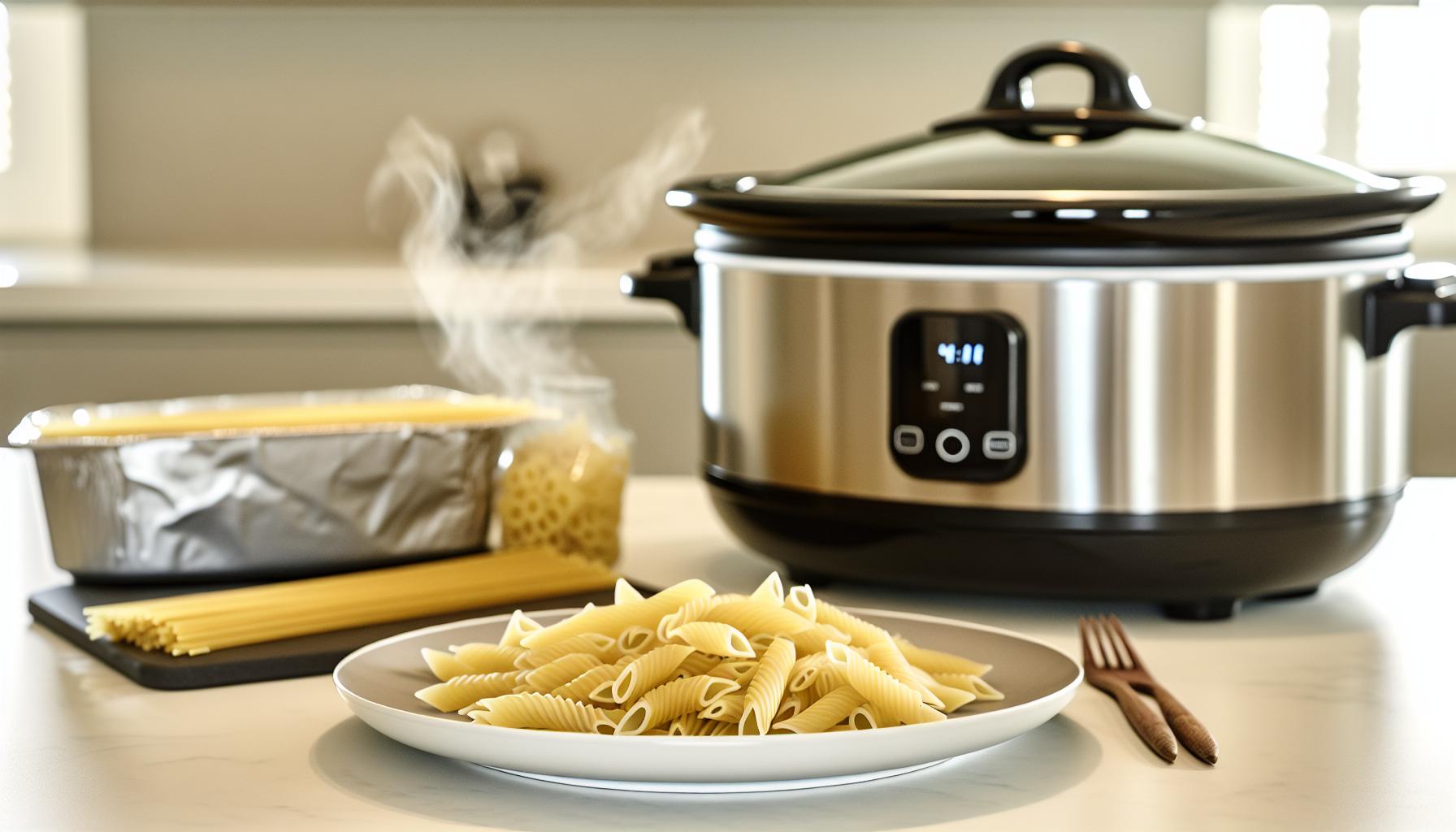
Table of Contents
- Understanding Al Dente Pasta: What It Really Means for Slow Cooking
- Choosing the Best Pasta Types for Slow Cookers
- Step-by-Step Guide: How Long to Cook Pasta in a slow Cooker
- Mastering Perfect Texture: Tips to Keep Pasta Al dente
- Essential Ingredients and Liquids to Prevent Mushy Pasta
- Adjusting Cook Times for Different Slow Cooker Models
- Creative Slow Cooker Pasta Recipes That Stay Al Dente
- Troubleshooting Common Pasta Cooking Mistakes in Slow Cookers
- Healthy Swaps and Dietary Tweaks for Slow Cooker Pasta
- How to Finish and Serve Slow Cooker Pasta for Best Flavor
- FAQ
- Q: Can I add pasta directly to the slow cooker at the start to keep it al dente?
- Q: How does the type of pasta affect cooking time in a slow cooker to stay al dente?
- Q: Why does slow cooker pasta often turn out mushy, and how can I avoid it?
- Q: what’s the best way to test pasta doneness in a slow cooker to ensure al dente texture?
- Q: Can I cook gluten-free pasta in a slow cooker and keep it al dente?
- Q: How do different slow cooker heat settings impact pasta cooking times for al dente results?
- Q: Can I reheat slow cooker pasta without it getting mushy or losing al dente texture?
- Q: What liquid-to-pasta ratio helps slow cooker pasta stay al dente during cooking?
- Wrapping Up
Understanding Al Dente Pasta: What It Really Means for Slow Cooking
Getting that perfect al dente bite in slow cooker pasta might sound like an impossible quest-after all, slow cookers are notorious for turning noodles into mush. But it’s not just about texture; al dente literally means “to the tooth,” representing pasta that’s tender yet firm enough to hold its shape and give a little resistance when bitten. In the world of slow cooking, achieving this balance requires a little strategy, not just tossing pasta in and forgetting about it for hours.
Unlike traditional boiling where pasta cooks fast and is quickly drained, slow cookers surround noodles with warm liquid for extended periods, which can easily over-soften them. So, al dente in slow cooking means starting with the pasta at just the right moment and understanding how the heat and moisture will continue to work their magic-even after you turn off the cooker. Think of it as a dance: you don’t want to start the pasta’s steps too early or it’ll get tired (mushy); but start too late, and you’re left with undercooked bites.
Why Texture Matters Beyond Taste
Maintaining that firm bite isn’t just for bragging rights-it impacts the entire dish’s success. Overcooked pasta not only ruins mouthfeel but also can turn sauces into a gloopy mess,making your hearty slow cooker meal feel less appetizing. On the flip side,perfect al dente pasta acts like a sponge for the sauce,soaking in flavors without disintegrating. In paleo or gluten-free versions, where different flours and grains behave uniquely, aim for textures that mimic classic wheat pasta bite to maximize enjoyment.
Tips from the Trenches
- Wait to add pasta: Add pasta later in the cooking cycle, not at the beginning, to control texture better.
- Use less liquid: A slightly thicker sauce or less broth can help prevent noodles from swimming and turning mushy.
- Try sturdier pasta shapes: Short, firm pastas like penne or rigatoni hold up better during slow cooking.
Personally, I’ve learned that treating pasta like the diva it is-needing just the right conditions-makes all the difference.Slow cooker pasta dishes with perfectly al dente noodles feel like a kitchen win, proving that even in slow and steady cooking, timing and technique are everything.
Choosing the Best Pasta Types for Slow Cookers
Not all pasta was created equal when it comes to slow cooker recipes. Choosing the right type can be a game-changer in your quest to keep noodles perfectly al dente instead of turning them into a sad, mushy mess. Think of your pasta as a reliable dance partner-it needs a sturdy frame and a firm grip to keep up through the long, slow salsa of a slow cooker’s heat and moisture. So, grabbing thin angel hair or delicate spaghetti might throw you off balance, but hearty, robust pasta shapes often steal the show.
Short, dense pastas like penne, rigatoni, farfalle, and ziti tend to perform beautifully. these shapes have thicker walls and less surface area exposed to liquid,making them less likely to disintegrate during extended cooking. From personal kitchen battles, I’ve found that tubes and ridged pasta shapes aren’t just holding their texture; they also soak up sauce in all the right nooks and crannies. Small twists and bows add extra personality, while keeping a firm bite after simmering down in the slow cooker’s warmth.
Gluten-Free and Paleo Pasta Picks
Now, if you’re venturing down the gluten-free or paleo path, you’re dealing with a different kind of pasta beast. While classic wheat pasta boasts gluten strength that helps keep shape, many gluten-free noodles are made from rice, corn, or legumes and can be more fragile. A fast kitchen hack: opt for denser bases like chickpea or lentil pasta-these tend to fare better under slow cooking conditions as their protein and fiber give them added firmness.Also, some paleo-friendly noodles made from almond or cassava flour might soften faster, so adjusting timing and liquid becomes even more crucial.
- Better Bet Pasta Shapes: Penne, rigatoni, ziti, farfalle
- gluten-Free Go-To: chickpea, lentil, or bean-based pasta
- Less Ideal: Angel hair, thin spaghetti, rice vermicelli
One insider tip-buy pasta in advance, test your favorite brands, and get a feel for their cooking quirks before committing them to a slow cooker recipe. I remember one afternoon eagerly tossing some gluten-free penne into a tomato sauce only to find it turned out just right-still with a bit of a toothy snap-while another brand went mushy quick. That’s why your choice matters as much as your timing.
Step-by-Step Guide: How Long to Cook Pasta in a slow Cooker
Believe it or not, timing is everything when it comes to cooking pasta in a slow cooker-and yes, your pasta timer might look very different from the stovetop clocks you’re used to. Unlike the fast boil-and-done method, slow cooker pasta thrives on a gentle, patient simmer. but beware: cook it too long, and you’re in mush city; too short, and you’ll end up with al dente that’s more crunchy than charming. So,how do you nail that perfect balance? Let’s walk through the timing dance together.
Most pastas that hold up well-think penne, rigatoni, or gluten-free chickpea noodles-perform best when added in the last 30-60 minutes of the slow cooking cycle. For a standard 4-6 hour slow cooker recipe simmering on low, toss the pasta in during the final hour or just half an hour if your cooker runs hotter or the pasta is more delicate. For example, hearty wheat pasta shapes frequently enough need closer to 45 minutes on low, while denser gluten-free varieties, which can be a bit more sensitive, might need just around 30 minutes to avoid turning floppy. My go-to trick? Set a kitchen timer and give the noodles a quick taste test every 10 minutes after they go in-because slow cookers can be a little quirky and everyone’s appetite is different!
Adjusting for Slow Cooker Size and Temperature
Every slow cooker is a little unique-some simmer hotter, others cooler, some smaller, some gigantic. one of my slow cooker’s quirks is that it runs a tad hot on low, so when I toss pasta in near the end, I dial the heat down and regularly stir to keep the noodles from sticking or overcooking. If your model tends to heat faster, try adding the pasta closer to 20-30 minutes before serving.
And don’t forget liquid! pasta needs enough of it to hydrate properly but not so much that it turns soggy. Since the pasta absorbs liquid as it cooks, start with about 1 to 1.5 cups of liquid per 2 ounces of dry pasta when you add it-especially for gluten-free or paleo options that can be thirstier. If your pasta is embedded in sauce, count that as part of the liquid volume.
Quick Reference Table for Pasta timing
| Pasta Type | Recommended Cook Time in Slow Cooker (Low) | Liquid to Pasta Ratio |
|---|---|---|
| Traditional Wheat Pasta (penne, rigatoni) | 40-50 minutes | 1 to 1.25 cups per 2 oz pasta |
| gluten-Free Chickpea/Lentil Pasta | 25-35 minutes | 1.5 cups per 2 oz pasta |
| Paleo Almond/Cassava Pasta | 20-30 minutes | 1.5 cups per 2 oz pasta |
Remember, these times assume you’re adding the pasta after other ingredients have cooked low and slow to build flavor-adding pasta at the very start usually ends in clumpy, overcooked noodles. Embrace that last-minute pasta addition as part of the fun, and you’ll always get perfectly tender, al dente bites without fuss.
Simple Steps to Perfect Timing
- Step 1: Cook your base ingredients (sauces, veggies, proteins) on low for the majority of your recipe time-usually 4-6 hours.
- Step 2: Add your pasta 20-50 minutes before the end, depending on pasta type and slow cooker quirks.
- Step 3: stir gently to incorporate pasta and evenly distribute heat and liquids.
- Step 4: Taste pasta starting at 20 minutes to check for doneness and adjust cooking time slightly if needed.
- Step 5: When the pasta is just right-firm yet tender-turn off the slow cooker and serve immediately for best texture.
There’s a reason I call slow cooker pasta “slow and steady wins the race.” It’s not just about setting a timer but tuning into your slow cooker’s personality, your pasta’s mood, and a little kitchen intuition. Follow these guidelines, and you’ll enjoy a satisfying plate of noodles that feel homemade from the heart-al dente, dreamy, and perfectly saucy.
Mastering Perfect Texture: Tips to Keep Pasta Al dente
Getting pasta perfectly al dente in a slow cooker might sound like a kitchen contradiction, but with the right approach, it’s totally doable-even for those of us who like a relaxed, no-stress cooking vibe. Slow cookers tend to gently braise everything in one pot, which can lead to mush if pasta cooks too long or gets lost in excess liquid. The secret? Treat pasta like a guest arriving fashionably late to the party. Add it halfway through or closer to the end, depending on the pasta type, to lock in that tender bite without turning it into a sad spaghetti swamp.
One of my favorite tricks is to always keep an eye on the liquid balance as the pasta cooks. Pasta absorbs a surprising amount of moisture,so if you don’t give it enough,it’ll come out dry and weirdly chewy; too much,and you’ll be eating soggy noodles that scream “slow cooker fail.” For gluten-free or paleo pastas, which can be thirstier and more prone to mush, I increase the liquid ratio slightly-typically about 1.5 cups of broth or sauce for every 2 ounces of dry pasta-and give the mixture a gentle stir partway through cooking. This helps evenly distribute heat and moisture without breaking the noodles apart.
Practical Tips from My Kitchen to Yours
- Taste as you go: It sounds obvious, but slow cookers can vary widely, so sample your pasta every 10 minutes once it hits the pot. It’s way better to catch the perfect chew early than to rescue a batch that’s overcooked.
- Use sturdy shapes: think penne, rigatoni, or shell pasta. these shapes hold firm well and capture sauce, making them slow cooker champions. Fragile or thin pastas like angel hair just don’t stand a chance in this environment.
- Stir carefully: Keep stirring minimal but frequent. Too little stirring means uneven cooking; too much can break the pasta down. A gentle swirl every 10-15 minutes keeps things on track.
- Mind your slow cooker: Know your appliance’s quirks.Some cook hotter than others, especially smaller or older models. If yours runs hot, add pasta later and reduce heat to low or warm to preserve texture.
Lastly, embracing imperfections is part of the slow cooker charm-not every bite will be textbook al dente, and that’s okay! The goal is tender pasta that still offers a little bite and sings with sauce, not perfect Italian restaurant precision. Once you find your rhythm with timing, pasta varieties, and liquids, you’ll feel like a slow cooker pasta wizard ready to wow weeknight diners with minimal fuss and maximal flavor.
Essential Ingredients and Liquids to Prevent Mushy Pasta
When it comes to coaxing perfectly tender yet firm pasta out of a slow cooker, the ingredients and liquids you choose aren’t just flavor boosters-they’re your secret weapons against the dreaded mush. Pasta is a fickle friend; it soaks up liquid like a sponge, and if that moisture isn’t balanced just right, you’re either biting into chalky dryness or a gloopy, overcooked mess. But with a little strategy, even gluten-free and paleo-friendly pastas, which tend to gulp down extra broth, can come out with that satisfying al dente snap.
Start by thinking of your cooking liquid as the pasta’s playground. Water is the bare minimum but often leads to bland results and less control over texture. Rather, enrich your base with flavorful broths, tomato sauces, or even a splash of white wine for depth. These liquids not only infuse taste but also have differing viscosities and salt content that influence how the pasta hydrates.As a notable example, using a broth with a good balance of salt and fat helps slow down the pasta’s absorption rate, which keeps noodles from turning to mush.
Balancing Liquid Ratios for Different Pasta and Diets
The golden rule for most pastas is roughly 1 cup of liquid per 2 ounces of dry pasta, but slow cookers love to bend the rules. for gluten-free or paleo pastas-which are thirstier and frequently enough more fragile-I usually nudge that up to about 1.5 cups of liquid per 2 ounces. This extra hydration helps them cook evenly without drying out, but don’t go overboard! Excess liquid turns shoestring noodles into sad, soggy strings. A gentle stir halfway through cooking can also work wonders, redistributing liquid and heat gently without breaking your noodles down.
- Use broth, not just water: Vegetable, chicken, or beef broth adds flavor and controls pasta absorption better.
- Include acidic elements: A bit of tomato or lemon juice in your sauce can firm up pasta proteins, lending a pleasant bite.
- Watch salt levels: Well-seasoned liquids help pasta flavor develop without overcooking texture.
- Add fats smartly: Olive oil or butter mixed into your cooking liquid can coat pasta strands,helping prevent stickiness and mushiness.
Remember, slow cookers don’t simmer like stoves, so liquids evaporate less. That means you might need to tweak your recipe’s liquid amount downward to avoid a one-pot swamp. My practical tip? Start with slightly less than you think you need, and add more in small amounts if the pasta looks parched as it nears done. This flexible approach keeps your dish lively and crop-fresh in texture, letting you savor every bite rather than scrape around for rescue missions.
Adjusting Cook Times for Different Slow Cooker Models
Cooking pasta in a slow cooker is a bit like jazz-sometimes you have to improvise based on your “instrument,” or in this case, your specific slow cooker model. Not all slow cookers heat exactly the same way, so cooking times that work perfectly in one might turn your noodles into mush in another. Some slow cookers run hotter or cooler, others have more precise temperature controls, and size also matters: a 3-quart cooker will behave differently than a roomy 7-quart pot. Knowing these quirks turns you from a nervous recipe follower into a confident pasta master!
Take it from experience: my trusty old slow cooker has a reputation for running a smidge hotter than newer models. The first time I threw in dried pasta with sauce, I ended up with something closer to a creamy noodle pudding (delicious for dessert? Not so much). Now I always start the pasta on low and check it early and often. This means stirring gently after about 30 minutes and testing for that perfect al dente snap around 40-45 minutes,instead of blindly trusting a fixed cook time.
Practical Tips for Timing Adjustments
- Test early and frequently enough: No two slow cookers are alike, so taste-testing is your best friend. Check your pasta 10 minutes before the recipe’s suggested end time to avoid mushy surprises.
- Lean on the low setting: Slow and steady wins the pasta race. Using the “low” setting generally gives you more control and prevents overcooking.
- note your model’s quirks: make a simple cooking journal. Write down what worked and what didn’t with your specific slow cooker to build your own pasta wisdom library.
- Adjust for size: Smaller slow cookers can cook food faster because the thickness of the food layer affects heat penetration. If your pasta feels done early, trust your instincts and finish ahead of schedule.
When switching between gluten-filled, gluten-free, or paleo pasta varieties, these timing differences become even more important. Gluten-free pasta tends to need less heat exposure to keep its structure intact, while denser wheat varieties can handle a bit more simmer time. My go-to approach? Start at the shorter end of suggested times,then tweak on your next cook. this allows you to avoid both a pasta disaster and a boring, undercooked meal.
| Slow Cooker Model Attribute | Effect on Pasta Cook Time | Suggested Adjustment |
|---|---|---|
| Runs Hotter than Average | Pasta cooks faster; higher risk of mushiness | Reduce cook time by 10-15 minutes; check early |
| Runs Cooler or Older Model | Longer cook times required for tenderness | Increase cook time by 10-20 minutes; test carefully |
| Smaller Capacity (3-4 quarts) | Heat concentrates faster, cooks more quickly | Shorten cook time by 5-10 minutes |
| Larger Capacity (6+ quarts) | Heat distributes slower; may require longer cooking | Extend cook time by 10 minutes or more |
In the delightful messiness of slow cooker pasta adventures, the best tool remains your own senses. Watch the noodles’ texture closely, smell the delicious aromas as a gauge of progress, and be ready to pull the pasta out at the sweet spot. With a bit of practice, your slow cooker will become the unsung hero of quick, comforting pasta dinners that still boast a satisfying al dente bite-even for the most finicky rice- or gluten-free diets.
Creative Slow Cooker Pasta Recipes That Stay Al Dente
Who says slow cooker dinners can’t deliver a perfectly al dente pasta experience? With a little planning and a sprinkle of kitchen confidence, you can conjure up winning pasta dishes that hold their bite and flavor even after hours of gentle simmering. Whether you’re craving a cozy comfort meal, a paleo-friendly option, or a gluten-free delight, slow cooker pasta recipes can be creative, satisfying, and shockingly easy.
One trick I swear by is adding the dried pasta toward the last 30-45 minutes of cooking. This timing lets the noodles absorb flavor without turning into mush. Such as, a slow cooker chicken Alfredo benefits from simmering the sauce and chicken together for a few hours first, then stirring in gluten-free penne or spiralized paleo-friendly noodles very late in the process. This way, you avoid the dreaded gummy texture, but the pasta still captures the creamy sauce’s richness. The slow cooker dose double duty-infusing the whole dish with flavor while preserving that perfect al dente snap.
Meal Ideas That Work Wonders
- Hearty Beef & Tomato ragu with Whole Wheat Rigatoni
Prep time: 15 minutes | Cook time: 4 hours on low | Difficulty: Easy
Tip: Brown the beef before adding it to the cooker for extra depth, then stir in dried rigatoni about 40 minutes before serving. - Vegan Pumpkin Sage Pasta (Gluten-Free)
Prep time: 10 minutes | Cook time: 3.5 hours on low | Difficulty: easy
Tip: Use a gluten-free fusilli and add it toward the very end with a splash of reserved cooking liquid to keep it moist but firm. - Paleo Zucchini Noodle Carbonara
Prep time: 20 minutes | Cook time: 1-1.5 hours on low | Difficulty: Medium
Zoodles don’t handle long slow cooker times-they go in 10 minutes before serving with the creamy sauce to avoid sogginess.
Small details make a big difference. Adding a little extra broth or sauce liquid can prevent the pasta from drying out and sticking, which gently preserves texture without watering down flavors. Don’t forget to stir when you add the pasta; it distributes heat evenly and stops those sticky clumps. Another kitchen life-saver? Keep a little pasta water aside before cooking to loosen the finished dish if needed-a technique borrowed from Italian stove-top cooking that works like a charm in slow cooker pasta, too.
Experiment Without Fear
I know in theory, slow cookers are all about “set it and forget it,” but when it comes to pasta, a hands-off approach can quickly become an overcooked mess. Embrace the slow cooker’s quirks: check texture frequently enough once pasta goes in, and don’t hesitate to turn off the cooker right when you hit that al dente Goldilocks zone.You’ll be amazed at how your slow cooker can yield not just convenience but truly crave-worthy pasta dishes that celebrate all your favorite dietary choices.
Troubleshooting Common Pasta Cooking Mistakes in Slow Cookers
Overcooking pasta in a slow cooker is more common than you might think, especially since slow cookers tend to lull us into a “set it and forget it” mindset. The result? Mushy, sticky noodles that steal the joy from what should be a comforting meal.The big secret is timing-adding pasta too early in the process guarantees a soggy disaster, no matter how much love you stir in! I’ve learned that patiently waiting to add pasta until the final 30 to 40 minutes of cooking gives you a fighting chance at keeping that coveted al dente bite.
Another classic hiccup is the dreaded clumping. Pasta in a slow cooker will naturally want to stick together, especially if it’s a dense noodle like rigatoni or ziti. To avoid this, stirring in your pasta well after adding, and twice if needed, makes a huge difference in distributing heat and sauce evenly. Plus, a splash of reserved pasta water or extra broth can keep things loose and flowing like a lovely Italian nonna’s kitchen. When I’m rushing,I sometimes toss in a teaspoon of olive oil with the pasta to help keep strands separate-it’s an easy hack that works wonders.
Common Pitfalls & Quick Fixes
- Adding Pasta Too Early: Remember, it’s the last act, not the opening scene. Add dried pasta only once the sauce and other ingredients are mostly cooked.
- Not Enough Liquid: Pasta absorbs a lot of moisture. Add a bit more broth or water than the recipe calls for to prevent drying or sticking.
- Overcrowding the Cooker: Give pasta some room to expand. Overfilling can trap heat unevenly and cause lumpy or partially uncooked spots.
- Ignoring Pasta Type: Whole wheat pasta generally takes longer to cook, while gluten-free varieties can become gummy quickly.Adjust your timing accordingly.
I once made a paleo-inspired zucchini noodle carbonara, only to toss those delicate zoodles in at the start. The result? A sad, soggy bowl that tasted more “swamp” than “sunny Italian kitchen.” Lesson learned: spiralized veggies belong in the last 10 minutes tops. On the flip side, a gluten-free fusilli in a vegan pumpkin sage sauce really shines when stirred in late with a bit of reserved cooking liquid, locking in moisture and texture beautifully.
When troubleshooting, think of your slow cooker like a gentle but unpredictable partner: it loves to surprise! Check the pasta’s texture often once it’s in, and don’t hesitate to turn the heat off right at that al dente sweet spot. With a few kitchen tweaks, you’ll be serving pasta dishes that feel homemade with love-and zero mush.
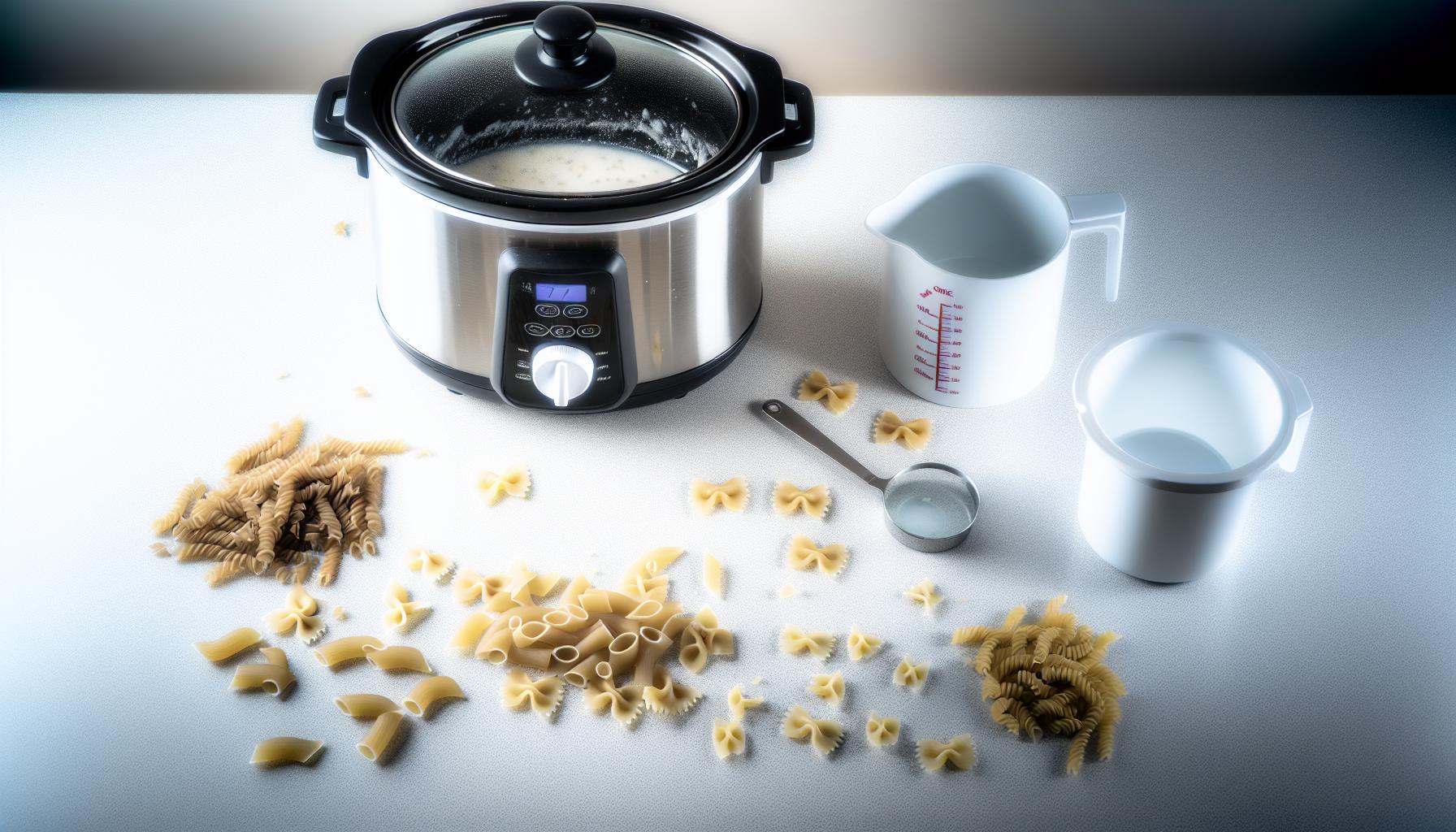
Healthy Swaps and Dietary Tweaks for Slow Cooker Pasta
Bringing health-conscious tweaks to your slow cooker pasta doesn’t mean you have to sacrifice flavor or texture-especially when chasing that perfect al dente bite. Whether you’re embracing gluten-free,paleo,or just looking to add more nutrients,a few simple swaps can elevate your dish without turning your kitchen into a complex science lab. The trick is understanding how these alternatives behave in the slow cooker so you can time things just right and avoid ending up with a mushy mess.
For gluten-free pasta lovers, choosing varieties made from brown rice, quinoa, or chickpea flour is a great start.These options generally cook faster and absorb liquid differently, so add them closer to the end of cooking-usually in the last 20 to 30 minutes. Here’s a little kitchen wisdom: these pastas can turn gummy if left too long, so keep a close eye and be ready to switch off the slow cooker once they hit that al dente sweet spot. Pro tip: toss the gluten-free pasta with a little olive oil before adding it in. This helps prevent sticky clumps in your slow cooker, making for a more pleasant bite and easier stirring.
Paleo-Friendly Pasta Alternatives
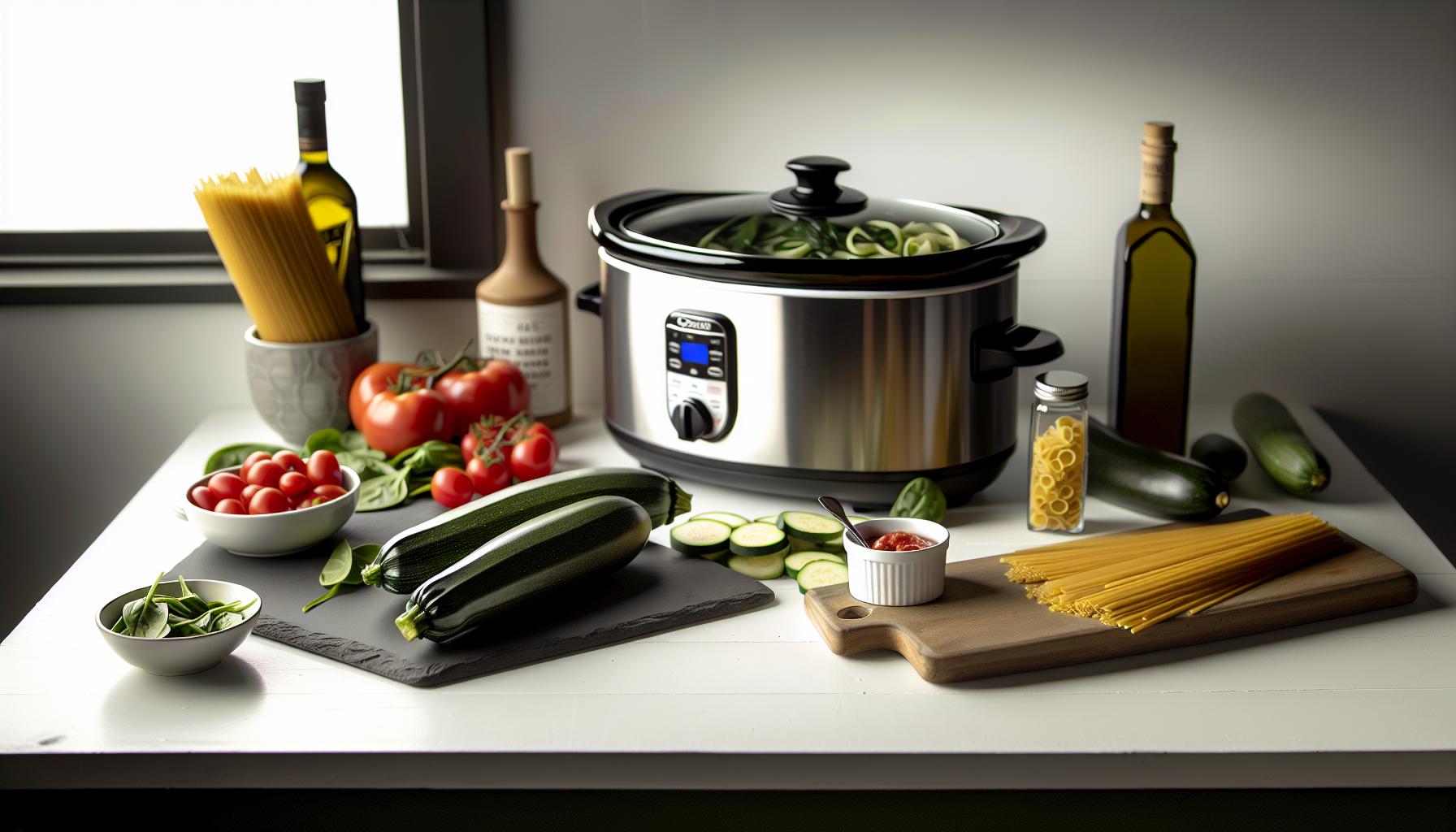
Going paleo? Spiralized vegetables like zucchini or sweet potato noodles are fantastic pasta stand-ins that cook surprisingly well in slow cookers-but timing is everything.Unlike traditional pasta, these veggie noodles only need about 10 minutes at the end of your cook time to maintain a satisfying bite without going limp. My personal favorite hack is to toss zoodles or sweet potato spirals in 5-10 minutes before serving, stirring gently to coat them with sauce but not overcook.It keeps the texture fresh and bright, like your favorite summer pasta dish-just more nutrient-dense.
- Swap regular pasta with: Chickpea, lentil, or quinoa pasta for more protein and fiber
- Use spiralized veggies: Zucchini, sweet potato, or butternut squash for paleo and low-carb meals
- Boost flavor with herbs and spices: Add fresh basil, thyme, or garlic towards the end to lift lighter pasta and veggie noodles
Adjusting liquids is another small but powerful tweak. As gluten-free and paleo pastas can absorb less water or cook faster, reduce your broth or sauce quantities slightly when using these alternatives to avoid dilution. And when in doubt, reserve a little extra cooking liquid to swirl in at the end-perfect for loosening the dish without overhydrating. I once swapped whole wheat penne for lentil pasta in a slow cooker bolognese and dropped the liquid by about 15%. The result? Rich, thick sauce clinging to tender, al dente noodles without that dreaded mush.
Healthy swaps in slow cooker pasta are more than a trend-they’re storytelling in your bowl, showing off how versatile and forgiving slow cooking can be. With a few thoughtful twists and timing tricks, you’ll keep every bite perfect and every meal worthy of sharing.
How to Finish and Serve Slow Cooker Pasta for Best Flavor
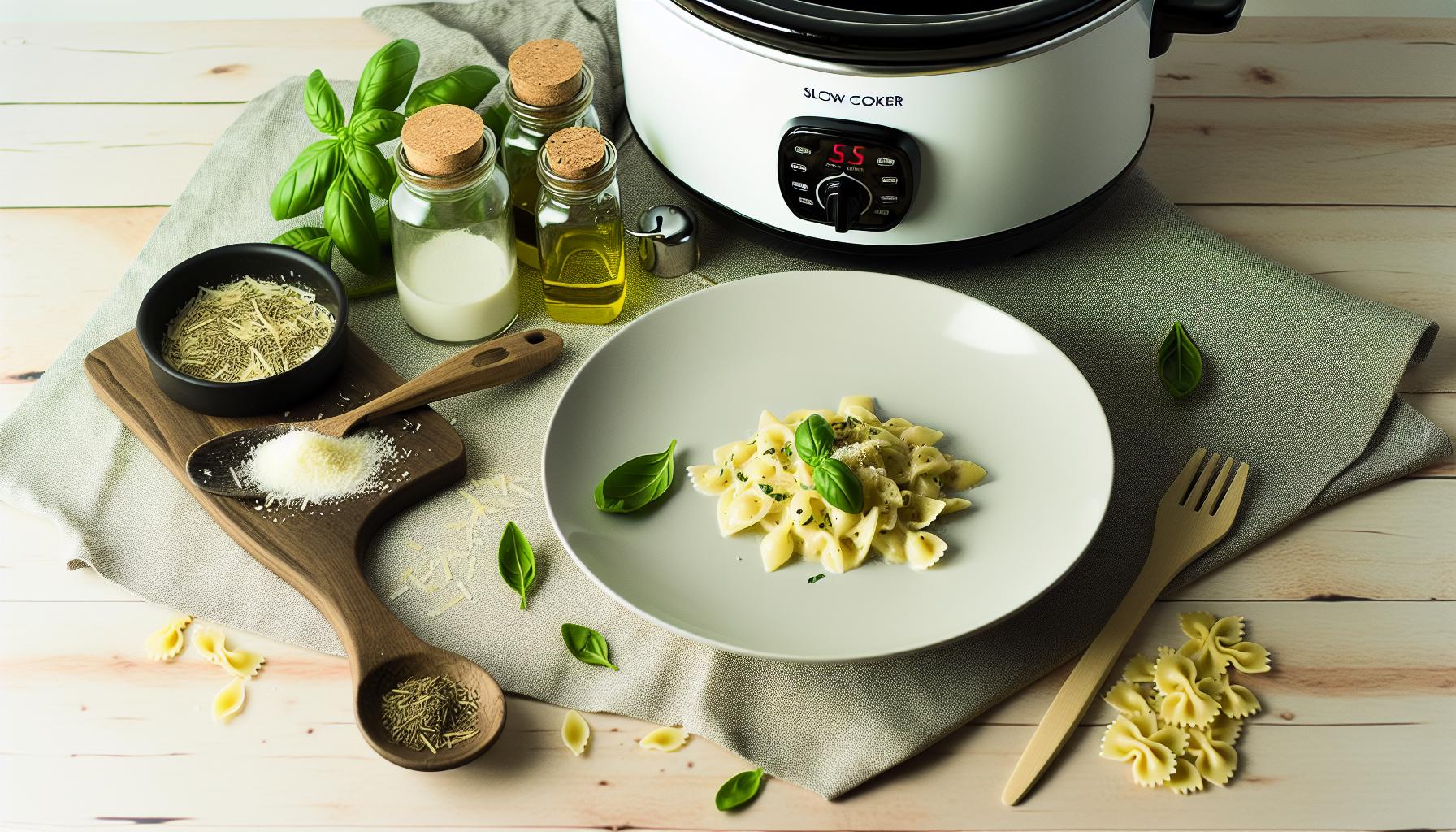
Nothing beats the moment when slow cooker pasta is perfectly al dente and ready to serve – that magical balance of tender yet firm, soaked in rich sauce without a hint of mushiness. The finishing steps can make or break this delicate texture, so don’t rush it! Once your pasta hits that sweet spot, switch off the heat and let it rest for a few minutes. This short pause allows flavors to mingle and sauce to thicken just right without carrying on the cooking dance that turns noodles too soft.
To elevate your dish, stir in a drizzle of good-quality olive oil or a pat of butter right after turning off the slow cooker. It adds silkiness and a subtle richness that feels like a kitchen hug in every bite. And here’s a handy trick: a handful of freshly chopped herbs - like basil,parsley,or thyme – stirred in at the end brightens the whole pot with fresh,vibrant notes. If you’re enjoying paleo-friendly veggie noodles or gluten-free pasta,a quick toss with olive oil also keeps them from sticking together once plated,preserving that sought-after al dente texture.
Serving Tips for Every Kitchen
- For hearty meals: Serve your slow cooker pasta with a sprinkle of grated Parmesan or nutritional yeast for dairy-free flair. It adds that perfect cheesy punch without overpowering the sauce.
- Family style: Dish out directly from the slow cooker at the table to keep things cozy and casual. Just give everything a gentle stir to re-mix any separated sauce.
- meal prep magic: If you’re packing leftovers, portion pasta with a little sauce on top to prevent it drying out in the fridge. Reheat gently with a splash of broth or water to revive that fresh-cooked feel.
Finishing slow cooker pasta isn’t about fussing - it’s about celebrating the flavors and textures that slow cooking brings to your plate. Whether you’re serving a cozy gluten-free weeknight dinner or impressing with a paleo pasta feast, these final touches make all the difference. And remember, the best kitchen moments happen when you enjoy the journey, not just the destination!
FAQ
Q: Can I add pasta directly to the slow cooker at the start to keep it al dente?
A: No, adding pasta at the beginning usually results in mushy texture. For perfectly al dente pasta, add it during the last 20-30 minutes of cooking, depending on pasta shape.This prevents overcooking and keeps that satisfying bite. Check our Step-by-Step guide for timing tips!
Q: How does the type of pasta affect cooking time in a slow cooker to stay al dente?
A: Thicker or larger pasta shapes like rigatoni need longer slow cooker times than thin pasta like angel hair to remain al dente. Adjust your cooking by adding smaller pasta types later and monitoring closely to avoid softness. See Choosing the best Pasta Types for Slow Cookers for detailed advice.
Q: Why does slow cooker pasta often turn out mushy, and how can I avoid it?
A: Pasta goes mushy mainly because it cooks too long or absorbs too much liquid. To prevent this, use less broth, add pasta later in cooking, and stir gently. Using essential liquids and ingredient ratios helps maintain texture, as explained in the article’s dedicated section.
Q: what’s the best way to test pasta doneness in a slow cooker to ensure al dente texture?
A: The best way is to taste small amounts starting 15 minutes after adding pasta.Slow cooker heat varies,so it’s key to check frequently enough and remove the pasta once it’s tender yet firm to the bite. Regular tasting is your secret weapon!
Q: Can I cook gluten-free pasta in a slow cooker and keep it al dente?
A: Yes,but gluten-free pasta cooks faster and can become mushy quickly. Add it in the last 10-15 minutes of cooking, and monitor closely. Refer to our Healthy Swaps and Dietary Tweaks section for gluten-free pasta tips that maintain great texture.
Q: How do different slow cooker heat settings impact pasta cooking times for al dente results?
A: High settings cook pasta faster but risk mushiness; low settings are gentler but take longer. To keep pasta al dente, add it later and use the low setting when possible. Adjust based on your model-it’s worth testing your cooker’s heat levels for timing.
Q: Can I reheat slow cooker pasta without it getting mushy or losing al dente texture?
A: Yes! Reheat gently with a splash of water or sauce on low heat and avoid overcooking. Stir occasionally and heat just until warm to keep pasta firm. check the How to Finish and Serve Slow Cooker Pasta section for perfect reheating tips.
Q: What liquid-to-pasta ratio helps slow cooker pasta stay al dente during cooking?
A: Use slightly less liquid than usual-about 2 cups of liquid for every 8 ounces of dry pasta-to prevent sogginess. Start with less and add more if needed to maintain the right texture. This ratio is detailed in the Essential Ingredients and Liquids section to help you master the perfect al dente bite.
Try these tips in your next slow cooker pasta dish and come back for more easy, flavorful recipes! For complete step-by-step instructions, check our full guide sections linked above to keep your pasta perfectly al dente every time.
Wrapping Up
Getting your pasta perfectly al dente in a slow cooker doesn’t have to be tricky-just a bit of timing and the right approach makes all the difference.Whether you’re whipping up a cozy gluten-free dinner or adapting for paleo-friendly meals, mastering how long to cook pasta in your slow cooker unlocks endless comfort-food possibilities with less fuss.Ready to try it yourself? Start experimenting with these tips today and savor that satisfying bite every time.
For more slow cooker magic, check out our guides on ”easy Slow Cooker Sauces” and “One-Pot Gluten-free Dinners” to keep your meals flavorful and hassle-free. Don’t forget to sign up for our newsletter to get fresh recipes, kitchen hacks, and exclusive tips delivered right to your inbox. Have questions or your own pasta success stories? Drop a comment below-we love hearing from home cooks just like you!
Remember, nailing the perfect pasta texture in your slow cooker is all about gentle timing and smart ingredient swaps. Keep exploring, stay curious, and enjoy the journey of delicious, stress-free cooking-because everyone deserves meals that feel like a warm hug, no matter the diet or schedule.