

Did you know beef tongue is a hidden gem that’s rich, tender, adn surprisingly easy to cook-especially in a slow cooker? If you’ve been curious about turning this often-overlooked cut into a melt-in-your-mouth favorite, you’re in the right place.Slow cooking is perfect here: it breaks down the meat’s natural toughness while locking in deep, beefy flavor without any fuss. Whether you’re aiming for a hearty paleo dinner, a gluten-free meal, or just want to impress with something a little different, this recipe fits the bill with minimal prep and maximum reward. I’ll walk you through every simple step, share my favorite seasoning tweaks, and offer easy swaps so you can tailor it to your pantry and taste buds. Plus, it’s one of those dishes that feels fancy yet is perfect for busy weeknights-kind of like having a professional chef hanging out in your kitchen with zero judgment about shortcuts. Stick around and let’s transform beef tongue from mystery meat into your next comforting, tasty crowd-pleaser.
Table of Contents
- Choosing the Perfect Beef Tongue for Slow Cooking
- Essential Prep Tips for Tender, Flavorful Tongue
- Step-by-Step Slow Cooker Cooking Instructions
- unlocking Melt-in-Your-Mouth Texture Secrets
- Flavor Boosters: Marinades, spices, and Herbs
- Easy Peeling Techniques After Cooking
- Creative Serving Ideas and meal Pairings
- Storing and Reheating Leftover Beef Tongue
- Gluten-Free and Paleo-Friendly Sauce Options
- Troubleshooting Common Slow Cooker Tongue problems
- Frequently Asked Questions
- Q: How do I know when beef tongue is fully cooked in a slow cooker?
- Q: Can I add vegetables to my slow cooker beef tongue recipe?
- Q: Why does my beef tongue sometimes get tough after slow cooking?
- Q: What is the best slow cooker setting for tender beef tongue,high or low?
- Q: Can I cook frozen beef tongue in a slow cooker?
- Q: How can I infuse extra flavor into beef tongue during slow cooking?
- Q: Is beef tongue in a slow cooker naturally gluten-free and paleo-friendly?
- Q: What’s the easiest way to reheat leftover slow cooker beef tongue without drying it out?
- The Way Forward
Choosing the Perfect Beef Tongue for Slow Cooking
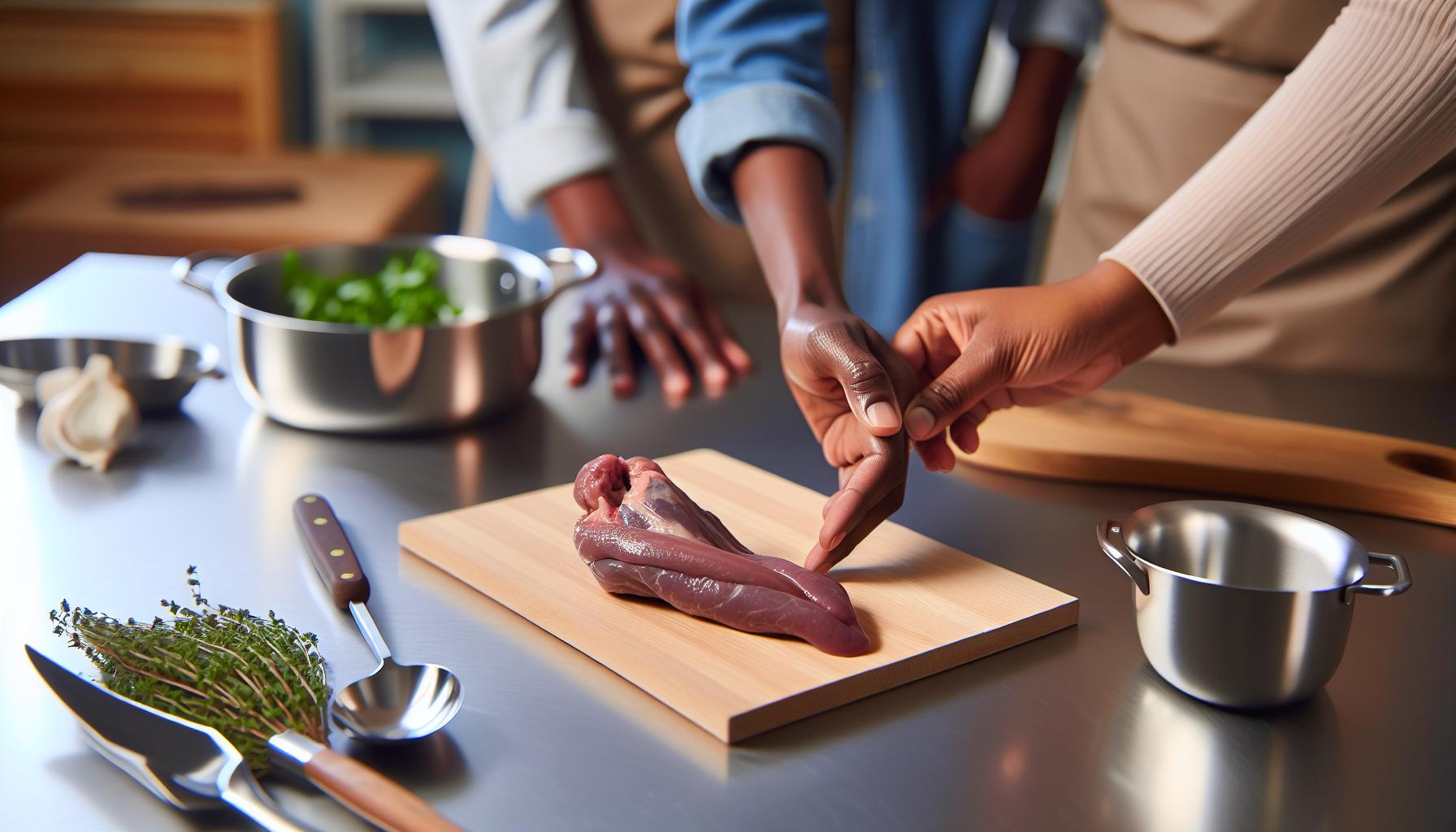
Beef tongue might not be the star of every dinner table, but when chosen wisely, it transforms into a tender, richly flavored centerpiece that’s totally worth the spotlight.Picking the right cut sets you on the path to melt-in-your-mouth success, especially when slow cooking. whether you’re a kitchen newbie or a seasoned slow cooker fan, the thrill of turning this humble cut into something sublime begins with making smart choices at the butcher or grocery store.
When shopping, look for a whole beef tongue with a fresh, firm texture-not too dry or slimy-and a pale pinkish-gray color. The primary difference lies in size and freshness. Smaller tongues frequently enough come from younger cattle, which tend to have more delicate flavor and tenderness after cooking. For the best results, seek out tongues that are skin-on; that rough outer layer might look daunting, but it actually helps lock in moisture during the slow cook. If you stumble upon peeled tongues, they can work too, but make sure they’re fresh and have a clean appearance. Remember, freshness trumps all. If you catch a tongue with any off odors, it’s best to skip it.
Another handy tip-buy from a trusted butcher when possible. not only can they help you select the freshest tongue, but they might also share insider tips, like whether the tongue is grass-fed or conventional beef, or even how long it’s been aged. These factors subtly influence the final flavor profile. Grass-fed tongues often have a richer, more complex taste, which pairs beautifully with the aromatic herbs and spices you’ll likely add during cooking. Plus, opting for local and sustainably sourced options aligns nicely if you’re leaning paleo or gluten-free-it’s wholesome food from start to finish.
Speedy Checklist for Finding Your Perfect Beef Tongue
- Size: Medium (about 1.5 to 2 pounds) for manageable cooking time and even tenderness
- freshness: Firm texture, no off smells, skin-on preferred
- Source: Trusted butcher or specialty meat market for quality assurance
- Type: Grass-fed or organic for richer flavor and health perks (great paleo fit!)
With these pointers in hand, you’re set to grab the kind of beef tongue that rewards slow cooking with unsurpassed tenderness and deep flavor. Trust me, your slow cooker will thank you-with a juicy, fall-apart bite every time.
Essential Prep Tips for Tender, Flavorful Tongue
Getting beef tongue ready for slow cooking may sound like a kitchen marathon, but a little prep goes a long way toward that irresistible melt-in-your-mouth texture we’re all chasing. the secret? It’s all about treating the tongue with care before it ever meets your slow cooker’s cozy warmth. Think of your prep steps like a warm-up routine before a big game-it sets you up for success without the stress.
Start with a good soak. Rinsing the tongue under cold water helps wash away any residual surface impurities, but I recommend soaking it in cool water with a splash of vinegar or a pinch of salt for 30 to 60 minutes first. This gentle brine helps tenderize the meat subtly and tames any gamey flavors that can sometimes sneak in.For busy weeknights, if you’re short on time, a quick rinse and scrub with a clean brush still does the trick-but the extra soak is worth it when you can swing it.
Next, don’t skip the simple step of trimming. While the tough outer skin will be peeled after cooking,trimming excess fat or any rough patches before you start seals in flavor and prevents any unwanted texture surprises later on. Plus, patting the tongue dry before it goes into the slow cooker encourages those beautifully browned edges if you decide to sear it beforehand (a quick sear is optional, but adds lovely depth). This little step is a pro move that locks in moisture-a crucial detail for paleo and gluten-free eaters aiming to keep that tongue juicy without drowning it in sauce.
- Soak Options: Cold water + vinegar or salt, 30-60 minutes
- Trim: Remove excess fat, rough bits, and rinse well
- Dry: Pat with paper towels for moisture seal
- Sear (Optional): Brown all sides in a hot pan for extra flavor
Keeping these prep steps fun and manageable made a huge difference in my own kitchen trials-especially when juggling a busy schedule and craving that restaurant-quality beef tongue at home. Give yourself permission to tailor these to your pace and pantry, and you’ll be rewarded with rich, tender bites that make the slow cooking magic feel effortless. Your slow cooker-and your taste buds-will thank you!
Step-by-Step Slow Cooker Cooking Instructions

You’d be surprised how simple it is to turn beef tongue-a cut often overlooked-into a succulent, melt-in-your-mouth masterpiece using your slow cooker. The key is patience and gentle heat that lets the connective tissue break down naturally, creating that luscious, tender texture without any fuss. Plus, once you nail the timing and technique, it’s practically a set-it-and-forget-it recipe that fits perfectly into busy lives, whether you’re paleo, gluten-free, or just craving comfort food.
Getting Started: Prep Meets Timing
Begin by placing your pre-soaked, trimmed, and optionally seared beef tongue flat in the slow cooker. Add enough liquid (like beef broth, water, or a mix of aromatic liquids) to cover about two-thirds of the tongue-no need to drown it, we want flavor, not stew. Toss in some hearty aromatics like quartered onions, smashed garlic cloves, bay leaves, and whole peppercorns to infuse subtle layers of savoriness as it cooks. Here’s the magic timeline: cook on LOW for 8 to 10 hours. This slow-and-low heat is your best friend for breaking down the tough tissue while keeping the tongue juicy and tender. if you’re short on time, HIGH for 4 to 5 hours works, but LOW is where the melt-in-your-mouth happens.
Simple Step-by-Step
- step 1: Place tongue in slow cooker. Pour in 4 cups of beef broth or water with aromatics.
- Step 2: Cover and set to LOW for 8-10 hours (or HIGH for 4-5 hours).
- Step 3: Toward the end of cooking, test tenderness by piercing with a fork-it should slide in easily, like butter.
- Step 4: Remove tongue and let it cool just enough to handle. Then peel off the outer skin-it should come off effortlessly now.
- Step 5: Slice and serve, or use in your favorite recipes!
Pro tips for Perfection
If you choose to sear the tongue before slow cooking, it adds a lovely depth of flavor and appealing color, but it’s totally optional. For gluten-free and paleo folks, a broth base seasoned simply with herbs keeps it clean and pure-no flour or heavy sauces required.And please don’t sweat exact timing too much; slow cookers can vary. The best judge is fork tenderness. If it’s not quite there at 8 hours, just let it go longer.I’ve had cooks go 11 or 12 hours with no complaints and spectacular results.
Remember, the slow cooker is your sous-chef on auto-pilot here-a little setup in the morning or after work, and you’re rewarded with a dish that’s both homey and refined. You’ll soon see beef tongue transforming from an intimidating cut into one of your most requested meals, proving that with a little care and patience, specialized cooking techniques don’t have to be elaborate or stressful.
unlocking Melt-in-Your-Mouth Texture Secrets

Beef tongue is one of those magical cuts that quietly transform from tough and unapproachable to irresistibly tender with just a little time and the right method. The real secret behind achieving that melt-in-your-mouth texture lies in slow, gentle cooking that lets collagen and connective tissues gradually break down, turning what many assume is a chewy challenge into a luscious delight. Think of it as nature’s slow magic trick: the longer and lower you cook, the softer and more buttery the meat becomes without ever drying out.One of my favorite tricks to ensure perfect texture every time is to avoid rushing the process. Cooking beef tongue on low in your slow cooker for 8 to 10 hours allows the muscle fibers to relax fully and the collagen to convert into that silky gel-like richness.If you need a timeline guideline, think of it this way:
- Low & Slow (8-10 hours): Best for ultimate tenderness and juicy results-fork tender and effortless peeling.
- High Setting (4-5 hours): Good if you’re pressed for time, but texture may be just a bit firmer.
If it’s not quite there at the lower end, don’t hesitate to let it cook longer. Slow cookers vary, and that extra hour or two can make the difference. I once had guests skeptical about beef tongue until they saw how it literally melted in thier mouths-no chew, no gristle-just pure, unadulterated yum.
Collagen Breakdown & Moisture Retention
The collagen in beef tongue needs heat and time to convert into gelatin, which keeps the meat moist and tender. But here’s the catch: too much water or too high a temperature can wash out flavor and turn the meat mushy. That’s why aiming to cover just two-thirds of the tongue with broth or water while cooking low-and not drowning it-is critical. This balance allows the tongue to simmer in flavorful steam rather then boil, preserving both texture and taste.
For those on paleo and gluten-free diets, this method is a home run. No heavy flours or thickening agents necessary; just broth,aromatics,and time. You’re left with a nourishing, protein-packed, tender bite that’s naturally compliant without sacrificing richness.
Tips for Testing and Enhancing Tenderness
Want to know when the tongue is just right? Take a fork and gently pierce the thickest part. If it slides in like soft butter, you’re golden. If you hit resistance, add an hour or two of slow cooking. And for an extra layer of pleasure, consider searing it briefly before slow cooking. The caramelization adds a subtle umami crunch to the outer edges while the interior stays sumptuously delicate.
- Try this next time: Sear the tongue quickly in a hot pan before adding it to the slow cooker for a richer flavor profile.
- Keep it moist: Resist the urge to add too much liquid; slow cooking releases natural juices that gently baste the tongue throughout.
- Rest before peeling: Let your tongue cool just enough so you can handle it comfortably; this helps the skin slip right off without fuss.
In my kitchen, beef tongue became a regular game-changer once I stopped overthinking it and embraced the slow cooker’s gentle magic. With ease and a little patience, what started as an intimidating specialty cut blossomed into an everyday comfort that’s savory, wholesome, and downright impressive.
| cook Setting | Duration | Texture Outcome |
|---|---|---|
| Low | 8-10 hours | Ultra-tender, buttery, easy to peel |
| High | 4-5 hours | Tender but firmer, still flavorful |
Flavor Boosters: Marinades, spices, and Herbs

There’s something truly magical about infusing beef tongue with the right combination of herbs, spices, and marinades before slow cooking-it’s how you turn this humble cut into a flavor-packed superstar. Because beef tongue is richly textured but pretty neutral on its own, it happily soaks up any bold or subtle seasonings you throw its way.Whether you’re aiming for a fresh, bright paleo-friendly marinade or a deep, smoky spice rub, the key is balancing complementary flavors that won’t overpower its buttery tenderness.
I like to start with a simple marinade a few hours ahead or even overnight for that extra flavor punch. A splash of apple cider vinegar or fresh lime juice wakes up the meat and helps tenderize it gently without any artificial additives-perfect for gluten-free and paleo diets. Adding aromatics like garlic, onion, and bay leaves takes it from “just beef tongue” to “wow, what’s that delicious aroma?” If you’re pressed for time, tossing the spices and herbs directly into the slow cooker liquid does the trick beautifully-no marinading required, just pure flavor brewing while it cooks low and slow.
Classic Spice Combos and Herb Helpers
Try this flavor foundation for reliably stellar results:
- Garlic & Onion: Minced or powdered,they add savory depth and play nicely with beef’s umami.
- Bay Leaves: Essential for that subtle earthiness that simmers up gently over hours.
- Paprika & Cumin: For a smoky, slightly sweet undertone that warms every bite.
- Thyme & Rosemary: Fresh or dried, their piney, aromatic notes lift the richness without heaviness.
- Black Pepper & Chili Flakes: To add just a hint of heat if you like a little kick.
You can tweak this mix year-round-if it’s summer and you’re craving freshness, toss in chopped cilantro or parsley right before serving.In cooler months, a pinch of ground cloves or cinnamon adds festive warmth without turning the dish sweet.
Marinades Made Easy-No Fuss, All Flavor
Here’s a quick paleo- and gluten-free marinade trick I swear by (prep time: 5 minutes, plus marinating if you have the time):
- 1/4 cup olive oil or avocado oil
- 2 tablespoons apple cider vinegar or fresh lemon juice
- 3 minced garlic cloves
- 1 teaspoon smoked paprika
- 1 teaspoon dried oregano or thyme
- Salt and fresh cracked black pepper to taste
Mix everything, coat the cleaned tongue thoroughly, and let it chill in the fridge for 2-4 hours. If you’re like me and forget to plan ahead (story of my kitchen life!), toss the marinade into the slow cooker liquid once the tongue’s already in-flavor still seeps into the meat as it cuddles in that warm bath for hours.
By layering such flavor boosters thoughtfully, you’ll find that the final beef tongue is anything but everyday-it’s a melt-in-your-mouth marvel bursting with complex, inviting tastes that keep people coming back for more. And hey-because it’s all natural, nutrient-dense, and super compatible with paleo and gluten-free lifestyles, you’re ticking all the boxes on delicious and wholesome. Win-win.
Easy Peeling Techniques After Cooking
Peeling beef tongue after slow cooking can feel intimidating at first, but here’s a little secret: once it’s perfectly tender from hours in the slow cooker, the outer layer practically slips off like a charm. That slightly rough, thick skin looks intimidating raw, but it softens and loosens beautifully during the long, gentle cooking process-no battle required! Tackling it while the tongue is still warm (not scalding, but pleasantly hot) gives you the easiest, most satisfying peel without sacrificing any of that melt-in-your-mouth goodness.
A simple, foolproof technique I always rely on is starting with your fingers or a paring knife at the rounded tip-usually the narrow end. The skin typically has natural creases and folds from cooking that provide great “grip points.” Just gently lift and pull the skin away, working your way down in sections. If it resists, a quick scrape with the edge of a spoon or the tip of a knife helps coax it off without gouging the delicate meat beneath. Pro tip: dipping the tongue briefly in cold water after cooking can firm it up slightly,making the skin easier to handle,especially if your fingers start feeling the heat!
Quick Steps to Peel Like a Pro
- Wait until the tongue is warm but manageable. Too hot, and you’ll burn your fingers; cold tongues are tougher to peel.
- Locate the tip and gently lift the skin. Use a fingernail,knife tip,or spoon edge to start separating the peel.
- Peel off in sections, pulling slowly to avoid tearing the meat. It should come away easily if cooked long enough.
- Rinse the peeled tongue under warm water to wash away any residual bits of skin or membrane.
I’ve found that no matter how many tongues I cook, a little care during peeling yields huge rewards: the meat underneath glistens, tender and ready to soak up your sauces or spices. And if you’re prepping for a big family meal or paleo-friendly feast, having that peeled tongue looking pristine means all your hard prep work truly shines on the plate.
Remember, peeling beef tongue is not a hurdle but a rewarding step in your culinary adventure. embrace that slightly squishy,meaty texture under the skin-it’s the promise of rich flavor and melt-in-your-mouth tenderness waiting to happen. Plus, knowing this easy technique boosts confidence to cook tongue anytime, no sweat, no fuss.
So, after your slow cooker has worked its magic for those 6-8 hours (easy and hands-off!), dive in with steady hands and enjoy one of the most satisfying “reveal” moments in cooking. Your beef tongue deserves it.
Creative Serving Ideas and meal Pairings

few cuts of meat carry the kind of satisfying surprise that slow-cooked beef tongue does-mild, tender, and ready to soak up whatever flavors you throw its way. Its versatility is a home cook’s dream: once peeled and sliced, you’ve got a canvas to create everything from elegant dinners to casual family-friendly meals. Plus,the melt-in-your-mouth texture means your pairings shine just as brightly. let’s dive into some creative ways to showcase this beautifully cooked tongue without fumbling for ideas.
Casual Lunches and Street Food vibes
Think tacos, sandwiches, and wraps! thinly sliced beef tongue makes an unbeatable filling for soft corn or flour tortillas. Toss the meat in a quick chipotle-lime marinade or simply drizzle with fresh salsa verde, then pile on classic toppings like diced onions, cilantro, avocado, and a squeeze of lime. No fancy ingredients needed-just crave-worthy comfort. For sandwiches, layer tongue slices with pickled veggies, mustard, and crisp lettuce on your favorite gluten-free or paleo-friendly bread or lettuce wraps.This combo balances richness with fresh crunch,making every bite a textural delight.
Elevated Dinner Plates
Serve tongue as the star protein atop a bed of creamy mashed cauliflower or roasted seasonal veggies. To keep things paleo and gluten-free, try pairing with sautéed garlic greens or a vibrant root vegetable purée. Incorporate herbs like thyme and rosemary in your finishing sauce or drizzle a simple chimichurri for an herb-forward pop of flavor. A classic wine reduction sauce-if you’re not going dairy or grain-free-or a pan jus made from the slow cooker drippings can elevate your dish nicely without complicating prep.The key here is subtlety: let that luscious texture speak for itself while supporting it with balanced sides.
Global Flavors for Adventurous Palates
Beef tongue adapts beautifully to international accents. For a Mexican twist, turn your slow-cooked slices into “tacos de lengua” with traditional toppings. Or whip up a hearty asian-inspired bowl, dressing thin tongue slices in sesame oil, soy sauce (tamari for gluten-free), garlic, and ginger, served over steamed rice or cauliflower rice. Another favorite is serving tongue cold, sliced thin like charcuterie, paired with spicy mustard and pickled vegetables for a European deli vibe. These ideas keep prep straightforward but satisfy diverse cravings.
- Tip: Always slice against the grain for perfect tenderness and a clean bite.
- Make it YOURS: Don’t hesitate to swap herbs and spices-oregano, cumin, coriander-based on what you have. This meat welcomes creativity!
If you’re prepping a bigger meal, beef tongue pairs beautifully with light, crisp salads to contrast its richness and a variety of textures-from crunchy to creamy-on the plate. Serving it alongside roasted squash or grilled asparagus with a drizzle of lemon zest keeps things fresh and festive, whether it’s a casual weeknight or a special gathering.Embracing tongue in your kitchen repertoire turns a once intimidating cut into a star ingredient. It’s effortless elegance that fits neatly into paleo and gluten-free lifestyles without compromising on crave factor. So next time your slow cooker works its magic,think beyond the basics-you might find beef tongue becoming your new favorite secret weapon in meal planning!
Storing and Reheating Leftover Beef Tongue
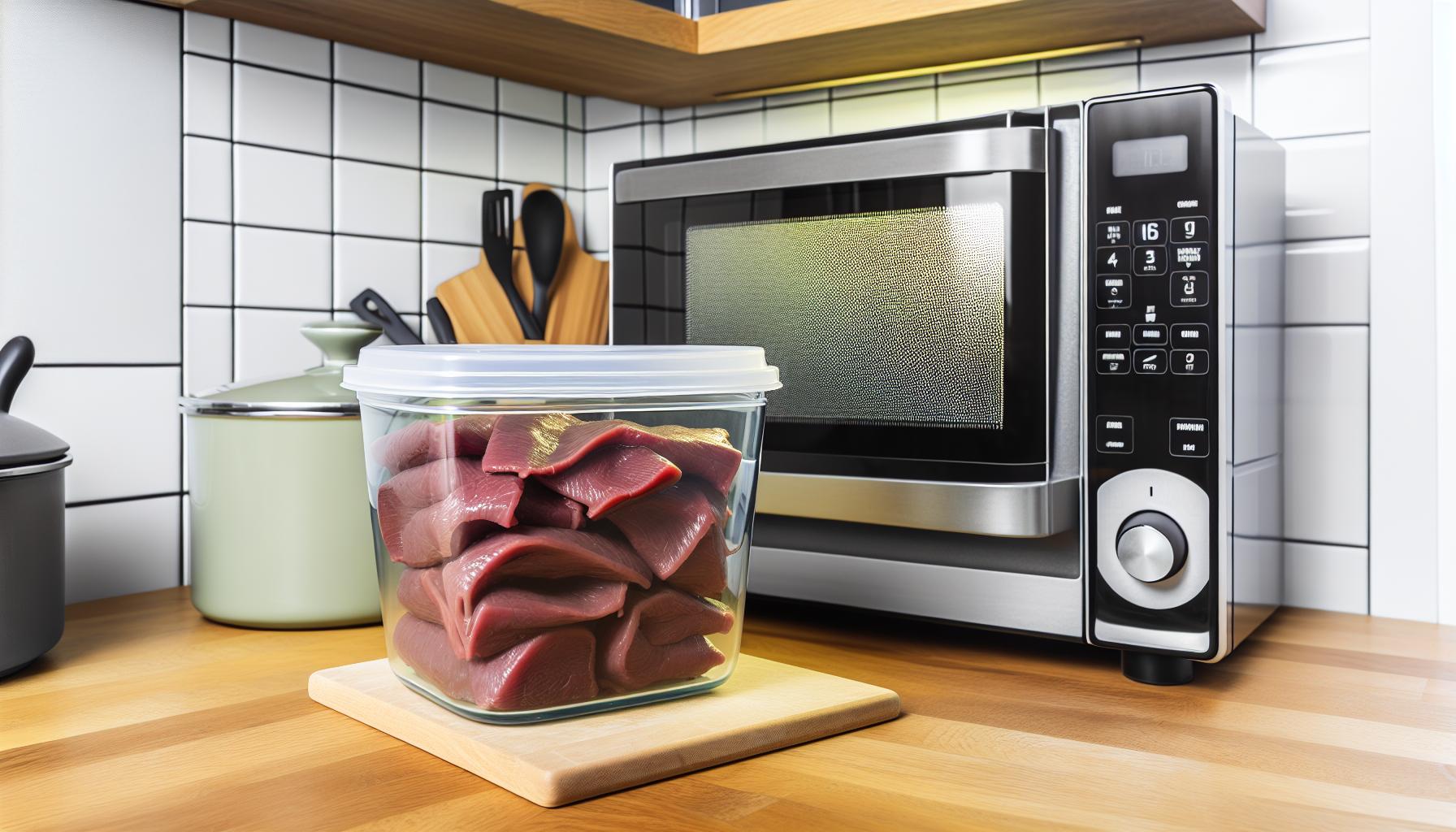
Few leftovers spark as much joy as slow-cooked beef tongue. Its rich flavor and silky texture not only taste amazing fresh but also hold up beautifully in the fridge or freezer, making it a fantastic candidate for meal prep. The key to preserving that melt-in-your-mouth magic lies in how you store and reheat it, so your next meal feels just as indulgent as the first bite.
Storing Tips for Maximum Freshness and Flavor
Once your beef tongue is cooked, peeled, and sliced, allow it to cool fully before storing. This prevents condensation inside the container,which can make the meat soggy. use airtight containers or heavy-duty freezer bags to lock in moisture and block other odors-a must when dealing with a protein as flavorful as tongue. For best results, store slices submerged in a bit of the cooking broth or a light marinade. This extra moisture acts like a flavor-preserving hug and keeps the tongue from drying out during storage. in the fridge, tongue will stay deliciously tender for about 3 to 4 days. If you want to extend its shelf life and keep a batch ready for spontaneous feasting, freezing is your best friend; wrapped tightly, it can last up to 3 months.
Reheating Without Losing That Tender Touch
Reheating beef tongue is an art of patience and gentle heat. The biggest mistake is rushing or overcooking-suddenly, that lovely silky texture can turn tough or leathery. Your top priority is warming it slowly and evenly. Here are a few easy methods that work like a charm:
- Low and Slow on the Stovetop: Warm slices gently in a covered skillet over low heat with a splash of beef broth or reserved cooking liquid. Cover to trap steam and keep the meat tender.
- Slow Cooker or Sous Vide: For a no-fuss approach, return your sliced tongue to the slow cooker on the warm setting for 20-30 minutes or immerse vacuum-sealed portions in a warm water bath (around 140°F/60°C) to revive that melt-in-the-mouth softness.
- Microwave Magic (With Caution): If time’s tight, reheat in short bursts at medium power, covered with a damp paper towel to hold moisture. Rotate and check frequently enough to avoid hot spots or dryness.
Whatever method you choose, always avoid high heat and keep an eye on the texture-remember, the goal is to coax the softness back, not to cook the meat further.
Leftover Inspiration and storage Hacks
Pro tip: If you find yourself with more tongue slices than you can eat in a few days, portion them out before freezing. Wrap single-use servings in parchment or plastic wrap before bagging to reduce freezer burn and make thawing a breeze. Frozen tongue pairs perfectly with paleo and gluten-free flares-just thaw overnight in the fridge and reheat gently.
For quick meals on busy days, toss reheated slices into salads, stir-fries, or tacos for a burst of umami richness. Leftovers also make phenomenal protein-packed snacks; a smear of paleo-friendly mustard or a splash of chimichurri can transform those slices into crave-worthy bites.
Lastly, remember: while tongue may seem fancy, storing and reheating it doesn’t need to be complicated.Treat it with care, keep things simple, and you’ll enjoy that same crave-worthy softness and flavor long after it’s left the slow cooker. Trust me, your future self will thank you!
Gluten-Free and Paleo-Friendly Sauce Options
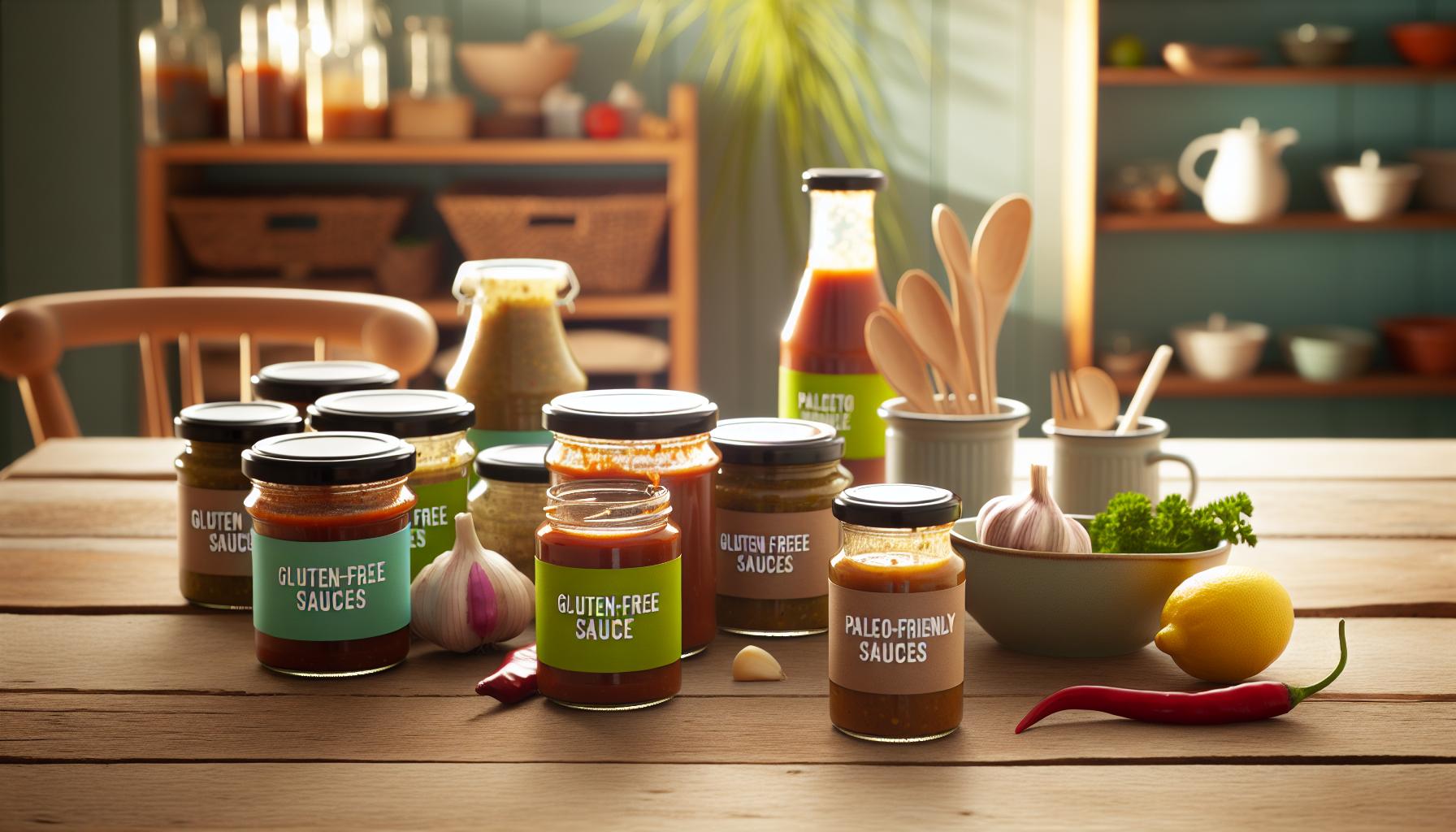
Few things brighten up a slow-cooked beef tongue meal quite like a luscious sauce that’s both gluten-free and paleo-friendly.The great news? You don’t have to sacrifice flavor or fuss to keep your meal aligned with these diets. With just a few wholesome ingredients and simple techniques, you can craft sauces that not only elevate the melt-in-your-mouth texture but also complement the rich, beefy flavor of tongue – perfect for dipping, drizzling, or spooning generously over your slices.
Easy, Flavor-Packed Sauce Ideas That Fit Paleo & Gluten-Free Lifestyles
Most traditional sauces rely on flour or soy sauce-classic no-gos if you’re grain- or gluten-free. But there are plenty of tasty stand-ins that deliver on umami and freshness without any of the junk.Here are some of my go-to sauces that come together in under 15 minutes and pair beautifully with your slow cooker masterpiece:
- Chimichurri: This vibrant Argentinian herb sauce is a star with beef tongue. Blend fresh parsley,cilantro,garlic,red pepper flakes,red wine vinegar,and olive oil. It adds brightness, a touch of heat, and herbal zing. Bonus: it’s great served cold, so you can make it ahead and keep it fresh.
- Avocado-Cilantro Crema: For a creamy, cool contrast, mash ripe avocado with lime juice, garlic, and chopped cilantro.Thin it out with a splash of filtered water or coconut milk. It’s decadently smooth yet meets paleo and gluten-free needs perfectly.
- Roasted Red Pepper Sauce: Roast or use jarred peppers (check labels!), then blend with garlic, lemon juice, smoked paprika, and olive oil. This smoky, subtly sweet sauce brings a lovely depth of flavor without any gluten sneaking in.
- Mustard Vinaigrette: Use a paleo-friendly Dijon or grainy mustard combined with apple cider vinegar, honey or maple syrup, olive oil, and a pinch of salt. It’s tangy, slightly sweet, and gives your tongue slices a zesty punch.
Whipping Up Your Sauce: Tips for Busy Kitchens and Flavor Wins
Don’t sweat fancy gadgets or long ingredient lists-these sauces are meant for busy home cooks who want flavor fast.A simple blender or food processor is enough to mix most of them, but even a whisk and steady hand can pull off the vinaigrette or chimichurri. Here’s a quick “sauce workflow” I swear by:
- Prep your herbs and aromatics first: Chopping fresh parsley, cilantro, or garlic ahead saves scrambling once your tongue is ready.
- Taste as you go: Balance acidity (vinegar or lime juice),salt,and a bit of sweetness (maple syrup or honey) to keep the sauce lively without overpowering your meat.
- Make extra: These sauces keep well refrigerated for up to 3-4 days, making your lunches or next dinners even quicker and more exciting.
If you’re nervous about paleo “rules,” remember that the goal is nourishing your body and taste buds without stress. For instance,if raw onions or garlic feel harsh for your palate or belly,roast them gently first to dial back the bite. And when in doubt, swap out ingredients that don’t jive with your personal preferences or pantry staples.
Pairing Sauces With Your Beef Tongue Meal
Matching your sauce with the meal vibe helps everything sing together. Here’s a quick rundown of sauce styles and the occasions they suit best:
| Meal Style | Best Sauce Fit | Why It Works |
|---|---|---|
| Casual Weeknight Tacos (Quick and fun) |
Chimichurri or Mustard Vinaigrette | Brings fresh, bright notes and zing; no heaviness to overshadow toppings. |
| Comfort Food Plate (Hearty and cozy) |
Roasted Red Pepper Sauce or avocado-Cilantro Crema | Rich, smoky, or creamy sauces complement slow-cooked tenderness, adding warmth. |
| Light Salad Topping (Refreshing and clean) |
Mustard Vinaigrette or diluted Chimichurri | Drizzles flavor without weighing down greens or veggies. |
It really boils down to what mood you’re in-or how much time you have to play in the kitchen. And remember, sauces are your friends, not a test. With these ideas, you’re all set to put a paleo- and gluten-free stamp on your tongue adventure that’s as joyful as it is delicious.
Happy saucing, and here’s to many flavorful, melt-in-your-mouth meals ahead!
Troubleshooting Common Slow Cooker Tongue problems

Cooking beef tongue in a slow cooker is like embarking on a delicious adventure, but sometimes, even the best-laid kitchen plans hit a few bumps. Don’t worry-common issues like tough texture, difficulty peeling, or bland flavor are totally fixable with a little know-how and some tried-and-true tricks that I’ve picked up from many tongue-cooking kitchen escapades.
If you find the texture on the firmer side rather of that dreamy, melt-in-your-mouth softness, the first thing to check is cooking time and temperature. Beef tongue generally needs anywhere from 6 to 8 hours on low to become tender, but every slow cooker varies a bit. If your tongue feels like a jaw workout, try cooking it longer next time-add an hour or two and test for tenderness with a fork. Remember, slow and steady wins the softness race! Also, don’t skip the initial simmer or soak step, which helps loosen the outer membrane and soften the meat from the inside out.
On the subject of peeling, it can sometimes feel like a stubborn puzzle. If the skin isn’t sliding off easily after cooking, it likely needs a bit more time or a quick plunge in cold water to help that layer separate easily. Pro tip: After slow cooking, plunge the tongue into an ice bath for 10 minutes-this chills the meat and contracts the skin, making peeling less of a wrestling match and more of a smooth sailing. Using your fingers or a paring knife to gently lift the skin works wonders, and no need to rush-taking your time here preserves that tender beef beneath.Flavor worries? It’s easy to end up with a tongue that tastes, well, just ”beefy” but not exciting. Don’t fret-the slow cooker can sometimes mute spices, so layering flavor is key. Before cooking, consider a quick dry rub with paleo-friendly spices like smoked paprika, garlic powder, and black pepper or a marinade that won’t require flour or soy sauce. tossing aromatics like onion,bay leaves,and fresh herbs right into the cooker amps up the savory notes without breaking any dietary rules. And if you’re craving that extra umami punch,a splash of acid like apple cider vinegar or a squeeze of citrus near the end brightens everything right up.
Quick Fix Checklist for common Slow Cooker Tongue Challenges
| problem | Likely Cause | Simple Solutions |
|---|---|---|
| Tough, Chewy Tongue | Insufficient cooking time or too high temperature | Cook longer on low heat; test fork tenderness; add moisture like broth |
| Skin Hard to Peel | Cooking time too short or skin not loosened properly | Ice bath after cooking; gentle peeling with fingers/parings knife; extend cook time |
| Bland Flavor | Under-seasoning or lack of aromatics | Use paleo/gluten-free dry rubs or marinade before cooking; add aromatics in slow cooker |
| Dry Meat | Overcooking or insufficient liquid | Maintain enough cooking liquid; monitor cook time; shred or slice thinly |
Getting comfortable with beef tongue is like making a new kitchen friend-it might take a couple of tries, but once you unlock those secrets, your palate will thank you with rich, silky bites every time. My best advice? Embrace the process with a sprinkle of patience and a pinch of humor. Slow cooker tongue is a forgiving recipe, so feel free to tweak times and flavors until it matches your perfect melt-in-your-mouth moment. After all,blissful beef tongue doesn’t have to be complicated-just slow,steady,and full of heart.
Frequently Asked Questions
Q: How do I know when beef tongue is fully cooked in a slow cooker?
A: Beef tongue is fully cooked in a slow cooker when it reaches an internal temperature of about 195°F to 203°F and becomes tender enough to easily pierce with a fork. Slow cook for 8-10 hours on low for that melt-in-your-mouth texture. Check doneness by testing how easily the skin peels off for best results. For detailed timing,see the step-by-Step Slow Cooker cooking Instructions section.
Q: Can I add vegetables to my slow cooker beef tongue recipe?
A: Yes, adding root vegetables like carrots, onions, and potatoes enhances flavor and creates a complete meal. Place them beneath the tongue to absorb juices. This method also supports tenderness and complements the slow cooking process beautifully.Check out Creative Serving Ideas and Meal Pairings for pairing options.
Q: Why does my beef tongue sometimes get tough after slow cooking?
A: Tough beef tongue usually means it wasn’t cooked long enough or at too high a temperature. Slow and low is key – cook at low heat for 8-10 hours. Also, proper prep, like trimming excess fat and using acidic marinades, helps break down fibers for softness. Refer to Troubleshooting Common Slow Cooker Tongue Problems for tips.
Q: What is the best slow cooker setting for tender beef tongue,high or low?
A: The low setting is preferred for tender beef tongue,as it allows gentle,even cooking over several hours. high heat can cook faster but risks tougher texture. Plan for 8-10 hours on low for maximum tenderness, then check peelability and tenderness to confirm doneness.
Q: Can I cook frozen beef tongue in a slow cooker?
A: It’s best to thaw beef tongue before slow cooking to ensure even cooking and safe temperature rise. Cooking from frozen can cause uneven texture and longer cook times. Plan ahead by thawing in the refrigerator overnight, then follow slow cooker instructions for melt-in-your-mouth results.
Q: How can I infuse extra flavor into beef tongue during slow cooking?
A: To enhance flavor, add aromatics like garlic, bay leaves, peppercorns, or a splash of broth or wine directly to the slow cooker.You can also marinate the tongue overnight in herbs and citrus to deepen flavor before cooking. See Flavor Boosters: Marinades, Spices, and Herbs for detailed ideas.
Q: Is beef tongue in a slow cooker naturally gluten-free and paleo-friendly?
A: Yes! Beef tongue itself is naturally gluten-free and paleo-friendly. Just avoid adding gluten-containing ingredients like soy sauce or flour-based thickeners. Use paleo-approved herbs,spices,and sauces outlined in our Gluten-Free and Paleo-Friendly Sauce Options to keep it suitable for your diet.
Q: What’s the easiest way to reheat leftover slow cooker beef tongue without drying it out?
A: The best way to reheat beef tongue is gently in a covered pan with a splash of broth or sauce over low heat. This warms it evenly and preserves moisture,maintaining that melt-in-your-mouth texture. Avoid microwaving to prevent toughening. See Storing and Reheating Leftover Beef Tongue for more tips.
Ready to master melt-in-your-mouth beef tongue with ease? Dive back into the full guide for pro tips and tasty meal ideas!
The Way Forward
Ready to impress your taste buds with melt-in-your-mouth beef tongue made effortlessly in your slow cooker? This gluten-free, paleo-friendly recipe takes just a few simple steps and a few hours of low and slow cooking to transform a humble cut into a tender, flavorful delight-perfect for cozy dinners or impressing guests without the fuss.If you’re eager to explore more hearty, slow-cooked comfort foods, check out our recipes for slow cooker brisket or tender pork shoulder next. Don’t forget to subscribe to our newsletter for more easy-to-follow, tested recipes that turn everyday ingredients into memorable meals. Got questions or your own slow cooker tips? Drop a comment below-we love hearing your kitchen successes and hacks!
Unlock the secret to perfect beef tongue and expand your culinary skills with us. Whether you’re new to adventurous cooking or a seasoned pro, this practical guide makes specialty cuts approachable and delicious. Keep exploring, keep cooking, and let that slow cooker work its magic!


