

Ever wonder how long to cook pork in a slow cooker to get those irresistible melt-in-your-mouth bites? Whether you’re aiming for a cozy family dinner or a paleo-kind feast, the timing is key to tender, juicy pork without drying it out or waiting all day. Slow cooking pork lets you walk away and come back to deliciousness-perfect for busy folks who want effortless meals that don’t skimp on flavor. In this guide, I’ll share the tried-and-true cooking times, easy tips, and little tricks from my kitchen to yours, making sure your pork turns out tender and mouthwatering every time. Plus, I’ll cover how to adjust for different cuts and even swap in ingredients to fit gluten-free or paleo lifestyles-because everyone deserves food that feels like a warm hug, no matter how you cook or eat. Ready to make your slow cooker your best sous-chef? Let’s dive in!
Table of Contents
- Perfect Pork Cuts for Slow Cooker Magic
- Essential Prep Tips for Melt-in-Your-Mouth Pork
- Slow cooker Settings: Low vs. High Explained
- Step-by-Step Guide: Cooking Times by pork Cut
- Flavor Boosters: Marinades and Spice Rubs That Wow
- How to Tell When Pork Is Done Without a Thermometer
- Troubleshooting: Saving Dry or Tough Slow Cooker Pork
- Creative Serving Ideas for Tender Slow Cooker Pork Bites
- Gluten-Free and paleo-Friendly Slow Cooker Pork Recipes
- Batch Cooking and Storing tips for Busy home Cooks
- Q&A
- Q: How can I ensure pork stays juicy when slow cooking for melt-in-your-mouth bites?
- Q: What is the best internal temperature for perfectly cooked slow cooker pork bites?
- Q: can I cook frozen pork in a slow cooker and still get tender bites?
- Q: Does the size of pork chunks affect slow cooker cooking time for tender bites?
- Q: How do bone-in and boneless pork cuts compare when slow cooking for tenderness?
- Q: What are common mistakes that make slow cooker pork tough rather of tender?
- Q: How long should I let pork rest after slow cooking before serving melt-in-your-mouth bites?
- Q: Can slow cooker pork bites be reheated without losing tenderness?
- Key Takeaways
Perfect Pork Cuts for Slow Cooker Magic
When it comes to coaxing truly tender, melt-in-your-mouth pork from your slow cooker, the cut of pork you start with isn’t just important-it’s everything.not all pork is created equal for slow cooking; some cuts naturally break down into juicy, flavorful morsels with minimal effort, while leaner cuts can dry out if left too long.For that luscious fall-apart texture, think cuts rich in connective tissue and marbling.These fats and collagen magically transform into silky softness as they slow cook low and slow, rewarding you with comfort food vibes that feel like a warm hug.
Pork shoulder (also known as pork butt or Boston butt) reigns supreme in the slow cooker world.It’s a budget-friendly beast bursting with just the right amount of fat, making it perfect for shredding into succulent pulled pork, tacos, or savory stews. Don’t be intimidated by the name “shoulder”-it’s a leg up on tenderness once given enough time to work its magic. Another excellent choice is the pork picnic roast, which shares many of the shoulder’s rich properties and responds beautifully to slow, moist heat.
On the flip side, if you’re aiming for subtly tender slices rather than shredded pork, pork loin and pork tenderloin can make an appearance, but with a caution banner. These are much leaner and can dry out quickly in a slow cooker, so they require careful timing and often some added moisture or sauces to keep things juicy. Personally, when I’ve used pork loin in my slow cooker experiments, I keep a close eye on the clock or opt for the “high” setting for the last stretch to preserve that delicate texture.
Top Picks for Slow Cooker Success
- Pork Shoulder/Boston Butt: Best for shredding and rich, juicy results; perfect for pulled pork, carnitas, or hearty stews.
- Pork Picnic Roast: Similar to shoulder but slightly tougher; fantastic when cooked low and slow with plenty of liquid.
- Pork Loin: Leaner; use carefully with moisturizing sauces and shorter cook times to avoid dryness.
- Pork Tenderloin: Delicate and lean; best cooked on high heat settings or for shorter durations to maintain tenderness.
As a swift pro tip from my home kitchen trials: If you’re venturing into pork shoulder territory, trimming excess fat is optional but not necessary-the fat melts away and bastes the meat internally. Plus, it’s a real flavor superhero. Whenever I share pulled pork recipes with friends, they’re always surprised by how effortless and forgiving these cuts are in slow cookers. So pick your cut wisely, and remember, the slow cooker is your trusty co-pilot, helping transform humble pork into something remarkable.
Essential Prep Tips for Melt-in-Your-Mouth Pork
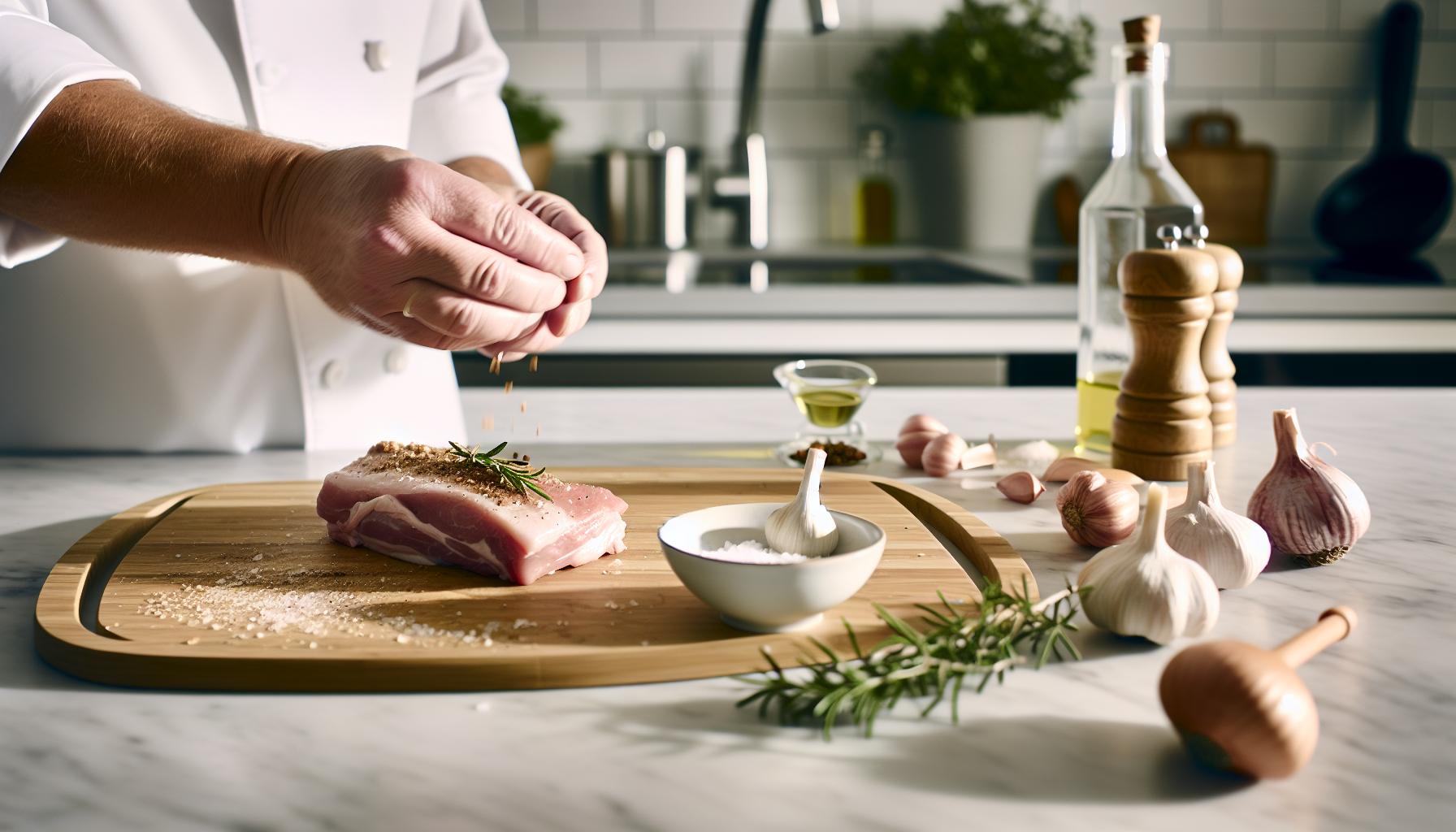
Getting pork ready to become irresistibly tender in the slow cooker is a bit like setting the stage for a great show – the prep makes all the difference. Think of your slow cooker as a gentle, patient sous-chef who loves a well-marinated, seasoned pork star. Before you even think about turning it on, taking a few steps to prep your meat ensures every bite melts in your mouth and your kitchen smells like dinner goals.
First off, always pat your pork dry with paper towels. It might sound basic, but removing excess moisture helps your spices stick and encourages better browning if you choose to sear it first. Searing isn’t mandatory, but trust me, it adds a fantastic depth of flavor-caramelization magic that slow cooking alone can’t create. Plus, that rich crust adds a lovely contrast to the tender interior once it’s done. Just a quick 3-4 minute sear per side with a hot skillet before it hits the slow cooker can elevate the entire dish.
Next, don’t underestimate the power of seasoning and seasoning early. Salt is your friend; it draws moisture into the meat while also helping break down proteins gently, prepping for that fall-apart softness. For an extra yum factor, rub your pork with a blend of favorite herbs and spices-think smoked paprika, garlic powder, black pepper, and a pinch of brown sugar for caramel notes (paleo-friendly folks, coconut sugar works beautifully too). If time allows, overnight resting in the fridge after seasoning works wonders, but even a 30-minute rub-in session before cooking will start building those layers of flavor.
Moisture and Liquid Game Plan
One common rookie slip? Skimping on the liquid, which is essentially your slow cooker’s steam engine for tenderness. Whether it’s broth, diluted apple cider vinegar, or a splash of coconut aminos, a modest amount of liquid helps break down the collagen in richer cuts while keeping leaner ones juicy. Don’t drown the pork-it just needs a cozy bath, not a swim. Adding a bit of acid (like citrus juice or vinegar) alongside hearty aromatics (onions, garlic, fresh herbs) can also brighten the pork’s natural flavors as it slowly transforms.
Cutting and Portioning for Even Cooking
Size matters here-in a happy way! large chunks of pork shoulder or butt will slow cook beautifully, but if your cut is too big for your crockpot or crowded in there like rush-hour traffic, it might cook unevenly. Aim for pieces around 2-3 inches across for best results-this will allow heat and flavors to circulate evenly. And don’t hesitate to trim excessive fat if you prefer a leaner finish, although I personally adore that melting fat in the mix for richness and juicy comfort food vibes.
- Tip: For lean cuts like tenderloin, consider slicing into medallions and adding quick-cooking sauces to keep moisture locked in.
- Short on time? Use the ‘high’ setting for the last hour to speed things up without drying the pork out.
- Gluten-free and paleo fans: Coconut aminos and fresh herbs are your best handy allies for delicious seasoning without fuss.
Prep is where the magic quietly begins-setting the stage for your pork’s journey from raw to wonderfully succulent. With these straightforward yet effective steps, every slow cooker session becomes less guesswork and more delicious anticipation. So grab that pork, get messy with your rubs, and let the slow cooker do the rest.Your future self (and your dinner guests) will thank you.
Slow cooker Settings: Low vs. High Explained
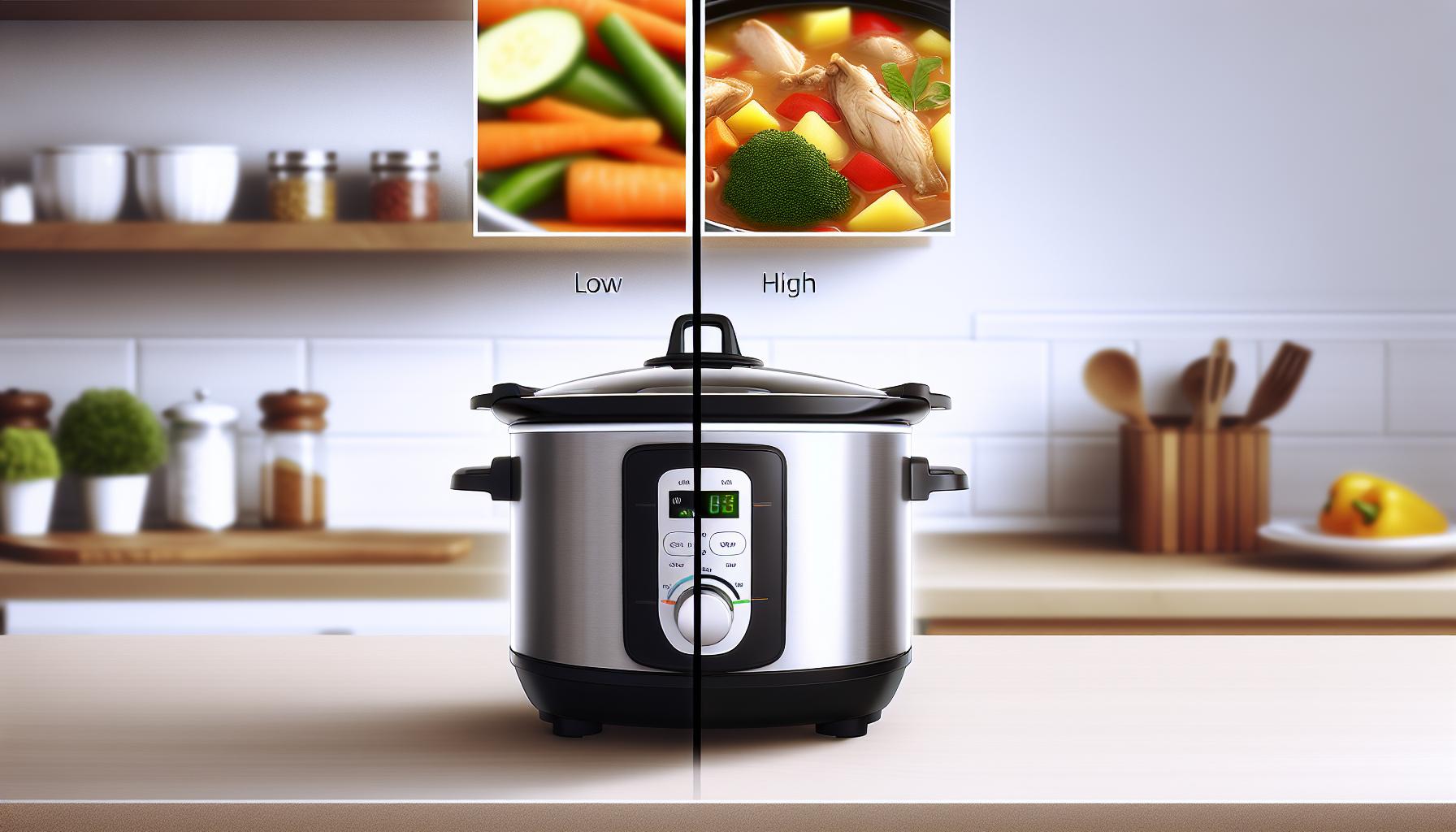
choosing between the low and high settings on your slow cooker might feel like a no-brainer, but the difference can seriously impact how your pork turns out. The low setting is the slow cooker’s magic trick for transforming tougher cuts like pork shoulder or butt into melt-in-your-mouth masterpieces. It gently breaks down collagen and connective tissue over hours, coaxing out deep flavors and rich tenderness that you simply can’t rush. The high setting, on the other hand, cranks up the heat to speed up cooking, which can be a lifesaver when you’ve got less time but still want yummy results.
In my kitchen, slow-cooking pork on low for 7 to 9 hours is my go-to for that fall-apart, fork-tender texture that makes every bite feel like a warm hug. This is especially true for paleo and gluten-free cooks who prioritize juicy, unprocessed meals. but if you’re short on time, bumping it up to high for 4 to 5 hours works well-just keep an eye on things toward the end to make sure the pork doesn’t dry out. A neat trick I frequently enough use is starting on high for the first hour to jumpstart the cooking, then lowering it to low for the rest of the day, giving me that perfect balance of convenience and flavor.
Why Low Is Love (and High Is Your Helper)
Low heat is the patient, slow dance that lets pork’s natural juices redistribute-no rush, just a steady simmer that melts fat and softens protein without toughening fibers. It also gives marinade flavors and spice rubs time to sneak deep into the meat. Conversely, the high setting is great for leaner cuts like pork tenderloin or medallions, which don’t need as long. Though, keep in mind that cooking lean pork on high the whole time can lead to dryness, so adding a splash of broth or coconut aminos helps maintain moisture.
Quick Tips to Nail Your Slow Cooker Setting
- Go low and slow for rich, fatty cuts like pork shoulder or butt-think hearty weekday dinners or batch cooking for paleo-friendly leftovers.
- Bump it to high for lean cuts or when life demands a faster dinner; use this setting especially if you slice pork into medallions or smaller chunks.
- Combine settings: Start on high for 30-60 minutes to get heat circulating, then switch to low to finish-this hybrid method mimics that perfect sear-to-simmer effect.
- Don’t peek too much! Every time you open the lid,you lose heat,which can extend cooking times unexpectedly.
- Adapt to your slow cooker: If your model runs hot or cool, adjust times by 30 minutes or more. Experience is your best guide here.
Mastering slow cooker settings means you’ll not only save time but also consistently end up with juicy, tender pork that fits any mood or mealtime. Whether you’re feeding a hungry family or meal-prepping for the week ahead, knowing the power of “low vs. high” keeps your kitchen stress-free and delicious.
Step-by-Step Guide: Cooking Times by pork Cut
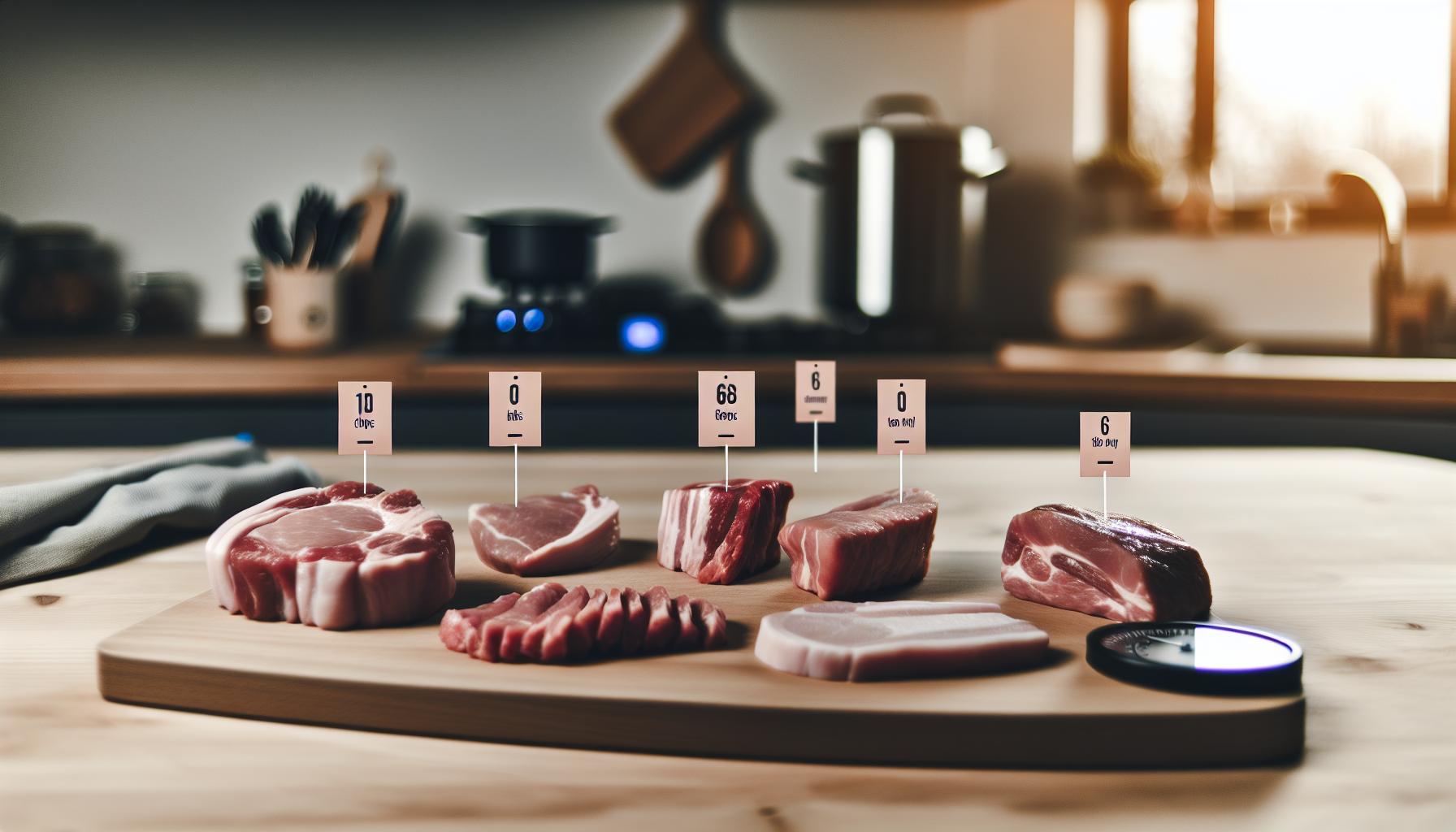
Nothing beats the slow cooker magic of transforming a humble pork cut into irresistibly tender bites that almost melt in your mouth.But knowing exactly how long each cut needs can feel like decoding a culinary secret. Here’s where timing turns from guesswork into your slow cooker’s best friend – perfecting textures and flavors with just a bit of patience and love.
For fattier, tougher cuts like pork shoulder or pork butt, you want to let them luxuriate on low heat for 7 to 9 hours. This long, gentle simmer coax collagen into luscious gelatin, leaving the meat juicy and fork-tender. These cuts are the superheroes of batch cooking paleo or gluten-free meals, delivering rich flavor and texture without fuss. I often chunk the pork shoulder into large pieces, season it well, and come back hours later to a pot full of tender morsels ready to shred or dice.
Lean cuts like pork tenderloin march to a different beat – they only need between 2 to 4 hours on high. As they’re much less fatty, overcooking easily dries them out. Here, the key is watching the clock and adding a touch of moisture – like a splash of broth or coconut aminos – to keep the meat juicy. Smaller, bite-sized medallions cook even faster, so you can throw them in for a quick weekday dinner that won’t skimp on flavor.
| pork Cut | Slow Cooker Setting | Cook Time | Notes |
|---|---|---|---|
| Pork Shoulder / Butt | Low | 7 – 9 hours | Best for shredding; great for batch cooking |
| Pork Tenderloin | High | 2 – 4 hours | Lean and fast-cooking; watch closely to prevent dryness |
| Pork Loin Roast | Low | 5 - 6 hours | Moist and tender if timed right; slice after resting |
| Pork Medallions / Cubes | High | 1.5 – 3 hours | Quick cook; great in stews or stir-ins |
| Country-Style Ribs | Low | 6 – 8 hours | Breaking down connective tissue deliciously |
simple Steps to Nail Your Timing
- Prep your pork: Trim excess fat if you like, but leave some for flavor and moisture.
- Season or marinate: Whether a quick salt rub or a zesty paleo marinade, this adds layers of flavor for long cooks.
- Set your slow cooker: Match the time and heat setting to your cut based on the table above.
- Let it be: Resist the urge to peek! Opening the lid can add a half-hour or more to cooking times.
- Test for tenderness: Pork is done when it shreds easily with a fork or feels tender when poked.
One of my favorite tricks for tricky cuts like pork loin is starting on high for 30-60 minutes to build heat, then switching to low for the rest of the time. this hybrid method crisps the edges slightly while ensuring the inside stays juicy – perfect for paleo-friendly meals that satisfy both flavor and texture cravings. And hey, don’t stress exact times too much; slow cookers vary, and experience will help you guess cooking time with the confidence of a kitchen pro.
Remember, the slow cooker is your best friend on busy days – throw in the pork, your chosen seasonings, and a splash of good broth or paleo-friendly sauce. Let the hours do their magic while you tackle other tasks. When the timer dings, you’re rewarded with tender pork bites that are as versatile as they are delicious. Slow cooking pork isn’t just easy; it’s an invitation to celebrate hearty meals without fuss, proving that paleo and gluten-free don’t mean compromising on comfort or joy.
Flavor Boosters: Marinades and Spice Rubs That Wow
Few things transform basic pork into a memorable meal quite like a flavorful marinade or spice rub. These flavor boosters don’t just season the meat; they infuse every tender bite with depth and character, turning slow cooker pork from “just dinner” into something that sparks joy. Whether you’re into paleo-friendly, gluten-free options or just want to experiment with exciting tastes, the right blend can make all the difference.
Marinating pork before slow cooking is a game-changer, especially for leaner cuts like pork tenderloin that can dry out quickly. A quick marinade made from citrus juice (think lemon or orange), garlic, fresh ginger, and a splash of coconut aminos (a paleo-friendly soy sauce option) adds acidity and complexity that tenderizes while layering on flavor. For fattier cuts like pork shoulder, a dry spice rub works beautifully-think smoky paprika, earthy cumin, garlic powder, and just a touch of cayenne for warmth. These spices penetrate slowly during the long, low cook, creating a crusty, caramelized exterior when finished under a broiler or seared on the stovetop.
Quick Marinade Ideas for the Busy Cook
- citrus Ginger Splash: Mix orange juice, minced garlic, grated ginger, coconut aminos, and a pinch of black pepper. Marinate 30 minutes to 2 hours.
- Herb & Garlic Blend: Combine olive oil, rosemary, thyme, garlic, lemon zest, and salt. Works great with pork loin or medallions.
- Spiced Maple Rub: Blend smoked paprika, ground cinnamon, ground coriander, salt, and a touch of real maple syrup or honey for glaze effect.
The beauty of slow cooker pork is how forgiving it is-there’s room to play with flavors and still come out with a tender, juicy result. I frequently enough skip long marinating times and rather rub the meat heavily before throwing it in the pot, then adding a splash of broth or apple cider vinegar to brighten things up during cooking. Even simple salt and cracked black pepper, when paired with slow heat, unlock the natural pork richness.
Substitutions & Tips
- for soy sauce lovers: Tamari is a great gluten-free swap with that umami punch.
- Short on time? Use a store-bought paleo-friendly BBQ or teriyaki sauce as a quick marinade or finishing glaze.
- Not into sweet flavors? Amp up the acid with extra vinegar varieties like apple cider or balsamic for a tangy bite.
Each experiment with spices or marinades turns into a delicious new favorite. Don’t be afraid to treat your pork like a canvas – a little citrus, spice, or herbal note can elevate those melt-in-your-mouth bites into a stunning, feel-good meal that everyone raves about, irrespective of their diet.
How to Tell When Pork Is Done Without a Thermometer
There’s something incredibly satisfying about mastering slow cooker pork without reaching for a thermometer.After all,not everyone has one handy,and sometimes you just want to rely on your senses and a bit of kitchen intuition. Luckily, pork cooked low and slow gives you plenty of telltale signs that it’s ready to deliver those melt-in-your-mouth bites we all crave. When cooking in a slow cooker,understanding these clues saves you from under or overcooking and keeps dinner joyful and stress-free.
One of the most reliable indicators is the pork’s texture and how easily it pulls apart. For cuts like pork shoulder or butt, after several hours on low, the meat should feel tender enough that a fork slides in with little resistance. Imagine it like shredding an old favorite paperback book-easy to tear! If your pork still feels firm or resists the fork, it needs more time. Don’t rush it; slow cooking is about patience. Leaner cuts, such as tenderloin or loin chops, won’t shred but should offer a gentle bounce-back when pressed, indicating juiciness without toughness.
Color also plays a subtle role. Unlike quick pan-seared pork,slow cooker pork tends not to brown deeply during cooking,but once you see the juices run clear and the meat loses its raw,pale pink center,that’s a fantastic visual cue. Cutting a small piece to check inside can give you peace of mind. If you see a warm pink hue, that’s okay-pork can have a slight rosy tint when perfectly cooked and tender, especially in slow cooking scenarios.
Simple Checks to Know When It’s done
- Fork Test: Meat easily pulls apart or shreds with minimal effort.
- juice check: clear juices indicate the pork is cooked through; no bloody or milky pink liquid.
- Touch Test: Slight bounce when pressed gently with fingers, not mushy or rock-hard.
- Slice and peek: Cut a small wedge in the thickest area to inspect the interior color and texture.
In my own kitchen, I often rely on the combination of fork tenderness and clear juices as my go-to. One time,after a long day,I skipped the thermometer and just went by feeling. That pork shoulder yielded to my fork like butter and tasted divine-a lesson in trusting your senses and the magic of slow cooking. Keep in mind, these checks work beautifully for paleo and gluten-free recipes too since they encourage cooking with natural techniques and real ingredients rather than relying on gadgets.
Remember, every slow cooker is a little different; don’t be afraid to adjust times and keep notes for next rounds.If the meat isn’t quite there, slide in an extra half-hour and test again. Your pork should be so tender it practically begs to be served.With practice, you’ll get to know your slow cooker and pork cuts so well you’ll wonder why you ever needed that thermometer in the first place. Here’s to delicious,foolproof pork with a side of confidence and kitchen fun!
Troubleshooting: Saving Dry or Tough Slow Cooker Pork
Sometimes,despite your best efforts,slow cooker pork can turn out a bit drier or tougher than you hoped. But don’t toss that pot yet-there are plenty of rescue missions you can try to bring those bites back to tender, juicy glory. Slow cookers are forgiving, and with a bit of patience and a few tricks, you can transform even the driest pork into a mouthwatering meal that fits perfectly in your paleo or gluten-free lifestyle.One of the first things to remember is that slow cooker pork thrives in moisture. If your pork seems dry, a splash of extra liquid can work wonders-think broth, apple cider, or even a bit of coconut milk for a subtle flavor twist. Adding this after cooking and then giving the pork a gentle stir or letting it simmer on low for another 20-30 minutes can help the meat rehydrate. I once rescued a pork shoulder that had gone a bit over by layering it with some homemade bone broth and letting it soak while the slow cooker kept warm. The meat pulled apart easily and tasted like a dream again!
Another practical tip: shredded pork lends itself beautifully to saucy applications. If dryness is an issue, consider turning your pork into tacos, burrito bowls, or even a hearty stew by adding a flavorful sauce or salsa. This not only adds moisture but infuses a burst of flavor, ensuring every bite is enjoyable. For tougher cuts that might not have broken down enough, don’t hesitate to extend the cooking time incrementally. Slow and steady is your friend here-try adding 30 to 60 more minutes on low and check again.The texture should soften without drying out if there’s enough liquid around.
Quick Fixes for Tough or Dry Pork
- Add Moisture: Pour 1/2 cup of broth or juice on top and let it steam for 20-30 minutes.
- Use Sauces: Toss shredded pork into tomato-based, barbecue, or coconut curry sauces to mask dryness and boost flavor.
- Slow Cooker Extension: Give tough pork more time at low heat, checking every 30 minutes to avoid overcooking.
- Slice Thinly: for lean cuts that won’t shred well,slice thin and gently reheat in a moist sauce or stock.
Think of your slow cooker as a partner in kitchen rescue missions-it’s patient and ready to help turn an almost-there pork dish into one you’d happily serve guests. Remember,every slow cooker heats a little differently,so keeping notes on timing,liquid amount,and cut types will make your pork adventures increasingly foolproof. And hey, if life happens and your pork isn’t perfect the first time, that sauce or broth trick is your secret weapon to keep dinner delicious and stress-free!
Creative Serving Ideas for Tender Slow Cooker Pork Bites
Few things are more satisfying than those tender, fall-apart pork bites that come straight from the slow cooker, packed full of flavor and ready to elevate any meal. The beauty of slow cooker pork is it doesn’t just have to grace your plate as a simple roast-these juicy morsels can star in a variety of creative, quick-serving dishes that excite the taste buds without demanding extra elbow grease. Whether you’re embracing paleo or committing to gluten-free, these ideas keep dinner effortless, nutritious, and crowd-pleasing.
If you’ve mastered the art of slow-cooked pork,you’re halfway to endless meal possibilities. Picture piling those tender bites high on crunchy lettuce leaves or wrapped in gluten-free tortillas for vibrant tacos, lovingly spiced with smoky paprika, and topped with fresh avocado and cilantro. Or, for a cozy, paleo-approved bowl, toss shredded pork over roasted sweet potatoes and sautéed greens, then drizzle a tangy chimichurri or coconut aminos glaze for a flavor punch. These meals come together fast, delight the senses, and don’t sacrifice a lick of nutrition or fun.
Simple Meal ideas to Stretch Your Slow Cooker Pork
- Stuffed Sweet potatoes: Bake sweet potatoes until soft, scoop out the center, and mix with shredded pork, a sprinkle of cinnamon, and sautéed kale for a satisfying, nutrient-dense dinner.
- Asian Lettuce Wraps: Salt-and-pepper pork bites with ginger, garlic, and tamari-serve in crisp butter or iceberg lettuce cups and top with sliced scallions and shredded carrots.
- Hearty Soups and Stews: Slow cooker pork is a dream base for a thick stew or soup enhanced with root veggies, bone broth, and warming spices like cumin and coriander.
- breakfast Hash: Reheat leftover pork with diced sweet potatoes, onions, and bell peppers for a quick paleo breakfast hash, perfect topped with a fried egg.
Cooking pork low and slow doesn’t just create perfect texture-it unlocks the flexibility to reimagine your meal, saving time and feeding your family with minimal fuss. I once transformed leftover pork from a busy Sunday dinner into speedy pork and apple breakfast bowls all week long-talk about a flavor win without starting over.
Tips for Show-Stopping Presentation and Flavor Boost
- Fresh Herbs and Zest: Brighten heavy pork bites with fresh mint, parsley, or a squeeze of lemon or lime zest. It wakes up your plate instantly.
- Easy sauce Swaps: Keep paleo and gluten-free sauces on hand like coconut curry, chimichurri, or tangy pineapple salsa for quick flavor lifts.
- Crunch Factor: Add toasted nuts or seeds,or crisp raw veggies like radishes or jicama for contrast against melt-in-your-mouth pork.
Ultimately, treating those slow cooker pork bites as a versatile starting point encourages creativity and ease in your kitchen, proving that mouthwatering, paleo-friendly dinners can become your everyday reality-even on the busiest nights.So go ahead-experiment, tweak, and most importantly, enjoy every wonderfully tender bite.
Gluten-Free and paleo-Friendly Slow Cooker Pork Recipes
Few things beat the cozy satisfaction of slow cooker pork that’s not just tender but utterly bursting with flavor-and the best part? You don’t need to stress a bit about it being gluten-free or paleo-friendly. The slow cooker shines here, letting pork shoulder or butt simmer low and slow until it’s fall-apart soft, all while keeping your dietary choices front and center with naturally clean, wholesome ingredients that pack a punch without the fuss.When it comes to cooking times, plan on about 8 hours on low or 4-5 hours on high for a 3-4 pound pork shoulder. This timing ensures the connective tissues break down perfectly, giving you those melt-in-your-mouth bites we all crave. One trick I’ve learned is to add acid elements like apple cider vinegar or fresh citrus juice to the pot-they not only tenderize the meat gently but also boost the tangy depth without any added sugars or gluten. If you’re aiming for paleo simplicity, swap soy sauce for tamari or coconut aminos to keep those flavors rich but compliant.
Easy Paleo & Gluten-Free Flavor Boosters
- Herbs and Spices: Think smoked paprika, garlic powder, cumin, and fresh thyme-these staples are all gluten-free and paleo-approved, adding fragrant warmth without complexity.
- Simple Marinades: Mix olive oil, lemon juice, minced garlic, and a splash of coconut aminos for a tangy pre-cook soak that makes shredding easier and flavor deeper.
- Veggie Add-Ins: Toss in chopped onions, carrots, and celery to create a built-in flavor base and a side of detoxifying veggies that cook alongside your pork.
For a quick Paleo weekday dinner, I love shredding the pork right in the slow cooker once it’s done, then serving it over roasted sweet potatoes and sautéed kale or spinach. It’s that unbeatable combo of tender meat, earthy greens, and naturally sweet roots that keeps everyone happy-and it all starts with patient, slow-cooked goodness.Plus, the pork’s juices create an instant paleo-friendly sauce that needs zero extra thickeners or gluten-laden flour substitutes.
So yes,this is the kind of cooking where clean eating meets pure comfort food. No judgment if you throw in a shortcut like pre-made gluten-free spice blends or use your smart slow cooker’s preset modes. After all, the goal here is delicious ease-because everyone deserves a plate of pork that melts like butter, regardless of whether you’re paleo, gluten-free, or just hungry for something melt-in-your-mouth amazing.
Batch Cooking and Storing tips for Busy home Cooks
There’s something truly magical about coming home to a fridge stocked with ready-to-go, melt-in-your-mouth pork that’s been lovingly slow-cooked and portioned out for the week ahead. For busy home cooks, especially those juggling paleo or gluten-free lifestyles, batch cooking pork shoulder or butt in your slow cooker isn’t just a time-saver-it’s a stress-buster that keeps dinner delicious without sacrificing your dietary goals or sanity.As these cuts become even better after resting and absorbing all those spices, making a big batch can actually improve flavor over time.
The key to successful batch cooking is all about smart storage and reheating, so your pork stays juicy and fresh from the fridge (or freezer) straight to your plate. After cooking your pork low and slow, shred or slice it once it’s cool enough to handle. Divide the pork into meal-sized portions in airtight containers or freezer bags. Label everything with the date and contents-you’ll thank yourself later when it feels like dinner’s already done. Properly stored, cooked pork will last about 3-4 days in the fridge and up to 3 months in the freezer without losing tenderness or flavor.
Smart Reheating Tips for Juicy Leftovers
- Keep it moist: When reheating, add a splash of bone broth, water, or even a little extra apple cider vinegar to the pork. This helps prevent drying out and keeps each bite tender and flavorful.
- Slow and steady wins: Use your stovetop or microwave at medium power-not high-to gently warm up the pork. If you have time, reheating in a covered pan over low heat seals in moisture beautifully.
- Freeze in meal kits: Stash pre-measured portions with paleo-friendly sauces or roasted veggies in freezer bags. When time-crunched, thaw and heat an all-in-one meal in minutes.
From my own kitchen escapades, throwing together a batch of paleo slow cooker pork bites on Sunday means I can toss them on salads, blend them into soups, or layer them into gluten-free wraps for quick weekday meals.It’s like having a friendly sous-chef who’s cool with swapping tamari for soy sauce or skipping gluten-all without batting an eye. Plus, this method makes it a breeze to experiment with new spice blends or add vibrant veggies to the pot for added nutrition and color. When life gets wild, knowing your dinner’s ready in the fridge or freezer is pure gold.
| Storage Method | Duration | Tips |
|---|---|---|
| Refrigerator | 3-4 days | Use airtight containers; keep pork juices for moisture |
| Freezer | Up to 3 months | Portion meals; freeze with sauces or veggies; thaw overnight |
Batch cooking slow-cooked pork lets you savor that melt-in-your-mouth magic on your schedule. grab your slow cooker, set it and forget it, then enjoy the gift of time (and taste) all week long.
Q&A
Q: How can I ensure pork stays juicy when slow cooking for melt-in-your-mouth bites?
A: To keep pork juicy in the slow cooker, add a small amount of liquid like broth or apple cider and avoid overcooking by following precise cook times for your pork cut. Also, sear the pork first to lock in moisture. check our Essential Prep Tips for juicy results that melt in your mouth.
Q: What is the best internal temperature for perfectly cooked slow cooker pork bites?
A: The ideal internal temperature for tender, melt-in-your-mouth pork is about 195°F to 205°F for shoulder cuts, allowing collagen to break down fully. Use a meat thermometer for accuracy, or try our no-thermometer method in How to Tell When Pork Is Done Without a Thermometer to nail perfect doneness every time.
Q: can I cook frozen pork in a slow cooker and still get tender bites?
A: It’s best to defrost pork before slow cooking to ensure even cooking and tender results. Cooking frozen pork can lengthen cook times and increase food safety risks. For foolproof melt-in-your-mouth texture, thaw in the fridge overnight and prep as usual.
Q: Does the size of pork chunks affect slow cooker cooking time for tender bites?
A: Yes, smaller pork chunks cook faster and become tender more quickly, while larger pieces need extra time to break down connective tissues. Aim for bite-sized pieces for quicker, even cooking-or adjust timing accordingly, as covered in Step-by-Step Guide: Cooking Times by Pork Cut for best texture.
Q: How do bone-in and boneless pork cuts compare when slow cooking for tenderness?
A: Bone-in pork often yields juicier, more flavorful meat because bones retain moisture and distribute heat evenly. Boneless cuts can cook faster but may dry out without adequate liquid. For melt-in-your-mouth bites, try bone-in cuts first, then experiment with boneless using slow cooker tips from Perfect Pork cuts.
Q: What are common mistakes that make slow cooker pork tough rather of tender?
A: Overcooking or cooking on too high heat are top pitfalls that toughen pork. Also, skipping searing and not adding liquid dry out the meat. Avoid these by following recommended cook times and techniques in Troubleshooting: Saving Dry or Tough Slow Cooker Pork for reliably tender, mouthwatering bites.
Q: How long should I let pork rest after slow cooking before serving melt-in-your-mouth bites?
A: Let pork rest for at least 10 minutes* after slow cooking to let juices redistribute, enhancing tenderness and flavor. Cutting too soon can cause dry bites. Resting also makes shredding or slicing easier-check Creative Serving Ideas for plating tips that celebrate this juicy finish!
Q: Can slow cooker pork bites be reheated without losing tenderness?
A: Yes, reheat pork bites gently in the slow cooker on low or with a splash of broth in a covered pan to keep them moist and tender. Avoid high heat reheating to prevent drying out.For batch cooking tips, see batch Cooking and Storing Tips* for delicious leftovers anytime.
For more in-depth cooking strategies and tasty recipes that fit your palate and schedule, dive into our full article-your next pork dinner is just a slow cooker away!
Key Takeaways
Now that you know the perfect slow cooker time for melt-in-your-mouth pork, it’s easier than ever to enjoy tender, flavorful meals with minimal fuss. Whether you’re gluten-free, paleo, or just craving comfort food, this slow cooker method tailors to your lifestyle and busy schedule. Remember, patience is key-low and slow is the secret to that juicy texture everyone loves.
Feeling inspired? Check out our slow cooker recipe collection for more easy weeknight dinners and meal prep ideas that keep dinner simple and satisfying. Curious about seasoning tips or how to swap ingredients for your dietary needs? Our guide on slow cooker spices and substitutions has you covered. Don’t forget to subscribe to our newsletter for weekly recipes and kitchen hacks delivered straight to your inbox-because everyone deserves delicious food without the stress.
Got questions or your own slow cooker success story? drop a comment below and let’s keep the conversation simmering. Keep exploring, experimenting, and savoring every bite-you’re one step closer to becoming a slow cooker pro!


