
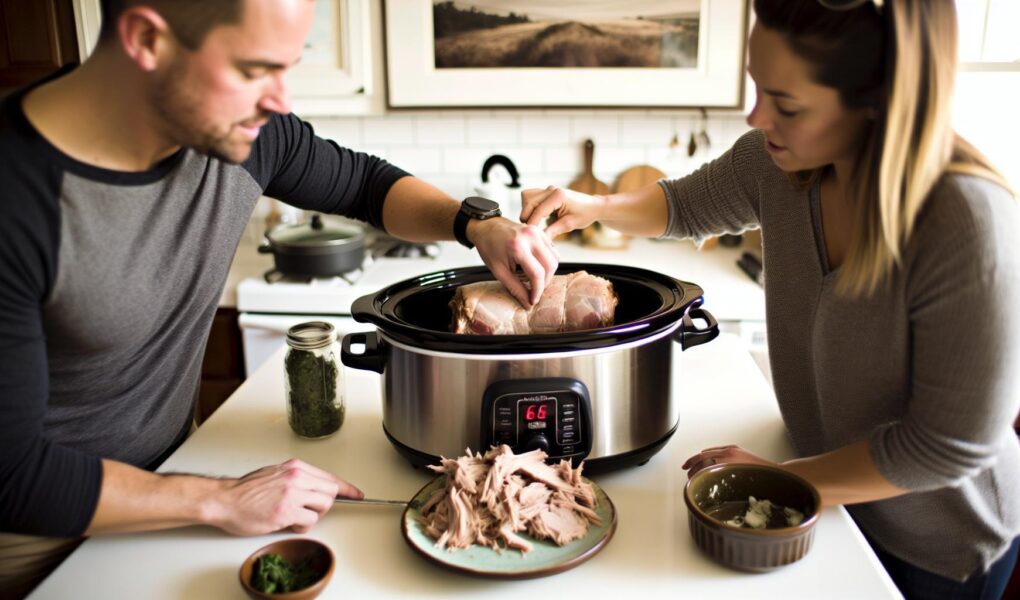
Did you know that cooking pork low and slow in a slow cooker not onyl makes it fall-apart tender but also locks in incredible flavor with minimal effort? If your juggling a busy schedule but still crave a warm,comforting meal that fits paleo or gluten-free diets,then knowing exactly how long to cook pork on low is a game-changer. Whether you’re making pulled pork for tacos, hearty stews, or a simple family dinner, getting the timing right means juicy, tender meat without guesswork or extra fuss. Stick around-I’ll share practical tips, easy ingredient swaps, and real kitchen-tested times to help you serve perfect pork every time. Trust me, slow cooking pork on low isn’t just easy; it’s your new best friend on busy days when you want flavor, not stress.
Table of Contents
- How long to Cook Pork on Low in slow Cooker
- Best Pork Cuts for Fall-Apart Tender Results
- Step-by-Step guide to Preparing Pork for Slow Cooking
- Essential Tips for Perfectly tender Slow Cooker Pork
- How to Know When Pork Is Done on Low Heat
- Flavor Boosters: Marinades and Seasonings for Slow Cooked Pork
- Slow Cooker Pork Recipes for Every Meal and Diet
- Common Mistakes to Avoid When Slow Cooking Pork
- How to Safely Store and Reheat Leftover Slow Cooker Pork
- Q&A
- Q: How can I tell if pork is tender enough to shred after slow cooking on low?
- Q: What’s the ideal slow cooker liquid amount to keep pork moist but not soggy?
- Q: Why does pork sometimes turn dry or tough when cooked on low in a slow cooker?
- Q: Can I safely cook frozen pork in the slow cooker on low, and how does it affect cooking time?
- Q: How does the size and shape of pork cuts influence slow cooker cooking time on low?
- Q: What are the best seasoning strategies to enhance pork flavor during slow cooking without overpowering?
- Q: How long should pork rest after slow cooking before shredding or serving?
- Q: Can I convert slow cooker low cooking times to high, and how does that affect pork tenderness?
- concluding Remarks
How long to Cook Pork on Low in slow Cooker
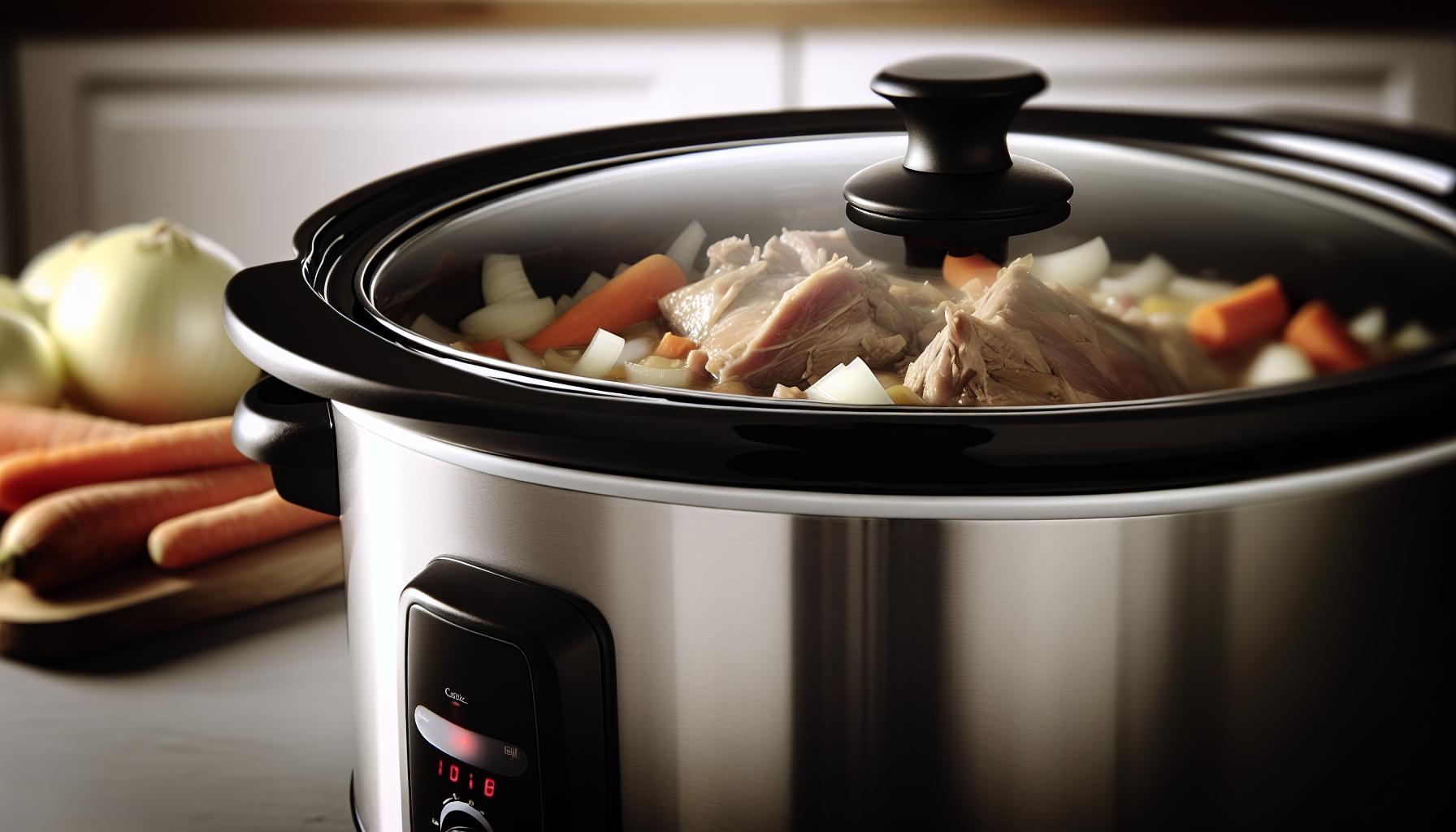
Cooking pork on low heat in a slow cooker is one of the most rewarding methods for achieving that perfectly tender, fall-apart texture we all crave. The low-and-slow approach gently breaks down the connective tissues without toughening the meat, allowing flavors to deepen and meld beautifully. For most pork cuts,you’ll want to aim for a cooking window of about 6 to 10 hours on the low setting,depending on the size of your cut and the recipe. Think of it like a scenic, leisurely road trip instead of a speedy race – you get to enjoy every moment with less stress and more flavor!
As a handy rule of thumb, pork shoulder or butt – the superstar slow cooker cuts – generally shines with 8 hours on low. Leaner cuts like pork loin require shorter times, closer to 6 hours, to avoid drying out, but they can still develop nice tenderness when gently cooked. Be sure to check the thickness and weight of your pork, as that will directly influence cooking time.Smaller pieces or stewing cubes might only need 6 hours, while a whole roast could stretch closer to 10 hours. If your slow cooker runs hot, err on the side of less time.
Practical Tips for Timing Success
- Use a meat thermometer: Pork is safely cooked at 145°F, but for fall-apart tenderness, you’re typically aiming for an internal temp of around 190-205°F where the collagen fully breaks down.
- Avoid lifting the lid: every peek lets heat escape,which can extend cooking time and impact texture.
- Prep the night before: Toss everything into the slow cooker before bed on low, and wake up to a kitchen that smells like magic.
- Adjust for your slow cooker model: Newer models cook more evenly and sometimes faster, so experiment and note times for your specific pot.
In my own kitchen adventures,slow-cooked pork shoulder has been a lifesaver for busy weeknights. I throw in a rub, add some broth and veggies, and let it cook overnight. By morning, it falls apart with just a gentle nudge of a fork – ready for tacos, sandwiches, or a cozy paleo-approved dinner.Remember, patience is the secret ingredient hear, and your taste buds will thank you!
Best Pork Cuts for Fall-Apart Tender Results
When it comes to slow cooking pork untill it melts in your mouth, not all cuts are created equal. The real stars for that luxurious, fall-apart texture are the fattier, well-marbled pieces loaded with connective tissue and collagen. These cuts shine brightest in the slow cooker because the gentle, prolonged heat transforms their toughness into silky tenderness, making every bite a comforting hug.
Pork shoulder (sometimes labeled as pork butt or Boston butt) is the quintessential choice, hands down. Its generous marbling and connective tissues break down beautifully over 8 to 10 hours on low, giving you those perfect strands of tender meat that pull apart with zero effort-ideal for classic dishes like carnitas, pulled pork sandwiches, or hearty stews. This cut’s forgiving nature means even busy, distracted cooks can win at slow cooking without stress.
For those who prefer leaner options but still want some tenderness, pork loin can work well on lower slow cooker settings when cooked for roughly 6 hours or less. It’s lean and mild, so vigilantly avoiding overcooking is key to prevent dryness. One kitchen hack is to wrap pork loin in bacon or add plenty of aromatics and broth to keep moisture locked in. You might not get the same “fall-apart” richness as shoulder but do get a lighter, elegant dish that suits paleo and gluten-free diets wonderfully.
Other Handy Pork Cuts for Slow Cooker Magic
- Pork leg roast: Slightly leaner than shoulder but still holds up well in slow cookers when cooked cautiously, especially when sliced thick.
- Country-style ribs: these come with the fun of rib meat and fat, turning tender and juicy with slow cooking.
- Pork stew meat or cubes: Perfect for soups and ragouts – small pieces soak up flavors quickly while tenderizing within 6 hours.
From personal kitchen experiments, starting with pork shoulder means a higher chance of success if you’re after that decadent “fork-tender” outcome without babysitting the pot. with other cuts, keeping a closer eye on time and moisture makes all the difference-especially since your slow cooker’s quirks can vary.as with any recipe, seasoning and liquid choices can elevate or protect your chosen cut’s texture, making every stew, roast, or pulled pork meal feel like a home-cooked win!
Step-by-Step guide to Preparing Pork for Slow Cooking
There’s something incredibly satisfying about walking into your kitchen knowing that by dinnertime, your pork will be tender, juicy, and practically falling apart-all thanks to slow cooking magic.the best part? You don’t need to be a culinary wizard or spend hours hovering over the stove.A few thoughtful prep steps set the stage for slow cooker success, no matter your schedule or dietary preferences.
First, picking your pork cut wisely makes all the difference, but once you’ve got that sorted, the prep work is straightforward. Start by trimming any excessive fat if you prefer leaner eats, but don’t go overboard-fat is flavor’s best friend and helps keep pork moist during those long, slow hours. Next up is seasoning: a simple rub of salt, pepper, and your favorite herbs or spice blends is often enough to transform the meat, but gently pat it on rather than piling on, so the pork absorbs the flavors without turning salty or overpowering.
Before placing the pork in the slow cooker, consider a quick sear in a hot skillet.This step isn’t mandatory, but it amps up flavor with caramelized edges and seals in juices, making for a richer dish straight out of the crock. Plus, that toasty aroma fills your kitchen and boosts your anticipation-which is half the fun! Once seared, transfer the pork to your slow cooker bowl along with aromatics like garlic, onions, or fresh herbs, plus enough broth or a flavorful liquid to cover at least a third of the meat. This forms a steamy surroundings that gently breaks down connective tissues over hours without drying out your roast.
Step-by-step preparation for Perfect Slow Cooker Pork
- 1.Choose and prep your pork: Pat dry to help seasonings stick. Trim some fat if preferred but retain enough for moisture.
- 2. Season generously but thoughtfully: Use salt, pepper, and herbs/spices of your choice.For paleo or gluten-free diets, consider smoked paprika, garlic powder, or fresh rosemary.
- 3. Optional sear: Heat oil in a skillet over medium-high heat and brown pork on all sides for a few minutes. This locks in flavor and adds a gorgeous crust.
- 4. Layer aromatics and liquids: Place sliced onions, minced garlic, or chopped celery at the bottom or around the pork. Pour in broth, apple cider, or tomato sauce to partially submerge the meat.
- 5. Set your slow cooker on low: Cook times vary by cut (shoulder needs 8-10 hours, loin about 5-6), so plan accordingly-and yes, timing *does* matter!
Speaking from experience, those moments when the house starts smelling like a cozy smokehouse or Sunday dinner are the best. Sometimes, when life gets hectic, I skip the sear, toss everything in, and still get awesome results. other times, I fancy a spritz of citrus or a splash of paleo-pleasant apple cider vinegar to brighten the deep, savory buildup. Don’t hesitate to adapt based on your pantry or mood-slow cooking pork is wonderfully forgiving.
Essential Tips for Perfectly tender Slow Cooker Pork
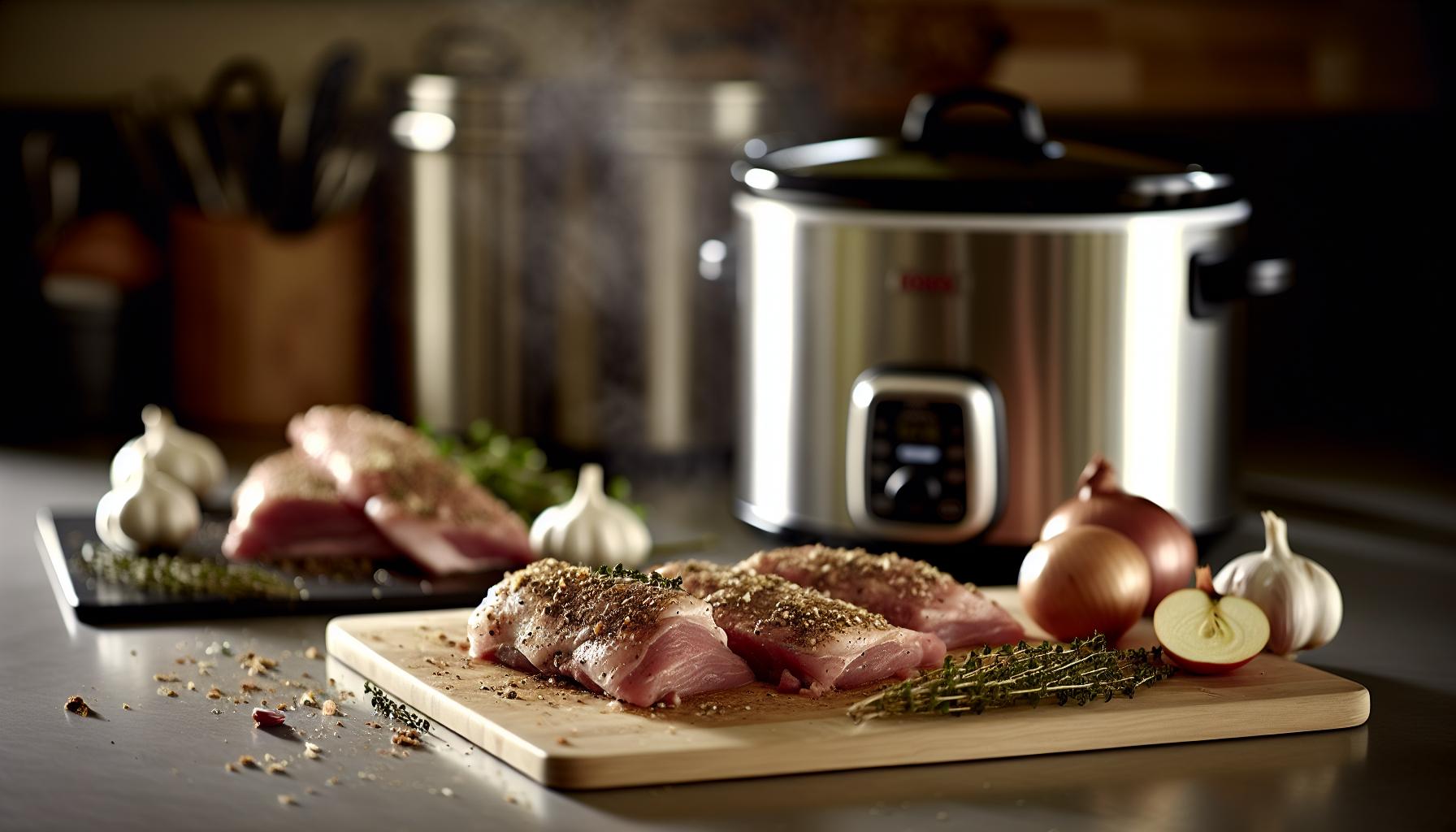
Slow cooking pork until it’s perfectly tender is truly a game changer in weeknight dinners or leisurely weekend feasts. But here’s a little secret from the home-cooking trenches: it’s not just about the hours-that low, slow heat is a gentle magic wand, but a few thoughtful tweaks make all the difference between “meh” and melt-in-your-mouth. Trust me, your pork (and your taste buds) will thank you.
To start, patience is your best ally. While it’s tempting to peek or nudge the dial, resist! Opening the slow cooker lid releases precious heat and vapor, stretching cooking times and drying out the meat. Set it on low and walk away-really. Your pork cut, especially shoulder or butt, needs that steady steam bath to coax out the collagen, which turns into luscious gelatin, delivering that classic fork-tender texture. If you’re pressed for time, high heat works, but expect a slight trade-off in that delicate pull-apart quality.
- Stay hydrated: adding enough liquid is key to preventing dryness and encouraging moisture retention.A mix of broth, apple juice, or even a splash of paleo-friendly apple cider vinegar can elevate flavor without watering down the meat. Just enough to come about one-third to halfway up the pork keeps a perfect steam balance.
- Embrace the fat: Don’t strip all the fat away before cooking-fat renders slowly and bastes the meat internally. It’s like a slow cooker hug for your pork.
- Layer flavors early: Toss in aromatics like garlic cloves or sliced onions right away-these little aromatics soften over time, melding transcendent depth into every bite.
If you’re like me and sometimes skip the sear to save time or just want faster cleanup, consider adding a splash of liquid smoke or smoked paprika as flavor boosters that mimic that caramelized richness without the skillet. And here’s a trusty tip: once cooking is complete, let the pork rest in the slow cooker with the lid off for 15-20 minutes. This brief “breather” helps the meat fibers relax even more, making shredding a breeze, and concentrates flavors as some liquid evaporates.
How to Know When Pork Is Done on Low Heat
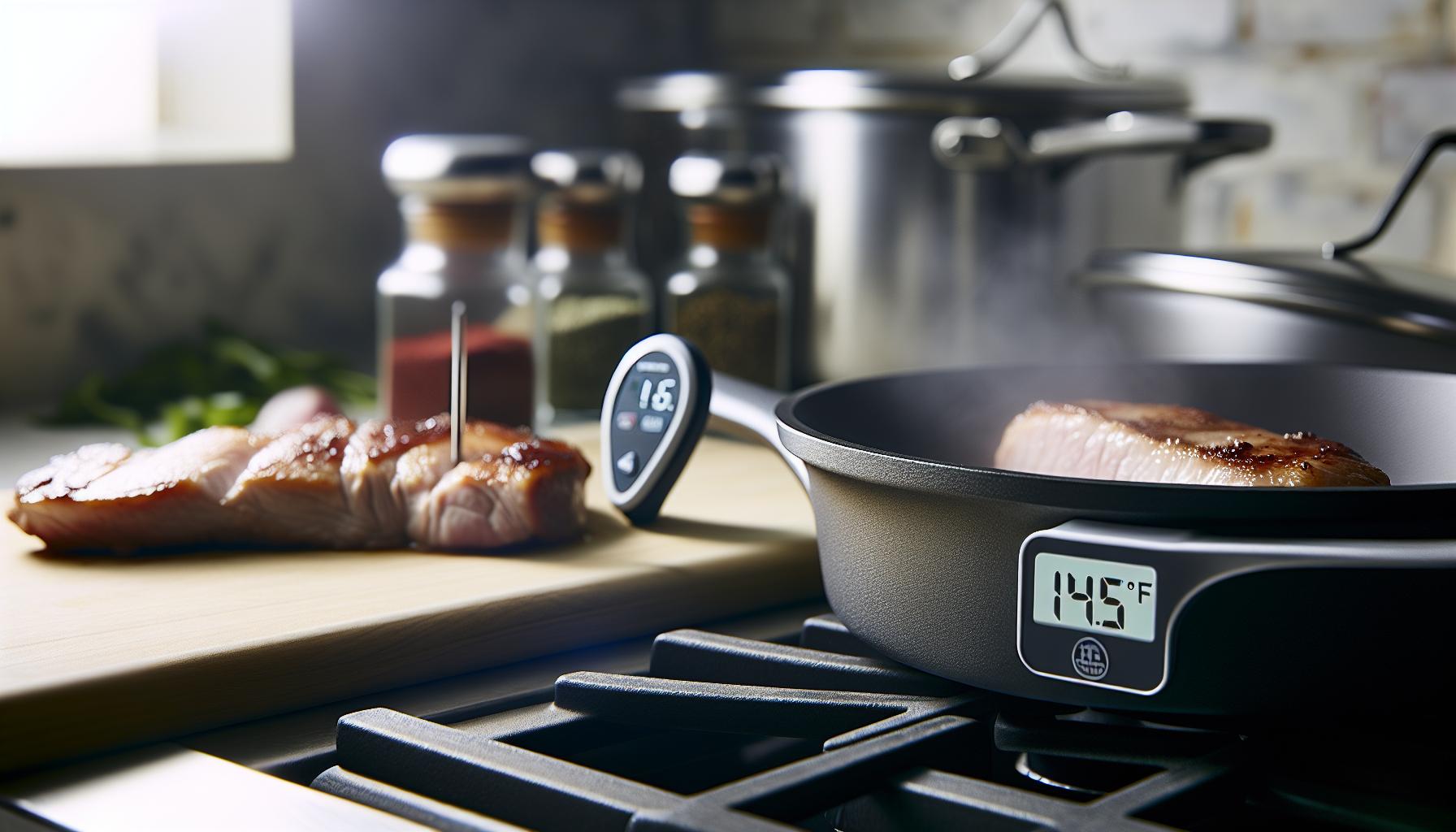
Cooking pork low and slow in a crockpot is like watching a suspenseful movie-there’s a gripping moment when you realize it’s ready to pull apart effortlessly,and your taste buds suddenly win the lottery. But how do you know when that moment arrives without poking too much or slicing off a piece too soon? Unlike roasting or grilling, slow cooker pork doesn’t always show visual cues like browning or a crisp crust, so your best bets are a combination of temperature checks, texture tests, and a little kitchen intuition.
First off, temperature remains king for food safety and doneness.Ideally, pork cooked on low heat in a slow cooker should reach an internal temperature of about 195°F to 205°F (90°C to 96°C). Why so high, when the USDA minimum safe temp for pork is 145°F? As for fall-apart tenderness, you’re targeting a higher temp that breaks down the collagen into silky gelatin rather than just cooking the meat thru. Use a reliable instant-read thermometer inserted into the thickest part of the roast to check this.It’ll give you a fast, fuss-free reality check before you dive in.
While temperature is crucial,texture and ease of shredding are your best practical indicators. The pork should feel so tender it practically shreds under the slightest poke of a fork. If you try to shred it and it’s still resisting like a stubborn puzzle piece,it needs more time. This is especially true for tougher cuts like pork shoulder or butt, which need that long slow soak in moisture and heat to transform into creamy, shreddable deliciousness. Don’t rush this stage-resist the urge to open the lid repeatedly, since every peek lets heat escape and prolongs cooking time.
Helper Tips to Nail Tenderness Every time
- Test for “fork-ready” softness: Gently insert a fork and twist. If it spins easily and meat comes apart cleanly, you’re golden.
- Rest before shredding: After cooking, turn off the slow cooker and let pork sit-lid off for 15-20 minutes-to let juices settle and fibers relax further. This makes shredding less messy and flavors pop.
- Don’t stress exact timing: Slow cookers can vary. A 6-hour guideline might end up 7 hours on your model-trust the signs more than the clock.
Cooking pork low and slow isn’t just about hitting a number but embracing the process with a bit of patience and trust. In my kitchen, I’ve learned to treat the slow cooker like a faithful sous-chef-you set it, forget it, and come back to magic. If you master these cues,the result is pork that’s not just safe to eat but irresistibly tender with juicy richness that makes every bite worth the wait. Plus, this reassuring approach keeps the kitchen stress low and the flavor dial turned way up-perfect for busy weekdays or a lazy weekend feast.
Flavor Boosters: Marinades and Seasonings for Slow Cooked Pork
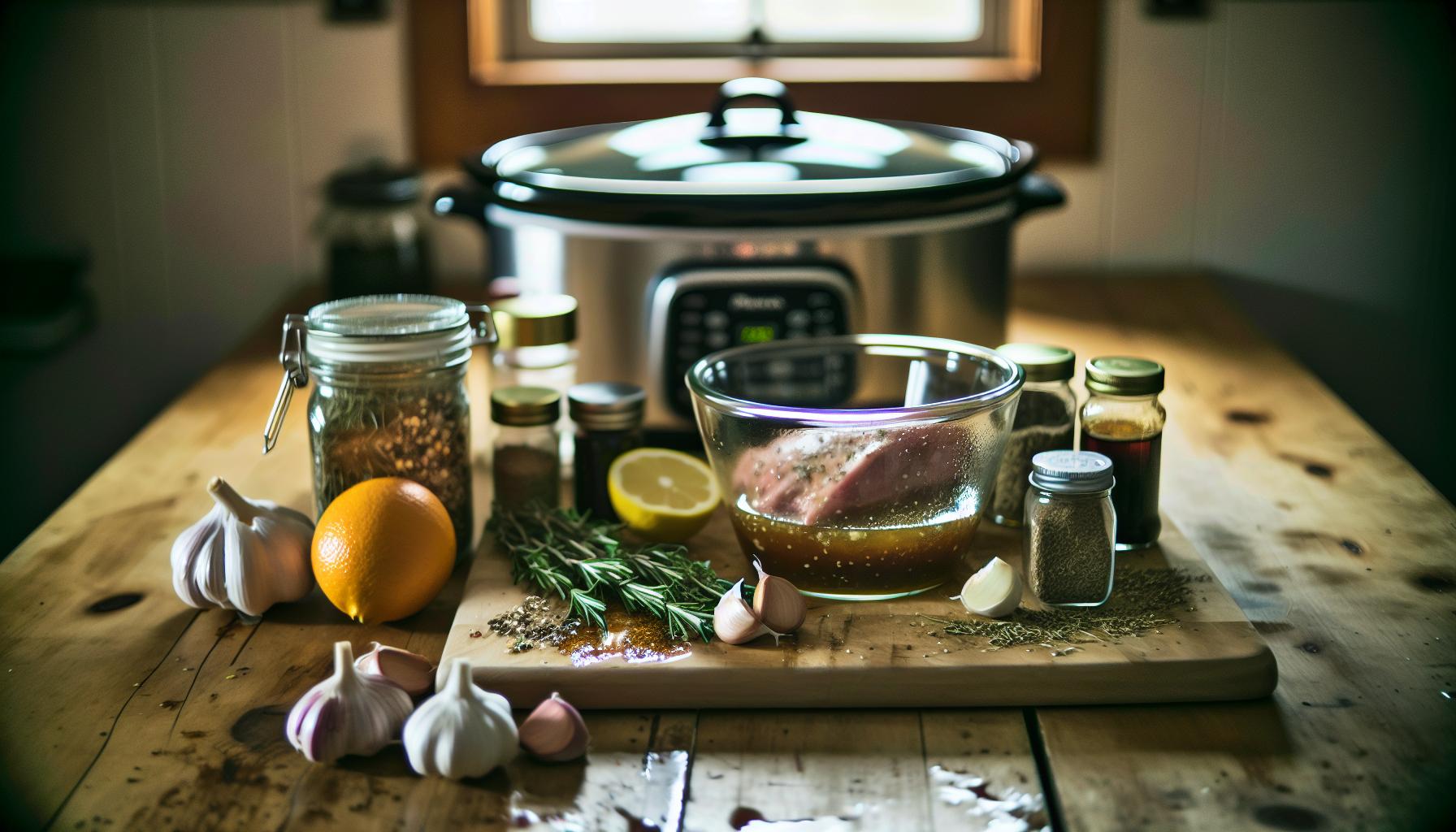
Few things jazz up slow cooker pork quite like the right marinade or a pop of seasoning. While that low-and-slow cooking brings out incredible tenderness, flavor sometimes needs a little nudge to truly sing. The beauty here is that slow cooking is incredibly forgiving-flavors have all day to meld and deepen, so your seasoning choices can be bold, radiant, or earthy depending on your mood. Whether you’re paleo, gluten-free, or just craving classic comfort food, there’s a seasoning strategy to suit your kitchen vibe.For starters, acidic marinades featuring ingredients like apple cider vinegar, citrus juice, or even a splash of pineapple juice work wonders. They not only introduce that gentle tang that balances richness but help tenderize the meat further before it hits the slow cooker. Toss in fresh or dried aromatics like garlic, rosemary, oregano, or thyme to layer complexity without adding fuss. Here’s a neat trick I swear by: a spoonful of mustard or soy-free coconut aminos adds subtle umami that deepens the flavor profile without overpowering the pork’s natural sweetness.
Building Flavor Profiles for Every Meal
- Latin-Inspired: Combine cumin, smoked paprika, fresh lime juice, and a little chipotle powder for smoky heat perfect for tacos or burrito bowls.
- Asian Flair: Mix ginger,garlic,coconut aminos,fish sauce (optional),and a dash of honey. This combo transforms pork into tender, flavorful bites great with cauliflower rice or steamed greens.
- Classic BBQ: Use a dry rub of brown sugar (or coconut sugar), chili powder, garlic powder, salt, and black pepper. Stir in apple cider vinegar and your favorite sugar-free BBQ sauce toward the end for that finger-lickin’ magic.
Don’t shy away from experimenting with bold spices and herbs-you can always adjust the intensity with salt or a squeeze of fresh lemon or lime right before serving. And if marinating isn’t in the cards (as life’s busy, I get it), tossing the seasoning mix directly in just before cooking still yields tender, tasty results.the slow cooker does a phenomenal job of transforming simple mixes into something mouthwateringly complex.
Quick Marinade for Slow Cooker Pork (Gluten-Free, Paleo-Friendly)
| Ingredient | Amount |
|---|---|
| Apple cider vinegar | 1/4 cup |
| Coconut aminos | 2 tbsp |
| Minced garlic | 2 cloves |
| Smoked paprika | 1 tsp |
| Ground cumin | 1 tsp |
| honey (optional) | 1 tbsp |
| Freshly ground black pepper | to taste |
To use: Mix ingredients, coat pork generously, and let it rest for at least 30 minutes before slow cooking on low. If pressed for time, this can go straight into the pot.
At the end of the day, seasoning slow cooker pork isn’t about perfection-it’s about making life easier *and* tastier. Think of your seasoning choices as the outfit your pork wears to the slow cooker party: bold and confident or cozy and understated, either way, you’ll come home to a dish that’s bursting with personality and ready to steal the show.
Slow Cooker Pork Recipes for Every Meal and Diet
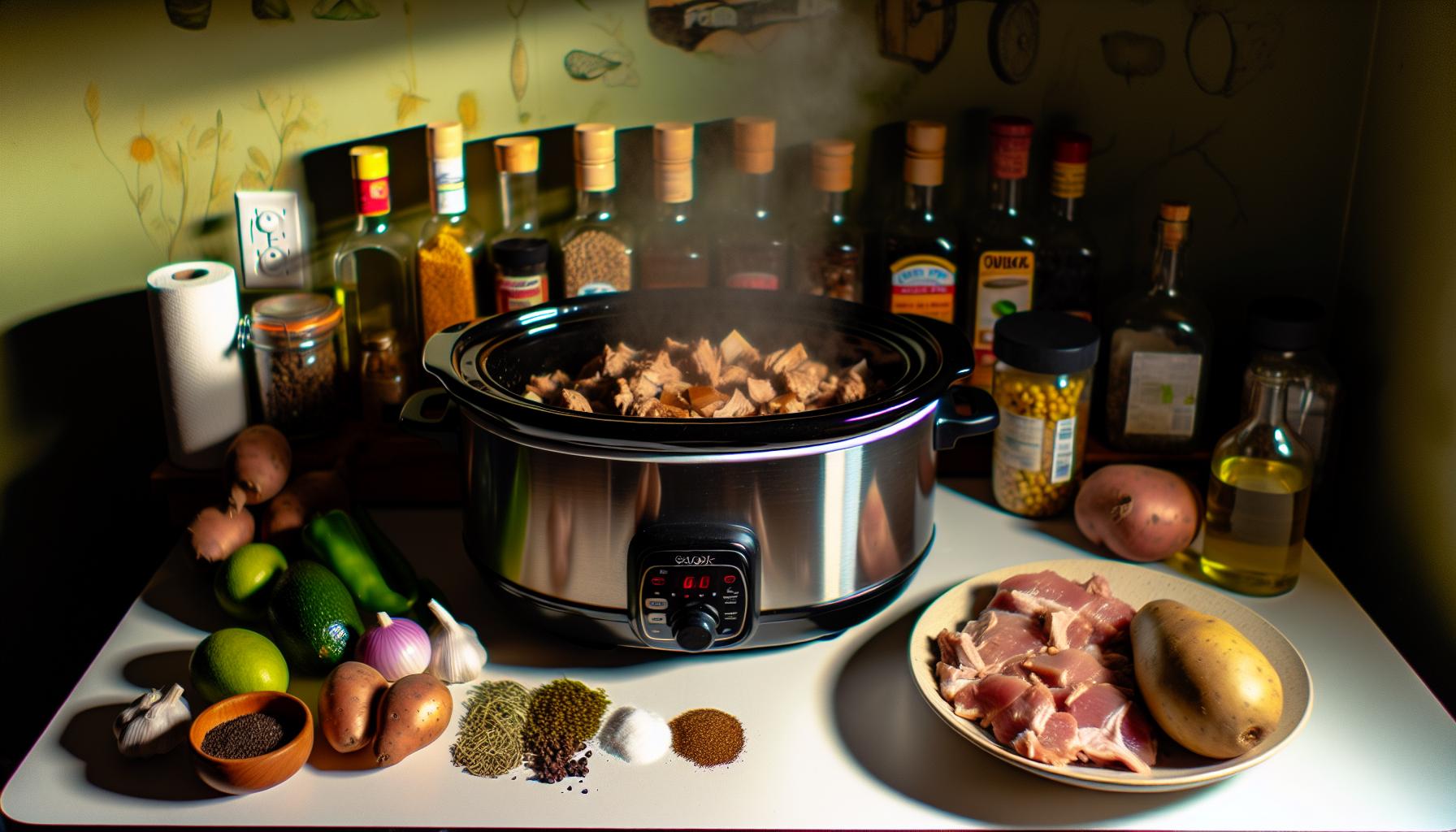
Slow cooker pork truly shines because it adapts effortlessly to whatever meal you have in mind and whatever diet you’re following. Whether it’s breakfast, lunch, dinner, or a snack, this versatile protein makes hands-off cooking a breeze, leaving you with tender, juicy pork that practically melts in your mouth. The best part? You can tailor the flavors and styles easily, from paleo-friendly to gluten-free options, so no one has to miss out on comfort food-or that satisfying “wow” factor.
Breakfast Boosts and Brunch Favorites
Start the day with pulled pork breakfast bowls or hearty pork hash. I love prepping a pork shoulder with just a sprinkle of smoked paprika, salt, and pepper, then slow cooking it on low for about 8 hours (overnight magic!).come morning, shred the pork, sauté with sweet potatoes, onions, and kale, and top with a fried egg.Paleo? Check. Gluten-free? Absolutely. Want a shortcut? Use pre-cooked pork to save time and toss it in the skillet for a quick finish.
Lunch and Dinner Made Easy
Midday or evening, slow cooker pork is your best friend for stress-free meals. A Latin-inspired shredded pork taco filling takes just a quick blend of cumin, garlic, and lime juice mixed in before going low and slow. Ready in roughly 7-9 hours on low heat, you’ll get pork that falls apart, perfect for filling corn tortillas or topping salads. Or try a cozy BBQ pork combo-rub with chili powder and brown sugar, slow cook for 8 hours, then stir in a sugar-free BBQ sauce near the end. Serve over cauliflower rice for a paleo-friendly bowl or classic coleslaw for some crunch.
Dinners for Special diets-No Fuss, Just Flavor
For gluten-free and paleo diets, simplicity often equals success. Here’s a foolproof trick: use natural acid-based marinades like apple cider vinegar and coconut aminos, which tenderize while enhancing flavor.I once made slow cooker pork with ginger, garlic, and a little honey, and it turned out so good even my carb-loving friends asked for seconds. Cook times remain consistent at around 8 hours on low, but the variety comes from your seasoning choices.
- Paleo Pork Stew: Slow cook pork chunks with root veggies, bone broth, and fresh herbs for a warming, nutrient-packed meal.
- Gluten-Free Pork Chili: Brown slow-cooked pork seasoned with chili powder and cumin; add beans or omit for strict paleo.
- Quick Curry: Toss pork pieces with coconut milk, curry paste, and veggies-slow cook 7-8 hours for a rich, aromatic dinner.
One last piece of wisdom: don’t be afraid to play with leftovers. Slow cooker pork blends beautifully into everything from salads and soups to breakfast scrambles, making it truly a champion ingredient for every meal of the day.
Common Mistakes to Avoid When Slow Cooking Pork
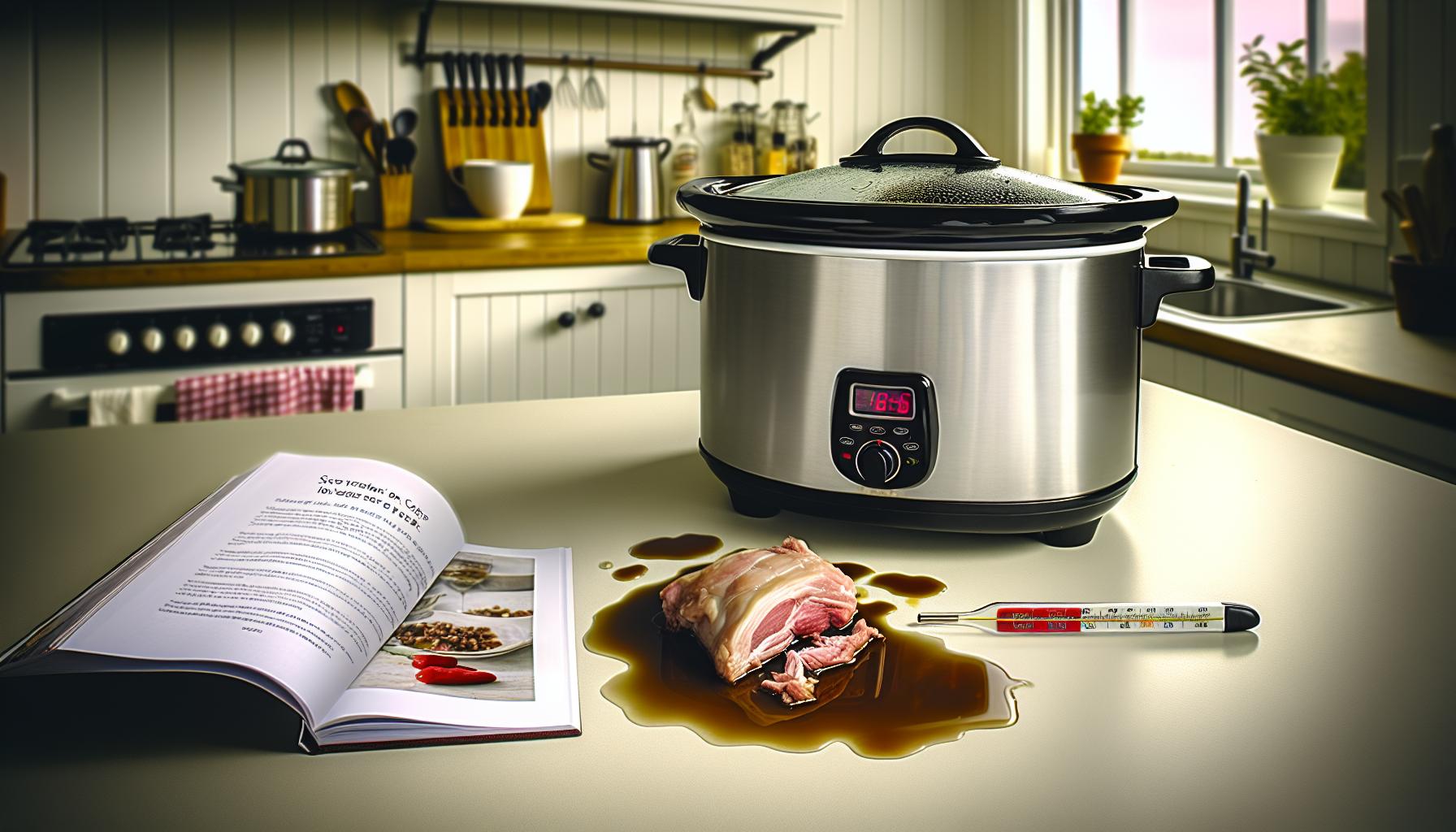
pork in the slow cooker is pure magic when it falls apart tender and juicy-but it’s easy to trip up along the way without realizing it.One classic pitfall? Lifting the lid too often. Each peek lets a lot of heat escape, stretching out your cook time and risking drier meat.Slow cookers work best with a steady, undisturbed heat so that connective tissues break down perfectly over those 7-9 hours on low.Promise me, no sneak peeks unless it’s absolutely necessary!
Another common hiccup is skipping the browning step. Rushing to toss raw pork straight into the pot might feel like a shortcut, but searing the meat first adds flavor complexity and helps lock in juices. Plus, caramelization brings that deep, appetizing color every meal deserves. If time’s tight, a quick 5-minute sear on a hot pan goes a long way and sets your dish up for success with minimal extra effort. It’s a paleo and gluten-free win too-just salt, pepper, and a touch of oil before slow cooking.
Beware of the “one size fits all” mentality with cooking times. Pork shoulder and pork loin behave differently in the slow cooker. Shoulder thrives at low and slow for about 8 hours or more, turning gloriously tender with a melt-in-your-mouth finish. Leaner cuts like loin need careful timing to avoid overcooking and drying out. Using a meat thermometer is your best friend here, aiming for an internal temp around 195°F when you want it shreddable. If you skip this step, you might end up with pork that’s either chewy or crumbly dry-I’ve been there and learned the hard way!
Helpful Tips to Keep Your Pork Perfect Every Time
- Don’t overcrowd the slow cooker. Make sure pieces aren’t packed too tightly to allow even heat circulation.
- Add liquids thoughtfully. Too much water drowns flavors; too little risks drying out-balance with broths, juices, or natural marinades like apple cider vinegar.
- Resist the urge to rush. Slow cooking is for patience lovers. If in a pinch, low and slow still beats high-and-fast for texture and flavor.
- Rest before shredding. Let pork cool 10 minutes after cooking; it helps juices redistribute and prevents mushy texture.
Slow cooking pork can transform even humble cuts into show-stopping meals, but it demands just a bit of TLC and patience. Keep these common stumbles in mind and you’ll enjoy rich, tender pork every time without the stress. After all, cooking should be joyous, not a guessing game-whether you’re prepping paleo-friendly pork stew or a gluten-free taco filling. Trust me, once you get the hang of these tricks, your slow cooker becomes your best kitchen buddy for fuss-free, flavor-packed pork dishes.
How to Safely Store and Reheat Leftover Slow Cooker Pork
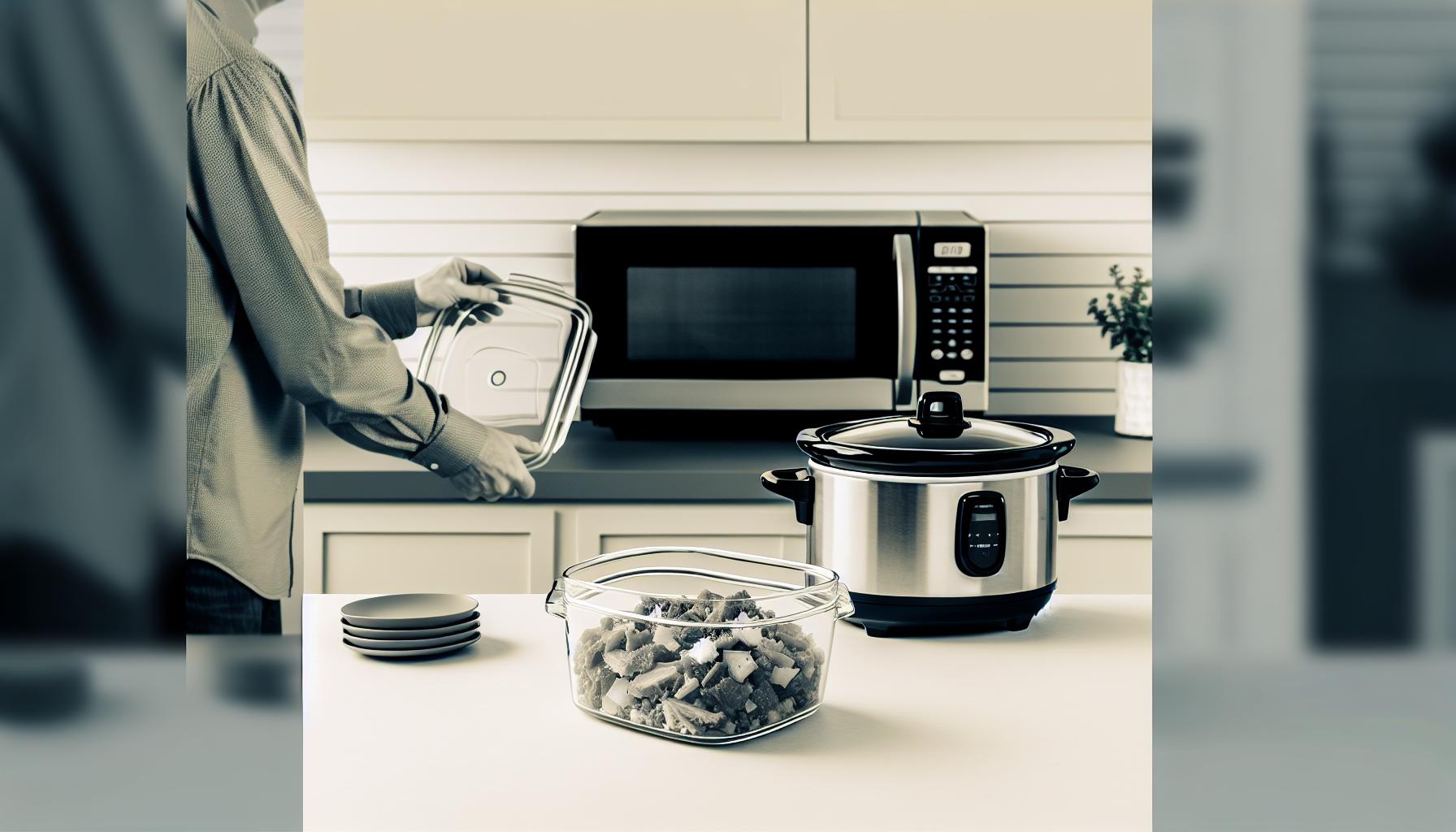
Leftover slow cooker pork can be just as delightful the next day-if it’s stored and reheated with a little care. After all, that melt-in-your-mouth pork deserves a second encore, not a dry encore! Since slow cooker pork is typically cooked low and slow until it’s fall-apart tender, the key is preserving that juicy texture and flavor through proper storage and reheating steps that feel easy and stress-free.
once your pork has gently rested and cooled down (never shred while it’s piping hot straight from the cooker), transfer it to an airtight container or wrap it tightly in foil or plastic wrap. Keeping air exposure to a minimum helps lock in moisture and prevents freezer burn if you’re stashing it for longer than a few days. In the fridge, plan to enjoy your pork within 3-4 days. For paleo and gluten-free folks, this means you can prep big batches ahead and still savor every bite, guilt-free and fresh.
When it’s time to reheat, take a cue from your slow cooker’s magic-a gentle, steady heat is the friend of fall-apart tenderness. Avoid the microwave if you can (it’s fast but can turn your pork a little rubbery or dry). Instead, warm your pork low and slow on the stovetop in a covered pan with a splash of broth or your favorite cooking juices to revive that juicy texture. If you’re short on time, the microwave can be salvaged by reheating in short bursts, stirring in between, and adding a damp paper towel over your pork to keep moisture in.
Quick Tips for Keeping leftovers Tasty and Safe
- cool leftovers promptly: Don’t leave pork sitting out longer than 2 hours at room temperature to thwart bacterial growth.
- Reheat only once: each reheat poses moisture loss and safety risks, so aim to heat just what you plan to eat.
- Freeze extras wisely: Portion pork into meal-sized containers before freezing to thaw only what you need.
- Use leftover pork creatively: Toss warmed-up pork into salads, paleo bowls, or gluten-free tacos for easy, flavorful new meals.
This approach turns leftovers into a luxurious second act rather than a last resort. trust me, coming home to a container of perfectly stored pork-ready to be warmed and tucked into your favorite low-carb or paleo meal-is a small joy that keeps dinner feeling fresh, fuss-free, and still full of flavor.Because slow cooking pork is more than just dinner; it’s the gift that keeps giving.
Q&A
Q: How can I tell if pork is tender enough to shred after slow cooking on low?
A: Pork is tender enough to shred when it easily pulls apart with a fork without resistance.Check after about 8 hours on low cooking. if fibers separate cleanly, your pork is fall-apart tender.For tips on timing and doneness, see the How to Know When Pork Is Done on low Heat section in our guide.
Q: What’s the ideal slow cooker liquid amount to keep pork moist but not soggy?
A: Use about ½ to 1 cup of liquid like broth or sauce to keep pork moist without over-saturating it. Too much liquid dilutes flavor and affects texture.For a juicy yet tender result, check our Essential Tips for Perfectly Tender Slow Cooker Pork section for precise measurements.
Q: Why does pork sometimes turn dry or tough when cooked on low in a slow cooker?
A: Pork can become dry if cooked too long,cut too lean,or exposed to too little moisture. To avoid this, cook appropriate cuts like shoulder and monitor timing carefully.Our Common Mistakes to Avoid When Slow Cooking Pork section covers ways to keep pork juicy and tender.
Q: Can I safely cook frozen pork in the slow cooker on low, and how does it affect cooking time?
A: It’s not recommended to cook frozen pork on low as it prolongs unsafe temperature exposure and affects tenderness. Thaw pork fully before slow cooking for even,fall-apart results. See our Step-by-Step Guide to Preparing Pork for Slow Cooking for thawing tips.
Q: How does the size and shape of pork cuts influence slow cooker cooking time on low?
A: Larger or thicker pork cuts need longer cooking times-usually 8-10 hours on low-to reach fall-apart tenderness. Smaller pieces cook faster. Uniform sizes ensure even cooking. Refer to our detailed timing advice in How Long to Cook Pork on Low in Slow Cooker for best results.
Q: What are the best seasoning strategies to enhance pork flavor during slow cooking without overpowering?
A: Use mild herbs and balanced spices like garlic, paprika, and thyme early, then add fresh herbs near the end. This layering prevents overpowering and boosts depth. Our Flavor Boosters: Marinades and Seasonings for Slow Cooked Pork section has expertly tested combos for perfect flavor balance.
Q: How long should pork rest after slow cooking before shredding or serving?
A: Let slow-cooked pork rest for 10-15 minutes off heat; this helps juices redistribute for moist,tender meat. Resting before shredding also makes handling easier. Find more serving tips in Step-by-Step Guide to Preparing Pork for Slow cooking.
Q: Can I convert slow cooker low cooking times to high, and how does that affect pork tenderness?
A: Yes, cooking pork on high typically takes about half the time of low (4-5 hours). Though, slow, low heat usually yields more tender, fall-apart pork. For best texture,use low settings when possible. See our time comparison advice in How Long to Cook Pork on Low in Slow cooker.
Ready to master slow cooker pork? Dive into our full guide for detailed steps and delicious recipes that make fall-apart tender pork effortless and fun. Your next slow cooker success is just a click away!
concluding Remarks
Now that you know exactly how long to cook pork in your slow cooker on low for that perfect fall-apart tenderness, you’re all set to enjoy a comforting, gluten-free, and paleo-friendly meal with minimal fuss. Remember, low and slow is the secret to juicy, melt-in-your-mouth pork every time-plus, it frees you up to focus on sides or prepping your next dish. If you’re wondering about substitutions or want to experiment with flavors,try swapping apple cider vinegar for lemon juice or using smoked paprika for a smoky twist.
Ready to level up your slow cooker skills? Check out our easy Slow Cooker Chicken Thighs recipe or master the art of Perfect Pulled Pork for your next cozy dinner. Don’t forget to sign up for our newsletter for weekly kitchen-tested recipes and tips that make mealtime stress-free and delicious. Questions or shortcut hacks? Drop a comment below-we love hearing your stories and swapping ideas from busy home cooks like you. Keep cooking, keep exploring, and enjoy the magic of simple meals that fit your lifestyle and taste buds just right.


