
There’s something truly comforting about a slow-cooked roast, especially when it lands on your Sunday dinner table-tender, flavorful, and practically fuss-free. Figuring out exactly how long to cook a roast in a slow cooker can feel tricky,especially when you want that perfect balance between melt-in-your-mouth texture and rich,developed flavors. Whether you’re feeding a family craving a classic meal, following a gluten-free or paleo plan, or simply looking for an easy, hands-off way to impress with minimal stress, timing is everything. In this guide, I’ll share practical tips and trusted timeframes that take the guesswork out of slow cooking your roast, plus suggestions for substitutions and little tricks I’ve picked up from my own kitchen adventures. So, grab your slow cooker, settle in, and let’s make Sunday dinner delightfully simple-and delicious.
Table of Contents
- How to Choose the Perfect roast for Your Slow Cooker
- Essential Prep Tips for Slow Cooker Roasts
- Exact Cooking Times for Different Roast cuts
- Adjusting Cook Times for Roast Size and Thickness
- Slow Cooker Settings: Low vs. High Explained
- Flavor Boosters: Best Seasonings and Marinades
- Creative Side Dishes to pair with Your Slow Cooker Roast
- How to Check Roast Doneness Safely and Easily
- Troubleshooting Common Slow Cooker Roast Problems
- Make-Ahead Tips and Leftover Magic Recipes
- Faq
- Q: How do I prevent a slow cooker roast from drying out during long cooking times? A: To prevent your slow cooker roast from drying out,add enough liquid like broth or wine to keep it moist,and avoid lifting the lid during cooking. Cooking on low heat for longer periods retains juices better.For extra tenderness, try overlapping cooking techniques explained in Troubleshooting Common Slow Cooker Roast Problems. Q: what is the best time to start cooking a slow cooker roast for Sunday dinner?
- Q: Can I cook a frozen roast in a slow cooker for Sunday dinner? How does that affect cook time?
- Q: How do different cuts of roast affect slow cooker cooking time for Sunday meals?
- Q: Why is my slow cooker roast tough after cooking all day, and how can I fix it?
- Q: How can I safely reheat leftover slow cooker roast without drying it out?
- Q: What side dishes complement a slow cooker roast for a classic Sunday dinner?
- Q: Is it better to sear the roast before slow cooking for Sunday dinner? How does this impact cooking time?
- In Retrospect
How to Choose the Perfect roast for Your Slow Cooker
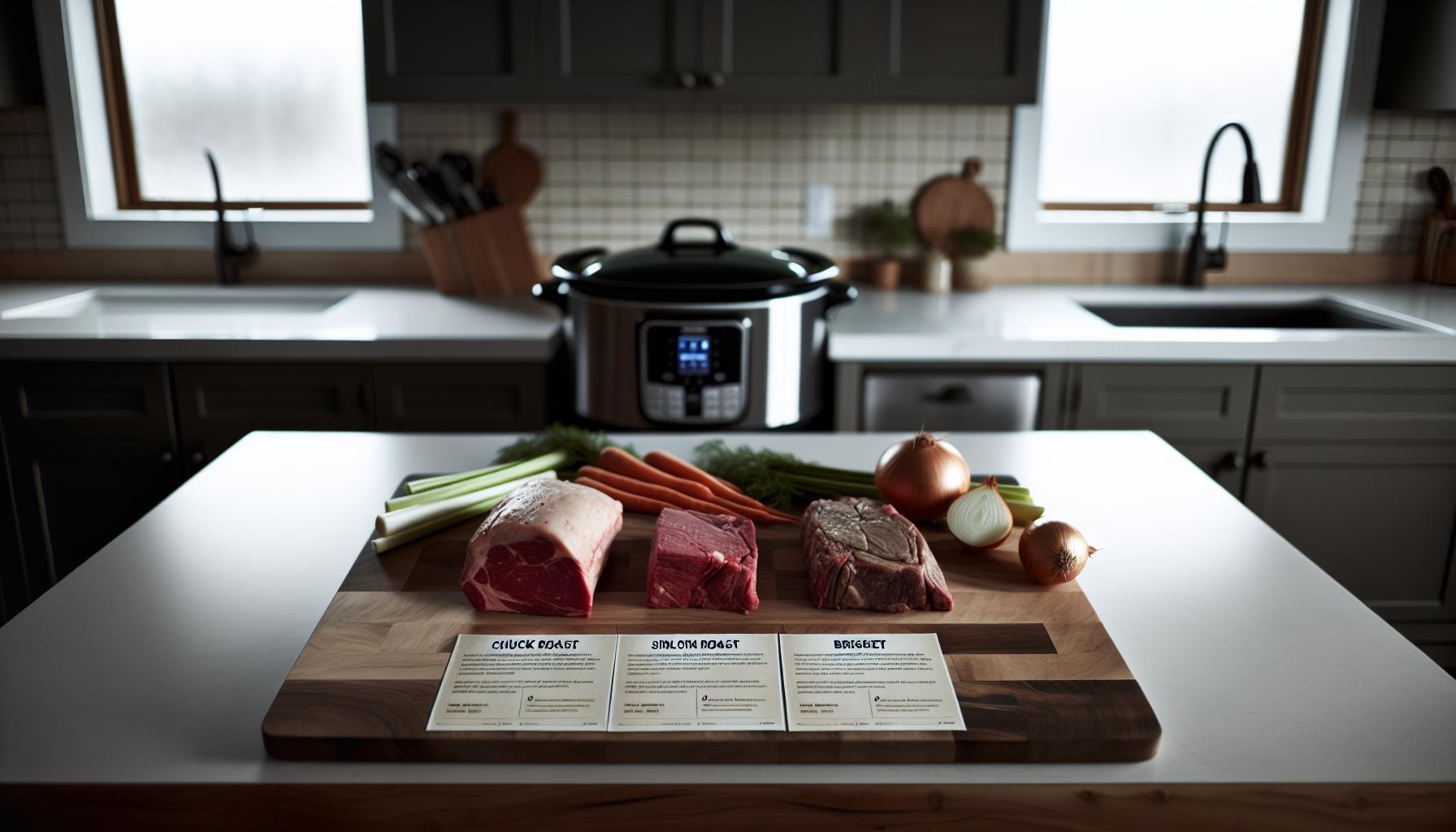
Choosing the right cut of roast for your slow cooker can genuinely make or break your Sunday dinner-and trust me, I’ve learned this the delicious way! The magic of slow cooking lies in its ability to tenderize tougher, more affordable cuts of meat over several hours, turning them into melt-in-your-mouth feasts that feel like a special occasion without the fuss. So if you want that perfect balance of flavor,texture,and ease,picking a roast that responds well to low and slow cooking is your first priority.
When browsing at your butcher or grocery store,look for well-marbled,tougher cuts like chuck roast,brisket,or shoulder roast.These cuts have enough connective tissue and fat to break down during those long cooking hours and become wonderfully juicy and tender. For beef lovers aiming for paleo or gluten-free meals, these cuts shine because they don’t require thickeners or fillers-just your favorite herbs and stock will do the trick. If you prefer lamb, ask for the shoulder or leg, as these perform beautifully in slow cookers, locking in flavor while staying juicy. And for those who enjoy pork, a pork shoulder (sometimes called pork butt) is a superstar choice, especially if you’re planning to shred it for pulled pork-style dinners.
Consider the level of hands-on time you want to invest: tougher cuts usually need longer cooking times-think 8 to 10 hours on low-but reward you with the most tender results. If you’re short on time but hungry for roast, petite tenderloin or eye-of-round could work for you, but they might need more careful monitoring to avoid drying out. It’s like finding the right dance partner in the kitchen: some cuts are slow and steady, others fast and flashy, so match your roast to your rhythm for best results.
- Budget-conscious tips: tougher cuts tend to be more affordable, so slow cooking is also a wallet-kind way to create an remarkable meal.
- Flavor base: fattier cuts lend more depth and richness, perfect for pairing with bold herbs and spices or a splash of wine or broth.
- Size matters: a roast about 3 to 5 pounds fits most standard slow cookers well, ensuring even cooking.
Trust me,once you nail your roast choice,the slow cooker becomes your best friend for stress-free,flavorful Sunday dinners that everyone looks forward to. Nothing beats walking into a kitchen filled with hearty aromas, knowing you put minimal effort but got maximum taste.So grab your favorite cut,prep it with some basic seasoning,and let the slow cooker do the heavy lifting. Your future self (and hungry family) will thank you!
Essential Prep Tips for Slow Cooker Roasts
Slow cooker magic doesn’t just happen by tossing a roast into a pot and walking away-it starts with a few simple prep steps that make a world of difference in flavor and texture. Think of your slow cooker like an orchestra, and your prep work as the conductor guiding everything to harmony. When done right, even the busiest cooks can come home to a roast that smells like it took all day, even if you only spent 15 minutes getting it ready.
First things first: dry your roast thoroughly with paper towels before seasoning. This little step might seem minor,but it helps the seasoning stick better and prevents steaming,which can lead to a soggy exterior rather of a nice crust if you decide to sear it. Speaking of searing, if you have the time and energy, brown your roast in a hot pan with a bit of oil for 3-5 minutes per side before placing it in the slow cooker. This not only adds a beautiful caramelized flavor (hello, umami!) but also locks in juices. I know searing feels like extra work, so for super busy days, seasoning and slow cooking alone still yield great results-especially if you love that slow-tender texture.
- Season generously: Don’t be shy with salt, pepper, and herbs. Slow cooking mellows out flavors,so bold seasoning upfront is essential. I love fresh thyme, rosemary, garlic powder, and a good hit of smoked paprika for a subtle smoky layer-perfect for paleo and gluten-free diets, too.
- Layer your aromatics: Toss sliced onions, carrots, celery, or even parsnips in the bottom of the slow cooker before the roast goes in. They form a flavor-packed barrier and keep your roast slightly elevated from the liquid, improving caramelization during cooking.
- Mind your liquid: Slow cookers need some moisture to keep things juicy but beware of drowning your roast. Usually,a cup or so of broth,wine,or a mix with tomato paste works wonders.Too much liquid can dilute flavors and make your roast stew-like.
Extra Tips for stress-Free Prep
If you’re prepping ahead, you can season your roast and pop it in the fridge for a few hours or overnight to let those flavors get cozy. And if you like to make life easier on busy mornings, chop veggies and measure spices the night before. One of my go-to hacks? Using a spice blend pre-mix-that way, just sprinkle and go. Also, if you’re feeding a crowd, consider a 3-5 pound roast, which fits nicely in most slow cookers and cooks evenly without too much fuss.
Most importantly, treat your slow cooker like a friend, not a taskmaster. Sometimes, I toss everything in and forget about it until dinner-and it always surprises me with how tender and flavorful it turns out. With just a little prep TLC, your roast will reward you with that “wow” moment every Sunday night. Your kitchen (and your family) will thank you!
Exact Cooking Times for Different Roast cuts

Roasts are the champions of slow cooking because they thrive on time and gentle heat-the longer, the better, usually. But knowing exactly how long to cook different cuts can feel like juggling without a net. Fear not! With a bit of insider info, you can confidently set your slow cooker timer without guessing or resorting to a poke test every half hour. the key is understanding how muscle density and fat content affect cooking times-and yes,your slow cooker brand might nudge these times a smidge,but the ranges listed here are reliable starting points for most models.
Tougher cuts like chuck or brisket are the slow cooker’s best friends. these cuts benefit from long, slow braising to break down collagen into that melt-in-your-mouth gelatin that every roast lover craves.Expect about 8 to 10 hours on low or 4 to 6 hours on high for a 3 to 4-pound roast. On the other hand, leaner cuts like eye of round need a gentler touch; overcooking can turn them dry and tough. Plan for 6 to 8 hours on low or up to 4 hours on high, but with these, keeping an eye on internal temp is extra helpful to retain juiciness.
For favorites like pork shoulder or leg roasts, the game changes slightly. Pork tries to stay juicy while becoming shreddably tender. Typically, 8-10 hours on low is gold. Lamb roasts, such as shoulder or leg, usually follow a similar slow-to-low timeframe-around 6 to 8 hours. If you’re short on time, you can bump to high, but expect some trade-off in tenderness or moisture depending on the cut’s fat content.
| Roast cut | Approximate Weight | Low Setting | High Setting | tips |
|---|---|---|---|---|
| Beef Chuck Roast | 3-4 lbs | 8-10 hours | 4-6 hours | Best seared first for extra flavor |
| Beef Brisket | 3-4 lbs | 8-10 hours | 4-6 hours | Keep sealed to retain moisture |
| Eye of Round | 2-3 lbs | 6-8 hours | 3-4 hours | Watch closely to avoid dryness |
| Pork Shoulder | 3-5 lbs | 8-10 hours | 4-6 hours | Fantastic for shredding |
| Lamb Shoulder | 3-4 lbs | 6-8 hours | 3-5 hours | Rich flavor-serve with herbs |
Why Timing Isn’t Always One-Size-Fits-All
Factors like roast size, shape, and even your slow cooker’s heat variation mean these cooking windows are guidelines-not commandments. A taller roast might need a bit more time for the heat to penetrate, while a flatter roast cooks faster.If your cooker runs hotter or cooler than average (hello, personality quirks!), adjust accordingly. I usually add 30 minutes for big roasts and peek a bit earlier when trying a new slow cooker.Another tip? Always check for doneness with a meat thermometer rather than relying solely on the clock. For beef and lamb roasts, an internal temperature of about 195-205°F is ideal for tender shredding, while pork shoulder hits 190-205°F for that juicy pull-apart texture. For leaner roasts, aim closer to medium rare-medium temps (130-145°F) if you prefer a sliceable roast rather than shredding.
Slow cooking means you can set it and mostly forget it, but a little timing TLC helps keep those paleo- and gluten-free feasts juicy and delightful-without stewing your roast into flavorless mush. If only my kitchen always smelled as good as those long simmered aromas say it should!
Adjusting Cook Times for Roast Size and Thickness
Roast size and thickness can turn your slow cooker adventure into either a triumph or a trial, and knowing how to tweak your cook times is a game changer. A small, compact roast will cook faster because the heat penetrates more quickly, while a bulky, tall roast takes its sweet time warming all the way through. I’ve learned the hard way that assuming all 3-pound roasts are created equal leads to some chewy surprises! Trust me, a little adjustment here saves you from that “why won’t this meat get tender?” panic halfway through your sunday dinner prep.
Think of your slow cooker like a warm, gentle hug that needs some time to seep into every nook and cranny of the roast. If you’re working with a roast that’s thicker than usual, don’t hesitate to add at least 30 minutes to an hour onto that recommended cook time. On the flip side, if your roast is thinner or flatter, shaving off some time (say 15-30 minutes) helps you avoid overcooking and drying it out. Such as, a 5-pound chuck roast sliced thinner will cook closer to the 8-hour mark on low, but a 5-pound thick, tall roast might need the full 10 hours or a bit more.
Simple tips to Nail Cook Times Based on Size
- Measure the thickness: A roast that’s 3 inches thick or less usually cooks evenly with the standard times, but anything thicker deserves extra attention.
- Adjust gradually: Add time in 30-minute increments and check doneness with a meat thermometer rather than relying solely on the clock. It’s way more foolproof.
- Cut uniformity counts: If you’re slicing your roast into smaller portions for quicker cooking, remember those pieces will finish earlier – perfect for busy days!
- Plan for the shape: taller roasts might need longer because heat takes a scenic route to the center, while the wider, flatter ones warm faster.
One kitchen hack I swear by is to place the roast fat-side up so those luscious juices can baste the meat naturally as it cooks, especially helpful with unevenly thick roasts.Also, different slow cookers don’t always run the same heat-my old trusty crock pot runs a tad cooler than my newer one, so I adjust and peek sooner on the former just to be safe. It’s all part of learning your cooker’s personality and making it your sous-chef!
If you want to keep your paleo or gluten-free feast juicy and tender, think of time as your secret ingredient. Don’t rush; slow and steady really does win the melt-in-your-mouth race. And if you’re tuning your recipe for a speedy weeknight dinner instead, cutting down the roast size or using the high setting might get you there faster-but keep an eye on that internal temp so your roast doesn’t turn into a shoe!
| Roast Thickness | Adjustment Guideline | Notes |
|---|---|---|
| Less than 3 inches | Follow standard times | Usually cooks evenly; check temp for best results |
| 3 to 4 inches | Add 30-60 minutes | Allow extra time for heat to reach center |
| Over 4 inches | Add 1 hour or more | consider slicing or using a larger slow cooker for even cooking |
Adjusting cook times based on size and thickness might sound like extra work, but it’s really about tuning into what your ingredients need-or as I like to think of it, giving your roast just the right VIP treatment. When you get this dance down, every slow-cooked Sunday dinner becomes less guesswork and more joyful tradition. And hey, leftovers are always a bonus!
Slow Cooker Settings: Low vs. High Explained
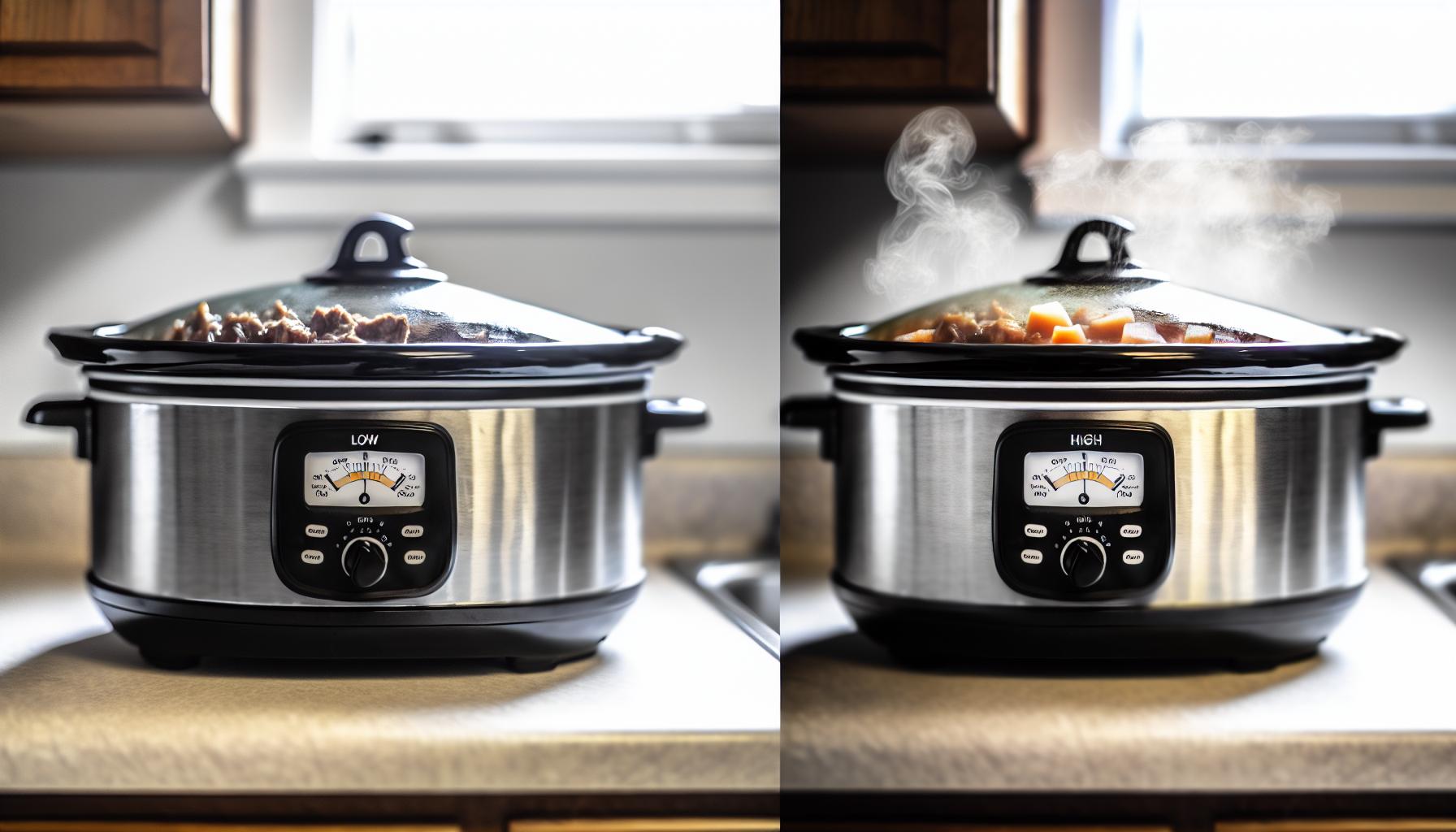
When it comes to slow cooker roasts,understanding how your appliance’s settings work can be the difference between a tender,juicy meal and a tough,dry one. Slow cookers typically have two main heat settings: low and high. The magic lies not just in the temperature, but in how long you let your roast luxuriate in that warmth. Think of the low setting as the patient, steady friend who lets flavors blossom slowly, while high is the impatient buddy rushing to get dinner on the table. Both have their place-depending on your timeline and roast size.
Cooking on low usually means a longer cook time-often 8 to 10 hours-perfect for tougher cuts like chuck or brisket that benefit from slow collagen breakdown. This slow-and-steady approach allows connective tissues to melt gently,making the meat incredibly tender and juicy,a real win for paleo and gluten-free diets that thrive on rich,natural flavors. On the flip side, the high setting turns up the heat (literally!) and can shave cook times to about 4 to 6 hours. It’s handy when life throws you a curveball and Sunday dinner can’t wait, but there’s a catch: higher heat risks drying out leaner roasts if you’re not careful.
How to Choose Which Setting Works for You
- Size and Cut: Large, thick, or tough roasts scream for low, long cooking. Smaller or more tender cuts can hold up to high without losing their charm.
- Time Constraints: Planning ahead? Go low and slow. need dinner on the fly? High can rescue you, but keep an eye on timing and moisture.
- Personal Preferences: Some folks like that ultra-fall-apart texture from low cooking, while others prefer a sliceable roast from high heat.
One trick I love is starting the roast on high for about an hour to kick-start the cooking,then flipping to low to finish. This gives you that best-of-both-worlds scenario: faster on time but still tender and soulful. Remember, your slow cooker is a cozy little oven, not a pressure cooker-rushing the process may rob you of that melt-in-your-mouth magic. And if you’re balancing paleo or gluten-free needs, think of slow cooking as your secret flavor enhancer-no pesky thickeners or additives required.
| Setting | Typical Temperature | Recommended Cook Time for Roast | Best for |
|---|---|---|---|
| Low | 190°F to 200°F (88°C to 93°C) | 8 to 10 hours | Tougher cuts, thick roasts, deep flavor infusion |
| High | 280°F to 300°F (138°C to 149°C) | 4 to 6 hours | Smaller cuts, quick meals, when time is tight |
If you’re experimenting with marinade or spice blends, low heat allows these flavors to seep in thoroughly, creating conversations on your palate that high heat just can’t match.But whatever you choose, always check your roast’s internal temperature with a meat thermometer-ideally aiming for about 195°F (90°C) for that perfect tenderness. And don’t stress if you need to tweak times later; every slow cooker runs with a personality of its own, and learning that quirkiness only adds joy to your kitchen adventures.
slow cooker roast settings aren’t about right or wrong-they’re about what fits your rhythm and roast. So throw on your favorite apron, embrace the mighty low or the speedy high, and get ready for some weekend-worthy deliciousness that’s as easy as it is soulful.
Flavor Boosters: Best Seasonings and Marinades
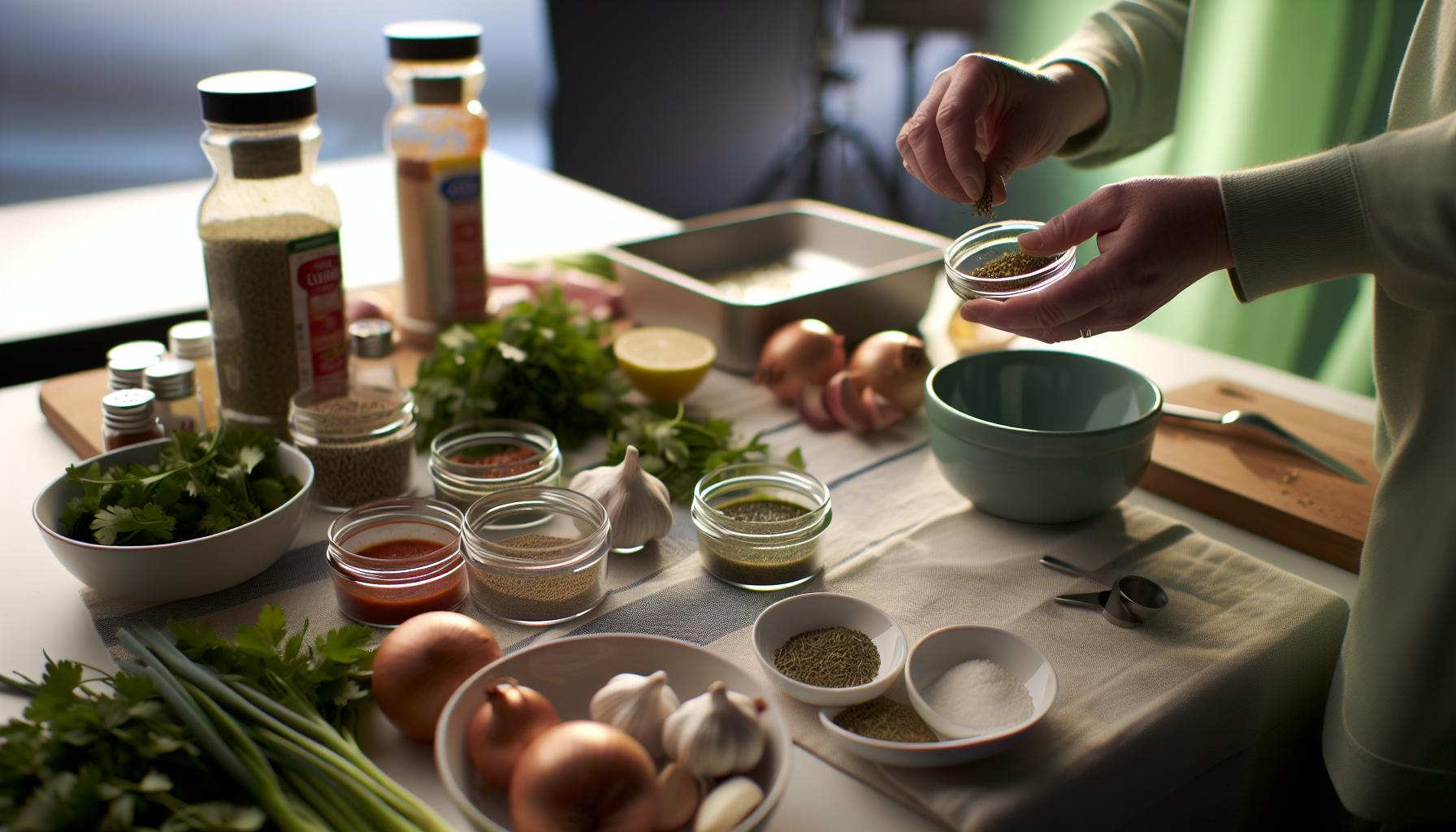
Ever noticed how a simple roast turns into a flavor explosion once you add the right mix of seasonings and marinades? The magic of slow cooking isn’t just about time and temperature-it’s about layering flavors that cozy up and deepen as the roast gently simmers all day. Whether you’re aiming for a paleo- and gluten-free-friendly dinner or just want that comforting, rich taste everyone will ask about, choosing your flavor boosters wisely is like giving your roast a gourmet hug.
Seasonings that Shine Over Time
Slow cookers are champs at melding herbs and spices without burning them. Classic combos like garlic, onion powder, and fresh rosemary or thyme are the go-to’s-their oils release steadily, sneaking deep flavors into every bite. Don’t shy away from smoked paprika or a bit of cumin for a warm, earthy twist that keeps things captivating without overwhelming. For the paleo crowd, tossing in fresh herbs and spices rather than premixed seasonings-often laden with preservatives-is a win. Here’s a quick list to keep handy:
- Garlic & Onion Powder: Easy pantry staples that bring savory depth
- Fresh Herbs: Rosemary,thyme,sage-great for a woodsy aroma
- Smoked Paprika or Cumin: Adds warmth and slight smokiness
- Cracked Black Pepper & Sea Salt: To taste,but essential!
- Chili Flakes or Cayenne: For those who like a gentle kick
One of my favorite tricks is a quick dry rub mix you can stash in your spice drawer: equal parts garlic powder,smoked paprika,salt,black pepper,and dried thyme. Just rub it generously over your roast before it goes in, and voilà-a subtle but layered flavor that lasts all day.
Marinades: The Slow Cooker’s Best Friend
Marinating might seem like an extra step, but it pays dividends overnight or even a few hours before cooking.The slow cooker doesn’t evaporate marinade flavors quickly like roasting or grilling might, so those shining acids and umami notes stay put, slowly trickling into the meat. A classic paleo-friendly marinade might include:
- Olive oil: Helps carry flavor and keeps roast moist
- Apple cider vinegar or lemon juice: For tenderizing and tang
- Minced garlic and fresh herbs: For aroma and complexity
- Coconut aminos or a splash of tamari: That umami hit without soy
- Optional touch of honey or maple syrup: Adds depth and balances acidity
I once marinated a brisket overnight with olive oil, apple cider vinegar, garlic, fresh thyme, and a little coconut aminos for an umami boost-and the result was ridiculously tender, with a subtle tang and depth you don’t get from dry seasonings alone. Plus, tossing the marinade right into the slow cooker ensures nothing goes to waste.
Balancing Bold and Subtle
As slow cooking amplifies flavors over hours, start lighter on herbs and spices. You can always adjust with finishing touches like fresh parsley or a sprinkle of smoked sea salt just before serving. Also, leaner roasts appreciate a bit more fat in your marinade or seasoning blend to keep things juicy-think coconut oil or avocado oil. And remember: simple is often better. those few well-chosen seasonings that respect your roast’s natural taste will always outshine an over-spiced mess.
Bringing this all together means your slow cooker roast won’t just be a meal-it’ll be the kind of Sunday dinner memory everyone talks about until next time. So grab your favorite spices, mix up a quick marinade, and let the slow cooker do the heavy lifting while you relax knowing deliciousness is underway.
Creative Side Dishes to pair with Your Slow Cooker Roast
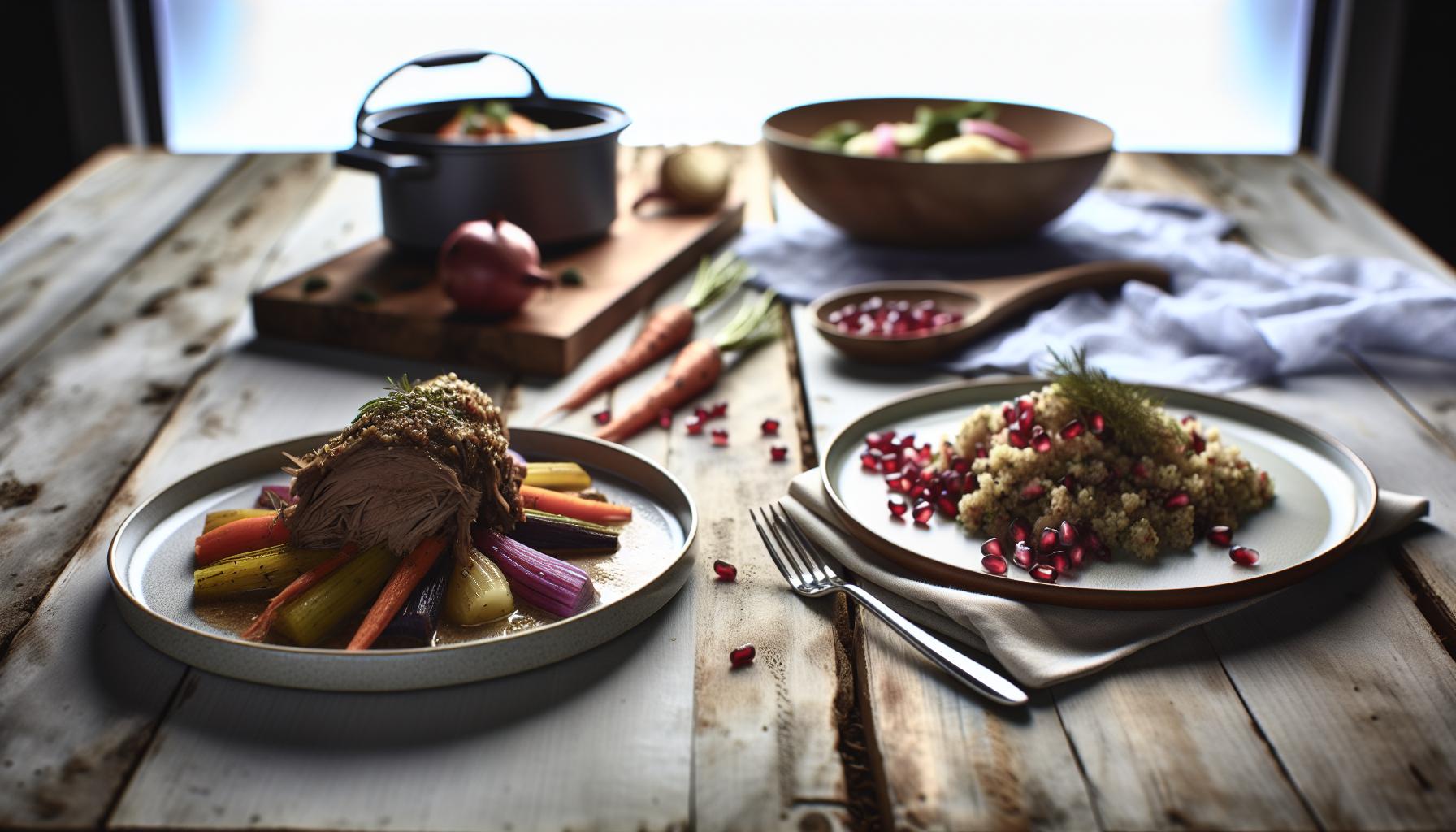
There’s something magical about a slow cooker roast that brings everyone to the table with eager forks ready-but the sides you serve can make or break that cozy Sunday vibe. Pairing your roast with creative sides not only rounds out the meal but lets you sneak in bright,fresh flavors or extra hearty comfort without any fuss. Plus, keeping things paleo- and gluten-free-friendly doesn’t have to mean sacrificing taste-it’s all about smart swaps and simple, satisfying dishes that complement your juicy, flavorful roast perfectly.
Veggie-forward Sides That Steal the Show
root vegetables are the classic slow cooker sidekick, but let’s give them a fun twist. Roasted *butternut squash* cubes tossed with a bit of cinnamon and nutmeg become sweet little bursts of cozy happiness. Or try a warm *brussels sprout slaw* made by shredding sprouts and mixing with apple cider vinegar,olive oil,and toasted walnuts for that satisfying crunch and tang. For easy prep and big flavor, steamed green beans tossed with garlic and lemon zest deliver a bright contrast to the slow-cooked richness.
Here’s a quick favorite of mine:
- Maple-Dijon Roasted Carrots: Toss peeled carrots with olive oil, a spoonful of maple syrup, and a dollop of Dijon mustard. Roast at 400°F for 25 minutes. Sweet, tangy, and utterly addictive.
Comfort-Carb Options Without the Gluten Guilt
Who says paleo sides can’t satisfy carb cravings? Mashed cauliflower is a brilliant stand-in for mashed potatoes, creamy and buttery without that gluten bomb. Steam chopped cauliflower until tender, then blend with ghee, a splash of chicken stock, salt, and pepper for a dreamy mash. For a little crunch, try crispy roasted sweet potato wedges seasoned with smoked paprika and sea salt-easy prep, big payoff.
If you’re feeling adventurous, I like serving *cauliflower rice* cooked with sautéed mushrooms, garlic, and fresh herbs as a light, fragrant base that soaks up all the roast’s juices. It’s also a neat way to boost veggie intake without turning dinner into a time-intensive project.
Fresh Greens and Bright Finishes
A fresh salad can be the perfect counterpoint when your roast has been simmering all day. Think spinach or arugula tossed with sliced radishes, toasted pumpkin seeds, a drizzle of lemon vinaigrette, and a little shaved parmesan or nutritional yeast for a savory pop. The gentle crunch and acidity help cleanse the palate and keep things lively.
For a final flourish,sprinkle chopped fresh herbs like parsley or chives over your plates just before serving. It’s an easy touch that makes every bite taste homemade and special-plus, it’s free!
Creative side dishes don’t have to be elaborate.With a bit of planning, you’ll turn your slow cooker roast dinner into a well-rounded feast that keeps everyone smiling and coming back for seconds-no matter the eating style or schedule. Trust me, these combos have been tested over many busy Sunday dinners and always get thumbs up all around!
How to Check Roast Doneness Safely and Easily
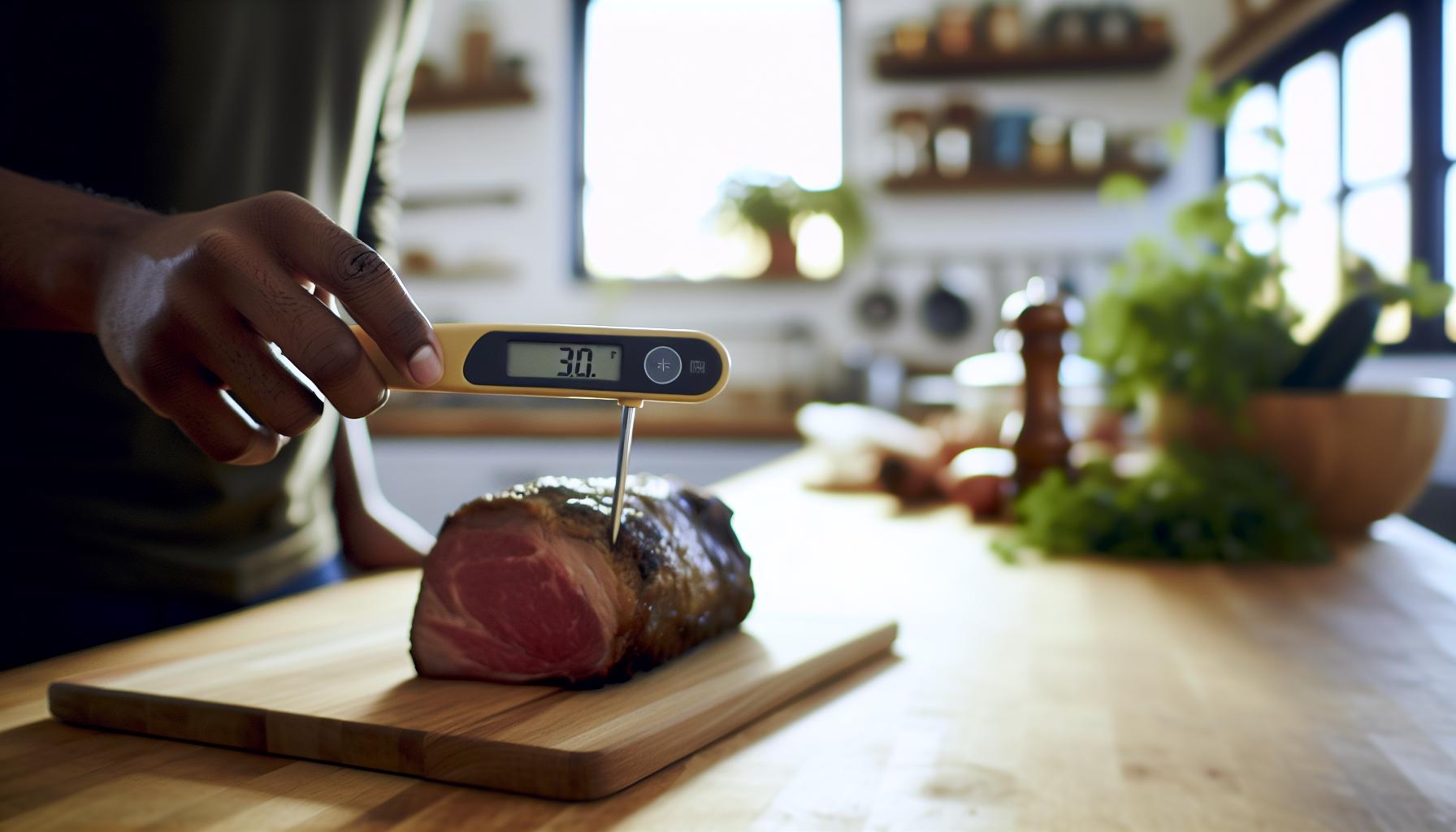
Slow cooker roasts are the ultimate in hands-off cooking bliss, but knowing exactly when your roast is perfectly done can sometimes feel like a bit of guesswork-especially when you’re juggling a busy schedule or catering to specific dietary needs like paleo or gluten-free. The good news? Checking doneness safely and easily is simpler than you think, and a few trusty kitchen tools go a long way toward serving up that melt-in-your-mouth roast every time.
First things first, the most reliable way to confirm your roast is cooked through is by using a meat thermometer. Insert it into the thickest part of the roast, avoiding any bones or fatty pockets, as those can give a misleading reading. for a beef or pork roast, the sweet spots are usually between 145°F for medium-rare and 160°F for medium-well, and for poultry, aim for a solid 165°F to kill any nasties safely.this method is not just foolproof but keeps you stress-free-no more poking, slicing early, or guessing. I like to keep a reliable digital instant-read thermometer handy; it’s saved many a Sunday from premature carving disasters!
Quick Doneness Checks Without a Thermometer
If you don’t have a thermometer at hand (hey,life happens!),there are a couple of fallback tricks. Use a fork or meat skewer to test tenderness: if it slides in and out with little resistance, your roast is beautifully tender. Another fun one is the “poke test”-press the meat with your finger. It should feel springy but not too soft or mushy. Though these methods aren’t as precise as temperature checks, combined with slow cooker timing guidelines, they give you a pretty good idea of when to pull the roast.
Resting and Carryover Cooking Matter
Remember that slow cooker roast continues to cook a bit even after you unplug the pot-that’s called carryover cooking. Let your roast rest for at least 10-15 minutes under foil before slicing. This rest time lets juices redistribute, ensuring every bite is juicy and tender, not dry. Plus, resting often raises the internal temperature by a few degrees, so you can safely take the roast out just shy of your target temp.
- Pro tip: If you accidentally pull your roast too early, pop it back in for a short while and let the magic finish in those cozy slow cooker hours.
- Bonus: Use the resting time to make a quick pan sauce from the drippings-you’d be surprised how that elevates a simple slow cooker roast dinner!
With a little attention paid to these simple checks and rest periods, you’ll build confidence in your roasting skills-and your slow cooker roast will look and taste like you spent hours fussing in the kitchen, all while freeing you up for other Sunday fun (or well-deserved couch time). It’s all about working smarter, not harder, for that perfectly cooked roast everyone will ask for again.
Troubleshooting Common Slow Cooker Roast Problems
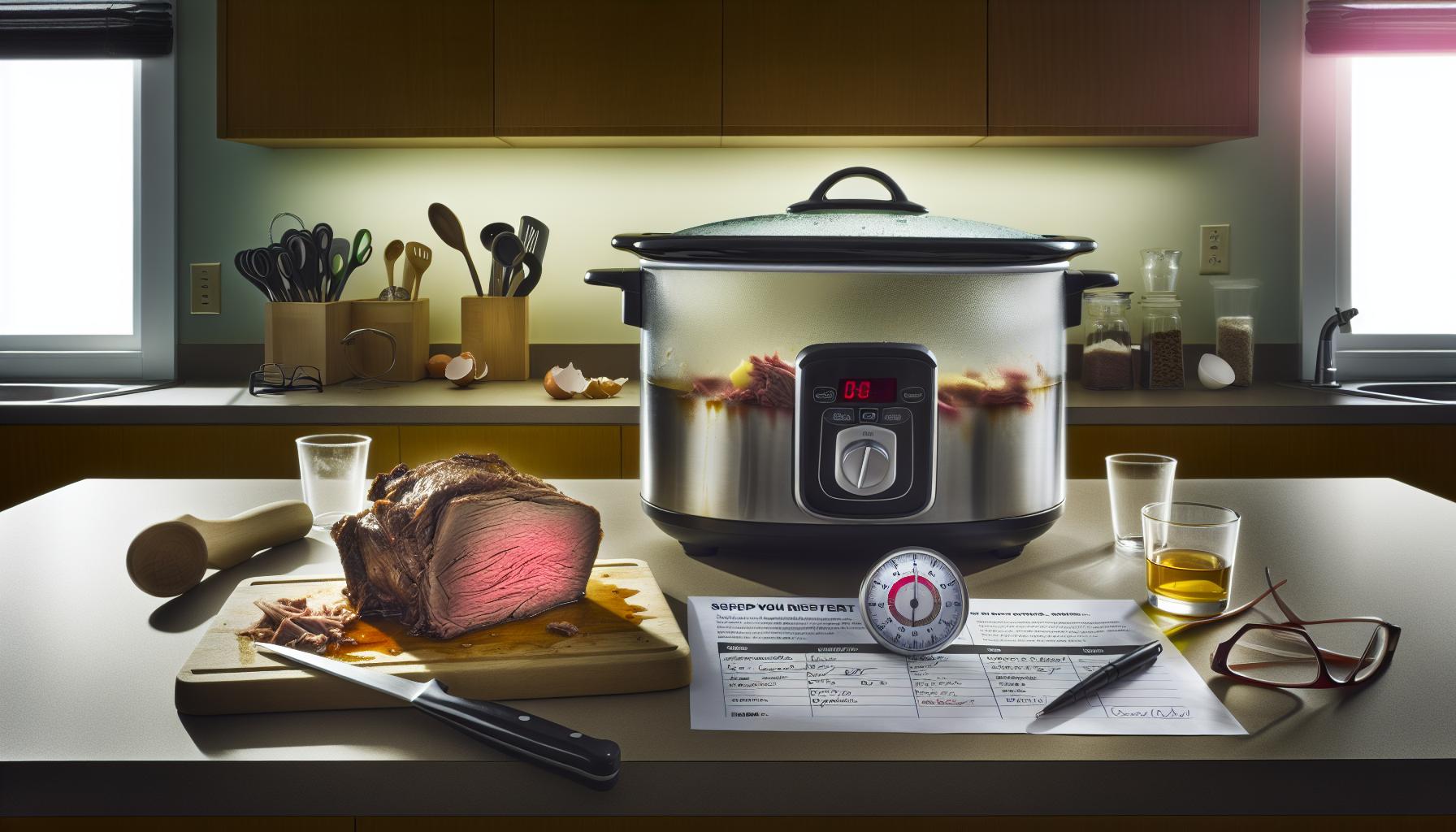
Every slow cooker story has that one moment where the roast just doesn’t turn out quite right-and yes,even the most seasoned home cooks have been there! Whether your roast emerges tougher than a two-dollar steak,or somehow ends up dry despite the slow-and-low magic,these hiccups are more common than you think. Luckily, many common slow cooker roast challenges have simple fixes that keep your Sunday dinner on track without stress or fancy tricks.
One of the most frequent issues is tough meat when you slice in. Keep in mind, roasting tougher cuts like chuck or brisket in a slow cooker is about breaking down connective tissue over time; rushing this low-temp marathon on “high” can leave you chewing rather of savoring. If you notice toughness, double-check your cooking times and temperatures-slow, steady, and often longer is better. Another trick is to cut the roast into smaller chunks to speed up tenderness or choose cuts naturally suited to slow cooking, like shoulder. Also, don’t be shy about poking the meat with a fork before it’s done; if it resists, give it more time to relax into deliciousness.
overcooking and resulting dryness can catch even the best cooks off guard-especially if your slow cooker runs a bit hotter than expected or you accidentally left it cooking longer than planned. Here’s a pro tip: pull your roast when it’s just shy of your target internal temperature to allow for carryover cooking as it rests. Wrapping it tightly in foil during rest time seals in moisture and can salvage an almost-dry roast. If the roast does lean toward dryness, make a luscious sauce or gravy from the slow cooker juices. Adding a splash of broth, a pat of butter, or even a little cream can revive those flavorful juices and keep the meal cozy and comforting.
Unexpected Flavors or Off Tastes
Sometimes the roast or the sauce may taste a little flat or oddly bitter.This could be due to using too much acidic marinade, browning spices too long before slow cooking, or even a slow cooker pot that hasn’t been cleaned well (hey, happens!). balancing with a pinch of sugar, honey, or a bit of apple cider vinegar near the end of cooking can brighten flavors quickly. Also, layering your seasoning is key-don’t just rely on salt and pepper at the end; try adding herbs and aromatics like rosemary, thyme, garlic, or even a bay leaf early on to infuse deeper flavors throughout cooking.
Liquids and Texture Troubles
Finding the right liquid balance in a slow cooker roast is an art and a science-too much could turn your roast into stew, too little risks scorching or dryness. Remember, slow cookers trap moisture tightly, so you typically need less liquid than conventional oven recipes call for.If you do end up with too much liquid, remove the roast and simmer the juices on high with a cornstarch slurry to thicken it into a rich gravy. Conversely, if it looks dry at the finish, add a bit of broth or water during the last hour and baste your roast. Slow cooking is forgiving but pays attention to these texture tweaks for that perfect melt-in-your-mouth feel.
- Tip: Sticking a piece of bread or a folded paper towel under the lid can definitely help absorb excess moisture if your slow cooker traps too much steam,avoiding soggy veggies or diluted flavors.
- Shortcut: If you gotta cut corners, use store-bought marinades or seasoning blends labeled paleo or gluten-free-trustworthy shortcuts are a beautiful thing!
- don’t fear experimentation: I once overcooked a roast but saved the day with a quick chimichurri sauce, and my guests couldn’t stop asking for the recipe!
Cooking in the slow cooker doesn’t have to be perfect from the start, and honestly, some of the best kitchen memories come from those “oops” moments turned into creative wins. Keep a thermometer handy, trust your instincts on timing, and approach each roast with patience and a pinch of fun. Soon, you’ll be dishing out tender, flavorful Sunday dinners that fit your lifestyle and dietary needs-no stress, just savory satisfaction.
Make-Ahead Tips and Leftover Magic Recipes
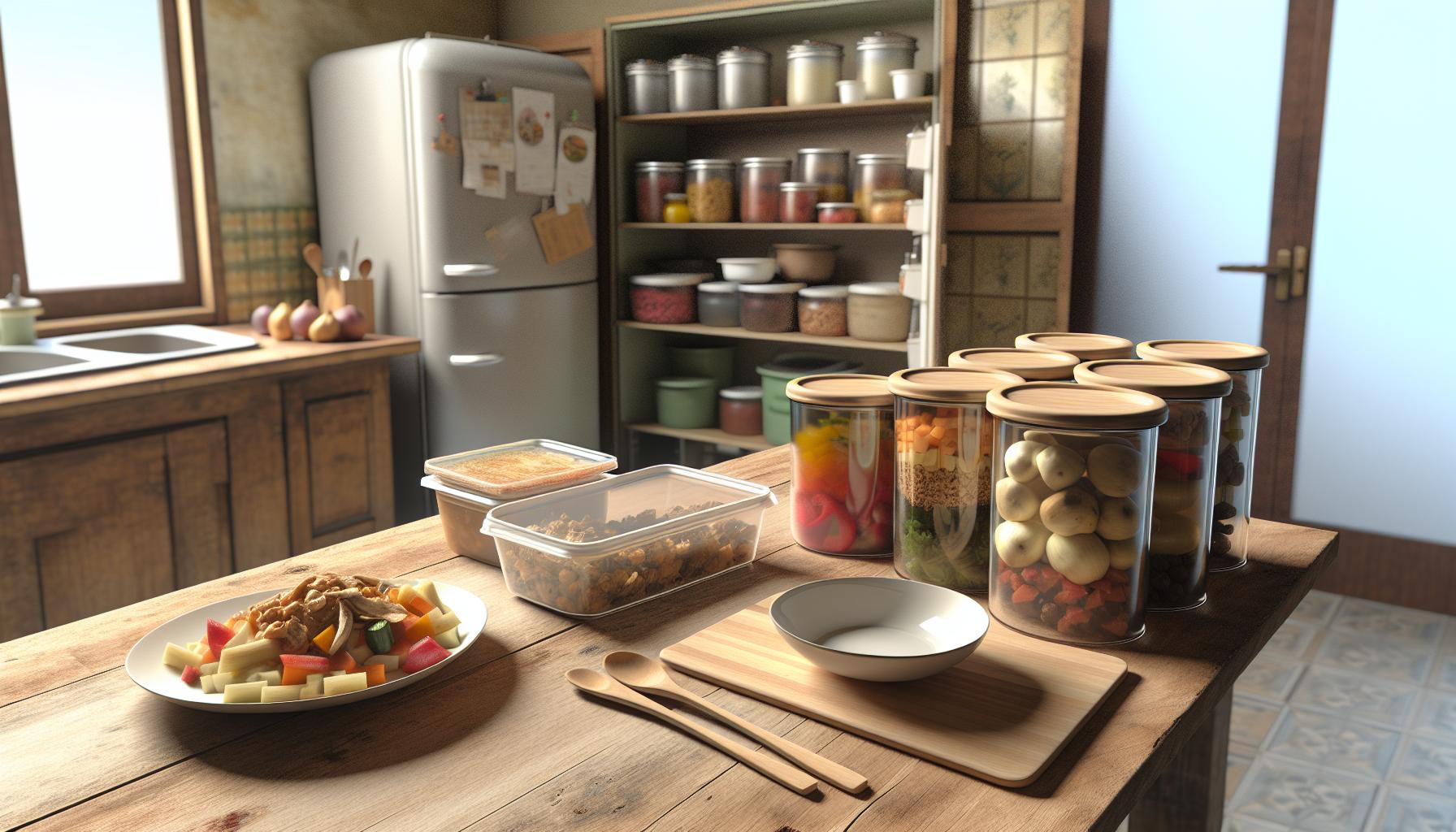
There’s a special kind of kitchen happiness that comes from waking up to the aroma of a slow cooker roast already tender and ready-making Sunday dinner prep feel practically effortless. But what about those times when life’s busy and you want to get ahead or stretch those delicious leftovers into new meals? Slow cooker roasts are among the best candidates for make-ahead magic because their flavors deepen over time, and they reheat beautifully without losing moisture or texture.
When planning ahead, consider this simple rule of thumb: cook your roast fully in the slow cooker, then cool it wholly before refrigerating. To speed up cooling, slice the roast into large chunks or shred it gently with two forks-this also sets you up for a variety of leftover options. Store the roast and its juices separately to avoid sogginess, then reheat gently either in the microwave covered or on the stovetop with a splash of broth to revive that melt-in-your-mouth feel. Personally, I like to double my Sunday roast and use the leftovers for quick meal hacks all week long.
Transforming Leftovers into New Favorites
Leftovers might sound boring, but switching gears with the right recipe turns that slow cooker roast into an entirely different meal with minimal effort. Here are a few crowd-pleasers I keep on rotation, all naturally paleo and gluten-free:
- Roast Beef Lettuce Wraps: Shred the leftover roast and toss with horseradish or a creamy paleo mayo. Wrap in crisp butter lettuce leaves with thinly sliced cucumbers and a sprinkle of fresh herbs for a fresh, light meal.
- Hearty Roast Beef Soup: Dice the meat and simmer it with bone broth, chopped veggies, garlic, and herbs. Throw in some diced sweet potato or turnips to keep this cozy and naturally gluten-free.
- Stuffed Sweet Potatoes: Mix shredded roast with a little salsa and avocado,then scoop it onto baked sweet potatoes for a filling,nutrient-dense leftover makeover.
What I love most about these options is they don’t take forever or require fancy ingredients-just a quick bit of chopping and assembly for weekday meals that still feel like a Sunday feast. Plus, swapping dairy or nightshade ingredients to suit paleo or allergy needs is a snap.
Make-Ahead Tips to Keep Your roast at Its Best
if you want to prep your roast a day or two in advance,here are some tried-and-true tips to keep everything juicy and delicious:
- Always let the roast rest and cool before sealing to prevent steam buildup and soggy texture.
- Store juices separately and add them back when reheating to restore moisture.
- Slice or shred before storing to speed up meal prep later-ready to toss into salads, soups, or wraps.
- If freezing leftovers, wrap tightly in heavy-duty foil or freezer bags with some cooking juices to lock in flavor and moisture.
And here’s a personal nugget: once,I prepped a spicy rub the night before and slow-cooked my roast first thing in the morning,then did all the chopping and sauce-making while watching weekend cartoons with kids.The roast was perfectly tender with zero stress at dinner time, and leftovers fueled three easy lunches after.
By embracing make-ahead strategies and creative leftover recipes, your slow cooker roast won’t just be a one-time star-it’ll become a weekly champion of effortless, satisfying meals that delight your taste buds without demanding extra time. Keep it simple,have fun experimenting,and remember: life’s too short for bland leftovers!


