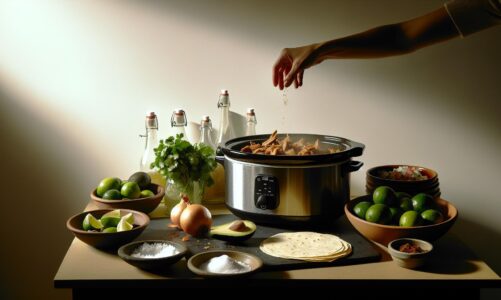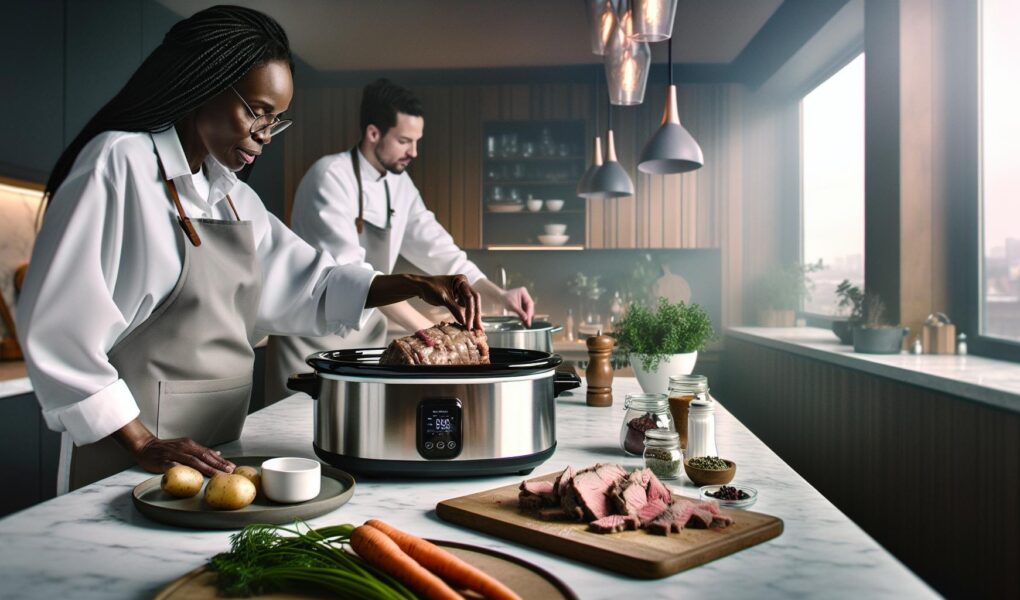
Did you know that slow cooking a roast beef can turn a humble cut into a tender, melt-in-the-mouth masterpiece with minimal effort? If you’ve ever struggled with tough, dry beef or spent hours babysitting the oven, you’re in the right place. This guide will show you how to cook roast beef in a slow cooker like a pro-bringing out rich flavors and perfect tenderness every time, all while freeing you up to enjoy your day. whether you’re gluten-free, paleo, or just love a comforting sunday roast, slow cooking lets you celebrate real food without stress. I’ll share easy-to-follow steps, smart ingredient swaps, and insider tips that fit your busy lifestyle (no fancy gadgets required). Ready to impress friends and family with luscious, pull-apart beef that feels like it came from a fancy kitchen? Keep reading-it’s simpler than you think, and the results are well worth it.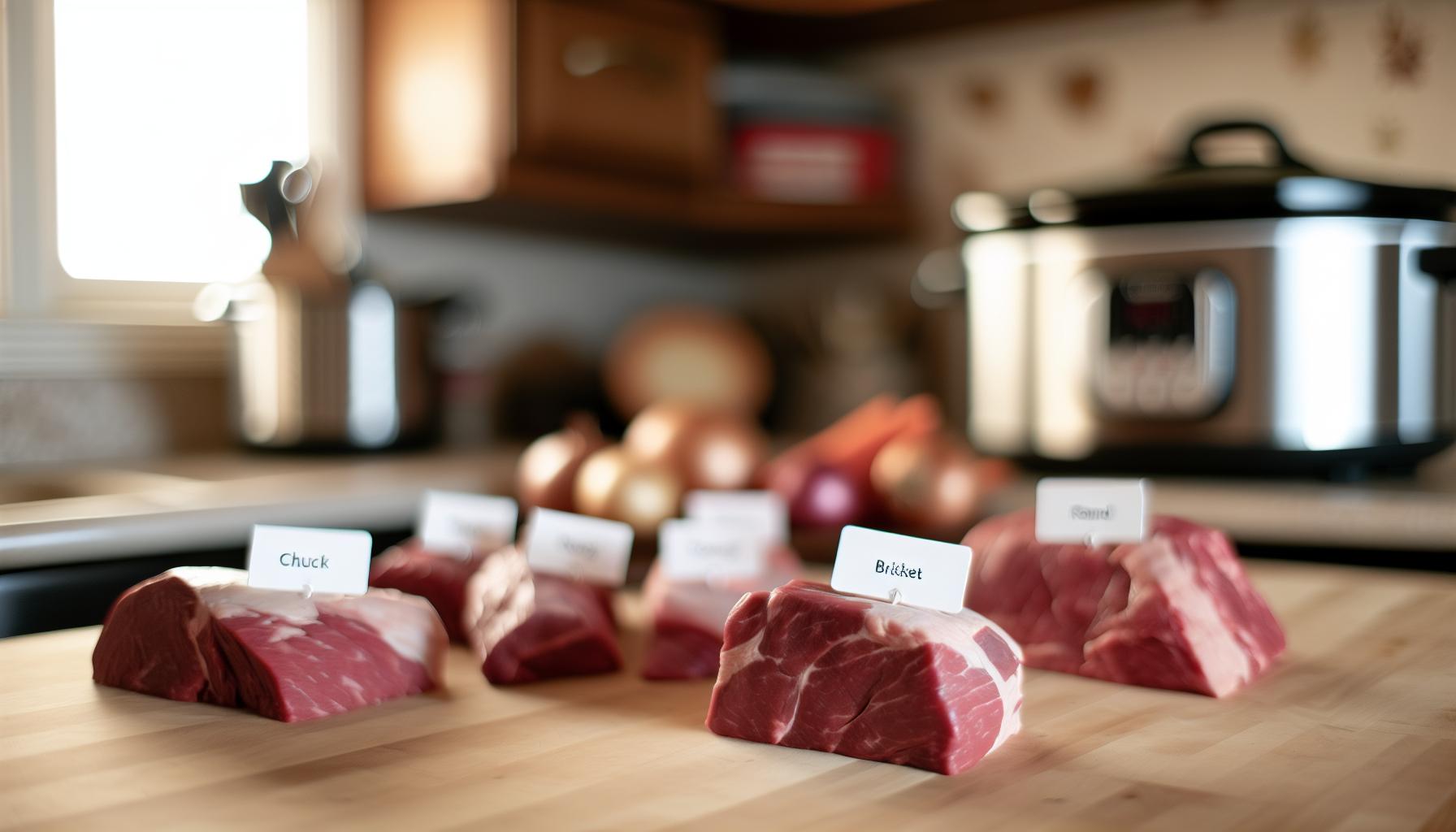
Table of Contents
- Choosing the Perfect cut for Slow Cooker Roast Beef
- Preparing Your Roast: Essential Tips and Tricks
- Best Seasonings and Marinades for Ultimate Flavor
- Step-by-Step Slow Cooker Roast Beef Recipe
- How to Achieve Tender, Melt-in-Your-Mouth Texture
- Timing and Temperature: Mastering Slow Cooker Settings
- Helpful Hacks for Juicy,Flavor-Packed Roast Beef
- Creative Side Dishes to Pair with Your Roast
- Gluten-Free and Paleo-Friendly Roast Beef Variations
- Storing, Reheating, and Using Leftover Roast Beef
- Troubleshooting Common Slow Cooker Roast Beef Issues
- Faq
- Q: Can I use a frozen roast beef in my slow cooker without thawing for melt-in-the-mouth results?
- Q: What’s the ideal slow cooker liquid to beef ratio for tender roast beef?
- Q: How can I make slow cooker roast beef more flavorful without added salt?
- Q: Why should I avoid opening the slow cooker lid frequently when cooking roast beef?
- Q: What slow cooker settings create the perfect “fall-apart” roast beef texture?
- Q: How do I fix dry or tough slow cooker roast beef after cooking?
- Q: Can adding vegetables during slow cooking affect roast beef tenderness?
- Q: How do slow cooker roast beef leftovers stay tender when reheated?
- Key Takeaways
Choosing the Perfect cut for Slow Cooker Roast Beef
When it comes to slow cooker roast beef,the cut you choose can make or break your meal-literally! The slow cooker is a magical device that turns tougher,more affordable cuts into tender,flavor-packed delights,so it’s worth picking the right starting point. You want a cut that’s rich in connective tissue and marbling, because as it slowly simmers, the collagen dissolves, bathing the meat in luscious juices that practically melt in your mouth. Think of it as the difference between a gym workout and a spa day-slow cookers turn rough-and-tough beef into silky softness you didn’t think was possible.Chucking a prime rib or tenderloin into the slow cooker might sound fancy,but those cuts are really better suited for swift,high-heat methods where their natural tenderness shines. For slow cooking, reach for cuts like chuck roast, brisket, or bottom round. these cuts are affordable, easy to find, and they absorb flavors beautifully. The chuck roast is a personal favorite around my kitchen because of its balance between fat and connective tissue, yielding a juicy result every time. Brisket brings a deeper,beefier flavor but needs a bit more time to become tender. Bottom round is leaner, so if you pick this, consider adding extra broth or fats to keep things moist and tender.
Top Cuts for Slow Cooker Magic
| Cut | Best For | Prep & cooking Notes | Flavor Profile |
|---|---|---|---|
| Chuck Roast | Classic pot roast | Seared before slow cooking boosts flavor; 6-8 hours on low | Rich, beefy, well-marbled |
| Brisket | Smoky or braised-style roasts | Long cook time (8+ hours); benefits from rubs or marinades | Deep, hearty, slightly fatty |
| Bottom Round | Lean choice | Needs careful basting or added fats; avoid overcooking | Mild, less marbled but still tasty |
| Eye of Round | Lean and affordable | Cooked gently to avoid dryness; good for slicing thin | Light beef flavor, low fat |
Many of the best slow cooker recipes-including ones inspired by home cooks on Reddit and cozy food blogs-stress the importance of a quick sear before tossing the roast in the pot. not only does this build that crave-worthy caramelized crust, but it locks in juices so your final roast isn’t just tender but bursting with flavor [[2]](https://www.reddit.com/r/slowcooking/comments/1hpvhv0/how_to_slow_cook_a_beef_roast/). Plus, it’s the perfect excuse to stand by the stove and sneak a few tasty scraps!
If you’re cooking paleo or gluten-free, these cuts are ideal because they’re naturally whole and unprocessed.You can easily jazz them up with paleo-friendly herbs, garlic, and bone broth without worrying about hidden allergens. Whether you’re meal prepping for a busy week or treating yourself on the weekend, starting with the right cut eliminates guesswork and ensures your slow cooker does all the hard work for you. Trust me, once you find your go-to roast, your cooker will become your best kitchen sidekick.
In short,embrace the chuck or brisket and say goodbye to dry dinners and tough bites. The slow cooker loves these cuts, and with a little love and patience, you’ll be rewarded with roast beef so tender it deserves a standing ovation at your dinner table.
Preparing Your Roast: Essential Tips and Tricks
There’s something almost magical about turning a simple cut of beef into a tender, flavor-packed roast that falls apart at the fork. But that magic doesn’t just happen by chance-it starts long before the slow cooker ever heats up. Proper preparation sets the stage for juicy, melt-in-your-mouth results, so investing a few extra minutes upfront pays delicious dividends later.
First up, don’t skip the sear.Browning your roast on all sides in a hot skillet turns up the flavor volume by creating savory, caramelized crusts-those browned bits are little flavor bombs waiting to infuse your pot roast. It also helps lock in juices, so each forkful bursts with richness, even after hours of slow cooking. Use a neutral oil with a high smoke point, like avocado or grapeseed oil, and give your roast a generous seasoning of salt and pepper before it hits the pan. I always joke that standing by the stove is my “secret snack time,” as scraping that delicious fond off the pan is irresistible!
Beyond searing, prepping your roast means thinking about moisture and seasoning layers. Pat the meat dry to ensure a proper crust, then consider using aromatics like garlic cloves, sliced onions, or fresh herbs tucked around or under the roast to build complexity. If you’re aiming for a paleo or gluten-free meal, stock up on bone broth rather of regular broth-it adds collagen and depth while keeping things wholesome. Another handy tip I picked up from my slow-cooker obsessed friends: tie your roast loosely with kitchen twine to help it cook evenly and keep its shape while it simmers away. It’s a giant bear hug for your beef!
- Trim carefully: Remove excessive silver skin or large chunks of fat that won’t render down; a little marbling is great, but you don’t want greasy pockets.
- Room temperature rest: Let your roast sit out of the fridge for about 20-30 minutes before cooking to promote even cooking throughout.
- Prep veggies ahead: Layer your slow cooker with root veggies like carrots, celery, and potatoes-these soak up all the amazing juices and add flavor to your final gravy.
Keep in mind that slow cookers work best when they don’t get an accidental cold shock, so throwing in cold meat straight from the fridge can slow down the cooking process and affect tenderness. A little waiting game now means major yum later. Plus,if you’re short on time,using pre-cut aromatics or a simple rub blend you love can easily speed prep without sacrificing flavor. Remember, the goal here is deliciousness that fits your life, not kitchen perfectionism.
with these prep tricks in your arsenal, your slow cooker roast isn’t just a meal-it’s a festivity of cozy comfort with layers of flavor and tenderness you’ll want to make again and again.
Best Seasonings and Marinades for Ultimate Flavor
there’s a special kind of magic that happens when the right seasonings meet your slow cooker roast beef – suddenly, simple turns stunning, and each bite bursts with layers of flavor. The slow-cooking process is perfect for building rich, deep taste profiles without fuss, and the key to unlocking flavor nirvana is a thoughtful blend of herbs, spices, and marinades that infuse gradually and beautifully. Whether you’re aiming for an easy gluten-free weekday dinner, a paleo-friendly feast, or just a hearty family classic, mastering your seasoning game is your secret weapon.
Building Your Flavor base: Essential Seasonings
Start with the classics that make every roast shine: kosher salt and freshly cracked black pepper. Salt is a flavor enhancer, not just a seasoning, so don’t shy away from seasoning generously before you sear. Once that’s locked in, you can add aromatics like garlic powder, onion flakes, or smoked paprika for warmth and complexity. Fresh herbs like rosemary, thyme, and bay leaves tucked under the roast or into the slow cooker add this lovely woody fragrance that’s essential when you want the cozy and inviting aroma wafting all day. For a little kick, a pinch of cayenne or crushed red pepper flakes can quietly build heat without overpowering the beef’s natural richness.
Marinades That Make a Difference
If you’re up for a bit of extra prep that pays off big time, a marinade can tenderize and boost flavor even more. A simple marinade can be as easy as mixing bone broth (which adds collagen and umami), a splash of balsamic vinegar or red wine, and minced garlic. this combo softly breaks down tougher beef cuts and brings acidity and sweetness that rounds out the meat’s savoriness. If paleo or gluten-free is your vibe, skip soy sauce in favor of coconut aminos or a little fish sauce-both bring that salty depth and complexity without gluten. Marinate your roast for at least an hour or overnight if time allows, but no worries: if life gets busy, just make a quick rub with the same ingredients and apply it right before searing.
- Pro Tip: If you love bold flavor, add a teaspoon of Dijon mustard or honey for a subtle tang and sweetness that caramelizes beautifully during cooking.
- Easy Shortcut: Use pre-made herb blends labeled gluten-free, such as Italian seasoning or Herbes de Provence, to get a restaurant-quality taste with minimal effort.
layering Flavor with Vegetables and Liquids
Don’t forget the slow cooker magic of layering flavor with veggies and cooking liquids. Onions, carrots, and celery aren’t just tasty-they create a fragrant bed that elevates your roast’s taste and the gravy’s richness. Swap potatoes for turnips or parsnips to keep it paleo-friendly, and consider adding whole garlic cloves or a splash of bone broth mixed with tomato paste and Worcestershire sauce (look for gluten-free brands) for umami punch. These layers soak in the seasonings from your marinade and enhance every mouthful with a complexity that makes leftovers even better the next day.
Remember, seasoning isn’t about chasing perfection-it’s about making your roast beef jump off the plate with comfort and joy, tailored to fit your lifestyle and taste buds. So have fun experimenting with flavors, trust your instincts, and know your slow cooker is ready to deliver you a cozy, melt-in-your-mouth masterpiece every time.
Step-by-Step Slow Cooker Roast Beef Recipe
There’s something wonderfully satisfying about transforming a humble cut of beef into a succulent meal with just a slow cooker, a handful of ingredients, and a bit of patience. This method is not only forgiving but downright magical-turning tougher cuts into tender, flavorful roast beef that practically melts in your mouth. If you’ve got a busy schedule or just want an easy dinner that feels like a home-cooked hug, here’s a practical and proven way to get that perfect roast every time.
Start by gathering these essentials: a 3 to 4-pound topside or chuck roast (both are excellent for slow cooking), kosher salt, fresh black pepper, aromatics like garlic and onions, and a handful of root vegetables such as carrots and celery. before anything hits the slow cooker, give the roast a good pat dry and season generously on all sides. This isn’t just seasoning; it’s the foundation of flavor you’ll thank yourself for later.
Step-by-Step guide to Slow Cooker Roast Beef
- sear for Flavor: Heat a tablespoon of oil in a heavy skillet over medium-high heat. Brown the roast on all sides until it has a rich, caramelized crust-this step locks in juices and layers in deep, savory notes. Don’t rush this part; it’s well worth the few extra minutes.
- Build Your Flavor Base: Place roughly chopped onions, carrots, and celery into the bottom of your slow cooker. These veggies act like a cozy flavor bed that steams up tender meat juices and star in your gravy later.
- Add the Roast and Liquids: Nestle the seared roast on top of the veggies. Pour in about 1 to 1.5 cups of beef broth, bone broth, or a mix with a splash of red wine or balsamic vinegar for acidity.This liquid is key-it keeps everything moist and infuses your beef with those signature slow-cooked flavors.
- Season and Cover: Toss in fresh herbs like rosemary and thyme or use a dried mix if you’re short on fresh ingredients. Add a few whole garlic cloves for extra aroma. Cover,set your slow cooker to low,and walk away.
- Let It Cook Low and Slow: Aim for 7 to 8 hours on low, or around 4 to 5 hours on high, depending on your slow cooker’s settings. The goal is tender beef that pulls apart easily with a fork but still slices nicely for serving.Resisting the urge to peek too frequently enough helps keep heat steady and your roast juicy.
- Rest and Serve: Once done, remove the roast and let it rest for 10-15 minutes before slicing-it locks in those precious juices. meanwhile, you can whisk the veggies and cooking liquid into a simple gravy or keep it rustic for pouring over your meat and sides.
Quick Tips and Substitutions
Feel free to swap beef broth for bone broth if you want a richer,collagen-packed boost perfect for paleo and gluten-free diets. No fresh herbs? no problem! Dried Italian seasoning is a trusty shortcut that still delivers big on flavor. For those craving a touch of sweetness and tang, a teaspoon of Dijon mustard mixed into your cooking liquid works wonders. And if life’s hectic,skip the marinade and simply use a robust dry rub-your slow cooker will do the rest of the flavor work.
Lean into the slow cooker’s “set it and forget it” charm-it may not be glamorous but it’s one of the most reliable ways to get mouthwatering roast beef with minimal effort. A simple weathered cast iron skillet, a trusty slow cooker, and these steps can turn weeknight dinners or Sunday feasts into stress-free culinary wins. Happy slow roasting!
—
This approach balances practical home cooking tips with flexibility for dietary preferences and busy lifestyles, making melt-in-your-mouth roast beef a delicious reality for everyone to enjoy.
For even more recipe ideas and inspiration, you might find helpful guides and visuals at Allrecipes and Slow Cooker Club, which offer detailed techniques and ingredient tweaks for the perfect slow cooker pot roast [[1]](https://www.allrecipes.com/recipe/16346/maries-easy-slow-cooker-pot-roast/) [[2]](https://www.slowcookerclub.com/slow-cooker-roast-beef/).
How to Achieve Tender, Melt-in-Your-Mouth Texture
There’s a bit of magic in slow cooking that’s impossible to replicate quickly. That tender,melt-in-your-mouth roast beef comes down to breaking down tough connective tissue and coaxing every ounce of flavor out of your cut-all through patience,technique,and a few clever kitchen tricks. The secret? Low and slow is the mantra, but it’s how you manage moisture, heat, and seasoning during those hours that truly transforms your roast into a culinary masterpiece.
One non-negotiable step to get that buttery texture is giving your roast a quick sear before it hits the slow cooker. This isn’t just about flavor (though the caramelization is heavenly); it also locks in juices so the meat doesn’t dry out during cooking. think of it as creating a tasty armor that embraces the succulent interior you’re aiming for. Plus,that nice crust adds a depth of savory notes that your slow cooker alone can’t achieve.
- Low & Slow Wins: Set your cooker to low heat and plan for 7 to 8 hours cooking time for a 3-4 pound roast. This gentle simmer slowly melts collagen into gelatin,which keeps the meat moist and tender. Avoid rushing with high heat-it’s tempting but leads to dry, stringy beef.
- Liquid Love: Adding just enough broth or bone broth (around 1 to 1.5 cups) ensures your roast stays bathed in moisture without becoming boiled. For a little tang and complexity, toss in a splash of balsamic vinegar or red wine-these acids help tenderize the meat naturally and brighten the flavor.
- Finish with a Rest: After those slow hours,remove your roast and let it rest for 10 to 15 minutes before slicing.Resting lets the juices redistribute evenly, so every bite stays juicy and not a single drip is lost on the cutting board.
selecting a cut rich in connective tissue like chuck or topside is critical-they’re the unsung heroes in this process. These cuts might be tough when raw but turn gloriously soft after hours spent slow cooking.If you’re paleo or gluten-free, using bone broth packs in extra collagen, boosting flavor and gelatinous richness without any additives. Season well with salt, pepper, and herbs early on, so the flavors fully seep into the meat during cooking. And if you love shortcuts, a good dried herb blend or slow cooker soup mix can still deliver layers of taste without extra fuss.
Achieving that show-stopping tender roast is a rewarding balance of these ingredients and timing strategies. It’s like nurturing a good story-with the right care, patience, and a sprinkle of flavor magic, the end result melts effortlessly on your tongue, making every forkful feel like a warm hug from the kitchen. Whether you’re a slow cooker newbie or a seasoned pro, this approach guarantees roast beef that’s every bit as comforting as it is impressive.
For more insights and recipes proven to deliver that perfect texture,you can explore detailed guides and visual walkthroughs on trusted cooking sites like Allrecipes and Slow Cooker Club [[1]](https://www.allrecipes.com/recipe/16346/maries-easy-slow-cooker-pot-roast/), [[2]](https://www.slowcookerclub.com/slow-cooker-roast-beef/).
Timing and Temperature: Mastering Slow Cooker Settings
Nothing beats the slow cooker for transforming a humble cut of beef into a fork-tender marvel,but nailing the timing and temperature can feel like balancing art and science. Get this right, and your roast beef will emerge juicy, richly flavored, and practically buttery in texture. Set it wrong, and you risk dry edges or a tough center.The great news? Slow cookers are pretty forgiving once you understand their sweet spots.Low and steady really does win the race. For the perfect melt-in-your-mouth roast beef, think of your slow cooker as a patient sous-chef simmering away gently for hours. Aim to cook your 3 to 4-pound roast on the low setting for 7 to 8 hours. This long, slow heat gently dissolves collagen in the connective tissue into luscious gelatin, the secret behind that tender bite everyone loves. High heat can seem tempting-speedier dinners, yes please!-but it often cooks unevenly, risking muscle fibers tightening up and drying out. So slow and steady is the way to go for that juicy payoff.
How to gauge doneness without guesswork
Investing in a meat thermometer is a game-changer here-your slow cooker may say ”Low,” but every appliance has its quirks. The goal for slow cooker roast beef is usually an internal temperature of around 195°F to 205°F (90°C to 96°C) when you want it shreddable and tender. For slices that hold their shape but still feel tender, aim a bit lower, around 135°F to 145°F (57°C to 63°C), then let your roast rest before carving. Resting for 10 to 15 minutes after cooking is crucial; it allows juices to redistribute evenly,so your roast doesn’t loose that precious moisture the moment you slice.
- Tip: If you come home too early or later than expected, no worries! Roasts kept on “Keep Warm” for a short while stay tender, but beyond 2 hours risks drying it out.
- Quick fix if running short on time: Use the “High” setting for 4-5 hours-but start checking early with a thermometer to avoid overcooking and drying.
Liquid levels and temperature control – a cozy bath for your roast
The right amount of liquid works like a flavorful slow-moving river,surrounding the meat and maintaining a humid cooking environment. Typically, you want about 1 to 1.5 cups of broth, bone broth, or even a mix of red wine and broth. Too much liquid can make your roast boil rather than steam and braise, losing that tender crust; too little and the meat dries out. Adding a splash of acidic ingredients like balsamic vinegar or a squeeze of fresh lemon juice not only amps up flavor but gently helps break down muscle fibers.
With slow cookers, the lid really is your best friend. Avoid lifting it too frequently enough-every peek lets heat and moisture escape, lengthening cooking time and risking dryness. It’s the slow cooker equivalent of letting your roast luxuriate in a warm blanket for the best texture.
| Setting | Cook Time (3-4 lb roast) | Internal Temp Target | Texture Result |
|---|---|---|---|
| Low | 7-8 hours | 195-205°F (90-96°C) | Shreddable, melt-in-mouth soft |
| Low | 6-7 hours | 135-145°F (57-63°C) | Sliceable, tender but firm |
| High | 4-5 hours | 195°F+ (90°C+) | Shreddable but risk drying if left too long |
Mastering your slow cooker’s quirks becomes second nature once you’ve experimented a couple of times. Just remember: patience is the key to unlocking that silky texture. Think of your slow cooker not as a quick fix but as a gentle hug that transforms beef into the cozy comfort food you crave. And hey, if life intervenes and you can’t perfectly time your dinner, a leftovers repurpose plan (hello roast beef salads and wraps!) can rescue any small timing hiccup with style and no judgment.
For more expert tips and trusted slow cooker beef roast recipes, check out guides like those from Slow Cooker Club-these folks really know their stuff when it comes to balancing temperatures and times for topside and chuck cuts alike[3].
Helpful Hacks for Juicy,Flavor-Packed Roast Beef
There’s a wonderful kind of kitchen magic that happens when you nail a few simple tricks to keep your slow cooker roast beef juicy and bursting with flavor-without fuss or fancy equipment. One of my go-to hacks is giving the roast a quick sear in a hot pan before it even hits the slow cooker. Those beautifully browned edges aren’t just pretty; they lock in juices and bring a deep, caramelized flavor that slow cooking alone can’t quite replicate. If you’re short on time or feeling a bit lazy, a high-heat broil for 5 minutes on each side works too-it’s like a flavor shortcut that pays off big time.
Never underestimate the power of layering your flavors right in the slow cooker. Start with a base of aromatics-onions, garlic, maybe a hint of fresh rosemary or thyme-to create a fragrant cushion for your beef. Then, add a splash of acid like balsamic vinegar or a squeeze of fresh lemon juice; this not only brightens the dish but tenderizes the meat as collagen breaks down. For those who love a little heat, a pinch of smoked paprika or cayenne adds warmth without overwhelming the beef’s natural richness.And remember,your ”liquid bath” in the cooker isn’t just about moisture-it’s flavor in disguise. Using bone broth mixed with a bit of red wine, or even tomato paste diluted with water, creates a delicious braising liquid that the meat soaks up as it slowly cooks.
Simple Tricks to Keep Every Bite Juicy
- Reserve and reuse the juices: After cooking, strain the pot juices and reduce them in a pan for a quick gravy or dipping sauce-this extra step concentrates flavor and keeps every slice luscious.
- Don’t poke the roast too often: Every lid lift lets out precious steam and slows cooking. trust your timing and thermometer rather of sneaking peeks.
- Rest before slicing: At least 10 minutes on a cutting board with foil tented over ensures all those flavorful juices redistribute instead of pooling on your plate.
- Mix things up with marinades: For an easy paleo- or gluten-free marinade, combine coconut aminos, garlic, and a touch of ginger for an umami punch that complements slow-cooked beef beautifully.
For busy weeknights, another hack is tossing in hearty vegetables like carrots, celery, and mushrooms at the start. They act like natural flavor boosters, soaking up the meaty goodness and giving you an all-in-one meal vibe-plus, leftovers with caramelized veggies are pure comfort the next day.Also, if you crave that restaurant-quality tenderness but are pressed for time, try cooking the roast low and slow for 5-6 hours then switching to high for the last hour-this gets you tender beef slightly faster without drying it out.Embracing these hacks turns your slow cooker into an easy ticket to melt-in-your-mouth roast beef that feels like it took all day (even if it didn’t). They integrate seamlessly with gluten-free and paleo lifestyles, so everyone at the table can enjoy a juicy, flavor-packed feast without the stress. Cooking doesn’t have to be perfect-just delicious, doable, and full of those moments where you sit back, fork in hand, realizing you nailed it again.
Creative Side Dishes to Pair with Your Roast
There’s something incredibly satisfying about pairing a perfectly slow-cooked roast beef with side dishes that don’t just complement but elevate the whole meal experience. When your roast is melt-in-your-mouth tender and bursting with savory richness, you want sides that bring balance-whether that means a pop of brightness, comforting starch, or a crunchy contrast.The beauty is,many of these sides can be effortlessly adapted for gluten-free and paleo diets without compromising on flavor or texture.
Think roasted root vegetables-carrots, parsnips, and sweet potatoes tossed in olive oil, fresh herbs, and a sprinkle of sea salt. They soak up the aromatics from your slow-cooker roast if you place them alongside or finish them in the oven for that perfect caramelized edge. For a fresh, vibrant counterpoint, a simple tossed salad with bitter greens like arugula, shaved fennel, and a citrus vinaigrette cuts through the meat’s richness beautifully.Bonus: quick, no-fuss, and totally nutrient-packed.
Wholesome Classics and Light Twists
- Garlic Mashed Cauliflower: Low-carb, paleo-friendly, and smoother than a jazz sax solo. Simmer cauliflower until tender, then blend with roasted garlic, coconut milk, and a dash of nutritional yeast for cheesy umami vibes.
- Sautéed Green Beans with Toasted Almonds: A snap of crunch and a buttery nutty finish add an elegant touch with minimal effort. Use ghee or olive oil for a paleo-approved pan sauce.
- Herbed Quinoa pilaf: Quick to cook and naturally gluten-free,quinoa absorbs flavors well and pairs wonderfully with beef gravy. Stir in freshly chopped parsley, lemon zest, and sautéed mushrooms for depth.
Vegetable-Packed Comfort Foods
If you love that cozy, roast-dinner vibe, try baking up some cauliflower ”au gratin” with a cashew cream base (yes, vegan and dairy-free!) or a crispy-skinned butternut squash wedge drizzled with balsamic glaze and rosemary. These sides not only taste indulgent but bring a brilliant color palette to your plate, making each bite as inviting as the last.
Whatever you decide, the key is mixing textures and flavors that play well against the slow cooker’s soft, juicy beef. Don’t shy away from leftovers either-those roasted veggies and creamy sides often taste even better the next day alongside sliced cold roast beef, turning dinner into tomorrow’s superstar lunch.
By leaning into quick vegetable preps or simple one-pan creations, you can focus your energy on getting that roast just right, knowing your sides will be the perfect supporting cast without stealing the spotlight. After all, the goal is deliciousness made easy-a feast you’ll want to make again and again.
Gluten-Free and Paleo-Friendly Roast Beef Variations
There’s something truly satisfying about crafting a slow cooker roast beef that’s not only tender and flavorful but also fits perfectly into gluten-free and paleo lifestyles. The good news? You don’t have to sacrifice the richness or comfort of a hearty roast just as you’re skipping gluten or grains. With the right cuts, seasonings, and smart swaps, a juicy, melt-in-your-mouth roast can be the centerpiece of any paleo or gluten-free meal-no compromises, just pure deliciousness.
For starters, stick to naturally gluten-free cuts like topside or chuck roast, which develop deep, savory flavors when slow cooked low and slow. When seasoning, ditch any store-bought marinades or spice blends that sneak in wheat or soy. Instead, blend your own magic with fresh herbs (think rosemary, thyme), garlic, sea salt, and freshly cracked pepper. A splash of coconut aminos or tamari (gluten-free soy sauce alternative) can add that umami kick without gluten’s baggage. If you’re using broth,double-check it’s labeled gluten-free since many commercial stocks contain hidden gluten or additives.
Simple, flavor-Packed Marinades and Rubs for Paleo and Gluten-Free Cooking
- Citrus Herb Marinade: Fresh lemon juice, olive oil, minced garlic, rosemary, and thyme-zesty and radiant, perfect for soaking into that topside roast overnight.
- Smoky Paprika Rub: Combine smoked paprika, garlic powder, onion powder, salt, and pepper for a rustic, deep flavor that crisps up beautifully before the slow cooker.
- Coconut Aminos & Garlic Sauce: A quick mix of coconut aminos, minced ginger, garlic, and a pinch of chili flakes offers an Asian-inspired twist without gluten.
Practical Tips for Prep and Cooking
Keep it simple and hands-off-one of the best things about slow cooking is the ease. Brown your roast on all sides in a cast iron skillet to lock in juices and add flavor. Toss aromatic veggies like carrots, onions, and celery (all paleo and gluten-free staples) into the slow cooker for a flavor base that also serves as a natural, gluten-free thickener for gravy later on. Avoid flour or cornstarch to thicken; instead, try arrowroot powder or mashed roasted veggies for that perfect sauce texture.
Here’s a quick walkthrough from my own kitchen: I once tossed a chuck roast into the slow cooker with rosemary, garlic, and lemon zest, added sliced sweet potatoes instead of potatoes (to keep it paleo), and a splash of bone broth. After 8 hours on low,the roast was so tender it shredded itself,and the natural juices made a luscious,gluten-free gravy. Prep time was under 15 minutes, and cleanup was a breeze!
Incorporating these tweaks makes the slow cooker roast beef not just friendly to special diets but a crowd-pleaser for anyone at the table. Remember, paleo and gluten-free doesn’t have to mean intricate or bland-once you get the basics down, your roast dinners will be the kind of cozy, soul-warming meals that stick in your memory for all the right reasons.
Storing, Reheating, and Using Leftover Roast Beef
One of the best perks of making slow cooker roast beef is having those delicious leftovers that almost taste better the next day. But to keep that melt-in-your-mouth goodness going, proper storage and reheating are key. leftover roast beef can be a lifesaver on busy days, transforming into quick lunches or weeknight dinners with minimal effort-provided it’s stored and handled right to maintain juicy flavor and tender texture.
After your roast beef has cooled to room temperature (no more than two hours out to keep food safety on point), slice or shred it depending on how you plan to use it, then pop it in airtight containers or tightly wrapped in foil or plastic wrap. For paleo and gluten-free fans, sticking with glass containers or BPA-free options keeps things clean and chemical-free. Leftovers will stay fresh in the fridge for up to 3-4 days. If you want to stretch it further, freezing is super easy-wrap the beef tightly with a layer of parchment or plastic, then seal it inside a freezer bag to protect against freezer burn. In the freezer, it will safely last up to 3 months without losing that tender texture.
Reheating gently is the secret sauce for preserving moisture and flavor, especially if you’re working with lean cuts like topside or chuck roast.Skip the microwave if you can, or at least use the “defrost” setting first to avoid rubbery bites. Instead, try these gentle reheating tips that work like magic:
- Oven Method: Place the beef in an oven-safe dish, splash a bit of broth or water over it, cover tightly with foil, and warm at 300°F (150°C) for 15-20 minutes until heated through.
- slow Cooker Heat-up: Toss sliced beef back into the slow cooker with some broth or gravy on low for 30-45 minutes.
- Skillet Sauté: Quickly reheat slices in a skillet over low-medium heat with a touch of oil or butter to revive that caramelized crust.
If you want to revive those natural juices and make a hearty gravy, use the pan drippings or reheat your reserved cooking liquid and stir it into the beef. This not only keeps it moist but amps up the comfort factor-something I swear by when making sandwiches or paleo wraps the next day.
Creative Ways to Use Leftover Roast beef
Leftovers don’t have to be boring! Here are a few easy, crowd-pleasing ideas that keep your paleo and gluten-free lifestyle in mind:
- Roast Beef Lettuce Wraps: Swap bread for crisp romaine or butter lettuce, load with thinly sliced beef, avocado, pickled onions, and a drizzle of homemade herb mayo.
- Hearty Beef and Veggie Soup: Dice your beef and toss it into a quick broth with paleo-friendly veggies like carrots, celery, and zucchini for a warming bowl.
- Stuffed Sweet Potatoes: Load mashed or baked sweet potatoes with shredded roast beef, a dollop of dairy-free sour cream, and fresh herbs.
- Egg & Beef Breakfast Hash: Chop up the beef and sauté with sweet potatoes and onions for a protein-packed skillet breakfast.
treat your leftovers like a new canvas instead of “just reheated food” and you’ll never get bored. The flavors deepen overnight, making your next meal just as comforting and delicious as your first serving.
in my own kitchen, having leftover slow cooker roast beef has saved me on countless rushed evenings.Just a quick reheat with fresh greens or veggies turns it into a totally satisfying meal that’s both stress-free and special. Remember, good preparation and storing mean your roast beef remains a star player well beyond the dinner table.
Troubleshooting Common Slow Cooker Roast Beef Issues
Sometimes, even with the best intentions and trusty slow cooker, roast beef just doesn’t turn out quite as dreamy as you hoped. Maybe it’s a little tough, or borderline dry, or somehow it’s missing that rich depth of flavor that makes you sigh happily after one bite. Don’t worry-these kitchen hiccups are totally fixable, and with a few simple tweaks, you’ll be slicing through tender, juicy beef like a pro in no time.
One of the most common pitfalls is cooking time and temperature confusion. slow cookers vary wildly in heat output,and since beef cuts differ in size and fat content,the magic window for tenderness isn’t one-size-fits-all. If your beef is tough or chewy, chances are it needs more time on low heat rather than cranked up high.Slow and steady breaks down the meat fibers and melts connective tissue perfectly. I remember the first time I rushed a chuck roast on high-end result? Chewy and sad. Next time, I gave it an extra hour or two on low, and boom: mouthwatering softness. Using a meat thermometer also helps nail the texture without guesswork-aim for internal temps around 190°F (88°C) for tender shreddable beef,or slightly less if you want to slice it cleanly[[[[[3]](https://www.slowcookerclub.com/slow-cooker-roast-beef/).
If your roast ends up dry, it might be missing that crucial moisture element. Even “lean” cuts like topside benefit from a splash of broth, a little fatty marinade, or some hearty veggies in the pot to create a steam-trap effect. Without enough liquid, the slow cooker can suck moisture right out, especially during long cooking times. Don’t be shy about adding a cup or two of bone broth, wine, or even a splash of coconut aminos for a paleo-friendly twist. And remember-resist the urge to frequently lift the lid! Every peek steals heat and stalls the cooking process.
Simple Fixes for Flavorless or Bland Roast Beef
Sometimes the problem isn’t texture but taste. If your roast comes out tasting a bit meh, it usually boils down to seasoning timing or ingredient selection. Salt and pepper at the start are essential-but don’t forget layering in dried herbs, garlic powder, or a seasoned soup mix for that umami boost that slow cookers love. I like to sear my roast first: it locks in juices *and* develops that deep, roasted flavor you just can’t get by dumping cold meat directly into the slow cooker [[2]](https://www.allrecipes.com/recipe/16346/maries-easy-slow-cooker-pot-roast/). If you forgot that step? No worries. Add a splash of soy sauce, Worcestershire, or fish sauce near the end to punch up the flavor naturally. Finishing with fresh herbs or a quick pan caramelization also wakes things up beautifully.
When Your Roast Is Overcooked or Mushy
Though it might sound like a good problem to have, mushy roast beef means you went a bit overboard with the cook time or a cut unsuited to slow cooking (hello brisket for slicing fans!). If your beef shreds like pulled pork at first bite but you wanted thick slices, consider shortening the slow cooker time and monitoring internal temperature closely. Also, chunkier veggies can break down into a sludge if left too long-try adding them midway through or reserving some fresh sides instead.
- Tip: If mushiness strikes, serve that beef in hearty stews, wraps, or even as a rich topping on baked sweet potatoes or paleo-friendly pasta alternatives.
- Quick Substitution: Use cuts like topside or chuck roast for best balance of tenderness and sliceability; brisket is perfect if you love pulled beef texture[[[[[3]](https://www.slowcookerclub.com/slow-cooker-roast-beef/).
The slow cooker is a forgiving and fantastic tool, but like any good kitchen friend, it thrives on some thoughtful care and patience. With a little love for timing, temperature, moisture, and seasoning, that perfect melt-in-your-mouth roast beef is truly within reach-even on the busiest nights. Just remember to laugh off the little kitchen blips; every roast is a lesson in delicious patience!
Faq
Q: Can I use a frozen roast beef in my slow cooker without thawing for melt-in-the-mouth results?
A: It’s best to thaw your roast beef before slow cooking to ensure even cooking and tender, melt-in-your-mouth texture.Cooking frozen meat can lead to uneven doneness and longer cooking times. For foolproof results, thaw overnight in the fridge, then follow your slow cooker recipe for juicy roast beef. Explore thawing tips in our Preparing Your Roast section for smooth kitchen prep.
Q: What’s the ideal slow cooker liquid to beef ratio for tender roast beef?
A: Use just enough liquid to cover about one-third of the roast-typically ½ to 1 cup of broth, wine, or marinade. Too much liquid can dilute flavors and steam rather of braising, while too little risks drying. This balance keeps your beef moist and helps develop rich taste. See Helpful Hacks for Juicy, Flavor-Packed Roast Beef for perfect moisture control.
Q: How can I make slow cooker roast beef more flavorful without added salt?
A: Boost flavor naturally with aromatics like garlic, onion, herbs (thyme, rosemary), and acid ingredients such as vinegar or citrus zest.Adding mushrooms or a splash of soy sauce (gluten-free if needed) also enriches umami. This keeps flavors vibrant and melt-in-your-mouth tender without relying on salt. Check the Best seasonings and Marinades section for more seasoning swaps.
Q: Why should I avoid opening the slow cooker lid frequently when cooking roast beef?
A: Opening the lid releases heat and moisture, increasing cooking time and risking tougher beef.Keep the lid closed to maintain steady low heat, which breaks down connective tissues gently, yielding tender, melt-in-your-mouth roast beef. Remember, slow and steady wins the flavor race-perfect for your next roast! More on Timing and Temperature insights inside.
Q: What slow cooker settings create the perfect “fall-apart” roast beef texture?
A: For “fall-apart” melt-in-your-mouth tenderness, use low heat for 8 to 10 hours. Low and slow breaks down collagen and fibers, transforming tougher cuts into gelatinous perfection. Avoid high heat unless short on time; it risks drying out. See How to Achieve Tender, Melt-in-Your-Mouth Texture for detailed timing and temperature guidance.
Q: How do I fix dry or tough slow cooker roast beef after cooking?
A: Rescue dry roast beef by slicing it thinly and simmering gently in broth or gravy to rehydrate. Using sauces or shredded in soups and stews turns toughness into tasty leftovers. To prevent this, follow our Troubleshooting Common Slow cooker Roast Beef Issues for pro tips on avoiding dryness upfront.
Q: Can adding vegetables during slow cooking affect roast beef tenderness?
A: Yes, layering hearty vegetables like carrots and potatoes under the roast helps distribute heat evenly and infuse moisture, promoting tenderness. Just avoid overly watery veggies that can dilute flavors. This technique pairs perfectly with Creative Side Dishes ideas to elevate your meal effortlessly.
Q: How do slow cooker roast beef leftovers stay tender when reheated?
A: Reheat leftovers gently in the oven at 300°F or on low heat in the slow cooker with a splash of beef broth to retain moisture and tenderness. Avoid microwave reheating alone, which can dry out the beef. For storing and reheating tips, see our section on Storing, Reheating, and Using Leftover Roast Beef.
For more tasty slow cooker tips and expert advice, explore our full article sections to cook roast beef like a seasoned home chef-melt-in-your-mouth delicious every time!
Key Takeaways
Now that you’ve mastered the art of cooking melt-in-the-mouth roast beef in your slow cooker-gluten-free, paleo-friendly, and effortlessly tender-why not try it this weekend? With just simple prep, a handful of ingredients, and slow cooking magic, you’re set for a cozy, crowd-pleasing meal that feels gourmet but requires zero stress. if you’re wondering about swaps or timing tweaks, don’t hesitate to experiment-this recipe’s all about making delicious comfort food fit your busy life.
For more kitchen wins, check out our guide on perfect slow cooker sides or explore how to make rich, paleo gravy to elevate your roast even further. Hungry for fresh ideas? Sign up for our newsletter to get weekly recipes and pro cooking tips delivered directly to your inbox.Ready to take it up a notch? Browse our collection of slow cooker cuts and find the best beef options designed for mouthwatering results every time.
Got questions, tips, or your own twist on slow-cooked roast beef? Drop a comment below and share your experience-your feedback keeps this kitchen community thriving. Keep cooking with confidence and remember: great food is about joy, not perfection. Stay tuned for more recipes that make wholesome eating simple and fun!