
Did you know that while slow cookers are kitchen superheroes for hands-off meals, cooking beans in them isn’t always straightforward? Beans are a fantastic, budget-kind staple packed with fiber, protein, and flavor, perfect for everything from paleo-friendly chili to cozy gluten-free soups. But there’s an important safety step that many home cooks overlook, which can affect both taste and, more critically, your health. If you’ve ever wondered,”Is it really safe to cook beans in a slow cooker?” you’re not alone. This question matters as some beans contain natural toxins that need careful handling. Stick around to learn the simple precautions that will help you enjoy creamy,appetizing beans without any worry-plus tips on timing,soaking,and seasoning that turn your slow cooker into your new best friend for fuss-free,nutritious meals.Cooking beans in a slow cooker can be totally safe and satisfying once you know the tricks, so let’s dive into what you need to know before you press start.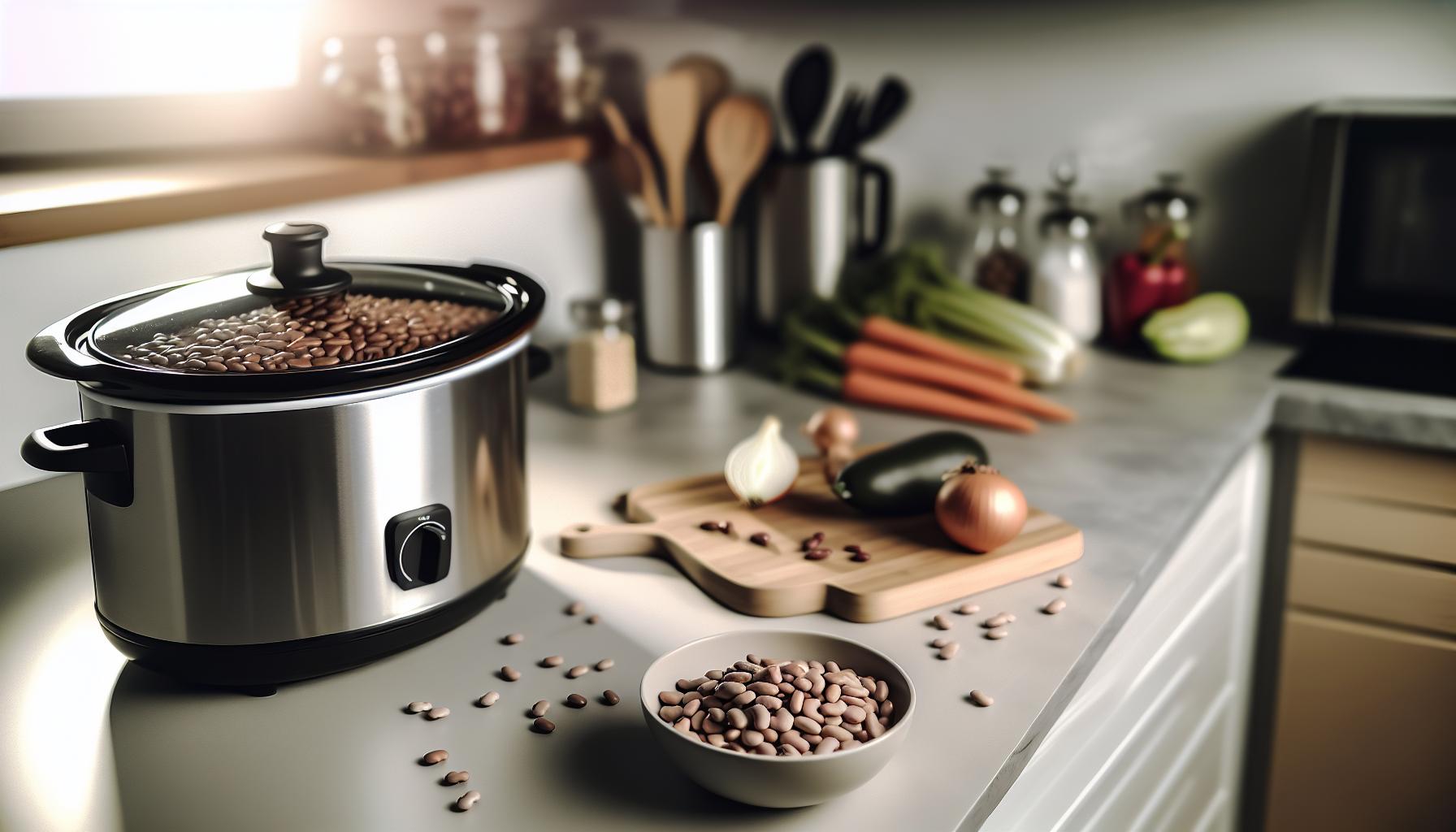
Table of Contents
- Why Cooking Beans in a Slow Cooker Can Be Risky
- Understanding the Toxin: What Is Phytic Acid and Lectins?
- how Soaking Beans Properly Prevents Toxicity
- Slow Cooker Tips for Safe and Delicious Beans
- Best Bean Varieties for Slow Cooker Recipes
- Quick and Easy Dos and Don’ts for Bean Prep
- Signs Your Beans Didn’t Cook Safely in a Slow Cooker
- Pressure Cooker vs. Slow Cooker: Which Is Safer for Beans?
- Flavor Boosters that Work with Slow-Cooked Beans
- Gluten-Free and Paleo-Friendly Bean Recipes for Busy Cooks
- Faq
- Q: Can soaked beans still be toxic if cooked in a slow cooker?
- Q: Why do some beans need boiling before slow cooking?
- Q: How long should beans be cooked in a slow cooker to be safe?
- Q: Is it safe to cook all bean varieties in a slow cooker without pre-treatment?
- Q: Can slow cooking beans at low temperatures increase toxin risk?
- Q: What signs indicate beans were not safely cooked in a slow cooker?
- Q: Can adding acidic ingredients affect the safety of slow-cooked beans?
- Q: Are slow cookers or pressure cookers safer for cooking beans?
- To Wrap It up
Why Cooking Beans in a Slow Cooker Can Be Risky
Cooking beans in a slow cooker might seem like the ultimate hands-off convenience, but it comes with some hidden risks that every home cook should know about. Beans are nutritional powerhouses but also harbor naturally occurring toxins that require careful cooking to neutralize. the slow cooker’s gentle, low-heat environment might actually struggle to break down these risky compounds, especially if prep steps are skipped. This isn’t about fear-mongering-think of it as a kitchen heads-up to help you avoid those unpleasant digestive surprises or worse.
One of the trickiest toxins that slow cookers wrestle with is phytohemagglutinin, a type of lectin found in red kidney beans and a few other varieties. If beans are not boiled at high temperatures before long, slow cooking, these lectins remain potent and can cause serious food poisoning symptoms like nausea, vomiting, and diarrhea. Since slow cookers gently simmer and rarely reach boiling point, they don’t destroy lectins reliably on their own. That’s why soaking and boiling your beans beforehand is more than just an old wives’ tale-it’s a safety step that you should never skip if you want to keep your kitchen adventures fun rather of frantic.
Balancing Safety and Convenience
It’s perfectly understandable to want to toss dry beans into the slow cooker and walk away, especially after a long day. but hear’s the inside scoop: pure slow cooking isn’t a magic bullet for safe beans. The key is to combine soaking, thoroughly rinsing, and pre-boiling before adding your beans to the crockpot. This multi-step process significantly reduces the toxins and results in a creamy, digestible bean dish that even picky eaters will love.If you’re short on time, soaking overnight and rapid boiling for 10 minutes can save your slow cooker beans from being a risk. Trust me-once you get this down, you’ll never skip it again.while slow cookers do a stellar job tenderizing beans, inconsistent temperatures between models mean that sometimes your beans might cook unevenly, leaving pockets of undercooked legumes behind. Those are the sneaky spots where lectins or other anti-nutrients might stick around. To avoid this, stirring once or twice during cooking (if you can) and using a reliable slow cooker with good heat distribution will go a long way in keeping everything safe and yummy.
- Always pre-soak beans for at least 8 hours or overnight.
- Boil beans rapidly for 10+ minutes before transferring to your slow cooker.
- Use a trusted slow cooker and avoid leaving it unattended for excessively long periods.
- Test beans for doneness-they should be tender and creamy,not chalky or mealy.
Safety first, flavor second? Nope! When done right, slow cooker beans bring you both.And hey, if I can turn my family’s favourite bean chili into a no-fuss weekday winner by planning ahead just a bit, so can you.
Understanding the Toxin: What Is Phytic Acid and Lectins?
Beans carry quite the personality-they’re packed with nutrients but also come with natural compounds like phytic acid and lectins that can be a bit tricky if not handled right. Think of these as the beans’ way of protecting themselves out in nature,but when it comes to your dinner plate,they need a little kitchen TLC to keep things safe and tasty.
Phytic acid is what some call an “anti-nutrient” as it can bind to minerals like iron, zinc, and calcium in your digestive tract and reduce their absorption. Now, before you banish beans forever-don’t!-phytic acid also offers some health perks, acting as an antioxidant and perhaps supporting heart health. The trick is in the prep: soaking, rinsing, and cooking beans properly can reduce phytic acid levels significantly, making those minerals more available and your meals lighter on digestion. It’s kind of like giving your beans a spa day before they hit the pot.
Lectins, on the other hand, deserve a special shout-out because they’re the real deal when it comes to causing discomfort if beans aren’t cooked properly. Found abundantly in red kidney beans (the bean world’s drama queen), lectins can poke at your gut lining and cause nausea or a sudden bout of “why did I eat beans?” symptoms if they’re not neutralized. The good news is, lectins are heat sensitive-but the slow cooker’s gentle warmth isn’t enough to fully deactivate them. That’s why those boiling/pre-soaking steps before slow cooking matter so much.Safety and comfort come down to a quick boil that kicks lectins to the curb before you let your slow cooker do its magic.
Practical tips for handling phytic acid and lectins with ease
- soak beans overnight,which helps leach out some phytic acid and begins softening the beans for a smoother cook.
- Rinse thoroughly to wash away compounds released during soaking.
- Bring soaked beans to a rapid boil for at least 10 minutes. This is the golden rule for neutralizing lectins, especially in red kidney beans.
- slow cook after the boil to fully tenderize the beans and infuse flavors without risking toxicity.
- Swap beans if you’re short on time-varieties like black beans, navy beans, or lentils have lower lectin levels and are generally easier on digestion.
From my own kitchen escapades, I’ve found that respecting these simple steps keeps my slow cooker bean dishes not only safe but downright crave-worthy. And hey, if you want paleo-friendly, gluten-free comfort food that won’t upset your tummy (or your schedule), this is the sweet spot where good science meets cozy cooking. No stress,just slow-cooked bean goodness done right.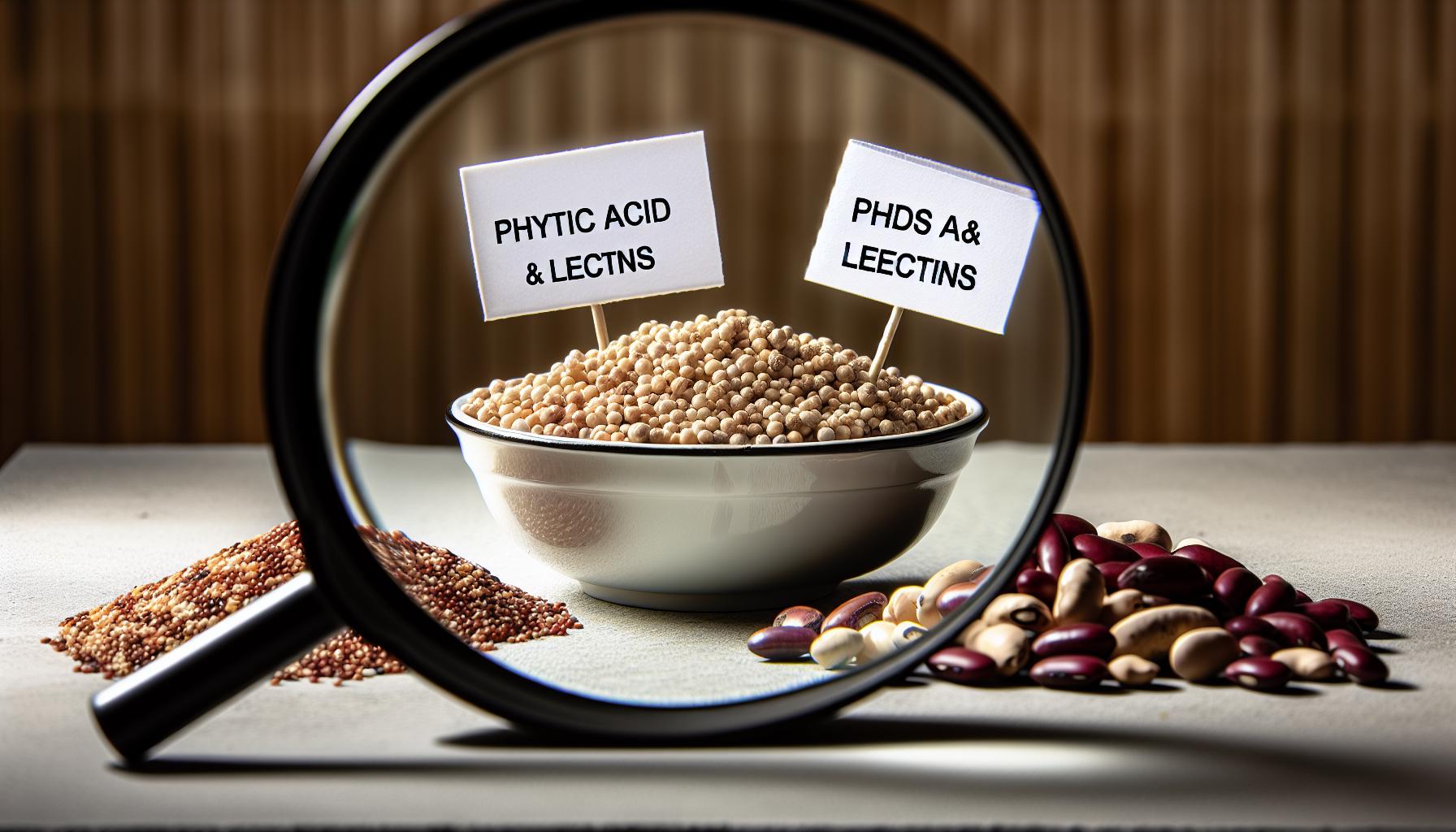
how Soaking Beans Properly Prevents Toxicity
if you think of soaking beans as just a way to soften them up before cooking, you’re only catching part of the story. Soaking is actually a powerhouse step in neutralizing those pesky compounds-like lectins and phytic acid-that don’t just make beans tough but can throw your digestion off balance or interfere with nutrient absorption.Picture it as the beans’ detox session before they hit your dinner plate, making the whole meal gentler on your tummy and more nutrient-friendly.
Soaking triggers a few winning moves in your beans. The cool water soak starts loosening the phytic acid, which binds minerals and can block their uptake. Rinsing afterwards flushes out these released compounds from the soaking water, swapping out bean “toxins” for clean hydration. From my kitchen experiments, soaking overnight (at least 8 hours) sets your beans up for a smooth cooking journey.It softens them nicely while quietly reducing phytic acid levels and flavors that can cause gas or bloating later on. But don’t stop there-after soaking, you really want to bring those beans to a vigorous boil for 10+ minutes. This step is the official mic drop for lectins, especially in drama-queen beans like red kidney beans. Slow cookers on their own can’t handle lectins because they don’t get hot enough fast enough.
Soaking Beans Without the Stress: Practical How-Tos
- Use plenty of water: Beans swell up to double or triple their size, so give them room to breathe and absorb moisture.
- Rinse and repeat: After soaking,rinse thoroughly to rid the soaking liquid full of those unwanted compounds.
- Skip soaking in a pinch: If you’re short on time, try a quick soak by boiling beans for 2 minutes, then letting them sit covered for an hour before cooking.
- Choose your bean wisely: Black beans, navy beans, and lentils have lower lectin levels and ease digestion while still shining in slow cooker recipes.
Over the years, I’ve learned that soaking not only enhances safety but unlocks major flavor and texture upgrades, especially in dishes where long, slow cooking is queen. By showing a little love in the prep stage,you avoid slow cooker nightmares like chalky textures or unexpected tummy troubles. For busy cooks craving paleo- or gluten-free meals, it’s a small step with a big reward-a cozy bowl of slow-cooked beans that tastes like it took hours of fuss but really just took a bit of pre-planning.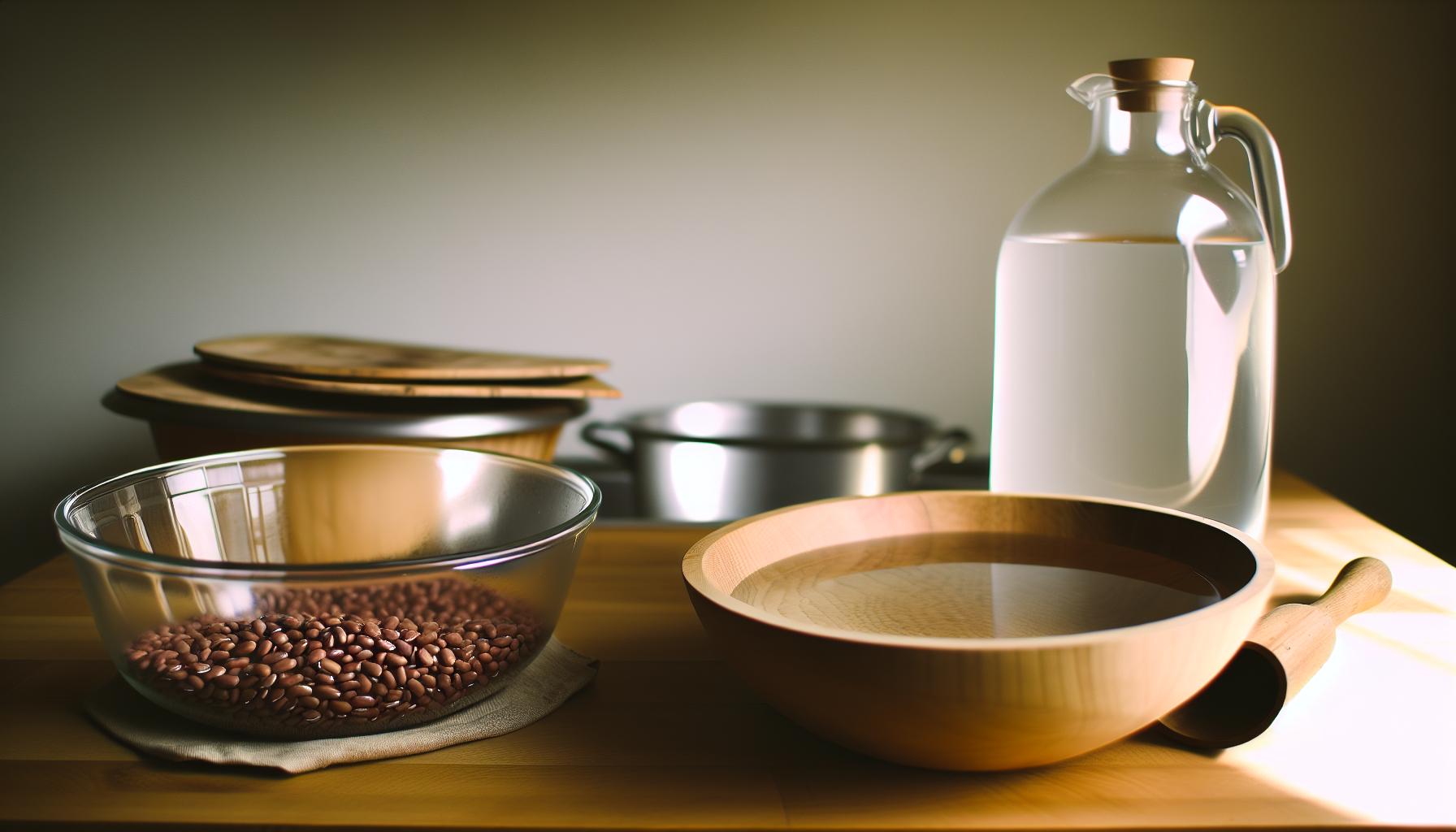
Slow Cooker Tips for Safe and Delicious Beans
Beans are a fantastic kitchen staple, especially when you’re looking for hearty, budget-friendly meals that fit paleo or gluten-free lifestyles. But here’s the scoop: slow cookers are a bit like that friend who’s great at chilling but not so great at handling emergency situations-meaning they don’t always bring beans to the high boil needed to deactivate certain toxins, like lectins. That’s why a bit of smart prep goes a long way toward both safety and flavor.
First off, always soak your beans before tossing them into the slow cooker. Soaking dose more than just soften; it kick-starts the process of flushing out phytic acid and lectins. For best results, soak beans overnight in plenty of clean water-remember, beans can swell up to three times their size, so give them room to breathe. after soaking, rinse the beans under fresh water, then bring them to a rapid boil for at least 10 minutes before adding to your Crock-pot. This step is non-negotiable when cooking beans like red kidney or fava beans, which have higher lectin content and need that heat shock to become safe and digestible.
Key Slow Cooker Wisdom From My kitchen
Even with soaked and pre-boiled beans,slow cookers vary wildly in their heat levels and timings. Some units take forever to reach a simmer,which increases the risk of undercooked beans lurking in your pot. here are a few insider tips to keep your slow cooker beans not only safe but downright delicious:
- Start on high, then drop to low: If time allows, crank the slow cooker to high for the first hour to jumpstart thorough cooking, then switch to low for tenderizing and flavor melding.
- Don’t layer raw ingredients haphazardly: Make sure beans are submerged in at least 2 inches of liquid as slow cookers cook by moisture and steam; this prevents drying out and uneven cooking.
- Stir mid-cook when possible: Gently stir halfway through if time allows. This helps redistribute heat and steam, ensuring no stubborn hard bits survive.
- Use acidic ingredients with care: Add tomatoes or vinegar near the end of cooking. Acidity slows down bean softening, and you don’t want your beans stiff as a boot.
With these strategies, your slow cooker becomes your best friend instead of a “bean drama queen.” I once learned this the hard way after nearly gifting my friends a bowl of stone-hard beans-lesson saved! Since then, a bit of pre-cooking respect has transformed slow cooking beans into an effortless, reliable weekday ritual. Plus, the resulting bean dishes always win rave reviews for their creamy texture and rich flavor.
safe Swaps and Pro Tips
If you’re short on soaking time or want a shortcut, try the quick soak method: boil your beans for 2 minutes, cover, and let them sit off the heat for an hour before rinsing and slow cooking. it’s not quite as thorough as the overnight soak but beats skipping it altogether. Consider lean options like black beans, navy beans, or lentils, which are naturally lower in lectins and cook beautifully in slow cookers without fuss.Final note: Always be on alert for beans that stay notably firm or taste chalky-these are red flags that they didn’t cook safely enough. Better to add a little extra cook time than risk tummy troubles down the line. Your slow cooker can absolutely deliver amazing, safe bean meals with just a few thoughtful tweaks, proving that being kitchen-savvy doesn’t require hours of slave labour-just a sprinkle of patience and love. Enjoy those bowls of wholesome goodness!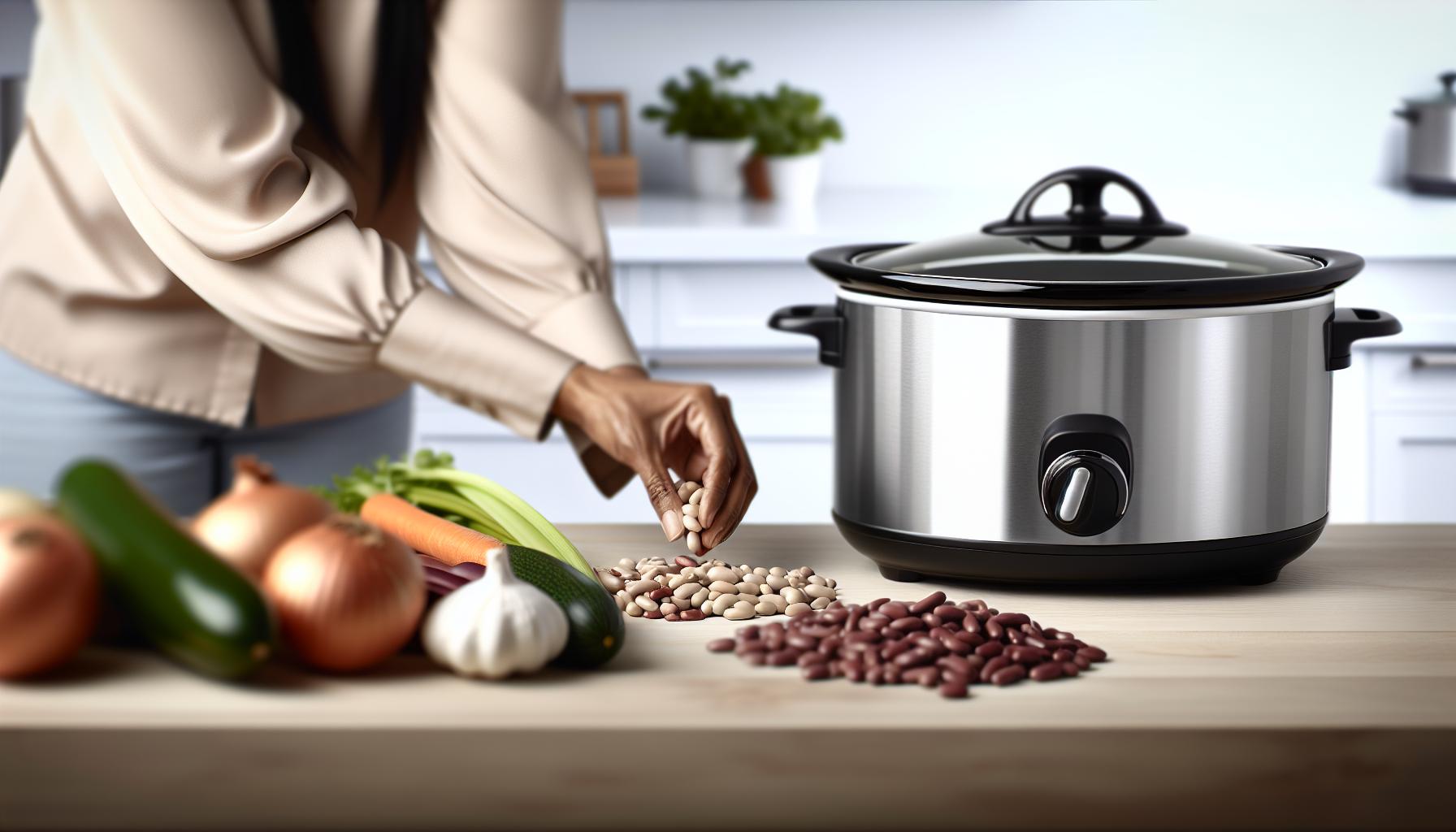
Best Bean Varieties for Slow Cooker Recipes
Beans are magical in their variety and versatility, but when it comes to slow cooking, some play nicer than others.Choosing the right bean can mean the difference between a hearty,creamy stew and a pot of stubbornly crunchy legumes (which,trust me,nobody wants). Whether you’re whipping up a batch of paleo-friendly chili or a gluten-free bean salad, knowing which beans thrive in a slow cooker-and which ones need a little extra TLC-makes your cooking journey smoother and safer.
for busy home cooks juggling a million things, low-lectin beans like black beans, navy beans, and lentils are terrific go-tos. They tend to soften reliably during slow cooking without hanging on to those pesky toxins as stubbornly. Lentils are especially quick (30-45 minutes on low) and require zero soaking, making them ideal for last-minute meals. Navy beans and black beans usually take about 6-8 hours on low but respond beautifully to an overnight soak and that crucial pre-boil step to kick toxins to the curb. If you want to keep things super simple yet delicious,starting with these legume friends eases any safety worries and guarantees a creamy,melt-in-your-mouth texture every time.
High-Risk Beans That need extra Caution
Red kidney beans and fava beans pack a ample lectin punch, which means they demand the most respect in both preparation and cooking. These beans absolutely require soaking overnight, rinsing well, and a vigorous boil for at least 10 minutes before even thinking about a slow cooker. Why? slow cookers often don’t get hot enough fast enough to destroy these lectins, which can cause nasty tummy troubles if you’re not careful. Once properly prepped, they can join your slow-cooked soups and chilies but never skip that boiling step-think of it as their “spa treatment” to become safe and scrumptious.
Beans That are Slow Cooker Superstars
- Black Beans: They hold together well and meld beautifully with smoky spices, perfect for tacos, burritos, or paleo-friendly chili.
- Navy Beans: Great for creamy soups or beans on toast (gluten-free bread, anyone?), these also soak up flavors like champs.
- Lentils: The easiest and fastest to work with-no soaking needed, and they’re superb in Indian dals or stews.
- Pinto Beans: Classic comfort food vibe, easy to cook, and a real crowd-pleaser in burritos and bean salads.
With all these favorites, the trick is balance: soaking overnight (or quick soaking if you’re in a rush), a pre-boil for safety, and a slow cooker that starts on high to kick things off. From my experience, pinto beans cooked overnight (about 9 hours) in a slow cooker come out so creamy and delicious that my kids devour them in tacos and burritos without any fuss [1].
| Bean Variety | Soaking Required | Pre-boiling Needed | Slow Cooker Time (Low) | Best For |
|---|---|---|---|---|
| Black Beans | Yes (overnight or quick soak) | Recommended | 6-8 hours | Tacos, soups, chilis |
| Navy Beans | Yes (overnight) | Recommended | 6-8 hours | Soups, creamy dishes |
| Lentils | No | No | 30-45 minutes | Dals, stews, quick meals |
| Pinto Beans | Yes (overnight) | Recommended | 8-9 hours | Burritos, tacos, salads |
| Red Kidney Beans | Yes (overnight) | Mandatory (10 min boil) | 6-8 hours | Chili, soups (with careful prep) |
if you want to keep meal prep quick but enjoy variety, lentils are your best kitchen BFF. But if you’re in it for the slow simmer with deeper, richer flavors, black or pinto beans shine after the right soak-and-boil prep. Just remember, the slow cooker loves beans that soak up flavor and become tender, but hates playing host to undercooked or toxic beans.
Bottom line? Pick your beans wisely, soak smart, boil boldly, then let the slow cooker do its magic. Soon you’ll be serving up bowls of wholesome, safe, and tasty bean goodness that your tribe will keep asking for again and again.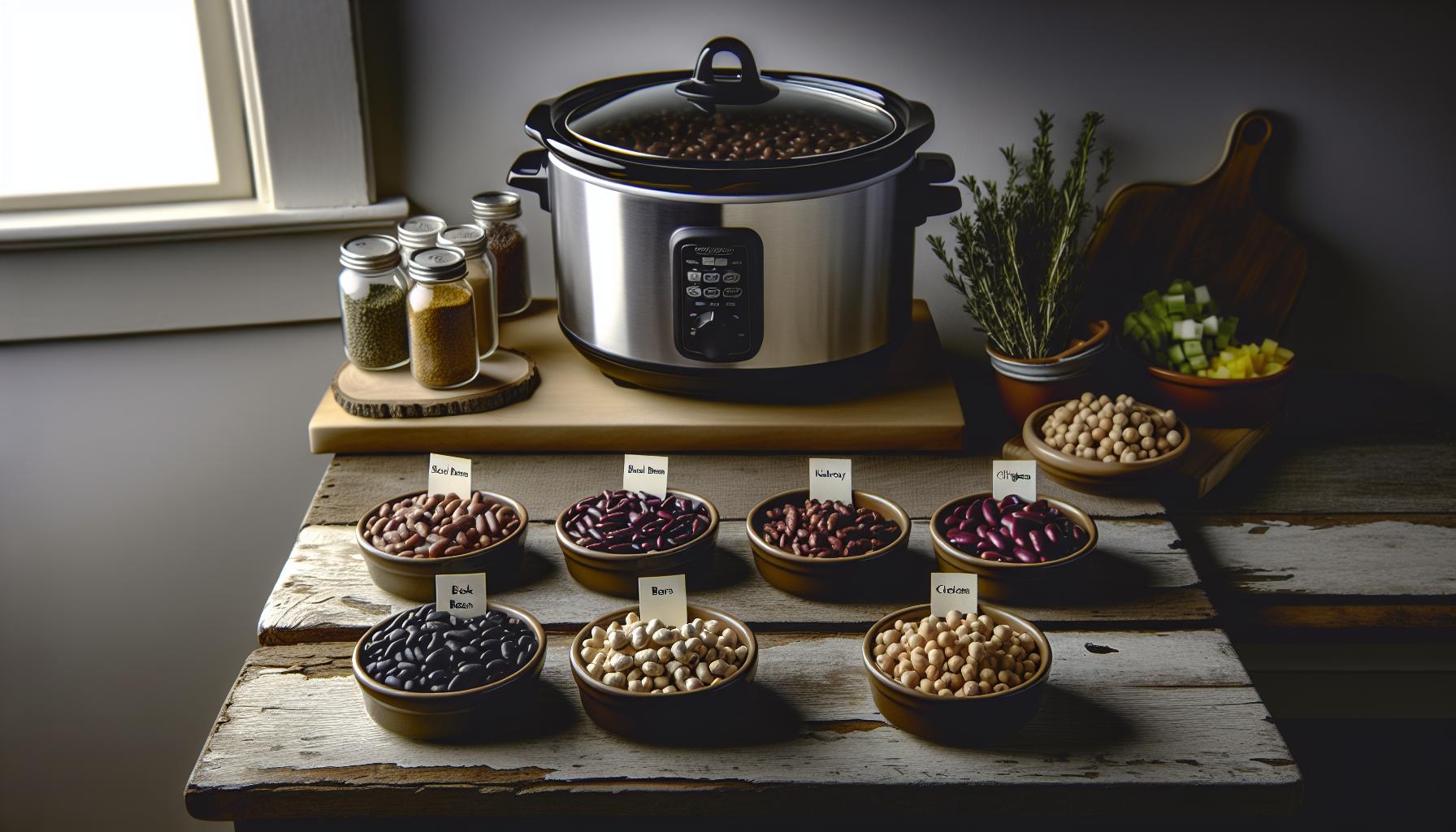
Quick and Easy Dos and Don’ts for Bean Prep
Beans are fantastic pantry staples-budget-friendly, hearty, and brimming with nutrients-but they do require a little TLC to shine safely in a slow cooker. Over the years in my kitchen, I’ve learned that bean prep isn’t just about soaking and boiling as a checkbox; it’s about giving these humble legumes their best chance to shine without any pesky digestive drama. Skip these simple yet crucial steps, and you might end up with beans tougher than your in-law’s opinions-or worse, a bout of food poisoning no one asked for. Here’s the lowdown on how to prep beans the right way, minus the fuss but with all the yum.
First up,always give your beans a good rinse and soak unless you’re working with lentils or split peas,which are speedy rock stars needing no soaking. Soaking isn’t just tradition-it softens the beans, reduces cooking time, and most importantly, helps leach out some of the notorious toxins like lectins and phytic acid. For most beans, an overnight soak in plenty of water (think 3-4 cups per cup of beans) works wonders. Tight on time? Quick soak by boiling the beans for a minute, then letting them sit covered for an hour-no soaking marathon required! And don’t forget to discard the soak water and rinse again before cooking-this tosses out the bad bits that can cause bloating or worse.But here’s where many slow cooker newbies stumble: never toss raw, unsoaked red kidney or fava beans straight into the slow cooker. these beans pack a lectin one-two punch that slow cookers can’t neutralize on their own as they heat slowly and can linger in the danger zone temperature-wise. Instead, soak them overnight, drain and rinse, then give them a firm 10-minute boil on the stove before adding to your slow cooker. Think of this like their detox spa day-crucial for safety and tenderness. Black beans, navy beans, and pinto beans are more forgiving but still love a soak and a quick pre-boil to guarantee a creamy bite without the health risks.
Bean Prep Dos and Don’ts for Slow Cooker Success
- Do: Soak beans overnight or do a quick soak if you’re short on time.
- Do: Rinse beans thoroughly before and after soaking.
- Do: Boil high-risk beans (kidney, fava) vigorously for at least 10 minutes-slow cookers can’t replace this step.
- Do: Start your slow cooker on high for the first 30 minutes to help beans safely heat up.
- Don’t: Assume canned beans are plug-and-play; if your recipe calls for dry, take the prep seriously.
- Don’t: Skimp on pre-soaking or boiling-it’s not just about cook time, it’s about food safety.
- Don’t: Overcrowd the slow cooker; beans need room to cook evenly and absorb flavors.
One trick I swear by is prepping beans on a sunday and freezing small portions. It’s a game-changer for weeknight paleo dinners or gluten-free chili cravings when time’s tight. Quick protein boosts like lentils make this even easier since they don’t require soaking and cook fast.
So next time you’re tempted to toss dry beans straight in your slow cooker, remember these tried-and-true tips. They’ll not only guarantee a creamy, flavorful dish but also keep your digestion happy and your family safe-as cooking beans isn’t just about food, it’s about feeding loved ones well. Ready to dig in? Your slow cooker and tastebuds will thank you!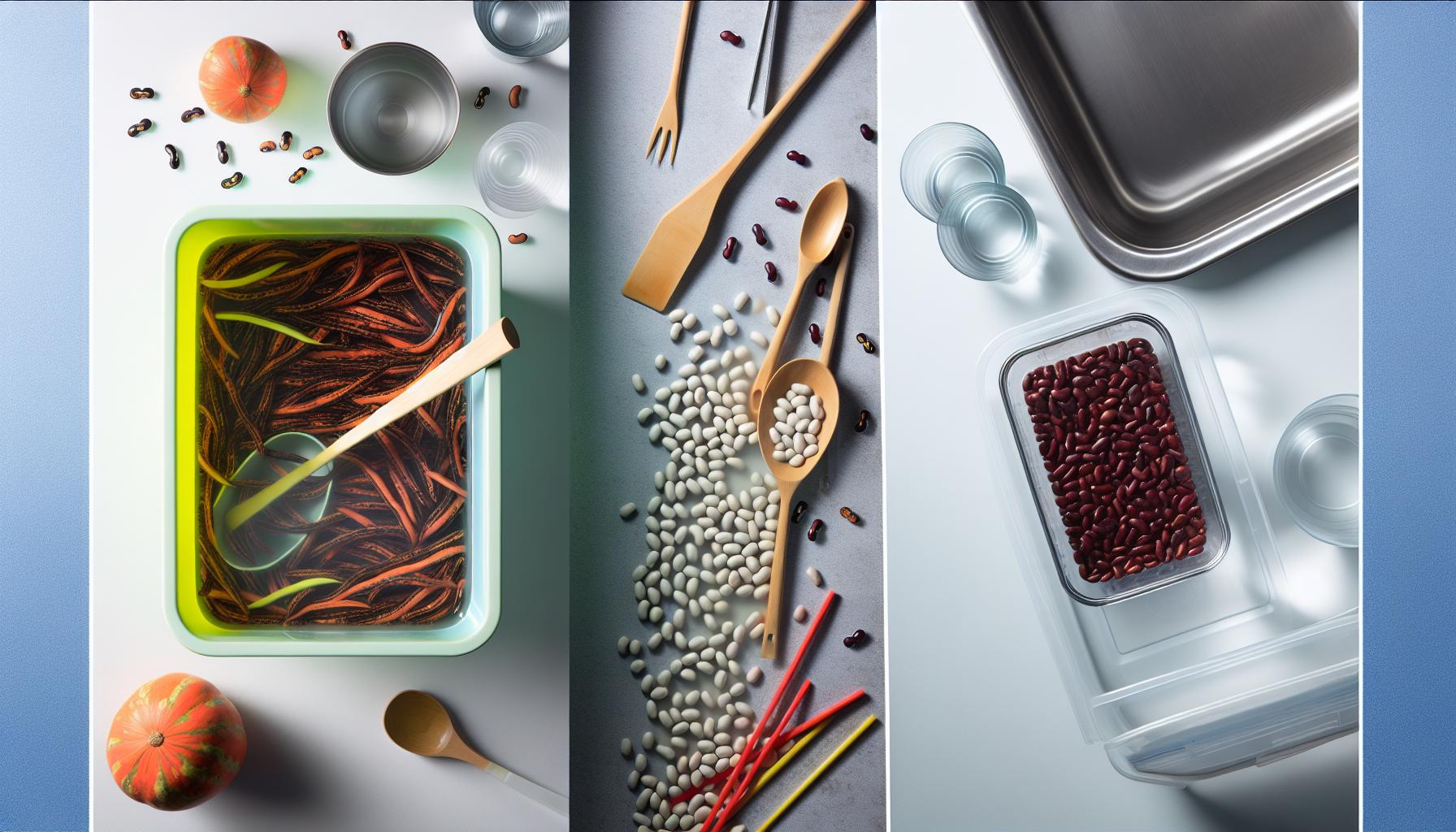
Signs Your Beans Didn’t Cook Safely in a Slow Cooker
You might think that if your beans look cooked, they’re good to go-but sometimes, appearances can be tricky when it comes to slow cooker beans. Beans that haven’t reached a safe temperature or haven’t been properly soaked and boiled first can still harbor stubborn toxins like lectins, especially in varieties like red kidney beans. This can lead not only to digestive discomfort but also a risk of food poisoning – and believe me, no one wants to face the aftermath of a poorly cooked bean night!
So, how can you tell if your beans didn’t get the proper detox spa treatment in your slow cooker? Start by paying attention to texture. If you bite into beans that remain excessively firm, chalky, or gritty despite long cooking times, it’s a red flag. Properly cooked beans should be tender but not mushy, creamy inside with a pleasant “bite.” Beans unwilling to soften can indicate incomplete cooking and lingering toxins.Watch out for these common warning signs that your beans may not have cooked safely:
- Strong bitterness or off-flavors: Beans that taste unusually bitter or “green” can signal the presence of toxins that weren’t neutralized during cooking.
- Digestive upset: Symptoms like bloating,nausea,or stomach cramps after eating beans frequently enough point to undercooked lectins or phytic acid stubbornly hanging around.
- Cloudy or foamy cooking liquid: While some foam is normal during bean cooking, excessive or strange looking broth might hint at residual toxins or improper soaking.
- Uneven texture: If some beans are cooked through but others remain hard inside, it usually means the beans weren’t properly soaked or boiled before slow cooking.
Personal Tips from the Slow Cooker Trenches
Over years of juggling busy weeknights and a hungry crew, I’ve learned that slow cookers love beans that come prepared. Here’s a trick: always give beans a quick pre-boil (especially kidney or fava beans) before starting your slow cooker adventure. This simple step often makes the difference between creamy goodness and a toxic tick on the menu.
Remember, slow cookers heat gradually, and beans can linger in the “danger zone” (temperatures between 40°F-140°F) longer than they should if you start them on low. A wise move is to begin on high for at least 30 minutes, helping beans pass quickly through bacterial-risk temperatures and activating their cooking process.
If you suspect your beans didn’t cook safely-if you notice any of the signs above-it’s best to play it safe. Discard the batch and try again with proper soaking and boiling steps. Your tummy (and your taste buds) will thank you!
—
Cooking beans in a slow cooker can absolutely be a joy (and paleo- and gluten-free-friendly bonus), just as long as you give those legumes the prep care they deserve. With a little mindfulness and these tried-and-true signals, you’ll spot unsafe beans before any trouble brews and keep your family’s dinners both delicious and safe.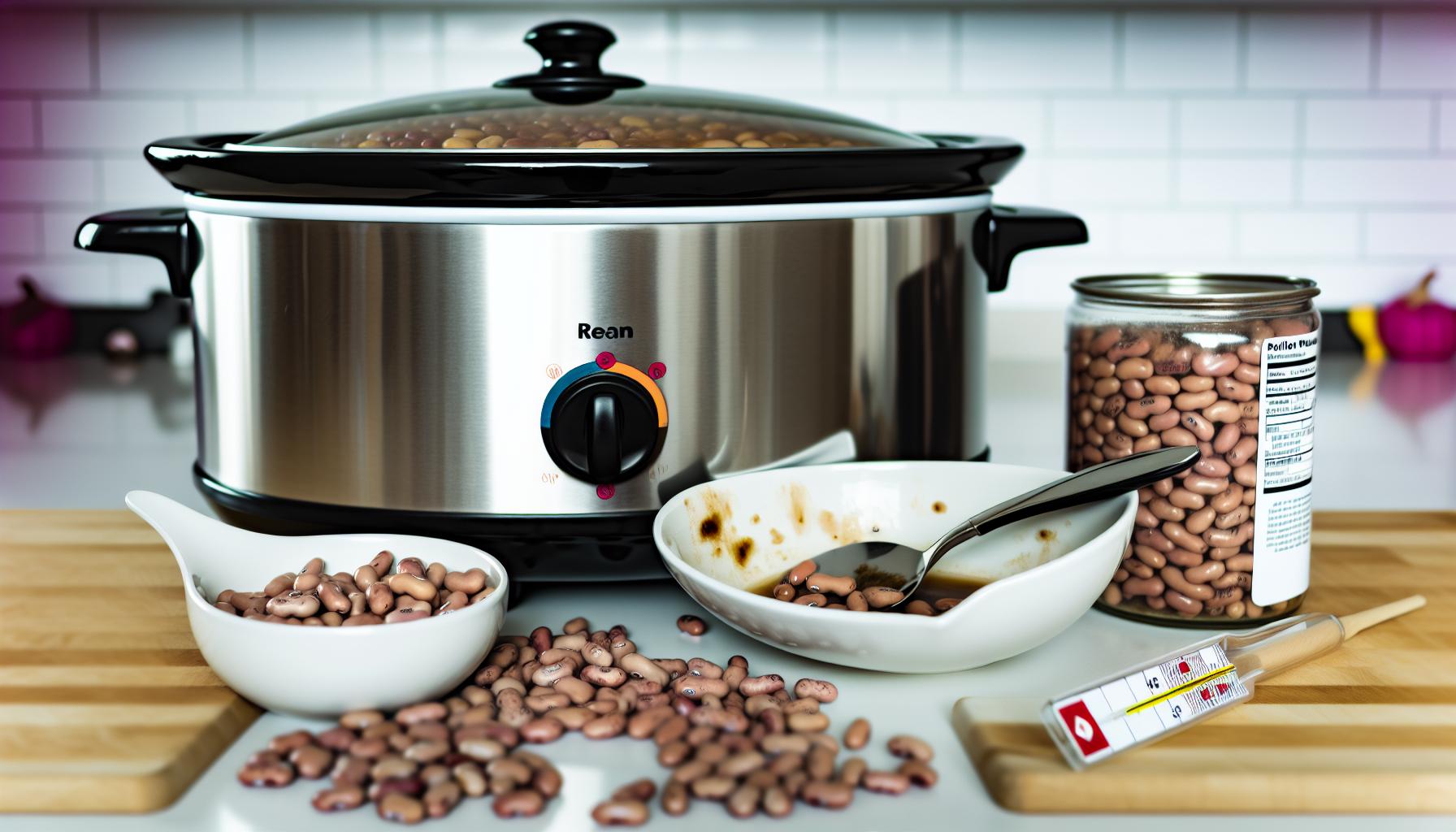
Pressure Cooker vs. Slow Cooker: Which Is Safer for Beans?
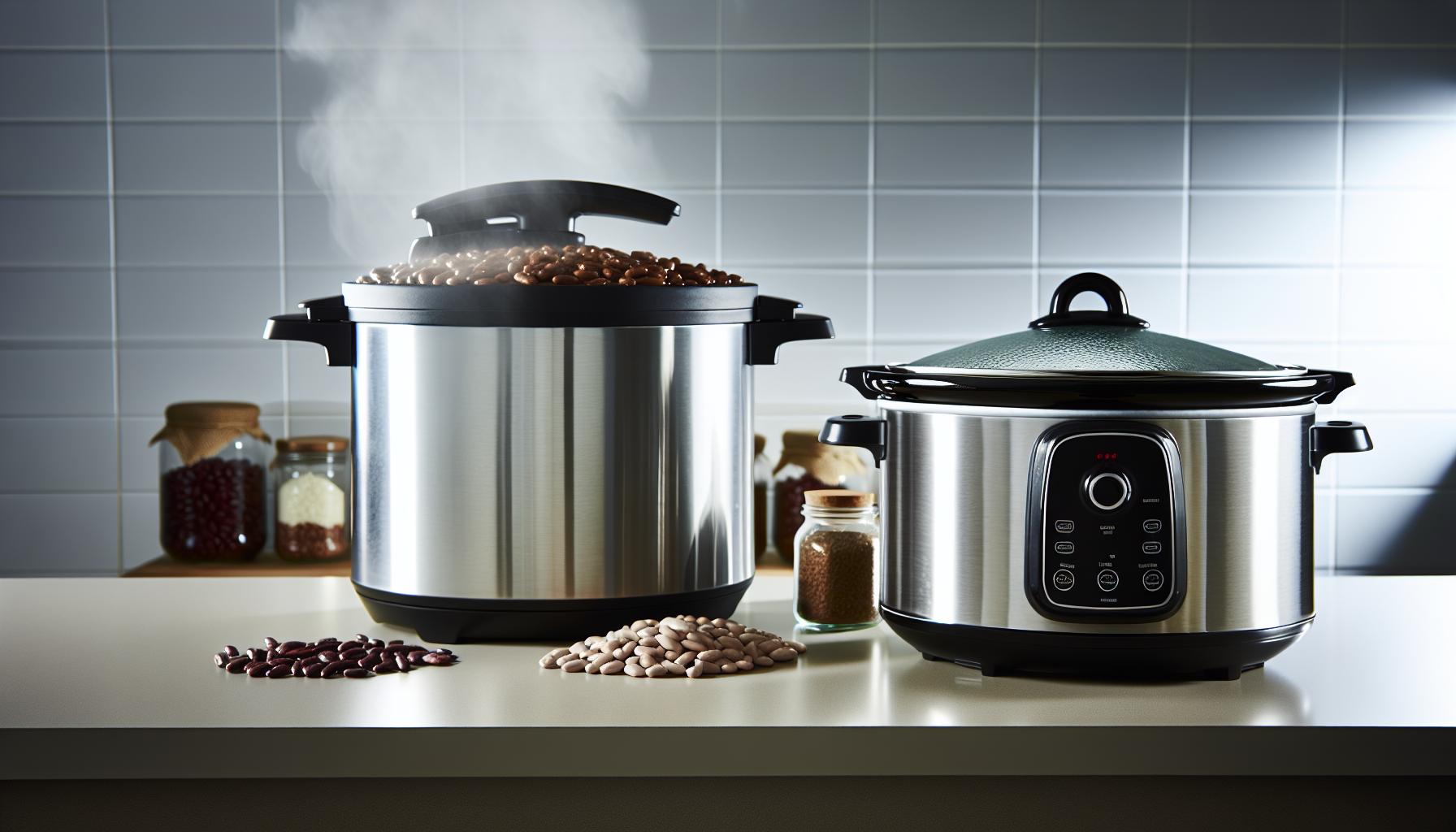
it’s captivating how two kitchen gadgets that both slow-cook food can differ so much when it comes to safety and effectiveness with beans. If you’ve ever wondered why some folks swear by pressure cookers for beans while others stick to the trusty slow cooker, you’re not alone. The key lies in how each appliance heats and how quickly they bring beans through the critical temperature zones that deactivate pesky toxins like lectins and phytic acid.
Pressure cookers operate under high steam pressure, which means they crank up the heat past the boiling point of water-usually around 240°F (115°C) or more-speeding up the cooking process dramatically. This intense heat breaks down harmful compounds much faster and more reliably than a slow cooker can. From my own kitchen experiments,dishes like stewed kidney beans or black bean chili come out creamy and safe in under an hour in the pressure cooker,compared to hours of uncertainty with the slow cooker.In contrast, slow cookers work at lower temperatures, often in the 190°F (88°C) range on high and even cooler on low, slowly simmering your beans for several hours. The problem is those temperatures occasionally hover in the “danger zone” (40°F-140°F) where toxins aren’t neutralized effectively, especially if you start on low or skip the soaking and pre-boiling steps.While slow cookers are fantastic for tender meats and soups, beans like red kidney beans can stubbornly hold on to their toxins if not pre-treated properly.So, if you opt for slow cooking, a quick boil beforehand isn’t just extra work-it’s essential food safety.
Practical Tips for Peace of Mind
- Pre-soak and boil beans: Irrespective of gadget, soaking beans overnight and boiling them briskly for at least 10 minutes before cooking is a game-changer. It eliminates most lectins and reduces cooking time.
- Start slow cookers on high: If you must use a slow cooker for beans, begin on high for at least 30 minutes, then lower to a simmer. This jumpstarts the cooking and helps clear toxins quicker.
- Use pressure cookers for raw dried beans: If speed and safety combined are your jam, the pressure cooker wins hands down. It’s almost foolproof, producing fully cooked, toxin-free beans in a fraction of the time.
So, think of your pressure cooker as the nitro boost for beans: fast, safe, and reliable. The slow cooker? It’s the gentle friend that loves low and slow-but only when the beans are well-prepped. Both tools can make delicious, wholesome meals, but a little bean prep knowledge ensures every bite is safe and satisfying. Plus, treating those beans right means more tummy love and fewer dinner disasters. Keep it simple, prep smart, and enjoy those paleo- and gluten-free bean dishes without worry!
Flavor Boosters that Work with Slow-Cooked Beans
Beans cooked low and slow develop a wonderfully creamy texture,but without the right flavor boosters,they can sometimes taste a little… well,like a bland bean party. The good news? Enhancing your slow-cooked beans is as easy as tossing in a few kitchen staples, and you don’t need any fancy ingredients. With the right combo, you’ll have deeply flavorful, comforting dishes that shine in paleo and gluten-free kitchens alike-no compromise on taste or nutrition.
Slow cookers gently coax out the beans’ natural earthiness, but layering in fresh herbs, aromatic veggies, and bold spices unlocks a whole new level of yum. For a simple, fail-proof approach, start with the holy trinity of aromatics: onions, garlic, and celery. These base flavors mellow beautifully over hours, creating a rich foundation.Carrots add a subtle sweetness that balances savory notes perfectly. I confess, a splash of smoky paprika or a few bay leaves tossed in early on can work wonders-especially if you want that smoky, hearty vibe without needing ham or bacon. plus, these herbs and spices are all naturally paleo- and gluten-friendly, keeping your slow cooker creations safe and satisfying.
- Acid finish: Adding a splash of vinegar or fresh lemon juice at the end brightens the dish and cuts through the richness. Bonus: it helps the beans keep their shape and texture.
- Umami magic: A teaspoon of gluten-free tamari or coconut aminos (great paleo-friendly soy sauce alternatives) deepens flavor without overpowering.
- Fresh herbs: Chopped cilantro, parsley, or fresh thyme stirred in just before serving provide bursts of freshness that linger on the palate.
Spice Blends That Elevate Slow-Cooked Beans
In my experience,experimenting with spice blends tailored to your mood or meal theme makes slow cooking even more rewarding.For Mexican-inspired beans, cumin, oregano, and a pinch of cayenne hit all the right notes. For a Mediterranean flair, try smoked paprika, rosemary, and a light touch of crushed red pepper.When I’m short on time but still want something hearty for taco night or a protein-packed salad, I throw a pre-made paleo-friendly or gluten-free seasoning mix into the pot-easy shortcut that still tastes fresh.
Here’s a handy mini-guide for fast flavor upgrades:
| Meal Style | Key Spices/flavors | Suggested Pairings |
|---|---|---|
| southwestern | Cumin, smoked paprika, chili powder, garlic powder | Avocado, fresh lime, cilantro |
| Mediterranean | Oregano, rosemary, garlic, lemon zest | Olive oil drizzle, parsley, toasted pine nuts |
| Simple Comfort | Bay leaves, onion, black pepper, thyme | Carrots, celery, finishing vinegar |
Don’t be hesitant about layering flavors throughout the three-to-eight-hour cooking time. Just remember to hold back on delicate herbs and citrus until the very end. They’ll freshen your dish and keep those radiant notes alive without fading into the slow cooker’s gentle heat.
Slow cooking beans can fit snugly into any dietary lifestyle-with a few flavor tricks, you’ll not only eat safe but eat well. Plus, once you get the hang of balancing textures and seasonings, it’s downright fun turning a humble pot of beans into a star-worthy meal that everyone can enjoy!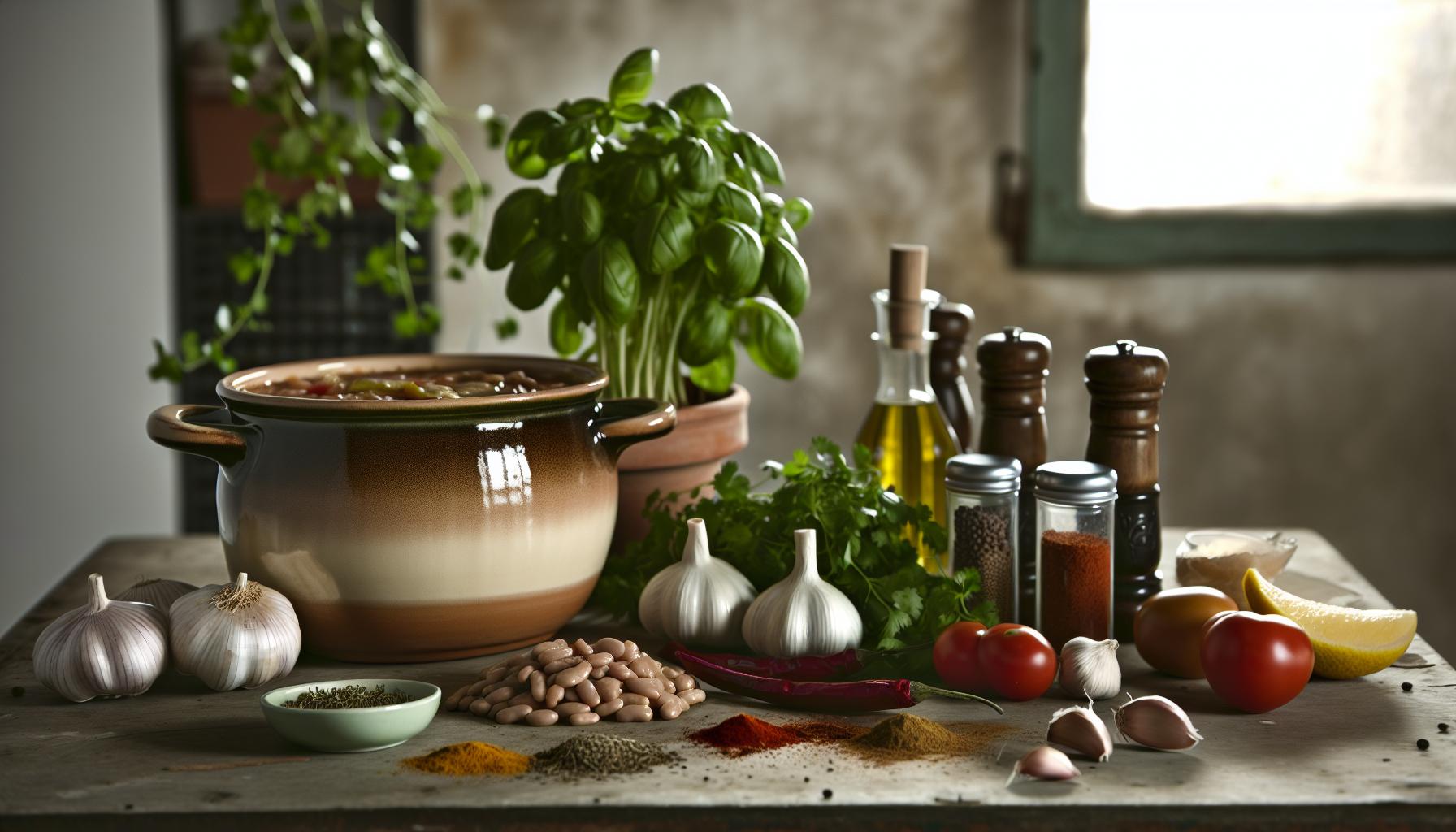
Gluten-Free and Paleo-Friendly Bean Recipes for Busy Cooks
Beans in slow cookers can be a lifesaver for busy days, especially when you’re juggling gluten-free or paleo diets-yes, it is possible to have your beans and eat them too! While some paleo purists skip legumes altogether due to lectins and phytic acid concerns, many enjoy soaked, properly cooked beans as part of their lifestyle. With the right techniques, you can whip up safe, satisfying slow cooker bean dishes that fit right into gluten-free and paleo-friendly menus without spending hours babysitting the pot.
simple Prep Tips for Busy Schedules
Cooking beans in a slow cooker safely means soaking them first and always ensuring they reach a proper internal temperature to neutralize harmful compounds. Here’s a fast, no-nonsense approach:
- Soak: Rinse beans, soak 8-12 hours in plenty of water.
- Rinse again: Discard soaking water to reduce toxins and gas-causing sugars.
- Slow cook: Use fresh water or broth, add aromatic veggies and paleo-friendly spices (try smoked paprika or bay leaves), cook on low 6-8 hours until tender.
- Finish: Add any acidic elements (like lemon juice or vinegar) only after cooking to preserve bean texture and add brightness.
This simple routine keeps things safe and lets you walk away with confidence.No fussy steps, just wholesome, gut-friendly beans that come out creamy and flavorful every time.
Flavor-Packed Recipes Without Gluten or Grains
Now for the fun part-getting creative! Don’t feel locked into boring bean pots. Here’s a quick breakdown of recipe ideas that reliably work for gluten-free and paleo diets, with prep and cook times perfect for busy cooks:
| Recipe | Prep + Cook time | Key Ingredients | Why it effectively works |
|---|---|---|---|
| Mexican-inspired Pinto Beans | 10 min + 7 hrs low | Pinto beans, cumin, smoked paprika, garlic, onion, fresh lime | Rich smokiness meets bright citrus; all paleo-friendly flavor bombs |
| Italian Herb White Beans | 10 min + 6 hrs low | Cannellini beans, rosemary, oregano, garlic, lemon zest | Classic Mediterranean vibe, fresh and herbaceous, no gluten in sight |
| Chunky Chili-Lime Black Beans | 15 min + 7 hrs low | Black beans, chili powder, garlic, celery, fresh lime juice | Packed with spice and tang-perfect for taco night or salads |
All of these are 100% gluten-free and paleo-appropriate when you skip any packaged seasoning blends (many sneak in additives) and opt for fresh or dried herbs and spices. Plus, they’re forgiving enough to toss in whatever fresh produce or beans you have handy, making bean cooking feel like less of a science experiment and more like a fun kitchen jam session.
Real Talk: No Time? No Problem!
Sometimes, setting up an overnight soak isn’t feasible. I get it-life’s busy and impatience is real. As a personal hack,I often pre-soak beans in a quick hot soak: pour boiling water over rinsed beans,let them sit for an hour or two,then rinse and slow cook. It’s not perfect, but it does speed things up while reducing lectins and phytic acid enough for digestion-friendly results. Just be sure to cook them long enough until tender and avoid rushing the process-undercooked beans can be a stomach ache waiting to happen.
Bonus tip? Double your batch and freeze portions for future lazy days. That way, paleo or gluten-free bean magic is always just a microwave zap away. Slow cooking beans safely is all about balance, patience, and a little flavor flair-no perfect kitchen degree required.
So,whether you’re a paleo purist dipping toes into legumes or a gluten-sensitive soul seeking hearty protein,slow cooker beans can be a joyous,practical ally in your culinary lineup. Trust the process, play with herbs and spices, and let slow-cooked beans bring warmth and nutrition to your table without fuss or fear.
Faq
Q: Can soaked beans still be toxic if cooked in a slow cooker?
A: Yes, soaked beans can still contain toxins if undercooked in a slow cooker.Soaking reduces harmful lectins but does not eliminate them entirely. Always cook beans thoroughly on high heat for the recommended time to ensure safety.For detailed steps, see our section on How Soaking Beans Properly Prevents Toxicity.
Q: Why do some beans need boiling before slow cooking?
A: Boiling beans before slow cooking is crucial because some beans like kidney beans require a hard boil to destroy toxins such as phytohemagglutinin.Slow cookers often don’t reach high enough temperatures initially, so a quick boil on the stovetop reduces poisoning risks. Learn more in the Critically important Warning part of our article.
Q: How long should beans be cooked in a slow cooker to be safe?
A: Beans need to cook at least 6-8 hours on low or 3-4 hours on high in a slow cooker to be safe and digestible.Undercooked beans may retain toxic lectins. For best safety and taste, follow our Slow Cooker tips for Safe and Delicious Beans.
Q: Is it safe to cook all bean varieties in a slow cooker without pre-treatment?
A: Not all beans are safe to slow cook without pre-treatment. Kidney beans especially require pre-boiling to neutralize toxins before slow cooking. Other varieties like black beans or pinto are safer but still benefit from soaking. See best Bean Varieties for Slow Cooker Recipes for guidance.
Q: Can slow cooking beans at low temperatures increase toxin risk?
A: Yes, slow cooking beans at low temperatures may not destroy harmful lectins fully, increasing toxin risks. To prevent this, start beans with a boil or use the slow cooker’s high setting once they are tender. This advice fits with our Why Cooking Beans in a Slow Cooker Can Be Risky section.
Q: What signs indicate beans were not safely cooked in a slow cooker?
A: Signs of unsafe cooking include hard or chalky beans, stomach discomfort, and bitter taste. These suggest toxins may remain. Discard any batch that causes digestive upset. For more on this, check the signs Your Beans Didn’t Cook Safely in a Slow Cooker.
Q: Can adding acidic ingredients affect the safety of slow-cooked beans?
A: Adding acids like tomatoes or vinegar too early can slow bean softening and prolong toxin presence. It’s best to add acidic ingredients after beans are fully cooked to ensure safety and flavor.See Flavor Boosters that Work with Slow-Cooked Beans for tips that fit your taste.
Q: Are slow cookers or pressure cookers safer for cooking beans?
A: Pressure cookers are generally safer for beans as they reach higher temperatures faster, killing toxins more reliably. Slow cookers require longer cooking times and pre-treatment for certain beans. Compare both methods in Pressure Cooker vs. Slow Cooker: Which Is Safer for Beans? for perfect results.
For more kitchen-tested advice and easy slow cooker bean recipes tailored to gluten-free and paleo diets, explore the rest of our article! Your next bean dish can be both safe and delicious with a few simple tips.
To Wrap It up
Cooking beans safely in your slow cooker doesn’t have to be a mystery-or a risk. Remember, soaking and fully cooking beans is key to enjoying their hearty, gluten-free goodness without any health worries. Whether you’re prepping a cozy chili or a paleo-friendly bean stew, these simple safety steps make your meal both delicious and reassuringly safe. If you’re curious about perfect slow cooker timings or want easy swaps for your favorite bean recipes, check out our guides on slow cooker basics and bean nutrition tips for even more kitchen confidence.
Ready to take your slow cooker skills further? sign up for our newsletter to get tried-and-true recipes, quick tips, and expert hacks delivered right to your inbox-because great cooking should feel fun, not complicated. Have questions or your own bean-cooking stories? drop a comment below-sharing your kitchen wins and “oops” moments helps everyone get better (and keeps things friendly and real). Dive into more tasty inspiration with our one-pot meal ideas,and keep slow cooking safe,simple,and seriously satisfying!


