Slow cookers can turn even teh toughest cuts of beef into tender, melt-in-your-mouth meals, but choosing the right roast is key to that magic. If you’ve ever ended up with a chewy dinner or a pot roast that just didn’t quite hit the mark, you’re not alone. The most tender beef roasts for slow cooker recipes tend to be those with good marbling and connective tissue that breaks down beautifully over low, slow cooking-think chuck roast or brisket. Whether you’re aiming for a hearty paleo-pleasant feast or a cozy, gluten-free comfort meal, knowing which cut works best saves time and stress, plus delivers pure deliciousness. Stick around, and I’ll share which roasts I trust when I want that perfect fork-tender texture without spending hours babysitting the stove-as life’s busy and every slow cooker deserves a star player!
Table of Contents
- the most Tender Beef Cuts Perfect for slow Cooking
- How to Choose Beef Roast Based on Texture and Fat Content
- Preparing Your Beef Roast for Ultimate Tenderness
- Slow Cooker Techniques That Maximize Beef Tenderness
- Flavor-Boosting Marinades and Rubs for Soft, Juicy Roasts
- Best Low-and-Slow Cook Times for Different Beef Cuts
- Simple Ingredient Swaps for Paleo, Gluten-Free, and Comfort Diets
- Common Mistakes That Make Your Beef Roast Tough-and How to Fix Them
- Creative Slow Cooker Recipes Showcasing Tender Beef Roasts
- FAQ
- Q: Which beef roast cut stays the most tender after long slow cooking?
- Q: How does brisket compare to chuck roast for slow cooker tenderness?
- Q: Can you use eye of round roast in a slow cooker without it toughening?
- Q: What cooking times ensure tender beef roast in a slow cooker?
- Q: Why does marbling in beef roast affect tenderness in slow cooker recipes?
- Q: Are there budget-friendly beef roasts that stay tender in a slow cooker?
- Q: How can I tell if my beef roast is tender enough without cutting into it?
- Q: What are the best dairy-free marinades to keep slow cooker beef roast tender?
- To Wrap It Up
the most Tender Beef Cuts Perfect for slow Cooking
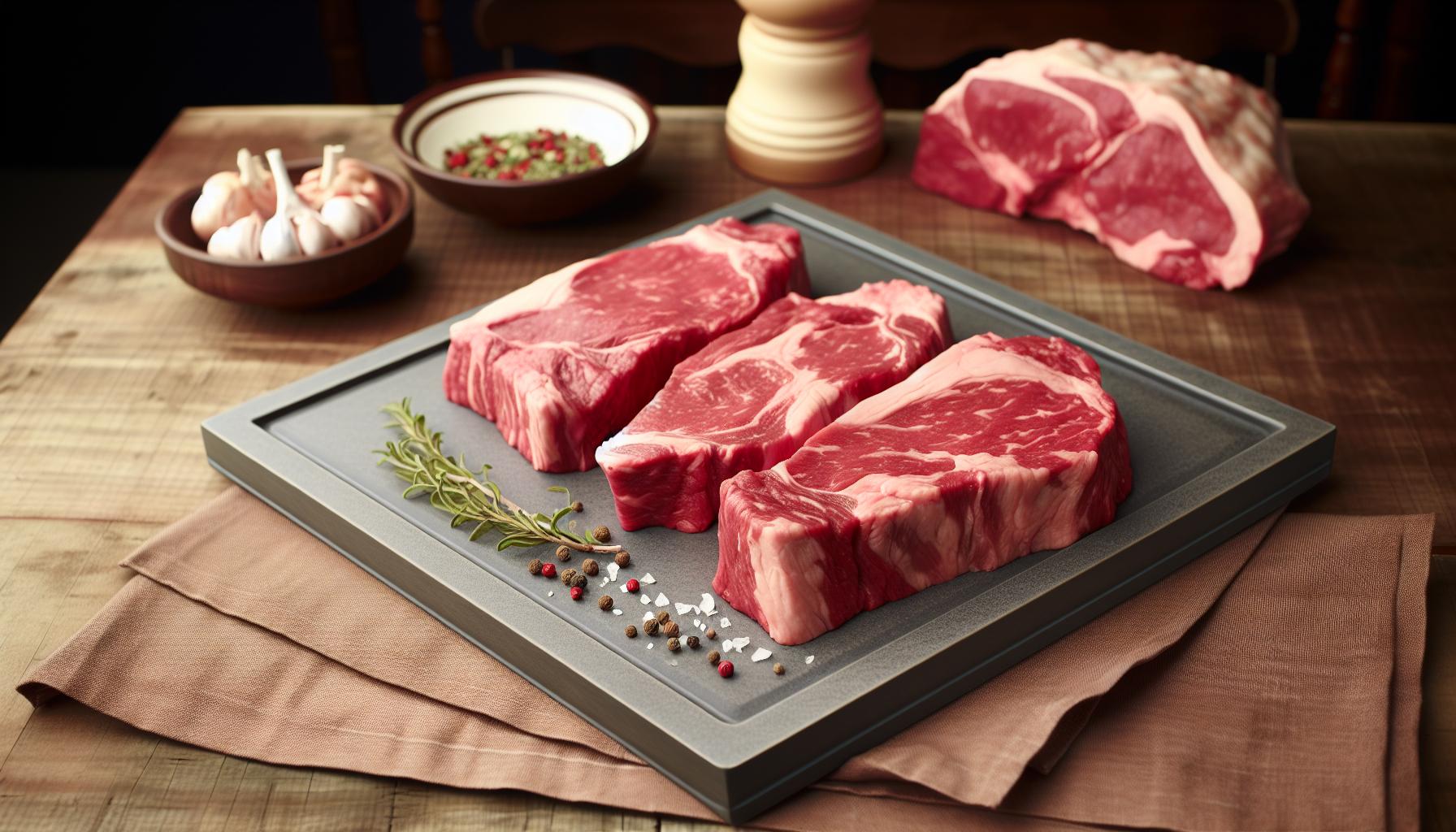
Some beef cuts transform beautifully when slow-cooked, turning from tough and chewy into melt-in-your-mouth tender dishes that practically fall apart with a fork. If you’re after that perfect Sunday dinner or a flavor-packed weeknight meal with minimal hands-on time,picking the right cut is your golden ticket. Cuts rich in connective tissue and marbled fat are the secret heroes here-they break down slowly, keeping the meat juicy and tender without drying out.
Among the champions of slow-cooking, chuck roast often steals the show. It’s affordable, flavorful, and well-marbled, making it perfect for recipes like shredded beef for tacos or comforting pot roasts.Similarly, brisket shines when cooked low and slow, yielding tender strands that are fantastic for pulled beef sandwiches or hearty stews. For something a bit more unusual, bone-in short ribs offer a luxurious beefiness with a silky texture after hours in the cooker. Plus,using cuts like beef shank or rump roast guarantees a rich,deep flavor as the slow heat gently melts connective tissue into luscious gelatin.
- Chuck Roast: Well-marbled,versatile,and budget-friendly. Best for shredding or slicing after slow cooking.
- brisket: Perfect for shredding, great in tacos or BBQ styles, with a rich yet tender texture.
- Short Ribs: Bone-in for maximum flavor, tender and succulent after long cooking.
- Beef Shank: Full of collagen, which turns silky-ideal for soups and stews.
- Rump Roast: Leaner but still tender when cooked gently over several hours.
Tips from the Slow Cooker Trenches
I once tried a brisket recipe that took about 8 hours on low, and the result was heavenly-a slightly smoky aroma (thanks to a simple rub) and beef so tender it shredded with the lightest poke from a fork. If you’re new to slow cooking beef, go for these cuts and trust the process: low temperature, plenty of time, and a liquid bath to coax out tenderness. Even if you’re following paleo or gluten-free diets, these cuts lend themselves well to simple, clean seasoning without sacrificing that classic slow cooker warmth.In my kitchen, embracing these cuts means minimal fuss with maximum payoff. While the slow cooker works its magic, I swap in whatever veggies or herbs I have on hand-no need for perfection, just layers of flavor.The upshot? Juicy, luscious beef that’s ready whenever you are, and leftovers that improve every single day. It’s proof that slow cooking isn’t just about convenience; it’s a pathway to deep,satisfying comfort food that anyone can master.
References for cut selections and slow-cooking benefits can be found in detail at sources like Tasting Table and other culinary communities [1[1, 3].
How to Choose Beef Roast Based on Texture and Fat Content
When you’re standing in front of a display case full of beef roasts, it’s easy to feel a little overwhelmed-because not all roasts are created equal, especially when slow cooking is on your mind. The key to choosing the perfect cut starts with understanding two main things: texture and fat content. Texture tells you how the muscle fibers and connective tissues might respond to long,gentle cooking,while fat content influences flavor and moisture retention. Think of fat like the unsung hero that keeps the meat juicy and tender instead of turning it into a sad, dry chew.
For slow cooker fans who crave that fork-tender finish, cuts with more connective tissue and marbling are your best friends.These tougher cuts might seem intimidating if you’re used to quick steaks, but they become melt-in-your-mouth masterpieces after hours of low heat. For example,a chuck roast is like the Swiss Army knife of slow cooking-affordable,richly marbled with fat,and packed with connective tissue that dissolves beautifully into gelatin,enriching the whole dish. On the flip side, leaner cuts such as rump roast can also work if treated gently, but they need careful timing to avoid drying out.
- Texture matters: Roasts with tight muscle fibers and lots of collagen (think chuck, brisket, and shank) need slow, moist heat to break down into tender bites.
- Fat content is flavor fuel: Marbled fat bastes the meat internally during cooking, imparting juicy richness. It’s also great if you want that luscious mouthfeel without drowning your roast in oil or butter.
While selecting your cut,also consider what your meal plans and dietary needs are. If you’re aiming for paleo or gluten-free, great news! Most slow cooker-friendly roasts play nicely with clean, simple ingredients as their natural richness means you don’t need to rely on heavy sauces or thickeners. Feel free to swap in fresh herbs,garlic,or a squeeze of citrus for bright pops of flavor without complicating your meal prep. and don’t stress over perfection-if you pick a well-marbled cut and let it cook “low and slow,” you’re already halfway to dinner success.
If I were to share a little home-kitchen wisdom,it’s this: trust the process of matching your roast’s texture and fat profile to your cooking style. When I grab a brisket or short ribs, I no I’m signing up for a long, loving cook time and an out-of-this-world tender payoff. On the other hand, if I’m running short on time, a leaner rump roast or top round might be my go-to, knowing I’ll keep an eye on that cook clock and liquid level to avoid toughness. And honestly? the best part is that each cut offers a slightly different flavor and mouthfeel-giving you the freedom to switch things up without losing that signature slow-cooked charm.
| Beef Cut | Texture | Fat Content | Best For |
|---|---|---|---|
| Chuck Roast | Coarse, lots of connective tissue | well-marbled | Shredded beef, pot roast |
| Brisket | Firm with dense muscle fibers | Moderate marbling, external fat cap | Pulled beef, BBQ |
| Short Ribs | Very tender after long cooking | High, with bone-in gelatin | Succulent, rich dishes |
| Beef Shank | Very tough, lots of collagen | Low to moderate | Soups, stews with silky texture |
| Rump Roast | Lean but tender when cooked right | Low marbling | Sliced roast beef, moderate tenderness |
Preparing Your Beef Roast for Ultimate Tenderness
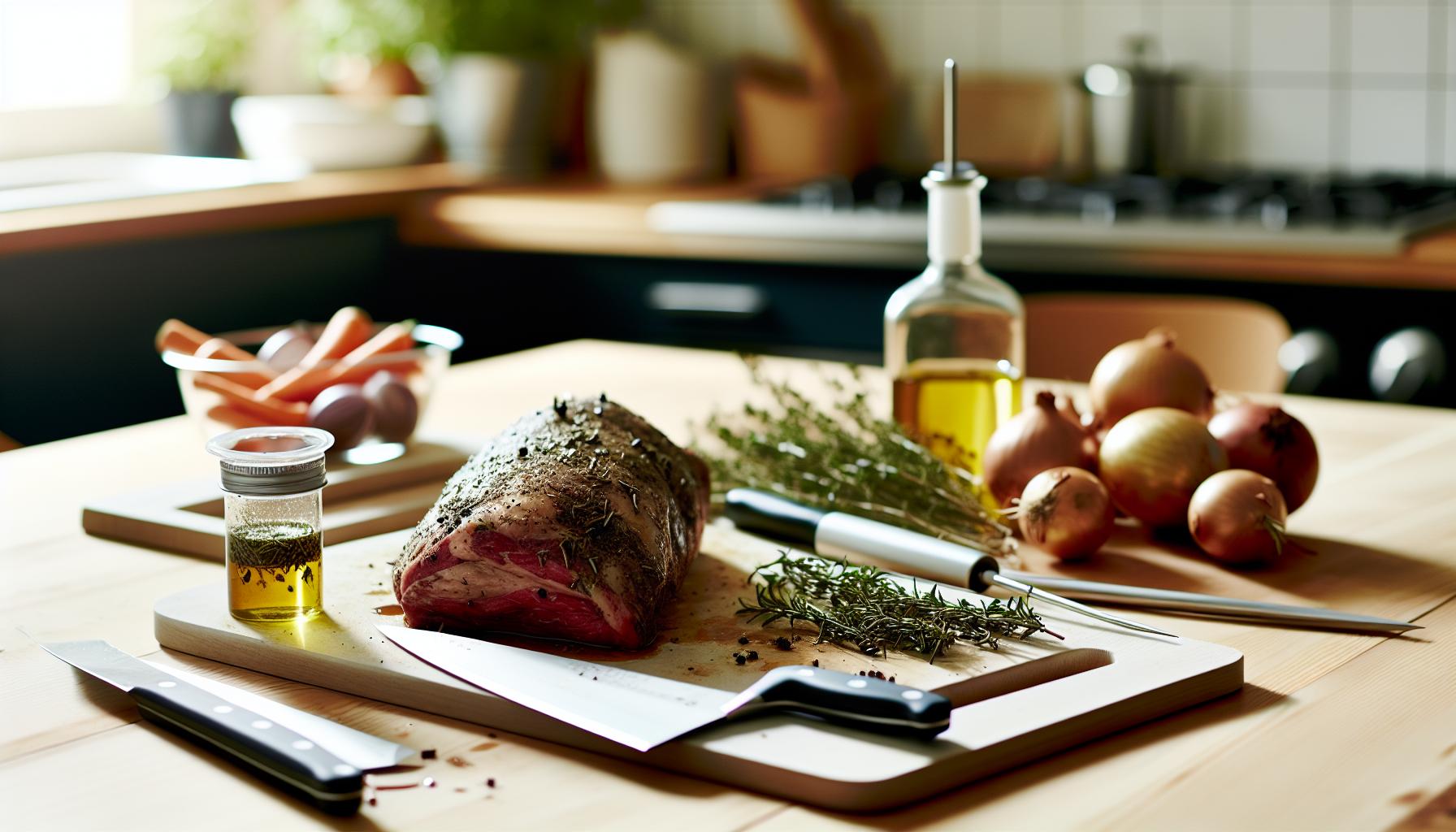
You know that moment when you unwrap your beef roast, eyeing that lovely marbling and wondering how to unlock the most melt-in-your-mouth tenderness? The secret isn’t just in how low or slow you cook it-it starts long before the slow cooker even wakes up. Preparing your roast properly really sets the stage for a juicy, fork-tender masterpiece, and luckily, the steps are straightforward enough to fit even the busiest schedules.
One of my tried-and-true moves is dry brining. A light sprinkle of kosher salt rubbed all over the surface an hour or two before cooking helps break down muscle proteins while boosting flavor and moisture retention. Just like magic,this simple step makes a noticeable difference,especially with leaner roasts like rump or top round that tend to tighten up under heat. If you’re short on time, even a quick 30-minute rest with salt can help, but overnight in the fridge is even better for that deep seasoning boost.
Get Friendly with Searing (But Keep It Casual)
You might have heard that searing locks in juices, but honestly, it’s more about flavor than moisture. Taking 5 to 7 minutes to brown your roast on all sides in a hot pan adds those gorgeous caramelized notes we love, building complexity that the slow cooker alone can’t match. It’s like giving your roast a delicious little personality before it hits that comfy slow cooker bed. Plus, that fond left in the pan? Don’t toss it! Deglaze with a splash of broth, wine, or even a bit of apple cider vinegar to make a quick, flavorful base for your cooking liquid or gravy.
If blade tenderization or mechanical tenderizing is your style (or your butcher’s), don’t shy away from it-these methods can be game changers for tougher cuts. Tiny blades or needles pierce the muscle fibers, helping marinades and rubs penetrate deeper and shortening cooking times while improving tenderness [3].
Marinades and Rubs: Flavor Meets Tenderness
While the slow cooker dose a stellar job with tenderizing, a well-designed marinade amps things up without breaking any dietary rules. Acidic components like lemon juice, balsamic vinegar, or even a splash of coconut aminos gently break down tough collagen, prepping the meat for that signature slow-cooked softness. For paleo and gluten-free friends, simple blends of fresh garlic, rosemary, smoked paprika, and olive oil work wonders-hugely flavorful without the fuss. And if you’re in a hurry, dry rubs save the day while still delivering a punch of taste-just massage those spices in well before the sear.
Remember, the seasoning not only flavors but also cradles the meat’s texture through those long hours. Layering in aromatics such as onion, bay leaves, or thyme in the cooking liquid creates subtle but irresistible depth that turns dinner into a warm, comforting hug after a busy day.
Taking a little time prepping your roast pays off in spades-whether it’s a chuck, brisket, or shank. These simple steps make sure every bite is soft, juicy, and bursting with just the right balance of rich, beefy flavor and tender, fall-apart goodness. plus, it’s a crowd-pleasing move that feels fancy without the headache. Trust me, your slow cooker dinner just leveled up!
Slow Cooker Techniques That Maximize Beef Tenderness
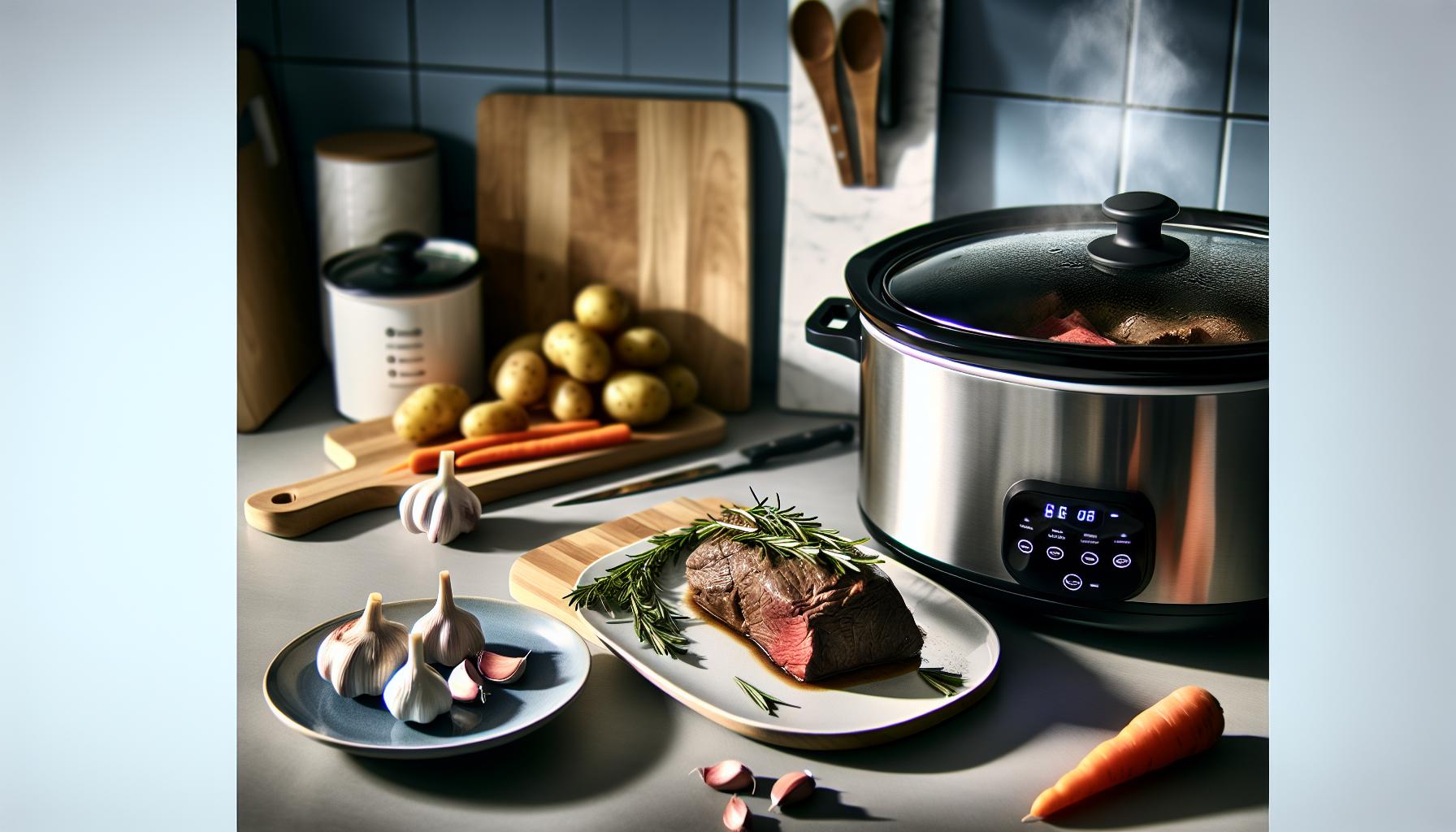
There’s a certain magic in watching a tough chunk of beef slowly transform into tender, fork-fall-apart goodness after hours in the slow cooker. But patience alone doesn’t guarantee success-the way you handle heat, moisture, and time plays a starring role in coaxing out that melt-in-your-mouth texture. Slow cookers shine when you embrace *low and slow* as gospel, allowing connective tissues to gently break down without squeezing out all the juiciness. Cooking on low for 8 to 10 hours often hits the sweet spot, especially with muscles loaded with collagen that need time to soften and gelatinize [[1]](https://www.reddit.com/r/slowcooking/comments/rbbh3i/beef_in_slow_cooker_stew_is_very_tough_where_did/).
Getting this just right can be a bit of an art. Here’s a quick tip: avoid the temptation to rush by cranking your slow cooker to high from the start. Yes, it will cook faster, but it often produces firmer, chewier beef. Instead, give the collagen and connective tissues time to unwind slowly. Slow cooking at low temperatures keeps the beef moist, tender, and wonderfully flavorful. If your clock is tight, 4 to 5 hours on high can work, tho you may sacrifice a bit of tenderness and moisture[[[3]](https://www.facebook.com/groups/Slowcooker786/posts/2982308885259501/).
Layering Moisture and Flavor: liquid Matters
Even though “slow cooking” sometimes makes people think you need gallons of broth or sauce, that’s actually a trap.Overloading the pot with liquid dilutes flavor and can turn your roast into a boiled mess. Instead, add just enough to cover the bottom of the crock-think a few cups of broth, wine, or a flavor-packed mixture like broth plus a splash of balsamic vinegar or coconut aminos (great paleo and gluten-free options). This keeps moisture circulating without drowning the beef. The slow cooker’s tight lid seals in steam, creating a moist environment that gently braises the meat from every angle.
I often toss in aromatics-onions, garlic, bay leaves, fresh herbs-to build subtle layers of flavor that deepen during cooking. These little details go a long way to making your slow-cooked roast something special.
Timing and Texture: stick to the Slow cooker’s Clock
Here’s the thing with slow cookers: they have a sweet spot where the beef is at its tender peak. Overcook it-even on low-and the texture can actually become stringy or mushy, especially with leaner cuts. A perfect example is chuck roast, widely beloved for its balance of fat and connective tissue.Cook it 8 hours on low, and you’ll get tender, shreddable meat; push beyond 10 hours consistently and it can start drying out or breaking down too much [[2]](https://www.youtube.com/watch?v=lKaoVsi_F60).
A handy technique I swear by: use a fork test around the 7- or 8-hour mark. If your meat pulls apart easily with little resistance, it’s time to peel back the lid and shut down the cooker. If it’s still tough, add another 30 minutes and check again. This approach saves your dinner from getting tough or overcooked and helps you learn the quirks of your particular slow cooker model (because, yes, they all run a bit differently!).
- Keep the lid on: Resist the urge to lift the lid during cooking. Each peek lets heat and moisture escape,pushing back your roast’s journey to tenderness.
- Layer ingredients thoughtfully: Place root vegetables under the roast to prevent direct heat contact,ensuring beef doesn’t dry out and veggies cook evenly.
- Avoid overcrowding: Overstuffing the slow cooker reduces air circulation and slows cooking, resulting in tougher meat.
Embracing these slow cooker techniques doesn’t just save your roast from being tough-it transforms the whole cooking experience into an easy, rewarding ritual. Next time you toss a roast in, channel your inner slow-cooking connoisseur and get ready for tender, juicy bites that make everyone ask for seconds. Trust me, your slow cooker will thank you!
Flavor-Boosting Marinades and Rubs for Soft, Juicy Roasts
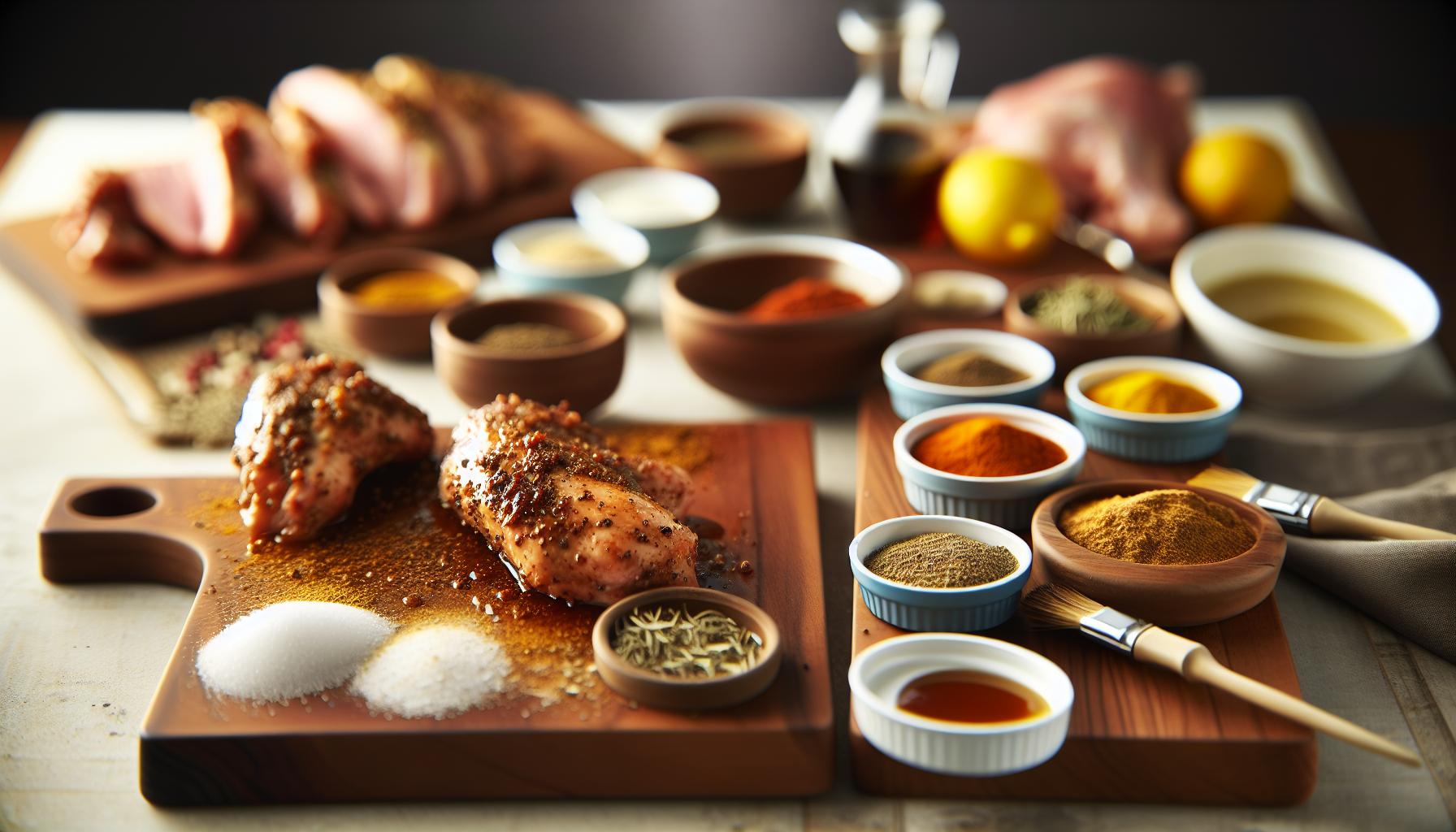
One of the best-kept secrets to slow cooker success is transforming your beef roast with marinades and rubs that do more than just sprinkle flavor on top-they help create tenderness and juicy depth from the inside out.Because slow cooking can sometimes dilute delicate flavors, a well-crafted marinade or rub ensures your roast emerges layered with complexity and mouthwatering softness. Plus, this step is the easiest way to tailor your roast to whatever vibe you want-from rich, wine-infused elegance to zesty, herby comfort.
A great starting point for any marinade is an acid-driven base like balsamic vinegar, citrus juice, or even a splash of red wine.These ingredients gently break down muscle fibers and connective tissue, pre-tenderizing the meat before it ever hits the slow cooker. Toss in aromatics such as crushed garlic, fresh rosemary, or thyme to infuse herbaceous notes that blossom during cooking. For a paleo- and gluten-free-friendly option, swap soy sauce with coconut aminos-same umami punch, zero gluten drama. And if you’re short on time,a simple rub of olive oil,smoked paprika,garlic powder,salt,and pepper goes miles in boosting both flavor and tenderness with minimal fuss.
Building Your Flavor Base: Marinades vs.Rubs
- Marinades offer moisture and acidity, ideal for tougher cuts like chuck roast or brisket. Aim to marinate for at least 2-4 hours or overnight if possible to let those tenderizing agents work their magic.
- Dry rubs are a quicker choice, great when you’re pressed for time. They create a flavorful crust that seals in juices during slow cooking, especially when paired with a quick sear before adding the roast to your slow cooker.
These steps turn planning into a joyful ritual, not a chore.
Simple Marinade for a Juicy Paleo Roast
| ingredient | Purpose | Substitutions |
|---|---|---|
| 1/4 cup balsamic vinegar | Acid for tenderizing | Apple cider vinegar, lemon juice |
| 2 tbsp coconut aminos | Umami, salty depth | Gluten-free tamari |
| 2 cloves garlic, minced | Flavor boost | Garlic powder (if fresh unavailable) |
| 1 tbsp fresh rosemary, chopped | Herbal aroma | Thyme or oregano |
| 2 tbsp olive oil | Moisture and fat | Avocado oil |
Combine everything, coat the beef roast thoroughly, cover, and refrigerate. When you’re ready to cook, remove from marinade, sear the roast briefly to lock in flavors, then slow cook as usual. The result? Soft, juicy meat that feels like a special occasion but tastes like home.
Feel free to experiment with adding a hint of sweetness, like a teaspoon of honey or maple syrup in your marinade for a subtle caramelized note that enhances the slow cooker’s natural braising magic. For rubs, layering smoked paprika and ground cumin with pepper and salt creates a simple yet flavorful crust that sings alongside your slow cooker’s tenderness.
Remember, the fun in slow cooker cooking is in these little flavor hacks-making your roast your own without fuss or fear. Whether you’re feeding a weekend crowd or cozying up for a paleo-friendly weeknight, these marinades and rubs elevate everyday beef to fork-tender greatness you’ll happily revisit.
Best Low-and-Slow Cook Times for Different Beef Cuts
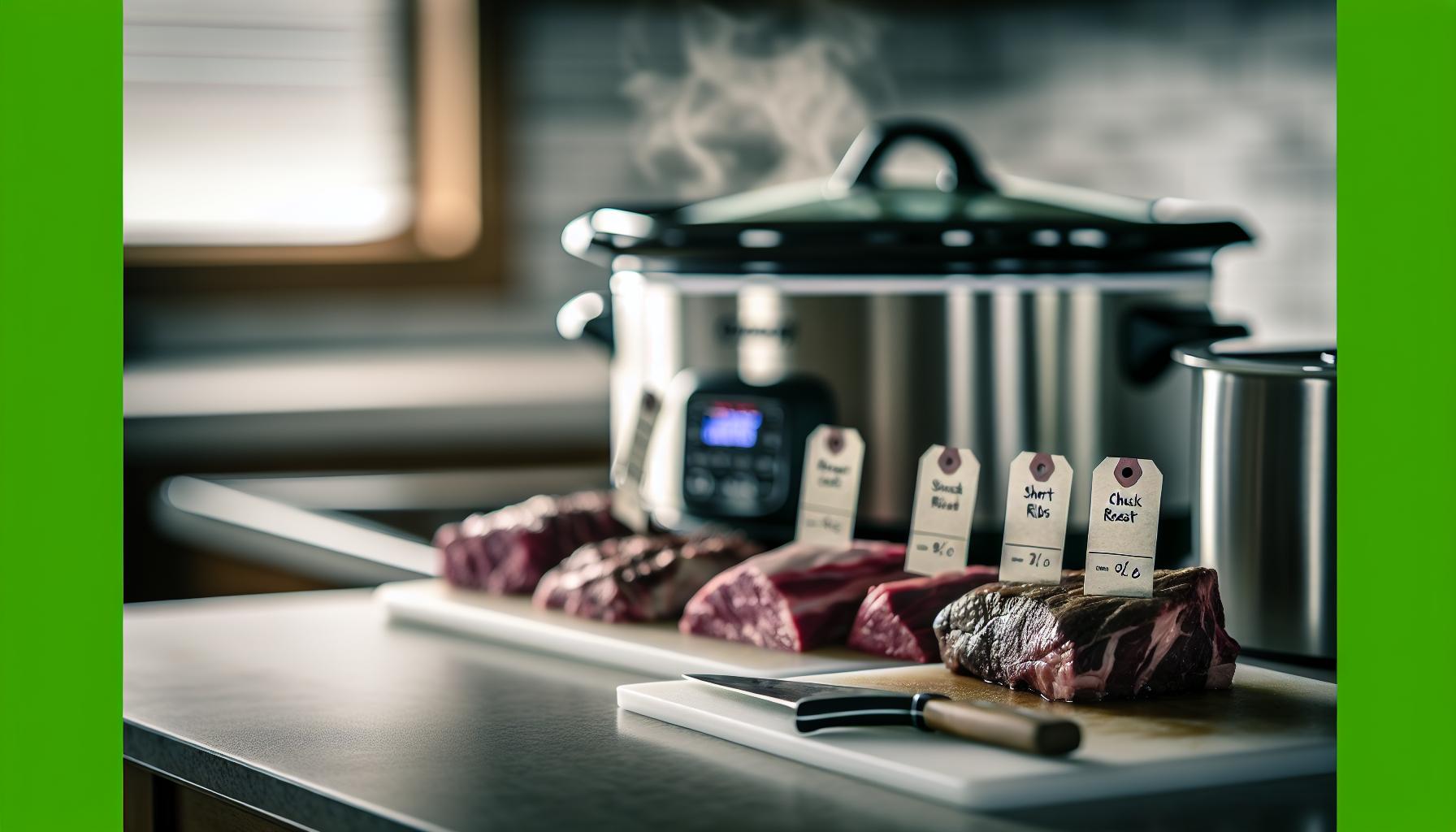
When it comes to slow cooking beef roasts,time and temperature are your BFFs. Getting the timing right can mean the difference between a fork-tender masterpiece and a chewy disappointment. Slow cookers work their magic best with low-and-slow heat, gradually melting connective tissues into silky softness. But not all beef cuts behave the same, so tailoring your cook times to the specific cut ensures every bite is melt-in-your-mouth good.
For tougher, more marbled cuts like chuck roast or brisket, patience is key. These cuts shine after long hours on low-typically 8 to 10 hours-which breaks down collagen and fat into juicy richness. Toss in root veggies or aromatics in the last few hours so they don’t overcook. A chuck roast slow-cooked on low all day usually yields tender,shreddable beef that’s perfect for a hearty paleo or gluten-free stew. Just keep the lid on – lifting it extends cooking and risks drying out your treasure trove of flavor!
Lean cuts like eye of round or sirloin roast can be a bit more delicate.They require shorter cooking times-generally 4 to 6 hours on low or about 3 hours on high-because they have less fat and connective tissue to soften. slow cooking these too long can turn them dry or stringy, so plan accordingly. For these lean roasts, a quick sear before slow cooking locks in juices and adds a flavor-packed crust.Also, consider adding a splash of broth or paleo-friendly marinade to keep things moist.
Slow Cooker Steak Roast Cook time Guide
| Beef Cut | Cook Time on Low | Cook Time on High | Best Use |
|---|---|---|---|
| Chuck Roast | 8-10 hours | 4-5 hours | Stews, shreddable pot roast |
| Brisket | 8-10 hours | 4-6 hours | Braised slices, soft sandwiches |
| Bottom Round | 6-8 hours | 3-4 hours | roast slices, sliced beef dinners |
| Eye of Round | 5-6 hours | 3-4 hours | Lean roast, thinner slices |
| Sirloin Tip | 5-7 hours | 3-4 hours | Faster roast, tender slices |
Tiny Tweaks for Tasty Results
One trick I’ve learned? Start with the lowest cook time recommended, then check tenderness by poking with a fork around the 1-hour-to-go mark. If it resists, just slide it back on low for a bit longer. Everyone’s slow cooker heats a little differently, and cooking variables like roast thickness or temperature matter too.
If you’re juggling Paleo or gluten-free diets, playing with broth bases and herbs keeps flavors bright without added gluten or sneaky sugars.Coconut aminos can sneak into your marinade or cooking liquid, adding umami punch while keeping it Paleo-friendly.
Remember, slow cookers aren’t about speed (hello, anyone perfecting Sunday dinner vibes?)-they reward patience with belly-warming tenderness. Cooking low and slow means you get beef that practically melts apart, so grab your fork and enjoy that cozy, juicy roast you just earned!
For inspiration, check out recipes that prove slow cooking can be both simple and stunning, like a classic pot roast layering potatoes and carrots, or a rich beef stew brimming with flavor-the burnished tenderness really shows off your roast’s best side[1[1], [2[2], [3[3].
Simple Ingredient Swaps for Paleo, Gluten-Free, and Comfort Diets
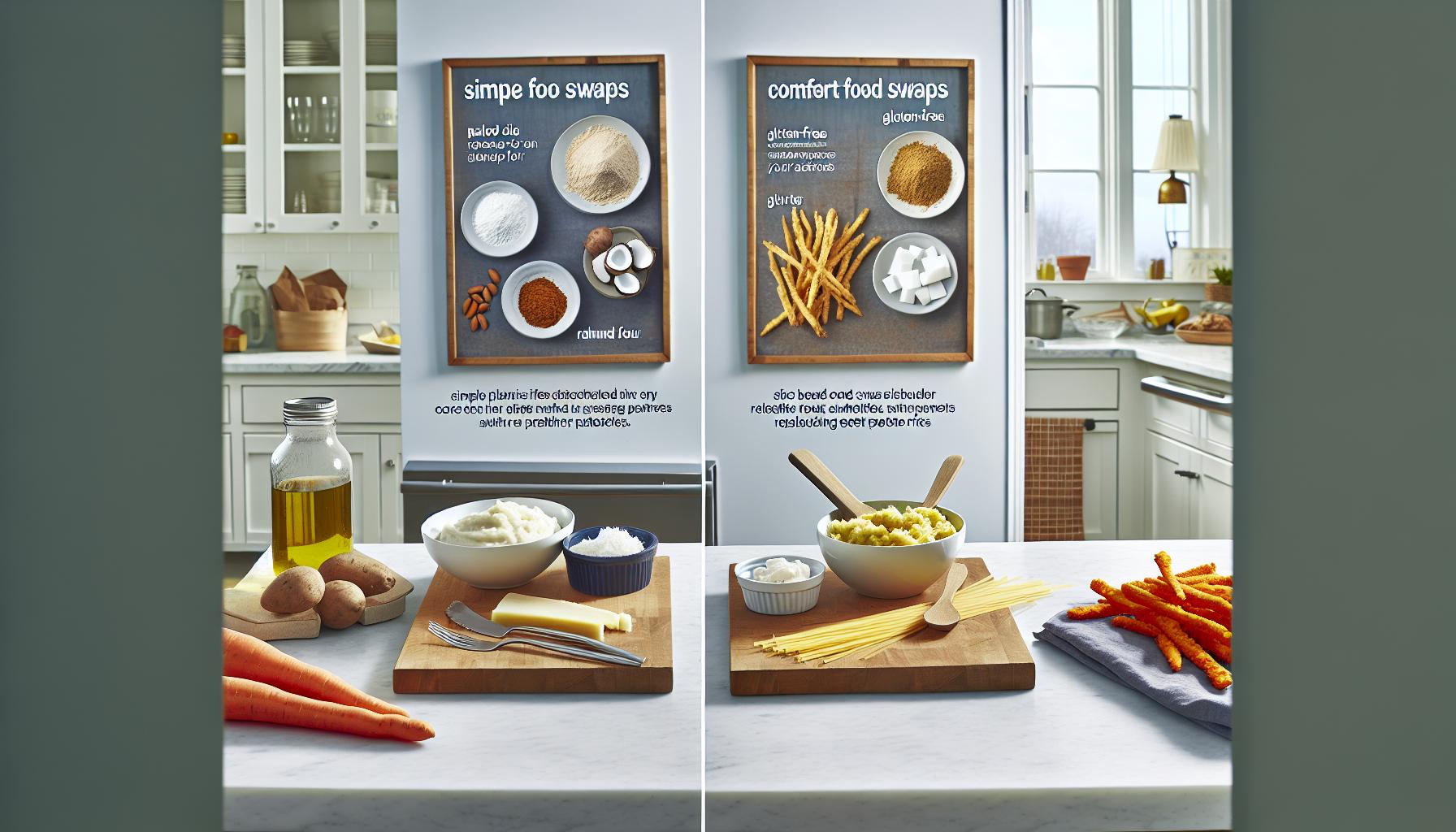
There’s a secret sauce to making slow-cooked beef roasts fit right into Paleo,gluten-free,or classic comfort food lifestyles without sacrificing flavor or tenderness. The good news? Most beef roasts, especially the tender, connective-tissue-rich cuts like chuck or brisket, naturally lend themselves well to these diets-and with just a few clever swaps, you can keep your slow cooker sizzling with yum.
When swapping ingredients to keep things Paleo or gluten-free, the goal is to ditch any hidden gluten or refined sugars lurking in sauces and broths while keeping moisture and flavor rich. Coconut aminos are a superstar here-they provide a savory, slightly sweet punch that replaces soy sauce without soy or gluten. Toss them into your marinade or cooking liquid for an umami boost without the allergen worries.For thickening, forget customary flour-arrowroot powder or tapioca starch work wonders to make silky gravies Paleo-friendly and light without a sticky side of gluten drama.
Easy Ingredient Swaps to keep Your Roast Cozy and Comfy
- Broth Bases: Use homemade bone broth or store-bought gluten-free beef broth rather of regular canned stock,which sometimes contains additives. The collagen-rich bone broth not only tenderizes meat but adds nourishing depth.
- Sweeteners: Swap out brown sugar or honey for a banana puree or a splash of maple syrup if you want a gentle sweetness. These keep sugars natural and compatible with Paleo diets.
- Thickening Agents: Arrowroot or tapioca starch are your best friends here. use a teaspoon mixed with cold water to thicken sauces during the final 30 minutes of cooking-it’s foolproof and non-grainy.
- Herbs & Spices: Fresh rosemary, thyme, garlic, and bay leaves are grand slam flavor-makers with zero gluten or artificial ingredients. They help create comfort food vibes that feel indulgent yet clean.
For those eyeing the comfort food corner (as hey, indulgence is part of life too!), you can absolutely keep some traditional favorites by choosing gluten-free ingredients. Opt for gluten-free Worcestershire sauce or tamari to swap in for the more conventional versions. And if mashed potatoes aren’t on the table, try creamy cauliflower mash-it pairs beautifully with slow-cooked beef and keeps the dish lighter but still ultra-satisfying.
One personal win in the kitchen: I once swapped out a classic slow cooker pot roast recipe by using coconut aminos and homemade broth and thickening the sauce with arrowroot. No one missed gluten, and the beef shredded beautifully after 9 hours low and slow. It was juicy, rich, and so simple-a total crowd-pleaser even among my most skeptical gluten-eating friends.
| Traditional Ingredient | Paleo & Gluten-Free swap | Why It works |
|---|---|---|
| Soy Sauce | Coconut Aminos | Gluten-free, soy-free, adds umami |
| All-Purpose Flour (thickener) | Arrowroot or Tapioca Starch | gluten-free, smooth thickening power |
| Bread Crumbs (for topping) | Ground Nuts or Paleo-friendly Seeds | Adds crunch, compliant with paleo |
| Regular Beef Broth | Homemade Bone Broth or Gluten-Free Broth | Controlled ingredients, rich in collagen |
Remember, slow cooking is forgiving and fun. Making these simple swaps lets you double down on tenderness and flavor while respecting dietary needs or just mixing up your comfort food routine. Whether you’re Paleo-curious, gluten-free for health, or just craving that melt-in-your-mouth roast, these tweaks bring the best of all worlds right to your slow cooker-and your dinner table.
Common Mistakes That Make Your Beef Roast Tough-and How to Fix Them
Every home cook dreams of that perfect, fork-tender beef roast from the slow cooker – juicy, flavorful, and melting in your mouth. but sometimes, despite all the love and hours, the roast turns out tough and disappointing. Here’s the scoop: Toughness usually creeps in when a few common but easily fixable missteps sabotage all that low-and-slow goodness.One major culprit is rushing the cooking time. Tough beef cuts like chuck or brisket are packed with connective tissue that needs time to break down into tender,gelatinous yumminess. Trying to shave off an hour or two? That’s like cutting a novel in half and expecting the full story – it just doesn’t work. for a batch that leaves everyone smiling, stick to at least 8-10 hours on low heat.And hey, if you’re pressed for time, switching to a pressure cooker is a handy shortcut without sacrificing tenderness.
Another frequent blunder is skipping seasoning or adding salt at the wrong time. Salt acts like a flavor builder and natural tenderizer when it gets to work early – ideally, salt your roast an hour or more before cooking to let it penetrate deeply. salt too late,and it just sits on the surface,missing the magic. The same goes for marinades – don’t underestimate their power, especially if they include acidic ingredients or umami-rich elements like coconut aminos (perfect for Paleo and gluten-free diets). These help tenderize while infusing flavor, and prepping your roast overnight can be a total game changer.
How to Avoid the Toughness Trap
- Cook low and slow: Don’t fight the clock. Slow cooking means 8+ hours at low temps, turning tough collagen into melt-in-your-mouth texture.
- Don’t over-trim fat: That marbled fat isn’t just for show-it bastes the meat internally, keeping the roast juicy. Trim only excessive fat that won’t render down.
- Layer your flavors early: Salt,spices,and Paleo-friendly marinades need time to work their magic before hitting the slow cooker.
- Resist the urge to peek: Lifting the lid releases heat and prolongs cooking time – let patience be your best kitchen buddy.
- Choose the right cuts: Tougher cuts like chuck or brisket thrive in the slow cooker; lean cuts like sirloin may dry out or toughen up.
Quick Fixes When Your Roast Is Tough
If your roast shows resistance to tender love, all is not lost.Try slicing it thinly against the grain-this breaks up muscle fibers and makes chewing easier. Another nifty trick is turning your roast into a shredded beef dish-just cook it longer and shred with forks, mixing in a bit of the cooking juices or homemade bone broth to revive moisture and flavor.
On a personal note, I once had a rogue brisket that came out a bit too chewy. A sprinkle of extra salt, a splash of coconut aminos, and a few more hours on low transformed it into the kind of meal that got raves from my Paleo-curious friends. The takeaway? Slow cookers are forgiving if you treat them right-and even if you stumble, some tweaks can save dinner and keep spirits high.
| Common Mistake | Impact on Roast | Easy Fix |
|---|---|---|
| Insufficient cooking time | Connective tissue stays tough, chewy meat | Cook 8-10+ hours on low; consider pressure cooking. |
| Adding salt too late | Flavor stays surface-level; less tenderizing effect | Salt 1+ hour before cooking or marinade overnight. |
| Using lean cuts for slow cook | Dry, tough texture due to lack of fat/connective tissue | Use chuck, brisket, or shank for optimal tenderness. |
| Over-trimming fat | Less juicy roast, less internal basting | Leave some marbling; trim excess only. |
| Peeking during cooking | Heat loss extends cooking time, interrupts tenderizing | Set it and forget it; trust the slow cooker. |
Cooking a beef roast in a slow cooker is like telling a good story-it needs patience, the right cast (cuts), and a few twists of flavor to keep everyone hooked.Avoid these simple pitfalls, and your slow-cooked beef will always be the star of the dinner table, whether you’re embracing the Paleo lifestyle or simply craving classic comfort food.
Creative Slow Cooker Recipes Showcasing Tender Beef Roasts
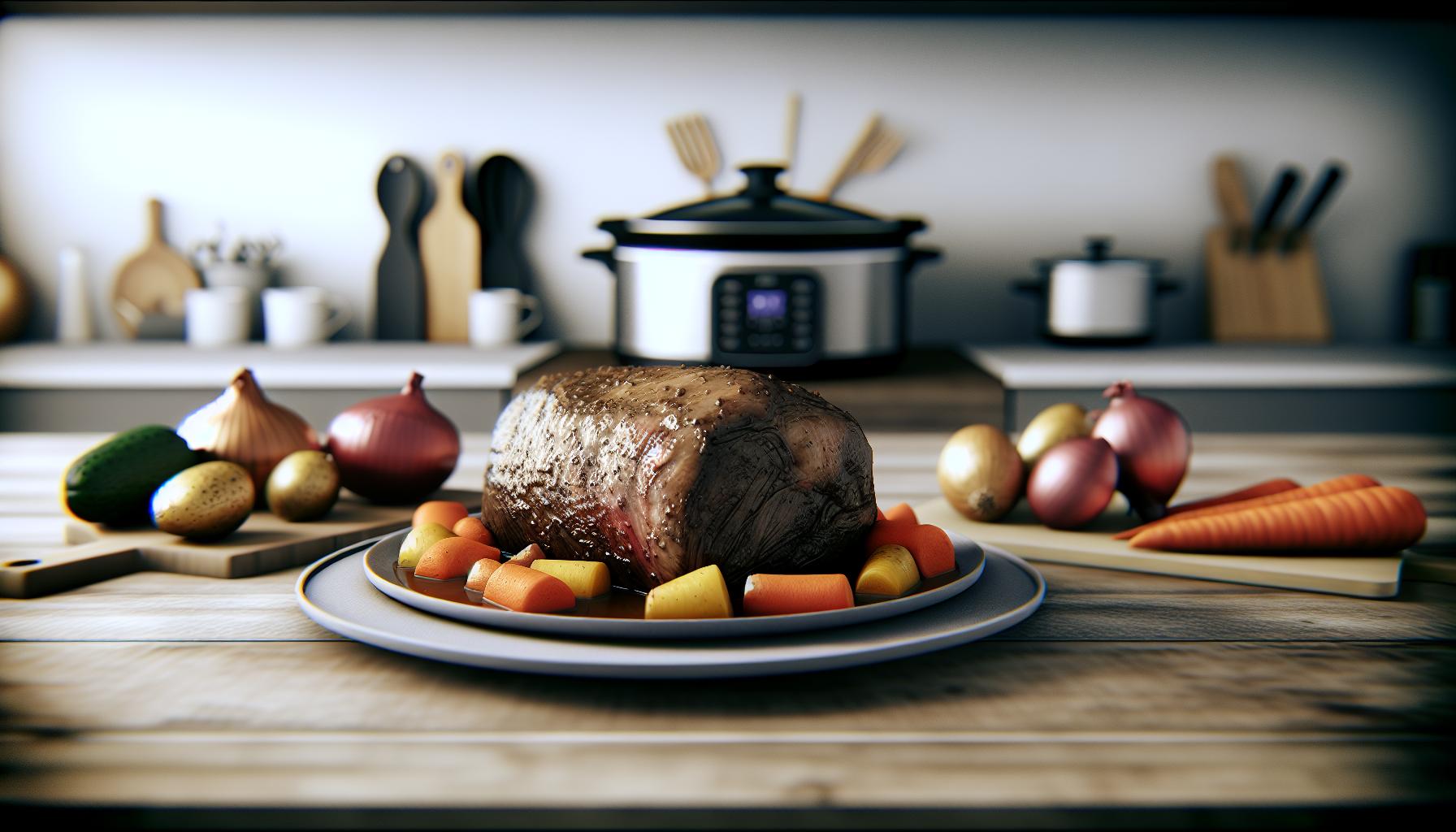
Few things beat the thrill of pulling a perfectly tender beef roast from the slow cooker, that moment when all the flavors have melded and the meat practically falls apart with a gentle nudge of your fork. If you’re craving a delicious dinner that feels both hearty and homey but want to keep things captivating, slow cooker recipes using tender beef cuts like chuck or brisket are a great canvas for creativity. Plus, these recipes are often paleo and gluten-free friendly right out of the gate, with simple swaps if you want to play with spices or sides.
One of my favorite go-to ideas is a Garlic herb Chuck Roast that’s fragrant, juicy, and a total crowd-pleaser. It’s super simple: toss the roast in a quick rub made from garlic powder, rosemary, thyme, salt, and pepper, then throw it in with some carrots, onions, and baby potatoes. Set it on low for 8-10 hours and let that slow magic work.The broth gets rich and savory, perfect for spooning over the meat or using as a dipping sauce. for Paleo-folk or those avoiding gluten, coconut aminos can replace Worcestershire in the sauce with zero fuss and extra umami punch.
Going Beyond the Classic: flavor Twists and Comfort Upgrades
If you’re feeling adventurous,think about layering flavors from other cuisines. Ever tried a Moroccan-Spiced Brisket? Cinnamon, cumin, smoked paprika, and a splash of citrus juice do wonders to brighten up a fatty cut, zesting it up without drying it out.Throw in some prunes or apricots for natural sweetness and serve over cauliflower rice or roasted veggies for a meal that’s both comforting and Paleo-friendly. The slow cooker transforms these spices and fruit into a tender, flavorful roast that might just inspire a dinner party with the “wow” factor.
For weeknights where time’s tight but hunger is not,simple tweaks can save the day. Prep a Slow cooker Italian Beef Roast by searing a chuck roast with Italian seasoning and garlic, then pouring in crushed tomatoes and a splash of red wine or broth (or a mix). Toss in some green peppers and onion. Cook low and slow, then shred it up for sandwiches on paleo buns or gluten-free rolls, or pile it over zucchini noodles for a cozy but low-carb dinner. This recipe comes together in hands-off ease,perfect for busy evenings but still feels special.
tips for Personalizing Your Slow Cooker Roast
- Swap sweet potatoes for regular potatoes to double down on nutrient-dense, Paleo-friendly starches.
- Add depth by searing the roast with butter or coconut oil first – it locks in juices and boosts flavor.
- Use well-timed seasoning; salt early and add fresh herbs at the end to keep the aroma lively.
- Adjust liquid levels; if you love a thicker gravy,mix in a bit of arrowroot or tapioca starch slurry in the last 30 minutes.
Remember,slow cooker recipes are all about flexibility and fun,so don’t sweat the small swaps or shortcuts. The most tender beef roasts prove their magic when paired with your favorite flavors and a little patience. Whether you prefer comforting classics or international flair, these tasty slow cooker dishes make feeding your family feel like less of a chore and more of a party – all with minimal fuss and maximum flavor.
Sample Recipe Snapshot: Paleo Beef and Veggie Roast
- Diet: Paleo, gluten-free
- Prep time: 15 minutes
- Cook time: 8-10 hours on low
- Difficulty: Easy
Ingredients: chuck roast, garlic powder, rosemary, thyme, carrots, onions, baby potatoes or sweet potatoes, coconut aminos, beef broth
Steps:
- Rub roast with spices and salt, let sit 1 hour or overnight.
- Sear roast on all sides (optional but recommended).
- Place roast and veggies in slow cooker. Pour broth and coconut aminos over top.
- Cook on low 8-10 hours. Serve with pan juices and chopped fresh herbs.
This recipe meets all the tenderness checkpoints and delivers a juicy, melt-in-your-mouth roast you can tweak to your taste or dietary needs.It’s proof that slow cooking isn’t just about being easy – it’s your ticket to consistently fantastic beef dinners that wow both Paleo converts and comfort food lovers alike.
See example slow cooker beef roast recipes for inspiration[[1]]and slow cooker tips and ideas[[2]]. If you want a visual guide, here’s a great video demo you can follow along with[[[3]].
FAQ
Q: Which beef roast cut stays the most tender after long slow cooking?
A: The chuck roast is the most tender cut for slow cooking due to its marbling and connective tissues that break down over time, creating rich flavor and melt-in-your-mouth texture. Choose a well-marbled chuck for tender, juicy results every time.See our slow cooker techniques for best results!
Q: How does brisket compare to chuck roast for slow cooker tenderness?
A: Brisket can be tender but frequently enough requires precise timing; it’s leaner than chuck and can dry out if overcooked. Chuck roast generally offers a more reliable, buttery tenderness for slow cooker recipes. For foolproof juiciness, stick with chuck or check our tips on avoiding dry roast.
Q: Can you use eye of round roast in a slow cooker without it toughening?
A: Eye of round is lean and can get tough if slow-cooked too long. To keep it tender, cook on low heat for shorter periods and add moisture-rich ingredients like broth or marinades from our flavor-boosting tips section.
Q: What cooking times ensure tender beef roast in a slow cooker?
A: For tender roasts, cook chuck or similar cuts on low for 7-8 hours or on high for 4-5 hours, depending on size. Avoid rushing-low and slow unlocks the best tenderness.Check our ‘Best Low-and-Slow Cook Times’ for tailored guidance per cut.
Q: Why does marbling in beef roast affect tenderness in slow cooker recipes?
A: Marbling-fat interspersed in muscle-melts during slow cooking, lubricating fibers and enhancing tenderness and flavor. Choose roasts with good marbling for juicier, softer results, as explained in our section on choosing beef based on fat content.
Q: Are there budget-friendly beef roasts that stay tender in a slow cooker?
A: Yes, chuck roast and bottom round are cost-effective options that become tender with the right slow cooking. These cuts benefit from long cooking and flavorful marinades; explore our budget-friendly ingredient swaps for tasty, tender meals.
Q: How can I tell if my beef roast is tender enough without cutting into it?
A: Use a fork to gently test the roast-if it forks apart easily with little resistance, it’s tender. Also, check for an internal temp around 190-203°F for optimal softness. Our ‘Common mistakes’ section helps prevent tough roasts, so give it a look!
Q: What are the best dairy-free marinades to keep slow cooker beef roast tender?
A: Dairy-free marinades with acid (like vinegar or citrus), olive oil, garlic, and herbs keep beef moist and tender. Avoid heavy cream; rather, check our Paleo and gluten-free marinade swaps for delicious, tender results everyone can enjoy. try one for your next roast!
For more tender beef roast secrets,check out our detailed guides and recipes tailored for slow cooker success-because everyone deserves delicious,easy home cooking!
To Wrap It Up
Finding the most tender beef roast for slow cooker recipes doesn’t have to be a challenge. Whether you’re aiming for a melt-in-your-mouth chuck roast or a beautifully braised brisket, choosing the right cut sets you up for success every time.Remember, low and slow is the secret-perfect for busy weeknights or cozy weekends. If you’re ready to elevate your slow-cooked meals, don’t hesitate to try our step-by-step guides on slow cooker pot roast or explore quick prep tips for gluten-free beef dishes.
Want to keep exploring? Check out our detailed recipes for beef birria and pot roast classics,designed to fit paleo and comfort food cravings alike. Plus, join our newsletter to get fresh, tested slow cooker recipes delivered straight to your inbox, helping you make dinner both delicious and stress-free. Got questions or your own slow cooker secrets? Share them below-we’d love to hear how you make the perfect tender beef roast a reality in your kitchen! And for more kitchen inspiration, dive into our full collection of slow-cooking beef recipes linked right here.