
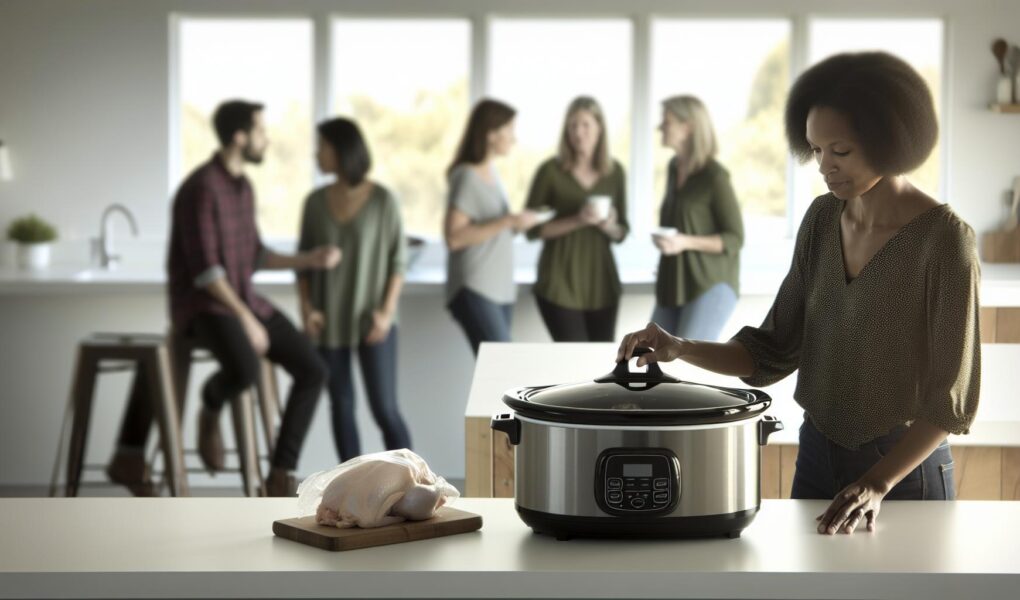
HereS a common kitchen conundrum: can you toss frozen chicken straight into a slow cooker without turning dinnertime into a food safety nightmare? It’s tempting-especially when life’s hectic-to skip the thawing step and let your Crock Pot do the heavy lifting. But does that shortcut come with hidden risks? In this article, we’ll unpack the facts behind slow cooking frozen chicken-balancing safety, flavor, and convenience-so you can confidently decide when and how to use this timesaver in your weekly meal routine. Whether you’re juggling paleo, gluten-free, or just craving cozy comfort food, understanding the do’s and don’ts helps you make tasty, stress-free dinners without the guesswork. Ready to turn ”frozen” into fabulous? Let’s dig in.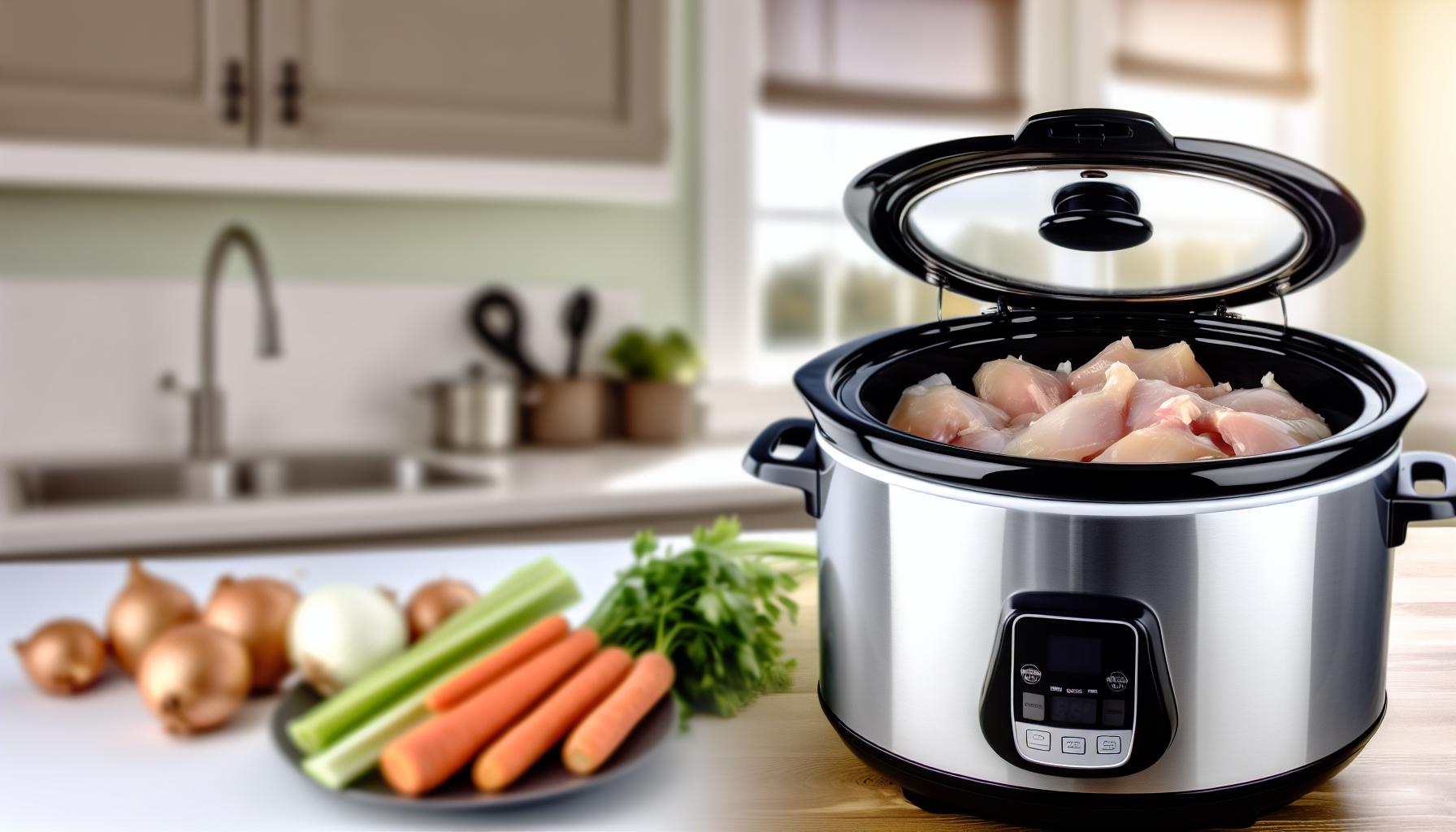
Table of Contents
- Is It Safe to Cook Frozen Chicken in a Slow Cooker?
- How Slow Cookers handle Frozen Meat: Science explained
- Risks and Food Safety Concerns to Know Before Cooking
- Step-by-Step Guide to Using frozen Chicken in Your Slow Cooker
- Best Slow Cooker Recipes That Start with Frozen Chicken
- Tips to Ensure juicy and Flavorful Slow Cooked Chicken
- Common Mistakes When Cooking Frozen Chicken Slowly
- How Cook Times Change When Using Frozen vs. Thawed Chicken
- Instant Pot vs Slow Cooker: Which Is Safer for Frozen Chicken?
- adjusting Seasonings and Liquids for Frozen Chicken Meals
- How to Check Doneness and Avoid foodborne Illness
- Storing Leftovers and Reheating Slow Cooker Chicken Safely
- Faq
- Q: How can I safely speed up cooking frozen chicken in a slow cooker?
- Q: What are the best herbs and spices to use when slow cooking frozen chicken?
- Q: Can frozen chicken cooked slowly still stay juicy and tender?
- Q: Why shouldn’t I put frozen chicken directly into a slow cooker without thawing?
- Q: How does cooking frozen chicken in a slow cooker affect nutritional value?
- Q: What slow cooker models work best for cooking frozen chicken safely?
- Q: How should I adjust liquid amounts when cooking frozen chicken in a slow cooker?
- Q: Can I add frozen vegetables with frozen chicken in the slow cooker safely?
- To Wrap It Up
Is It Safe to Cook Frozen Chicken in a Slow Cooker?
Here’s a kitchen truth that might surprise you: cooking frozen chicken directly in a slow cooker isn’t as straightforward as just tossing it in and flipping the switch. While the convenience is undeniably tempting-hello, “dump and go” dinners!-there’s a bit of science and food safety savvy to keep in mind before you start. The main concern revolves around how slowly the chicken reaches that safe internal temperature, and whether bacteria have a chance to multiply during the journey.
Slow cookers heat gradually, and frozen chicken takes longer to thaw and warm up evenly compared to fresh or fully thawed meat. This extended transit time through the so-called “danger zone” (40°F-140°F), where bacteria grow rapidly, can pose a food safety risk if not handled properly. That said, many home cooks (myself included on some hectic weeknights) have successfully made delicious, tender chicken from frozen in slow cookers-just with a few important precautions in place.
Speedy Safety Tips from My Kitchen
- Size matters: Use smaller chicken pieces rather than a whole frozen bird.Smaller cuts thaw and cook faster, minimizing bacterial risk.
- Don’t overload your cooker: Air circulation is critically important inside the slow cooker, so avoid cramming it full to ensure even cooking.
- Heat it right: Start on high heat for the first hour or so to speed up thawing, then drop to low if your recipe calls for it.
- Use a food thermometer: Always check that the chicken reaches a safe 165°F internal temperature before serving.
Think of your slow cooker adventure with frozen chicken as more of a mini science experiment paired with a bit of kitchen intuition-and way less scary than it sounds. With thoughtful prep and the right techniques (which we’ll dive into in upcoming sections), you can pull off ease and safety together without sacrificing that juicy, melt-in-your-mouth comfort food vibe.
How Slow Cookers handle Frozen Meat: Science explained
Imagine your slow cooker as a gentle, patient sous-chef who loves taking its sweet time-but sometimes that leisurely pace can be a double-edged sword, especially with frozen chicken. When frozen meat hits the warm interior of a slow cooker, the process to safely thaw and cook it is indeed like a culinary dance, balancing heat transfer with food safety. Unlike stovetop or oven cooking, which jump-start heat quickly, slow cookers heat gradually, which means frozen chicken spends more time in that tricky “danger zone” between 40°F and 140°F where bacteria love to party.
Here’s the science behind it: frozen chicken starts below 32°F.When placed in a slow cooker set to low or medium,the temperature around the chicken rises slowly. At first, the outer layers begin thawing and warming, but the center remains frozen for quite a while. During this extended thawing period,the chicken’s surface temperature might hover within the risky zone for a longer stretch,potentially allowing bacteria like Salmonella or Campylobacter to multiply if the internal temperature doesn’t climb fast enough.
But don’t let this intimidate you! Slow cookers are ingeniously designed to maintain safe, steady heat if used wisely. Such as, starting on high heat for the first hour can help speed thawing and reduce the time your chicken spends in risky temperature ranges. Using smaller pieces instead of a chicken breast or whole bird also shortens the cooking time.My personal favorite hack? Nestle frozen chicken breasts on top of a bed of veggies or liquid-that way, heat circulates better and cooks the meat more evenly.
Heat Transfer and Cooking Dynamics
- Thermal conductivity: Frozen meat blocks heat flow initially. It acts like a cold buffer that slows warming.
- Conduction vs convection: Slow cookers primarily use conduction (direct contact heat) combined with convection inside the pot to gently raise temperature.
- Surface thawing is key: Outer layers thaw and cook first, creating a thermal gradient that gradually cooks inward.
Understanding these principles helps you adjust your cooking strategy.For instance, resist the urge to overload the cooker, since crowding limits heat circulation. Also, pairing frozen chicken with ample liquid (like broth or sauce) ensures heat distributes evenly, reducing cold spots where bacteria might lurk.
So, while slow cookers aren’t the speediest thawers in the game, with a bit of kitchen savvy and awareness of how they handle frozen meat, you can safely turn your frozen chicken into flavorful, tender dishes without skipping a beat-even on your busiest nights.
Risks and Food Safety Concerns to Know Before Cooking
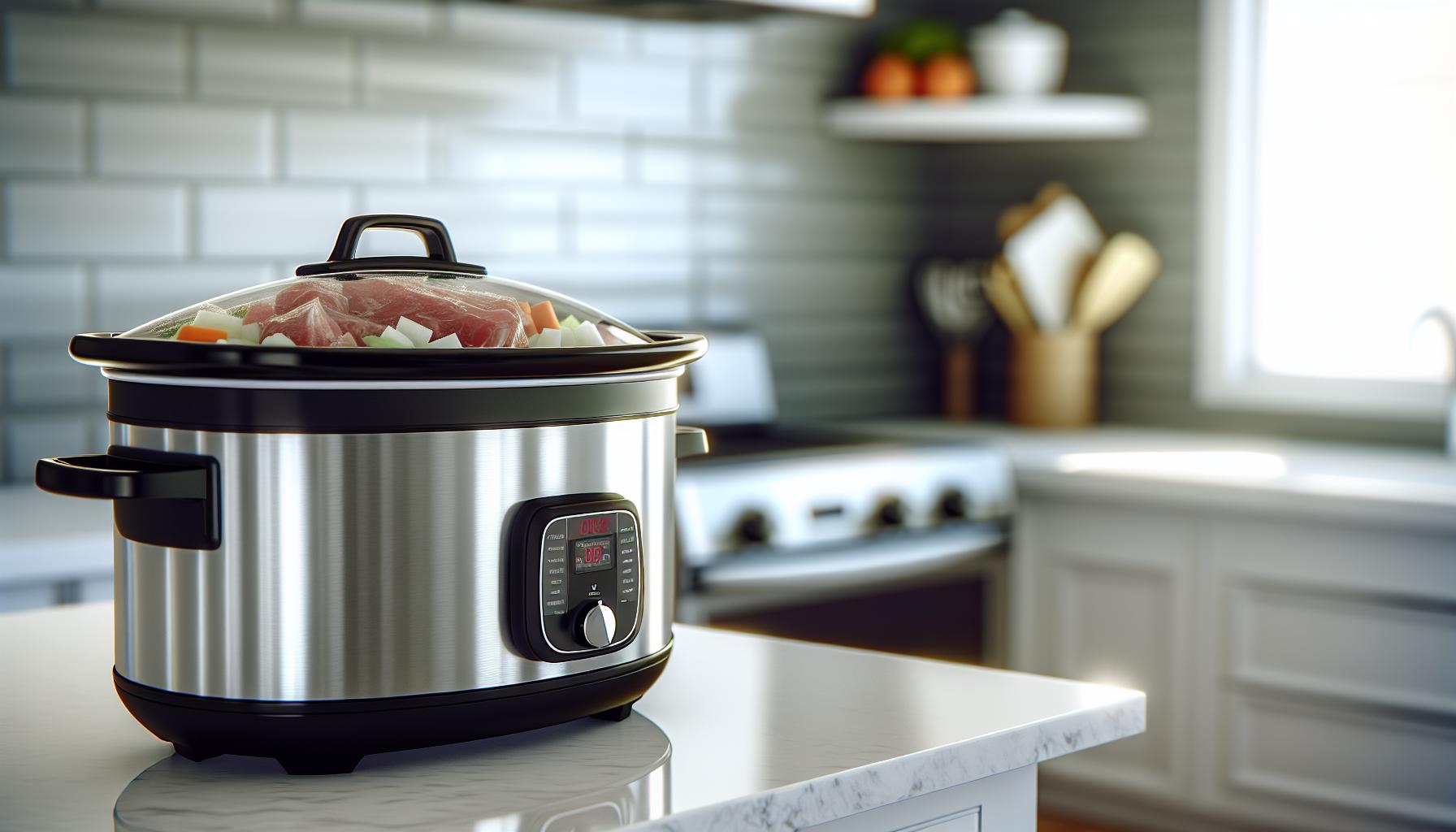
Cooking frozen chicken in a slow cooker can feel like juggling flaming torches-exciting but a little risky if you don’t keep your eye on food safety. The biggest caution here? That “danger zone” temperature range between 40°F and 140°F, where bacteria such as Salmonella and Campylobacter thrive. Since slow cookers ramp up heat gradually, frozen chicken can linger too long in this risk zone, increasing the chance bacteria multiply before the meat reaches a safe internal temp.
Take it from someone who’s learned the hard way: patience and prep matter more than you think.starting with large frozen pieces or a whole chicken can backfire as the center stays frozen far too long.This slow thaw combined with gentle heat means some parts barely get cooking early enough,setting off red flags for foodborne illness. But don’t worry-small tweaks turn this from a safety headache to a weeknight winner! Such as, if you thaw overnight or at least partially thaw before tossing chicken into the pot, you considerably reduce risk. Or, crank your slow cooker to high for the first hour to push that internal temperature upward faster.
Key safety Tips to Remember
- Always use a food thermometer: The only way to be sure your chicken’s safe is by checking it reaches at least 165°F internally. Don’t rely on appearance or cooking time alone.
- Don’t overcrowd your slow cooker: Cramming too much frozen chicken means heat can’t circulate well, extending that unsafe thaw period.
- Add enough liquid or veggies: Liquids like broth or sauces promote even cooking and help transfer heat efficiently throughout frozen chicken pieces.
- Avoid slow cooking frozen whole birds: They take too long for heat to reach the center, increasing risk. Stick to smaller portions for best results.
Here’s a little kitchen hack: when life’s busy but safe cooking is non-negotiable, I’ll toss in frozen chicken breasts layered over a bed of sliced carrots and onions with a little broth. This combo not only speeds heat transfer but also flavors the chicken beautifully while keeping it out of harm’s way. Plus, leftovers are perfect for paleo-pleasant salads or gluten-free wraps the next day-delicious and safe, zero guilt.
Step-by-Step Guide to Using frozen Chicken in Your Slow Cooker
Jumping straight into cooking frozen chicken in your slow cooker may seem like a time-saver,but without a little care,you risk ending up with unevenly cooked or unsafe meals. Luckily, there’s an easy, fail-proof rhythm to follow that balances convenience with food safety – so you can relax and savor that comforting aroma wafting from your kitchen. Think of it like a friendly, no-fuss recipe for success that even busy weeknights will thank you for.
Before you hit start, gather your ingredients and tools: a good digital food thermometer, some broth or sauce to keep things moist, and smaller chicken portions (think breasts or thighs rather than the whole bird). Partial thawing if possible, even just 30 minutes on the counter, helps heat penetrate faster, but if you’re truly pressed for time, no worries-we’ll work around that too.
Step-by-Step Instructions for Cooking Frozen Chicken in a Slow Cooker
- Prepare Your Slow Cooker: Crockpots love a bit of liquid to create steam and evenly distribute heat. Pour in about 1 cup of broth, salsa, or your favorite sauce to keep chicken juicy and flavorful.
- Layer Smartly: Place a bed of sliced veggies like onions, carrots, or celery at the bottom-this gives your chicken a warm welcome and helps prevent it from sticking or cooking unevenly.
- Add Frozen Chicken in Small Portions: Use individual breasts or thighs, not one giant block. This speeds up cooking and helps your slow cooker heat through safely.
- Season Early: Sprinkle herbs, spices, salt, and pepper before cooking so flavors have time to mingle and seep inside during the slow magic.
- Choose Your Setting Wisely: Start on High for the first hour to get the internal temperature climbing past the danger zone quickly, then switch to Low to finish tenderizing.
- Monitor Temperature: Around the two to three-hour mark, check your chicken’s internal temp with a thermometer. Safe chicken always hits 165°F-if it’s not quite there, keep cooking and test every 20-30 minutes.
- Rest before Serving: Once fully cooked, let the chicken sit for 5-10 minutes. It locks in juices, making for tender, mouthwatering bites.
Quick Pro Tips from My Kitchen
- Don’t Overload: Overcrowding traps cold spots; heat loves to circulate, so give each piece some breathing room.
- Mix Up Your Liquids: If broth’s too boring, try adding a splash of coconut milk for creamy paleo texture or a spoonful of tomato paste for richer flavor.
- Experiment with Herbs: Garlic, thyme, and rosemary work magic slowly infusing flavor into frozen chicken.
- Keep it Simple: Frozen chicken plus a handful of veggies and a good sauce = weeknight magic, no fancy ingredients required.
Cooking frozen chicken in the slow cooker may not be glamorous, but with these tricks in your back pocket, it’s effortless, safe, and even a little fun.Trust me, putting meals on the table without a hitch (or hidden risks) is one of the best feelings-especially when leftovers can power your paleo salads or gluten-free wraps the next day. So, go ahead and turn that frozen bag into a slow cooker superstar!
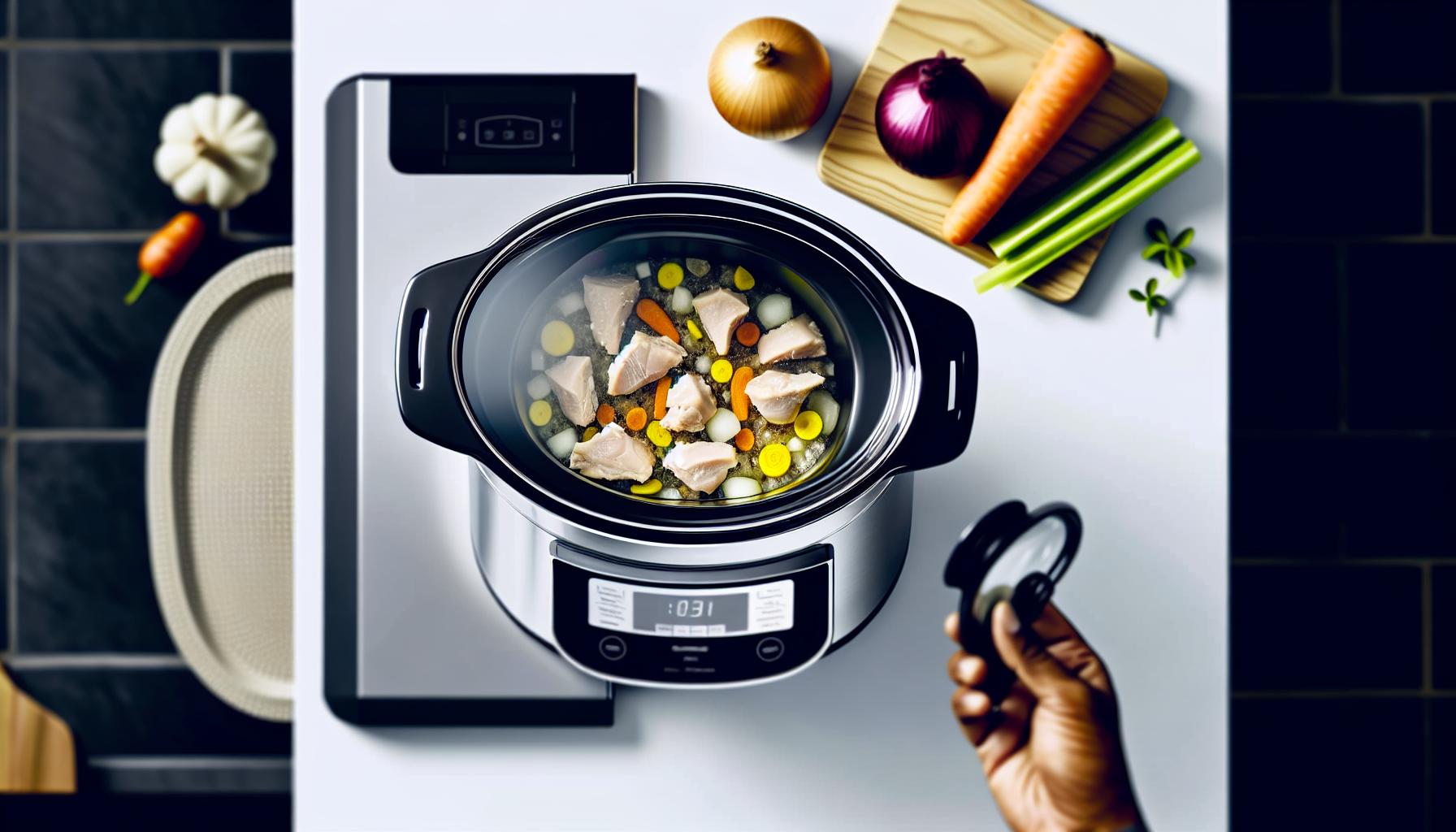
Best Slow Cooker Recipes That Start with Frozen Chicken
Cooking directly from frozen doesn’t mean you have to sacrifice flavor or nutritional goodness-slow cookers actually shine when it comes to turning those frozen chicken pieces into hearty,soul-satisfying meals. Whether you’re aiming for cozy, family-friendly classics or paleo and gluten-free delights, the magic lies in simple yet flexible recipes that welcome frozen chicken with open arms and a simmering pot of liquid love.
Consider a slow cooker chicken stew that starts with frozen thighs, rich broth, root veggies, and a sprinkle of sage and thyme. It’s a one-pot wonder that’s as forgiving as it is delicious. The long, slow heat breaks down the chicken into tender morsels while the veggies soak up savory juices, perfect for busy nights when fridge space or prep time is tight.If you’re craving creaminess without dairy, swapping in coconut milk transforms the stew into a luscious paleo option that still feels luscious and comforting. And for the gluten-sensitive cooks out there, ditching flour thickeners for arrowroot or tapioca keeps this dish just right.
From Kitchen Tested to Weeknight Trusted: A Few Favorites
- Frozen Chicken Salsa Verde: Toss frozen chicken breasts with green tomatillo salsa,cumin,garlic,and a splash of lime juice. Let the slow cooker do its thing and finish with fresh cilantro. Ready in about 6 hours on low, this one’s a breeze-and the leftovers shine in salads or wraps.
- Asian-Inspired Slow Cooker Chicken: Frozen drumsticks plus a mix of coconut aminos, ginger, garlic, and a dash of honey creates a sweet-savory glaze that pairs perfectly with steamed veggies or cauliflower rice. Paleo-friendly, easy, and glowy-good.
- Hearty Chicken and Vegetable Soup: Frozen chicken pieces meet onions, celery, carrots, and homemade bone broth. season with bay leaves and rosemary, cook low and slow, and end with a squeeze of lemon for a fresh pop that feels like a warm hug.
Pro Tips for Flavorful Frozen Chicken Recipes
- Layering: Placing veggies on the bottom helps keep chicken elevated and tender,ensuring even cooking.
- Liquid Love: Don’t skimp on broth or sauce-it’s essential for good heat transfer and juicy results.
- Season Early: Herbs and spices get more time to infuse, so don’t be shy with those seasonings before cooking.
- Consider Texture: Frozen chicken releases more liquid; recipes that embrace this with soups or stews will work best.
In my experience, embracing frozen chicken recipes doesn’t mean fighting against the clock or your taste buds. It means letting the slow cooker do what it does best: slowly break down tough proteins, meld flavors, and deliver something cozy and deeply satisfying after a busy day. So next time the frozen chicken stash looks daunting, grab that slow cooker liner-and get ready for a simple, tasty win that checks all the boxes from easy weeknight meal to paleo-friendly feast.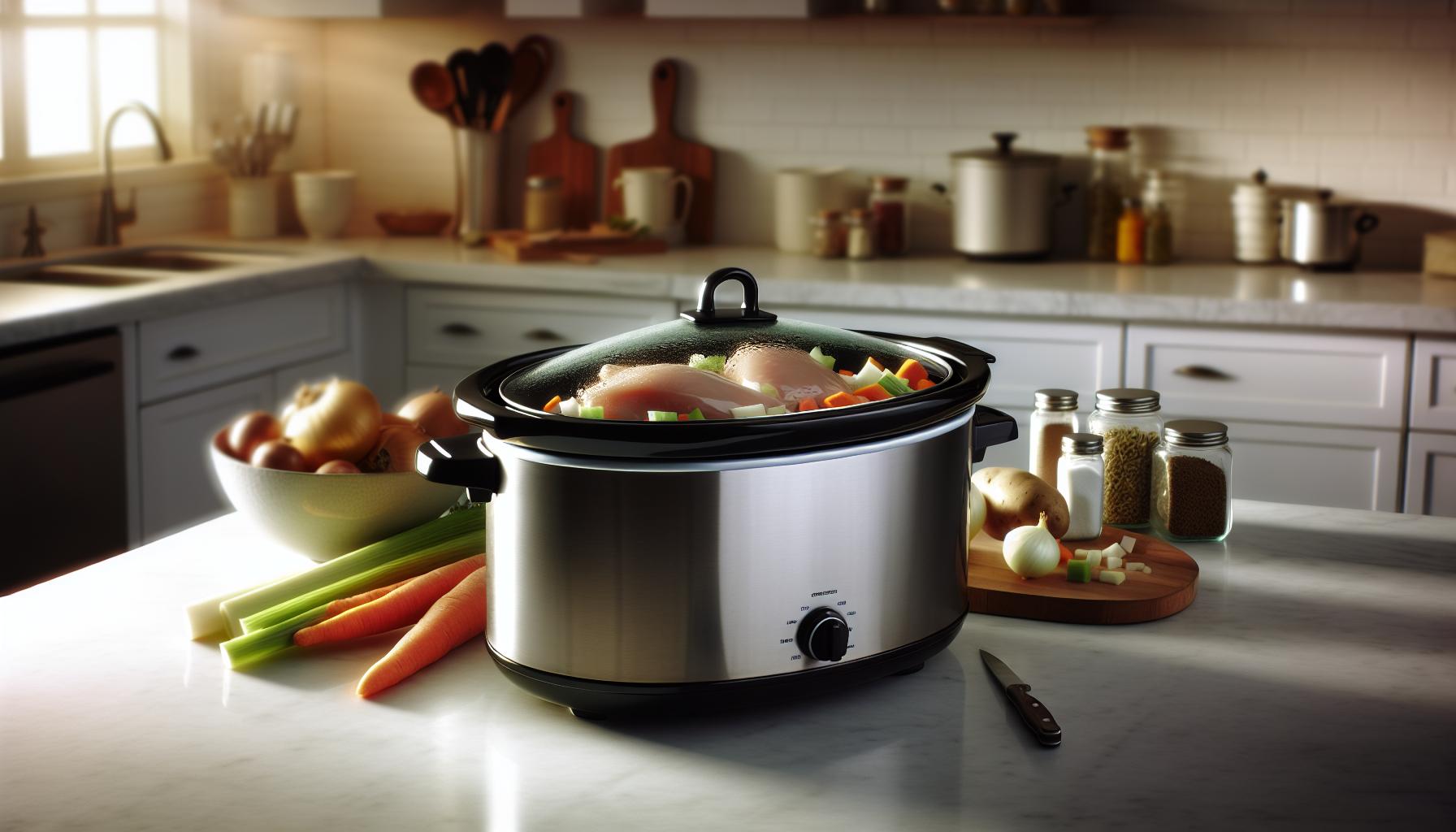
Tips to Ensure juicy and Flavorful Slow Cooked Chicken
Cooking frozen chicken in a slow cooker can be a total game changer, especially on those busy days when thawing isn’t an option. The trick to juicy, flavorful results lies in working with the slow cooker’s magic rather than against it. Frozen chicken releases quite a bit of water as it defrosts and cooks, so embracing that extra liquid rather than fighting it can help you avoid dry, bland meals.
One of my favorite go-to tips is to start with a flavorful base of broth or sauce-don’t skimp here! This liquid not only transfers heat evenly but also keeps the chicken moist and infuses it with savory goodness over the long cooking time. A rich bone broth, a zesty salsa verde, or even a fragrant coconut curry sauce can turn simple frozen chicken into a tender, juicy delight. And don’t forget to add plenty of herbs and aromatics right at the begining. as the chicken takes longer to reach cooking temperature from frozen, those flavors get a fabulous head start soaking in.
Layer Like a Pro for Perfect Texture
How you layer ingredients matters more than you might think.Putting your veggies on the bottom of the slow cooker creates a natural rack that elevates the chicken slightly. This small step ensures even heat circulation and prevents the meat from stewing in its own juices, which can sometimes lead to mushy textures. Plus, the veggies soak up flavorful drippings, making them an unforgettable sidekick to your main dish.
- Vegetables first: Carrots, onions, and celery make excellent cushioning layers.
- Chicken next: Place your frozen pieces on top for gentle, even cooking.
- Finish with seasoning: Sprinkle spices and herbs on top to maximize flavor absorption.
Adjusting liquid quantities is also essential. Since frozen chicken releases extra water, starting with slightly less broth or sauce than usual helps maintain perfect consistency, especially if you’re aiming for thicker stews or creamy dishes. If things do get too watery, stir in a small amount of arrowroot or tapioca starch towards the end of cooking-this handy paleo-friendly tip kicks your sauce up a notch without fuss.
Season Early and Don’t Fear the Slow Cooker Wait
One of the best things about slow cooking frozen chicken? The extended cooking time lets your spices and herbs fully marry with the meat, resulting in a deeply flavorful bite. I always recommend seasoning generously before the slow cooker gets going. Garlic, smoked paprika, fresh thyme, or lemon zest-give those flavors a chance to shine. Bonus: it’s one less step after a long day.
If you’re looking for a quick flavor boost, adding fresh herbs just before serving brightens the dish without overwhelming the slow, savory notes developed during cooking. This layering of flavors-early seasoning followed by bright finishing touches-is like giving your meal depth and sparkle.
keeping it Juicy Without the fuss
Here’s a kitchen confession: I’m often suspicious of perfect “set-it-and-forget-it” claims, but frozen chicken in a slow cooker usually delivers when you follow these tips.Don’t open that lid too often-every peek lets heat escape and extends cooking time. Resist the temptation to stir too much; slow cookers are gentle cooks,and letting them do their thing pays off with juicy tender meat that practically melts apart.
For paleo and gluten-free fans, this method keeps meals simple and safe without extra thickening agents or fillers. And if you ever worry about protein drying out, remember: low and slow plus enough liquid equals juicy wins.
So, grab your frozen chicken, layer those veggies, stock up on good broth, season boldly, and know you’re set for a cozy meal that’s full of soul without extra stress. Cooking frozen chicken in a slow cooker is less about perfection and more about smart, savvy cooking that fits your life – juicy, comforting, and totally doable.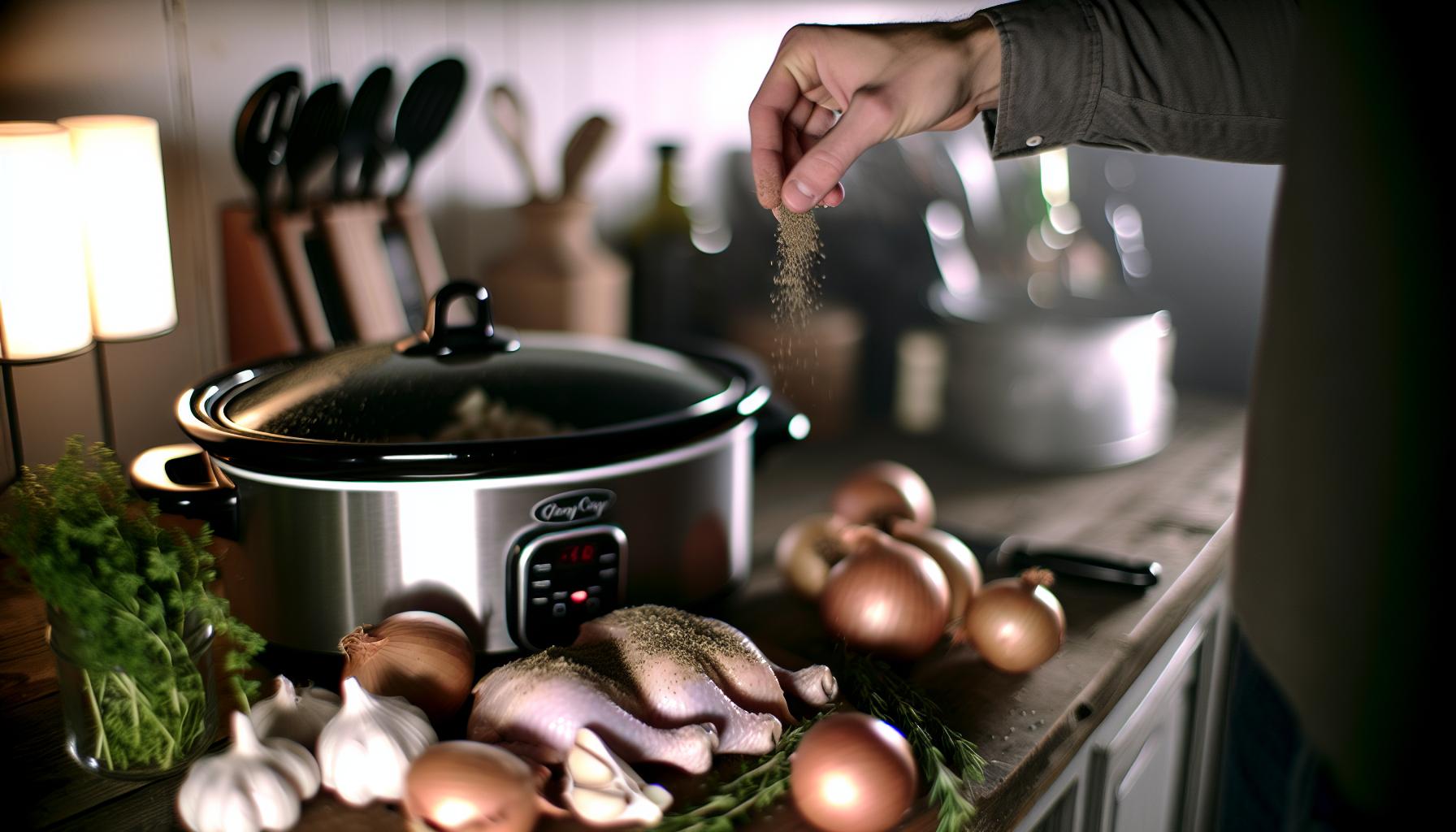
Common Mistakes When Cooking Frozen Chicken Slowly
Cooking frozen chicken in a slow cooker feels like a magical convenience, but there are some all-too-common slip-ups that can turn your cozy dinner into a less-than-stellar experience-or, worse, a safety hazard. The biggest hurdle? ignoring the slow cooker’s gradual heating process while expecting a quick, perfectly cooked meal. Since frozen chicken takes longer to reach a safe internal temperature, rushing or mismanaging it can lead to uneven cooking or foodborne illness if you’re not careful.
Another classic kitchen faux pas is skimping on seasoning and liquid adjustments. because frozen chicken releases extra water as it thaws and cooks, failing to account for this can leave your dish watery or bland. I once threw frozen chicken straight into my slow cooker without cutting back on broth and ended up with a soupy mess more fit for dipping than dining. Lesson learned: cut liquid by about ¼ cup or so when starting frozen, and lean into bold seasoning early on-this helps avoid a flat flavor profile that lazy or hurried cooks often end up with.
- Opening the lid too frequently enough: Impatience kills the magic. each peek drops the temperature significantly, prolonging cook times and drying out meat.
- Placing frozen chicken under veggies: Vegetables cook faster and can become mushy if sitting on top of slowly thawing chicken below. remember to layer veggies first, chicken next.
- Assuming frozen means faster cook time: Slow cookers take longer to safely heat frozen meat; rushing this step invites middle-of-the-cook raw bits or unsafe temperatures.
- Skipping temperature checks: Using a food thermometer isn’t optional here-ensure your chicken hits 165°F (74°C) before serving.
Why It’s not Just About Food Safety
Sure, food safety tops the list, but texture and flavor deserve honorable mention too. I’ve seen friends toss frozen chicken into their slow cooker only to get disappointing rubbery or unevenly cooked meat. this usually happens when the chicken is overcrowded or piled too thickly, trapping ice pockets and blocking heat circulation. To avoid this,arrange pieces in a single layer with room for air and heat to circulate evenly. For big family meals with lots of chicken, consider splitting into two batches or using a larger cooker. Your taste buds will thank you for the tender, juicy payoff.
Quick Fixes and friendly Reminders
When life’s busy and frozen chicken is your go-to, keep these in mind:
- Prep your base first: Fresh herbs, garlic, and acid (like lemon or vinegar) can wake up flavors during the long cook.
- Don’t shy from a food thermometer: Trust but verify-nothing beats poking a quick thermometer check before serving.
- Resist the urge to stir frequently: Slow cookers want you to trust the process. Every stir cools the food down and prolongs cooking.
Embracing these small course corrections will help transform those frozen chicken nights into effortless, crowd-pleasing wins-because cooking slowly doesn’t have to mean *cooking poorly.*
How Cook Times Change When Using Frozen vs. Thawed Chicken
Cooking frozen chicken in your slow cooker definitely impacts the timing more than many home cooks realize. Unlike thawed chicken that starts closer to room temperature and heats through nicely, frozen chicken begins its slow-cooker journey in a chilly, rock-hard state. This means it takes significantly longer for the internal temperature to climb to the safe zone of 165°F (74°C). So, if you’re rolling out of work late and expecting your slow cooker to magically turn frozen chicken into dinner in the usual 4-6 hour window on high-brace yourself. It just won’t happen the way you want it to.
On average, expect frozen chicken to demand about 1.5 times longer cook time than thawed. For example, while boneless, skinless chicken breasts typically take about 3-4 hours on high or 6-7 hours on low when thawed, frozen breasts may need 5-6 hours high or 9-10 hours low. This extra time ensures the meat fully thawed and reaches that safe internal temperature without leaving cold spots that can cause undercooked patches or worse,food safety hazards. From personal kitchen escapades, I learned patience is key here-jumping the gun to check for doneness too early is a rookie error that results in rubbery chicken and disappointment.
Adjusting Expectations: Tips for Timing Success
- Plan ahead: If your recipe calls for 6 hours on low with thawed chicken, push that to 9-10 hours when frozen. This extra window prevents the all-too-common “under-cooked center” problem.
- Use a food thermometer: The slow cooker’s temperature can vary based on brand and size, so rely on thermometer reads rather than the clock alone. Your chicken should hit a steady 165°F (74°C) – no shortcuts.
- Don’t flip or stir early: Resist frequent lid lifting, as tempting as it is. Every peek drops temp by about 15-20°F and prolongs your cook time. Slow and steady wins the flavor race.
Different Cuts, Different Times
Not all chicken equals equal cook times-frozen bone-in thighs can take even longer than breasts because the bone acts like a mini heat sink, slowing warming.on the flip side, thinly sliced frozen chicken strips heat faster, so gauge your cooking time accordingly. Here’s a quick reference table to help you adjust times safely and confidently for your favorite cuts:
| Chicken cut | Thawed Cook Time (low) | Frozen Cook Time (Low) |
|---|---|---|
| Boneless, Skinless Breast | 6-7 hours | 9-10 hours |
| Bone-In Thighs | 7-8 hours | 11-12 hours |
| Chicken Drumsticks | 6-7 hours | 9-11 hours |
| Thin Sliced Strips | 4-5 hours | 6-7 hours |
Bottom line: When you work with frozen chicken in your slow cooker, allowing extra cook time isn’t just a good idea-it’s a kitchen lifesaver. Taking the right time and temperature precautions will ensure not only that your chicken is safe but that it emerges juicy, tender, and ready to dazzle without any unwanted chewiness or dryness. Slow cookers demand patience, but the payoff is cozy, foolproof meals that make life easier and taste amazing, even on the busiest of nights.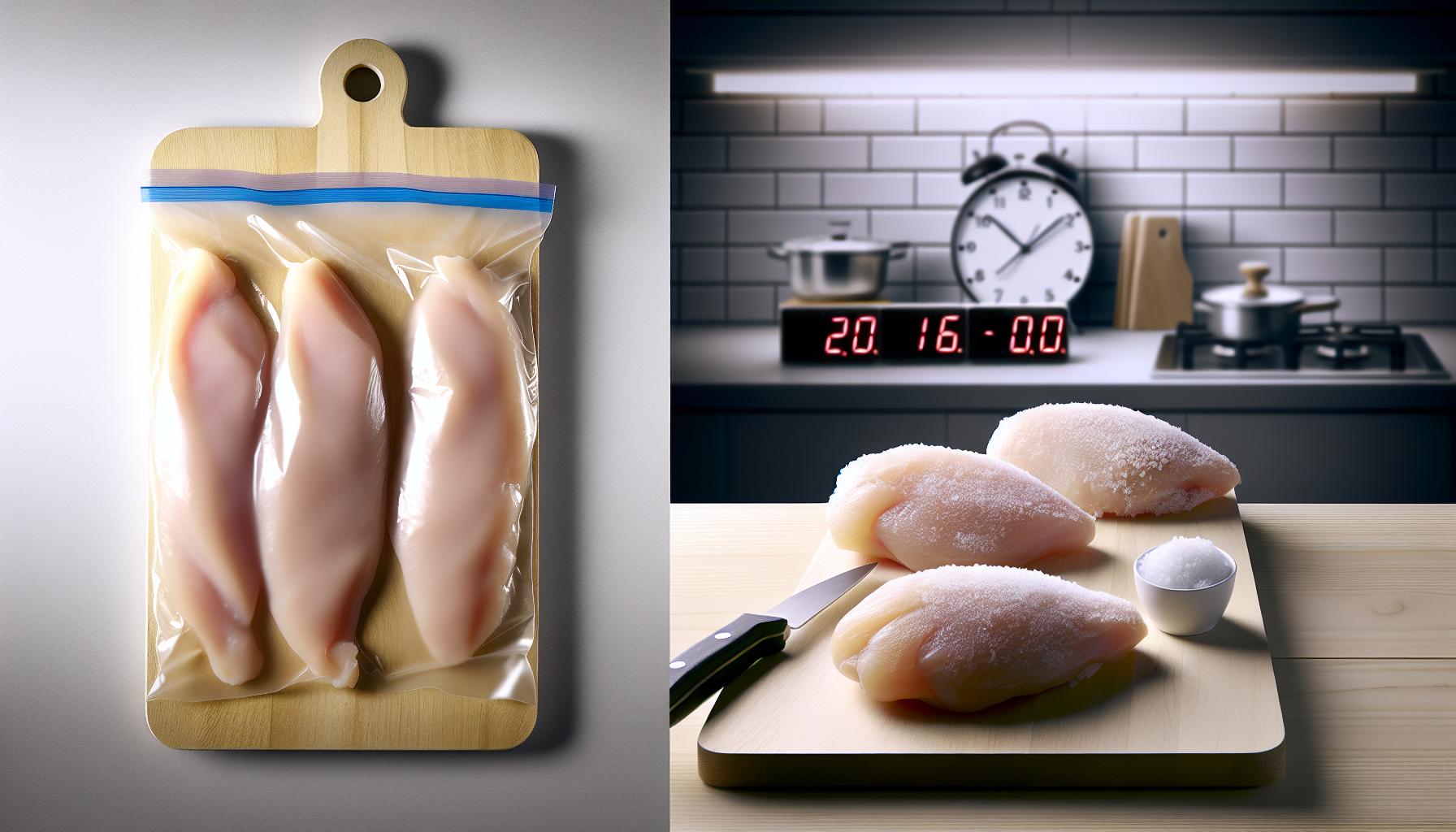
Instant Pot vs Slow Cooker: Which Is Safer for Frozen Chicken?
You might be surprised to learn that the way your cooking device heats frozen chicken can make a big difference in safety and results. Slow cookers are fantastic for hands-off meals, but when it comes to frozen chicken, they can be a bit tricky. The main issue is that slow cookers heat food slowly from the outside in, meaning that frozen chicken starts off in a chilly state, and it takes a while before the internal temperature reaches the safe zone of 165°F (74°C). This slow warming process can leave chicken lingering in the “danger zone” (between 40°F and 140°F), where bacteria multiply more easily. So, if you’re in a rush or juggling a tight schedule, relying on a slow cooker for frozen chicken can be a gamble.
Enter the Instant Pot, which uses pressure cooking to ramp up the heat faster and more evenly. Unlike slow cookers, Instant Pots bring the temperature up quickly, cutting down the time frozen chicken spends warming up. this rapid increase through the danger zone significantly reduces food safety risks. From my experience, pressure cooking frozen chicken in an Instant Pot not only speeds up your dinner prep but also ensures the meat cooks thoroughly and safely without babysitting the process. It’s like having a little kitchen superhero on your counter, perfect for those nights when life’s busier than usual.
Why Pressure Cooking Wins for Frozen Chicken
- Speedy heating: Instant Pots reach high pressure and temperature fast, minimizing time where bacteria can grow.
- Even cooking: The sealed environment ensures uniform heat distribution,no cold spots.
- Versatile timing: Cooking times for frozen chicken don’t inflate as dramatically as with slow cookers.
- Safety first: Many Instant Pots have built-in safety features and pre-programmed poultry settings for peace of mind.
That said, slow cookers aren’t out of the game-they just need a bit more TLC when using frozen chicken. I always recommend thawing chicken beforehand if possible, or if you decide to slow cook frozen pieces, bump up cook times substantially and avoid opening the lid during the process. If you can’t thaw ahead, reserve slow cooking for recipes that have long cook times (think 9-12 hours on low) to keep things safe, tasty, and juicy.
Bottom line, if safety is your top priority and you want to toss frozen chicken in without fuss, the Instant Pot is your best bet. But if you’re a slow cooker devotee with some patience and planning, adjusting your timing and temperature carefully will still get you there – just with a little extra kitchen love. Either way, you’re set to enjoy delicious, safe chicken dinners that fit your style and schedule.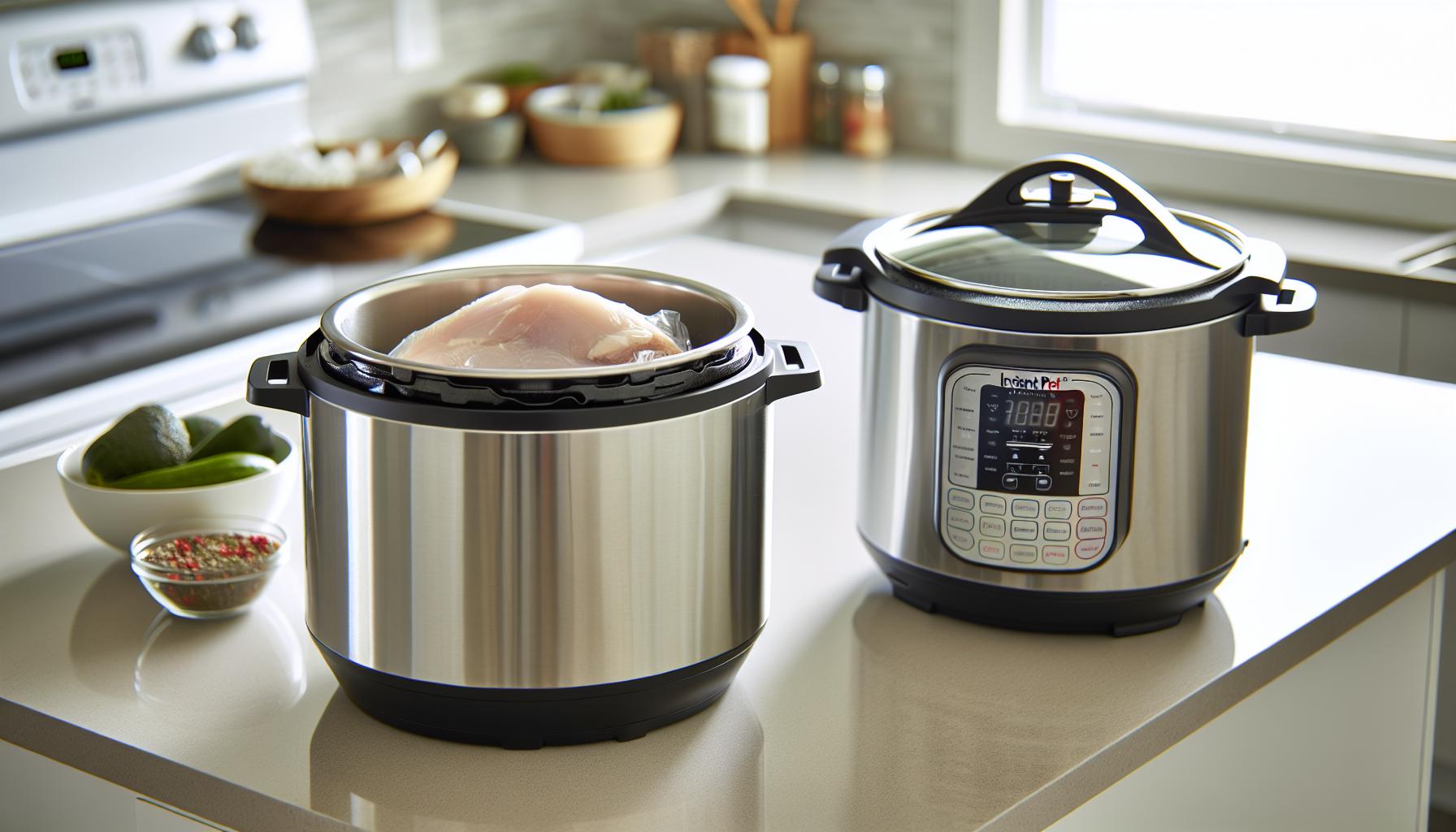
adjusting Seasonings and Liquids for Frozen Chicken Meals
Cooking frozen chicken in a slow cooker means you’re working with meat that will release extra moisture as it thaws and cooks. That’s a little twist for your seasoning game-too much water can dilute flavors and throw off textures if you don’t plan ahead. But don’t worry, it’s totally manageable with a few tweaks! Adjusting seasonings and liquids thoughtfully keeps your slow cooker meals bursting with flavor, even when starting straight from the freezer.
Since frozen chicken sheds more water, I recommend dialing back the liquids slightly compared to your usual recipes. For example, if you usually add a cup of broth or sauce, try trimming it by 1/4 cup to prevent your dish from turning soupy.This helps concentrate flavors and keeps ingredients from floating around in a tasteless pool. On the seasoning front, bold is your friend-think garlic, smoked paprika, fresh herbs, or a splash of acid like lemon juice or vinegar. These bright notes cut through any mild “watering down” and keep your palate engaged.
Balancing Flavors and Liquids: A Handy Checklist
- Reduce added liquid: Cut back 15-25% to account for moisture released by frozen chicken.
- Boost herbs and spices: Don’t be shy; stronger seasoning helps counter diluted flavors.
- Use thick sauces or pastes: Tomato paste, curry pastes, or concentrated broths add depth without watering down.
- Add acidic elements late: A squeeze of fresh lemon or a splash of vinegar right before serving brightens flavors beautifully.
I once threw frozen chicken breasts into a slow cooker with my favorite paleo-inspired coconut curry sauce. As I reduced the liquid and doubled up on ginger and turmeric, the final dish was rich and “saucy” without a hint of blandness or extra water. Protip: layering flavors by sautéing your aromatics before adding everything in can also give frozen-start dishes a big punch of savory goodness.If you’re following gluten-free or paleo, these tweaks work wonders. Using naturally thick liquids like canned coconut milk or pureed roasted veggies makes your slow cooker meals luscious while sticking to your diet goals. So next time you toss frozen chicken in, remember it’s not just about timing and temperature-seasoning and liquid tweaks make all the difference between meh and mouthwatering. with these adjustments, you’re on track for comfort food that’s easy, safe, and totally delicious.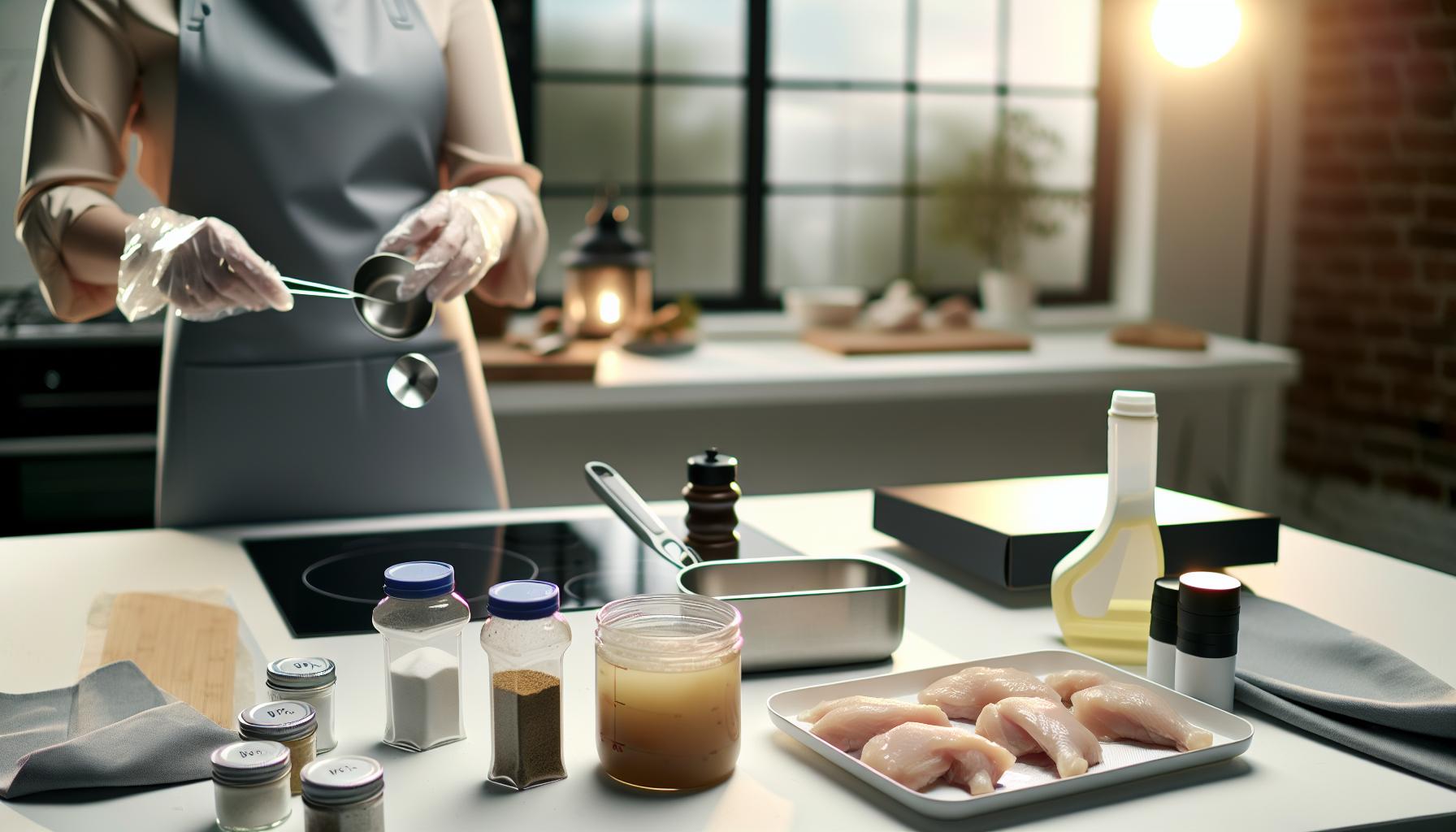
How to Check Doneness and Avoid foodborne Illness
Cooking chicken slowly from frozen is a solid shortcut, but it does call for a little extra vigilance when it comes to checking doneness and keeping foodborne illness at bay. Unlike thawed chicken that warms more evenly, frozen chicken can sometimes lead to uneven cooking, creating spots where harmful bacteria might still be hanging out. Relying on ”look and smell” just won’t cut it here-safe chicken is all about hitting that magic inner temperature,every single time.
The gold standard? Grab yourself a reliable instant-read meat thermometer. Trust me, it’s a game changer. Insert it into the thickest part of the chicken (avoiding bone), and make sure it reads at least 165°F (74°C). This temp means the chicken is cooked through and bacteria like Salmonella or Campylobacter are toast. When I first started slow cooking frozen chicken, I made the rookie mistake of eyeballing it, only to realize the edges were piping hot and juicy, but the center wasn’t quite there yet.Lesson learned: patience + thermometer = no food worries, just juicy results.
Practical Tips for Checking Doneness
- Wait until the final cooking minutes: Don’t open the lid too frequently enough while cooking frozen chicken. Each peek drops the temperature and extends cook time.
- Use the thermometer in the thickest part: For whole chickens, check the breast and thigh. For breasts or thighs alone, go for the thickest spot.
- Look for clear juices: When pierced, the chicken’s juices should run clear, not pink or red. This is a handy visual cue alongside temperature checks.
- Rest your chicken: After turning off the slow cooker, let the chicken rest for 5-10 minutes. This helps juices redistribute and finishes any residual cooking.
If you’re cooking paleo or gluten-free,this step is even more crucial as these diets frequently enough mean avoiding processed additives that might mask safety cues (like sauces with preservatives). Making sure your chicken is fully cooked means you enjoy your clean-eating meal worry-free. Bonus: leftovers reheat beautifully when cooked properly the first time.
slow cookers excel at low-and-slow prep, but frozen chicken means you’ve got a bit of a head start thawing to do internally. If time is tight, an Instant Pot might speed things up with its pressure cooking magic. but when using your slow cooker, patience plus thermometer equals perfectly safe and tasty dinners you can trust. Remember-when in doubt, test it out! Your jaw-dropping chicken dinner depends on it.
Storing Leftovers and Reheating Slow Cooker Chicken Safely
When it comes to leftover slow cooker chicken-especially when you started with frozen-it’s all about respect: respect for your fridge space and respect for the safety rules that keep those tasty bites good to eat. You nailed the careful cooking part with your thermometer and patience, so now it’s time to keep your effort from going to waste (or worse, tummy upset). Slow cooker meals, with their long cook times, often yield beautifully tender chicken that stores well, but improper cooling or reheating can undo all that good work.
A quick rule of thumb to keep in mind: cool leftovers quickly, store in airtight containers, and reheat thoroughly before diving back in. I learned this the hard way once-leftover chicken sat out a couple of hours too long after a busy day, and even though it smelled fine, my gut wasn’t having it later.Lesson? When life gets hectic,make it a ritual to get those leftovers into the fridge within two hours max. If your slow cooker dinner was a big batch, don’t dump it all into one giant container; divide it into smaller portions so the cooling is faster and more even.
Smart Storage Strategies
- Use shallow, airtight containers: these help cool the chicken faster and keep moisture locked in without sogginess-great for preserving that juicy texture.
- Label with date cooked: Even if you think you’ll remember, a quick sticky note saves confusion on week-old chicken vs. chicken from last night.
- Keep the fridge below 40°F (4°C): This is key for stalling bacterial growth, especially since slow cooker meals often simmer for many hours.
- Freeze leftovers for longer storage: If you won’t eat the chicken in 3-4 days, freeze it in portions. It freezes beautifully and reheats easily for a quick paleo or gluten-free meal fix.
Reheating Done Right
When it’s time for round two, forget the microwave’s notorious uneven heating (hello, cold pockets and dry edges). Rather, gently reheat in a skillet over medium heat or pop your chicken back into a slow cooker with a splash of broth or sauce to keep things moist-this is especially golden for dishes where you want to preserve those luscious slow-cooked juices. No matter the method, your top priority is to bring the internal temperature back up to 165°F (74°C) to knock out any lingering microbes.
For those who love their Instant Pot magic, the “Steam” or “Keep Warm” functions can be great reheating buddies. Just remember, reheating once is best-multiple reheats can negatively affect texture and safety. And hey, leftovers are a gift, not a chore, so toss in some fresh herbs or citrus zest when reheating to revive flavors and make yesterday’s chicken taste like a brand-new creation.In my kitchen,a giant batch of frozen chicken cooked slowly isn’t just dinner-it’s a weeknight savior. Taking just a few minutes to store and reheat smartly keeps those meals safe, delicious, and stress-free, no matter how busy life gets. Trust the process, trust your thermometer, and let leftovers become your secret weapon in the paleo or gluten-free lineup.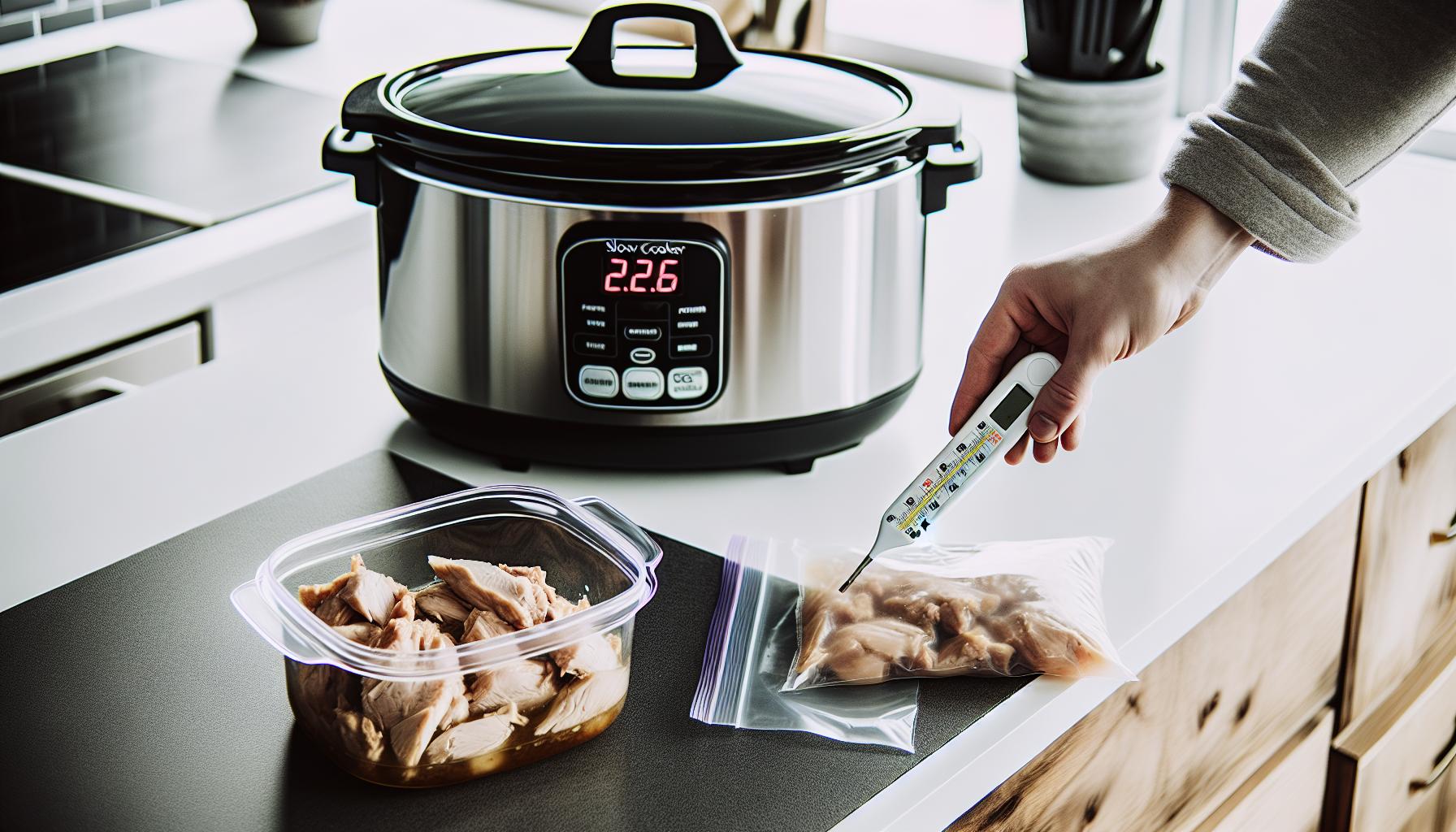
Faq
Q: How can I safely speed up cooking frozen chicken in a slow cooker?
A: To safely speed up cooking frozen chicken in a slow cooker, start by using the high heat setting rather of low. Add extra liquid like broth to ensure even heat distribution and prevent drying. Also, slice chicken into smaller pieces to reduce cook time while keeping food safety in check. For details, see our cooking time adjustments section.
Q: What are the best herbs and spices to use when slow cooking frozen chicken?
A: the best herbs and spices for slow-cooked frozen chicken are garlic, thyme, rosemary, paprika, and black pepper.These enhance flavor even when starting with frozen meat. Adding them early during cooking helps infuse the chicken with rich, comforting tastes. Check our seasoning tips guide for personalized recipe ideas.
Q: Can frozen chicken cooked slowly still stay juicy and tender?
A: Yes, frozen chicken can stay juicy and tender if cooked correctly. Use moist heat from added liquids and avoid overcooking by following recommended cook times. Slow cooking on low heat with proper seasoning, as explained in our juicy chicken tips, keeps texture tender and flavorful every time.
Q: Why shouldn’t I put frozen chicken directly into a slow cooker without thawing?
A: Placing frozen chicken directly in a slow cooker can cause uneven cooking, risking bacteria growth.The chicken’s interior may stay too long in the “danger zone” (40-140°F). To reduce risk,use the high heat setting or partially thaw chicken before slow cooking,as discussed in our food safety concerns section.
Q: How does cooking frozen chicken in a slow cooker affect nutritional value?
A: Cooking frozen chicken in a slow cooker generally retains most nutrients as slow cooking preserves vitamins and minerals. However, prolonged cooking or excessive liquid can cause minor nutrient loss. For balanced meals, combine with fresh vegetables and follow our slow cooker tips for nutritious, tasty dishes.
Q: What slow cooker models work best for cooking frozen chicken safely?
A: Slow cookers with programmable temperature controls and a high-heat setting are best for cooking frozen chicken safely. Models that reach consistent cooking temperatures quickly help reduce food safety risks. Our Instant pot vs Slow Cooker comparison section covers model features that help you decide.
Q: How should I adjust liquid amounts when cooking frozen chicken in a slow cooker?
A: When cooking frozen chicken,increase liquids by about 25-30% to compensate for moisture loss from the frozen meat. This prevents drying out and allows even heat circulation, critical for slow cooking success. For exact measures, refer to our seasoning and liquid adjustment guide.
Q: Can I add frozen vegetables with frozen chicken in the slow cooker safely?
A: Yes,you can add frozen vegetables with frozen chicken safely,but ensure the slow cooker reaches high enough temperatures quickly. Frozen veggies release moisture that aids cooking but can also lower overall heat. Arrange ingredients properly and check doneness as outlined in our step-by-step slow cooker guide for best results.
For more detailed instructions and safety tips,explore our full article sections on cooking frozen chicken in a slow cooker.
Keep experimenting with flavors and techniques-slow cooking frozen chicken can be easy,safe,and delicious!*
To Wrap It Up
Cooking frozen chicken in a slow cooker can be safe when done right,but it’s always best to thaw first for even cooking and food safety. If you’re short on time, try quick thawing methods or check out our guide on safe slow cooker use to keep meals delicious and worry-free.Ready to explore more tasty, foolproof slow cooker recipes? Dive into our easy paleo and gluten-free meal ideas that make weeknight dinners a breeze.
Feeling inspired? Subscribe to our newsletter for weekly kitchen hacks and gluten-free comfort food that fits your busy life. Got questions or your own slow cooker tips? Drop a comment below-we love swapping stories from fellow home cooks! For more kitchen confidence, check out our step-by-step slow cooker essentials and chicken prep tips to master every meal with ease. Remember,safe cooking is the secret ingredient to joyful,stress-free dinners. Keep experimenting, and happy slow cooking!


