

ThereS nothing quite like a slow cooker stew that’s rich, thick, and bursting with flavor-especially after a busy day when you want hearty comfort without fuss. But getting that perfect texture can be tricky: sometimes stews turn out watery or bland, leaving you wondering how to fix it. Whether you’re gluten-free, paleo, or just craving a cozy meal, mastering a thick and flavorful slow cooker stew is easier then you think. With simple tips and smart ingredient swaps, you can transform basic ingredients into a luscious, satisfying dish that warms both your belly and soul. Let’s dive into practical tricks and step-by-step advice that make your slow cooker stew a star at the dinner table-without demanding extra time or fancy techniques. After all, great food should be joyful, approachable, and adaptable to your lifestyle, and I’m here to share what works from my own kitchen adventures!
Table of Contents
- Choosing the Best Ingredients for Thick, Flavorful Slow Cooker Stew
- Mastering Thickening Techniques: From flour to Purees
- Boosting Flavor: Seasoning Secrets and Umami Hacks
- Balancing Liquids: How Much Broth is Too Much?
- Slow Cooker Settings for Perfect Texture and taste
- Incorporating Vegetables to Enhance Body and Flavor
- Safe and Tasty Meat Selection and Preparation Tips
- Gluten-Free and Paleo-Friendly thickening Alternatives
- Creative Flavor Twists to Elevate Classic Stews
- Troubleshooting Thin or Bland Stew: quick Fixes That Work
- Frequently asked questions
- Q: Why does slow cooker stew sometimes turn out watery and how can I fix it?
- Q: How can I enhance the depth of flavor in a slow cooker stew without extra salt?
- Q: When should I add dairy or creamy ingredients to a slow cooker stew for best texture?
- Q: What slow cooker meats stay tender yet help thicken stew naturally?
- Q: How can I make a slow cooker stew thick and flavorful if I want it paleo and gluten-free?
- Q: Can resting slow cooker stew after cooking improve thickness and flavor?
- Q: How do I adjust slow cooker times and settings to get the best stew thickness?
- Q: What vegetables add natural thickness to slow cooker stew without diluting flavor?
- Wrapping Up
Choosing the Best Ingredients for Thick, Flavorful Slow Cooker Stew
Choosing ingredients for a slow cooker stew might seem straightforward, but picking the right ones is your secret weapon for a thick, flavorful dish that comforts the soul. The beauty of slow cooking lies in how humble ingredients transform – but not all ingredients play nicely when left to gently bubble for hours. Such as, starchy vegetables like potatoes and carrots are fantastic for thickening and adding body, but some types hold their shape better and taste richer after hours of slow simmering. Similarly, choosing the right cut of meat impacts both texture and flavor development.
Picking meat That Works
For stew, tough cuts like chuck roast, brisket, or pork shoulder are your best friends. These cuts are rich in connective tissue that breaks down into luscious gelatin over time, naturally thickening your stew and boosting mouthfeel. Avoid lean cuts like sirloin or tenderloin here – they won’t develop that silky texture and may dry out. I’ve found that browning your meat before slow cooking adds caramelized depth and enhances richness without extra fuss – it’s a small step with a big payoff.
Vegetables and Their Roles
Root vegetables not only add sweetness but also act as natural thickeners as their starches release. Yukon gold or red potatoes hold shape better than russets, which tend to disintegrate and cloud your stew (sometimes nice if you want a rustic, creamy texture!).Carrots, parsnips, rutabagas, and celery root lend unique earthy undertones and bulk up your stew beautifully. On the flip side, watery vegetables like zucchini or tomatoes are best added later in the cooking process or in smaller amounts to prevent thinning.
Flavor-Building Staples
Don’t underestimate aromatics – onions, garlic, shallots, and fresh herbs lay a flavor foundation that simmers into every bite. Using homemade bone broth instead of watery store-bought broth can drastically deepen your stew’s taste and help with thickening. For paleo or gluten-free versions, you can boost natural body with pureed squash or cooked beans as a thickening base – more on this in later sections!
- Tip: Pre-chop and roast your vegetables when short on time; roasting intensifies sweetness and adds a hint of smoky flavor.
- Swap idea: For a lower-carb stew, swap potatoes for turnips or cauliflower chunks – they thicken and soak up flavor without all the starch.
In my kitchen, the joy of slow cooker stews comes from playing with trusted ingredient combos that marry texture and taste, without obsessing over perfection. Back when I tried my first paleo stew, I had no idea rutabagas would become my secret thickening weapon – surprise gluten-free and paleo cooks, your best friend might already be sitting in your fridge! So trust your instincts, experiment a little, and remember that the richness of your stew starts with what you put in the pot.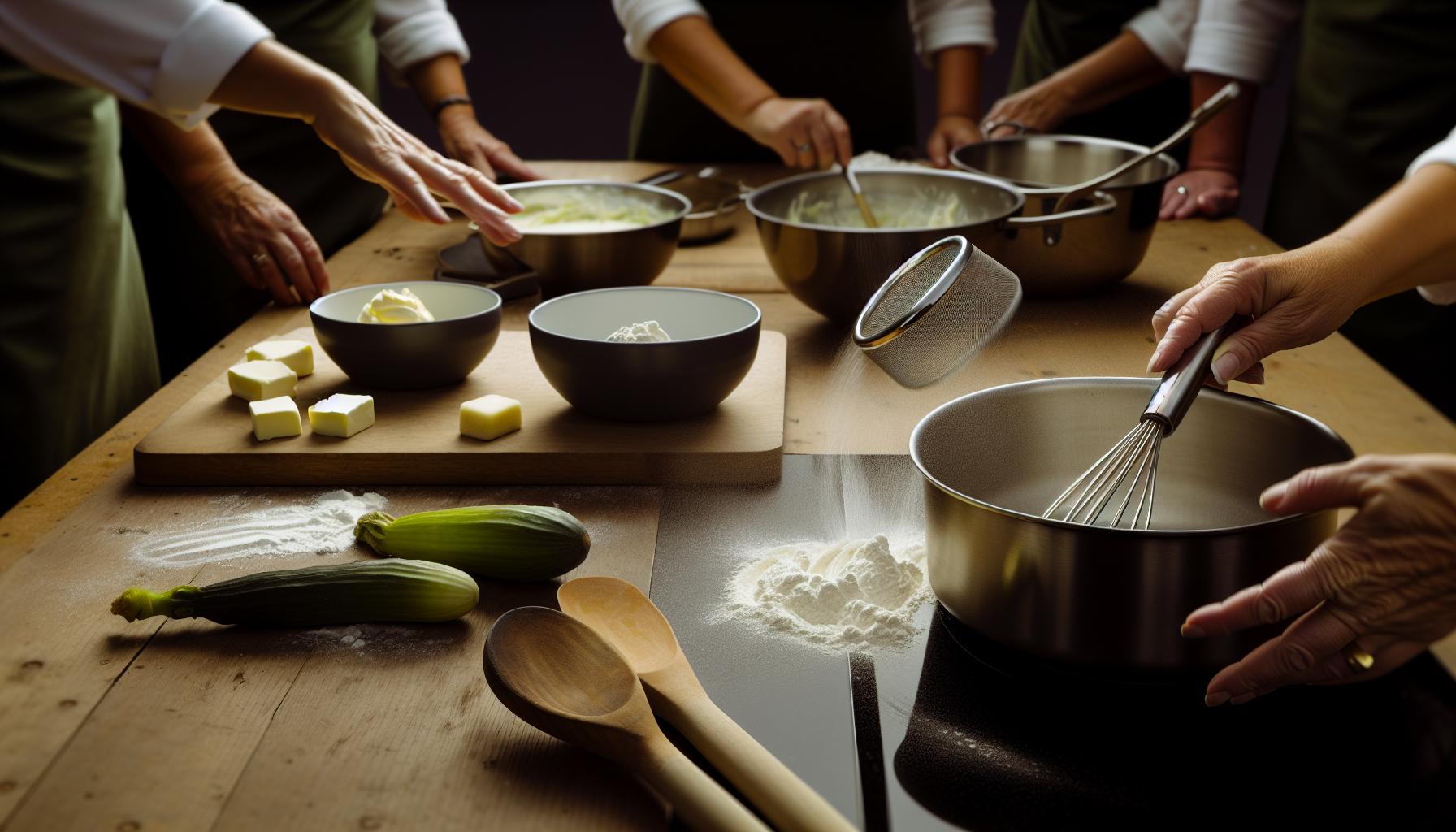
Mastering Thickening Techniques: From flour to Purees
Slow cookers do their magic by melding flavors over time, but sometimes that gentle simmer leaves your stew thinner than you’d like. The secret to a velvety, stick-to-your-ribs texture frequently enough lies in mastering a few simple thickening tricks – ranging from everyday pantry staples to natural purees that sneak in flavor and body without any fuss. Whether you’re aiming for classic comfort or paleo-friendly goodness, these methods let you customize thickening based on your diet and timetable, with results that even your pickiest eaters will celebrate.
Timing and technique matter, so first: don’t just dump flour or starch into the slow cooker and call it a day. Instead, try making a quick slurry – whisk equal parts flour or cornstarch with cold water – then stir it in during the last 30 minutes of cooking.This ensures the starch activates without clumping or turning gummy. For those avoiding gluten or grains, tapioca starch works wonders here, providing a glossy finish and gentle thickening power. In my kitchen, I like to brown the stew meat first and sprinkle it lightly with flour before searing; that early dusting kickstarts thickening as the juices mingle, creating a luxurious base that’s anything but runny.
purees and Natural Thickeners: Flavor and Body in One
If you’re on a paleo or gluten-free track-or just craving a deeper flavor dimension-pureed vegetables become your best friends. Think roasted butternut squash, cooked cauliflower, or even white beans blended smooth and stirred in near the end of cooking. Not only do they thicken without starches, but they also add subtle, layered notes that elevate your stew beyond the ordinary. This trick helped me rescue a batch onc where I’d over-poured broth (oops!), turning it from disappointing to decadent with a quick puree blend. Plus, it’s a smart way to sneak extra veggies into the meal.
Other Handy Thickening Helpers
- Reduce by simmering: If you have time, take the slow cooker insert off the heat and simmer the stew uncovered on the stove for 10-15 minutes to evaporate excess liquid.
- Arrowroot starch: A paleo darling that thickens clear and silky; mix with cold water like cornstarch and add at the end to avoid breaking down.
- Nut butters: Sometimes a spoonful of almond or cashew butter adds richness and subtle creaminess-just stir them in near the end.
- Egg yolks: Whisked into a small amount of hot stew liquid off the heat, then slowly incorporated back, egg yolks create a lovely, velvety finish.
Remember, thickening is as much about feel as it is indeed about sight. You want that cozy cling to the spoon without a gluey overkill. My advice? start small,taste frequently enough,and embrace experimentation-as no two slow cookers are exactly alike,and a perfectly thick stew is truly a personal victory worth savoring.
Boosting Flavor: Seasoning Secrets and Umami Hacks
Few things transform a slow cooker stew from merely “nice” to downright crave-worthy like layers of bold, balanced seasoning and that elusive umami richness. Slow cooking gently coaxes flavor out of ingredients, but steering clear of a bland finish means boosting those savory notes smartly along the way. The secret is blending classic seasoning staples with umami boosters that deepen complexity without overwhelming your stew’s natural soul.
Start simple: salt is your best friend here. But rather than salting all at once, *season in stages*. Salt your proteins before browning to enhance their flavor and encourage a beatiful crust that caramelizes beautifully – this little step adds a ton of savory depth. Then, as your stew simmers, taste and adjust carefully. Frequently enough, slow cooker recipes need a final seasoning “wake-up call” right before serving as slow heat can mute flavor intensity. A pinch of sea salt or finishing with freshly ground black pepper can brighten the whole pot.
Go Beyond Salt with Flavor-Building Allies
- Fresh garlic and onions: The building blocks of stew flavor. Sauté them first if possible-this caramelization adds sweetness and depth hard to beat.
- Herbs and spices: Bay leaves, thyme, rosemary, paprika, and a touch of smoked chili powder can work wonders. Add hardy herbs early; softer ones, like parsley or basil, near the end to keep their brightness.
- Acidic balance: A splash of vinegar (apple cider or red wine) or a squeeze of fresh lemon just before serving can enliven the whole stew with a subtle tang that balances richness.
Umami Hacks: Sneaking in Savory Magic
Umami frequently enough feels mysterious, but it’s just about knowing your secret weapons to pump up savory satisfaction. Keep these in your arsenal and you’ll never look at stew the same way:
- Mushrooms: Dried porcini or shiitake mushrooms rehydrated in hot water add intense, earthy savoriness. Stir in their soaking liquid (just strain out grit) for a concentrated umami boost.
- Anchovy paste or fish sauce: A little goes a long way. These salty, funky umami gems dissolve seamlessly into stew, amping up complexity without fishy taste. Perfect for paleo and gluten-free!
- Tomato paste: A small spoonful caramelized lightly before adding liquids deepens both color and flavor with sweet acidity and savory punch.
- Parmesan rind: If you’re not dairy-free, tossing a parmesan rind in early and fishing it out before serving builds a rich backbone of umami flavor.
Even a busy home cook can drop in one or two of these tricks without extra fuss but with fantastic payoff. My go-to is browning meat meticulously, stirring in a hefty spoon of tomato paste with my sautéed onions, and finishing with a splash of red wine vinegar. the resulting stew tastes like I spent hours stirring, but my slow cooker did all the heavy lifting. Don’t be shy about experimenting, especially when you know it’s OK to stop and taste-seasoning your stew is an art, not a stopwatch race. Celebrate these small flavor wins; they’re the heart of a soul-satisfying, thick, and flavorful slow cooker stew.
Balancing Liquids: How Much Broth is Too Much?
Few things can tank a stew faster than ending up with a watery mess that’s more broth than body. Getting the broth-to-ingredient ratio just right is half the battle of crafting a thick, luscious slow cooker stew that invites spoon after spoon without needing a bib. But here’s a secret: more liquid isn’t always better, even though slow cookers love to trap steam. Pour in too much broth, and your stew risks turning into a favored dip for crackers – not the hearty meal you planned.
A general rule of thumb is to start with just enough liquid to cover the root vegetables and meat about halfway.Slow cookers retain moisture extremely well,so you don’t need to drown your ingredients. The steadier, lower temperature means less evaporation than on the stovetop, so resist the urge to add a full quart of broth just because it looks tasty. instead, begin with about 2 to 3 cups of broth for a 6-quart slow cooker jam-packed with stew components. You’ll want enough to simmer everything into tender bliss but not so much that the stew slides off your spoon like soup.
Why Too Much Liquid Is a No-Go (And How to Fix It)
Sometimes, despite careful measuring, you end up with a stew that’s too thin. No worries! Adding liquid is reversible, but too much liquid can dilute those concentrated flavors you’ve worked hard to build. If your stew is thin at the finish line, turn your slow cooker to high, remove the lid, and let it simmer gently for 30 minutes to reduce excess broth naturally. Another trusty fix: stir in thickening agents like a slurry of arrowroot or tapioca starch for paleo-friendly, gluten-free options.These thickeners do wonders without masking your flavor layers.
Smart Substitutions for Flavor & Thickness Boost
Broth doesn’t have to be just broth! Swapping part of your liquid with flavorful alternatives can deepen your stew’s richness without upping volume:
- Tomato juice or crushed tomatoes: adds body, acidity, and a touch of umami magic.
- Bone broth: Gelatin-rich and nutrient-packed, it naturally thickens as it cools and adds savory depth.
- Coconut milk (for paleo/gluten-free stews): Adds creaminess and a subtle tropical twist.
- Beer or wine (if you enjoy it): Intensifies flavor-just keep quantity moderate to avoid overpowering your stew.
Each swap is a small chance to play mad scientist and make your stew uniquely yours without risking the dreaded watery pitfall. When adding thick liquids like tomato paste or coconut milk, you can often reduce broth by up to half to maintain perfect consistency.
in my kitchen, I always eyeball the liquid as I go.When I first started, I poured generously “just in case” and ended up with stew more like vegetable soup. Now? I scale back, trusting that the slow cooker’s sealed surroundings does the heavy liquid lifting. If I want it thicker later, I just reduce briefly or toss in a quick thickener. It’s all about balancing patience with a pinch of confidence. Your perfect, thick, flavorful stew is just a ladle away!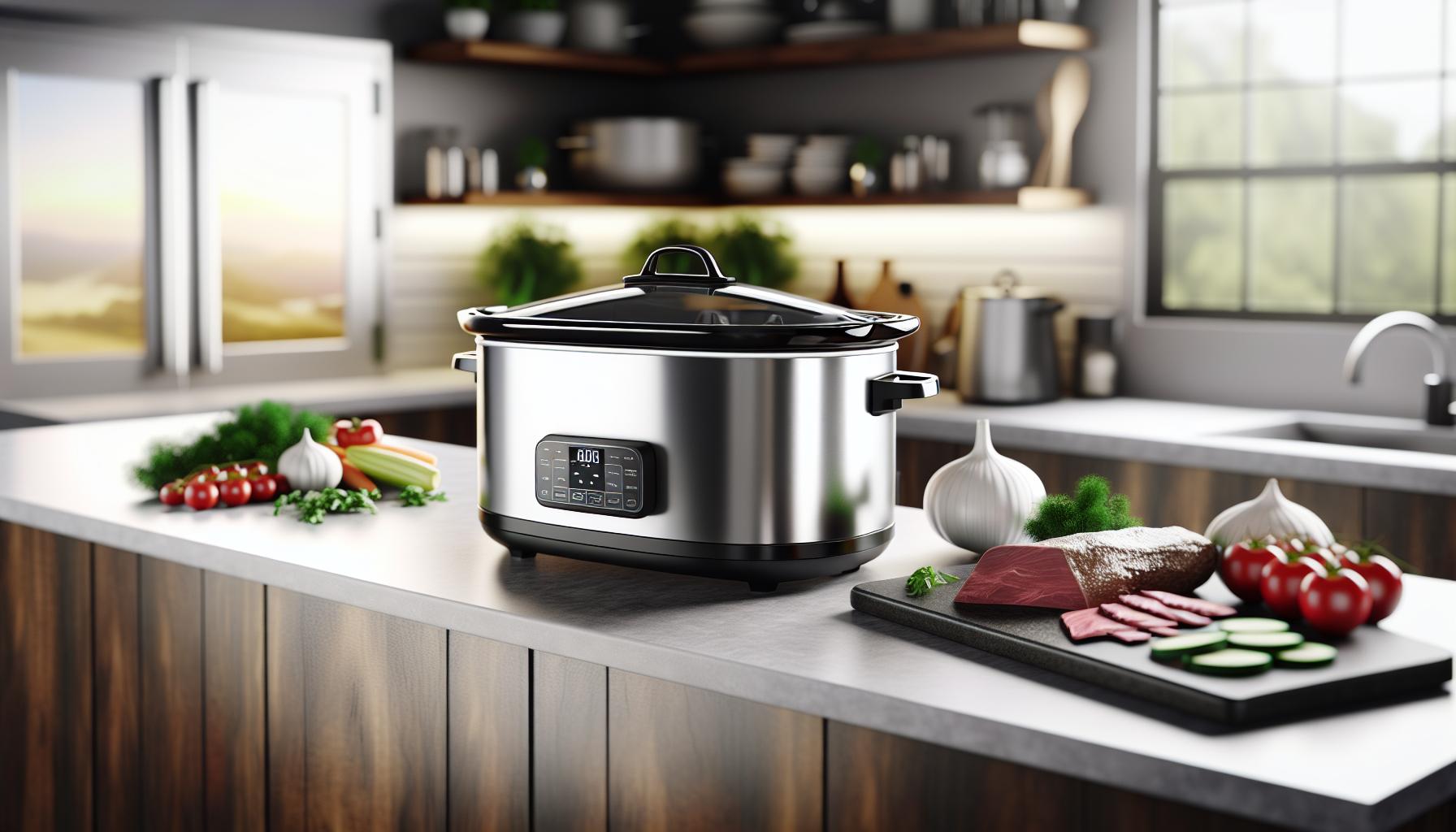
Slow Cooker Settings for Perfect Texture and taste
few kitchen tools are as forgiving and hands-off as a slow cooker, yet dialing in the right settings can make the difference between a stew that’s just okay and one that melts in your mouth with deep, hearty flavors and perfect thickness. Slow cookers are designed to simmer your ingredients gently, coaxing rich flavor out while tenderizing tough cuts of meat. But not all “low and slow” is created equal, and understanding how to tweak your cooker’s temperature and timing can elevate your stew into the stuff of cozy dinner dreams.
The magic starts by choosing the right heat level for your ingredients and your schedule. Typically, low heat (around 190-200°F) is the sweet spot for most stews, especially when using tougher cuts like chuck or brisket.This slow simmer slowly breaks down connective tissue, unleashing gelatin that naturally thickens your stew’s broth without needing a ton of extra thickener.Plus, cooking low and steady helps preserve delicate vegetables so they don’t turn mushy into unrecognizable blobs. Aim for 6 to 8 hours on low for a perfectly tender result that still holds shape.
If life calls for a faster fix, the high setting (around 300°F) will cook your stew in about 3 to 4 hours. Just a heads up-using high heat can sometimes lead to slightly thinner broth because it boils more aggressively, causing ingredients to release more liquid. Counter this by adding your thickening agents towards the end or finishing with a quick lidless simmer to reduce excess liquid. When in doubt, avoid overfilling your slow cooker-it needs enough space for heat to circulate evenly.
Timing & Temperature Tips for Texture Triumph
- Early Veggie Love: add hearty root veggies like carrots and potatoes at the beginning, but delicate ones (peas, zucchini) during the last 30 minutes to avoid mush.
- Layer Your Flavors: Sauté onions and garlic first for more complex flavor, then add to the slow cooker-this step ramps up taste even if you’re short on time.
- Check liquid levels: Opening the lid too frequently enough lets steam escape and can lengthen cooking time or dry out your stew.
I’ve learned the hard way that patience is your best friend here. For example, one stew I rushed on high cooked the meat well but lost the luscious texture I love. The slow setting lets collagen do its magic, turning the broth silky and thick without fuss. And don’t worry about needing precise timing down to the minute; slow cookers are wonderfully forgiving, making them ideal for busy cooks juggling life’s chaos.
for those embracing paleo or gluten-free diets, slow cooker settings remain the same, but watch the timing on added thickening agents-arrowroot or tapioca starch can break down if cooked too long, so stir them in at the end. also, coconut milk or bone broth added early can enrich texture but beware: coconut milk can separate if boiled hard, so add it during the last hour or so for best results.
With a little practice and these insights, your slow cooker can become a trusty partner in creating stews that are thick, flavorful, and always ready when you are.So set it low, set it slow, and savor every spoonful.
Incorporating Vegetables to Enhance Body and Flavor
There’s something magical about vegetables in a slow cooker stew-they’re not just fillers; they bring body, depth, and that kind of flavor that hugs you on a chilly evening. Root veggies like carrots, parsnips, and potatoes are slow-cooker superheroes. As they cook low and slow, they release natural starches that gently thicken your broth while adding subtle sweetness and an earthy backbone. Plus, they soak up all those meaty, savory juices, making every bite a cozy, soul-satisfying delight.
But timing is everything when it comes to veggie additions. Hardier vegetables should go in early to soften and meld, while tender gems like zucchini, peas, or green beans deserve a late encore-think last 30 minutes-to keep a bit of snap and color. I learned this the slightly squishy way when my first attempt turned all my zucchini into indistinguishable mush. Lesson learned,and now my stews have texture that sings!
Vegetables That Pack a Punch in Texture and Flavor
- Hearty Roots: Carrots,potatoes (Yukon gold or red skin),parsnips,turnips – add at the start for natural thickening and sweetness.
- Allium Allies: Onions and garlic – sauté first for that caramelized, rich aroma that slow cooking alone can’t beat.
- Late Bloomers: Zucchini, peas, green beans, bell peppers – toss in at the end to maintain vibrant color and fresh flavor.
- Umami Boosters: Mushrooms – their meaty texture not only adds body but also contributes natural glutamates that deepen flavor.
In paleo or gluten-free stews, you don’t have to shy away from bold veggie flavors. Sweet potatoes serve double-duty: thickening agent and flavor star. Cauliflower works wonders too-puree it for a creamy twist or add florets for bite. And if coconut milk is in your mix, adding it near the finish keeps your stew luscious without the risk of separation.
When veggies join the slow cooker family at just the right moment, your stew transforms. It’s not just about filling the pot; it’s about layers of texture and flavor that evolve in harmony. Take your time with roots and onions to create a rich canvas, then sprinkle in the more delicate players at the curtain call. Your taste buds will thank you-and so will your hungry crew.
Safe and Tasty Meat Selection and Preparation Tips
Choosing the right meat can make or break your slow cooker stew-not just for flavor but also for that luscious,thick texture we all crave. While beef chuck is the classic go-to for stew lovers, prized for its rich marbling and connective tissue that breaks down into gelatin, don’t be afraid to explore other cuts or proteins that suit your taste and dietary preferences. The magic lies in slow, steady cooking that transforms humble chunks into melt-in-your-mouth bliss while naturally thickening your broth.When picking meat, look for cuts with plenty of collagen-think chuck roast, short ribs, or even shanks. These tougher cuts are your stew’s best friends because their connective tissue melts during cooking, giving you that silky, velvety mouthfeel without any extra thickening agents. Pro tip: Browning your meat before tossing it into the slow cooker isn’t just about color-it caramelizes the surface sugars, adding deep, savory notes that elevate your stew from “meh” to “wow.” plus, browned bits stuck to the pan can be deglazed with a splash of broth or wine for added richness.
Meat Prep Tips for Maximum Flavor and Tenderness
- Trim but don’t overdo it: Some fat is flavor gold in your stew, so leave a bit on. That fat renders slowly and keeps meat tender.
- Cut uniformly: Aim for chunks about 1-2 inches. Smaller pieces cook faster but risk drying out; bigger chunks might stay chewy.
- Season early and layer flavors: Salt your meat before browning to help it retain moisture and build savory depth. Add aromatics like garlic and herbs early for infusion.
- Patience with browning: Use medium-high heat and avoid overcrowding the pan so meat gets a nice crust instead of steaming.
for those embracing paleo or gluten-free lifestyles, the stew world of meats is wide and welcoming. Venison, bison, or even pork shoulder bring their own flavor profiles and textures but follow the same basic prep principles for best results. Don’t shy away from chicken thighs either; they’re forgiving, flavorful, and build luscious stews in shorter cook times-just watch the timing so the meat stays tender and doesn’t dry out.
Here’s a quick glance at ideal stew meat options and their flavor/thickness contributions:
| Meat Cut | Cook Time (Slow Cooker) | Flavor Profile | Thickening Aid |
|---|---|---|---|
| beef Chuck | 7-8 hours low | Rich, beefy, robust | High (collagen-rich) |
| Pork Shoulder | 6-7 hours low | Sweet, slightly fatty | Moderate |
| Lamb Shank | 7-8 hours low | Intense, gamey | High |
| chicken Thighs | 4-5 hours low | juicy, mild | Low |
don’t overlook the impact of adding bones whenever possible. Bone-in cuts or even adding marrow bones can take your stew from simply tasty to soul-nourishing by enriching broth with natural gelatin and minerals-a win for depth and thickness without any extra work. And if time’s tight or you’re taking a shortcut, good-quality stew meat from the butcher, even pre-cut, can still produce stellar results when paired with smart seasoning and proper layering.
choosing and prepping your meat doesn’t have to be complicated-just treat it with a bit of respect and patience. Your slow cooker will do the hard work, turning those humble chunks into the hearty, thick, and flavorful centerpiece your stew deserves. After all, cooking is joy, not a chore; get your hands dirty, experiment a little, and savor every cozy spoonful.
Gluten-Free and Paleo-Friendly thickening Alternatives
If you’re hunting for ways to thicken your slow cooker stew without reaching for traditional wheat flours or cornstarch (hello, gluten-free and paleo friends!), you’re in for some tasty surprises. The good news? Nature’s pantry is packed with fantastic options that not only boost thickness but also add layers of flavor and nutrition. whether you’re avoiding gluten or embracing paleo principles, these alternatives will help you get that satisfyingly thick stew consistency without any fuss or weird aftertaste.One of my absolute go-tos in the thickening game is pureed vegetables. Root veggies like sweet potatoes, carrots, and parsnips are winners here because they naturally break down into creamy, almost buttery textures as they cook. simply reserve a cup or so from your cooked vegetables toward the end, blend or mash them, and stir the puree back into the stew. This trick thickens the broth beautifully while sneaking in extra vitamins and fiber. Bonus: the stew gains a subtle sweetness and richness that complements those savory meat flavors perfectly.
Nutritious and Natural Starches to the Rescue
If you want a bit more oomph, arrowroot powder and tapioca starch are unbelievable paleo- and gluten-free friendly thickeners. These starches work best if you mix them with a small amount of cold water first, creating a smooth slurry before stirring into your stew during the last 20-30 minutes of cooking. Just keep your heat moderate – arrowroot especially can lose its thickening power if boiled too long. Tapioca pearls or flour can lend a nice body and a slightly glossy look that makes your stew irresistibly inviting.
For those embracing nutty flavors, a spoonful of almond flour or ground nuts stirred in gently just before serving can add subtle creaminess and texture without overpowering the stew’s profile. Keep in mind this method brightens the stew with a mild nuttiness that pairs surprisingly well with game meats or poultry.
Other Simple,Paleo-Friendly Thickeners
- Cauliflower puree: Steamed and blended,cauliflower provides a neutral-tasting thickener that lets your other flavors shine.
- Coconut cream or full-fat canned coconut milk: Adds luscious richness and a gentle tropical nuance – be cautious if your stew is more classic or heavily spiced.
- Ground flaxseeds: A tablespoon or two stirred in can definitely help thicken with extra omega-3s, though it may add slight earthiness.
here’s a quick starter table to help you decide which thickener might suit your stew style and dietary needs:
| Thickening Alternative | Prep Time | Flavor Impact | Best For |
|---|---|---|---|
| Pureed Root Vegetables | Minimal (using leftover cooked veg) | Mild sweetness,earthy | Comfort stews,beef,pork |
| Arrowroot or Tapioca Starch | 5 min (make slurry) | Neutral,glossy finish | Clear broths,chicken,seafood |
| Almond Flour/Ground Nuts | Instant | Nutty,creamy | Game meats,poultry stews |
| Cauliflower Puree | 10-15 min to steam and blend | Neutral,slightly vegetal | Any stew,especially lighter ones |
| Coconut Cream | Instant | Rich,slightly tropical | Curried or spiced stews |
Remember,thickening your stew slow and steady is key.Resist the urge to dump thickening agents in all at once – add a little, give it time to meld, and adjust as you go. And don’t forget,natural collagen from those bone-in cuts and simmered marrow bones is still your stealthy ninja thickener,working quietly in the background without any special effort.
In all,making paleo and gluten-free thickening classy,simple,and downright delicious is totally doable-and oh-so-rewarding. Your slow cooker stew can be every bit as luscious and cozy as the classic version, with this little treasure trove of tricks up your sleeve. Plus, it’s one more reason to love those long, slow cooking days filled with good smells and happy tummies. dig in and enjoy!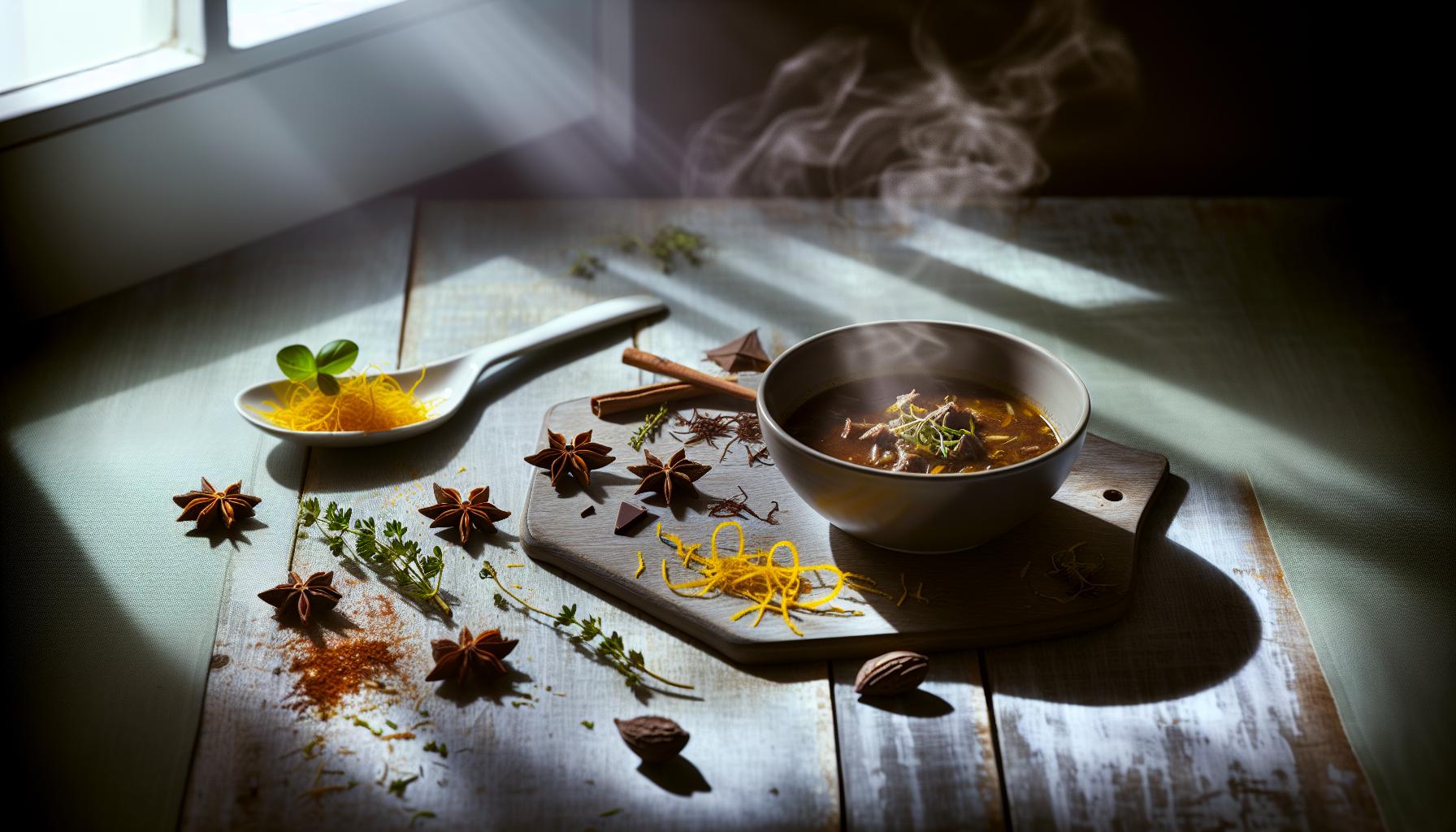
Creative Flavor Twists to Elevate Classic Stews
Few things beat the comforting hug of a slow cooker stew simmered low and slow, but giving that classic base a creative spin is where the real magic happens. Whether you’re aiming to surprise family or impress friends without slaving over the stove, small twists can transform a familiar stew into something exciting and memorable. Plus, embracing paleo and gluten-free flavor boosters means you can indulge with confidence-no gluten nerves here! Let’s dive into some savvy additions and simple swaps that’ll brighten your stew game without complicating your life.
One of my favorite tricks is layering unexpected aromatics and herbs toward the end of cooking to revive and deepen the flavor profile. Try tossing in fresh rosemary or thyme sprigs for that woodsy warmth, or a cinnamon stick for subtle sweetness-especially with beef or pork stews. For poultry stews, a splash of lemon zest or a handful of fresh parsley just before serving adds that fresh pop without overpowering. another fun hack: incorporating fermented ingredients like a spoonful of miso paste or a splash of coconut aminos during the last 30 minutes amps up umami and gives your stew a savory complexity that’s both paleo-friendly and irresistibly rich.
Spice It Up: Flavor from Around the Globe
Adding global spices and flavor bases can elevate your slow cooker stew from “classic” to “chef’s special.” Think smoked paprika and ground cumin for a Spanish-inspired smoky depth, or a curry powder blend for a warm, exotic vibe-pair these with coconut cream to keep things luscious and paleo-friendly. For a quick Mediterranean twist, toss in sun-dried tomatoes, kalamata olives, and a drizzle of good-quality olive oil near the end of cooking. It’s like taking your taste buds on a mini vacation without leaving the kitchen.Here’s a quick flavor-boosting cheat sheet for creative stew tweaks that keep things simple but exciting:
- Roasted garlic or shallots: Adds mellow, caramelized sweetness and complexity.
- Chopped fresh herbs: Basil, cilantro, or dill brighten hearty stews, added last.
- Acidic elements: A splash of red wine vinegar or fresh lemon juice wakes up flavors fantastically.
- Sweetness balance: A drizzle of raw honey or a chunk of roasted butternut squash brings natural sweetness that mellows spices and meatiness.
- Crunchy toppings: Toasted nuts or seeds sprinkled on after serving add texture and an extra flavor layer.
Remember, it’s all about layering flavors thoughtfully-not dumping everything at once. start simple,taste often,and adjust little by little. These easy flavor twists are perfect for busy home cooks who want impressive results without fuss-because enjoying great food should be joyful, not stressful. After all, thick, hearty stews deserve a flavor punch that surprises and delights every time you ladle up.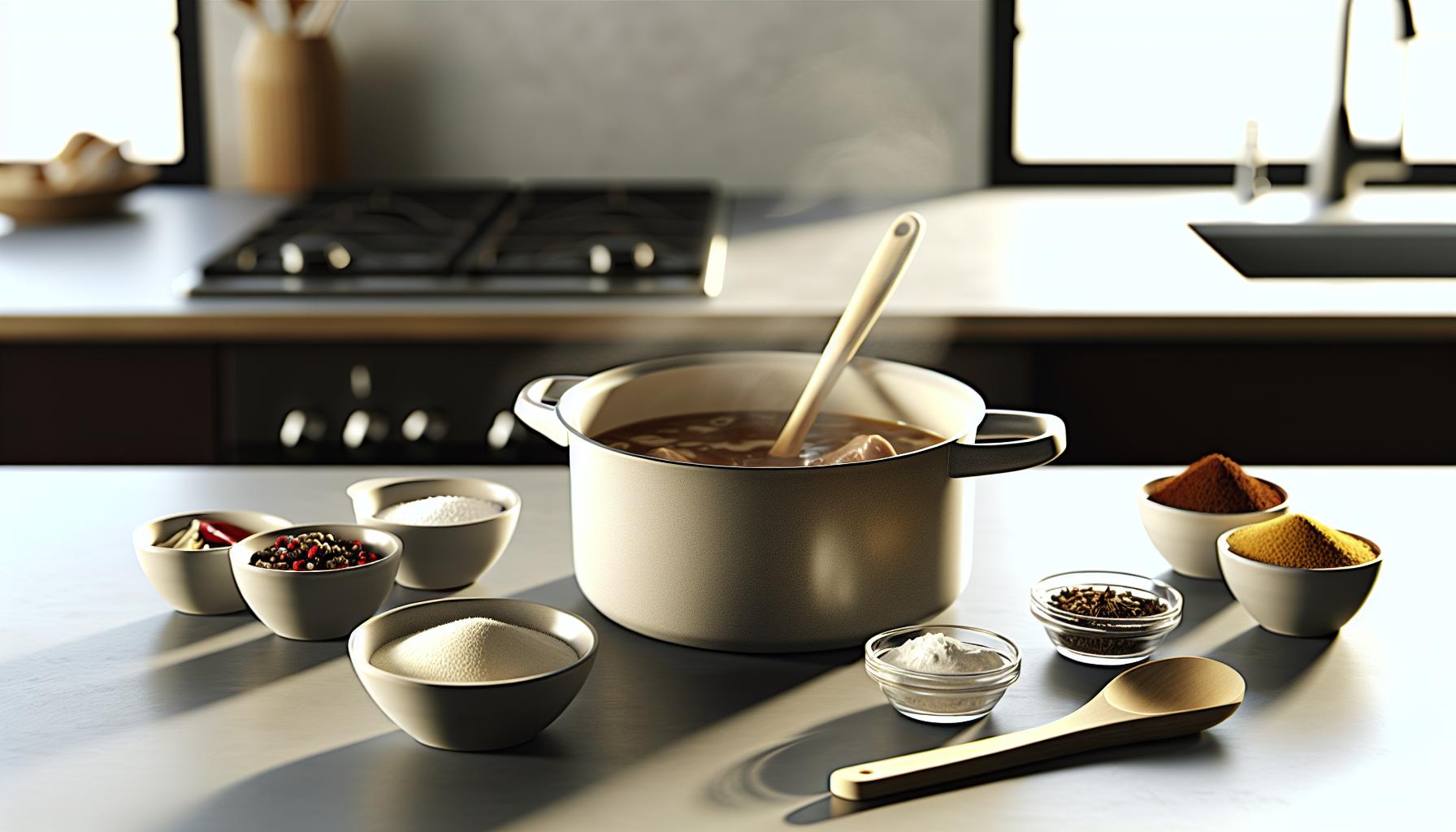
Troubleshooting Thin or Bland Stew: quick Fixes That Work
When your slow cooker stew turns out thinner or blander than you hoped, don’t despair-rescuing it can be surprisingly simple and satisfying. stews are forgiving dishes, and with a few savvy tricks up your sleeve, you can transform a watery, flavor-light pot into a cozy, rich meal that hits all the right notes. This friendly kitchen-side guide will help you troubleshoot and fix thin or bland stew with ease, while keeping things paleo- and gluten-free-friendly, as good food should feel like a warm hug, no matter the diet.
First, let’s tackle thickness without fuss. If your stew is flowing more like soup than a hearty meal, thicken it up by stirring in natural thickening agents near the end of cooking. A quick favorite is blending cooked root vegetables like sweet potatoes or carrots into a smooth puree-just scoop some out, mash them with a bit of the hot liquid, then stir right back in. This boosts both the body and the flavor naturally, no extra flour needed. Another easy option is tossing in a few tablespoons of nut butters (almond or cashew work beautifully) or arrowroot powder mixed with cold water to make a slurry-just stir and simmer for 10-15 minutes until your stew hugs the spoon more than it drips off. Both methods keep it paleo and gluten-free while adding richness.
If flavor seems to have taken a vacation, be bold with seasoning tweaks. Sometimes low-and-slow cooking dulls the punch, so it’s time to freshen things up. Add a splash of acid-like fresh lemon juice, apple cider vinegar, or a dash of red wine vinegar-to brighten and awaken those cozy, slow-cooked flavors. If you want an umami kick, stir in a teaspoon of miso paste or coconut aminos near the end of cooking. Don’t shy away from salt here; it’s a flavor enhancer that’ll bring everything forward without overpowering. Fresh herbs like chopped parsley, cilantro, or dill tossed in just before serving add a lively lift that’ll make your stew pop. Lastly, if the stew feels one-note, a pinch of smoked paprika, ground cumin, or even a touch of chili powder can introduce complexity and warmth without extra heat.
Quick Fix summary: Rescue Thin or Bland Stew in 3 Easy Steps
- Boost thickness: Puree cooked roots, swirl in nut butter, or add arrowroot slurry while simmering.
- Brighten flavors: Splash fresh lemon juice or vinegar; stir in miso paste or coconut aminos for umami depth.
- Fresh finish: Add fresh herbs last minute and season with salt and warming spices to enliven the stew.
Remember, patience and tasting as you go turns guesswork into confidence. I once salvaged a weeknight stew by whipping up a quick carrot puree to thicken and adding a spoonful of miso for a flavor jolt-the family barely noticed the fix,just happy to dig into something that tasted homemade and hearty.So keep these tricks in your stew toolkit, and you’ll turn any “meh” batch into a slow cooker success that feels like a big, flavorful hug at the end of a long day.
Frequently asked questions
Q: Why does slow cooker stew sometimes turn out watery and how can I fix it?
A: Slow cooker stew can be watery due to too much liquid or lack of evaporation during cooking. To fix this, remove the lid in the last 30 minutes to reduce liquid, or add a thickening agent like mashed beans or pureed vegetables for natural body. See our Balancing Liquids and Troubleshooting Thin Stew sections for tips.
Q: How can I enhance the depth of flavor in a slow cooker stew without extra salt?
A: To boost flavor without extra salt, use umami-rich ingredients like tomato paste, mushrooms, or a splash of soy sauce substitute (tamari). Adding slow-cooked aromatics like caramelized onions and garlic also intensifies taste naturally. Check out boosting Flavor strategies for more soulful seasoning secrets.
Q: When should I add dairy or creamy ingredients to a slow cooker stew for best texture?
A: Add dairy or creamy ingredients like sour cream, yogurt, or coconut milk in the last 15-30 minutes of cooking to prevent curdling. This keeps the stew rich and smooth while preserving flavor and texture. Refer to our flavor and texture balancing tips for guidance.
Q: What slow cooker meats stay tender yet help thicken stew naturally?
A: Cuts like chuck roast or beef shank are ideal-they become tender and release gelatin during slow cooking, naturally thickening the stew. This collagen breakdown boosts body and silkiness. For meat prep and selection advice, check Safe and Tasty meat Tips in our main guide.
Q: How can I make a slow cooker stew thick and flavorful if I want it paleo and gluten-free?
A: Use paleo-friendly thickeners like pureed rutabaga, arrowroot powder, or coconut flour rather of wheat flour. Incorporate collagen-rich meats and umami veggies to enrich flavor without gluten. Our Gluten-Free and paleo-Friendly Thickening Alternatives section offers detailed, delicious swaps.
Q: Can resting slow cooker stew after cooking improve thickness and flavor?
A: Yes, letting stew rest off heat for 10-15 minutes allows it to thicken as it cools and flavors to meld beautifully. This simple step boosts texture and depth without extra effort-perfect for busy cooks who want rich results. See slow cooker settings and finishing tips for more tricks.
Q: How do I adjust slow cooker times and settings to get the best stew thickness?
A: Cooking on low for longer retains flavors and maximizes gelatin release, helping stew thicken.If too watery, switch to high for the last hour with the lid off to reduce liquid. Our Slow Cooker Settings for Perfect Texture section breaks down timing for ideal, fuss-free results.
Q: What vegetables add natural thickness to slow cooker stew without diluting flavor?
A: Root veggies like potatoes,carrots,and parsnips release starches that naturally thicken stew while adding sweetness and texture. Pureeing a portion of cooked vegetables and stirring them back in can further enrich body. Explore Incorporating Vegetables for creative, flavorful ideas.
For more insider tips and tested recipes, explore our full guide to making thick and flavorful slow cooker stew-there’s always room for delicious creativity in your kitchen!
Wrapping Up
Now that you’ve mastered how to make stew in a slow cooker thick and flavorful, remember: a few simple tweaks-like adding a slurry or reducing liquids-transform humble ingredients into a cozy, soul-satisfying meal. Whether you’re following a gluten-free or paleo lifestyle, these easy steps keep your stew rich without extra fuss or fancy equipment. Ready to serve up comfort in under eight hours? Don’t wait-try these tips in your next slow cooker recipe tonight!
For more kitchen inspiration, check out our guides on “Easy Paleo Slow Cooker Meals” and “Top Gluten-Free Dinner Ideas” that perfectly complement your stew-making skills. Curious about perfecting textures or experimenting with spice blends? Our recipe library and slow cooker tips have you covered. Plus, don’t forget to subscribe to our newsletter for weekly delicious ideas and handy cooking hacks that fit your busy life.
Got questions or favorite thickening tricks of your own? Drop a comment below-we love hearing from fellow home cooks who keep comfort food delicious and doable. Keep exploring, keep cooking, and let’s make every slow cooker meal a hit worth sharing!
Get our latest guides, news, and insights highlighted in your Google Search & AI Overviews.


