

Did you know that a slow cooker’s secret to turning simple ingredients into rich, mouthwatering meals lies in its slow, steady heat? This humble kitchen gadget gently simmers food over hours, locking in flavors and tenderizing even the toughest cuts of meat.Whether you’re juggling a busy schedule or craving a comforting gluten-free stew, understanding how a slow cooker works can transform your cooking game-making meal prep easier and results tastier. Stick around, and I’ll share why your slow-cooked dishes not only save you time but also taste like they’ve been bubbling away all day-without you hovering over the stove. trust me, once you get the hang of it, your slow cooker will be your new best friend in the kitchen, especially for paleo, gluten-free, or simply fuss-free meals that feel like a warm hug on a plate.
Table of Contents
- How a Slow Cooker Actually Works Behind the Scenes
- The Science of Slow Cooking and Flavor Development
- Why Slow Cooking Makes Meals Taste Richer and Deeper
- Best Ingredients for Slow Cooker Recipes and Why They Matter
- How to Maximize Flavor Using Slow Cooker Techniques
- Common Slow Cooker Mistakes That Ruin Taste (And How to Avoid Them)
- Comparing Slow Cooker vs Oven: flavor and Texture Differences
- slow Cooker Safety Tips and Temperature Secrets for tasty Results
- time-Saving Prep Tips for Stress-Free Slow Cooking
- Delicious slow Cooker Meals for Every Dietary Style
- Secrets from Home Cooks: Slow Cooker Hacks That Boost Flavor
- Faq
- Q: How does slow cooking enhance the natural flavors of ingredients?
- Q: why does slow cooker food frequently enough have a more tender texture than oven-cooked meals?
- Q: What types of dishes benefit most from slow cooking to improve taste?
- Q: How does the moisture retention in slow cookers affect food flavor?
- Q: Can slow cookers create flavor profiles different from other cooking methods?
- Q: What common mistakes reduce flavor when using a slow cooker?
- Q: How can I adjust slow cooker recipes to suit specific dietary needs without losing flavor?
- Q: When should I add fresh herbs or delicate ingredients for best flavor in a slow cooker?
- In retrospect
How a Slow Cooker Actually Works Behind the Scenes
Ther’s something almost magical about how a slow cooker transforms humble ingredients into something irresistibly tender and flavorful, isn’t there? At its core, a slow cooker acts like a tiny, gentle oven that wraps your food in a steady, warm embrace over several hours-usually between 170°F and 280°F. Unlike a conventional stovetop or oven where temperatures fluctuate and food can dry out, the slow cooker maintains a consistent, low heat all around the ceramic pot, steadily coaxing out flavors without ever rushing the process. It’s like giving your stew or roast a long, slow hug that melts tough fibers into silky, melt-in-your-mouth bites [[1]](https://extension.wvu.edu/food-health/cooking/using-a-slow-cooker).
What’s going on behind the scenes is a clever balance of even heating and moisture retention. The ceramic insert conducts heat evenly, while the sealed lid traps steam-creating a mini steam bath inside. This moisture circulation prevents drying and promotes the breakdown of tough connective tissues,especially in meats,turning collagen into gelatin. That gelatinous texture is a secret to why slow-cooked dishes feel so rich and comforting.Unlike fast cooking methods that sometimes toughen proteins, slow cooking gently unwinds them, which is why meat dishes become tender and luscious without much effort on your end [[2]](https://www.reddit.com/r/cooking/comments/en8xxl/whats_the_science_behind_slow_cooking_foods/).
Another neat thing is how the slow cooker’s temperature profile affects safety and taste. The slow cooker heats your food steadily, but it doesn’t get as hot as an oven or stove, maxing out below boiling point. This means it takes much longer for dishes to reach a safe eating temperature, making it critically important to follow recommended cooking times and not rush the process. However, this gentle heat level allows flavors to develop gradually and marry perfectly-think herbs and spices patiently infusing their essence into every bite. For example,throwing in dried herbs at the start works like slow-release flavor capsules,unlike fresh herbs that are better added later to keep their brightness [[3]](https://home.howstuffworks.com/slow-cooker.htm).
Whether you’re simmering a savory stew,cooking a batch of chili,or prepping a paleo-friendly curry,understanding how your slow cooker operates can empower you to tweak cooking times,liquid levels,and ingredient choices confidently. Just remember: slow means steady and steady means delicious! With patience (and a little planning), your slow cooker becomes your best kitchen sidekick for hands-off, crave-worthy meals without stress. Who knew science could taste so good?
The Science of Slow Cooking and Flavor Development
There’s something almost magical about how a slow cooker takes simple ingredients and, with a patient simmer, transforms them into a symphony of rich, deep flavors. The real secret lies in time and temperature working hand in hand to unlock the chemistry of taste.When you cook low and slow, proteins-especially in tougher cuts of meat-break down gradually, turning from tough and chewy into tender bites that practically melt in your mouth. this happens as collagen, the connective tissue that can make meat feel rubbery, slowly converts into gelatin.That gelatin coats your dish with a silky texture and adds a luscious mouthfeel that’s hard to beat in fast-cooked meals [[1]](https://www.reddit.com/r/Cooking/comments/en8xxl/whats_the_science_behind_slow_cooking_foods/).
The Magic of Maillard Reactions and Flavor Development
Now, you might wonder how flavor deepens when the temperature doesn’t even reach a rolling boil. Unlike roasting or pan-searing, slow cooking doesn’t rely heavily on the Maillard reaction (that browning magic that happens around 300°F), because slow cookers max out below boiling point. Though, they do excel at allowing the Maillard reactions that *did* happen earlier-say, if you brown your meat before adding it- to slowly infuse the entire dish over hours of gentle heat. In the cozy habitat under the sealed lid, moisture stays trapped, so ingredients stew in their own juices, letting spices and herbs meld together gradually rather than evaporate or degrade. This slow marriage of flavors means every bite tells a story, building complexity one hour at a time [[2]](https://home.howstuffworks.com/slow-cooker.htm).
How Ingredients Mingle and Morph
As the slow cooker essentially creates a tiny steam bath, flavors develop differently compared to dry heat methods. Water-soluble vitamins and flavor compounds dissolve and spread through the cooking liquid, seasoning everything evenly-think root vegetables releasing their earthiness or garlic mellowing into a sweet, background note. Dry herbs added at the start work wonders here, unfolding like slow-release capsules that infuse the dish fully, while fresh herbs tend to lose their brightness if cooked too long, so add those near the end to keep that pop of freshness. The low heat also means that acidic ingredients-like tomatoes or citrus-won’t break down as harshly, balancing their sharpness with the dish’s overall softness.
- Tip: Try layering flavors by browning meat beforehand, then slow cooking with aromatics like onions, carrots, and celery to amplify natural sweetness and umami.
- Substitution idea: Swap regular onions for shallots or leeks in paleo or gluten-free recipes to add gentle, nuanced heat without overpowering the dish.
Trust me, coming home after work to a pot full of tender stew or chili that’s been bubbling gently-and yet powerfully-flavoring itself throughout the day feels like a small kitchen miracle. The slow cooker’s gentle warmth doesn’t just soften food, it nurtures flavors, drawing out hidden notes and uniting ingredients in a way that fast cooking can’t replicate.And the best part? This science-backed process means anyone, even beginners, can enjoy flavorful, wholesome meals with minimal effort and maximum comfort.
—
Sources:
[1] What’s the science behind slow cooking foods? (Reddit)
[2] How Slow Cookers Work (HowStuffWorks)
Why Slow Cooking Makes Meals Taste Richer and Deeper
There’s something utterly satisfying about how slow cooking turns humble ingredients into dishes bursting with depth and warmth. The secret? Time and gentle heat coax every flavor to its fullest potential. When you simmer a stew or braise a roast in a slow cooker, the extended cooking period allows tough proteins and fibrous vegetables to soften and release their unique taste profiles fully. Collagen in meat slowly transforms into gelatin, giving a luscious, silky mouthfeel that fills each bite with cozy richness rather than dry toughness [[1]](https://www.reddit.com/r/Cooking/comments/en8xxl/whats_the_science_behind_slow_cooking_foods/).
Unlike speedy cooking methods that sometimes rush the melding of flavors, slow cooking gives spices, herbs, and aromatics hours to relax and mingle. This means your dish doesn’t just carry a one-note seasoning; it’s layered, nuanced, and harmonious. The sealed environment traps moisture, preventing evaporation, so instead of drying out, ingredients stew in their juices, intensifying umami and natural sweetness.For example, carrots become deeply caramelized within the liquid, and garlic turns mellow and nutty rather of sharp-a little secret pantry alchemy happening right in your pot [[2]](https://amazingribs.com/technique-and-science/cooking-science/science-of-slow-cookers/).
- Pro tip: Brown meat before adding it to the slow cooker if you can-this jumpstarts complex Maillard flavors that then diffuse into the entire dish over hours.
- Flavor hack: Add dry herbs at the start for prolonged infusion,but wait to toss in fresh herbs near the end for that radiant,vibrant pop.
If you’ve ever come home to a bubbling pot of chili or pulled pork that tastes like it’s been perfected by a pro chef, that’s slow cooking magic working its charm.It’s a gentle, forgiving process that lifts your recipe above everyday meals, making it a go-to for busy folks craving deep, satisfying flavors without needing to hover over the stove. Whether you’re paleo,gluten-free,or just a flavor seeker,slow cooking’s rich taste profiles prove that cooking low and slow is one of the best-kept secrets for unforgettable meals.
Best Ingredients for Slow Cooker Recipes and Why They Matter
There’s a certain magic to how a few humble ingredients transform into a rich, comforting meal in a slow cooker. But not all ingredients bring the same slow-cooking magic to your pot. The best choices are those that not only hold up well over hours of heat but also celebrate the gentle gelatinization, flavor melding, and moisture-retaining qualities slow cookers are famous for. Knowing which ingredients shine lets you craft dishes that are bursting with flavor and texture.
Meats That Turn Tender and Juicy
Tougher cuts of meat are slow cookers’ best friends. Think chuck roast, pork shoulders, brisket, or chicken thighs. These cuts have plenty of collagen,which breaks down slowly into luscious gelatin during cooking,transforming what started out as a dense hunk of meat into silky,melt-in-your-mouth goodness [[1]](https://www.reddit.com/r/Cooking/comments/en8xxl/whats_the_science_behind_slow_cooking_foods/). Don’t shy away from fattier pieces-fat renders down, keeping the meat juicy and infusing your dish with layered richness. For paleo or gluten-free eaters, these cuts also provide hearty satisfaction without processed fillers.
Vegetables That Sing with Slow heat
Root vegetables like carrots, parsnips, and potatoes excel in slow cookers because their structure holds up well, and their natural sugars gently caramelize in the sealed moist environment. This sweetening adds depth without burning or drying out, perfect for busy cooks who love hands-off caramelization [[2]](https://amazingribs.com/technique-and-science/cooking-science/science-of-slow-cookers/). Green veggies like spinach or zucchini? Toss them in near the end since they can go from perfect to mushy real quick. Onions and garlic become sweet and mellow over long cooks-they’re slow cooker staples that build a savory backbone to most dishes.
Herbs,Spices & Liquids That Elevate
Dried herbs and sturdier spices are your go-to for slow cooker recipes. They withstand hours of heat and gradually release flavor,giving your dish a comforting,well-rounded taste. fresh herbs, on the other hand, are best sprinkled in during the last 15-30 minutes to retain their bright, fragrant notes. As for liquids, stock, broth, and sauces act like flavor amplifiers and moisture sealers, locking in those deep flavor compounds and preventing drying out in the sealed cooking environment [[3]](https://extension.wvu.edu/food-health/cooking/using-a-slow-cooker). Even a splash of acid like vinegar or wine added in the last hour balances richness beautifully without overpowering.
- Pro tip: Use bone-in, skin-on cuts when possible-the bones add collagen, and the skin adds flavor-rich fat that bastes and protects your meat.
- Ingredient swap: Can’t find parsnips? Sweet potatoes work wonderfully as a sweet-subtle twist!
- extra flavor boost: Brown your meat before adding it to the slow cooker to jumpstart Maillard reactions-your aroma sensor will thank you.
Choosing the right ingredients that play to the slow cooker’s strengths means your meal isn’t just “cooked,” it’s slowly coaxed into something far greater. Whether you’re crafting a cozy stew, a vibrant curry, or a hearty chili, layering in patience-friendly ingredients helps you skip the kitchen stress and head straight to delighted taste buds. Trust me: once you get the hang of it, slow cooker meals become your best-kept kitchen hack for busy days and hungry nights.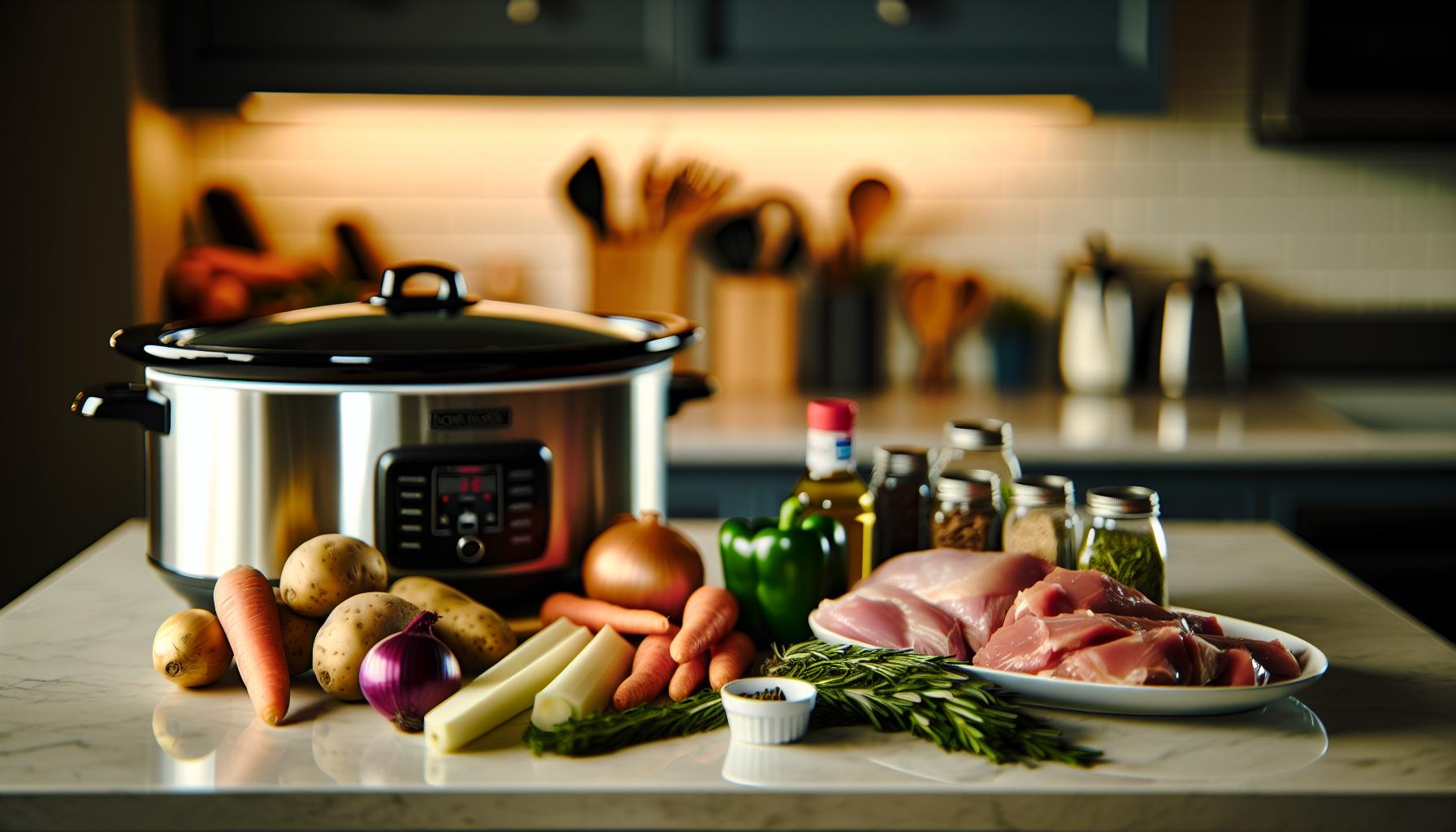
How to Maximize Flavor Using Slow Cooker Techniques
It’s wild how hours spent simmering away in a slow cooker can turn humble ingredients into a feast of layered flavors-yet without a bit of mindful magic, those flavors can sometimes settle into a dull hum rather of a vibrant melody. The key? harnessing a few pro tips that work with the slow cooker’s gentle heat, rather than against it, to coax out bright, balanced, and deeply satisfying flavors every single time.
First things first: sear your proteins before they meet the slow cooker’s ceramic pot. Browning meat over high heat triggers the Maillard reaction-a chemical process that builds complex, savory notes and irresistible aromas. I love how this step turns a simple pot roast from “just food” into something that fills the kitchen with drool-worthy anticipation. Plus,it jumps-starts flavor layers that slow cooking alone can’t mimic as the slow cooker locks in steam rather than letting moisture evaporate like your oven or stovetop does [1].
But slow and low does carry a risk: flavors can mellow and blend too much. To avoid that “flavor flatline,” save your freshest flavor bombs for the finish line. Toward the end of cooking, toss in fresh herbs like cilantro or basil, a splash of citrus juice or vinegar, or a sprinkle of crunchy toasted nuts to give your dish a bright pop that wakes up the whole bowl. For example, a squeeze of lime on slow-cooker chicken tortilla soup gives it that zingy lift it desperately needs after 4-6 hours of cooking [2].
Layering Flavors and Ingredients Like a Slow-Cooking Pro
- Start with glutamate-rich ingredients: Tomato paste, soy sauce, mushrooms, or Parmesan rind add savory depth and mimic the umami boost you’d get from traditional browning or sauce reductions.
- Choose resilient herbs and spices: Dried herbs (thyme, oregano) and sturdy spices (cumin, smoked paprika) shine over hours of heat, slowly unfolding their aroma like a warm blanket.
- Hold back delicate ingredients: Fresh herbs, garlic, or greens get tossed in during the last 15-30 minutes for front-row flavor impact and texture that doesn’t fade to mush.
- Use the right liquids: Stock, broth, or wine boost flavor concentration and keep everything moist, while acidic notes added near the end balance richness beautifully.
A personal hack that never fails? Add a splash of acid at the end-vinegar, lemon juice, or a bit of wine-to brighten the dish without overpowering it. It cuts through the slow cooker’s natural tendency to create soft, gentle, comforting flavors and lifts the whole meal in an instant.
Small tweaks, big flavor wins
remember, dialing in flavor with a slow cooker is less about speed and more about layering. Experiment with adding extras like garlic powder early on and fresh garlic later, or swapping half your broth for coconut milk in curries to get creamy richness and a hint of sweetness. And if time is tight? Don’t fret about shortcuts-store-bought bone broth or pre-toasted spices can be secret weapons to fast-track a delicious slow cooker meal.
So whether you’re aiming for a cozy paleo stew, gluten-free chili, or just a weeknight dinner to impress without stress, embracing these slow cooker flavor tricks turns your pot into a flavor factory-without the extra fuss. Your slow cooker deserves it, and so does your appetite!
Common Slow Cooker Mistakes That Ruin Taste (And How to Avoid Them)
When it comes to slow cooking, even the best intentions can sometimes send flavors into a flatline. Many well-meaning home cooks unknowingly stumble over a handful of common missteps that end up dulling the vibrant tastes that slow cooking can beautifully develop. The good news? Avoiding these pitfalls is easier than you think, and with a few tweaks, your slow cooker meals will sing with flavor instead of whispering a boring tune.
One of the biggest culprits: lifting the lid mid-cook. Every time you lift the lid, heat escapes, and your slow cooker has to spend precious time and energy bringing the temperature back up.This starts a cycle where flavors don’t meld properly, and meat can turn out tougher or undercooked. Resist the temptation to peek unless the recipe specifically says so. Patience here is flavor’s best friend. If you’re worried about timing, remember a slow cooker’s low setting typically doubles the cooking time of the high setting-plan accordingly and trust the process [1].Another rookie mistake that steals flavor is skipping that crucial step of pre-cooking or searing proteins before they hit the pot. Searing meat triggers the Maillard reaction, that magical browning process that unleashes savory, caramelized notes that slow cooking alone can’t replicate because of the sealed, moist environment inside the pot. Think of it as painting the foundation for layers of flavor to build on during those long, slow hours. Without this step, your dish might taste a little flat or one-dimensional. Plus, searing helps lock in juices, making your meat extra tender and luscious once it’s finished [1].
Overloading your Pot and Ignoring Ingredient Layers
Filling your slow cooker to the brim might seem like a great way to get a big batch done, but it can actually backfire on flavor and texture. When your cooker is packed full, heat penetrates slower and unevenly-leading to undercooked pockets or mushy veggies. It’s best to fill your pot between half and three-quarters full to ensure even cooking and perfect tenderness [3].
Also, not layering ingredients strategically can sabotage your meal. Hard-root veggies like carrots or potatoes take longer to cook, so they belong at the bottom of the slow cooker where the heat is most direct. Softer veggies and delicate herbs should go on top and be added later where possible. This way, your textures stay vibrant and your flavors don’t blur into a monotone mush.
Common Flavor Killer Ingredients and How to Rescue Them
Some ingredients just don’t play nicely with long, slow cooking. Dairy can curdle or separate if added too early, so hold off until the final stages of cooking. Likewise,fresh herbs like basil or cilantro need to join the party late so they retain their brightness and don’t dissolve into a dull afterthought. Acidic ingredients like lemon juice, vinegar, or wine are best added at the end too, to balance richness and wake up the palate without turning bitter or flat.
If your dish ends up bland (and it happens!), don’t stress-sometimes slow cooker recipes just need a little extra seasoning at the finish line. A splash of soy sauce,squeeze of citrus,or pinch of fresh salt can reignite the flavors and give your meal a much-needed spark right before serving. Trust me, your taste buds will thank you.
- Don’t forget to brown your meat first: It’s quick and multiplies flavor.
- Keep the lid closed: Every peek costs steaming heat and cooking time.
- Layer wisely: Dense veggies on bottom, delicate ones on top.
- Add dairy and fresh herbs late: This keeps their flavors fresh and textures perfect.
- Adjust seasoning last: Slow cooking can mellow spices; taste at the end.
Taking these suggestions to heart will help you dodge the most common slow cooker flavor pitfalls-transforming your pot into a magic vessel for deep,rich,mouth-watering meals every time.After all, slow cooking isn’t just about convenience; it’s about unlocking layers of flavor that make weeknight dinners feel like a warm, comforting celebration.
Comparing Slow Cooker vs Oven: flavor and Texture Differences
Sometimes,deciding between your trusty slow cooker and the oven feels like choosing between two family members-both dependable,but with very different personalities in the kitchen. while ovens tend to excel at delivering that crispy,roasted exterior with vibrant texture contrasts,slow cookers bring a low-and-slow,set-it-and-forget-it magic that can transform humble ingredients into deeply tender,flavor-packed meals with almost no babysitting required.
The secret lies in how these appliances use heat. An oven cooks by surrounding food with dry, consistent heat, promoting Maillard reactions that create those beloved brown crusts – perfect for everything from roasted veggies to seared meats. Slow cookers, on the other hand, cook with moist heat trapped under a lid, gently coaxing flavors to meld and tough cuts of meat to break down into melt-in-your-mouth perfection over several hours. The steam inside the slow cooker retains juices, preventing drying out but sacrificing the crispy, textured bite you often get with an oven roast.
- Texture: Oven roasting produces a crispy exterior and firm interior-think golden roasted chicken skin or caramelized edges on potatoes. In contrast, slow cooking results in very soft textures, with meat so tender it practically shreds itself, and vegetables becoming silky and infused with the cooking liquid.
- Flavor development: Slow cookers excel at deep, rich flavor extraction. The long cooking time allows collagen in meat to convert to gelatin,enhancing mouthfeel and imparting a luscious body to stews or braises. Ovens encourage more complex surface flavors through browning reactions, which you can’t fully replicate in a sealed slow cooker environment.
Here’s a little kitchen hack I’ve lived by: for the best of both worlds, start with searing your meat in a pan or under the broiler to create that flavorful crust, then transfer it to the slow cooker to finish gently. This combo pumps up flavor and delivers tender results without sacrificing any of that roasty goodness. Plus, some dishes benefit by finishing with a quick oven broil or sauté to reintroduce texture – like topping slow-cooked pulled pork with crisp caramelized onions or broiling a slow-simmered tomato sauce for a hint of char.
| Aspect | Slow Cooker | Oven |
|---|---|---|
| Cooking Method | Low, moist heat with lid on | High, dry heat around food |
| Texture Outcome | Tender, soft, sometimes stew-like | Crispy, firm, caramelized exterior |
| Flavor Profile | Deep, melded, juicy flavors | Complex, roasted, toasted notes |
| Best For | Tough cuts, soups, stews, shredded meats | Roasts, baked goods, crispy veggies |
if you’re all about wholesome, paleo-friendly meals with minimal fuss, slow cookers are a dream come true, especially for making gluten-free stews and hearty protein bowls while you’re at work or running errands. Ovens require more active time and watching,but yield those beautiful textures that make each bite exciting. Whichever you choose, knowing the strengths of each tool means you’re one step closer to meal magic without the stress.
So, next time you’re weighing your options, think about the texture and flavor journey you want to create. Want fork-tender, flavor-soaked comfort? Slow cooker’s your buddy.Craving that crisped, roasted finish? The oven’s got your back. Or hey, be like me – marry the two methods for meals that hit every note a home cook could ask for. it’s kitchen win-win!
slow Cooker Safety Tips and Temperature Secrets for tasty Results
Ever wonder why your slow cooker can feel so much like a trusty kitchen sidekick, quietly working its magic while you get on with life? Beyond convenience, getting the temperatures right and playing it safe are the unsung heroes behind those deeply flavorful, melt-in-your-mouth meals you love. The key is understanding how slow cookers maintain heat and why sticking to their rules not only keeps your food safe but also unlocks the best flavors.
Slow cookers work by steadily heating food to temperatures that keep bacteria at bay while gently breaking down tough ingredients – usually maintaining an internal temp between 170°F to 210°F (77°C to 99°C). This “low and slow” process is safe provided that you respect a few basics: avoid lifting the lid frequently (every peek lets heat escape, extending cooking time and increasing food safety risks), and don’t overload or underfill the cooker. Ideally, your slow cooker should be filled between half to three-quarters full for even cooking-too little, and the food temperature can spike; too much, and it’ll take forever to reach safe temperatures[[1]](https://recipeteacher.com/best-damn-slow-cooker-tips-to-level-up-your-cooking-game/)[[2]](https://kristineskitchenblog.com/the-complete-slow-cooker-guide/).
Temperature Tips That Protect & Perfect Your Meal
The sweet spot for safety and flavor lies in gradual,steady cooking. Food must reach at least 140°F (60°C) within the first two hours to prevent harmful bacteria from throwing a kitchen party.Most slow cookers’ low setting hovers just above this threshold, making it safe to leave meals unattended for several hours. If you’re short on time, the high setting cooks roughly twice as fast but still lets flavors develop beautifully if you plan accordingly.
Here’s a personal nugget: I once got tempted to flip the lid every hour, thinking “just a quick look,” only to discover my stew took an extra hour longer! Now, I trust the cooker’s closed-lid seal to build pressure and steam.This locks in heat and moisture, tenderizing meats and fusing flavors like a culinary hug. A neat trick? Use a kitchen thermometer if you’re ever unsure. Simply lift the lid near the end of cooking and probe the meat – a quick check for 145°F+ ensures doneness, especially critically important for poultry or pork.
Keeping It Safe – Without Stress
Safety and flavor go hand in hand, so here’s a handy checklist that makes slow cooker cooking foolproof:
- Start smart: always add ingredients straight from the fridge but avoid thick chunks of frozen meat. Defrost first if possible to cut down cooking time and get even heat penetration.
- Layer with love: Put dense, hearty veggies like carrots and potatoes at the bottom where heat concentrates. Meats go on top-this arrangement ensures everything reaches safe temps simultaneously.
- Lid stays put: Each time you lift the lid, heat escapes, resetting the slow cooker’s internal thermostat and prolonging cooking by up to 30 minutes. Patience pays.
- Don’t double-dip: If you want leftovers, keep them refrigerated within two hours of cooking completion and reheat thoroughly to 165°F (74°C) before eating again.
| Slow Cooker Safety Step | Why It matters |
|---|---|
| Fill 50-75% full | Promotes steady heat flow & prevents under- or over-cooking |
| Don’t open lid too often | Prevents heat loss & reduces bacteria risk by maintaining cooking temp |
| Use thawed meat | Ensures meat reaches safe internal temp without overcooking outer layers |
| Reheat leftovers to 165°F | Kills leftover bacteria and keeps food safe for next meal |
Even the simplest steps can elevate your slow cooker game from “just safe” to spectacularly tasty – because slow cooking isn’t just about convenience but nurturing flavors and textures through reliable, science-backed heat management. It’s all about trust: trust the slow cooker’s gentle warmth, trust the process, and soon you’ll be dishing up deeply satisfying, safe, and delicious meals that make every bite count.
time-Saving Prep Tips for Stress-Free Slow Cooking
You know that satisfying feeling when you come home to a ready-to-eat meal that smells incredible without having to spend hours cooking? That magic starts long before the slow cooker even switches on-smart prep is the secret sauce to stress-free, tasty slow meals.A little frontloading can save you precious time on busy days while still delivering those perfectly tender, flavor-packed dishes we all crave. think of it as setting your slow cooker up for success-because the better the launch, the smoother the culinary journey.
One game-changer I’ve learned is to do your chopping and seasoning the night before or in a batch on the weekend. Washing, peeling, and dicing veggies isn’t exactly thrilling, but prepping these in advance means your busy mornings or rushed evenings only require tossing everything in the pot. If you’re paleo or gluten-free, try pre-portioning your proteins with marinade or spice rubs in airtight bags-it’s like giving your meat a flavor pep talk before the big show. Plus, frozen or pre-cut veggies (just thaw or rinse) can be total lifesavers without sacrificing freshness or texture.
Straightforward Steps That Boost Efficiency
- Use pre-chopped veggies: Carrots, onions, and celery are staples that almost every slow cooker meal calls for. Many grocery stores sell these fresh and chopped-hello, 5 minutes saved!
- Layer ingredients thoughtfully: Dense veggies (potatoes, carrots) go on the bottom where heat is more concentrated; place meats on top. This means no surprises-everything cooks evenly without fiddling mid-way.
- Thaw meat properly: Skip the rushed microwave thawing that can cause uneven cooking and food safety risks. Plan ahead with overnight fridge thawing or quick cold water methods.
- Batch cook basics: Whip up large amounts of sauces, stocks, or spice blends and freeze them in portions. When time crunched, just add a pouch to your slow cooker for an instant flavor boost.
Quick Tips for Busy Home Cooks
I get it-sometimes life throws curveballs, and time flies. On those days, keep a few ready-made mixes or “dump bags” stashed in your freezer: chopped onions, herbs, garlic, and spices all portioned out and vacuum sealed can go straight into the slow cooker with your protein. This way, you avoid the “what do I even start with?” panic and jump straight to the fun part-waiting for your delicious dinner! And don’t be shy about throwing in ingredient swaps that fit your pantry or diet. Such as, butternut squash cubes can stand in for potatoes for a paleo-friendly twist that cooks beautifully slow and soft.
| Prep Trick | Why It Works |
|---|---|
| Overnight marinade in zipper bag | Maximizes meat tenderness and infuses flavor without extra hands-on time |
| freeze pre-mixed spice blends | Speeds up seasoning and keeps flavors consistent across meals |
| Batch-cook hearty bases (stocks, sauces) | Ready to pour in, reduces cook time and enriches flavor layers |
| Use slow cooker liners | Simplifies cleanup, making slow cooking less of a chore after a hectic day |
With a handful of these prep shortcuts in your back pocket, slow cooking becomes less about scrambling last minute and more about enjoying the process (and the meal) calmly. After all, slow cookers are your trusty sous-chefs-they do the heavy lifting, but your prep sets the tone.So lean into these tips, make them your own, and watch how stress-free slow cooking lets you serve up heartwarming dishes that feel homemade, hassle-free, and totally delicious every time.
Delicious slow Cooker Meals for Every Dietary Style
The magic of slow cooking lies in its incredible ability to adapt to a variety of dietary preferences without sacrificing flavor or comfort. Whether you’re paleo,gluten-free,vegetarian,or simply someone who loves a hearty family-style meal,slow cookers can handle it all,turning simple ingredients into deeply satisfying dishes that taste like they simmered for ages-even if you were out running errands. Trust me, the slow cooker is the ultimate equalizer in the kitchen: it welcomes both diet restrictions and flavor cravings with open arms.
Take paleo-friendly meals,for example. Slow cooking shines here because it tenderizes tougher cuts of meat like pork shoulder or beef chuck without any need for added processed ingredients. Just toss in fresh herbs,garlic,a splash of broth,and root vegetables like sweet potatoes or butternut squash,and you’re set. The low, steady heat breaks down connective tissues, giving you fall-apart tender meat that’s juicy and flavorful without any gluten or grains to worry about. plus, the naturally enhanced flavors that develop over time mean you’ll never feel deprived eating clean. For a quick paleo win, try a simple Slow Cooker Pulled Pork seasoned with smoked paprika and fresh lime-prep time under 10 minutes and effortless dinner all week long.
Gluten-free cooks, rejoice! Slow cookers truly turn humble ingredients into stars without relying on wheat-filled thickeners. Instead of flour or cornstarch, opt for alternatives like arrowroot powder or tapioca starch if you want a glossy gravy or sauce. Many slow cooker recipes also double easily as gluten-free meals by using naturally gluten-free staples-think beans, meats, veggies, and spices.What’s more, slow cooking melds different components so thoroughly you might find yourself adding less salt or seasoning, because the depth of flavor is already there, naturally. my go-to is a crowd-pleasing Slow Cooker Chicken Chili with beans, peppers, and a hint of smoky chipotle-comfort food with zero gluten stress and maximum soul.
Vegetarian and Vegan Slow Cooker Gems
The slow cooker isn’t just for meat lovers. In fact, plant-based dishes benefit hugely from the long, gentle simmer that transforms chickpeas, lentils, mushrooms, and hearty vegetables into creamy, luscious meals. For example, a slow simmer elevates something as straightforward as a vegetable stew or ratatouille, bringing out the natural sweetness of caramelized onions and roasted peppers without needing a ton of added oils or sugar. Plus,slow cooker legumes soak up all the spices,turning them into protein-rich bites that fill you up and warm you through. I like to batch-cook a big pot of Moroccan-spiced Lentil Stew with turmeric, cinnamon, and cumin; it freezes beautifully and always impresses with layers of flavor.
Simple Tips to Adapt Recipes Across Diets
- Easy swaps: Use cauliflower rice instead of grains or pasta for a paleo or low-carb touch.
- Boost with broth: Homemade bone broth or vegetable stock adds richness without artificial flavor enhancers.
- Layer flavors: Adding fresh herbs late in the cooking process keeps meals bright and fresh, especially important for lighter dietary choices.
- Embrace shortcuts: Pre-mixed spice blends tailored to your diet keep seasoning foolproof and fast-batch making these saves loads of time and mental energy.
| Diet Style | Signature Ingredients | Example meal | Prep + Cook Time |
|---|---|---|---|
| Paleo | Grass-fed meats, root veggies, fresh herbs | Slow Cooker Pulled Pork with Butternut Squash | 10 min prep / 6-8 hrs slow cook |
| Gluten-Free | Beans, lean poultry, arrowroot, fresh produce | Slow Cooker Chicken Chili with Chipotle | 15 min prep / 5-7 hrs slow cook |
| Vegetarian/Vegan | Lentils, mushrooms, seasonal veggies, spices | Moroccan Lentil Stew | 10 min prep / 6 hrs slow cook |
Don’t let dietary restrictions or busy schedules dull your enthusiasm for a good meal. The slow cooker is like your kitchen buddy who never judges your shortcuts or odd ingredient swaps but still ensures every dish is bursting with flavor and made with love. Whether you’re prepping a week’s worth of meals or looking for that easy weeknight fix, tailoring slow cooker recipes to your lifestyle has never been more approachable-or more delicious. So go ahead, experiment boldly, and let your slow cooker surprise you with all the rich, comforting meals it can create, no matter what’s on your plate.
Secrets from Home Cooks: Slow Cooker Hacks That Boost Flavor
The beauty of slow cooking isn’t just its hands-off convenience-it’s the little home cook secrets that unlock layers of flavor you wouldn’t believe come from something left bubbling quietly all day. One pro tip I’ve learned from fellow slow cooker fanatics: never underestimate the power of toasting your spices and aromatics before adding them in. A quick skillet toast of cumin, coriander, or smoked paprika can transform a humble pot roast or vegetarian stew into a savory masterpiece. It’s like giving your ingredients a flavorful pep talk before they all get cozy in the cooker.
Another hack to boost flavor,especially if you’re aiming for that rich,deep taste typical of slow-cooked dishes,is a simple two-step cooking rhythm. Start by browning your meat or roasting your veggies before they hit the pot. Yes, it adds a tiny bit of hands-on time (think 5-10 minutes), but this Maillard reaction-fancy for browning-locks in those meaty, caramelized notes that make everything taste higher-end.Plus, after the slow cook, I love to finish the dish by swirling in fresh herbs, a squeeze of citrus, or a splash of something acidic like vinegar or wine just before serving. This contrast keeps flavors bright while still honoring that long-simmered goodness.
Time-Saving Layered Flavor for EveryDiet
Based on what I’ve gathered from gluten-free pals or paleo enthusiasts juggling clean-eating and busy schedules, a great hack is to use bone broth or homemade stock rather of water. It’s an effortless way to build umami-the savory backbone that slow cooking really brings out-without any artificial flavor bombs.Also,layering your seasoning in stages makes a big difference: sprinkle salt and spices on veggies before the slow cook,then adjust seasoning at the end to avoid that dull,overcooked taste. for gluten-free cooks, swapping wheat-based thickeners for arrowroot or tapioca starch right at the end keeps sauces silky without mystery ingredients.
Simple Swaps and Tricks That Work Wonders
- Freeze and forget: Double your batch and portion leftovers into freezer-safe containers for instant meals – the slow cooker is a meal-prep superhero.
- Keep it moist: Layer meats on top of veggies so juices drip down, flavoring everything evenly and preventing dryness.
- Low and slow is king: Resist the temptation to lift the lid-every peek steals heat and slows cooking, dimming flavors and throwing off timing.
- Veggie tricks: root vegetables like carrots, potatoes, and parsnips hold up well, but delicate veggies (think zucchini or greens) should go in the last 30 minutes to avoid mush.
A quick real-life gem: my cousin swears by throwing in a splash of coconut aminos or tamari to her slow cooker chili-a gluten-free, paleo-friendly secret that layers in a subtle sweetness and depth with zero fuss. With little shifts like these, you’ll find that the humble slow cooker can morph simple ingredients into bold, crave-worthy dishes that suit any diet and daily chaos. it’s like having your best kitchen buddy cheer you on as you make magic happen with every simmered bite.
For home cooks juggling family dinners or picky eaters, these hacks not only save time but make every meal a little celebration of flavor, proving that slow cooking isn’t just about leftovers-it’s about unlocking the full potential of every ingredient you toss in.
Faq
Q: How does slow cooking enhance the natural flavors of ingredients?
A: Slow cooking gently breaks down proteins and fibers, releasing deep, rich flavors that develop over time. The low, steady heat helps ingredients absorb spices and herbs fully, creating meals with intensified aroma and taste. For practical tips, see our guide on maximizing flavor with slow cooker techniques.
Q: why does slow cooker food frequently enough have a more tender texture than oven-cooked meals?
A: Slow cookers use consistent low heat that breaks down collagen in meats into gelatin without drying them out, resulting in tender, juicy textures oven methods can’t always match. Layering tougher cuts at the bottom optimizes tenderness and flavor distribution.
Q: What types of dishes benefit most from slow cooking to improve taste?
A: Hearty meals like stews, braises, soups, and chili benefit most as slow cooking melds flavors and softens tough ingredients. Root vegetables and legumes also absorb spices well, enhancing overall depth.Check the best ingredients for slow cooker recipes section for more ideas.
Q: How does the moisture retention in slow cookers affect food flavor?
A: Slow cookers trap steam and moisture, preventing drying and concentrating flavors inside the pot. This sealed environment preserves juices and nutrients, producing tender dishes with richer taste. Avoid lifting the lid to keep moisture locked in and flavors intact.
Q: Can slow cookers create flavor profiles different from other cooking methods?
A: Yes, because slow cooking cooks food evenly at low heat over hours, it allows slower flavor chemical reactions, like Maillard reactions and caramelization at very low levels, leading to smoother, melded tastes unlike quick high heat cooking.
Q: What common mistakes reduce flavor when using a slow cooker?
A: Overfilling the cooker or adding dairy too early can dilute or break down flavors. Also, adding delicate herbs or pasta too soon can cause blandness or sogginess. Refer to our common slow cooker mistakes and how to avoid them for best results.
Q: How can I adjust slow cooker recipes to suit specific dietary needs without losing flavor?
A: Swap out high-fat meats for lean proteins and use broth-based liquids to retain richness. Incorporate bold spices and umami-rich ingredients like mushrooms to preserve flavor depth while meeting paleo, gluten-free, or low-sodium needs. Explore delicious meals for every dietary style for inspiration.
Q: When should I add fresh herbs or delicate ingredients for best flavor in a slow cooker?
A: Add fresh herbs, greens, or quick-cook ingredients during the last 15-30 minutes of cooking to preserve their brightness and prevent bitterness. This method boosts freshness while allowing the base flavors to develop fully over long cook times.
Explore these FAQs alongside our full article for deeper insights,hands-on tips,and flavorful slow cooker recipes that make every meal a joy-because great slow cooking is both science and comfort combined!
In retrospect
Thanks for sticking with me to uncover why slow cookers aren’t just convenient-they actually make your food richer,more tender,and full of deep flavor. Whether you’re gluten-free, paleo, or just craving comforting meals with minimal fuss, slow cooking transforms simple ingredients into wow-worthy dishes that fill your kitchen with joy. Ready to try your hand at easy, mouthwatering slow cooker recipes? Check out our Top 5 Slow Cooker Meals for Busy Weeknights or explore Gluten-Free Slow Cooker Soups That Warm the Soul to keep the flavor magic going.
If you’ve got questions about ingredient swaps, or wondering how to tweak cook times for your favorite recipes, don’t hesitate to leave a comment below-sharing kitchen hacks and surprises is what makes this community great. Meanwhile, sign up for our weekly newsletter to get fresh slow cooking tips and tricks straight to your inbox, plus exclusive paleo-friendly recipes designed to simplify your busy life. Dive deeper into the slow cooking world with us, and turn every meal into a cozy celebration of easy, healthy, delicious home-cooked food.
Get our latest guides, news, and insights highlighted in your Google Search & AI Overviews.


